Irreplaceable

More like a vault — you pull the handle out
and on the shelves: not a lot,
And what there is (a boiled potato
in a bag, a chicken carcass
under foil) looking dispirited,
drained, mugged. This is not
a place to go in hope or hunger.
But, just to the right of the middle
of the middle door shelf, on fire, a lit-from-within red,
heart red, sexual red, wet neon red,
shining red in their liquid, exotic,
aloof, slumming
in such company: a jar
of maraschino cherries. Three-quarters
full, fiery globes, like strippers
at a church social. Maraschino cherries, maraschino,
the only foreign word I knew. Not once
did I see these cherries employed: not
in a drink, nor on top
of a glob of ice cream,
or just pop one in your mouth. Not once.
The same jar there through an entire
childhood of dull dinners — bald meat,
pocked peas and, see above,
boiled potatoes. Maybe
they came over from the old country,
family heirlooms, or were status symbols
bought with a piece of the first paycheck
from a sweatshop,
which beat the pig farm in Bohemia,
handed down from my grandparents
to my parents
to be someday mine,
then my child’s?
They were beautiful
and, if I never ate one,
it was because I knew it might be missed
or because I knew it would not be replaced
and because you do not eat
that which rips your heart with joy.

~Thomas Lux “Refrigerator, 1957”
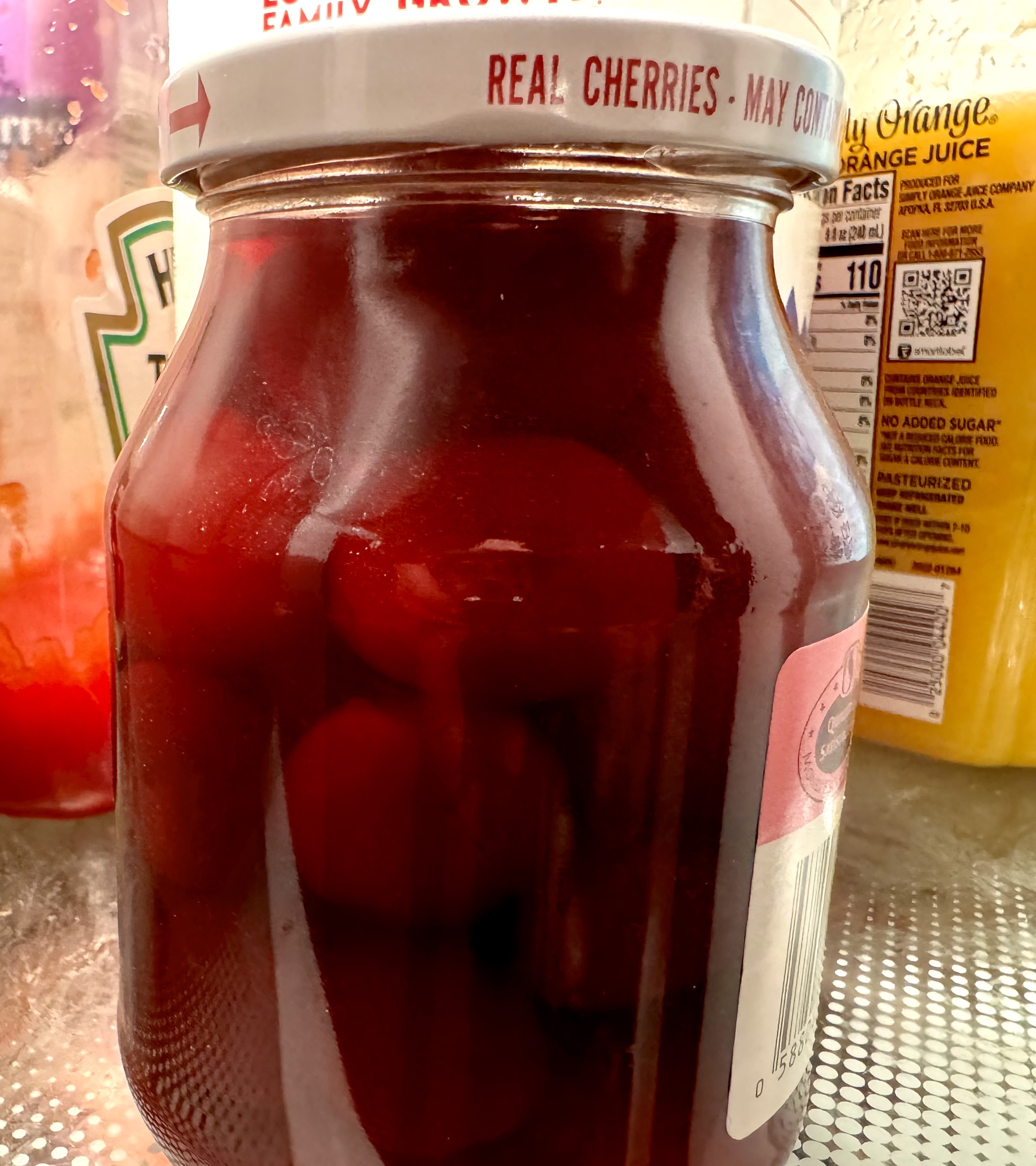
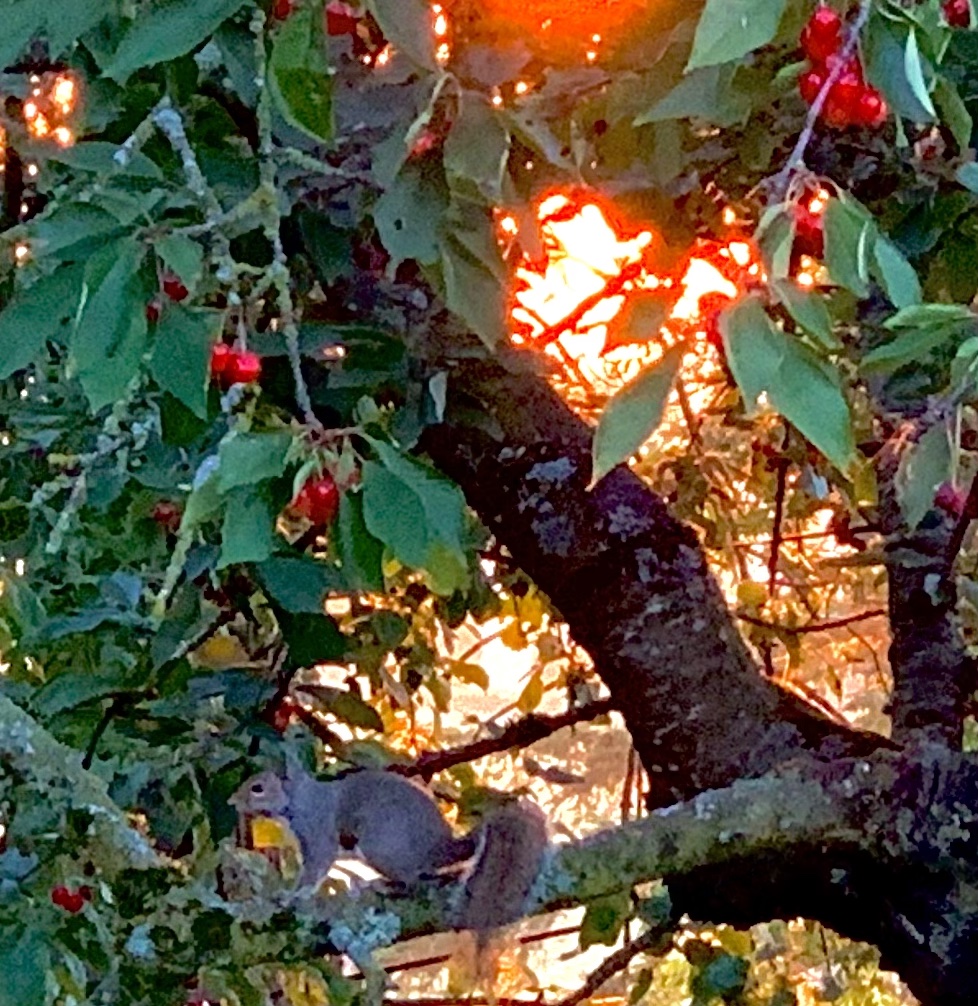
My childhood refrigerator also contained a jar of maraschino cherries. They were used only once a year, at Thanksgiving, when my mother would pull the jar out from the depths of the fridge, twist open the top and pull out four bright red cherries.

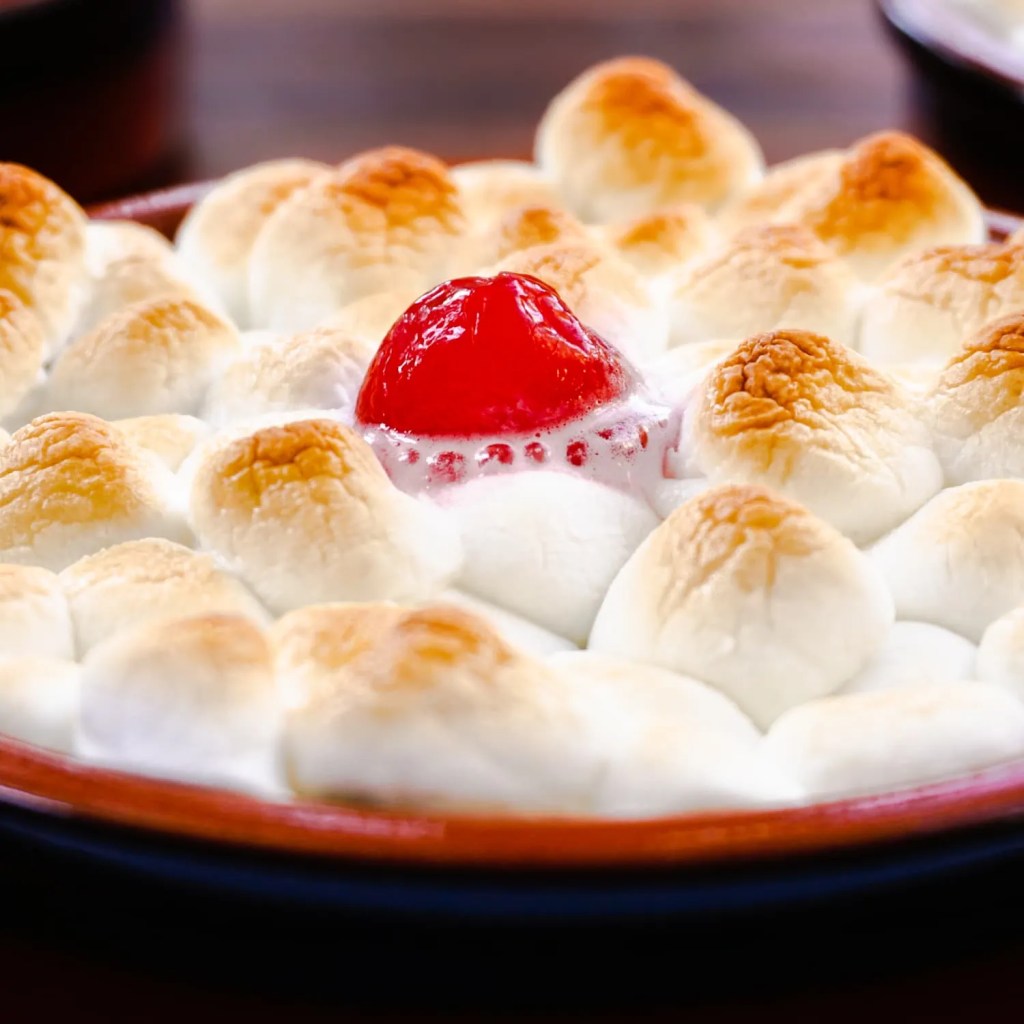
A sweet potato dish would be warming in the oven, covered by large melting marshmallows placed in the center of a ring of canned pineapple. Mom arranged the cherries, cut in half, on top of each marshmallow and replaced the dish in the oven, until the meal was ready to serve.

That was it. We never saw the cherries again for another year.

Sweet potatoes taste wonderful, all on their own, without a dressing of marshmallows and pineapples. But the special holiday tradition was set. In some magical way, the cherries dressed the dish up to help make a tense family gathering a bit jollier.

I do still have my own jar of maraschino cherries in my refrigerator. I forget why. It doesn’t have anything to do with sweet potatoes which I like to serve up plain for Sunday dinners. I possibly bought the jar out of nostalgia, or perhaps because I think every refrigerator needs a jar of maraschino cherries — kind of like the open box of baking soda that sits in most fridges to keep the odors under control.

Regardless, when I spy the jar every once in a while when rummaging in the fridge for something else, it stops time for a moment of remembrance and sadness. After all, I don’t replicate my mom’s mid-century cooking efforts of many-colored jello salads, bread-crumb-topped casseroles and… maraschino marshmallow sweet potatoes.

Even so, a daughter’s love for her mama remains irreplaceable.
One-Time
Monthly
Yearly

Make a one-time or recurring donation to support daily Barnstorming posts

Make a monthly donation

Make a yearly donation

Choose an amount

$10.00
$25.00
$50.00
$5.00
$15.00
$100.00
$5.00
$15.00
$100.00

Or enter a custom amount

$

Your contribution is deeply appreciated.

Your contribution is appreciated.

Your contribution is appreciated.

DonateDonate monthlyDonate yearly
Married to Cinnamon and Sugar Happily Ever After

The kitchen is sweet with the smell of apples,
big yellow pie apples, light in the hand,
their skins freckled, the stems knobby
and thick with bark, as if the tree
could not bear to let the apple go.
Baskets of apples circle the back door,
fill the porch, cover the kitchen table.

My mother and my grandmother are
running the apple brigade. My mother,
always better with machines, is standing
at the apple peeler; my grandmother,
more at home with a paring knife,
faces her across the breadboard.
My mother takes an apple in her hand,

She pushes it neatly onto the sharp
prong and turns the handle that turns
the apple that swivels the blade pressed
tight against the apple’s side and peels
the skin away in long curling strips that
twist and fall to a bucket on the floor.
The apples, coming off the peeler,

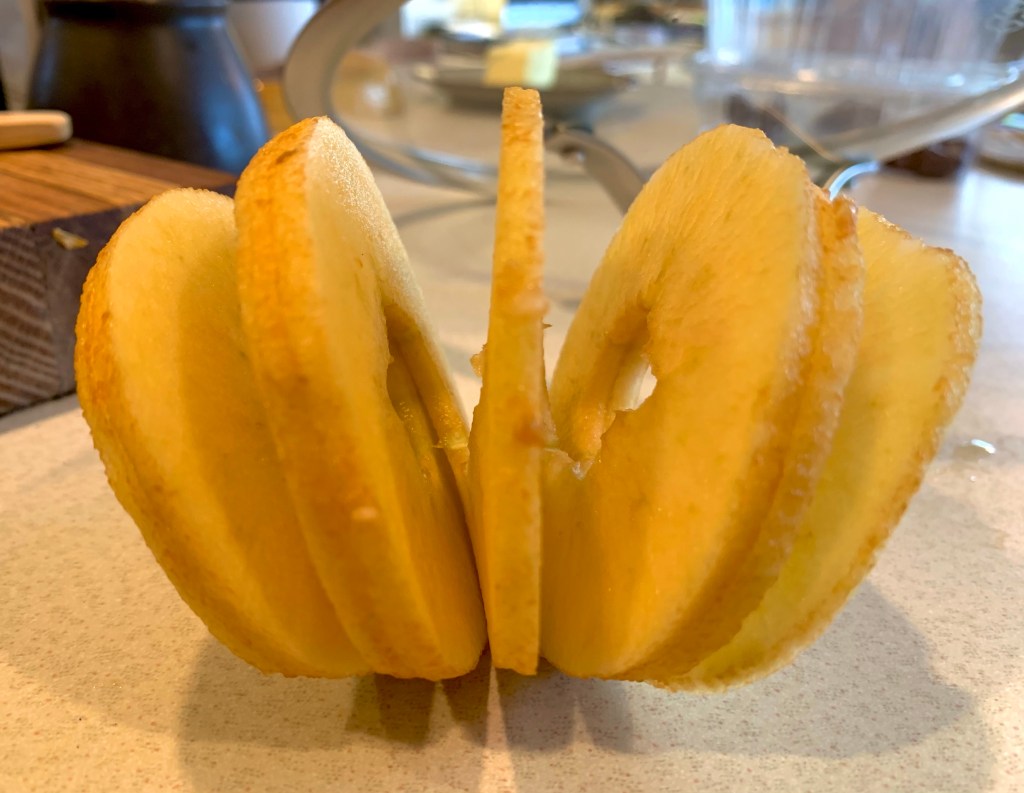
Are winding staircases, little accordions,
slinky toys, jack-in-the-box fruit, until
my grandmother’s paring knife goes slicing
through the rings and they become apple
pies, apple cakes, apple crisp. Soon
they will be married to butter and live with
cinnamon and sugar, happily ever after.
~Joyce Sutphen, “Apple Season” from Coming Back to the Body.

I liked how the starry blue lid
of that saucepan lifted and puffed,
then settled back on a thin
hotpad of steam, and the way
her kitchen filled with the warm,
wet breath of apples, as if all
the apples were talking at once,
as if they’d come cold and sour
from chores in the orchard,
and were trying to shoulder in
close to the fire. She was too busy
to put in her two cents’ worth
talking to apples. Squeezing
her dentures with wrinkly lips,
she had to jingle and stack
the bright brass coins of the lids
and thoughtfully count out
the red rubber rings, then hold
each jar, to see if it was clean,
to a window that looked out
through her back yard into Iowa.
And with every third or fourth jar
she wiped steam from her glasses,
using the hem of her apron,
printed with tiny red sailboats
that dipped along with leaf-green
banners snapping, under puffs
of pale applesauce clouds
scented with cinnamon and cloves,
the only boats under sail
for at least two thousand miles.
~Ted Kooser “Applesauce”

Politics is applesauce.
~Will Rogers

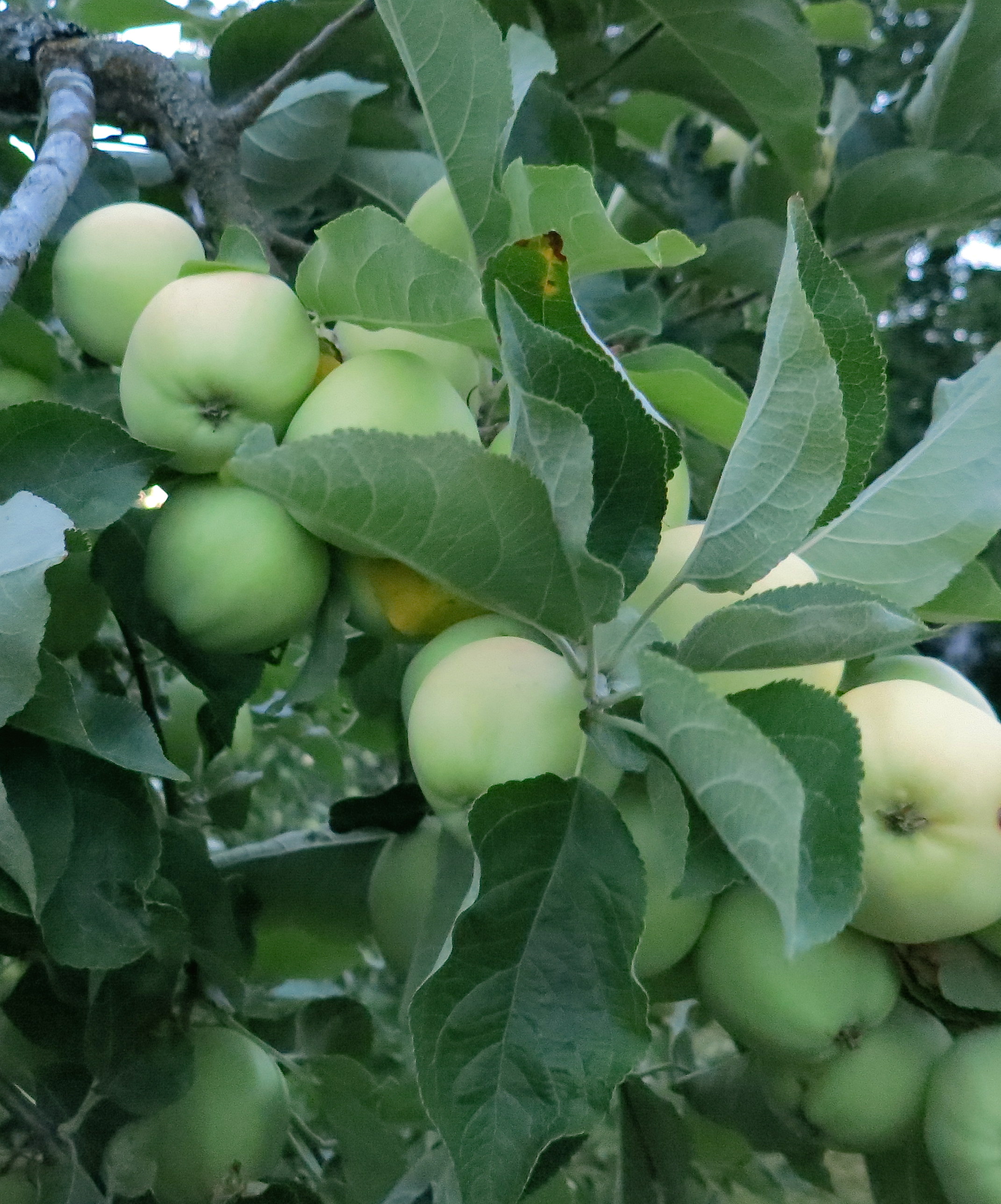
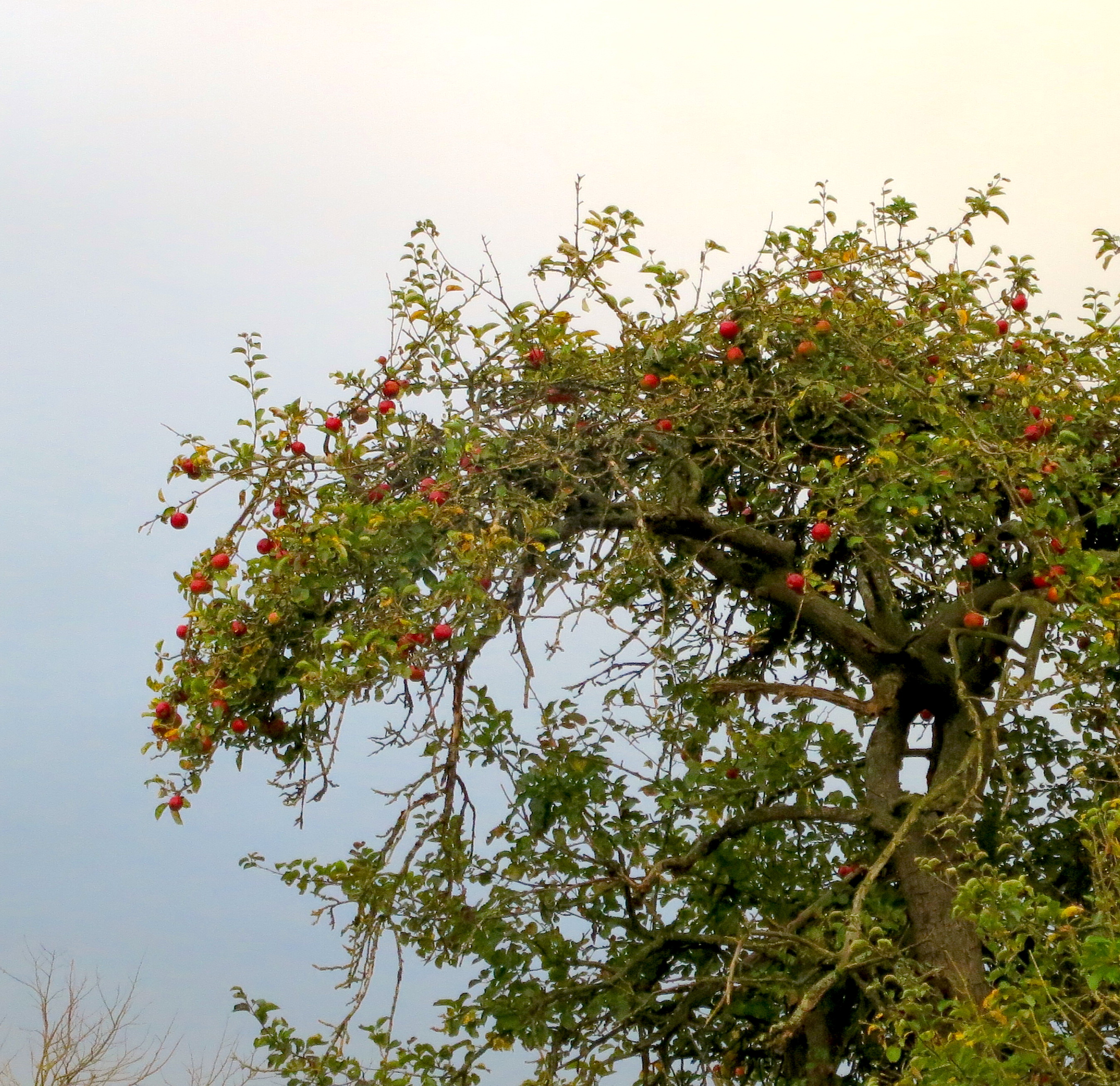
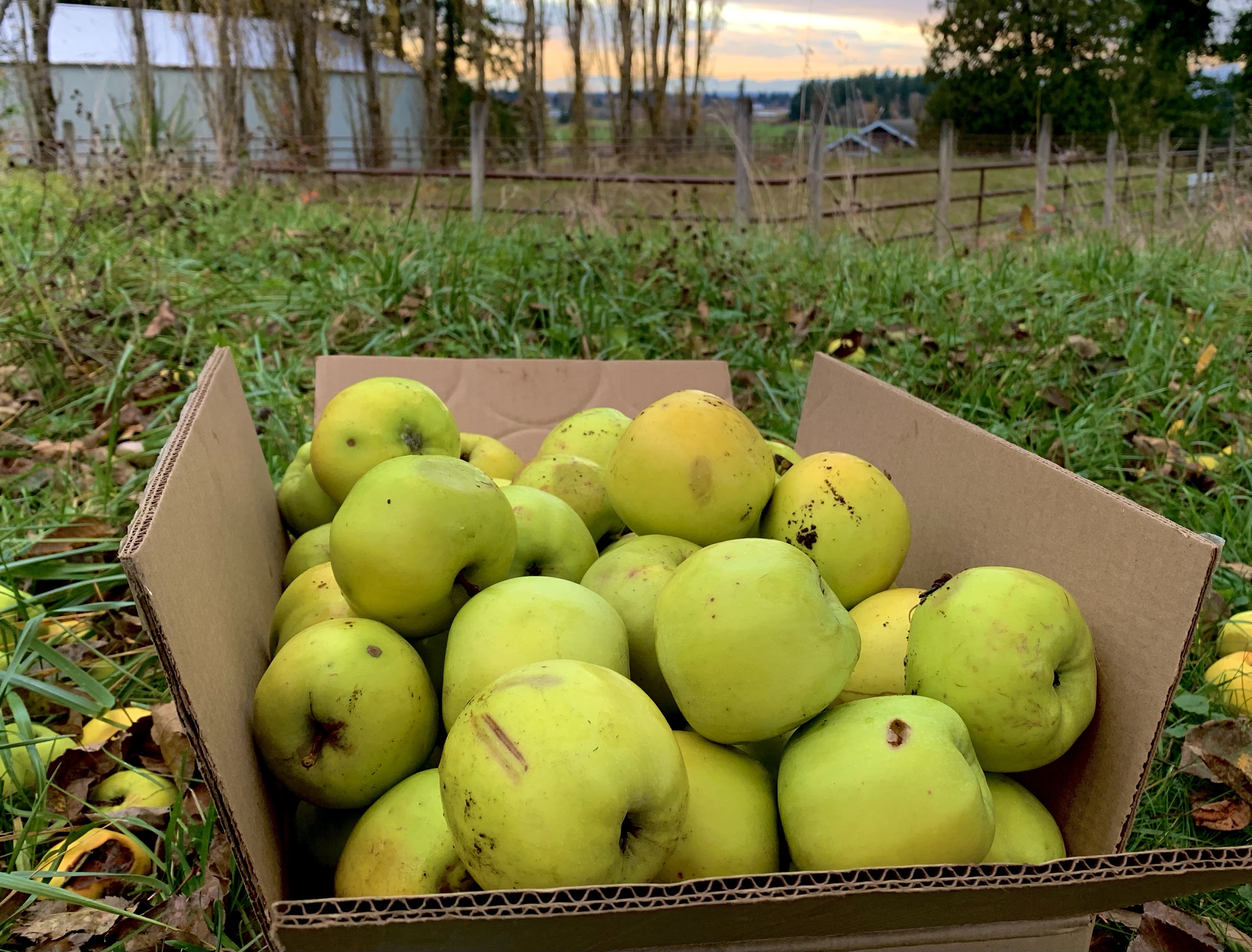
Yesterday was applesauce-making day on our farm. The number of windfall apples lying on the ground is exponentially increasing, so I could put off the task no longer. The apple trees in our orchard are primarily antique varieties rarely grown any longer. I selected Spitzenburgs, a favorite apple of Thomas Jefferson, a Baldwin or two, some Pippins, a few Kings, and some Dutch Mignons, a russet apple undistinguished in appearance, not at all pretty, and easy to pass by for something more showy.

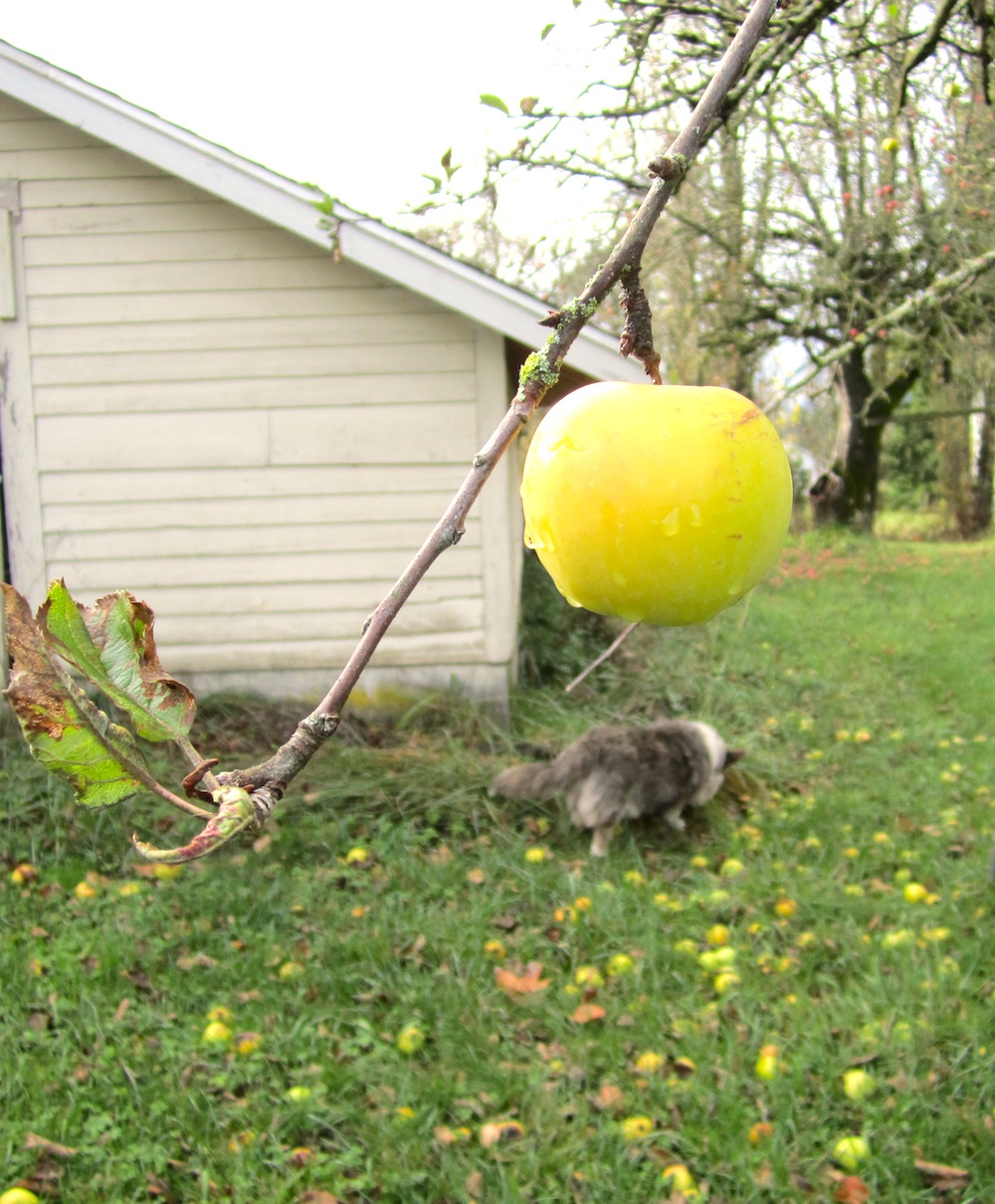
It took no time at all to fill several large boxes. Sadly, some apples were beyond hope; they lay rotting, half consumed by hornets, slugs, deer, raccoons and other critters so I let them be.

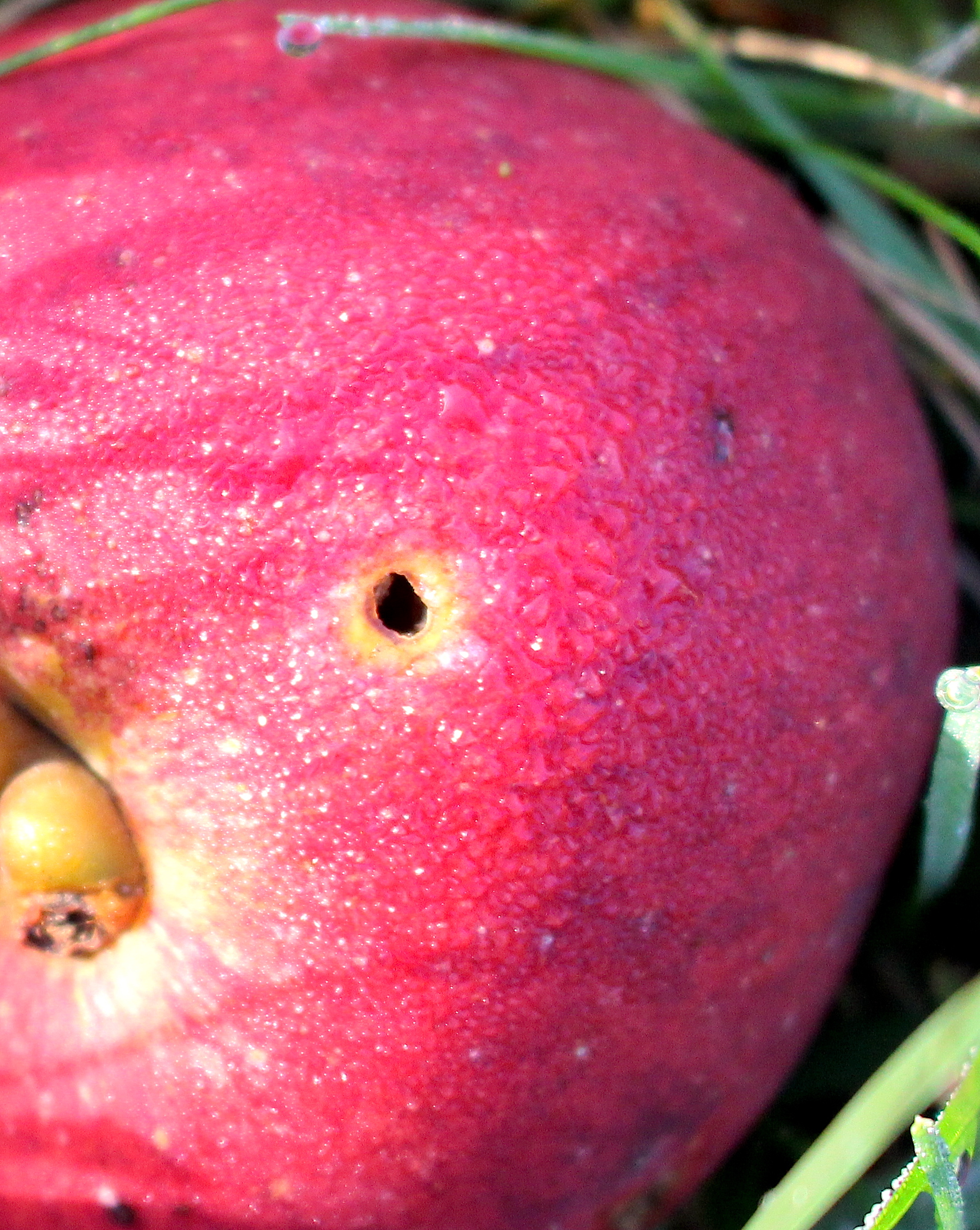
The task of washing, peeling and coring organic apples is time consuming. They require a fair amount of preparation: the bruised spots must be cut out, as well as the worm holes and tracks. The apples are cut to the core and sliced into the simmering pot to be stirred and slowly cooked down to sauce. Before long, before my eyes, together they become a pale yellow mash, blending their varied flavors together. However the smooth sweetness of this wonderful sauce is owed to the Dutch Mignon. It is a sublime sauce apple despite its humble unassuming appearance. Used alone, it would lack the “stand out” flavors of the other apple varieties, but as it cooks down, it becomes a foundation allowing the other apples to blend their unique qualities.

If I’m feeling really homespun, I marry the sublime with cinnamon and sugar, to create something happily ever after.

So it should be with the fellowship of diverse people and so should it be after a painful political season. We are bruised, wormy, but salvageable. We are far better together than we are separate. And through the process, with perhaps a sprinkle of cinnamon and sweetness, we are transformed into something far better than how we began.

The Cathedral to Memory


transparents


appledylan


I planted an apple tree in memory
of my mother, who is not gone,
 
but whose memory has become
so transparent that she remembers
 
slicing apples with her grandmother
(yellow apples; blue bowl) better than
 
the fruit that I hand her today. Still,
she polishes the surface with her thumb,
 
holds it to the light and says with no
hesitation, Oh, Yellow Transparent . . .

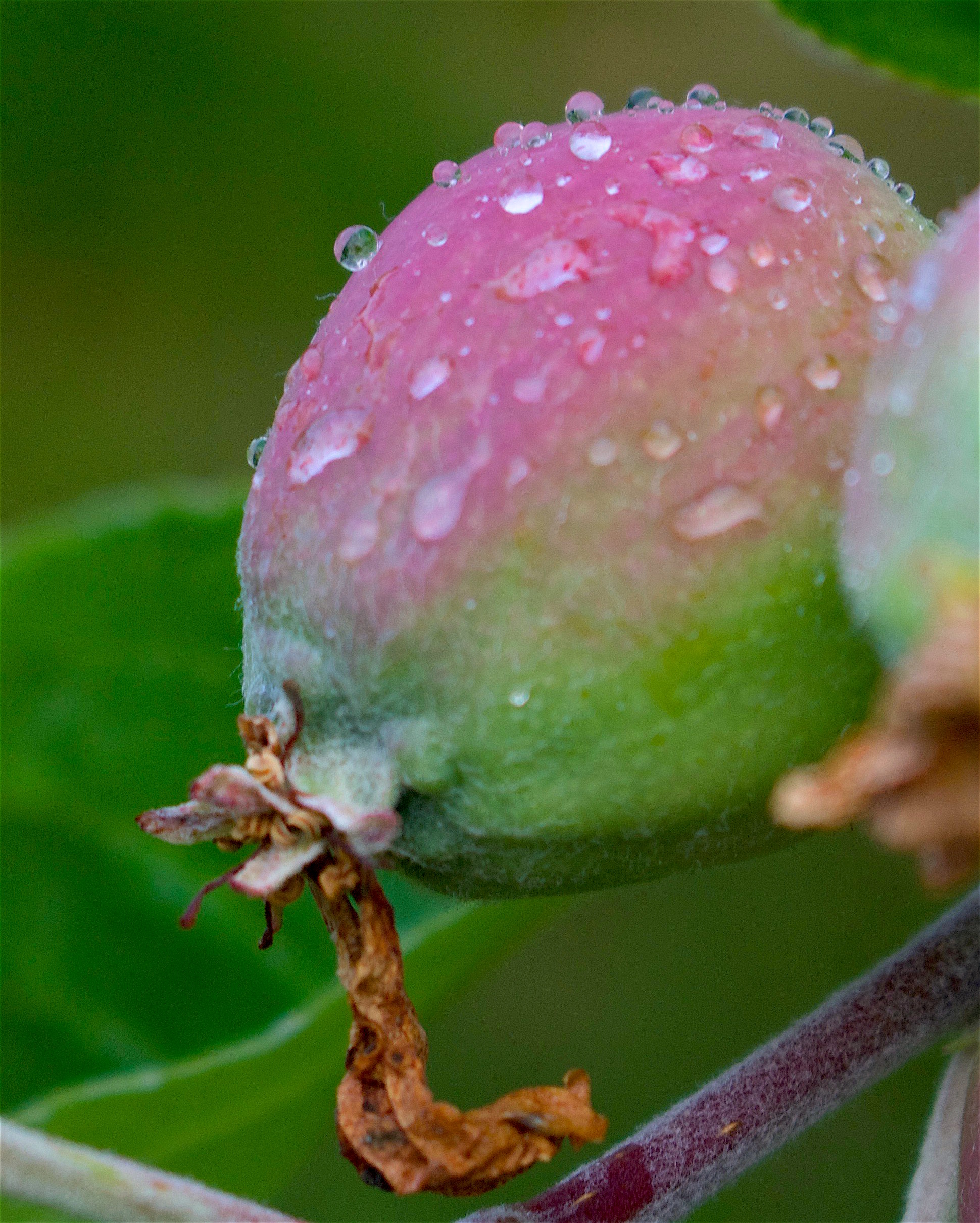
they’re so fragile, you can almost see
to the core. She no longer remembers how
 
to roll the crust, sweeten the sauce, but
her desire is clear—it is pie that she wants.
 
And so, I slice as close as I dare to the core—
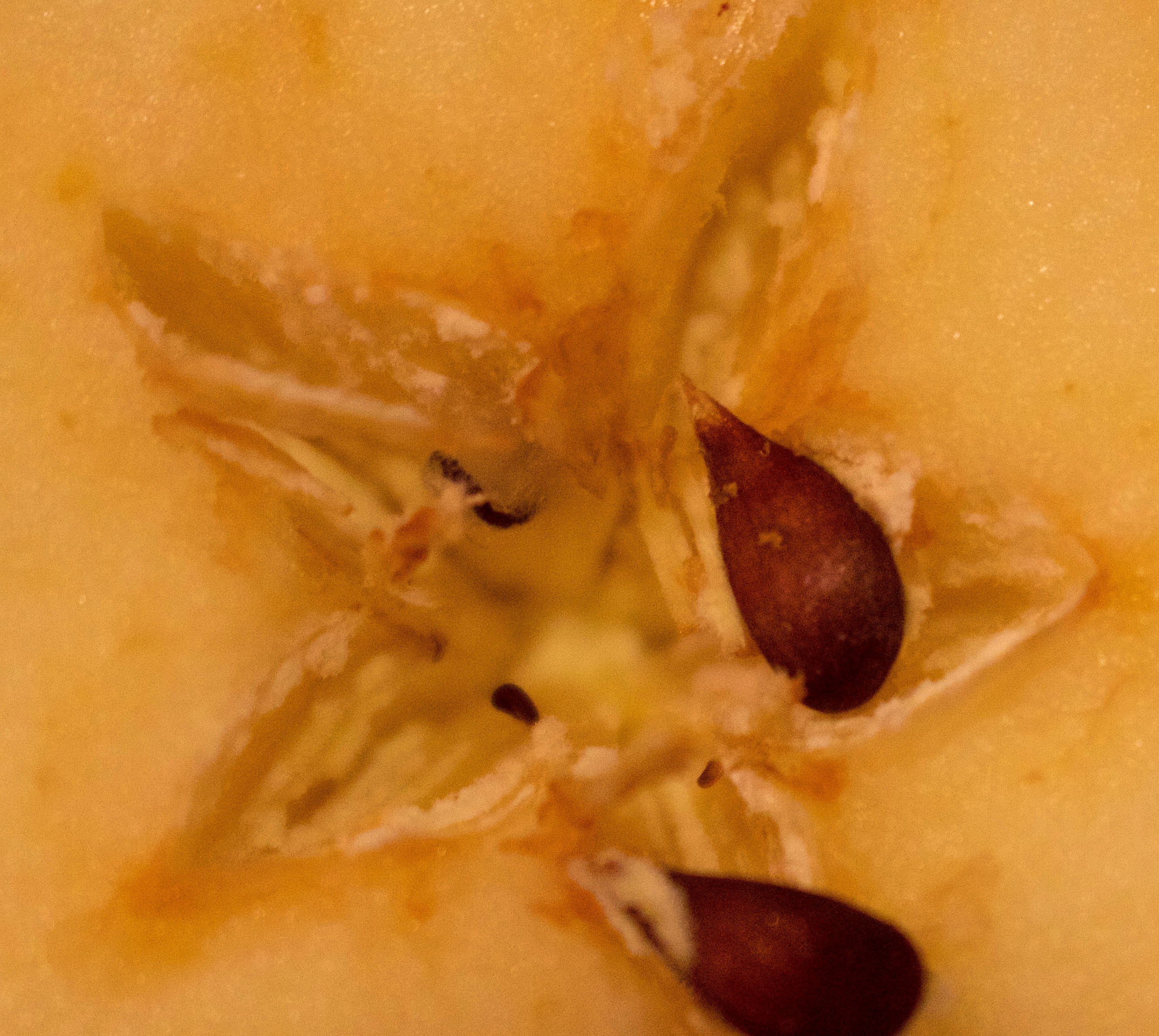
to that little cathedral to memory—where
 
the seeds remember everything they need
to know to become yellow and transparent.
~Catherine Essinger “Summer Apples”  from What I Know About Innocence


appleseeds


A seed hidden in the heart of an apple is an orchard invisible. 
~Welsh Proverb


applesauce


It is at late summer and harvest time when I most clearly remember my mother – she is standing for hours at the kitchen sink peeling yellow transparent apples, readying them for sauce, and always a pie.

The apples were only part of her daily work:  she canned quarts and quarts of green beans, peeled the peaches and pears for canning, sauced the plums, pickled the cucumbers, jammed the strawberries and raspberries, syruped the blackberries, froze the blueberries, cut the kernels off the corn cobs, baked up the zucchini into breads and cakes, dried the filberts, dug and stored the potatoes,  dehydrated the tomatoes.

Over the years I’ve stood by the sink and the stove and have done what my mother used to do, usually not as well but with the same mission of preserving what I can for another day.  We have been fed from our summer labors.

I know well these trees and vines from which the fruit grows.  I plant the seeds which somehow know to produce when tended and nurtured.  I stand and peel and wash and boil and stir as this is what generations of my family’s women did before me.

May it ever be.


applesauce


rainytransparent2

Talking Apples

wormhole

applesauce

I liked how the starry blue lid
of that saucepan lifted and puffed,
then settled back on a thin
hotpad of steam, and the way
her kitchen filled with the warm,
wet breath of apples, as if all
the apples were talking at once,
as if they’d come cold and sour
from chores in the orchard,
and were trying to shoulder in
close to the fire. She was too busy
to put in her two cents’ worth
talking to apples. Squeezing
her dentures with wrinkly lips,
she had to jingle and stack
the bright brass coins of the lids
and thoughtfully count out
the red rubber rings, then hold
each jar, to see if it was clean,
to a window that looked out
through her back yard into Iowa.
And with every third or fourth jar
she wiped steam from her glasses,
using the hem of her apron,
printed with tiny red sailboats
that dipped along with leaf-green
banners snapping, under puffs
of pale applesauce clouds
scented with cinnamon and cloves,
the only boats under sail
for at least two thousand miles.
~Ted Kooser “Applesauce”

appleoctober