Stretching Out Time

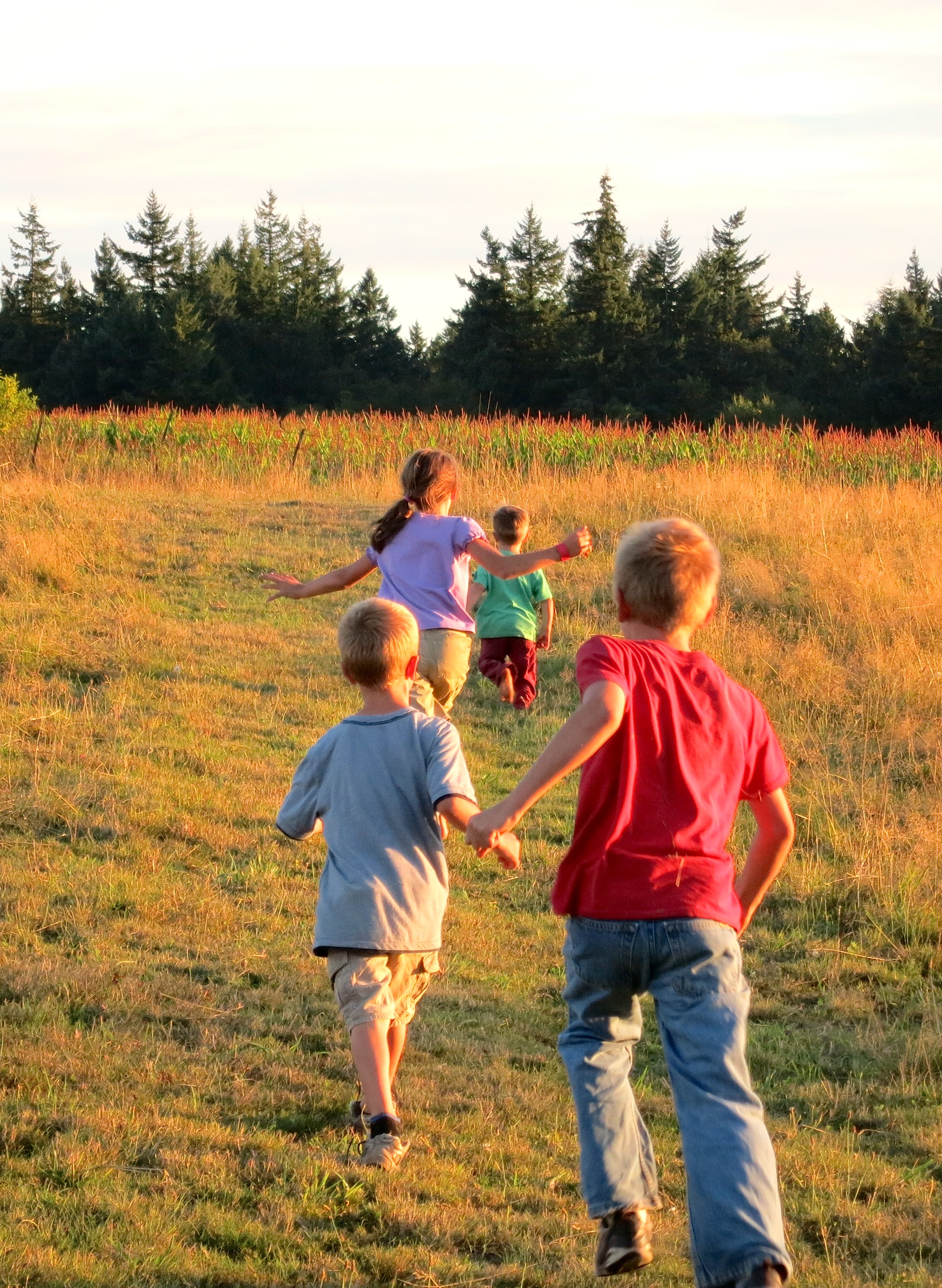
… if you ran, time ran. You yelled and screamed and raced and rolled and tumbled and all of a sudden the sun was gone and the whistle was blowing and you were on your long way home to supper. When you weren’t looking, the sun got around behind you! The only way to keep things slow was to watch everything and do nothing! You could stretch a day to three days, sure, just by watching!
~Ray Bradbury from Dandelion Wine

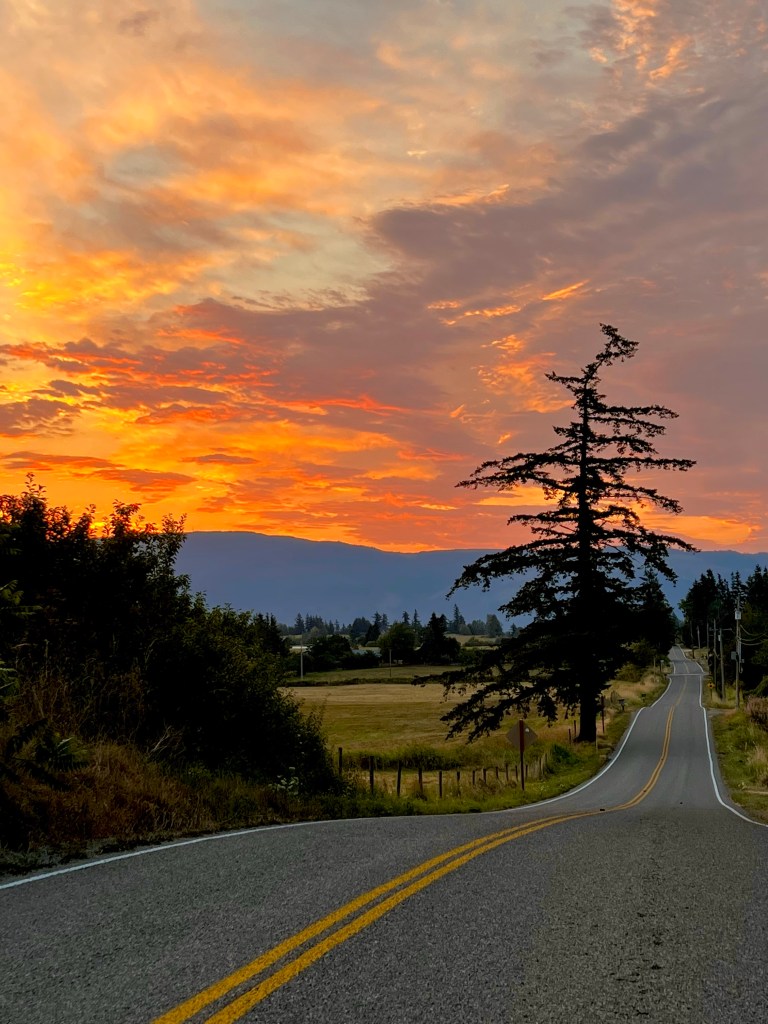
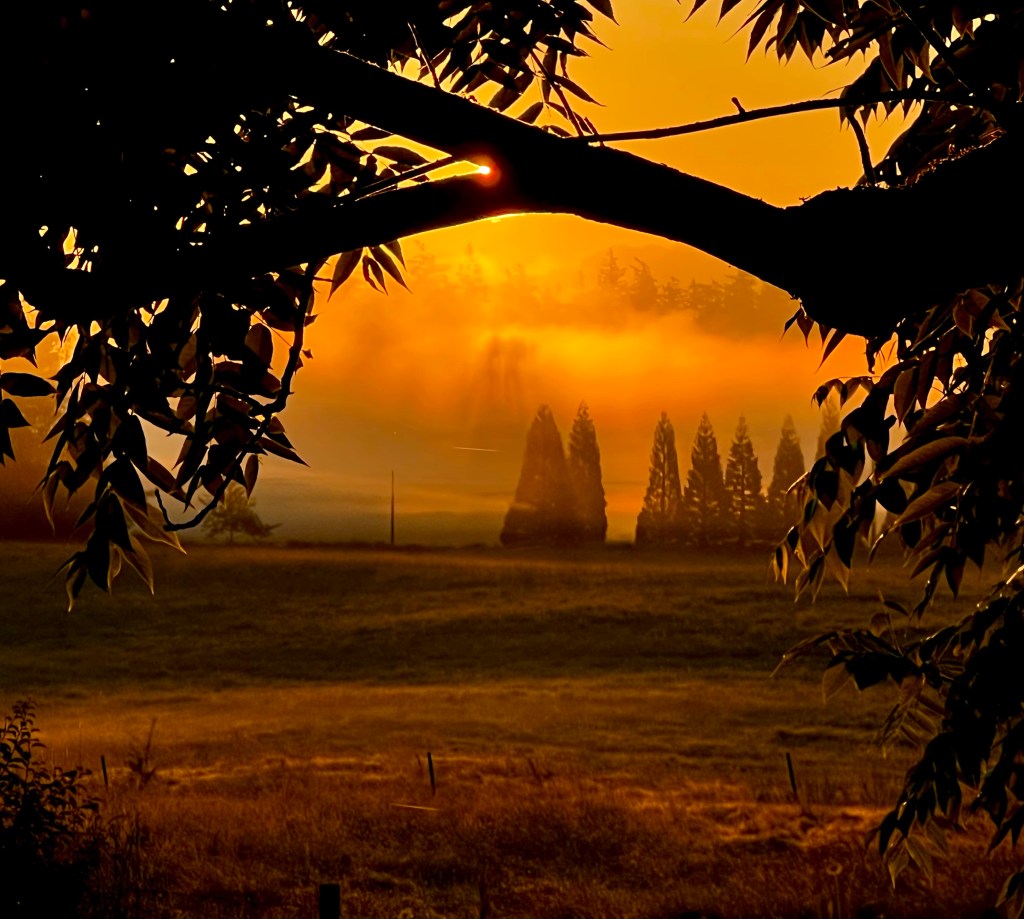
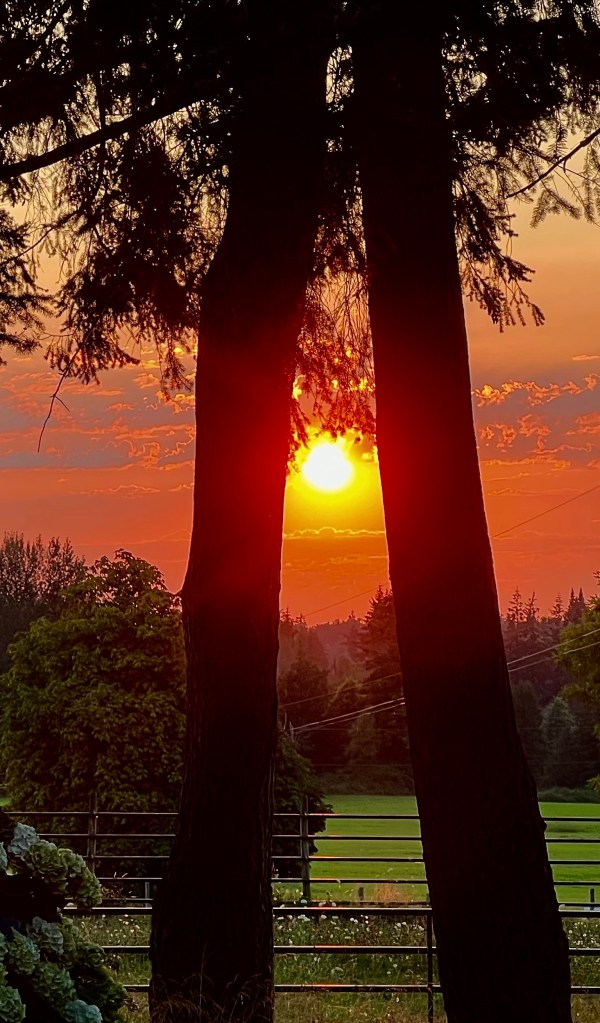
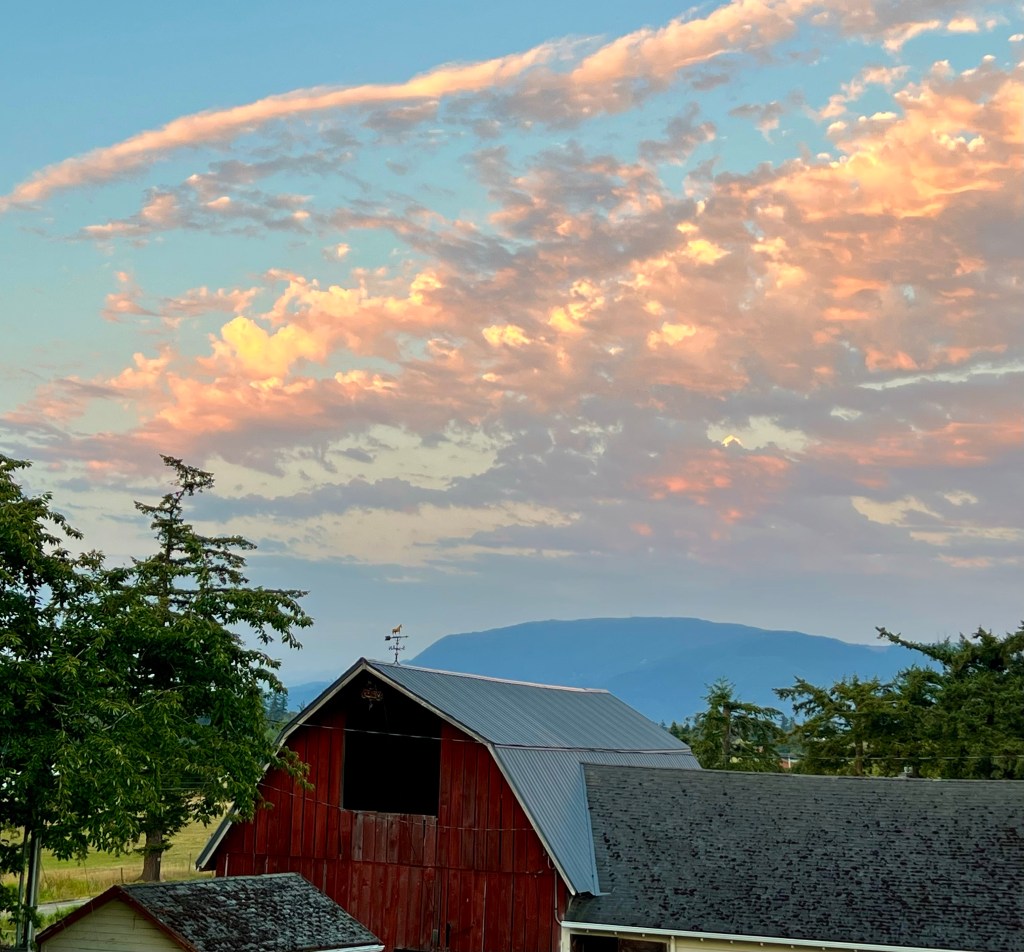
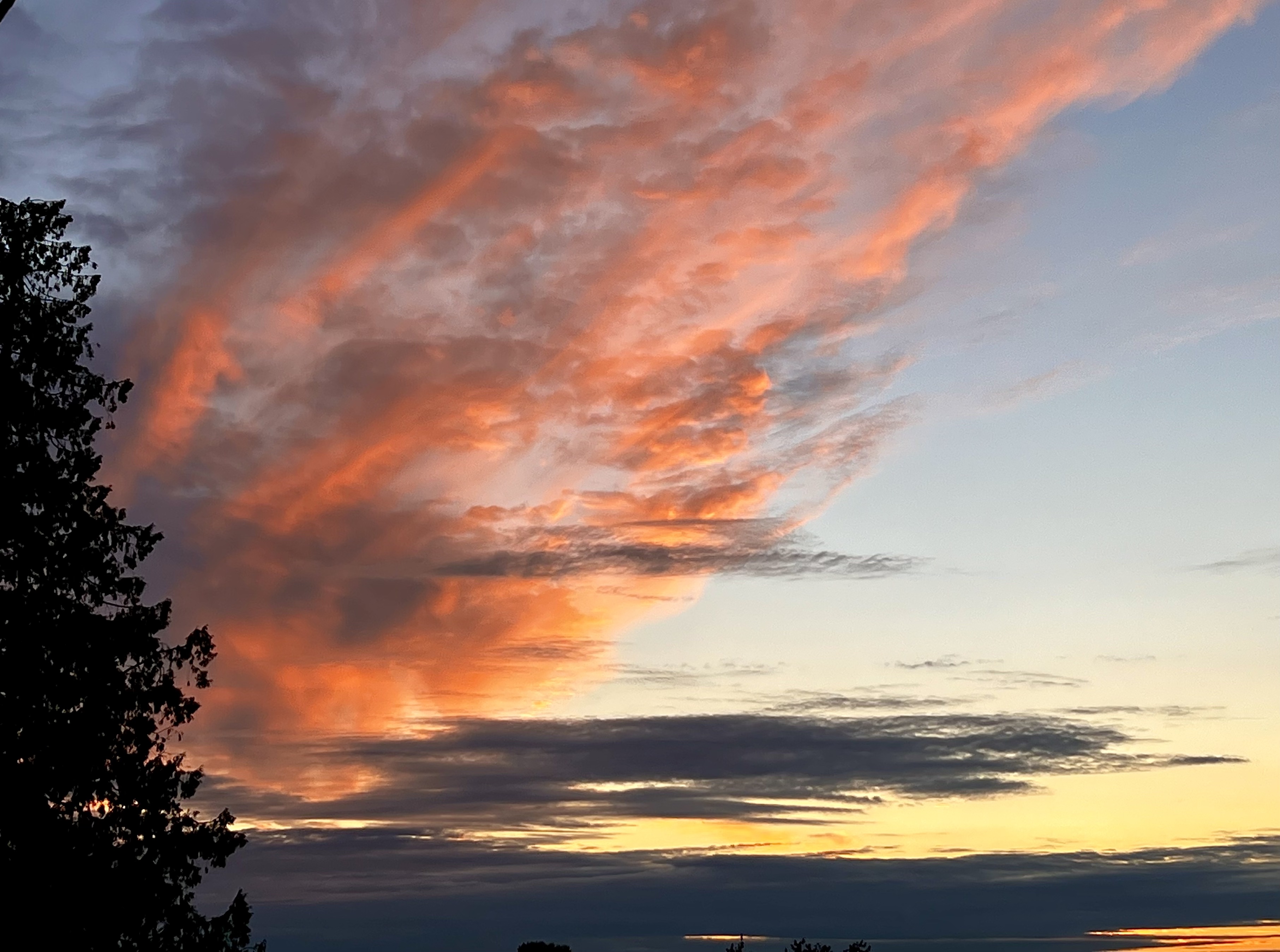
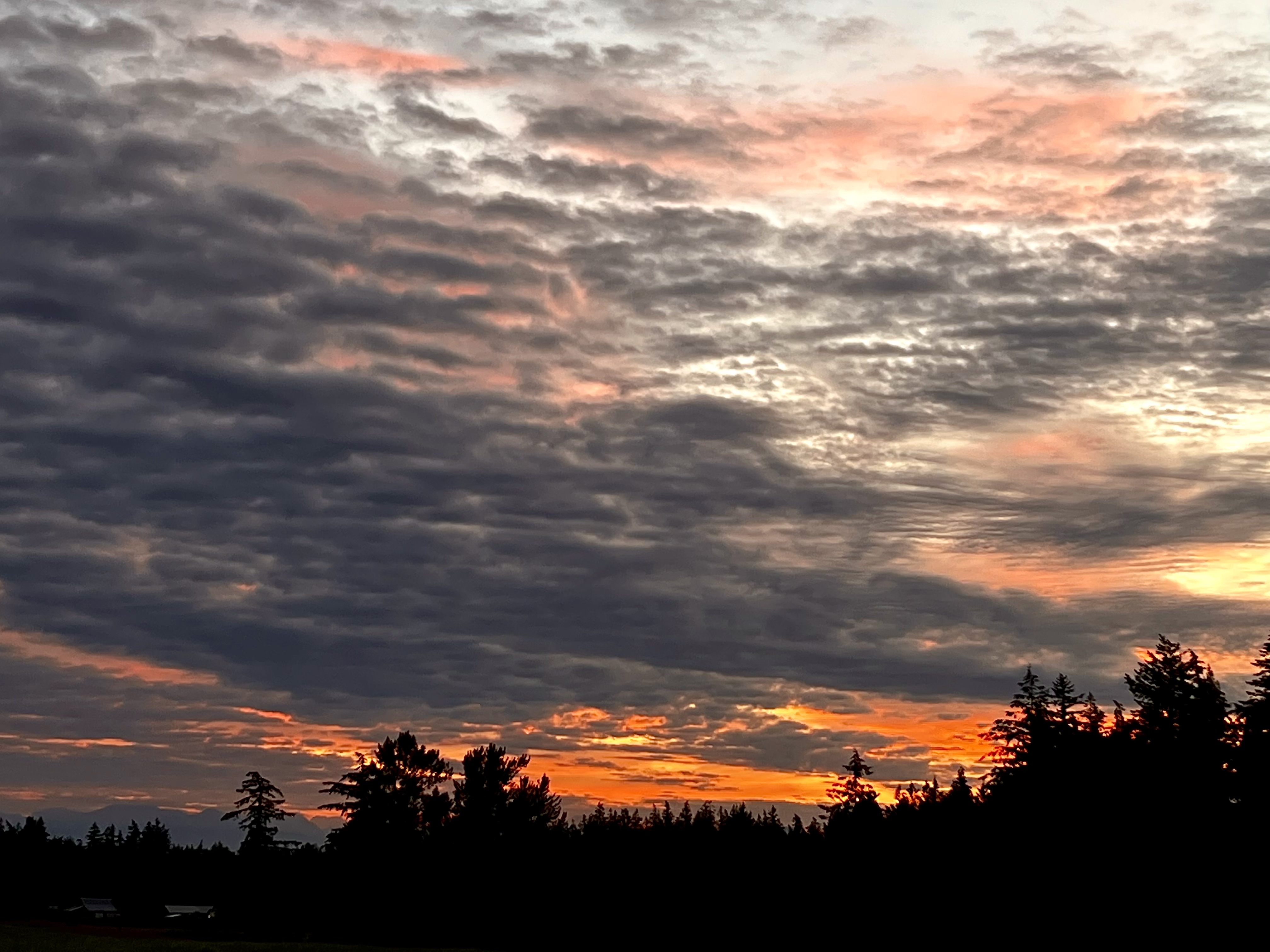
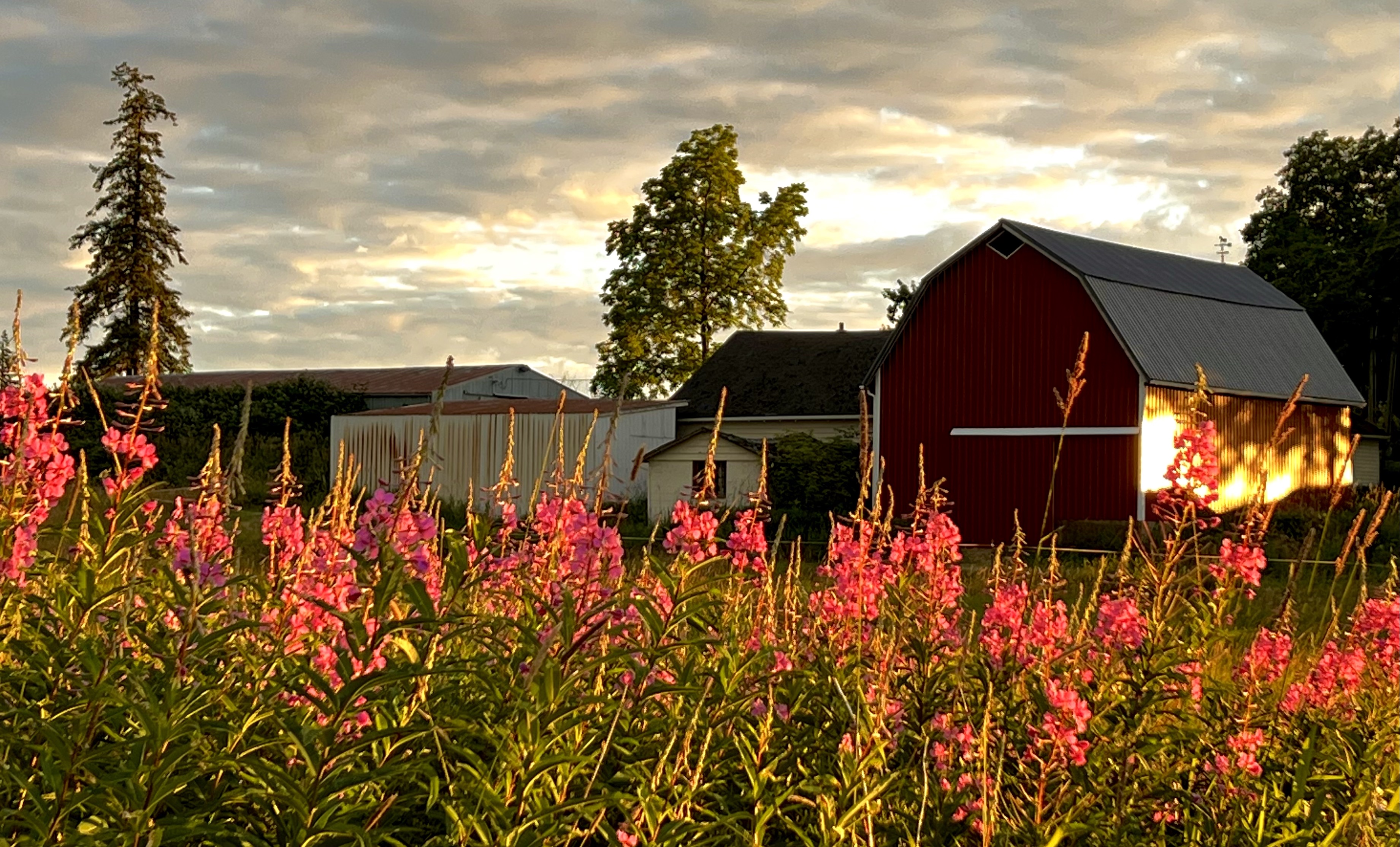
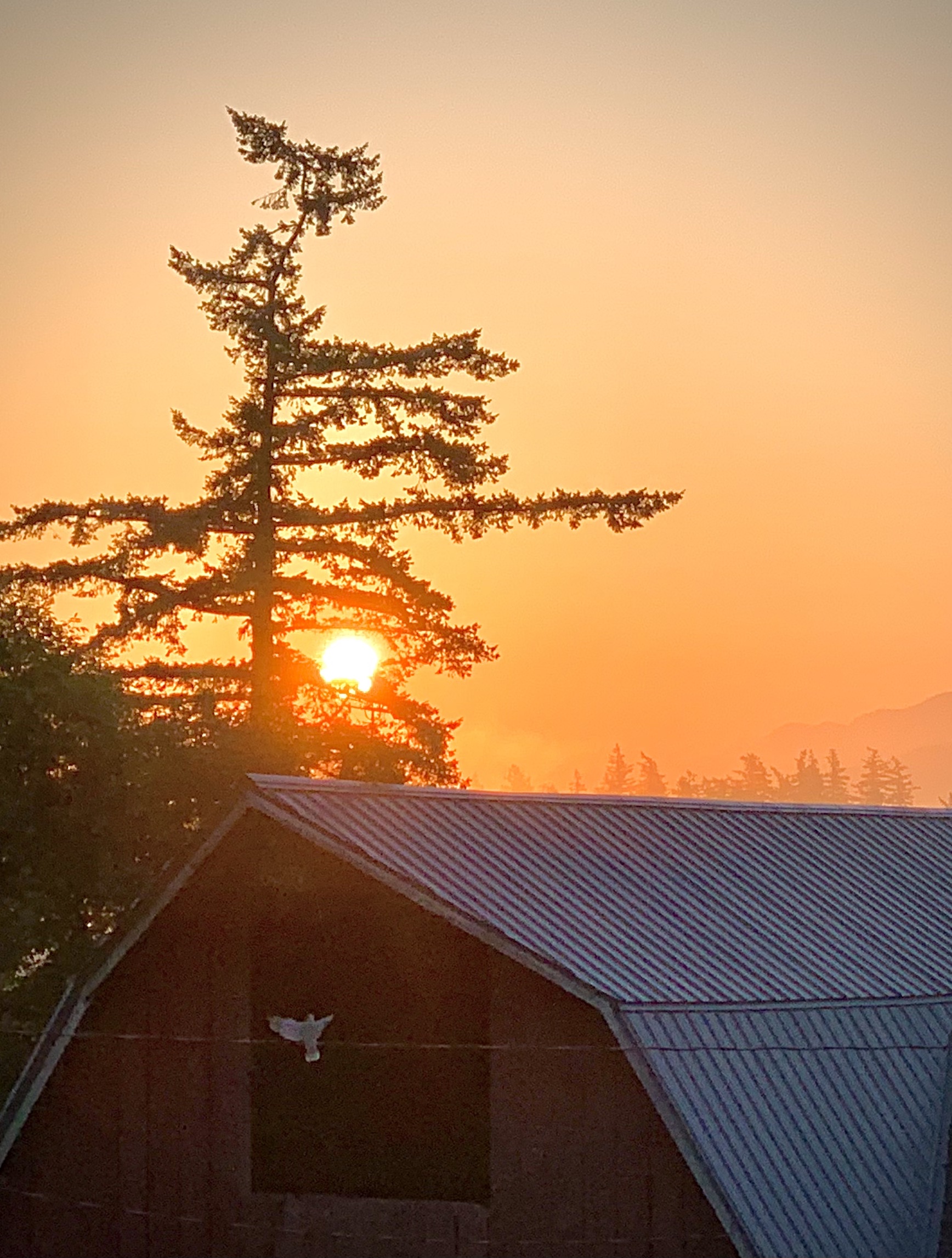
Late summer is a time to slow down and just watch, to stretch the days out as long as possible.

I have a tendency to race through the hours granted to me, heedless of the rising sun at dawn or it settling low behind me in the evening. I don’t want to surrender the day of the months to the advancing march of darkness.

So I choose for now to be observer and recorder rather than runner and racer, each moment preserved like so many jars of sweet jam on a pantry shelf.

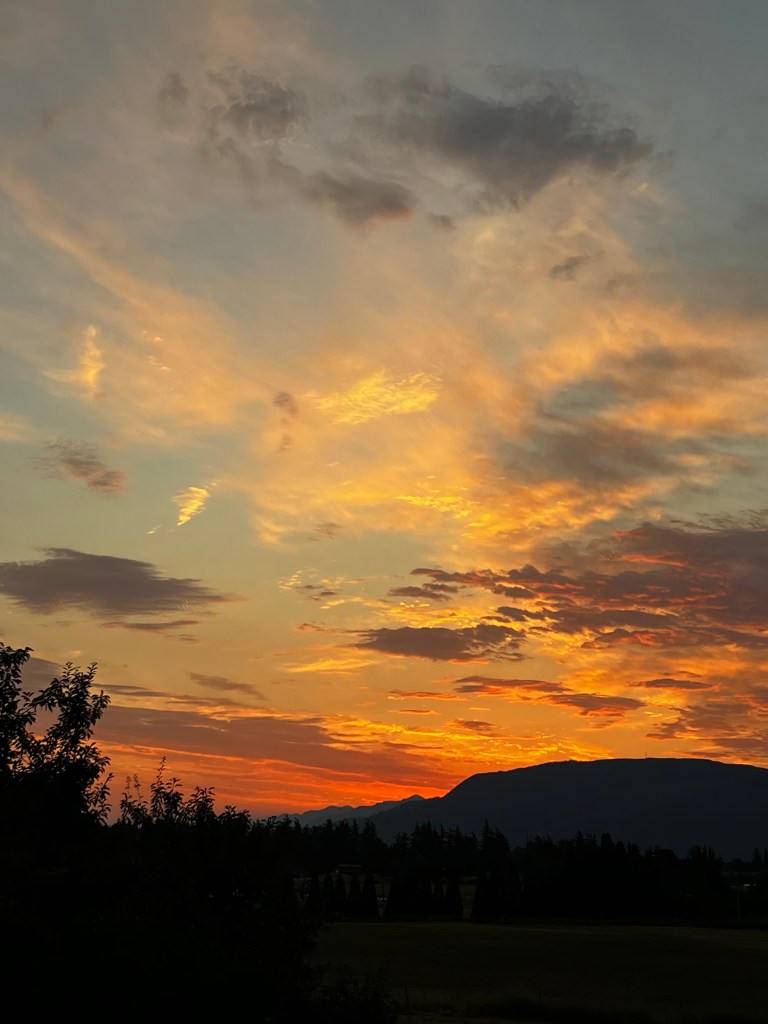
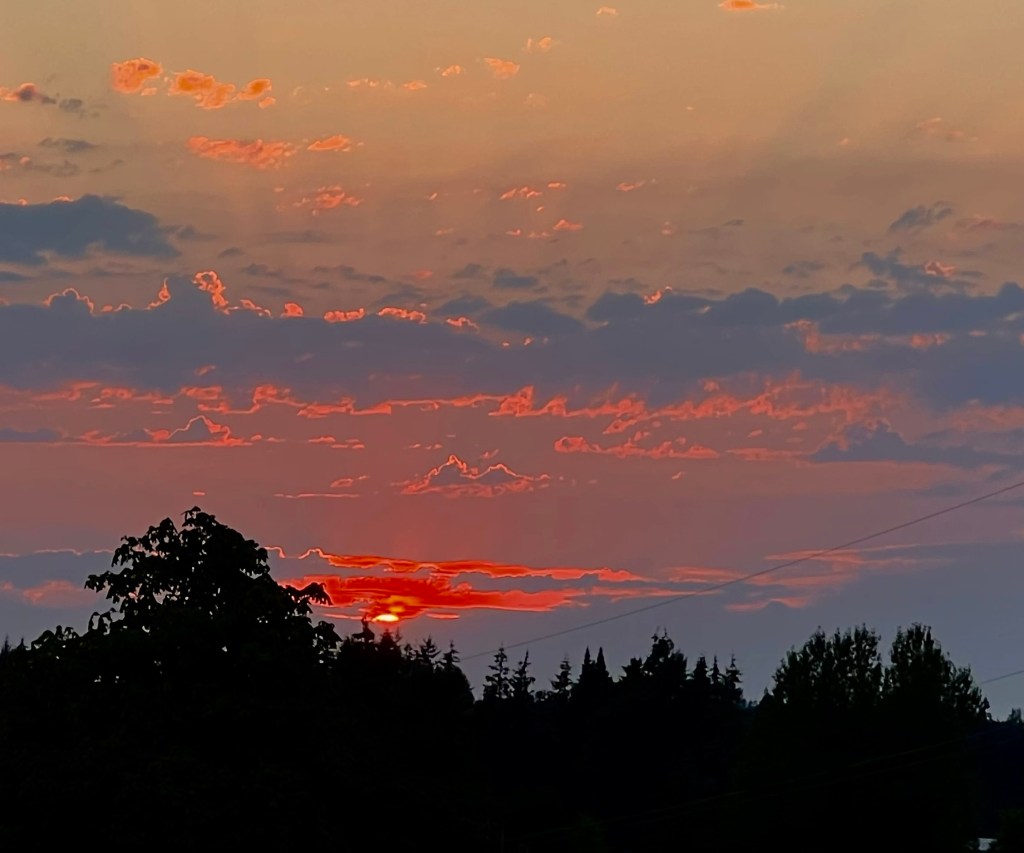
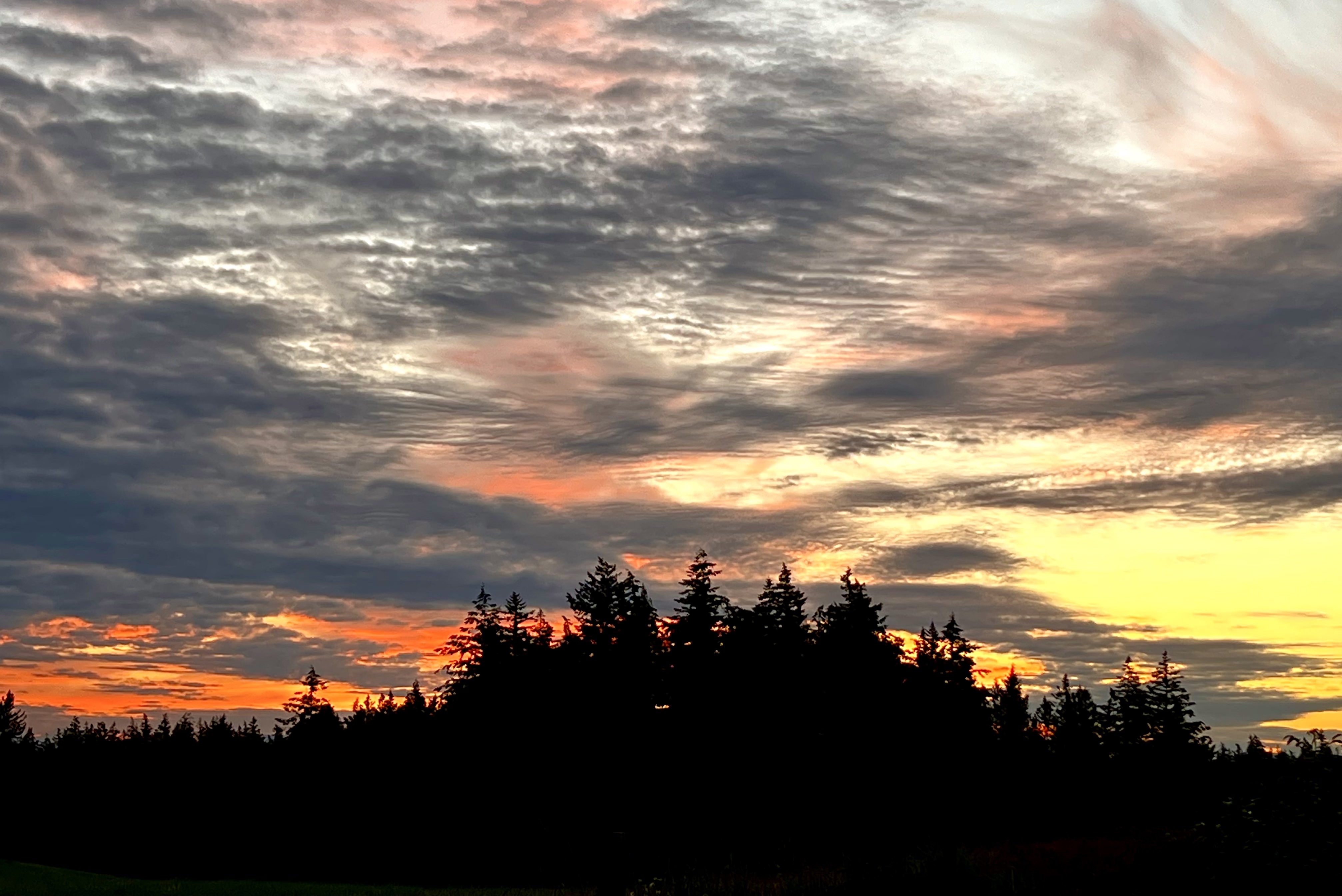
The sun may be setting, but I need it to take its time.

One-Time
Monthly
Yearly

Make a one-time or recurring donation to support daily Barnstorming posts

Make a monthly donation

Make a yearly donation

Choose an amount

¤5.00
¤10.00
¤20.00
¤5.00
¤15.00
¤100.00
¤5.00
¤15.00
¤100.00

Or enter a custom amount

¤

Your contribution is deeply appreciated.

Your contribution is appreciated.

Your contribution is appreciated.

DonateDonate monthlyDonate yearly

Astonished

It’s an early summer day, going to be a hot one.
I’m away from home, I’m working; the sky is solidly blue
with just a chalk smear of clouds. So why this melancholy?
Why these blues? Nothing I’ve done seems to matter; I
could leave tomorrow and no one would notice, that’s how
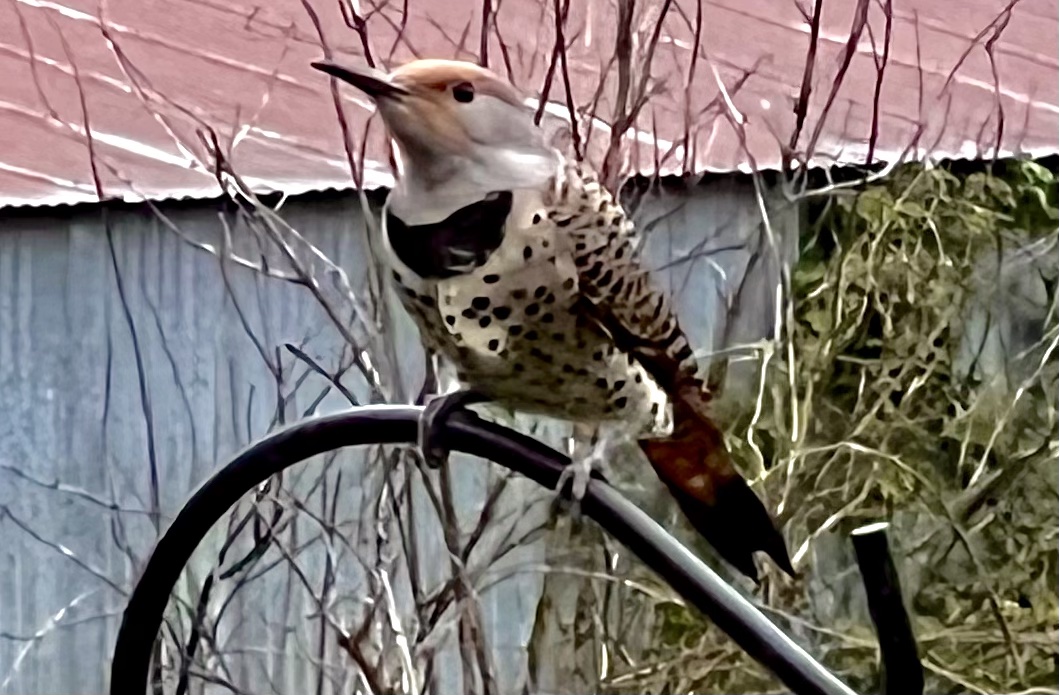
invisible I feel. But look, there’s a pair of cardinals
on the weathered table, pecking at sunflower seeds
which I’ve brought from home. They don’t seem
particularly grateful. Neither does the sky, no matter
how I transcribe it. I wanted to do more in this life,
not the elusive prizes, but poems that astonish. A big flashy jay
lands on the table, scattering seeds and smaller birds.
They regroup, continue to hunt and peck on the lawn.
~Barbara Crooker, “Melancholia” from Some Glad Morning

When despair for the world grows in me
and I wake in the night at the least sound
in fear of what my life and my children’s lives may be,
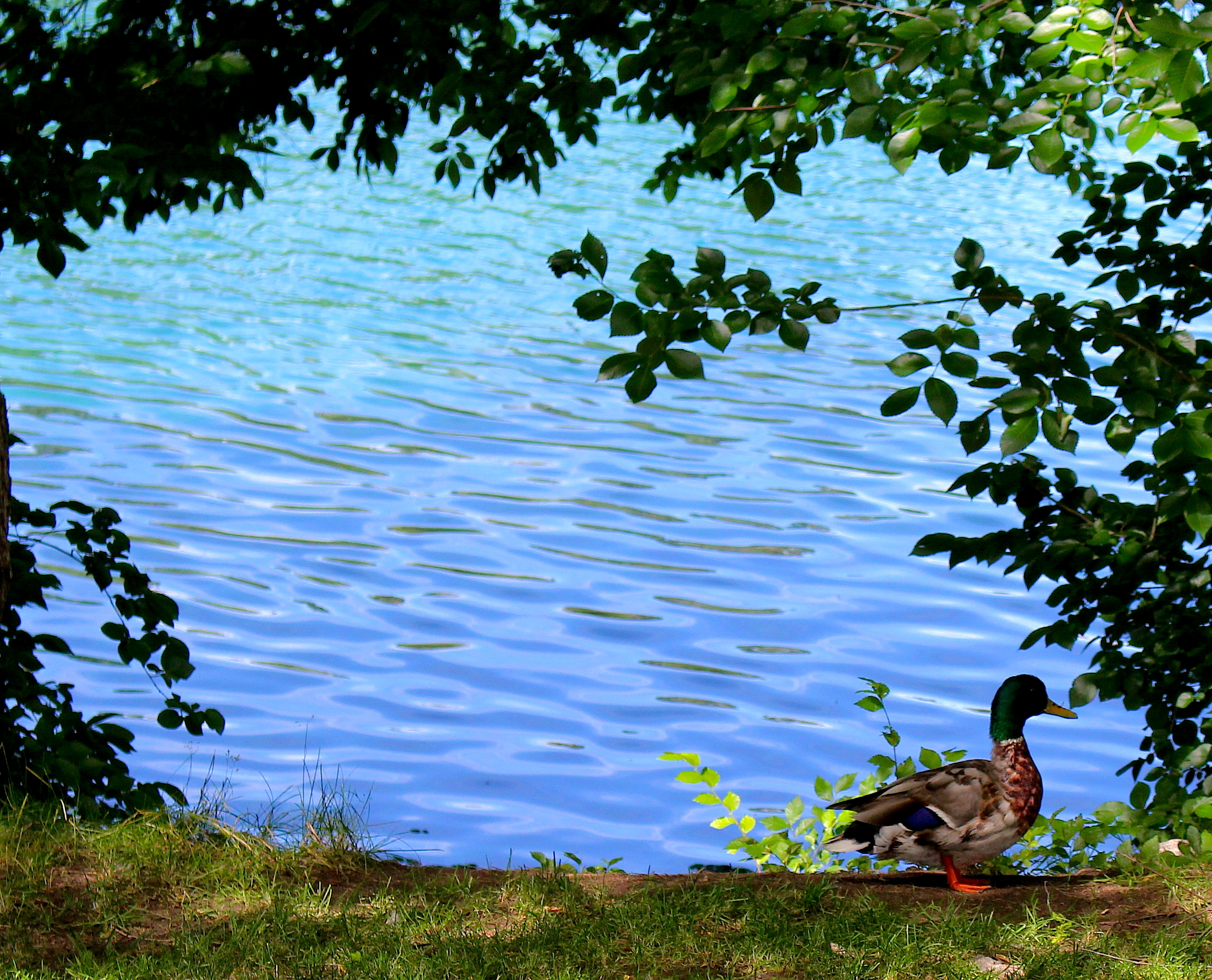
I go and lie down where the wood drake
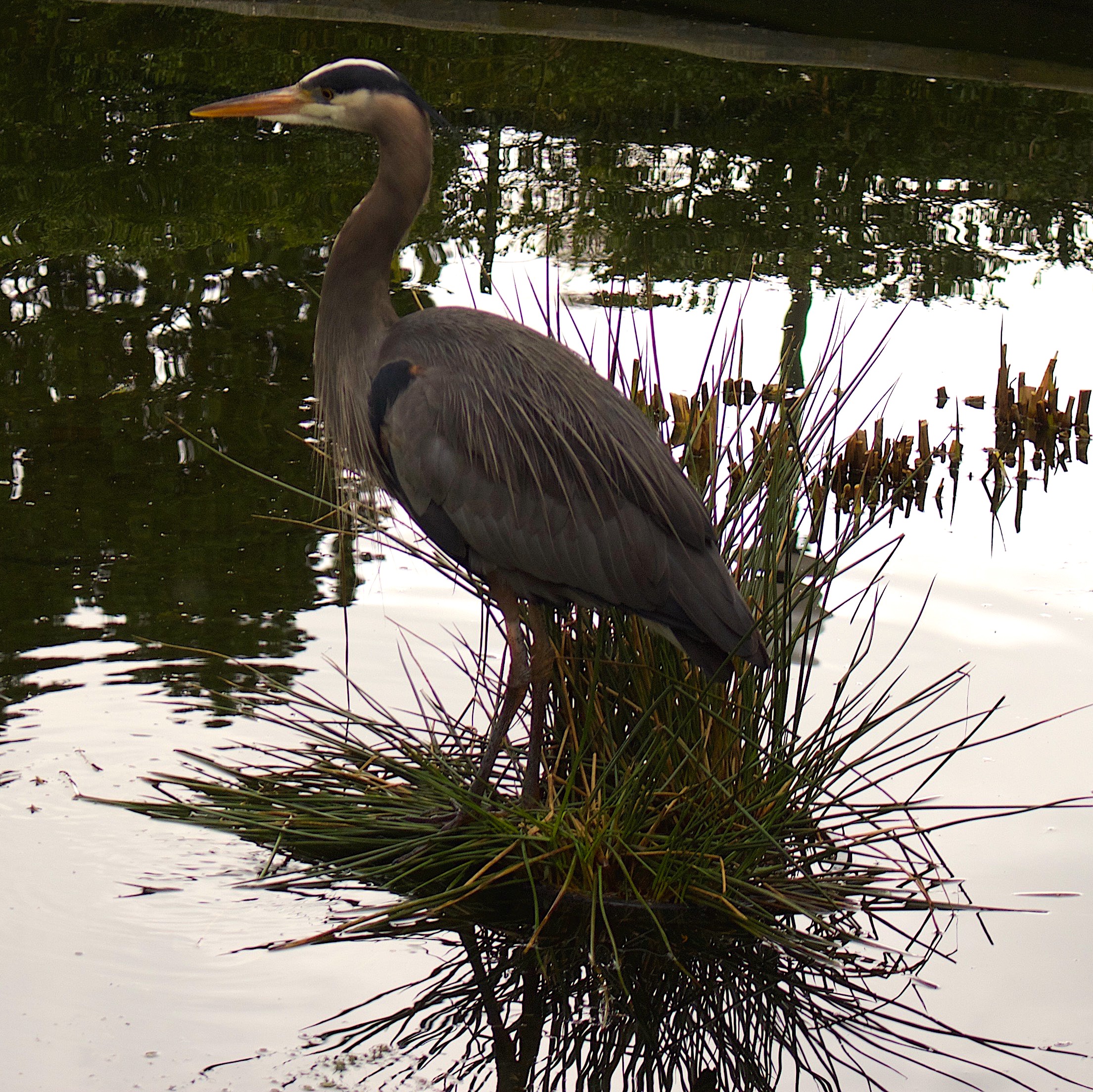
rests in his beauty on the water, and the green heron feeds.

I come into the peace of wild things
who do not tax their lives with forethought
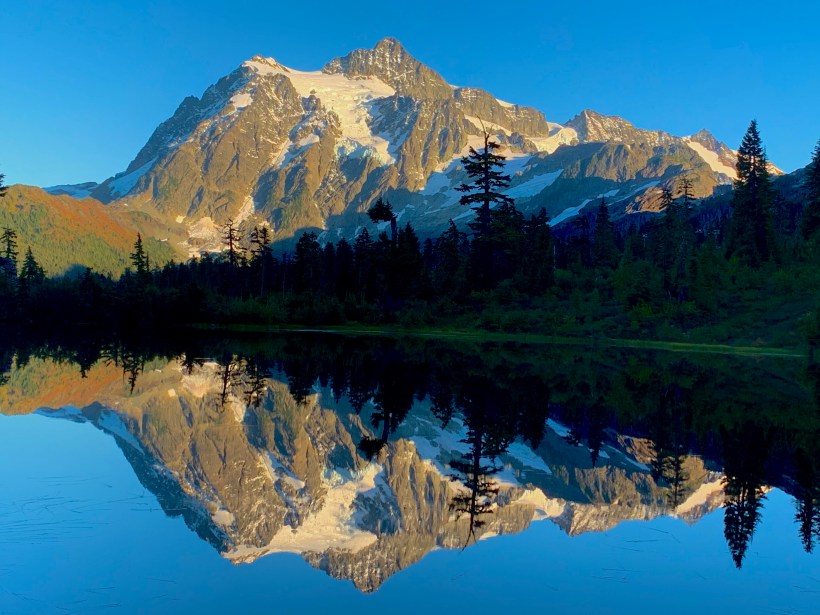
of grief. I come into the presence of still water.
And I feel above me the day-blind stars
waiting with their light. For a time
I rest in the grace of the world, and am free.
~Wendell Berry “The Peace of Wild Things” from The Selected Poems of Wendell Berry

I lay awake last night worrying over our son and his family’s ten hour overnight flight from Tokyo. Our two young grandchildren arrive today after 30 months of pandemic separation – to them, we are just faces on a screen.

We go soon to collect them from half-way around the world where they said a sorrowful sayonara to grandparents and family there, arriving here to a new life, new language, new everything, with their worldly belongings in suitcases.

From the largest city in the world to our little corner of the middle of nowhere.

I will watch them discover for themselves
the joys and sorrows of this world.
When I look through their eyes,
I will be reminded there is light beyond the darkness I fear,
there is peace amid the chaos,
there is a smile behind the tears,
there is stillness within the noisiness
there is rest despite my restlessness,
there is grace as old gives way to new.

I do not need to do anything astonishing myself.
Astonishing happens all around me.

I need only notice and cherish it.

One-Time
Monthly
Yearly

Make a one-time donation

Make a monthly donation

Make a yearly donation

Choose an amount

$5.00
$15.00
$100.00
$5.00
$15.00
$100.00
$5.00
$15.00
$100.00

Or enter a custom amount

$

Your contribution is appreciated.

Your contribution is appreciated.

Your contribution is appreciated.

DonateDonate monthlyDonate yearly

High Noon in the Garden

carrotsa


Vegetable gardening is not for the faint of heart.  In the few short weeks of the growing season, there is all manner of botanical birth, growth, reproduction, withering and death in such ultra-compressed fashion, it can leave even the veteran gardener gasping for air.  I consider myself somewhat bold and fearless in my every day roles, as any good physician (or mother) must be, but when it comes to the facts of life as played out in the garden,  I turn all mushy.

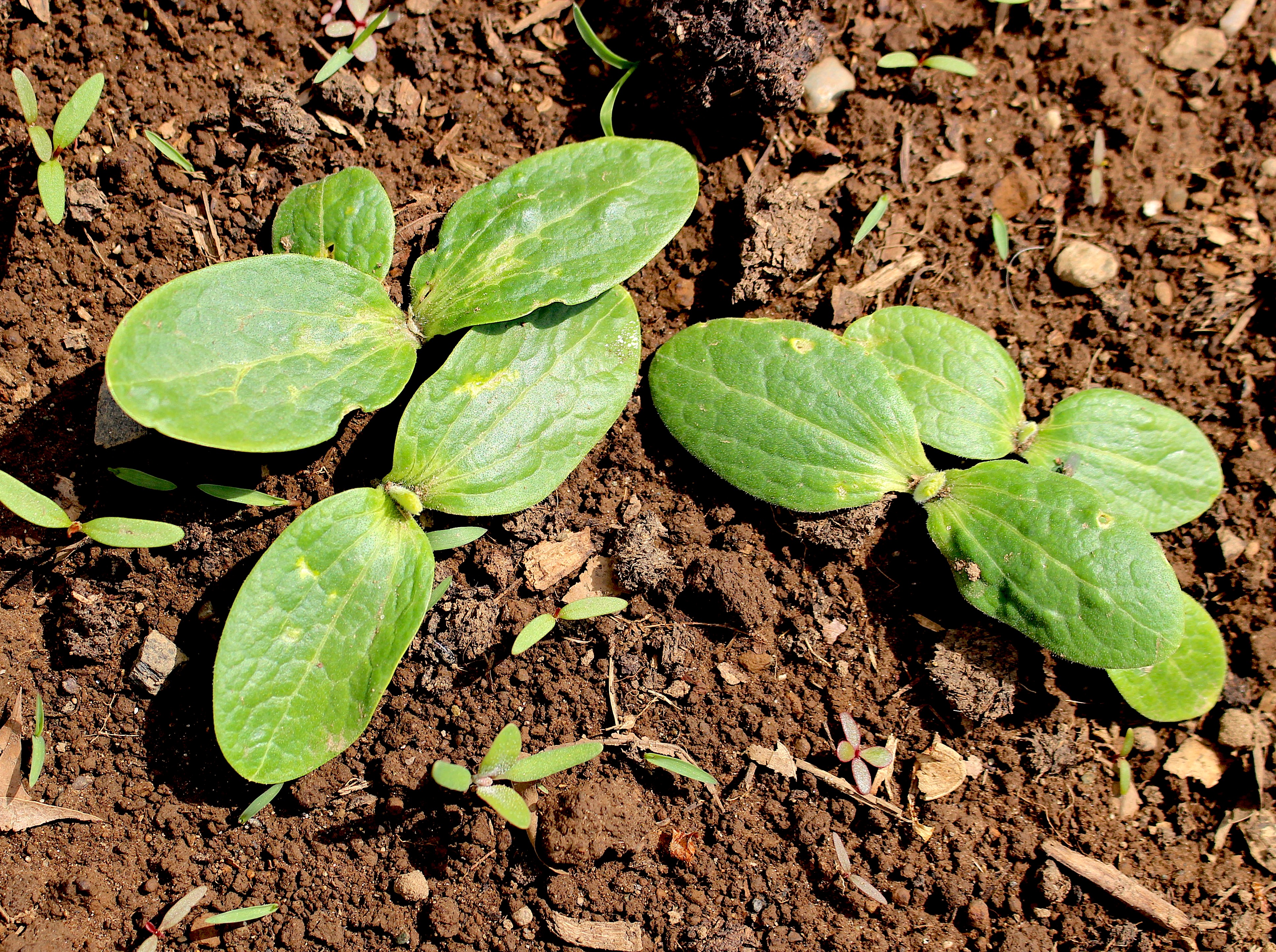
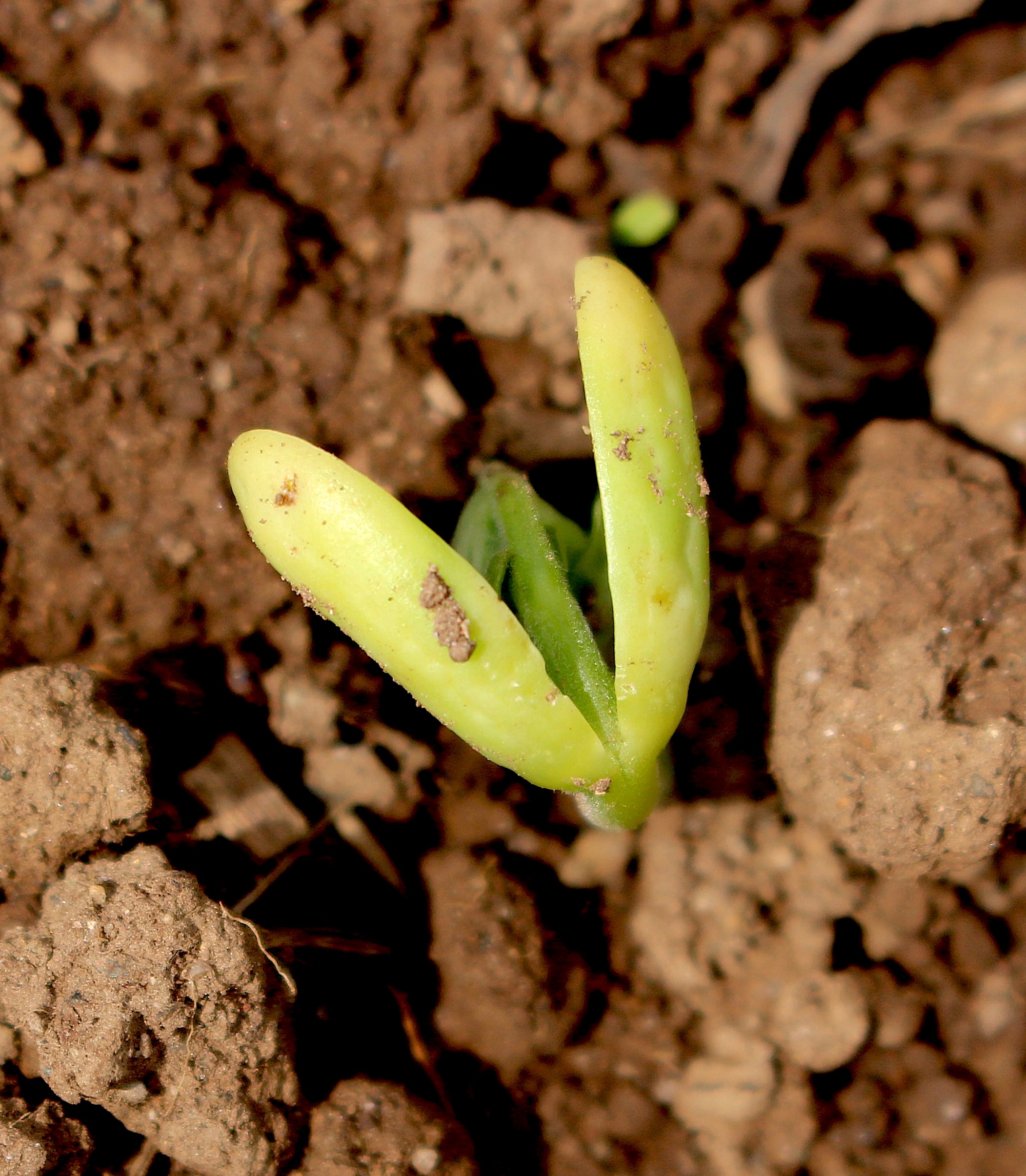
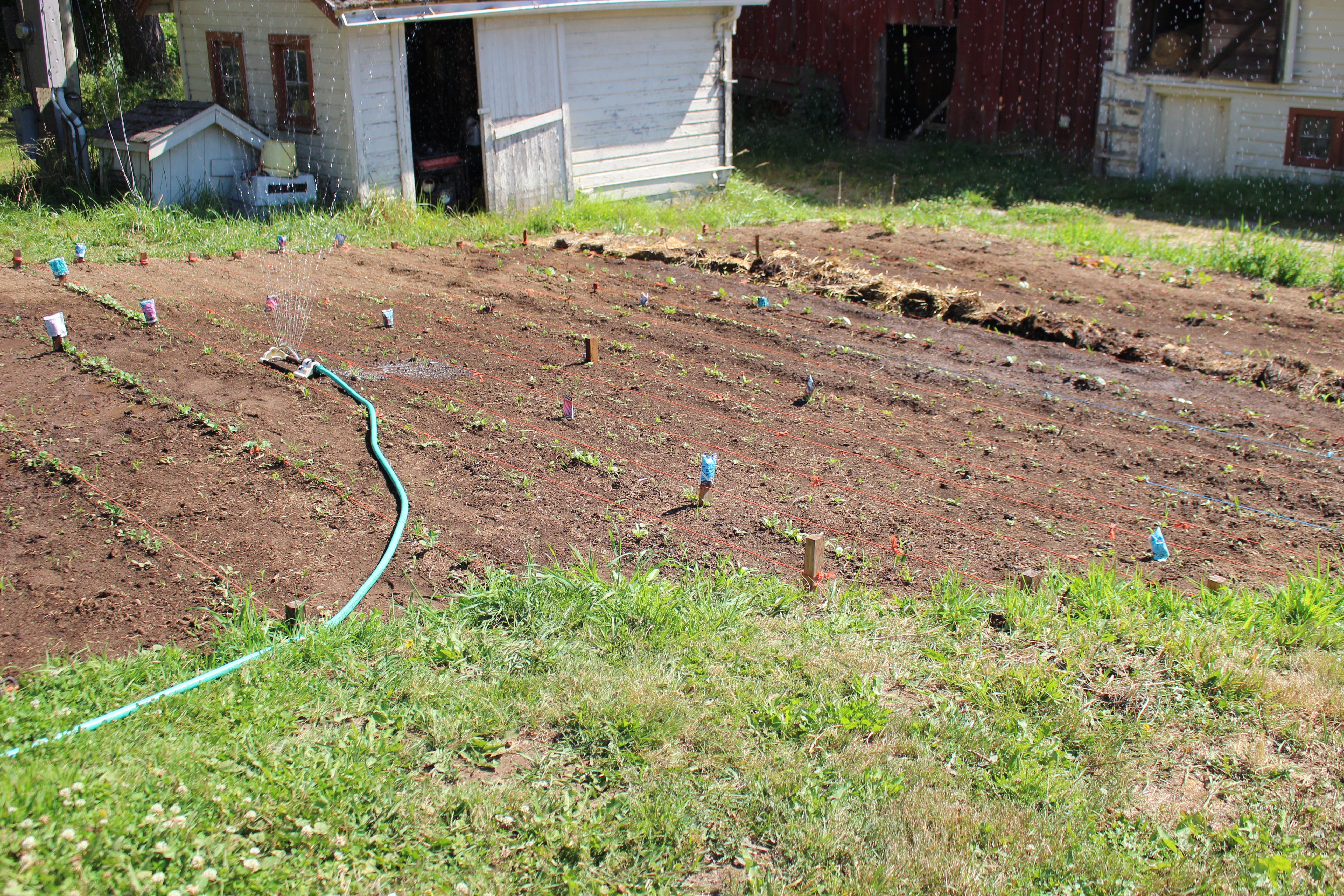
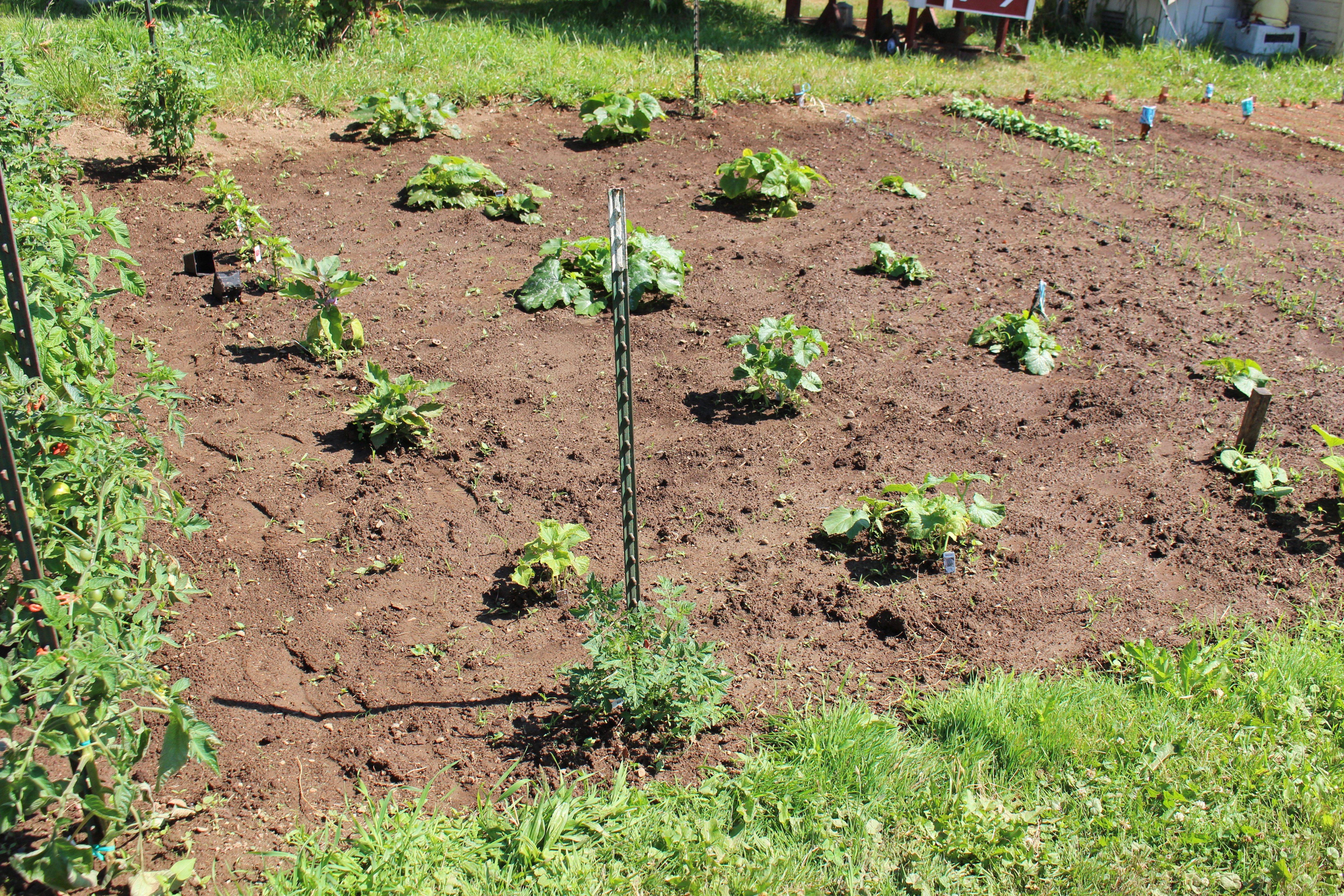
This week there was no question what needed to be accomplished.  The sun was out,  the seeds planted a few weeks ago were finally beginning to show themselves above ground, but they were literally drowning in a sea of weeds.   The joy of germination was turning into the heartbreak of overabundant indiscriminate growth.  It was time for action.

I awoke early, emotionally preparing myself.  I pulled on my jeans and hooded sweatshirt, stepped into rubber boots,  armed my pockets with trowel and garden hook, and adopted a confident stance as I stared at the expanse of green sprouts before me.

“Gonna kill me some weeds,”  I muttered menacingly from under my straw hat, looking like Wyatt Earp at high noon, rolling up my sleeves, and hitching up my pants like a sharp shooter.

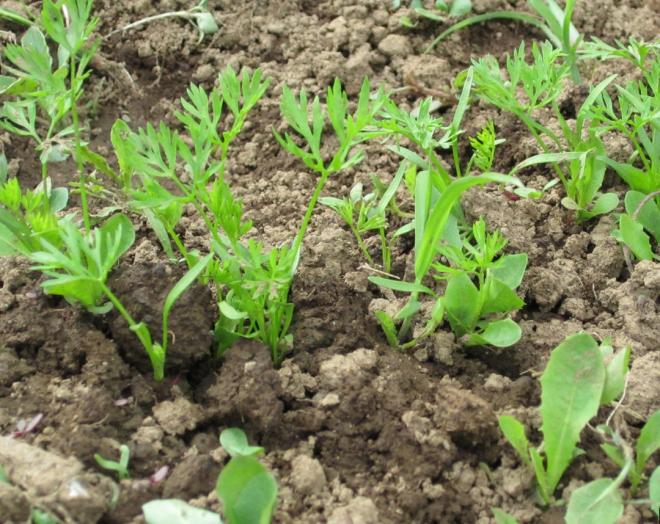
I first went to the defense of the carrot row.  Tiny carrot seedlings are some of the most vulnerable in the garden.  They start as two little grass-like shoots, very weed-like in their beginnings.  In a few days, the next shoot is the identity give-away: a feathery leaf looking very much like carrot green tops.  True effective weeding really can’t start until the carrots can be distinguished from weeds, even the look-alike frilly weeds that pretend they are carrots so they will be left alone.  Very clever camouflage, but not to my sharp eye.

The real carrots are tender little plants, barely clutching the ground with one little root string as compared to the deep hold that weeds have in the soil — weeds make a satisfying “pop” sound when successfully pulled out by the roots.  This work requires down on your hands and knees finger weeding, the dirt-under-the-nails sort-through-each-little-green-shoot-to-find-the-right-one-to-pull technique.  Even so, despite my best intentions, the “real” plants still get pulled accidentally:  my father called that “thinning”, another cruel and painful aspect of gardening when perfectly good plants are pulled out to make more space for the near neighbors.  It still seems all too arbitrary and capricious.

All this weed-o-cide makes me think about a book I read in the early seventies, The Secret Life of Plants by Tompkins and Bird.  They gave me a new understanding of the challenges of being a plant.  I almost can hear the high pitched little shrieks some scientists have recorded as plants are plucked, cut or mowed down.   Then there is the very real question of what is a weed and how it has become victim to our human prejudice about what is worthwhile to grow and what is not.  Maybe since the dawn of time we humans have watched the slugs, the squirrels, the birds, the deer and the rabbits decide what is tastier, and frankly my dear,  it isn’t the weeds.

But who am I to say that a beet plant is more worthy to exist than quack grass?   What animosity and enormous resource is expended to rid the world of the lovely dandelion’s perfect sphere of seeds about to blow with the wind, or the waxy buttercup meant to tickle a child’s chin into a yellow reflection.

But I’m only the gardener with a job to do.  It’s dirty work, but someone has to do it.

By the end of the morning as the sun beats down directly overhead, neat little rows of honest to goodness domesticated plants become obvious and the garden pathways are littered with weed carcasses as well as a few thinned radishes, beets and carrots.   High noon indeed.  I gaze at my spent weapons–dirty hands and fingertips that are barely recognizable–and sigh deeply.   Until the next skirmish to keep the weedy invaders from infiltrating, I can rest easier knowing my little plants have less chance of being overwhelmed by the encroaching wilderness of weeds and varmints.

So I lay down my arms, clean the dirt from under my fingernails, and sit down to listen to the symphony sounds of plants happily growing…


Cozy Rain

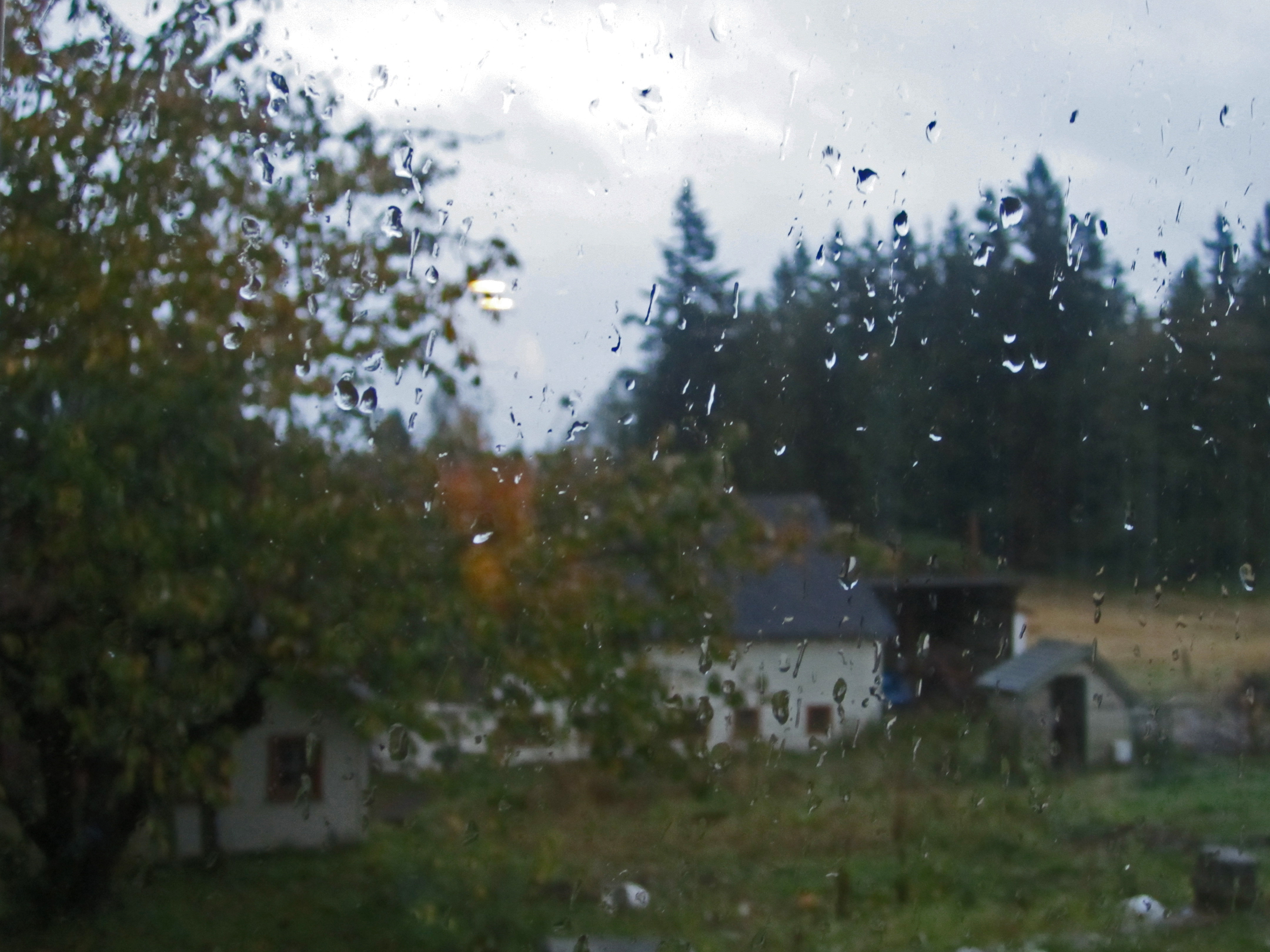
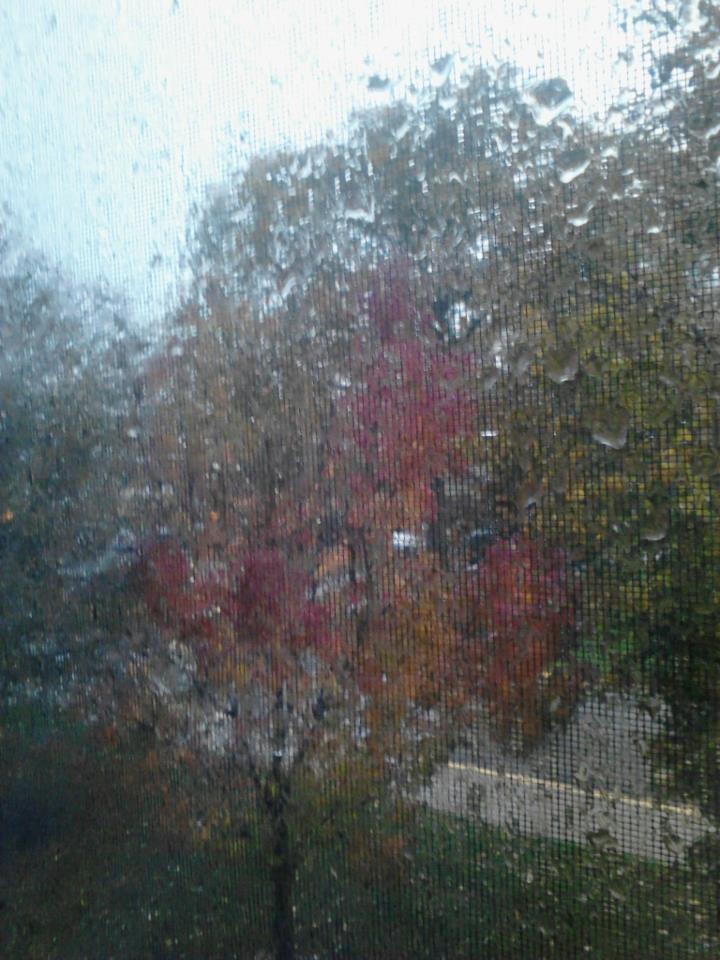
The best kind of rain, of course, is a cozy rain. This is the kind … of rain that falls on a day when you’d just as soon stay in bed a little longer, write letters or read a good book by the fire, take early tea with hot scones and jam, and look out the streaked window with complacency.
~ Susan Allen Toth

Cozy rains simply don’t happen on weekdays.  There are always things to do, places to be, people to impress, rain or shine.  On weekdays rain tends to be a drag us down,  smotheringly gray inconvenience of wet shoes, damp jackets, impossibly limp hair in school and work place.

But Saturday?  The same drops from the same cloudy skies become a comfy, tuck-me-in-once-again and snuggle down kind of rain.  There is no schedule to follow, no structured day, no required attendance, no need to even poke our nose out the door (unless living on a farm with hungry animals in the barn).

This is why most northwest natives are rainyphilics, anticipating this quiet time of year with great longing.  We are granted permission by precipitation to be complacent, slowed down, contemplative, and yes, even lazy…
*
*
*
*
*
*
Okay, enough of that.  Gotta get up, get going, laundry to do, house to clean, barn to muck out, bills to pay, meals to prepare.
Maybe tomorrow the rain will still be falling and there will be a chance to sit with hot tea cup in hand, gazing through streaked windows.
Cozy rain on a Sabbath Sunday.  With scones.  And jam.
Bliss.

photo by Lea Gibson