Poplar Torches

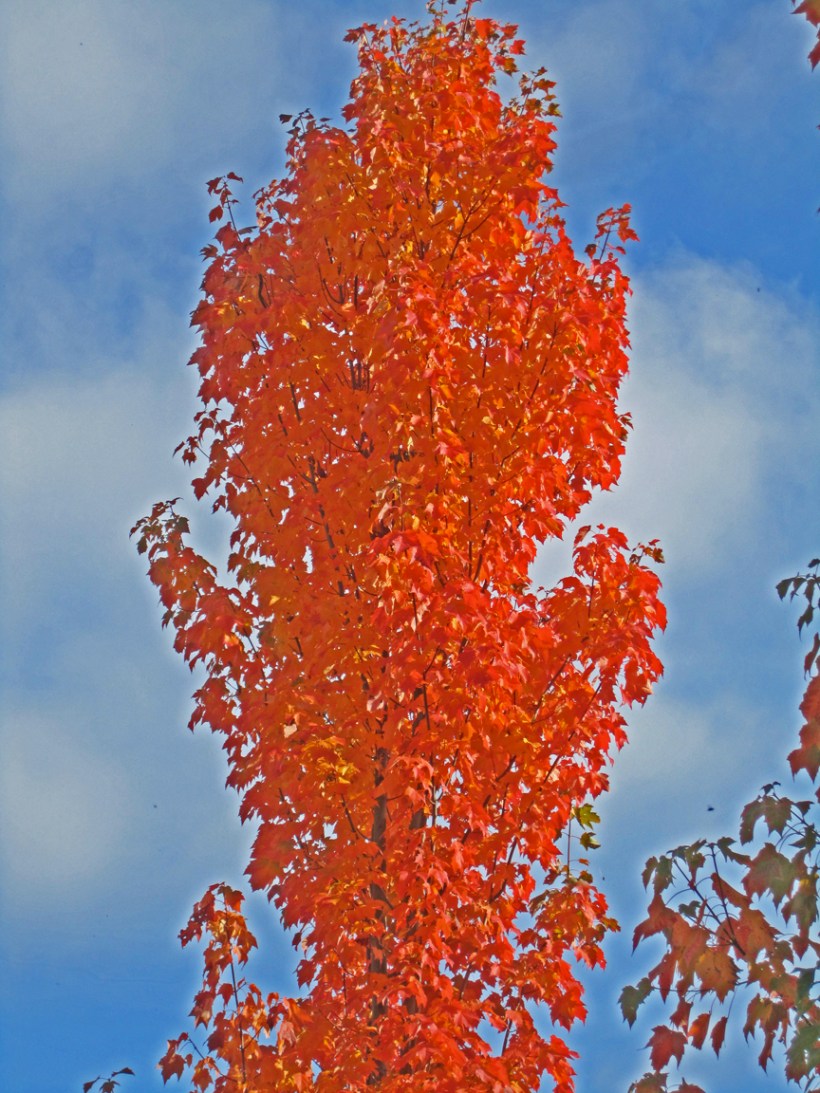
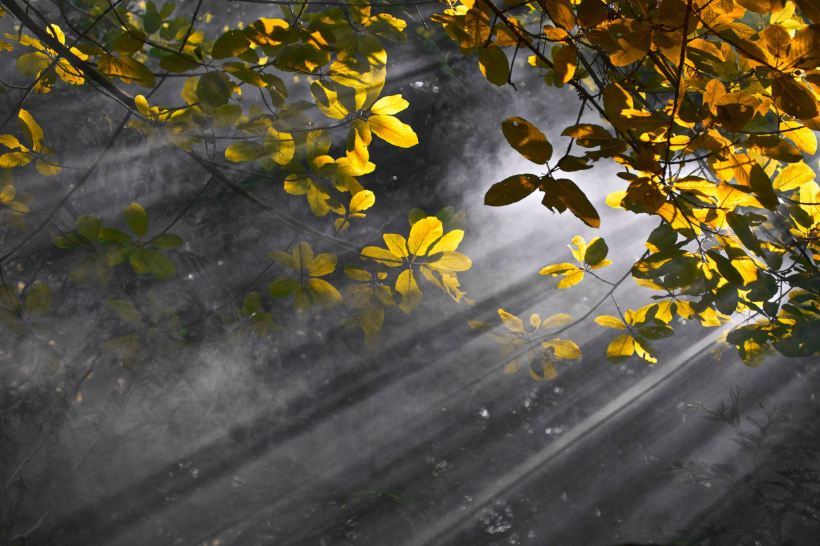
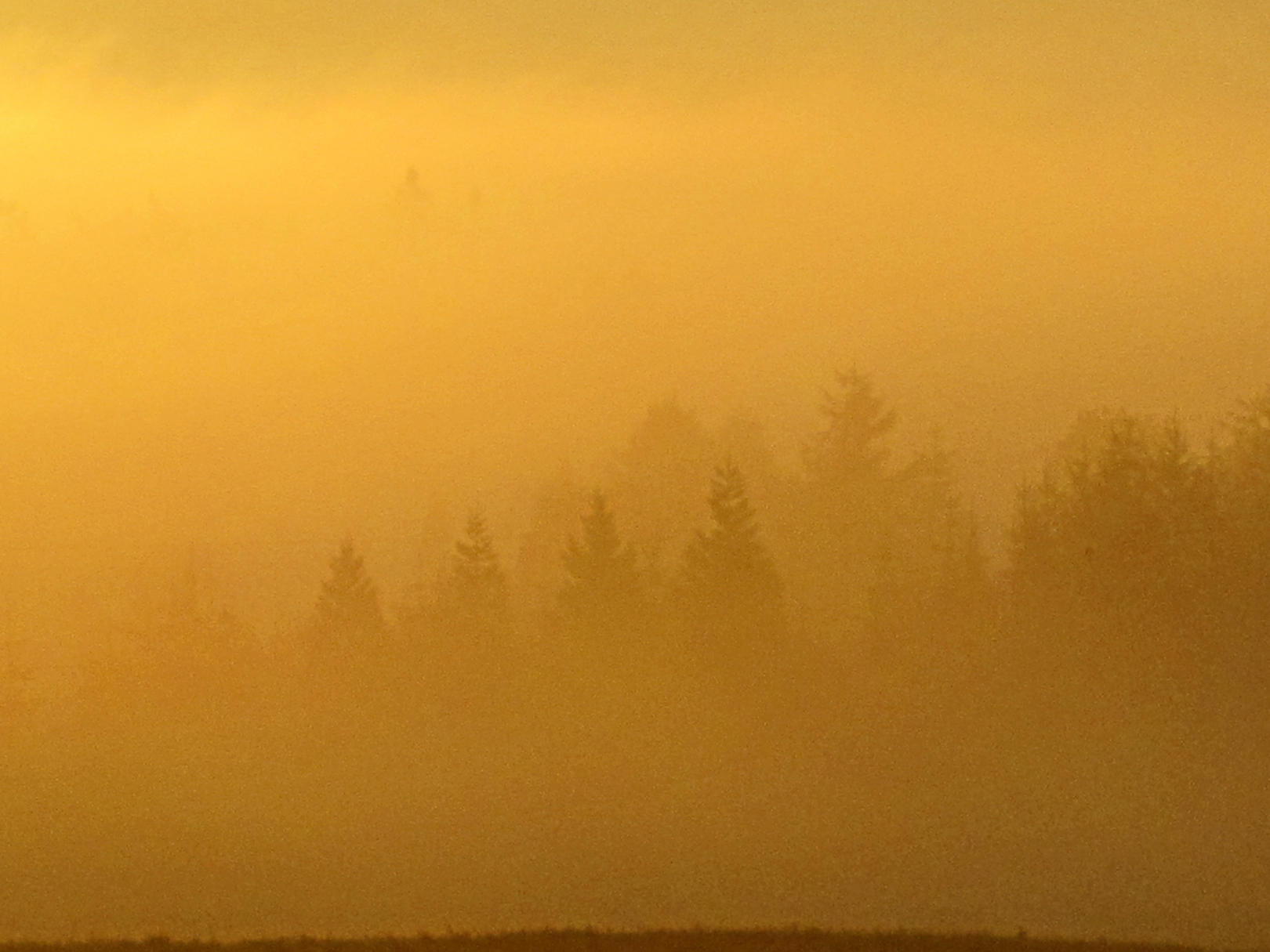
“October’s poplars are flaming torches
lighting the way to winter.”
~ Nova Bair
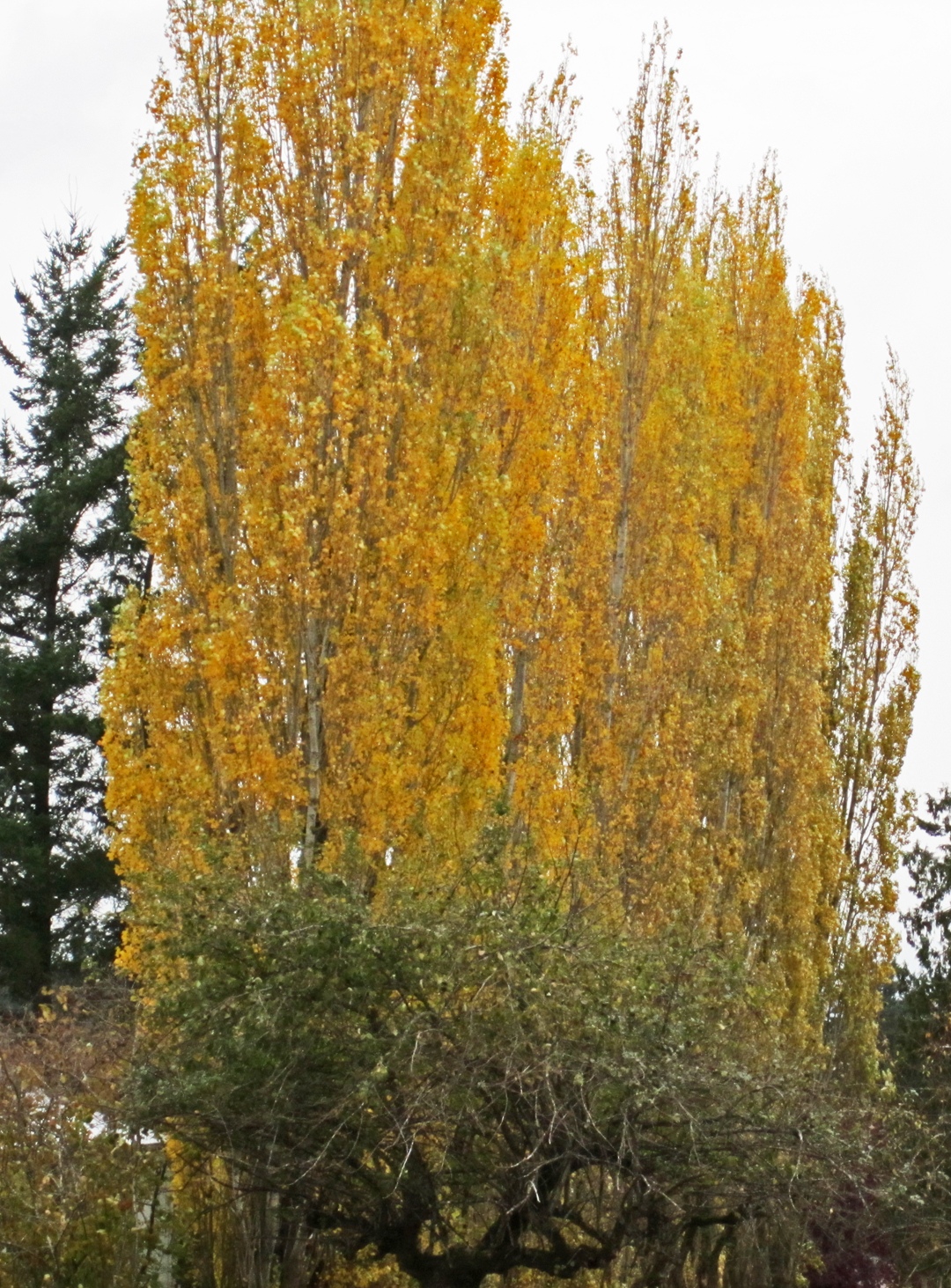
“I remember it as October days are always remembered, cloudless, maple-flavored, the air gold and so clean it quivers.”
Leif Enger in Peace Like a River

Reblogged from September 2010:

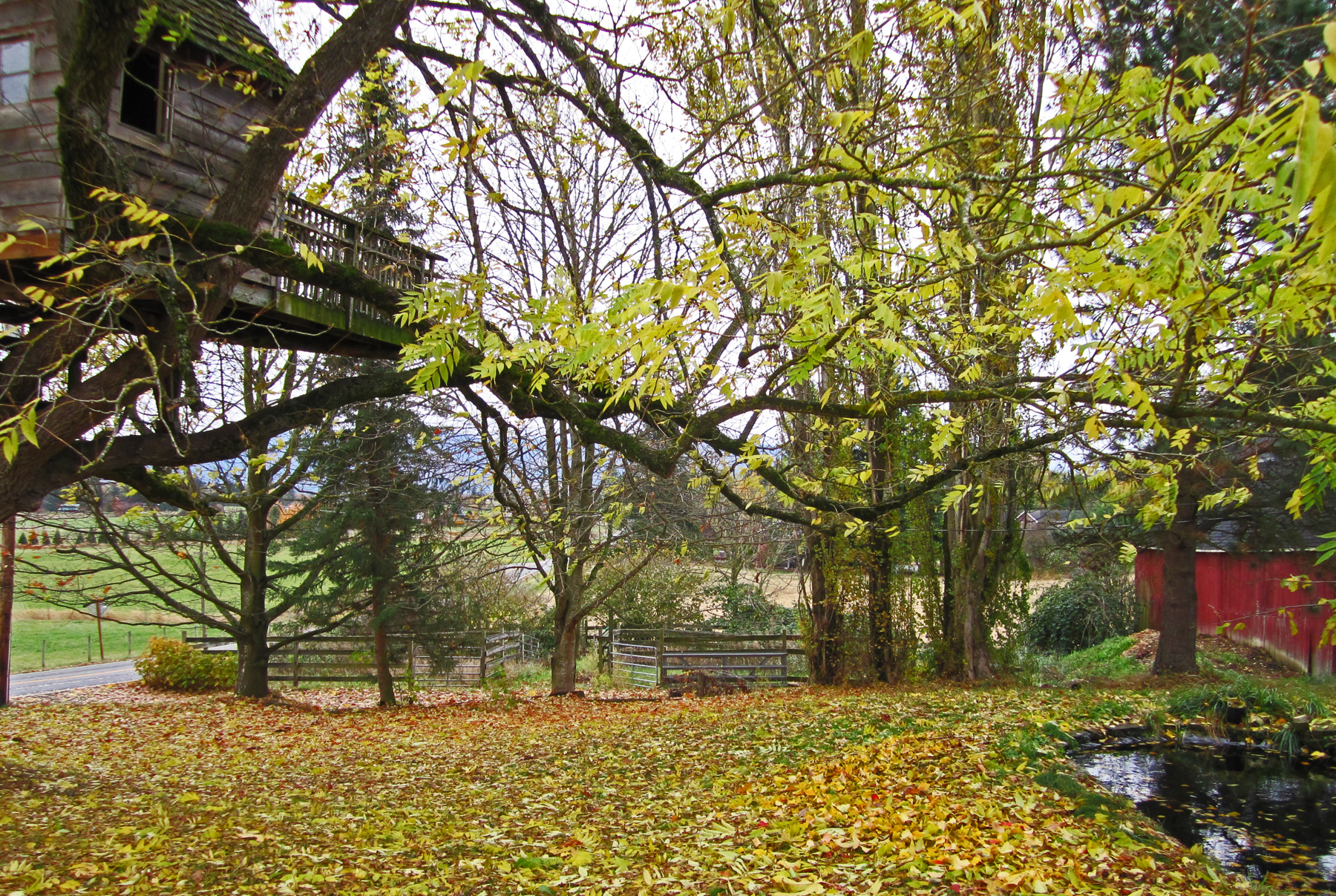
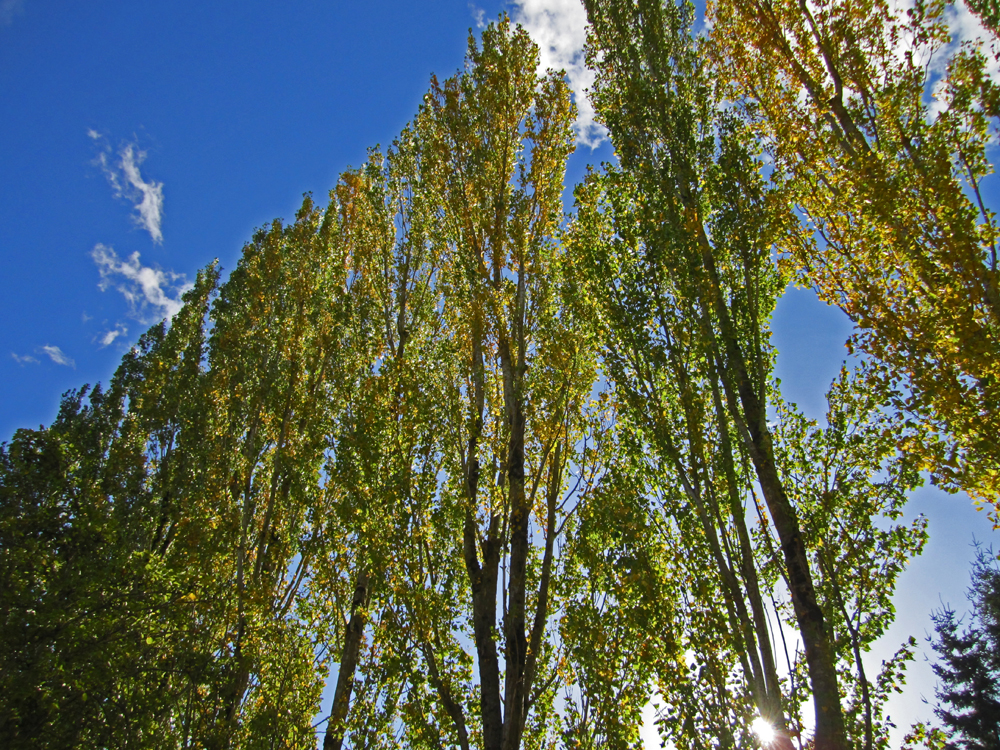
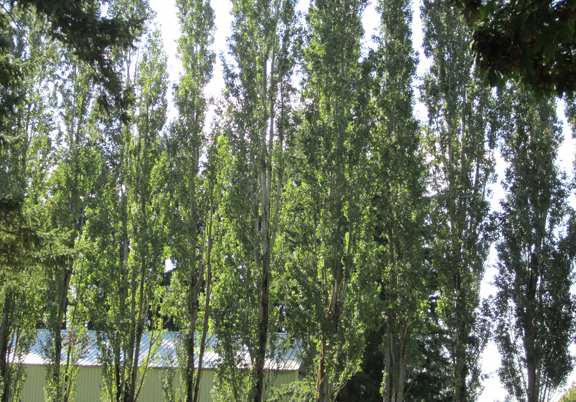
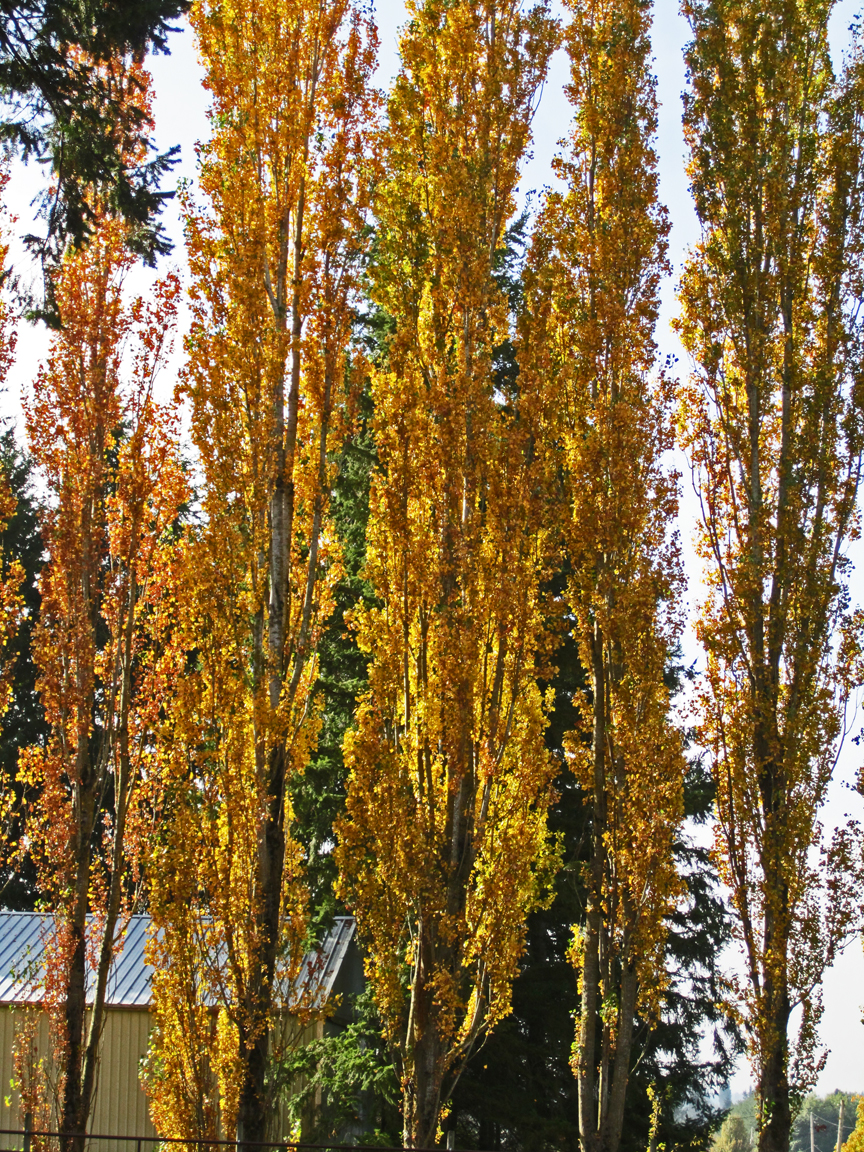
Our eighty-plus year old row of Lombardy Poplars (Populus Nigra –Latin for “people of the dark”) on the west edge of our farm seems to be following me.  The trees themselves, supposedly nearing the end of a typical poplar life span, are grand massively tall specimens, their leaves and branches noisily reacting to the tiniest of breezes.  In greater winds, they bend and sway wildly, almost elastic.  The trees themselves move not an inch in their hot pursuit of me, but beneath the ground is a remarkable stealth root system that is creeping outward, trying to edge closer to the house.

This is what strikes fear in my heart if I don’t resist: I’d have poplars springing alien-like through the floorboards in my kitchen if I didn’t pay attention.

If we leave those roots undisturbed for only a few months, they swell to arm size, lying just below the surface of the ground, busily sprouting numerous new little Populus Nigra along the length of the root.   These are no cute babyish innocent little seedlings.  These are seriously hungry plants determined to be fed from the roots as if from a fire hose.  They literally put on inches over a week;  they are over 6 feet tall in a month or two.   Suddenly I’m faced with dozens of new poplar babies, each sucking on a communal maternal umbilical cord.

We have no choice but to seek and destroy on a regular basis.  It is a shock and awe operation.  I’m shocked at the growth and awed at the strength of the adversary.   Many of these simply cannot be pulled up from the dust by hand as the process results in a root crawling many yards long, heading east toward the house like a heat-seeking missile.  To finish off the job, sometimes the root must be removed entirely by tractor.

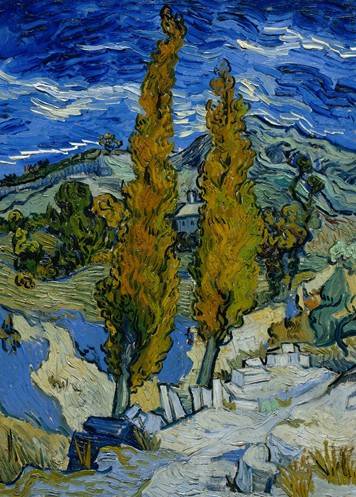
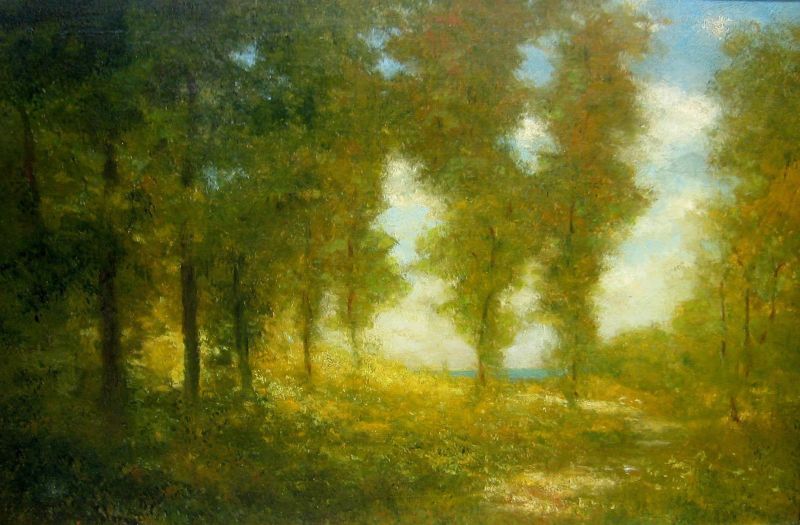
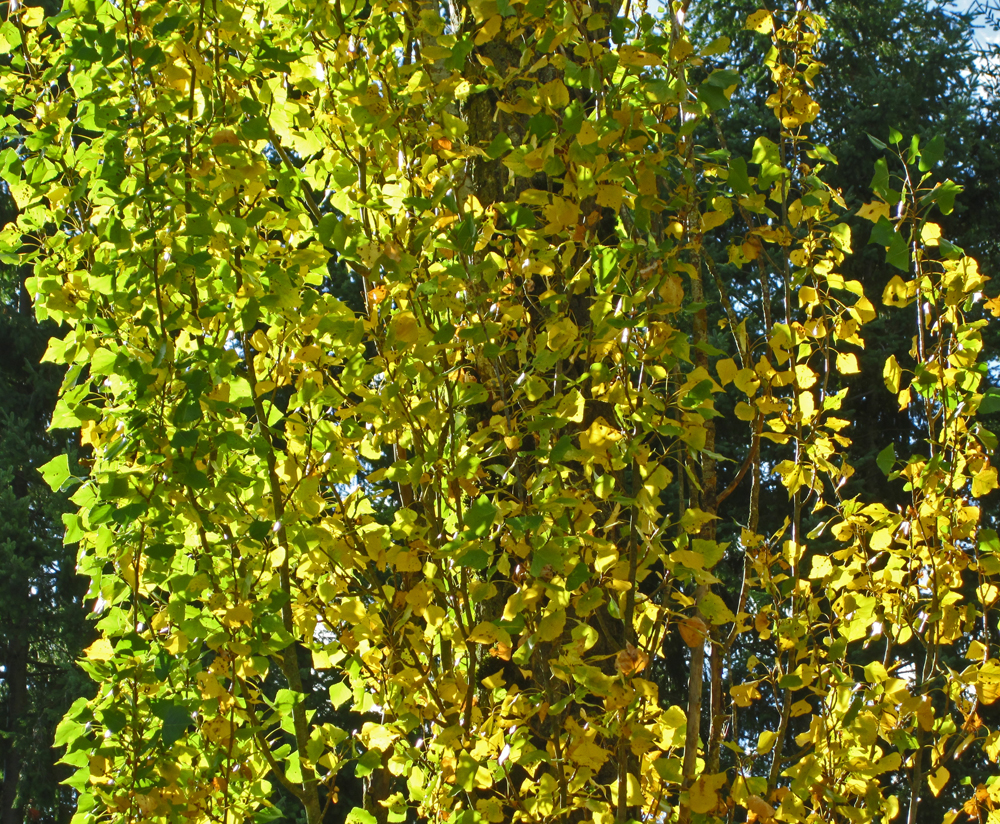
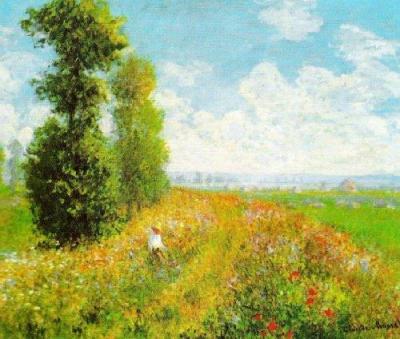
I do have to admire this tree for its fortitude as well as its beauty.  As a wind break, it is unparalleled, its branches and leaves melodious in the breeze.   Autumn sets it aflame, a golden torch, soon to messily scatter its foliage and dying branches as far as arboreally possible.   And it makes for great artwork by the likes of Monet and Van Gogh, creating predictability, uniformity and symmetry in their paintings as well as the palette of our farmscape.

The poplars may be pursuing me but I enjoy the chase.  I gaze with appreciation at our row of poplars’ dark outline against the horizon during orange sunsets.  I miss their hubbub of constant activity when their leaves drop for winter.  Stripped naked, they stand silently waiting for the rush of spring warmth and moisture to start creeping forward again,  ballooning seedlings with a rush of sap, fearlessly growing clones against all odds.

My husband suggested it was time to take the poplars down before they snap off in their old age, overcome in the strong northeasters.  I disagree.  Chopping them off at the base and pulling them out by their roots would be cruel and unsporting of us.  They deserve to struggle against our fight to the finish to prevent their infiltration beyond a defined border row.

I’ve accepted that those shallow roots will likely outlast my efforts to stem the poplar tide.  Eventually I’ll be pulled face first into the dust by their undertow and there I will remain.

As I see it, if you can’t beat them, join them.
It Would Be Cheaper

“Nature is, above all, profligate.  Don’t believe them when they tell you how economical and thrifty nature is, whose leaves return to the soil.  Wouldn’t it be cheaper to leave them on the tree in the first place?
~Annie Dillard

It is a good thing I wasn’t assigned the role of Designer because all would have gone awry in my dedication to resource management, efficiency and creating less waste.    There would be imposed limitations on earth, wind and rain storms.  No wildfires or natural disasters like earthquakes, tsunamis, hurricanes and tornadoes.  To avoid having to blow around, rake, pick up and compost those fallen autumn leaves, all trees would be evergreens, needles long-lasting for decades.  There would be fewer insect species, in particular wasps, fleas, chiggers, bed bugs, mosquitoes and flies.   Fewer rodents, viruses, toxic bacteria and pesky parasites.  The list is endless: things would be different in my Thrifty Design Of All Things Natural.

But of course the balance of living and dying things would then be disturbed and off kilter.

Rather than worry about the wastefulness,  I should revel in the abundance as I watch death recreate itself to life again.  Nature has built-in redundancy, teems with remarkable inefficiency and overwhelms with extravagance.  As just another collection of cells with similar profligacy, I can’t say much and better not complain.  Thank goodness for the redundancy and extravagance found in my own body, from the over supply of nasal mucus during my upper respiratory infection helping me shed viral particles, to the pairing of many organs and parts allowing me a usable spare in case of system failure.

Sometimes cheaper costs more.  Sometimes extravagance is intentional and rational.

Clearly things are meant to be as they are.

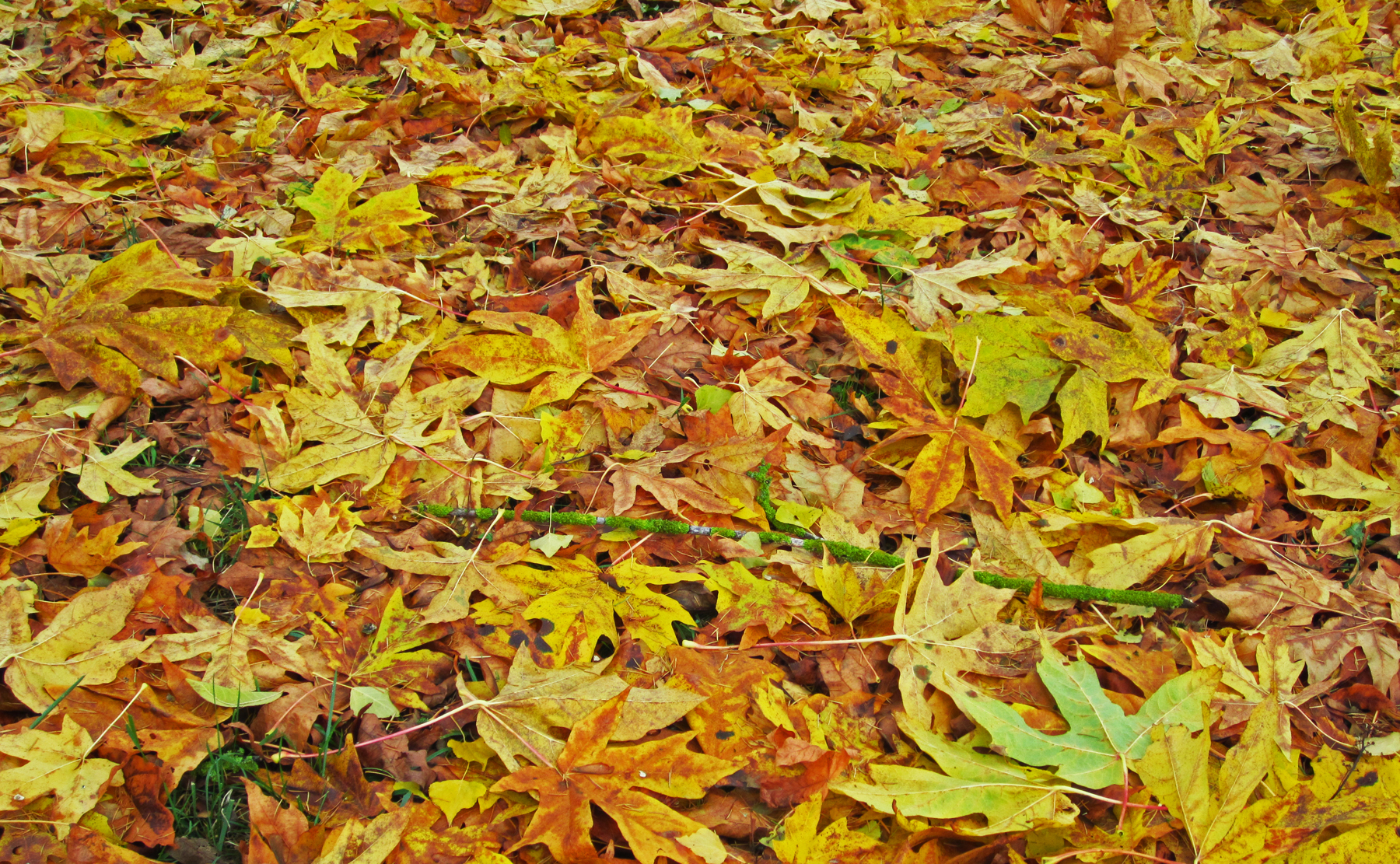
If I am ever in doubt, I can simply look out at the leaf-carpeted front yard…or in the mirror.

Then I will remember and know.

“So let us go on, cheerfully enough, this and every crisping day,
though the sun be swinging east, and the ponds be cold and black,
and the sweets of the year be doomed.” 
~Mary Oliver from Lines Written in the Days of Growing Darkness

Shake Me Like a Cry

The scarlet of maples can shake me like a cry
Of bugles going by.
And my lonely spirit thrills
to see the frosty asters like smoke
upon the hills.
~ William Bliss Carman

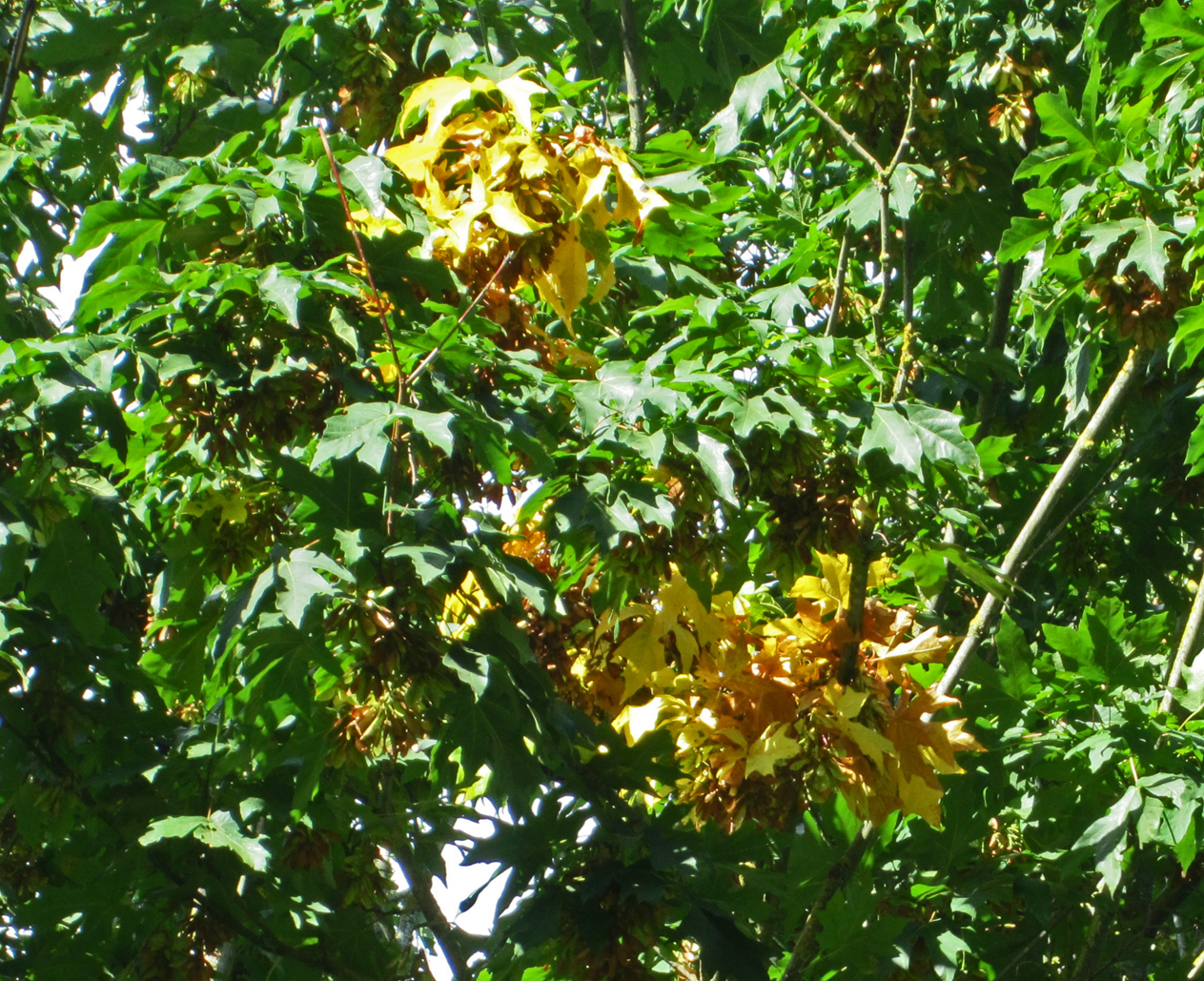
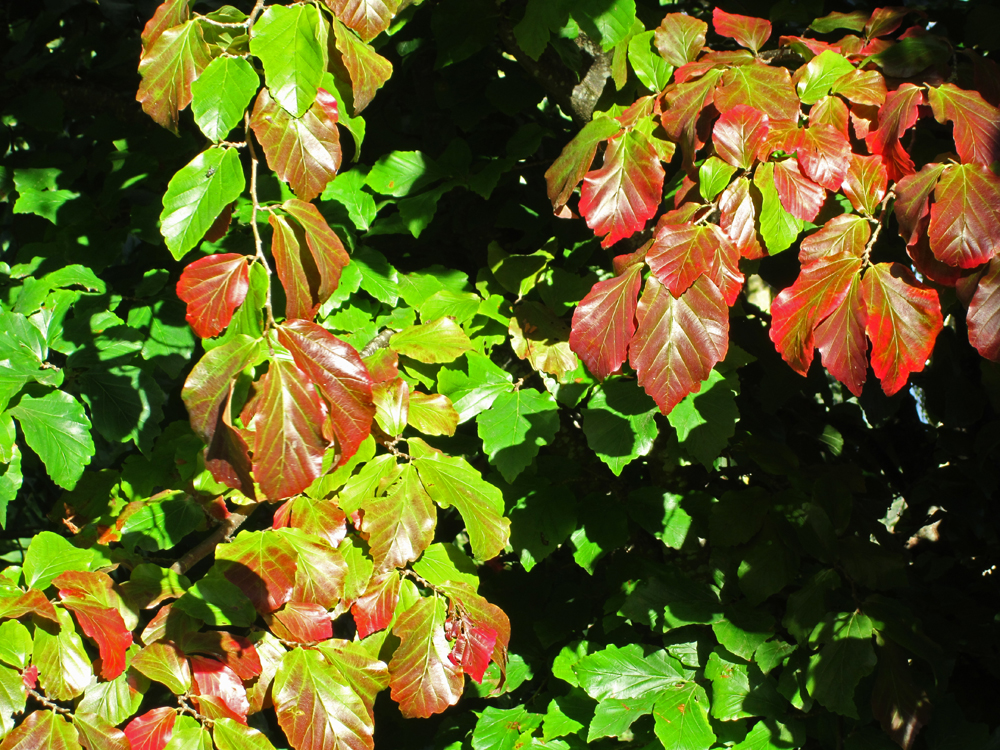
It is like the blowing of taps, this last blast of color before the rains and winter.  There is quickened heartbeat and choking back tears at seeing the vividness outlined by robins egg-blue sky, each maple a torch aflame about to burn down to ash and smoke.

The bright palette is too much to take in all at once.  If only it could spread out through the year and not last only for a week or two when I’m relegated indoors in long work hours and weekend harvest preservation of fruits and vegetables.  I so wish to be two places at once, to be two people, to be more than I am.

So I must harvest autumn in words and pictures, just like preserving the garden and orchard in jars and bags, someday to refresh and restore when gray pervades and mildew threatens to overpower, when hunger for fall shakes me wholly, like a sob.

Like a cry for how it used to be and how it one day will be again.

There is no season when such pleasant and sunny spots may be lighted on, and produce so pleasant an effect on the feelings, as now in October.
~Nathaniel Hawthorne


Autumnal Beginning

 
“That old September feeling, left over from school days, of summer passing… obligations gathering, books and football in the air … Another fall, another turned page: there was something of jubilee in that annual autumnal beginning, as if last year’s mistakes had been wiped clean by summer.”
~Wallace Stegner in Angle of Repose
 

How is it the same day can be wistful and yet jubilant?  More than New Year’s Day, the beginning of autumn represents so many turned over “leafs”.  We are literally reminded of this whenever we look at the trees and how their leaves are turning and letting go, making joy as they make way, the slate wiped clean and ready to be scribbled on once again.

Tomorrow the school where I’ve worked for nearly a quarter century welcomes back 15,000 students to its halls and classrooms.  We see or are contacted by 2% of those students every day about their health concerns and symptoms.  I am struck anew every autumn when each adult comes to the university with that clean slate, hoping to start fresh, leaving behind what has not worked well for them in the past.  These are patients who are open to change because they are dedicating themselves to self-transformation through knowledge and discipline.

It is a true privilege, as a college health doc, to participate in our students’ transition to become autonomous critical thinkers who strive to better the world as compassionate global citizens.  Their rich colors deepen once they let go to fly wherever the wind may take them.
We who remain rooted in place celebrate each new beginning, knowing we nurture the coming transformation.

photo by Josh Scholten
 

Weeds in the Moonlight

Lyric night of the lingering Indian Summer,
Shadowy fields that are scentless but full of singing,
Never a bird, but the passionless chant of insects,
       Ceaseless, insistent.   

The grasshopper’s horn, and far-off, high in the maples,
The wheel of a locust leisurely grinding the silence
Under a moon waning and worn, broken,
       Tired with summer.   
Let me remember you, voices of little insects,
Weeds in the moonlight, fields that are tangled with asters,
Let me remember, soon will the winter be on us,
       Snow-hushed and heavy.   
Over my soul murmur your mute benediction,
While I gaze, O fields that rest after harvest,
As those who part look long in the eyes they lean to,
       Lest they forget them.
Sara Teasdale–September Midnight

Apple Peel Breezes

photo by Josh Scholten

“The breezes taste
Of apple peel.
The air is full
Of smells to feel-
Ripe fruit, old footballs,
Burning brush,
New books, erasers,
Chalk, and such.
The bee, his hive,
Well-honeyed hum,
And Mother cuts
Chrysanthemums.
Like plates washed clean
With suds, the days
Are polished with
A morning haze.”
~John Updike in “September”

Radiant Plums

And somehow Hallie thrived anyway–the blossom of our family, like one of those miraculous fruit trees that taps into an invisible vein of nurture and bears radiant bushels of plums while the trees around it merely go on living.
~Barbara Kingsolver in Animal Dreams

There is a plum tree on our farm that is so plain and unassuming most of the year that I nearly forget that it is there.  It is a bit off by itself away from the other fruit trees; I have to make a point of paying attention to it otherwise it just blends into the scenery.

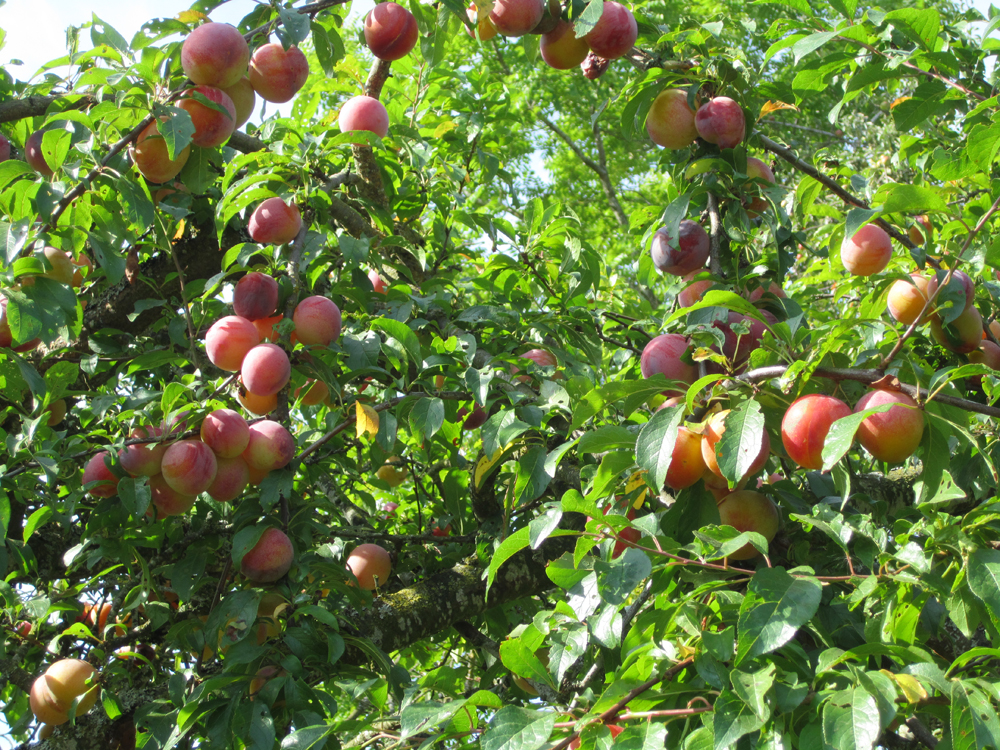
Despite not being noticed or having any special care, this tree thrives.  In the spring it is one of the first to bud out into a cloud of white blossoms with a faint sweet scent.  Every summer it is a coin toss whether it will decide to bear fruit or not.  Some years–not at all, not a single plum.  Other years, like this one, it is positively glowing with plum harvest– each a golden oval with a pink blush.   These plums are extraordinarily honey flavored and juicy, a pleasure to eat right off the tree if you don’t mind getting past a bitter skin and an even more bitter pit inside.   This is a beauty with a bite.  I think the tree secretly grins when it sees puckering taking place all around it.
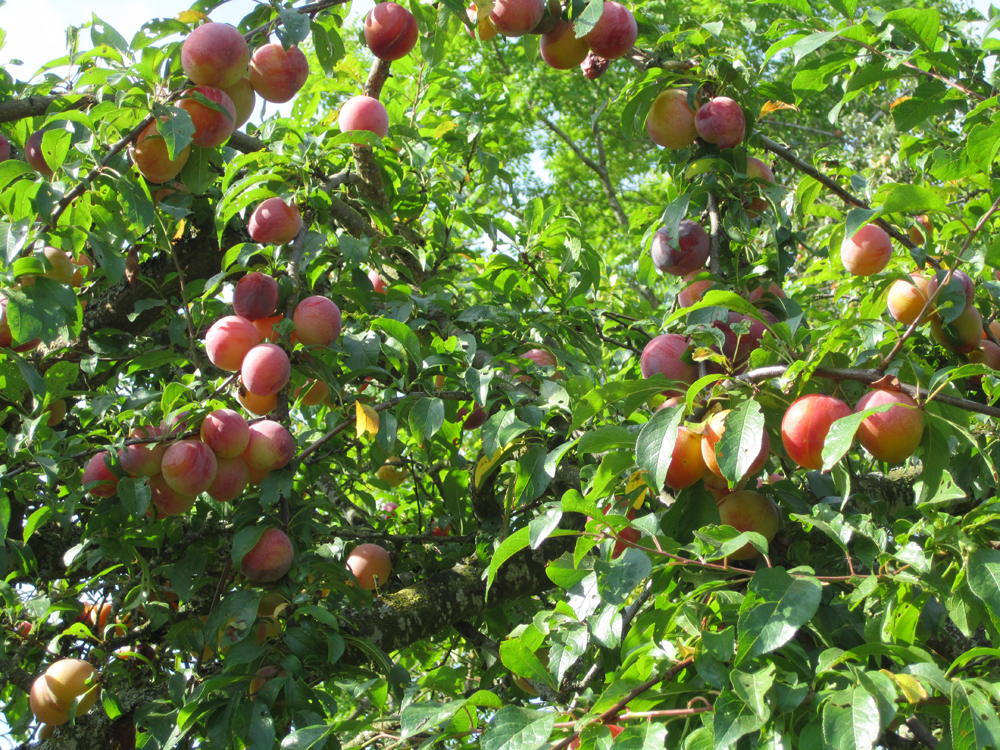
This tree is a lot like some people I know:  most of the time barely noticeable, hanging on the periphery,  fairly reserved and unobtrusive.  But when roots go deep and the nourishment is substantial,  they bear fruit, no doing things half-way.   The feast is plentiful and abundant, the meal glorious despite the hint of sour.  Maybe it is even more glorious because of the hint of sour.

If “tucker” describes a great down-home meal, then being “plum tuckered” sounds positively wonderful.

But I suspect plum tuckered is really about what happens after picking and preserving hundreds of these radiant gems.

It’s time for bed.  I’m both kinds of plum tuckered.

First Gray Hair

photo by Josh Scholten

“The foliage has been losing its freshness through the month of August, and here and there a yellow leaf shows itself like the first gray hair amidst the locks of a beauty who has seen one season too many.”
~Oliver Wendell Holmes

I remember a day before I turned 30 when a barber pulled a gray hair from my head and handed it to me.  “Here you go, ” she said,  “this is only the beginning.”

Indeed.  My mother was totally gray by 32 and my hope was to hold onto my light brown hair until at least 50.

It didn’t seem possible I could be losing my “freshness” so young as 29, but double the years with an exponential increase in the number of gray hairs, and I must face facts.  Quite a few years ago on my 45th birthday, as I was walking down the sidewalk at work, a middle-aged woman stopped me mid-stride and asked me what brand hair coloring I used.  I was taken completely off-guard.  All I could respond was that I used no hair coloring other than what God Himself applied.  She laughed and said she would have to keep looking then, as she was hoping I could direct her to a hair color that would make her hair look like “champagne” just like mine.   I floated for three days on that thought alone.

Champagne.  So I wasn’t “one season too many” after all.  I was “well-aged.”

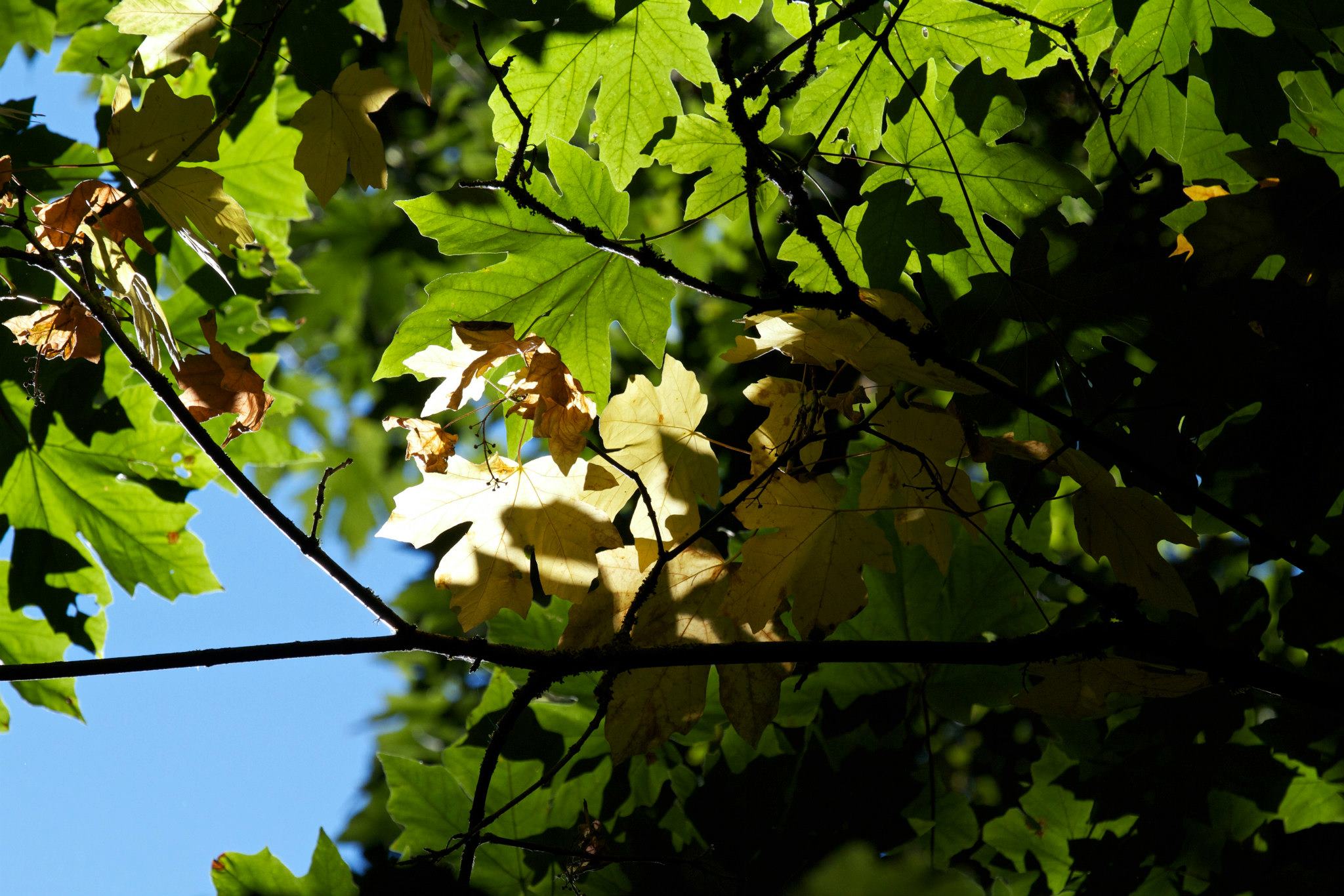
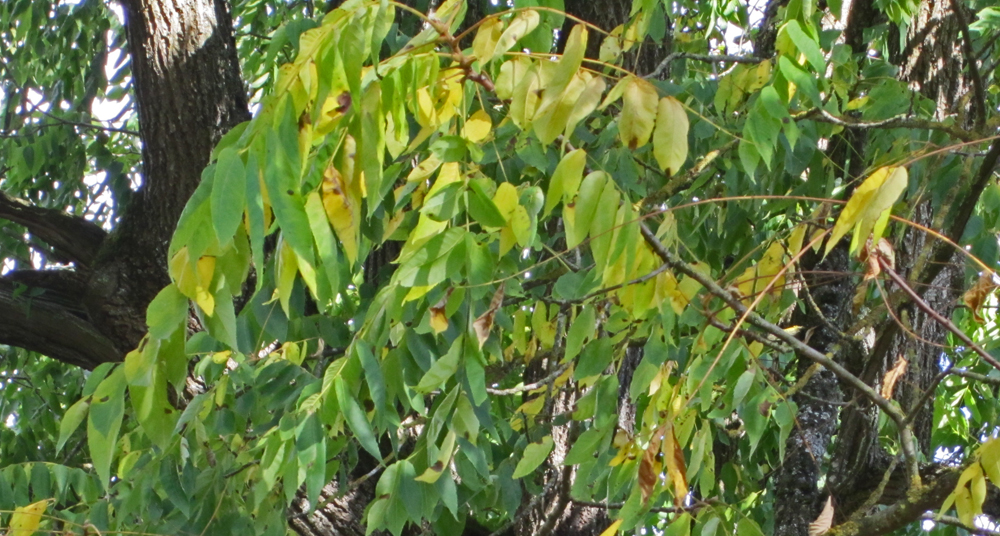
I sympathize with the not-so-fresh foliage on the farm in late summer. In anticipation of autumn, some of the yellow leaves simply give up and let go, flying in the wind to their final resting place, even in early September.  Others decide to hang on until the bitter end ~yellowing, goldening, reddening and browning in a shimmering kaleidoscope of exhausted pigment.

I am one of those hanging on, quaking at times in the breezes, bedraggled in the drizzle, tattered on the edges, with some age spots here and there.  I’m determined to make the best of the gray and am proud of every strand I’ve earned over the years and hope to earn a bunch more before I’m done.

After all…it isn’t really gray.  It is champagne, well aged, with bubbles sparkling in the sun.

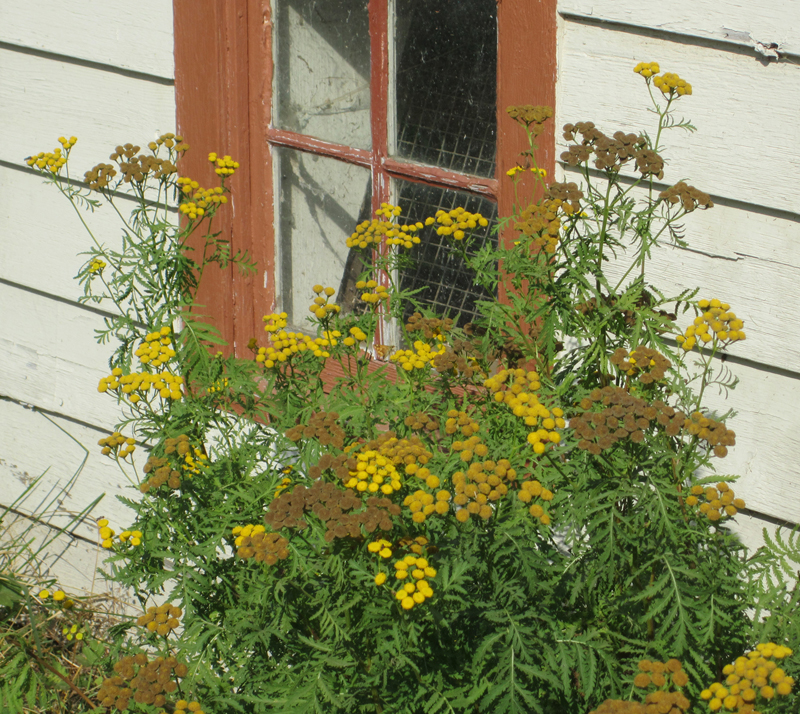
Photos of the “gray hairs” showing up around the farm as of today

Summer Afternoon at BriarCroft

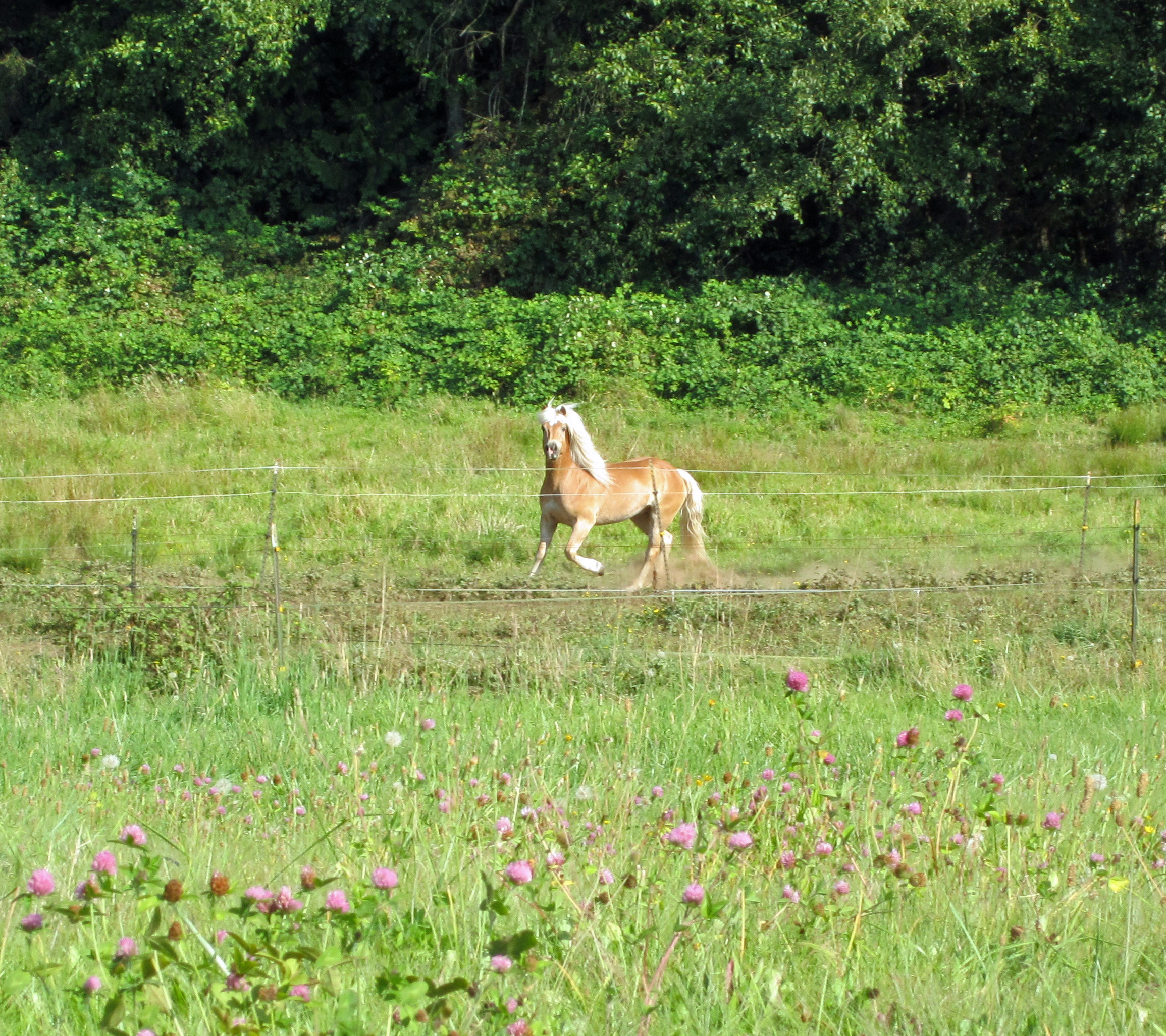
Tony running in the lower field

“Summer afternoon—summer afternoon; to me those have always been the two most beautiful words in the English language.”
― Henry James

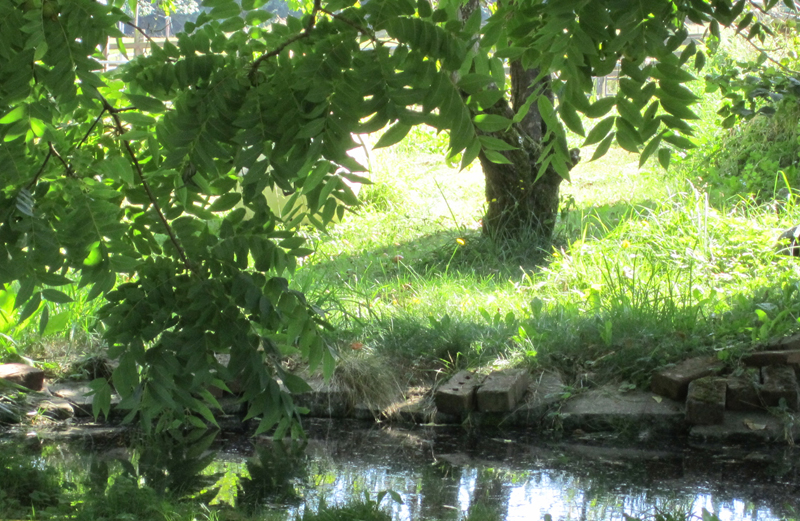
fish pond
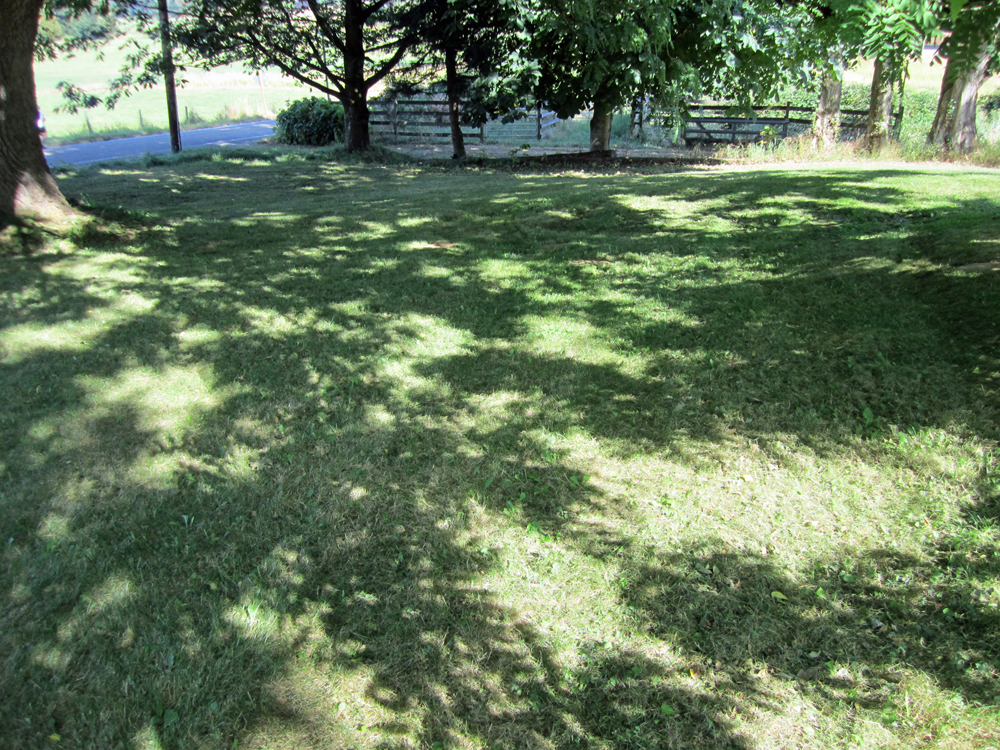
Front yard light and shadow under the walnut tree
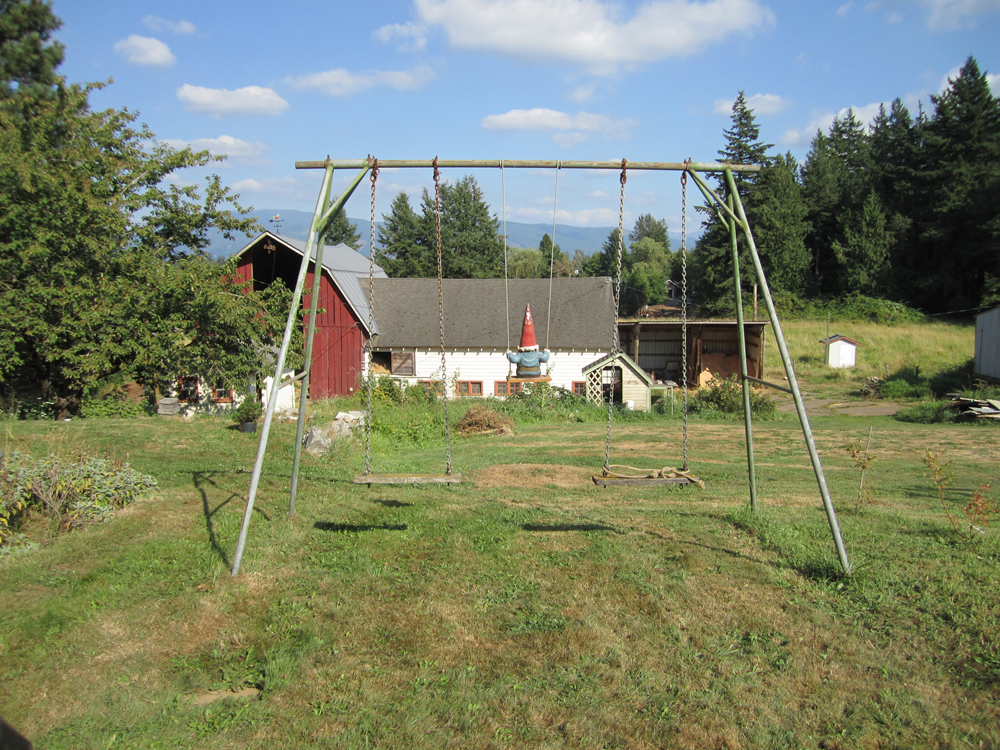
the swing set my dad made when I was little, now perched on our farm

Rest is not idleness, and to lie sometimes on the grass under trees on a summer’s day, listening to the murmur of the water, or watching the clouds float across the sky, is by no means a waste of time.
~John Lubbock

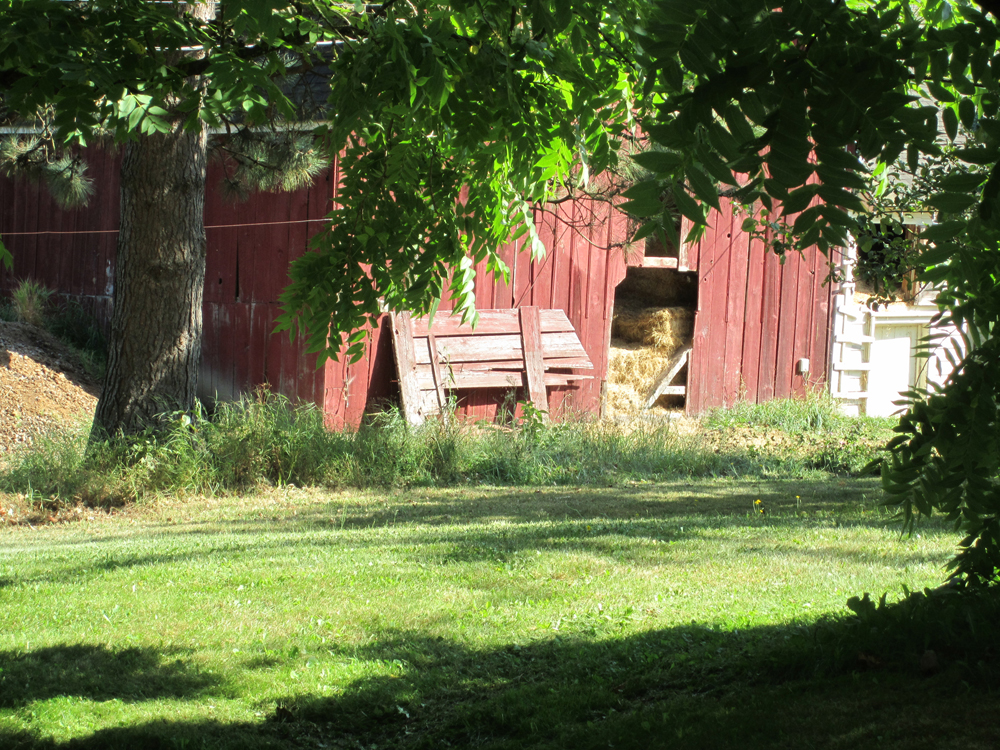
haybarn
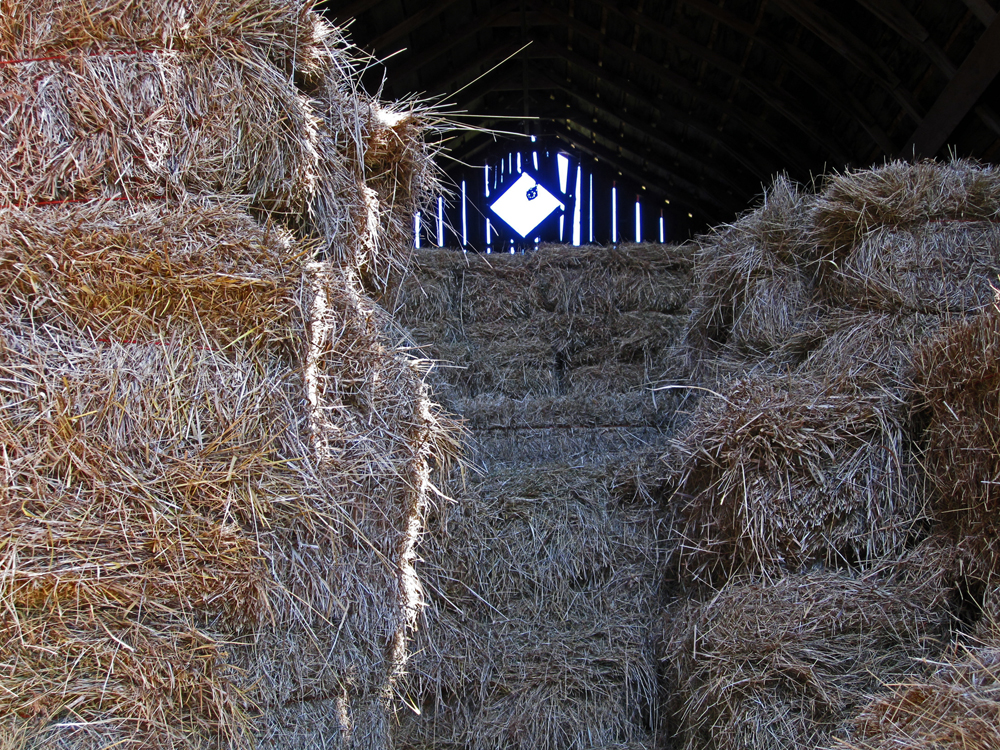
2012 Hay Storage

It will not always be summer; build barns.
~Hesiod

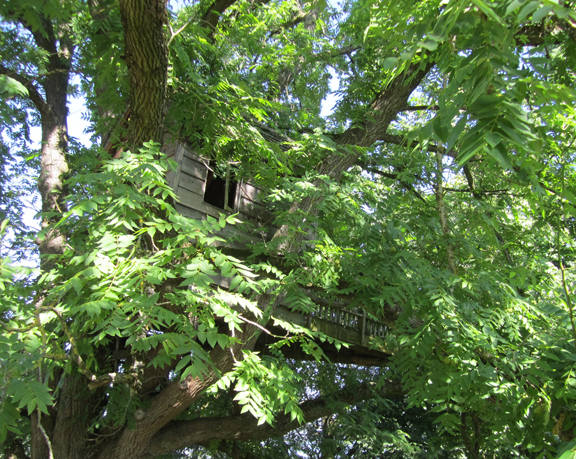
tree house in the walnut tree

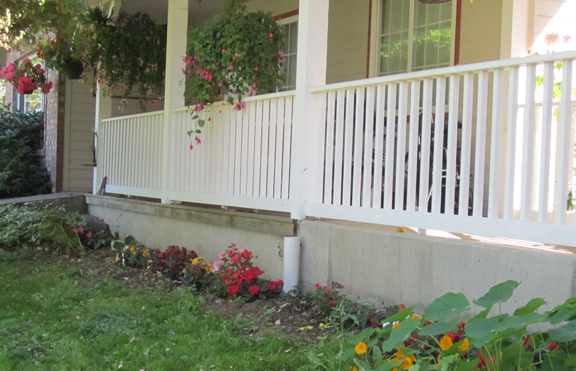
front porch
Jose, who owns the front porch
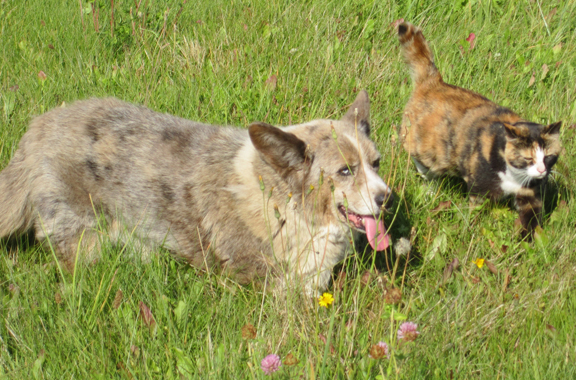
Old buddies Dylan Thomas and Bobbie
Samwise Gamgee at 18 weeks
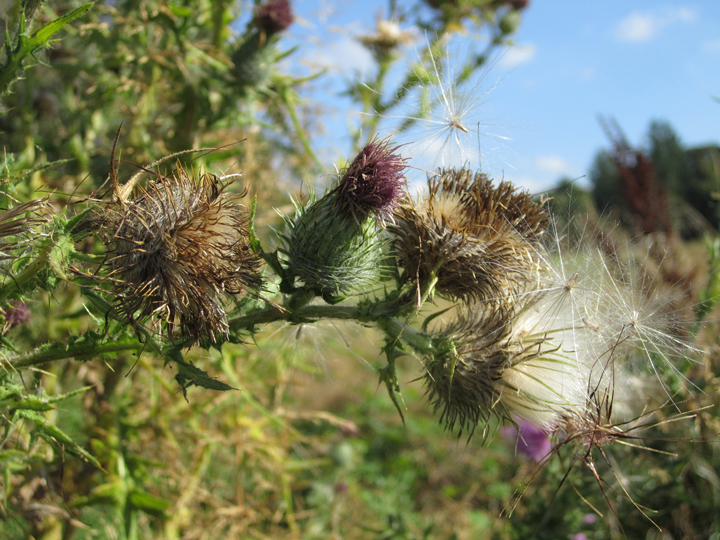
Thistle making more thistle
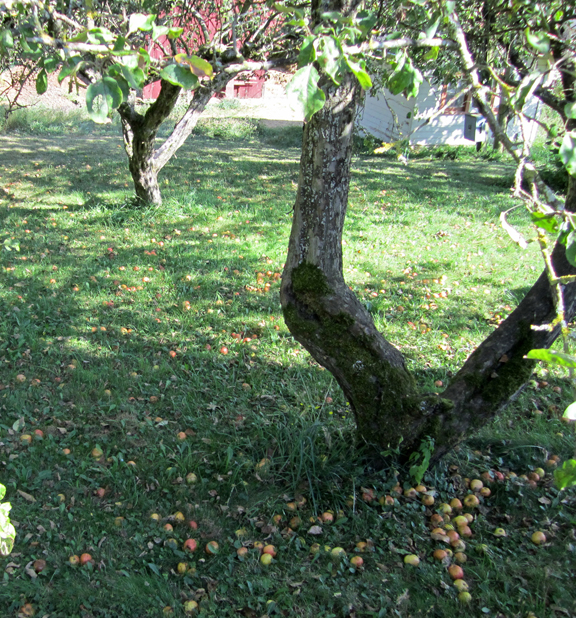
Gravenstein windfalls
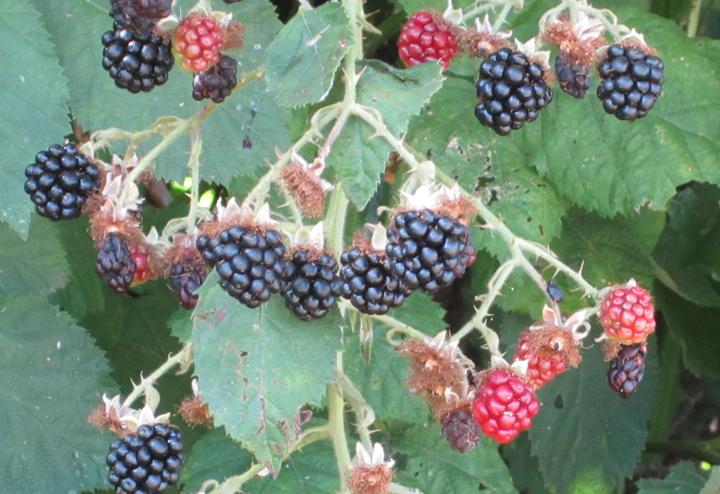
a few of a million blackberries on the farm
silver plum tree

Summer was our best season: it was sleeping on the back screened porch in cots, or trying to sleep in the treehouse; summer was everything good to eat; it was a thousand colors in a parched landscape; but most of all, summer was Dill.
~ Harper Lee in Too Kill a Mockingbird


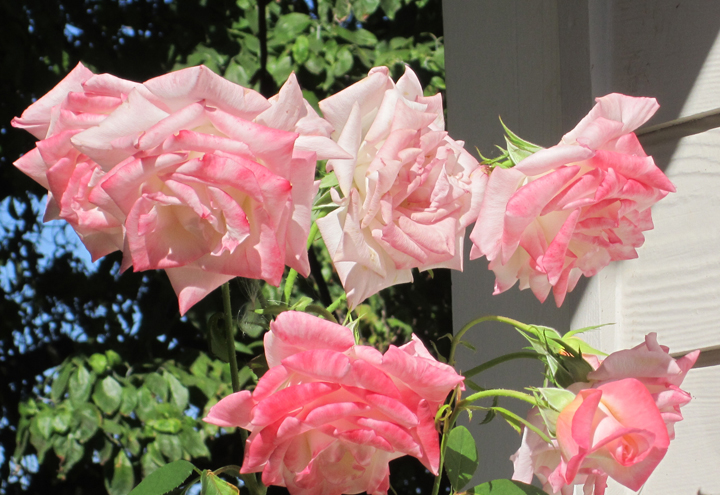
‘Tis the last rose of summer
Left blooming alone;
All her lovely companions
Are faded and gone.
Thomas More

poplar row

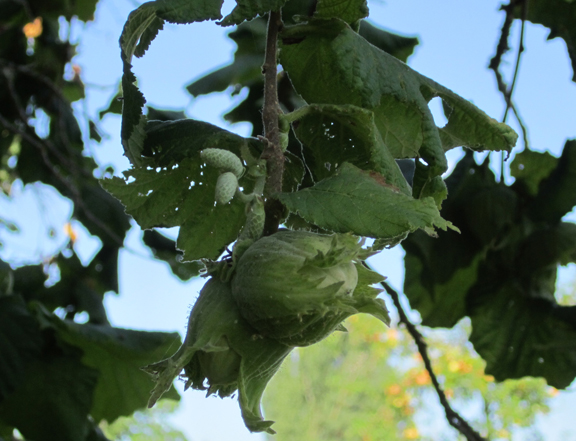
in the filbert grove

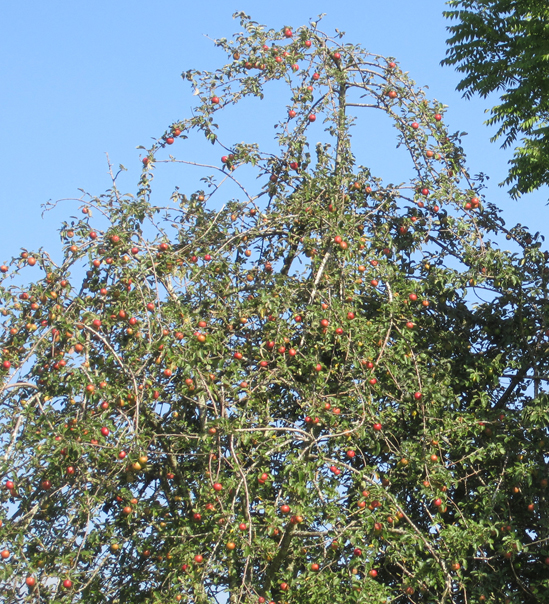
Baldwin apple tree

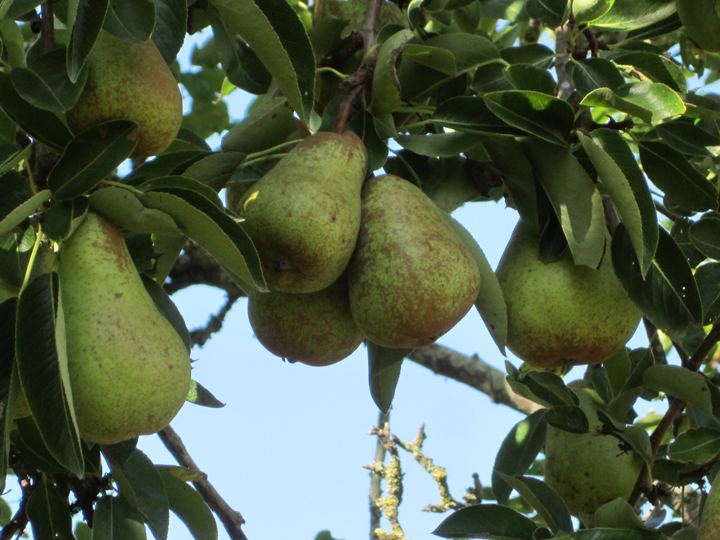
Bartlett pear tree
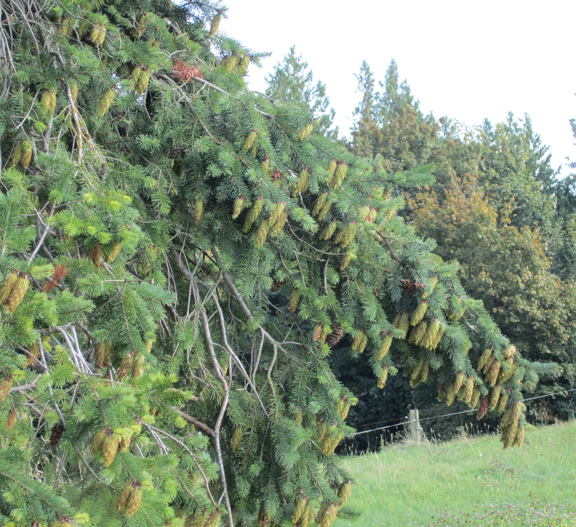
heavy cone crop

And so with the sunshine and the great bursts of leaves growing on the trees, just as things grow in fast movies, I had that familiar conviction that life was beginning over again with the summer.
~F. Scott Fitzgerald in The Great Gatsby

milking barn window
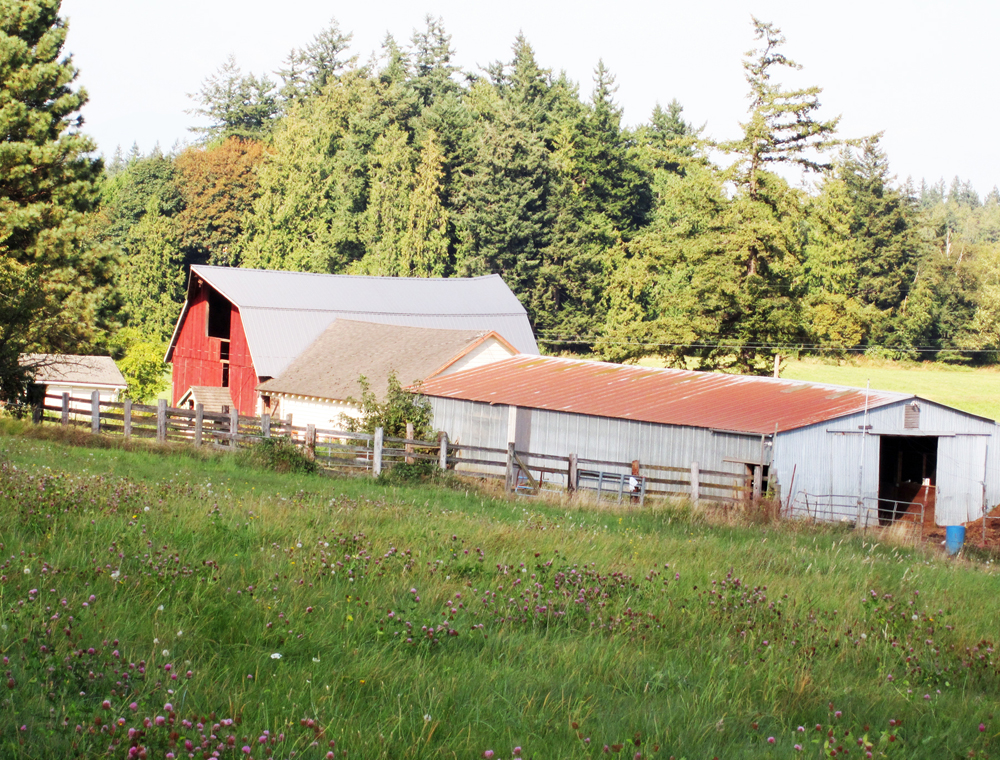
from the field
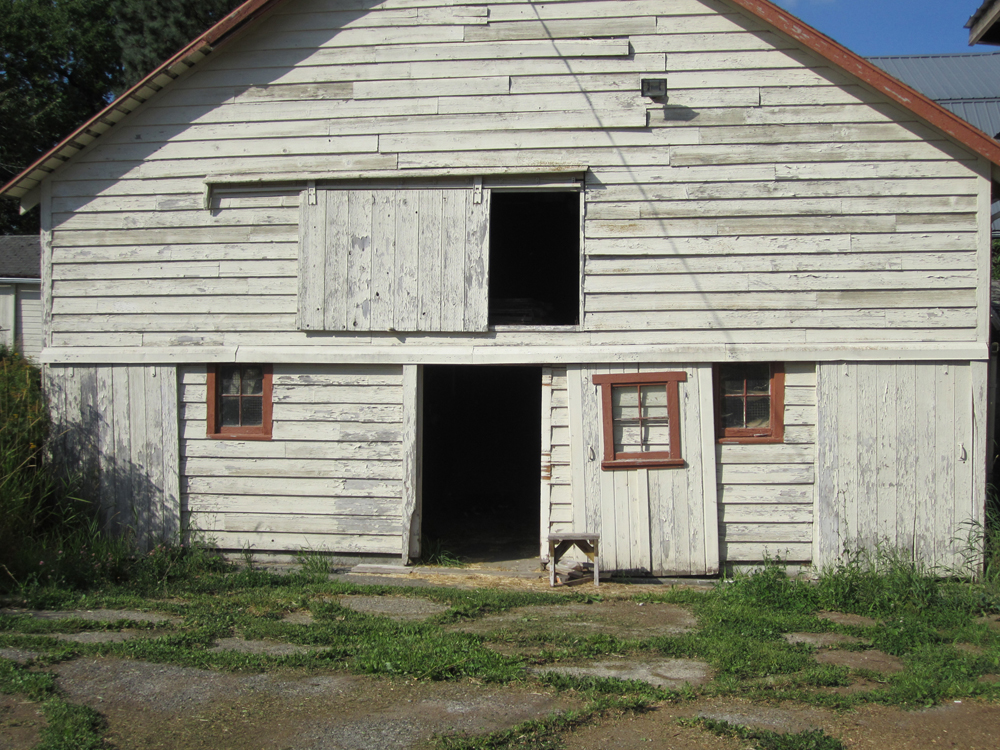
old milk barn
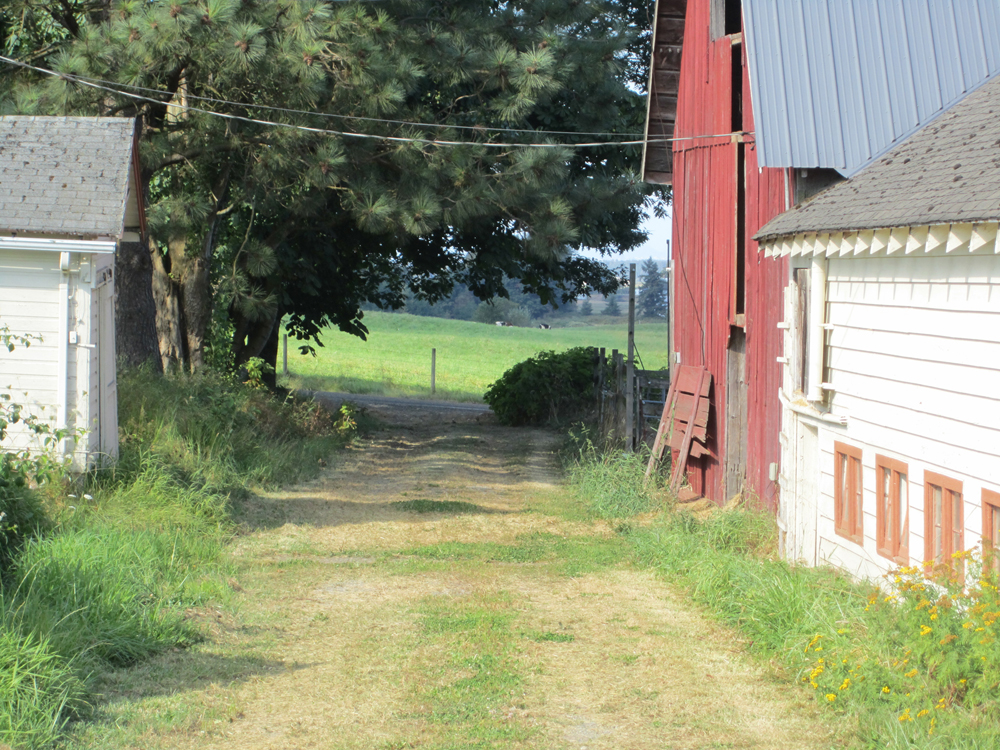
barn lane

Summer’s lease hath all too short a date.
~William Shakespeare

hydrangea

BriarCroft in Winter