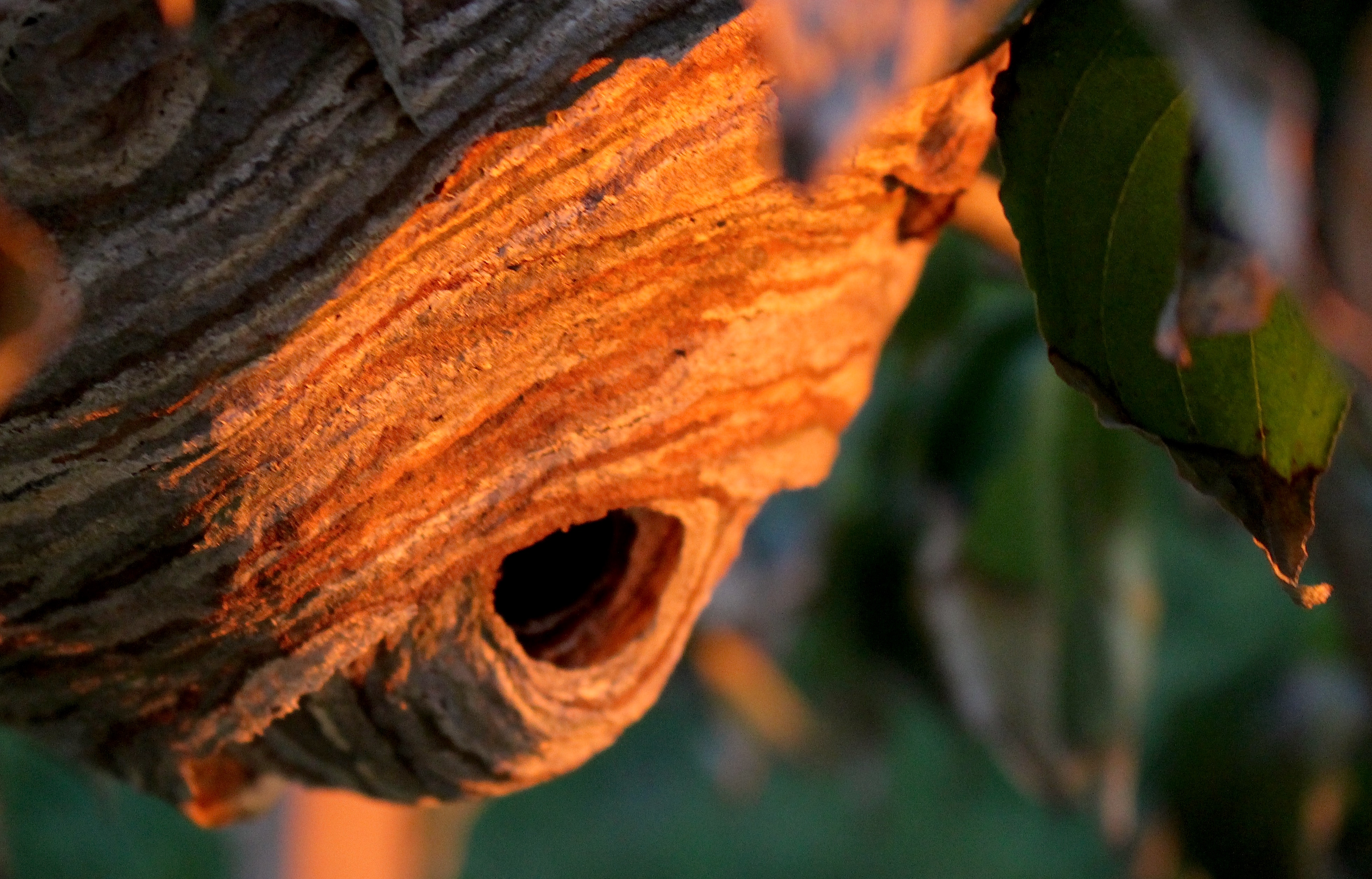
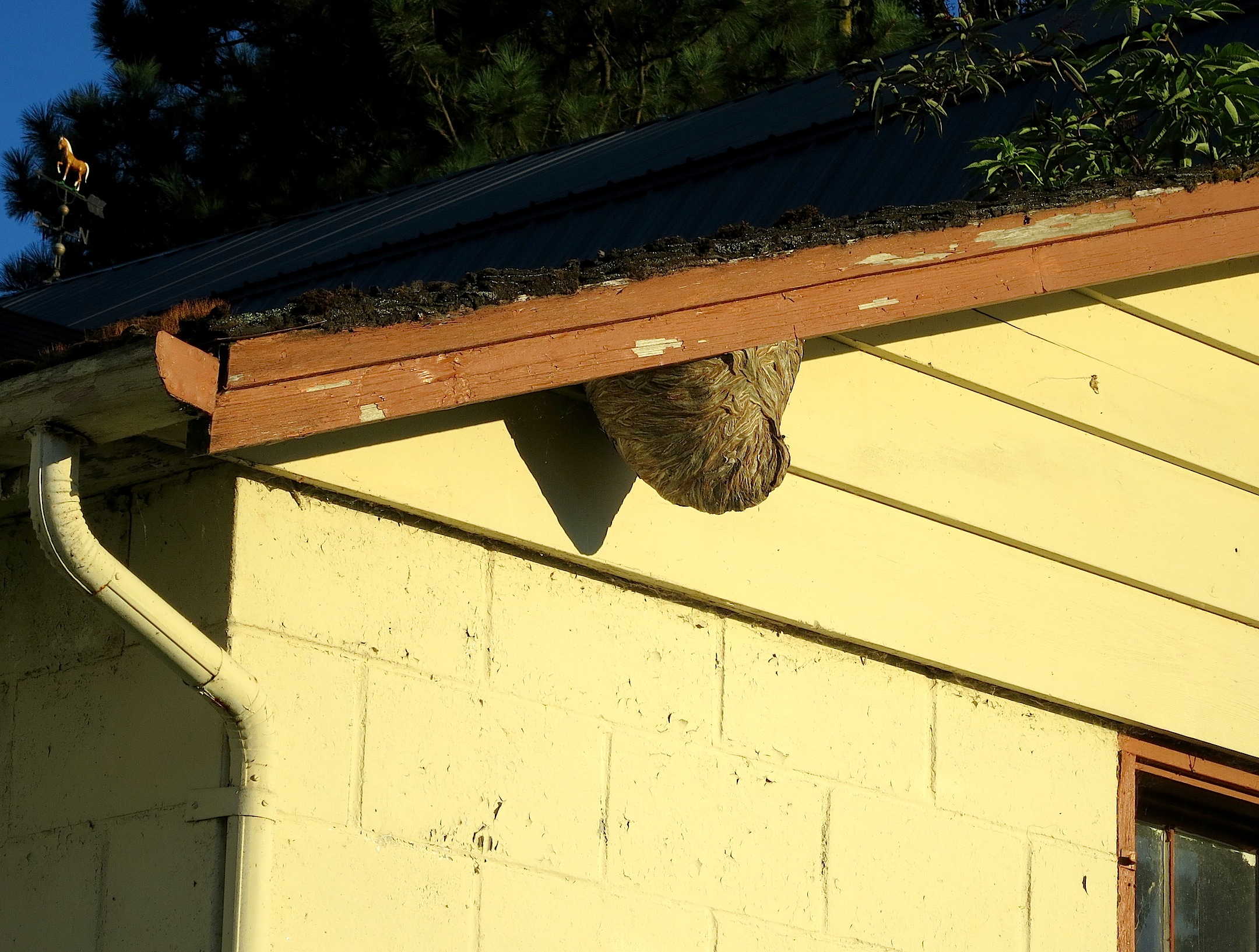
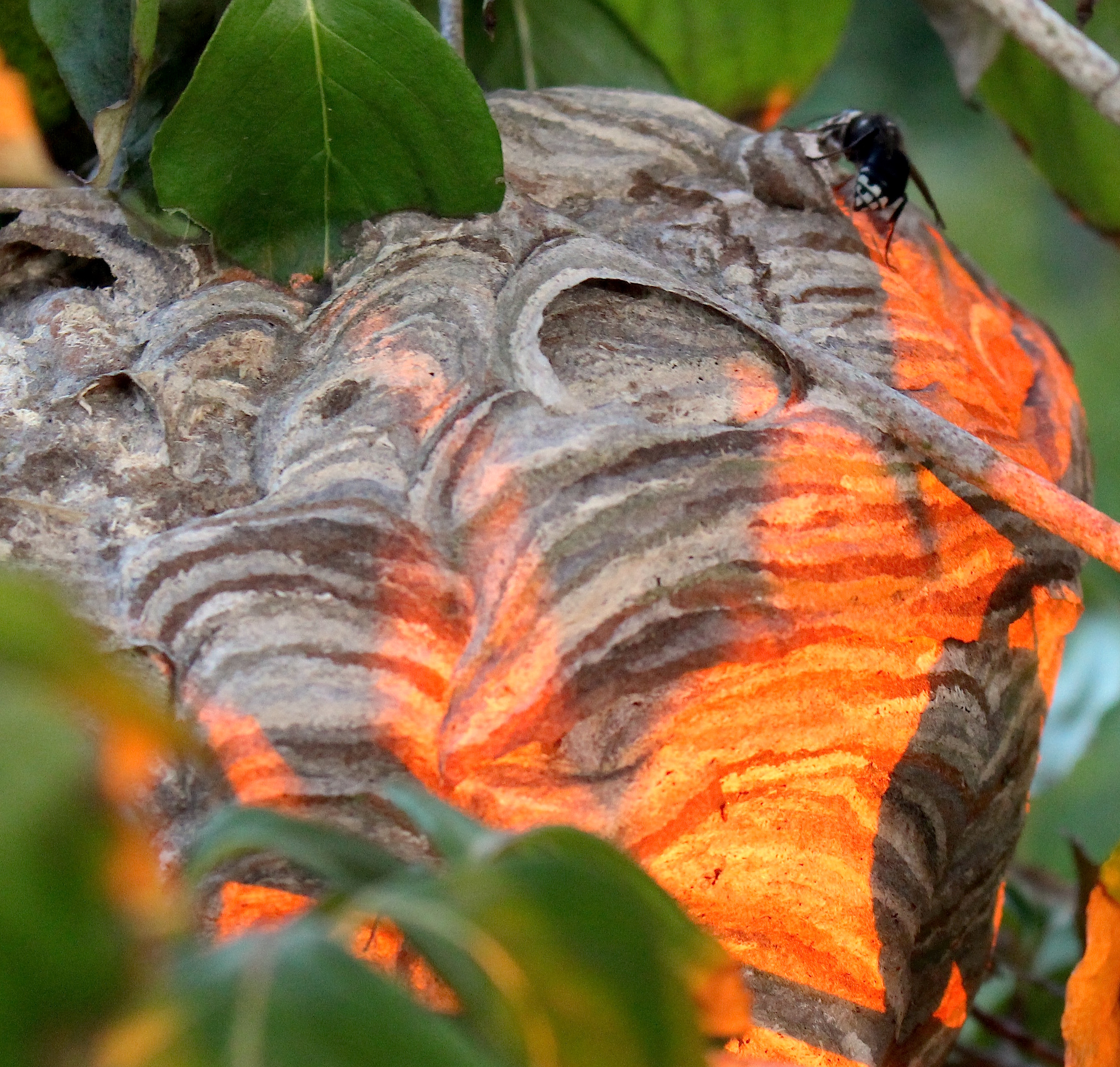
Trying to Transplant Pain

Why should I have to deal with so-called human beings
when I can be up on the roof
hammering shingles harder than necessary,

driving the sharp nails down
into the forehead of the house
like words I failed earlier to say?

And when a few wasps eddy up
from their hidden place beneath the eaves
to zoom in angry agitation near my face

I just raise a canister of lethal spray
and shoot them down without a thought.
Don’t speak to me, please,
about clarity and proportionate response.

The world is a can of contents under pressure;
a human being should have a warning label on the side
that says: Disorganized Narrative Inside;
Beware of frequent sideways bursting

of one feeling through another
—to stare into the tangled midst of which
would make you as sick and dizzy as those wasps,

then leave you stranded on the roof
on a beautiful day in autumn
with a mouth full of nails,

trying to transplant pain
by hammering down
into a house full of echoes.
~Tony Hoagland “Wasp”
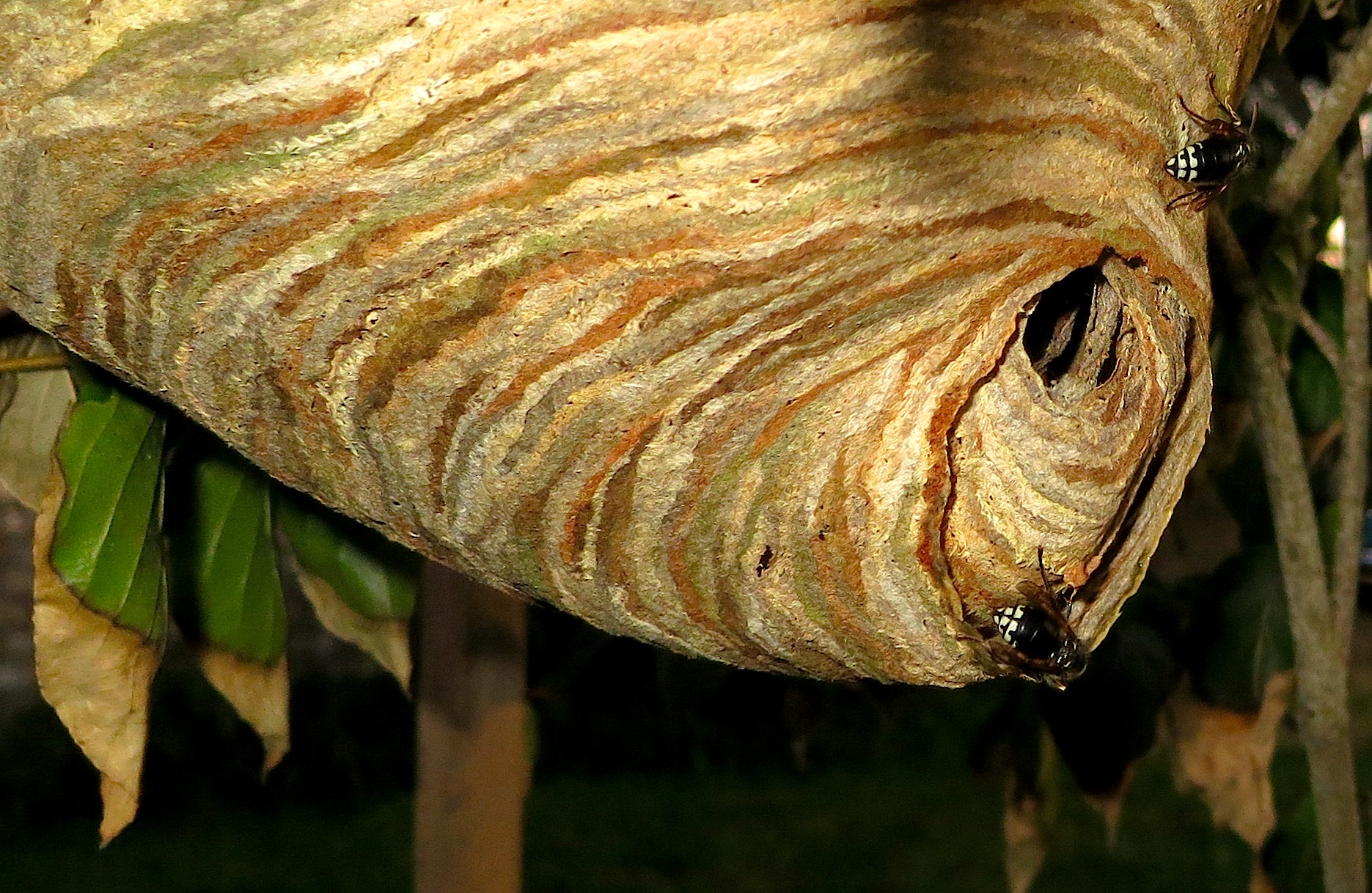
Two aerial tigers,
Striped in ebony and gold
And resonantly, savagely a-hum,
Have lately come
To my mailbox’s metal hold
And thought
With paper and with mud
Therein to build
Their insubstantial and their only home.
Neither the sore displeasure
Of the U. S. Mail
Nor all my threats and warnings
Will avail
To turn them from their hummed devotions.
And I think
They know my strength,
Can gauge
The danger of their work:
One blow could crush them
And their nest; and I am not their friend.
And yet they seem
Too deeply and too fiercely occupied
To bother to attend.
Perhaps they sense
I’ll never deal the blow,
For, though I am not in nor of them,
Still I think I know
What it is like to live
In an alien and gigantic universe, a stranger,
Building the fragile citadels of love
On the edge of danger.

~James L. Rosenberg “The Wasps’ Nest”

When will we ever learn?

This election season is unprecedented with plenty of verbal kicking of various hornets’ nests, some while resting in our literal laps.

We are surrounded on every side by anger and agitation, some of it coming from our own words and activities. Some of us feel like we are precariously balanced between family members and friends, hoping not to make things worse by saying what we believe, or choosing silence.

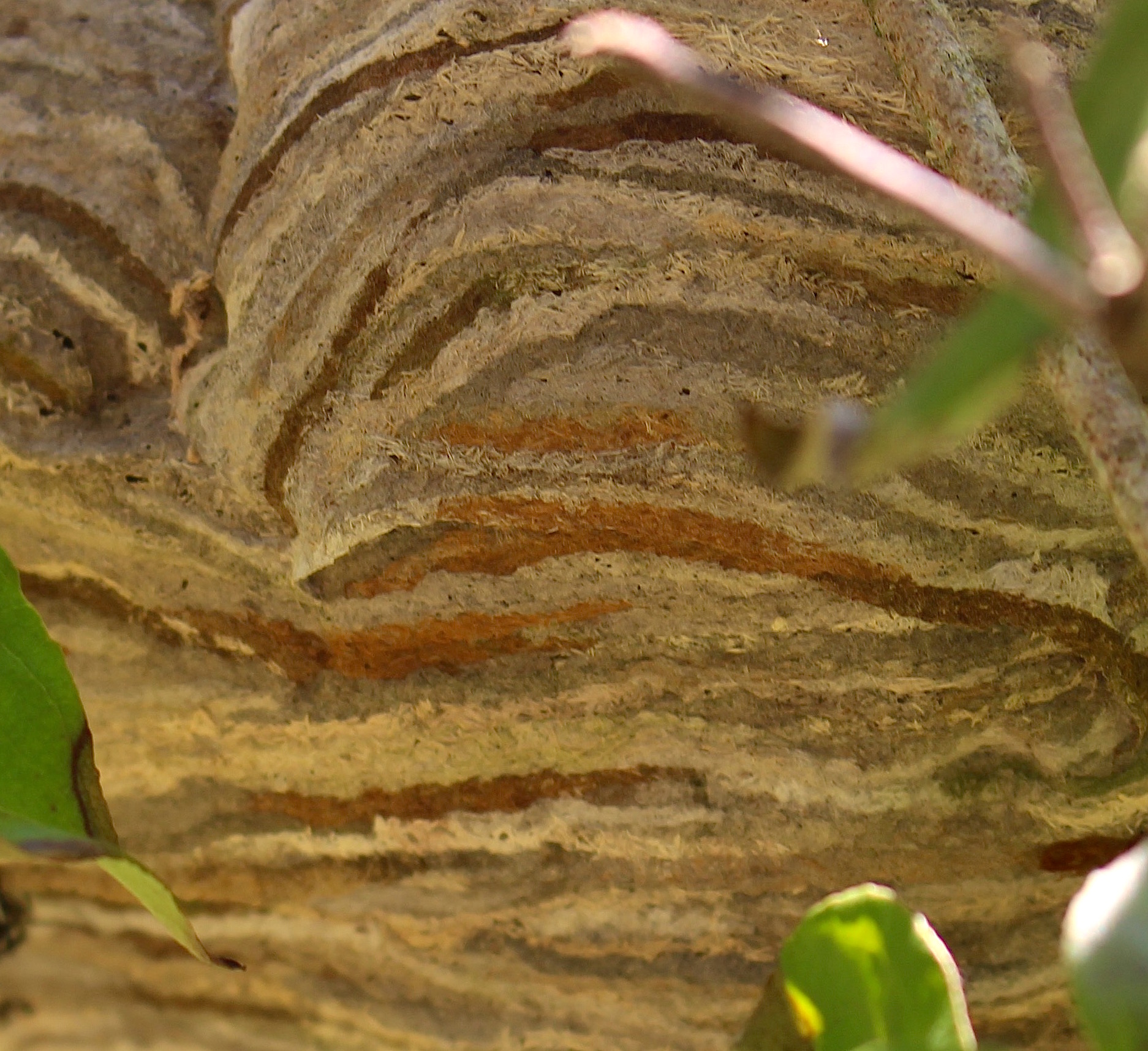
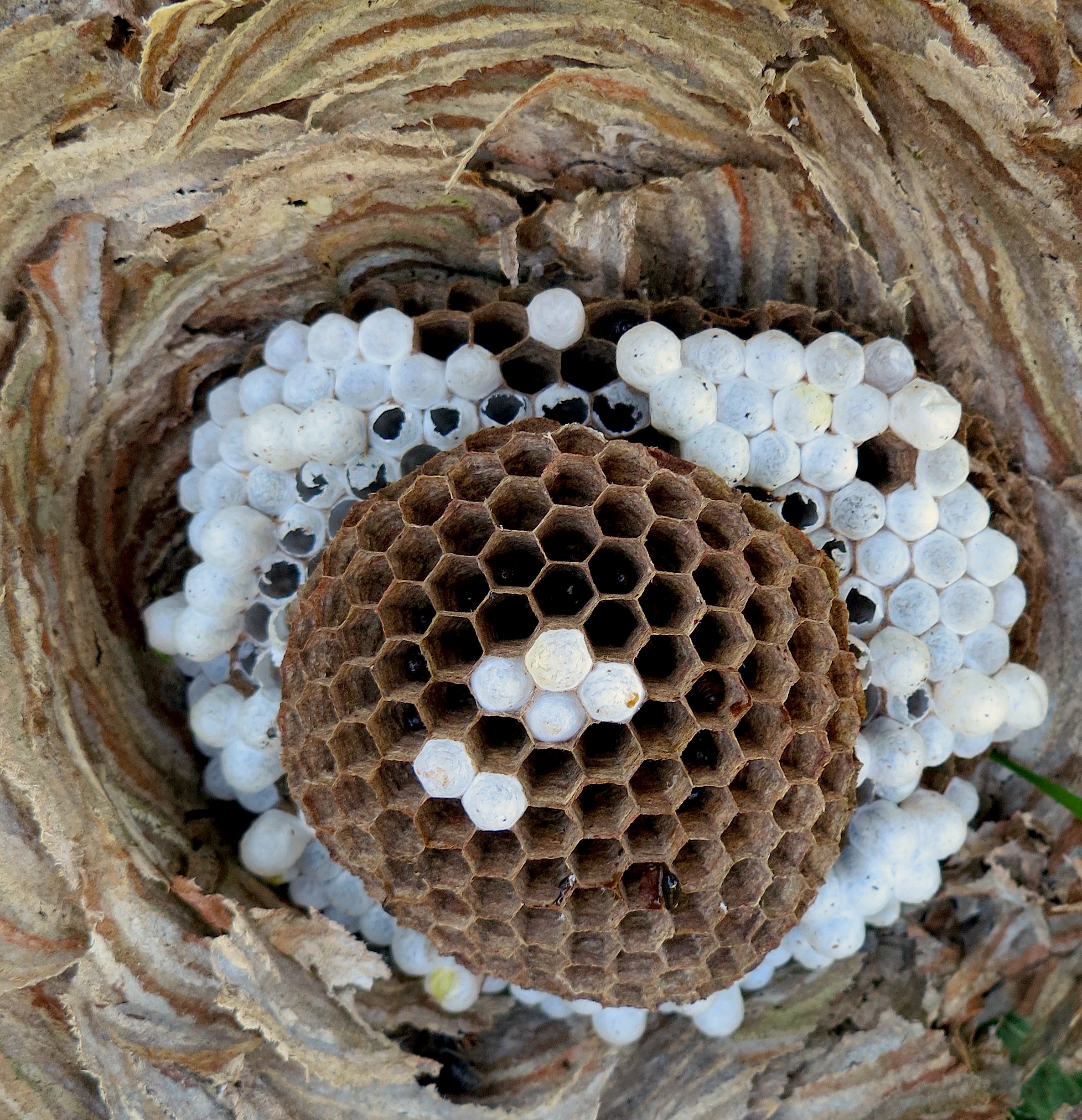
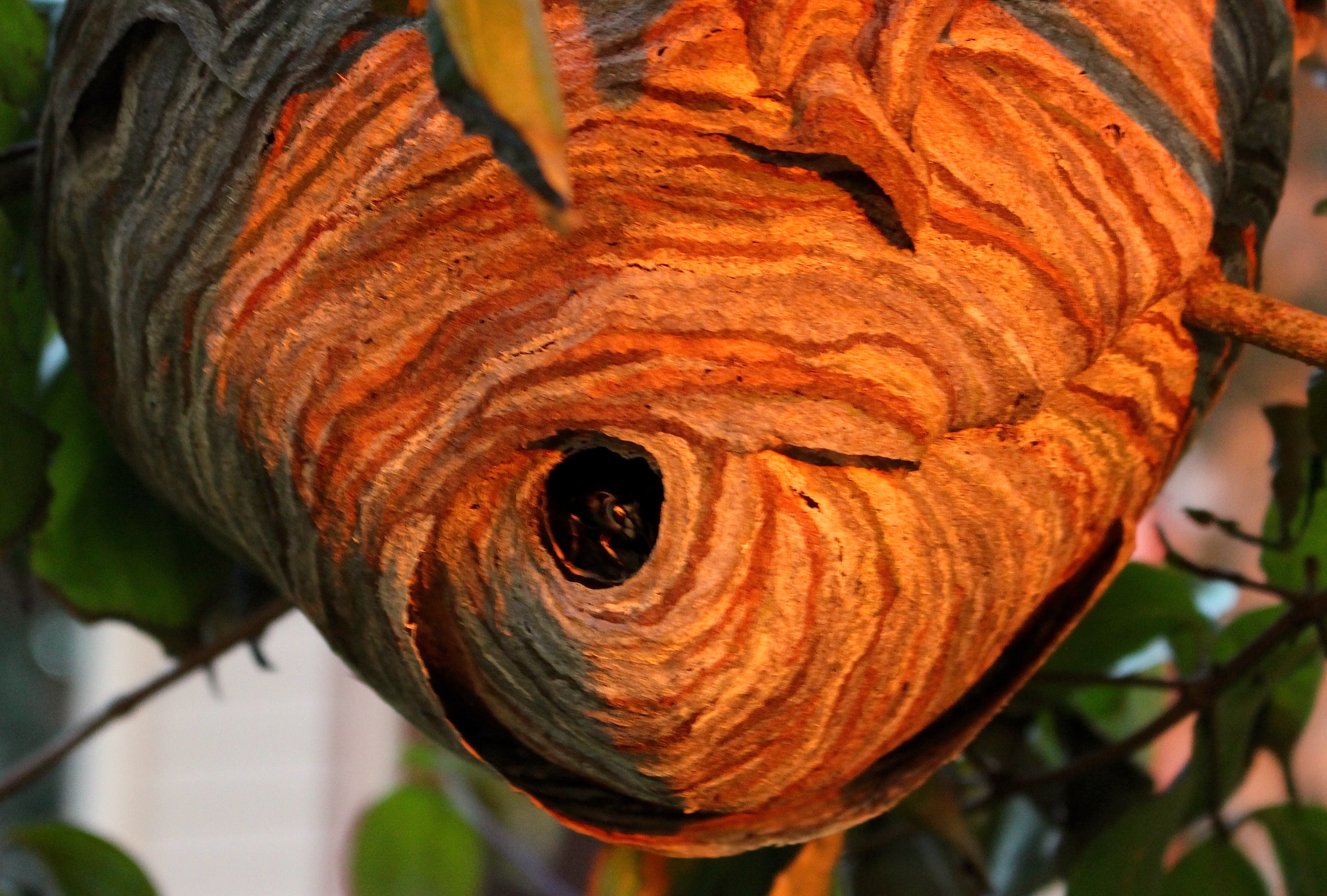
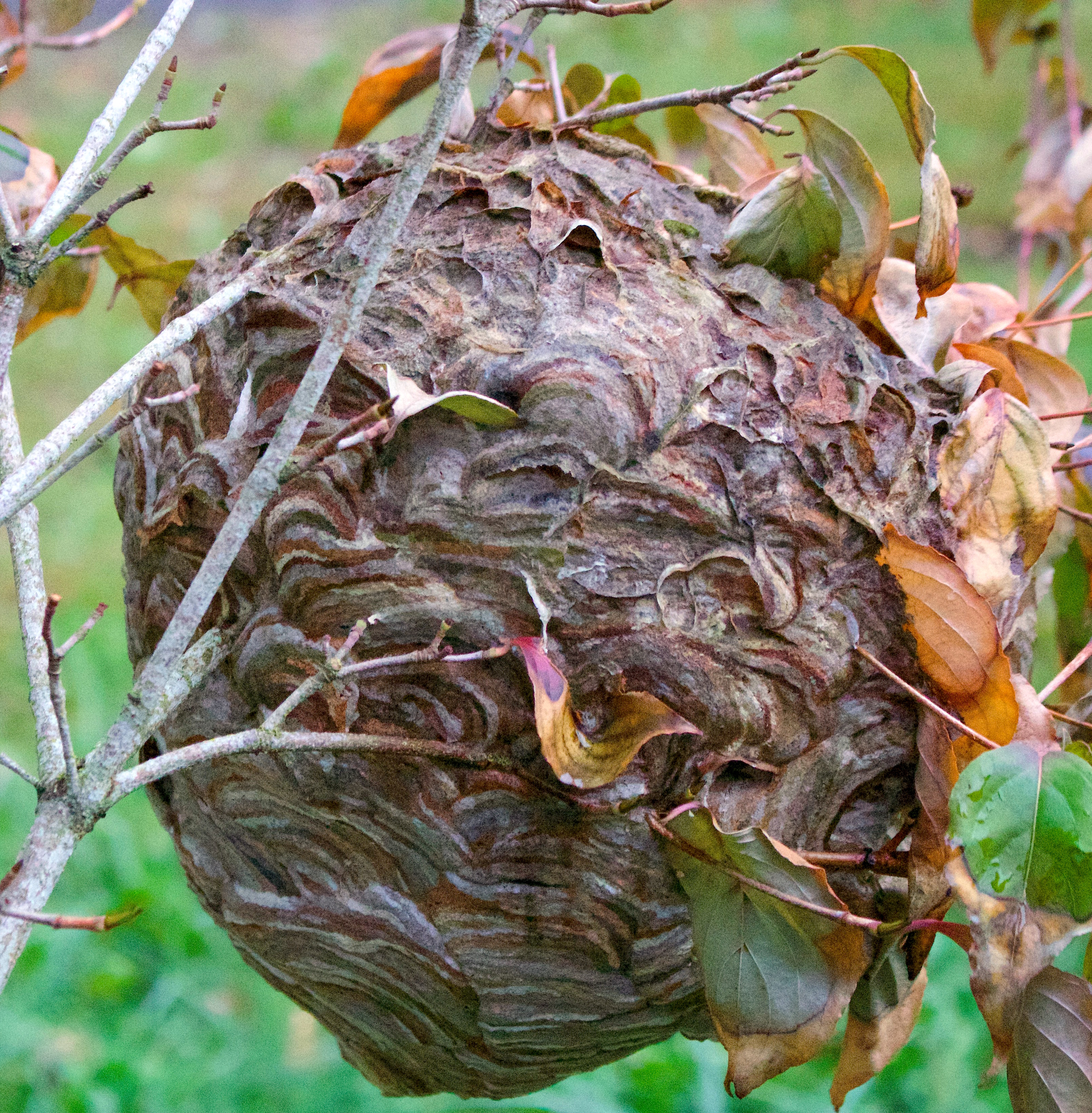
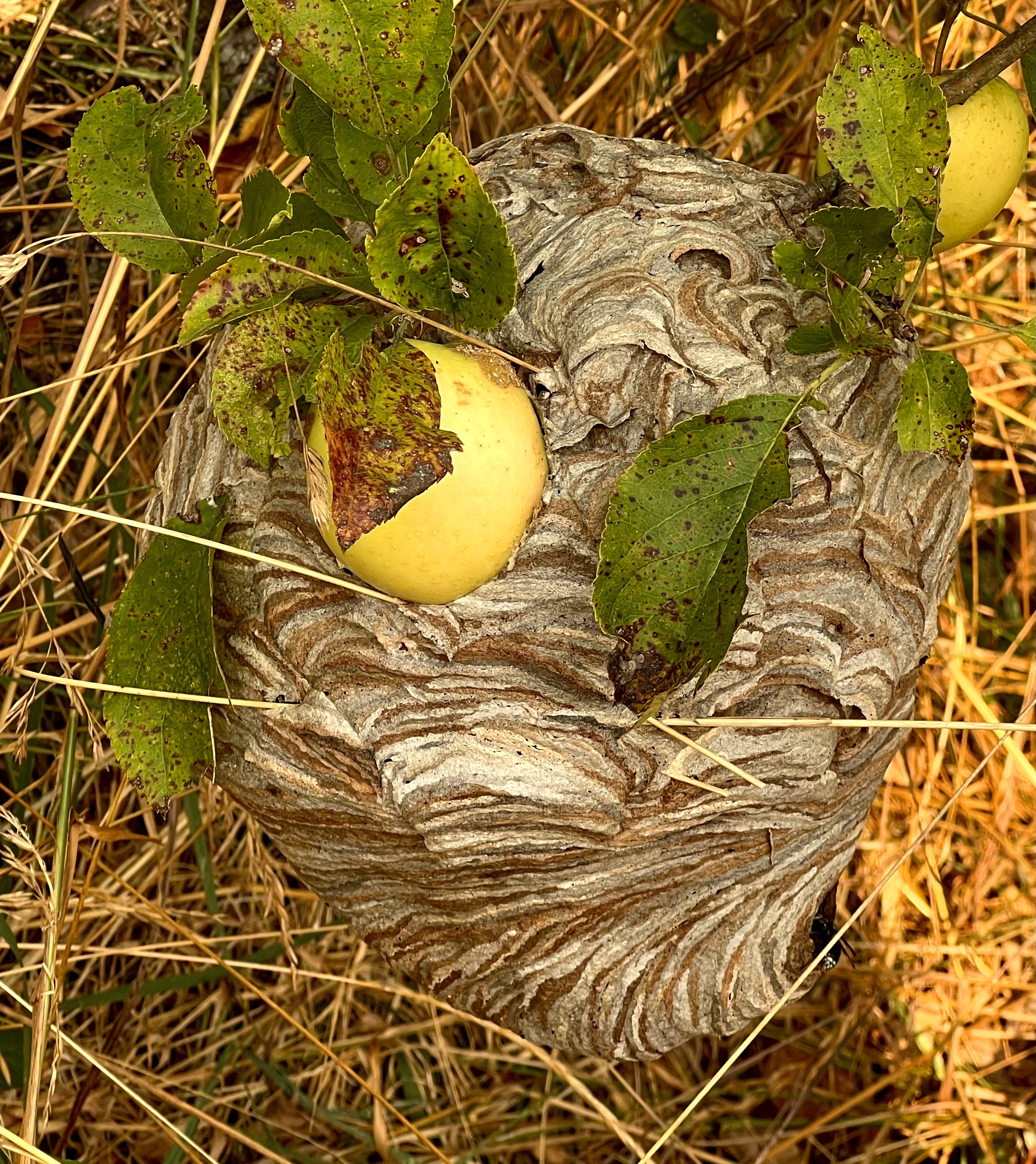
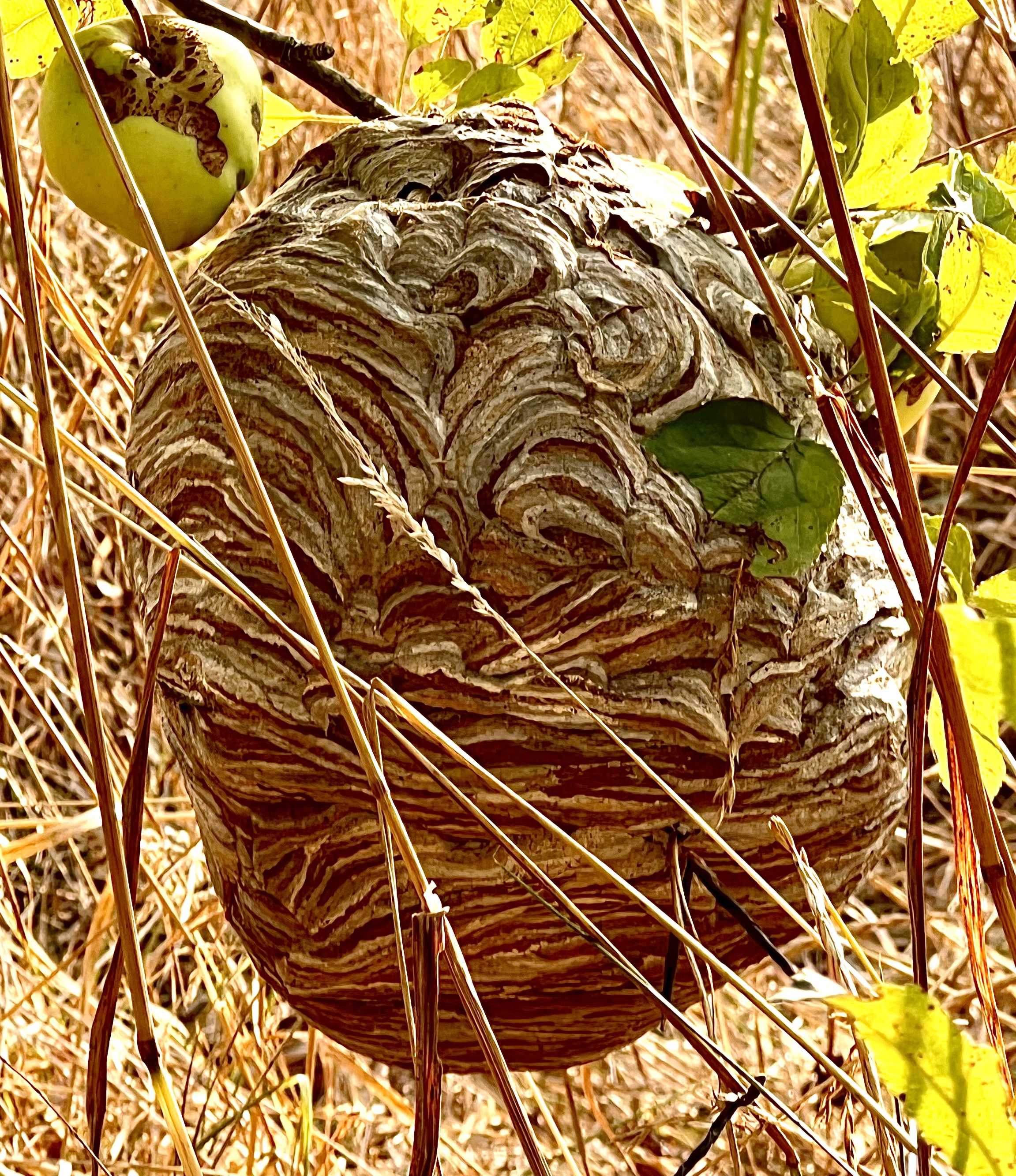
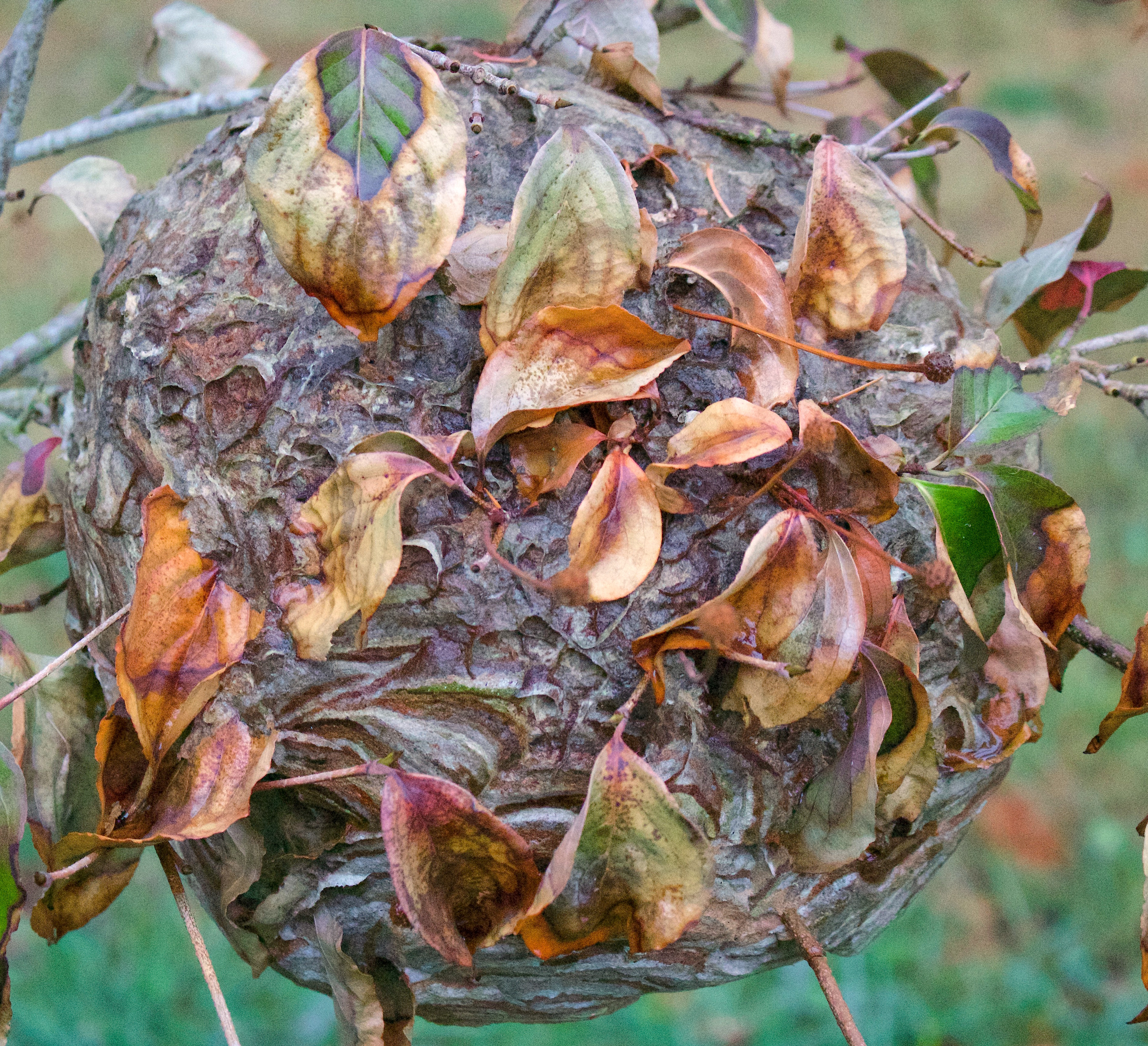
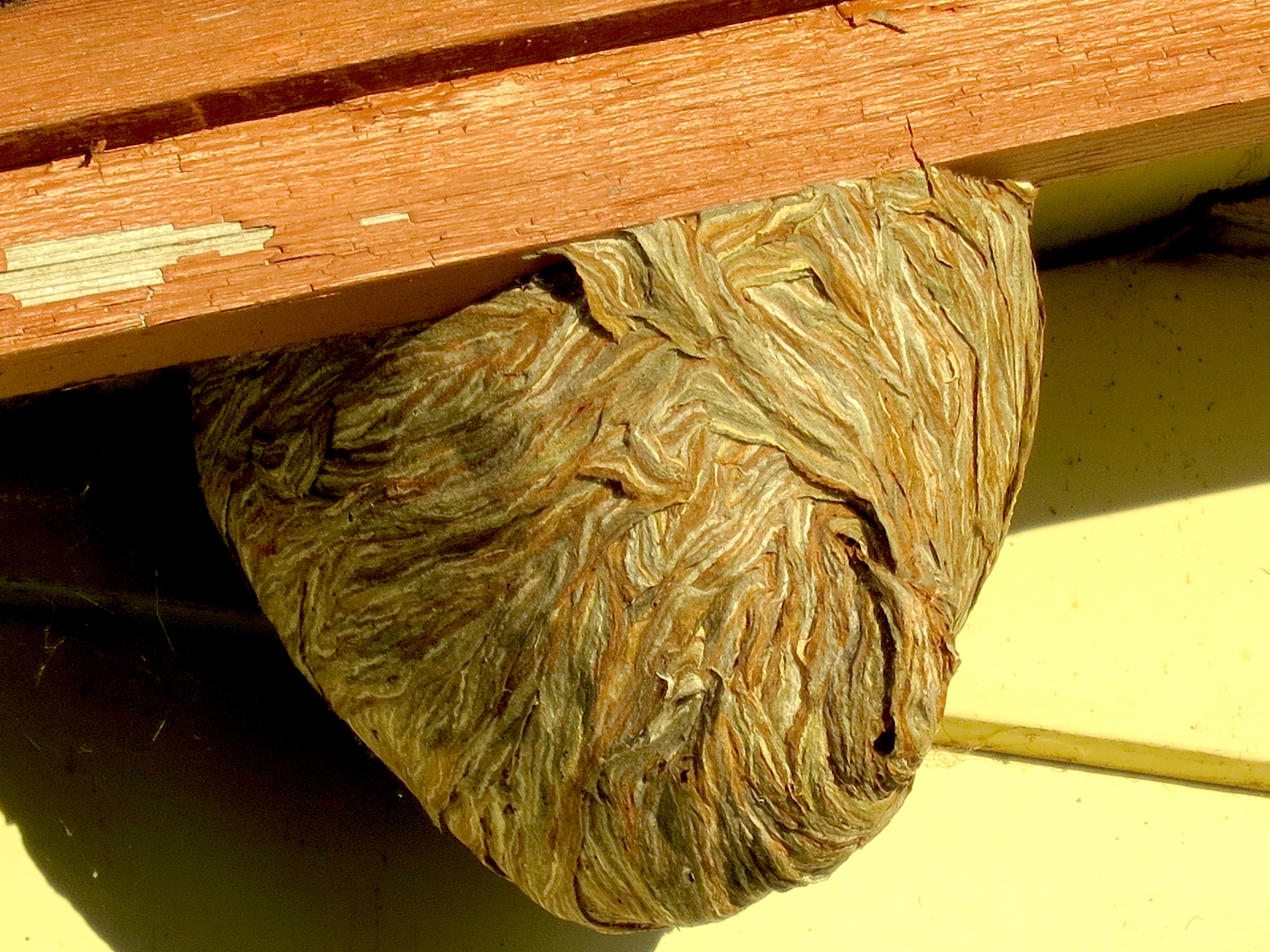
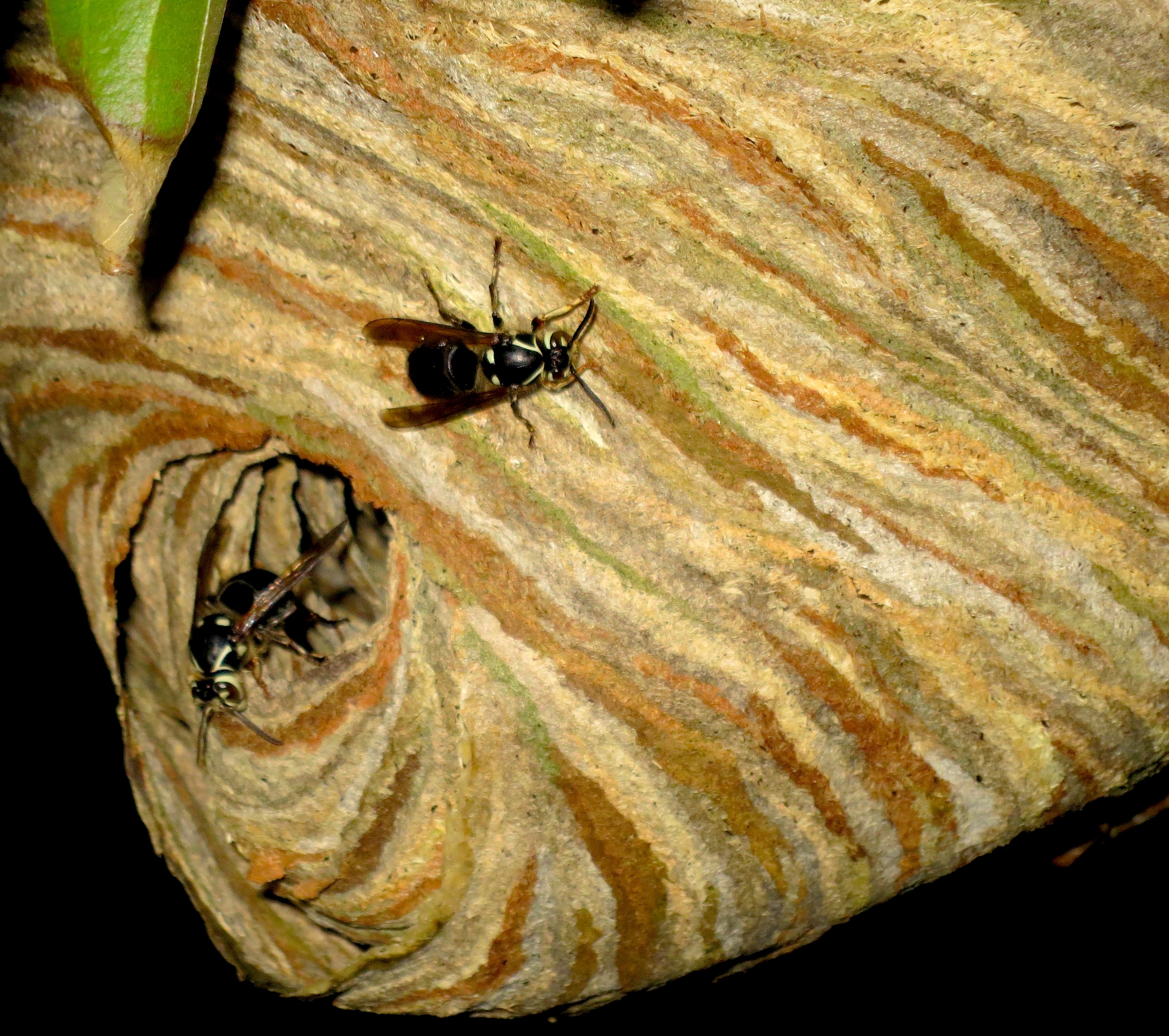
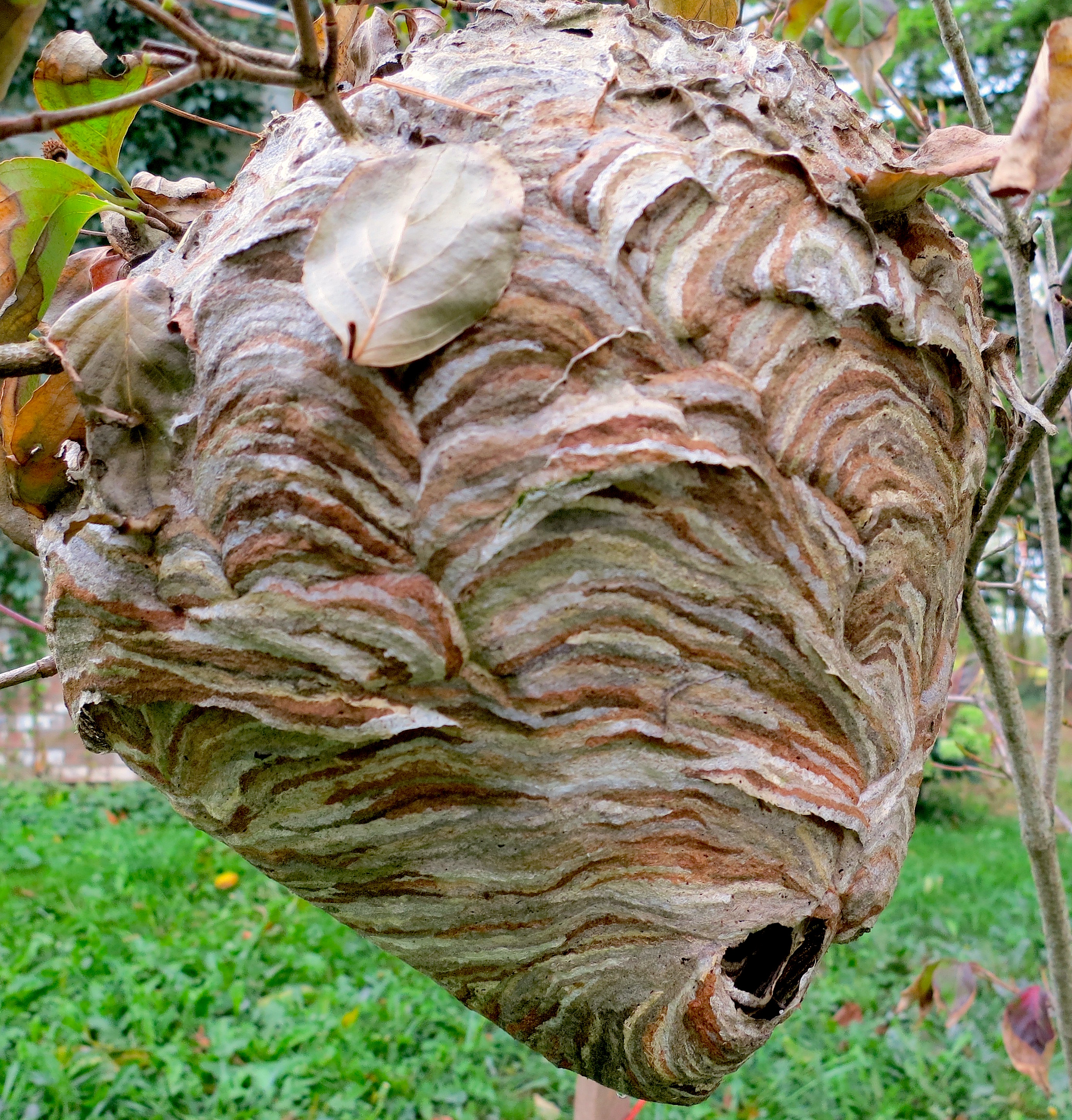
Rather than throwing stones or spraying poison at yet another wasp nest, I walk on by, acknowledging its fragile presence, but uninterested in joining its buzz.

As the walls of this seasonal fortress are tissue-paper thin, it won’t survive the winds and rains of the coming winter. There will always be attempts at rebuilding and still I will try to avoid the agitation.

I’m not in or of them.
It’s a long time passing…
One-Time
Monthly
Yearly

Make a one-time or recurring donation to support daily Barnstorming posts

Make a monthly donation

Make a yearly donation

Choose an amount

$10.00
$25.00
$50.00
$5.00
$15.00
$100.00
$5.00
$15.00
$100.00

Or enter a custom amount

$

Your contribution is deeply appreciated.

Your contribution is appreciated.

Your contribution is appreciated.

DonateDonate monthlyDonate yearly
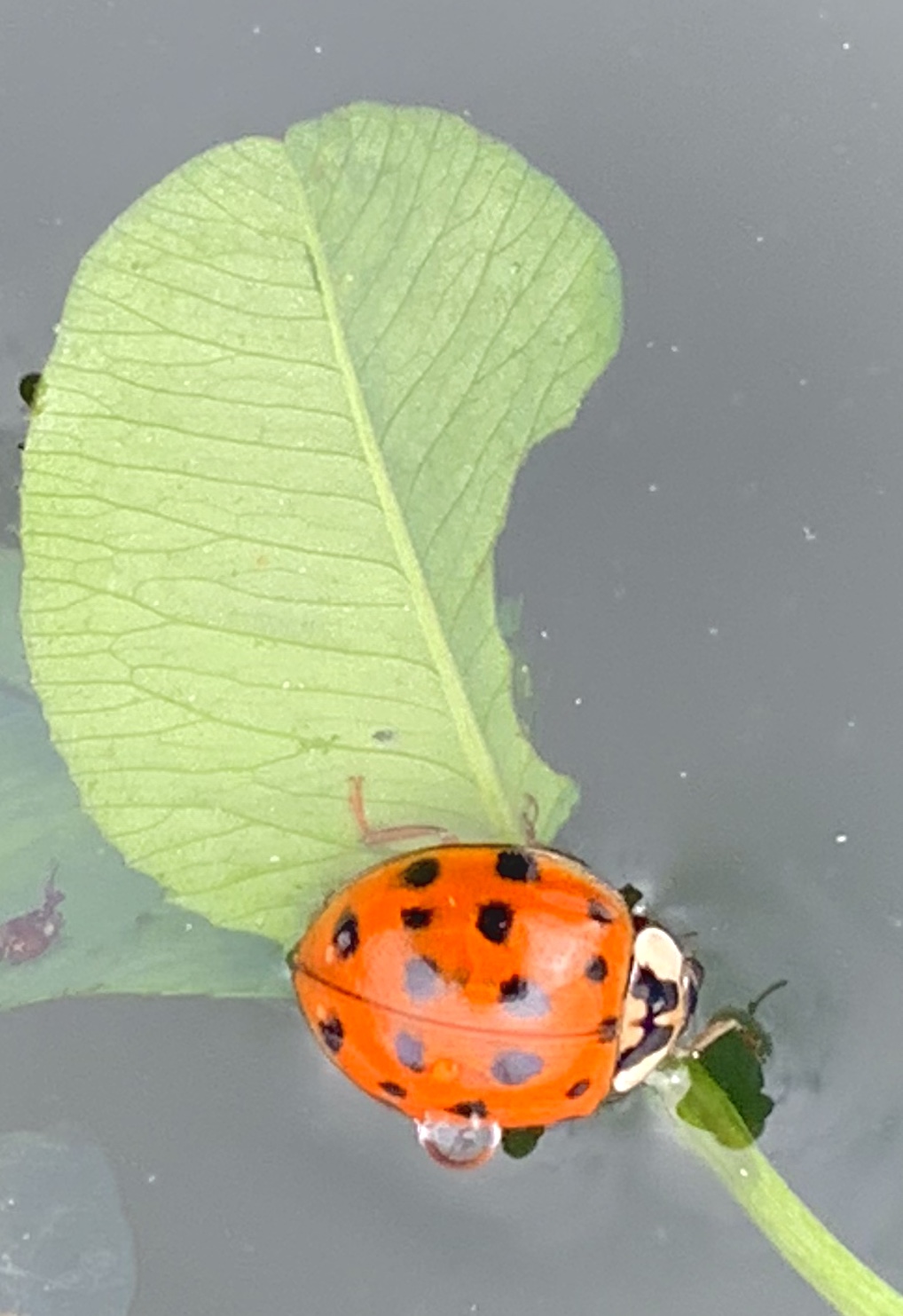
Lifted From the Water

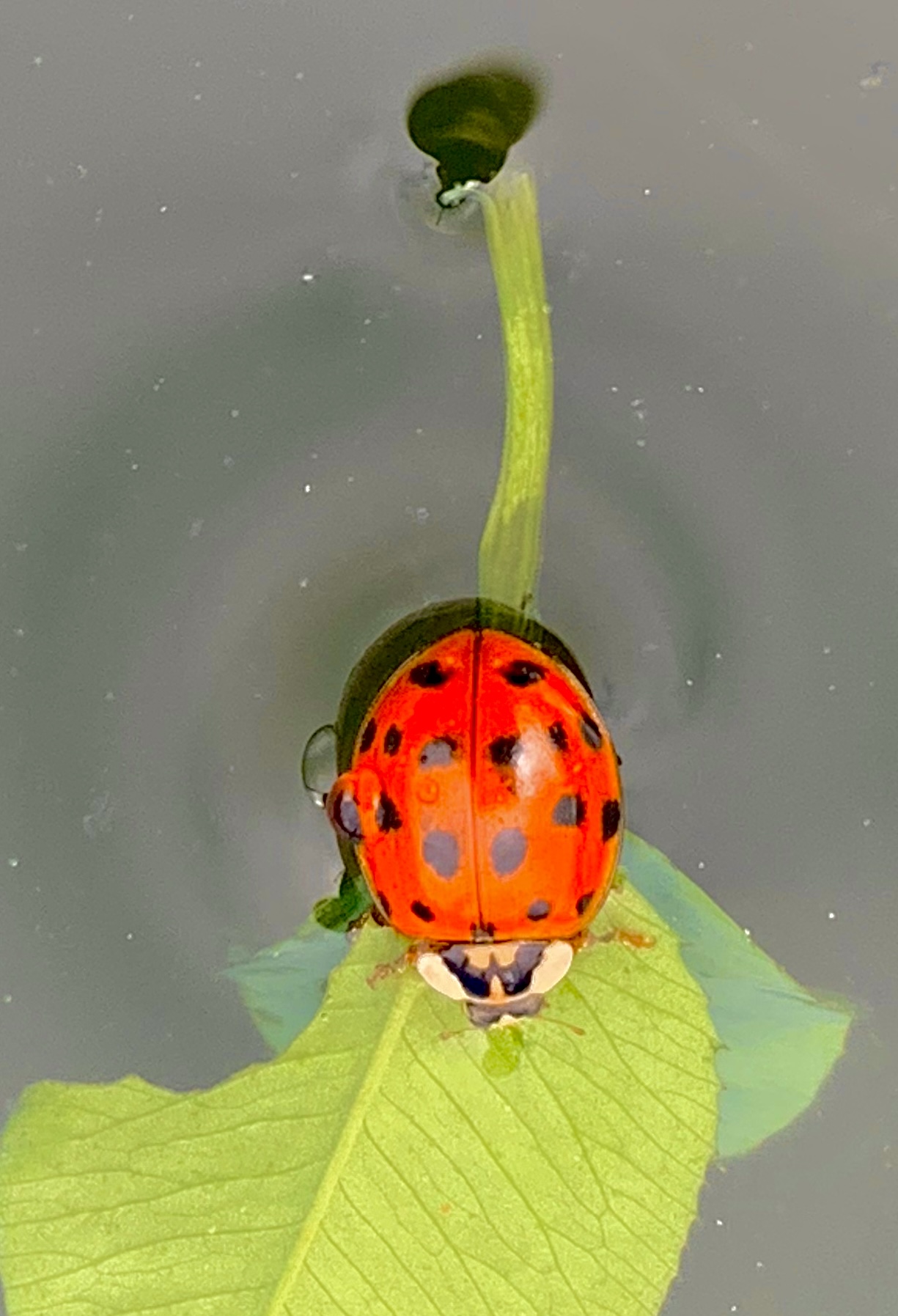
I couldn’t let it drown. I ripped off a piece
of my sandwich bag, lifted it to safety.
Its little legs reached behind its back
to stroke its wings dry.
I, too, have stretched my legs
in strange positions. Is this a leap?
What did you expect? For me to let the bug
just be a bug. To leave it alone
when it already planned on dying.
To reach out and not imagine myself the God
I wish would lift me from the water.
~Daniella Toosie-Watson “The Bug”

You are not your own; you were bought at a price.
1 Corinthians 6: 19b-20a

There is a well known story with a number of variations, all involving a scorpion that stings a good-souled frog/turtle/crocodile/person who tries to rescue it from drowning. Since the sting dooms the rescuer and as a result the scorpion as well, the scorpion explains “to sting is in my nature”. In one version, the rescuer tries again and again to help the scorpion, repeatedly getting stung, only to explain before he dies “it may be in your nature to sting but it is in my nature to save.”

This is actually a story originating from Eastern religion and thought, the purpose of which is to illustrate the “dharma”, or orderly nature of things. The story ends perfectly for the Eastern religions believer even though both scorpion and the rescuer die in the end, as the dharma of the scorpion and of the rescuer is realized, no matter what the outcome. Things are what they are, without judgment, and actualization of that nature is the whole point.

However, this story only resonates for the Christian if the nature of the scorpion is forever transformed by the sacrifice of the rescuer on its behalf. The scorpion is no longer its own so no longer slave to its “nature” – no longer just a scorpion with a need and desire to sting whatever it sees. It has been “bought” through the sacrifice of the Rescuer. It no longer is “just” a bug, planning on drowning.

So we too are no longer our own,
no longer the helpless victim of our nature
no longer the stinger
no longer the stung
no longer who we used to be before we were rescued.

We are bought at a price beyond imagining.

And our nature to hurt, to punish, to sting, even to die – shall be no more.

Where, O death, is your victory? Where, O death, is your sting?
1 Corinthians 15: 55

One-Time
Monthly
Yearly

Make a one-time or recurring donation

Make a monthly donation

Make a yearly donation

Choose an amount

¤10.00
¤20.00
¤50.00
¤5.00
¤15.00
¤100.00
¤5.00
¤15.00
¤100.00

Or enter a custom amount

¤

Your contribution is deeply appreciated.

Your contribution is appreciated.

Your contribution is appreciated.

DonateDonate monthlyDonate yearly
Buttercups and Velvet Bums

A week ago I had a fire
To warm my feet, my hands and face;
Cold winds, that never make a friend,
Crept in and out of every place.


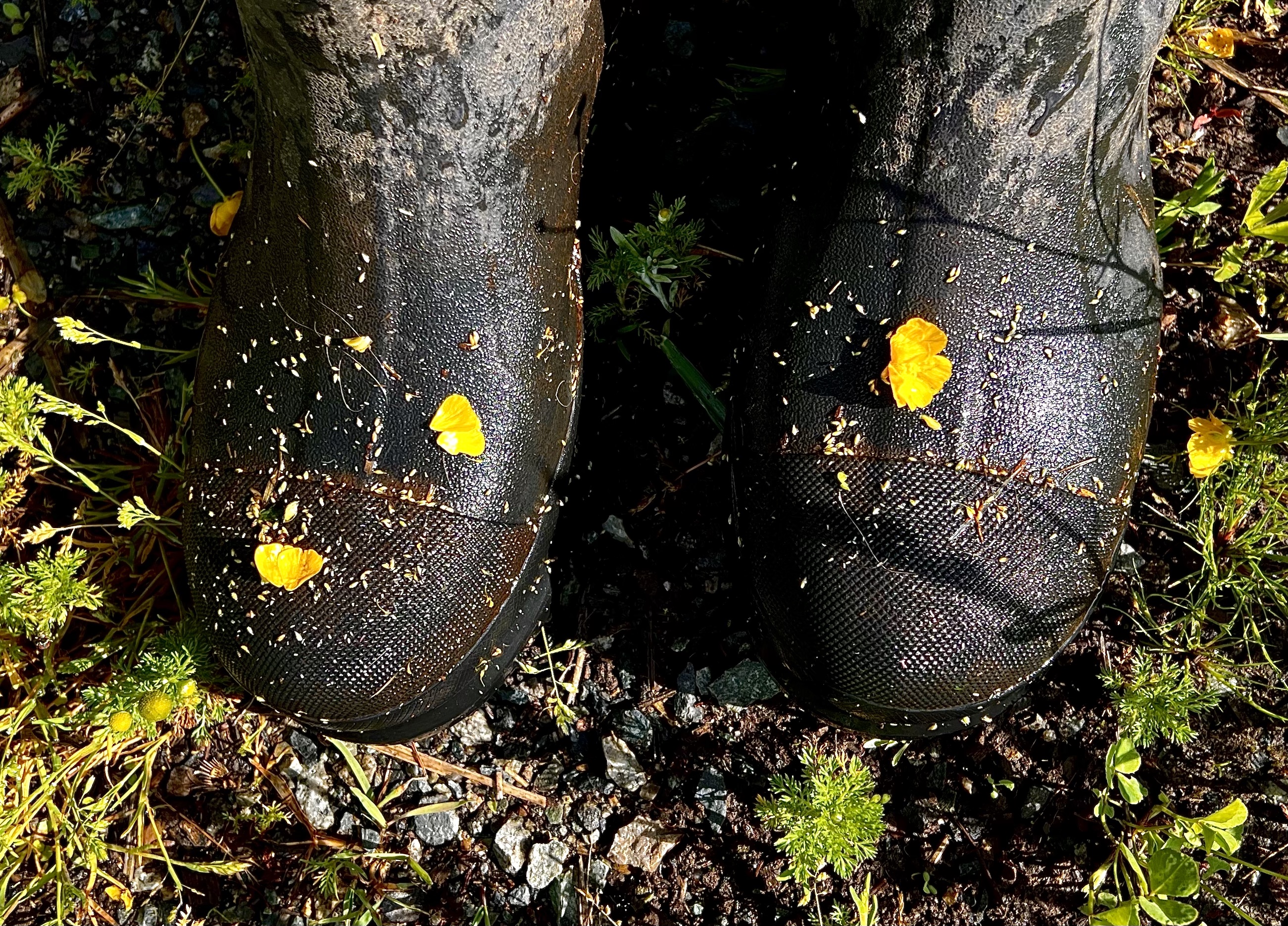
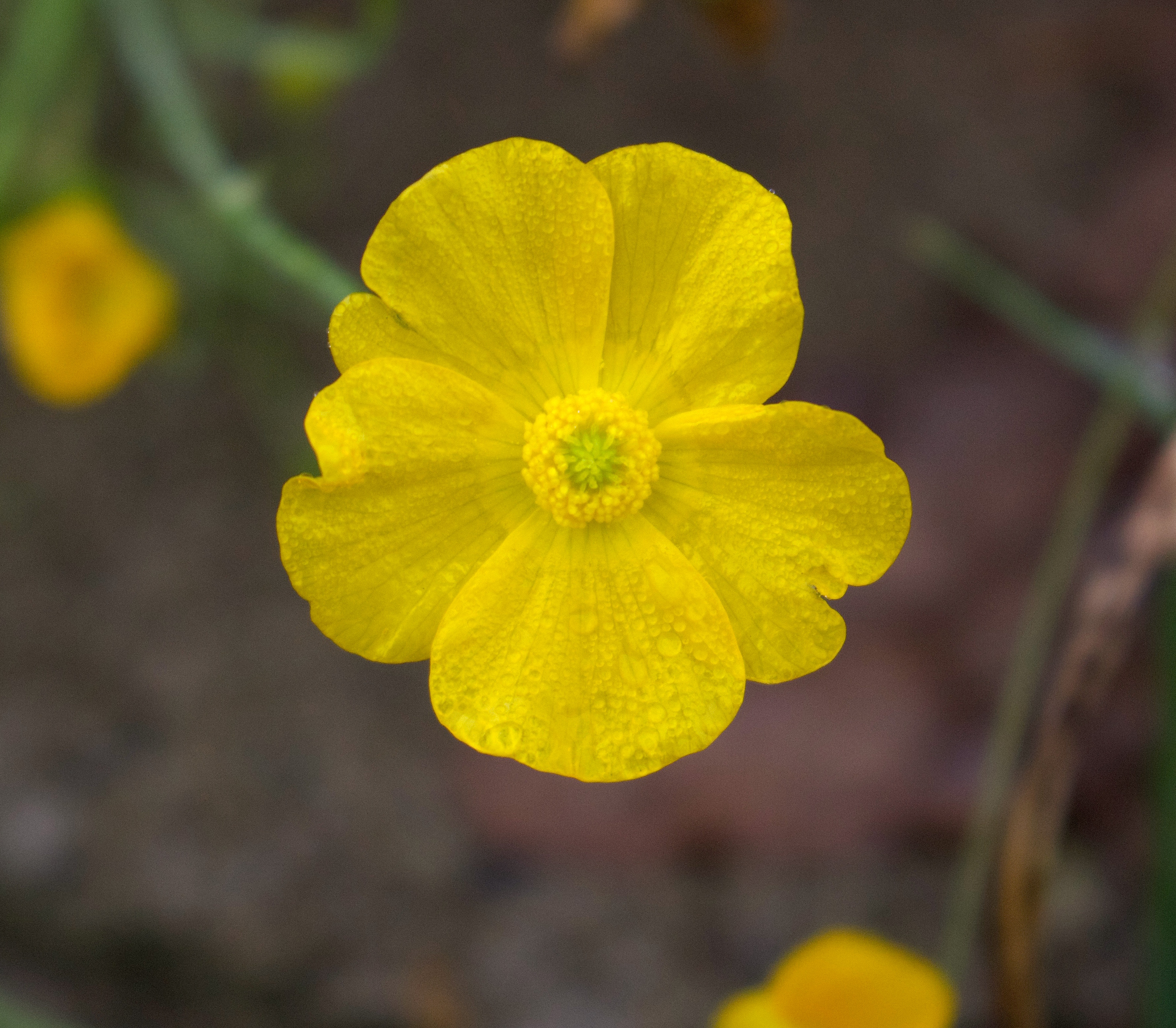
Today the fields are rich in grass,
And buttercups in thousands grow;
I’ll show the world where I have been–
With gold-dust seen on either shoe.


Till to my garden back I come,
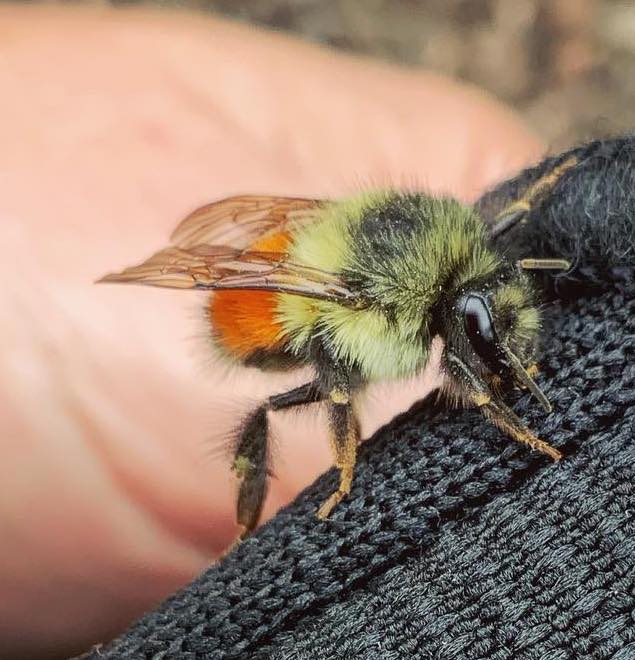
Where bumble-bees for hours and hours
Sit on their soft, fat, velvet bums,
To wriggle out of hollow flowers.

~William Henry Davies “All in June”

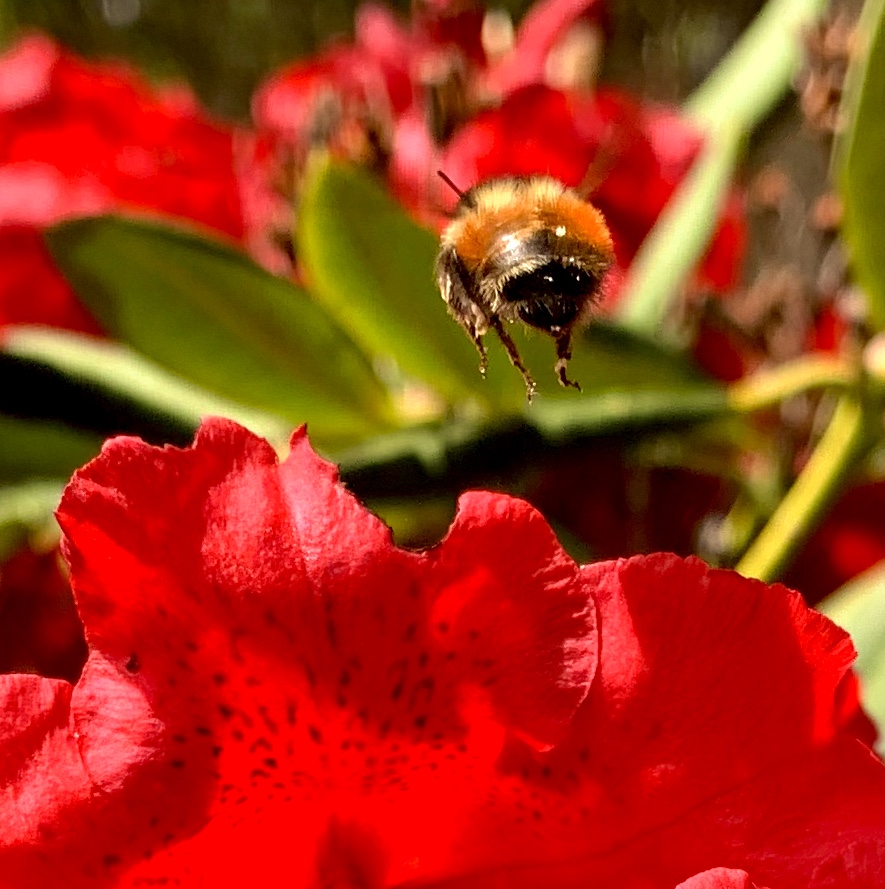
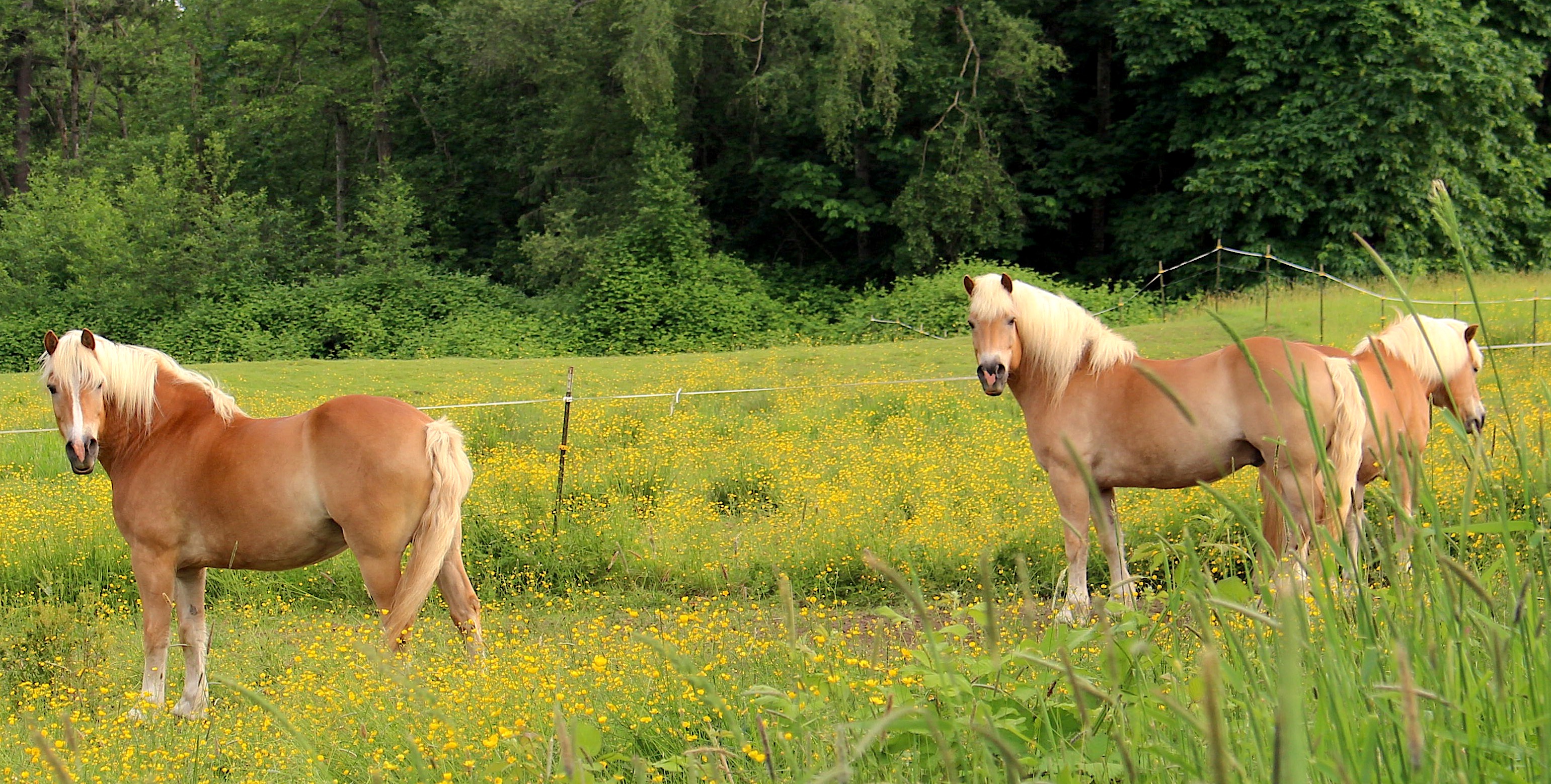
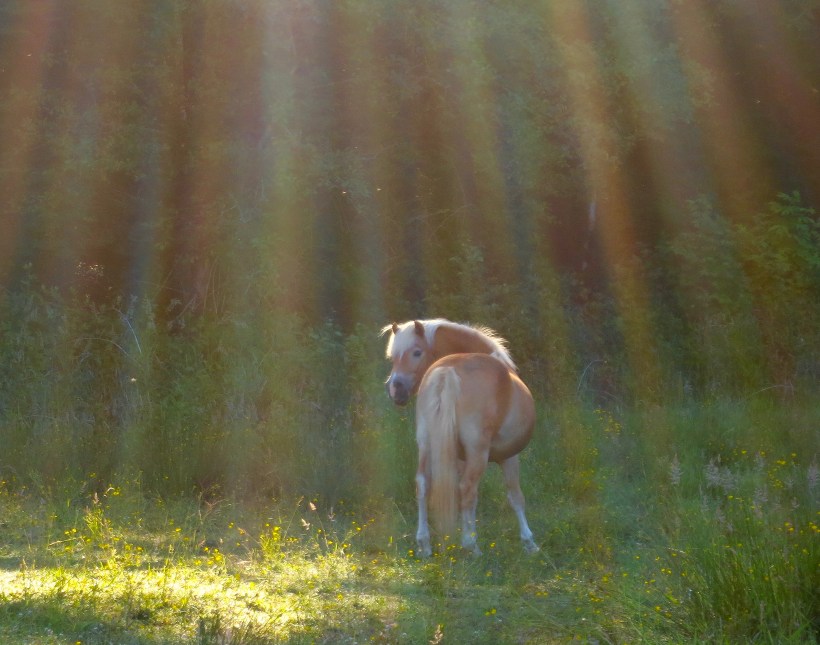
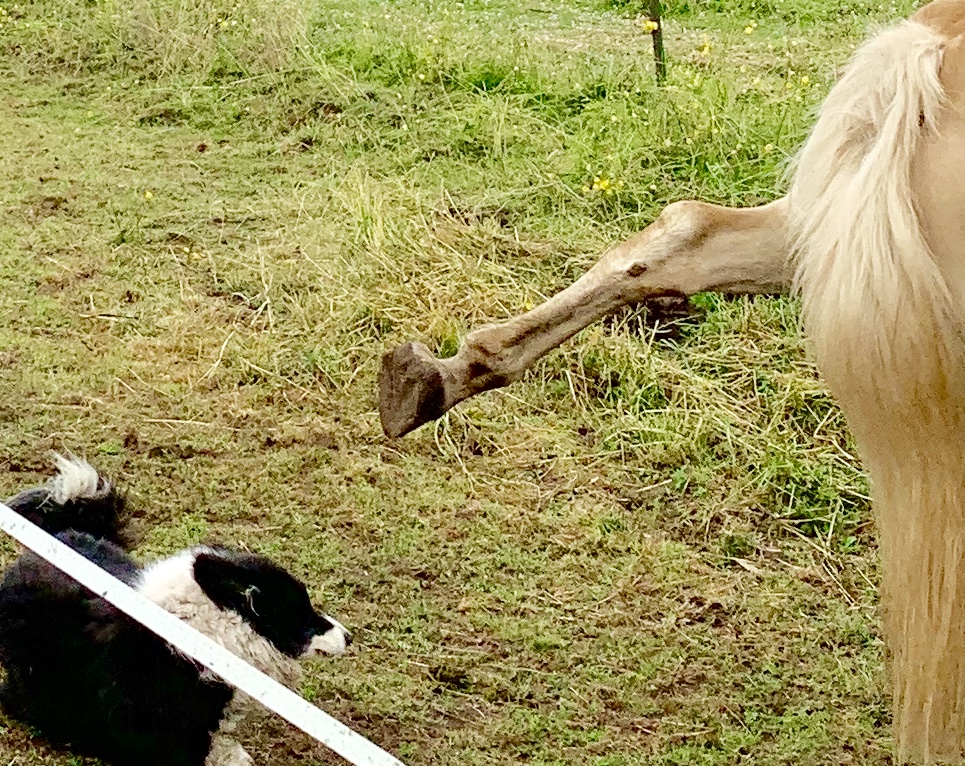
This has been the coldest wettest June in decades here in the Pacific Northwest: we have the stove lit for warmth, the fields are too wet to till, the gardens lie idle because planted seeds will rot. Despite the chill, the buzzing pollinators have been out doing their important work in fields of buttercups where the Haflinger horses graze, sometimes getting too soppy in the rain to return to their hives. It is hard work to move those chunky bodies with those little tiny wings – but they manage.

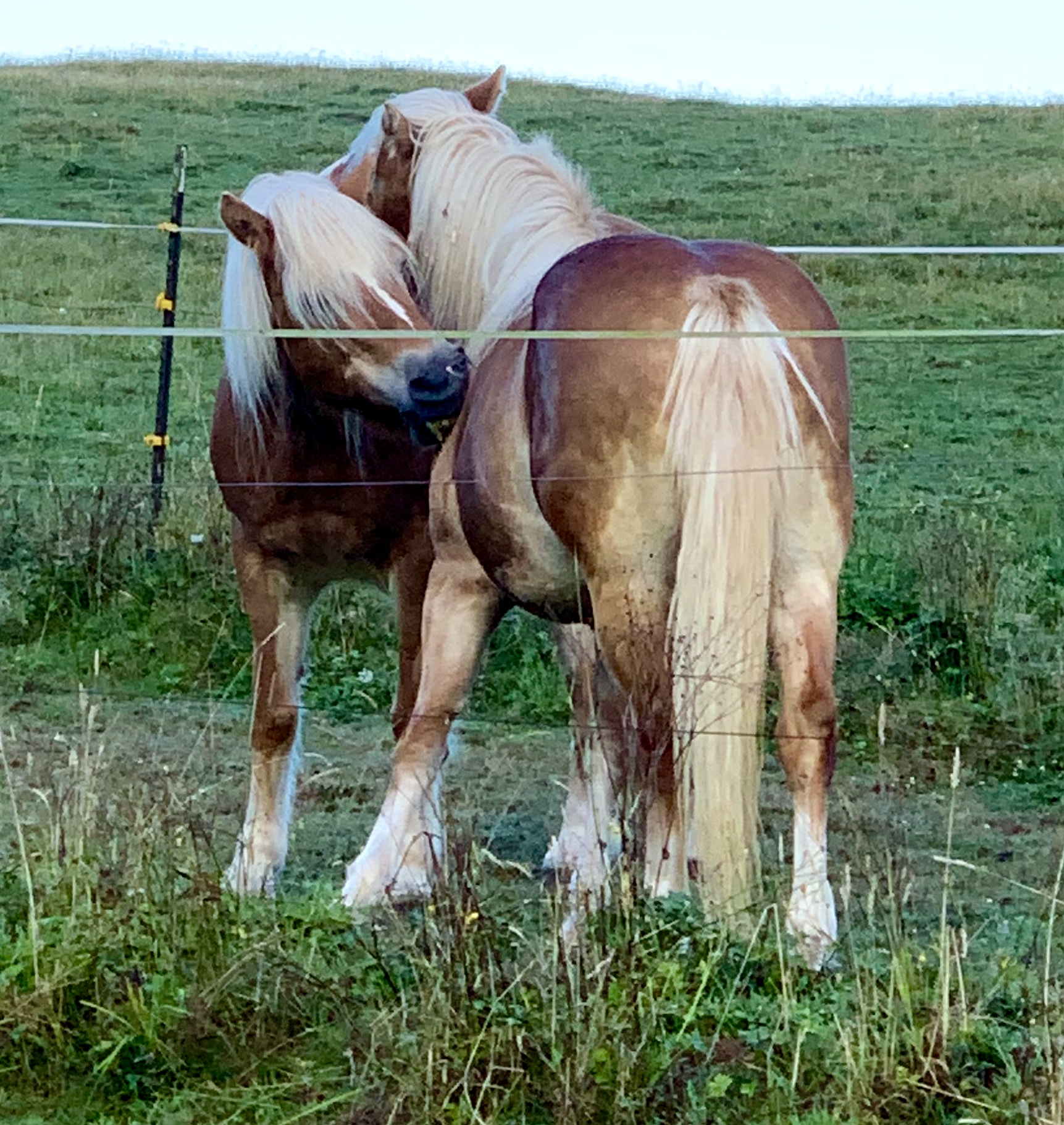
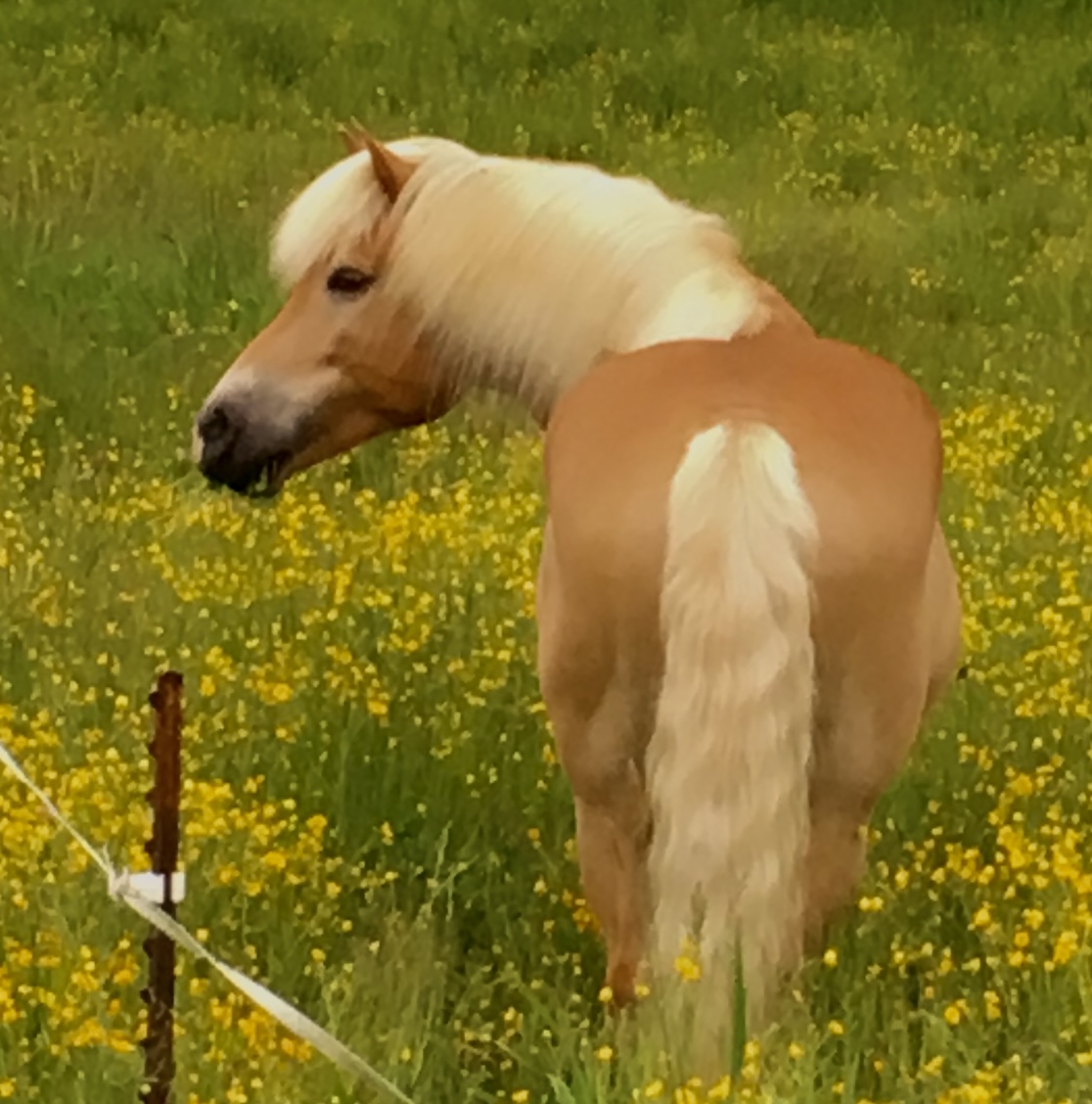
The Haflingers and bumblebees have something in common — pudgy generous backsides. There is nothing quite as deceptive as a bumblebee bum – fat, soft, velvety….yet with a sting in the middle. I know this from personal experience: I sat down on one as a kid wearing a bathing suit and never forgot it.

But all is forgiven. I now appreciate bumblebee bums. They make me feel less self-conscious about my fluffy horses’ hind ends …
and my own.

photo by Andrea Nipges (Z’s Happy Bees)

Some things that fly there be,—             
Birds, hours, the bumble-bee:  
Of these no elegy.
~Emily Dickinson from “XIV”

One-Time
Monthly
Yearly

Make a one-time or recurring donation to support daily Barnstorming posts

Make a monthly donation

Make a yearly donation

Choose an amount

¤5.00
¤10.00
¤20.00
¤5.00
¤15.00
¤100.00
¤5.00
¤15.00
¤100.00

Or enter a custom amount

¤

Your contribution is deeply appreciated.

Your contribution is appreciated.

Your contribution is appreciated.

DonateDonate monthlyDonate yearly
The Swarm Fell on His Back

Painting “Plowing the Field” by Joyce Lapp

When the plowblade struck   
An old stump hiding under   
The soil like a beggar’s   
Rotten tooth, they swarmed up   
& Mister Jackson left the plow   
Wedged like a whaler’s harpoon.   
The horse was midnight   
Against dusk, tethered to somebody’s   
Pocketwatch.  He shivered, but not   
The way women shook their heads   
Before mirrors at the five   
& dime—a deeper connection   
To the low field’s evening star.   
He stood there, in tracechains,   
Lathered in froth, just   
Stopped by a great, goofy   
Calmness. He whinnied   
Once, & then the whole   
Beautiful, blue-black sky   
Fell on his back.
~Yusuf Komunyakaa “Yellow Jackets” from Pleasure Dome

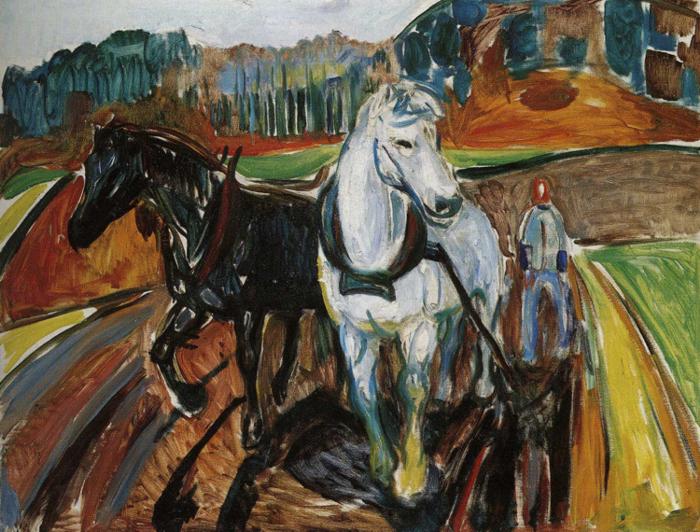
Horse Team by Edvard Munch

Death by a thousand stings.

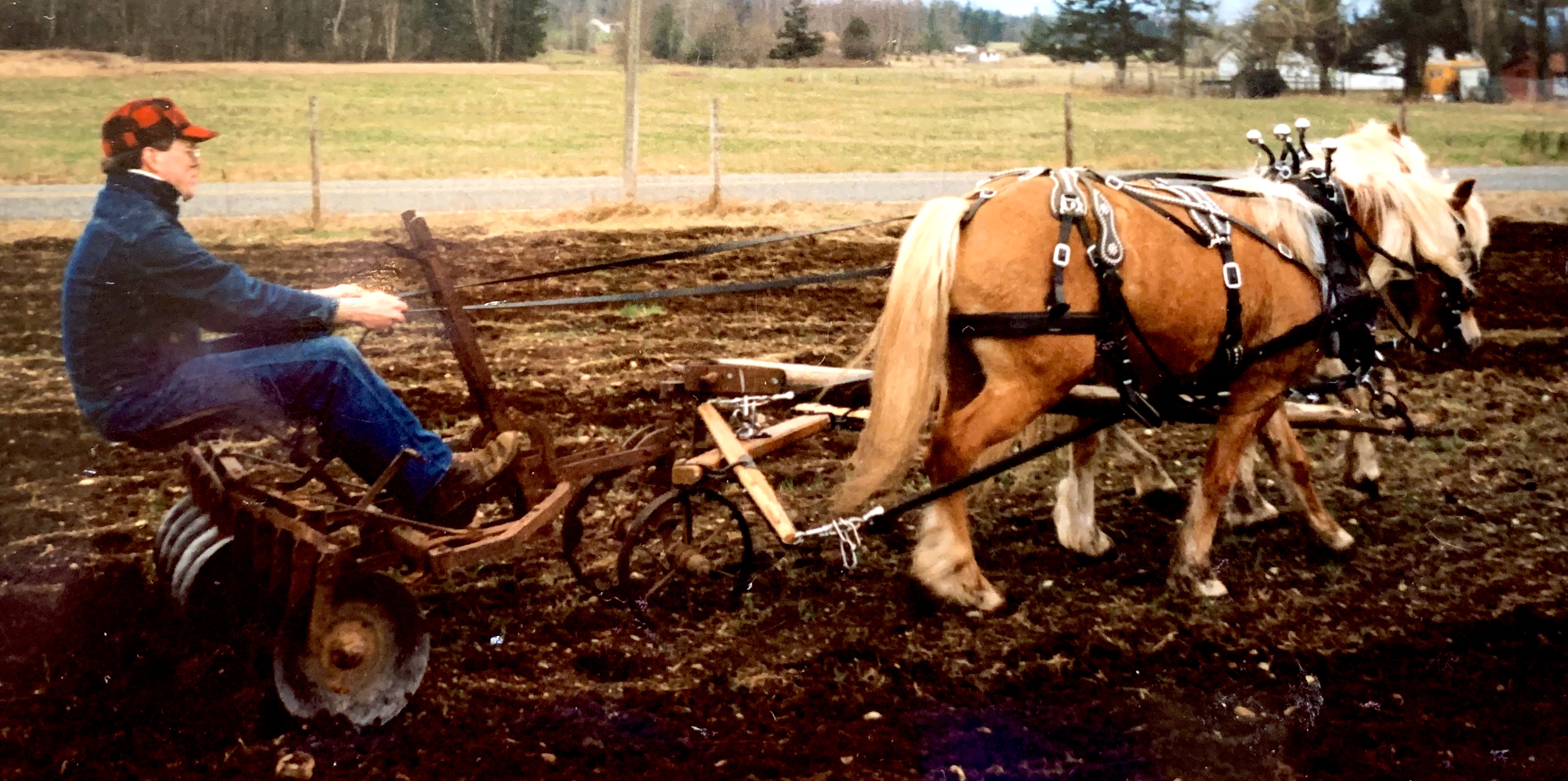
This poem is twenty years old, yet shattering to read by the light of the events of this past week and this past year. Written by a Pulitzer Prize winning Black poet and Vietnam War veteran, it is a stark description of a teamster and plow horse going about their routine work when a hive of yellow jackets is disturbed.

The farmer saves himself.

The abandoned work horse remains harnessed and chained to the immobilized plow, eventually falling crushed beneath the swarm on his back.

How many times recently have we witnessed this stark reality of the power of the angry swarm – whether the target is someone set upon and killed by law enforcement gone rogue, or last week, a man in blue defending the U.S. Capitol, beaten and crushed by rioters who pummeled him senseless with the pole of the American flag?

A poetic metaphor about an enslaved worker dying in chains expands to include us all:

-we are the farmer who panics and runs for his life in the midst of crisis
-we are the harnessed plowhorse obediently and calmly doing his job, becoming the sacrifice for the sake of the farmer
-we are the angry swarm whose well being and security is threatened so all hell breaks loose
-we are the poet whose words try to make sense of the senseless.

Ultimately, the Writer of the Word is our rescuer: rather than abandoning us to our fate, He saves us by becoming the sacrifice Himself.

He allowed the swarm to fall on His back rather than on us.

Turn Aside and Look: This Temporary Perishable Earth

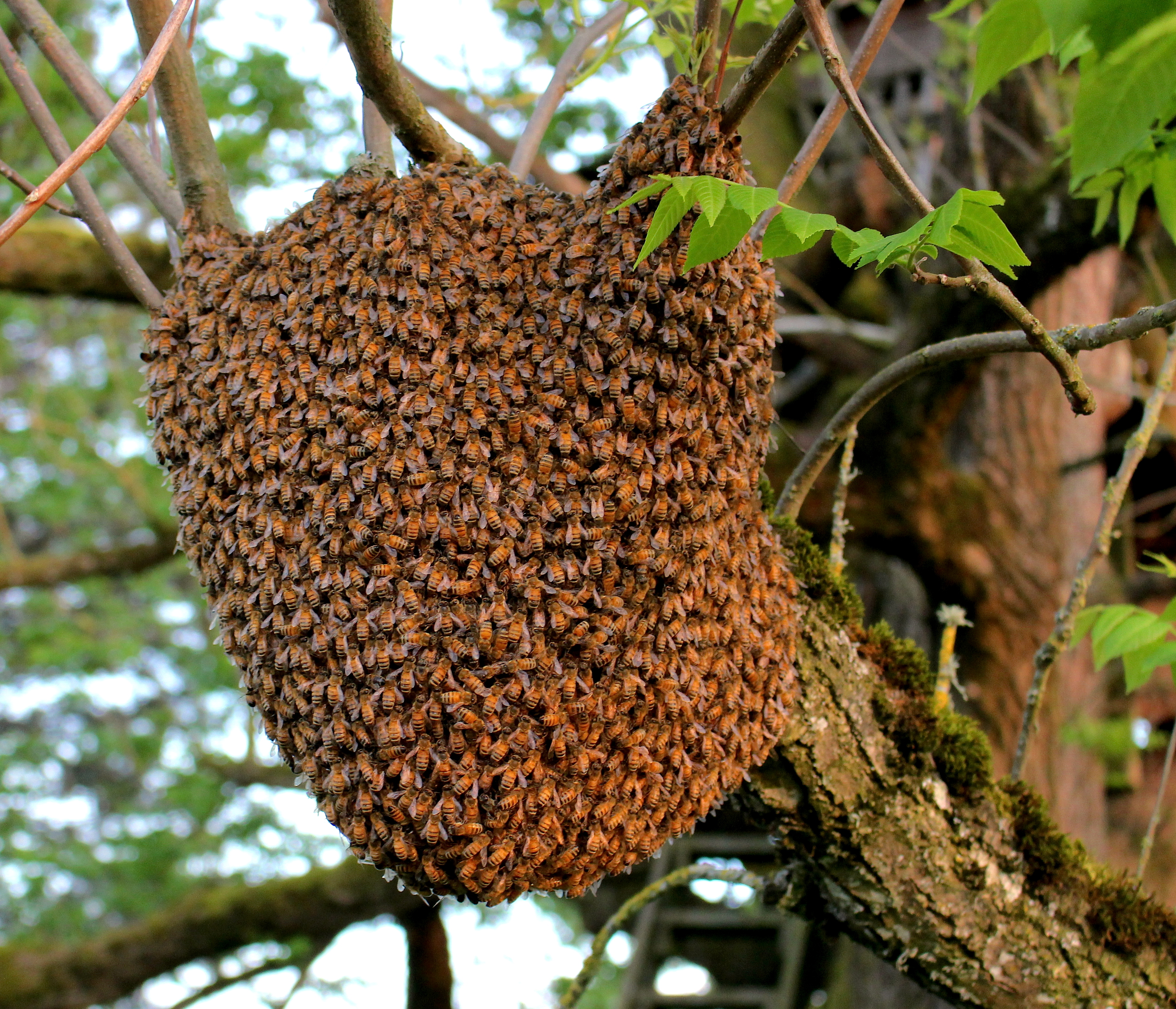
beeswarm51410

Not all flesh is the same: People have one kind of flesh, animals have another, birds another and fish another.
So will it be with the resurrection of the dead. The body that is sown is perishable, it is raised imperishable;  it is sown in dishonor, it is raised in glory; it is sown in weakness, it is raised in power; it is sown a natural body, it is raised a spiritual body.

I declare to you, brothers and sisters, that flesh and blood cannot inherit the kingdom of God, nor does the perishable inherit the imperishable. Listen, I tell you a mystery: We will not all sleep, but we will all be changed—  in a flash, in the twinkling of an eye, at the last trumpet. For the trumpet will sound, the dead will be raised imperishable, and we will be changed.  For the perishable must clothe itself with the imperishable, and the mortal with immortality. When the perishable has been clothed with the imperishable, and the mortal with immortality, then the saying that is written will come true: “Death has been swallowed up in victory.”

“Where, O death, is your victory? Where, O death, is your sting?”
from 1Corinthians 15

beeswarm5143

We are continually overflowing
toward those who preceded us,
toward our origin, and toward
those who seemingly come after us.
 
It is our task to imprint this
temporary, perishable earth
into ourselves so deeply,
so painfully and passionately,
that its essence can rise again
invisibly, inside us.
 
We are the bees of the invisible.
We wildly collect the honey
of the visible, to store it
in the great golden hive of the invisible.
~Rainer Maria Rilke from The Selected Poetry of Rainer Maria Rilke


beeswarm5148