Dawn on our Darkness: An Abrupt Calling

Years ago in the Hebrides,
I remember an old man
who walked every morning
on the grey stones
to the shore of baying seals,
who would press his hat
to his chest in the blustering
salt wind and say his prayer
to the turbulent Jesus
hidden in the water,

and I think of the story
of the storm and everyone
waking and seeing
the distant
yet familiar figure
far across the water
calling to them

and how we are all
preparing for that
abrupt waking,
and that calling,
and that moment
we have to say yes,
except it will
not come so grandly
so Biblically
but more subtly
and intimately in the face
of the one you know
you have to love

so that when
we finally step out of the boat
toward them, we find
everything holds
us, and everything confirms
our courage, and if you wanted
to drown you could,
but you don’t
because finally
after all this struggle
and all these years
you simply don’t want to
any more
you’ve simply had enough
of drowning
and you want to live and you
want to love and you will
walk across any territory
and any darkness
however fluid and however
dangerous to take the
one hand you know
belongs in yours.

~David Whyte from “TrueLove” in The Sea in You

When the mystery of God’s love breaks through into my consciousness, do I run from it? Or am I virgin enough to respond from my deepest, truest self, and say a “yes” that will change me forever?
~Kathleen Norris from Amazing Grace – A Vocabulary of Faith
Again and again, we are called to do something that takes all our courage – we feel we will sink and drown, perishing in our humiliation, our weakness, our sheer lack of faith in what we are able to accomplish.

Eventually, we tire of the fear of drowning so we just say yes to the invitation to do this hard thing and we take the hand that guides us home.

He calls on us to trust He’ll reach out and hold us up when our faith, and our feet, waver and stumble.

We are not left to drown.

This year’s Advent theme “Dawn on our Darkness” is taken from this 19th century Christmas hymn:

Brightest and best of the sons of the morning,
dawn on our darkness and lend us your aid.
Star of the east, the horizon adorning,
guide where our infant Redeemer is laid.
~Reginald Heber -from “Brightest and Best”

One-Time
Monthly
Yearly

Make a one-time or recurring donation to support daily Barnstorming posts

Make a monthly donation

Make a yearly donation

Choose an amount

¤10.00
¤20.00
¤50.00
¤5.00
¤15.00
¤100.00
¤5.00
¤15.00
¤100.00

Or enter a custom amount

¤

Your contribution is deeply appreciated.

Your contribution is appreciated.

Your contribution is appreciated.

DonateDonate monthlyDonate yearly

Dawn on our Darkness: A Shadowed Earth Reaches Up

   the season quicker now
the darkening—

no longer the leaves
fluttering down

but the whole shadowed earth
reaching up, taking hold
~David Baker “Quicker”

Ah, but a man’s reach should exceed his grasp,
Or what’s a heaven for?

~Robert Browning from Andrea del Sarto

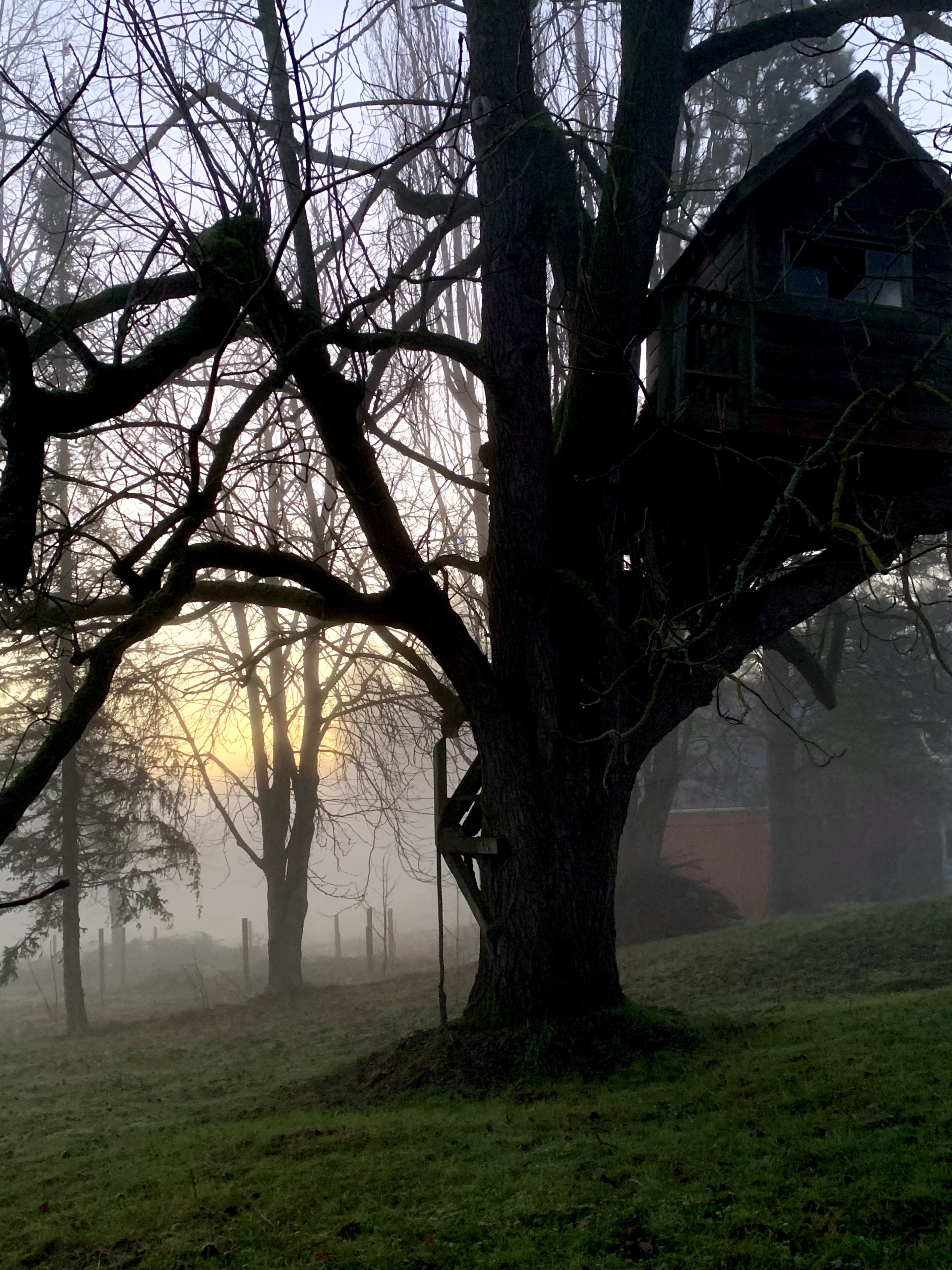
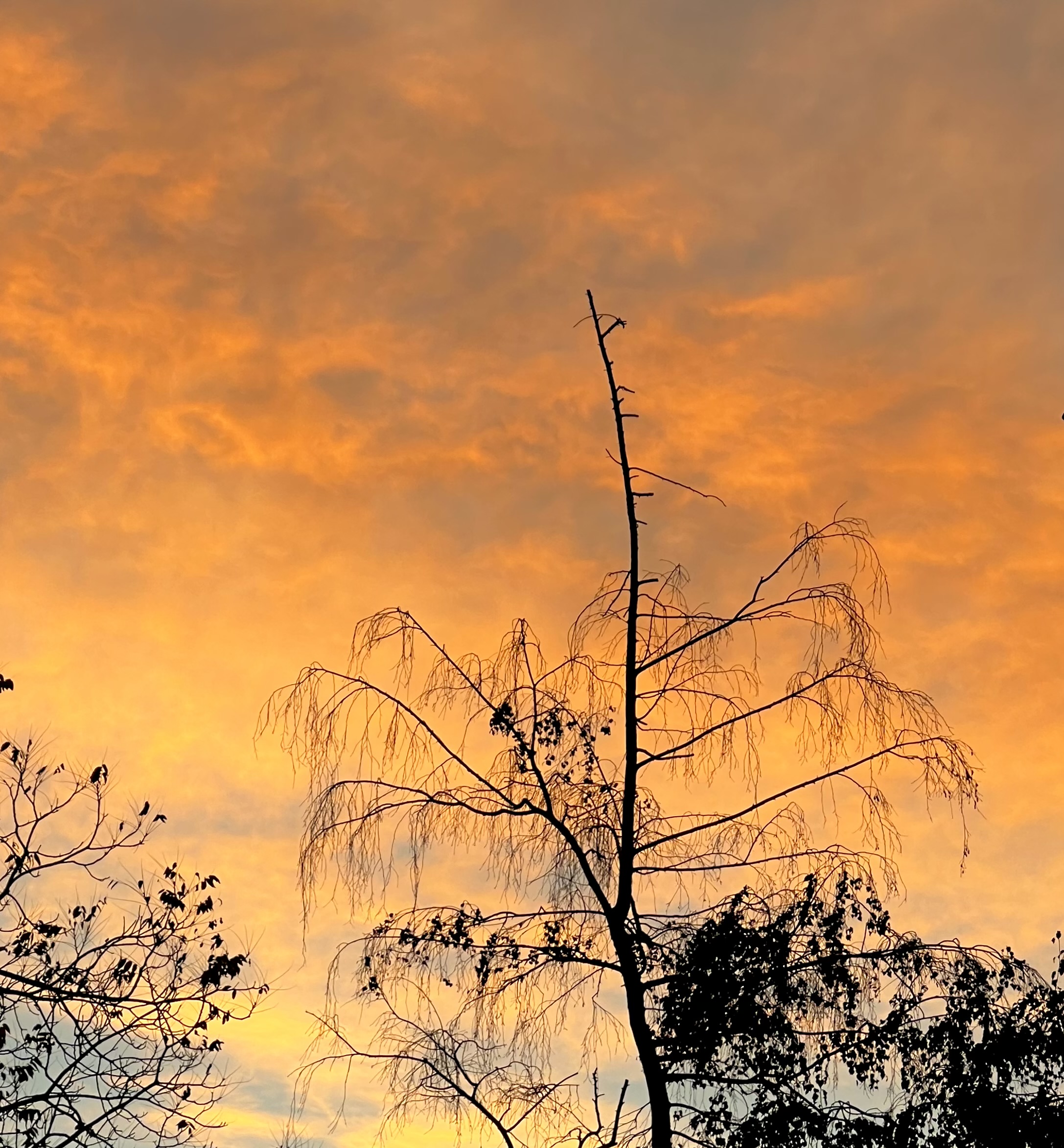
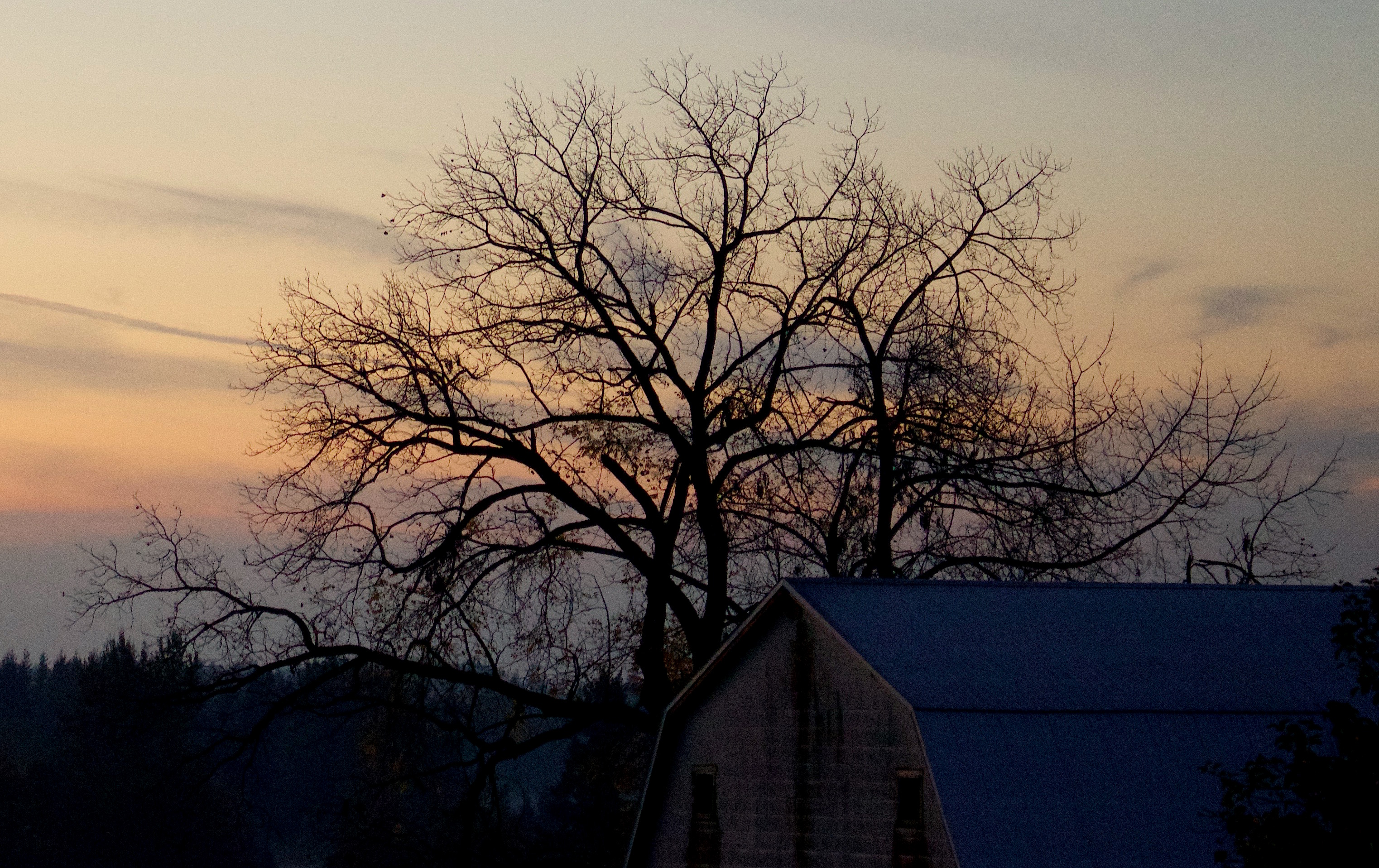
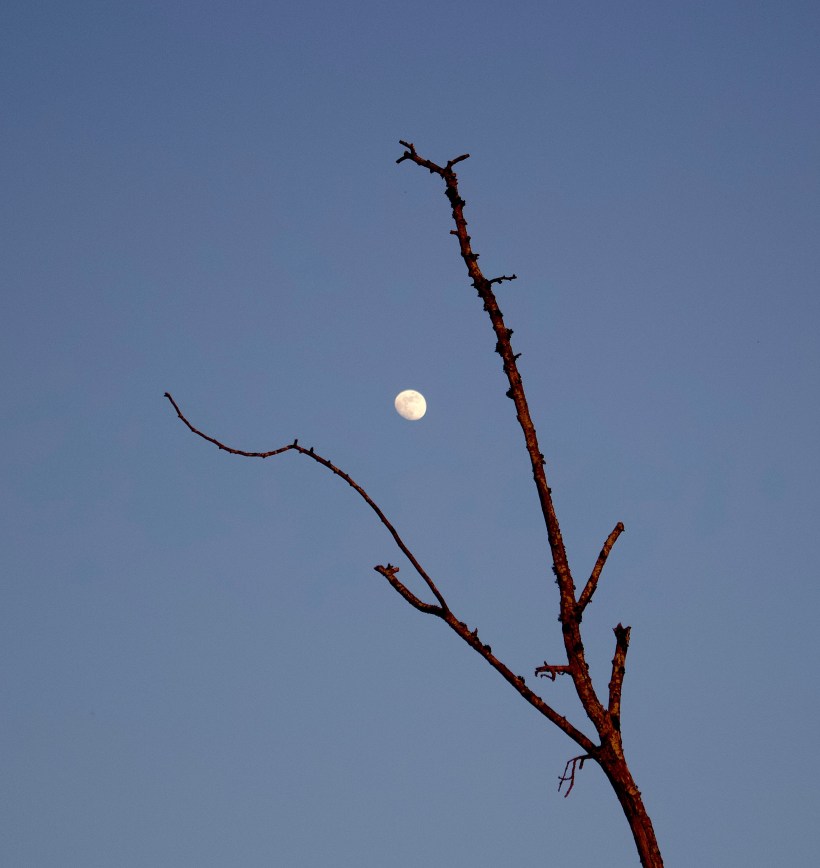
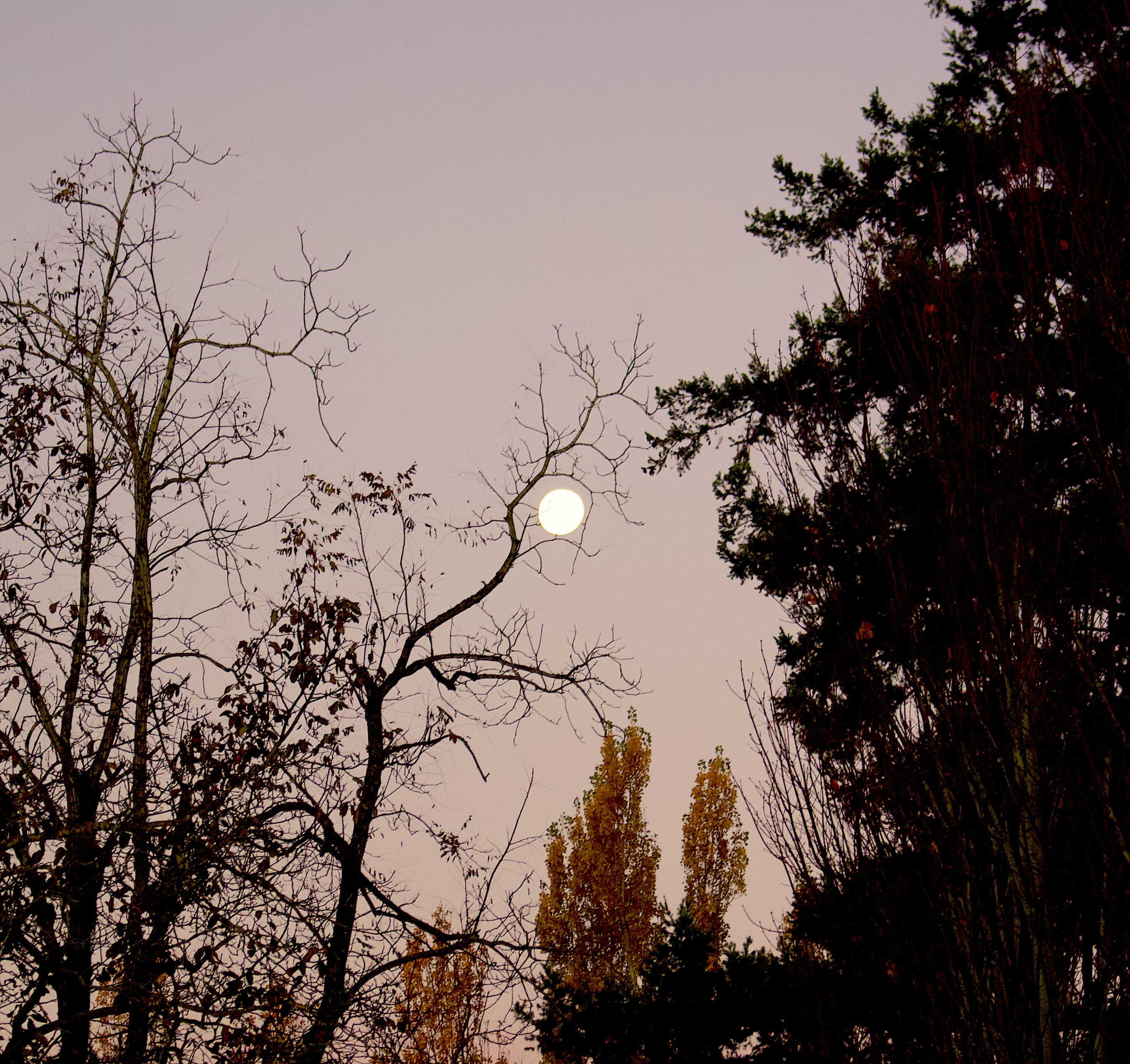
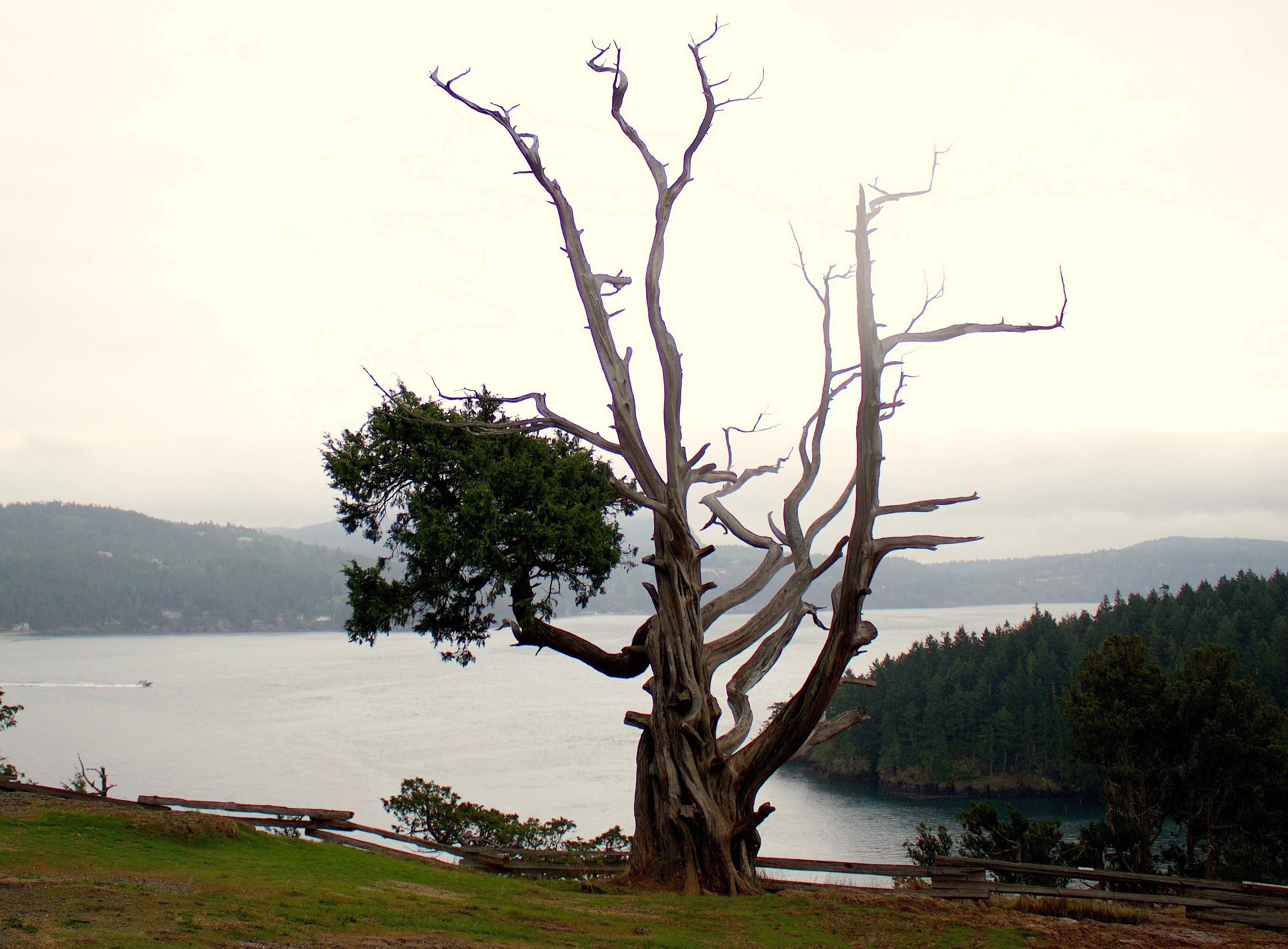
My branches are bare during this season of letting go. As starkly revealed as I am, perhaps darkening days are a blessing – less spotlight on my plainness in silhouette – all knobby joints and awkward angles and curves.

One thing I know though: in this season I prefer the shadowland, yet I still reach up, trying to hold on to the promise beyond me. In fact, so many of us have kept grasping at what we know is there but cannot see, God has come down to grab on to each one — and is still hanging on to us.

We are not too plain to be lifted, welcomed, cherished as we are, into heaven’s arms.

This year’s Advent theme “Dawn on our Darkness” is taken from this 19th century Christmas hymn.

Brightest and best of the sons of the morning,
dawn on our darkness and lend us your aid.
Star of the east, the horizon adorning,
guide where our infant Redeemer is laid.
~Reginald Heber -from “Brightest and Best”

One-Time
Monthly
Yearly

Make a one-time or recurring donation to support daily Barnstorming posts

Make a monthly donation

Make a yearly donation

Choose an amount

¤10.00
¤20.00
¤50.00
¤5.00
¤15.00
¤100.00
¤5.00
¤15.00
¤100.00

Or enter a custom amount

¤

Your contribution is deeply appreciated.

Your contribution is appreciated.

Your contribution is appreciated.

DonateDonate monthlyDonate yearly

To Embrace a Universe

Love, we are in God’s hand.
How strange now, looks the life he makes us lead;
So free we seem, so fettered fast we are!

Ah, but a man’s reach should exceed his grasp,
Or what’s a heaven for? 

~Robert Browning from “Andrea del Sarto”

We have had names for you:
The Thunderer, the Almighty
Hunter, Lord of the snowflake
and the sabre-toothed tiger.
One name we have held back
unable to reconcile it
with the mosquito, the tidal wave,
the black hole into which
time will fall. You have answered
us with the image of yourself
on a hewn tree, suffering
injustice, pardoning it;
pointing as though in either
direction; horrifying us
with the possibility of dislocation.
Ah, love, with your arms out
wide, tell us how much more
they must still be stretched
to embrace a universe drawing
away from us at the speed of light.
~R.S.Thomas “Tell Us”

photo by our next door neighbor Bob Tjoelker

Ah, Love
You the Incarnate,
stretched and fettered to a tree

arms out wide
embracing us
who try to grasp
a heaven which eludes us

this heaven, Your heaven
brought down to us
within your wounded grip
and simply handed over.

Reaching For Air

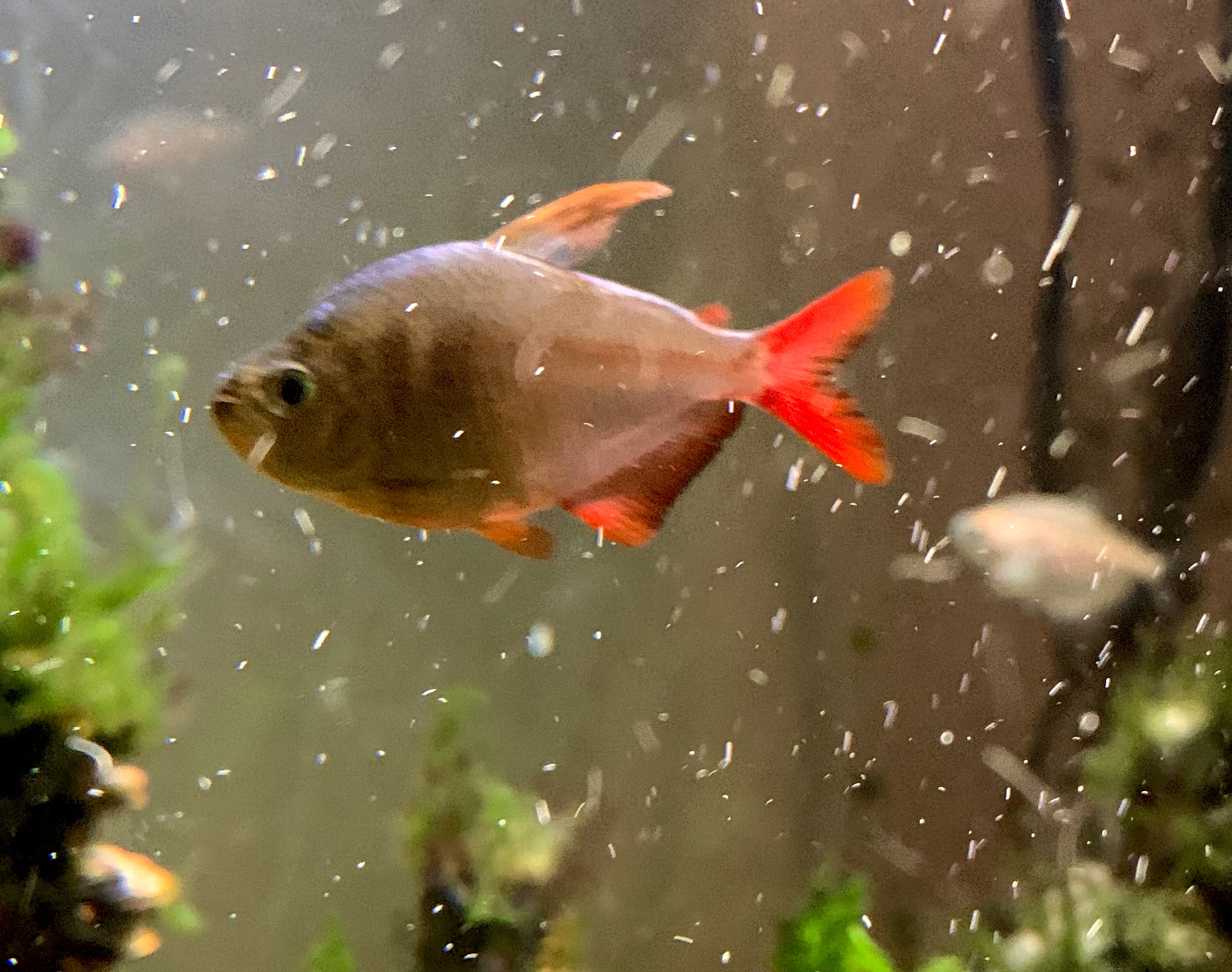
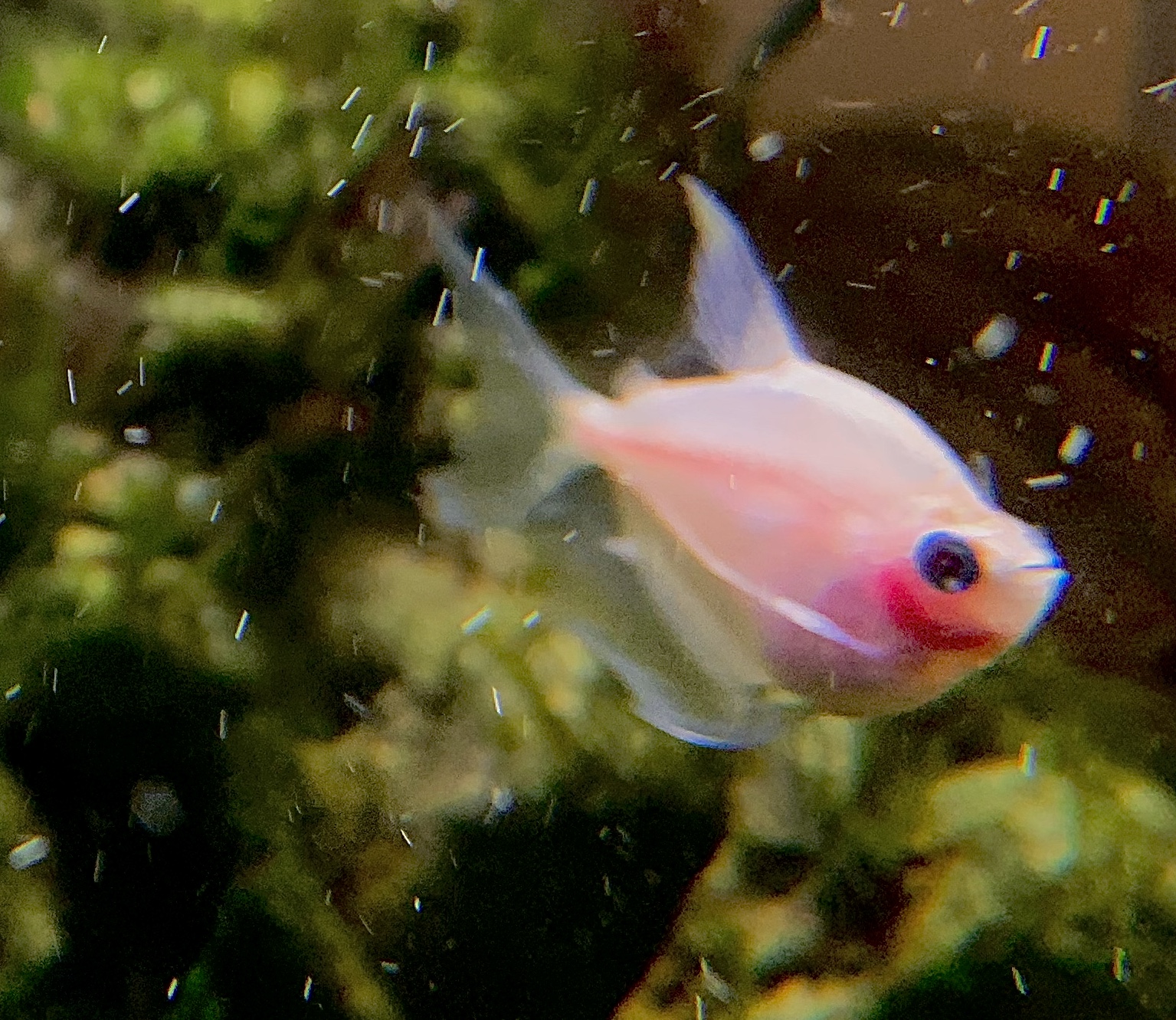
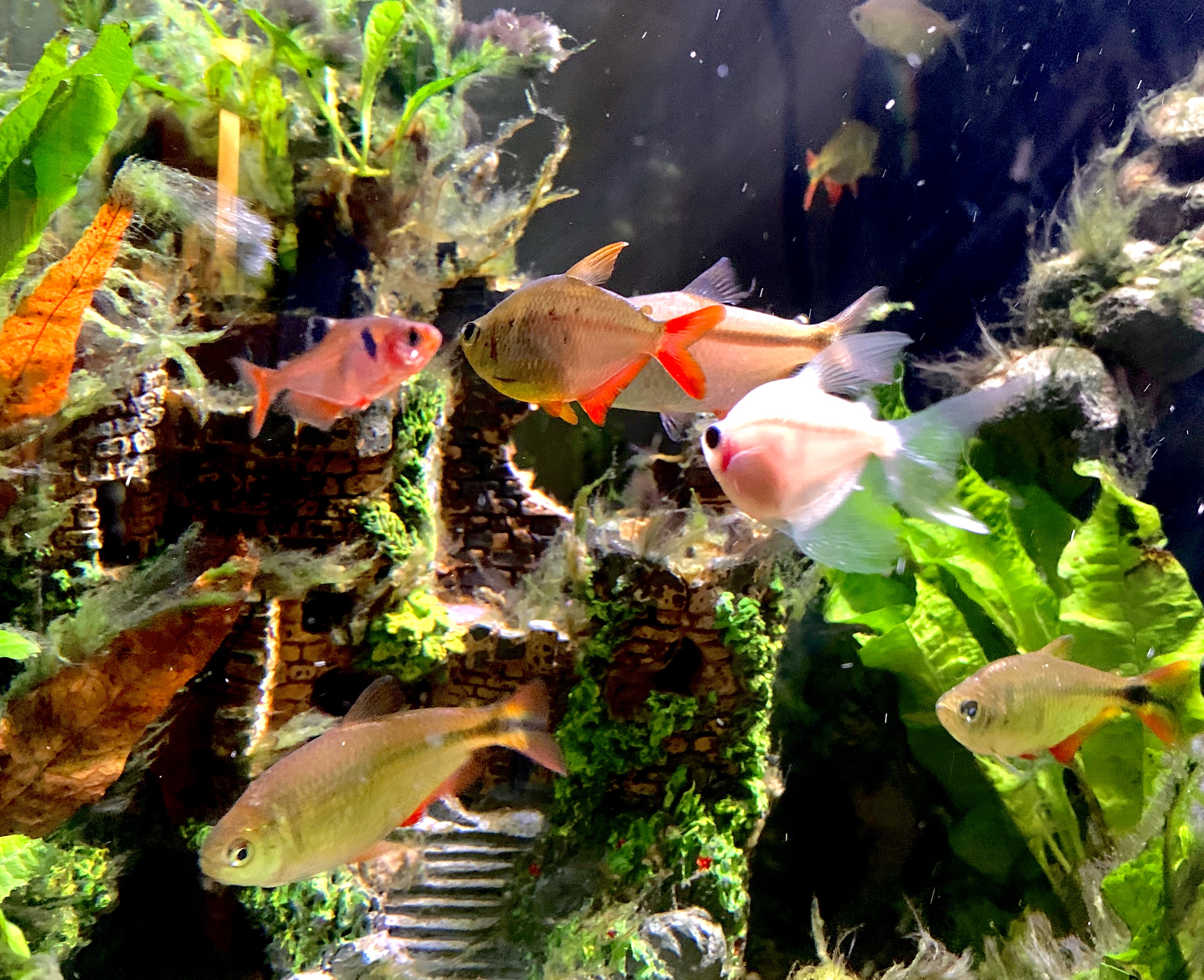
The fish are drifting calmly in their tank
between the green reeds, lit by a white glow
that passes for the sun. Blindly, the blank
glass that holds them in displays their slow
progress from end to end, familiar rocks
set into the gravel, murmuring rows
of filters, a universe the flying fox
and glass cats, Congo tetras, bristle-nose
pleocostemus all take for granted. Yet
the platys, gold and red, persist in leaping
occasionally, as if they can’t quite let
alone a possibility—of wings,
maybe, once they reach the air? They die
on the rug. We find them there, eyes open in surprise.
~Kim Addonizio “Aquarium,” from The Philosopher’s Club

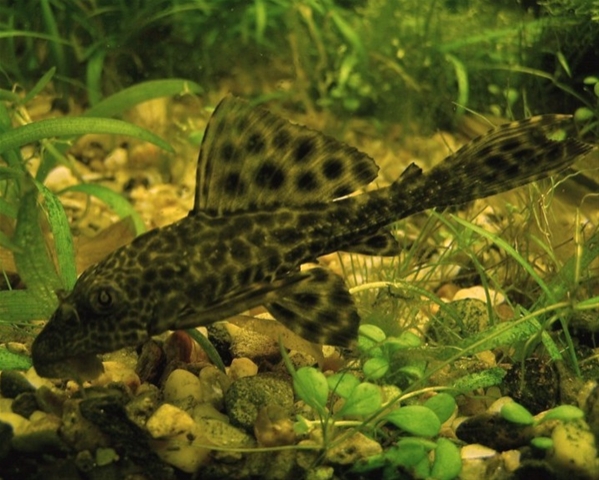
My plecostamus is dead.  Belly up on the bottom of the tank, no pulsing mouth or breathing gills. He had been official tank custodian.  Almost a foot long, with a face that only a mother could love.  I tried for ten years, I really did.  I just could not love that face.

His spiny armor and rolling eyes unnerved me. For ten long years.  He was a throwback to the dinosaur age, swimming shark-like in our living room, reminding me that mere millennia ago, creatures like him controlled the earth.  And then they were gone.  But the plecostamus remembers those days and controlled his little watery kingdom.

It was a rather pleasant relationship with him at first, when my tank was new and he was an under two inch soft little sucker fish, diligent and unobtrusive.  He alone survived two tanks springing leaks, complete with temporary quarters for a few days in 5 gallon buckets.  He survived winter storms with no electricity, so the water temperature dropped way below a level any sensible South American river fish would tolerate.  Yet he did.  He kept growing.  His fins got sharper and pokier.  He watched many other fish come and go over the years, and when they went, he helped clean up the remains so I was never sure what had happened to the missing party.  Unnerving indeed.

He was an efficient glass cleaner with his sucking lips, so I rarely had to erase the algae, like chalk from a board. When I did reach in, way past my elbow, to clean house underwater, I’d sometimes startle him from his hiding place behind the rocks or the fairy tale castle. He’d sweep by my arm with a wave of his spikey fins scratching my skin, and roll his eyes at me, indignant at the disturbance, and the implication he was not doing his job.

As he aged, I wondered a number of times if he had died, as he lay still on the bottom of the tank, rather than hiding as usual.  I would reach in tentatively with a net and brush his fins and he’d dart out from under my touch.  In his old age weariness, he began leaving algae behind on the glass, and couldn’t keep up with the house cleaning without occasional help.  I know the feeling.

And now today, after all those years, through all those tribulations, including all those times I inwardly cringed when I gazed at his homely face, he is gone, buried deep in the compost pile.   I cannot say that I will miss him.

I’m not sure I’m ready to commit to another baby plecostamus, almost cute in a soft and pliant way, if it means a long term commitment like this last one.

But then, who can I count on to do the cleaning?