Preparing the Heart: Faith and Paradox

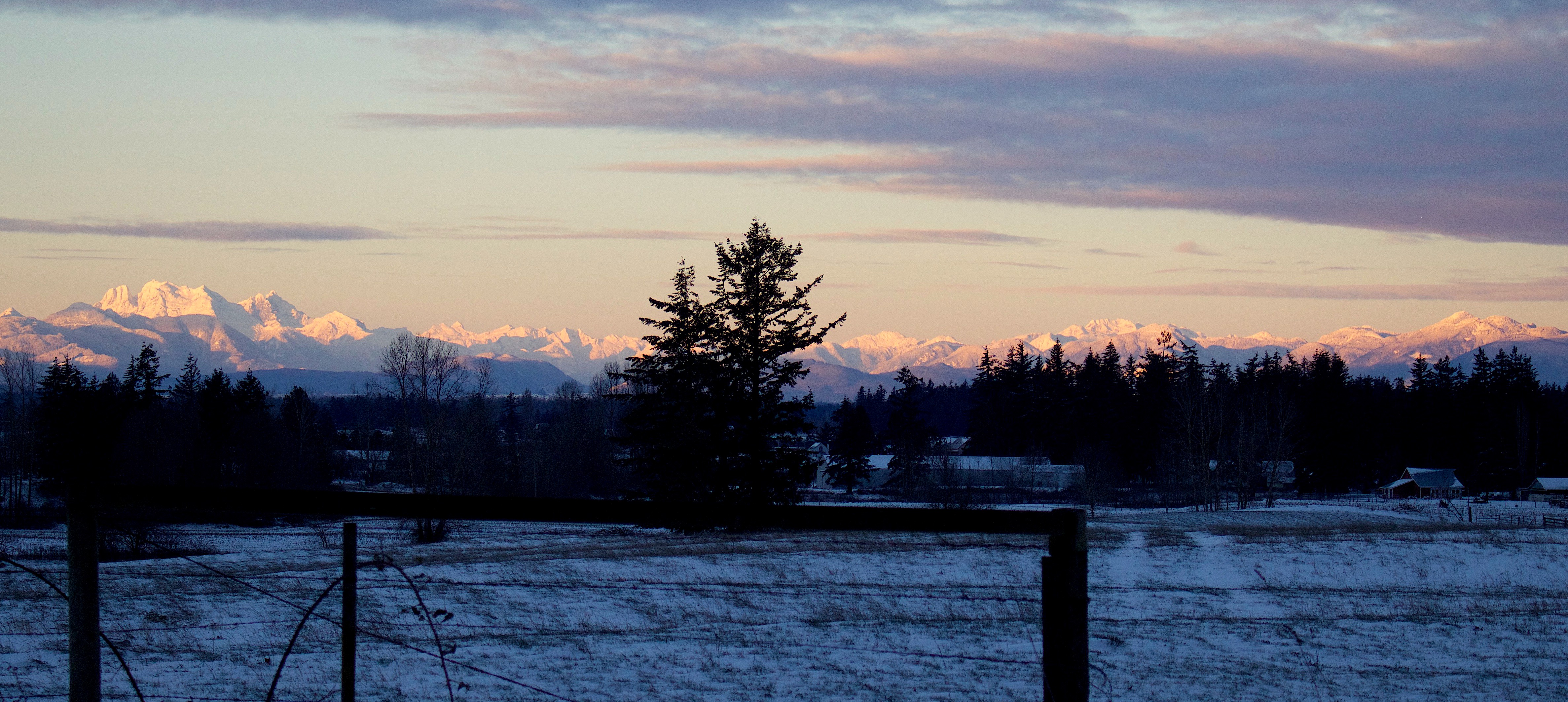
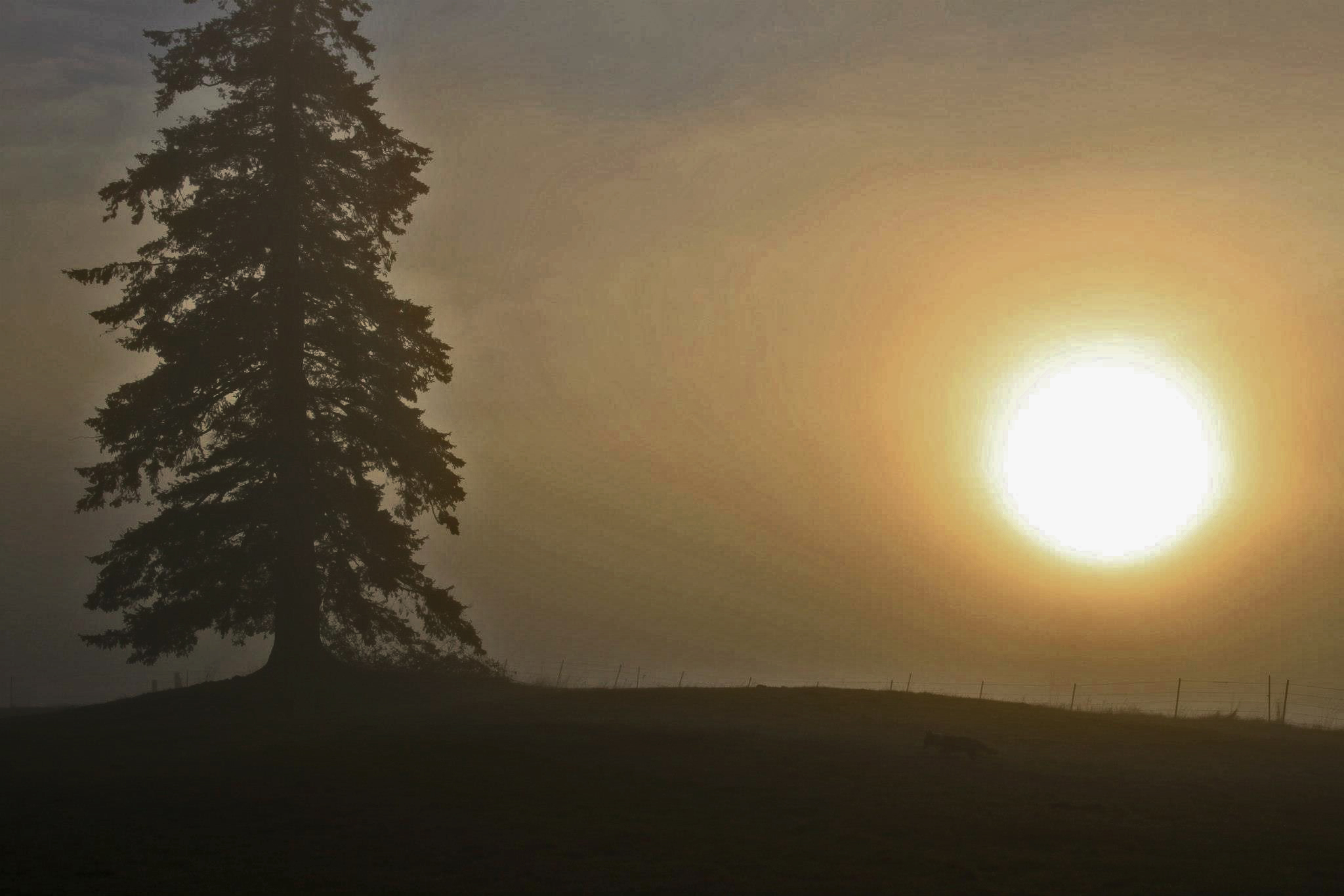
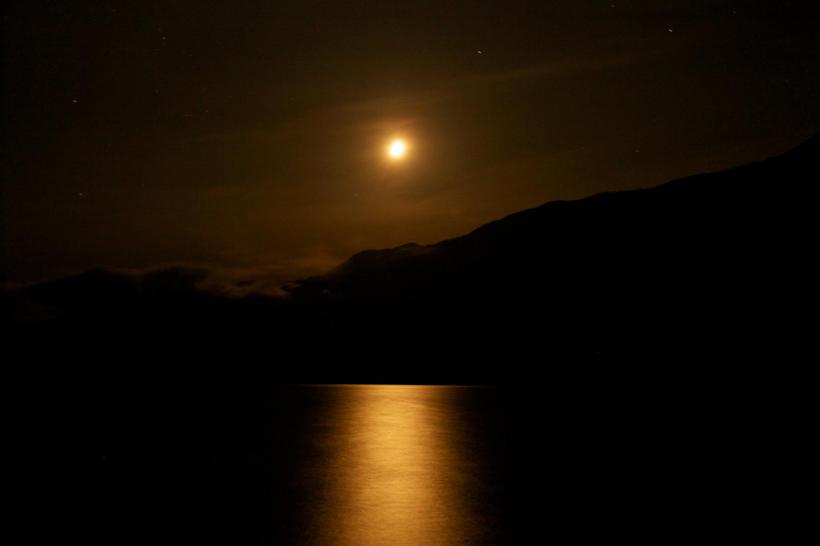
dawn12221

The shepherds sing; and shall I silent be?
My God, no hymn for Thee?
My soul’s a shepherd too; a flock it feeds
Of thoughts, and words, and deeds.

The pasture is Thy word: the streams, Thy grace
Enriching all the place.
Shepherd and flock shall sing, and all my powers
Outsing the daylight hours.
Then will we chide the sun for letting night
Take up his place and right:
We sing one common Lord; wherefore he should
Himself the candle hold.
I will go searching, till I find a sun
Shall stay, till we have done;
A willing shiner, that shall shine as gladly,
As frost-nipped suns look sadly.
Then will we sing, and shine all our own day,
And one another pay:
His beams shall cheer my breast, and both so twine,
Till ev’n His beams sing, and my music shine.
~George Herbert “Christmas II”

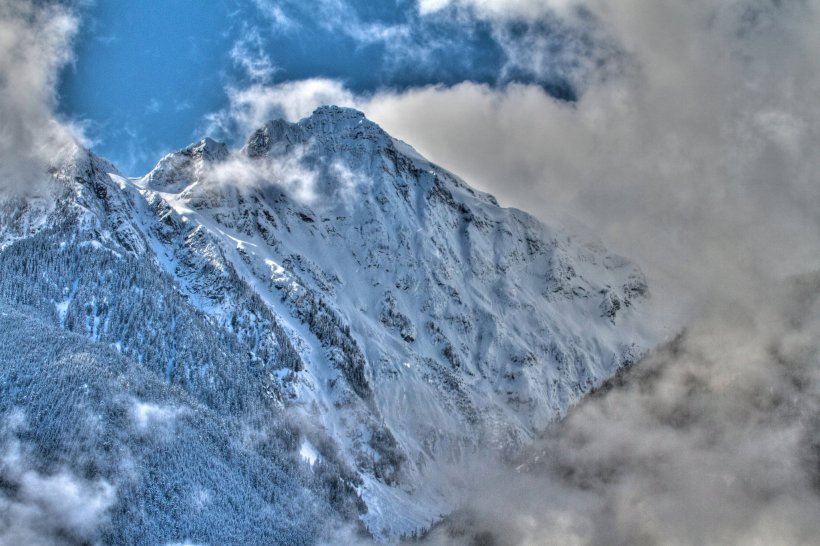
frozennorth3

A mass of legend and literature, which increases and will never end, has repeated and rung the changes on that single paradox; that the hands that had made the sun and stars were too small to reach the huge heads of the cattle. Upon this paradox, we might almost say upon this jest, all the literature of our faith is founded…

I mean that all the eyes of wonder and worship which had been turned outwards to the largest thing were now turned inward to the smallest…

It is true that the spiritual spiral henceforward works inwards instead of outwards, and in that sense is centripetal and not centrifugal. The faith becomes, in more ways than one, a religion of little things.
~ G.K. Chesterton, The Everlasting Man

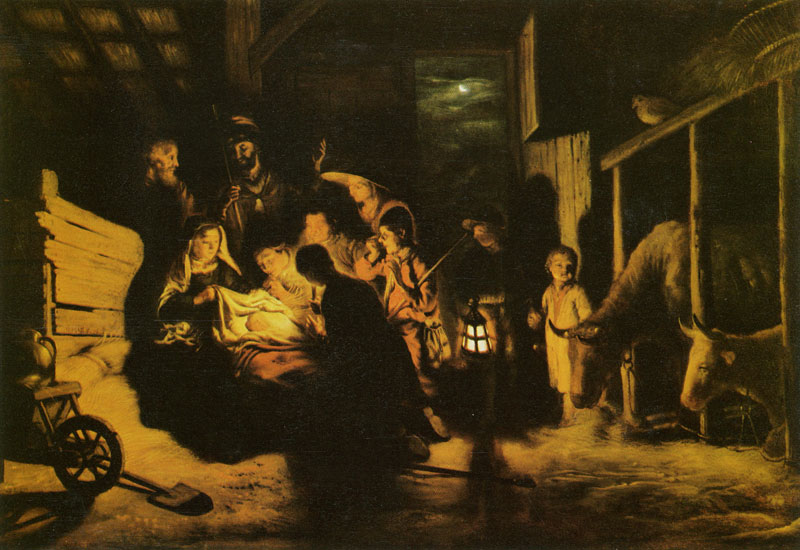
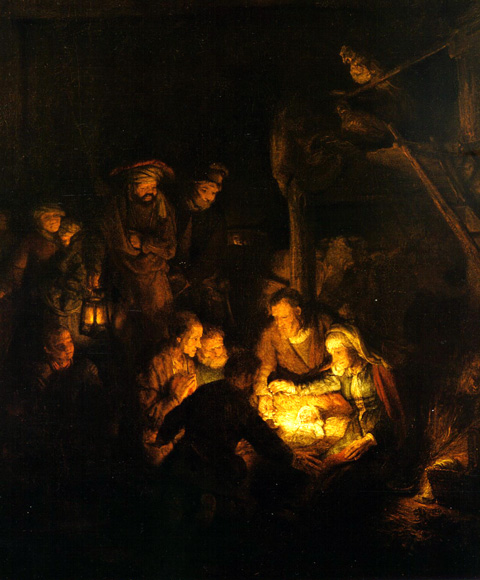
nicolaes_maes_adoration_shepherds
Adoration of the Shepherds by Nicolaes Maes

It’s when we face for a moment
the worst our kind can do, and shudder to know
the taint in our own selves, that awe
cracks the mind’s shell and enters the heart:
not to a flower, not to a dolphin,
to no innocent form
but to this creature vainly sure
it and no other is god-like, God
(out of compassion for our ugly
failure to evolve) entrusts,
as guest, as brother,
the Word.
~Denise Levertov “The Mystery of the Incarnation”

solsticesunset

“Hope” is the thing with feathers –
That perches in the soul –
And sings the tune without the words –
And never stops – at all –
And sweetest – in the Gale – is heard –
And sore must be the storm –
That could abash the little Bird
That kept so many warm –
I’ve heard it in the chillest land –
And on the strangest Sea –
Yet – never – in Extremity,
It asked a crumb – of me.
~Emily Dickinson

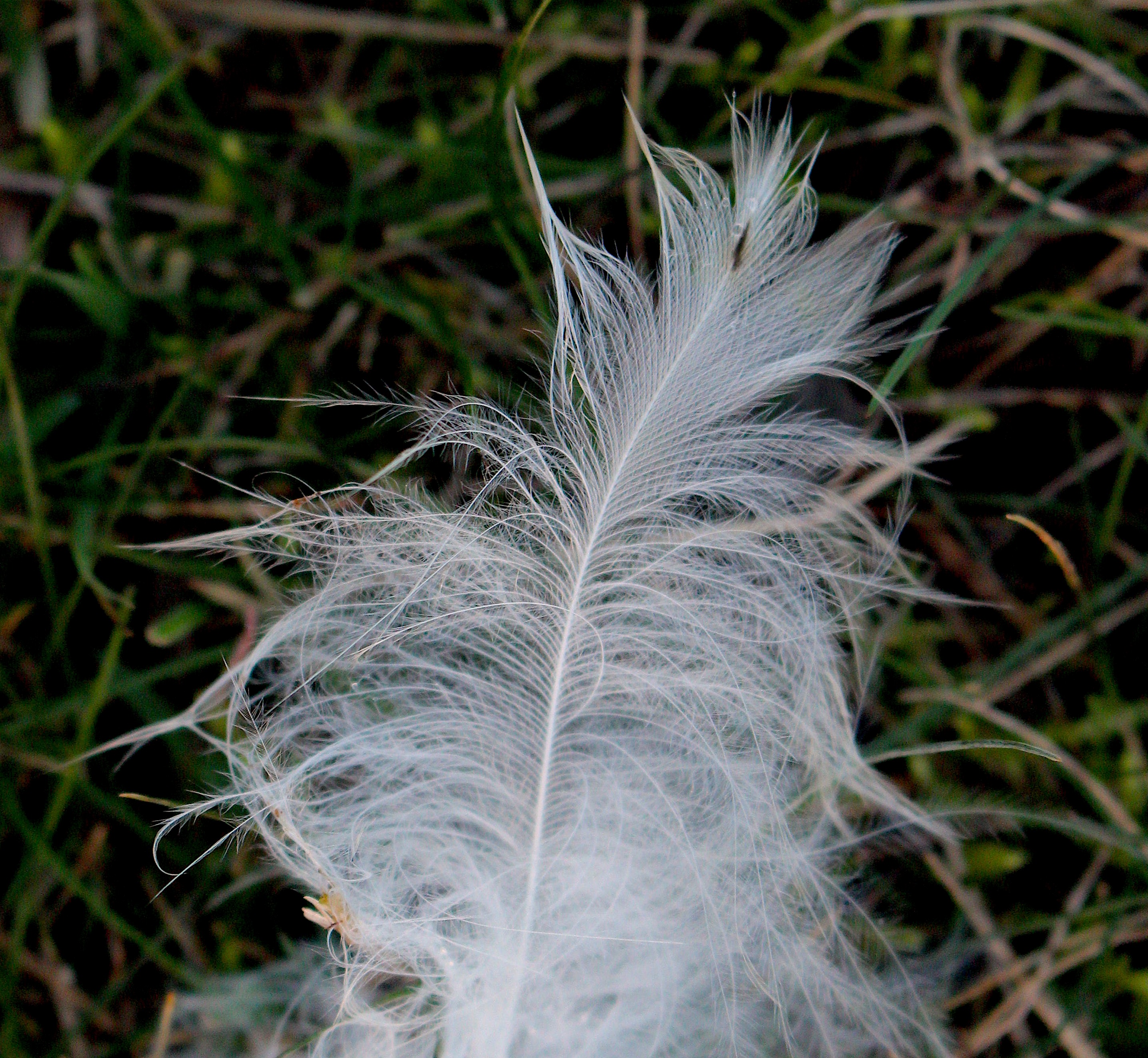
fieldfeather

The Melancholy Days

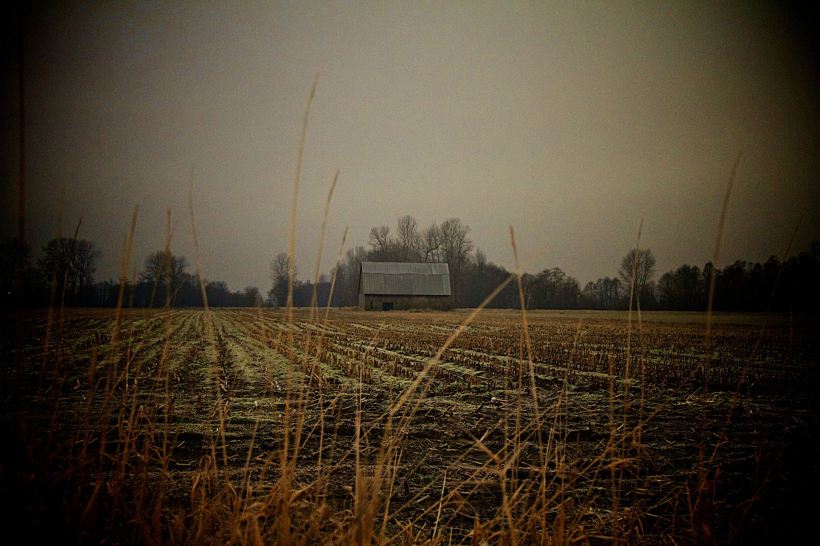
cornstalkbleak

The melancholy days are come, the saddest of the year,
Of wailing winds and naked wood, and meadows brown and sear.
~William Cullen Bryant

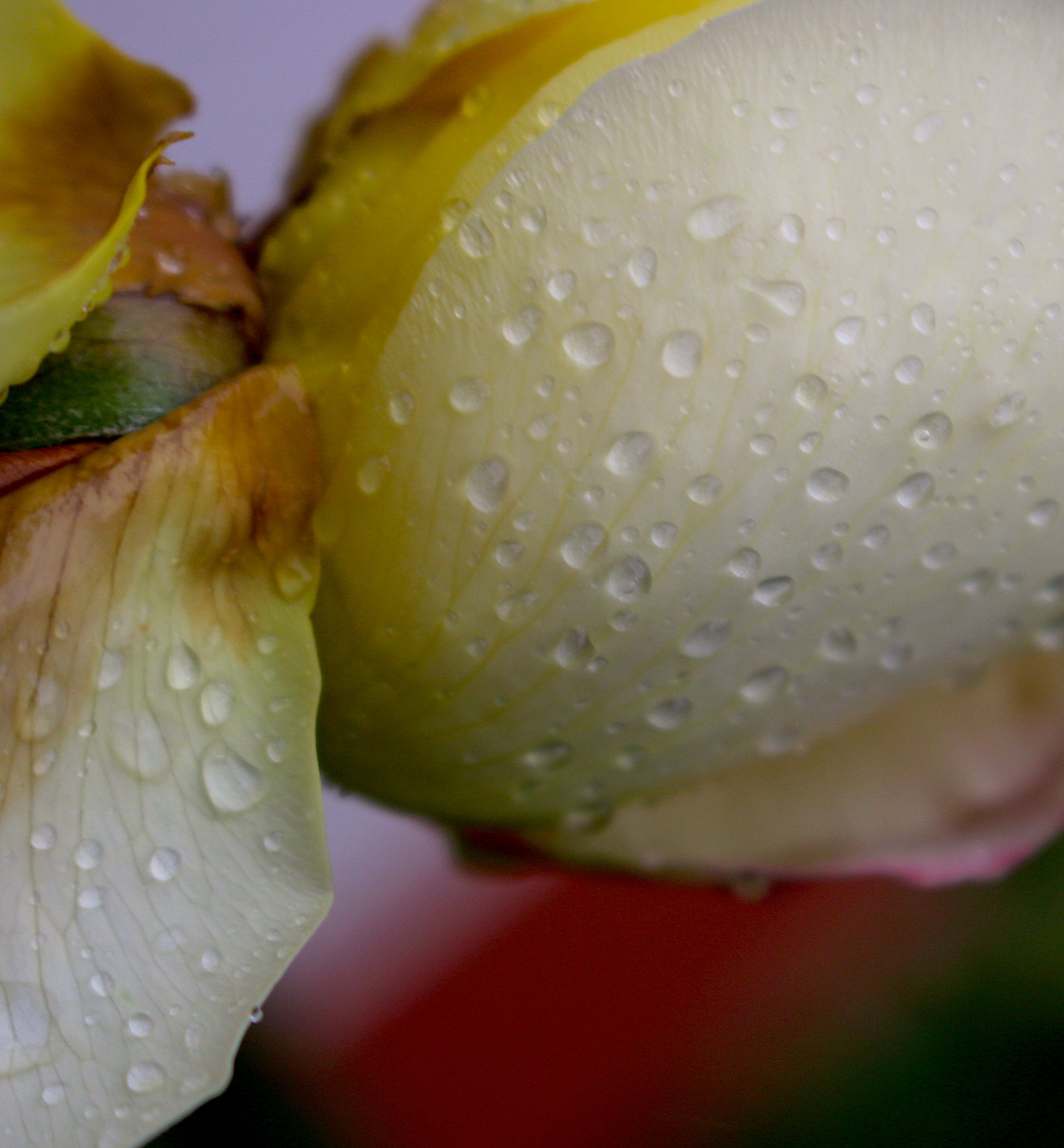
roserain1112

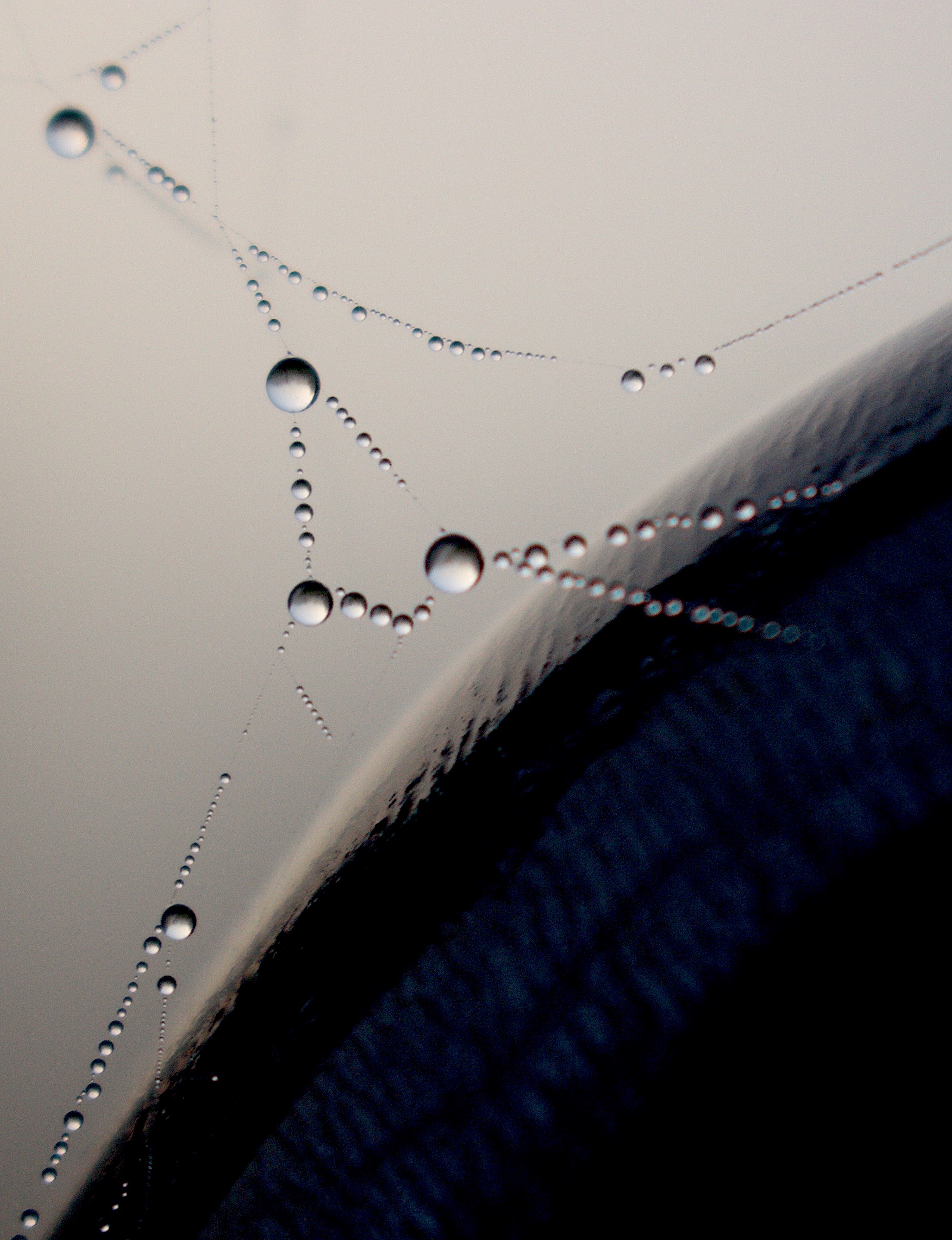
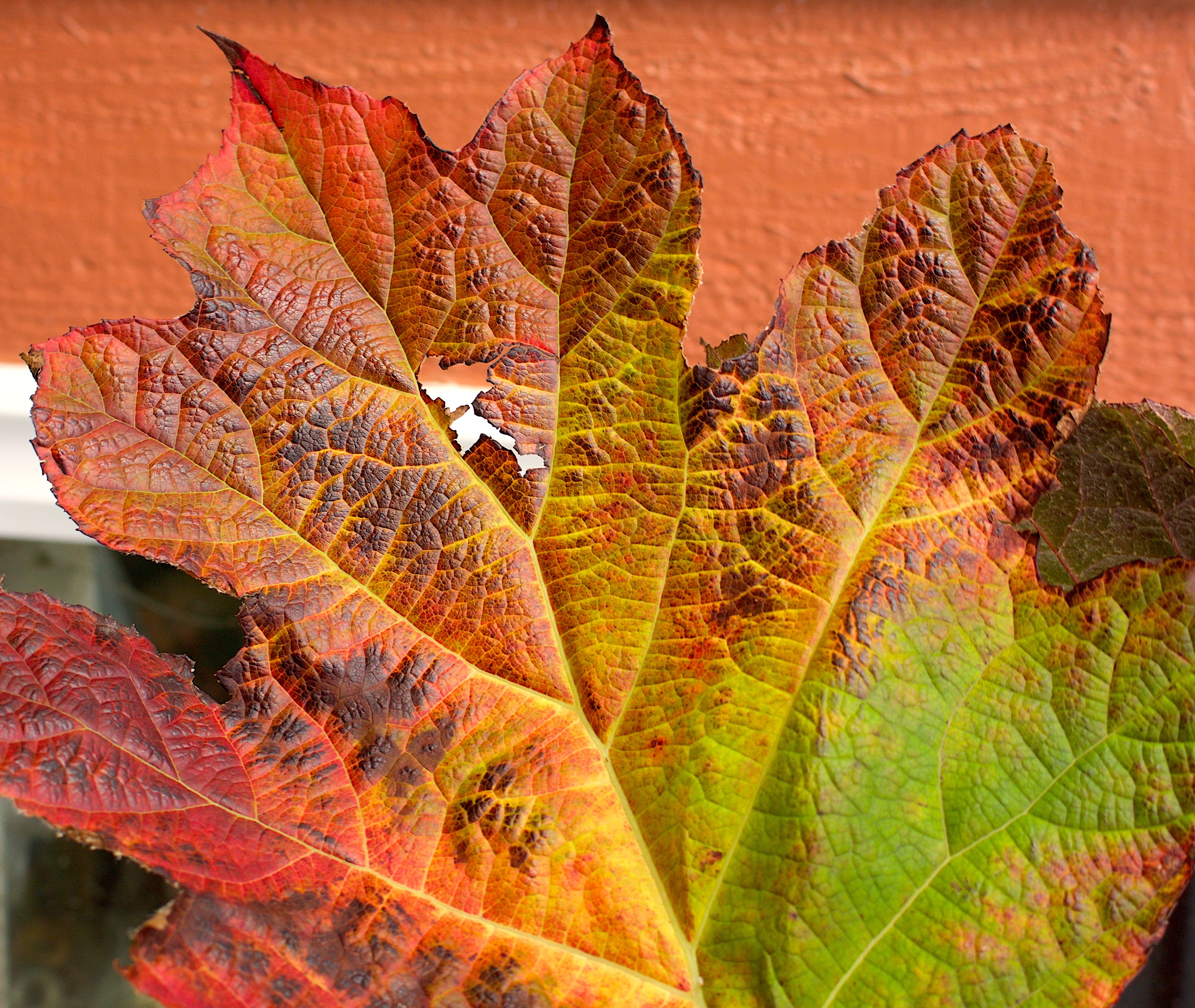
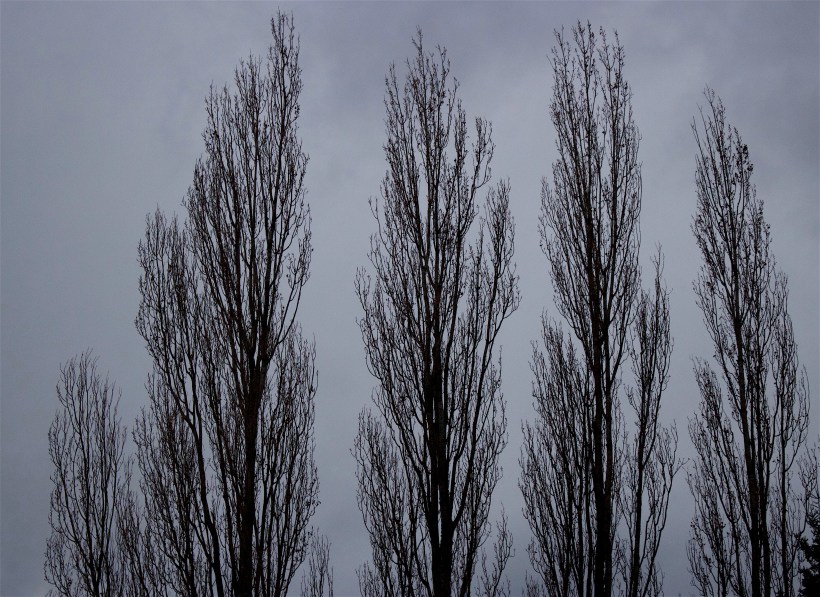
These are the dark and sodden days we can scarcely recall while basking in the brightness of June when sun graces us 19 hours a day.  There is no way but to ease into this a few minutes at a time, otherwise the shock would be too great.  The howling wind continually knocks and batters, the rain beats mercilessly at the window panes, the puddles stand deeper than they appear, the leaves now thoroughly shaken from embarrassed branches.

There is no remnant of summer civility and frivolity left; we must adapt or cry trying, only adding to the pervasive sogginess.

Nevertheless, melancholy days have their usefulness and there are times they can be a source of joy when snuggled deep under quilts, safe, dry and warm.  Without the stark contrast, the light time of year would become routine and under-appreciated, only another sunny day.

That never happens here.

We celebrate the light with real thanksgiving and in turn can acknowledge the darkness makes our gratitude more genuine.

We are privileged to live the paradox:  there is gladness in our sadness.

foggydrops11

olh1119

quilt16

God Among Us: The Paradox

barebones6

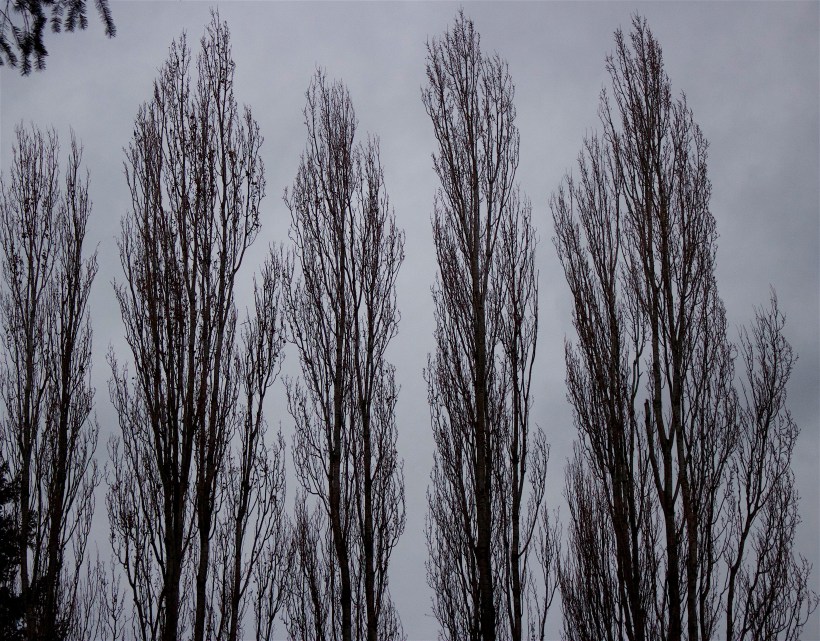
poplargold

Who, being in very nature God,
did not consider equality with God something to be grasped,
but made himself nothing,
taking the very nature of a servant,
being made in human likeness.

Philippians 2:6, 7

For since death came through a human being,
the resurrection of the dead has also come through a human being;
for as all die in Adam, so all will be made alive in Christ.

1Corinthians 15: 21


Man’s maker was made man
that He, Ruler of the stars,
might nurse at His mother’s breast;
that the Bread might hunger,
the Fountain thirst, the Light sleep,
the Way be tired on its journey;
that Truth might be accused of false witnesses,
the Teacher be beaten with whips,
the Foundation be suspended on wood;
that Strength might grow weak;
that the Healer might be wounded;
that Life might die.

~Augustine of Hippo


We too are born
as a King is delivered,
poor and homeless, in a barn:
we,
the meek, the mourning,
the weak, the persecuted,
the poor, the hungry,
the merciful and peacemakers
are given eternity
for the price of faith.
We can’t earn it, can never pay for it;
we just reach out our hearts
to grasp it tightly
as it is offered.
EPG


You, Lord, are both lamb and shepherd.
You, Lord, are both prince and slave.
You, peacemaker and sword-bringer
Of the way you took and gave.
You, the everlasting instant;
You, whom we both scorn and crave.

Clothed in light upon the mountain,
Stripped of might upon the cross,
Shining in eternal glory,
Beggar’d by a soldier’s toss,
You, the everlasting instant;
You, who are both gift and cost.

You, who walk each day beside us,
Sit in power at God’s side.
You, who preach a way that’s narrow,
Have a love that reaches wide.
You, the everlasting instant;
You, who are our pilgrim guide.

Worthy is our earthly Jesus!
Worthy is our cosmic Christ!
Worthy your defeat and vict’ry.
Worthy still your peace and strife.
You, the everlasting instant;
You, who are our death and life.
Alleluia. Alleluia. Alleluia.
You, who are our death and our life.
~Sylvia Dunstan (1955-1993)


Come, thou Redeemer of the earth,
Come testify thy virgin birth:
All lands admire, all times applaud:
Such is the birth that fits our God.

Forth from his chamber goeth he,
That royal home of purity,
A giant in twofold substance one,
Rejoicing now his course to run.

The Virgin’s womb that glory gained,
Its virgin honor is still unstained.
The banners there of virtue glow;
God in his temple dwells below.

From God the Father he proceeds,
To God the Father back he speeds;
Runs out his course to death and hell,
Returns on God’s high throne to dwell.

O Equal to thy Father, thou!
Gird on thy fleshly mantle now;
The weakness of our mortal state
With deathless might invigorate.

 Thy cradle here shall glitter bright,
And darkness breathe a newer light,
Where endless faith shall shine serene,
And twilight never intervene.
All laud, eternal Son, to thee
Whose advent sets thy people free,
Whom with the Father we adore,
And Holy Ghost, for evermore.


barebones12

Awaiting His Arrival: From Already to Not Yet

dogtreefog

For in this hope we were saved. But hope that is seen is no hope at all. Who hopes for what they already have? But if we hope for what we do not yet have, we wait for it patiently.
Romans 8:24-25


Morning of buttered toast;
of coffee, sweetened, with milk.

Out the window,
snow-spruces step from their cobwebs.
Flurry of chickadees, feeding then gone.
A single cardinal stipples an empty branch—
one maple leaf lifted back.

I turn my blessings like photographs into the light;
over my shoulder the god of Not-Yet looks on:

Not-yet-dead, not-yet-lost, not-yet-taken.
Not-yet-shattered, not-yet-sectioned,
not-yet-strewn.

Ample litany, sparing nothing I hate or love,
not-yet-silenced, not-yet-fractured; not-yet-

Not-yet-not.

I move my ear a little closer to that humming figure,
I ask him only to stay.
~Jane Hirshfield “Not Yet”


To wait for the “not yet” is a hard sweet tension in the Christian life.

It is hard not yet having what we know will be coming.
But it is sweet to have certainty it is coming
because of what we have already been given.
Like the labor of childbirth,
we groan knowing what it will take to get there,
and we are full to brimming already.

The waiting won’t be easy;
it will often be painful to be patient,
staying alert to possibility and hope when we are exhausted,
barely able to function.
Others won’t understand why we wait,
nor do they comprehend what we could possibly be waiting for.

Yet we persevere together, with patience, watching and hoping,
like Mary and Joseph,
like Elizabeth and Zechariah,
like the shepherds,
like the Magi of the east,
like Simeon and Anna in the temple.

This is the meaning of Advent:
we are a community groaning together in expectation of what is to come in the morning.


By waiting and by calm you shall be saved,
In quiet and in trust your strength lies.
~Isaiah 30:15

Lenten Grace — Streams in the Desert

photo by Kathy Yates

Then will the eyes of the blind be opened
    and the ears of the deaf unstopped.
Then will the lame leap like a deer,
    and the mute tongue shout for joy.
Water will gush forth in the wilderness
    and streams in the desert.
The burning sand will become a pool,
    the thirsty ground bubbling springs.
In the haunts where jackals once lay,
    grass and reeds and papyrus will grow.
Isaiah 35: 5-7

And so we will not remain mere dust in the ground.

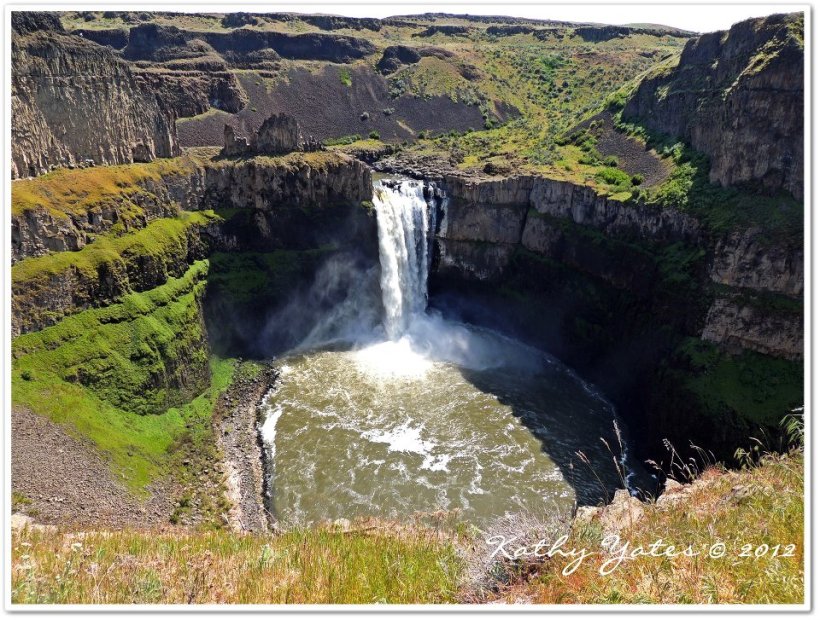
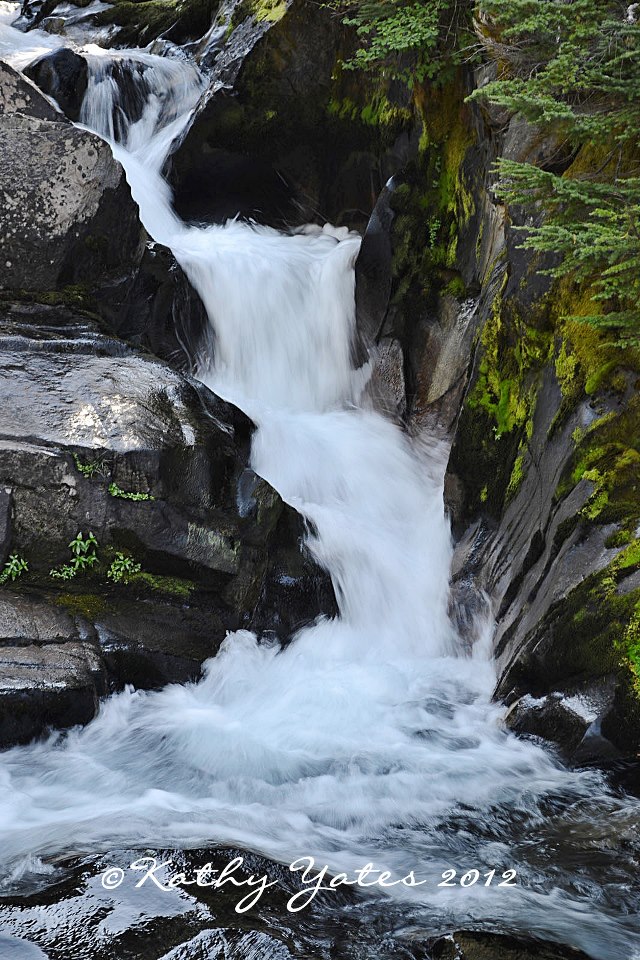
The dry wilderness bubbles with streams and gushes with falls.
The barren grows fruit.
The impossible becomes possible.

We are paradox.

Once dead, we live again.

photo by Kathy Yates

Advent Sings: Down to Up

photo by Josh Scholten

The Lord brings death and makes alive;
    he brings down to the grave and raises up.
1 Samuel 2: 6 from the Song of Hannah

Hannah’s prayer describes the Lord in all His paradox of reversals: the strong are broken and those who stumble strengthened, the satisfied end up working for food and the hungry become filled, the barren woman bears children while the mother of many pines away, the poor and needy are lifted up to sit with princes.

He humbles and exalts–we have read the stories of how the Lord uses such reversals to instruct His people.

Yet nothing Hannah says is as radical and unprecedented as being brought down to the grave and then raised up, the Lord causing death and making alive.   This makes no sense.  Once in the grave, there is no escape.  Death cannot be reversed like the weak becoming strong, the hungry filled, the barren fertile, the poor enriched.

Hannah sings that this will indeed happen, just as the other reversals happened.  It would take centuries, but her prayer is fulfilled in the child born to Mary, who lives and dies and lives again in the greatest reversal of all.

There can be no greater mystery than a God who chooses to walk the earth as a man among the poor, the needy, the helpless, the sick, the blind, the lame, the wicked, the barren, the hungry, the weak.  There can be no greater reversal than God Himself dying–put away down into the grave– and then rising up, glorious, in the ultimate defeat of darkness and death.

Hannah already knew this as a barren woman made full through the blessing of the Lord, choosing to empty herself by giving her son back to God.
Mary knew this as a virgin overshadowed by the Holy Spirit, choosing to empty herself by bearing, raising and giving her Son back to the Father.

We know this too.   We are the weak, the hungry, the poor, the dying filled completely through the love and sacrifice of the Triune God, and so give ourselves up to Him.

From down to up.  It can be done.  And He has done it.

Melancholy Days

photo by Josh Scholten

The melancholy days are come, the saddest of the year,
Of wailing winds and naked wood, and meadows brown and sear.
William Cullen Bryant

These are the dark and sodden days we can scarcely recall while basking in the lightness of June when sun graces us 19 hours a day.  There is no way but to ease into this a few minutes at a time, otherwise the shock would be too great.  The howling wind continually knocks and batters, the rain beats mercilessly at the window panes, the puddles stand deeper than they appear, the leaves now thoroughly shaken from embarrassed branches.  There is no remnant of summer civility and frivolity left; we must adapt or cry trying, only adding to the pervasive sogginess.

Nevertheless, melancholy days have their usefulness and there are times they can be a source of joy when snuggled deep under quilts, safe, dry and warm.  Without the stark contrast, the light time of year would become routine and under-appreciated, only another sunny day.

That never happens here.

We celebrate the light with real thanksgiving and in turn can acknowledge the darkness makes our gratitude more genuine.

We are privileged to live the paradox:  there is gladness in our sadness.

Especially the Wilderness

photo by Josh Scholten

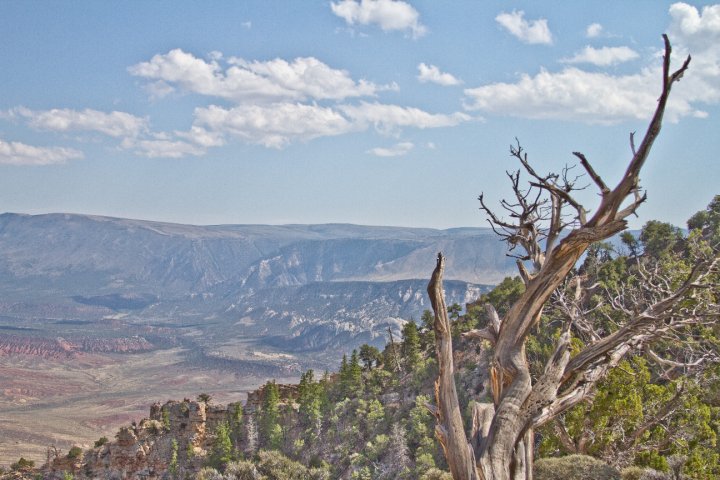
To be commanded to love God at all, let alone in the wilderness, is like being commanded to be well when we are sick, to sing for joy when we are dying of thirst, to run when our legs are broken. But this is the first and great commandment nonetheless. Even in the wilderness – especially in the wilderness – you shall love him.
Frederick Buechner

photo by Josh Scholten

At times of our wandering, whether in the desert, among the cliffs, or in the deep valley of dark alleys, we can feel estranged from God, from Man, from ourselves.  We know the homelessness of the lost and the seemingly abandoned.

But we are commanded to love, no matter how we hunger, or how tenuously we cling to the precipice, or how hidden we are in the desolated dumpsters of life.
Always, always, love brings us back to what we are created to be.

We are designed to bend low and bow down, built for kneeling,  able to smile through tears and cry while laughing.

We know the paradox of being so sick, so dying, so broken, so lost in the wasteland that rescue will be our ultimate joy.

We are found: found loving, never found wanting.


photo by Josh Scholten

An Advent Tapestry–The Paradox

Scene of Peace by Rembrandt

A mass of legend and literature, which increases and will never end, has repeated and rung the changes on that single paradox; that the hands that had made the sun and stars were too small to reach the huge heads of the cattle. Upon this paradox, we might almost say upon this jest, all the literature of our faith is founded…

I mean that all the eyes of wonder and worship which had been turned outwards to the largest thing were now turned inward to the smallest…

It is true that the spiritual spiral henceforward works inwards instead of outwards, and in that sense is centripetal and not centrifugal. The faith becomes, in more ways than one, a religion of little things.

– G.K. Chesterton, The Everlasting Man

Lenten Meditation: The Paradox

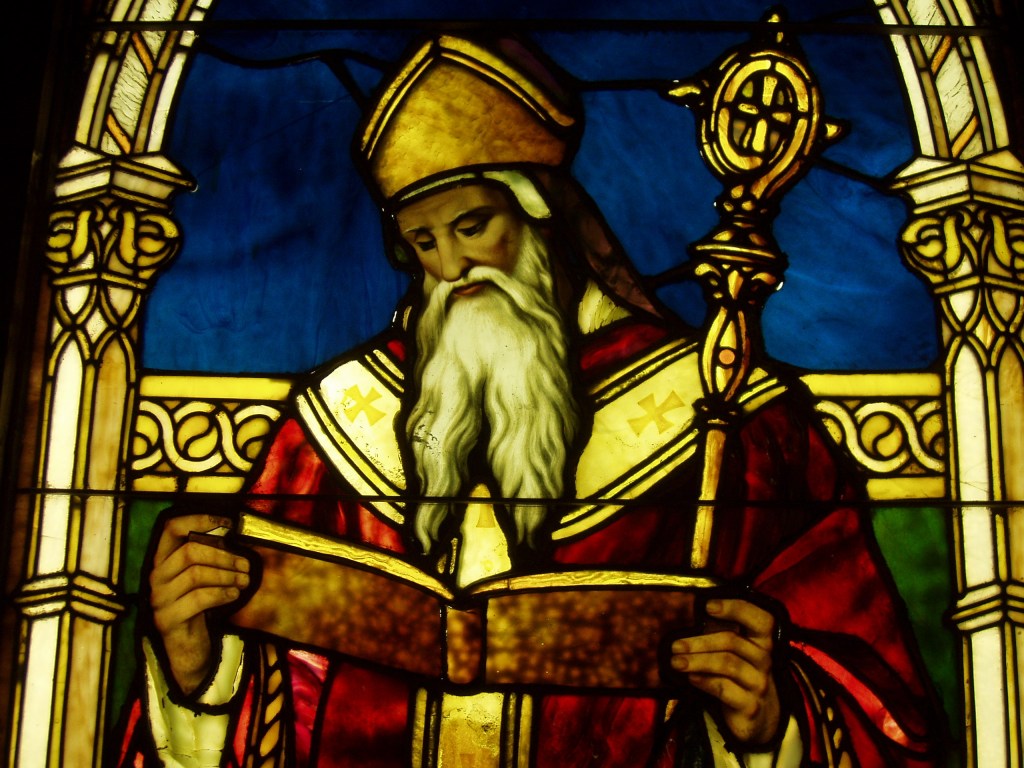
St. Augustine

From The Confessions of Saint Augustine:

“The Maker of man was made man, that the Ruler of the stars might suck at the breast; that the Bread might be hungered; the Fountain, thirst; the Light, sleep; the Way, be wearied by the journey; the Truth, be accused by false witnesses; the Judge of the living and the dead, be judged by a mortal judge; the Chastener, be chastised with whips; the Vine, be crowned with thorns; the Foundation, be hung upon the tree; Strength, be made weak; Health, be wounded; life, die.  To suffer these and suchlike things, undeserved things, that He might free the undeserving, for neither did He deserve any evil, who for our sakes endured so many evils, nor were we deserving of anything good, we who through Him received such good.”