It Would Be Cheaper

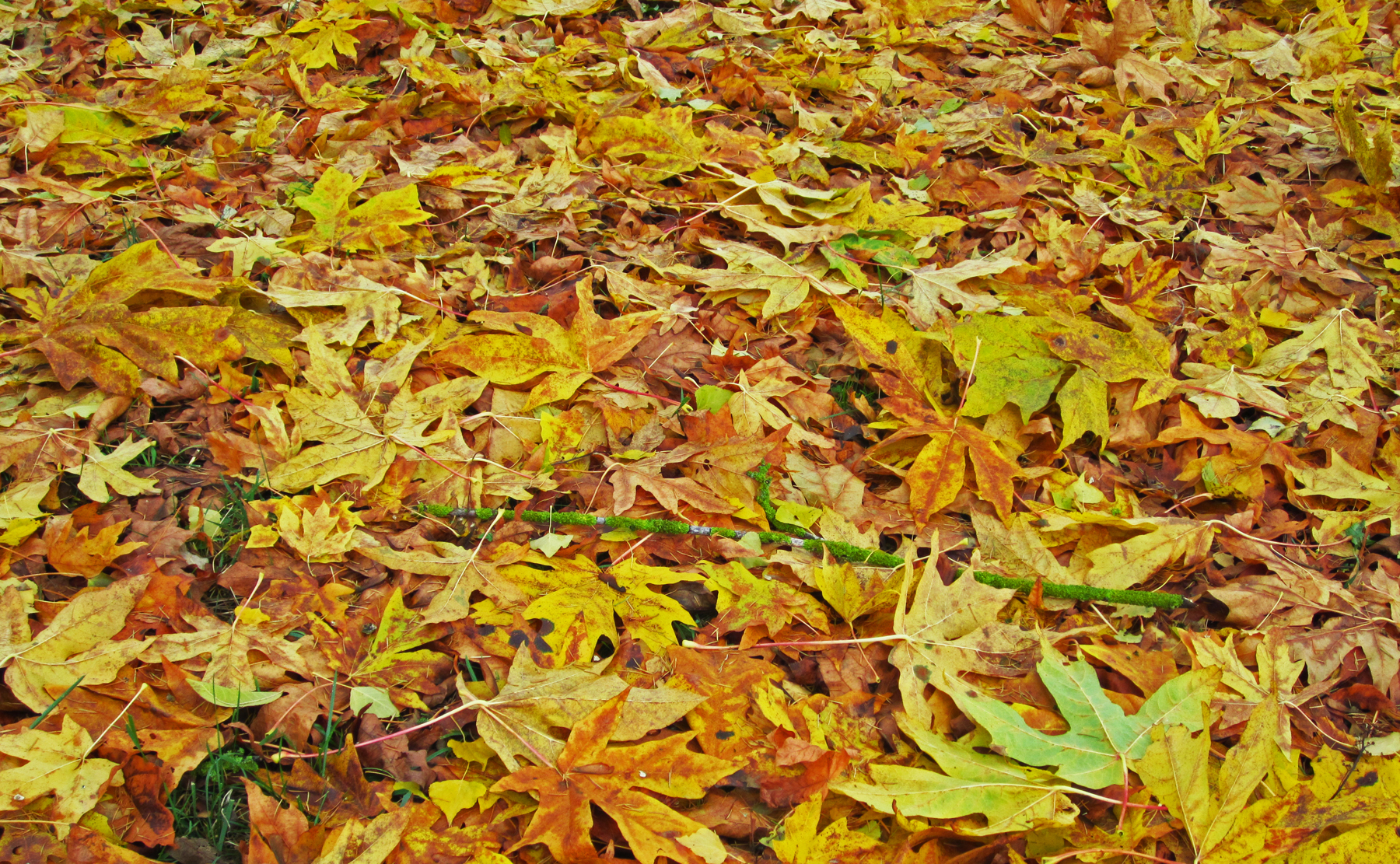
“Nature is, above all, profligate.  Don’t believe them when they tell you how economical and thrifty nature is, whose leaves return to the soil.  Wouldn’t it be cheaper to leave them on the tree in the first place?
~Annie Dillard

It is a good thing I wasn’t assigned the role of Designer because all would have gone awry in my dedication to resource management, efficiency and creating less waste.    There would be imposed limitations on earth, wind and rain storms.  No wildfires or natural disasters like earthquakes, tsunamis, hurricanes and tornadoes.  To avoid having to blow around, rake, pick up and compost those fallen autumn leaves, all trees would be evergreens, needles long-lasting for decades.  There would be fewer insect species, in particular wasps, fleas, chiggers, bed bugs, mosquitoes and flies.   Fewer rodents, viruses, toxic bacteria and pesky parasites.  The list is endless: things would be different in my Thrifty Design Of All Things Natural.

But of course the balance of living and dying things would then be disturbed and off kilter.

Rather than worry about the wastefulness,  I should revel in the abundance as I watch death recreate itself to life again.  Nature has built-in redundancy, teems with remarkable inefficiency and overwhelms with extravagance.  As just another collection of cells with similar profligacy, I can’t say much and better not complain.  Thank goodness for the redundancy and extravagance found in my own body, from the over supply of nasal mucus during my upper respiratory infection helping me shed viral particles, to the pairing of many organs and parts allowing me a usable spare in case of system failure.

Sometimes cheaper costs more.  Sometimes extravagance is intentional and rational.

Clearly things are meant to be as they are.

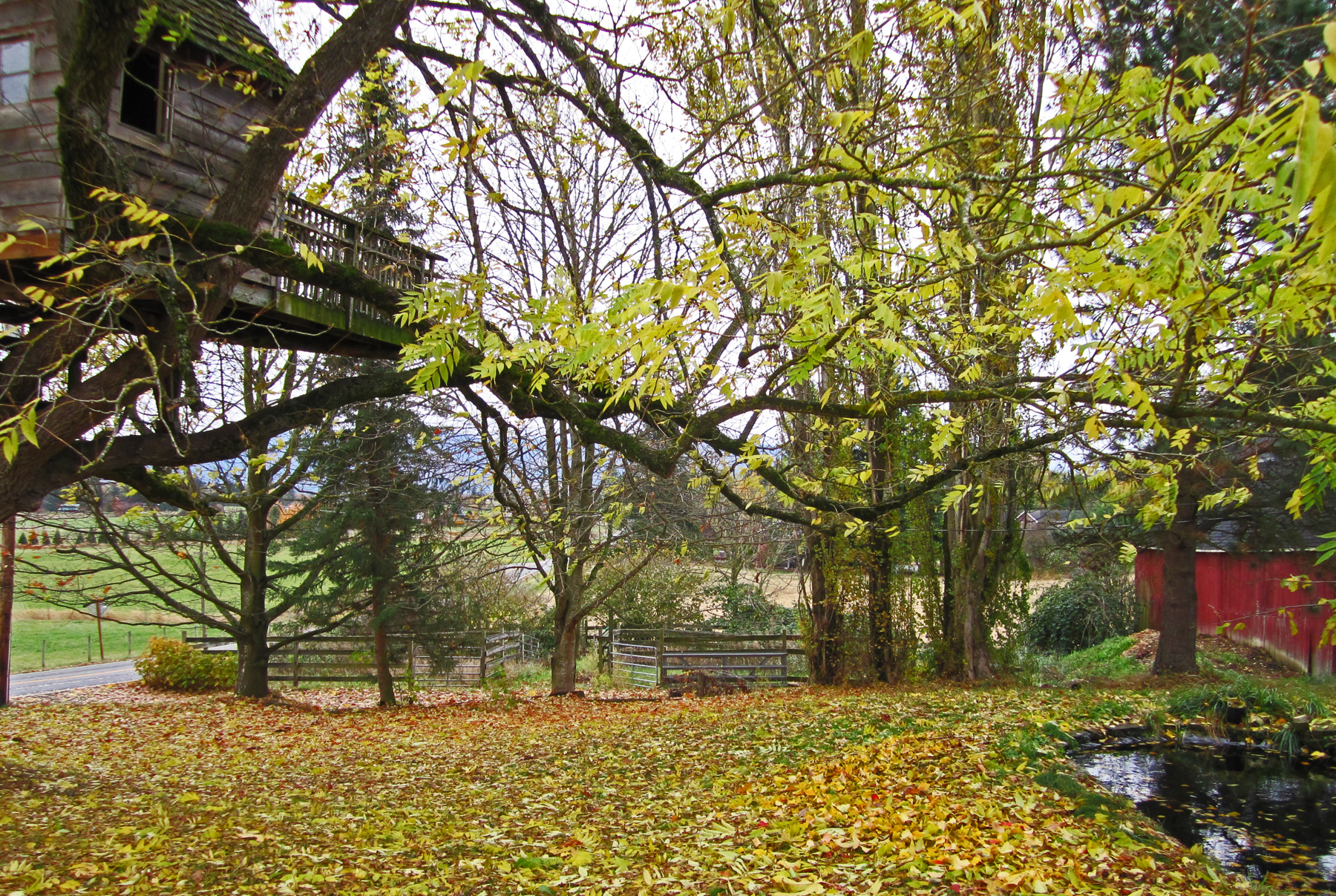
If I am ever in doubt, I can simply look out at the leaf-carpeted front yard…or in the mirror.

Then I will remember and know.
“So let us go on, cheerfully enough, this and every crisping day,
though the sun be swinging east, and the ponds be cold and black,
and the sweets of the year be doomed.” 
~Mary Oliver from Lines Written in the Days of Growing Darkness
The Autumn Wind

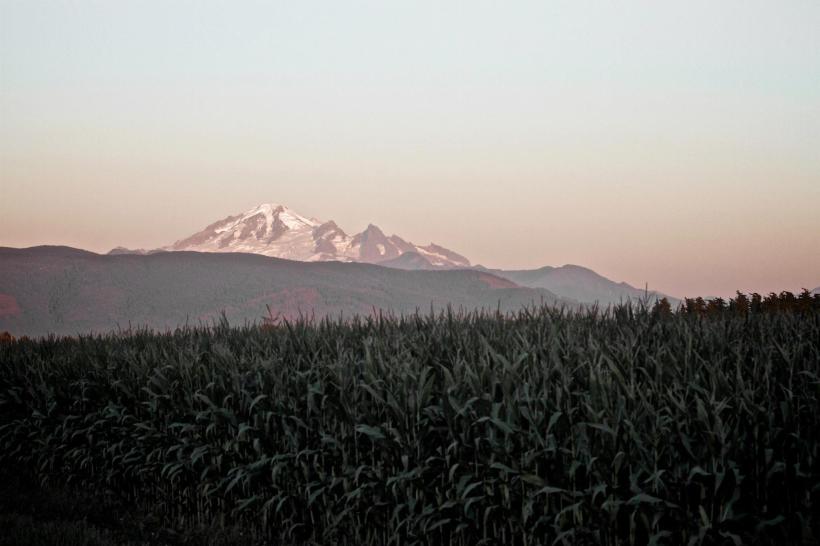
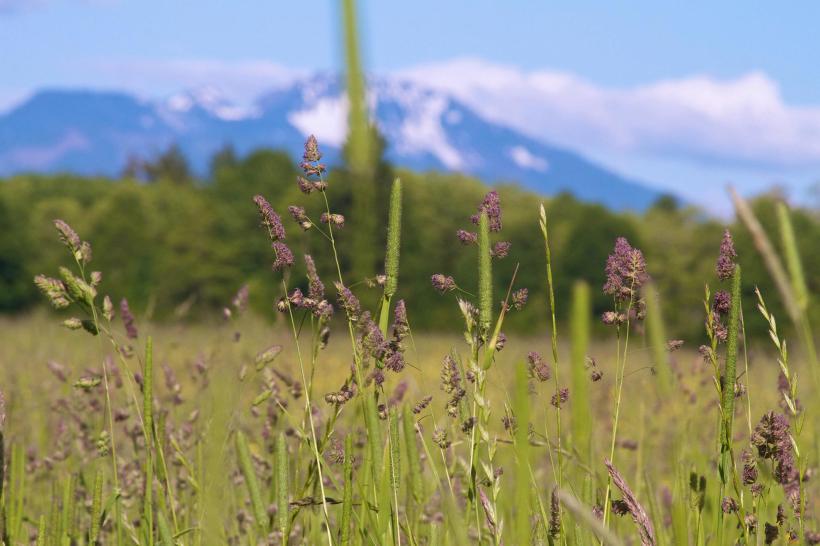
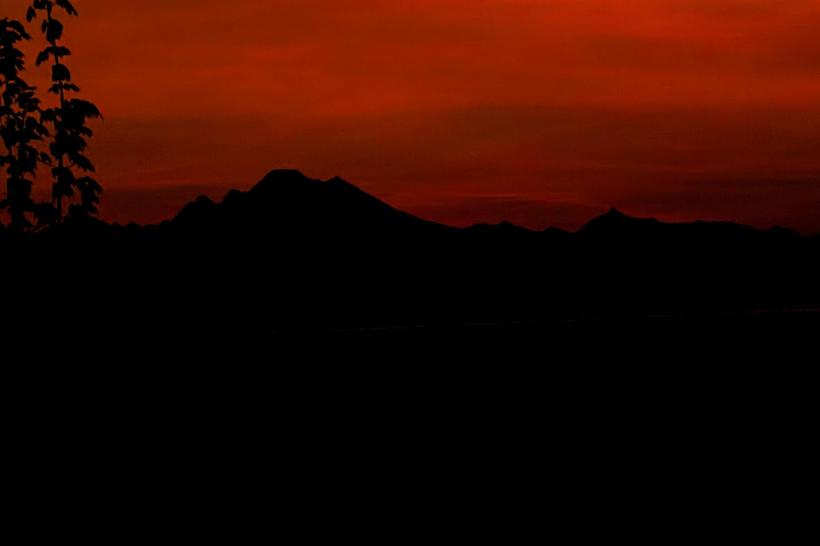
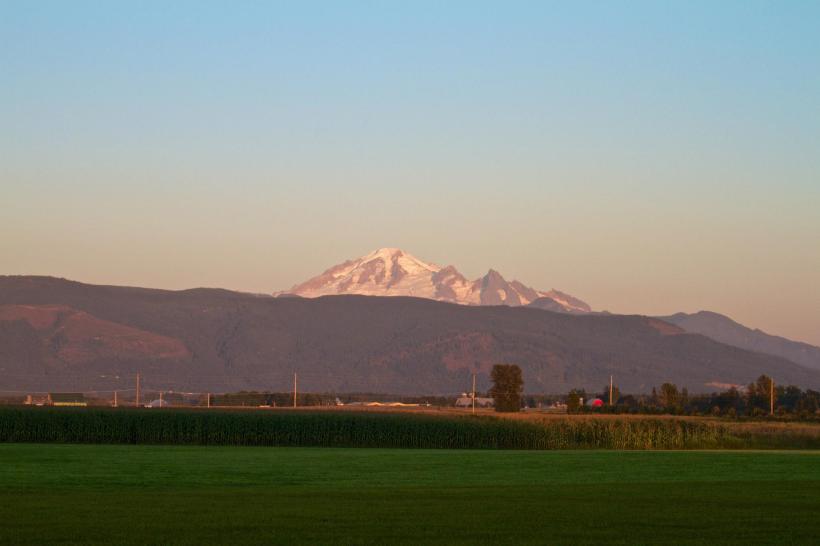
photos of Mt. Baker and cornfield in Whatcom County by Josh Scholten

The old man does believe what the child believed; but how different it is, though still the same. It is the field that once held the seed, now waving and rustling under the autumn wind with the harvest that it holds, yet all the time it has kept the corn. The joy of his life has richened his belief. His sorrow has deepened it. His doubts have sobered it. His enthusiasms have fired it. His labour has purified it.
~Phillips Brooks

I don’t consider myself “old”, at least not quite yet, although my college age patients might look at the graying me, almost three times their age, and think “old.”   Nearing the end of my sixth decade,  I feel the seeds of the younger Emily still within me.   I am the same field, now with soil plowed thoroughly, seed planted deeply, weeds and rocks winnowed regularly, harvest anticipated gratefully.

No one else can do the work of my field in my place.  I am the one who must be willing to get up early, believe in what I need to do every day, exercise flabby muscle, sprinkle with shed tears, fertilize with inspiration gleaned from others’ experience.

The harvest will be sweet when work is purified by blood, sweat, and tears.   Even the younger me understood and believed.

Sweet Peas Run Wild

A dichotomy in October

“Poetry is a rich, full-bodied whistle, cracked ice crunching in pails, the night that numbs the leaf, the duel of two nightingales, the sweet pea that has run wild, Creation’s tears in shoulder blades.”
~Boris Pasternak

Sweet peas and pumpkins are strange neighbors on the same table
Always separated by weather and season,
one from late spring, the other from mid-autumn,
truly never meant to meet.

Yet here they are, side by side,
grown in the same soil
through the same weeks,
their curling vines entwined.

A dropped packet of sweet pea seeds
forgotten in the weeds during summer rains;
escapees swelled and thrived, now forming rich autumn blooms
gracing a harvest table with bright pastels and spring time fragrance.

Perhaps I too may bloom where I land, even ill-timed, out of place,
I might run wild, interwoven, bound to others
who look nothing like me, encouraged to climb higher,
to blossom bravely in the face of a killing frost.

“Here are sweet-peas, on tip-toe for a flight:
With wings of gentle flush o’er delicate white,
And taper fingers catching at all things,
To bind them all about with tiny rings.”
~John Keats


Weeds in the Moonlight

Lyric night of the lingering Indian Summer,
Shadowy fields that are scentless but full of singing,
Never a bird, but the passionless chant of insects,
       Ceaseless, insistent.   

The grasshopper’s horn, and far-off, high in the maples,
The wheel of a locust leisurely grinding the silence
Under a moon waning and worn, broken,
       Tired with summer.   
Let me remember you, voices of little insects,
Weeds in the moonlight, fields that are tangled with asters,
Let me remember, soon will the winter be on us,
       Snow-hushed and heavy.   
Over my soul murmur your mute benediction,
While I gaze, O fields that rest after harvest,
As those who part look long in the eyes they lean to,
       Lest they forget them.

Sara Teasdale–September Midnight

All Flesh

All flesh is grass.
Isaiah 40:6
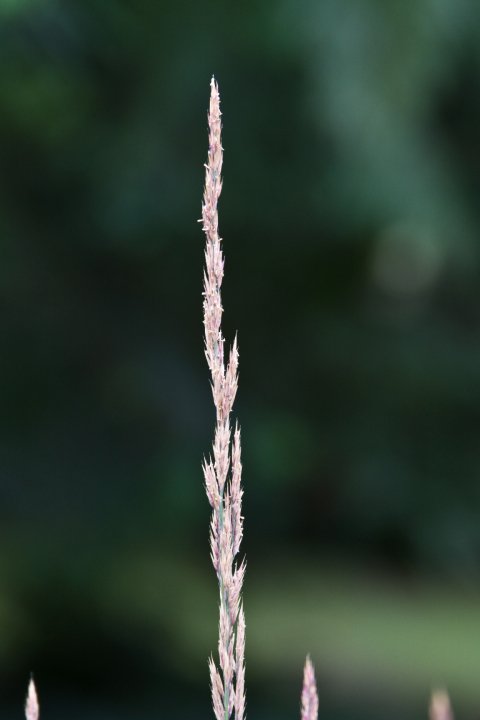
photo by Josh Scholten

The moment one gives close attention to anything,
even a blade of grass, it becomes a mysterious, awesome,
indescribably magnificent world in itself.
– Henry Miller

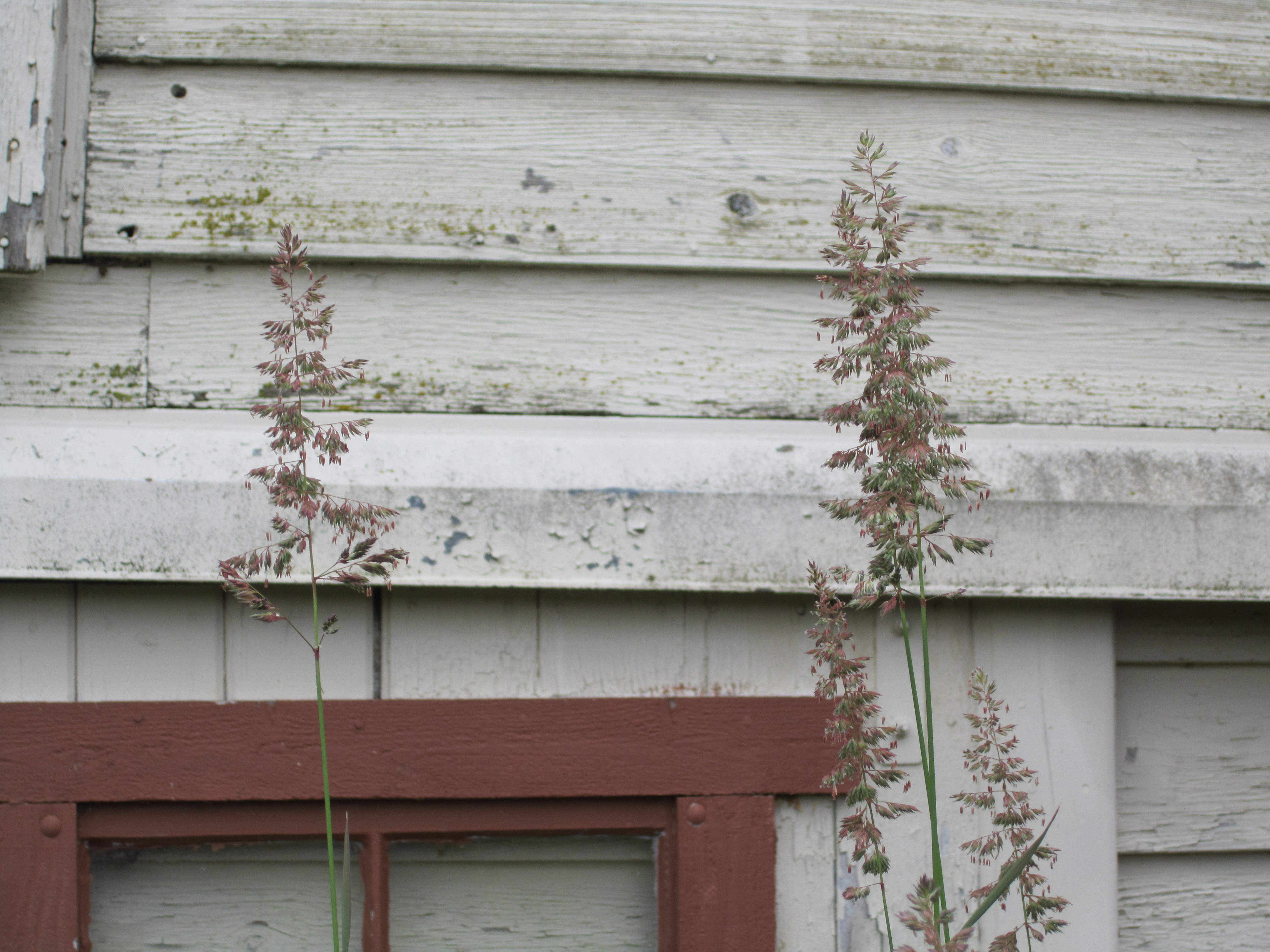
With the light and warmth waning with autumn’s approach, we have likely mowed for the last time this season. The explosion of green in May has become the browning crisp of September. Our work may be on hiatus, but the grasses only appear to be resting.

Growth has gone to seed. The seed itself is gone as well: blowing in a gusty breeze, or attaching to a passing tuft of fur to ride to another destination, or traversing a bird’s digestive tract to eventually land at the base of a fence post, or simply landing into nurturing soil at the feet of the mother plant. There it is invited home once again.

The season of grasses, though unbearably short, is nevertheless perpetual. Half of the year nothing appears to be happening. Still its growth continues, invisible to the eye, all nuance and planned potential. Even as the plant dies back, it persists within the ever renewing and buried seed,  guaranteed a new life and purpose in another place and season.

Surely I too am grass, withering with seed falling.  Though gone with the wind, blown by the breath of God,  within that seed, His word endures forever.

And as to me, I know nothing else but miracles…
~ Walt Whitman in Leaves of Grass

photo by Josh Scholten

Apple Peel Breezes

photo by Josh Scholten

“The breezes taste
Of apple peel.
The air is full
Of smells to feel-
Ripe fruit, old footballs,
Burning brush,
New books, erasers,
Chalk, and such.
The bee, his hive,
Well-honeyed hum,
And Mother cuts
Chrysanthemums.
Like plates washed clean
With suds, the days
Are polished with
A morning haze.”
~John Updike in “September”

Even Me

photo by Josh Scholten

There is not one blade of grass, there is no color in this world that is not intended to make us rejoice.
John Calvin

It is too easy to become blinded to the glory surrounding us if we allow it to be routine and commonplace.  I can’t remember the last time I celebrated a blade of grass,  given how focused I am mowing it into conformity.  Too often I’m not up early enough to witness the pink sunrise or I’m too busy to take time to watch the sun paint the sky red as it sets.

I miss opportunities to rejoice innumerable times a day.  It takes only a moment of recognition and appreciation to feel the joy, and for that moment time stands still.  Life stretches a little longer when I stop to acknowledge the intention of creation as an endless reservoir of rejoicing.   If a blade of grass, if a palette of color, if all this is made for joy, then so am I.

Even colorless commonplace me.

So am I.

photo by Josh Scholten

Shedding the Undercoat

photos by Nate Gibson

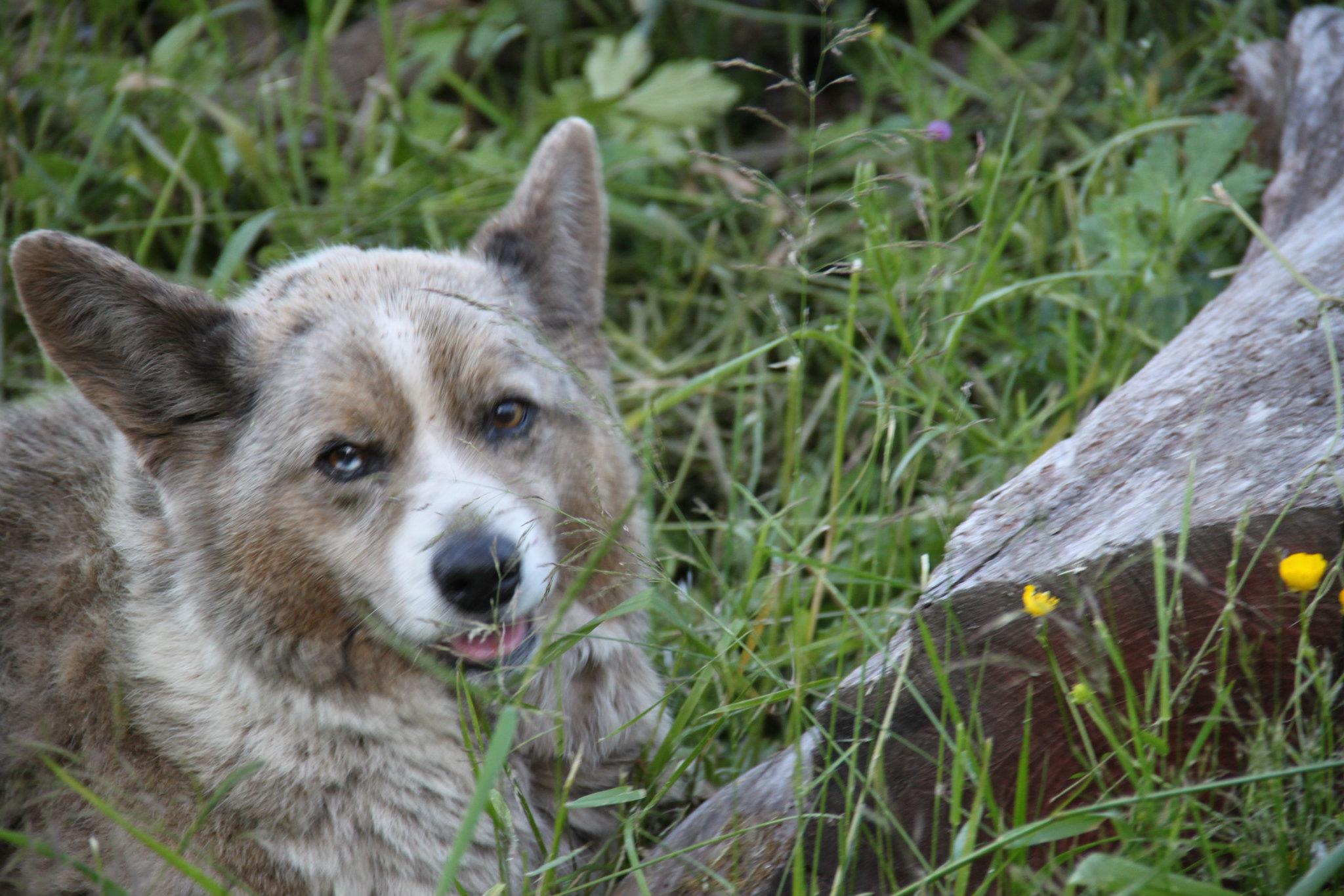
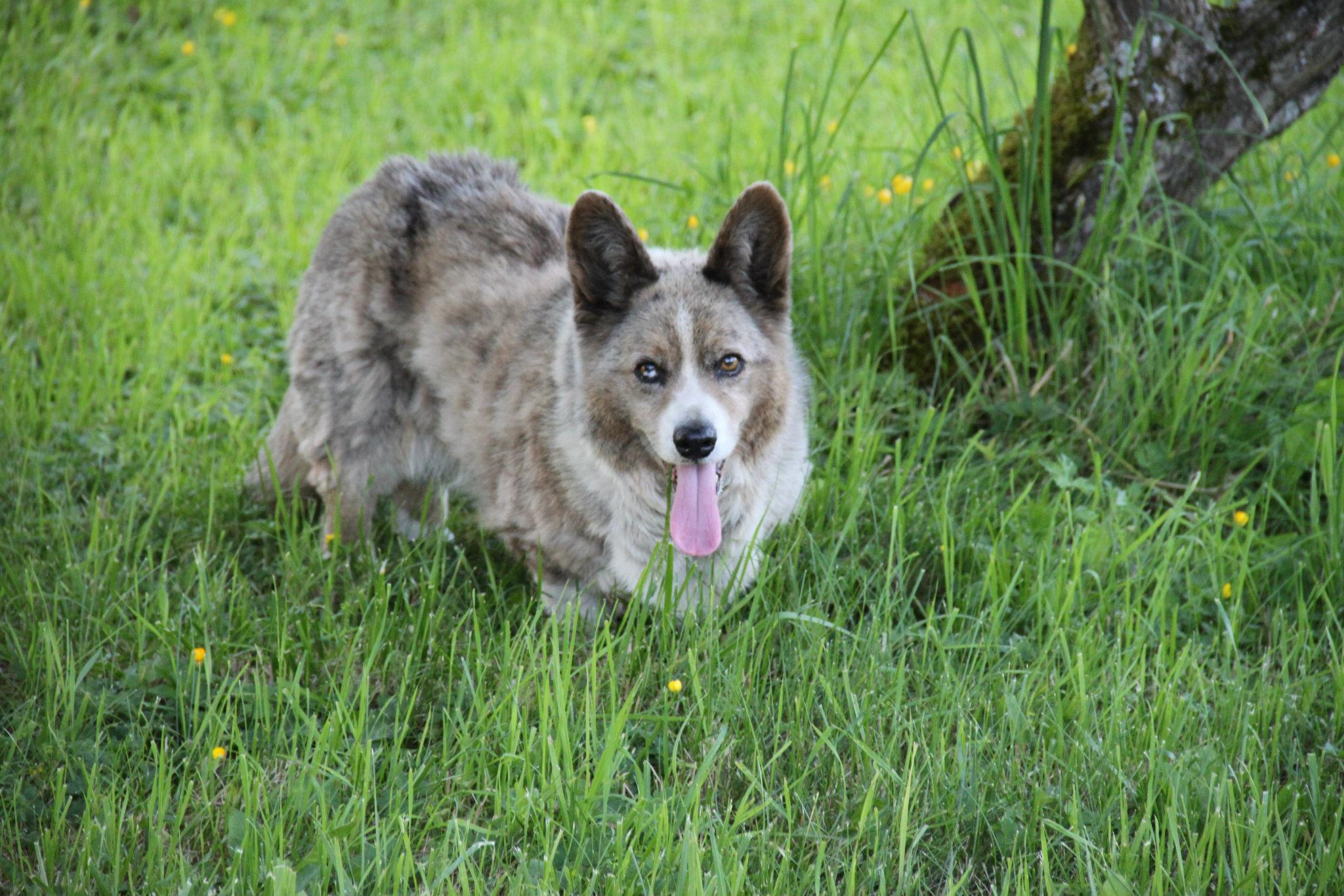
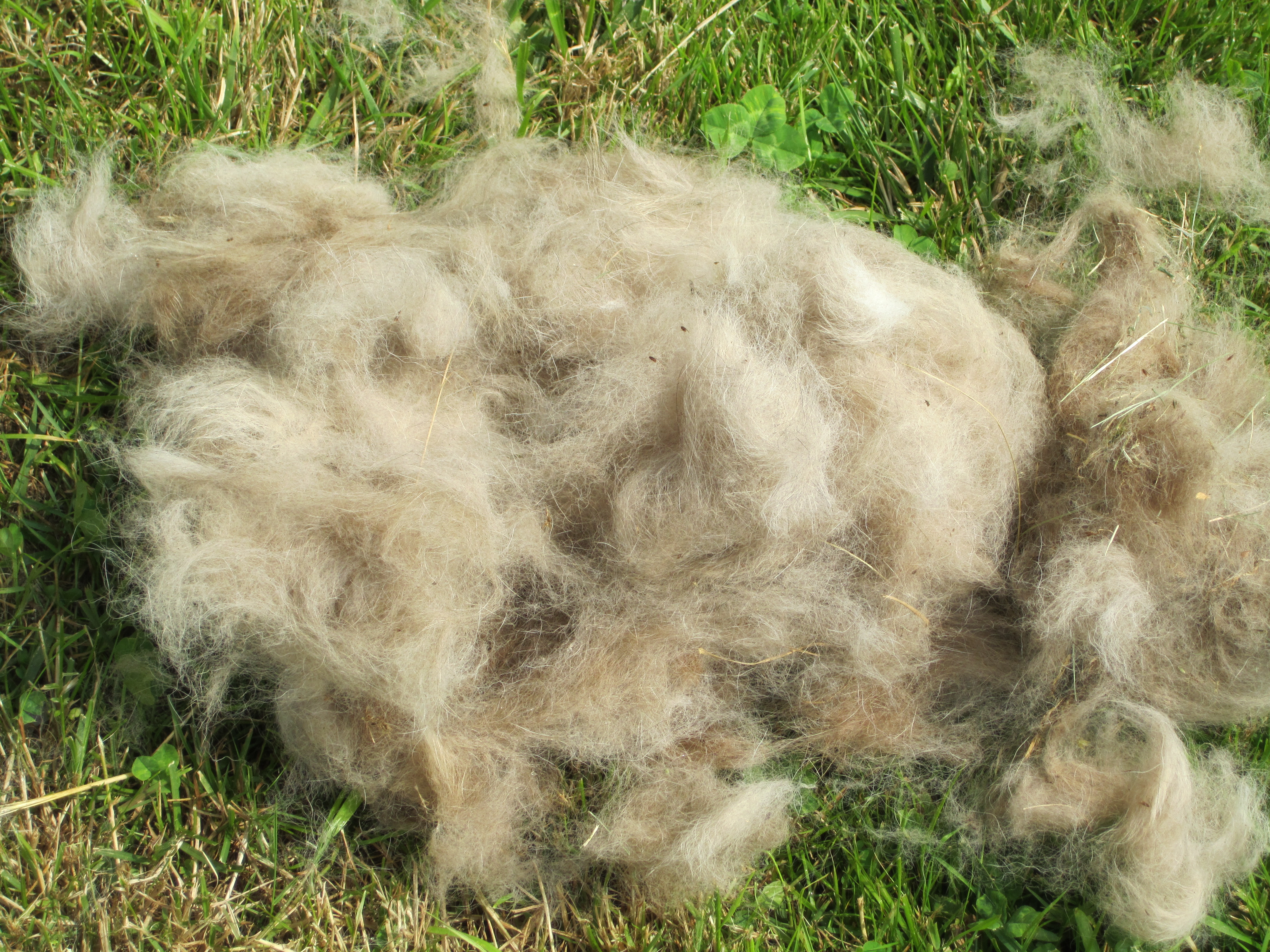
An atypically cool start to the summer meant our farm dog Dylan Thomas, a Cardigan Welsh Corgi,  forgot to take off his winter sweater.  I  completely understand: I wouldn’t want to either if July nighttime temperatures are in the mid-forties and I was an old fellow like he is.   Given his need to stay warm since he sleeps outside, Dylan had not yet blown his heavy coat and we had not put much effort into brushing him out.  Now the temperatures are finally rising so this means the time has come.

His downy undercoat has been hanging in tufts and bulges all over his body yet packed so tightly in places that the effort of brushing is not easy on dog or human.   I know he thinks we’re trying to pull his hide out along with the hair.  Shearing a sheep or llama just might be easier.   I’ve contemplated getting out the clippers, but a clipped Dylan would die of embarrassment (and probably would catch cold).
We are slowly working on relieving him of his cardigan, brush stroke by brush stroke, in a multi-day process accumulating prodigious quantities of hair that could easily be marketed as high R value insulation filler.

I wish my own extra insulation could just be brushed out and thrown away like Dylan’s hair.  Mine clings to me through cold weather and warm, padding my hips and my middle and a few other spots I’d rather not disclose.  I know I don’t really need all the extra fluff, and I know what I must do to shed it, but somehow knowing and doing are not always in synch.

In fact I hang on to a lot that I don’t need, some of which only makes me more miserable, as it is no longer useful and is downright detrimental.    Some of it is tangible accumulation, in a few piles and closets.  Some is not visible but is deeply seeded nevertheless.  The excess hurts to have it pulled out by the roots.

We all have an undercoat that we cling to because it guards our heart,  providing an insulated layer buffering against the chill and sharp edges of life.  We need someone with a good stiff brush, a strong arm and the persistence to save us from ourselves, even when we don’t want saving.  The time has come for the coat to blow.  We’ll be smooth and free once again, feeling the breezes right through our skin, all the way to our heart.

We remain fluffy at our peril.

Rosy Sunsets

photo by Nate Gibson

If I can put one touch of rosy sunset into the life of any man or woman, I shall feel that I have worked with God.
G.K. Chesterton

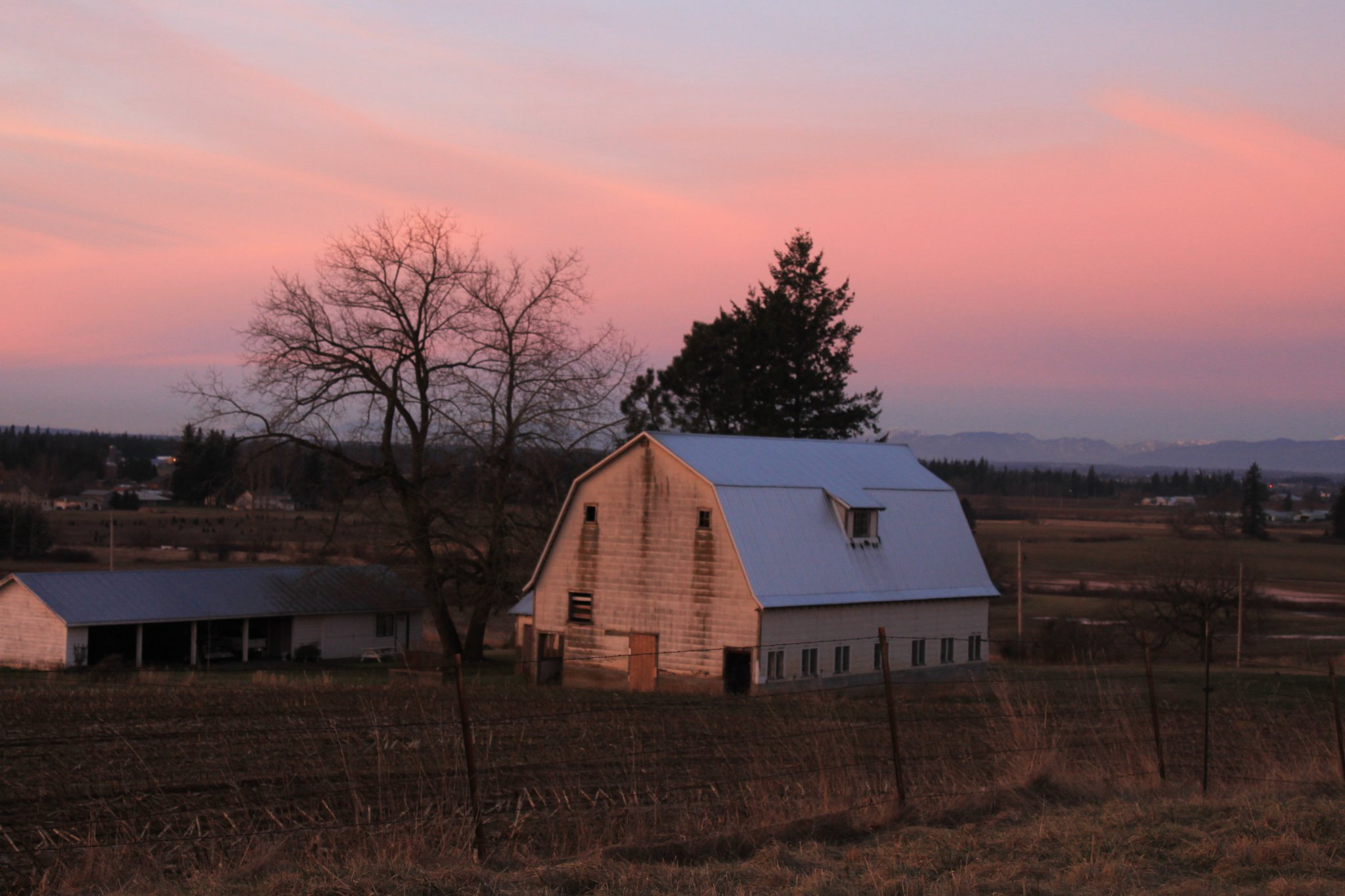
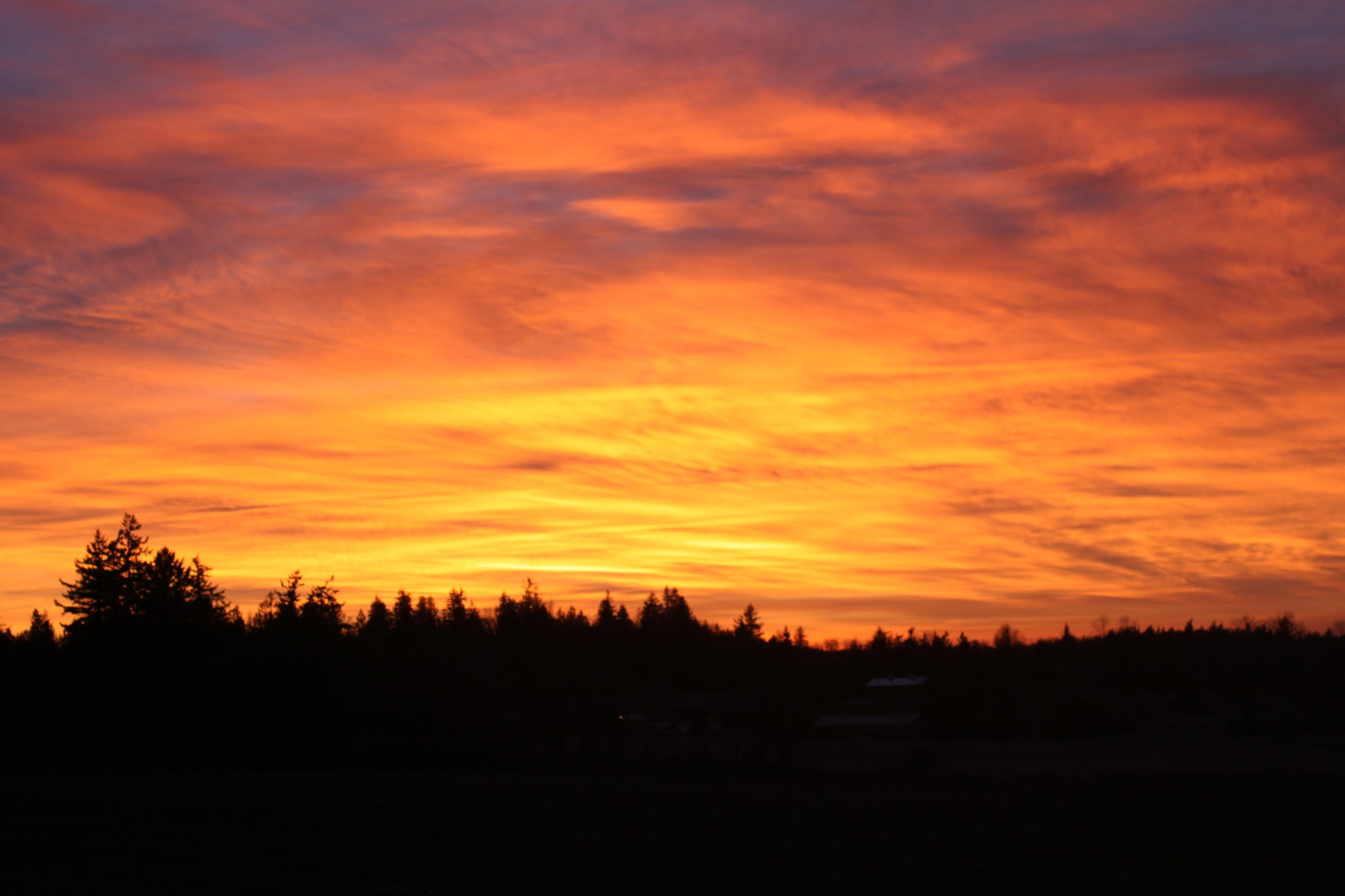
Most evenings there is no sunset fanfare, no departing glowing orb on the horizon, no color spreading upward into the clouds.  The typical evening canvas is just grey and ordinary at dusk, transitioning to twilight, giving into nightfall. Grey-darkergrey-black.

Yet there are times not at all ordinary.  On those evenings, the Master reaches deep for his palette and starts mixing.  As He begins His work,  grey gradually gives way to amber and orange, shifting to red and purple and yellow.   A daub here, a speckle there, then full out splash and streak.  We are invited to pick up a brush and apprentice for Him, learning the sweep of the hand, the grace of the wrist stroke, the fine work of the brush tip outlining the black of darkening shadows.

There can be no wrong color combination; anything goes.  It is a riveting gift of extraordinary artwork: it is meant to be shared, to be taught, to be cherished even if only for a few brief minutes.

When the sky glows with unfolding rose petals, all will see it; this work won’t be hidden away in a gallery or museum.

All too soon it moves on, the canvas plain and dark once again.  And we’re left holding the brush, eager and ready to try again when the timing is right.

photo by Nate Gibson

Council of Clowns

“Coyotes have the gift of seldom being seen; they keep to the edge of vision and beyond, loping in and out of cover on the plains and highlands. And at night, when the whole world belongs to them, they parley at the river with the dogs, their higher, sharper voices full of authority and rebuke. They are an old council of clowns, and they are listened to.”
N. Scott Momaday in “House Made of Dawn”

On early summer nights like this, with light just fading from the sky at 10 PM, it will be only a few minutes before the local coyote choristers begin their nightly serenade.   This can be a surround-sound experience with coyote packs echoing back and forth from distant corners of farmland and woodlands below the hill where we live.  Their shrill yipping and yapping song, with hollering, chortling and hooting, becomes  impossible to ignore just as it is time to go to sleep.  Like priming a pump, the rise and fall of the coyote ensemble inevitably inspires the farm dogs to tune up, exercising their vocal cords with a howl or two.  It becomes canine bedlam outside our windows, right at bedtime.

Coyotes send a mixed message:   they insist on being heard and listened to, yet are seldom visible.  In a rare sighting, it is a low slung slinking form scooting across a field with a rabbit in its mouth, or patiently waiting at a fence line as a new calf is born, hoping to duck in and grab the placenta before the cow notices.   They are not particularly brave nor bold yet they insist on commanding attention and ear drums.

Irritating not only for their ill-timed concerts, they also have a propensity for thieving sleeping chickens from coop roosts in the night.  Despite my disgust for that behavior, I have to grudgingly admire such independent self sufficient characters.   They do know how to take care of themselves in a dog-eat-dog world, primarily by eating whatever they can get their jaws around and carry away, no matter who it may belong to.

I can just envision this old council of clowns gathered around giggling and sniggering in the dark at their own silly stories of the hunt.   As I listen from a distance, sometimes just a few yards, sometimes miles, I wish to be let in on the joke.

Just once I want to howl back, plaintive, pleading, pejorative–another bozo adding my voice to the noisy nocturnal chorus– hoping somebody, anybody might listen, hear and join in the laughter.