The Brightest Sadness: Waiting for the Door to Open

In a daring and beautiful creative reversal, 
God takes the worse we can do to Him
and turns it into the very best He can do for us.
~Malcolm Guite from The Word in the Wilderness

photo by Nate Gibson

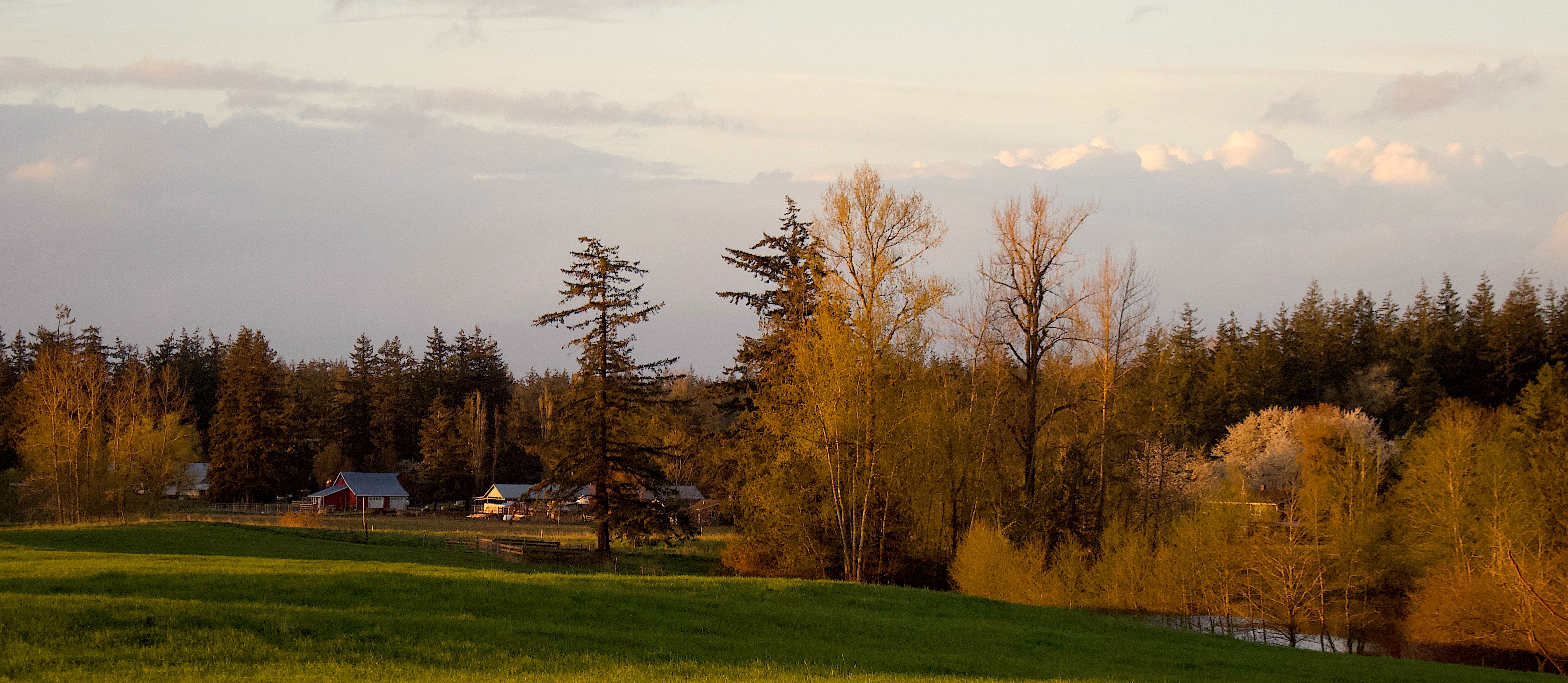
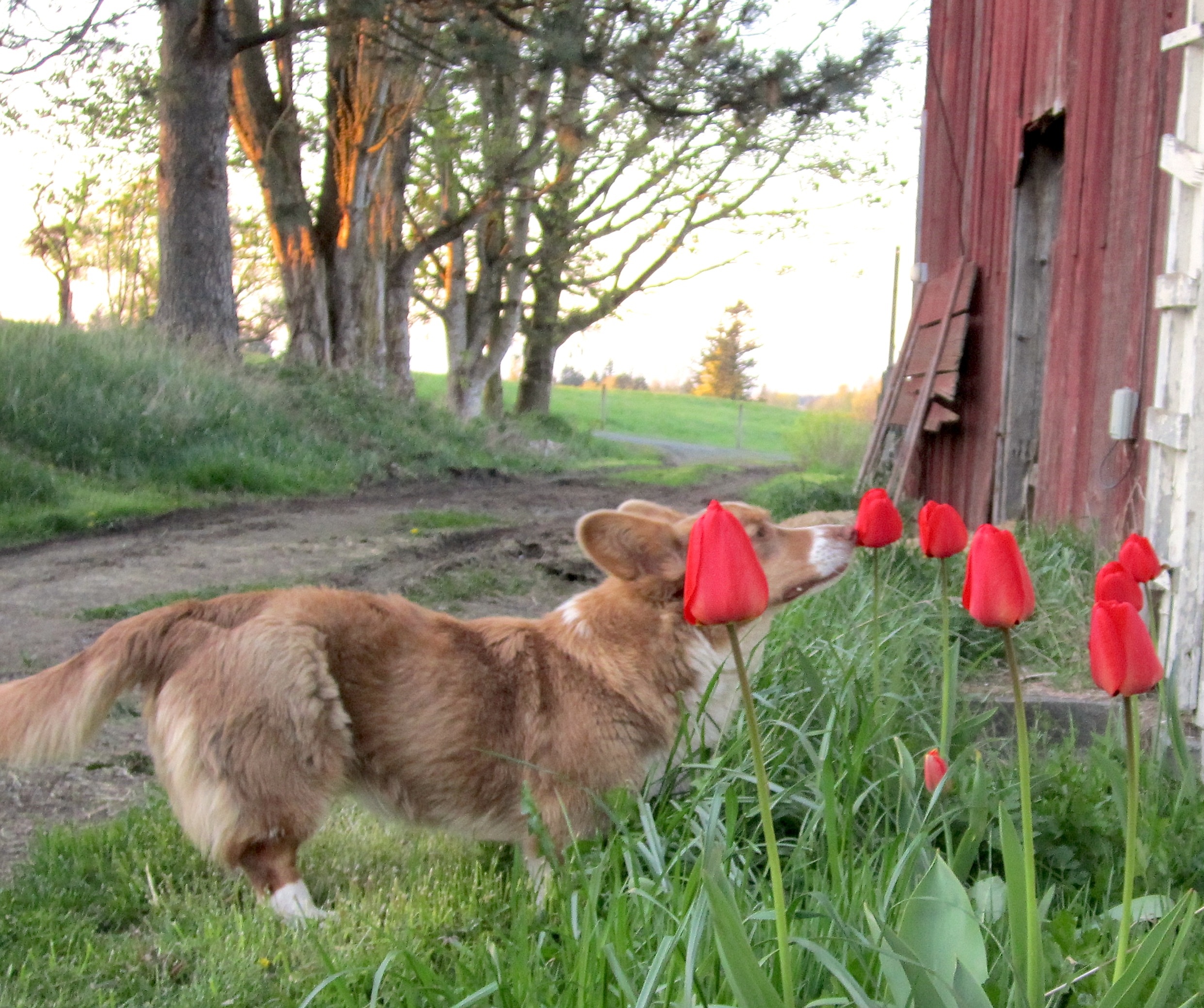
Sam does barn chores with me, always has.  He runs up and down the aisles as I fill buckets, throw hay, and he’ll explore the manure pile out back and the compost pile and check out the dove house and have stand offs with the barn cats (which he always loses).  We have our routine.  When I get done with chores, I whistle for him and we head to the house. 

We always return home together.

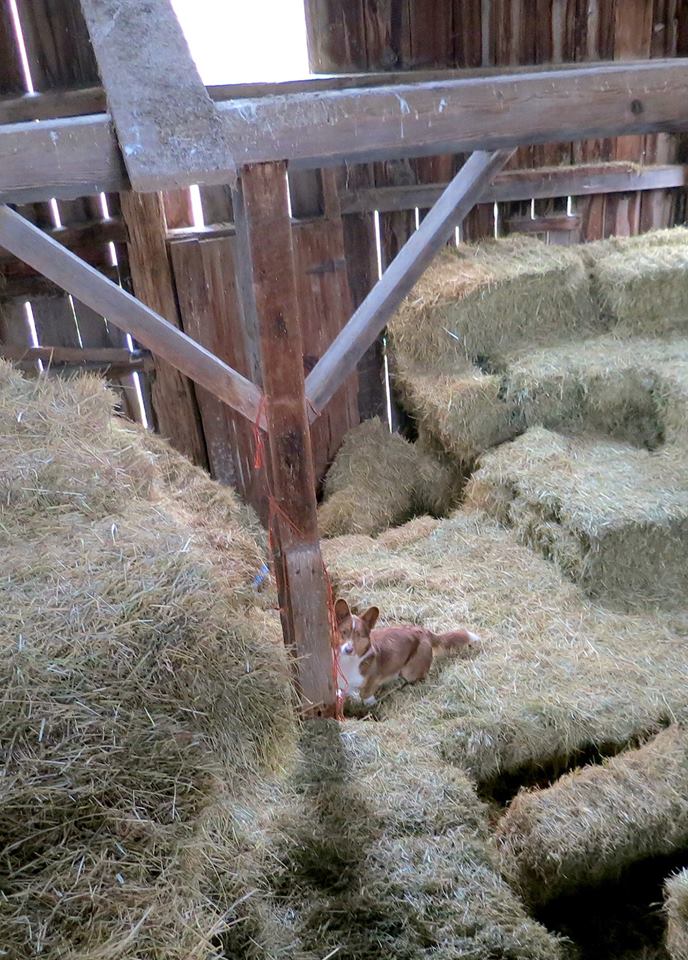
Except this morning.  I whistled when I was done and his furry little fox face didn’t appear as usual.  I walked back through both barns calling his name, whistling, no signs of Sam.  I walked to the fields, I walked back to the dog yard, I walked the road (where he never ever goes), I scanned the pond (yikes), I went back to the barn and glanced inside every stall, I went in the hay barn where he likes to jump up and down on stacked bales, looking for a bale avalanche he might be trapped under, or a hole he couldn’t climb out of.  Nothing.

I’m really anxious about him at this point, fearing the worst. He was nowhere to be found, utterly lost.

Passing through the barn again, I heard a little faint scratching inside one Haflinger’s stall, which I had just glanced in 10 minutes before.  The mare was peacefully eating hay.  Sure enough, there was Sam standing with his feet up against the door as if asking what took me so long.  He must have scooted in when I filled up her water bucket, and I closed the door not knowing he was inside, and it was dark enough that I didn’t see him when I checked.  He and his good horse friend kept it their secret.

Making not a whimper or a bark when I called out his name, passing that stall at least 10 times looking for him, he just patiently waited for me to open the door and set him free.

It’s a Good Friday.

The lost is found even when he never felt lost to begin with.  

Yet he was lost to me.  And that is all that matters. We have no idea how lost we are until someone comes looking for us, doing whatever it takes to bring us home.

Sam was just waiting for a closed door to be opened.  And today, of all days, that door is thrown wide open.


Though you are homeless
Though you’re alone
I will be your home
Whatever’s the matter
Whatever’s been done
I will be your home
I will be your home
I will be your home
In this fearful fallen place
I will be your home
When time reaches fullness
When I move my hand
I will bring you home
Home to your own place
In a beautiful land
I will bring you home
From this fearful fallen place
I will bring you home
~Michael Cardh
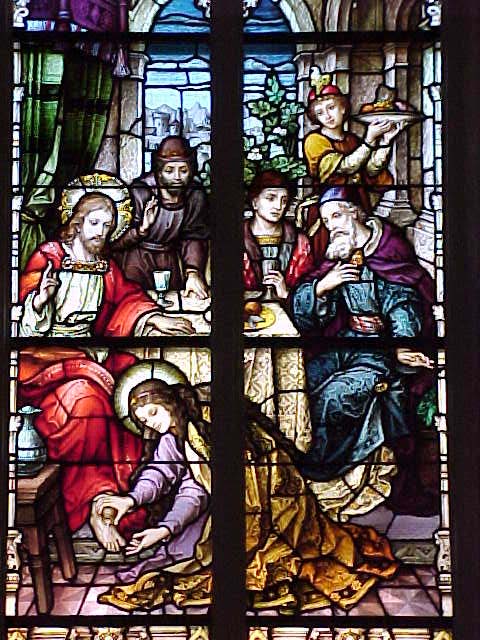
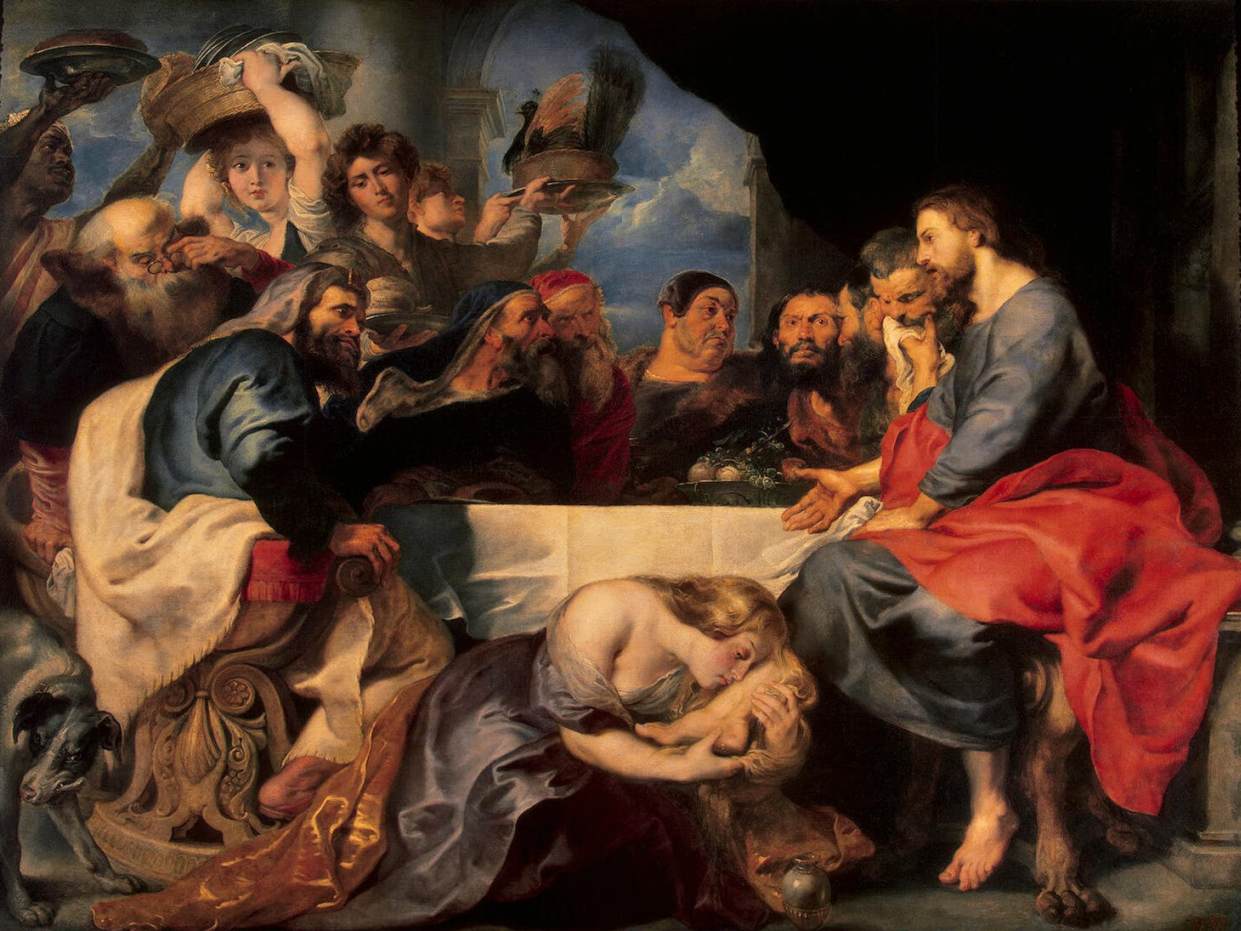
A Bright Sadness: She Did What She Could

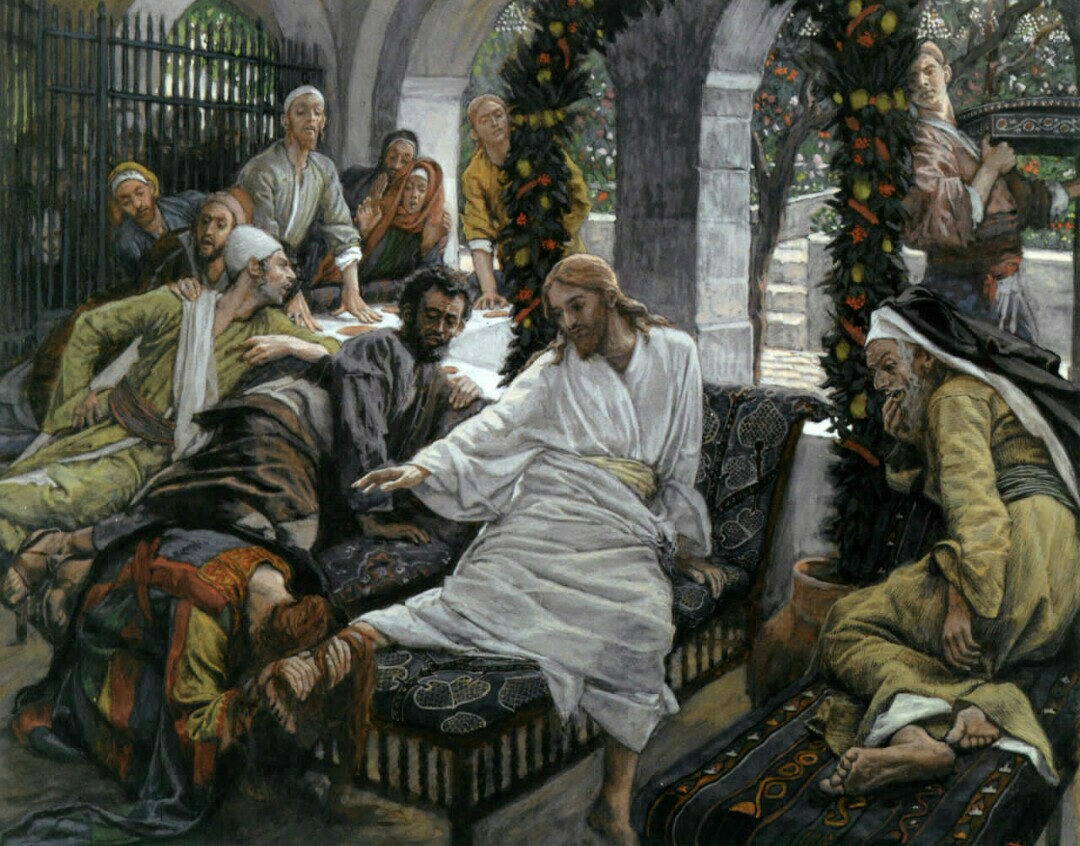
From Meyers’ studio Munich 1899

She did what she could. She poured perfume on my body beforehand to prepare for my burial. I tell you the truth, wherever the gospel is preached throughout the world, what she has done will also be told, in memory of her. Mark 14:8-9

Rubens’ Mary Anointing of Jesus


We naturally wonder if our actions on this earth are pleasing to God, though we understand our faith, rather than good works we do, is the key to salvation.   Jesus’ response to Mary of Bethany’s anointing of His feet the day before He enters Jerusalem is provocative on a number of levels.  However, her story parallels the passion of this Passion week:

Mary acts out of faith even when she confronts a painful reality. She acknowledges Jesus’ predictions of His death and burial. Mary believes what His disciples refuse to hear.

Jesus prays a few days later to have the reality of suffering lifted from Him, but in obedience, He perseveres out of faith and love for the Father.

Mary acts out of her steadfast love for the Master–she is showing single-minded devotion in the face of criticism from the disciples.

Jesus, on the cross,  shows forgiveness and love even to the men who deride and execute Him.

Mary acts out of significant personal sacrifice–pouring costly perfume worth a full year’s wages–showing her commitment to Christ.

Jesus willingly gives the ultimate sacrifice of Himself–there is no higher price to pay.

Mary responds to His need–she recognizes that this moment is her opportunity to anoint the living Christ, and His response clearly shows He is deeply moved by her action.

Jesus, as man Himself, recognizes humanity’s need to be saved, and places Himself in our place. We must respond, incredulous,  with gratitude.

Jesus tells Mary of Bethany (and us),  in response to the disciples’ rebukes, that it is her action that will be told and remembered.   She did what she could at that moment to ease His distress at what He would soon confront.  She did what she could for Him–humbly, beautifully, simply, sacrificially–and He is so grateful that He Himself washes the feet of His disciples a few days later in a personal act of devotion and servanthood.

And today we remember this Mary as the harbinger of His suffering and death, just as He said we would. 

She did what she could — as should we.

James Tissot

A Bright Sadness: The Anguish of Earth

The pain and tears of all the years were met together on Calvary. The sorrow of heaven joined with the anguish of earth; the forgiving love stored up in God’s future was poured out into the present; the voices that echo in a million human hearts, crying for justice, longing for spirituality, eager for relationship, yearning for beauty, drew themselves together into a final scream of desolation.
~N.T. Wright from Simply Jesus

To live coram Deo is to live one’s entire life
in the presence of God,
under the authority of God,
to the glory of God.

To live in the presence of God is to understand that whatever we are doing and wherever we are doing it, we are acting under the gaze of God.


To live all of life coram Deo is to live a life of integrity.


It is a life of wholeness that finds its unity and coherency in the majesty of God.


It is a life that is open before God.
It is a life in which all that is done is done as to the Lord.
It is a life lived by principle, not expediency;

by humility before God, not defiance.
It is a life lived under the tutelage of conscience that is held captive by the Word of God.
~R.C. Sproul

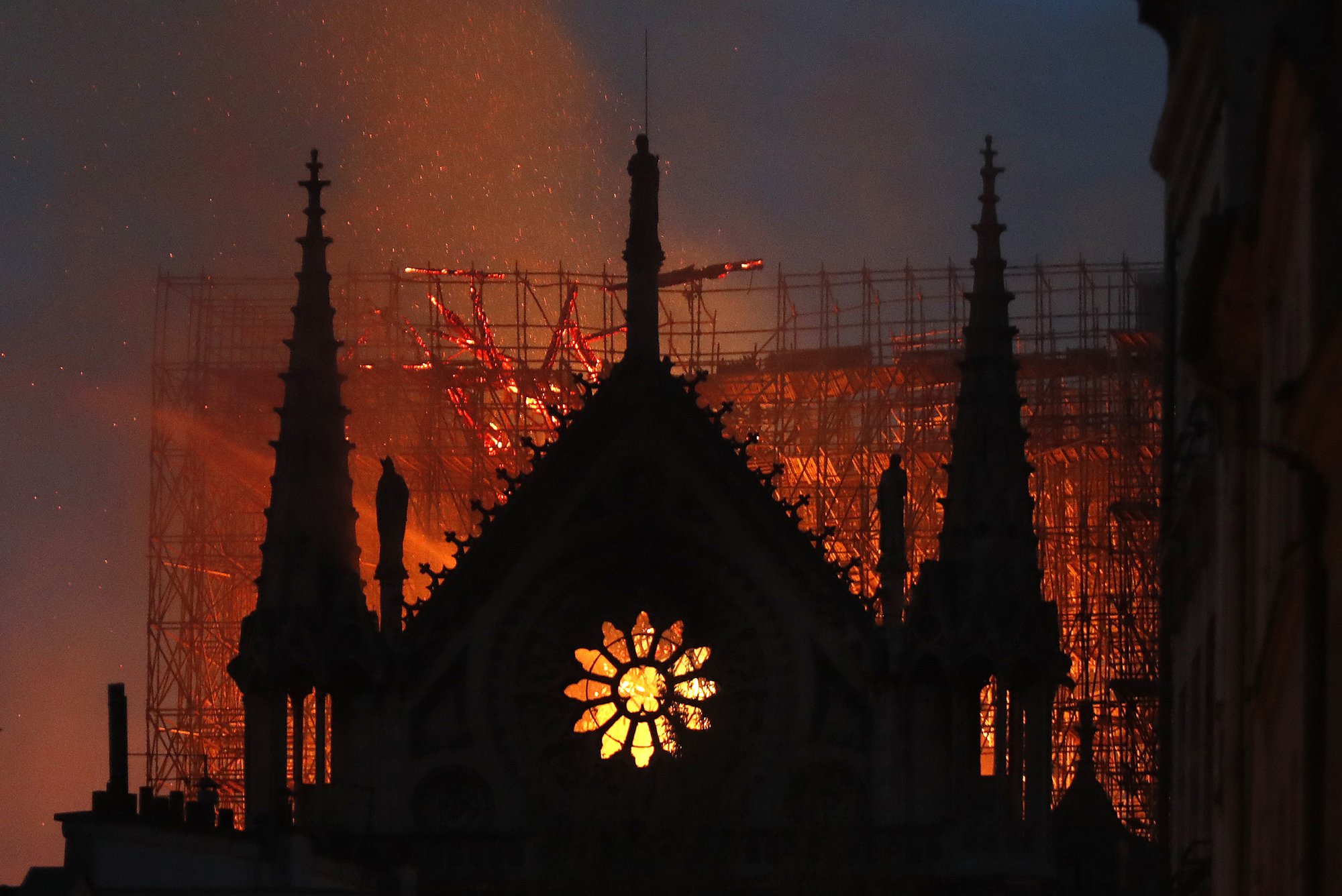
As millions watched and wept over the burning of a venerated cathedral built to the glory of God, we must remember even this anguish happened under the gaze of God. Our sorrow over a building destroyed is trivial compared to the loss felt during Christ’s suffering and death.

The temporal ashes of the Notre Dame Cathedral mix now with our own mortal ashes. We have been redeemed through no action of our own. Our debt has been paid out of Christ’s sheer grace and love.

As we walk together with our Christian brothers and sisters through Holy Week and beyond into the holiness of every day, may we remain under the gaze of God, under the authority of God, open before God, captivated by the Word of God.

We see the gaping hole in the ceiling of a great cathedral just as we witness the open hole of Christ’s tomb: whatever we do, wherever we do it, it is to be in His name, to His glory, under His Holy gaze.

Coram Deo.


A Bright Sadness: Taking Aim at all the Sky


I
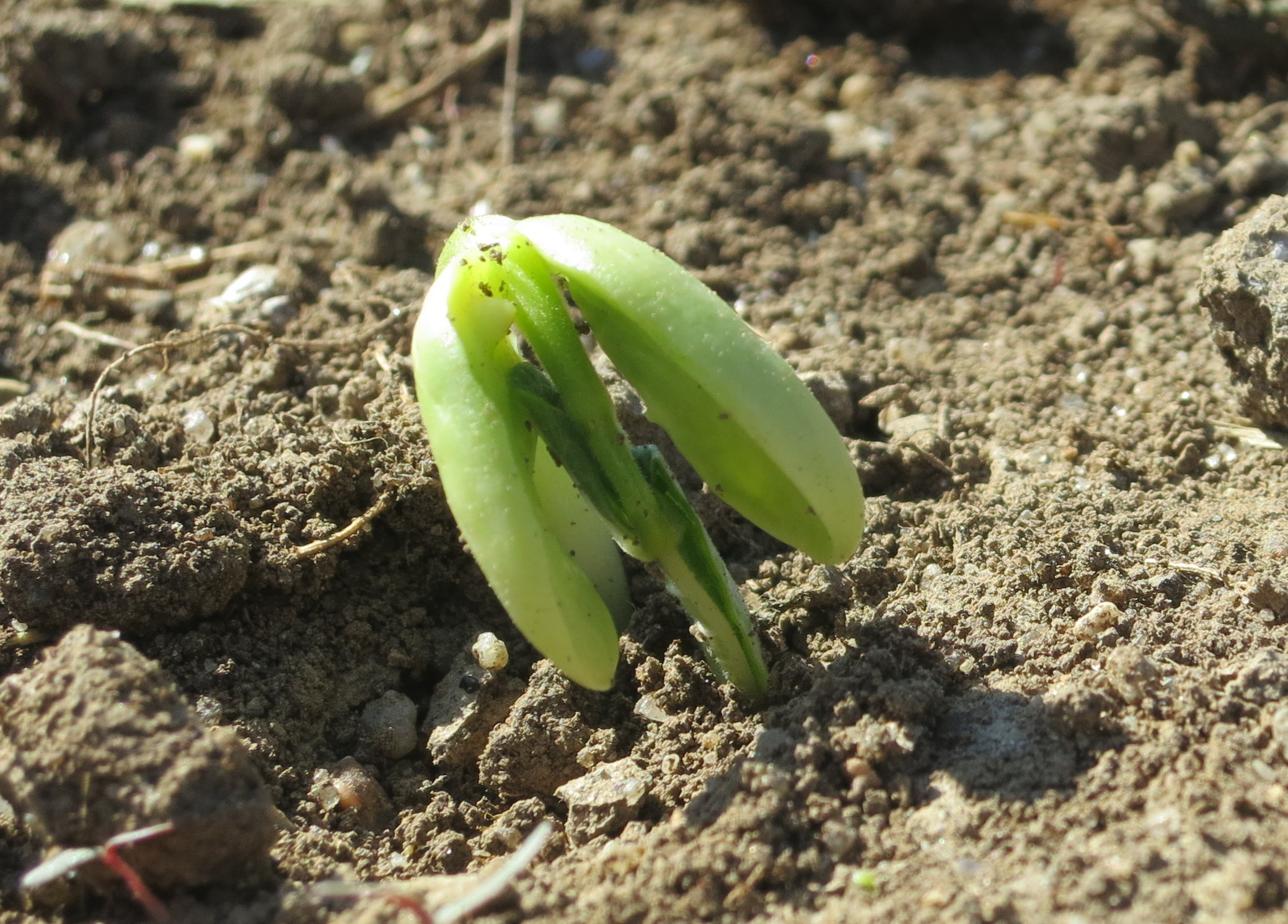
Here something stubborn comes,
Dislodging the earth crumbs
And making crusty rubble.
It comes up bending double
And looks like a green staple.
It could be seedling maple,
Or artichoke, or bean;
That remains to be seen.

II
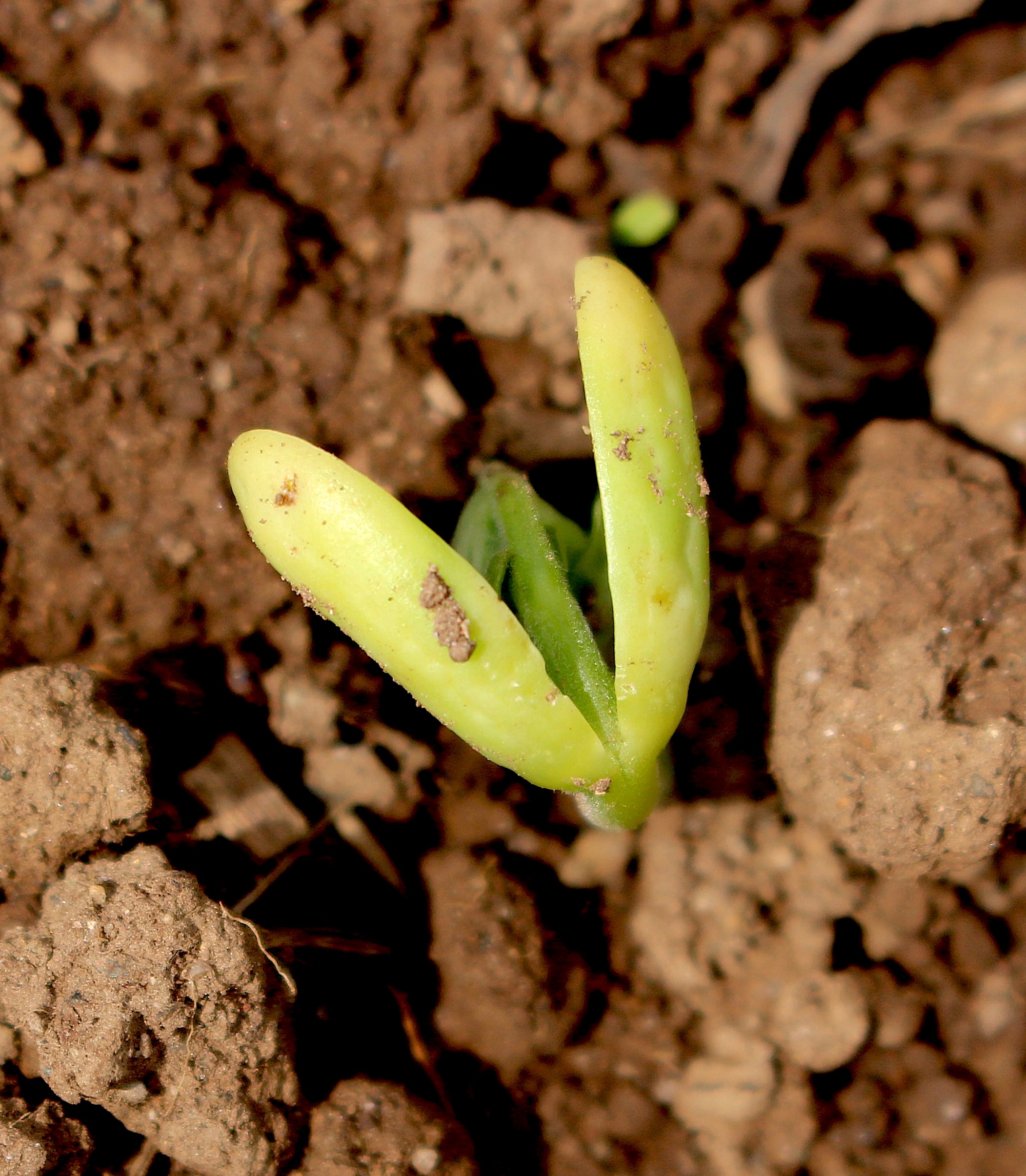
Forced to make choice of ends,
The stalk in time unbends,
Shakes off the seedcase, heaves
Aloft, and spreads two leaves
Which still display no sure
And special signature.
Toothless and fat, they keep
The oval form of sleep.

III
This plant would like to grow
And yet be embryo;
Increase, and yet escape
The doom of taking shape;
Be vaguely vast, and climb
To the tip end of time
With all of space to fill,
Like boundless Yggdrasill
That has the stars for fruit.
But something at the root
More urgent than that urge
Bids two true leaves emerge,
And now the plant, resigned
To being self-defined
Before it can commerce
With the great universe,
Takes aim at all the sky
And starts to ramify.

~Richard Wilbur “Seed Leaves

Now the green blade rises from the buried grain,
Wheat that in the dark earth many years has lain;
Love lives again, that with the dead has been:
Love is come again, like wheat that springs up green.

When our hearts are saddened, grieving or in pain,
By Your touch You call us back to life again;
Fields of our hearts that dead and bare have been:
Love is come again, like wheat that springs up green.
~John Crum from The Oxford Book of Carols

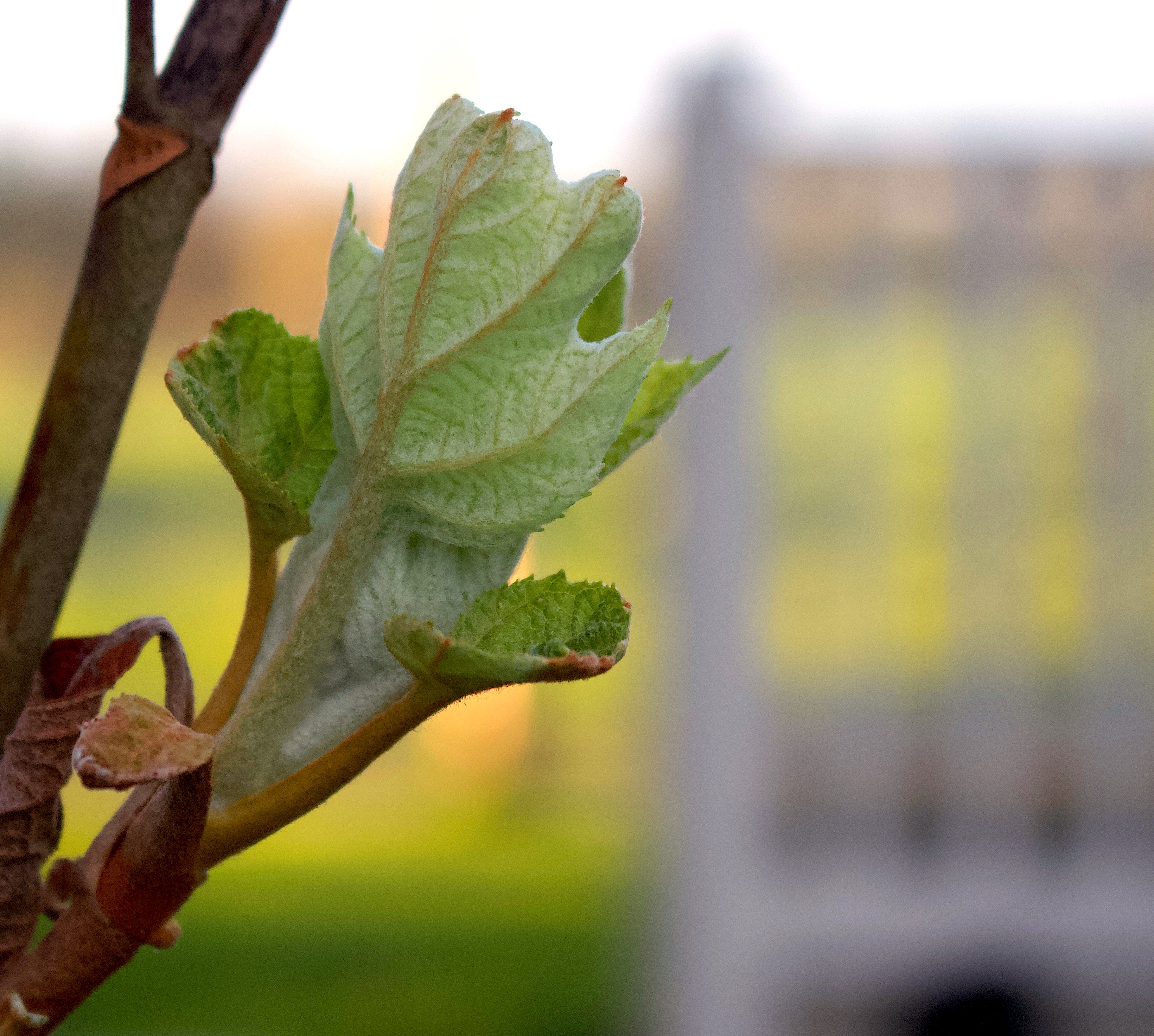
Over the last several weeks, roots have become shoots and their green blades have risen chaotically, uneven and awkward like a bad haircut.  And like a bad haircut, a few days of further growth will make all the difference — renewal will cover all the bare earth, breaking through crusty rubble to reach up, heaving and healing, aiming for the sky.

There is nothing more hopeful than the barren made fruitful, the ugly made beautiful, the devastated restored, the dead made alive.

The fields of our broken hearts recover; love is come again.


A Bright Sadness: And Every Stone Shall Cry

This child through David’s city
   Shall ride in triumph by;
      The palm shall strew its branches,
   And every stone shall cry.
   And every stone shall cry,
      Though heavy, dull, and dumb,
         And lie within the roadway
   To pave his kingdom come.

 Yet he shall be forsaken,
   And yielded up to die;
      The sky shall groan and darken,
   And every stone shall cry.
   And every stone shall cry
      For stony hearts of men:
         God’s blood upon the spearhead,
   God’s love refused again.
~Richard Wilbur from “A Christmas Hymn”

When he came near the place where the road goes down the Mount of Olives, the whole crowd of disciples began joyfully to praise God in loud voices for all the miracles they had seen:
“Blessed is the king who comes in the name of the Lord!”
“Peace in heaven and glory in the highest!”
Some of the Pharisees in the crowd said to Jesus, “Teacher, rebuke your disciples!”
“I tell you,” he replied, “if they keep quiet, the stones will cry out.”
As he approached Jerusalem and saw the city, he wept over it and said,
“If you, even you, had only known on this day what would bring you peace—but now it is hidden from your eyes. The days will come upon you when your enemies will build an embankment against you and encircle you and hem you in on every side. They will dash you to the ground, you and the children within your walls. They will not leave one stone on another, because you did not recognize the time of God’s coming to you.”
Luke 19: 37-44

So much conspires to keep us silent~
Faith is not fashionable
A crutch for the weak
Outmoded, obsolete,
Outrageous belief.

Far easier to worship the earth
Or each other
Or nothing at all
Rather than exalt the
Living God Everlasting.

His name no longer spoken
At school or work
Remembered one hour a week
By some,
Forgotten by most.

So we shall sing of His glory
In joy and gratitude
Imperfectly sincere,
Never to be silenced
While we have tongues.

If we do not shout out loud,
Nor spread branches at His feet,
Or worry what others might think,
The stones will cry out and will not stop,
As He, in turn, weeps for us.


A Bright Sadness: Take Your Shoes Off

Earth’s crammed with heaven,
And every common bush afire with God:
But only he who sees takes off his shoes.
~Elizabeth Barrett Browning

Over the next eight days, the body of Christian believers will be traversing once again the holy ground of Jesus’ passion, death and resurrection.

Indeed, our children, happy to be barefoot most of the time, are more apt than the grown ups to follow the instruction of the Lord when He told Moses:

Remove your sandals from your feet, for the place on which you are standing is holy ground.

There have long been cultures where shoes are to be removed before touching the surface of the floor inside a residence or temple in an intentional act of leaving the dirt of the world at the door to preserve the sanctity and cleanliness of the inner life.

Yet we as Christians wear shoes into church every Sunday, having walked in muck and mire of one sort or another all week. We try our best to clean up for Sunday, but we track in the detritus of our lives when we come to sit in the pews. Rather than leave it at the door, it comes right in with us, not exactly hidden and sometimes downright stinky. That is when we are in obvious need for a good washing, shoes, feet, soul and all, and that is exactly why we  need to worship together as a church family in need of cleansing, whether indoors or outdoors.

Jesus Himself demonstrated our need for a wash-up on the last night of His life, soaking the dusty feet of His disciples.

And then there is what God said. He asked that holy ground be respected by the removal of our sandals. We must remove any barrier that prevents us from entering fully into His presence, whether it be our attitude, our stubbornness, our unbelief, or our constant centering on self rather than other.

No separation, even a thin layer of leather, is desirable when encountering God.

We trample roughshod over holy ground all the time, blind to where our feet land and the impact they leave behind. Perhaps by shedding the covering of our eyes, our minds, and our feet, we would see earth crammed with heaven and God on fire everywhere, in every common bush and in every common heart.

So we may see.
So we may listen.
So we may feast together.
So we may weep at what we have done, yet stand forgiven.
So we may celebrate as our Risen Lord startles us by calling our name.
So we remove our sandals so our bare feet may touch His holy ground.

A Bright Sadness: Fiery and Sweet as Honey

May the power of your love, Lord Christ, 
fiery and sweet as honey, 
so absorb our hearts 
as to withdraw them 
from all that is under heaven. 
Grant that we may be ready to die 
for love of your love, 
as you died for love of our love. 
~St. Francis of Assisi

Lent is a time of letting go while still holding on.

If I am to see Jesus and know the power of His love,
I must let go of this life and walk with Him with every step to the cross.
As Dan and I flew into Tokyo today, through two landing attempts at Narita Airport that had to be aborted at the last few seconds due to dangerously gusting winds, we felt the tenuous grip we have on our lives and our utter dependency on the Lord taking care of us, in this world and in His kingdom in the next.

Just in the evens of Holy Week, we learn a few basics:
No falling asleep.
No selling out.
No turning and running away.
No hiding my face in denial.
No looking back.
No clinging to the comforts of the world.

But of course I fail again and again.
My heart resists leaving behind what I know.

Plucked from the crowd,
I must grasp and carry the load, my load, alongside Him.
Now is my turn to hold on and not let go, as if life depends on it.
Which it does, requiring no nails.

The fire of His love leaves my sin in ashes.
From those ashes rises new life.
Love of His love of our love.

h


The Darkness is Wisdom’s Way to Light


By these three days all the world is called to attention.
Everything that is and ever was and ever will be,
the macro and the micro,
the galaxies beyond number and the microbes beyond notice –
everything is mysteriously entangled with what happened,
with what happens, in these days.…
Every human life,
conceived from eternity and destined to eternity,
here finds its story truly told.
In this killing that some call senseless
we are brought to our senses.
Here we find out who we most truly are because
here is the One who is what we are called to be.
The derelict cries, “Come, follow me.”
Follow him there?
We recoil.
We close our ears.
We hurry on to Easter.
But we will not know what to do with Easter’s light
if we shun the friendship of the darkness that is wisdom’s way to light.
~Richard Neuhaus from Death on a Friday Afternoon


sunset219182


So many recent killings of innocents — needless, heartbreaking death at the hands of others — people abruptly wrenched from their routine lives, their families left with empty arms and eyes filling, spilling endlessly with tears.

Such senseless tragedies, we say, recoiling and withdrawing as if we can close our ears to more bad news.  Some take to the streets to march in protest.

How to make sense of deaths that arise from the darkness found in every soul?

This is the day in between when nothing makes sensewe are lost, hopeless, grieving.

Yet we are brought to our senses by this one Death, this premeditated killing, this senseless act that darkened the skies, shook the earth and tore down the curtained barriers to the Living Eternal God.

The worst has already happened, no matter how horrific the events that fill our headlines.

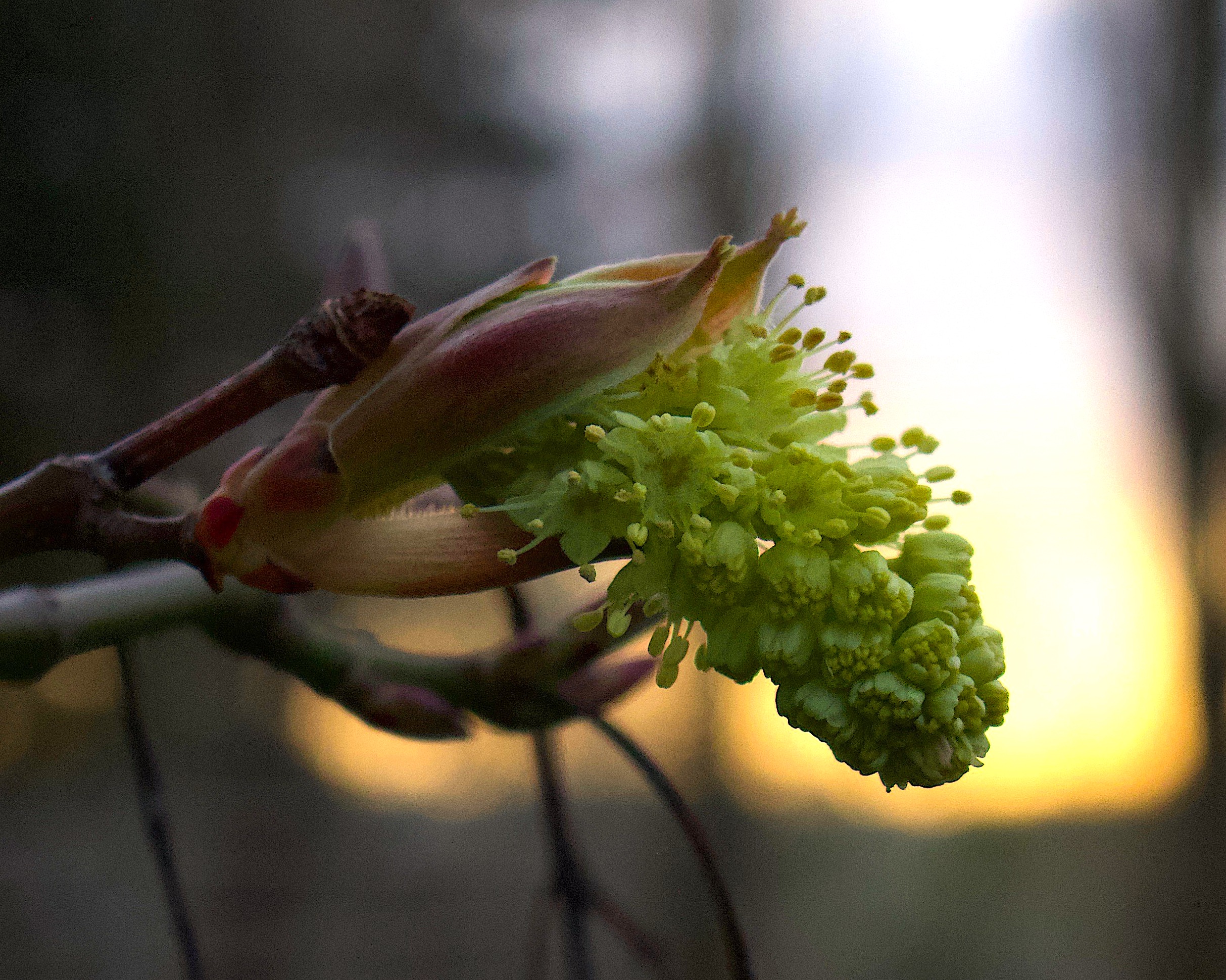
This Holy Saturday we are in between, stumbling in the darkness but aware of hints of light, of buds, of life, of promised fruit to come.

The best has already happened. Happening now even when we are oblivious to its impossibility.

We move through this Saturday, doing what is possible even when it feels senseless.

Tomorrow it will all make sense: our hope brings us face to face with our God who does the impossible.


trilliumbud


The Holy Saturday of our life must be the preparation for Easter,
the persistent hope for the final glory of God. 

The virtue of our daily life is the hope which does what is possible
and expects God to do the impossible. 

To express it somewhat paradoxically, but nevertheless seriously: 
the worst has actually already happened; 
we exist,
and even death cannot deprive us of this. 

Now is the Holy Saturday of our ordinary life, 
but there will also be Easter, our true and eternal life. 
~Karl Rahner “Holy Saturday” in The Great Church Year


applebuds1


God Scraped and Torn


God is not only the God of the sufferers but the God who suffers. … It is said of God that no one can behold his face and live. I always thought this meant that no one could see his splendor and live. A friend said perhaps it meant that no one could see his sorrow and live. Or perhaps his sorrow is splendor. … Instead of explaining our suffering God shares it.

How is faith to endure, O God, when you allow all this scraping and tearing on us? You have allowed rivers of blood to flow, mountains of suffering to pile up, sobs to become humanity’s song–all without lifting a finger that we could see. You have allowed bonds of love beyond number to be painfully snapped. If you have not abandoned us, explain yourself.

We strain to hear. But instead of hearing an answer we catch sight of God himself scraped and torn. Through our tears we see the tears of God.
~Nicholas Wolterstorff  in Lament for a Son


trilliumweeping


“My God, My God,” goes the Psalm 22, “hear me, why have you forsaken me?”  This is the anguish all we of Godforsaken heart know well. But hear the revelation to which Christ directs us, further in the same psalm:

For He has not despised nor scorned the beggar’s supplication,
Nor has He turned away His face from me;
And when I cried out to Him, He heard me.

He hears us, and he knows, because he has suffered as one Godforsaken. Which means that you and I, even in our darkest hours, are not forsaken. Though we may hear nothing, feel nothing, believe nothing, we are not forsaken, and so we need not despair. And that is everything. That is Good Friday and it is hope, it is life in this darkened age, and it is the life of the world to come.
~Tony Woodlief from “We are Not Forsaken”


candle_in_the_dark_by_barkingbeagle-d33vdew


Scratch the surface of a human being and the demons of hate and revenge … and sheer destructiveness break forth.

    The cross stands before us to remind us of this depth of ourselves so that we can never forget. These forces continue to break forth in many parts of the world now, and many of us would like to forget how in some places in the United States we treat a person whose skin is black.

    Again and again we read the stories of violence in our daily papers, of the mass murders and ethnic wars still occurring in numerous parts of our world. But how often do we say to ourselves: “What seizes people like that, even young people, to make them forget family and friends, and suddenly kill other human beings?” We don’t always ask the question in that manner. Sometimes we are likely to think, almost smugly: “How different those horrible creatures are from the rest of us. How fortunate I am that I could never kill or hurt other people like they did.”

    I do not like to stop and, in the silence, look within, but when I do I hear a pounding on the floor of my soul. When I open the trap door into the deep darkness I see the monsters emerge for me to deal with. How painful it is to bear all this, but it is there to bear in all of us. Freud called it the death wish, Jung the demonic darkness. If I do not deal with it, it deals with me. The cross reminds me of all this.

    This inhumanity of human to human is tamed most of the time by law and order in most of our communities, but there are not laws strong enough to make men and women simply cease their cruelty and bitterness. This destructiveness within us can seldom be transformed until we squarely face it in ourselves. This confrontation often leads us into the pit. The empty cross is planted there to remind us that suffering is real but not the end, that victory still is possible…
~Morton Kelsey from “The Cross and the Cellar”


sunriseholyweek13


In a daring and beautiful creative reversal, 
God takes the worse we can do to Him
and turns it into the very best He can do for us.
~Malcolm Guite from The Word in the Wilderness


May we remember today, of all days, the worst that can happen becomes the best that can happen.
We tussle and haggle over the price of what this will cost us, but realizing it has been paid for us makes an impossible loss possible.

We are paid in full, no longer debtors.  From now on, we are freed from worry: the worst became the best.


He Emptied Himself

20120726-212655


Christ Jesus, who, though he was in the form of God,
did not count equality with God a thing to be grasped,
but emptied himself, by taking the form of a servant,
being born in the likeness of men.
And being found in human form,
he humbled himself by becoming obedient
to the point of death, even death on a cross.
Philippians 2: 6-8


[The Incarnation is like] a wave of the sea which,
rushing up on the flat beach,
runs out, even thinner and more transparent,
and does not return to its source but sinks into the sand and disappears.
~Hans Urs von Balthasar from Origen: Spirit and Fire


30AEBAA5-A85C-4EA5-B20F-2CD52EF2C056


This is a week of emptying. It is impossible to approach tomorrow’s supper and His anguished prayer without feeling hollowed out, our empty spaces then filled to the brim with grace. More over, through commemoration of these historical events, God on earth once again empties Himself onto our earthly soil and into our fleshly souls. He washes our dirty feet, feeds us at His table, and pleads for our forgiveness when we deserve none of it. He loses Himself in us. Through Him, we are welcomed home, whole and holy.

Hollowed, then hallowed.


8BB02F82-AC07-4BF2-81A3-71D84A9231FE


Let him kneel down, lower his face to the grass,
And look at light reflected by the ground.
There he will find everything we have lost.
~Czeslaw Milosz from “The Sun”


sunset8165