Solidarity and Silence

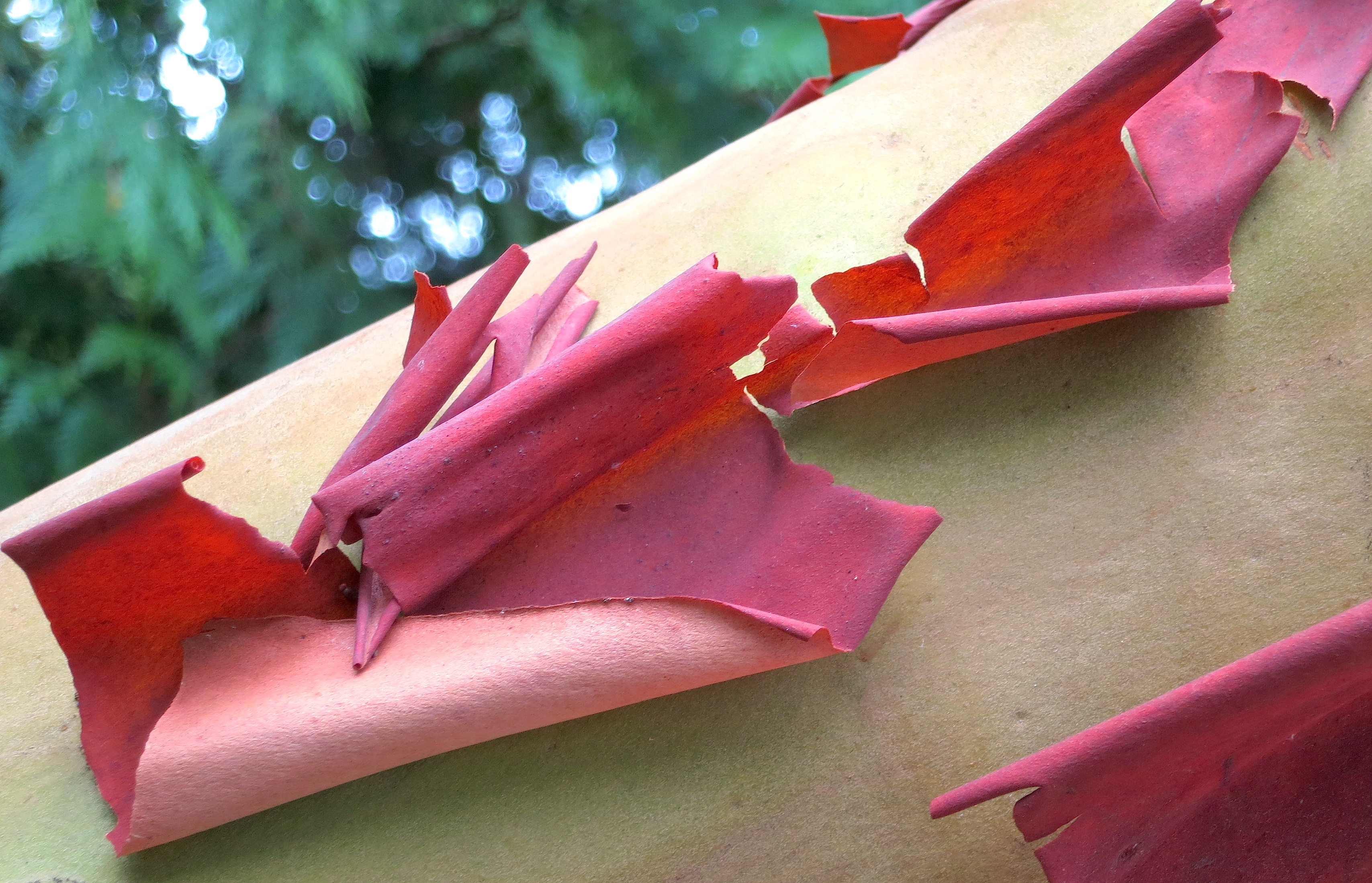
madrona


We hear so much today of the word solidarity. It has become a part of our vocabulary in the past twenty or thirty years. Today our solidarity with brothers and sisters of our faith, and of other faiths, in a part of the world where there is clearly an effort to eliminate them is something that we simply cannot in conscience ignore.

Often we are asked: “How was it possible that in human history atrocities occur?” They occur for two reasons: because there are those prepared to commit them, and then there are those who remain silent. And the actions in Iraq and in Syria today are happening to women, children, men—their displacement not the least. Things happening to them is something that we really are not free to ignore, and sometimes all we have to raise is our voice. . . .

I ask myself: Where are these voices? Where the voices of parliaments and congresses? Where are the voices of campuses? Where are the voices of community leaders? . . . Why a silence?
~Cardinal Donald Wuerl at the 2014 convocation at the Catholic University of America

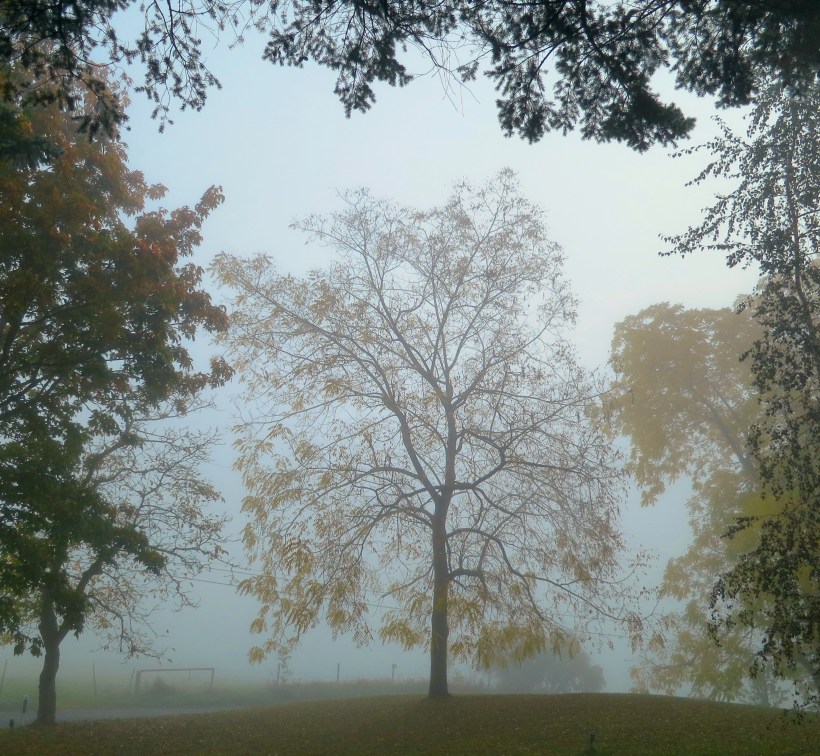
frontyardwalnut 

“Silence in the face of evil,” he said, “is evil itself. God will not hold us guiltless. Not to speak is to speak. Not to act is to act.”
~Dietrich Bonhoeffer

Don’t Be Afraid

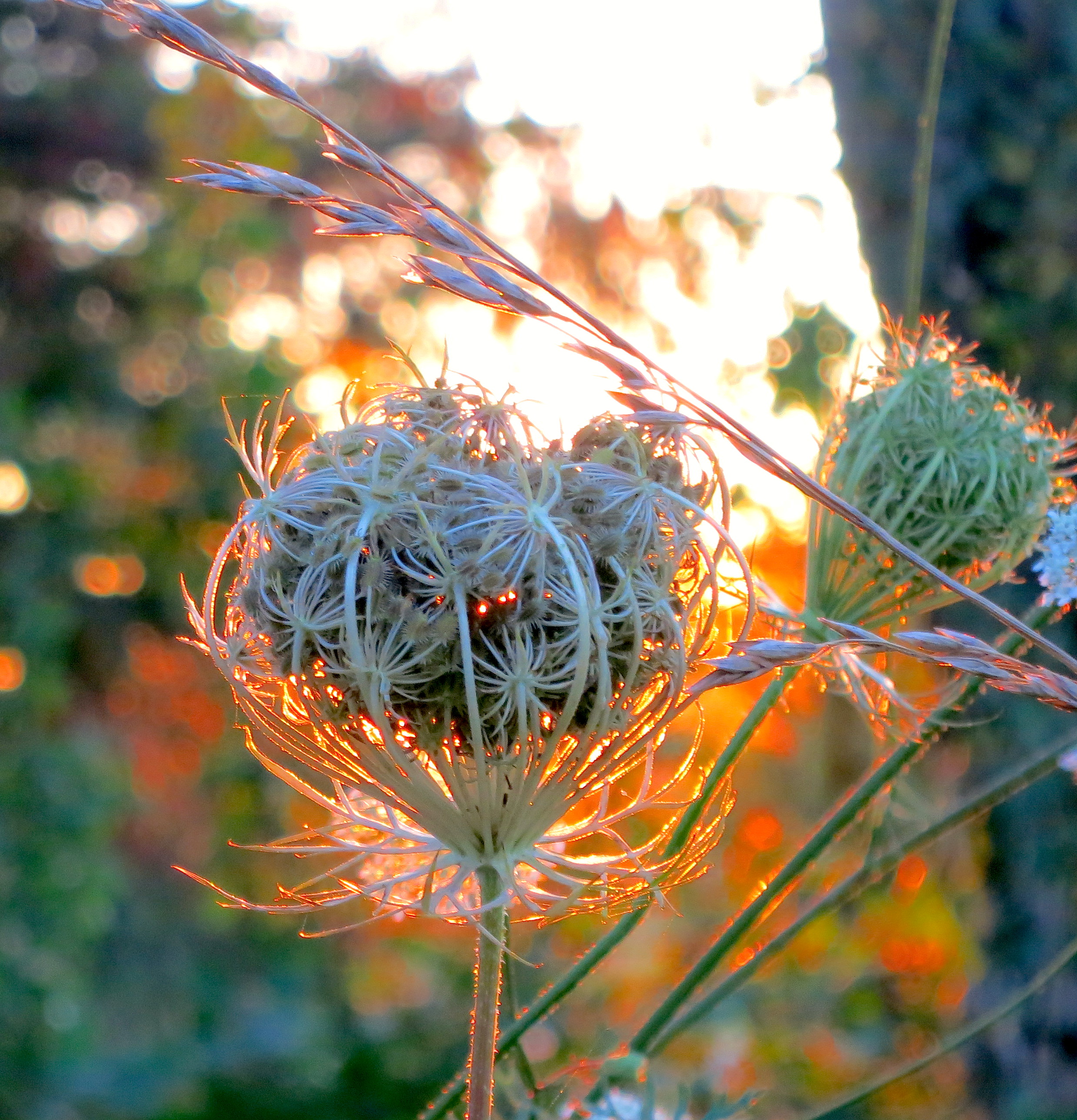
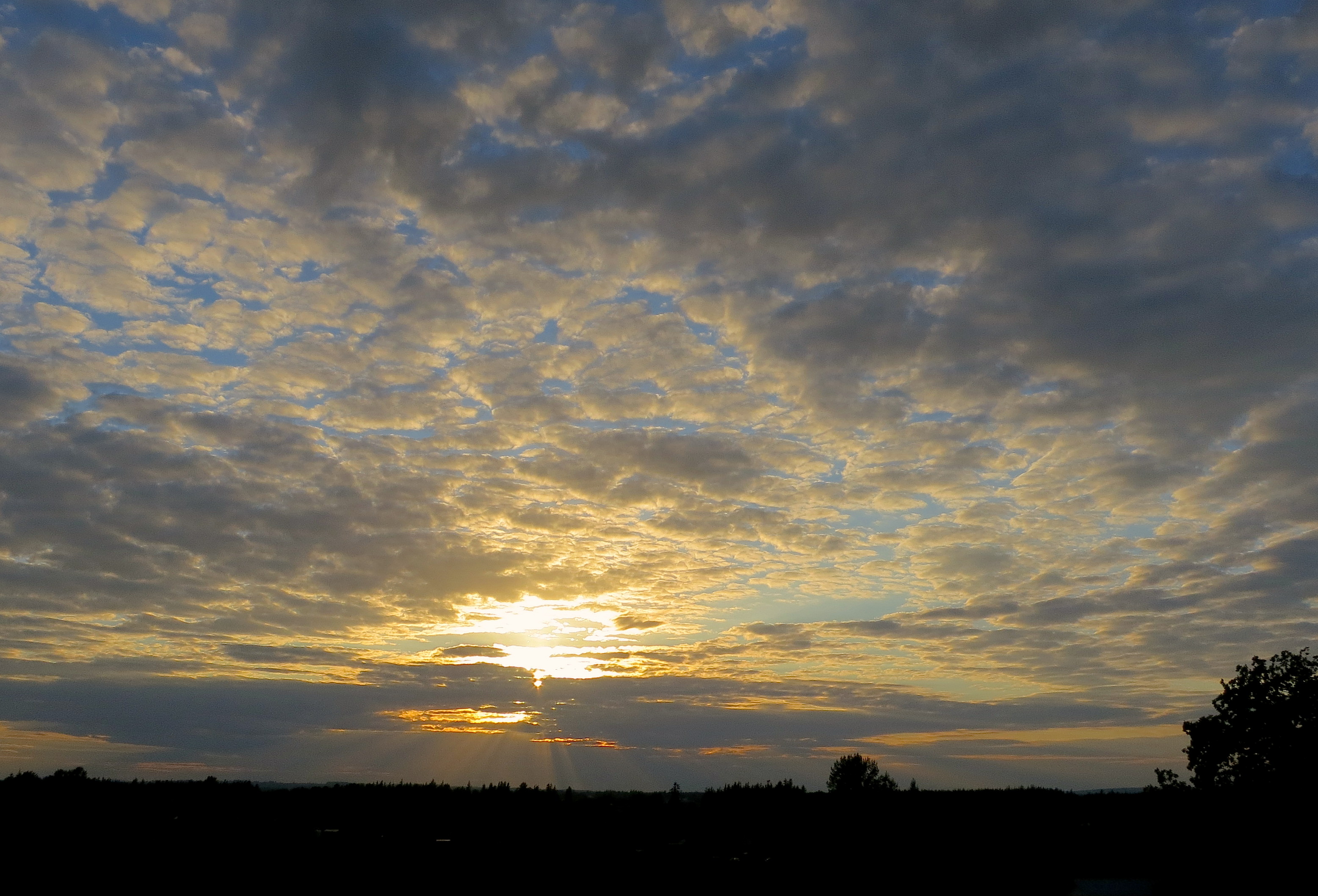
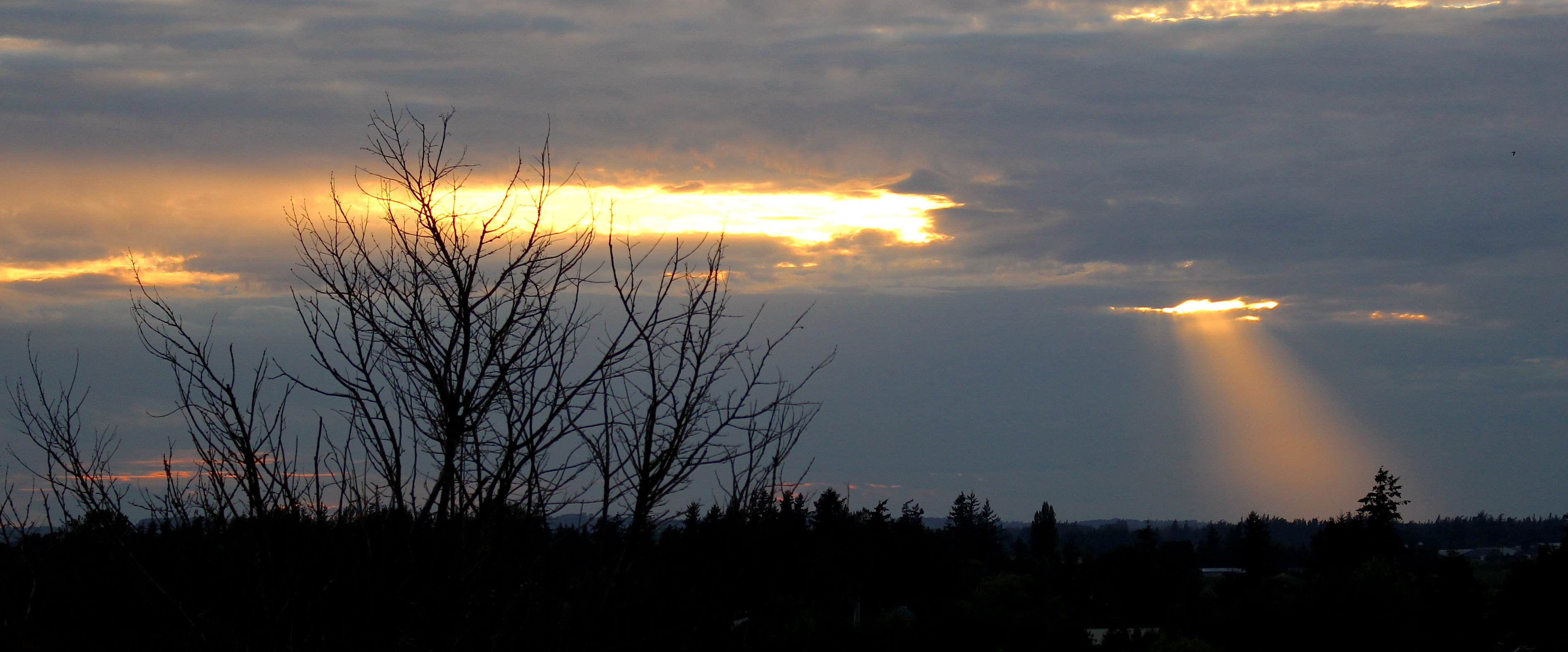
sunset96142

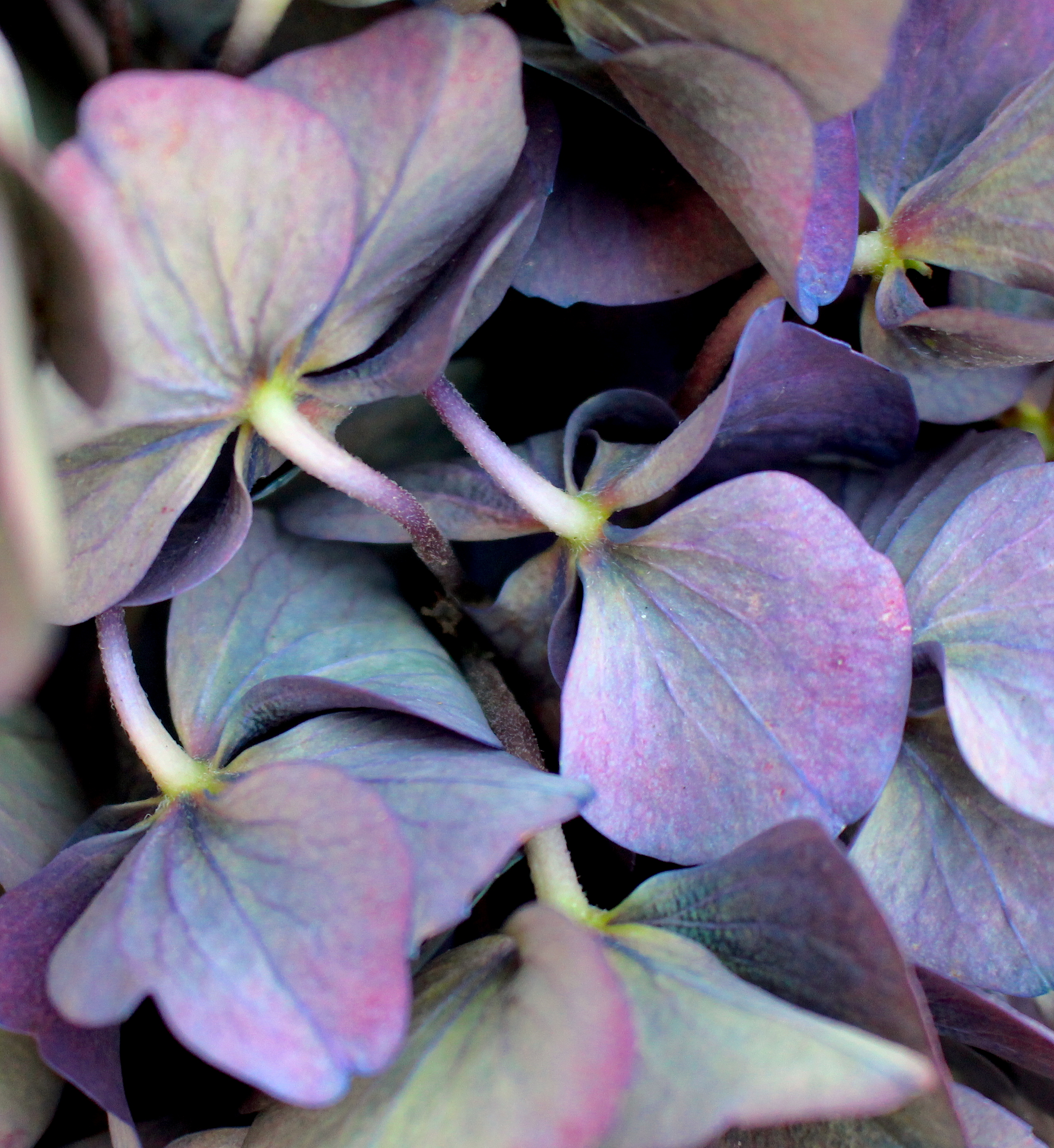
hydrangea9614

To acknowledge the significance of this day and the events of 13 years ago:

The grace of God means something like:
Here is your life.
You might never have been, but you are,
because the party wouldn’t have been complete without you.
Here is the world.
Beautiful and terrible things will happen.
Don’t be afraid.
I am with you.
~Frederick Buechner
in Wishful Thinking and later in Beyond Words


sunsetweb96143

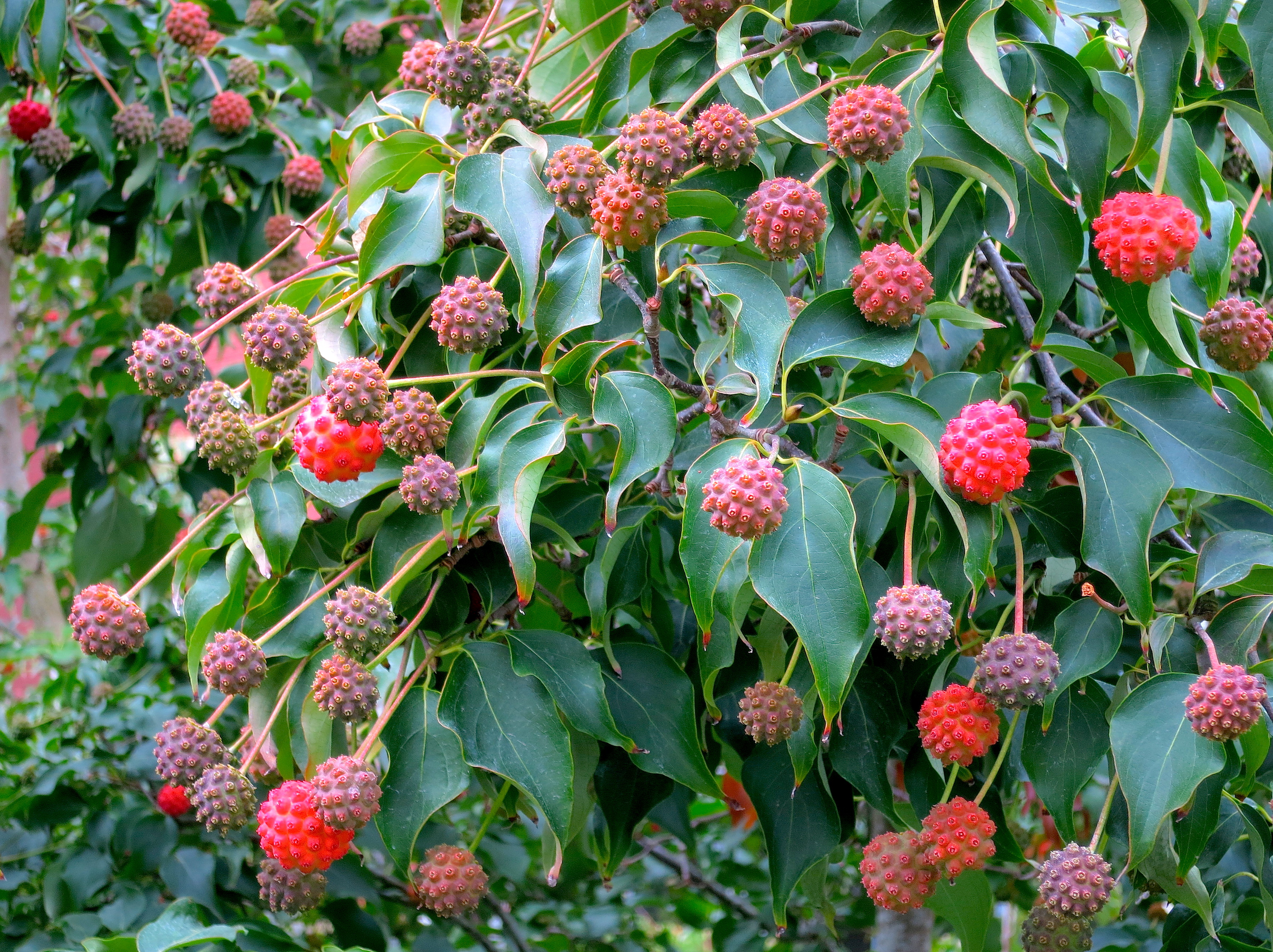
dogwoodsept

Balanced Upon a Broken World

sunset831149

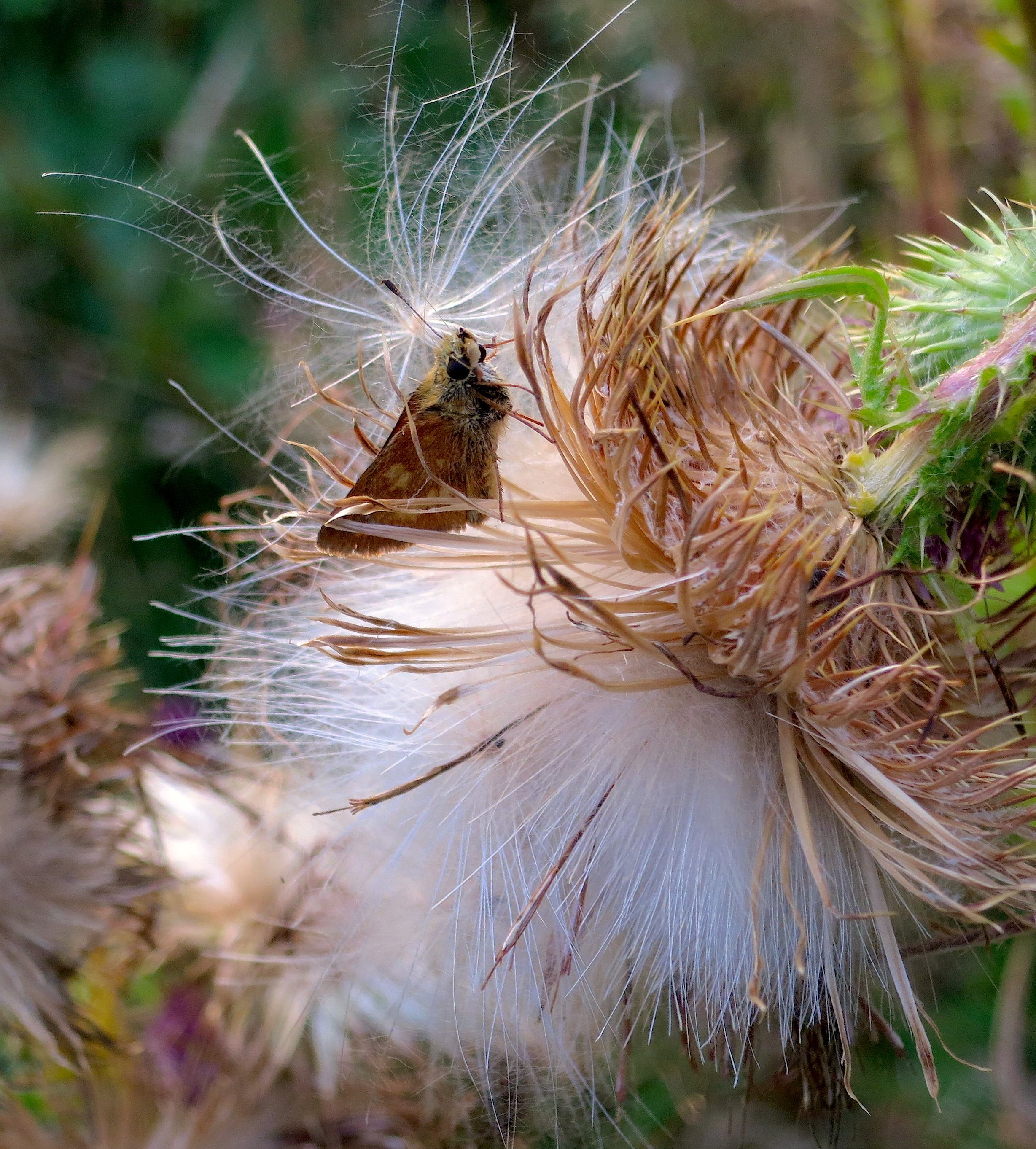
butterflythistle

This afternoon was the colour of water falling through sunlight;
The trees glittered with the tumbling of leaves;
The sidewalks shone like alleys of dropped maple leaves,
And the houses ran along them laughing out of square, open windows.
Under a tree in the park,
Two little boys, lying flat on their faces,
Were carefully gathering red berries
To put in a pasteboard box.
Some day there will be no war,
Then I shall take out this afternoon
And turn it in my fingers,
And remark the sweet taste of it upon my palate,
And note the crisp variety of its flights of leaves.
To-day I can only gather it
And put it into my lunch-box,
For I have time for nothing
But the endeavour to balance myself
Upon a broken world.
~Amy Lowell “September 1918”
sunset831146
sunset831145

Revengeful Resurrection

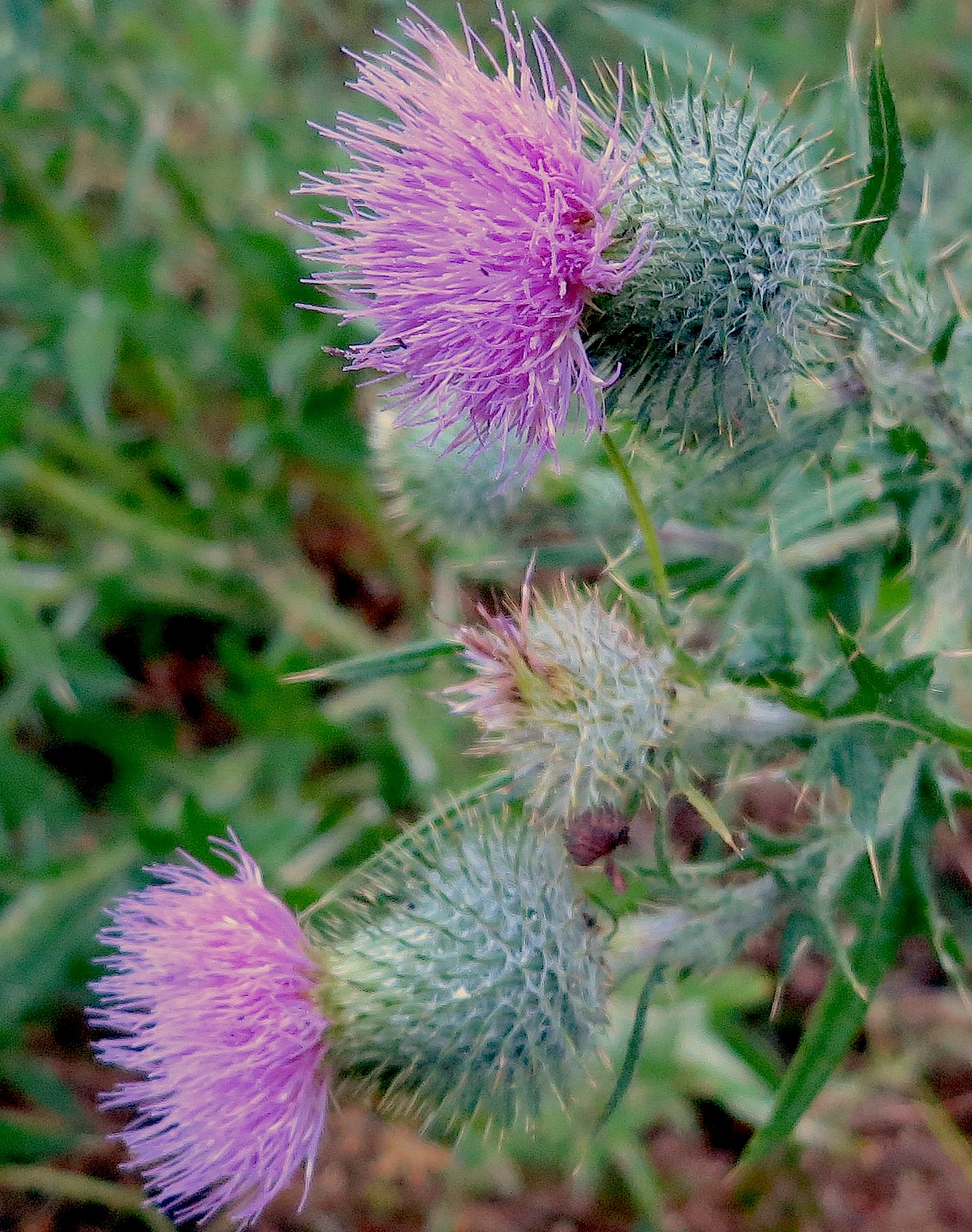
thistled

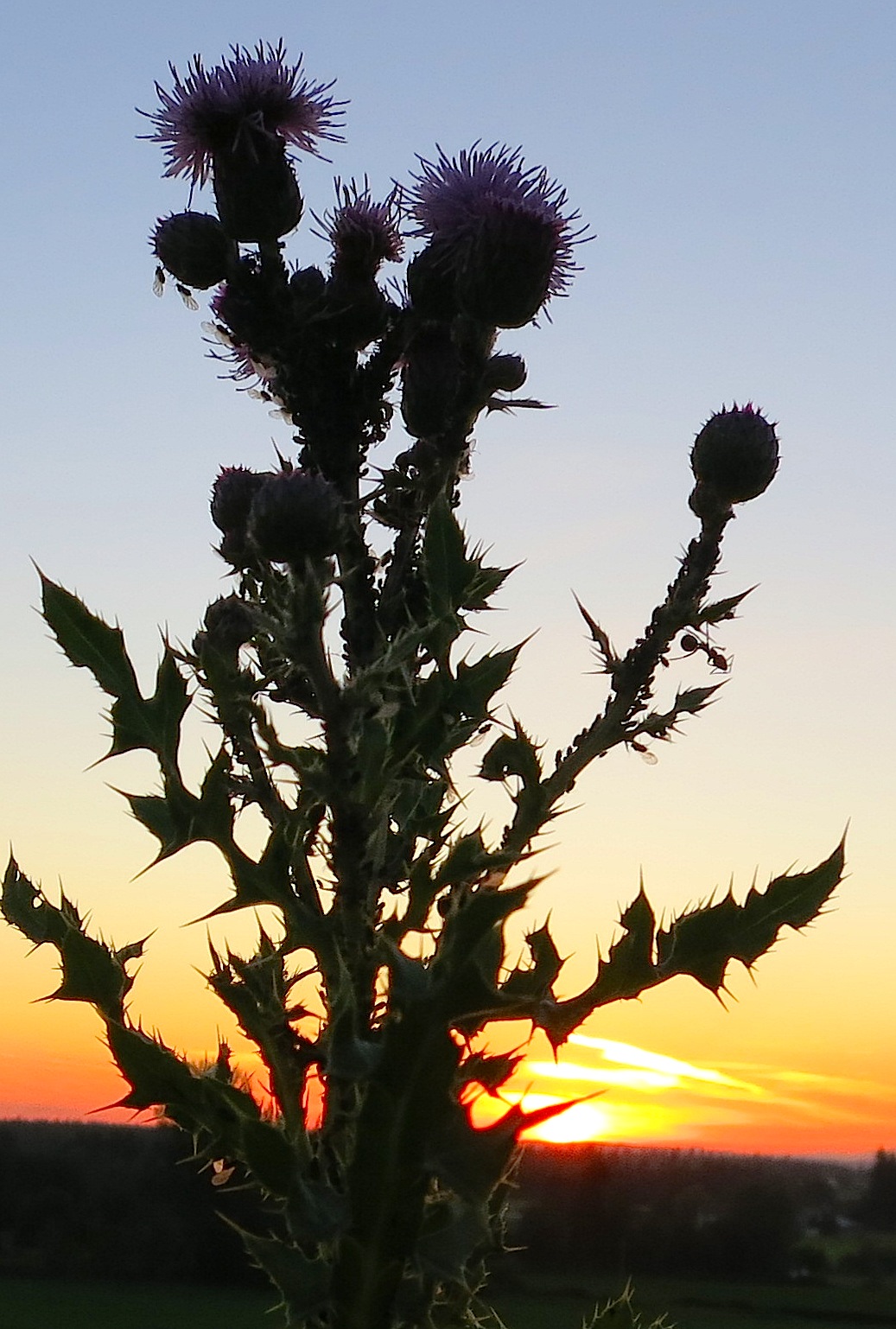
thistlebugs

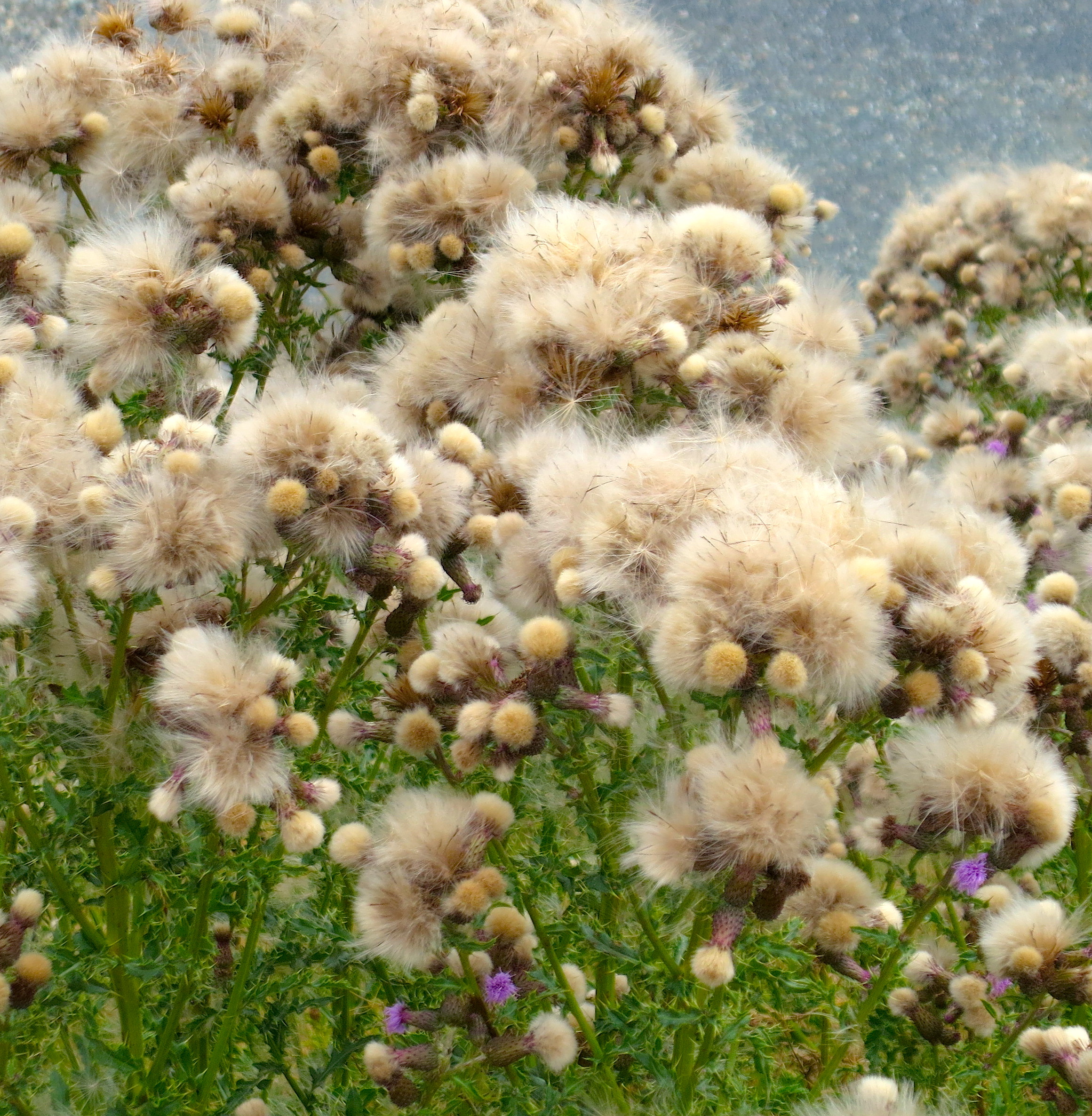
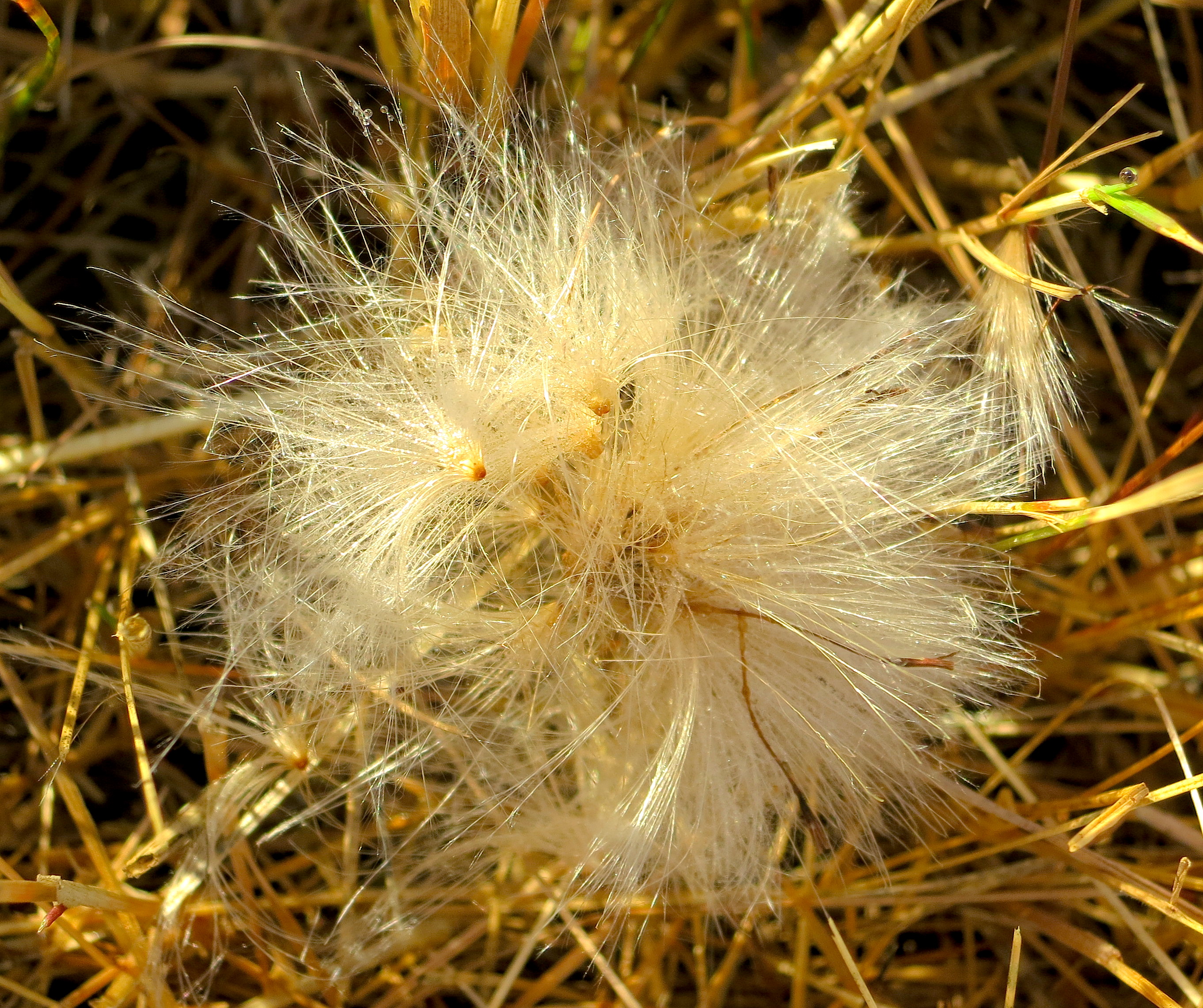
Against the rubber tongues of cows and the hoeing hands of men
Thistles spike the summer air
Or crackle open under a blue-black pressure.

Every one a revengeful burst
Of resurrection, a grasped fistful
Of splintered weapons and Icelandic frost thrust up

From the underground stain of a decayed Viking.
They are like pale hair and the gutturals of dialects.
Every one manages a plume of blood.

Then they grow grey, like men
Mown down, it is a feud. Their sons appear,
Stiff with weapons, fighting back over the same ground.
~Ted Hughes “Thistles”

thistlefur

thistledownwwu

To Give Life’s Best

For Memorial Day 2014, as the sky cannot stop raining tears for the losses suffered by a few to secure a future for many:

rainygrass2

In great deeds, something abides.
On great fields, something stays.
Forms change and pass;
bodies disappear;
but spirits linger, to consecrate ground for the vision-place of souls.
And reverent men and women from afar,
and generations that know us not and that we know not of,
heart-drawn to see where and by whom great things were suffered and done for them,
shall come to this deathless field,
to ponder and dream;
and lo! the shadow of a mighty presence shall wrap them in its bosom,
and the power of the vision pass into their souls.
This is the great reward of service.
To live, far out and on, in the life of others;
this is the mystery of the Christ,

–to give life’s best for such high sake
that it shall be found again unto life eternal.

~Major-General Joshua Chamberlain at Gettysburg, Pennsylvania 1889

rainygrasses

Not One Would Mind

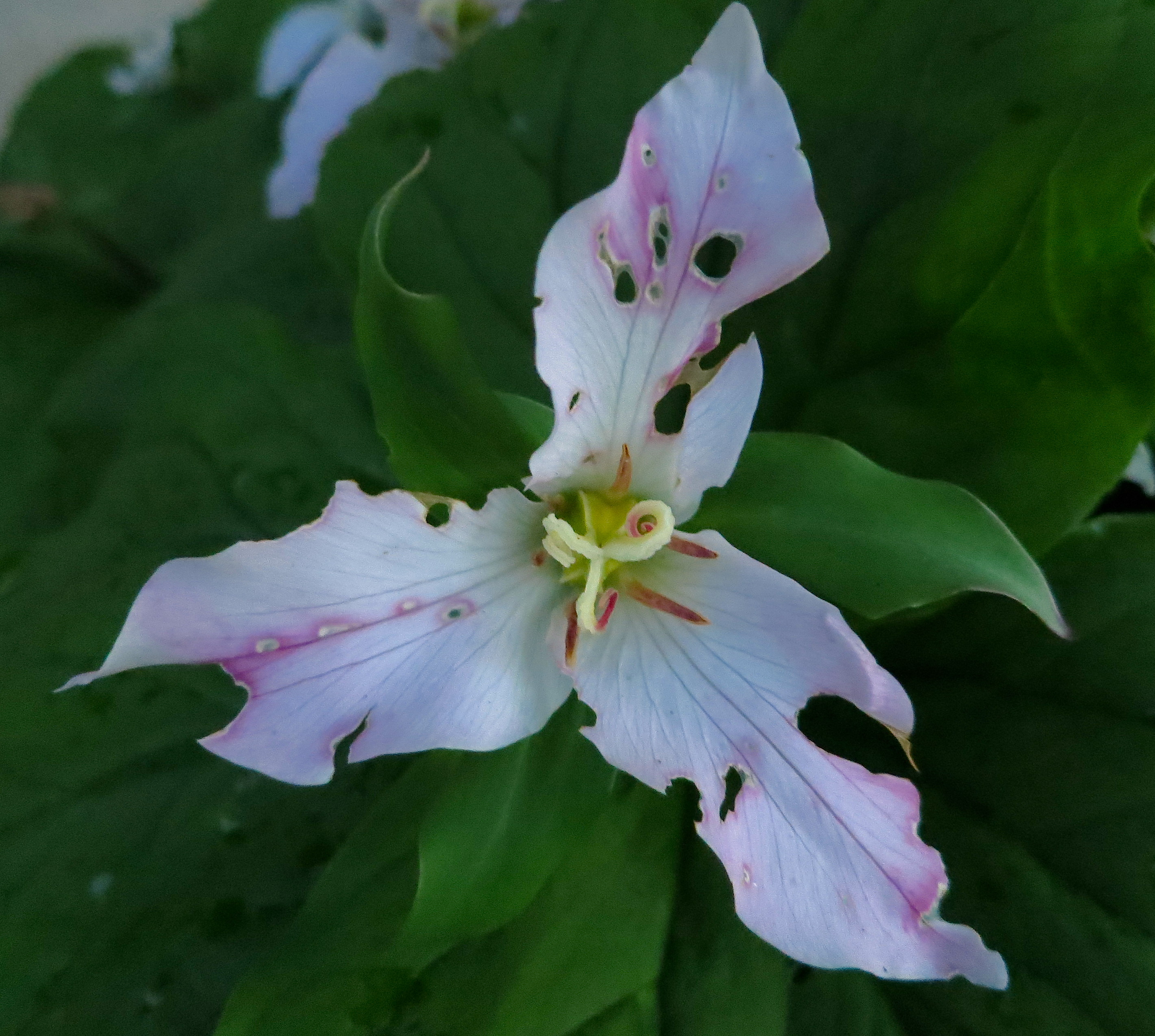
tiredtrillium

photo by Josh Scholten

There will come soft rains and the smell of the ground,
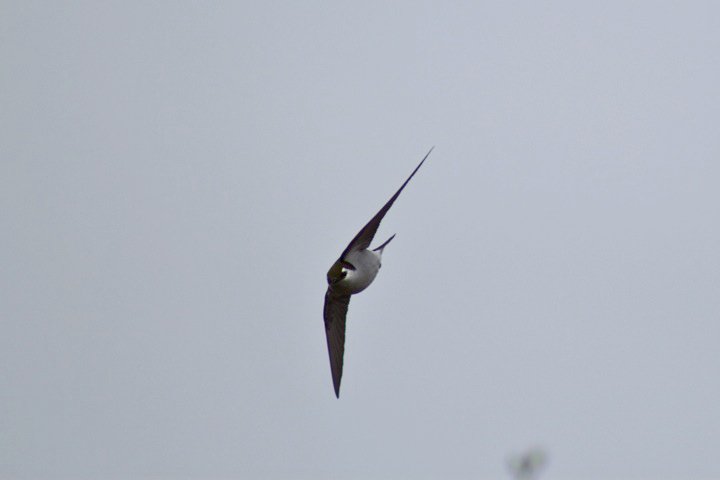
And swallows circling with their shimmering sound;

And frogs in the pools, singing at night,
And wild plum trees in tremulous white,

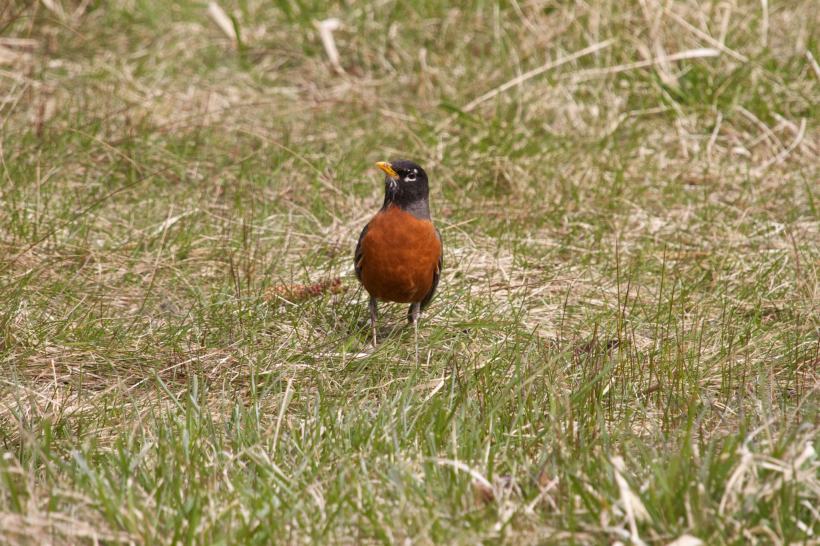
Robins will wear their feathery fire,
Whistling their whims on a low fence-wire;

And not one will know of the war, not one
Will care at last when it is done.

Not one would mind, neither bird nor tree,
If mankind perished utterly;

And Spring herself, when she woke at dawn,
Would scarcely know that we were gone.
~Sara Teasdale “War Time  There will come soft rains”

photo by Josh Scholten

tulippetals

walnutapril

Terrible with Raisins

woods23

woods20

woods16

This wasn’t just plain terrible,
this was fancy terrible.
This was terrible with raisins in it.
~Dorothy Parker

More and more of my clinic time is devoted to evaluation and treatment of depression and anxiety rather than sore throats, coughs, UTIs and sprains/strains.  An outbreak of overwhelming misery is climbing to epidemic proportions in our society.  A majority of the patients who are coming in for mental health assessment are at the point where their symptoms are interfering with nearly every aspect of their daily activities and they can no longer cope.  Their relationships are disintegrating, their work/school responsibilities are suffering, they are alarmingly self-medicating with alcohol, marijuana and pornography or whatever seems to give momentary relief.   Suicidal ideation has become common, almost normative, certainly no longer rare.

Things seem terrible.  And not just plain terrible.  First-world-problem-terrible with raisins in it.

We have lost all perspective about terrible.

Terrible is what happened to the Philippine people in the midst of the most horrific typhoon this month –losing everything from their lives to shelter to any means to stay warm, fed and secure, much less find medical care.
Terrible is what happens in numerous countries where political oppression sends refugees across hundreds of miles and borders to seek asylum in foreign lands.
Terrible is what happens when hundreds of thousands are dying from AIDs,  leaving behind their infected orphans to fend for themselves and care for each other.
Terrible is trafficking of human beings for power, gratification and money.

There is plenty of just plain terrible and most of us have no clue what it feels like.  We are so absorbed in our own scratches from the ubiquitous thorns of life, grousing about the raisins that pop up in our own version of terrible,  oblivious to the relative comfort with which we are graced daily compared to most of the world’s population.

Sometimes I think the best treatment for anxiety and depression has little to do with correcting brain chemistry or getting to the right cognitive behavioral insights to beat back negative thoughts, but rather to spend a year digging wells and latrines for those who have never used one.   It is spending hours caring for the detoxing or the dying to see what misery really looks like.  It is understanding how the fight for basic survival after an earthquake, a hurricane, a typhoon, a flood, a tsunami,  makes life even more precious, rather than thrown away as if it is something you can simply upgrade or exchange for a new version.

Maybe, just maybe, when we reach in deeply, even sustaining the scars that come with everyday living, we can look past the thorns to the fruit.  We may bleed getting to it.  Maybe then the raisins don’t seem quite so terrible after all.

woods17

woods22

woods11

The Rhythm of Remembrance

My father, a WWII Lieutenant Colonel Marine and commanding officer who served for almost three years straight in the South Pacific, would never talk about his life during the war. Despite not knowing what he saw and endured, I will remember his and others’ service with gratitude.

Barnstorming

“For in self-giving, if anywhere, we touch a rhythm not only of all creation but of all being.”
C.S. Lewis

I’m unsure why the United States does not call November 11 Remembrance Day as the rest of the Commonwealth nations did after WWI. This is a day that demands much more than the more passive name Veterans’ Day represents.

This day calls all citizens who appreciate their freedoms to stop what they are doing and disrupt the routine rhythm of their lives. We are to remember in humble thankfulness the generations of military veterans who sacrificed time, resources, sometimes health and well being, and too often their lives in answering the call to defend their countries.

Remembrance means never forgetting what it costs to defend freedom. It means acknowledging the millions who have given of themselves and continue to do so on our behalf. It means never ceasing to care…

View original post 59 more words

Buried at Wounded Knee

20120826-213301.jpg
“I did not know then how much was ended. When I look back now from this high hill of my old age, I can still see the butchered women and children lying heaped and scattered all along the crooked gulch as plain as when I saw them with eyes young. And I can see that something else died there in the bloody mud, and was buried in the blizzard. A people’s dream died there. It was a beautiful dream . . . . the nation’s hoop is broken and scattered. There is no center any longer, and the sacred tree is dead.”
Black Elk (Oglala Sioux) in Black Elk Speaks

20120826-213747.jpg
Big Foot, a great Chief of the Sioux often said, “I will stand in peace till my last day comes.” He did many good and brave deeds for the white man and the red man. Many innocent women and children who knew no wrong died here.
Inscription on the Wounded Knee Monument

20120826-214145.jpg

Like most Americans, I had only a superficial knowledge of the history at Wounded Knee, a low hill that rises above a creek bed on the South Dakota Pine Ridge Reservation. Last week, we visited the site of this last major battle between the white man and Native people, which broke the spirit of the tribes’ striving to maintain their nomadic life as free people. This unnecessary, brutal massacre of over 150 Lakota men, women and children by the Seventh Regiment of the U.S. Army Cavalry took place in December 1890.

The dead lay where they fell for four days due to a severe blizzard. When the frozen corpses were finally gathered up by the Army, a deep mass grave was dug at the top of the hill, the bodies buried stacked one on top of another. The massive grave is now marked by a humble memorial monument surrounded by a chain link fence, adjacent to a small church, circled by more recent Lakota gravesites.

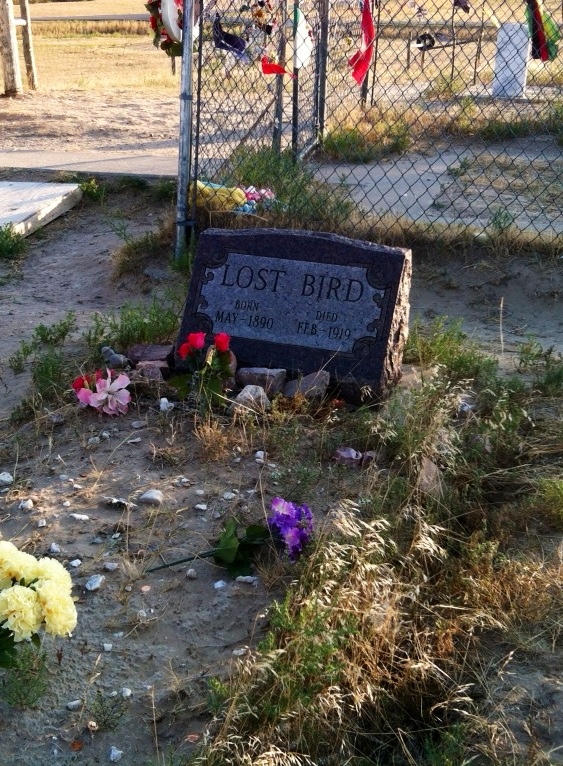
Four infants survived the four days of blizzard conditions wrapped in their dead mothers’ robes. One baby girl, only a few months old, was named “Lost Bird” after the massacre, bartered for and adopted by an Army Colonel as an interesting Indian “relic.” Rather than this adoption giving her a new chance, she died at age 29, having endured much illness, prejudice in white society, as well as estrangement from her native community and culture. Her story has been told in a book by Renee Sansom Flood, who helped to locate and move her remains back to Wounded Knee, where in death she is now back with her people.

There is unspeakable sadness on that lonely hill of graves. It is regrettable history that all descendents of immigrant Americans need to experience personally to understand what our expansion into the New World cost the people already here. As Black Elk says, the dreams of a great people have been scattered and lack a center.

We must never allow hope to be buried at Wounded Knee.

It is now my fifty eighth Memorial Day–what I wrote two years ago still is true: I see this as a day for weeping, so the rain coming from the sky is fitting.

Hankerings

On my fifty sixth Memorial Day, I need to be reminded not to forget the sacrifices made by my fellow countrymen.  This is not a vacation day.  This is a day meant for the hard work of painful remembrance.  This is a day to slog through the mud of the battlefields, the searing heat of the deserts, the dripping humidity of the jungles, the icy snowbanks of wintertime battle fronts.

I do not want to forget what it means to get up each morning clothed in liberty, and fall asleep each night without fear.  We are meant to cry this day, to weep over the loss of life over the generations, the losses in battles that continue to this day.

The cost of staying free must not bankrupt our souls even as it taxes our resources.   Once we forget, if even one of us forgets, then the battle comes…

View original post 45 more words