To enrich the earth I have sowed clover and grass
to grow and die. I have plowed in the seeds
of winter grains and of various legumes,
their growth to be plowed in to enrich the earth.
I have stirred into the ground the offal
and the decay of the growth of past seasons
and so mended the earth and made its yield increase.
All this serves the dark. I am slowly falling
into the fund of things. And yet to serve the earth,
not knowing what I serve, gives a wideness
and a delight to the air, and my days
do not wholly pass. It is the mind’s service,
for when the will fails so do the hands
and one lives at the expense of life.
After death, willing or not, the body serves,
entering the earth. And so what was heaviest
and most mute is at last raised up into song.
~Wendell Berry “Enriching the Earth” from Collected Poems
It was the face of spring, it was the face of summer,
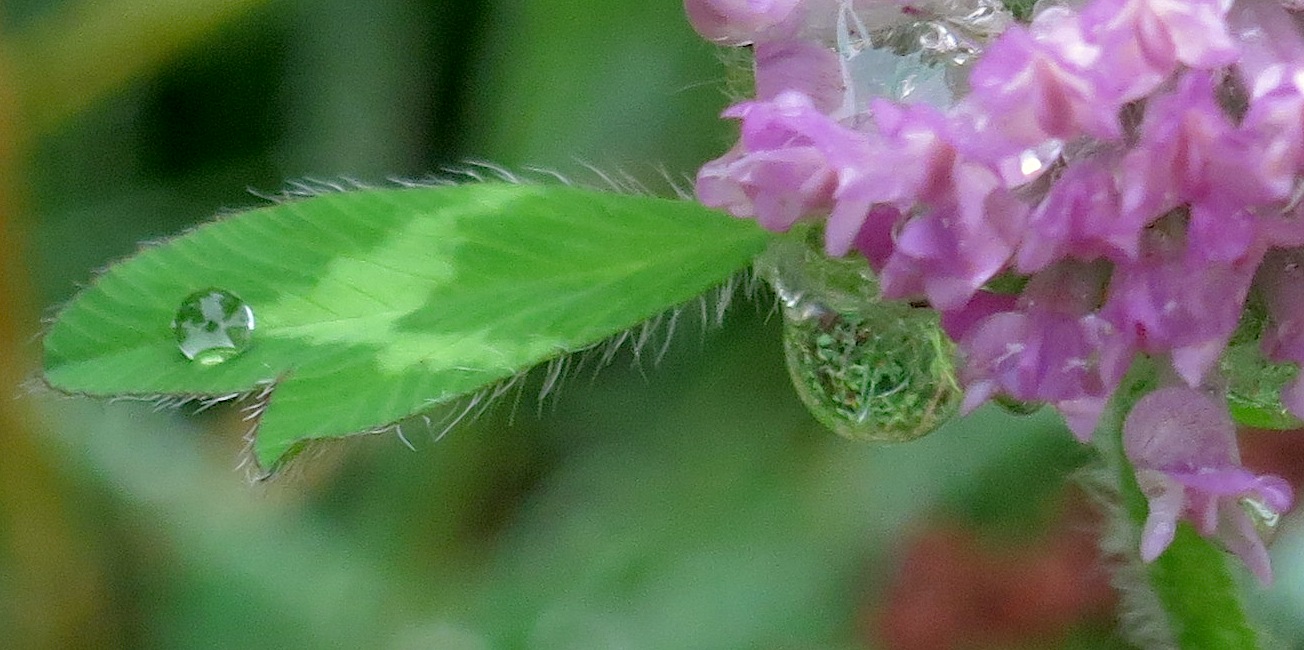
it was the warmness of clover breath.
Pomegranate glowed in her lips, and the noon sky in her eyes.
And all of this, this breath-warmness and plum-tenderness
was held forever…
~Ray Bradbury from Dandelion Wine
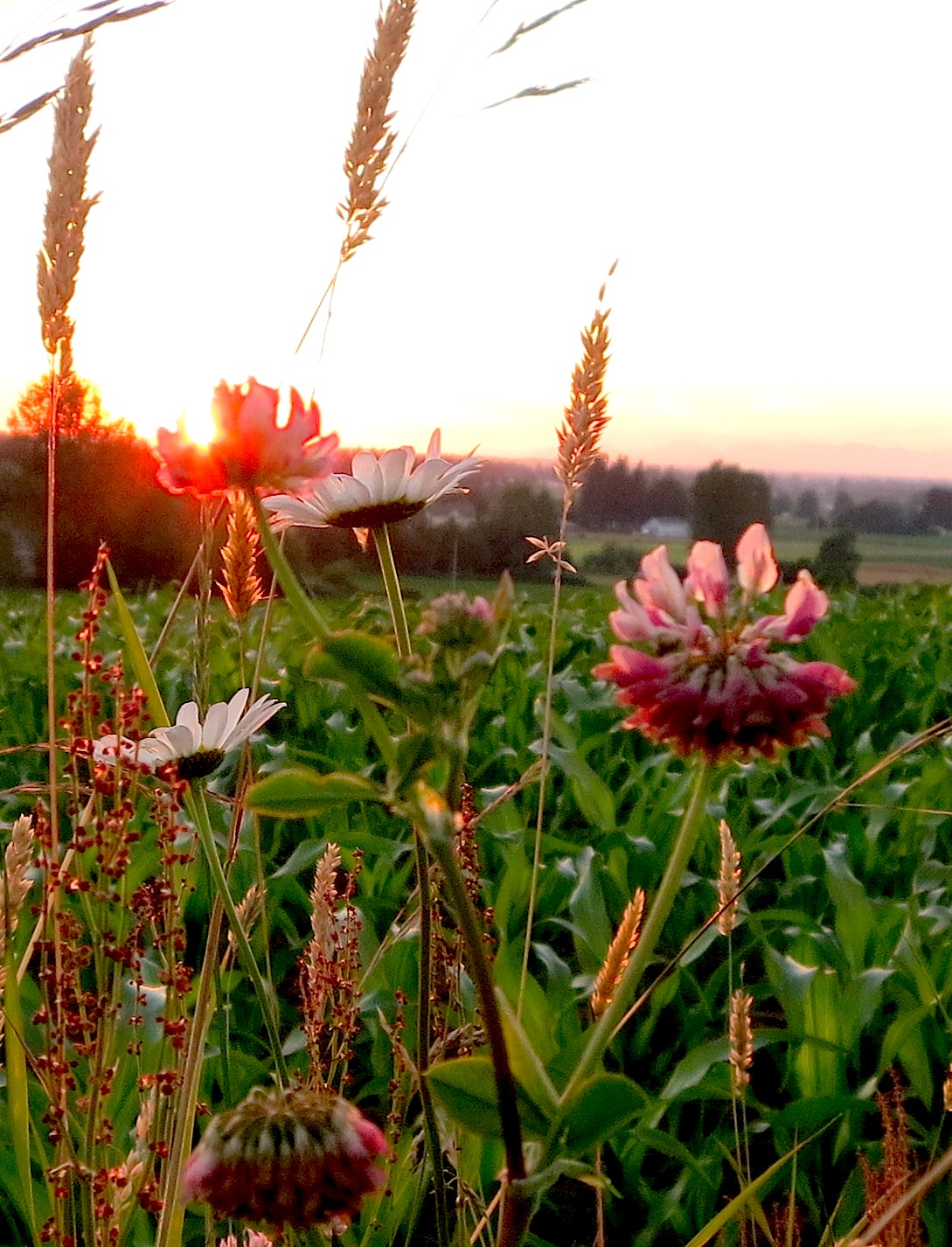
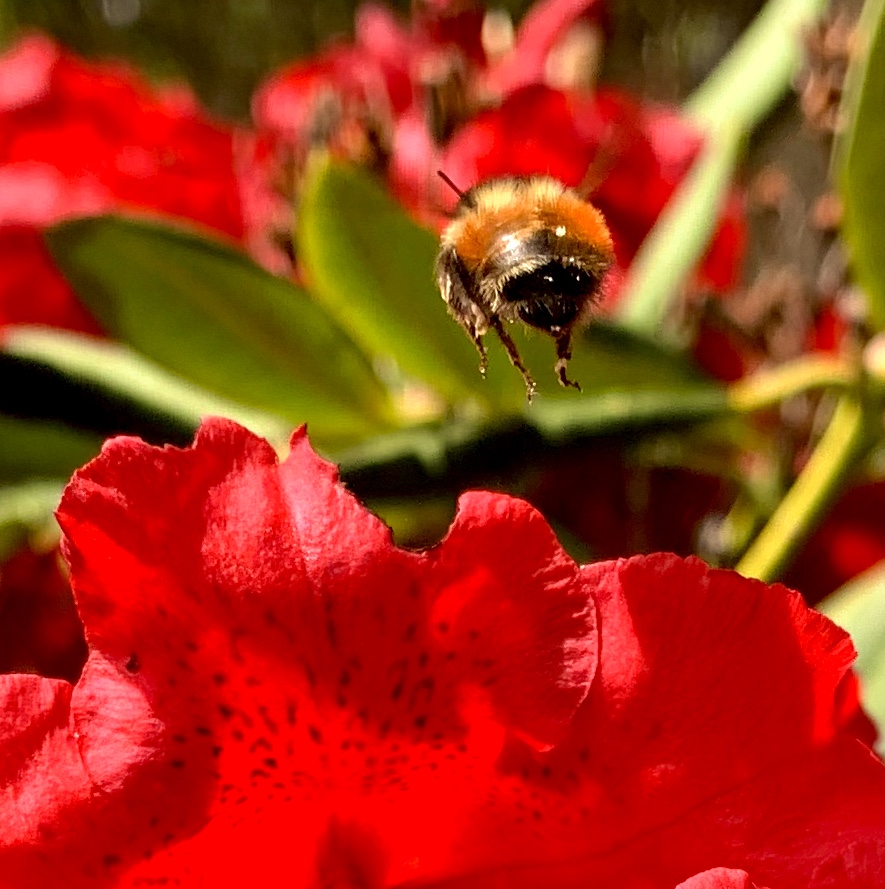
To make a prairie it takes a clover and one bee,
One clover, and a bee,
And revery.
The revery alone will do,
If bees are few.
Emily Dickinson

Every autumn my father, an agriculture teacher by training, brought home gunny sacks of grass seed from the feed and seed store. He would start up his 1954 Farmall Cub tractor, proceed to disc and harrow an acre of bare ground in our field, and then fill the seeder, distributing seed on the soil for his annual agronomy cover crop over winter growing experiment. The little sprouts would wait to appear in the warming spring weather, an initial green haziness spread over the brown dirt, almost like damp green mold. Within days they would form a plush and inviting velveteen green cushion, substantial enough for a little wiggle of blades in the breezes. A few weeks later the cover would be a full fledged head of waving green hair, the wind blowing it wantonly, bending the stems to its will. It was botanical pasture magic, renewable and marvelous, only to be mowed and stubble turned over with the plow back into the soil as nutrition for the summer planting to come. It was the sacrificial nature of cover crops to be briefly beautiful on top of the ground, but the foundational nurture once underground.
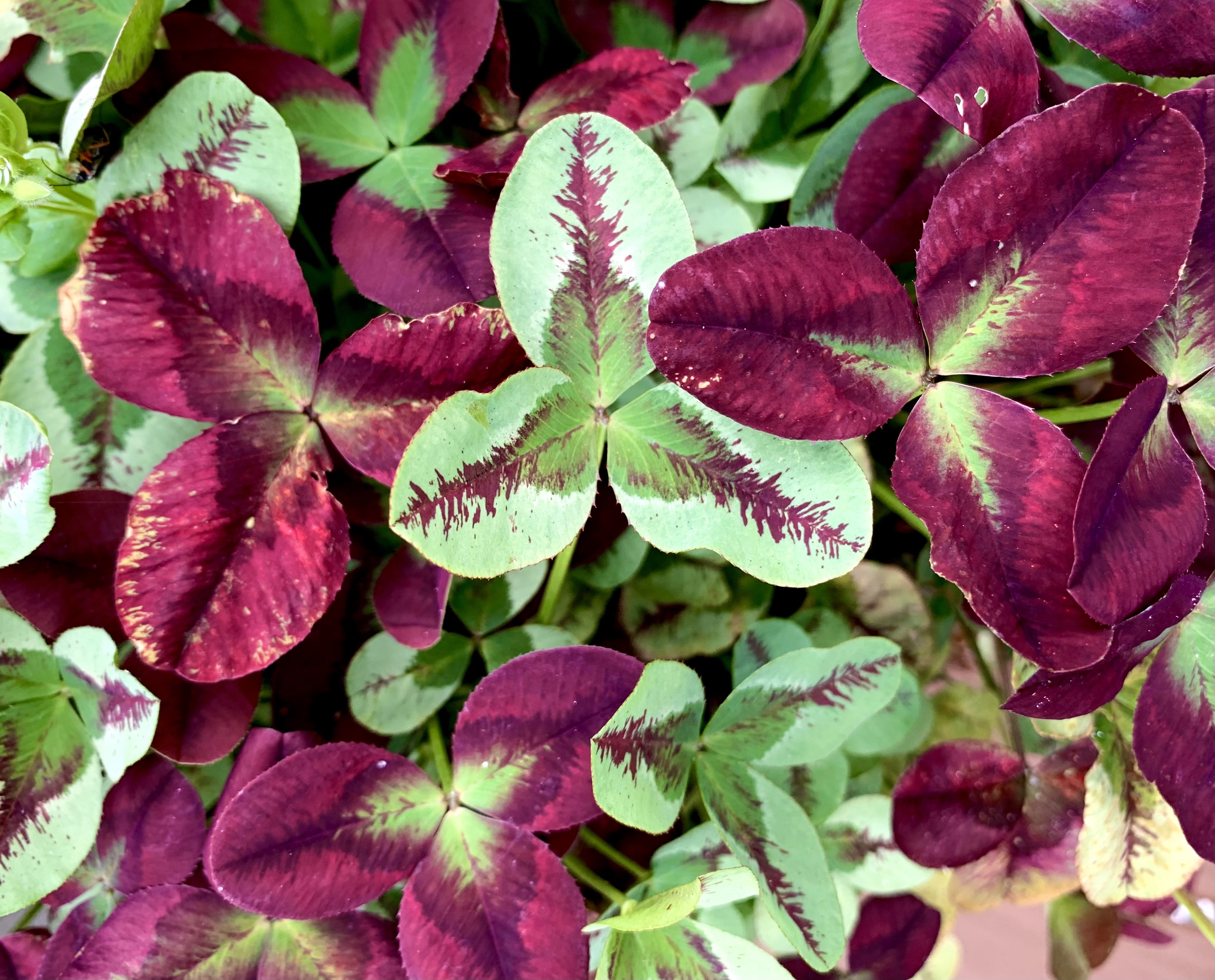
One spring the expected grassy carpet growth didn’t look quite the same after germination–the sprouts were little round leaves, not sharp edged blades. Instead of identical uniform upright stems, the field was producing curly chaotic ovoid and spherical shapes and sizes. Clover didn’t abide by the same rules as grasses. It had a mind of its own with a burgeoning and bumpy napped surface that didn’t bend with breezes, all its effort invested instead in producing blossoms.
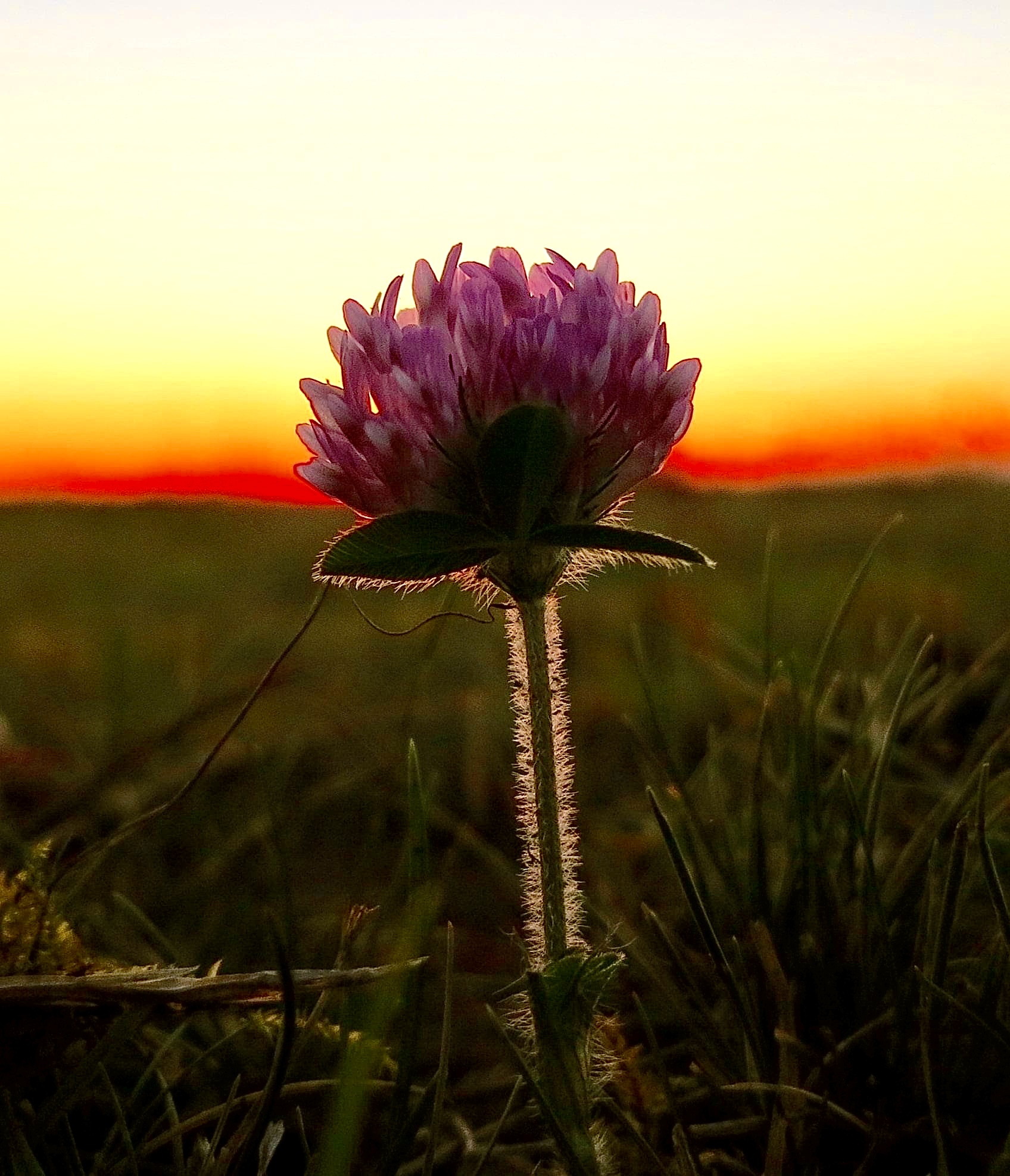
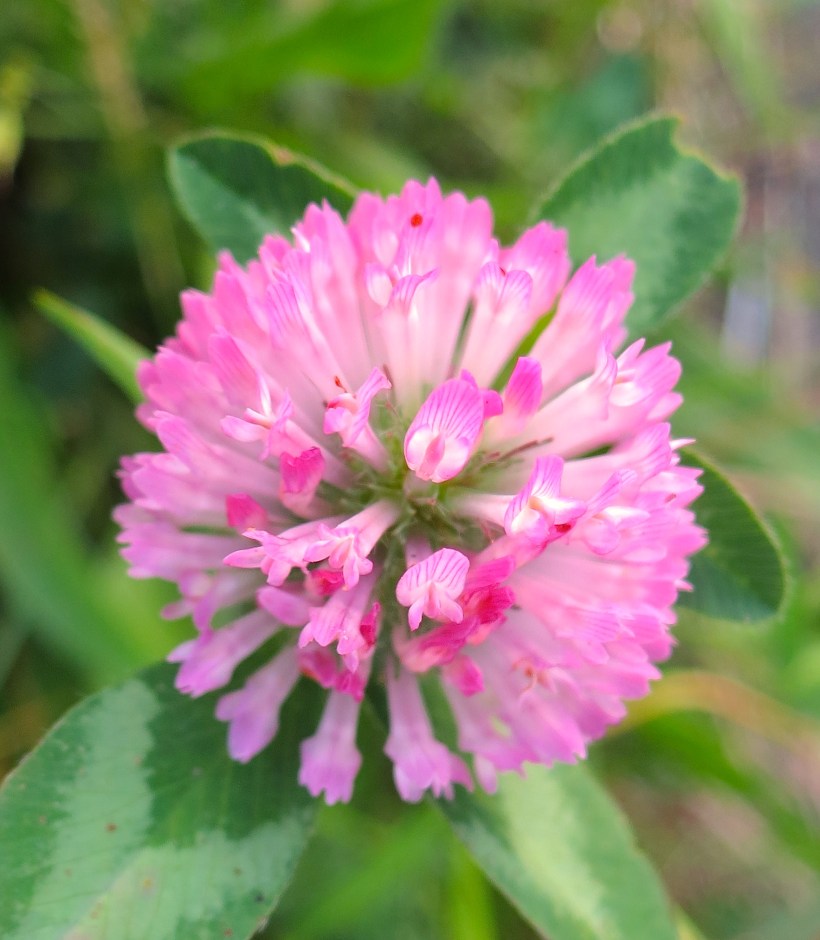
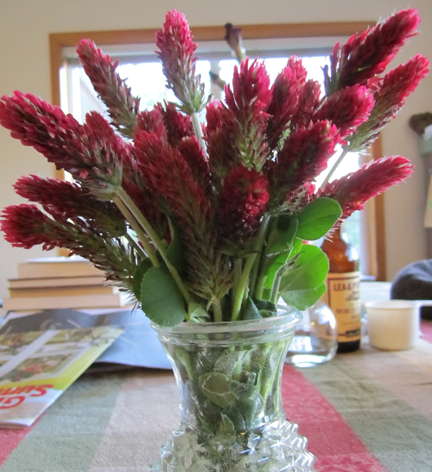
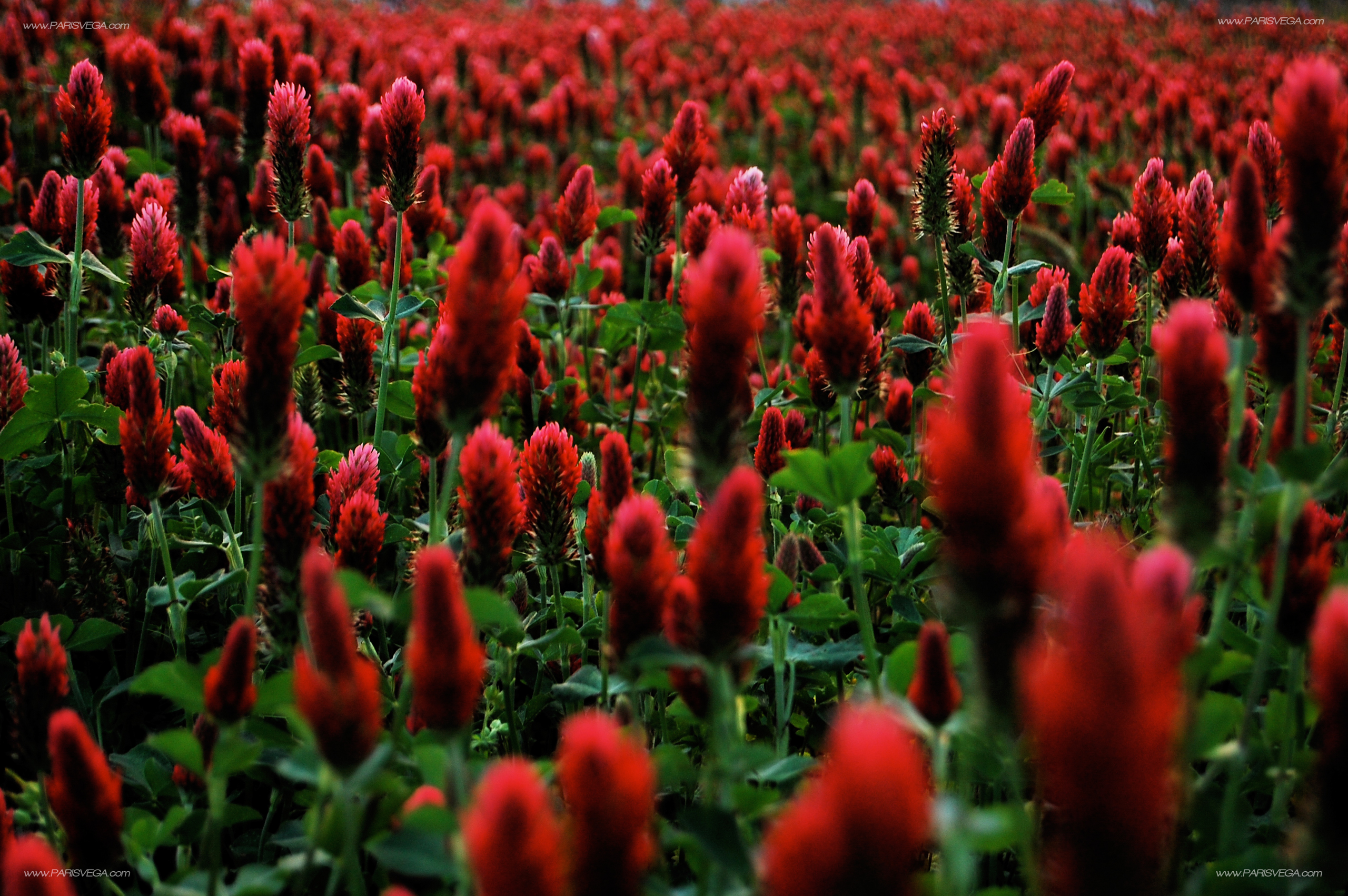
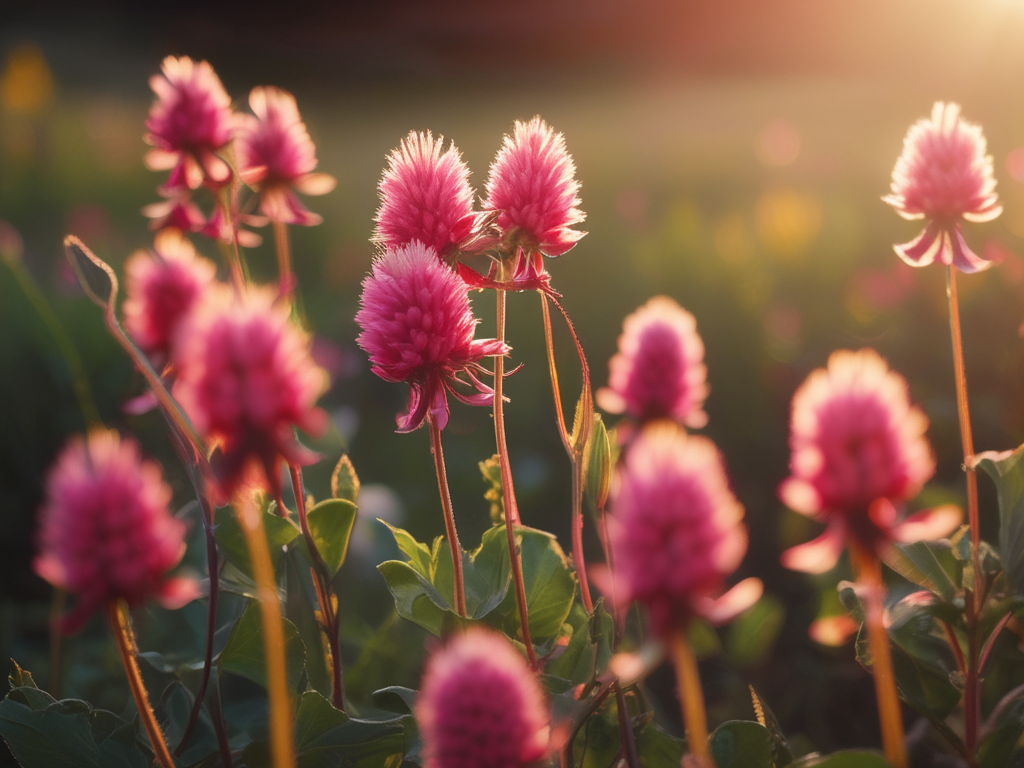
A hint of pink one morning was so subtle it was almost hallucinatory. Within a day it was unmistakeably reddening and real. Within a week the green sea flowed with bobbing crimson heads. We had never seen such vibrancy spring from our soil before. It exuded scented clover breath, the fragrance calling honey bees far and near. True reverie.
The field of crimson dreams and sated honey bees lasted several weeks before my father headed back out on the Farmall to turn it under with the plow, burying the fading blossoms into the ground. Their sacrifice bled red into the soil, their fragrant breath halted, their memory barely recognizable in the next summer crop germination. Yet the crimson heads were there, feeding the growth of the next generation, deepening the green as it reached to the sun.
Such a sweet thing, alive a thousand summers hence in the soil.
What a beautiful feeling.
Crimson and clover, over and over.
Make a one-time or recurring donation to support daily Barnstorming posts
Make a monthly donation
Make a yearly donation
Choose an amount
Or enter a custom amount
Your contribution is deeply appreciated.
Your contribution is appreciated.
Your contribution is appreciated.
DonateDonate monthlyDonate yearly
 Barnstorming