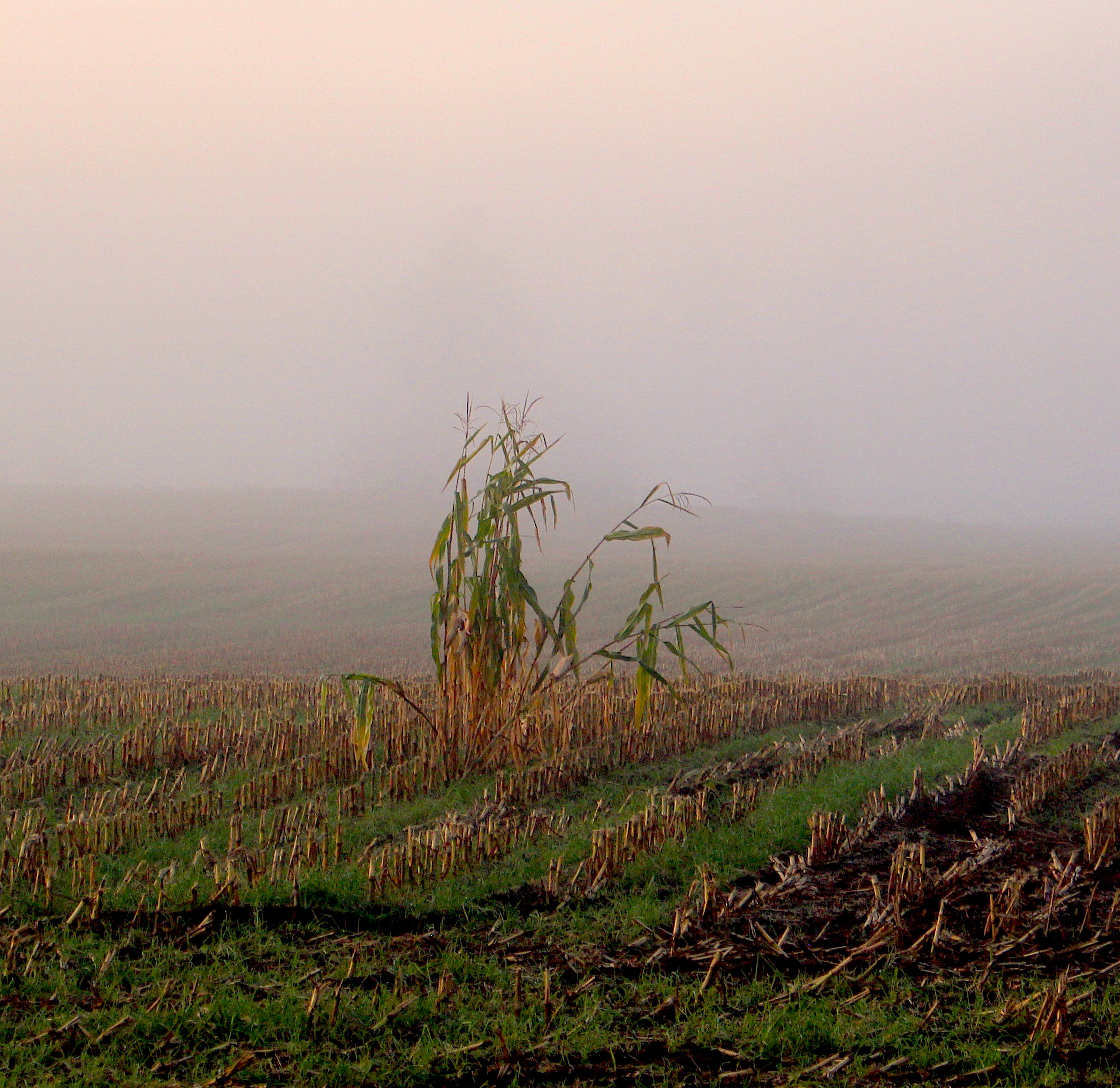
We are the hollow men
We are the stuffed men
Leaning together
Headpiece filled with straw.
~T.S. Eliot from “The Hollow Men”
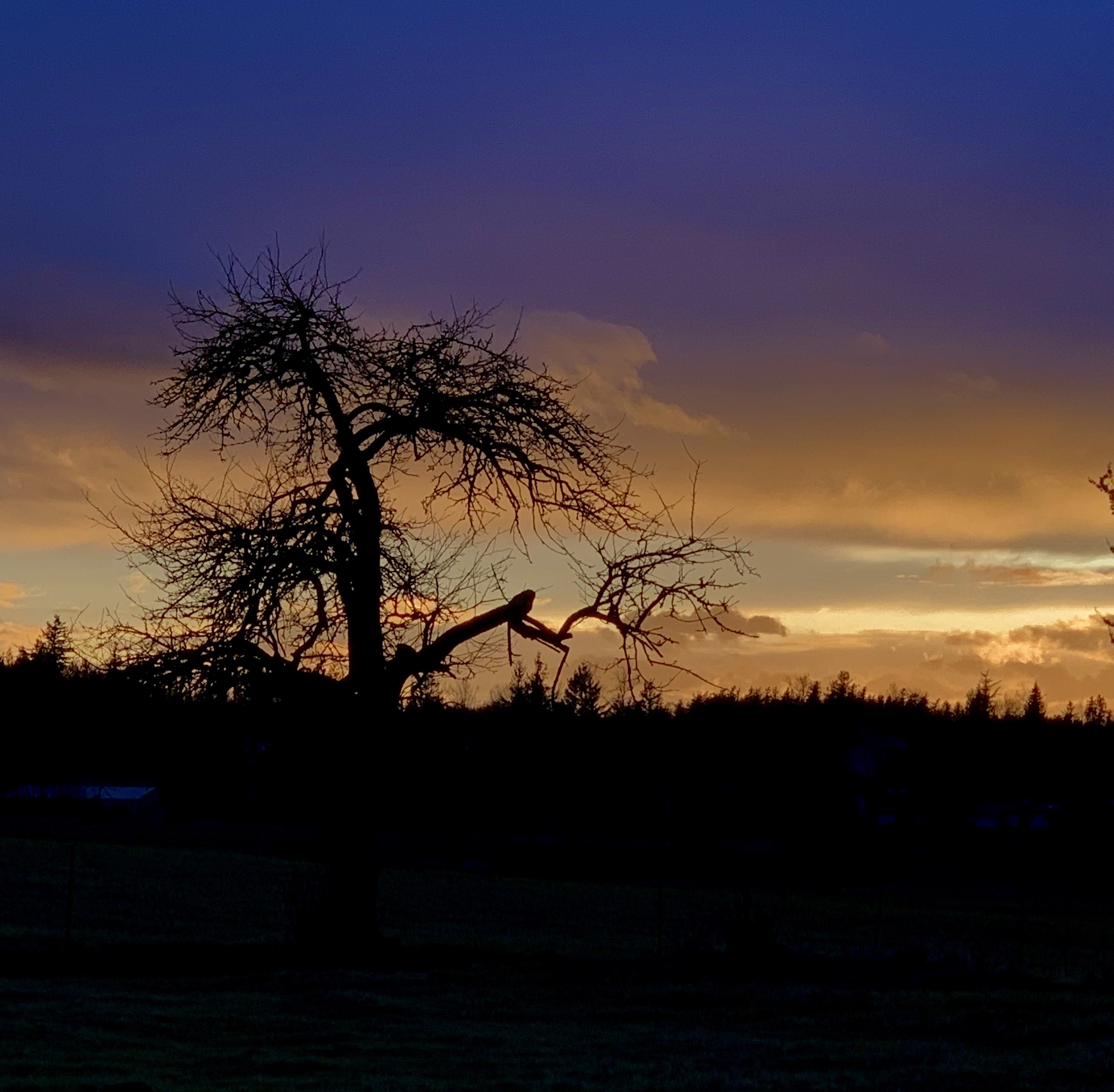

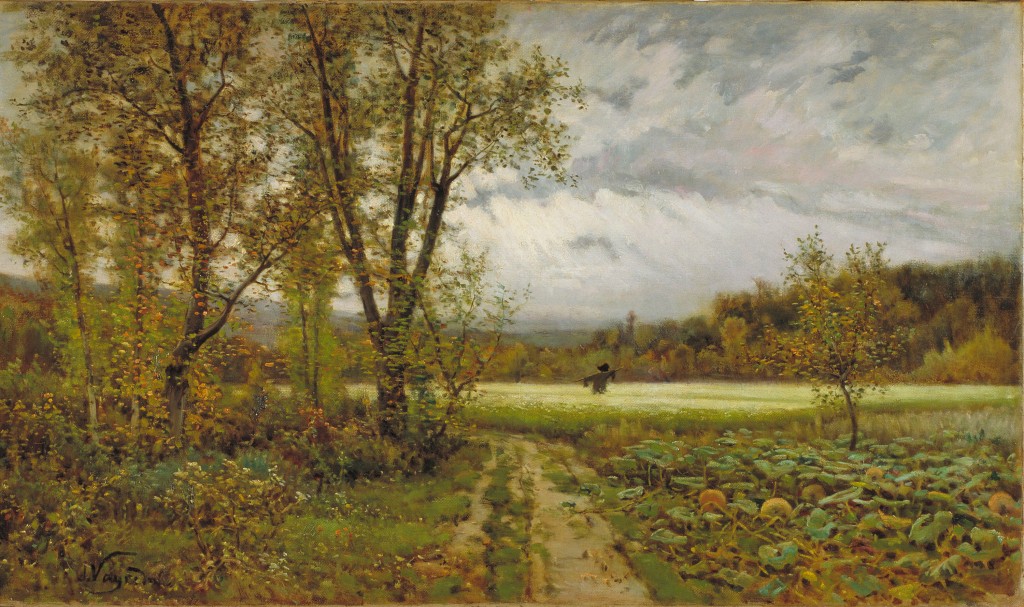
Here is the scarecrow, see him stand
Upon the newly planted land;
A figure rugged and forlorn,
A silent watcher of the corn.
His dangling legs, his arms spread wide,
A lone man of the countryside;
Uncouth, the butt of pen and tongue,
Unheralded, unsought, unsung.
To you, old scarecrow, then this lay
To cheer you on your lonely way;
Would that all men, their whole lives through,
Served some good purpose same as you.
~Annie Stone “The Scarecrow” (written on her 103rd birthday)

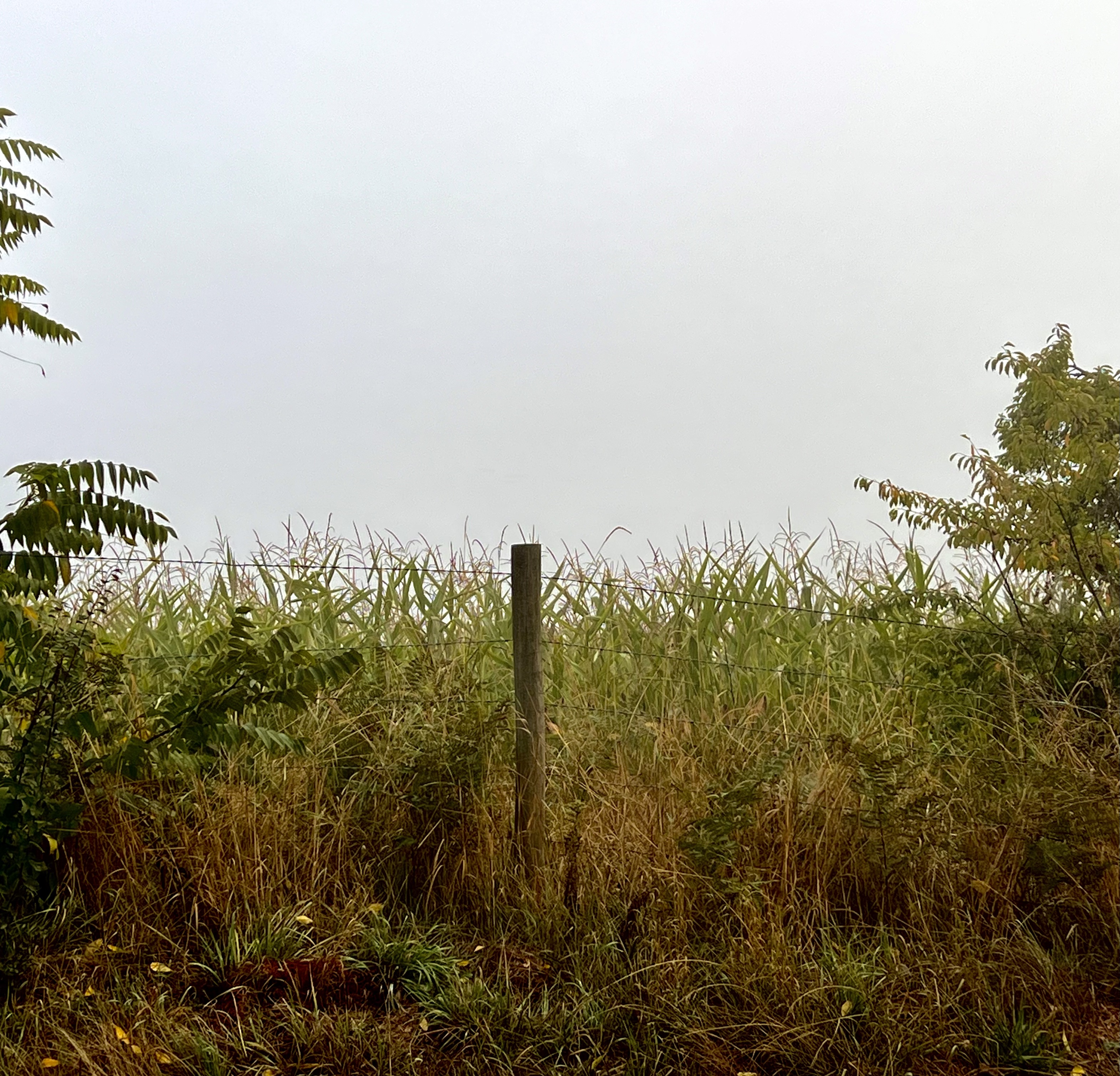
Once I said to a scarecrow, “You must be tired of standing in this
lonely field.”
And he said, “The joy of scaring is a deep and lasting one, and I
never tire of it.”
Said I, after a minute of thought, “It is true; for I too have
known that joy.”
Said he, “Only those who are stuffed with straw can know it.”
Then I left him, not knowing whether he had complimented or belittled me.
A year passed, during which the scarecrow turned philosopher.
And when I passed by him again I saw two crows building a nest
under his hat.
~Kahlil Gibran “The Scarecrow”
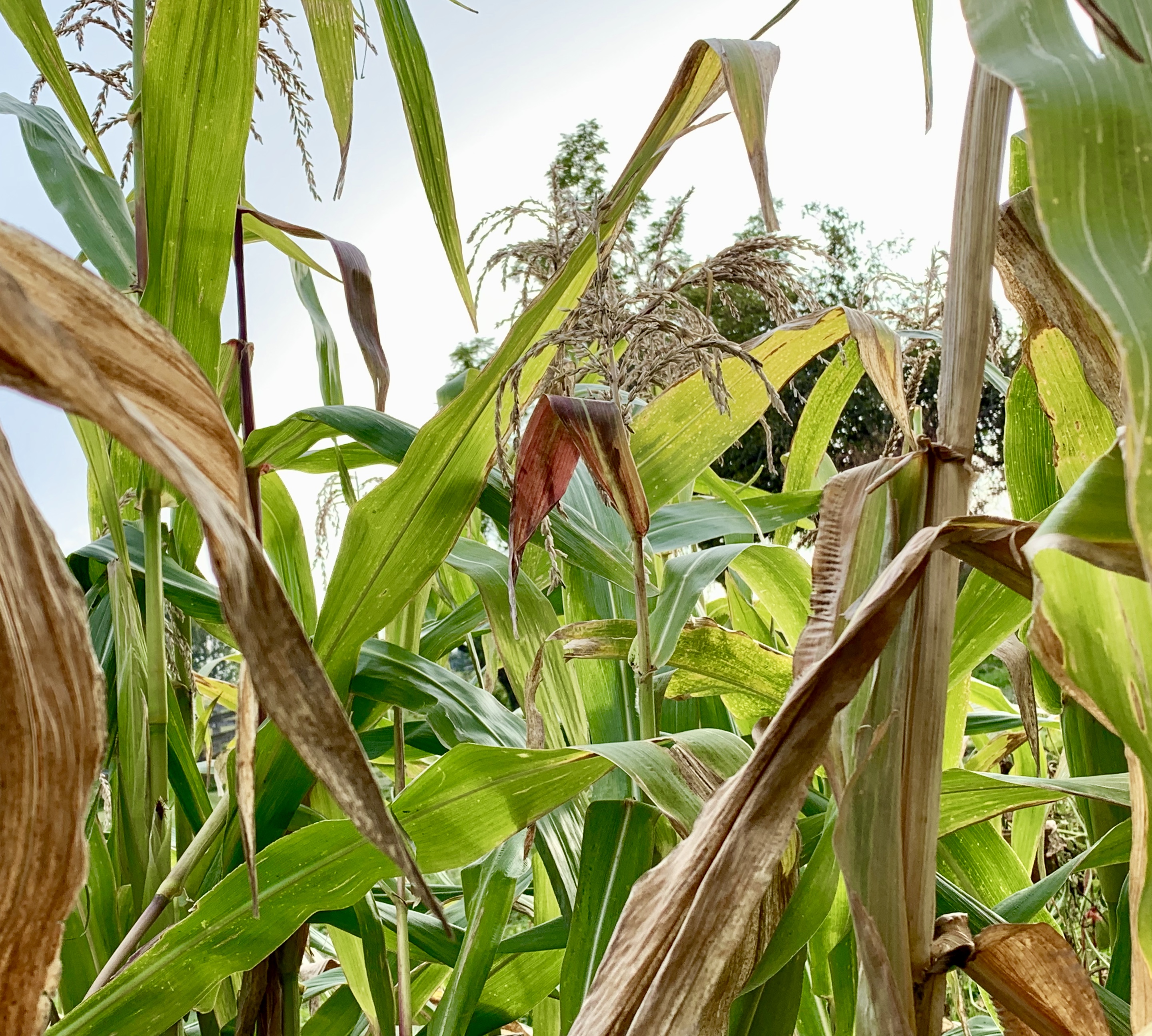
“I’ve seen myself, Mother Rigby! I’ve seen myself for the wretched, ragged, empty thing I am. I’ll exist no longer.”
Snatching the pipe from his mouth, he flung it with all his might against the chimney, and at the same instant sank upon the floor, a medley of straw and tattered garments, with some sticks protruding from the heap and a shriveled pumpkin in the midst. The eyeholes were now lustreless but the rudely carved gap that just before had been a mouth still seemed to twist itself into a despairing grin, and was so far human.
“Poor fellow!” quoth Mother Rigby, with a rueful glance at the relics of her ill-fated contrivance. “My poor, dear, pretty Feathertop! There are thousands upon thousands of coxcombs and charlatans in the world made up of just such a jumble of worn-out, forgotten and good-for-nothing trash as he was, yet they live in fair repute, and never see themselves for what they are. And why should my poor puppet be the only one to know himself and perish for it?”
“I could easily give him another chance, and send him forth again tomorrow. But no! His feelings are too tender–his sensibilities too deep. He seems to have too much heart to bustle for his own advantage in such an empty and heartless world. Well, well! I’ll make a scarecrow of him, after all. ‘Tis an innocent and useful vocation, and will suit my darling well; and if each of his human brethren had as fit a one, ‘twould be the better for mankind.”
~Nathaniel Hawthorne from “Feathertop” (the story of a scarecrow brought to life)


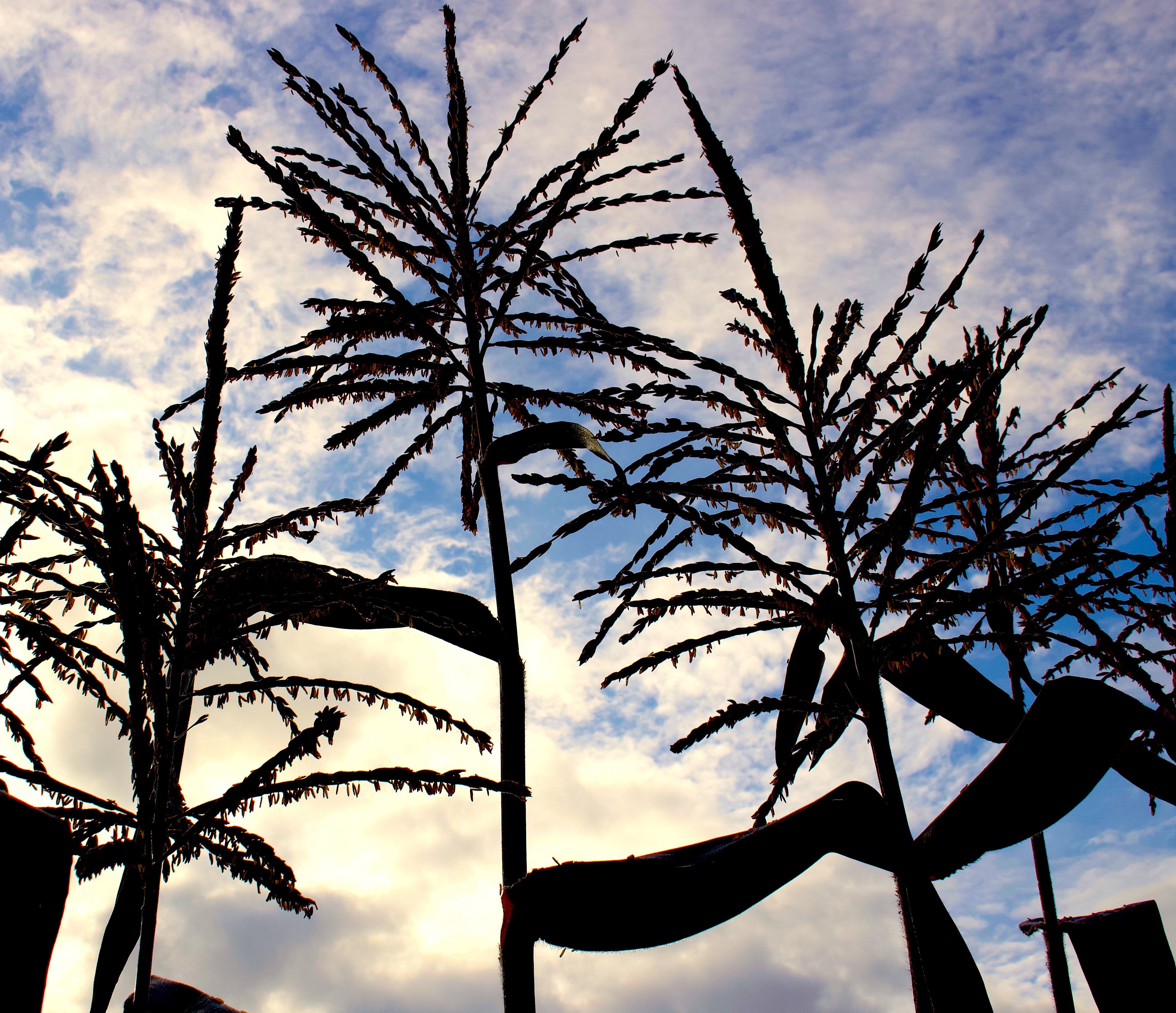
We don’t see many real working scarecrows around anymore. Corn and grain fields are so vast and abundant, the loss of a few kernels to raccoons or crows is not devastating to the farmer, so why frighten them away?
Instead, scarecrows have become the stuff of cheerful autumn decorations, standing alongside cornstalks and hay bales on porches, scaring no one. Or they are portrayed as horribly sinister and menacing in Halloween movies and haunted houses – a poor scarecrow’s original purpose twisted to frighten away far more than hungry critters.
Perhaps scarier, as our election season progresses, we’re seeing “hollow” politicians portraying themselves as something far more than they really are. We watch them “lean together, headpiece filled with straw.” It doesn’t take long to be exposed as “wretched, ragged, and empty.”
The worthy politician with good goals and purpose “seems to have too much heart to bustle for his own advantage in such an empty and heartless world.” Sometimes they decide to simply retire into obscurity and the garden.
…or they should…
The honest and genuine scarecrow returns to his post in the cornfield – such an innocent and useful vocation. If only we each had as fit a job, it would be all the better for mankind.
(A personal note: back in 1972, I combined Eliot’s “Hollow Men” and Hawthorne’s “Feathertop” in a scarecrow-themed interpretive reading that garnered Washington State’s top high school prize, sending me to nationals at Wake Forest in North Carolina. There I, a true country bumpkin, was soundly and deservedly trounced by far more talented high schoolers from all over the country.
At least I was able to say “I went to nationals…,” a very “hollow men” thing to claim.)
Make a one-time or recurring donation to support daily Barnstorming posts
Make a monthly donation
Make a yearly donation
Choose an amount
Or enter a custom amount
Your contribution is deeply appreciated.
Your contribution is appreciated.
Your contribution is appreciated.
DonateDonate monthlyDonate yearly
 Barnstorming