In Long Straight Rows

It’s not spring yet, but I can’t
wait anymore. I get the hoe,
pull back the snow from the old
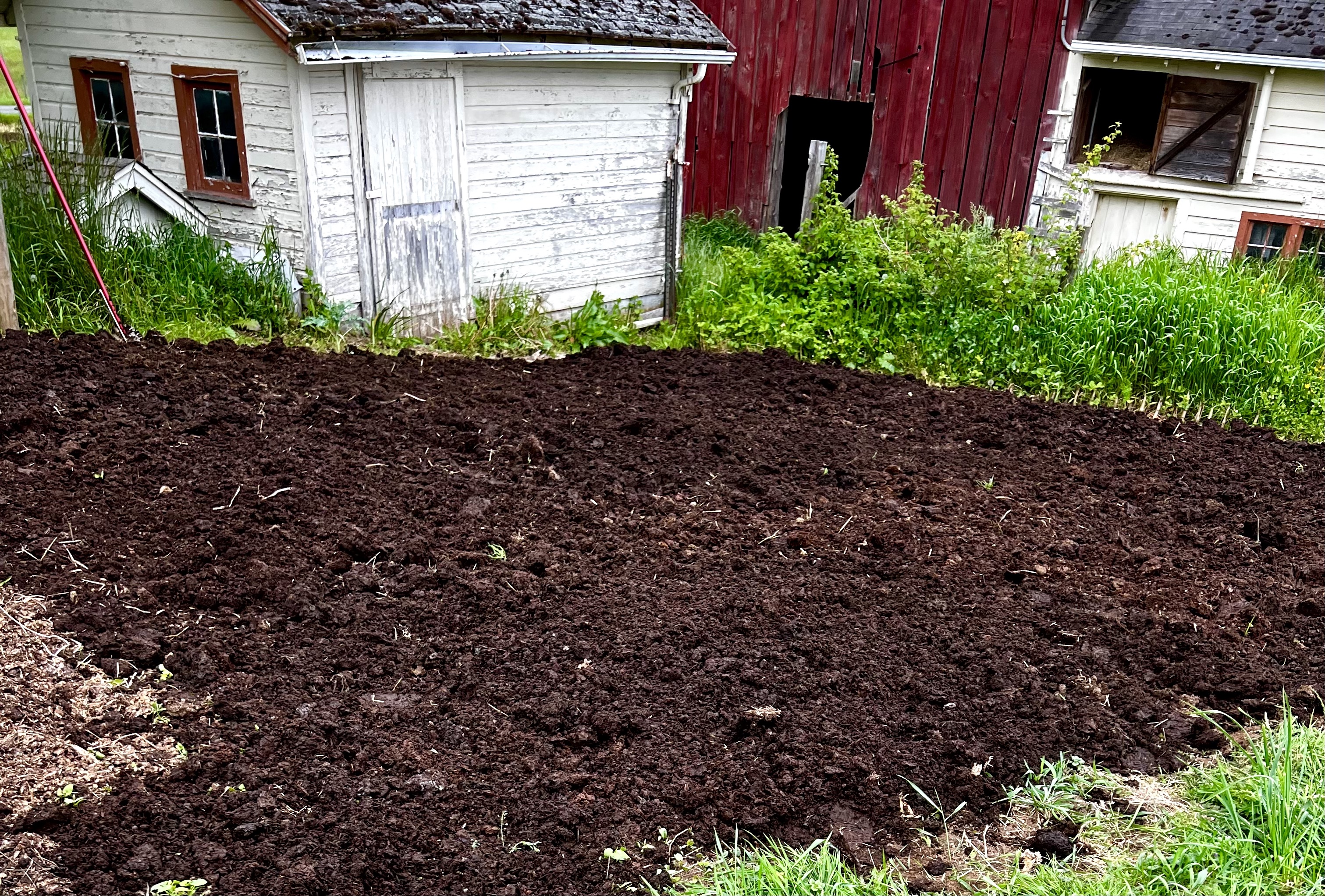
furrows, expose the rich dark earth.
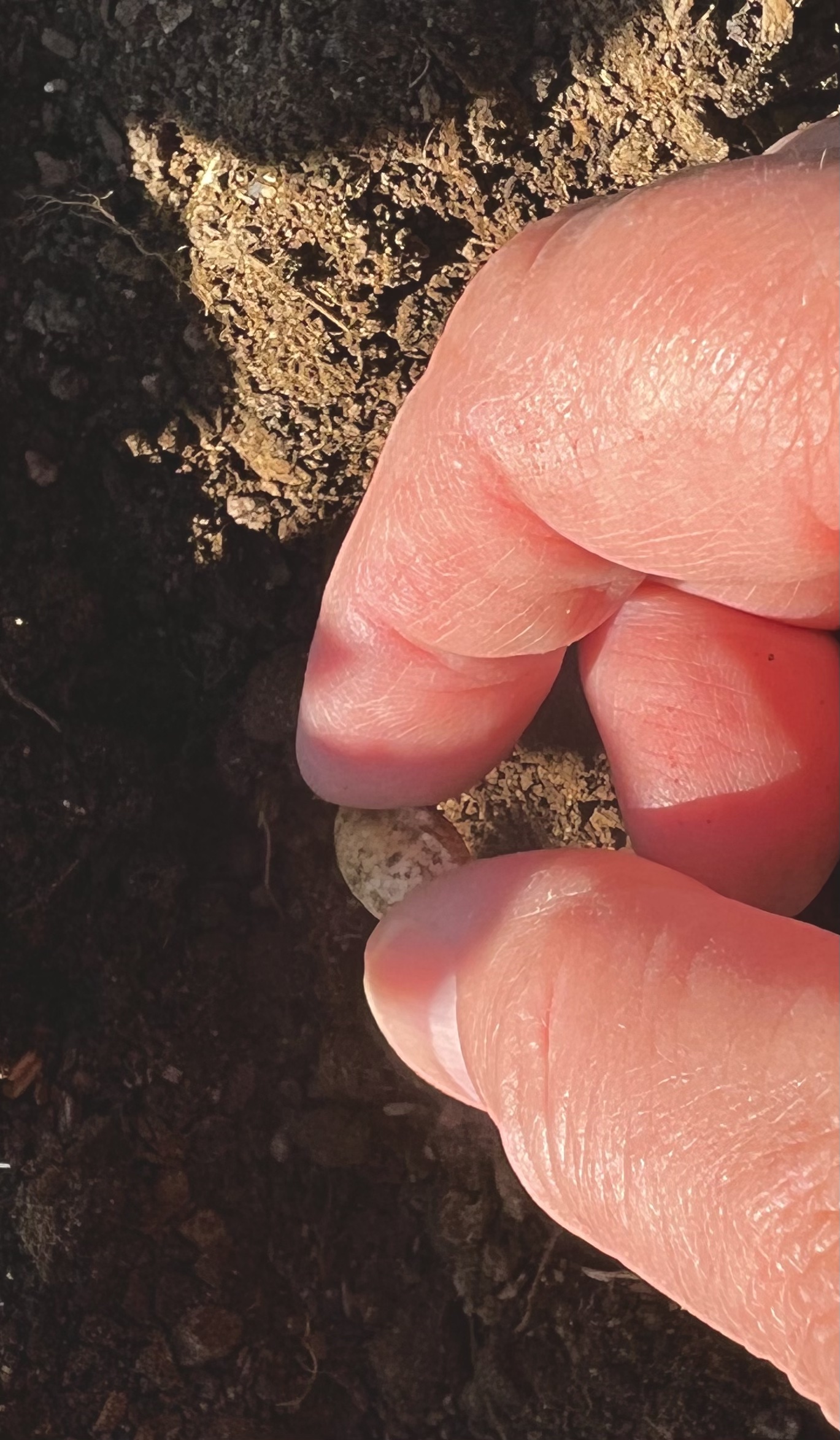
I bare my hand and dole out shriveled peas,
one by one.
I see my grandmother’s hand,
doing just this, dropping peas
into gray gumbo that clings like clay.
This moist earth is rich and dark
as chocolate cake.
Her hands cradle
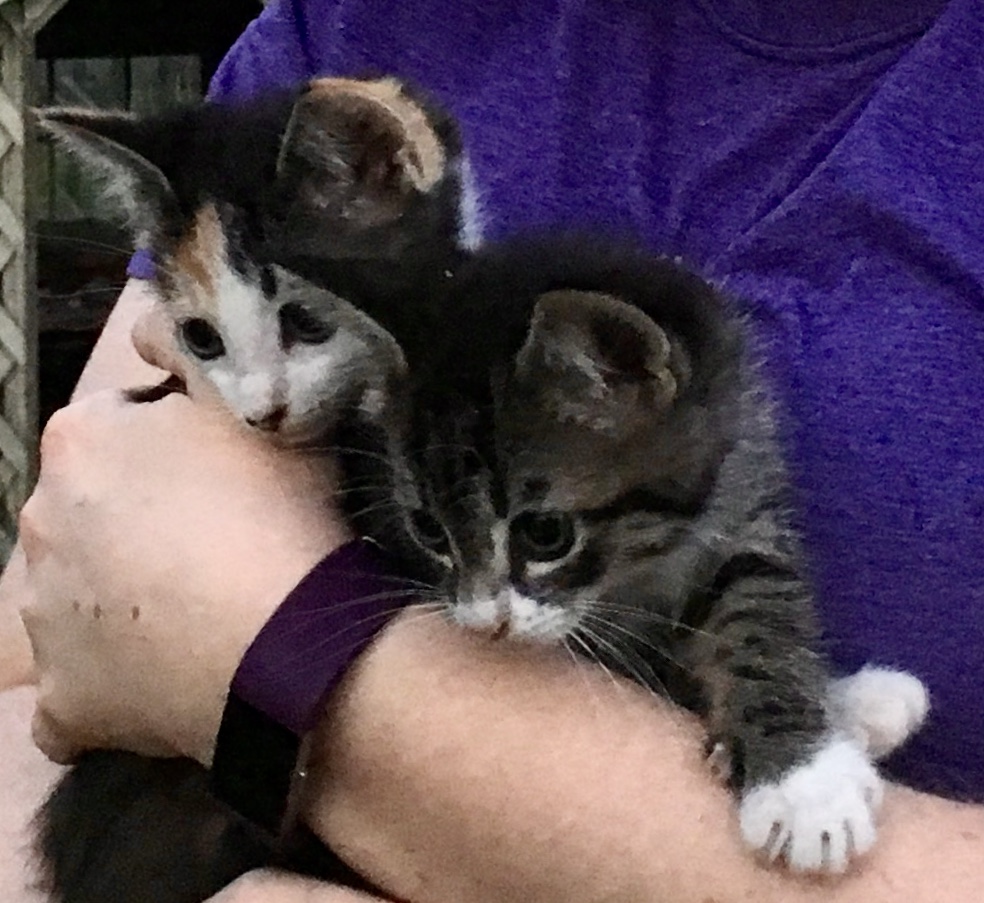
baby chicks; she finds kittens in the loft
and hands them down to me, safe beside
the ladder leading up to darkness.
I miss
her smile, her blue eyes, her biscuits and gravy,
but mostly her hands.
I push a pea into the earth,
feel her hands pushing me back. She’ll come in May,
she says, in long straight rows,
dancing in light green dresses.
~Linda Hasselstrom “Planting Peas”
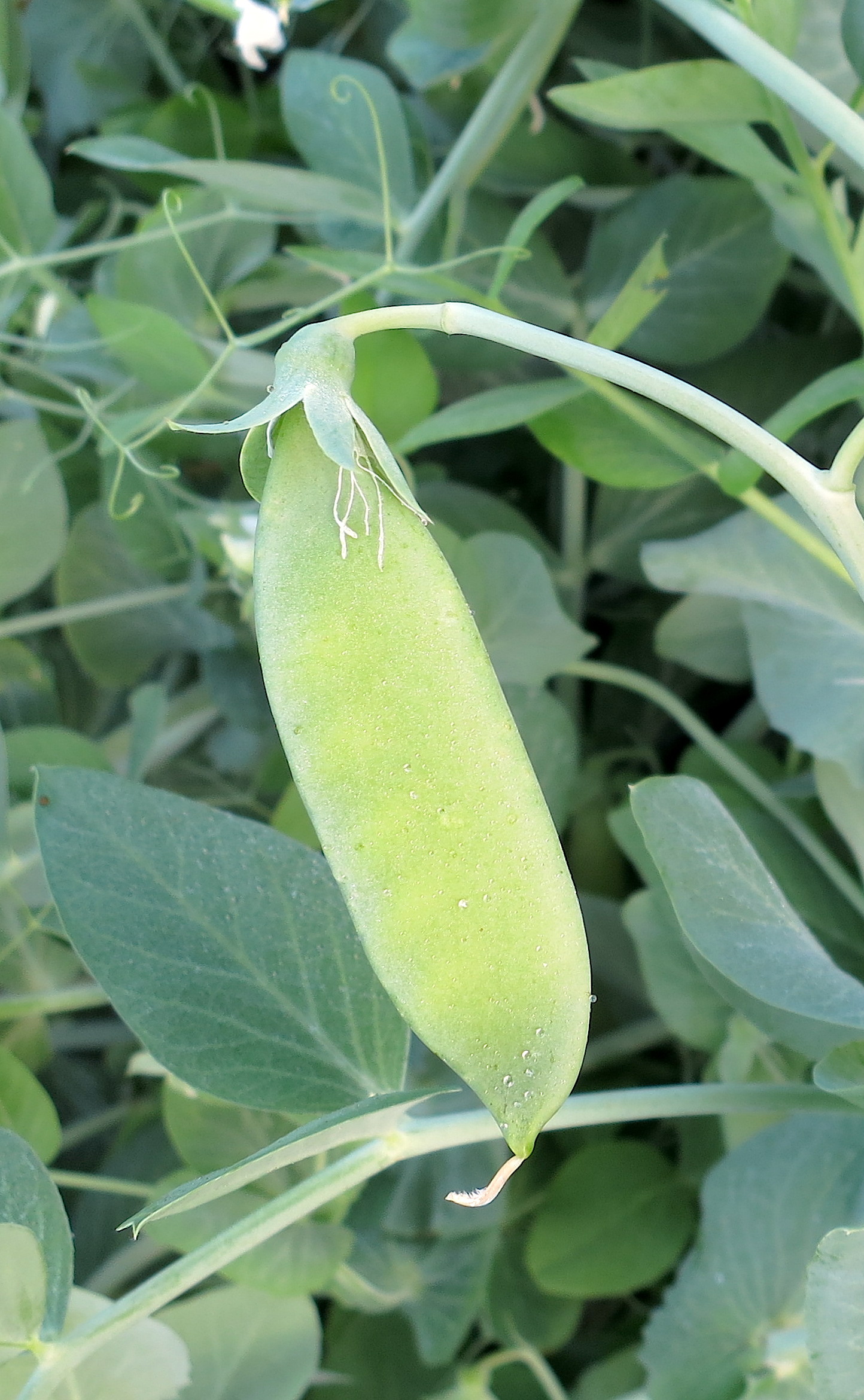
My earliest childhood memories include the taste and smell of fresh peas.  We lived in farming country north of Seattle where 50 years ago hundreds of acres of peas were grown for canning and freezing.  During the harvest, large pea harvesting machines would arrive for several days and travel down the road in caravans of 10 or 12, going from farm to farm to farm. They worked 24 hours a day to harvest as quickly as possible and traveled the roads late at night because they were so huge, they would take up both lanes of the country roads.  Inevitably a string of cars would form behind the pea harvesters, unable to pass, so it became a grand annual parade celebrating the humble pea.

The smell in the air when the fields were harvested was indescribable except to say it was most definitely a “green” and deliciously fresh smell.  The vines and pods would end up as silage for cattle and the peas would be separated to go to the cannery.  I figured those peas were destined for the city dwellers because in our back yard garden, we grew plenty of our own.

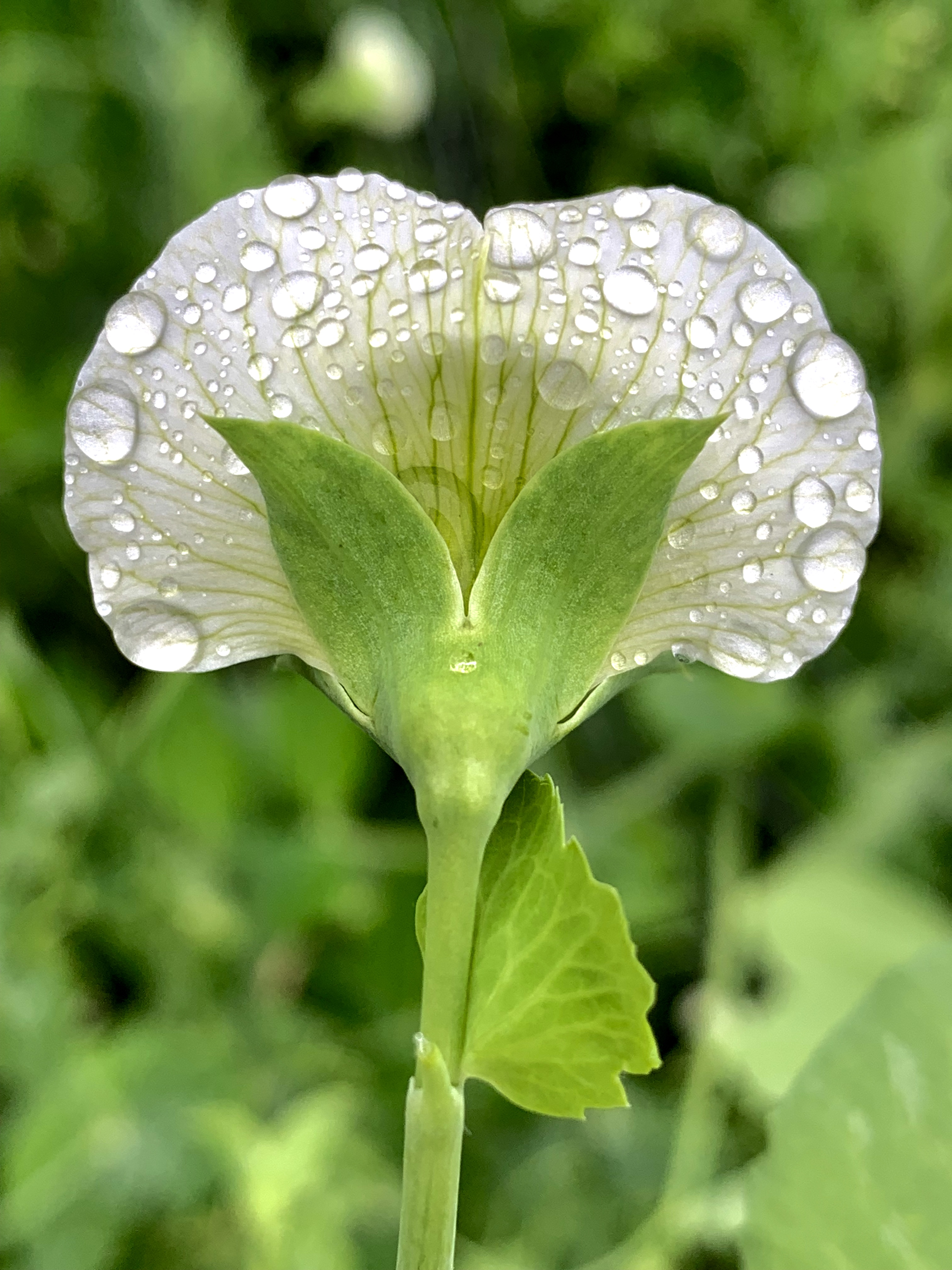
Pea seeds, wrinkled and frankly a little boring, could be planted even before the last frost was done with us in March, or even sometimes on Washington’s birthday in February.  The soil needed to not be frozen and not be sopping.  True, the seeds might sit still for a few weeks, unwilling to risk germination until the coast was clear and soil warmed a bit, but once they were up out of the ground, there was no stopping them.  We would generally have several rotations growing, in the hope of a 6 week pea eating season if we were fortunate, before the heat and worms claimed the vines and the pods.

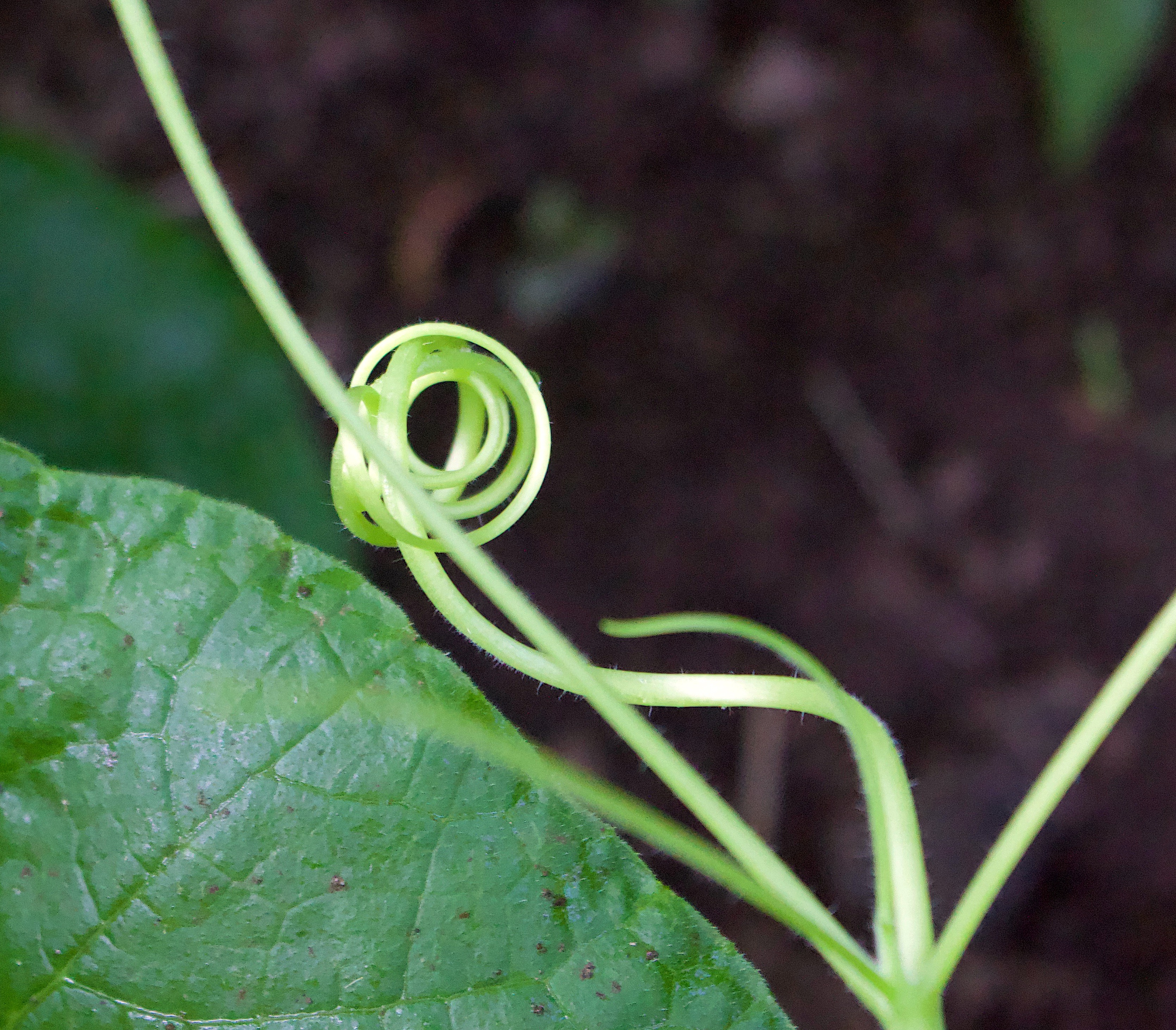
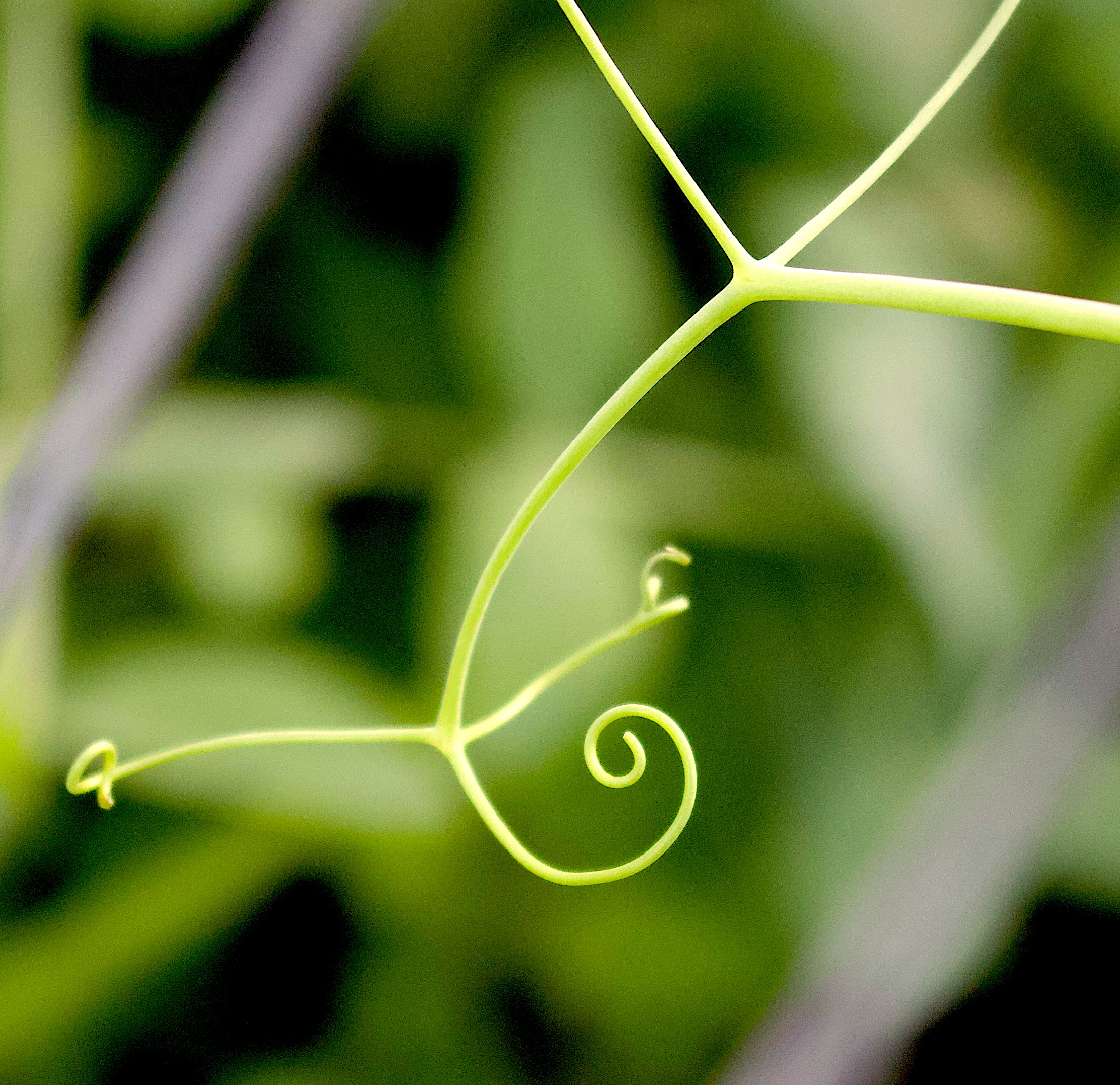
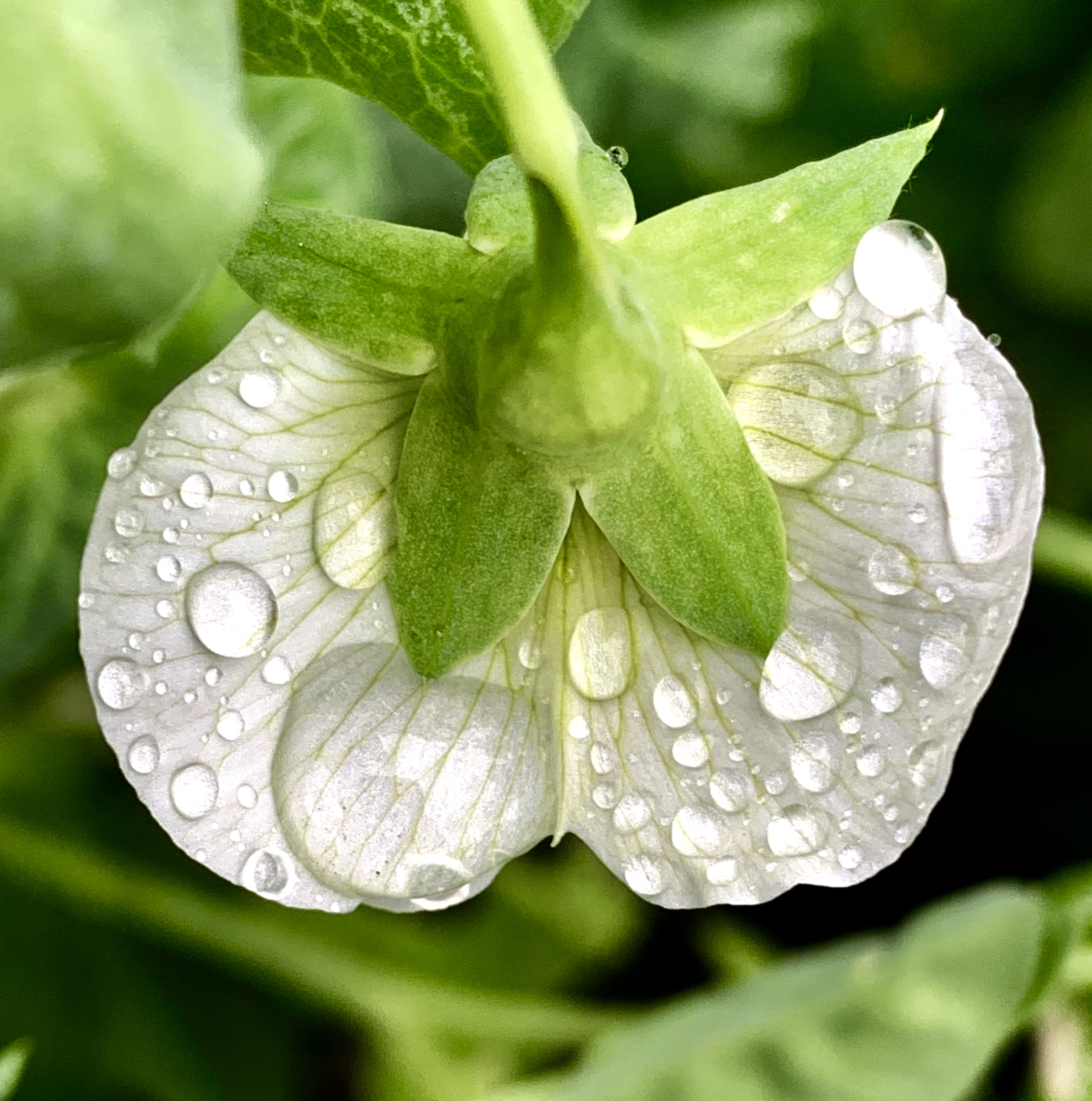
We always planted telephone peas, so the support of the vines was crucial–we used hay twine run up and down between two taut smooth wires attached high and low between two wooden posts.  The vines could climb 6 feet tall or better and it was fascinating to almost literally watch the pea tendrils wind their way around the strings (and each other), erotically clinging and wrapping themselves in their enthusiasm.

Once the pods start to form,  impatience begins.  I’d be out in the garden every day copping feels, looking for that first plump pod to pick and pop open.  It never failed that I would pick too soon, and open a pod to find only weenie little peas, barely with enough substance to taste.  Within a day or two, however, the harvest would be overwhelming, so we’d have to pick early in the morning while the peas were still cool from the night dew.

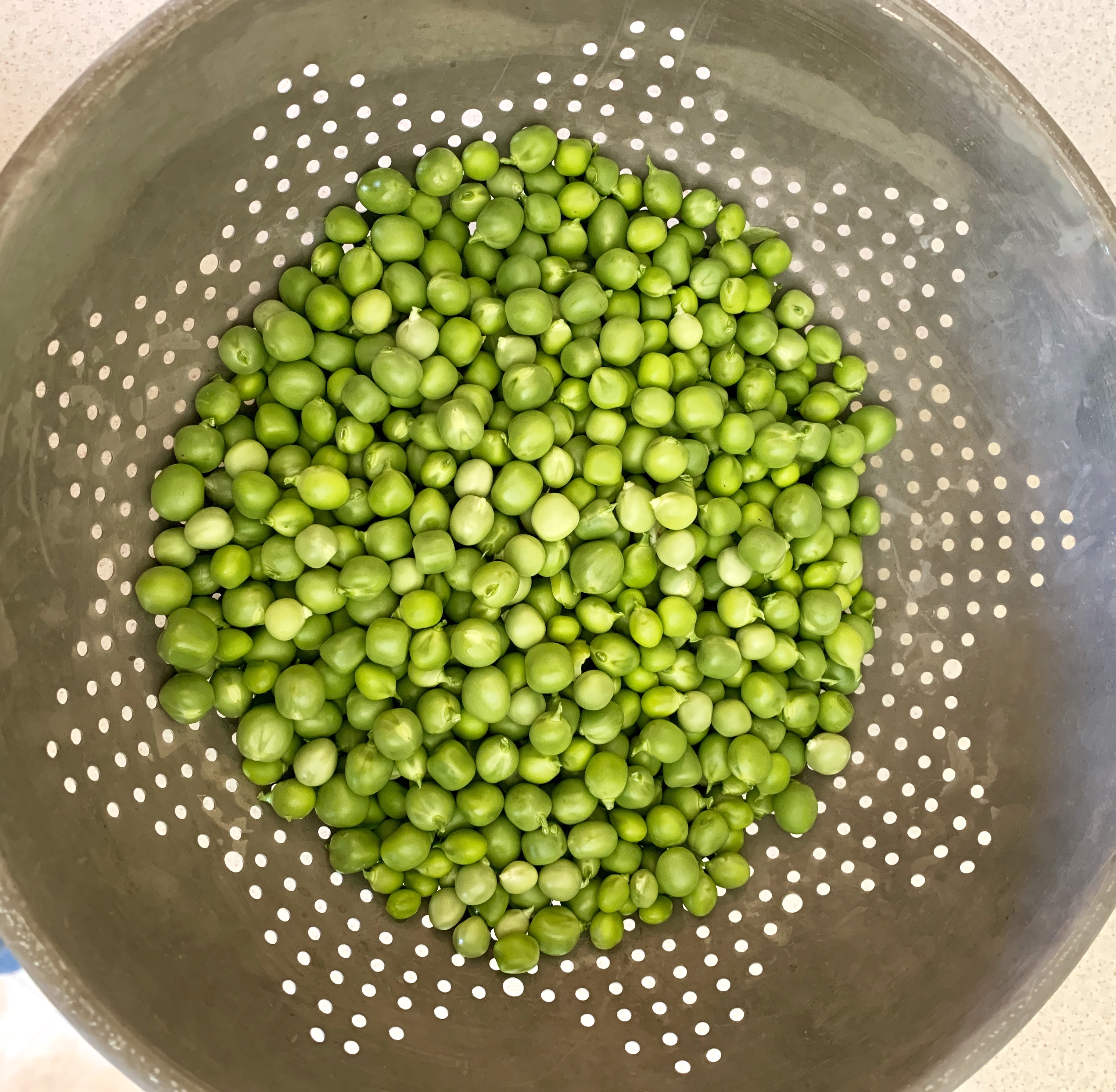
Then it was shelling time, which involved several siblings on a back porch, one mother supervising from a distance to make sure there weren’t too many peas being pelted in pique at an annoying little brother, and lots of bowls to catch the peas and the pods.  A big paper sack of intact pods would yield only a few cups of peas, so this was great labor for small yield.   Opening a pod of peas is extremely satisfying though;  there is a tiny audible “pop” when the pod is pressed at the bottom, and then as your thumb runs down the inner seam of the pod loosening all the peas, they make a dozen little “pings” in the bowl when they fall.  A symphony of pea shelling often accompanied by the Beach Boys and the Beatles.

Once the weather got hot, the pea worms would be at work in the pods, so then one encountered wiggly white larvae with little black heads and their webs inside the pods.  We actually had a “Wormie” song we sung when we found one, even in the 60’s recognizing that our organic garden meant sharing the harvest with crawling protein critters. The peas would be bored through, like a hollowed out jack o’lantern, so those got dumped in the discard bowl.

The dull green coat of the raw pea turns bright green during the several minutes of blanching in boiling water, then they are plunged into ice water until cool and packed in ziplock bags.  Those peas are welcomed to the table during the other 11 months out of the year, sometimes mixed with carrots, sometimes with mushrooms, sometimes chased with a little fresh garlic.  They are simply the most lovely food there is other than chocolate.

From an undistinguished pea seed to intricate vines and coiling tendrils–from pregnant pods bursting at the seams to a bounty at meals: the humble pea does indeed deserve a grand parade in the middle of the night and the close attention of only the best grandmas.
One-Time
Monthly
Yearly

Make a one-time or recurring donation to support daily Barnstorming posts

Make a monthly donation

Make a yearly donation

Choose an amount

¤5.00
¤10.00
¤20.00
¤5.00
¤15.00
¤100.00
¤5.00
¤15.00
¤100.00

Or enter a custom amount

¤

Your contribution is appreciated.

Your contribution is appreciated.

Your contribution is appreciated.

DonateDonate monthlyDonate yearly
Berries as Big as the End of Your Thumb

25993_580422063854_1907838202_n


thimbleberry5


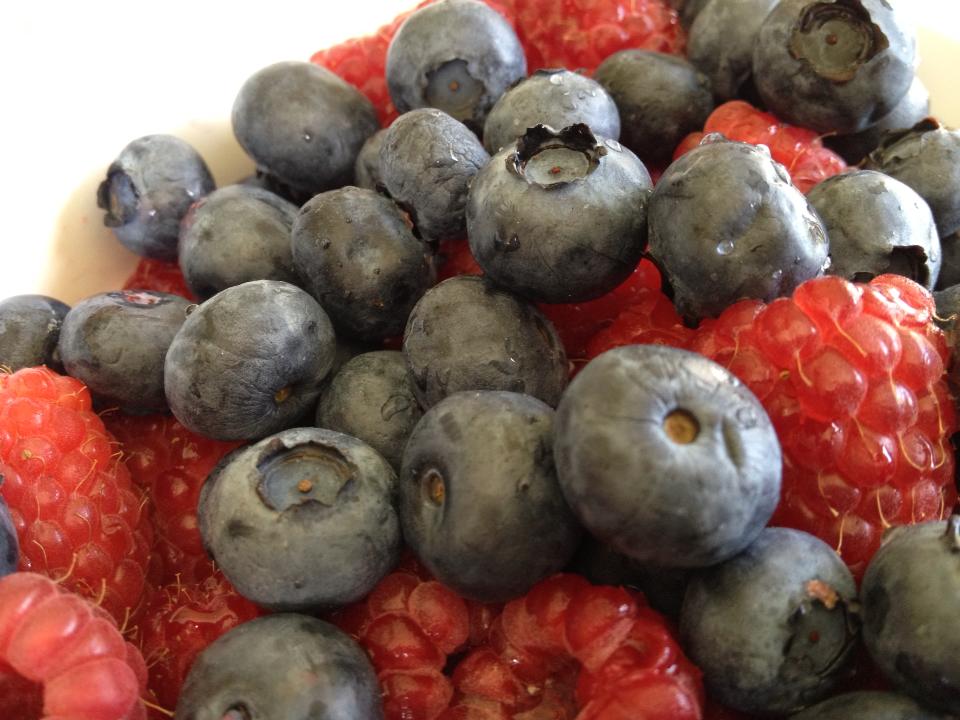
Blueberries as big as the end of your thumb,
Real sky-blue, and heavy, and ready to drum
In the cavernous pail of the first one to come!
And all ripe together, not some of them green
And some of them ripe!  You ought to have seen!

I wish I knew half what the flock of them know
Of where all the berries and other things grow,
Cranberries in bogs and raspberries on top
Of the boulder-strewn mountain, and when they will crop.
~Robert Frost from “Blueberries”


thimbleberry7181


raspberry


augustberry


cherrycrop2018


blackberryweb


We live in the middle of a county with bountiful berries this time of year, both wild and farmed.

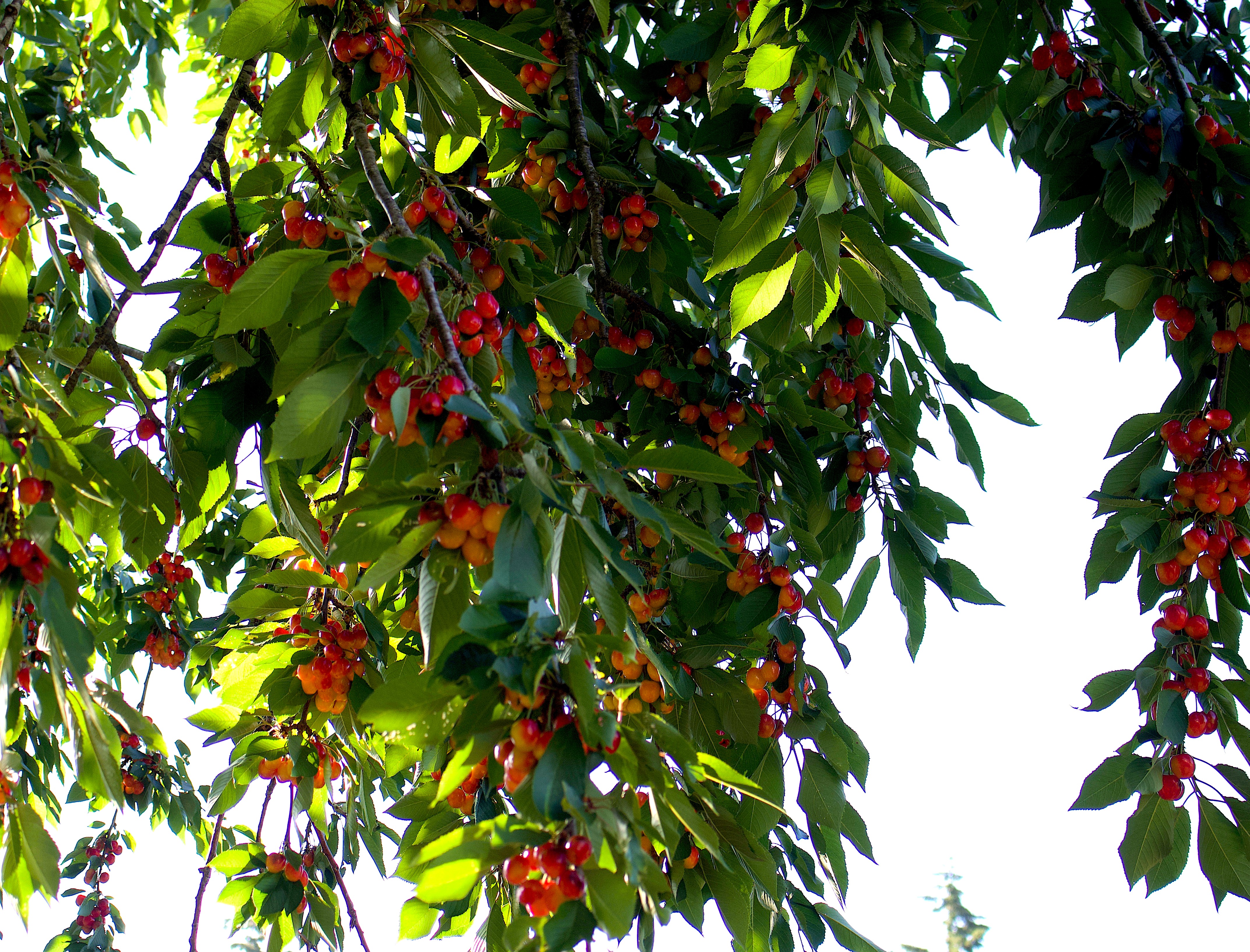
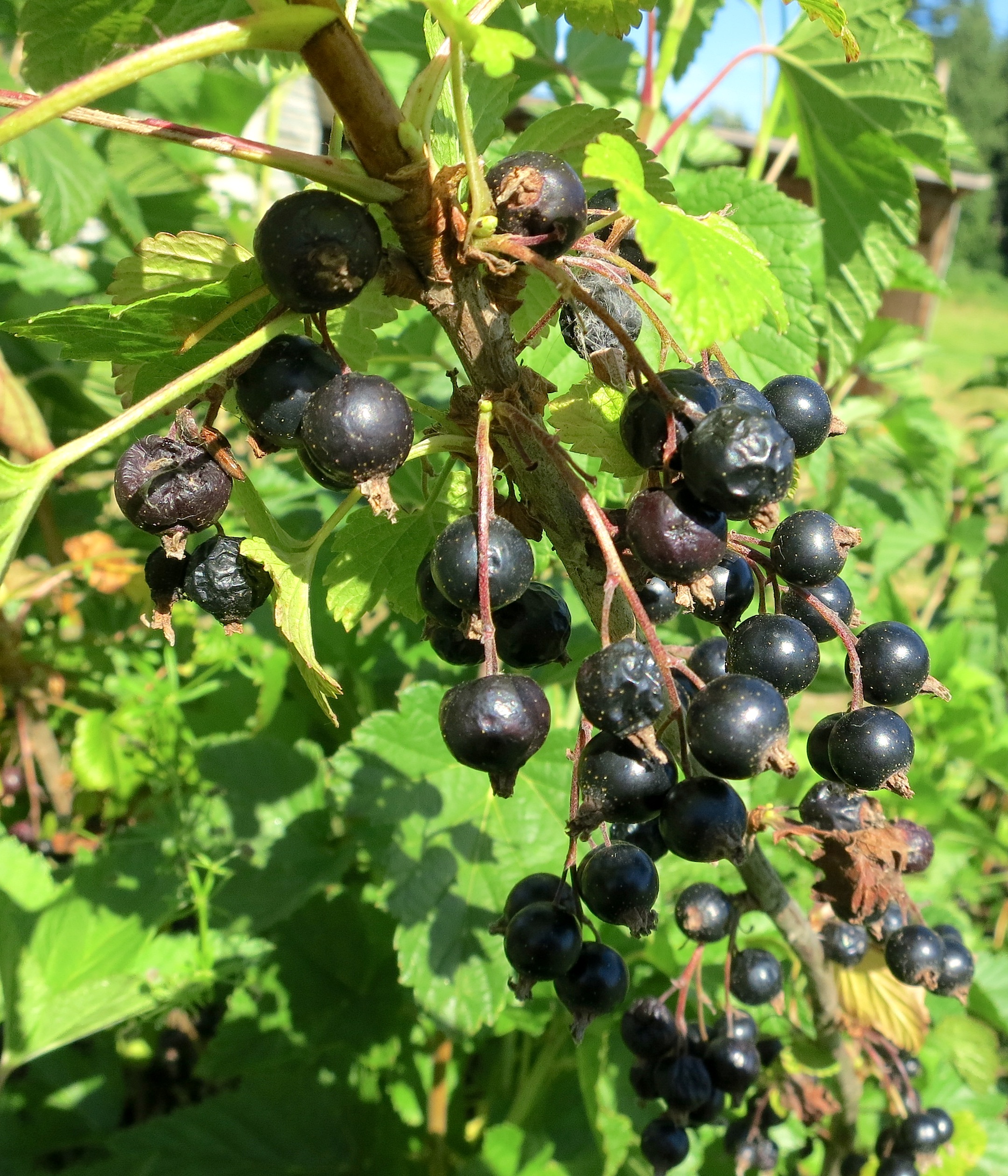
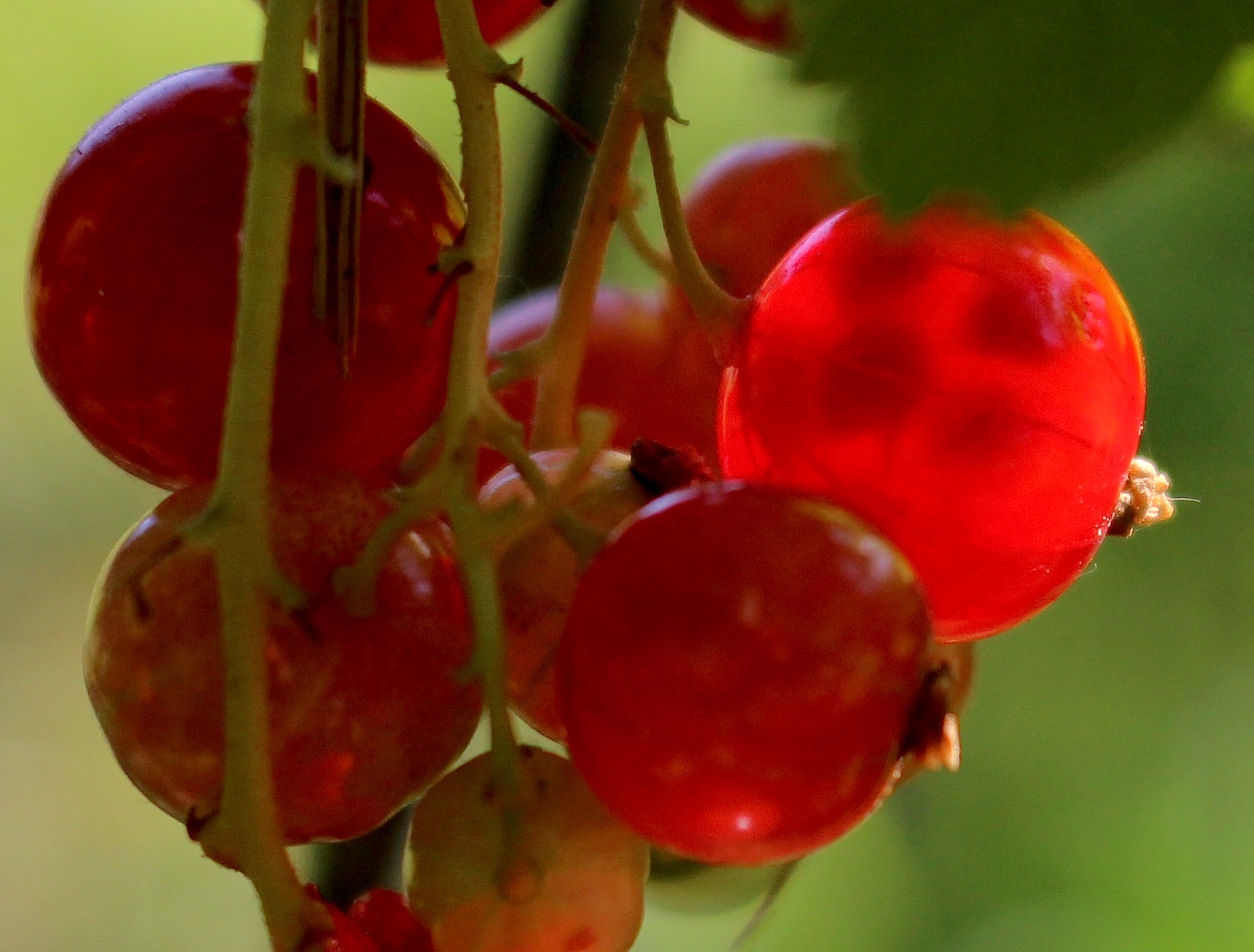
Just as sweet cherries are disappearing from the orchards and strawberry harvest finished a few weeks ago, now raspberries are going strong for almost three weeks and blueberries are hanging in heavy branch-busting clusters begging for relief.  Domesticated marion blackberries are already in the berry stands, but the wild evergreen and Himalaya wild blackberries are about two weeks from harvesting.  Local currants are shiny and glistening.  There are only a few cranberry bogs left in our area, hampered by marketing issues that favor New England’s crop.

It is truly a miracle to live within a few miles of all this lovely fruit, with many of them growing wild in our own back yards and woodlands.

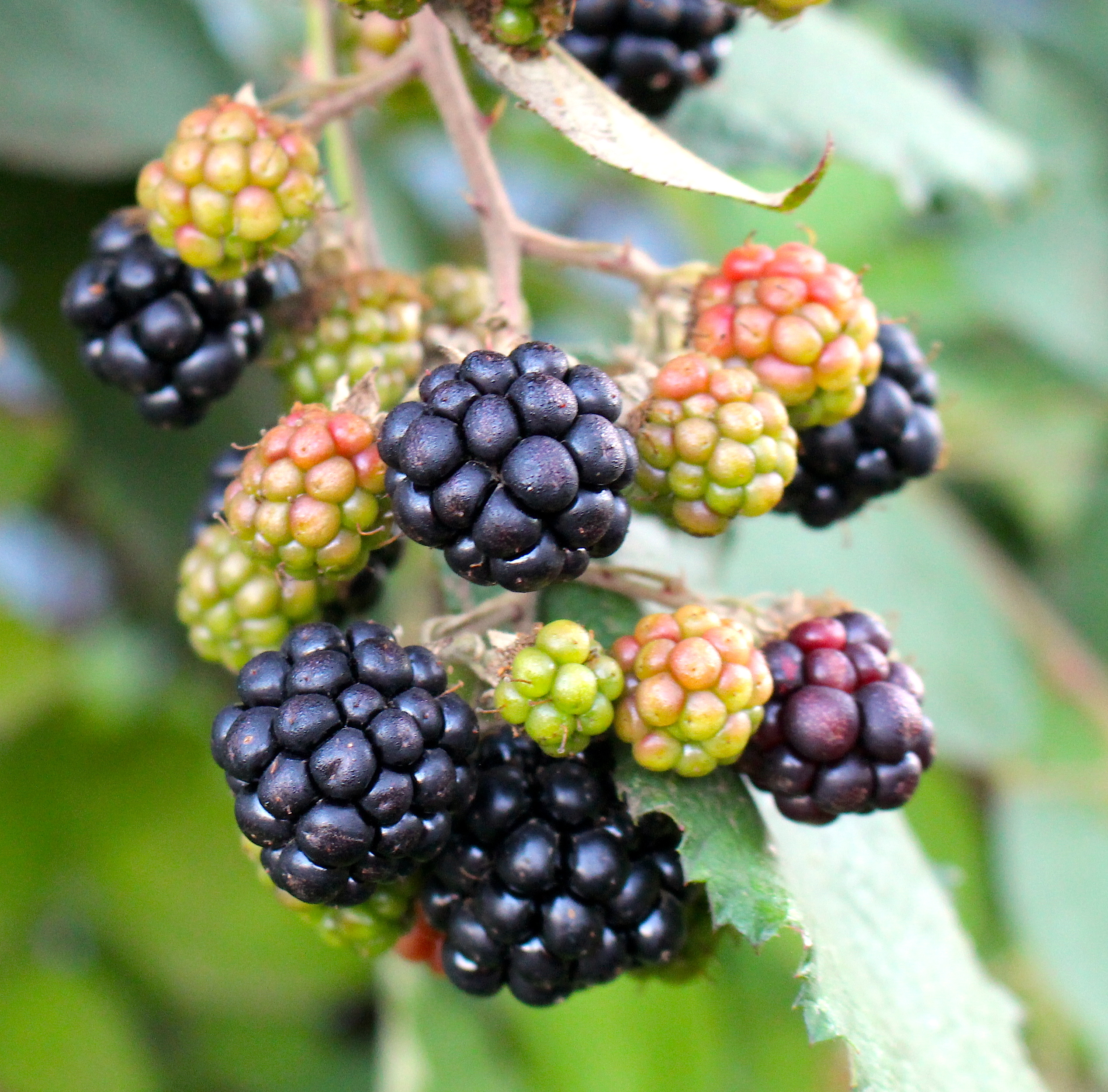
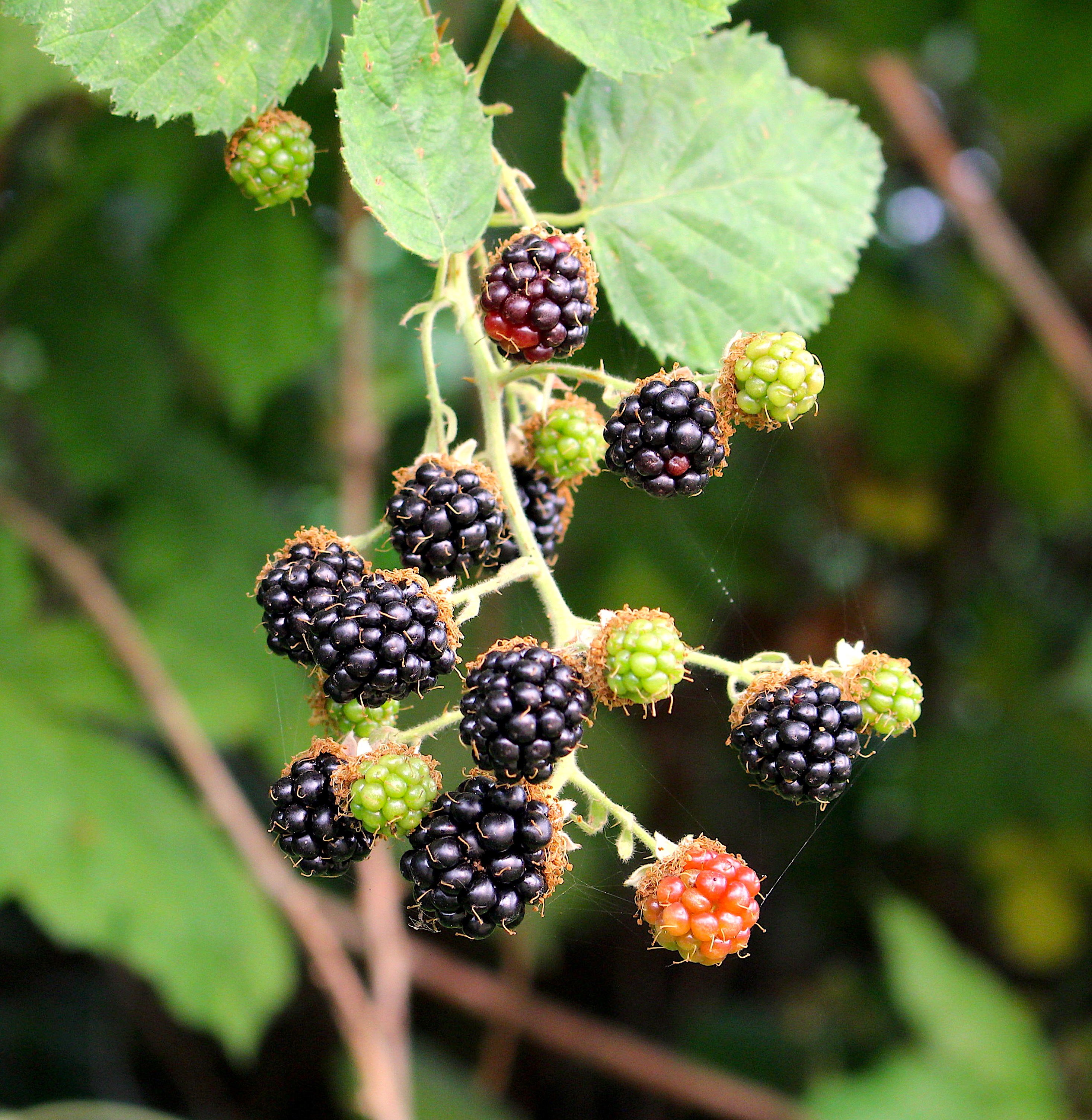
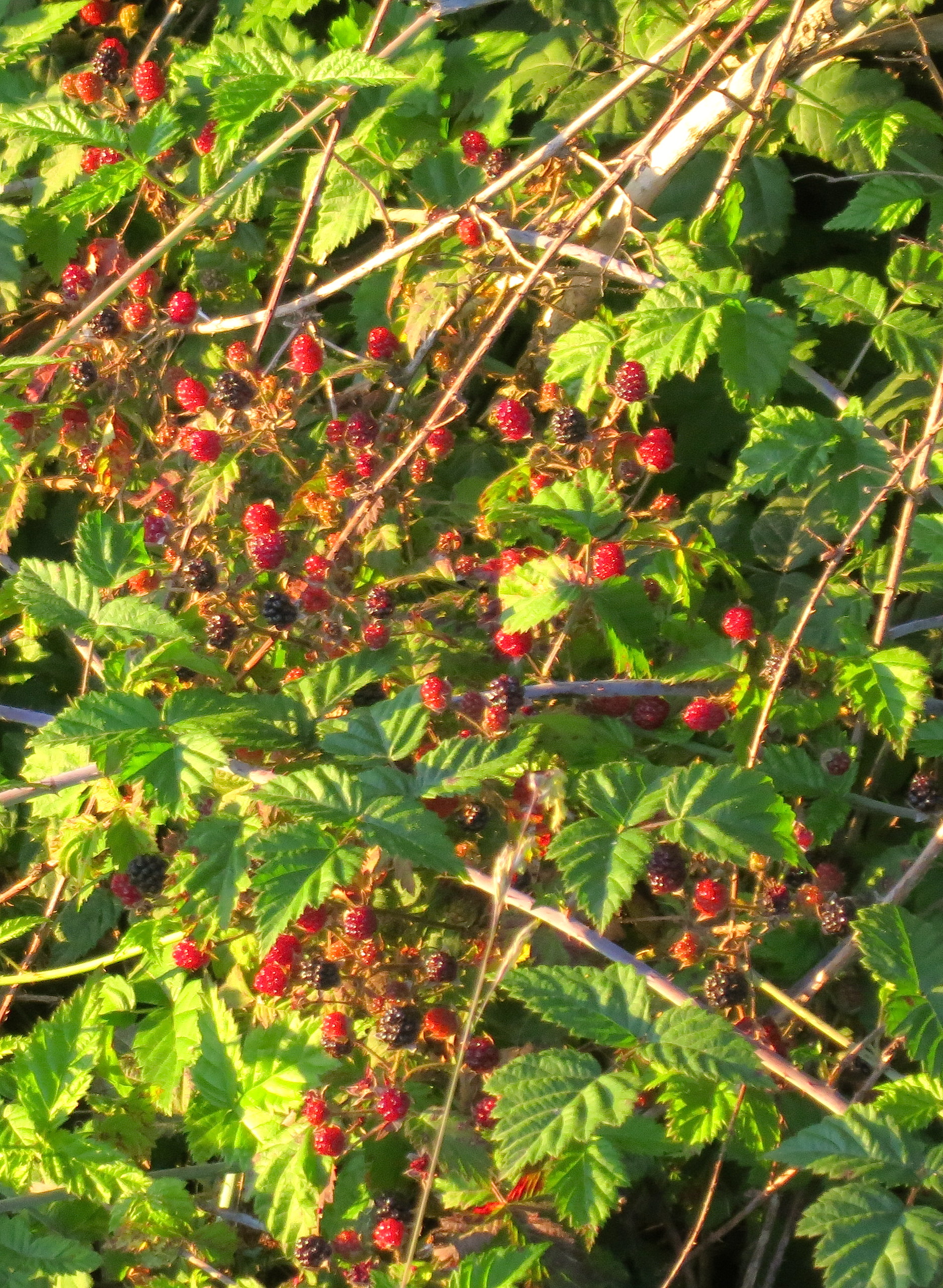
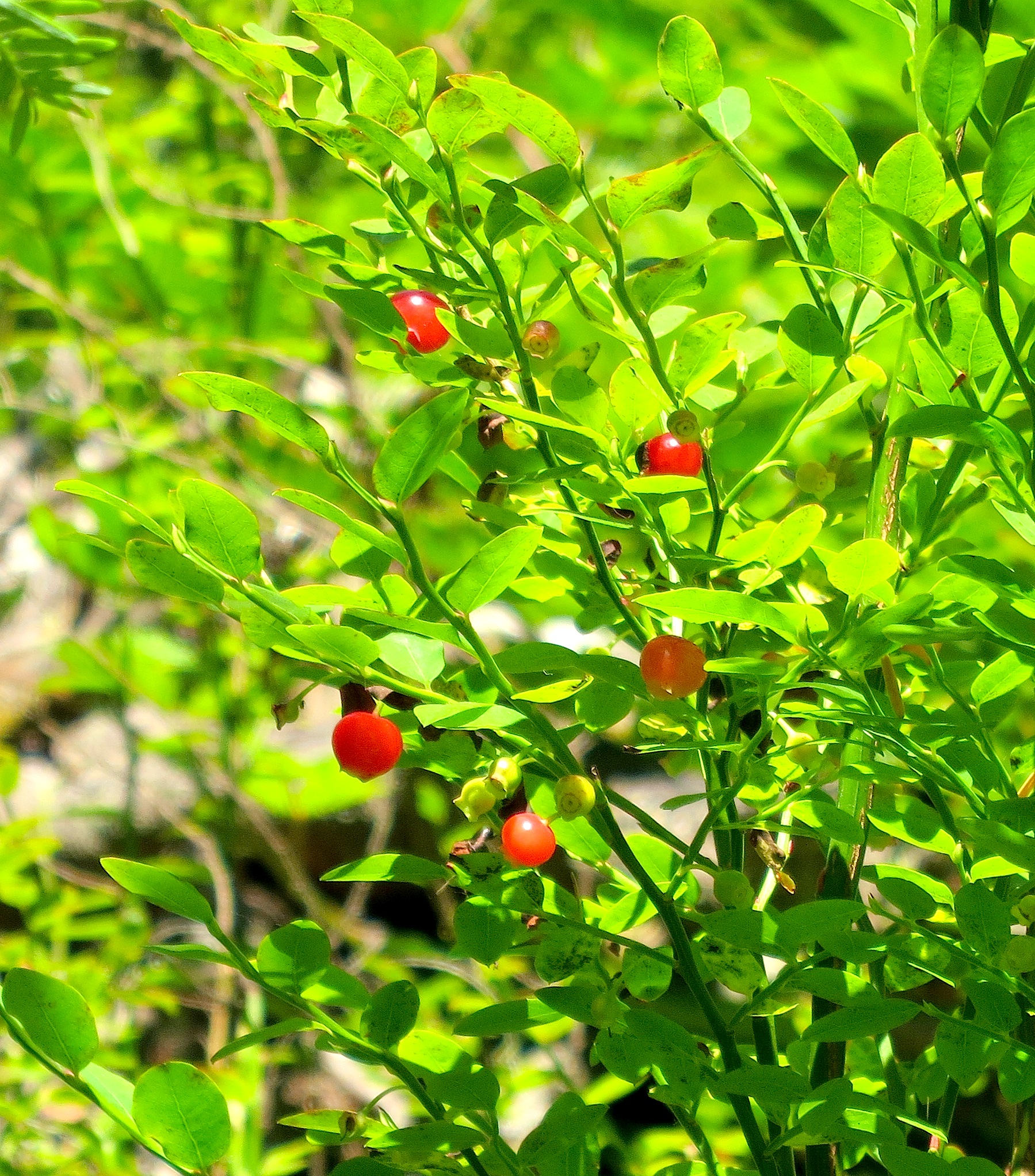
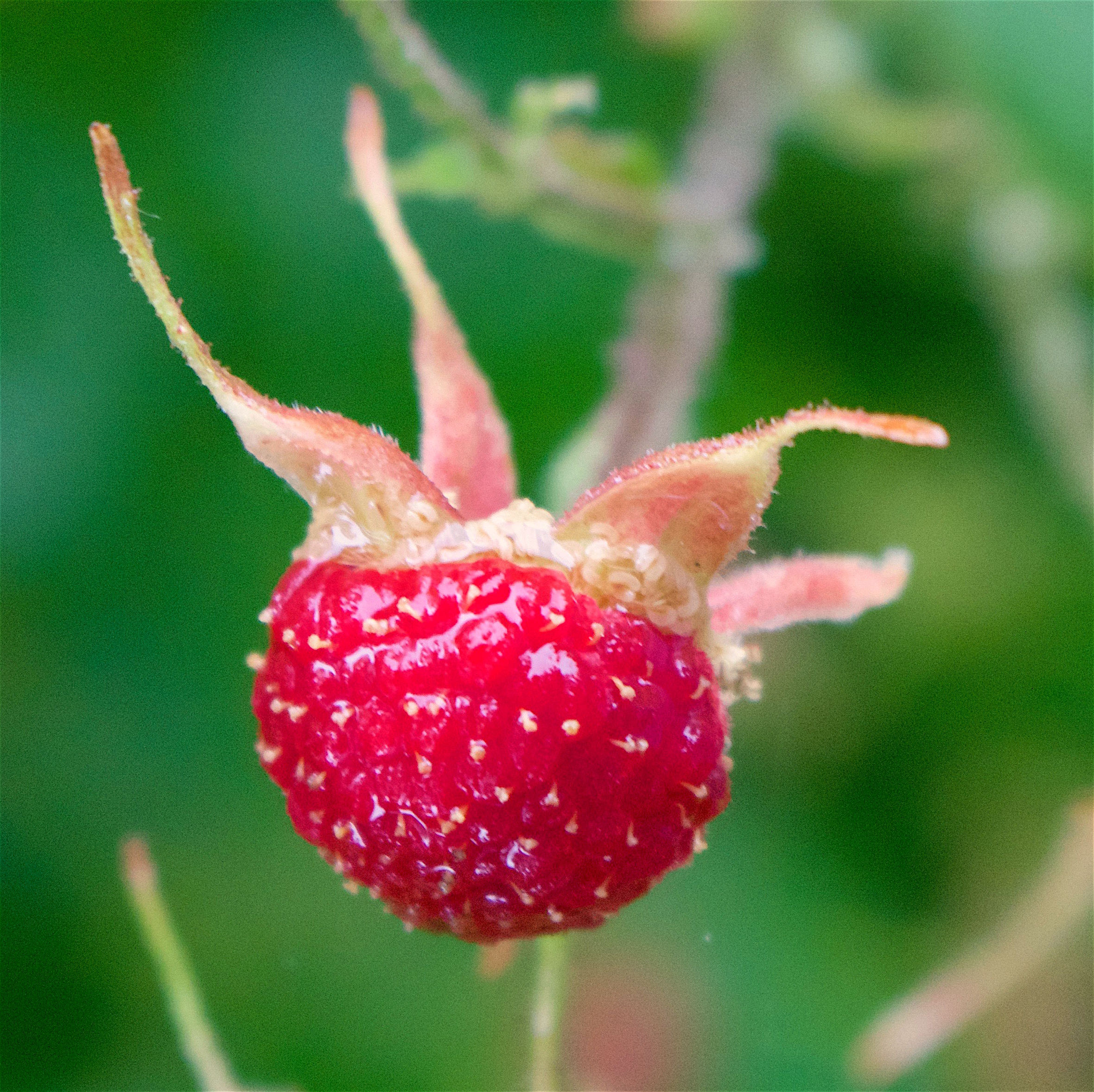
There are still wild strawberries in close-to-the-ground crawling vines with little roundish-shaped berries with a slightly tart taste, far more savory than the standard sweet juice laden market strawberry.  Thimble berries hang from wild bushes – salmon colored, red and black varieties.  Orange huckleberries grow wild in the low lands, and purple huckleberries are happiest up in the foothills, a great treasure find for hikers.  Most highly prized, however, are the sweet tiny wild blackberries that are ripening on gentle winding vines right now at the edges of the woods and fences, as well as in roadside ditches or around tree stumps.  They command huge prices per pound because it takes such effort to find and pick them.

As a child of the Pacific Northwest, growing up on a farm with both wild and domesticated berry vines and bushes, this was simply part of summer as I knew it.  I watched the blossoms, then the forming fruit, then watched as the color would get just right, waiting to pick until the precise moment of ripeness before the birds would beat me to it.  I also picked in the local fields as a summer job, including wild blackberries from our own woods, for 3 cents a pound.  For the sweet wild blackberries, a yield of 75 cents was an exceptionally great day.

I preferred blueberry picking most of all.  When I now put a blueberry in my mouth, I transport back to those summer days that started at 6 AM, walking down the road to the neighbor’s berry field with pungent smelling peat ground converted from swamp to productive berry farm before the legislation that now prevents messing with wetlands.  The bushes were tall, towering over my head, providing shade in the hot sweaty July  sun.  The berry clusters were easy to find, there were no thorns to shred sleeves and skin, and the berries made a very satisfying *plink* when they hit the empty pail.  They didn’t smush, or bruise, and didn’t harbor many bees, spider webs or ugly bugs.  They were refreshingly sweet and rejuvenating when a quick snack was in order.   I wasn’t even aware, as I am now, that blueberries contain anthocyanins and other antioxidant chemicals believed to be helpful in preventing the growth of cancer cells.   In short, blueberries were perfect then, and they are perfect now.

There are now so many raspberry and blueberry fields in our county,  the price per pound has dropped and the market is shaky.  A few years ago one farmer put a full page ad in the local newspaper today, begging the public to come pick his ripe blueberries at 99 cents a pound, just to get them off his bushes.  I stopped by another farm’s roadside stand and chatted with the Sikh owner and his three young sons as they measured out my 5 pounds of luscious blueberries.  He was philosophical about the low prices, explaining he was a patient man, and he hoped the bushes would yield blue gold for his family for a very long time, even if some years are low price years.

Some raspberry farmers aren’t feeling so optimistic this year as their primary corporate buyer backed out at the last minute, and the fragile berries are just falling off the bushes for lack of a place to be processed.  Sadly, it is possible some berry fields will be torn out and converted to some other crop with more certain market potential.

As a fellow farmer, I am aware of how one’s carefully tended crops can go to waste, whether it is due to weather or pests or the vagaries of the market.  I hope our berry farmers can persist through the hard times so the exquisite perfection of a local berry bounty can continue in such variety of colors, shapes and sizes, even some as big as the end of your thumb.


mountainblackberry


blackcurrant


currant615


redcurrant61115


huckleberry

Preparing Through Parable: Who Will Get What You Have Prepared?

snowybarn0


barnstorm


16 And he told them this parable: “The ground of a certain rich man yielded an abundant harvest. 17 He thought to himself, ‘What shall I do? I have no place to store my crops.’

18 “Then he said, ‘This is what I’ll do. I will tear down my barns and build bigger ones, and there I will store my surplus grain. 19 And I’ll say to myself, “You have plenty of grain laid up for many years. Take life easy; eat, drink and be merry.”’

20 “But God said to him, ‘You fool! This very night your life will be demanded from you. Then who will get what you have prepared for yourself?’

21 “This is how it will be with whoever stores up things for themselves but is not rich toward God.”
~Luke 12:16-21


aprilbarnscene3


We boomers were raised to work hard, steward the land, store up the excess for lean times; after all we grew up with Depression-era parents who understood first-hand the ant and grasshopper story.

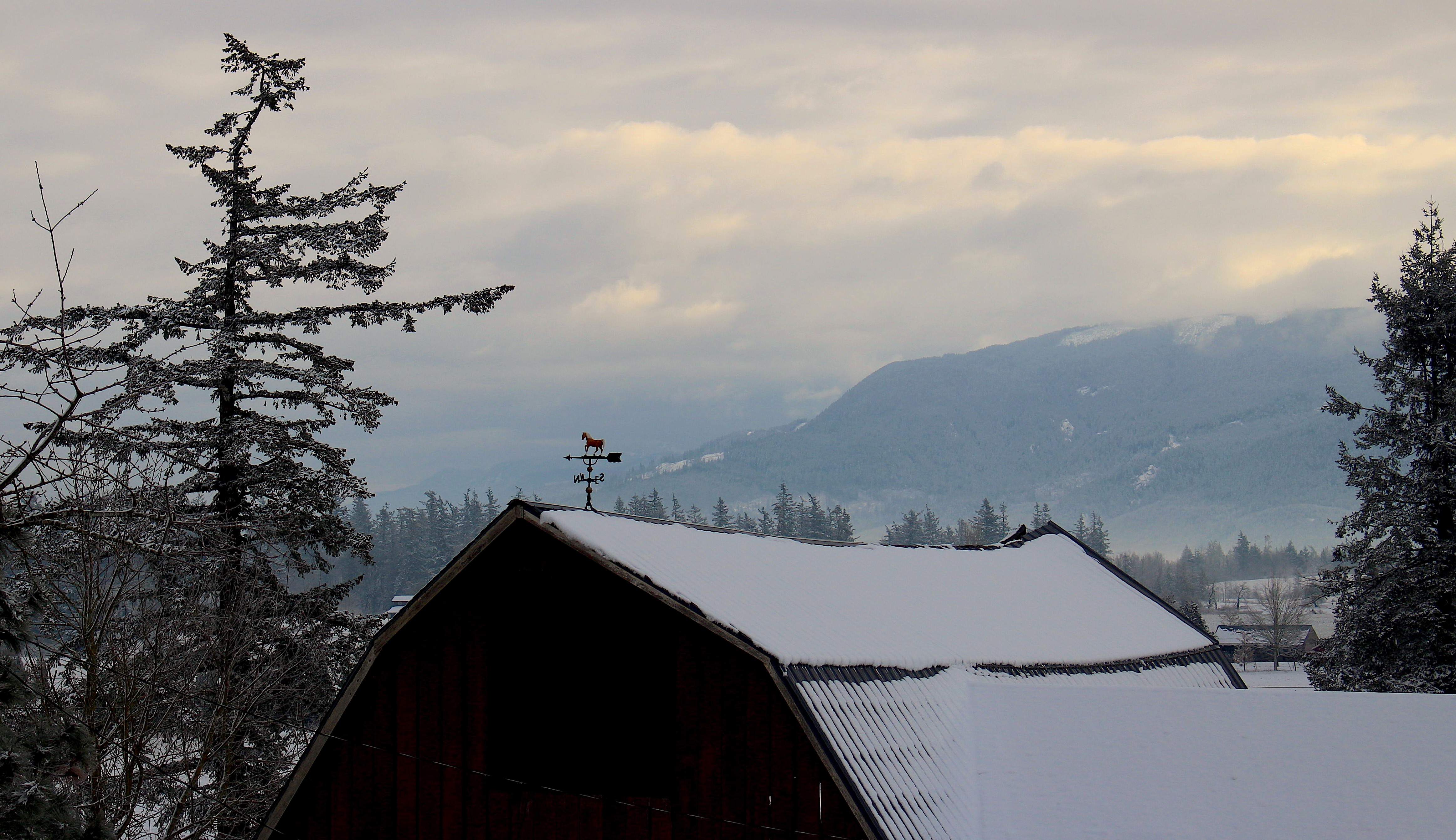
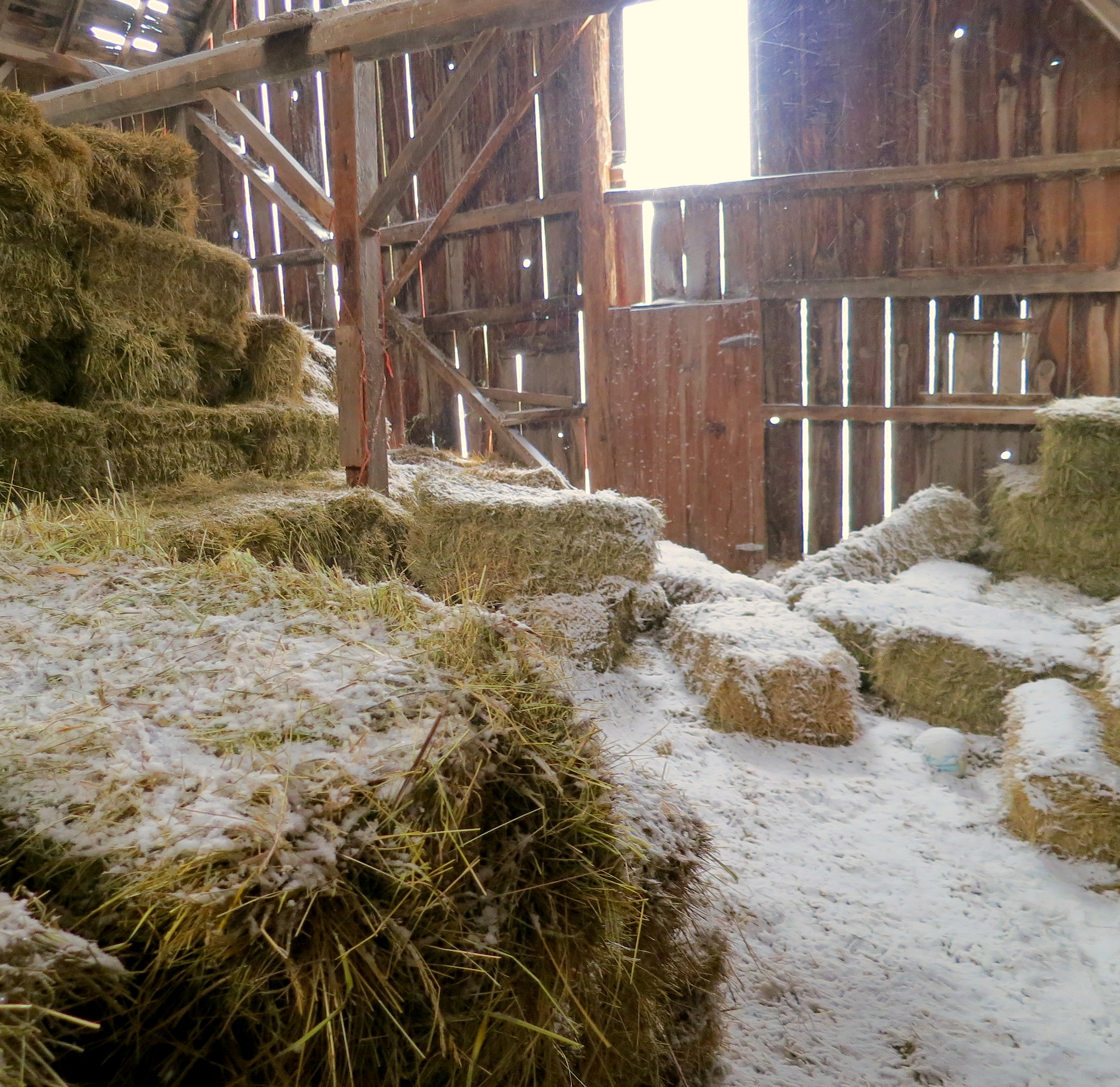
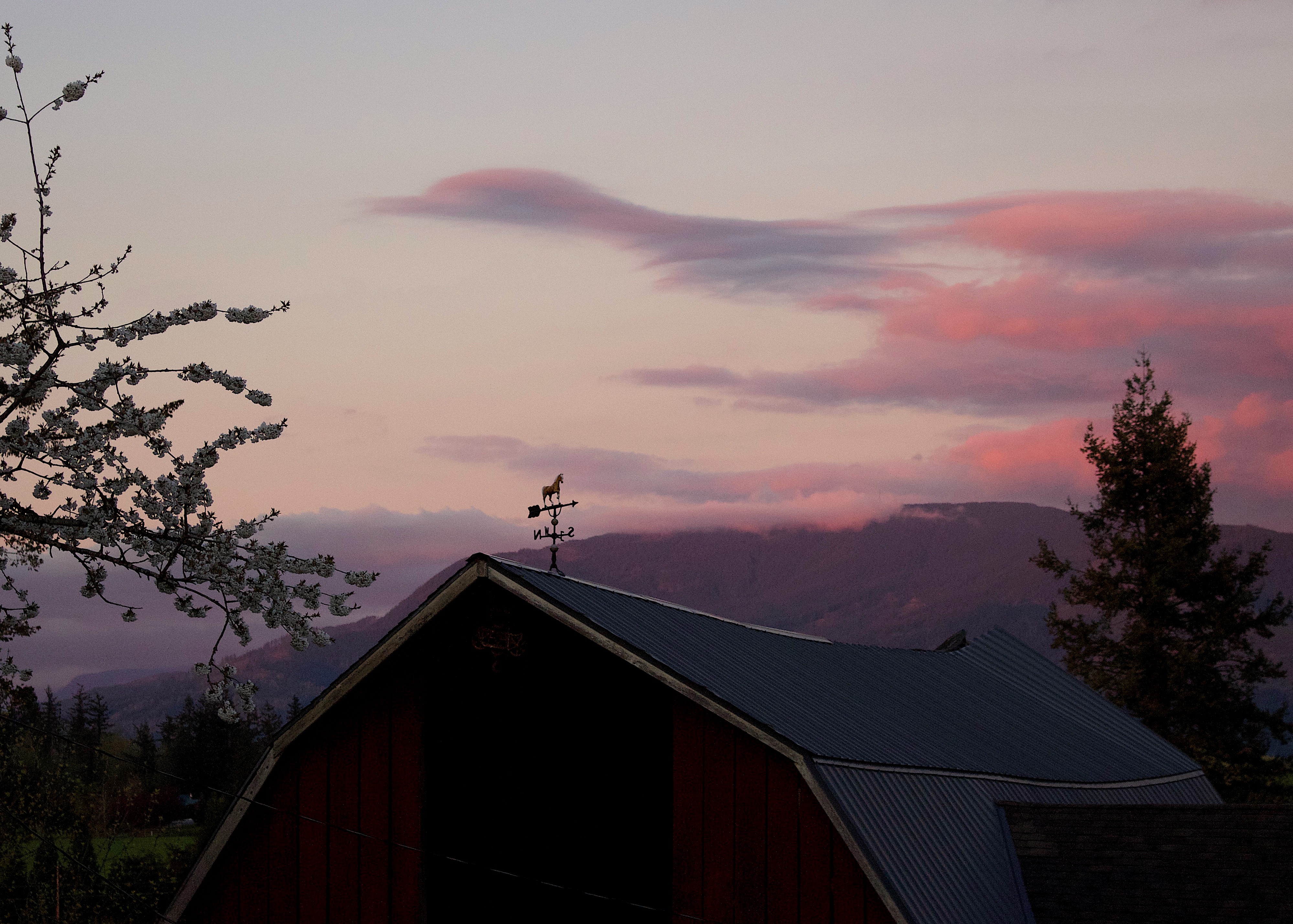
Yet this parable is about the wealthy fool who plans to build bigger barns to store his bounty and enjoy a leisurely retirement only to be told by God that his life would end that night.

Who would then benefit from such a carefully planned storehouse of riches?  We are reminded from where our blessings flow.

It is not for ourselves that we work hard and store up; it is solely to be a blessing to others.

May my eyes see, my ears hear, my heart understand.  He prepares me with parable.


barnsunsetcentral


And God is able to provide you with every blessing in abundance, so that having all contentment in all things at all times, you may abound in every good work.
~2 Corinthians 9:8


barn81416


Plum-Tuckered

plums2017


plumrain


And somehow <she> thrived anyway–the blossom of our family,
like one of those miraculous fruit trees that taps into an invisible vein of nurture
and bears radiant bushels of plums while the trees around it merely go on living.

~Barbara Kingsolver in Animal Dreams


silverplums


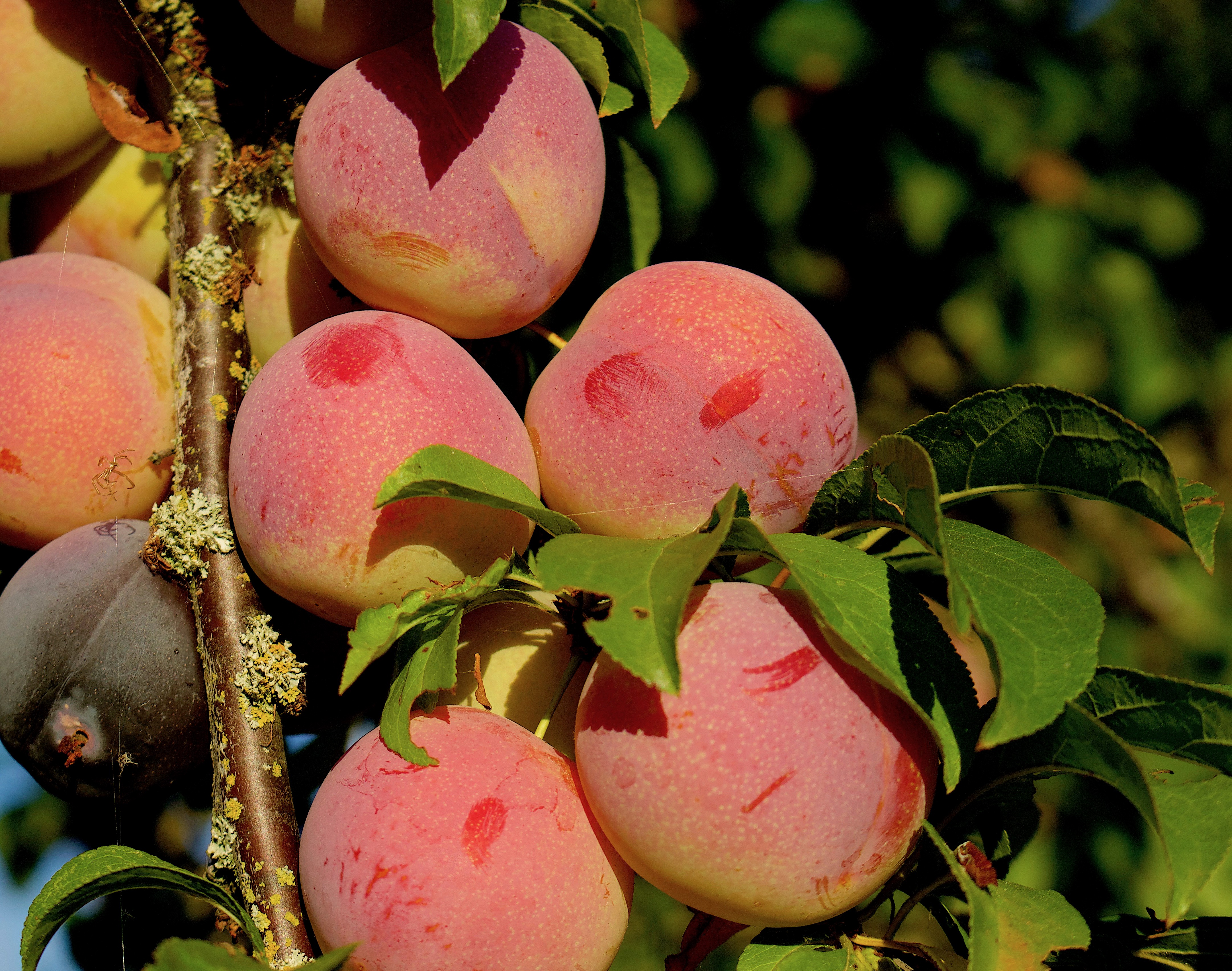
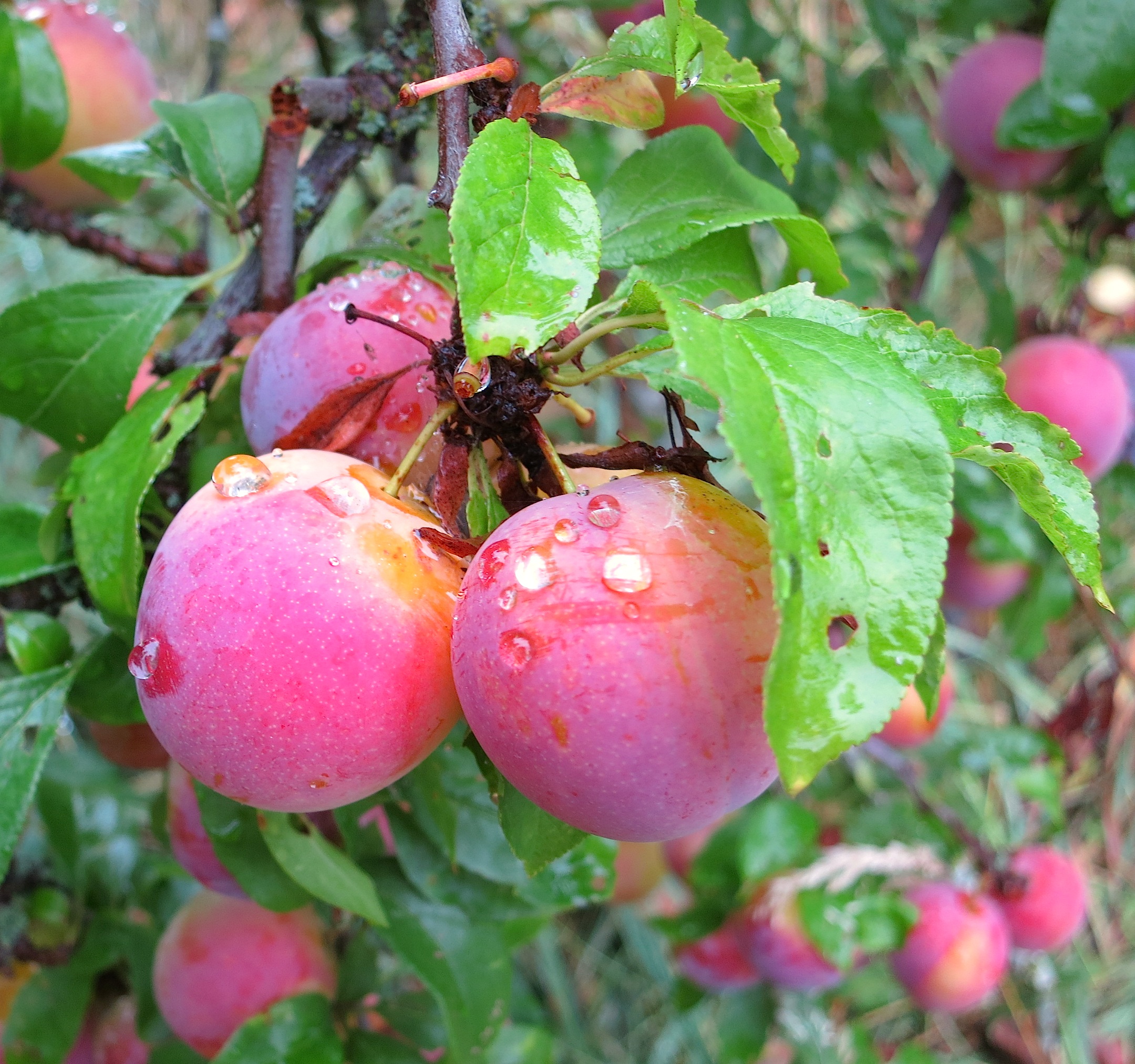
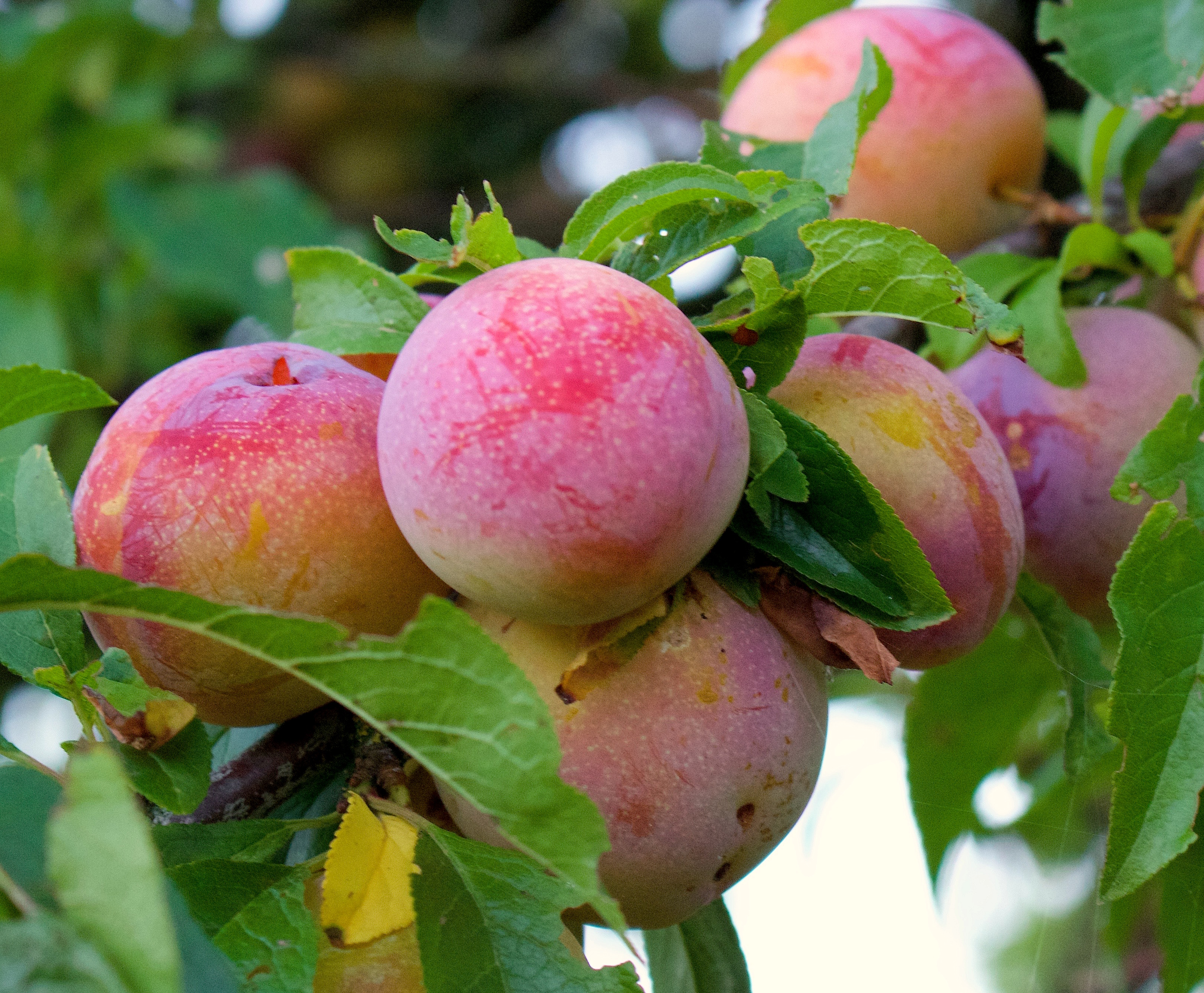
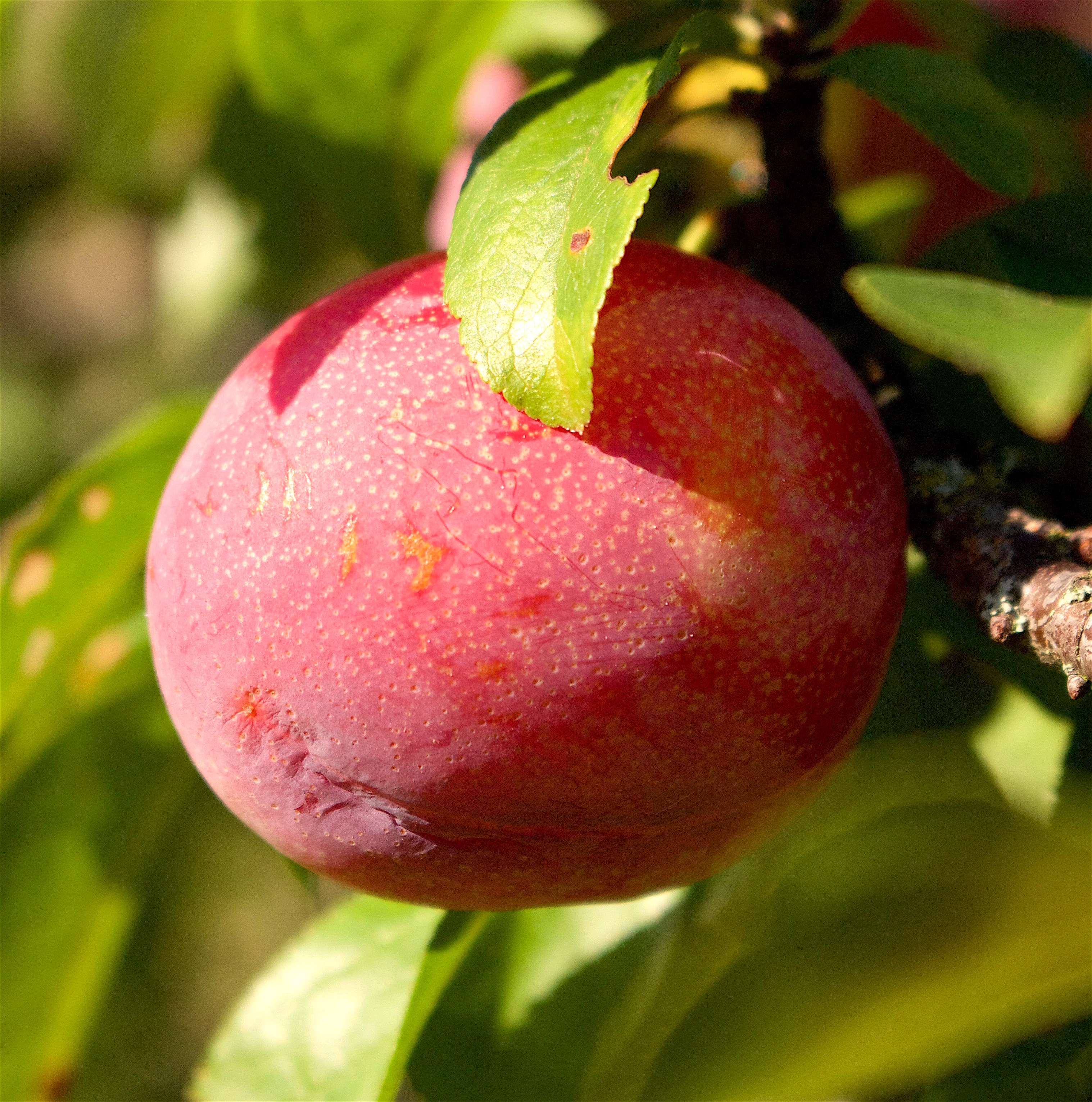
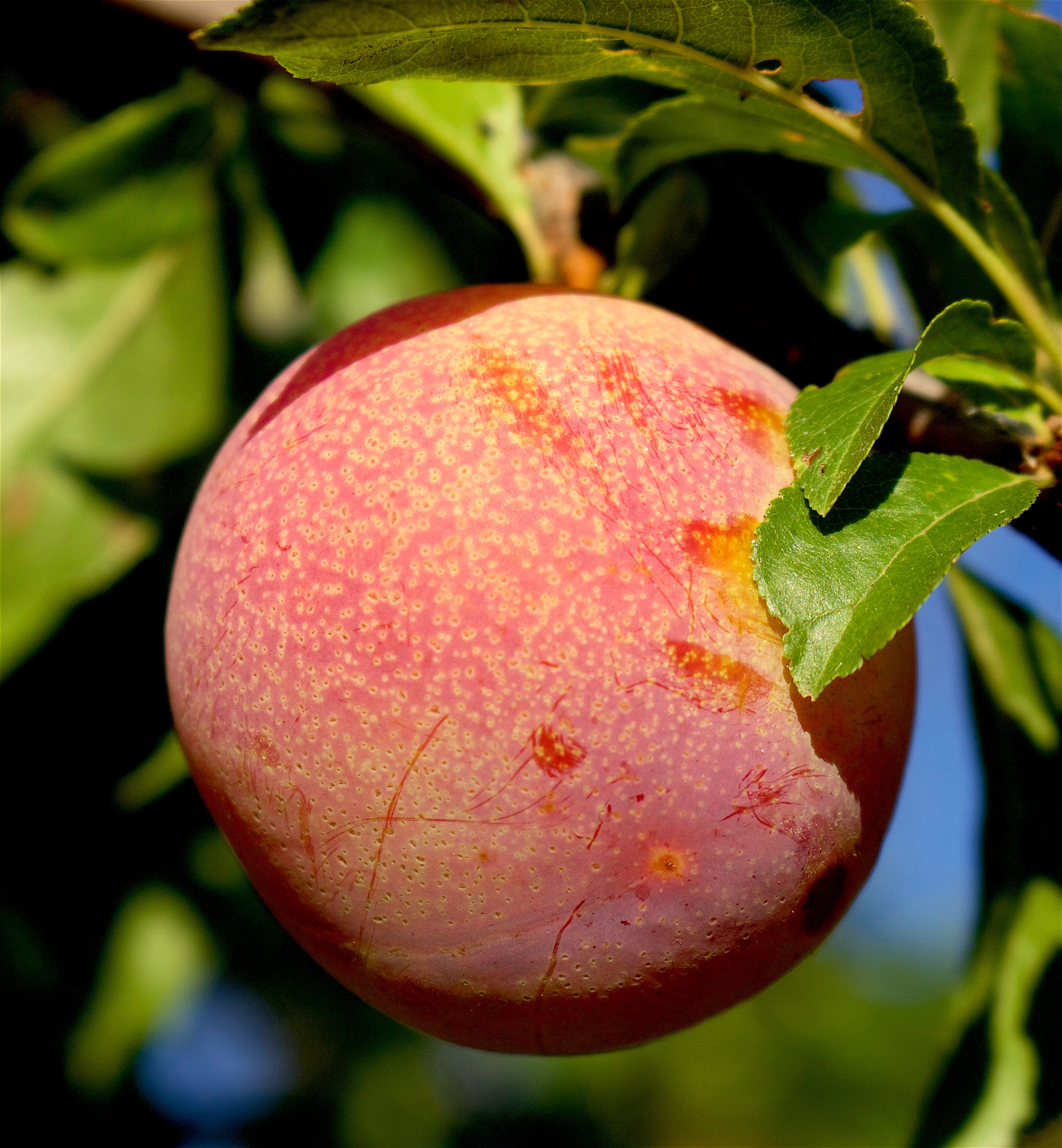
There is a plum tree on our farm that is so plain and unassuming much of the year that I nearly forget that it is there.  It is a bit off by itself away from the other fruit trees; I have to make a point of paying attention to it otherwise it just blends into the background.

Despite not being noticed or having any special care, this tree thrives.  In the spring it is one of the first to bud out into a cloud of white blossoms with a faint sweet scent.  Every summer it is a coin toss whether it will decide to bear fruit or not.  Some years–not at all, not a single plum.  Other years, like this one, it is positively glowing with plum harvest– each a golden oval with a pink blush.   These plums are extraordinarily honey flavored and juicy, a pleasure to eat right off the tree if you don’t mind getting past a bitter skin and an even more bitter pit inside.   This is a beauty with a bite — sweet surrounded by bitter.

I think the tree secretly grins when it sees puckering taking place all around it.

This tree is a lot like some people I know: most of the time barely noticeable, hanging on the periphery,  fairly reserved and unobtrusive.  But when roots go deep and the nourishment is substantial,  they bear a bounty of fruit, no doing things half-way.   The feast is plentiful and abundant, the meal glorious despite the hint of sour.  Maybe it is even more glorious because of sweet within bitter.

If “tucker” describes a great down-home meal, then being “plum-tuckered” would be eating our fill of the bitter-sweet.  Even when the bitter in this life is plentiful,  the sweet will always overwhelm and overcome.


plum8161


plum8162