Dripping Sleep

rain2

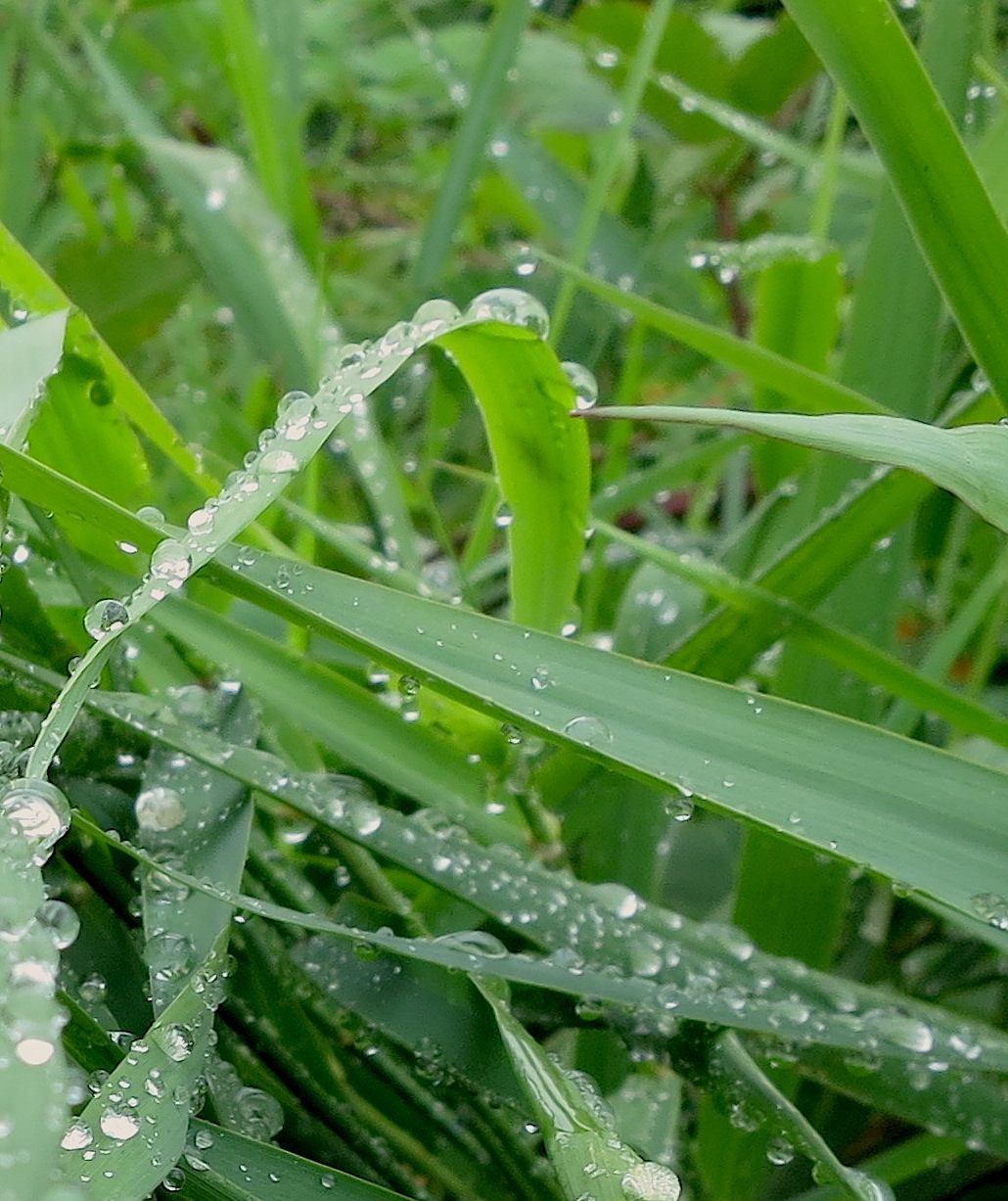
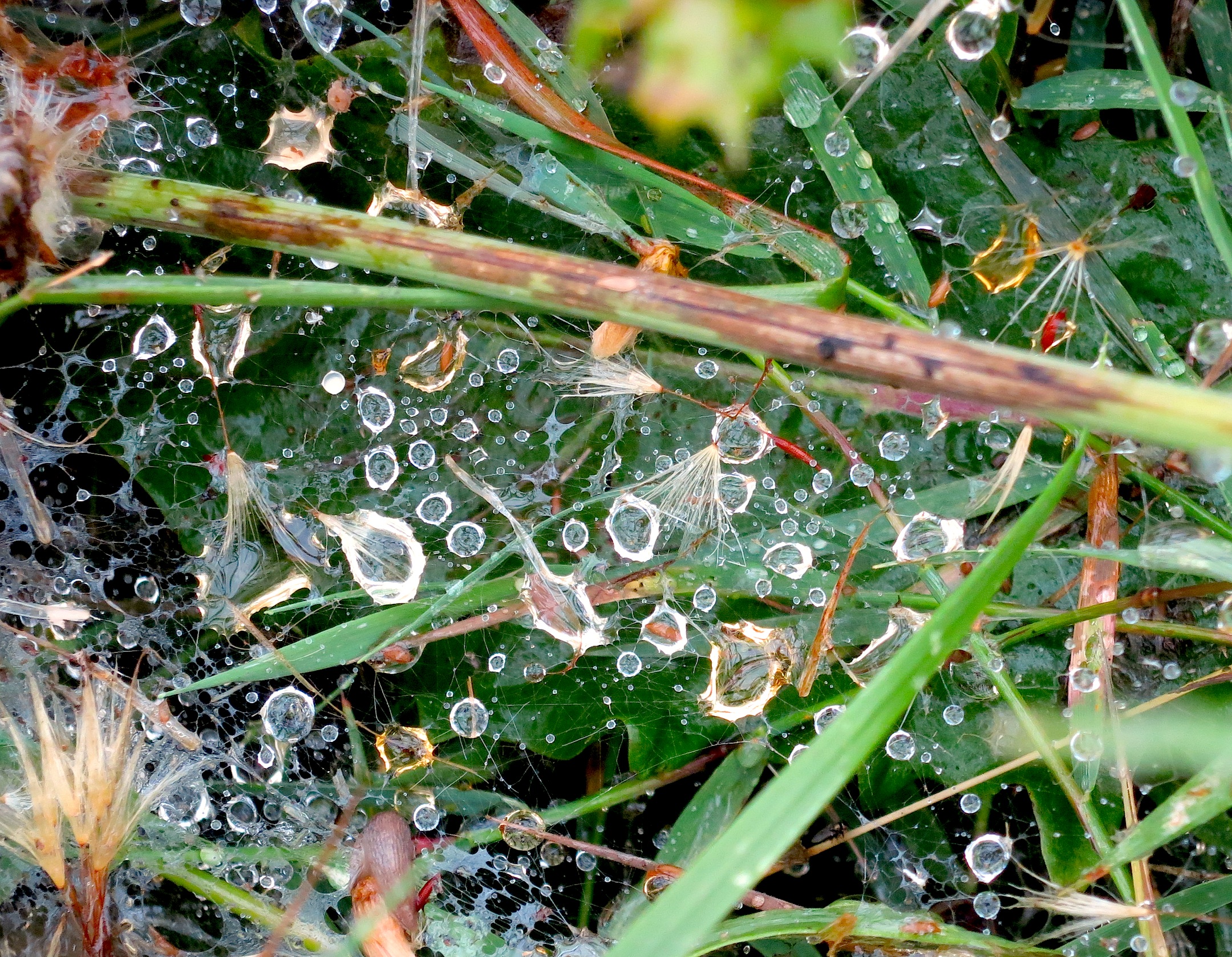
webrain1I went to bed and woke in the middle of the night thinking I heard someone cry, thinking I myself was weeping, and I felt my face and it was dry.
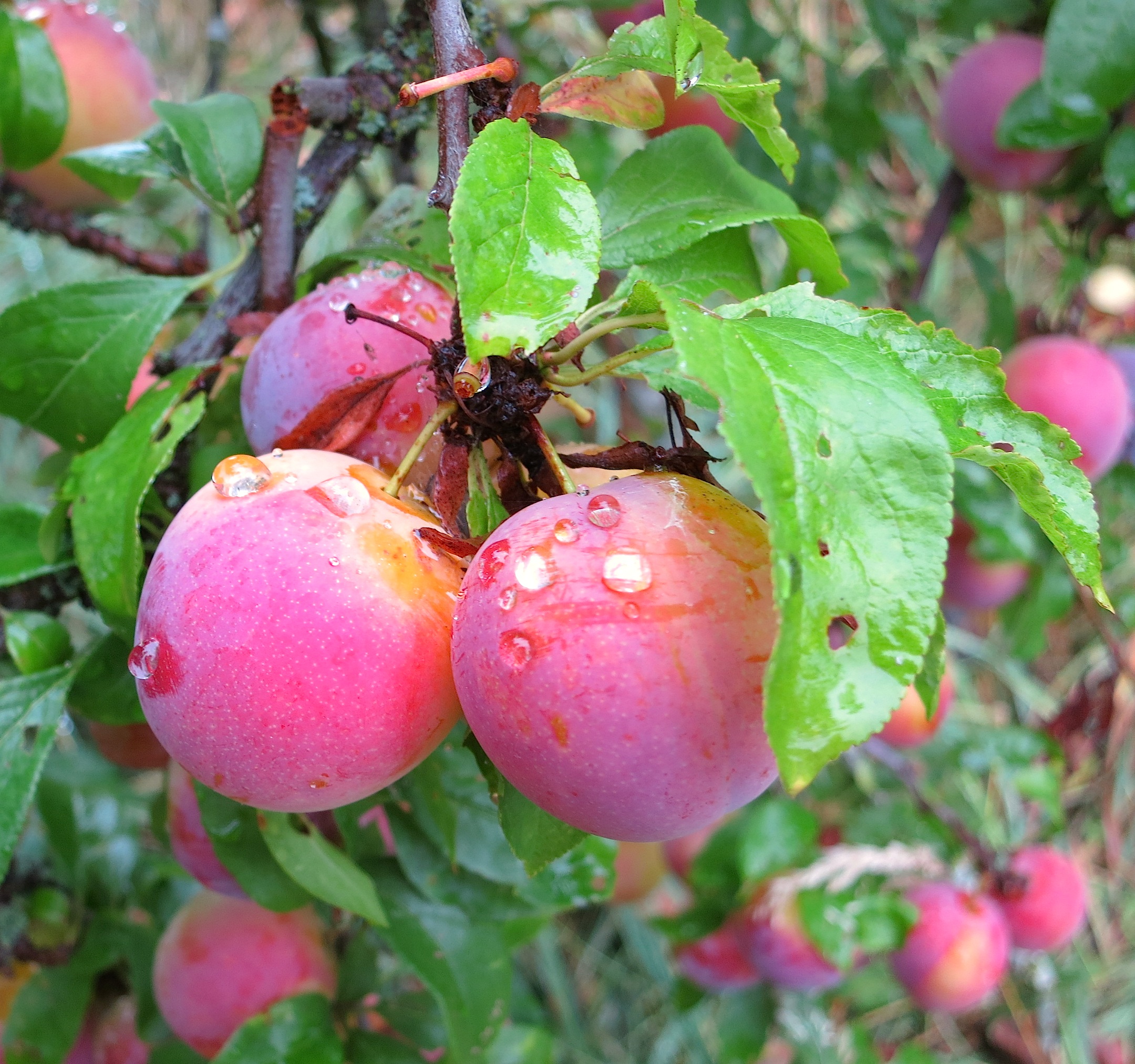
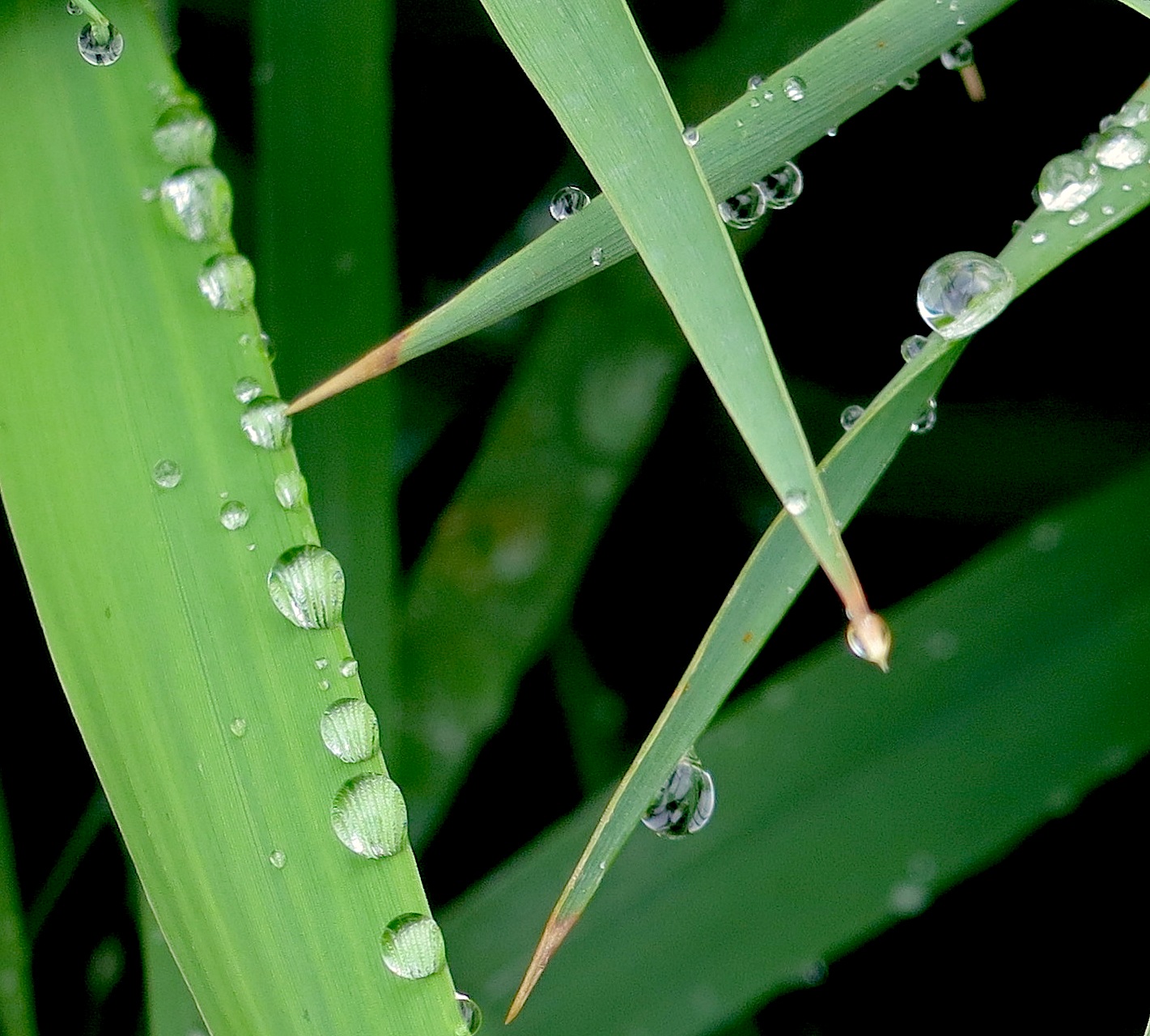
Then I looked at the window and thought: Why, yes, it’s just the rain, the rain, always the rain, and turned over, sadder still, and fumbled about for my dripping sleep and tried to slip it back on.
~Ray Bradbury

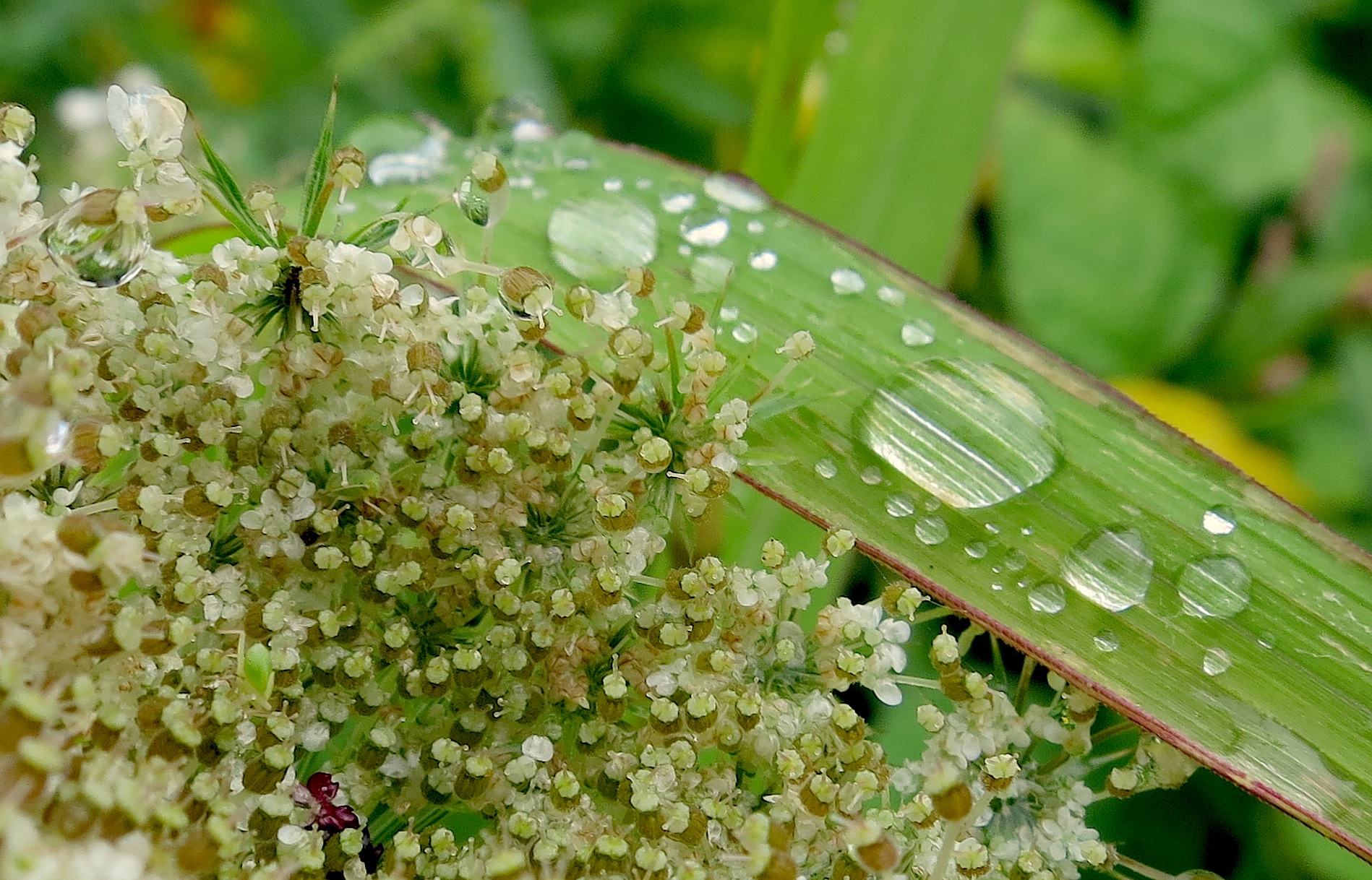
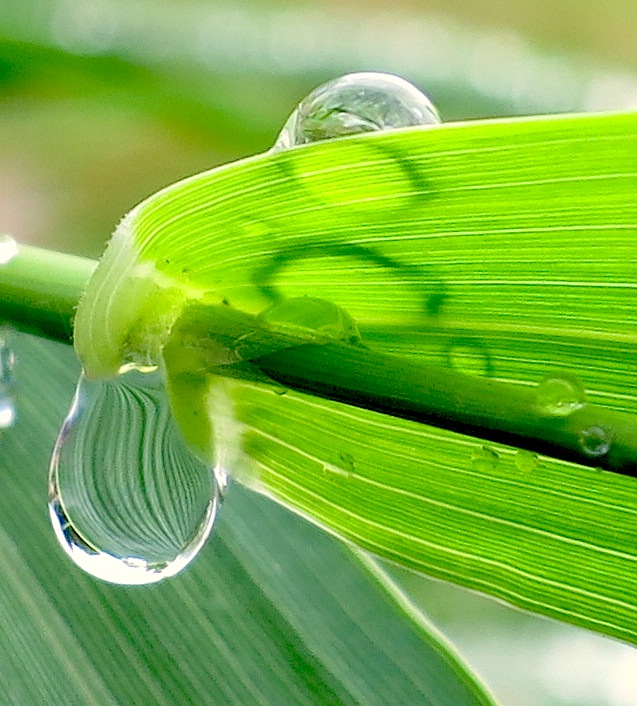
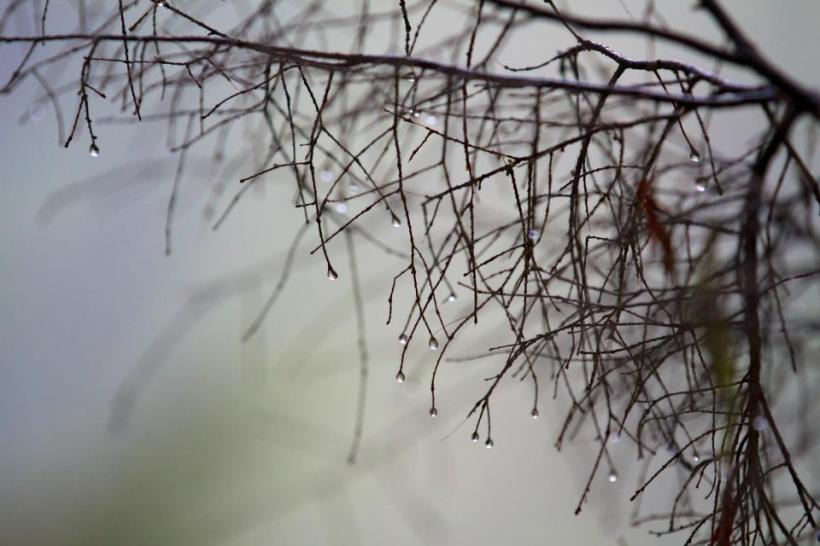
After weeks of dry weather and only an occasional shower, it was relief to wake to the pattering and dripping, an old familiar friend returned in the dark of night.

Weeping clouds and misty eyes are not always from sadness.  They can shed sweet tears, wistful wondrous full-to-the-brim tears.
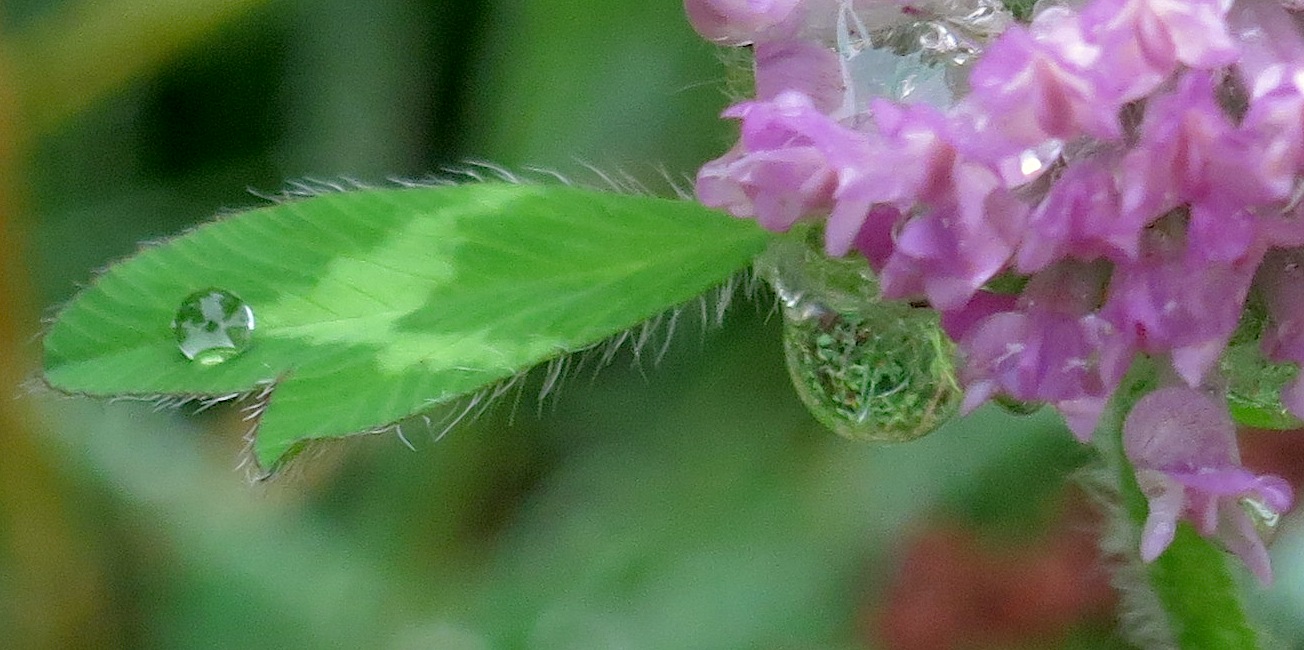
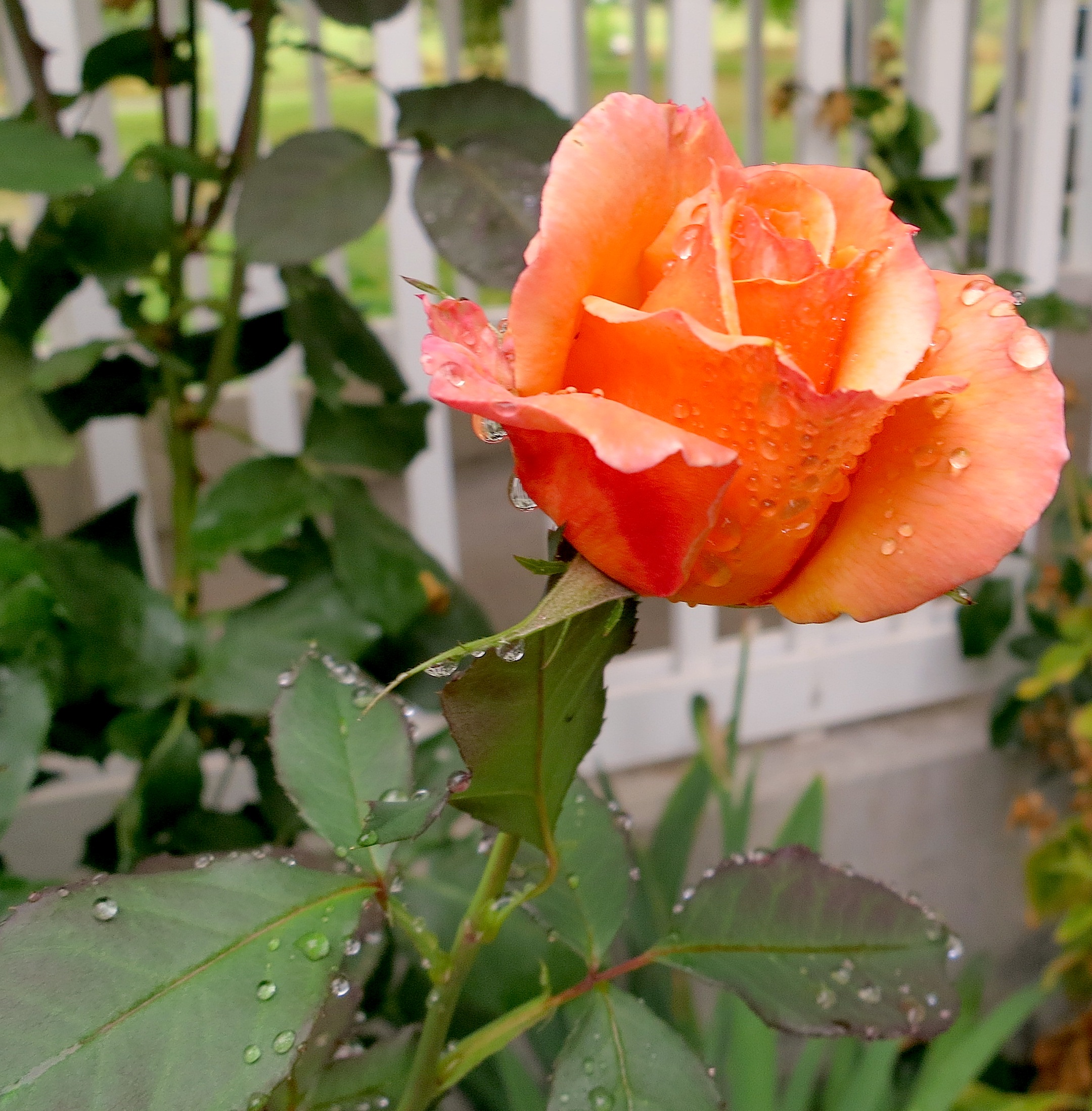
This is how it was as I slipped a dripping sleep back on, lulled by the rhythm of the drops.  This is how it is this morning capturing each one where it landed before it disappears forever.

My face will remain damp with the memory.

plumrain

rain4

cloverrain2

roserain2

rain6

rain8

The Sun Behind You

sunsetpeter

sunsethill

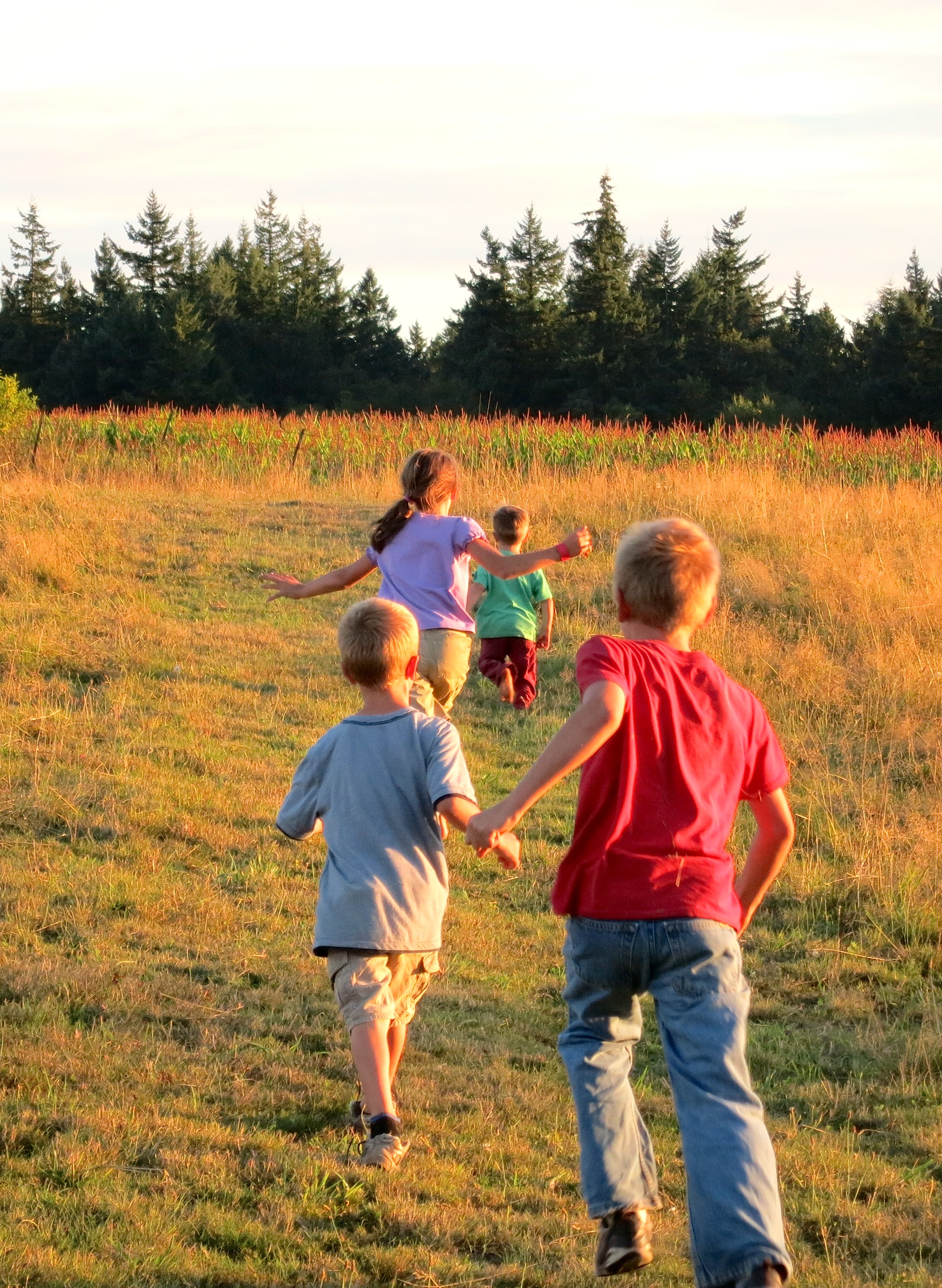
… if you ran, time ran. You yelled and screamed and raced and rolled and tumbled and all of a sudden the sun was gone and the whistle was blowing and you were on your long way home to supper. When you weren’t looking, the sun got around behind you! The only way to keep things slow was to watch everything and do nothing! You could stretch a day to three days, sure, just by watching!
~Ray Bradbury from Dandelion Wine

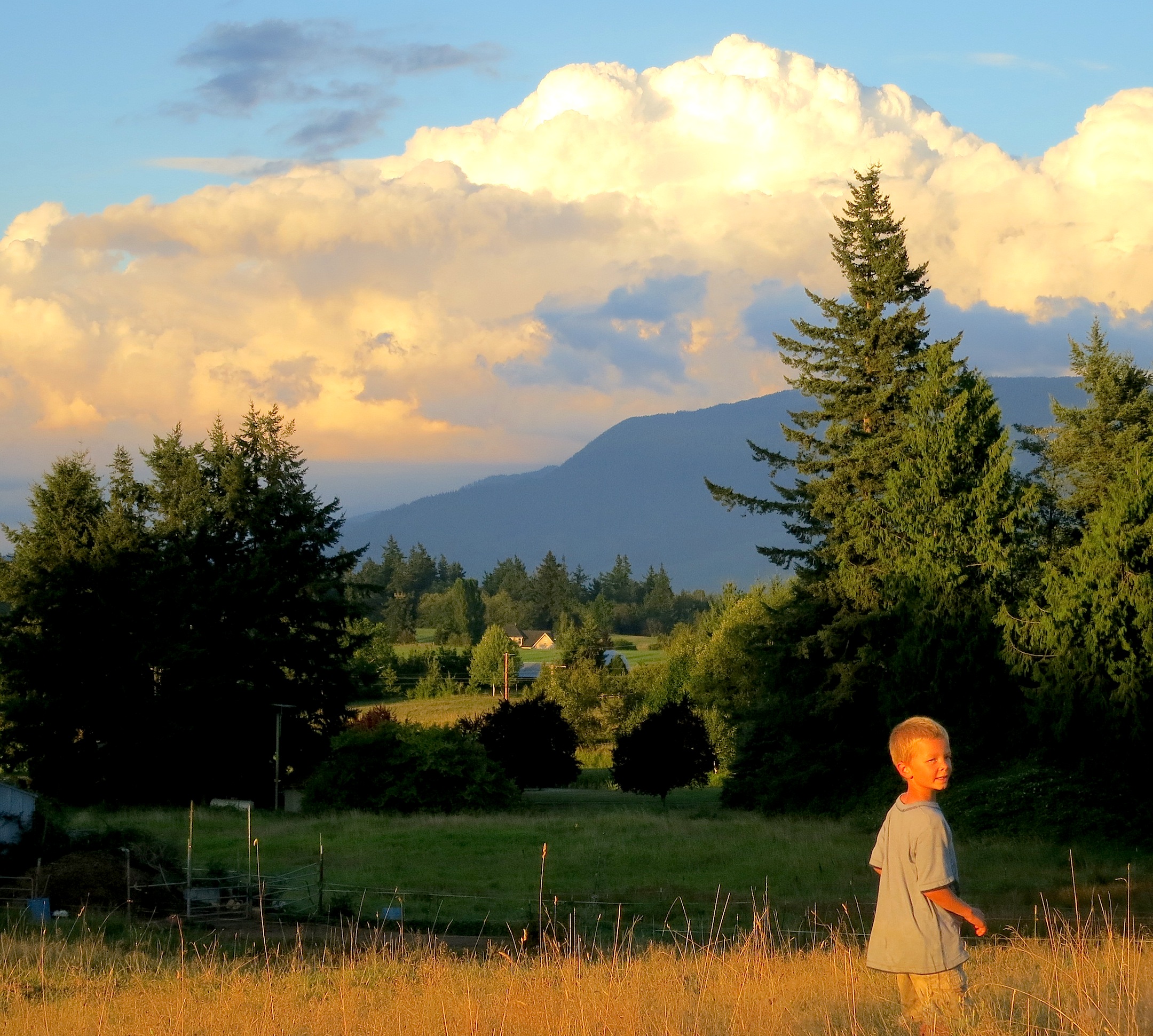
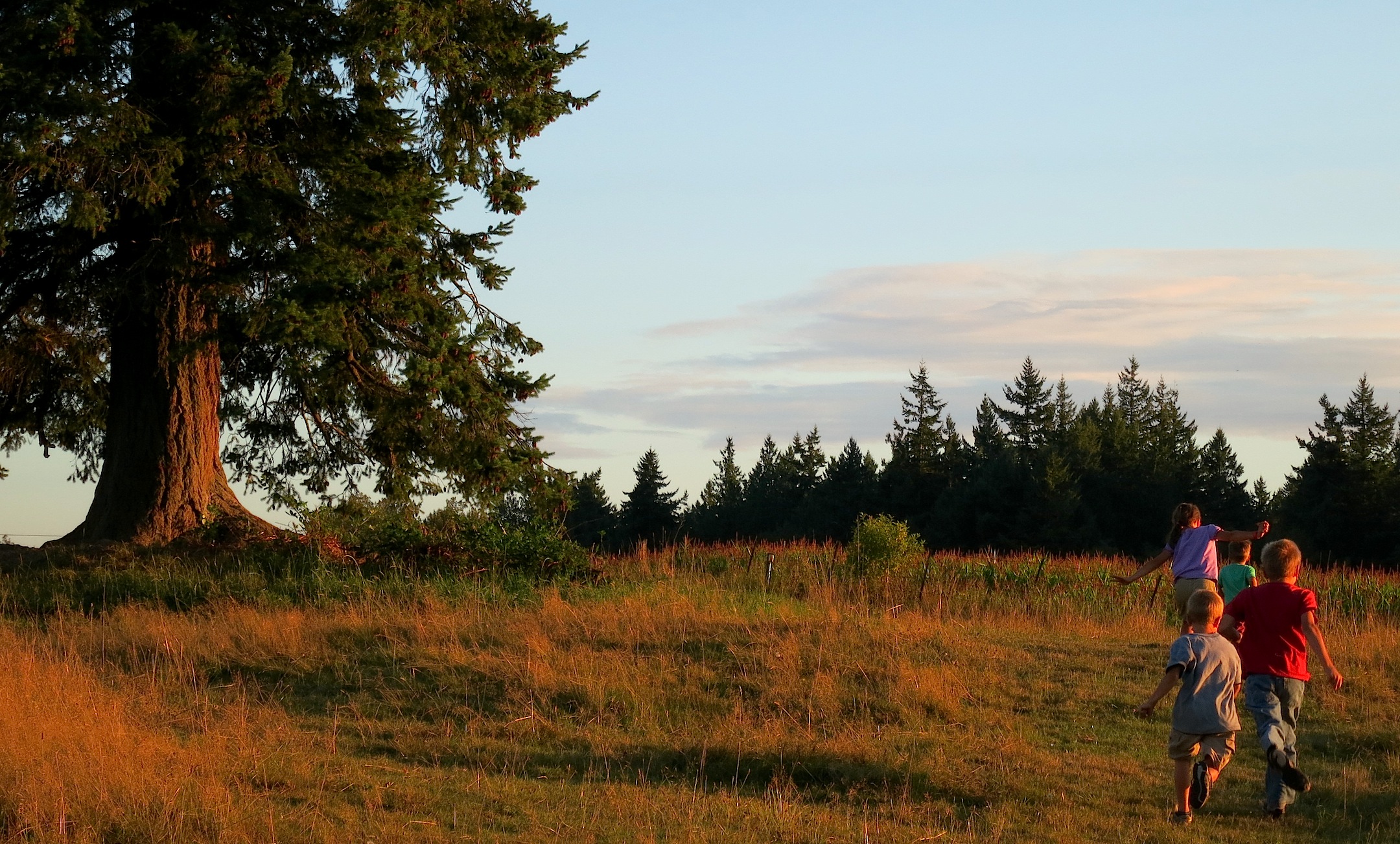
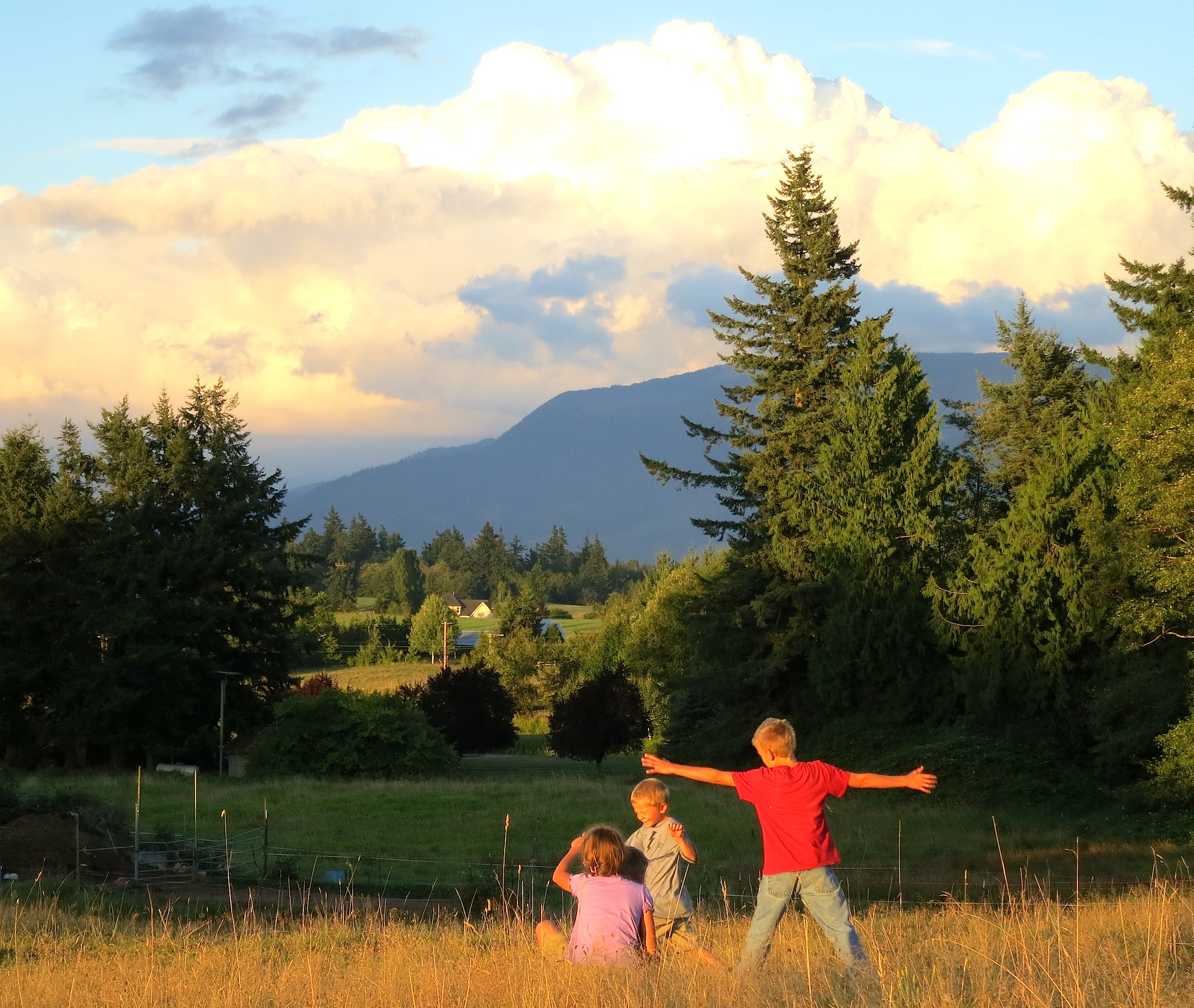
This is a time to slow down and just watch, in order to stretch the days out as long as possible.  I have a tendency to race through the hours given to me, heedless of the sun settling low behind me surrendering the day to the advancing march of darkness.

So I choose for now to be observer and recorder rather than runner and racer, each moment preserved like so many jars of sweet jam on a pantry shelf.   The sun may be setting, but it is taking its time.

tammingasunset

sunsetkids

sunset817

Good Medicine

photo by Josh Scholten

A good night sleep, or a ten minute bawl, or a pint of chocolate ice cream, or all three together, is good medicine.
~Ray Bradbury

If there is anything I’ve learned in 35 years of my medical career, it’s that I still must “practice” my art every day.  As much as we physicians emphasize the science of what we do, utilizing “evidence based” decisions, there are still days when a fair amount of educated guessing and a gut feeling is based on my past experience, along with my best hunch.  Many patients don’t arrive with classic cook book symptoms that fit the standardized diagnostic and treatment algorithms so the nuances of their stories require interpretation, discernment and flexibility.    I appreciate a surprise once in awhile that makes me look at a patient in a new or unexpected way and teaches me something I didn’t know before.   It keeps me coming back for more, to figure out the mystery and dig a little deeper.

I’ve also learned that not all medicine comes in pills or injections.  This isn’t really news to anyone, but our modern society is determined to seek better living through chemistry, the more expensive and newer the better, whether prescribed or not.  Chemicals have their place, but they also can cause havoc.  It is startling to see medication lists topping a dozen different daily pills.  Some are life-saving.  Many are just plain unnecessary.

How many sleep without the aid of pill or weed or alcohol?  Fewer and fewer.  Poor sleep is one of the sad consequences of our modern age of too much artificial light, too much entertainment keeping us up late, and not enough physical work to exhaust our bodies enough to match our frazzled and fatigued brains.

How many of us allow ourselves a good cry when we feel it welling up?  It could be a sentimental moment–a song that brings back bittersweet memories, a commercial that touches just the right chord of feeling and connection.  It may be a moment of frustration and anger when nothing seems to go right.  It could be the pain of physical illness or injury or the stress of emotional turmoil.  Or just maybe there is weeping when everything is absolutely perfect and there cannot be another moment just like it, so it is tough to let it go unchristened by tears of joy.

And without a doubt, the healing qualities of chocolate are unquestioned by this doctor, however it may be consumed.  It can fix most everything that ails a person. at least for an hour or two.

It doesn’t take an M.D. degree to know the best medicine.  It just takes a degree of common sense.
Time for bed and time to turn off the light.  A good bawl and chocolate will wait for another night.


Spicy Feet

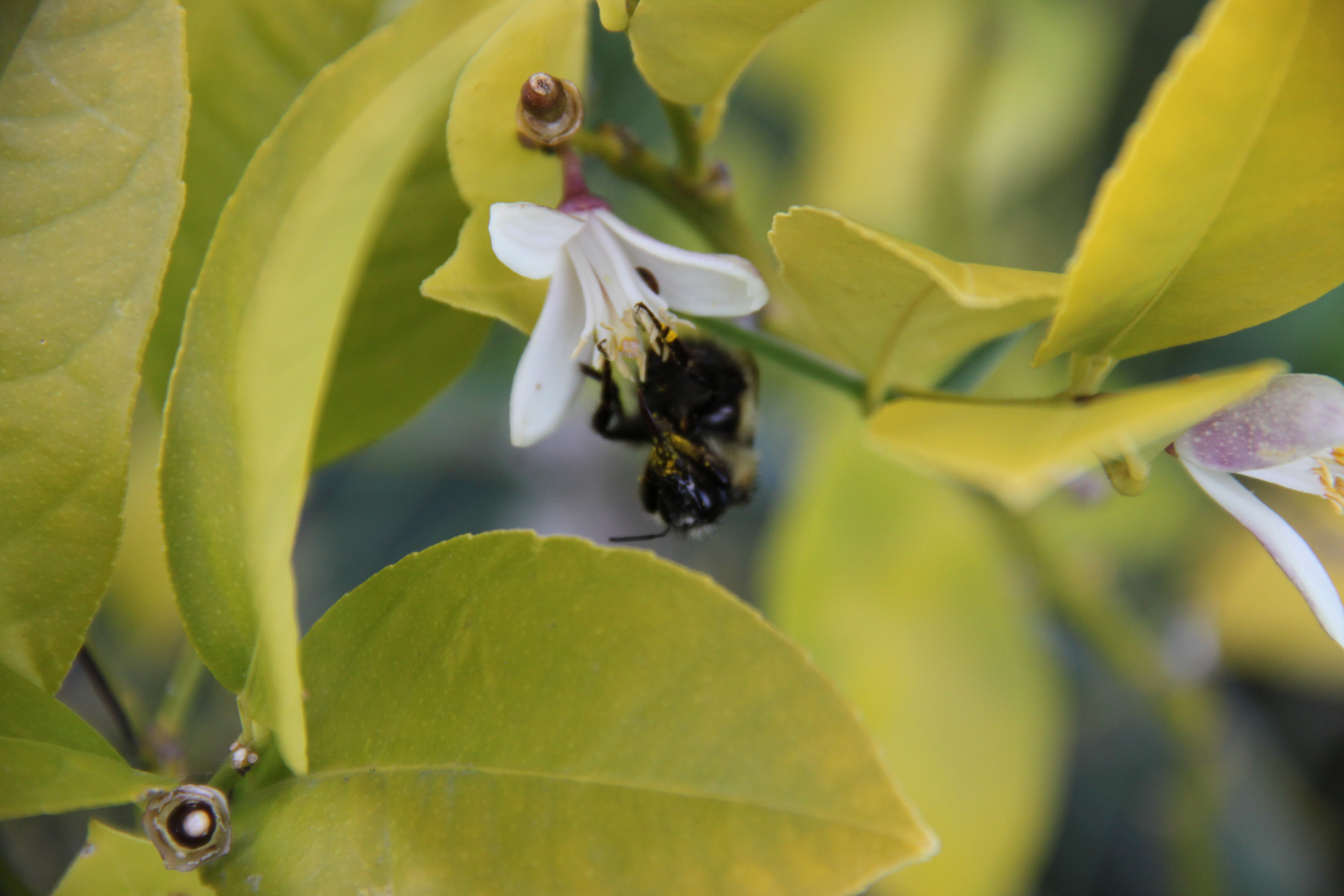
photo of bee on a lemon blossom by Nate Gibson

“Bees do have a smell, you know, and if they don’t they should, for their feet are dusted with spices from a million flowers.”
― Ray Bradbury, Dandelion Wine

I admire the honey bee’s ability to become pollinator and pollen gatherer simultaneously, facilitating new fruit from the blossom as well as making sweet honey that carries the spicy essence of the flower touched.

As a physician, I wish I might be as transformative in the work I do every day.  I carry with me tens of thousands of patients I’ve seen over thirty years of medical practice.   There is no way I can touch another human being without keeping some small part of them with me–a memory of an open wound or the scar it left behind, a word of sorrow or gratitude, a grimace, a tear or a smile.  Each is a flower visited, some still in bud, some in full bloom, some seed pods ready to burst, some spent and wilting and ready to fall away.  Each carries a spicy vitality, even in their illness and dying, that is unforgettable and still clings to me.  It has been my privilege to be thoroughly dusted by those I’ve loved and cared for.  I want to carry that on to create something wonderful.

Each patient changes me, the doctor, readying me for the next patient by teaching me a gentler approach, a clearer explanation, a slower leave-taking.  Their story becomes part of my story, adding to my skill as a healer, and never to be forgotten.

Physicians do have blessings in the work they do, you know, and if they don’t they should, for they are dusted with stories from a million patients visited.

Nothing could smell as spicy and nothing could taste as sweet.

Clover Breath

 “It was the face of spring, it was the face of summer, it was the warmness of clover breath.
Pomegranate glowed in her lips, and the noon sky in her eyes.
To touch her face was that always new experience of opening your window one December morning, early,
and putting out your hand to the first white cool powdering of snow
that had come, silently, with no announcement, in the night.
And all of this, this breath-warmness and plum-tenderness was held forever in one miracle of photographic
is chemistry which no clock winds could blow upon to change one hour or one second;
this fine first cool white snow would never melt, but live a thousand summers.”
Ray Bradbury in Dandelion Wine

Every autumn my father, an agriculture teacher by training, brought home gunny sacks of grass seed from the feed and seed store.  He would start up his 1954 Farmall Cub tractor, proceed to disc and harrow an acre of bare ground in our field, and then fill the seeder, distributing seed on the soil for his annual agronomy cover crop over winter growing experiment.  The little sprouts would wait to appear in the warming spring weather, an initial green haziness spread over the brown dirt, almost like damp green mold.  Within days they would form a plush and inviting velveteen green cushion, substantial enough for a little wiggle of blades in the breezes.  A few weeks later the cover would be a full fledged head of waving green hair, the wind blowing it wantonly, bending the stems to its will.  It was botanical pasture magic, renewable and marvelous,  only to be mowed and stubble turned over with the plow back into the soil as nutrition for the summer planting to come.  It was the sacrificial nature of cover crops to be briefly beautiful on top of the ground, but the foundational nurture once underground.

One spring the expected grassy carpet growth didn’t look quite the same after germination–the sprouts were little round leaves, not sharp edged blades.  Instead of identical uniform upright stems, the field was producing curly chaotic ovoid and spherical shapes and sizes. Clover didn’t abide by the same rules as grasses.  It had a mind of its own with a burgeoning and bumpy napped surface that didn’t bend with breezes, all its effort invested instead in producing blossoms.

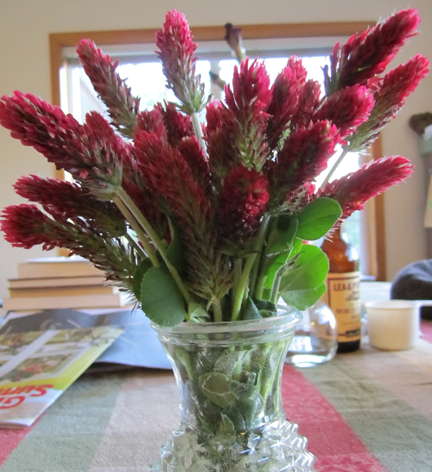
A hint of pink one morning was so subtle it was almost hallucinatory.  Within a day it was unmistakeably reddening and real.  Within a week the green sea flowed with bobbing crimson heads. We had never seen such vibrancy spring from our soil before.  It exuded scented clover breath, the fragrance calling honey bees far and near.  True reverie.

The field of crimson dreams and sated honey bees lasted several weeks before my father headed back out on the Farmall to turn it under with the plow, burying the fading blossoms into the ground.  Their sacrifice bled red into the soil, their fragrant breath halted, their memory barely recognizable in the next summer crop germination.   Yet the crimson heads were there, feeding the growth of the next generation, deepening the green as it reached to the sun.

Such a sweet thing, alive a thousand summers hence in the soil.

What a beautiful feeling.

Crimson and clover, over and over.

To make a prairie it takes a clover and one bee,
One clover, and a bee,
And revery.
The revery alone will do,
If bees are few.
Emily Dickinson

Waiting With Great Grandma

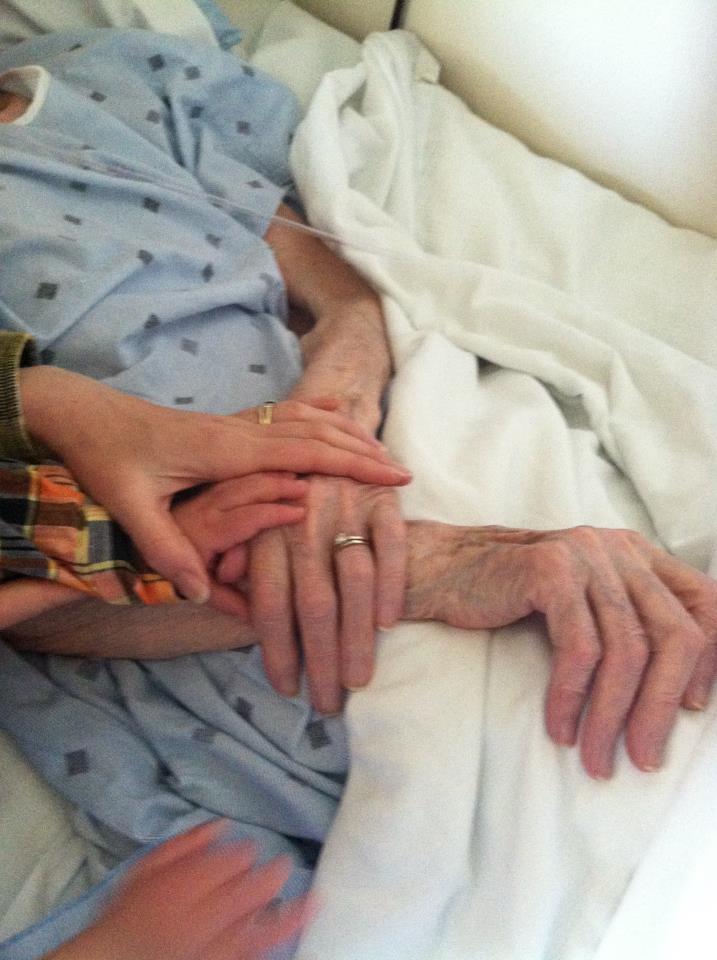
Waiting Together–Great Grandma Emma, granddaughter Andrea, great-grandson Zealand

Emma Gibson–December 28, 1927- May 20,2012

Consolation

All are not taken; there are left behind
Living Belovèds, tender looks to bring
And make the daylight still a happy thing,
And tender voices, to make soft the wind:
But if it were not so—if I could find
No love in all this world for comforting,
Nor any path but hollowly did ring
Where ‘dust to dust’ the love from life disjoin’d;
And if, before those sepulchres unmoving
I stood alone (as some forsaken lamb
Goes bleating up the moors in weary dearth)
Crying ‘Where are ye, O my loved and loving?’—
I know a voice would sound, ‘Daughter, I AM.
Can I suffice for Heaven and not for earth?’

Elizabeth Barrett Browning

***********************************************

At last the entire family stood, like people seeing someone off at the rail station, waiting in the room…

…”So don’t you worry over me. Now, all of you go, and let me find my sleep….”

Somewhere a door closed quietly…

…Deeper in the warm snow hill she turned her head upon her pillow. That was better.  Now, yes, now she saw it shaping in her mind quietly, and with serenity like a sea moving along an endless and self-refreshing shore.  Now she let the old dream touch and lift her from the snow and drift her above the scarce-remembered bed…

Downstairs, she thought, they are polishing the silver, and rummaging the cellar, and dusting in the halls. She could hear them living all through the house.

“It’s all right.” Whispered Great-grandma, as the dream floated her. “Like everything else in this life, it’s fitting.”

And the sea moved her back down the shore.

~excerpts from Ray Bradbury’s “Death of Great-Grandma” in “Dandelion Wine”

A Favorite Poem from a Favorite Author

Remembrance by Ray Bradbury

And this is where we went, I thought,
Now here, now there, upon the grass
Some forty years ago.
I had returned and walked along the streets
And saw the house where I was born
And grown and had my endless days.
The days being short now, simply I had come
To gaze and look and stare upon
The thought of that once endless maze of afternoons.
But most of all I wished to find the places where I ran
As dogs do run before or after boys,
The paths put down by Indians or brothers wise and swift
Pretending at a tribe.
I came to the ravine.
I half slid down the path
A man with graying hair but seeming supple thoughts
And saw the place was empty.
Fools! I thought. O, boys of this new year,
Why don’t you know the Abyss waits you here?
Ravines are special fine and lovely green
And secretive and wandering with apes and thugs
And bandit bees that steal from flowers to give to trees.
Caves echo here and creeks for wading after loot:
A water-strider, crayfish, precious stone
Or long-lost rubber boot —
It is a natural treasure-house, so why the silent place?
What’s happened to our boys that they no longer race
And stand them still to contemplate Christ’s handiwork:
His clear blood bled in syrups from the lovely wounded trees?
Why only bees and blackbird winds and bending grass?
No matter. Walk. Walk, look, and sweet recall.

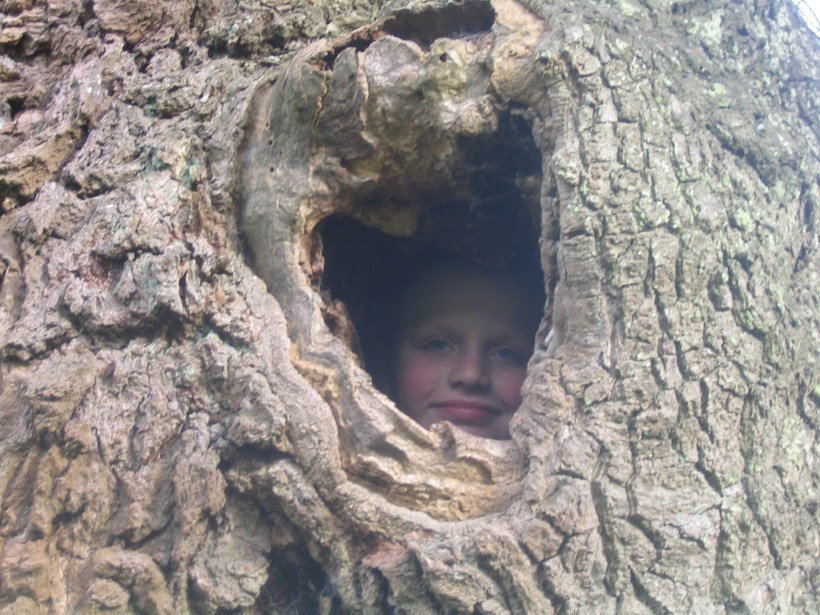
I came upon an oak where once when I was twelve
I had climbed up and screamed for Skip to get me down.
It was a thousand miles to earth. I shut my eyes and yelled.
My brother, richly compelled to mirth, gave shouts of laughter
And scaled up to rescue me.
“What were you doing there?” he said.
I did not tell. Rather drop me dead.
But I was there to place a note within a squirrel nest
On which I’d written some old secret thing now long forgot.
Now in the green ravine of middle years I stood
Beneath that tree. Why, why, I thought, my God,
It’s not so high. Why did I shriek?
It can’t be more than fifteen feet above. I’ll climb it handily.
And did.
And squatted like an aging ape alone and thanking God
That no one saw this ancient man at antics
Clutched grotesquely to the bole.
But then, ah God, what awe.
The squirrel’s hole and long-lost nest were there.

I lay upon the limb a long while, thinking.
I drank in all the leaves and clouds and weathers
Going by as mindless
As the days.
What, what, what if? I thought. But no. Some forty years beyond!
The note I’d put? It’s surely stolen off by now.
A boy or screech-owl’s pilfered, read, and tattered it.
It’s scattered to the lake like pollen, chestnut leaf
Or smoke of dandelion that breaks along the wind of time…

No. No.

I put my hand into the nest. I dug my fingers deep.
Nothing. And still more nothing. Yet digging further
I brought forth:
The note.
Like mothwings neatly powdered on themselves, and folded close
It had survived. No rains had touched, no sunlight bleached
Its stuff. It lay upon my palm. I knew its look:
Ruled paper from an old Sioux Indian Head scribble writing book.
What, what, oh, what had I put there in words
So many years ago?
I opened it. For now I had to know.
I opened it, and wept. I clung then to the tree
And let the tears flow out and down my chin.
Dear boy, strange child, who must have known the years
And reckoned time and smelled sweet death from flowers
In the far churchyard.
It was a message to the future, to myself.
Knowing one day I must arrive, come, seek, return.
From the young one to the old. From the me that was small
And fresh to the me that was large and no longer new.
What did it say that made me weep?

I remember you.
I remember you.