
A little heat caught
in gleaming rags,
in shrouds of veil,
torn and sun-shot swaddlings:
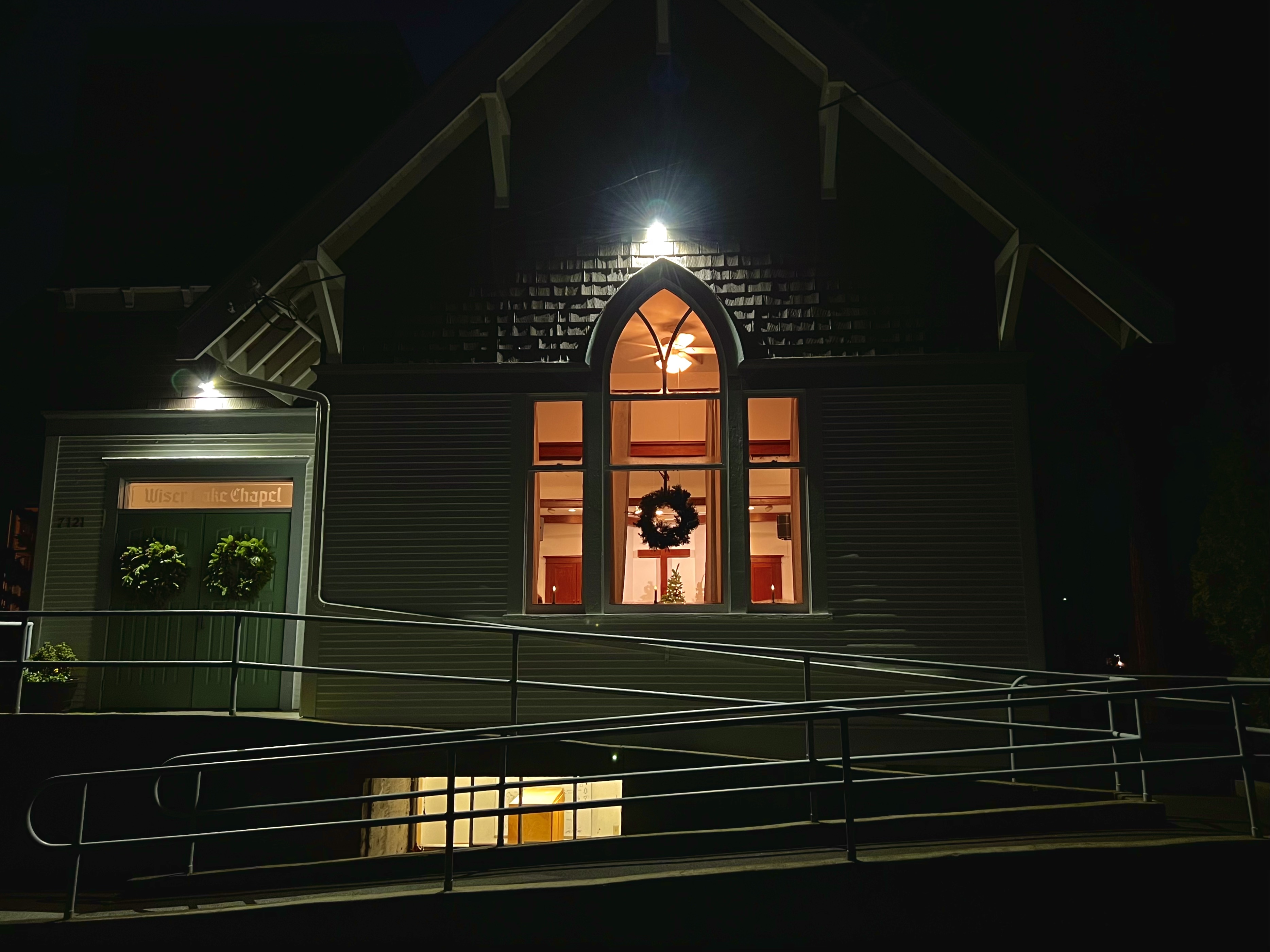
over the Methodist roof,
two clouds propose a Zion
of their own, blazing
(colors of tarnish on copper)
against the steely close
of a coastal afternoon, December,
while under the steeple
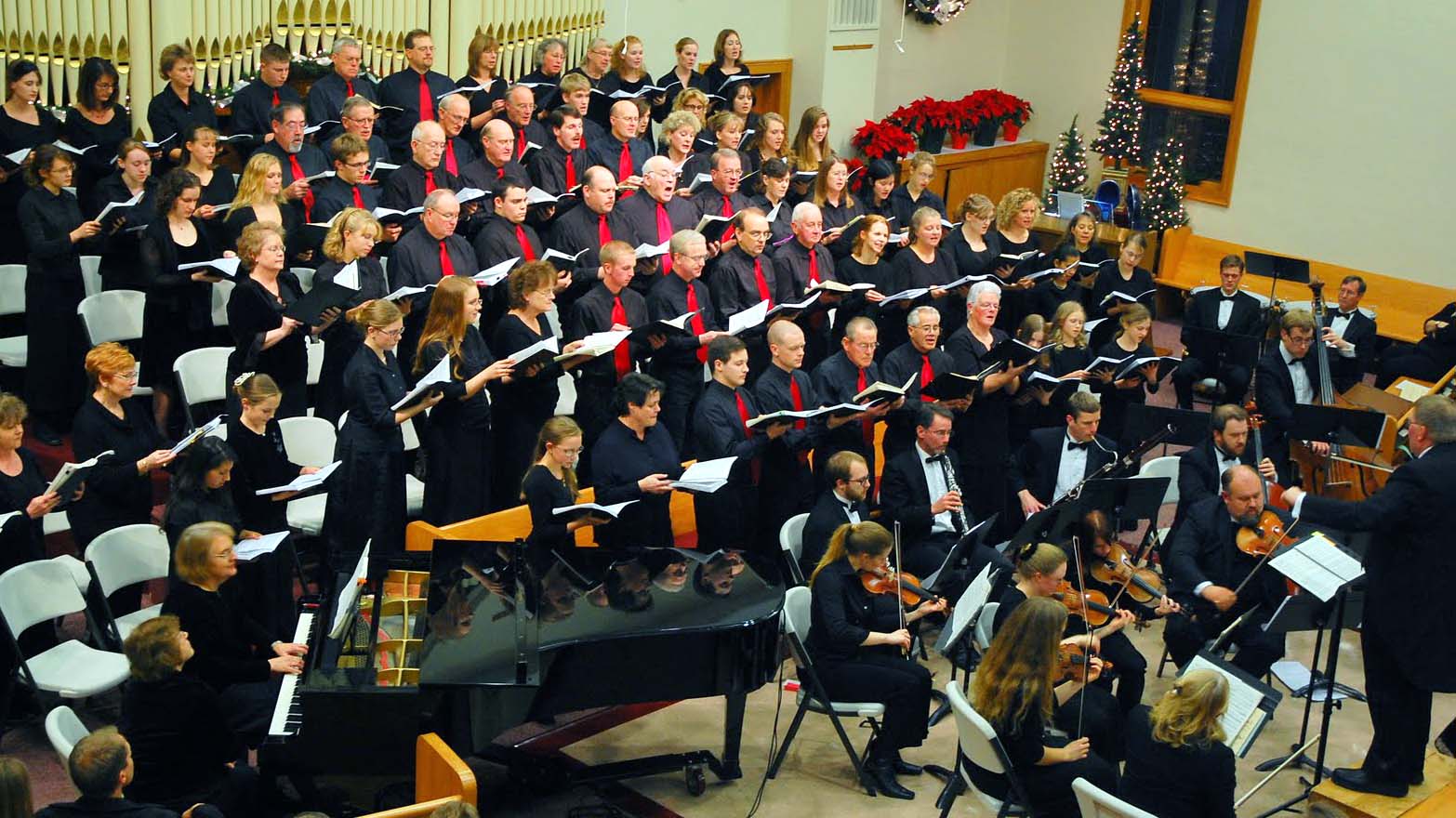
the Choral Society
prepares to perform
Messiah, pouring, in their best
blacks and whites, onto the raked stage.
Not steep, really,
but from here,
the first pew, they’re a looming
cloudbank of familiar angels:
that neighbor who
fights operatically
with her girlfriend, for one,
and the friendly bearded clerk
from the post office
—tenor trapped
in the body of a baritone? Altos
from the A&P, soprano
from the T-shirt shop:
today they’re all poise,
costume and purpose
conveying the right note
of distance and formality.
Silence in the hall,
anticipatory, as if we’re all
about to open a gift we’re not sure
we’ll like;
how could they
compete with sunset’s burnished
oratorio? Thoughts which vanish,
when the violins begin.
Who’d have thought
they’d be so good? Every valley,
proclaims the solo tenor,
(a sleek blonde
I’ve seen somewhere before
—the liquor store?) shall be exalted,
and in his handsome mouth the word
is lifted and opened
into more syllables
than we could count, central ah
dilated in a baroque melisma,
liquefied; the pour
of voice seems
to make the unplaned landscape
the text predicts the Lord
will heighten and tame.
This music
demonstrates what it claims:
glory shall be revealed. If art’s
acceptable evidence,
mustn’t what lies
behind the world be at least
as beautiful as the human voice?
The tenors lack confidence,
and the soloists,
half of them anyway, don’t
have the strength to found
the mighty kingdoms
these passages propose
—but the chorus, all together,
equals my burning clouds,
and seems itself to burn,
commingled powers
deeded to a larger, centering claim.
These aren’t anyone we know;
choiring dissolves
familiarity in an up-
pouring rush which will not
rest, will not, for a moment,
be still.
Aren’t we enlarged
by the scale of what we’re able
to desire? Everything,
the choir insists,
might flame;
inside these wrappings
burns another, brighter life,
quickened, now,
by song: hear how
it cascades, in overlapping,
lapidary waves of praise? Still time.
Still time to change.
~Mark Doty “Messiah (Christmas Portions)”
Our small town
Has more churches than banks-
With a century old choral society
With a Christmas tradition of singing Handel’s Messiah.
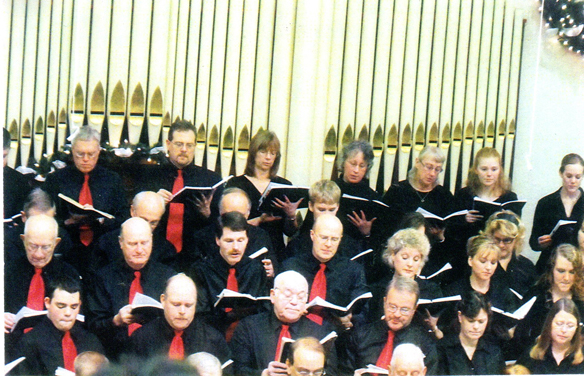
Sixty-some enthusiastic singers recruited without auditions
Through church bulletin announcements:
Farmers, store clerks, machinists, students
Grade schoolers to senior citizens
Gather in an unheated church for six weeks of rehearsal
To perform one man’s great gift to sacred music.
Handel, given a libretto commissioned to compose,
Isolated himself for 24 days – barely ate or slept,
Believed himself confronted by all heaven itself
To see the face of God,
And so created overture, symphony, arias, oratorios
Soaring, interwoven themes repeating, resounding
With despair, mourning, anticipation
Renewal, redemption, restoration, triumph.
Delicate appoggiaturas and melismata
Of astounding complexity and intricacy.
A tapestry of sound and sensation unparalleled,
To be shouted from the soul, wrung from the heart.
This changing group of rural people gathers annually to join voices
Honoring faith foretold, realized, proclaimed.
Ably led by a forgiving director with a sense of humor
And a nimble organist with flying feet and fingers.
The lilting sopranos with angel song,
The altos a steadfast harmonic support,
The tenors echo plaintive prophecy
The base voices remain full and resonant.
The strings paint a heaven-sent refrain
In a duet of counterpoint melody.
The audience sits, eyes closed
Remembering oft-repeated familiar verses.
The sanctuary overflows
With thankfulness and praise as we shall be changed.
Glory to God! For unto us a Child is born
And all the people, whether singers or listeners, are comforted.
This year’s Advent theme “Dawn on our Darkness” is taken from this 19th century Christmas hymn:
Brightest and best of the sons of the morning,
dawn on our darkness and lend us your aid.
Star of the east, the horizon adorning,
guide where our infant Redeemer is laid.
~Reginald Heber -from “Brightest and Best”
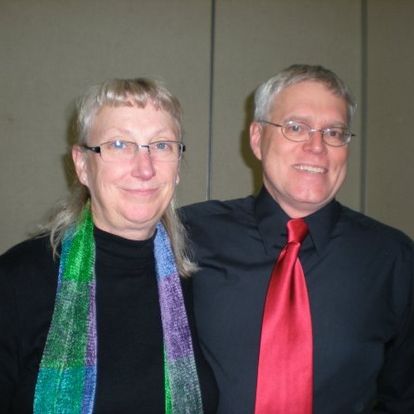
Our small town choral society:
and now for the professionals…
Make a one-time or recurring donation to support daily Barnstorming posts
Make a monthly donation
Make a yearly donation
Choose an amount
Or enter a custom amount
Your contribution is deeply appreciated.
Your contribution is appreciated.
Your contribution is appreciated.
DonateDonate monthlyDonate yearly
 Barnstorming