The Scar of Proud Flesh

There are names for what binds us:
strong forces, weak forces.
Look around, you can see them:
the skin that forms in a half-empty cup,
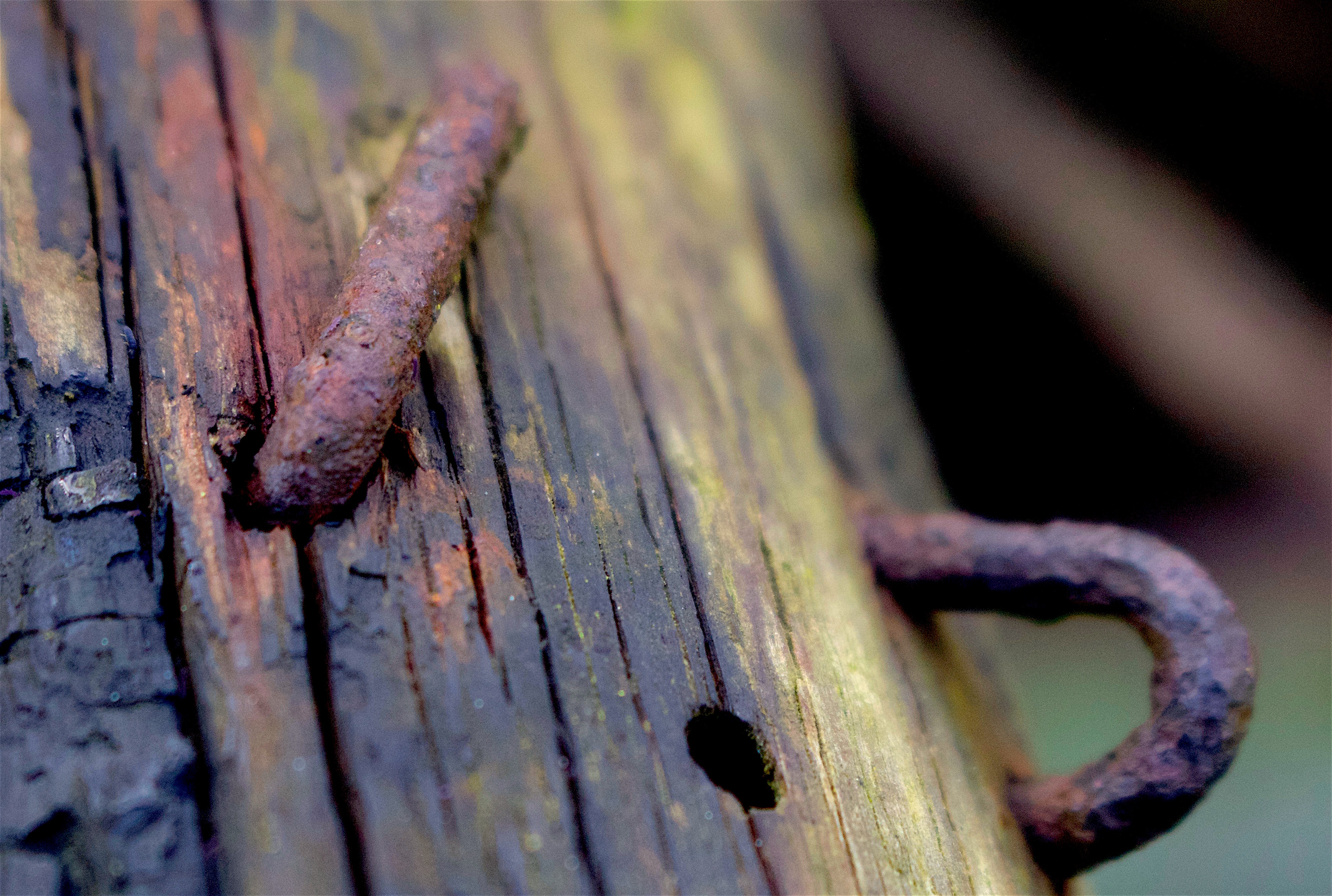
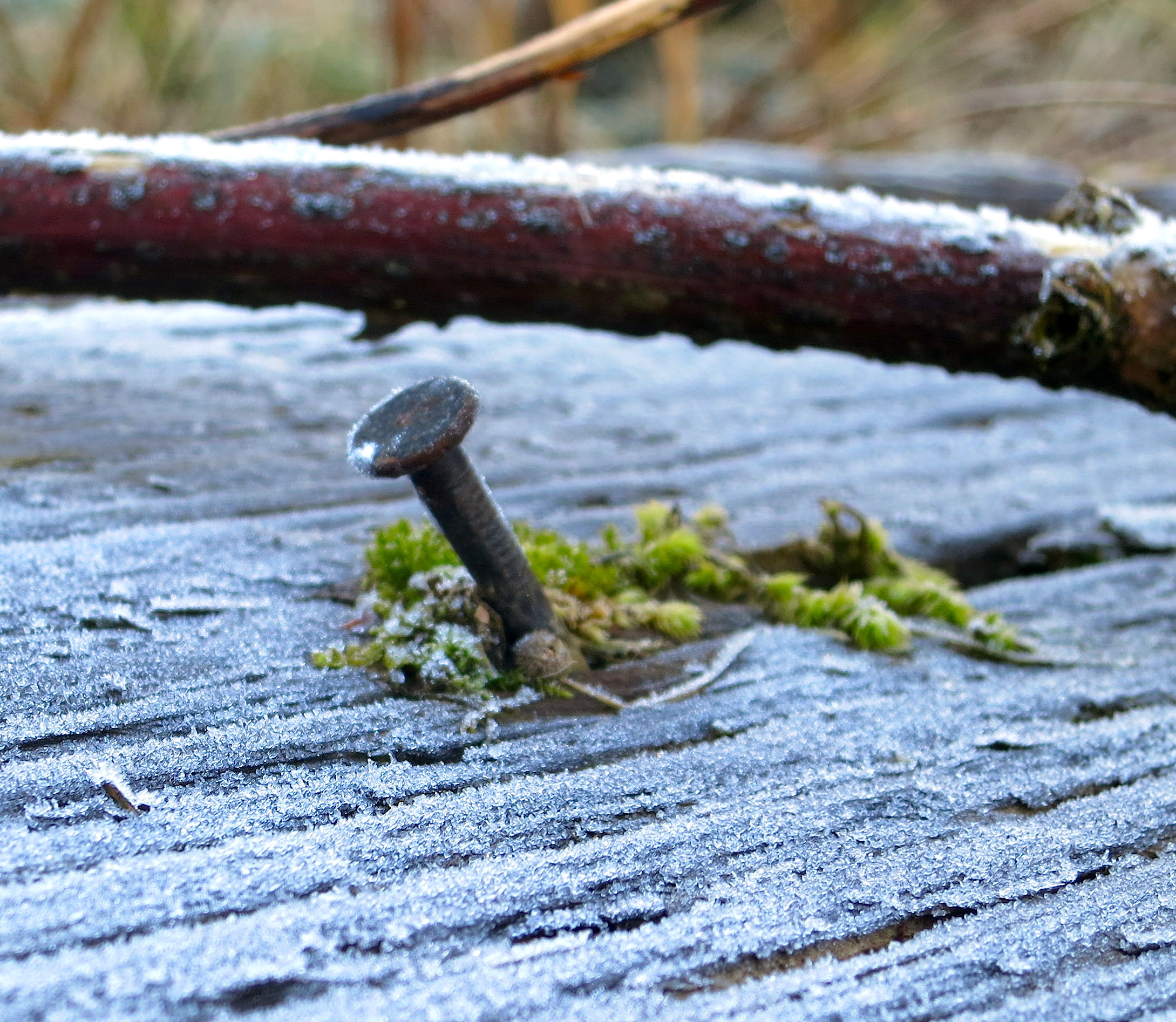
nails rusting into the places they join,
joints dovetailed on their own weight.

The way things stay so solidly whenever they’ve been set down –
and gravity, scientists say, is weak.

And see how the flesh grows back across a wound, with a great vehemence,
more strong than the simple, untested surface before.

There’s a name for it on horses, when it comes back darker and raised:
proud flesh, as all flesh is proud of its wounds,
wears them as honors given out after battle,
small triumphs pinned to the chest –

And when two people have loved each other,
see how it is like a scar between their bodies,
stronger, darker, and proud;
how the black cord makes of them a single fabric
that nothing can tear or mend.
~Jane Hirshfield  “For What Binds Us”
Scars come in various sizes and shapes, some hidden, some quite obvious to all.  How they are inflicted also varies–some accidental, others therapeutic, and too many intentional. 

The most insidious are the ones so deep inside,  no one can see or know they are there.

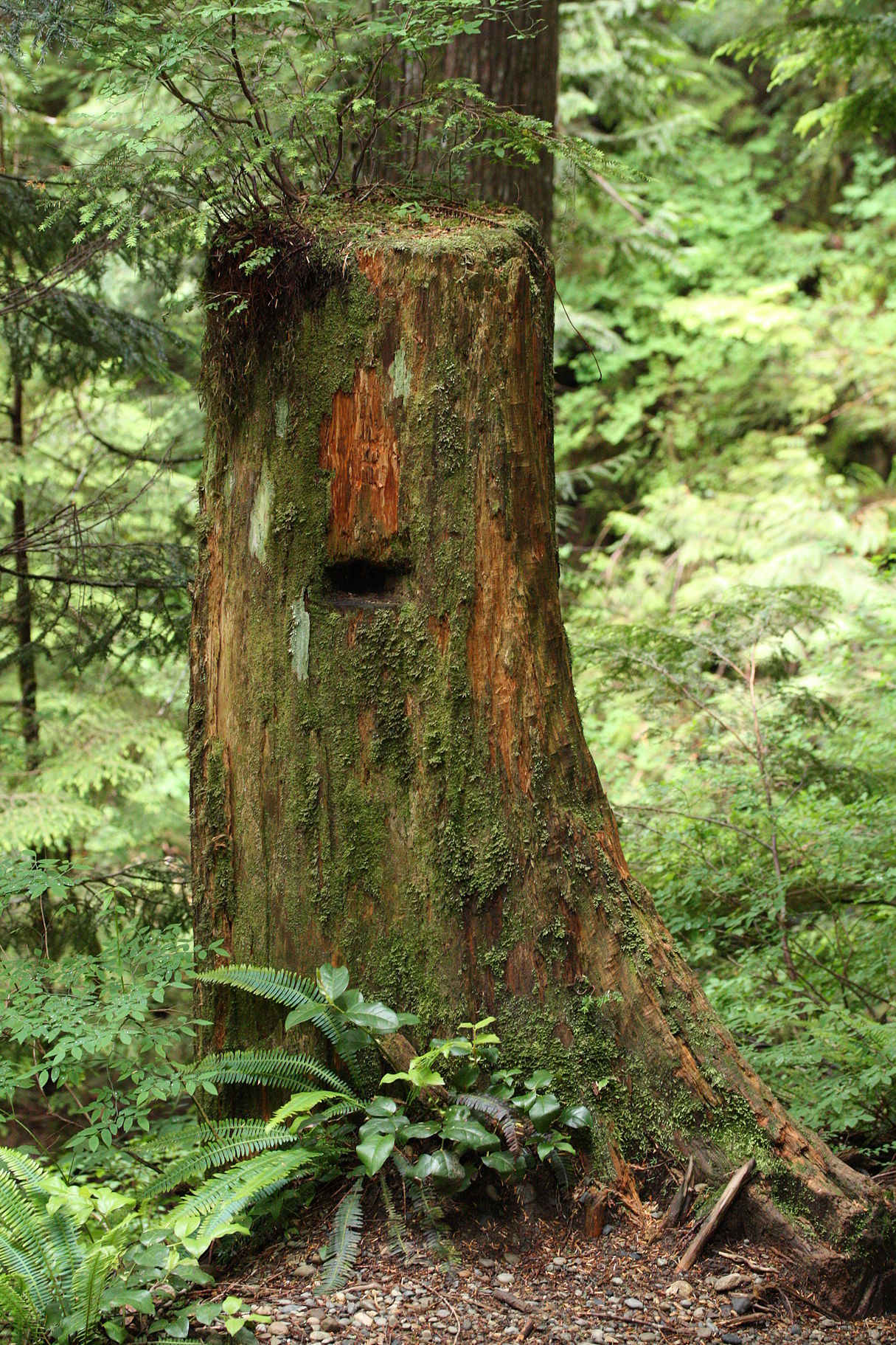
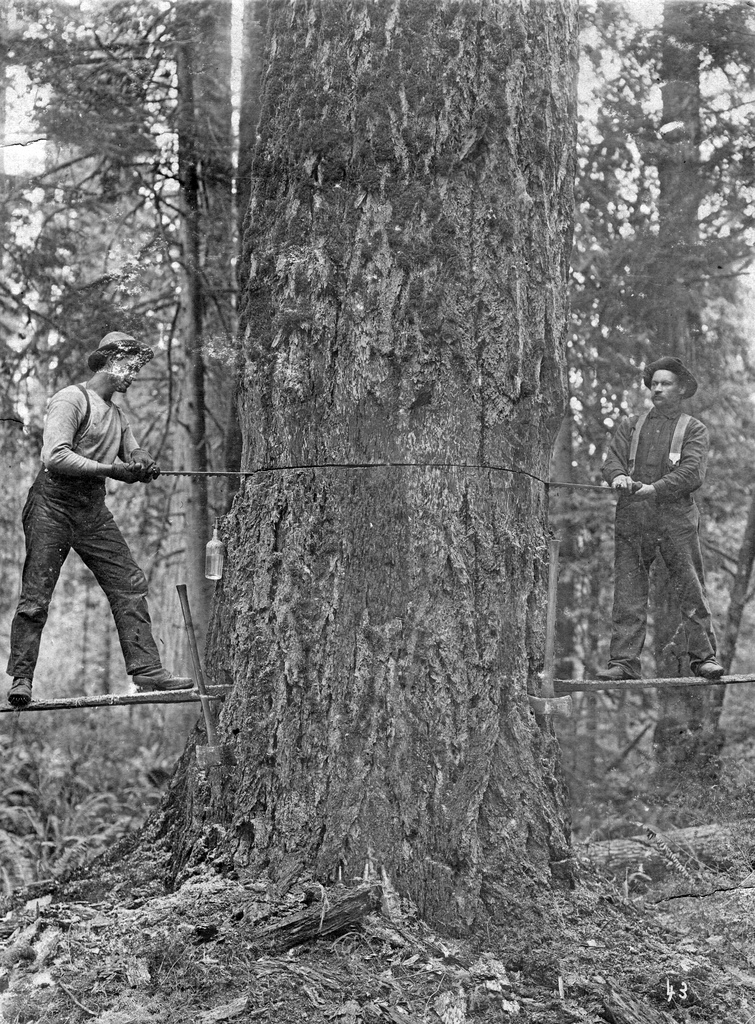
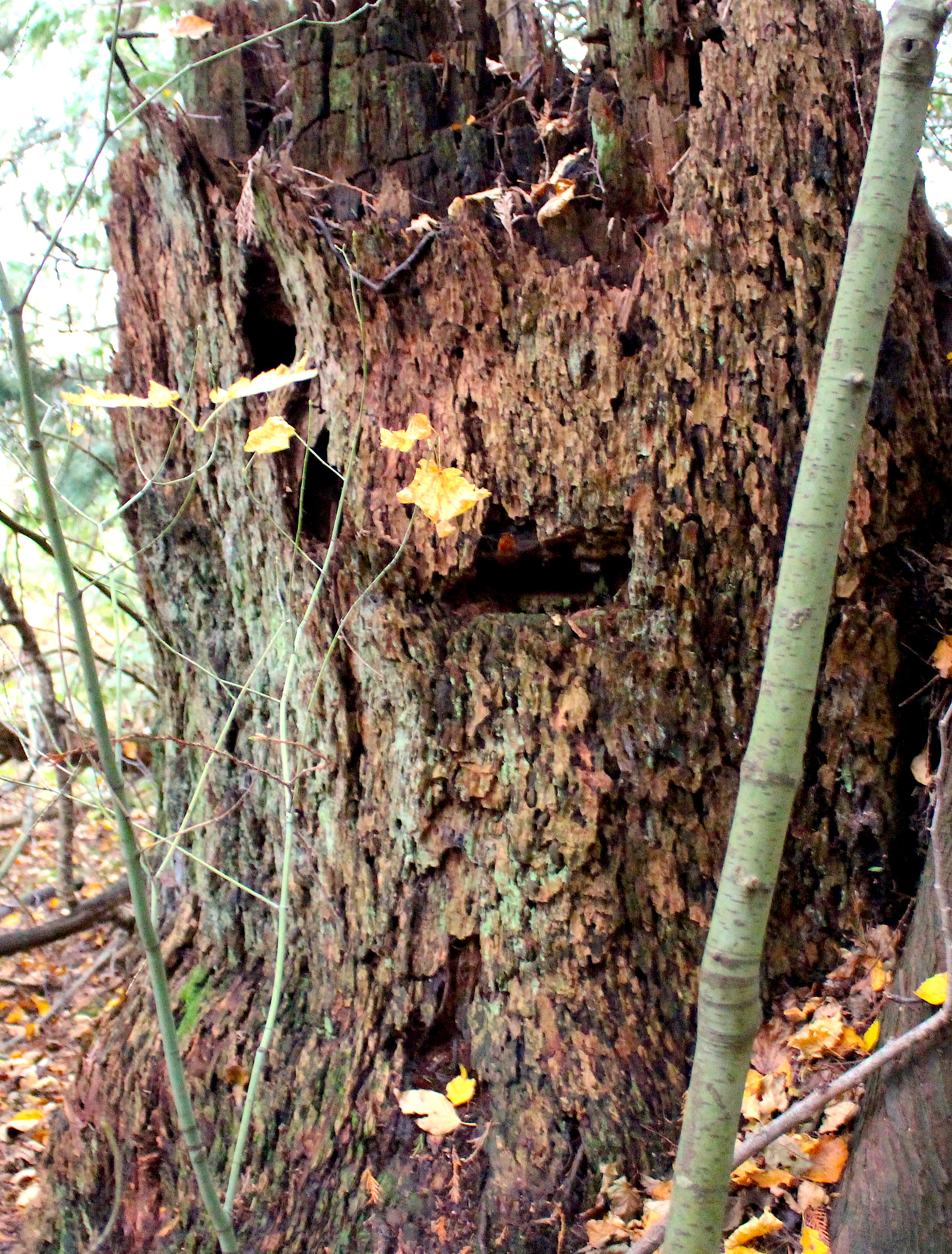
Back in our woodlot stands a sawed off stump of a cedar that was old growth in virgin forest over a hundred years ago.  One day clearcut loggers came through and took every tree they could to haul to the local sawmills to become beams and lumber for the growing homesteading population in the region.  This cedar once was grand and vast, covering an immense part of the forest floor, providing protection to trillium at its feet and finches’ nests and raptors hunting in its branches.   It nurtured its environment until other plans were made, and one day, axes fell on its sides to cut out the notches for the springboards where two loggers stood either side of the proud trunk to man the saw which brought the tree down. 

Where the wood went is anyone’s guess.  It could be one of the mighty beams supporting our old hay barn roof or it could have become the foundation flooring of a nearby one room school house.  It surely had a productive and meaningful life as part of a structure somewhere until rot or carpenter ants or fire brought it once again to its knees.

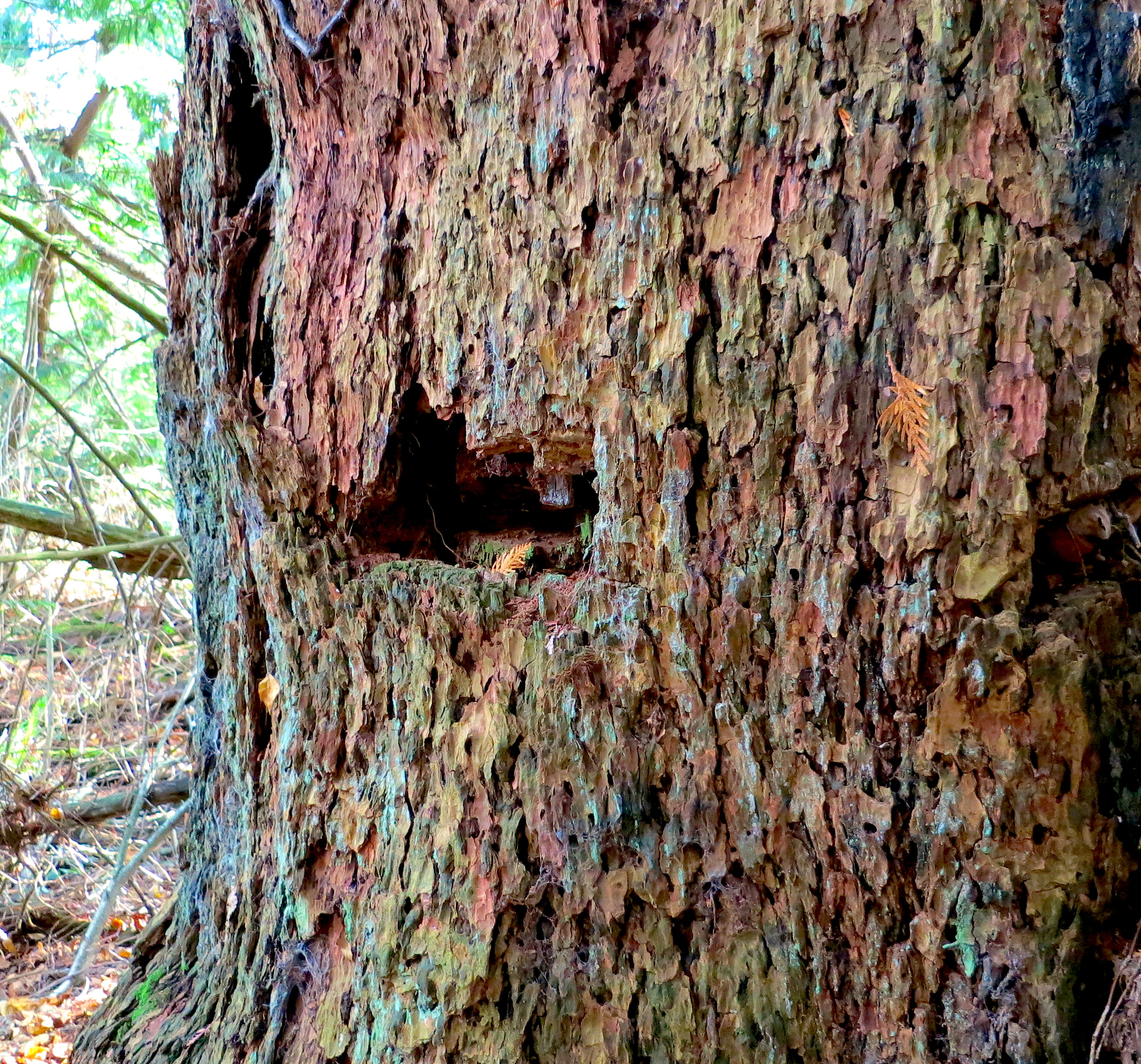
But this ghost of a stump remains, a tombstone of remembrance of a once grand tree, the notch scars embedded deep in its sides, nursing new seedlings from its center and moss, lichen and ferns from its sides.

I come from logger stock so I don’t begrudge these frontier settlers their hard scrabble living, nor minimize their dangerous work in order to feed themselves and their families.  It’s just I’m struck by those scars over one hundred years later — such a visible reminder of what once was a vital living organism toppled for someone’s need and convenience.

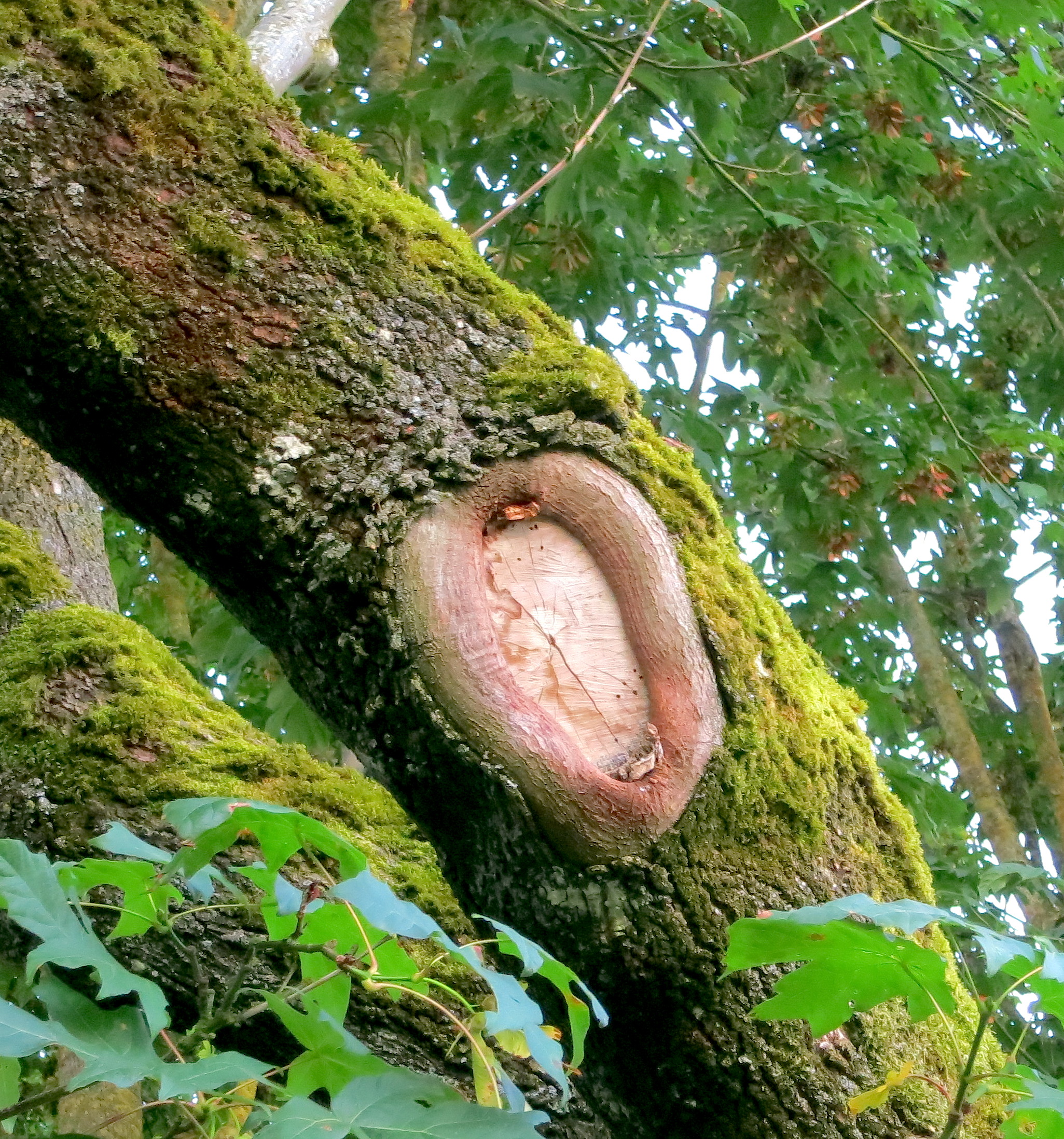
Trees are not unique.  It happens to people too.  Everyday scars are inflicted for reasons hard to justify.  Too often I see them self-inflicted in an effort to feel something other than despair.  Sometimes they are inflicted by others out of fear or need for control.

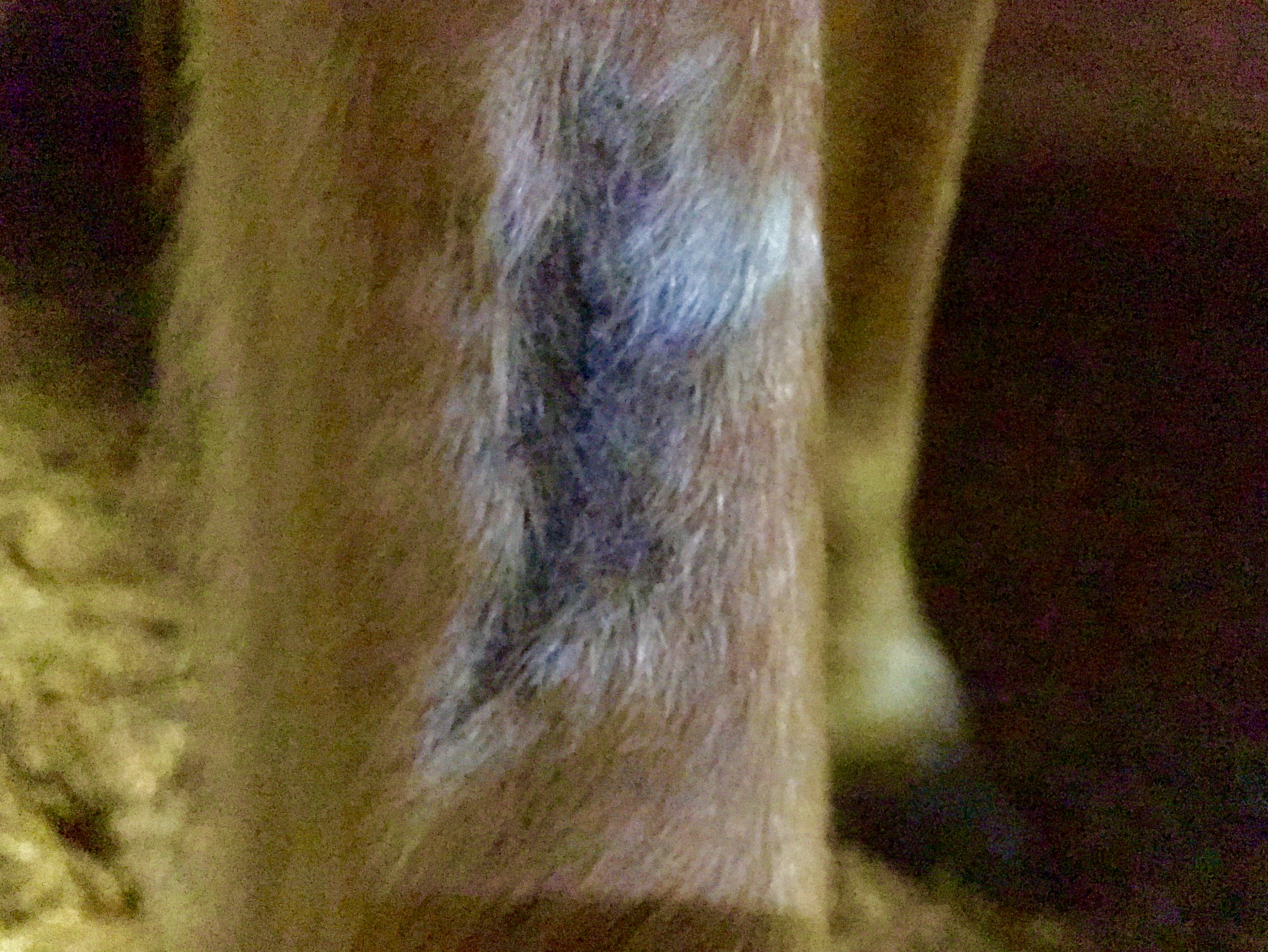
Sometimes they are simply the scars of living – on our horses they are a dark tough scar of leathery “proud flesh”. These are the wounds that accumulate on our journey through our numbered days.

None of them are as deep and wide as the scars that were accepted on our behalf, nor as wondrous as the Love that oozed from them, nor as amazing as the Grace that abounds to this day because of the promise they represent. 

These are scars from the Word made Flesh, a proud flesh that won’t give way, lasting forever.

As a result, that Tree lives, and so do we.
One-Time
Monthly
Yearly

Make a one-time donation to support Barnstorming

Make a monthly donation

Make a yearly donation

Choose an amount

¤5.00
¤10.00
¤20.00
¤5.00
¤15.00
¤100.00
¤5.00
¤15.00
¤100.00

Or enter a custom amount

¤

Your contribution is deeply appreciated.

Your contribution is appreciated.

Your contribution is appreciated.

DonateDonate monthlyDonate yearly

A book of beauty in words and photography, available to order here:

Moving Up a Notch

Scars come in various sizes and shapes, some hidden, some obvious to all.  How they are inflicted also varies–some quite accidental, others therapeutic, and too many intentional.  The most insidious are the ones deep inside where no one can see or know.

Back in our woodlot stands a sawed off stump of a cedar that was old growth in virgin forest over a hundred years ago.  One day the clearcut loggers came through our part of this rural county and took every tree they could to haul to the local sawmills to become beams and lumber for the growing homesteading population in the region.  This cedar once was grand and vast, covering an immense part of the forest floor, providing protection to trillium at its feet and finches’ nests and raptors hunting in its branches.   It nurtured its environment until other plans were made, and one day, axes fell on its sides to cut out the notches for the springboards where two loggers stood to man the saw which brought the tree down.  Where the wood went is anyone’s guess.  It could be one of the mighty beams supporting our old hay barn roof or it could have become the foundation flooring of a nearby one room school house.  It surely had a productive and meaningful life as part of a structure somewhere until rot or carpenter ants or fire brought it once again to its knees.

But the stump remains, a tombstone of remembrance of a once grand tree, the notch scars embedded deep in its sides, nursing new seedlings from its center and moss, lichen and ferns from its sides.

I come from logger stock so I don’t begrudge them their hard scrabble living, their dangerous work in order to feed themselves and their families.  It’s just that those scars even one hundred years later are such a visible reminder of what once was a vital living organism toppled for someone’s need and convenience.

Trees are not unique.  It happens to people too.  Everyday scars are inflicted for reasons hard to justify.  Too often I see them self-inflicted in an effort to feel something other than despair.  Sometimes they are inflicted by others out of fear or need for control.  Moving up a notch only allows more precise aim and a deeper cut.

Sometimes they are simply the scars of living, accumulated along the pathway we tread.

None of them are as deep and wide as the scars that were accepted on our behalf, nor as wondrous as the love that oozed from them, nor as amazing as the grace that abounds to this day because of the promise spelled out by them.

As a result, that tree lives.


Lenten Meditation–Repentance


He wasn’t just any drunk.  He was a mean drunk.  Surly, cursing, prone to throwing things and people.

My grandmother used to say he learned to drink in the logging camps and I suspect that is true.  He started working as a logger before he was fully grown, dropping out of school around age sixteen and heading up to the hills where real money could be made.  He learned more than how to cut down huge old growth Douglas Fir trees, skid them down the hills using a team of horses, and then roll them onto waiting wagons to be hauled to the mills.  He learned how to live with a group of men who surfaced once or twice a month from the hills to take a bath and maybe go to church with their womenfolk. Mostly he learned how to curse and drink.

He returned to the home farm with muscles and attitude a few years later, and started the process of felling trees there, creating a “stump farm” that was a challenge to work because huge stumps dotted the fields and hills.  He slowly worked at blasting them out of the ground so the land could be tilled.  It proved more than he had strength and motivation to do, so his fields were never very fruitful, mostly growing hay for his own animals.  He went to work in the local saw mill to make ends meet.

He cleaned up some when he met my grandmother, who at eighteen was twelve years younger, and eager to escape her role as chief cook and bottle washer for her widowed father and younger brother.   She was full of energy and talked constantly while he, especially when sober, preferred to let others do the talking.  It was an unusual match but he liked her cooking and she was ready to be wooed.

It was a marriage in a rush with a baby born a bit earlier than the calendar would have predicted.  They settled on the stump farm and began raising a family, trying to eke out what living they could from the land, from the sporadic work he found at the saw mill, and every Sunday, took the wagon a mile down the road to the Summit Park Bible Church where they both sang with gusto.

He still drank when he had the money, blowing his pay in the local tavern, and stumbling in the back door roaring and burping, falling into bed with his shoes on.  Grandma was a teetotaler and yelled into his ruddy face about the wrath of God anytime he drank, their four children hiding when the dishes started to fly, and when he would whip off his belt to hit anyone who looked sideways at him.

When their eldest daughter, the reason for their getting married in the first place, took sick and died quickly of cancer despite the little doctoring that was available, Grandpa got sober for awhile.  He saw it as punishment from God, or at least, that is what Grandma told him through her sobs as she struggled to cope with her loss.

Over the years, he relapsed many times, losing fingers in his work at the mill, and losing the respect of his wife, his children and the people in the community.  Grandma left with the kids for several months to cook in a boarding house in a neighboring town, simply to be able to feed her family while Grandpa squandered what he had on drink.

Grandpa sobered up for good while his boy fought in the war overseas, striking a bargain with God that his boy would come home safe as long as Grandpa left the booze alone.  It stuck and he stayed sober.  His boy came home.  Grandpa felt forgiven and became an elder in his Bible Church, taught Sunday School and gave his extra cash to the church rather than the tavern.

Sitting in a Christmas Sunday School program one Christmas Eve, Grandpa leaned toward Grandma and she noticed his face broken out in sweat, his face ashen.

“Phew, it’s hot in here, “ he said and collapsed in her lap.    He was gone, just like that, in church, sober as can be,  on the day before Christmas.

He was home at last.