
Is There a Cure?

“Peasant women digging potatoes” Van Gogh 1885 Kröller-Müller Museum The Netherlands

“Do you know a cure for me?”
“Why yes,” he said, “I know a cure for everything. Salt water.”
“Salt water?” I asked him.
“Yes,” he said, “in one way or the other. Sweat, or tears, or the salt sea.”
~Isak Dinesen from Seven Gothic Tales


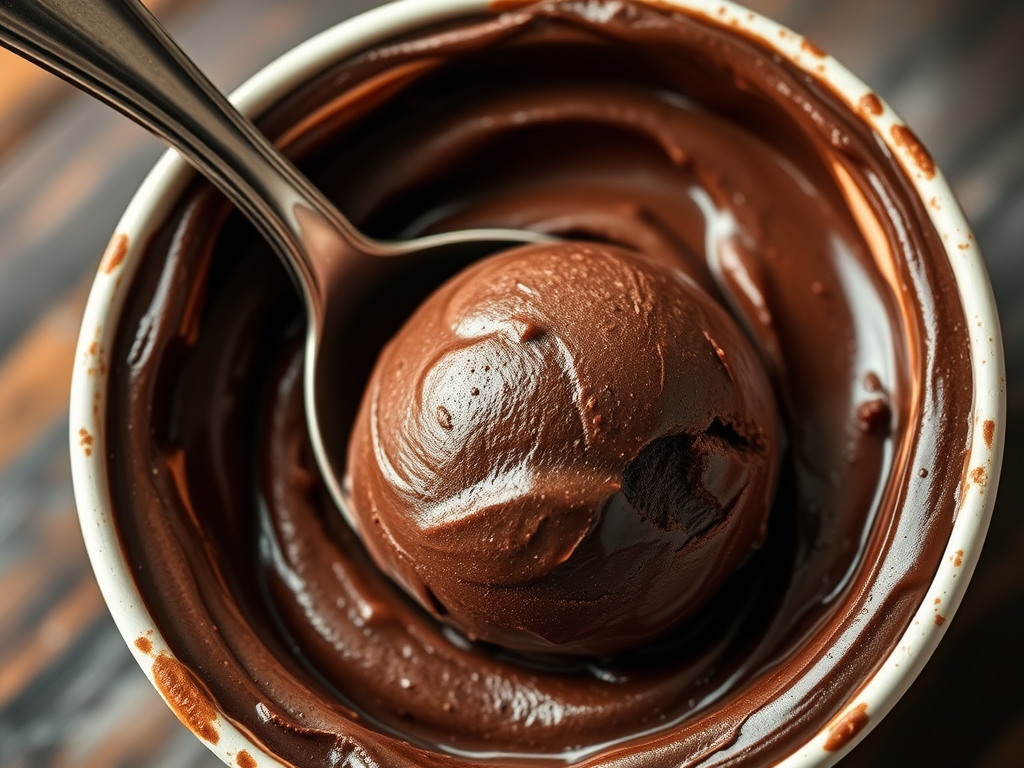
A good night sleep, or a ten minute bawl, or a pint of chocolate ice cream, or all three together, is good medicine.
~Ray Bradbury from Dandelion Wine

The woods are lovely, dark and deep,   
But I have promises to keep,   
And miles to go before I sleep,   
And miles to go before I sleep.
~Robert Frost from “Stopping by Woods on a Snowy Evening”

If there is anything I learned in 42 years of doctoring, it’s that physicians “practice” every day in the pursuit of getting it right. As much as MDs emphasize the science of what we do through “evidence-based” decision-making, there were still days when a fair amount of educated guessing and a gut feeling was based on past experience, along with my best hunch. 

Many patients don’t arrive with classic cookbook symptoms that fit the standardized diagnostic and treatment algorithms. The nuances of their stories require interpretation, discernment, and flexibility. A surprise once in awhile made me look at a patient in a new or unexpected way and taught me something I didn’t know before. It kept me coming back with more questions, to figure out the mystery and dig a little deeper.

I also learned that though much medical treatment comes through some intervention using surgical procedures, pills or injections, those aren’t the only options in our doctor bag.

A simple good night’s sleep can do wonders for what ails a mind and body, especially when we’ve kept our promises.

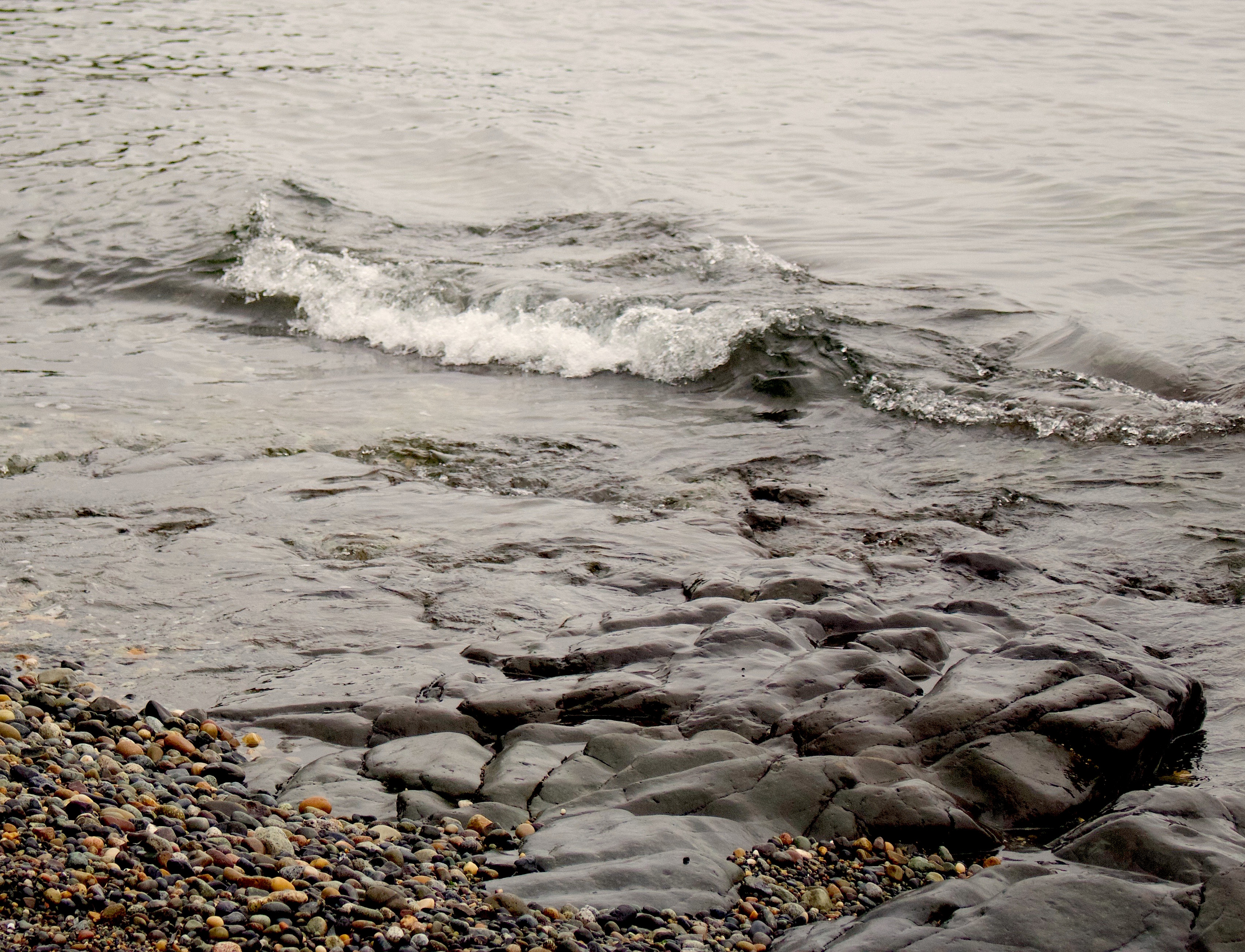
At times the most appropriate cure is simple salt water in all its forms – just feeling ocean waves lapping at our feet, or sweating it out with exertion, or feeling the flow of tears down our cheeks.

How many of us allow ourselves a good cry when we feel it welling up behind our eyes?  It could be a sentimental moment–a song that brings back bittersweet memories, a movie that touches just the right chord of feeling and connection. It may be a moment of frustration and anger when nothing seems to go right. It could be the pain of physical illness or injury or emotional turmoil. 

Or just maybe there is weeping when everything is absolutely perfect and there cannot be another moment just like it, so it is tough to let it go without our tears spilling over.

And lastly, aside from the obvious curative properties of salt water, the healing found in chocolate is unquestioned by this physician. It can fix most everything that ails a person – at least for an hour or so.

It doesn’t always take an M.D. degree to determine the best medicine. It just takes a degree in common sense.

Healing tools to consider when all else fails: 
sleep, weep, keep ( promises), and reap (chocolate!)

One-Time
Monthly
Yearly

Make a one-time or recurring donation to support daily Barnstorming posts

Make a monthly donation

Make a yearly donation

Choose an amount

$10.00
$25.00
$50.00
$5.00
$15.00
$100.00
$5.00
$15.00
$100.00

Or enter a custom amount

$

Your contribution is deeply appreciated.

Your contribution is appreciated.

Your contribution is appreciated.

DonateDonate monthlyDonate yearly

The Salt Water Cure

The cure for anything is salt water–sweat, tears or the sea.
~Isak Dinesen

I go down to the shore in the morning
and depending on the hour the waves
are rolling in or moving out,
and I say, oh, I am miserable,
what shall —
what should I do? And the sea says
in its lovely voice:
Excuse me, I have work to do.
~Mary Oliver “I Go Down to the Shore”

photo by Nate Gibson

…when he looked at the ocean,
he caught a glimpse of the One he was praying to.

Maybe what made him weep was
how vast and overwhelming it was

and yet at the same time as near
as the breath of it in his nostrils,
as salty as his own tears.

~Frederick Buechner writing about Paul Tillich in Beyond Words

I grew up an easy crier.  Actually growing up hasn’t cured it, nor has getting older.  I’m still an easy crier – a hard thing to admit especially when my tears flow at an inopportune time in a public place. These days, it is most often in church, while singing favorite hymns, but I can cry just about anywhere.

These days, simply reading the headlines warrants weeping.

It might have had something to do with being a middle child, bombarded from both directions by siblings who recognized how little aggravation it took to make me cry, or it may have been my hypersensitive feelings about …. everything.  I felt really alone in my tearful travails until my formidable grandmother, another easy weepy, explained that my strong/tall/tough/nothing-rocks-him former WWII Marine father had been a very weepy little boy.  She despaired that he would ever get past being awash in tears at every turn.  His alcoholic father tormented him about it, wondering if he would ever learn to “man up.”

So this is a congenital condition – my only excuse and I’m sticking to that story.

A few years ago I read about how different kinds of tears (tears of joy, tears of pain, tears of grief, tears of frustration, tears of irritated eyes, tears of onion cutting) all look different and remarkably apt, when dried and pictured under the microscope.  This is more than mere salt water leaking from our eyes — this is our heart and soul and hormonal barometer streaming down our faces – a visible litmus test of our deepest feelings.

I witnessed many tears every day in my clinical practice, usually not tears of joy.  These were tears borne of pain and loss and rejection and failure, of hopelessness and helplessness, loneliness and anguish.  Often my patients would describe having a “break down” by which they meant uncontrollable crying.  It was one of the first-mentioned symptoms they wanted relief from.

Tears do come less frequently as depression lifts and anxiety lessens but I let my patients know (and I remind myself) that tears are a transparent palette for painting the desires and concerns of our heart.  Dry up the tears and one dries up emotions that express who we are and who we strive to be.

When I’m able, I celebrate the salt water squeezing from my eyes, knowing it means I’m so fully human that I leak my humanity everywhere I go.  Even God wept while dwelling among us on earth, and what’s good enough for Him is certainly good enough for me.

One-Time
Monthly
Yearly

Make a one-time or recurring donation to support daily Barnstorming posts

Make a monthly donation

Make a yearly donation

Choose an amount

¤5.00
¤10.00
¤20.00
¤5.00
¤15.00
¤100.00
¤5.00
¤15.00
¤100.00

Or enter a custom amount

¤

Your contribution is deeply appreciated.

Your contribution is appreciated.

Your contribution is appreciated.

DonateDonate monthlyDonate yearly

A Salt Water Cure

fidalgotree2

…when he looked at the ocean,
he caught a glimpse of the One he was praying to.

Maybe what made him weep was
how vast and overwhelming it was

and yet at the same time as near
as the breath of it in his nostrils,
as salty as his own tears.

~Frederick Buechner writing about Paul Tillich in Beyond Words

pnpsunset714

fidalgobeach2


The cure for anything is salt water–sweat, tears or the sea.
~Isak Dinesen


Wavecrash2
photo by Nate Gibson


I grew up an easy crier.  Actually growing up hasn’t cured it, nor has middle age.  I’m still an easy crier – a hard thing to admit especially when my tears flow at an inopportune time in a public place.

It might have had something to do with being a middle child, bombarded from both directions by siblings who recognized how little aggravation it took to make me cry, or it may have been my hypersensitive feelings about …. everything.  I felt really alone in my tearful travails until my formidable grandmother, another easy weepy, explained that my strong/tall/tough/nothing-rocks-him former WWII Marine father had been a very weepy little boy.  She despaired that he would ever get past being awash in tears at every turn.  His alcoholic father tormented him about it, wondering if he would ever learn to “man up.”

So this is a congenital condition and that’s my excuse.

A few years ago I read a fascinating article about how different kinds of tears (tears of joy, tears of pain, tears of grief, tears of frustration, tears of irritated eyes, tears of onion cutting) all look different and remarkably apt, when dried and pictured under the microscope.  This is more than mere salt water leaking from our eyes — this is our heart and soul and hormonal barometer streaming down our faces – a visible litmus test of our deepest feelings.

I witness many tears every day in my office, and not tears of joy.  These are tears borne of pain and loss and rejection and failure, of hopelessness and helplessness, loneliness and anguish.  Often my patients will describe having a “break down” by which they mean uncontrollable crying.  It is one of the first-mentioned symptoms they want relief from.

Tears do come less frequently as depression lifts and anxiety lessens but I let my patients know (and remind myself) that tears are a transparent palette for painting the desires and concerns of our heart.  Dry up the tears and one dries up emotions that express who we are and who we strive to be.

When I’m able, I celebrate the salt water squeezing from my eyes, knowing it means I’m so fully human that I leak my humanity everywhere I go.  Even God wept while dwelling among us on earth, and what’s good enough for Him is certainly good enough for me.

weepingrose