At the Still Point

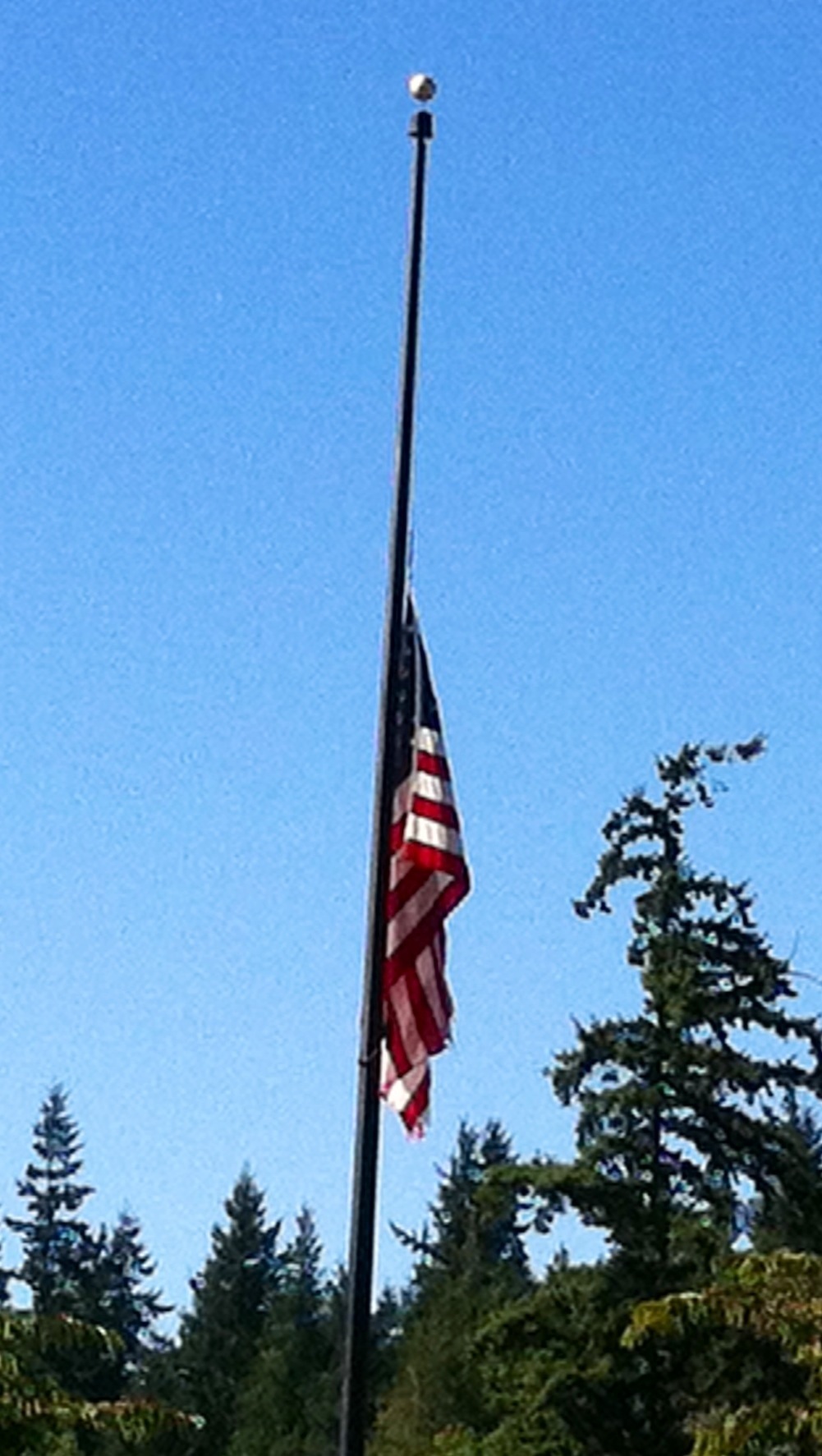
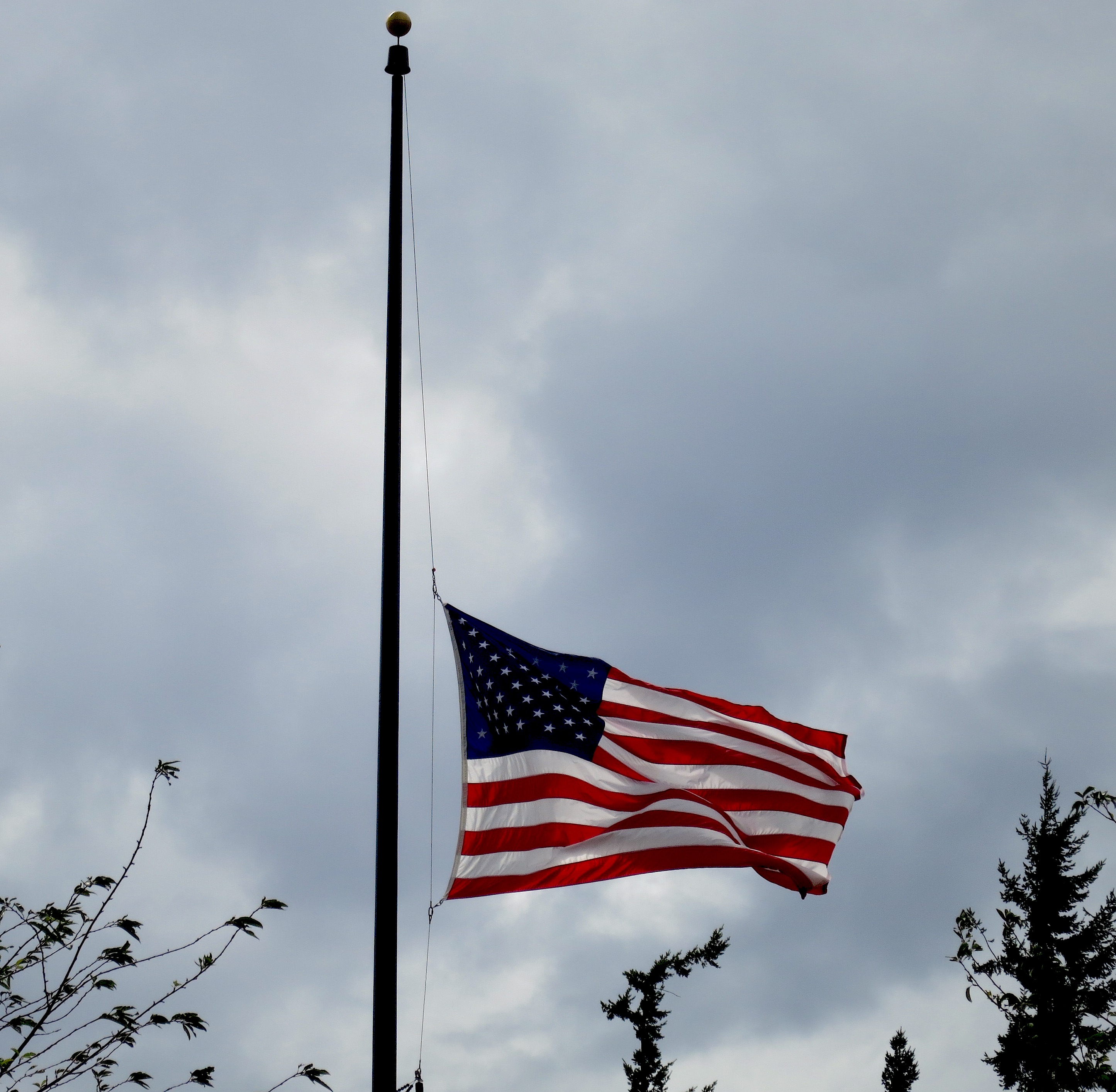
halfstaff

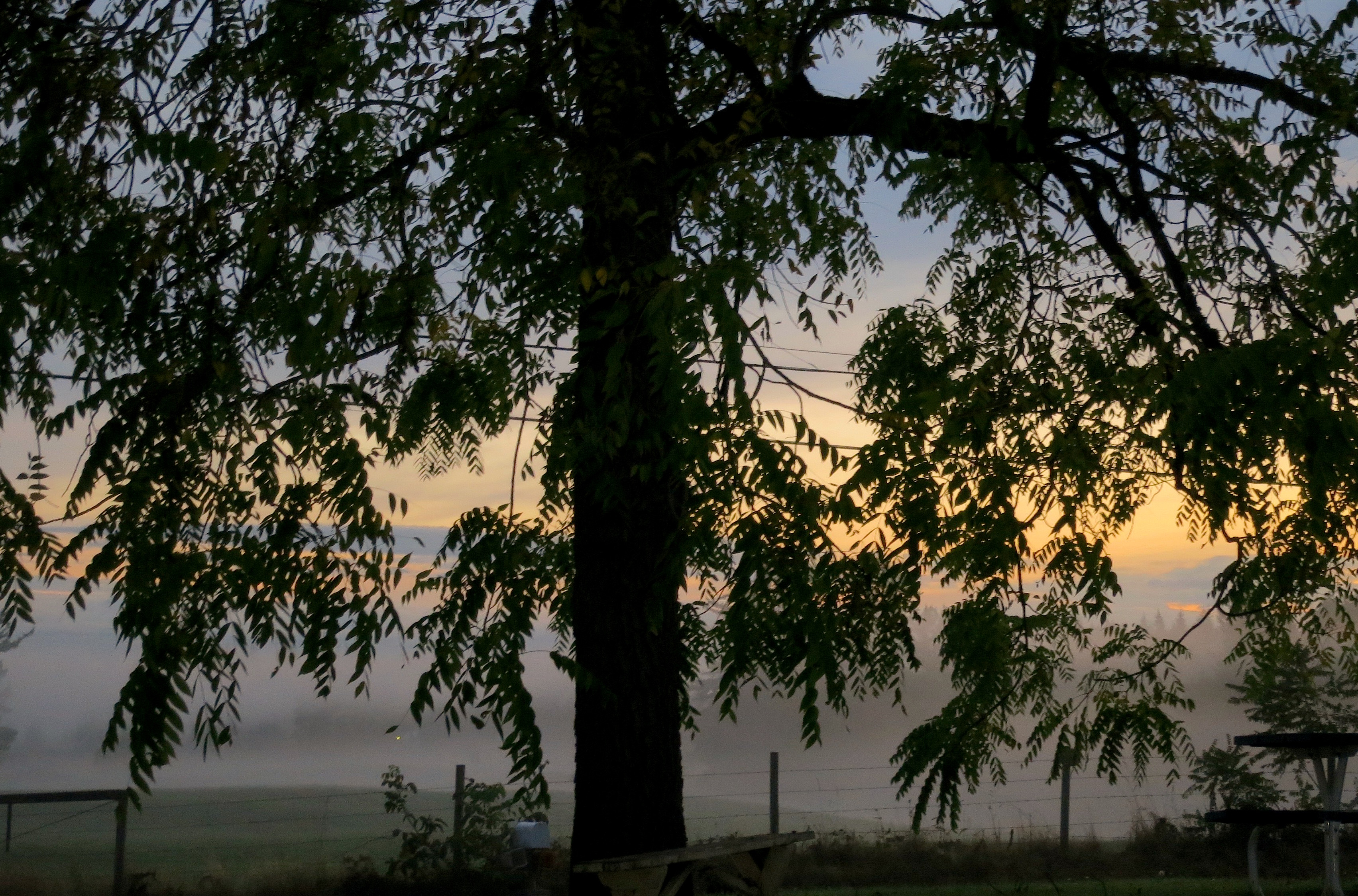
frontyard915

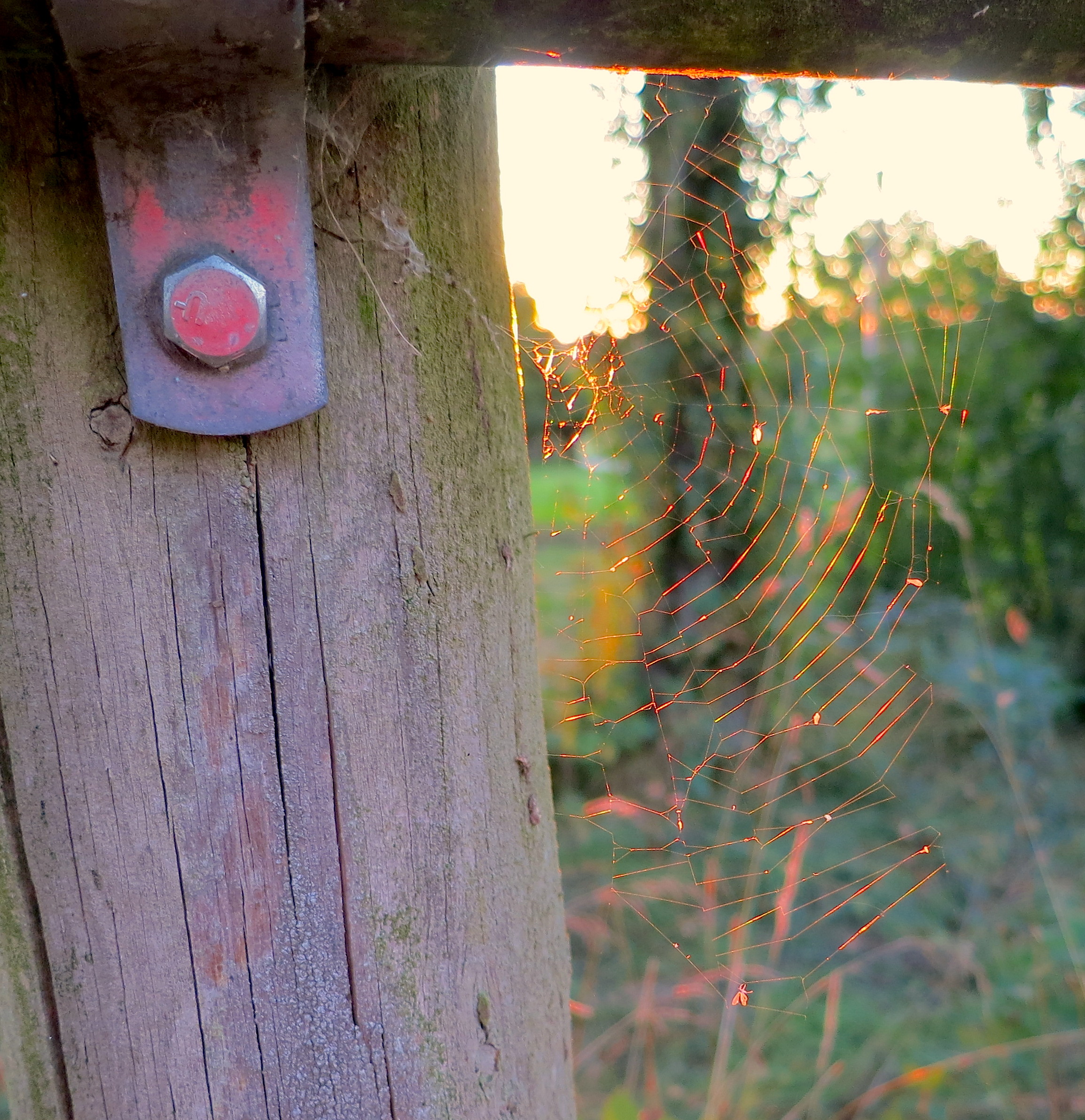
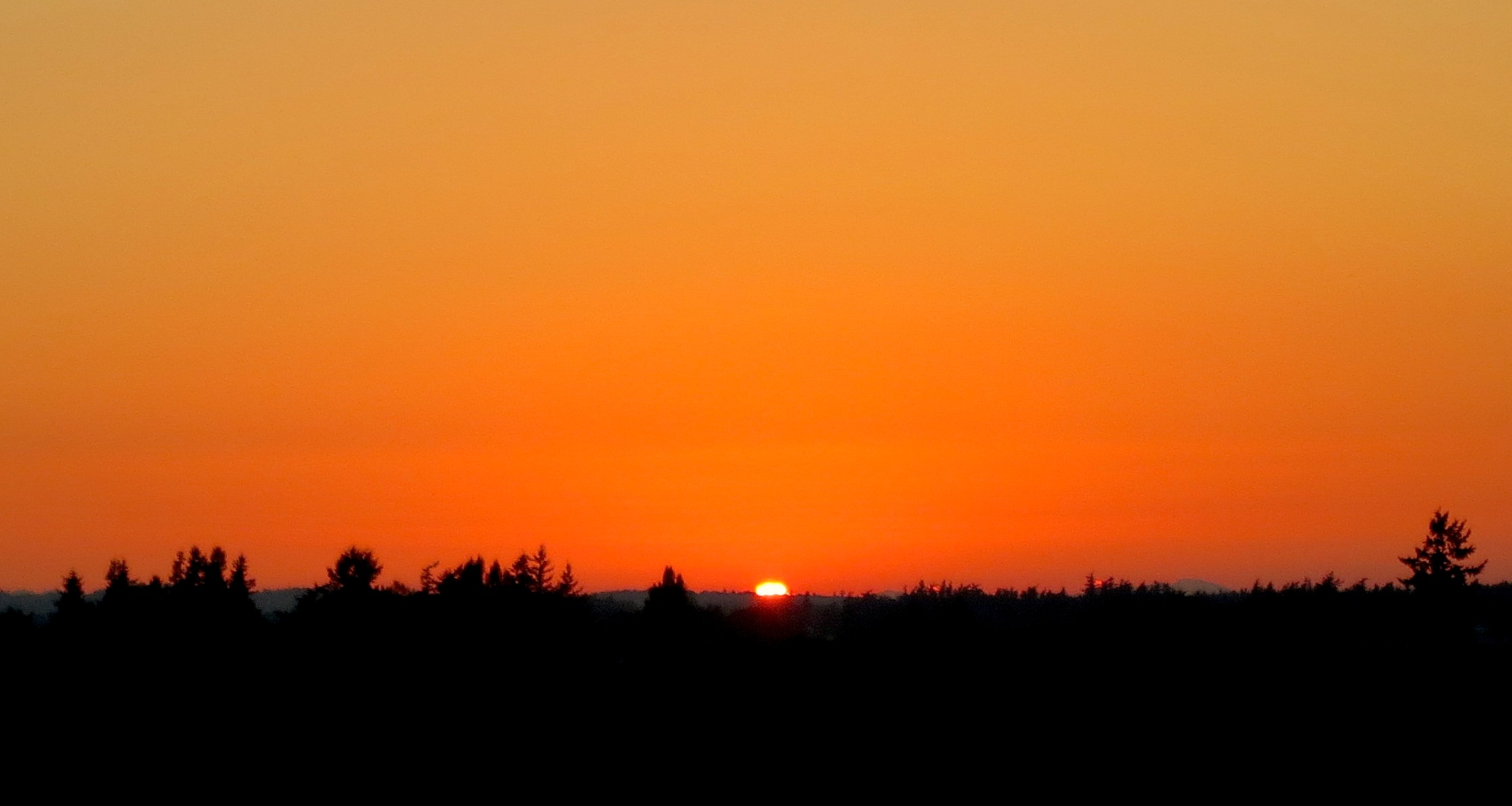
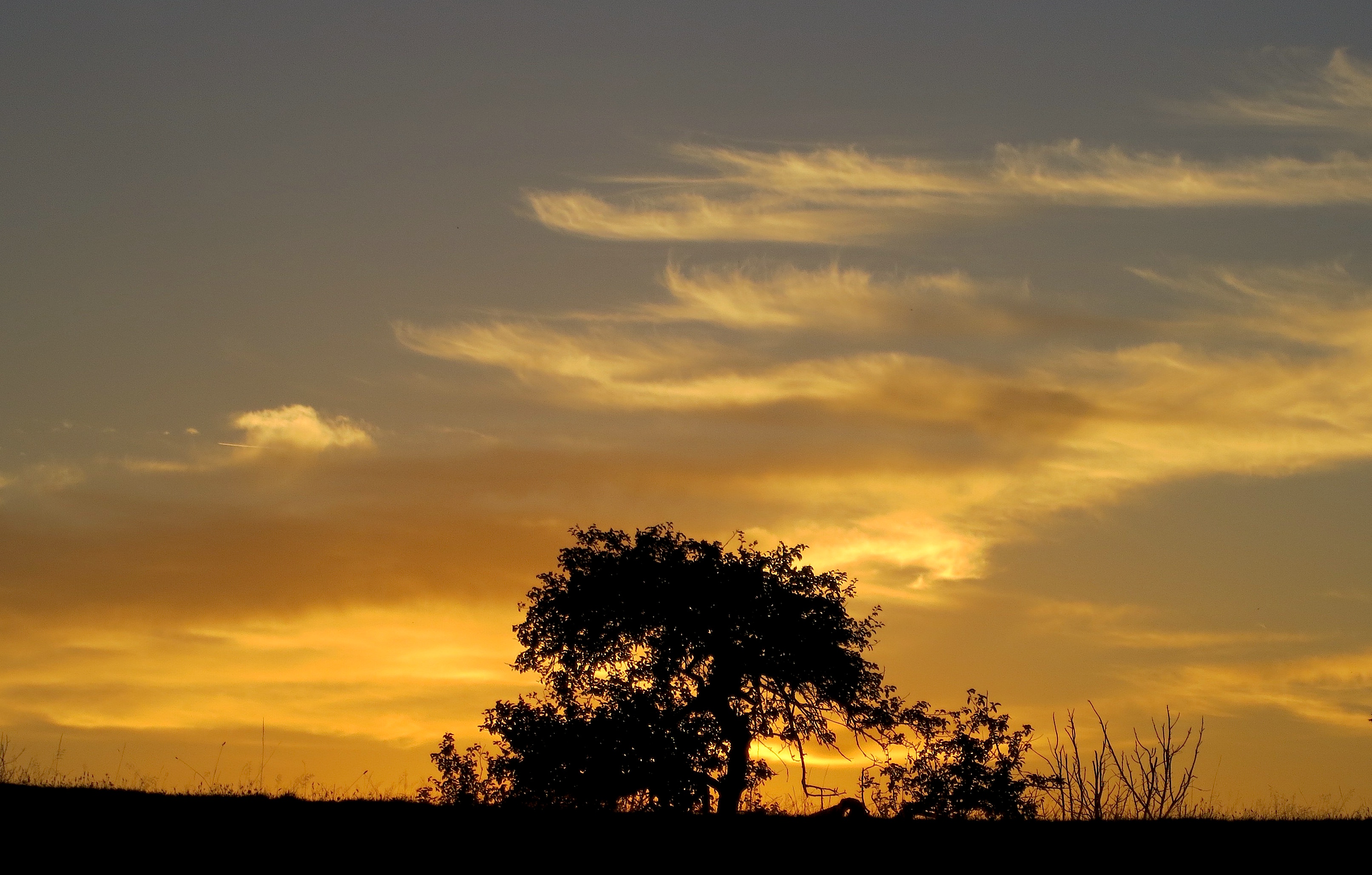
sunset910151

At the still point of the turning world. Neither flesh nor fleshless;
Neither from nor towards; at the still point, there the dance is,
But neither arrest nor movement. And do not call it fixity,
Where past and future are gathered. Neither movement from nor towards,
Neither ascent nor decline. Except for the point, the still point,
There would be no dance, and there is only the dance.

I can only say, there we have been: but I cannot say where.
And I cannot say, how long, for that is to place it in time.
The inner freedom from the practical desire,
The release from action and suffering, release from the inner
And the outer compulsion, yet surrounded
By a grace of sense, a white light still and moving…
{Burnt Norton}

Than that of summer, neither budding nor fading,
Not in the scheme of generation.
Where is the summer, the unimaginable
Zero summer?
{Little Gidding}

~T.S. Eliot, from Four Quartets

As a grade school child in November 1963, I learned the import of the U.S. flag being lowered to half mast in response to the shocking and violent death of our President. The lowering of the flag was so rare when I was growing up, it had dramatic effect on all who passed by — something very sad had happened to our country, warranting our silence and our stillness.

Since 9/11/01, our flag has spent significant time at half mast, so much so that I’m befuddled instead of contemplative, puzzling over what the latest loss might be as there are so many, sometimes all happening in the same time frame.  We no longer are silenced by this gesture of honor and respect and we certainly are not stilled, personally and corporately instigating and suffering the same mistakes against humanity over and over again.

Eliot wrote the prescient words of the Four Quartets in the midst of the WWII German bombing raids that destroyed people and neighborhoods. Perhaps he sensed the destruction he witnessed would not be the last time in history that evil visits the innocent, leaving them in ashes. There would be so many more losses to come, so much more sadness to be borne, such abundance of grief that our world has become overwhelmed and stricken.

He was right: we have yet to live in a Zero summer of endless hope and fruitfulness, of spiritual awakening and understanding.  Where is it indeed?

We must return, as people of faith, as Eliot did, to that still point to which we are called on a day such as today.  We must be stilled; we must be silenced. We must grieve the losses of this turning world, as did Eliot, and pray for release from the suffering we cause and we endure.  Only in the asking, only in the kneeling down and pleading, are we surrounded by grace.   A flag half lowered may have lost its power to punch our gut, but we are illuminated by the Light on the move in our lives.
sunset95153

septembermapleleaves

dandy910159

sunset813151

Don’t Be Afraid

sunset96142

hydrangea9614

To acknowledge the significance of this day and the events of 13 years ago:

The grace of God means something like:
Here is your life.
You might never have been, but you are,
because the party wouldn’t have been complete without you.
Here is the world.
Beautiful and terrible things will happen.
Don’t be afraid.
I am with you.
~Frederick Buechner
in Wishful Thinking and later in Beyond Words


sunsetweb96143

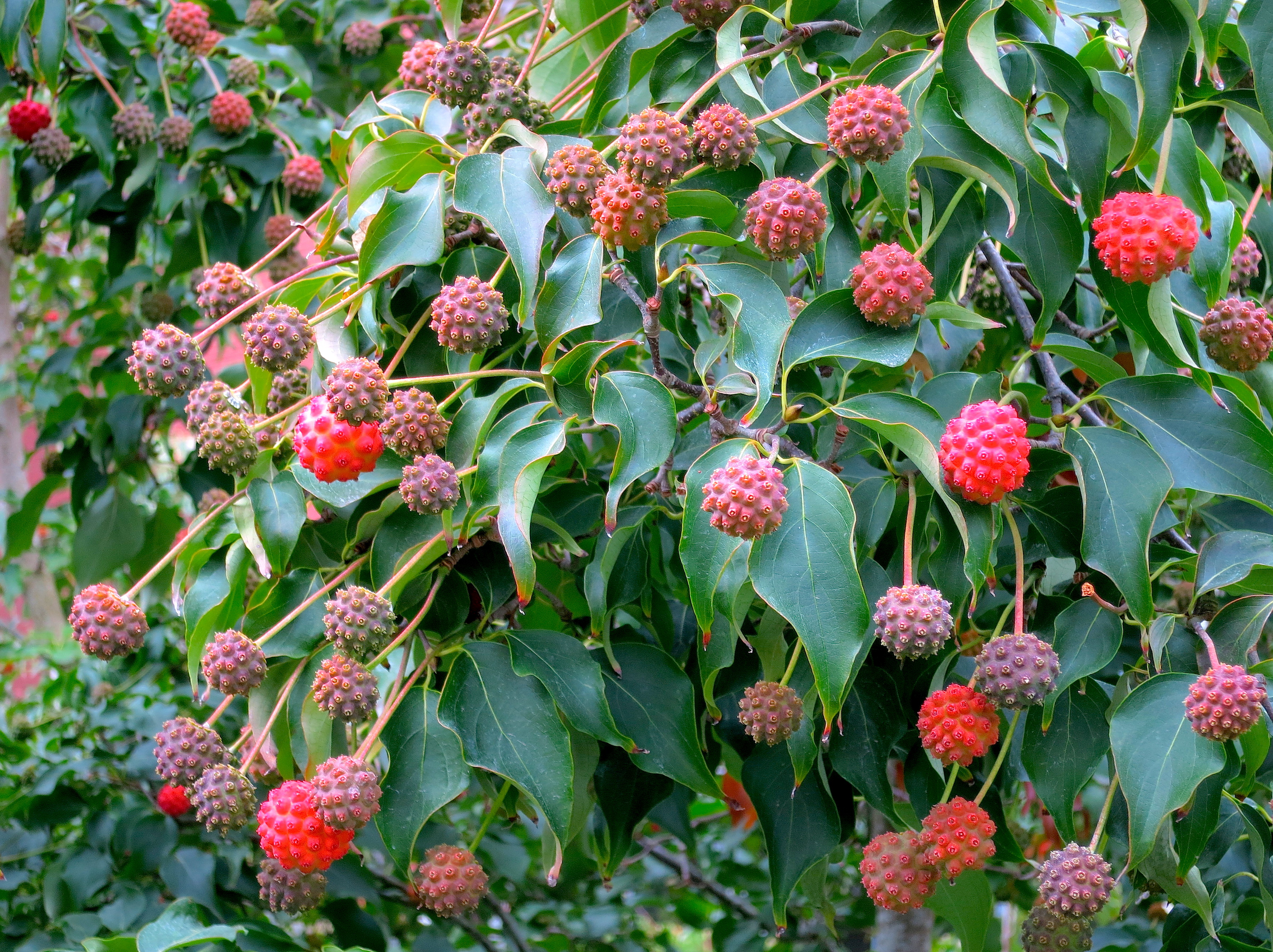
dogwoodsept

Color of Steep Sun

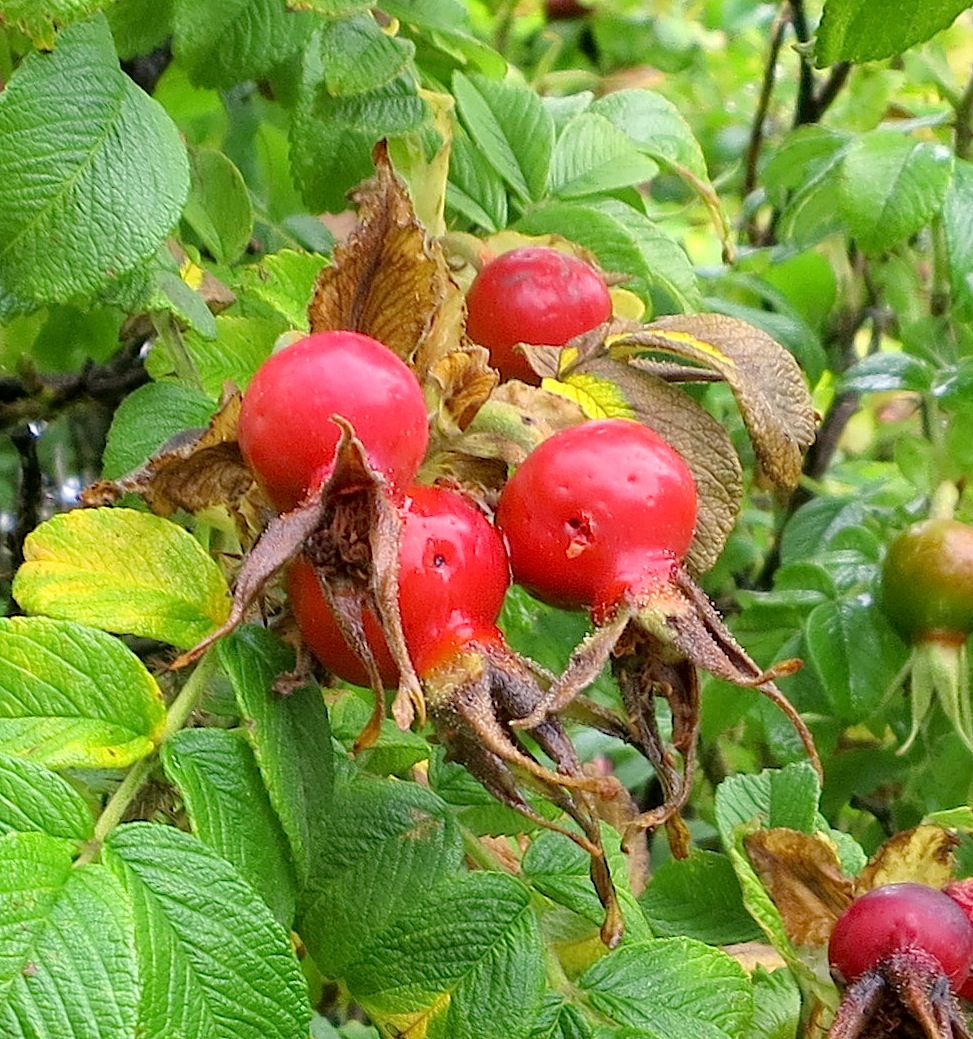
rosehips3

wwublossom

redrose
Red is the color of blood, and I will seek it:
I have sought it in the grass.
It is the color of steep sun seen through eyelids…
This is the time of day for recollections
~Conrad Aiken
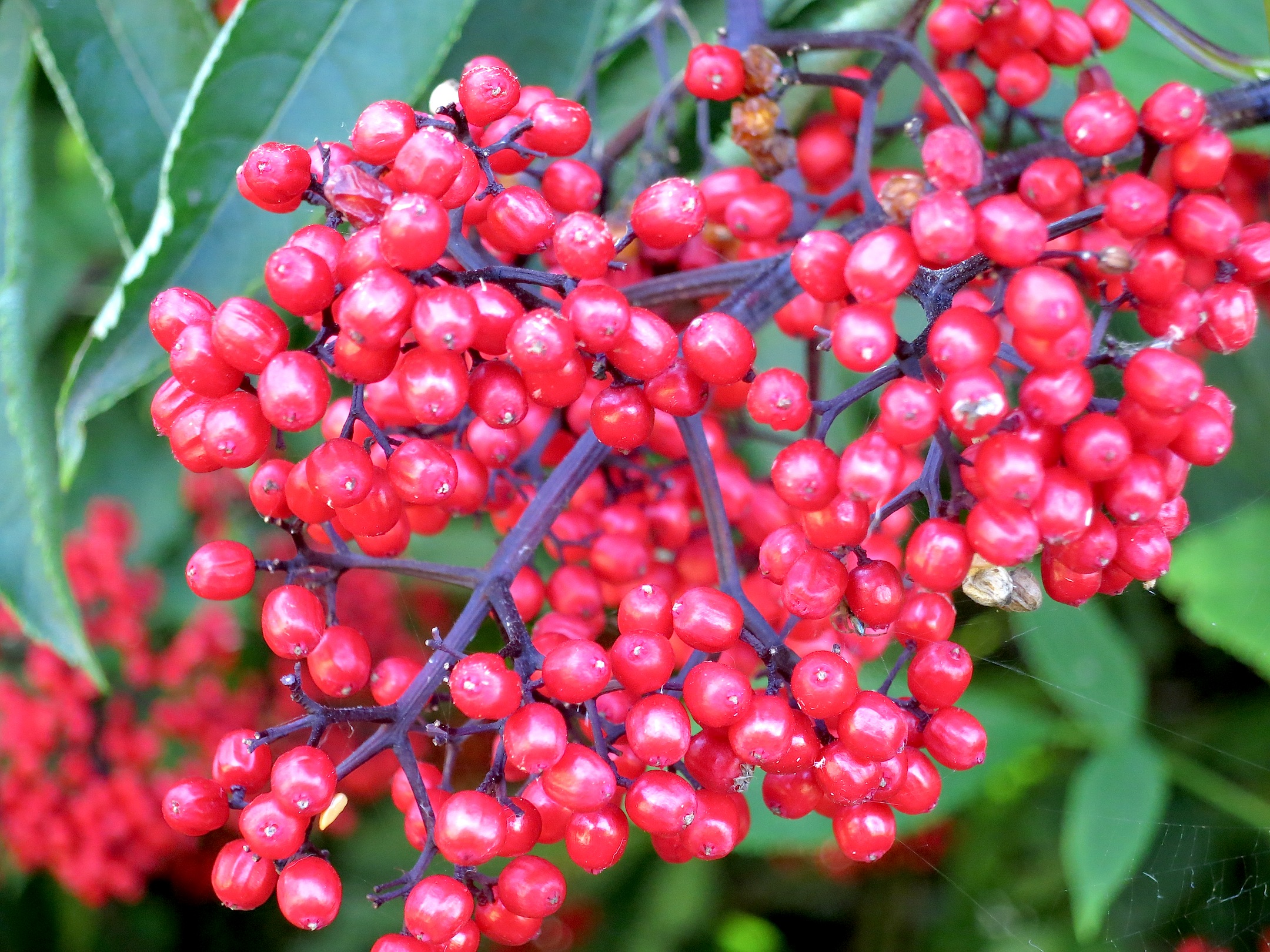
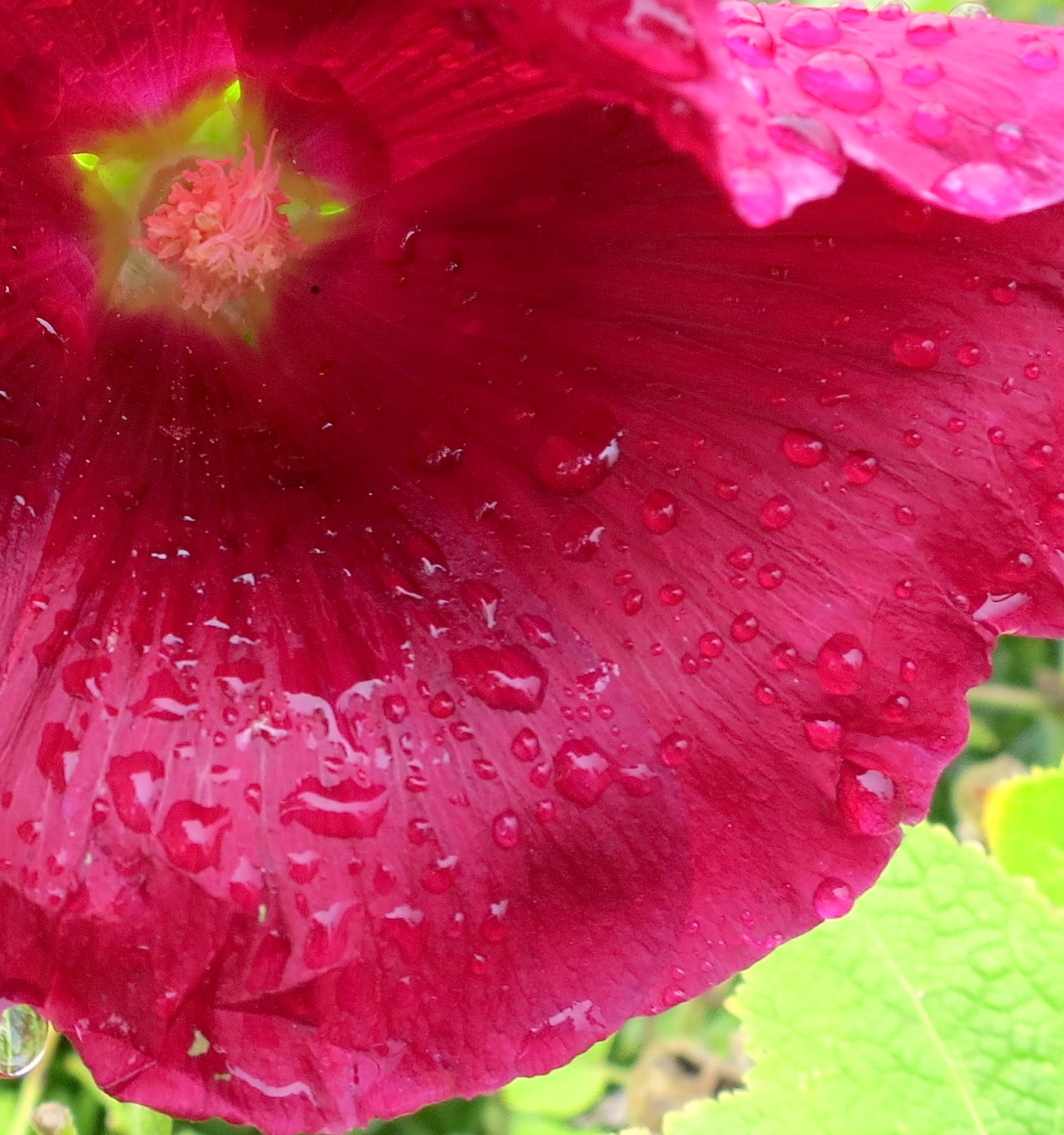
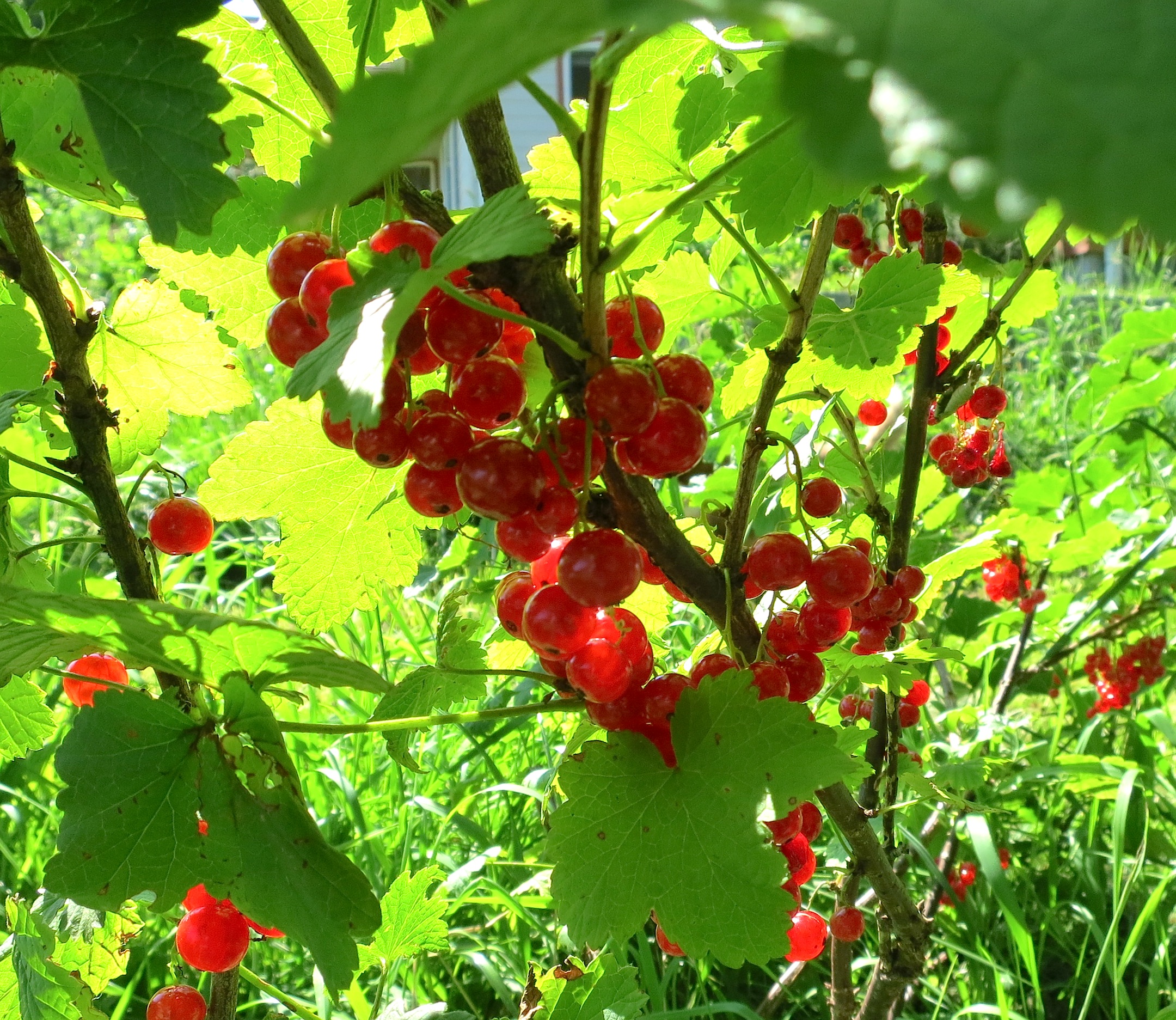
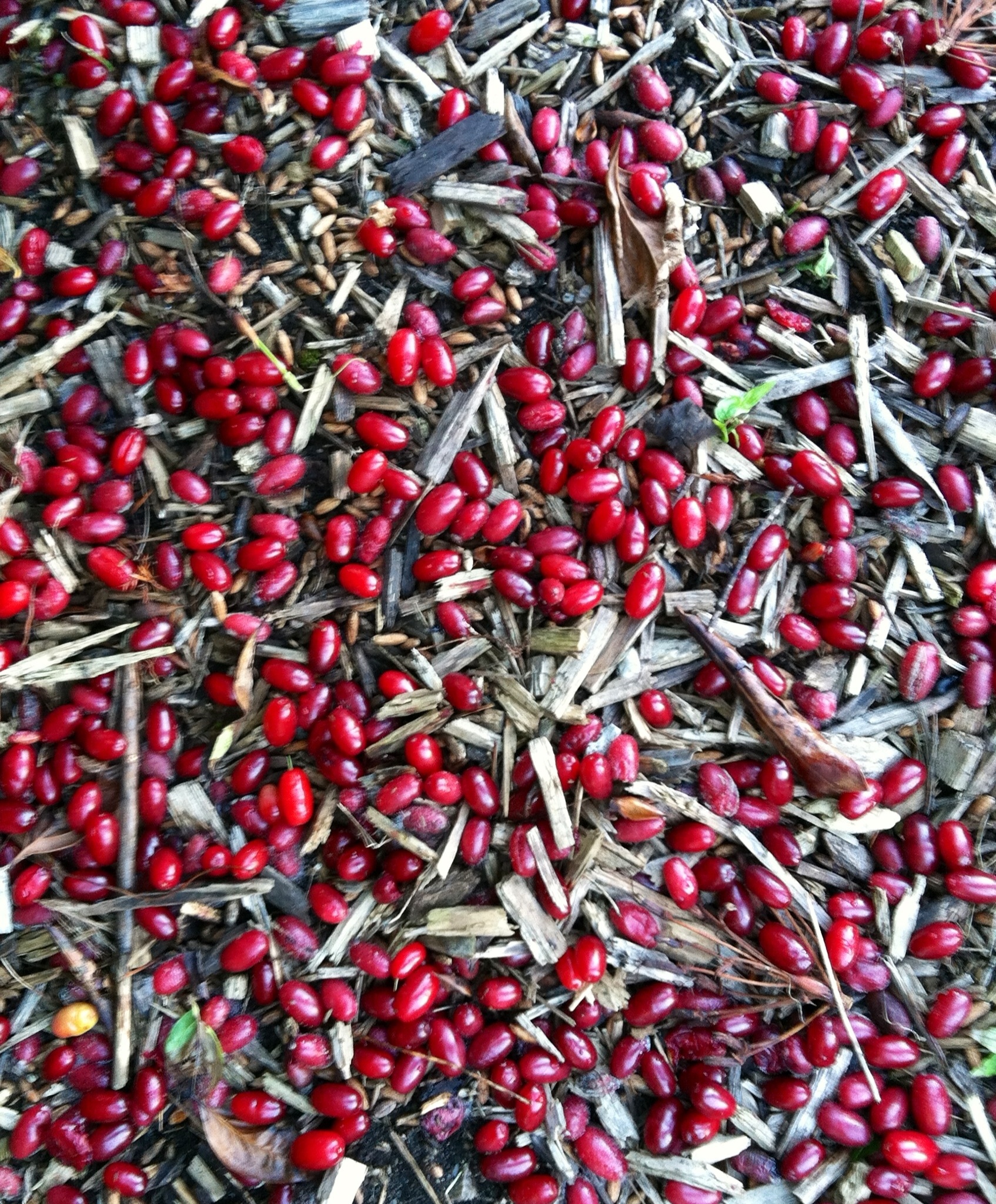
Twelve years ago it was a day that started with bright sun above and ended in bloodshed below.
It is a day for recollections;
we seek remembrance,
with eyes open,
and through closed eyelids
steeped in the red that flowed that day.
elderberry2
hollyhockclose
redcurrants

20130911-111236.jpg

20130911-125511.jpg

sunsetred

Poems in Hiding

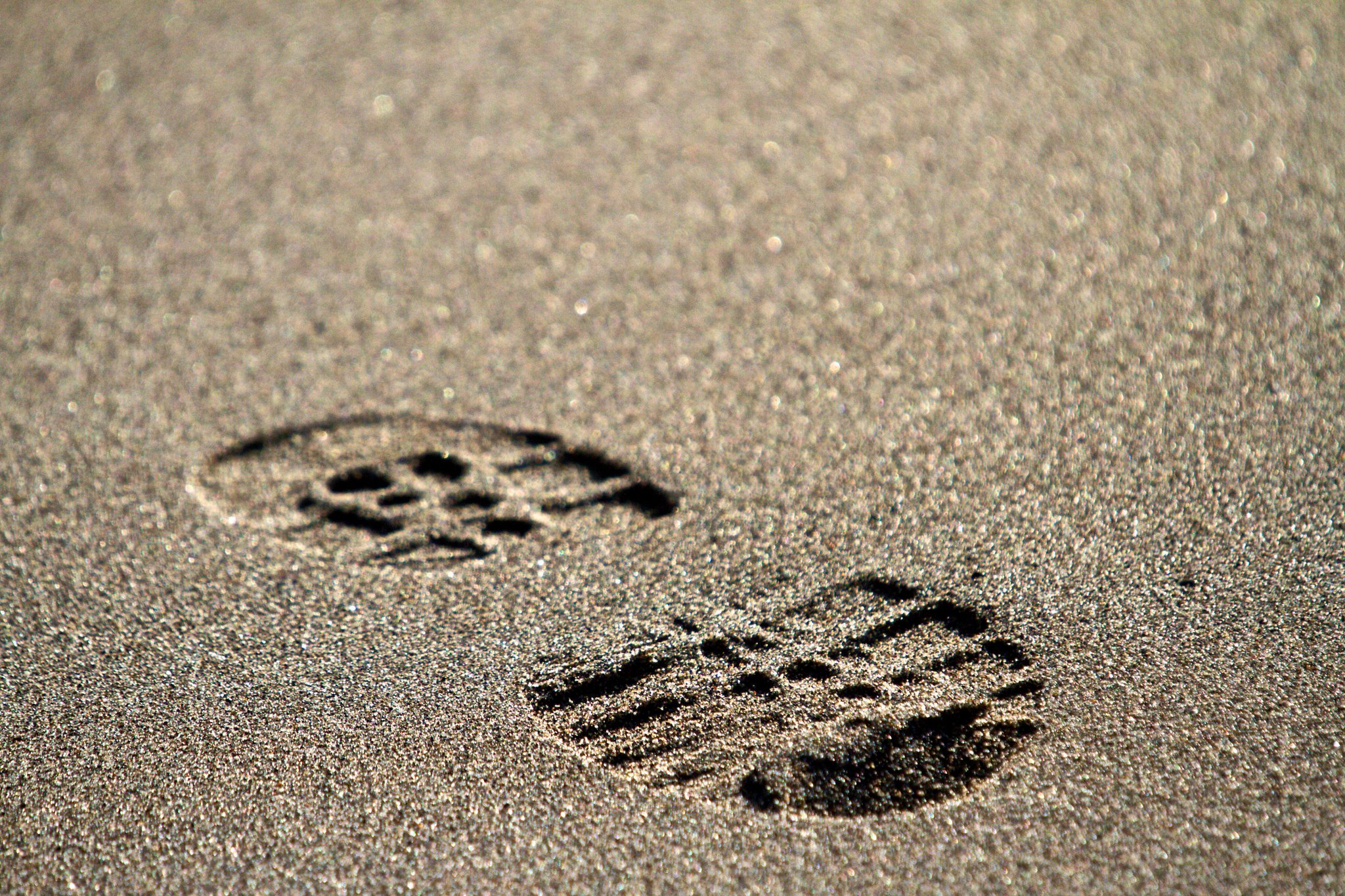
photo by Josh Scholten

I’ll tell you a secret: poems hide.
In the bottoms of our shoes, they are sleeping.
They are the shadows drifting across our ceilings the moment before we wake up.
What we have to do is live in a way that lets us find them.”
Naomi Shihab Nye

Poems stayed hidden from me for decades.  I was oblivious a hundred times a day to their secrets: dripping right over me in the shower,  rising over hills bright pink, breathing deeply as I auscultated a chest, settling heavily on my eyelids at night.

The day I awoke to them was the day thousands of innocents died in sudden cataclysm of airplanes and buildings and fire, people not knowing when they got up that day it would be their last.  The poems began to come out of hiding, show themselves and I began to see, listen, touch, smell, taste as if each day would be my last.

I have learned to live in a way that lets me see the hidden poems and now they overwhelm me.  They are everywhere.

And I don’t know if I have enough time left to write them all down.

Briers and Thorns

…Do not be afraid, though briers and thorns are all around you
Ezekiel 2:6

Today I will make wild blackberry cobbler, facing down the brambles and briers that thwart my reach for the elusive fruit.
I gather more berries than scratches to prove that thorns must never win and I must not yield to them.

Painful thorns have always been part of life. They barricade us from all that is sweet and good and precious.
They tear us up, bloody us, make us cry out in pain and grief, deepen our fear that we may never overcome them.

Yet even the most brutal crown of thorns did not stop the loving sacrifice, can never thwart the sweetness of redemption,
will not spoil the goodness, nor destroy the promise of salvation to come, not even on a day when hopes and dreams
went up to the skies in the darkest smoke and collapsed into unrecognizable rubble.

We now simply wait to be fed the loving gift that comes from bloodied hands.

Being Tucked In

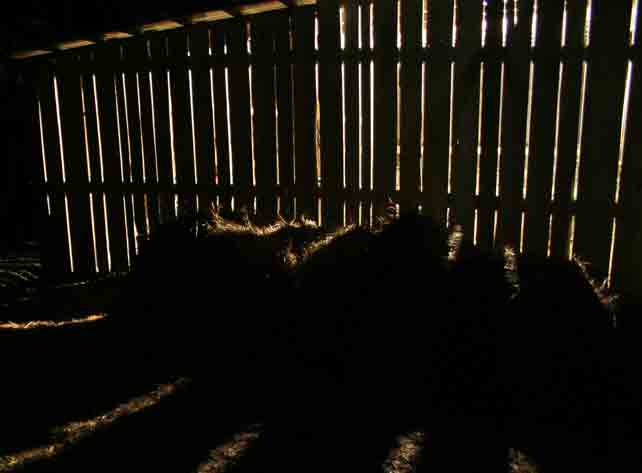
eveningbarnwritten September 11, 2001

There are moments of epiphany in horse and family raising, and tonight brought one of those moments. The world suddenly feels so incredibly uncertain, yet simple moments of grace-filled routine offer themselves up unexpectedly, and I know the Lord is beside us no matter what has happened.

Tonight it was tucking the horses into bed, almost as precious to me as tucking our children into bed. In fact, my family knows I cannot sit down to dinner until the job is done out in the barn–so human dinner waits until horsie dinner is served and their beds prepared.

My work schedule is usually such that I must take the horses out to their paddocks from their cozy box stalls while the sky is still dark, and then bring them back in later in the day after the sun goes down. We have quite a long driveway from barn to the paddocks which are strategically placed by the road so the horses are exposed to all manner of road noise, vehicles, logging, milk and hay trucks, school buses, and never blink when these zip past their noses. They must learn from weanling stage on to walk politely and respectfully alongside me as I make that trek from the barn in the morning and back to the barn in the evening.

Bringing the horses in tonight was a particular joy because I was a little earlier than usual and not needing to rush: the sun was setting quite golden orange, the world had a glow, the poplar and maple leaves have carpeted the driveway and each horse walked with me without challenge,  no rushing, pushing, or pulling–just walking alongside me like the partner they have been taught to be.

I enjoy putting each into their own box stall bed at night, with fresh fluffed shavings, a pile of sweet smelling hay and fresh water. I can feel them breathe this big sigh of relief that they have their own space for the night–no jostling for position or feed, no hierarchy for 12 hours, and then it is back out the next morning to the herd, with all the conflict that can come from coping with other individuals in your same space.  My horses love their stalls, because that is their safe sanctuary, that is where they get special scratching and hugs, and visits from a little red haired girl who loves them and sings them songs.

Then comes my joy of returning to the house, feeding my human family and tucking precious children into bed, even though two are now taller than me. The world feels momentarily predictable and comforting in spite of devastation and tragedy.   Hugging a favorite pillow and wrapping up in a familiar soft blanket, there is warmth and safety in being tucked in.

I’ll continue to search for those moments of epiphany whenever I’m frightened, hurting and unable to cope.  I need a quiet routine to help remind me how precious it is to be here, looking for a sanctuary to regroup and renew.

I don’t need to look far…

Green Bean Casserole

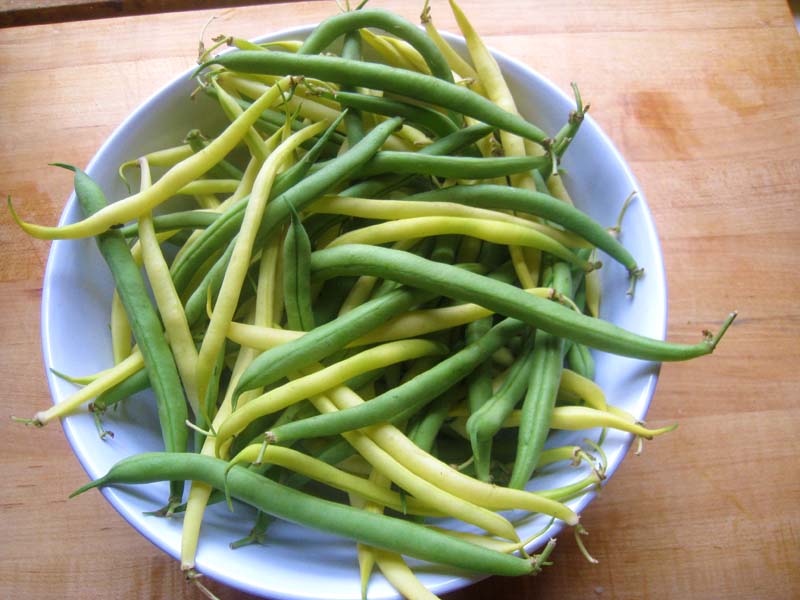
green+beans

Our garden was sowed late this spring so the harvest has been late as well.  We are overwhelmed with tomatoes, carrots, corn and zucchini and are giving away as much as we are keeping. We have just finished picking all the bush beans–several 10 gallon buckets full–and spent several evenings sitting and snapping them, preparing them for blanching and freezing, with visions of green bean casserole during the winter months dancing in our heads.

Bean snapping is one of those uniquely front porch American Gothic kind of activities.  Old black and white Saturday matinee movies would somehow work in a bean snapping scene with an old maid aunt sitting on her ranch house porch.  She’d be rocking back and forth in her rocking chair, her apron wrinkled and well-worn, her graying hair in a bun at the nape of her neck and wearily pushing back tendrils of hair from her face. As the sole guardian, she’d be counseling some lonely orphaned niece or nephew about life’s rough roads and why their dog or pony had just died and then pausing for a moment holding a bean in her hand, she’d talk about how to cope when things are tough. She was the rock for this child’s life.  Then she’d rather gruffly shove a bowl of unsnapped beans in the child’s lap, and tell them to get back to work–life goes on–start snapping. Then she’d look at that precious child out of the corner of her eye, betraying the love and compassion that dwells in her heart but was not in her nature to speak of.  If only that grieving child understood they sat upon a rock of strength and hope.

So life goes on after tragedy.  Even on a day eight years ago when life as we knew it ended in fire and smoke for thousands of innocents.  A day that started like any other but ended up changing us all beyond recognition.  We are hated and we will wear the scars forever.  It bears talking about possible responses to hatred with one’s children over bean snapping.  It is too easy to learn to hate because we are hated. Finding forgiveness is much harder work.

Just as I sat with my mother snapping beans some 40+ years ago and talked about some difficult things that were unique to the 60’s,  I sat snapping beans this week together with my family, talking about  hopes and disappointments and fears and listened to our children grumble that I was making them do something so utterly trivial when from their perspective, there are far more important things to be doing. My response is a loving and gruff “keep snapping”.  Of course we really don’t have to snap the beans, as they could be frozen whole, but they pack tighter snapped, and it is simply tradition to do so.  We enjoy that crisp satisfying crack of a perfectly bisected bean broken by hand–no need for knife to cut off the top and tail.    We prepare for a coming winter by putting away the vegetables we have sowed and weeded and watered and cared for, because life will go on and eating the harvest of our own soil and toil is sweet.  We must do this. Indeed it is all we can do when the world is tumbling down around us.

Indeed, I want to be more rubbery like a bean that doesn’t snap automatically under pressure, more resilient.

There is an old Shaker Hymn that I learned long ago and sing to myself when I need to be reminded where I must end up when I’m at the breaking point.

I will bow and be simple,
I will bow and be free,
I will bow and be humble,
Yea, bow like the willow tree.

I will bow, this is the token,
I will wear the easy yoke,
I will bow and will be broken,
Yea, I'll fall upon the rock.

As people of resilient faith we seek to wear the yoke we’ve been given to pull, bow in humility under its burden and know the freedom that comes with service to others.  Even in the midst of the most horrific brokenness, we fall upon the rock that bears us up with love and compassion that we are often not even aware of.  It is there under us and we’ve done nothing whatsoever to earn it.

Time for us to get back to work and start snapping–life does go on.