The Autumn Wind

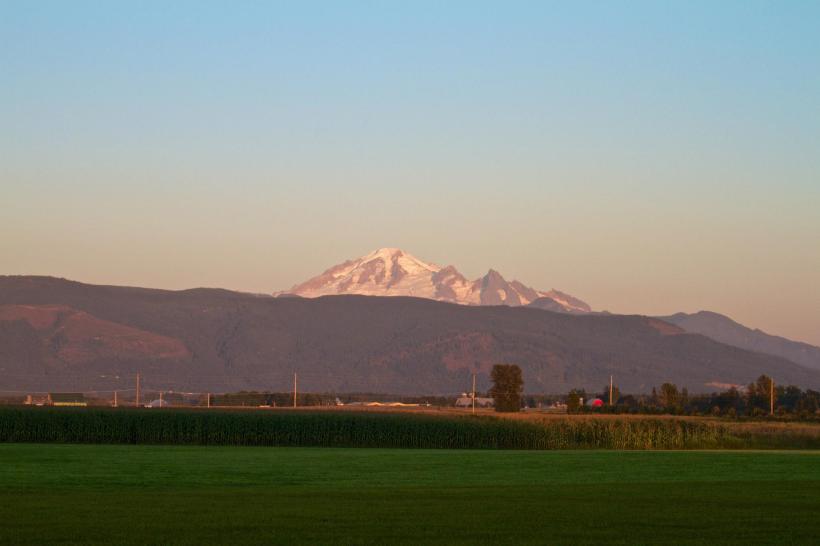
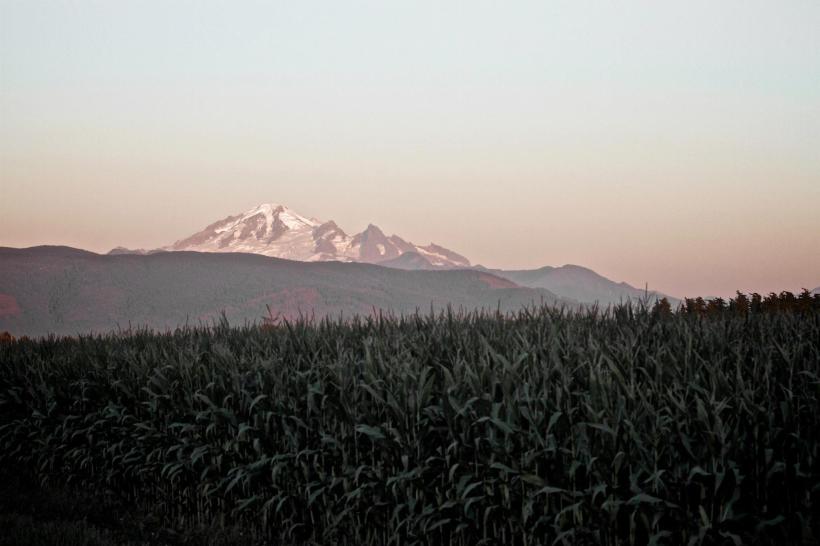
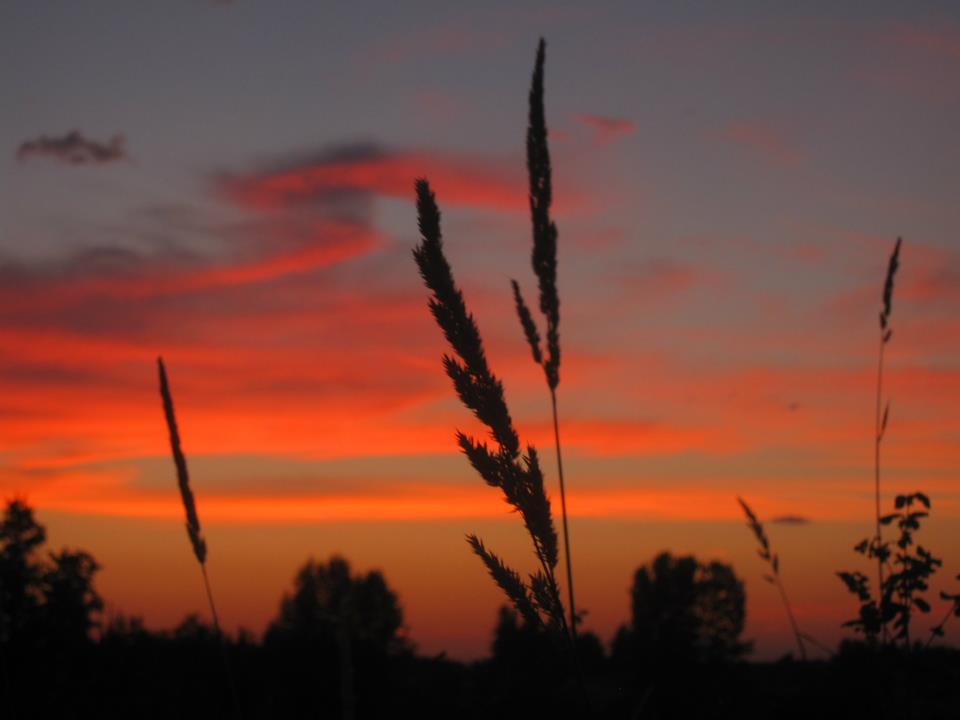
photos of Mt. Baker and cornfield in Whatcom County by Josh Scholten

The old man does believe what the child believed; but how different it is, though still the same. It is the field that once held the seed, now waving and rustling under the autumn wind with the harvest that it holds, yet all the time it has kept the corn. The joy of his life has richened his belief. His sorrow has deepened it. His doubts have sobered it. His enthusiasms have fired it. His labour has purified it.
~Phillips Brooks

I don’t consider myself “old”, at least not quite yet, although my college age patients might look at the graying me, almost three times their age, and think “old.”   Nearing the end of my sixth decade,  I feel the seeds of the younger Emily still within me.   I am the same field, now with soil plowed thoroughly, seed planted deeply, weeds and rocks winnowed regularly, harvest anticipated gratefully.

No one else can do the work of my field in my place.  I am the one who must be willing to get up early, believe in what I need to do every day, exercise flabby muscle, sprinkle with shed tears, fertilize with inspiration gleaned from others’ experience.

The harvest will be sweet when work is purified by blood, sweat, and tears.   Even the younger me understood and believed.

The Jewelled World

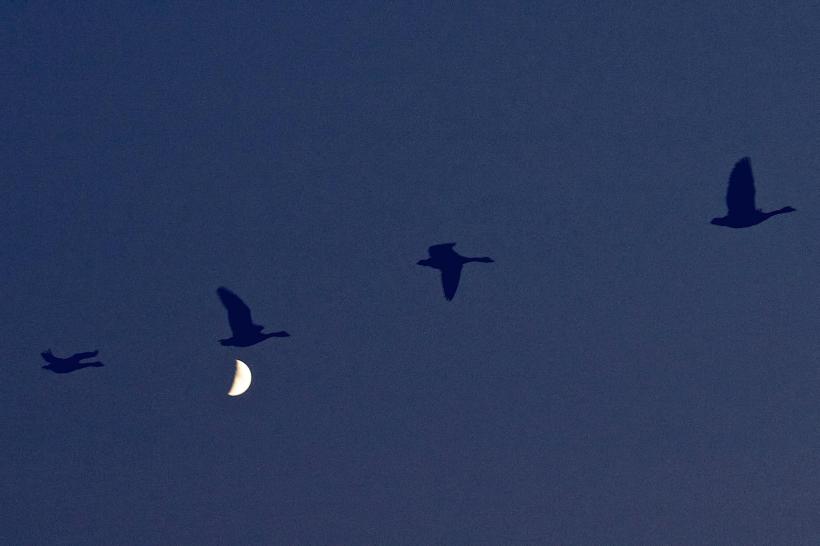
photo by Josh Scholten

Wild geese fly south, creaking like anguished hinges; along the riverbank the candles of the sumacs burn dull red. It’s the first week of October. Season of woolen garments taken out of mothballs; of nocturnal mists and dew and slippery front steps, and late-blooming slugs; of snapdragons having one last fling; of those frilly ornamental pink-and-purple cabbages that never used to exist, but are all over everywhere now.
~Margaret Atwood

Wraiths of mist suddenly moving like serpents of the air would coil about them for a second. Grey damp would be around them, and the sun, a copper penny, would fade away. The wings next to their own wings would shade into vacancy, until each bird was a lonely sound in cold annihilation, a presence after uncertain. And there they would hang in chartless nothing, seemingly without speed or left or right or top or bottom, until as suddenly as ever the copper penny glowed and the serpents writhed. Then, in a moment of time, they would be in the jewelled world once more: a sea under them like turquoise and all the gorgeous palaces of heaven new created, with the dew of Eden not yet dry.
~T.H. White

Then the purple-lidded night
Westering comes, her footsteps light
Guided by the radiant boon
Of a sickle-shaped new moon.
~Amy Lowell, Late September


It is Time

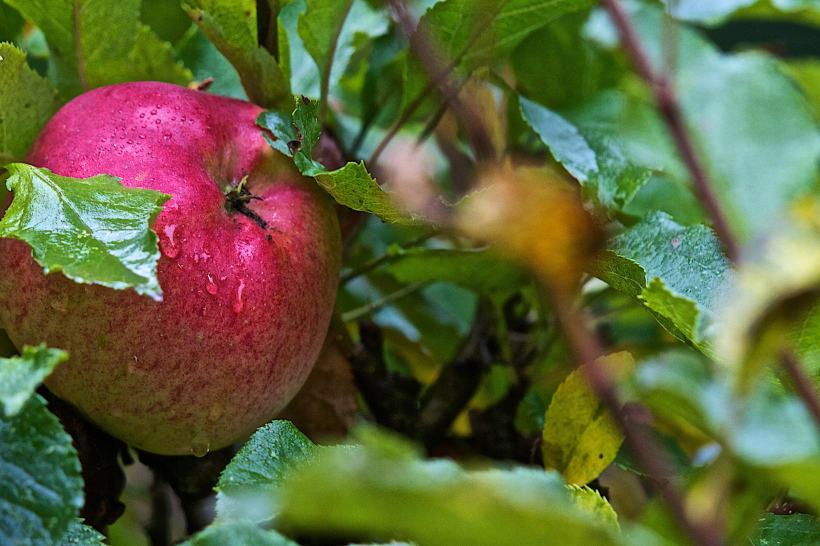
photo by Josh Scholten

“Lord, it is time.  The summer was very big.  Lay thy shadow on the sundials, and on the meadows let the winds go loose.  Command the last fruits that they shall be full; give them another two more southerly days, press them on to fulfillment and drive the last sweetness into the heavenly wine.”
~  Rainer Maria Rilke

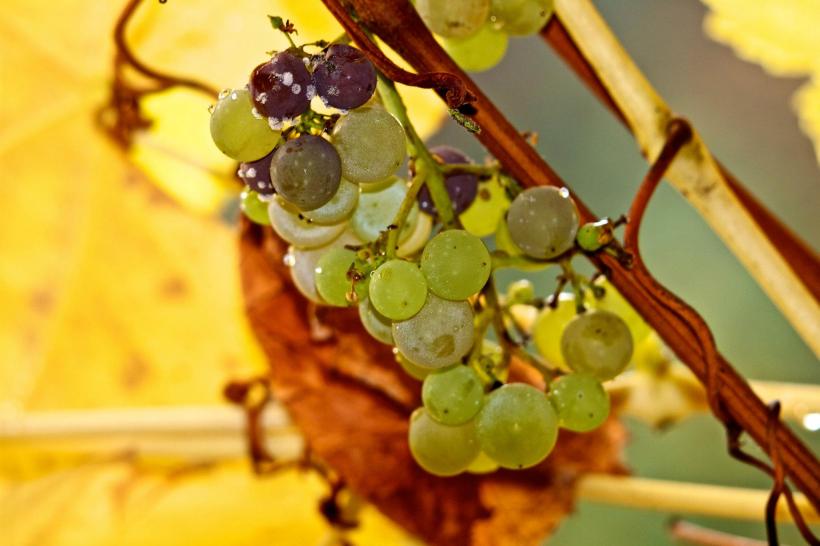
The wind is shifting, the sky filling with moody clouds, the temperatures dropping.  The fruit still hanging is being naturally chilled.  There is something about a near-frost that sweetens the flesh of the grapes, the apples, the pears and the corn cobs as if each is gathering up every sugar molecule for self-protection.  We are the beneficiaries.

October is time for a hurried harvest before the hard freeze hits, leaving all in ruin, turned to mush.  The window of time to accomplish the gathering and preserving has narrowed.  No longer is the picking done leisurely with a temptation for it to be put off until tomorrow.  Today is the day.

It is time.  All is ripe.

photo by Josh Scholten

Autumn Inferred

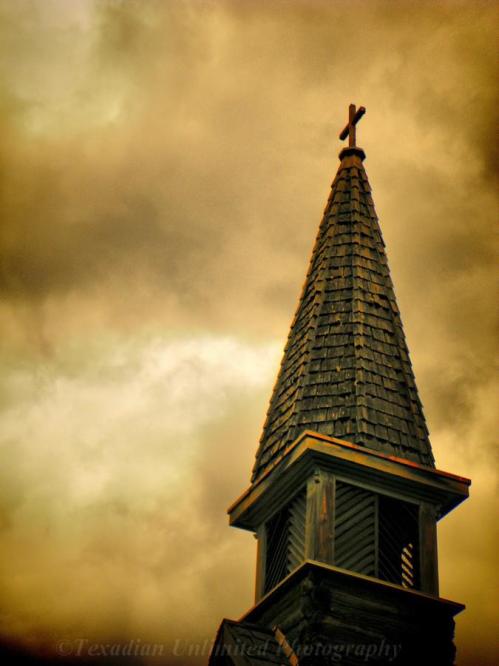
photo by Kim Rockdale of St. Anne’s Church steeple, Parksville, Vancouver Island

Autumn begins to be inferred
By millinery of the cloud,
Or deeper color in the shawl
That wraps the everlasting hill.
~Emily Dickinson in “Summer Begins to Have the Look”

Summer is waning and wistful;  it has the look of packing up, and moving on without bidding adieu or looking back over its shoulder.  Cooling winds have carried in darkening clouds with a hint of spit from the sky as I gaze upward to see (and smell) the change.  Rain is long overdue yet there is temptation to bargain for a little more time.  Though we are in need of a good drenching there are still onions and potatoes to pull from the ground, berries to pick before they mold on the vine, tomatoes not yet ripened, corn cobs just too skinny to pick.  I’m just not ready to wave goodbye to sun-soaked clear skies.

The overhead overcast is heavily burdened with clues of what is coming: earlier dusk, the feel of moisture, the deepening graying hues, the briskness of breezes.  There is no negotiation possible.   I need to steel myself and get ready, wrapping myself in the soft shawl of inevitability.

So autumn advances with the clouds, taking up residence where summer has left off.  Though there is still clean up of the overabundance left behind, autumn will bring its own unique plans for display of a delicious palette of hues.

The truth is we’ve seen nothing yet.

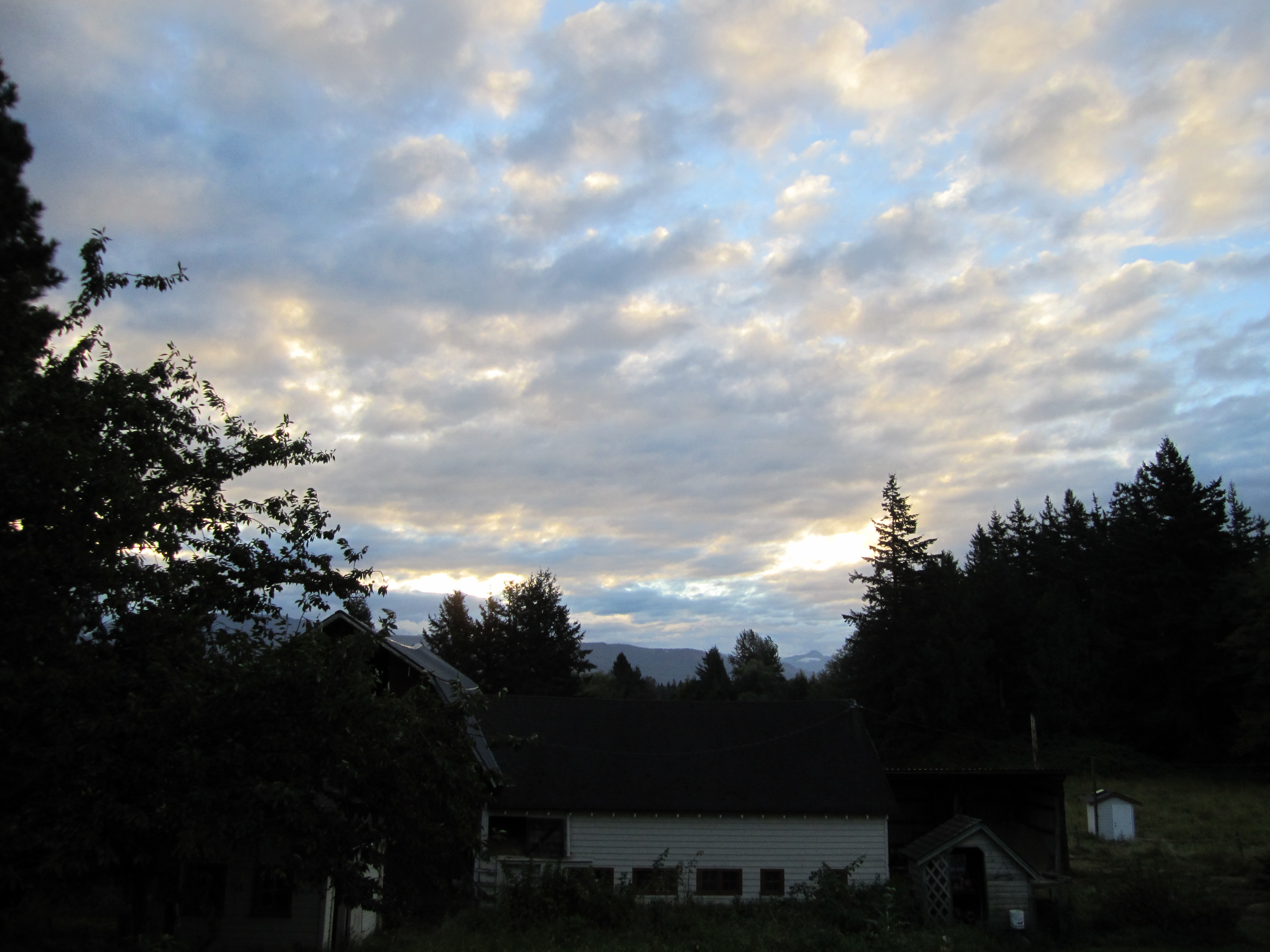
photo by Nate Gibson
a September dawn on the farm

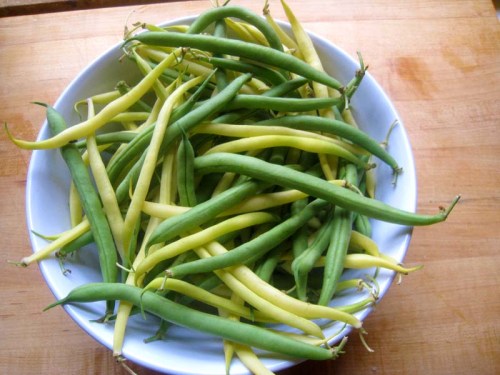
Snapping Green Beans

green+beans

A reblog from 2006:

Our garden is now in full harvest mode.  I have just finished picking the bush beans and spent several evenings sitting and snapping them, preparing them for blanching and freezing, with visions of green bean casserole during the winter months dancing in my head.

Bean snapping is one of those uniquely front porch American Gothic kind of activities.  Old black and white Saturday matinee movies would somehow work in a bean snapping scene with an old maid aunt sitting on her ranch house porch.  She’d be rocking back and forth in her rocking chair, her apron wrinkled and well-worn, her graying hair in a bun at the nape of her neck and wearily pushing back tendrils of hair from her face. As the sole guardian, she’d be counseling some lonely orphaned niece or nephew about life’s rough roads and why their dog or pony had just died and then pausing for a moment holding a bean in her hand, she’d talk about how to cope when things are tough. She was the rock for this child’s life.  Then she’d rather gruffly shove a bowl of unsnapped beans in the child’s lap, and tell them to get back to work–life goes on–start snapping. Then she’d look at that precious child out of the corner of her eye, betraying the love and compassion that dwells in her heart but was not in her nature to speak of.  If only that grieving child understood they sat upon a rock of strength and hope.

Just as I sat with my mother snapping beans some 40+ years ago and talked about some difficult things that were unique to the 60′s,  I sat snapping beans this week together with my family, talking about  hopes and disappointments and fears and listened to our children grumble that I was making them do something so utterly trivial when from their perspective, there are far more important things to be doing. My response is a loving and gruff “keep snapping”.  Of course we really don’t have to snap the beans, as they could be frozen whole, but they pack tighter snapped, and it is simply tradition to do so.  We enjoy that crisp satisfying crack of a perfectly bisected bean broken by hand–no need for knife to cut off the top and tail.    We prepare for a coming winter by putting away the vegetables we have sowed and weeded and watered and cared for, because life will go on and eating the harvest of our own soil and toil is sweet.  We must do this. Indeed it is all we can do when the world is tumbling down around us.

Truthfully, there are times when I would prefer to be more rubbery like a bean that doesn’t snap automatically under pressure and is more resilient.

There is an old Shaker Hymn that I learned long ago and sing to myself when I need to be reminded where I must end up when I’m at the breaking point.

I will bow and be simple,
I will bow and be free,
I will bow and be humble,
Yea, bow like the willow tree.

I will bow, this is the token,
I will wear the easy yoke,
I will bow and will be broken,
Yea, I'll fall upon the rock.

As people of resilient faith we seek to wear the yoke we’ve been given to pull, bow in humility under its burden and know the freedom that comes with service to others.  Even in the midst of the most horrific brokenness, we fall upon the rock bearing us up with love and compassion.

It is there under us and we’ve done nothing whatsoever to earn it.

Time for us to get back to work and start snapping–life does go on.

Digging Potatoes

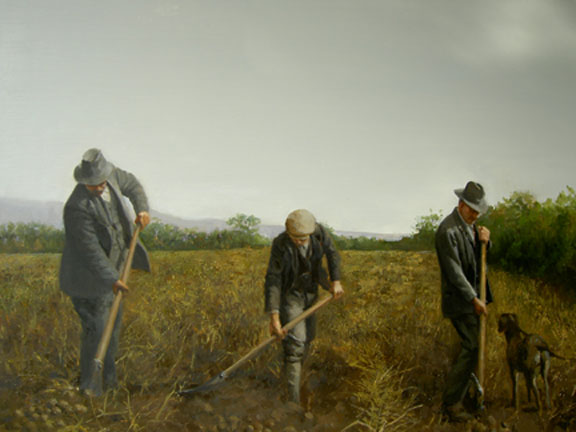
Digging Potatoes by Martin Driscoll http://www.martindriscoll.com

Recent rains have melted the potato vines flat to the ground, nearly indistinguishable from the dirt where they lie strung out and dead spider-like. It is time to dig before there is no trace left of where the potato harvest can be found. Weeds still thrive in the cooler autumn weather, green and strong, but the potato vines had given up several weeks ago, dying back as summer waned.

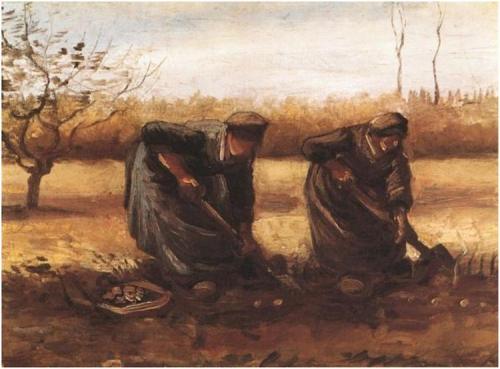
Armed with basket and pitchfork, I go to work, sinking the tines into the soil to loosen it, then lifting up gently to see what I might find underneath. From a waterfall of dirt tumbles smooth egg-size ovals of red and yellow and white. I pan the dirt with my fingers, sifting through the clumps to discover nuggets to brush off and set aside in the basket to take to storage in the root cellar.

Within each unearthed hill of potatoes rests the old mother “seed” potato, so fertile and firm, eagerly sprouting when planted only 4 months ago. I stumble upon her, noticing her vigorous nurture of multiple offspring, sometimes as many as twenty coming from one original planting. Occasionally I find her shrunken to only a dry floppy skin, her flesh spent and dispersed. More often she is still recognizable, though spongy and softened, wrinkled and withered by her immense effort to propagate. Most poignant are the hills where there is nothing left but residual gooeyness in the center. It adheres sticky to my palms as I unexpectedly grasp her glutinous remains, and it gums up deep under my fingernails.

The seed gives all of herself. As she must.

The new potatoes are spread on the drying shelves, color coded into gold, red and white, waiting in the dark root cellar to become a feast of dreams born of sun, rain and soil. I return to the kitchen to wash their dirt off my hands, scrubbing to remove what still clings to my skin. Even so, my fingernails stay hopelessly stained and brown, and I don’t mind.

Within my hands I will carry the memory of the mothers.

Van Gogh Painting, Oil on Canvas on Panel Nuenen: August, 1885 Kröller-Müller Museum Otterlo, The Netherlands, Europe F: 97, JH: 876