Summer Messaging

photo by Nate Gibson

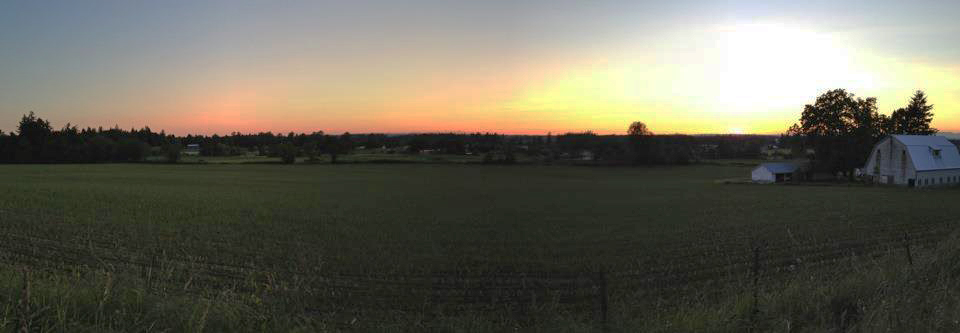
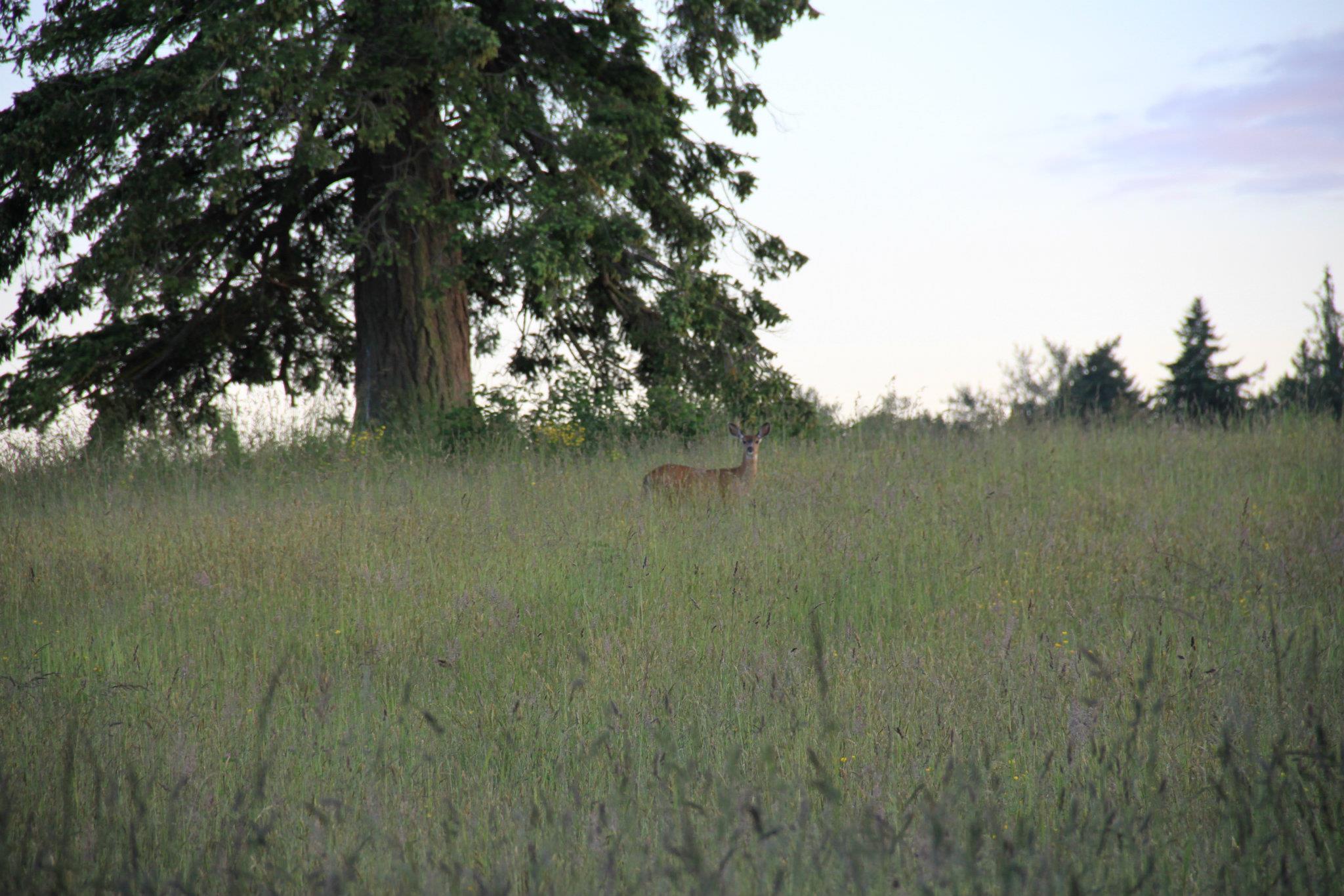
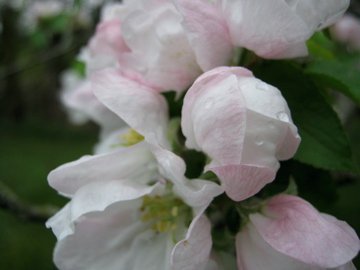
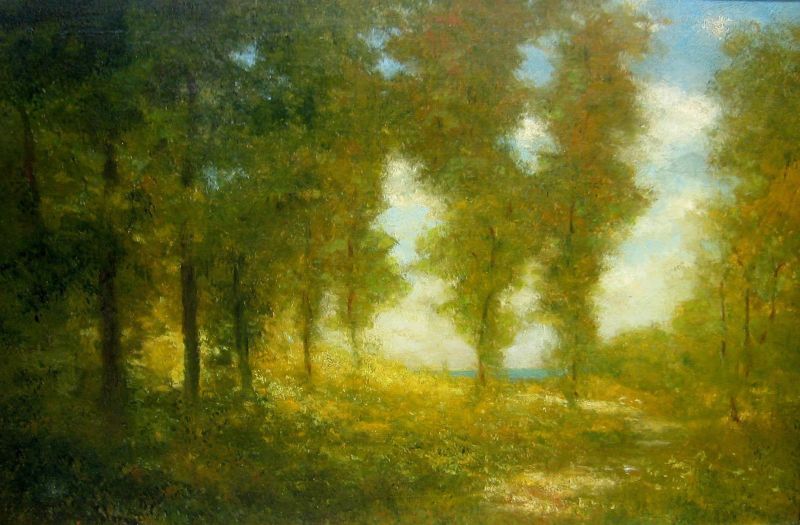
Don’t let summer make your soul shrivel. God made summer as a foretaste of heaven, not a substitute. If the mailman brings you a love letter from your fiancé, don’t fall in love with the mailman. That’s what summer is: God’s messenger with a sun-soaked, tree-green, flower-blooming, lake-glistening letter of love to show us what he is planning for us in the age to come.
— John Piper

photo by Nate Gibson


“things which eye has not seen and ear has not heard, and which have not entered the heart of man, all that God has prepared for those who love him” (1 Corinthians 2:9).

Even If

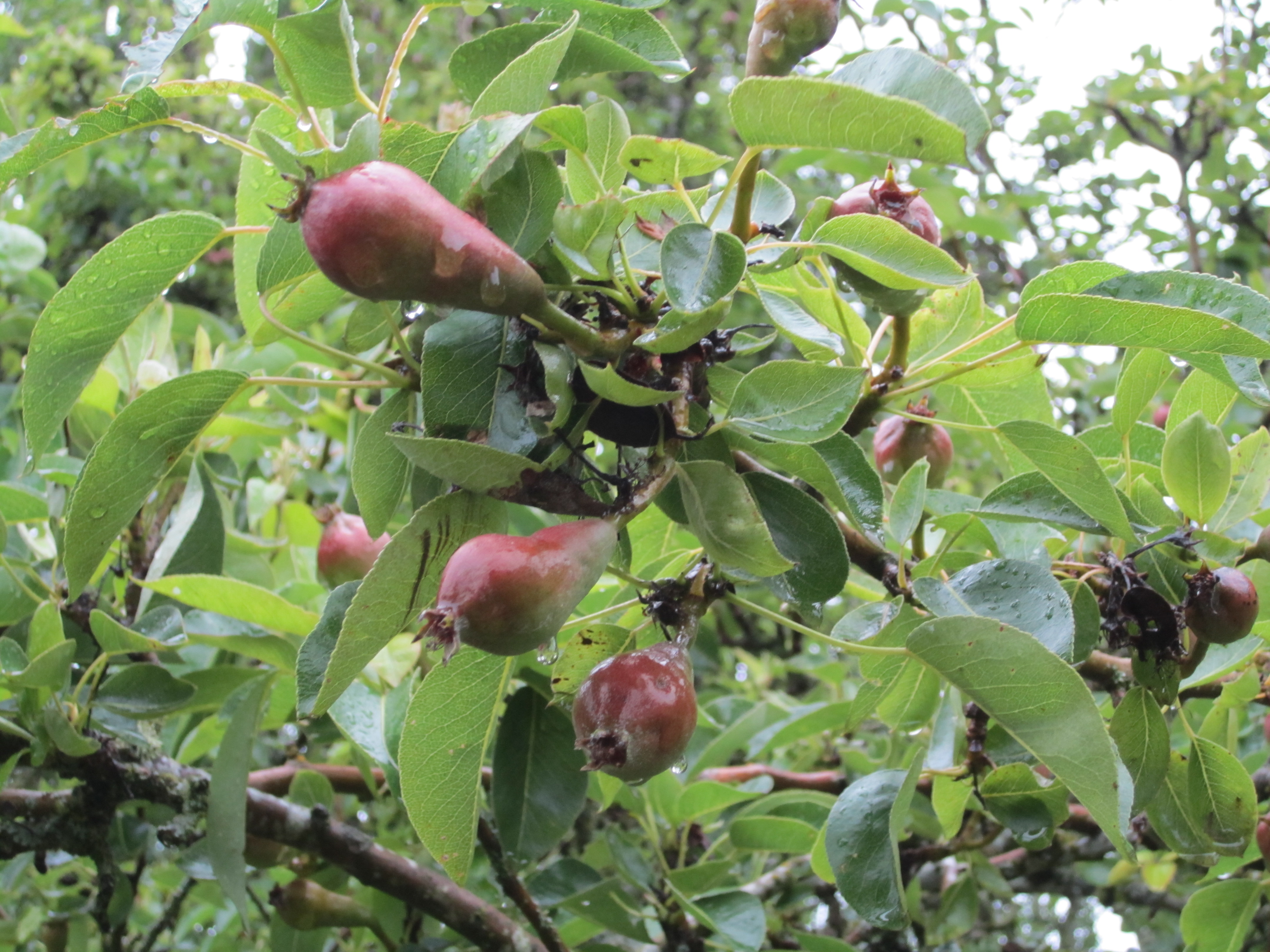
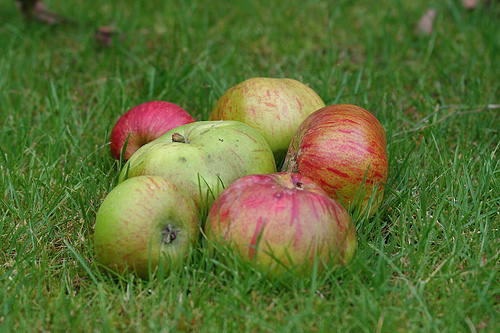
Even if I knew that tomorrow the world would go to pieces, I would still plant my apple tree.
Martin Luther

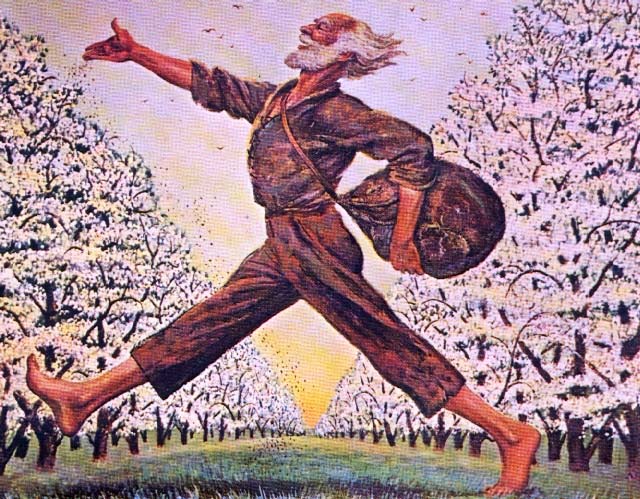
As a child I was fascinated by the story of John Chapman aka Johnny Appleseed who traveled on foot around the young United States creating nurseries of apple trees.  When our family traveled in Ohio and Pennsylvania in the 1960s, we visited places that claimed to have apple trees planted by John Chapman.  I marveled at how one little seed had the potential to produce decades of fruit (and hope) for generations of folk.

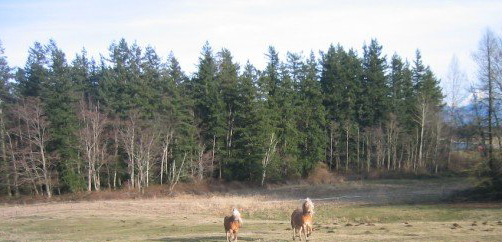
My two childhood farms had old apple trees–gravensteins and transparent varieties–good for climbing in and always great as scratching branches and shady snoozing spots for the horses and cows.  One had a platform fort where I spent hours sitting munching on apple cores, surveying the fields and enjoying watching the animals standing beneath me, relaxed, napping, chewing cud and swatting flies.

When we bought our farm here in Whatcom County over twenty years ago, there were left a few antique variety apple trees of a once vital orchard.  They were aging, with bent and broken branches and hollowed trunks, but still continued to produce fruit, great for baking, sauce, cider and winter storage. We’ve lost a few of the old trees over the years to the wind and elements,  though now nearly a century old, the survivors keep providing.

It seems I have followed an appleseed trail myself, a journey of knowing, no matter what may happen, if a seed is planted today, there will be fruit and hope for the future.

I’m determined to keep planting seeds and words in the midst of a world going to pieces.  It just might mean a kid sitting high up in the branches,  contemplating life and its meaning,  has an apple to munch on and words to chew on fifty years from now.

“O the Lord is good to me
and so I thank the Lord
for giving me the things I need-
the sun, the rain, and my appleseeds-
the Lord is good to me!”

This Twittering World

photo by Josh Scholten

Distracted from distraction by distraction
Filled with fancies and empty of meaning…

…Not here
Not here the darkness, in this twittering world.
from Burnt Norton (1936) part of Four Quartets by T.S. Eliot

Eliot didn’t have birds or future tweets of the 21st century in mind when he wrote Burnt Norton in 1936.  He was far more concerned about the concept of time and redemption, using the analogies of a garden, a graveyard, and most disturbingly, a subway train of empty-souled people traveling under London in the dark.  Only the present matters as the past cannot be changed and the future remains unknown, trusting the reassurance and salvation of Logos, the source of  the natural and creative order of all things.   Only God Himself remains outside of the constraints of time and place.

Perhaps Eliot had predicted the unknowable future.  It now is a “twittering world” in a way that Eliot, critical of dehumanizing technology of his time,  somehow was prescient enough to foresee.

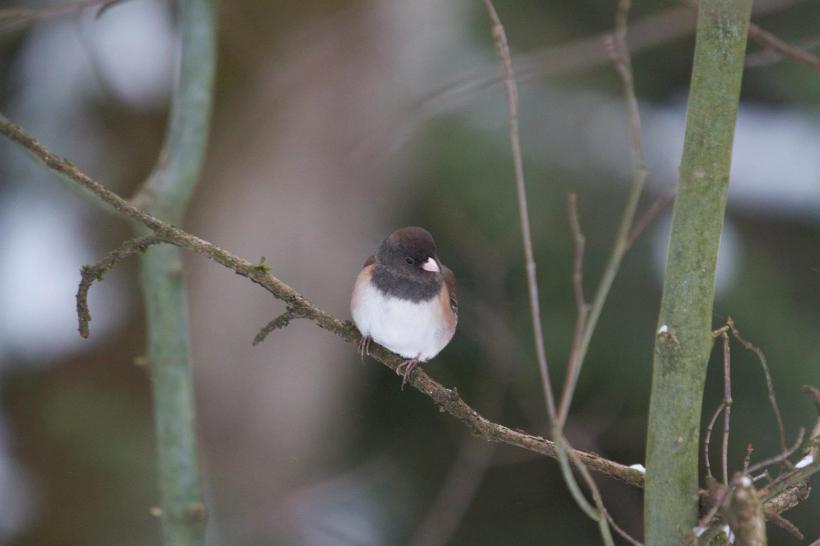
When birdsong begins on our farm in early June at 4 AM in the apple, cherry, chestnut, and walnut trees outside our bedroom windows, I am brought face to face, eyes and ears wide open, with the immediate present, distracted from the distraction of my dreams by the distraction of awakening to music of the creative order among the branches,  amidst cool morning air.

Once the birds settle into routine conversation after twenty minutes of their loudly tweeted greetings of the day,  I sit down bleary-eyed at my computer to enter the twittering world of technology, too often filled with fancies and empty of meaning.

Yet, I’m determined.  Not here the darkness, if I can keep it at bay.

No darkness here.

photo by Josh Scholten

Moving Up a Notch

Scars come in various sizes and shapes, some hidden, some obvious to all.  How they are inflicted also varies–some quite accidental, others therapeutic, and too many intentional.  The most insidious are the ones deep inside where no one can see or know.

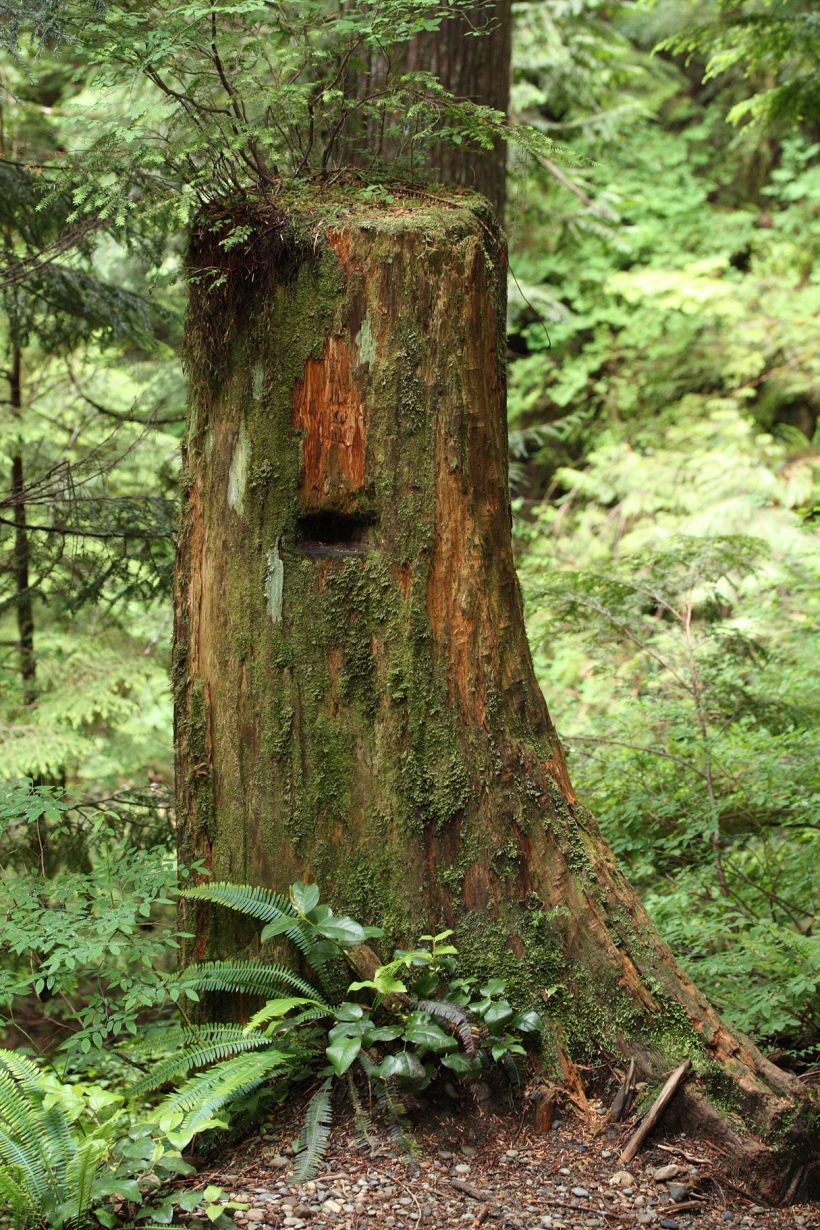
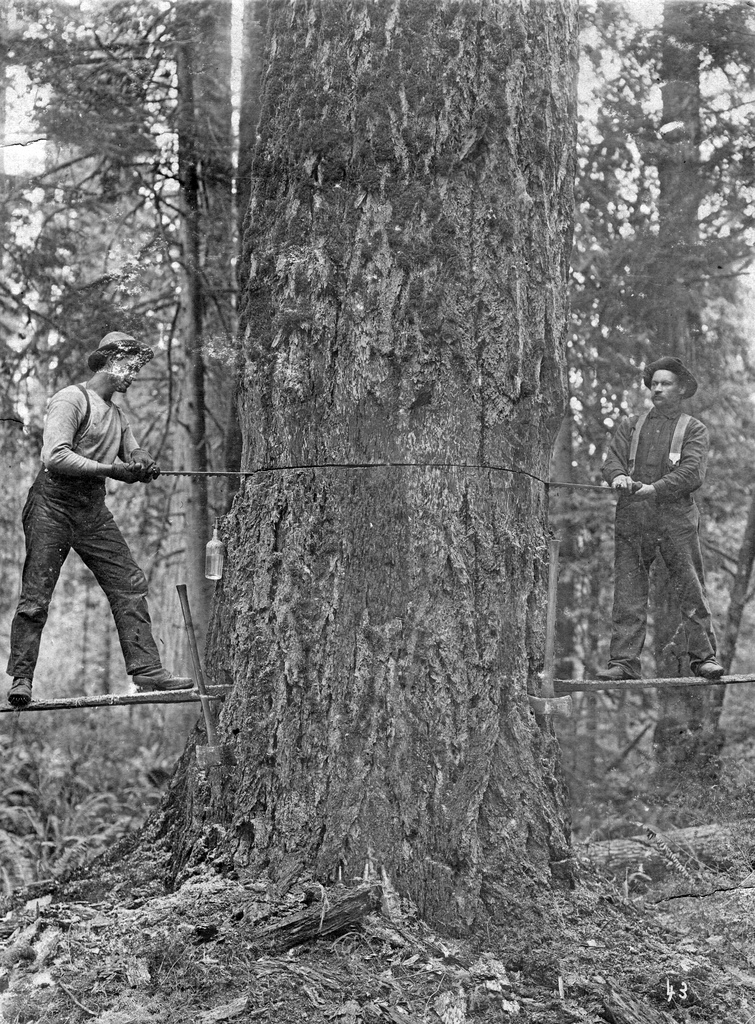
Back in our woodlot stands a sawed off stump of a cedar that was old growth in virgin forest over a hundred years ago.  One day the clearcut loggers came through our part of this rural county and took every tree they could to haul to the local sawmills to become beams and lumber for the growing homesteading population in the region.  This cedar once was grand and vast, covering an immense part of the forest floor, providing protection to trillium at its feet and finches’ nests and raptors hunting in its branches.   It nurtured its environment until other plans were made, and one day, axes fell on its sides to cut out the notches for the springboards where two loggers stood to man the saw which brought the tree down.  Where the wood went is anyone’s guess.  It could be one of the mighty beams supporting our old hay barn roof or it could have become the foundation flooring of a nearby one room school house.  It surely had a productive and meaningful life as part of a structure somewhere until rot or carpenter ants or fire brought it once again to its knees.

But the stump remains, a tombstone of remembrance of a once grand tree, the notch scars embedded deep in its sides, nursing new seedlings from its center and moss, lichen and ferns from its sides.

I come from logger stock so I don’t begrudge them their hard scrabble living, their dangerous work in order to feed themselves and their families.  It’s just that those scars even one hundred years later are such a visible reminder of what once was a vital living organism toppled for someone’s need and convenience.

Trees are not unique.  It happens to people too.  Everyday scars are inflicted for reasons hard to justify.  Too often I see them self-inflicted in an effort to feel something other than despair.  Sometimes they are inflicted by others out of fear or need for control.  Moving up a notch only allows more precise aim and a deeper cut.

Sometimes they are simply the scars of living, accumulated along the pathway we tread.

None of them are as deep and wide as the scars that were accepted on our behalf, nor as wondrous as the love that oozed from them, nor as amazing as the grace that abounds to this day because of the promise spelled out by them.

As a result, that tree lives.


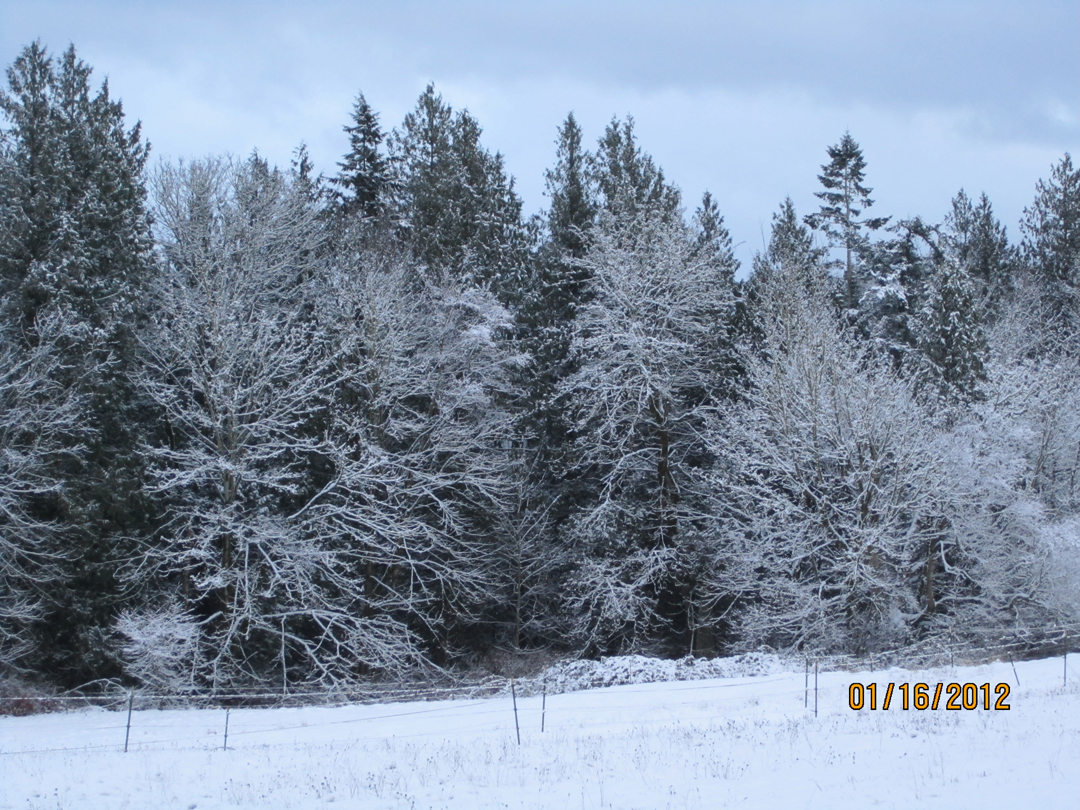
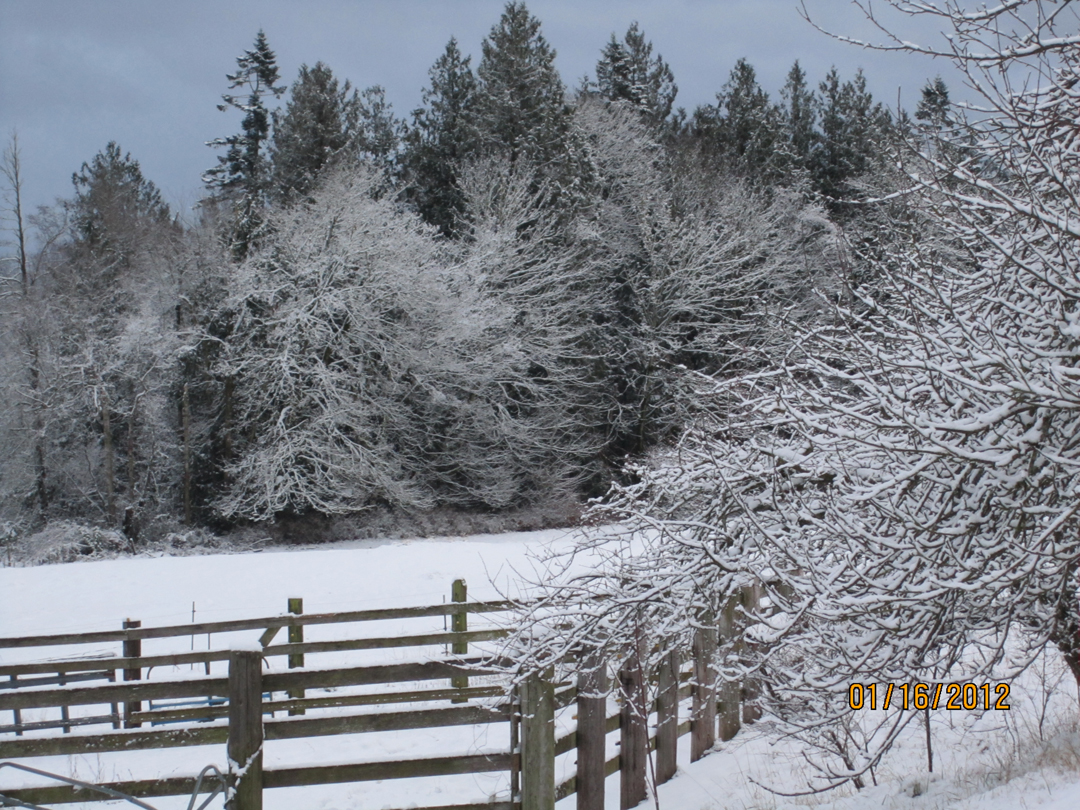
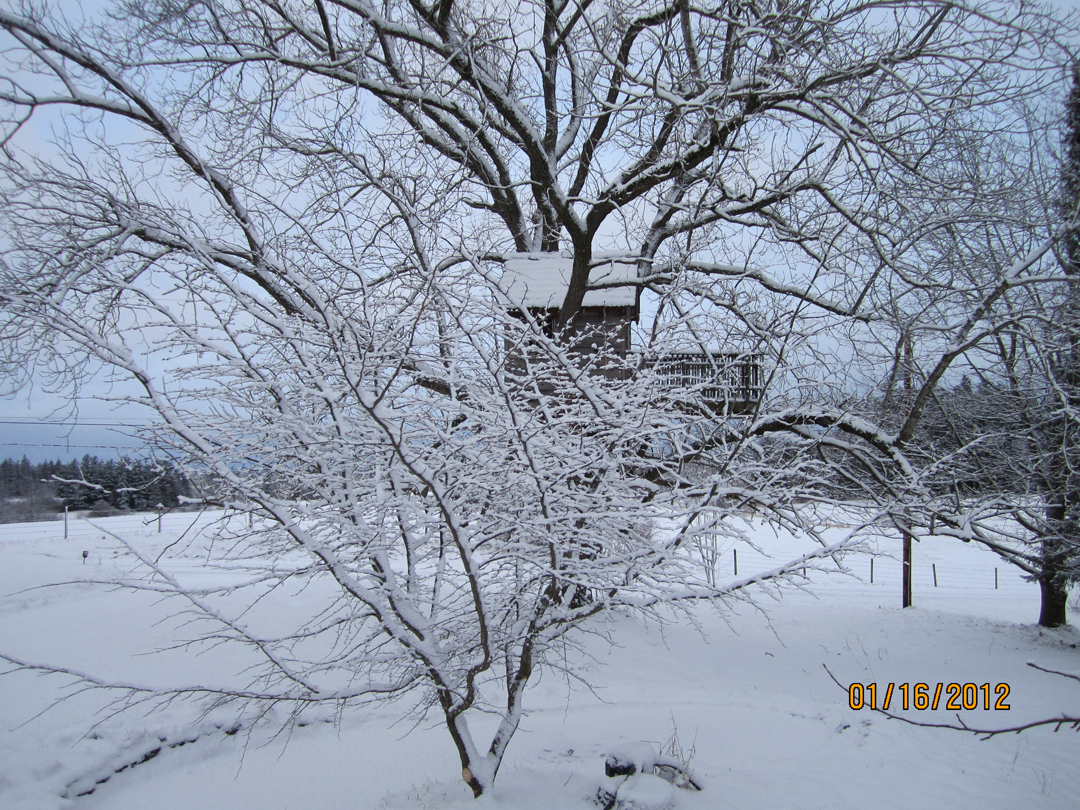
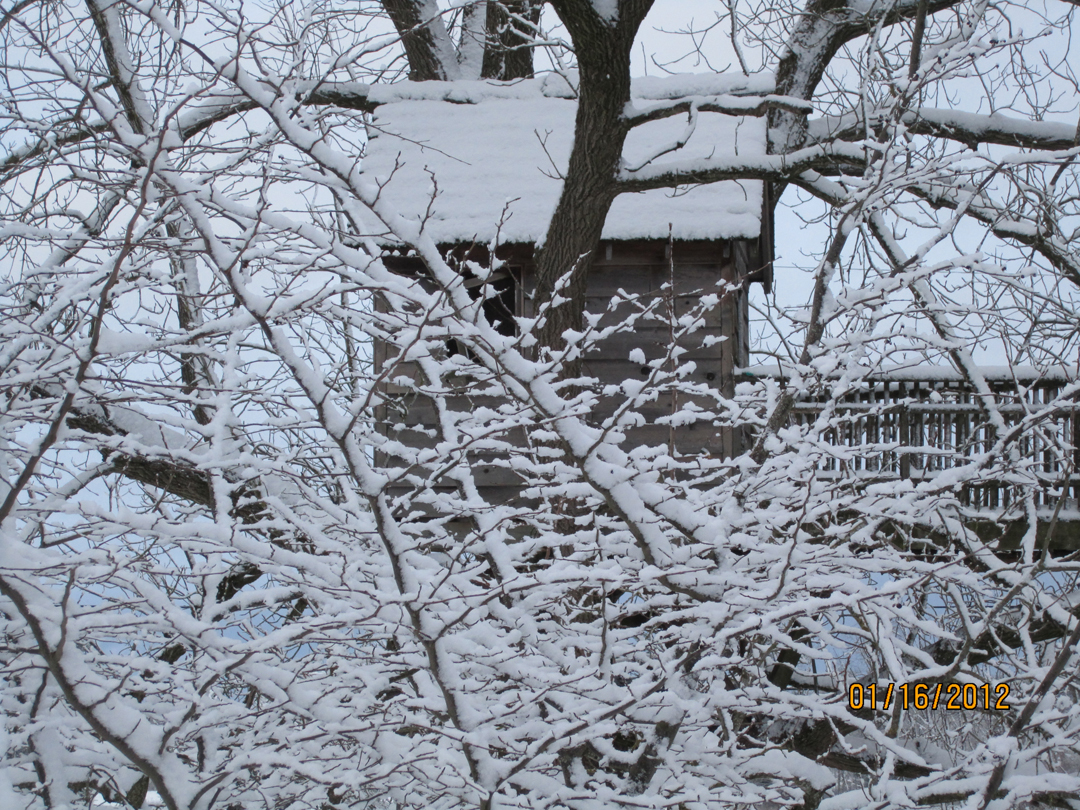
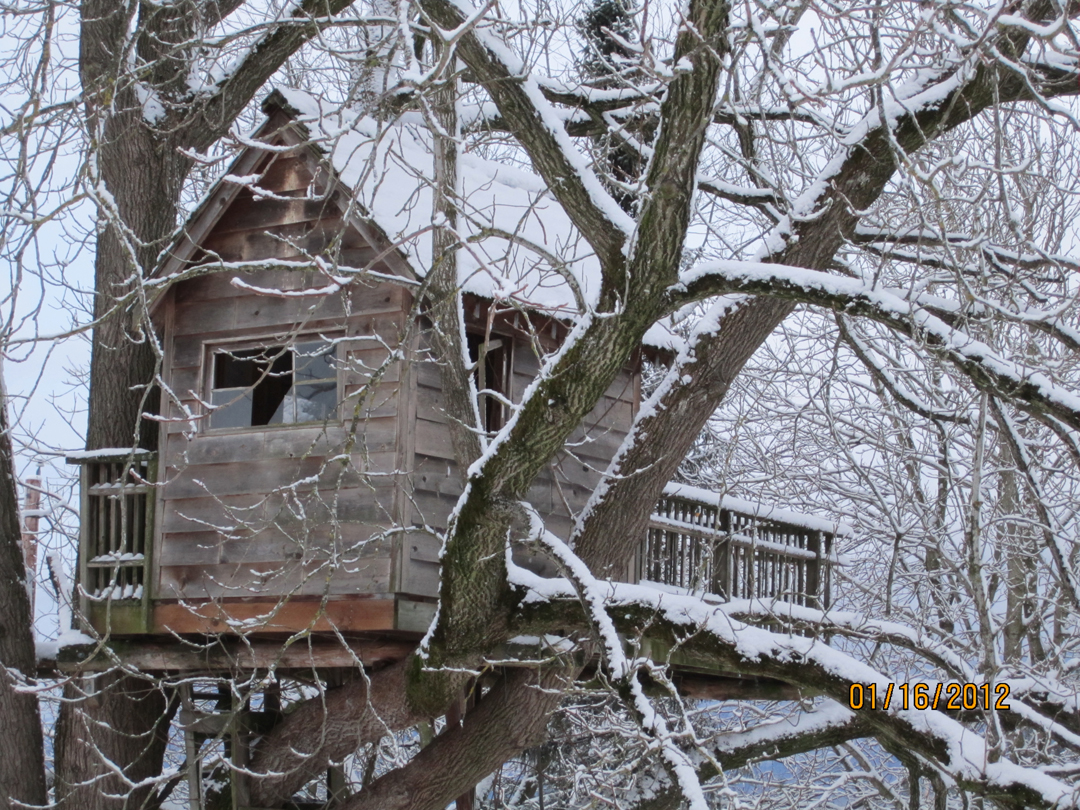
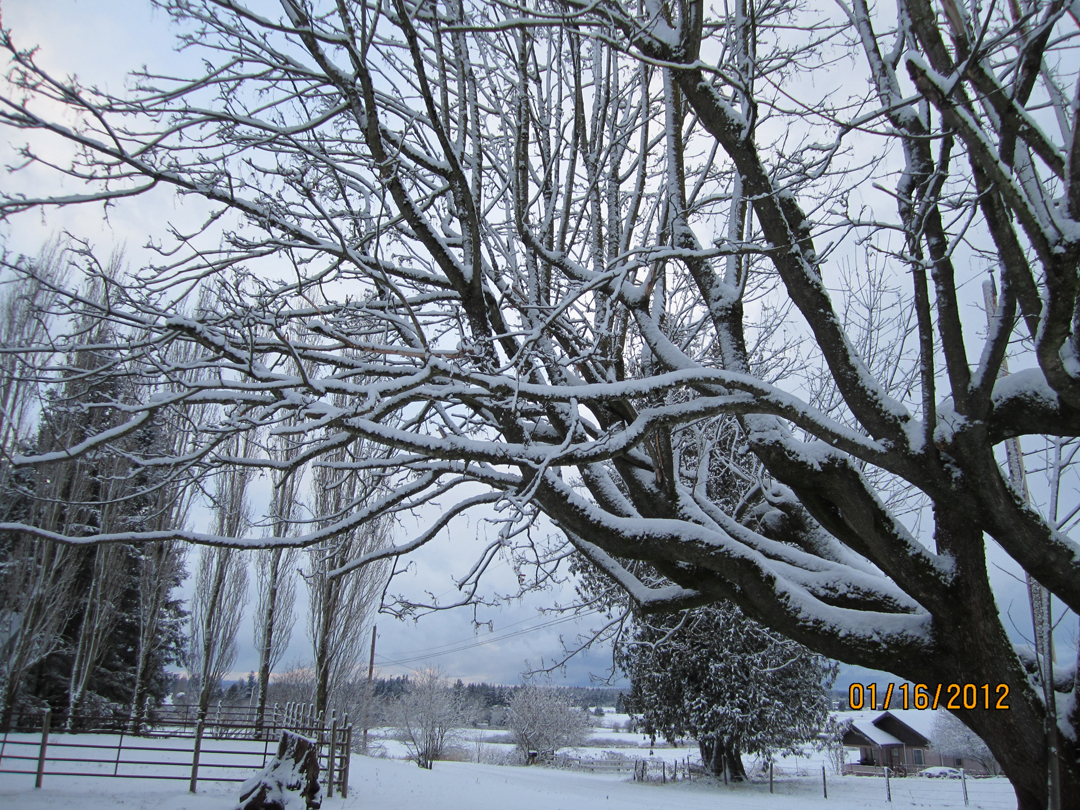
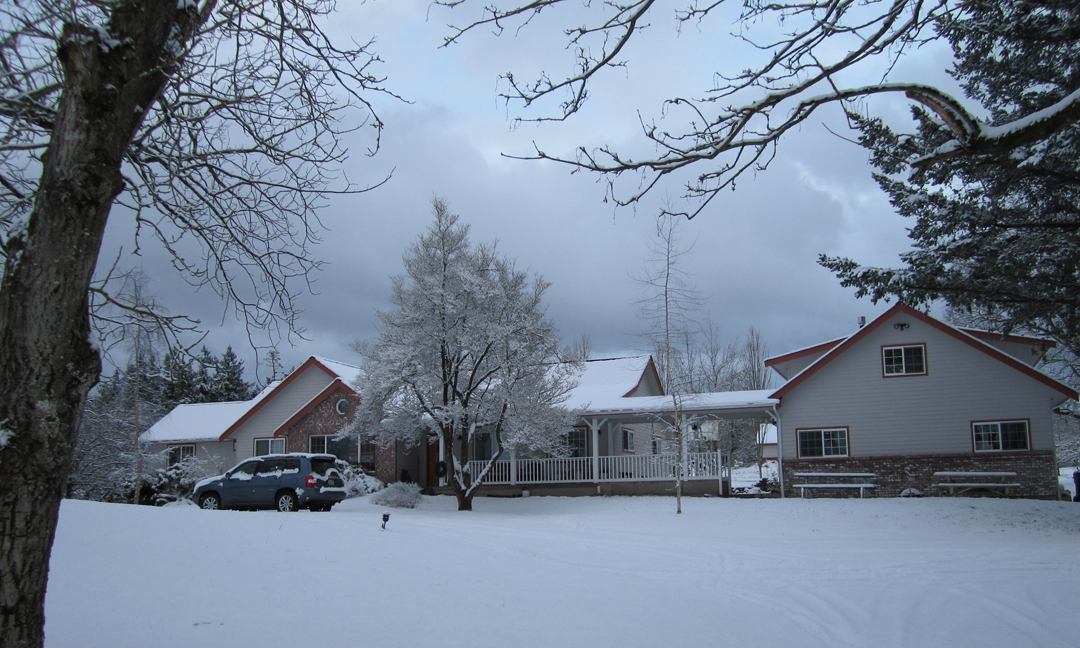
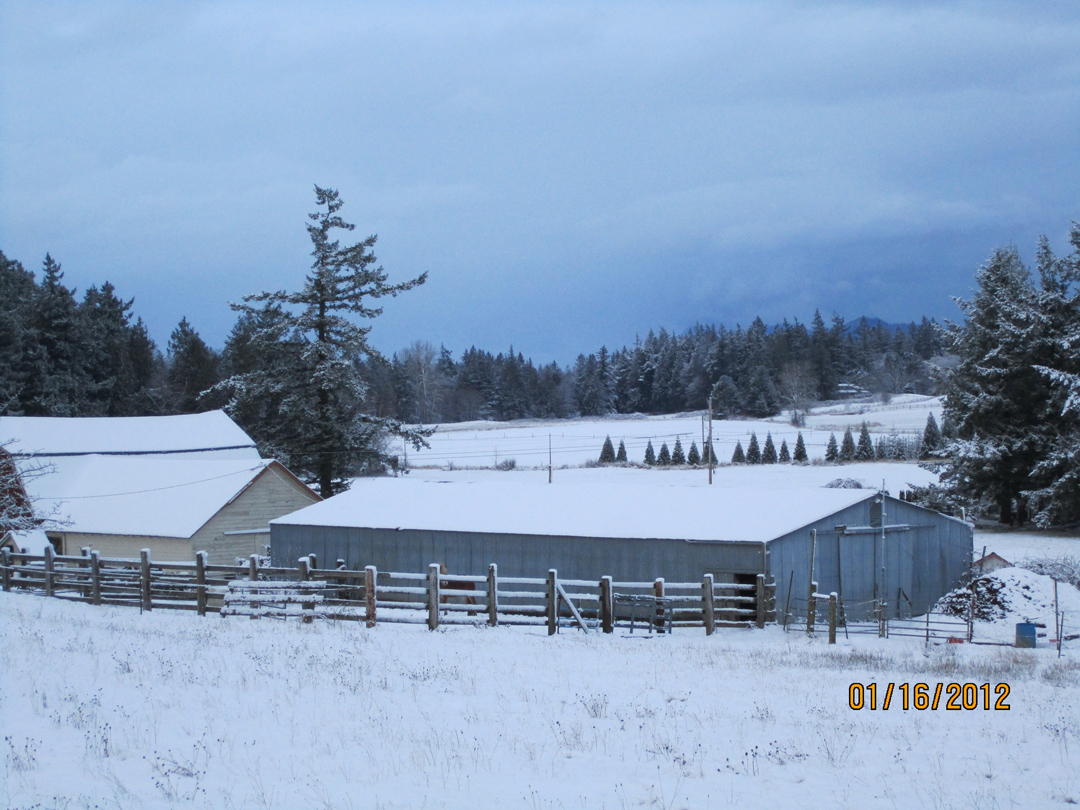
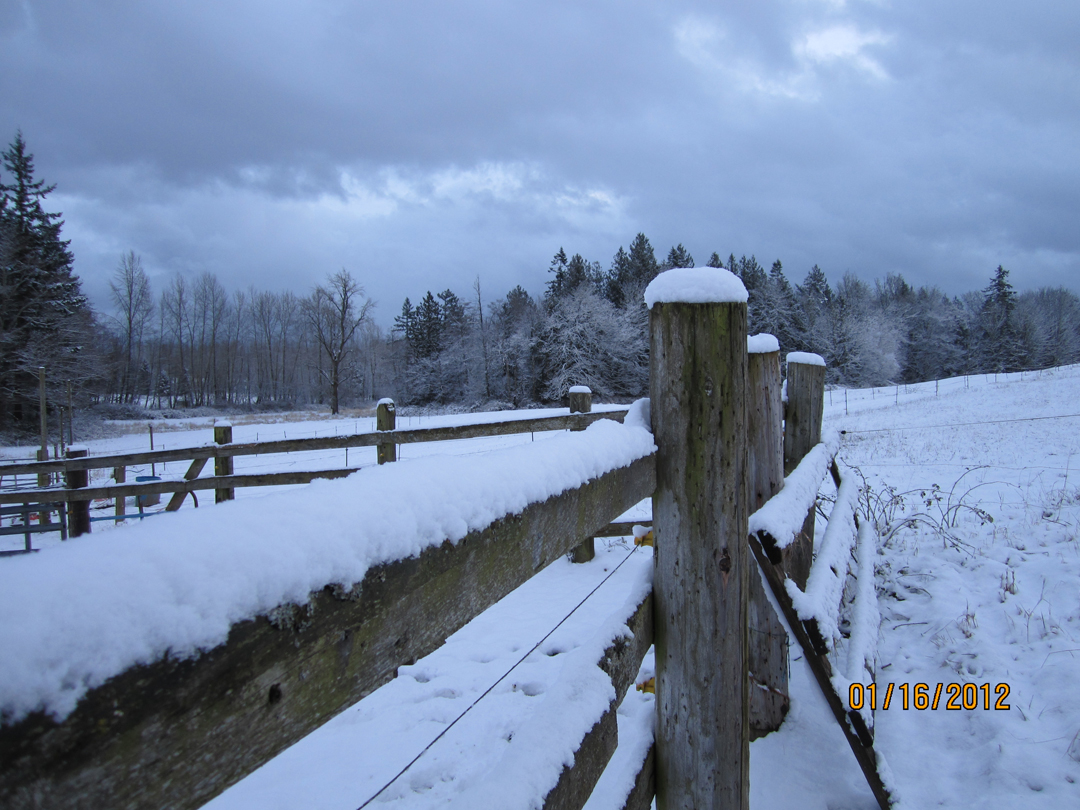
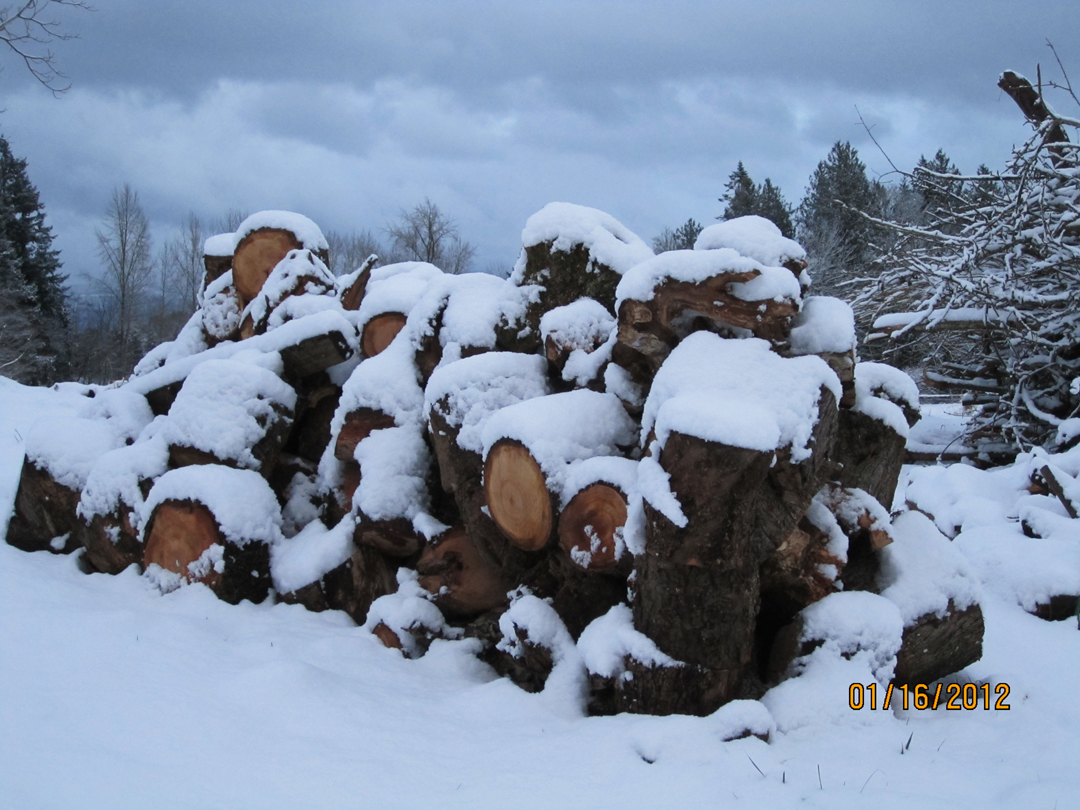
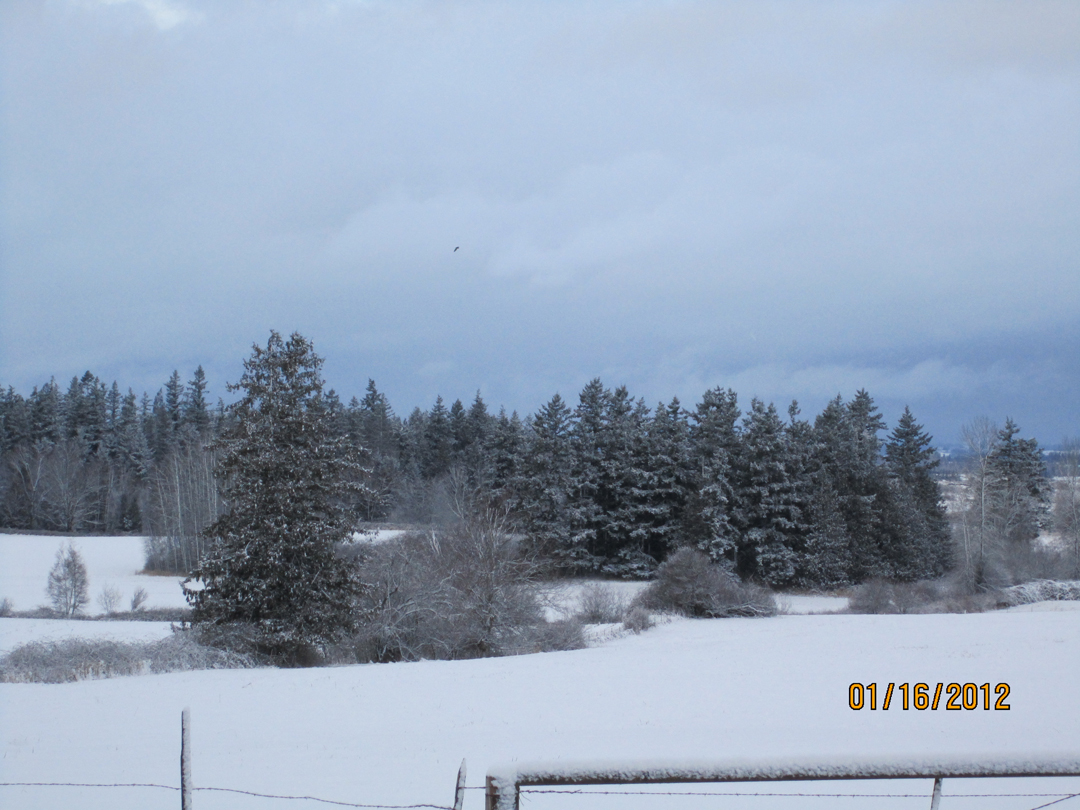
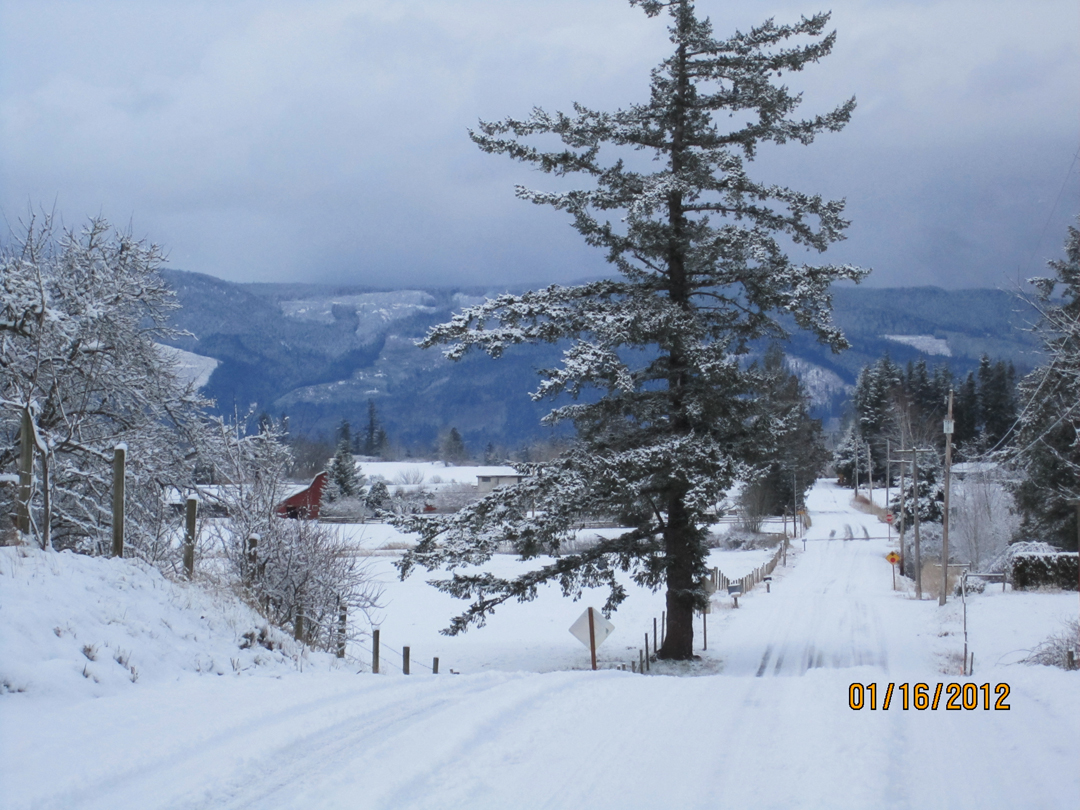
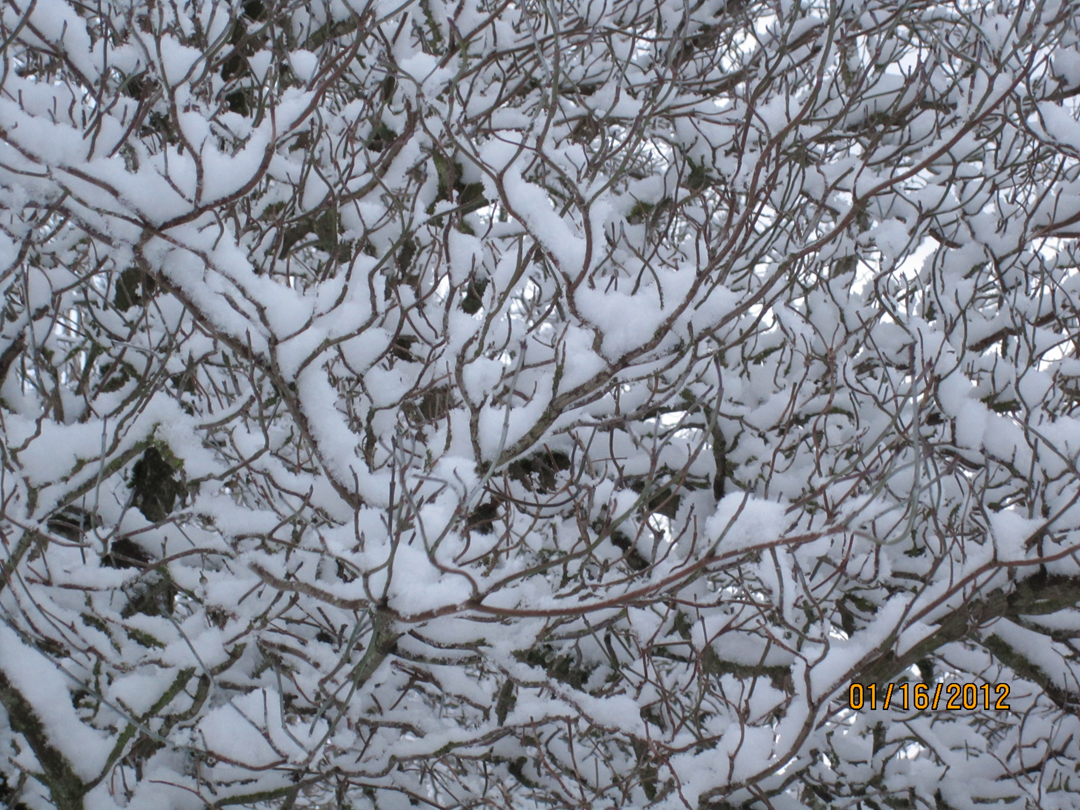
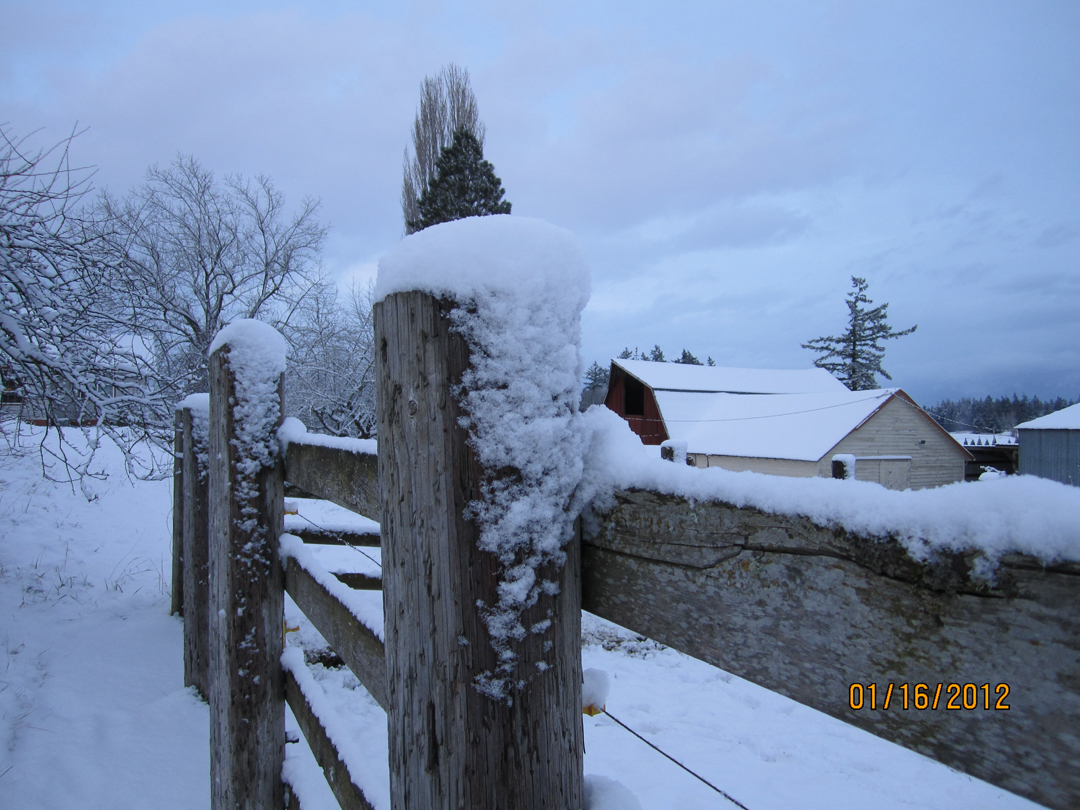
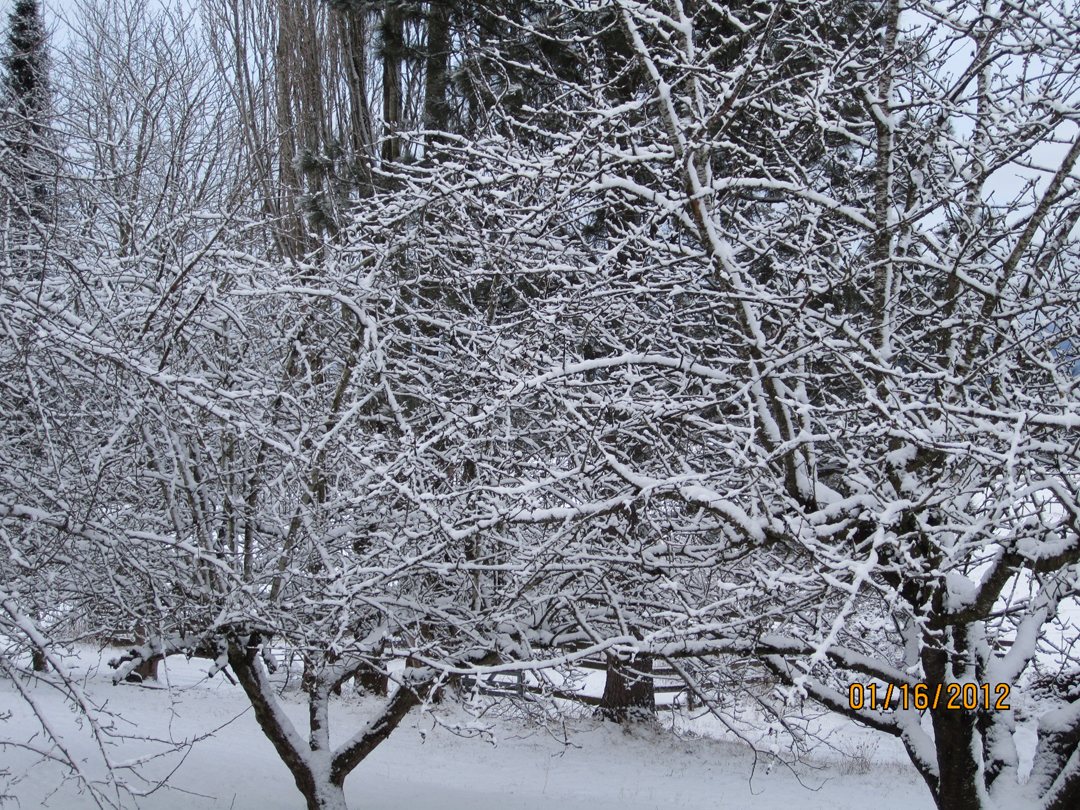
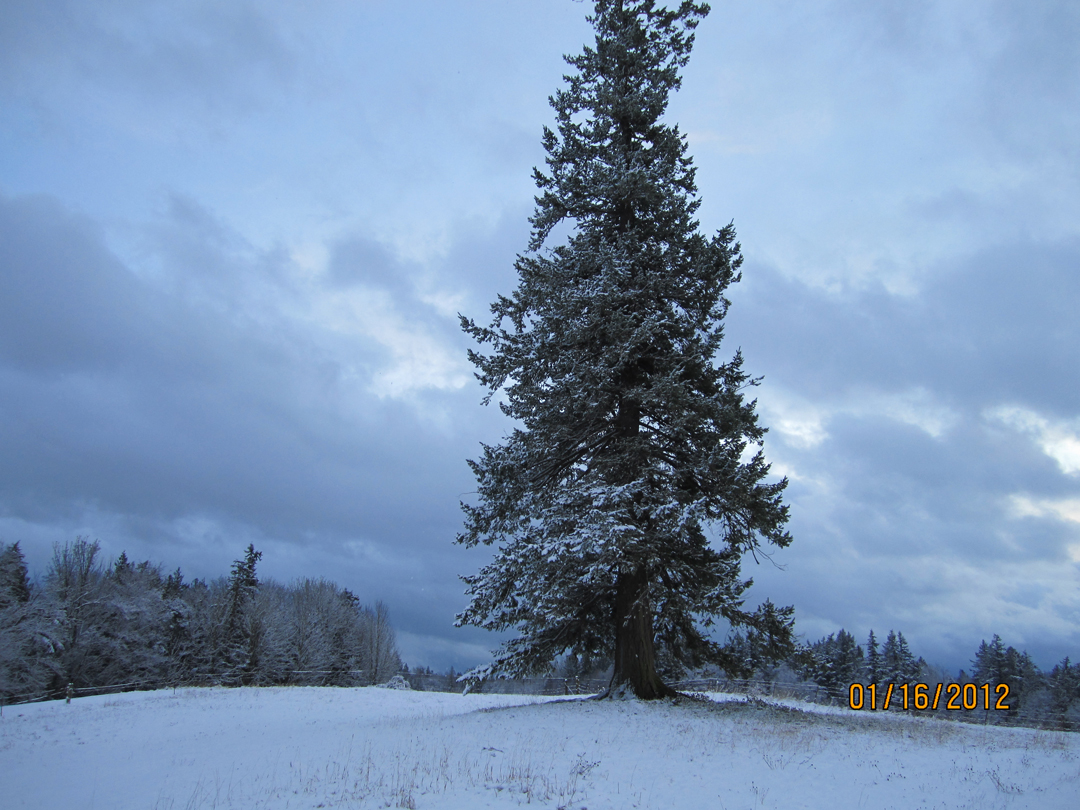
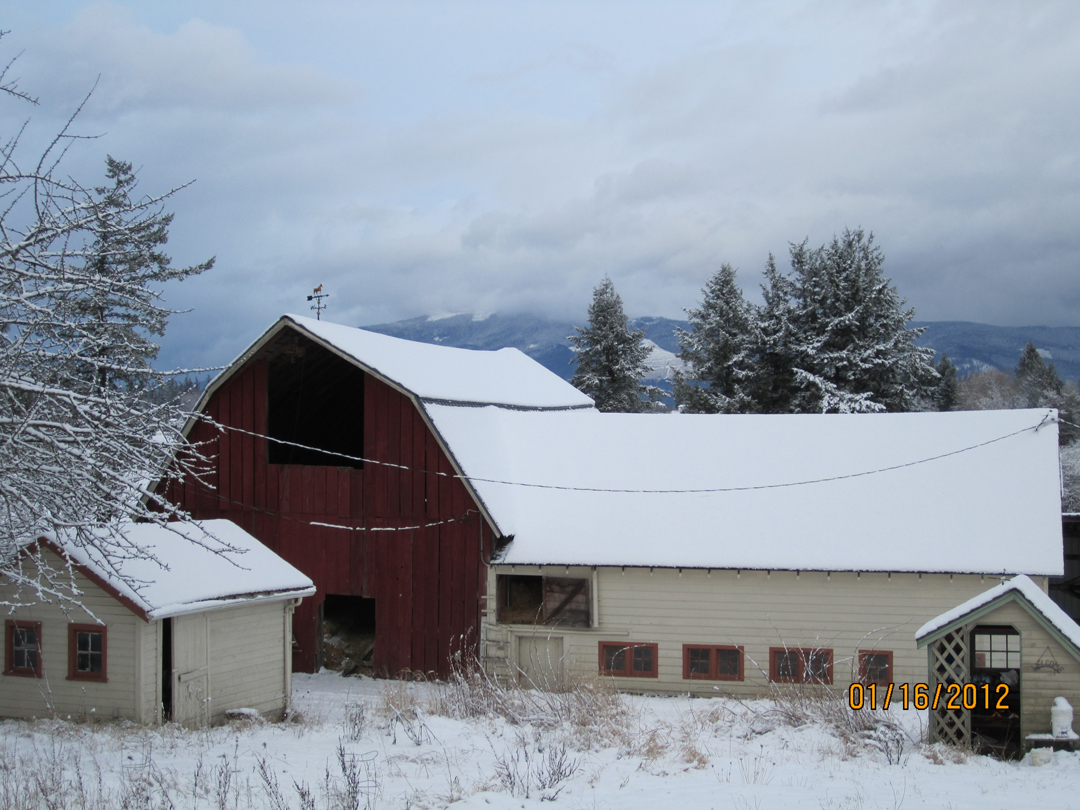
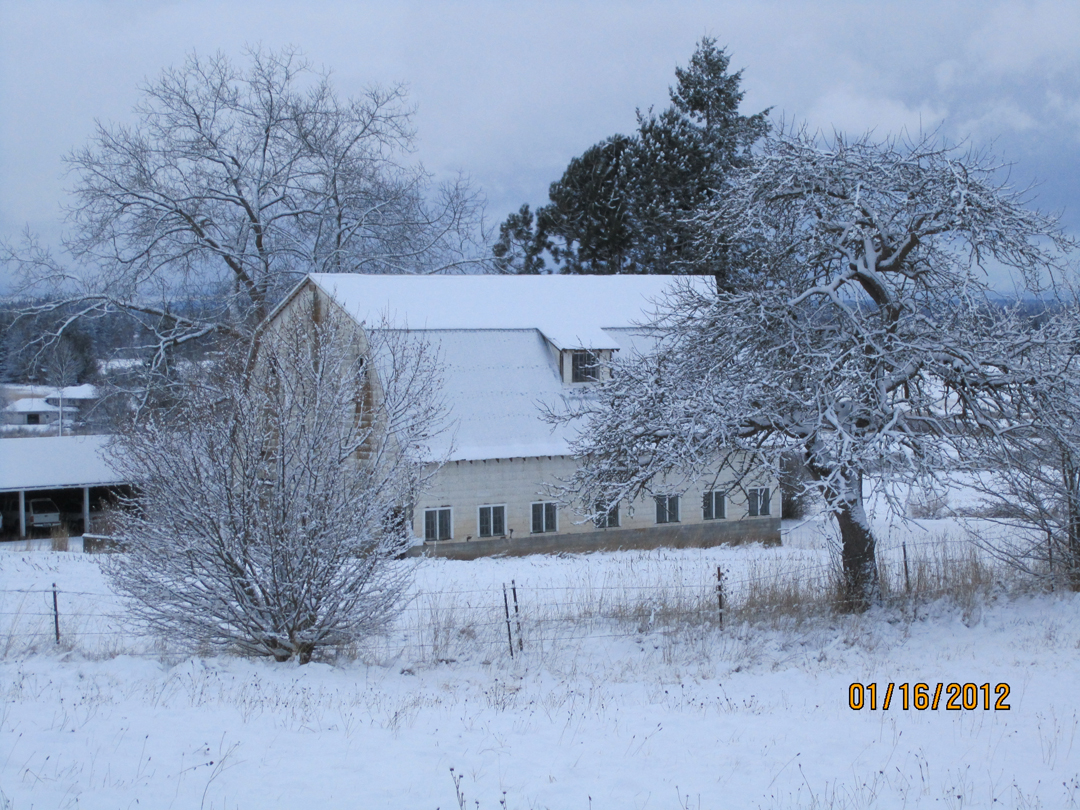
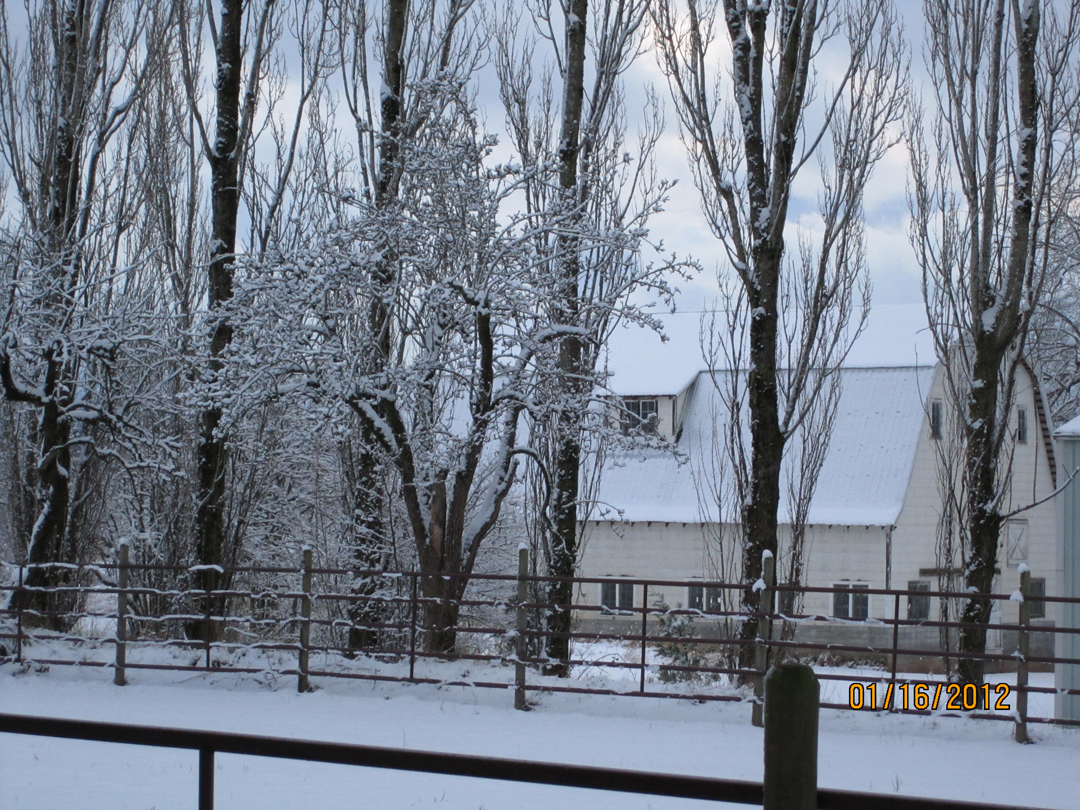
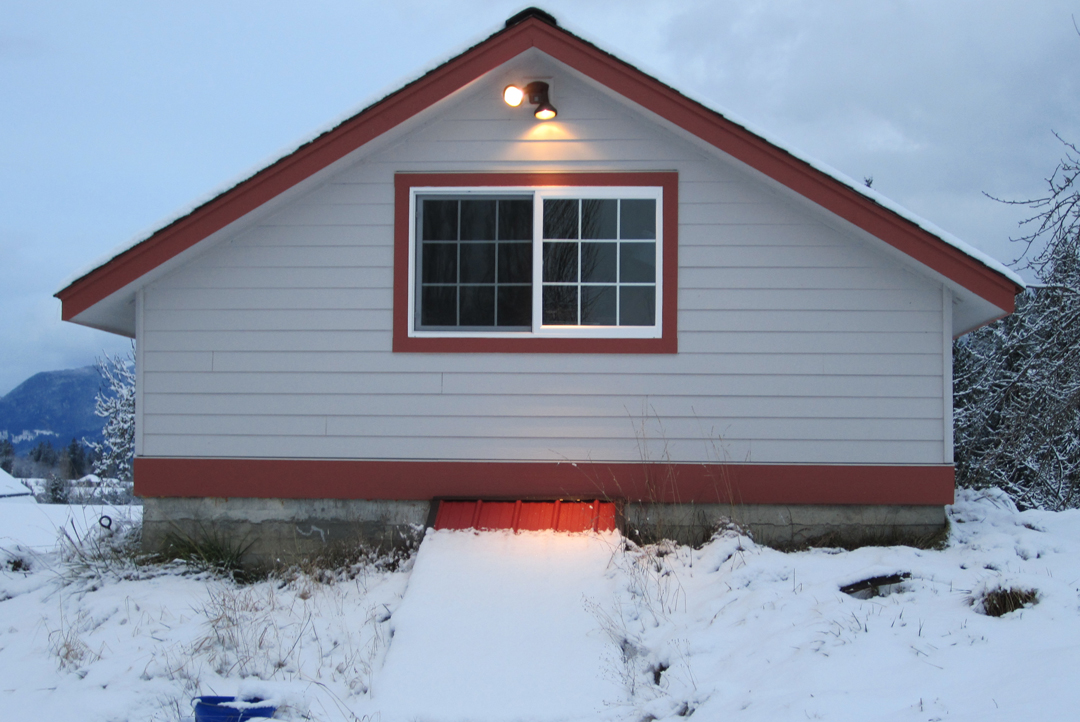
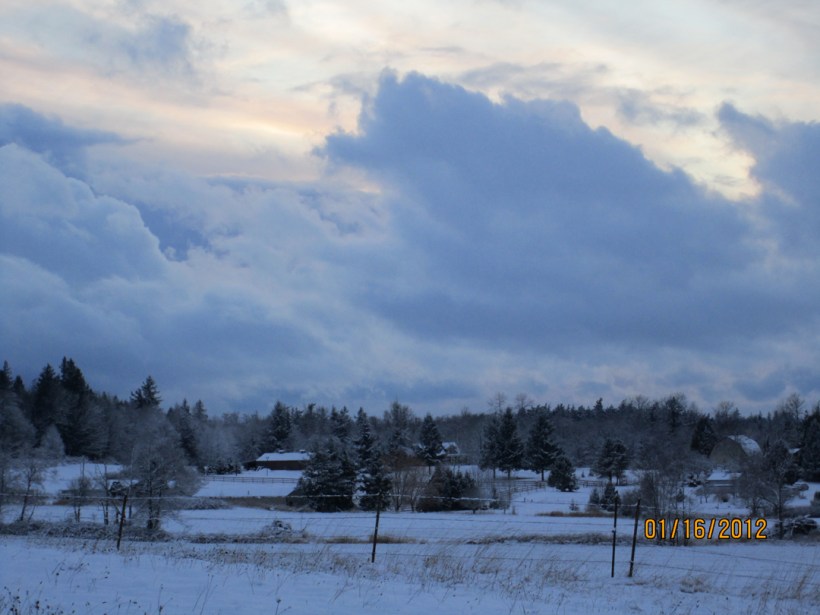
BriarCroft in Winter


There’s a certain Slant of light, Winter Afternoons– That oppresses, like the Heft Of Cathedral Tunes– Emily Dickinson
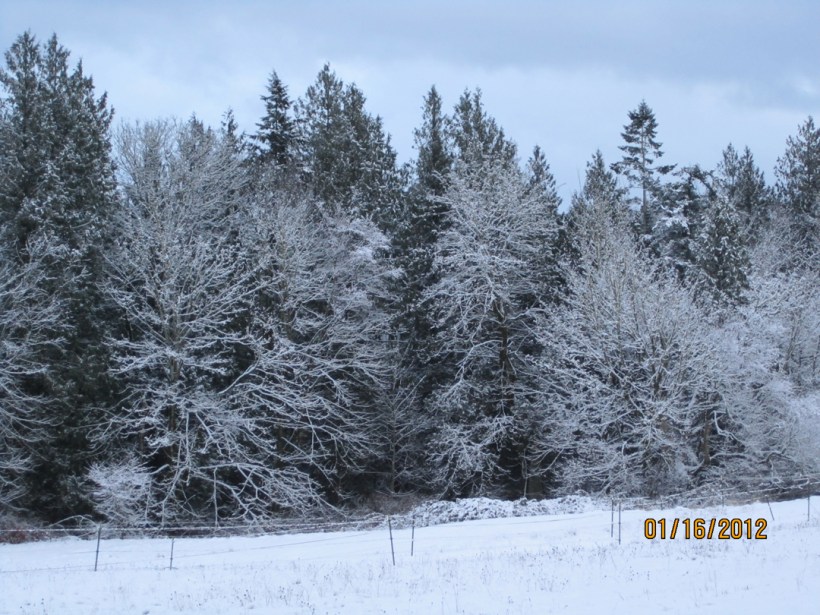

She stuck her head out and took a deep breath. If she could eat the cold air, she would. She thought cold snaps were like cookies, like gingersnaps. In her mind they were made with white chocolate chunks and had a cool, brittle vanilla frosting. They melted like snow in her mouth, turning creamy and warm.
― Sarah Addison Allen
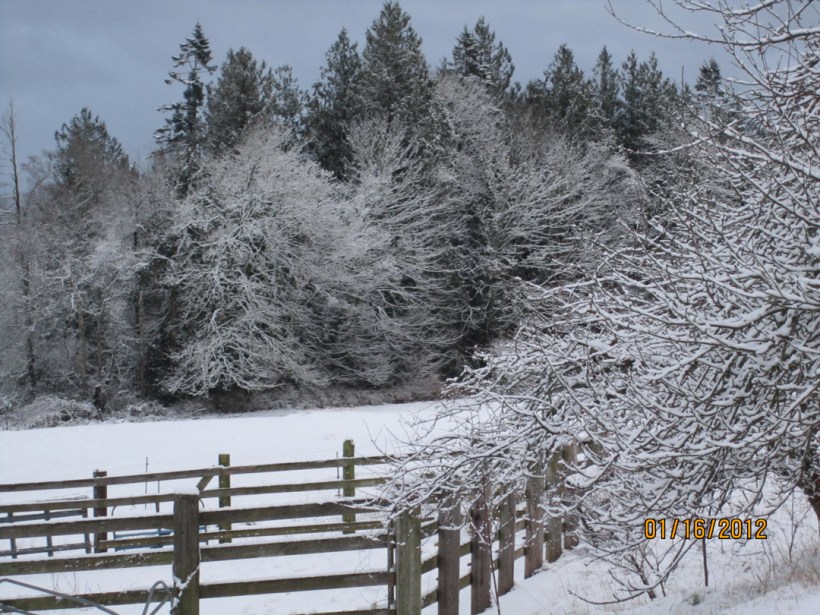

It is winter proper; the cold weather, such as it is, has come to stay. I bloom indoors in the winter like a forced forsythia; I come in to come out. At night I read and write, and things I have never understood become clear; I reap the harvest of the rest of the year’s planting. Annie Dillard
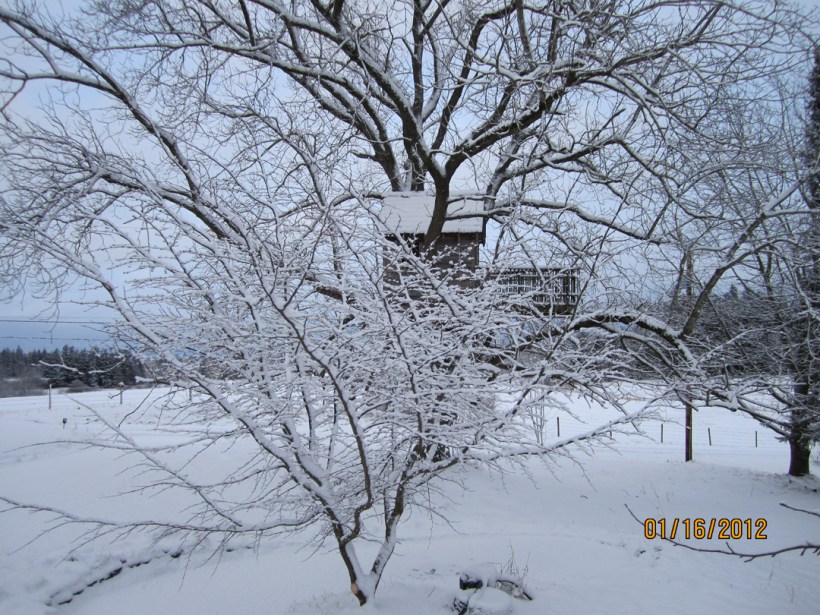
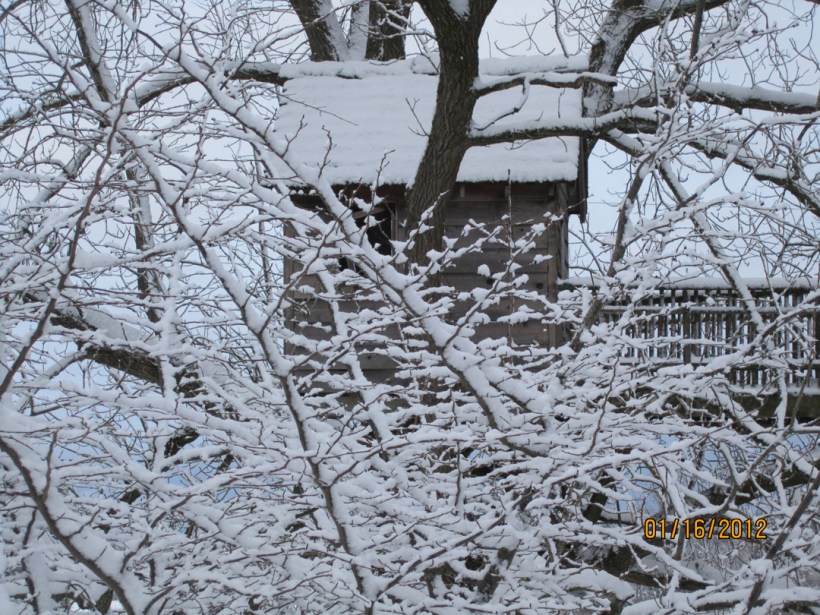
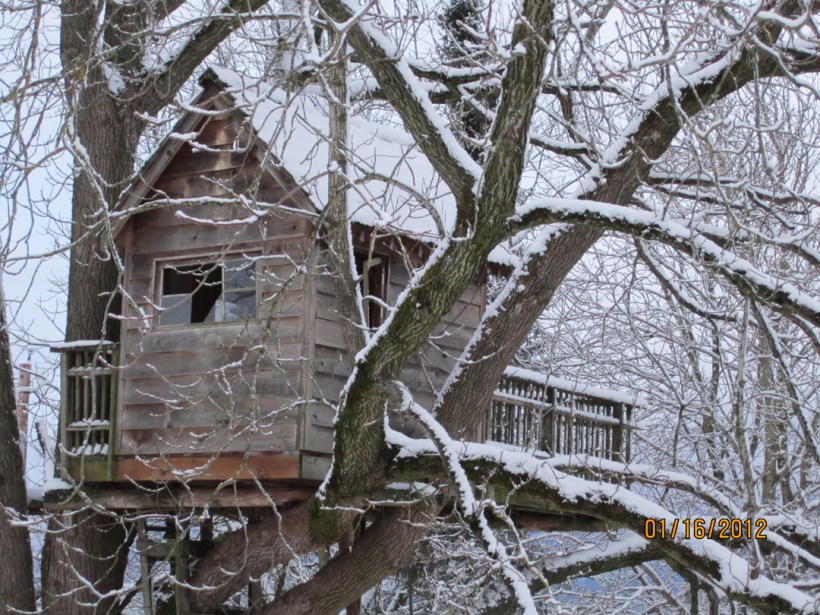

There are adventures of the spirit and one can travel in books and interest oneself in people and affairs. One need never be dull as long as one has friends to help, gardens to enjoy and books in the long winter evenings.
― D.E. Stevenson
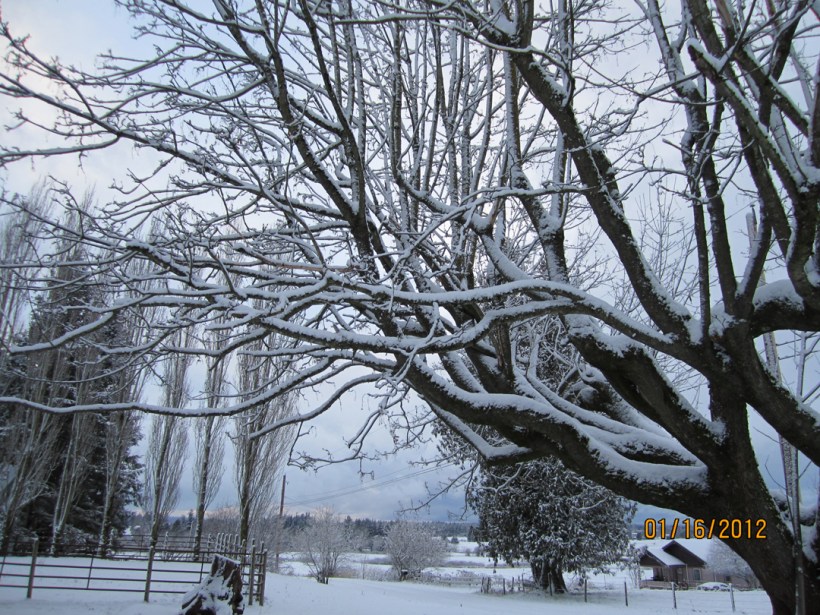

I prefer winter and fall, when you feel the bone structure of the landscape – the loneliness of it, the dead feeling of winter. Something waits beneath it, the whole story doesn’t show. ~Andrew Wyeth
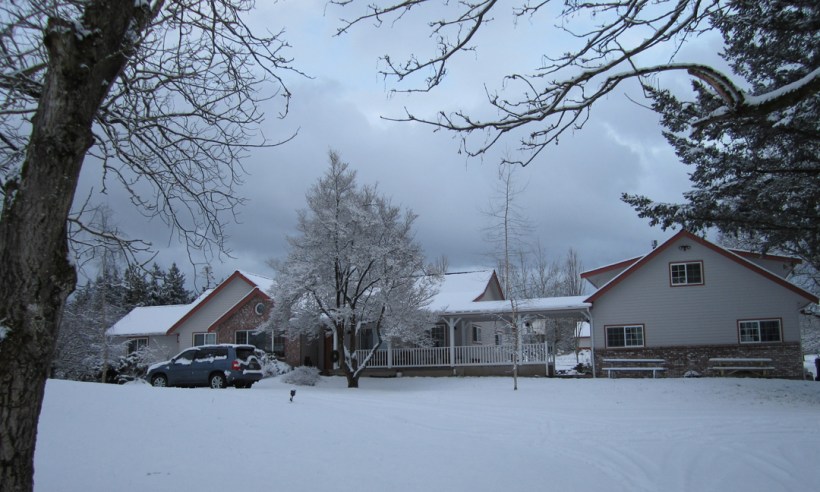

Winter is the time for comfort, for good food and warmth, for the touch of a friendly hand and for a talk beside the fire: it is the time for home. ~Edith Sitwell
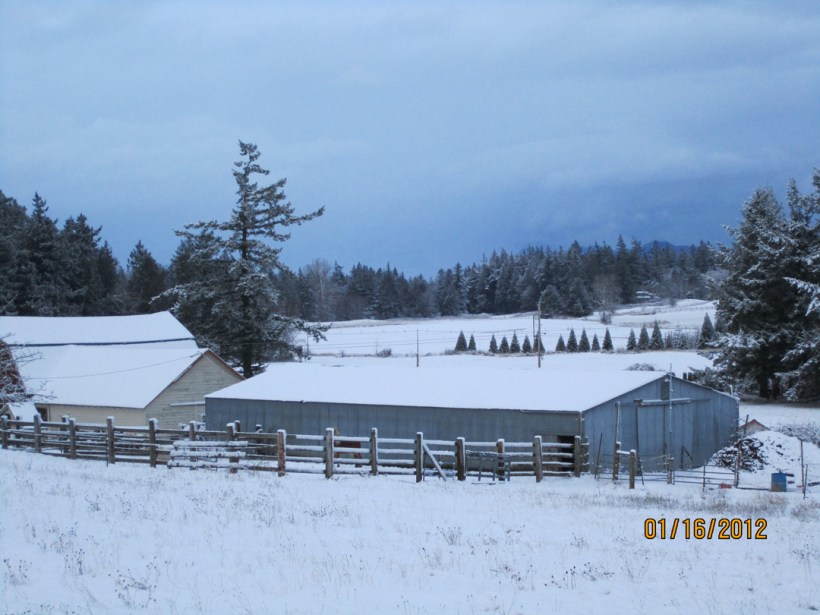

In the depth of winter, I finally learned that within me there lay an invincible summer. Albert Camus
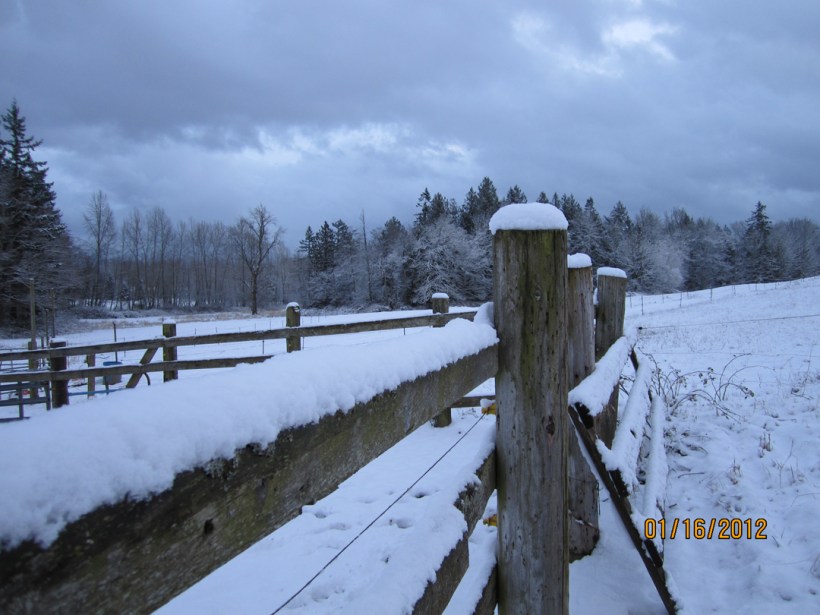

In the bleak midwinter Frosty wind made moan, Earth stood hard as iron, Water like a stone; Snow had fallen, snow on snow, Snow on snow, In the bleak midwinter, Long ago. Christina Rossetti
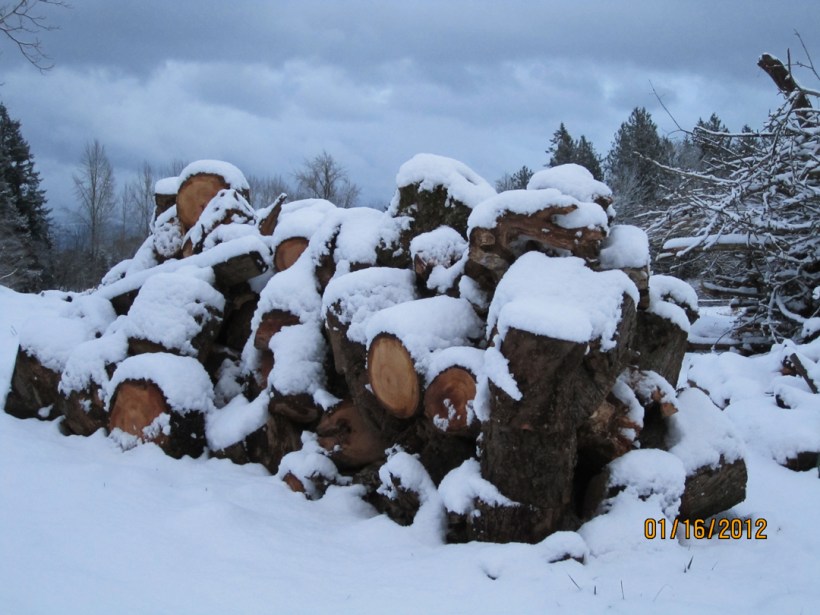

Winter is not a season, it’s an occupation.
― Sinclair Lewis
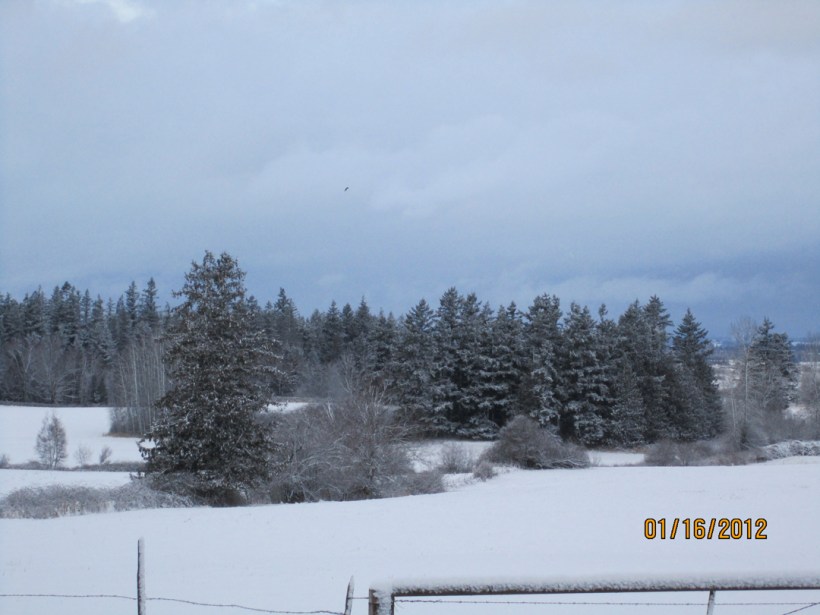

Snow flurries began to fall and they swirled around people’s legs like house cats. It was magical, this snow globe world.
― Sarah Addison Allen
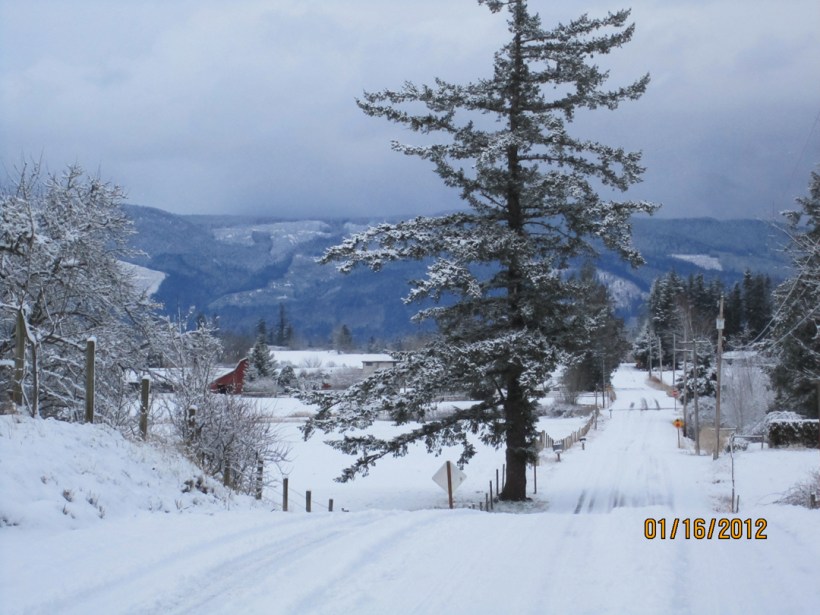

When there’s snow on the ground, I like to pretend I’m walking on clouds.
Takayuki Ikkaku, Arisa Hosaka and Toshihiro Kawabata
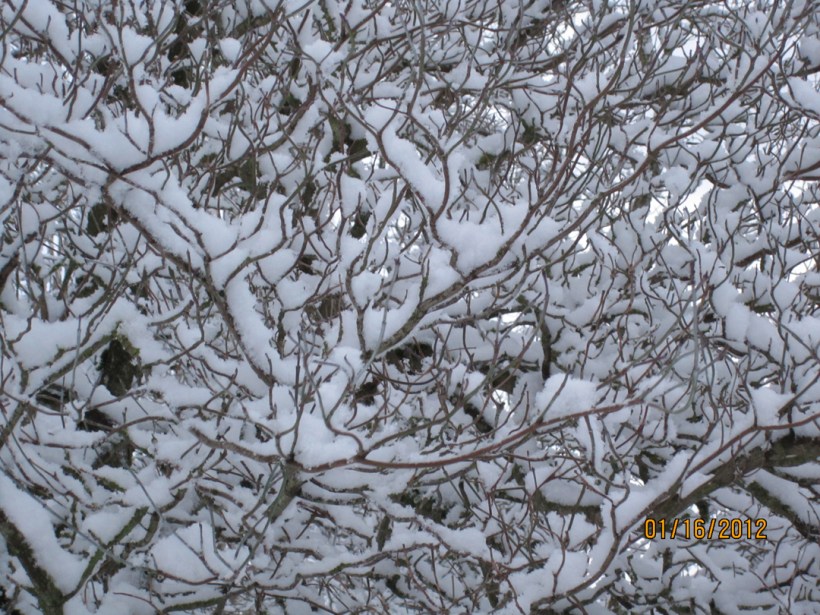

The color of springtime is in the flowers, the color of winter is in the imagination. ~Terri Guillemets
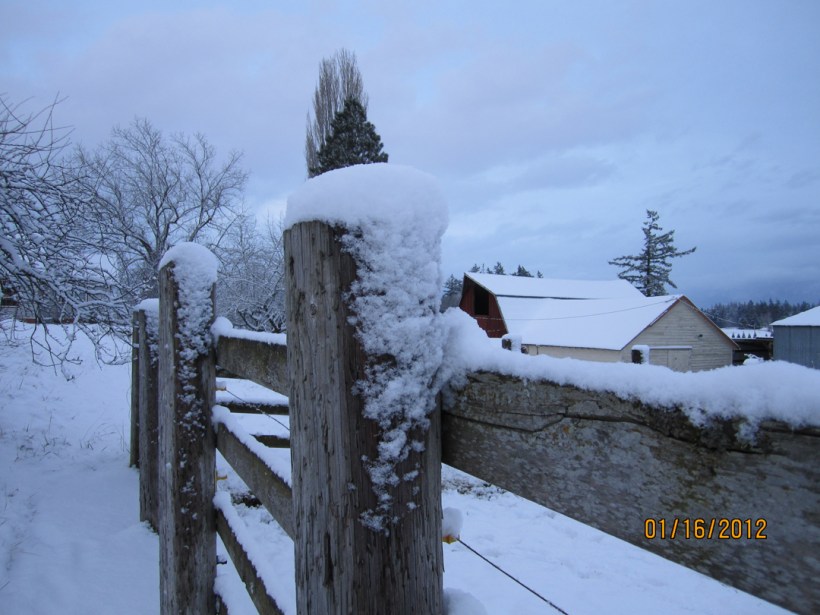

Wild clouds lower and touch the thin evening
Fast snow dances in swirling wind.
…With one finger I write my sorrows in the air.
Du Fu
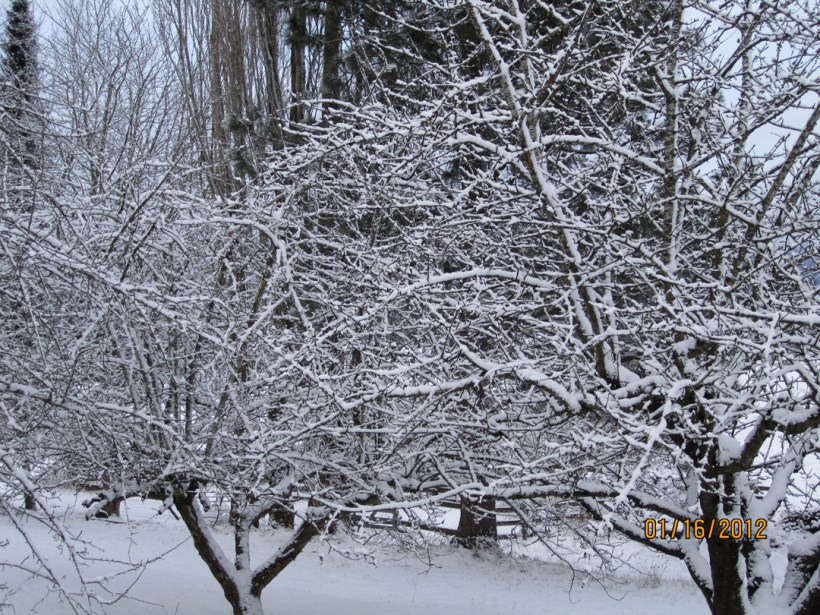

No orchard’s the worse for the wintriest storm;
But one thing about it, it mustn’t get warm.
“How often already you’ve had to be told,
Keep cold, young orchard, good-by and keep cold.”
Robert Frost
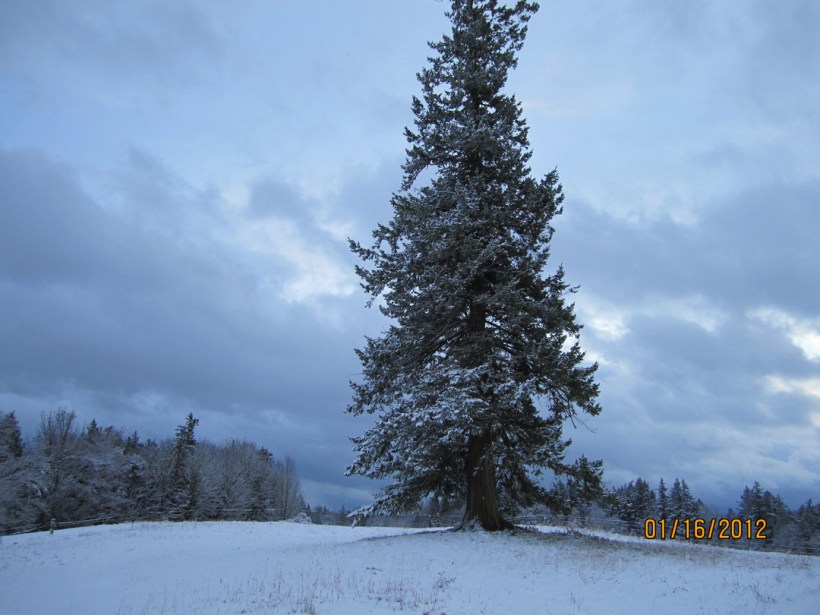

Snow has fallen on the pine-woods,
and every bough has blossomed.
I should like to pluck a branch
and send it to where my lord is.
After he has looked at it,
what matter if the snow-flowers melt?

Chong Ch’ol
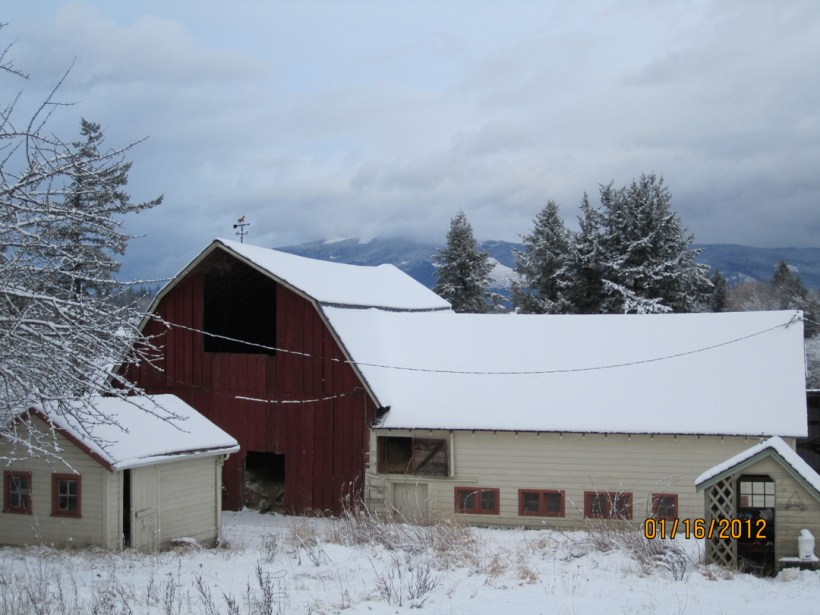

Surely everyone is aware of the divine pleasures which attend a wintry fireside; candles at four o’clock, warm hearthrugs, tea, a fair tea-maker, shutters closed, curtains flowing in ample draperies to the floor, whilst the wind and rain are raging audibly without.
― Thomas de Quincey
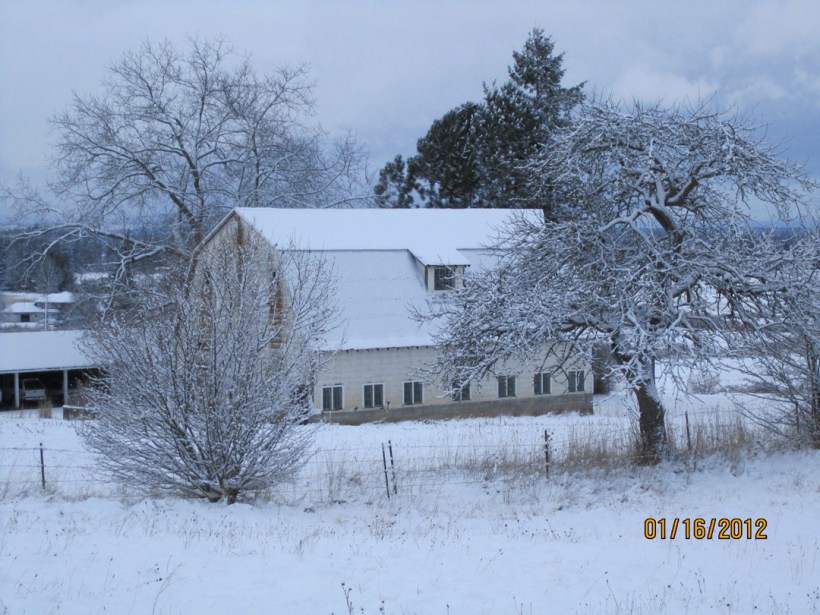

When the cold comes it arrives in sheets of sleet and ice. In December, the wind wraps itself around bare trees and twists in between husbands and wives asleep in their beds. It shakes the shingles from the roofs and sifts through cracks in the plaster. The only green things left are the holly bushes and the old boxwood hedges in the village, and these are often painted white with snow. Chipmunks and weasels come to nest in basements and barns; owls find their way into attics. At night,the dark is blue and bluer still, as sapphire of night.
― Alice Hoffman
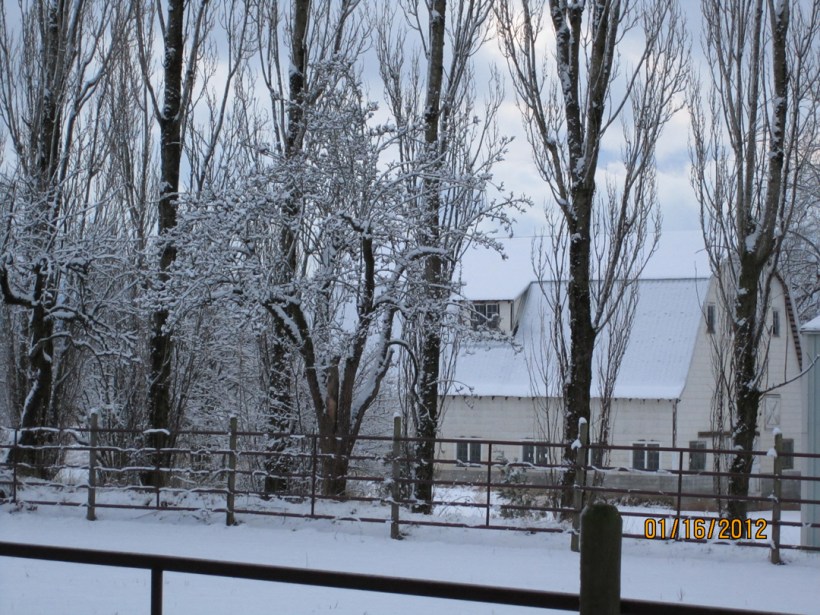

The wind is keen coming over the ice;
it carries the sound of breaking glass.
And the sun, bright but not warm,
has gone behind the hill. Chill, or the fear
of chill, sends me hurrying home.
from Walking Alone in Late Winter
Jane Kenyon
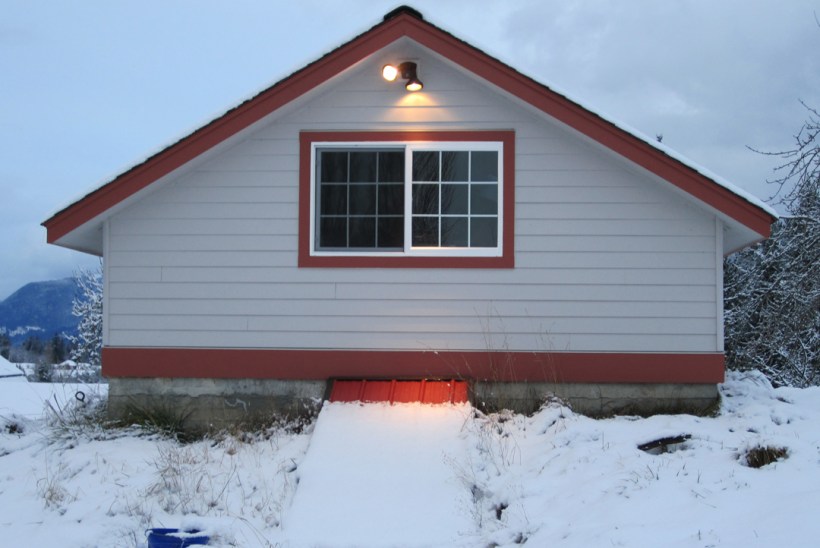

Descending the steps into that dark root cellar brought apprehension as well as anticipation. I was uncertain what critter may unexpectedly surprise me on the inside–bullfrog? snake? but the blast of cool air on a hot summer day was always a welcome relief. There was one hanging light bulb in the middle with a pull chain, and once the insides of the cellar were illuminated, a colorful trove appeared from the shadows, lined up on shelves like the ghostly discoveries in King Tut’s tomb.

These were not gilded treasures, but the kind that were lovingly and carefully harvested, washed, boiled and preserved in the midst of a sweaty summer, to be savored during dinners served on the coldest of winter days. The potatoes lay in the cool darkness, not tempted to turn green or sprout, and the “keeper” apples and pears remained firm and tasty. Even in the coldest of winter blasts, the root cellar contents never froze or rotted. It was the best refrigeration system imaginable and didn’t cost a thing to maintain.
Emily Gibson
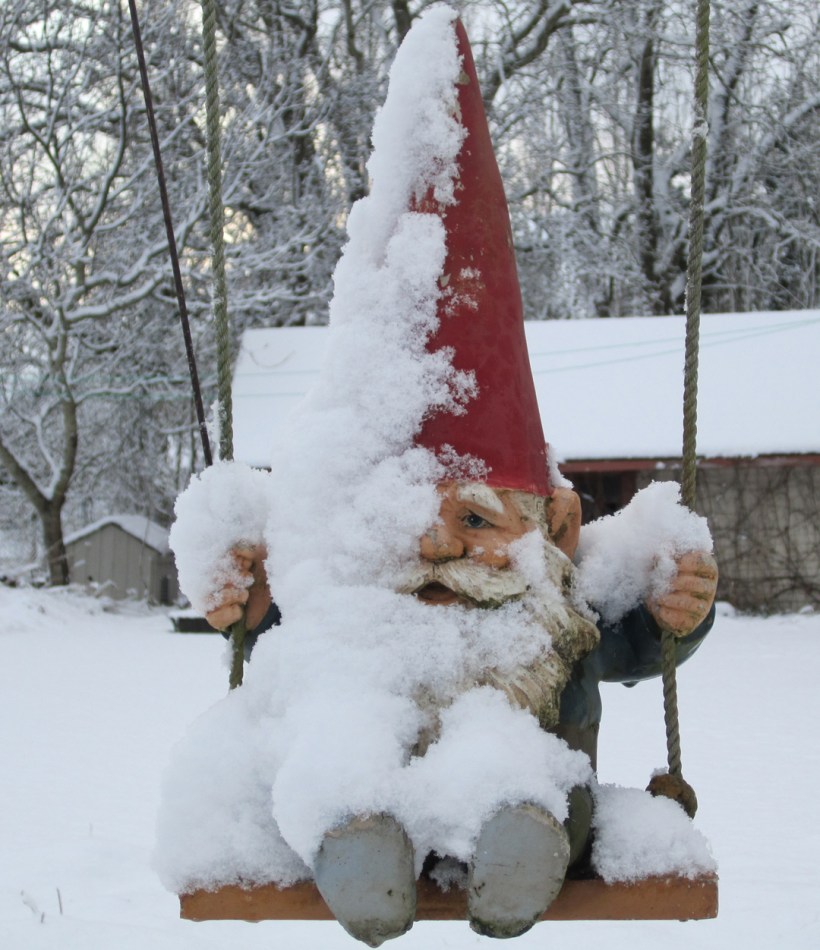

I like these cold, gray winter days. Days like these let you savor a bad mood. ~Bill Watterson

BriarCroft in Spring

BriarCroft in Summer

BriarCroft in Autumn

BriarCroft at Year’s End
Ghost Shadows of Summer

In mid-autumn
the dying still grip
firmly to life-
stem to branch,
branch to trunk,
trunk to roots in the ground.

Then October turns the page
and November
winds blow in
drenching rain.
Storm swept
leaves loosen
in animated tumble,
a tousled chlorophyll
kaleidoscope.

Float disconnected
to soil, pond
and sidewalk,
settling flat,
to mark the spot
like an epitaph
until raked together
into composting piles.

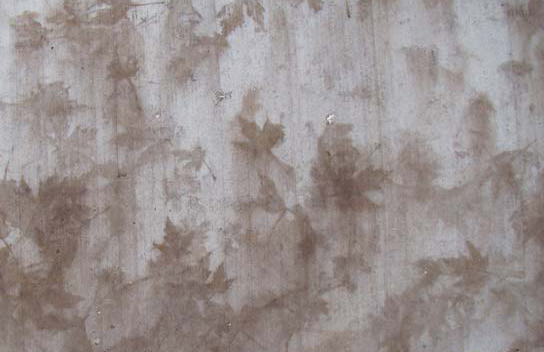
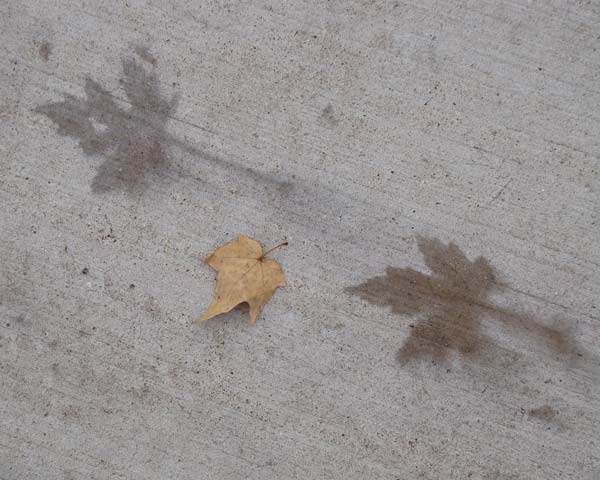
Disembodied imprints
of ghostly leaft-overs–
veins and rib, lobes and tip.
Shadows of summer
remembered, treasured,
now lost to the wind
and rain of autumn.

I Forgive You

Who needs the icebox
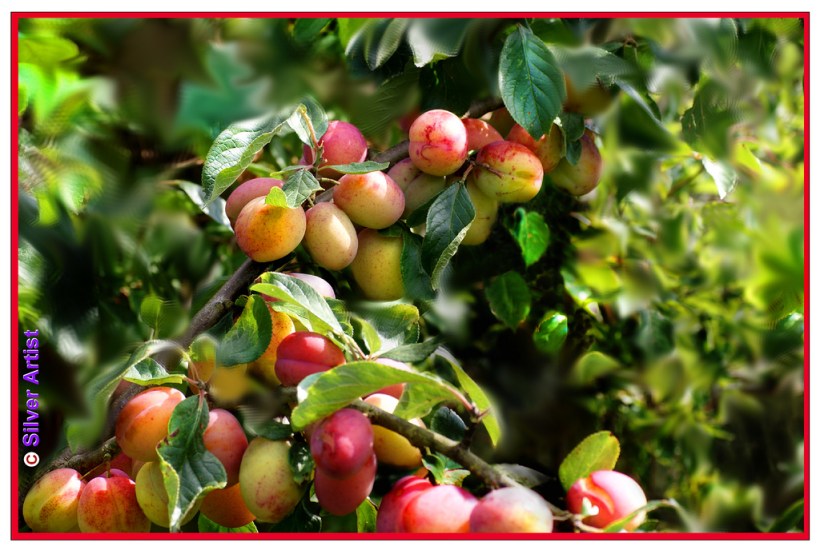
when the plums
simply hang heavy
in the orchard

dotted with dew
glistening
in the spare pink light
of dawn

so ripe
and so ready
their golden flesh
warming in the sun.


This is Just to Say

by William Carlos Williams

I have eaten
the plums
that were in
the icebox

and which
you were probably
saving
for breakfast

Forgive me
they were delicious
so sweet
and so cold

Tall, Dark, and Shallow

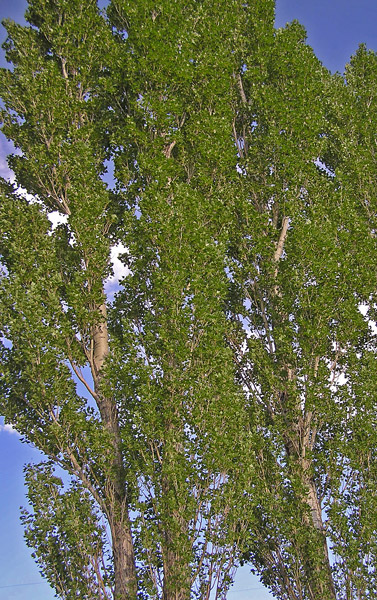
A row of Populus Nigra (Latin for “people of the dark”), otherwise known as Lombardy Poplars, seems to be following me.  I feel pursued by this long border of eighty-plus year old poplars on the west edge of our farm.  The trees themselves, supposedly nearing the end of a typical poplar life span, are grand massively tall specimens, their leaves and branches noisily reacting to the tiniest of breezes.  In greater winds, they bend and sway wildly, almost elastic.  The trees themselves are certainly not going anywhere in their hot pursuit of me, but beneath the ground is a remarkable stealth root system that is creeping outward, reaching inch by inch closer to the house.

That is what strikes fear in my heart.

If I leave those roots undisturbed for only a few months, they swell to arm size, lying just below the surface of the ground, busily sprouting numerous new little Populus Nigra along the length of the root.   These are no cute babyish innocent little seedlings.  These are seriously hungry plants determined to be fed from the roots as if from a fire hose.  They literally put on inches over a week;  they are over 6 feet tall in a month or two.   If I am not paying attention, suddenly I’m faced with dozens of new poplar babies, each sucking on a communal maternal umbilical cord.

I have no choice but to seek and destroy on a regular basis.  It is a shock and awe operation.  I’m shocked at the growth and awed at the strength of the adversary.   Many of these simply cannot be pulled up from the dust by hand as the process results in a root crawling many yards long, heading east toward the house like a heat-seeking missile.  To finish off the job, sometimes the root must be removed entirely by tractor.  I am here to certify that it is impossible to remove sufficient root system to stem the Populus Nigra tide.  It will always return, healthier than before.

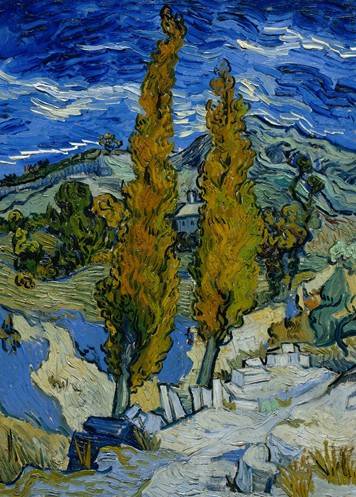
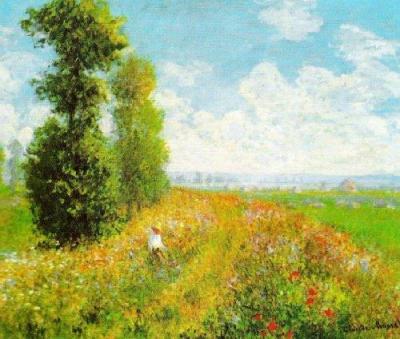
I do have to admire this tree for its fortitude as well as its beauty.  As a wind break, it is unparalleled, its leaves melodious in the breeze.   It sheds its foliage as well as dying branches in the fall, messily scattering itself as far as arboreally possible, so tends to precipitate warming bonfires on autumn evenings.   Lastly, it makes for great artwork by the likes of Monet and Van Gogh, creating predictability, uniformity and symmetry both in their paintings and in the palette of our farmscape.

The poplars may be pursuing me but I enjoy the chase.  I gaze with appreciation at our row of poplars’ dark outline against the horizon during orange sunsets.  I miss their hubbub of constant activity when their leaves drop for winter.  Stripped naked, they wait in surreptitious silence for the rush of spring warmth and moisture to start creeping forward again, the gush of sap plumping up seedlings like balloons, once again growing clones against all odds.

My husband suggested it was time to take the poplars down before they break over in their old age, overcome in the strong northeasters.  I must disagree.  They deserve the chance to fight off our struggle to the finish to prevent infiltration beyond their defined border row.

Being pursued by a tree is never a bad thing.   I am humbled their shallow roots will likely outlast me even as I try to take them out, pulling me down face first into the dust to join them.

Meadow with Poplars by Monet
Poplars by Van Gogh
Avenue of Poplars at Sunrise by Van Gogh
Golden Poplars by Karl Termohlen

Silent Synchrony

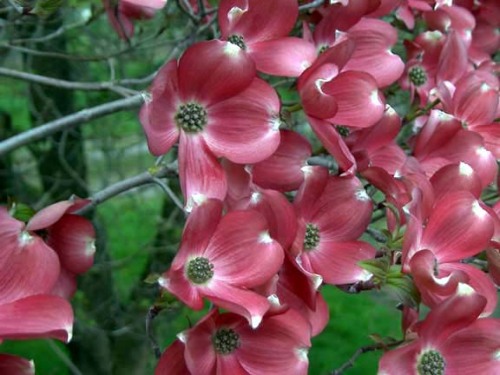
It started last week.  The tree right in front of our porch, having looked dead for the past six months, started to bud out in subtle pink petalled blossoms.
The previous week there had been nothing remarkable whatsoever about the tree.
This week it is a feast for the eyes, almost blinding in its brilliance.

Each year the dogwood startles me.  From dead to brilliant in a mere two weeks.  And not only our tree, but every other pink dogwood within a twenty mile radius has answered the same April siren call: bloom!  bloom your heart out!  dazzle every retina in sight!

And it is done simultaneously on every tree, all the same day, without a sound, without an obvious signal, as if an invisible conductor had swooped a baton up and in the downbeat everything turned pink.  Or perhaps the baton is really a wand, shooting out pink stars to paint these otherwise plain and humble trees, so inconspicuous the rest of the year.

Ordinarily I don’t dress up in finery like these trees do.  I prefer inconspicuous for myself.  But I love the celebratory joy of those trees in full blossom and enjoy looking for them in yards and parks and along sidewalks.

Maybe there is something pink in my closet I can wear.  Maybe conspicuous every once in awhile is exactly what is needed.

Reopening the Woods

woods2

Our woodlot lies quiet this time of year.  There have been numerous wind storm that have snapped trees or uprooted them completely and they rest where they have fallen, a crisscross graveyard of trunks that block paths and thwart us on the trails.  Years of leaves have fallen undisturbed, settling into a cushiony duff that is spongy underfoot, almost mattress-like in its softness, yet rich and life-giving to the next generation of trees.

We’ve intentionally left this woods alone for over a decade.  When we purchased this farm, cows had the run of the woods, resulting in damage to the trees and to the undergrowth.  We fenced off the woods from the fields, not allowing our horses access. It has been the home for raccoon, deer and coyotes, slowly rediscovering its natural rhythms and seasons.

It feels like time to open the trails again.  We’ve cut through the brush that has grown up, and are cutting through the fallen trunks to allow our passage.

We bought this farm from 82 year old Morton Lawrence who loved every tree here. After spending 79 years on this farm, he treasured each one for its history, its fruit, its particular place in the ground, and would only use the wood if God had felled the tree Himself.  Morton directed us to revere the trees as he had, and so we have.  When he first took us on a tour of the farm, it was in actuality a tour of the trees, from the large walnuts in the front yard, to the poplars along the perimeter, to the antique apples, cherries and pear, the filbert grove, the silver plum thicket, as well as the mighty seventy plus year old Douglas fir, Western hemlock and Red cedar trees reestablished after the original logging in the early twentieth century.   The huge old stumps still bore the carved out eight inch notches for the springboards on which the lumbermen balanced to cut away with their axes at the massive diameter of the trees.

He led us to a corner of the woods and stood beneath a particular tree, tears streaming down his face.  He explained this was where his boy Lawton had hung himself, taking his life at age fourteen, in 1967.  Morton still loved this tree, as devastating as it was to lose his son from one of its branches so unexpectedly.  He stood shaking his head, his tears dropping to the ground.  I knew his tears had watered this spot often over the years.  He looked at our boys—one a two year old in a pack on my back, and the other a four year old gripping his daddy’s hand—and told us he wished he’d known, wished he could have understood his son’s despair, wished daily there was a way to turn back the clock and make it all turn out differently.  He wanted us to know about this if we were to own this woods, this tree, this ground, with children of our own to raise here.  I was shaken by such raw sharing and the obvious sacredness of the spot.   Though Lawton lay buried in a nearby neighborhood cemetery, a too-young almost-man lost forever for reasons he never found to express to others, it was as if this spot, now hallowed by his father’s tears, was his grave.  This tree witnessed his last act and last breath on earth.

We have left the woods untouched until now in our effort to let it restore and heal, and to allow that tree to become surrounded by new growth and life.  We have told Lawton’s story to our children and are reminded of the precious gift of life we have been given, and that it must be treasured and clung to, even in our darkest moments.  Morton’s tears watering this woods are testimony enough of his own clinging to life, through his faith in God and in respect to the memory of his beloved boy.

Morton and his wife Bessie now share the ground with Lawton, reunited again a few miles away from our home that was theirs for decades.  Their woods is reopening to our feet, allowing us passage again, and despite the darkness that overwhelms it each winter, the woods bear life amidst the dying as a forever reminder.  And we will not forget.

woods