…whatever is true, whatever is noble, whatever is right, whatever is pure, whatever is lovely, whatever is admirable—if anything is excellent or praiseworthy—think about such things. … And the God of peace will be with you. Philippians 4: 8 -9
What is my only comfort in life and in death? That I am not my own, but belong—body and soul, in life and in death—to my faithful Savior, Jesus Christ.
~Heidelberg Catechism
Instructions for living a life:
Pay attention.
Be astonished.
Tell about it.
~Mary Oliver
To do the useful thing, to say the courageous thing, to contemplate the beautiful thing: that is enough for one man’s life.
~ T.S. Eliot
A man should hear a little music, read a little poetry, and see a fine picture every day of his life, in order that worldly cares may not obliterate the sense of the beautiful which God has implanted in the human soul.
~Johann Wolfgang von Goethe
To live is so startling, it leaves little room for other occupations.
~Emily Dickinson
I believe in God as I believe that the Sun has risen, not only because I see it, but because by it I see everything else.
~ C. S. Lewis
Remember this. When people choose to withdraw far from a fire, the fire continues to give warmth, but they grow cold. When people choose to withdraw far from light, the light continues to be bright in itself but they are in darkness. This is also the case when people withdraw from God.
~ Augustine
Hello, sun in my face. Hello you who made the morning and spread it over the fields…Watch, now, how I start the day in happiness, in kindness.
~ Mary Oliver
The seed is in the ground. Now may we rest in hope while darkness does its work.
~ Wendell Berry
Nothing will sustain you more potently than the power to recognize in your humdrum routine the true poetry of life.~ Sir William Osler
But the effect of her being on those around her was incalculably diffusive: for the growing good of the world is partly dependent on unhistoric acts, and that things are not so ill with you and me as they might have been, is half owing to the number who lived faithfully a hidden life, and rest in unvisited tombs.
~George Eliot’s final sentence in Middlemarch
If the world were merely seductive, that would be easy. If it were merely challenging, that would be no problem. But I arise in the morning torn between a desire to improve the world and a desire to enjoy the world. This makes it hard to plan the day.
~ E.B. White
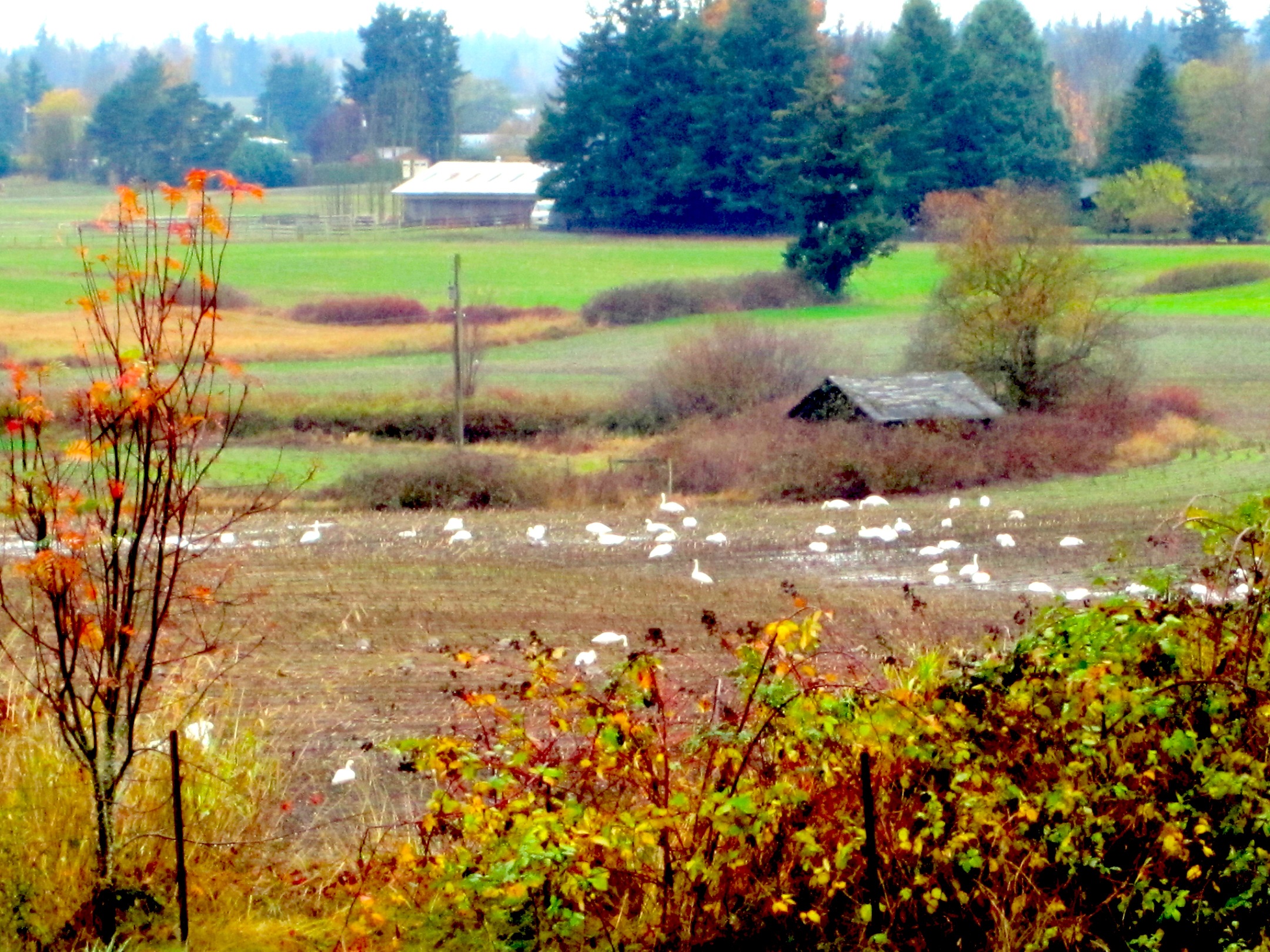
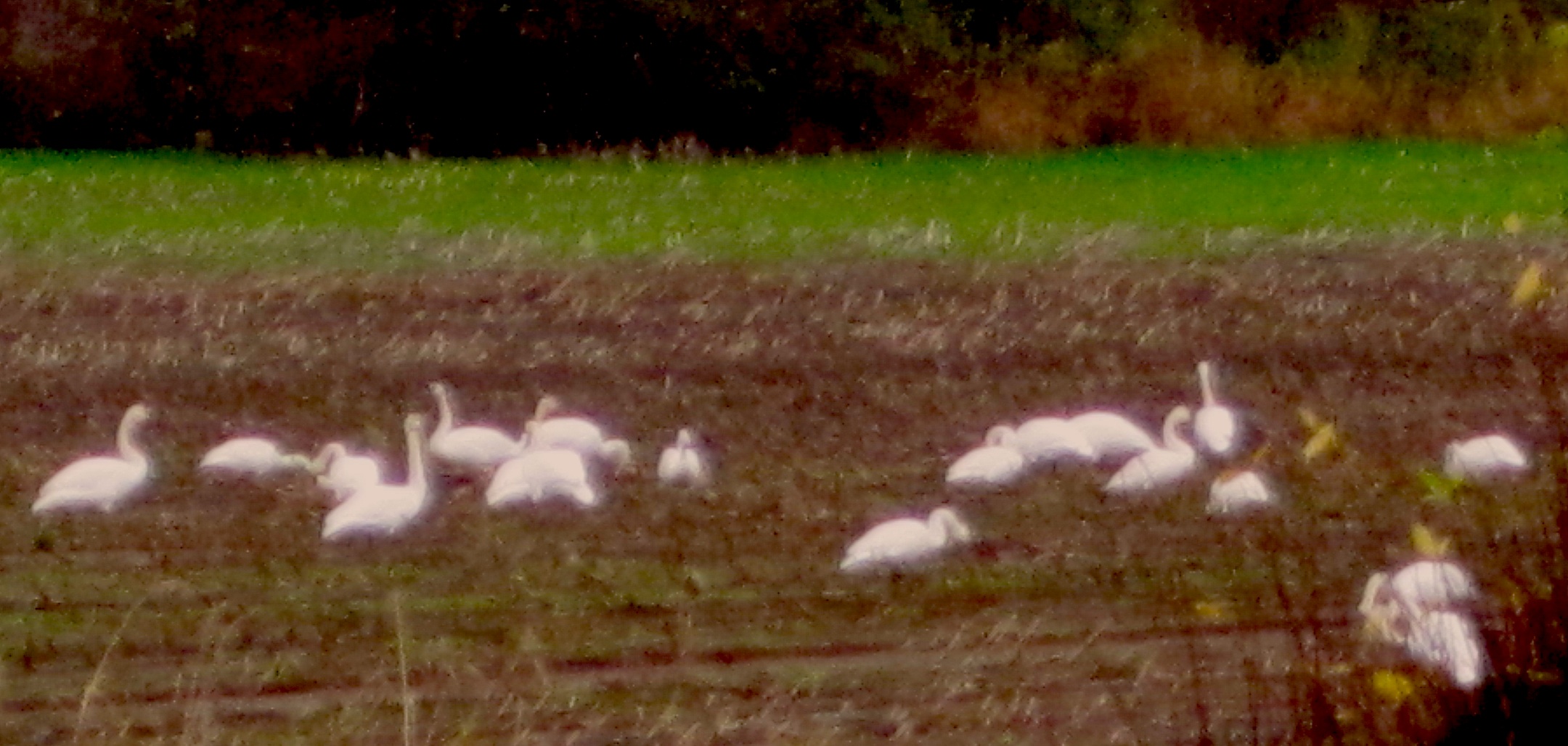
Geese appear high over us, pass, and the sky closes. Abandon, as in love or sleep, holds them to their way, clear, in the ancient faith: what we need is here. And we pray, not for new earth or heaven, but to be quiet in heart, and in eye clear. What we need is here.~~ “The Wild Geese” Wendell Berry
Let it come, as it will, and don’t be afraid. God does not leave us comfortless, so let evening come.
~ Jane Kenyon from “Let Evening Come”
You can only come to the morning through the shadows.~ J.R.R. Tolkien
Look for what you notice but no one else sees. ~Rick Rubin
If you want to identify me, ask me not where I live, or what I like to eat, or how I comb my hair, but ask me what I am living for, in detail, ask me what I think is keeping me from living fully for the thing I want to live for. ~ Thomas Merton
This life therefore is not righteousness,
but growth in righteousness,
not health but healing,
not being but becoming,
not rest but exercise.
We are not yet
what we shall be,
but we are growing toward it.
The process is not finished
but it is going on.
This is not the end
but it is the road.
~Martin Luther
Ten times a day something happens to me like this – some strengthening throb of amazement – some good sweet empathic ping and swell. This is the first, the wildest and the wisest thing I know: that the soul exists and is built entirely out of attentiveness.
~ Mary Oliver
It is not your love that sustains the marriage —
but from now on, the marriage that sustains your love.
~ Dietrich Bonhoeffer
She has done what she could…
~Mark 14:8
What do you mean? Do you wish me a good morning, or mean that it is a good morning whether I want it or not; or that you feel good on this morning; or that it is a morning to be good on?~ J. R. R. Tolkien from The Hobbit


 Barnstorming