Sliding on Slug Slime

“Girls are like slugs—they probably serve some purpose, but it’s hard to imagine what.”
Bill Watterson, in Calvin and Hobbes

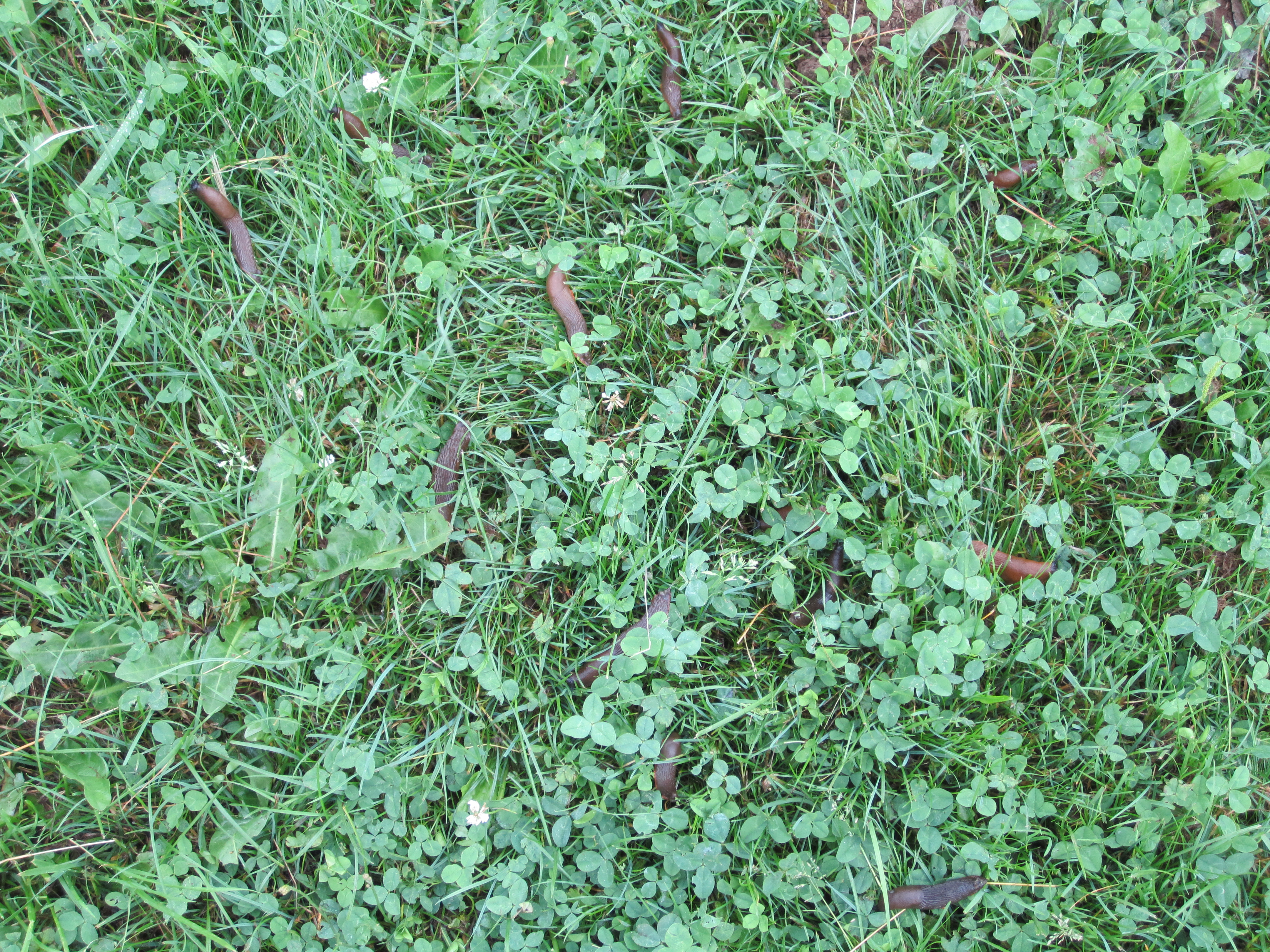
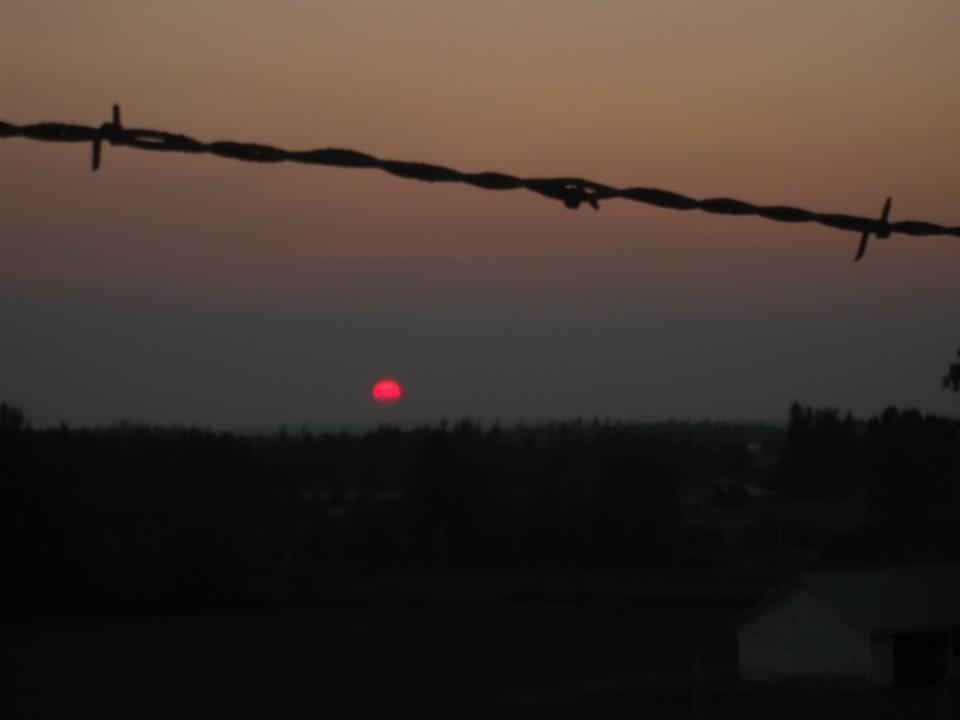
how many slugs can you count in this picture?

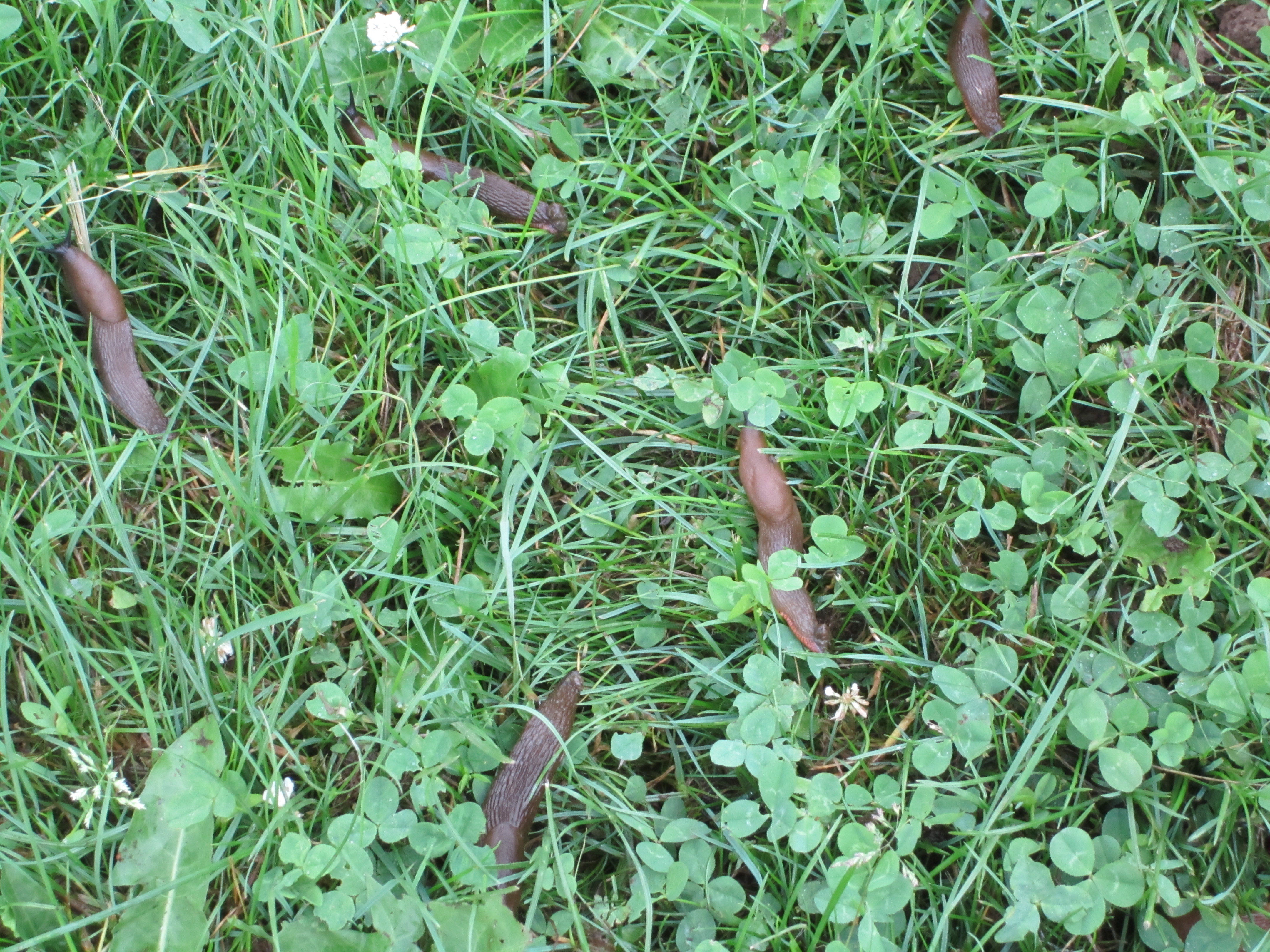
Summer rain, so desperately needed In much of our country, has been a frequent visitor to the Pacific Northwest. While corn is dying of thirst in the Midwest, we are overflowing with…slug slime and the lovely multicolored creatures that produce it. They appear out of the ground after a rain like seeds that plump and germinate miraculously overnight. The slug crop burgeons, and with it, oozy trails of glistening slug slime.

We live on a hill, which means I need to walk downhill to the barn. On one particular day, the path included a slug (or three) under each foot. That produces a certain memorable squish factor.

I’ve learned to don my rubber boots and just squash and slide. There will undoubtedly be more slugs to replace the flattened lost, like watching freeze-dried shrinky dinks spontaneously rehydrate.

I’d love to send the rain to those who need it most, but part of the deal includes the slugs must go too. With gallons of slime.

Of course, I’d miss them and their sticky icky gooiness. But it is time for someone else to figure out what their purpose is.

I’ve given up.

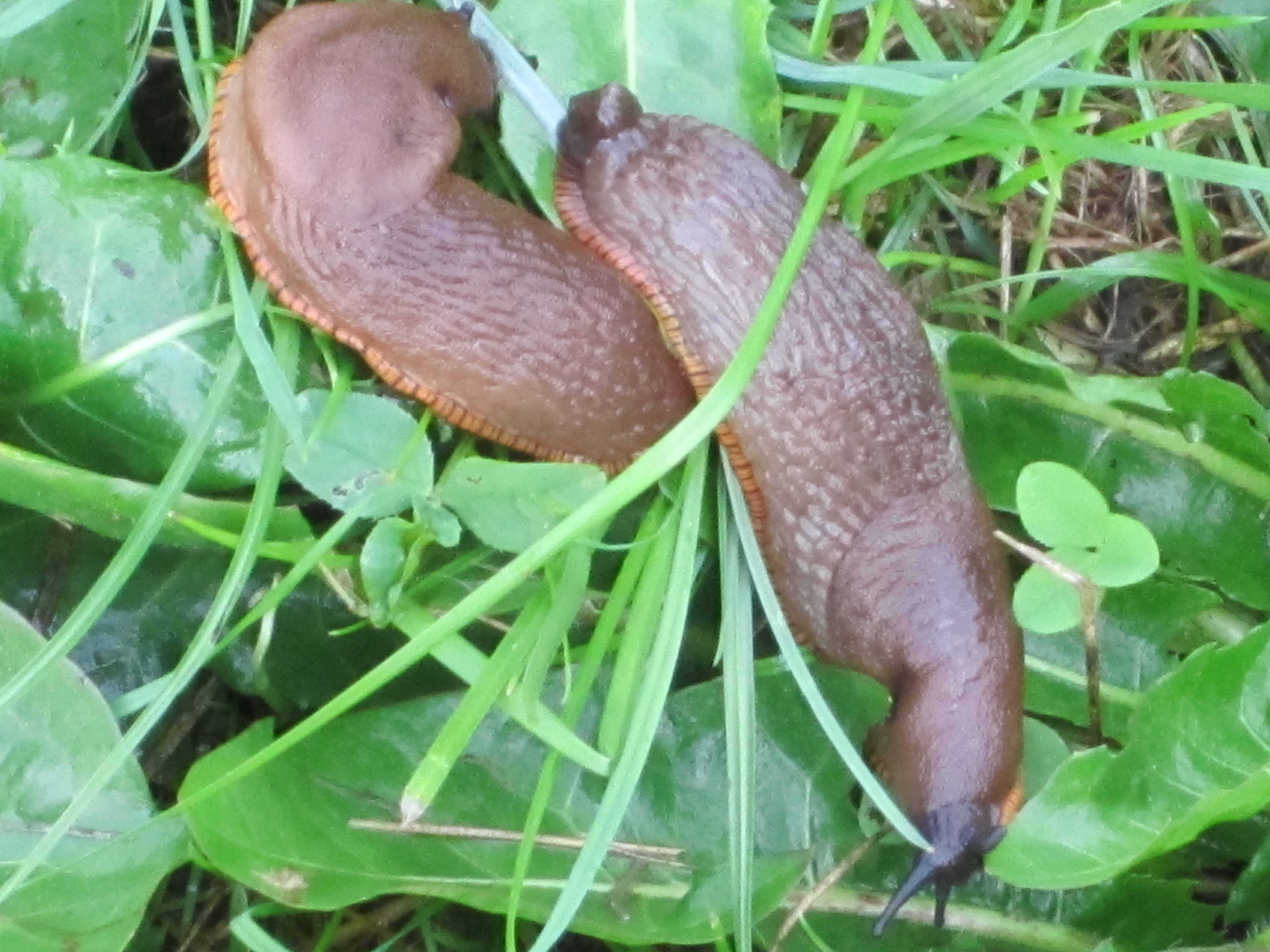
like two slugs passing in the night…

Amazing Blaze

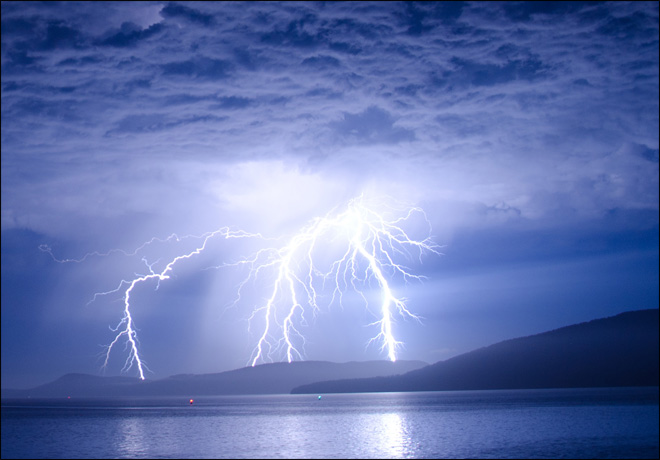
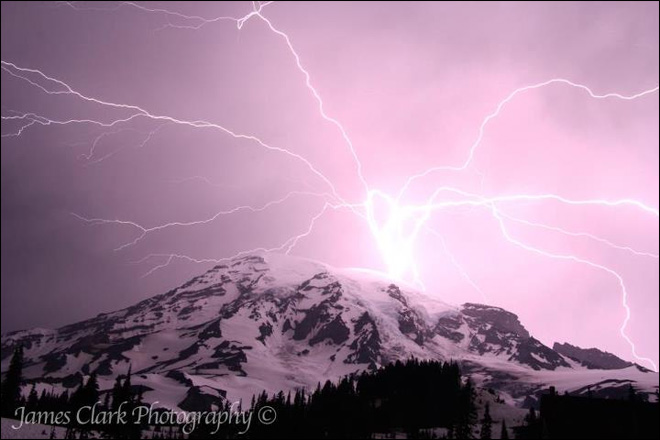
photo of lightning over Anacortes, Washington 7/13/12 from Komonews.com

Now and then there comes a crash of thunder in a storm, and we look up with amazement when he sets the heavens on a blaze with his lightning.
~C.H. Spurgeon

Subtlety is usually sufficient;
safe sky gravitates to gray.
A little shower here, brief sun break there,
scented soft sea breezes
inspiring few complaints
but rarely awe.

Tonight a sudden bright arcing light
splinters out of nowhere,
abruptly demands all attention.
It stops time and severs space,
leaving spots before eyes.
fresh air in nostrils.

Nothing can remain the same
once illuminated ablaze.

Ignited retinas-count the seconds-
then assaulted tympanic membranes.
Crash following flash;
left smoldering and shaken,
earth diminished by grander
grandeur.

It is soon over,
fully doused
in cleansing deluge,
baptized by the relenting
downpour of heaven’s
shattering mercy.

Feel the Now

photo by Nate Gibson

“On the planet the winds are blowing: the polar easterlies, the westerlies, the northeast and southeast trades…Lick a finger, feel the now.”
Annie Dillard

We fell asleep last night content in the knowledge that the weather forecast on three different websites confirmed no rain.  This is particularly important when there are about 750 bales worth of cut hay lying in our fields curing, getting ready for raking and baling the next day.  Rain is the farmer’s best friend most of the time, but definitely not when there is cut hay on the ground.  Wet hay becomes moldy hay, or worse–combustible–if not allowed to thoroughly dry, and it gradually loses nutrient value the longer it dries.

As opposed to drought conditions in much of the nation, in the northwest a stretch of at least four days of warmer weather had been long awaited.  It was a relief to get the hay finally cut, several weeks later than typical with a promise of at least three more clear days to ted, rake, bale and get it in the barn without being rained on.  The air felt sticky and still when we went to bed.  I woke about two hours later to a cool breeze coming through the open window–it felt a little too cool.  I could hear rumbling in the distance–too low pitched for airplane or truck sounds.  Somewhere nearby it was thundering.  Thunder meant heavy moisture-filled clouds.  Heavy clouds meant showers.  Showers meant wet hay.  Wet hay meant…well, you get my drift.

The rumbling moved closer and closer, with accompanying flashes of lightning,  finally cracking right above us.  The wind picked up.  I got out of bed to go outside to feel the direction of the wind and see if the rain– licking a finger and holding it up.  The wind was southerly but not consistent–the air was changing so quickly that all I could do was acknowledge and anticipate the change, knowing a storm was coming and there was no stopping it.   It was the inevitability of feeling the “now” of which Dillard writes.

The breeze was moisture-laden: wet without raindrops.  Then they began to fall,  gentle at first but finally earnest showering–not a downpour.  It lasted less than an hour, just long enough to dampen but not soak.  The hay would not be a complete ruin.  It could be salvaged.  The storm had passed, leaving little damage in its wake, just plenty of noisy drama and jangled nerves.

The experience of a thunder storm overhead is unlike any other.  It commands our attention, wakes us from sound sleep, turns night into day in a flash, drowns humid heat in a downpour.   As some pray for the relief of such a storm, others fear its effects, whether igniting forest fires from lightning strikes, frightening animals or molding cut hay.

I’m content to just be a witness, in wonder at the storm’s strength and command.   All I can do is lick a finger and hold it up in awe, knowing I’m here and it’s now.

photo by James Clark Photography of lightening strike over Mt. Rainier 7/8/12

Each Round Drop

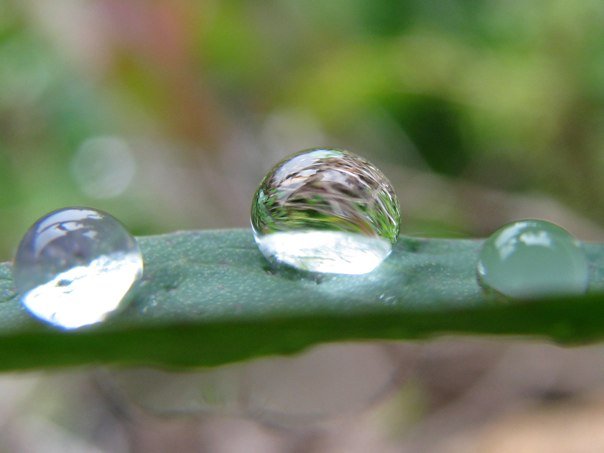
photo by Josh Scholten

And when the Sun comes out,
After this Rain shall stop,
A wondrous Light will fill
Each dark, round drop…

William Henry Davies from “The Rain

I don’t ever remember mud in July, only dust.

The sun is finally predicted to come out from behind the clouds tomorrow and stay for awhile.  Until then we continue to see copious bleak tears spilling unchecked from a shrouded heaven.  Wet cracking cherries have hung unripe for a week, untouched even by the birds who know to wait for a sweeter day.

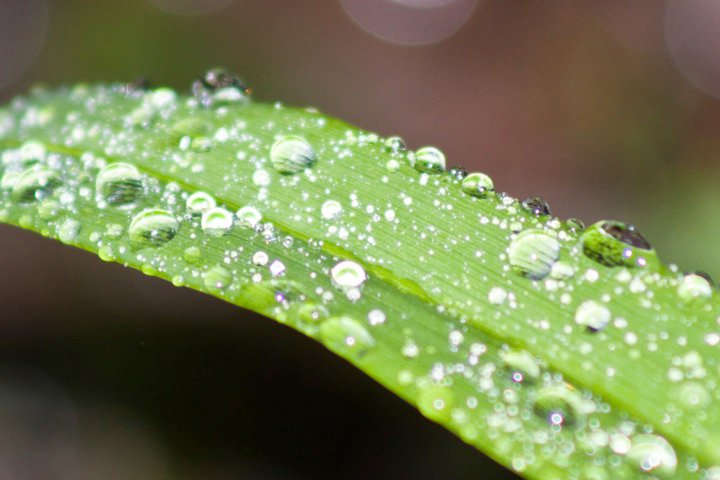
Nothing now illuminates these perfect round spheres as they roll off leaves and petals to huddle puddled together in community on the ground.  The wait for Light is long.

It will come sooner than I can imagine, that moment of seeing a glistening crystalline reflection of the universe in a droplet, when Light returns undimmed, its taste ambrosial.

Reckless Blooming

“Everything is blooming most recklessly; if it were voices instead of colors, there would be an unbelievable shrieking into the heart of the night.”
Rainer Maria Rilke

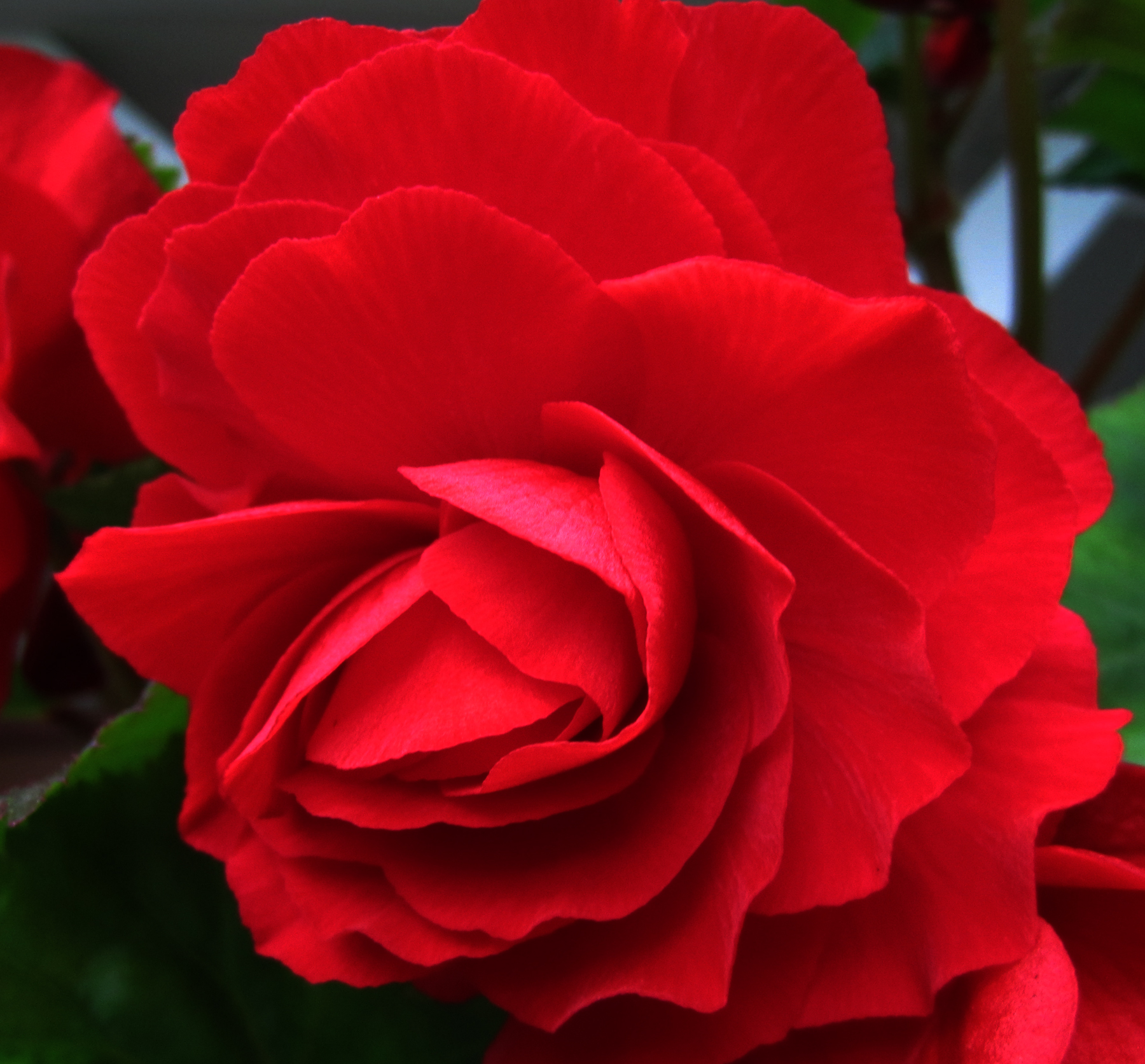
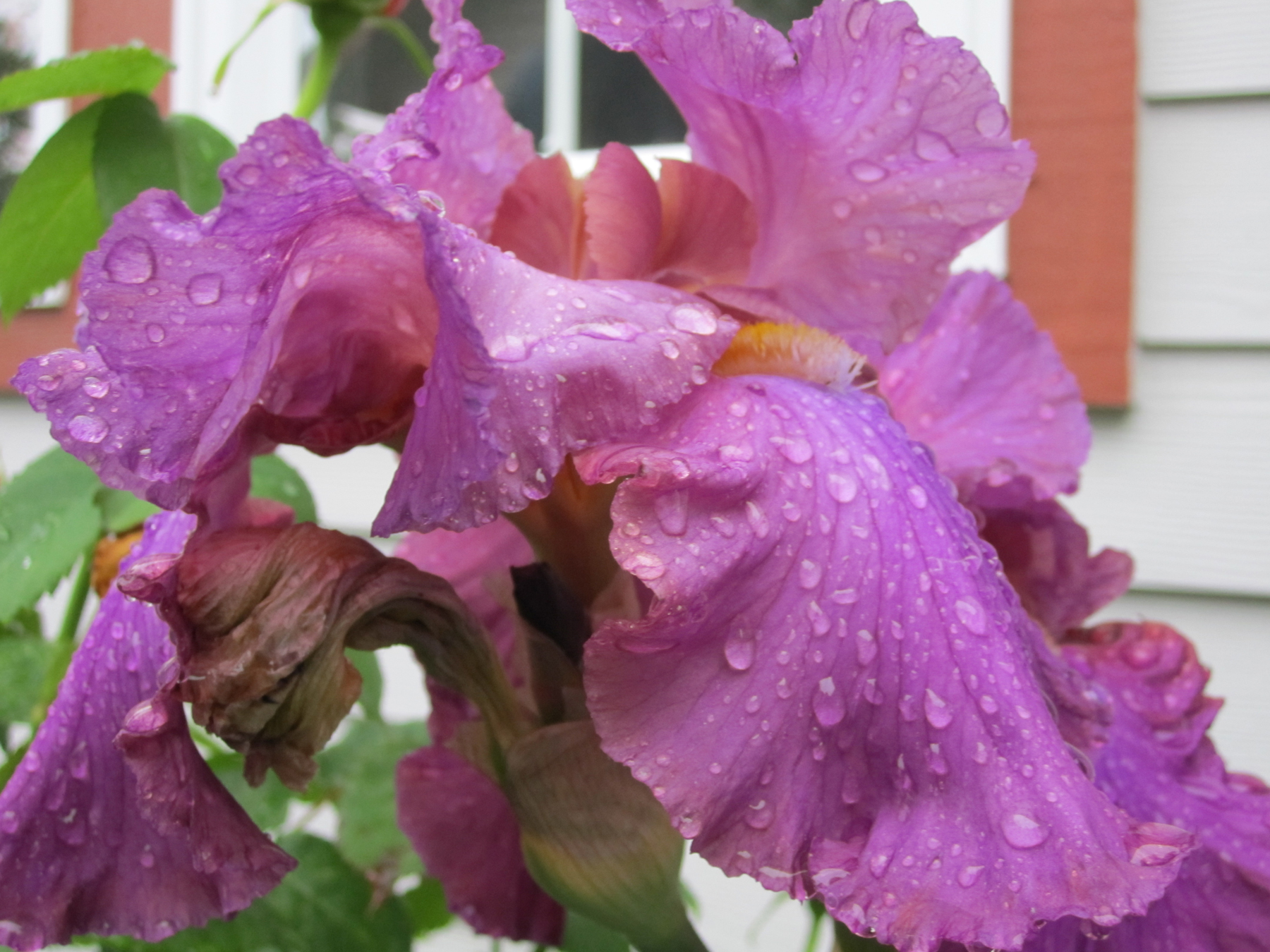
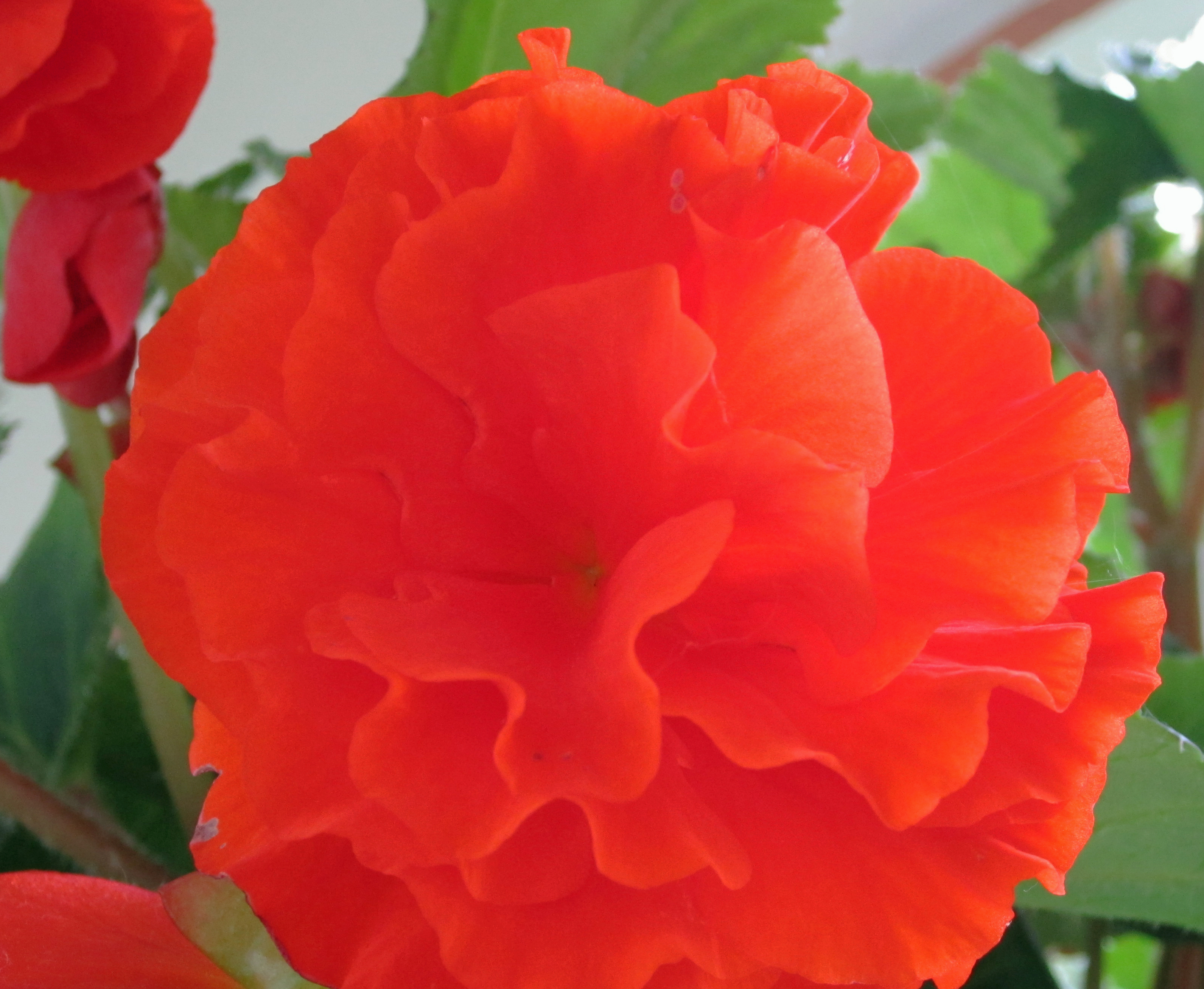
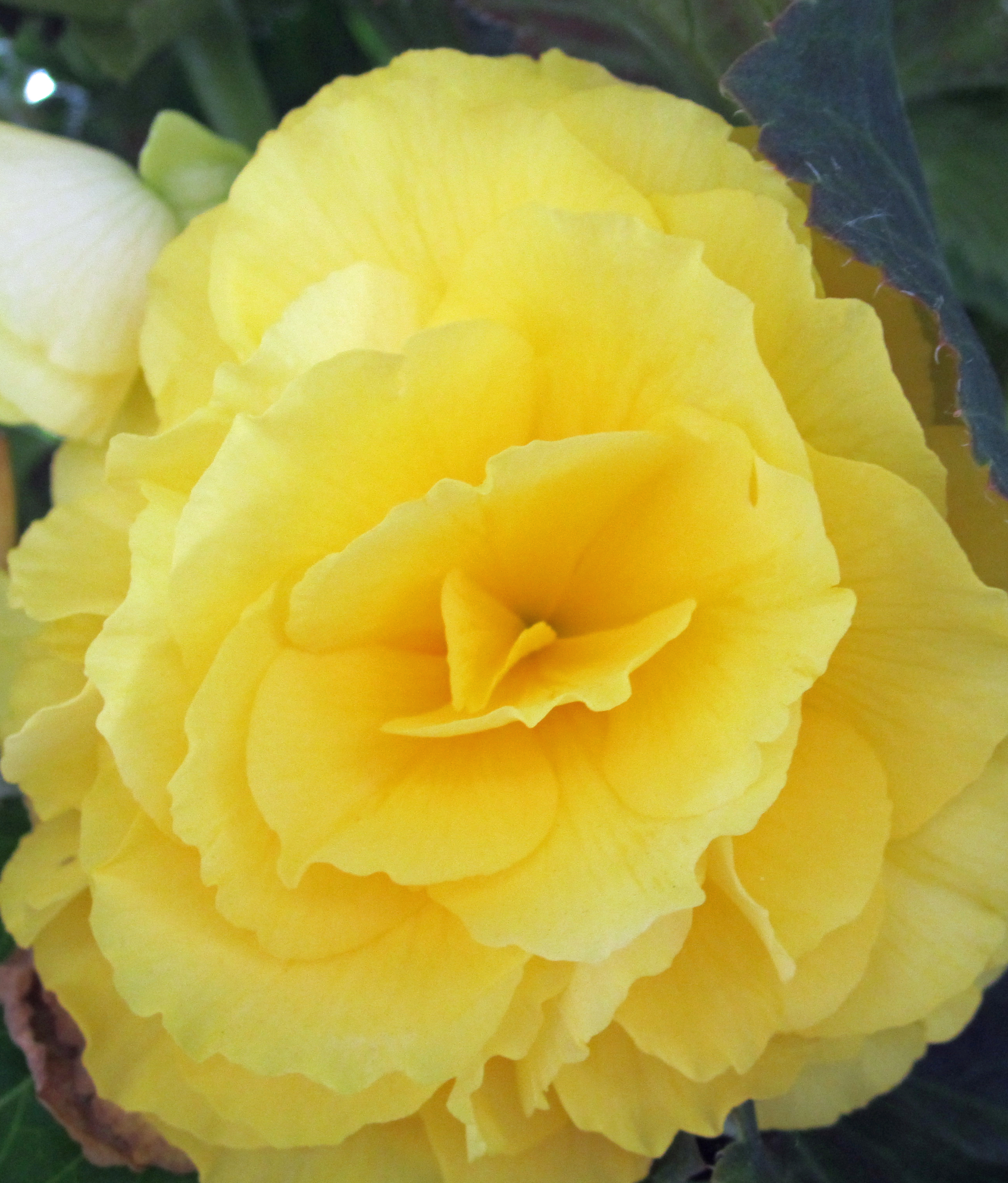
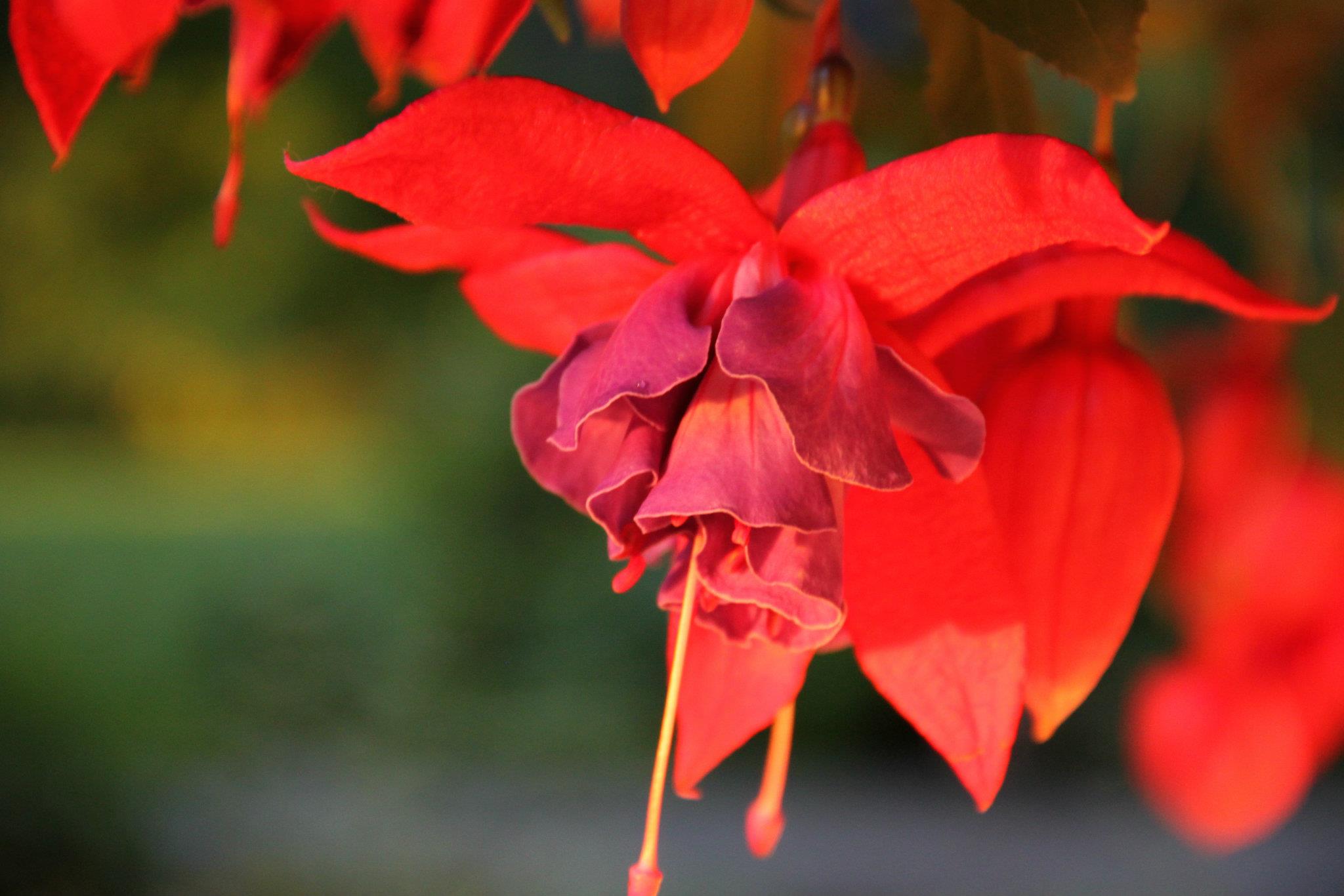
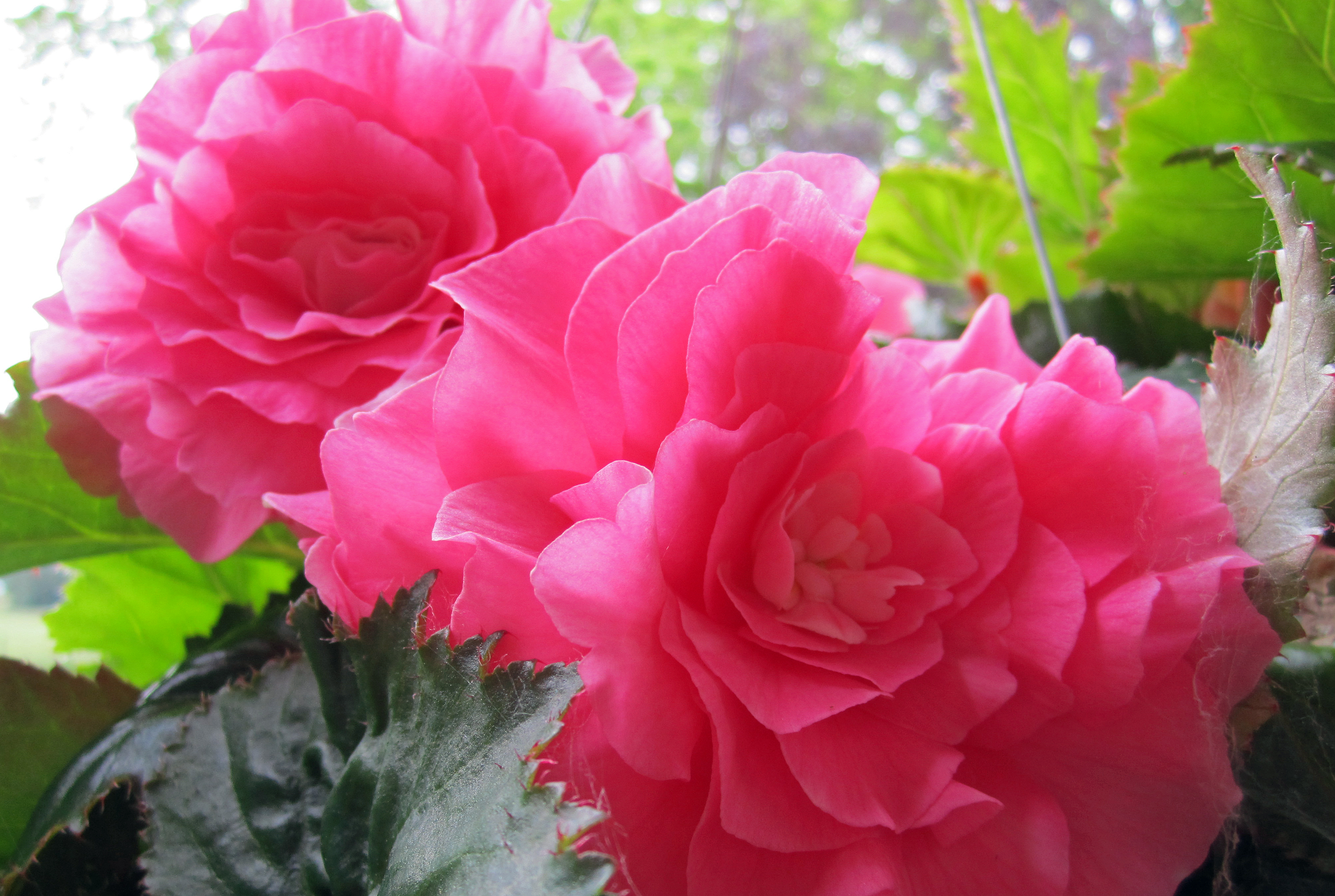
A rainy summer yields abundant shade-loving blossoms.   Continuous cloud cover and plenty of moisture may subdue a summer mood but not in the case of begonias, fuchsia, and impatiens.  Their vivid colors are happily chanting playground rhymes, when not singing arias, reciting epic poetry, and laughing uproariously while partying hardy into the night.

If they were fragrance instead of colors, they would be a perfume shop full of perfectly coiffed matrons who trail scents behind them.  If they were tactile instead of colors, they would be plush velveteen cushions topped with purring cats with switching tails.   If they were taste instead of colors, they would be spice and pepper-hot to the point of tears.

Their reckless blooming abandon is enough in itself to make me weep, without noisy parties,  chilis, heavy scents, or ruffled cat fur needed.

No sun required.  No tropical temperatures.  No promise of 18 hours of daylight.

They simply have enough of what they need to give all they’ve got.   All I need to do is show up, open my eyes and believe.

Green Wet Trembling June

“Green was the silence, wet was the light, the month of June trembled like a butterfly”.
Pablo Neruda

We may be three days into summer but aside from the date on the calendar, it would be difficult to prove otherwise.  It is unseasonably cool, the skies stony gray, the rivers running full and fast, the ground peppered with puddles. Rain fell in torrents last night, hiding behind the cover of darkness as if ashamed of itself.   As it should be.  Then a mid-afternoon thunder and lightening gully-washing storm passed through and completely drenched my drying laundry on the clothesline.

Enough is enough.

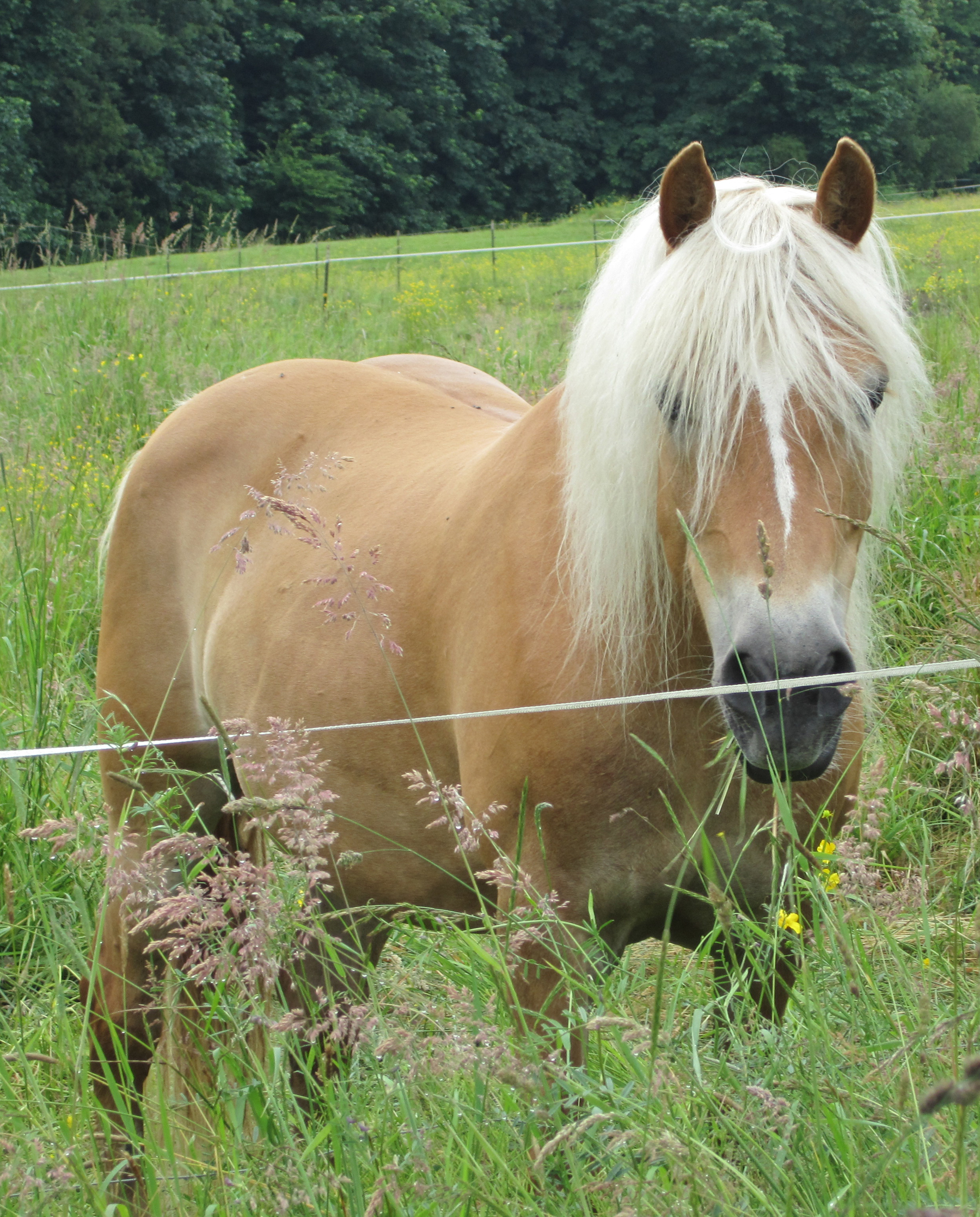
What all this moisture yields is acres and acres of towering grass growth, more grass than imaginable, more grass than we can keep mowed,  burying the horses up to their backs as they dive head long into the pasture.  The Haflingers don’t need to lower their necks to graze,  choosing instead to simply strip off the ripe tops of the grasses as they forge paths through five foot forage.   It is like children at a birthday party swiping the frosting off cupcake after cupcake, licking their fingers as they go.  Instead of icing, the horses’ muzzles are smeared with dandelion fluff,  grass seed and buttercup petals.

June tends to shroud its promise of longer days under clouds in the northwest.  Outdoor weddings brace for rain and wind with a supply of umbrellas, graduation picnics are served in the garage and Fathers’ Day barbeques under tent canopies.  There is a wary anticipation of solstice as it signals the slow inexorable return of darkness from which we have not yet recovered.

So I tremble as I splash through the squishiness of June,  quivering like a wet butterfly emerging from its cocoon ready to unfurl its wings to dry, but unsure how to fly and uncertain of the new world that awaits.  In fact the dark empty cocoon can look mighty inviting on a rainy June night or during a loud mid-day thunderstorm.   If I could manage to squeeze myself back in, it might be worth a try.

After all, there is no place like home.

Raising the Lodged

After death, willing or not, the body serves,
entering the earth. And so what was heaviest
and most mute is at last raised up into song.
Wendell Berry

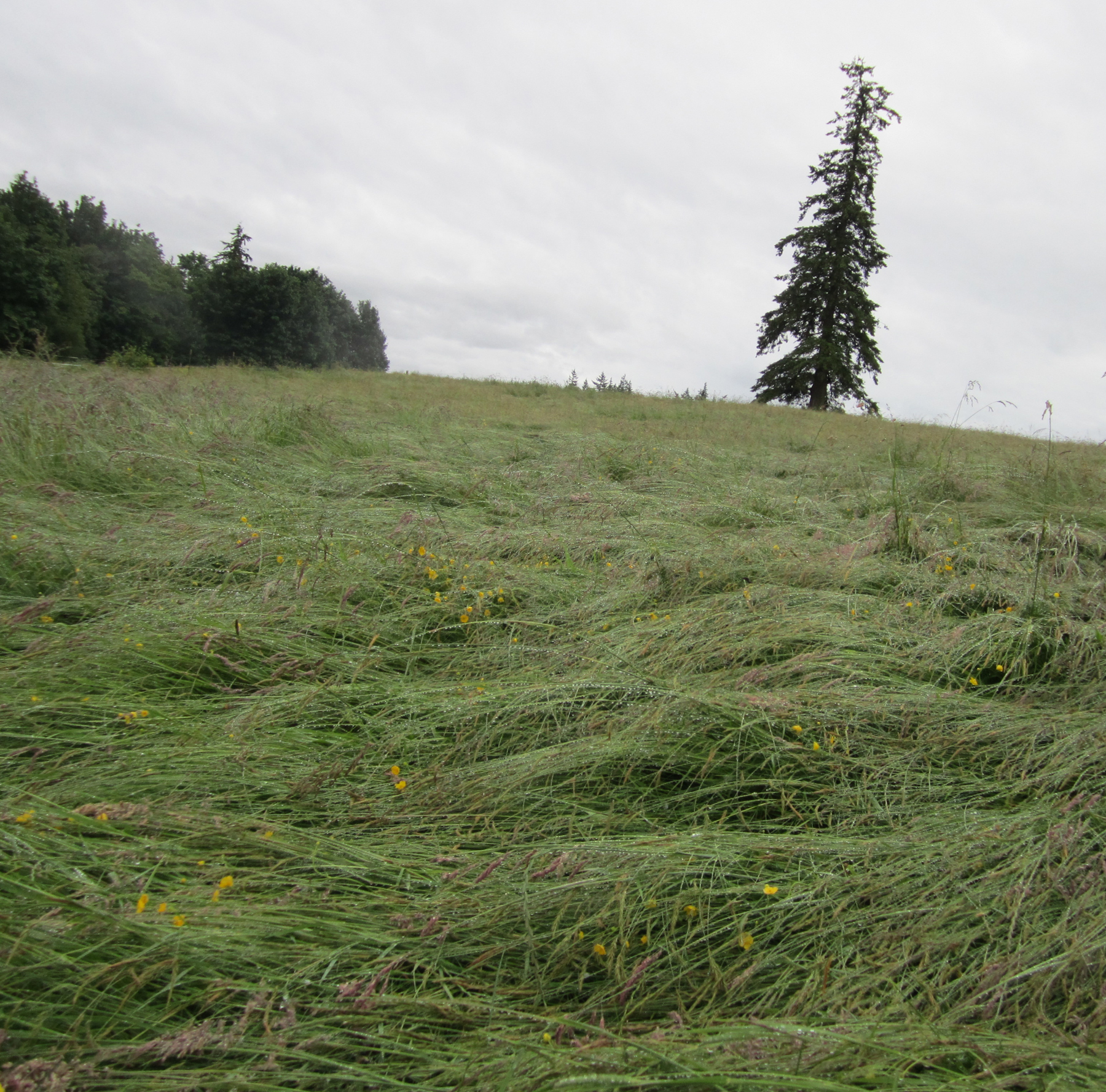
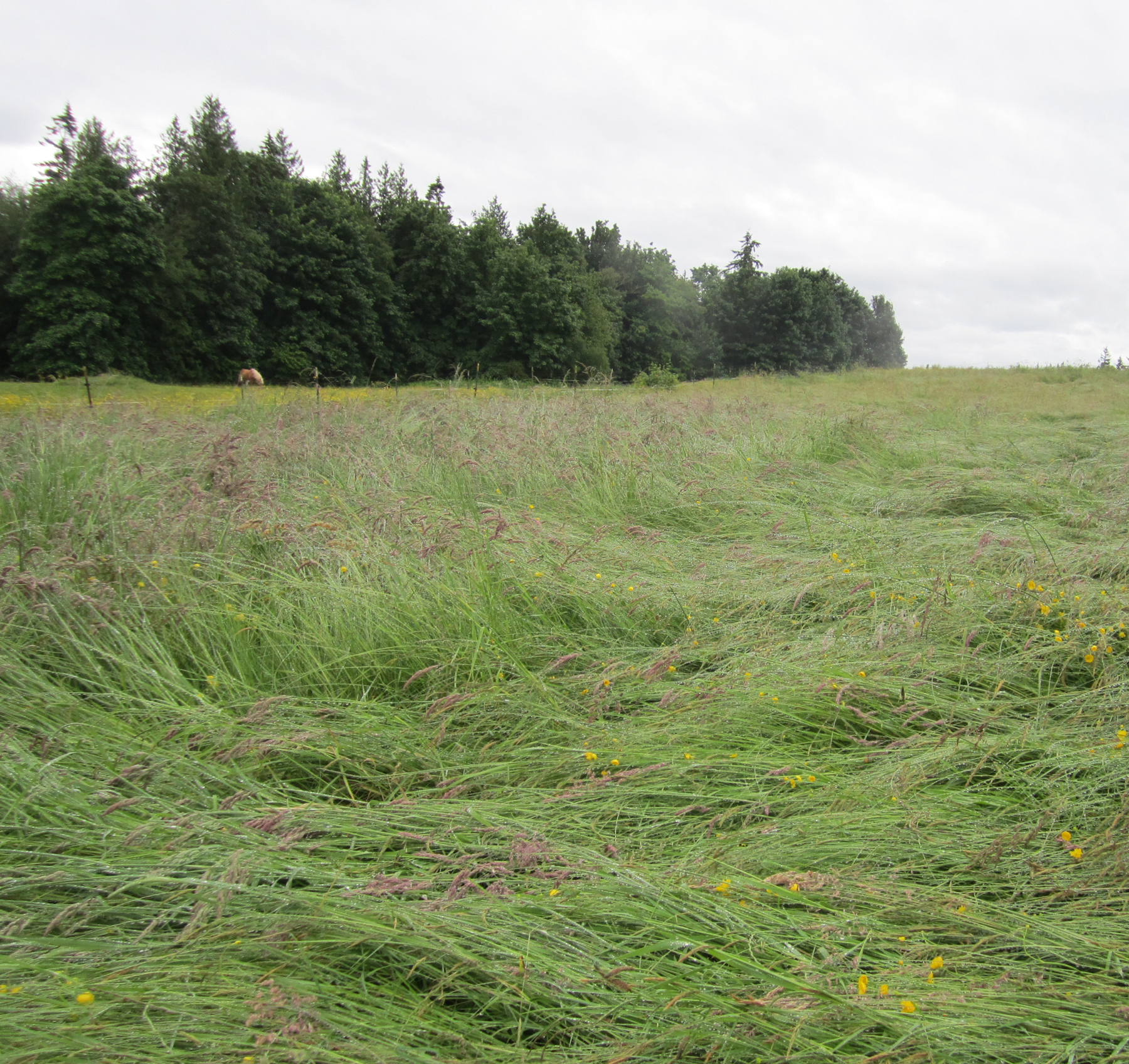
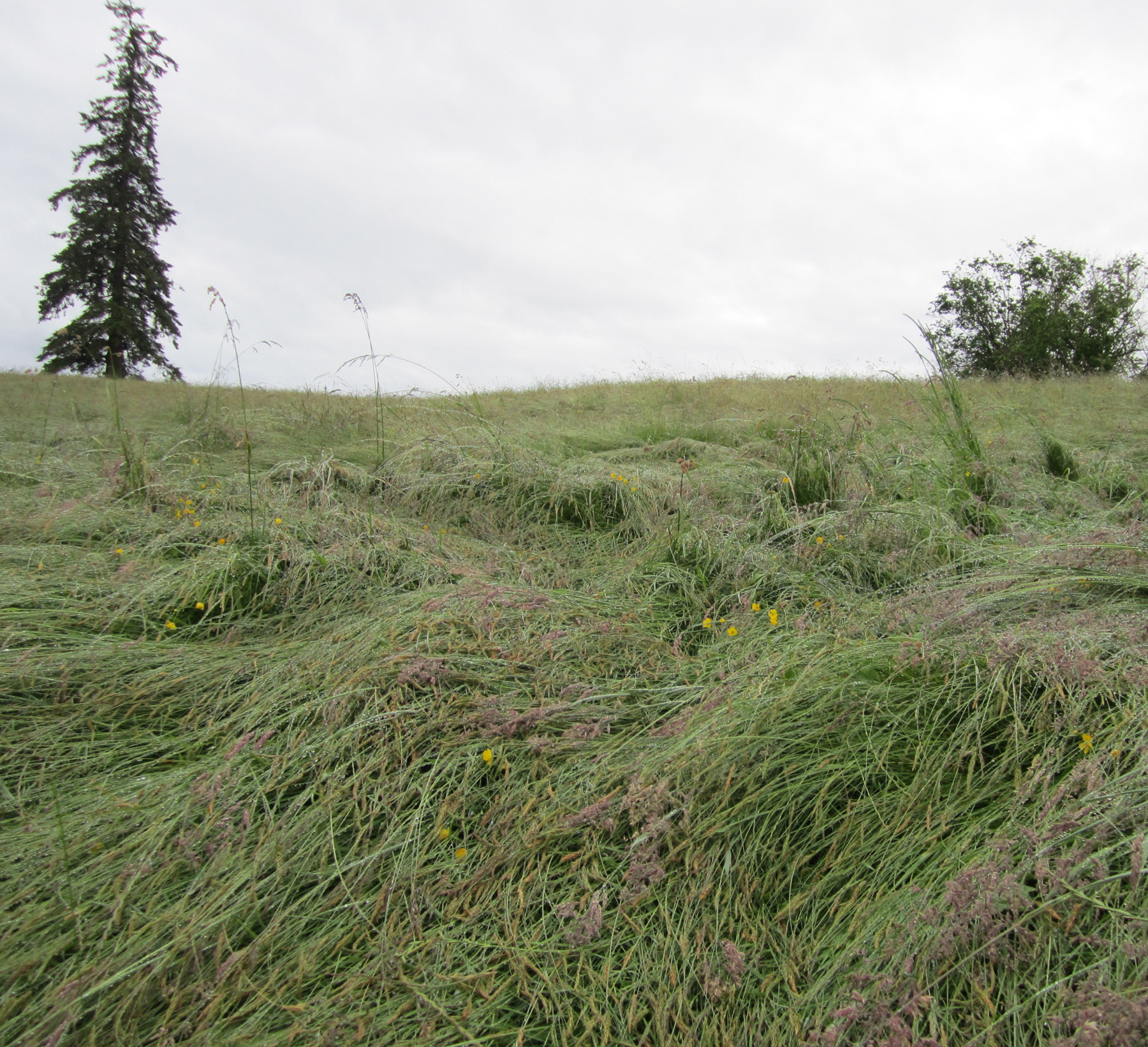
When abundant grasses in our hay field were hit hard with heavy rainfall today, they collapsed under the weight of the moisture.  Thousands of 3-4 foot tall tender stems are now lodged and flattened in undulating waves of green, bent over as if to embrace the earth from which they arose.  If the rain continues as predicted this week, the grass may not recover, unable to dry out enough to stand upright again.  It is ironic to lose a crop from too much of a good thing– heavy growth does demand,  but often cannot withstand, a quenching rain.  The grass simply keels over in community, broken and crumpled, unsuitable for cutting or baling into hay, and will melt back into the soil again.

However–if there are dry spells amid the showers over the next few days, with a breeze to lift the soaked heads and squeeze out the wet sponge created by layered forage–the lodged crop may survive and rise back up. It may be raised and lifted again, pushing up to meet the sun, the stems strengthening and straightening.

What once was heavy laden will lighten;
what was silent could once again move and sing with the wind.

When the Light is Just Right

End of October
dreary
cloud-covered
rain and wind.

An instant at dusk,
the sun broke through,
peeling away the grey,
infusing amber onto
fields and foliage,
ponies and puddles.
The shower spun
raindrops threading
a gold tapestry
through the evening air,
casting sparkles,
a sunray sweep of
fairy godmother’s wand
across the landscape.

In the sky appeared
a double rainbow tiara,
radiant and beaming
with momentous promise.

One more blink,
and the sun shrouded,
the color drained away
the glimmer mulled
into mere weeping
once more,
streaming over
our farm’s fallen face.

Now I know to gently
wipe the teardrops away,
having seen the
hidden magic within,
when the light is just so.

Savoring the tears
of gold that glisten
when the light
is just right.

Drenched

photo by Josh Scholten http://www.cascadecompass.com

“I am the vessel.
The draught is God’s.
And God is the thirsty one.”  Dag Hammarskjöld

Today
rain falls in unrelenting
torrents from heaven,
a rising current so swift
I cling fast
to not be swept away.

Filled to overflowing
I am drenched
beyond capacity,
ready to empty
myself into
your thirstiness.

Precipilicity and Desolaration

People who grow up in the Pacific Northwest suffer from peculiar disorders that I’m formally proposing for the next version of the diagnostic psychiatric manual:  we don’t feel 100% normal unless it is raining.  Summer can be a very difficult time for us.

In fact, we born and bred web-footers can feel downright depressed when it is sunny all the time.  July and August yields six to eight weeks of dusty paths, dried up creeks and wilting greenery.  We groan inwardly when yet another day dawns bright with blue skies, start to look longingly at accumulating clouds,  and get positively giddy when morning starts with a drizzly mist.

It’s difficult to say what exactly is at work in brain chemistry in cases like this.  It is the opposite effect of classically described Seasonal Affective Disorder diagnosed especially in those transplants from more southerly climates who get sadder and slowed down with darker days and longer nights.   In people like me, born a stone’s throw from Puget Sound, the more sunlight there is==the more doldrums I feel:  desolaration (desolation from too much solar exposure).   The grayer the day, the wetter the sky==a lightening of the heart and the spirit:  precipilicity (felicity arising from precipitation).

Like most northwesterners, I have low Vitamin D levels even in the summer.  It just isn’t seemly to expose all that skin to UV light.

So I’m feeling profound relief today, thank you.  There was the incredible and undeniable sound of raindrops outside the window when I woke up this morning.  There was no internal conflict about feeling compelled to go outside to work up a sweat and soak up the elusive sun rays.   There was the cozy invitation to stay inside to read and write and sleep.  I only needed a short nap to be able to cope with the day, and when I did venture out in the middle of some really good showers, the garden and I seem much fresher from our drippy dousing.

I know I’m not alone in this disorder.  Many of us are closet sufferers but would never admit it in polite company.  To complain about sunny days would be meteorologically incorrect.  It is time to acknowledge that many of us are in this together.

Robert Frost (definitely not a northwesterner) confessed his own case of desolaration in the first stanza of his poem November Guest:

“My Sorrow, when she’s here with me,
Thinks these dark days of autumn rain
Are beautiful as days can be;
She loves the bare, the withered tree;
She walks the sodden pasture lane.”

And Jack Handey, the satirist, summarizes the reason for the guilty pleasure of the northwest native in liking rain:

“If a kid asks where rain comes from, I think a cute thing to tell him is ‘God is crying.’
And if he asks why God is crying, another cute thing to tell him is ‘Probably because of something you did.