Preparing Through Parable: He Took Pity


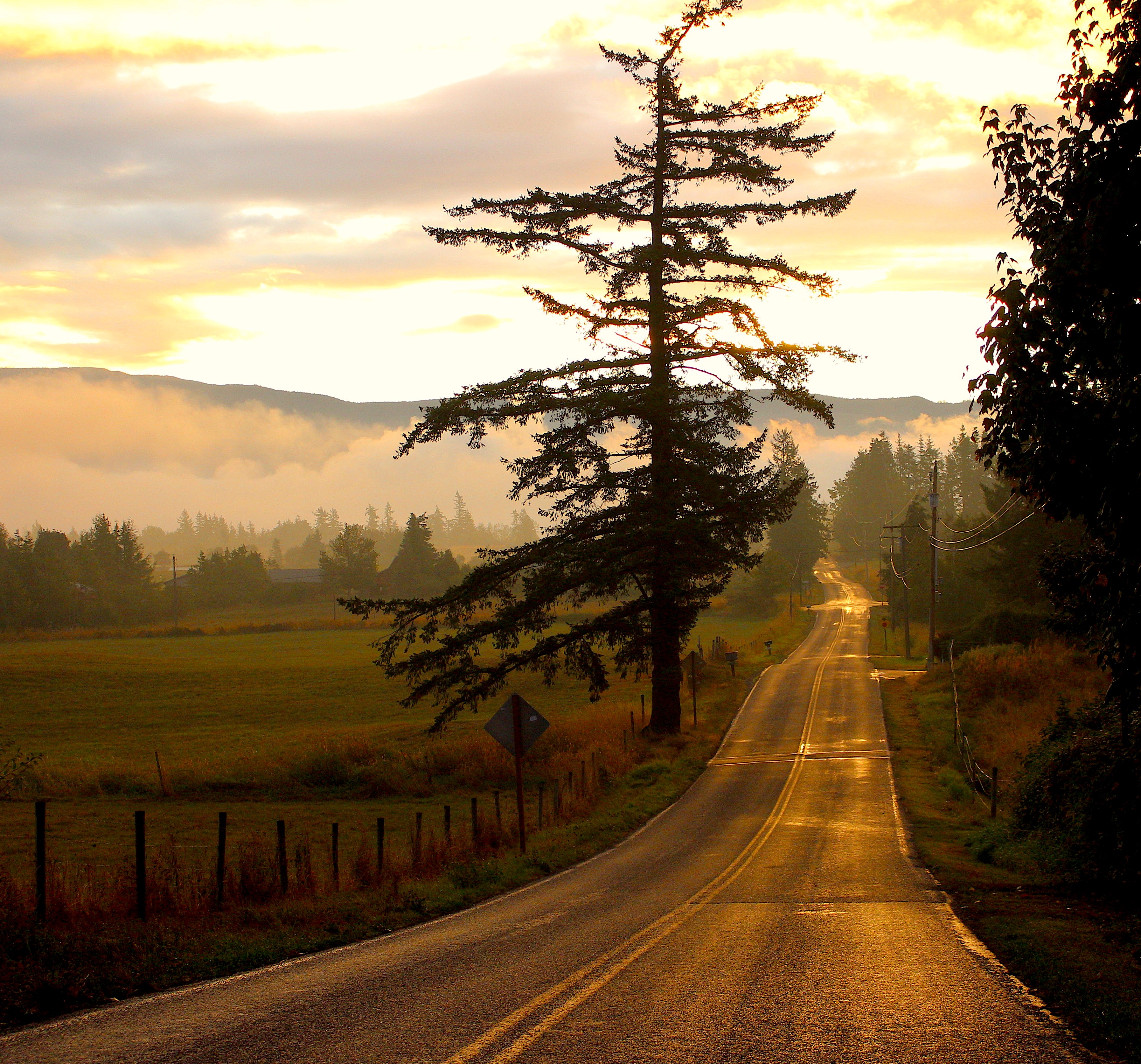
“A man was going down from Jerusalem to Jericho, when he was attacked by robbers. They stripped him of his clothes, beat him and went away, leaving him half dead. 31 A priest happened to be going down the same road, and when he saw the man, he passed by on the other side. 32 So too, a Levite, when he came to the place and saw him, passed by on the other side.33 But a Samaritan, as he traveled, came where the man was; and when he saw him, he took pity on him. 34 He went to him and bandaged his wounds, pouring on oil and wine. Then he put the man on his own donkey, brought him to an inn and took care of him. 35 The next day he took out two denarii and gave them to the innkeeper. ‘Look after him,’ he said, ‘and when I return, I will reimburse you for any extra expense you may have.’

36 “Which of these three do you think was a neighbor to the man who fell into the hands of robbers?”

37 The expert in the law replied, “The one who had mercy on him.”

Jesus told him, “Go and do likewise.”
Luke 10: 30-37
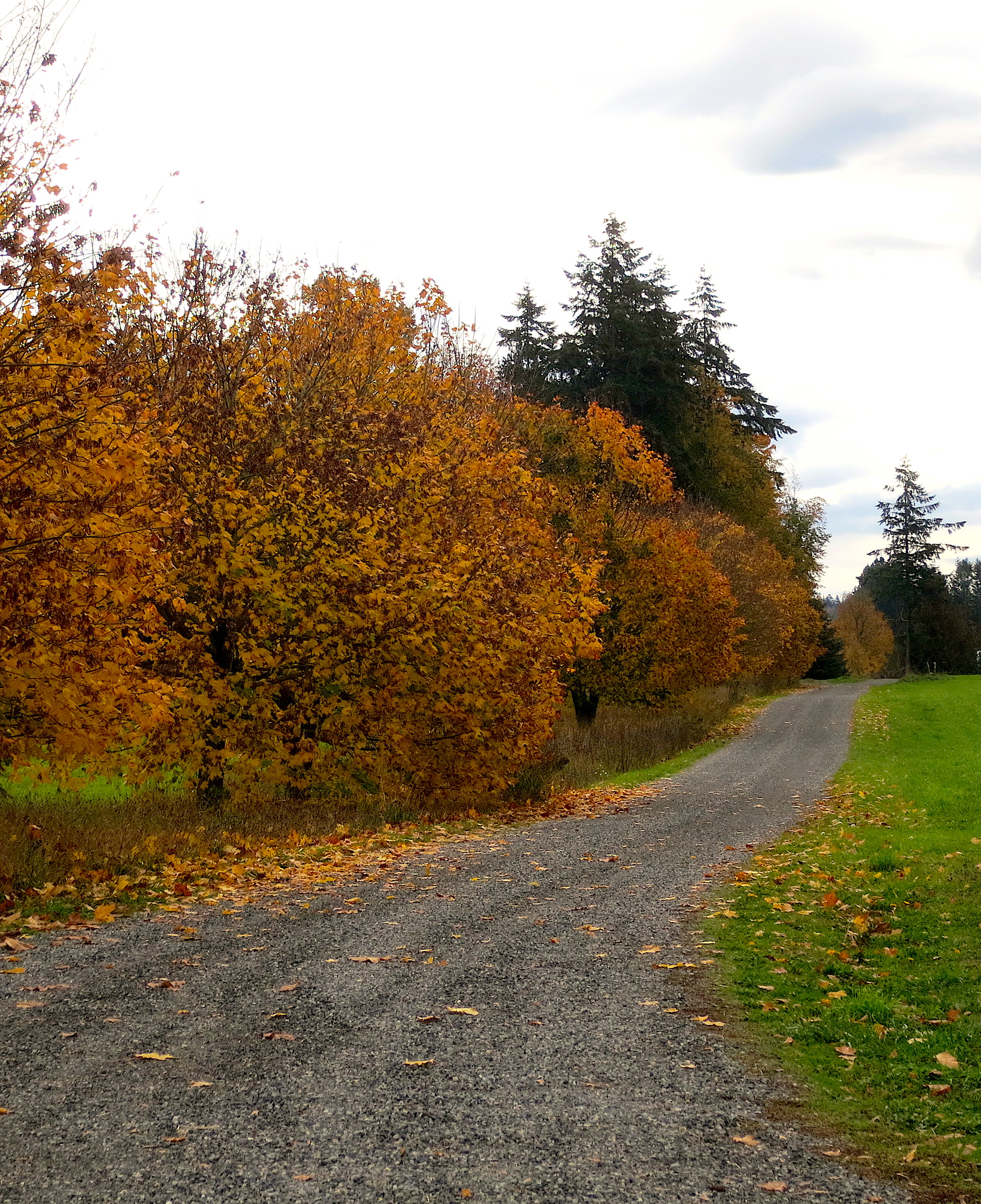


No parable is as well known in secular circles as that of the good Samaritan – it has become law, under that very name, to protect those who would stop to help someone who is injured or needs assistance, without fear of legal reprisal.

That isn’t exactly why the Good Samaritan story was told: the purpose was not to promote legal protection for the helper, who needed no such protection.  It was to point out that the only one to bother to help was someone who was “other” – someone from Samaria of all places.  Someone of different ethnicity, from a different culture, having different beliefs, worshipping a God in a way considered “corrupted” – this was the person to show compassion, to give richly of himself:  his time, his money, his care, his mercy.  He was the neighbor and friend to the man lying beaten and robbed alongside the road, not the ones who might well have lived next door or who worked in the temple, or who looked like and believed as he did.

As Mr. Rogers once wrote:
“My mother would say to me, ‘Look for the helpers. You will always find people who are helping.’ To this day, especially in times of disaster, I remember my mother’s words, and I am always comforted by realizing that there are still so many helpers — so many caring people in this world.”

Sadly, in this day and age, we have far too many opportunities to recognize the helpers who will assist anyone, no matter who they are, the color of their skin or what they believe.

What a comfort that is!

May my eyes see, my ears hear, my heart understand.  He prepares me with parable.
 

We Who Are In Doubt

morningswans


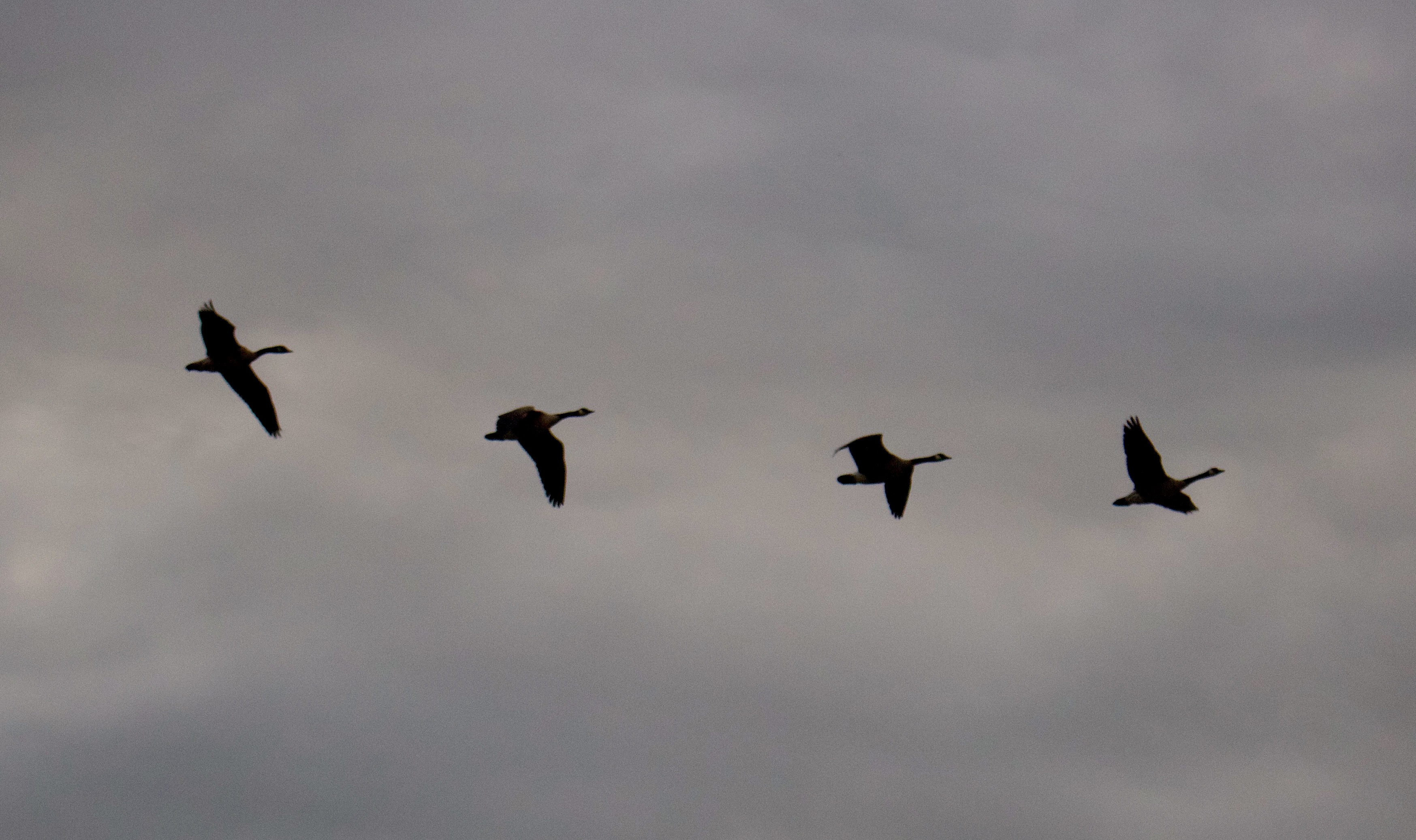
geese913


so far behind the others
in their neat little v, in their
competence of plans and wings, if
you didn’t listen you would think
it was a cry for help
or sympathy?
friends! friends!?
but it isn’t.
 
Silence of the turtle on its back in the street.
Silence of the polar bear pulling its wounded weight onto the ice.
Silence of the antelope with a broken leg.
Silence of the old dog asking for no further explanation.
 
How
was it I believed I was
God’s favorite creature? I,
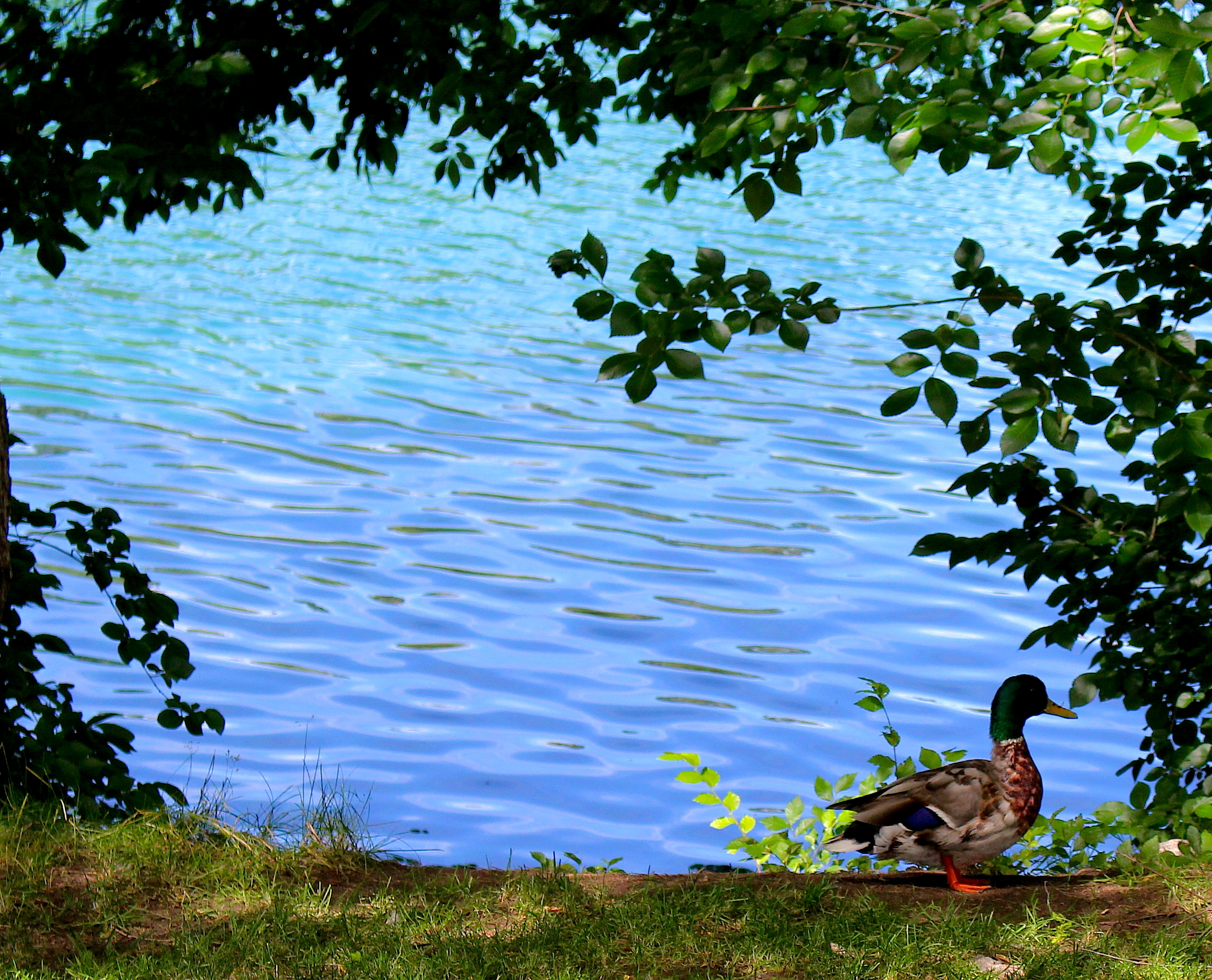
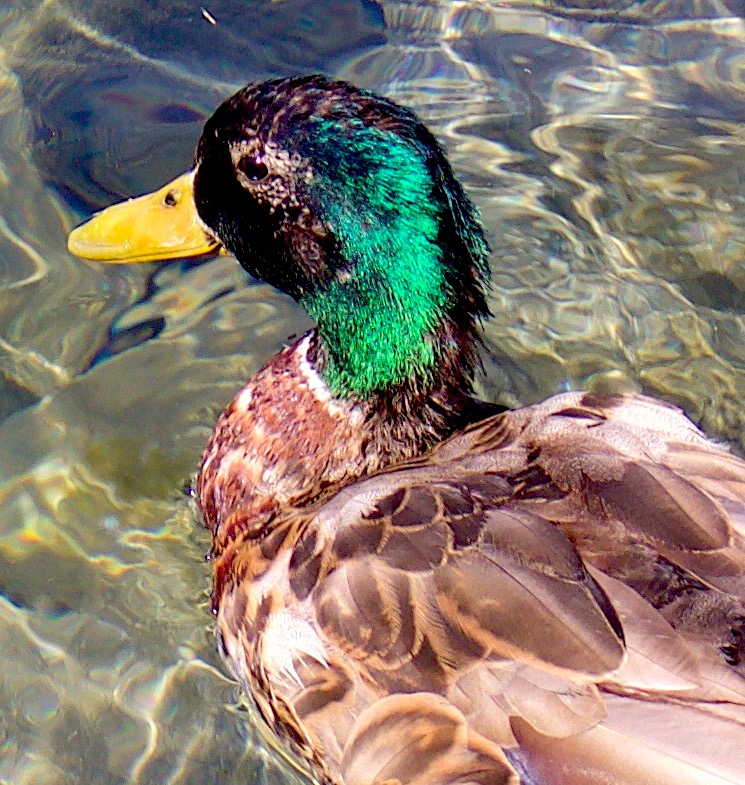
who carry my feathery skeleton across the sky now, calling
out for all of us. I, who am doubt now, with a song.
~Laura Kasischke, “the call of the one duck flying south” from Space in Chains


morningswans2


We instinctively tend to limit for whom we exert ourselves.
We do it for people like us, and for people whom we like.

Jesus will have none of that.

By depicting a Samaritan helping a Jew,
Jesus could not have found a more forceful way to say
that anyone at all in need –
regardless of race, politics, class, and religion –
is your neighbor.

Not everyone is your brother or sister in faith,
but everyone is your neighbor,
and you must love your neighbor.
~Tim Keller from Generous Justice


chelanwalk16


I should know better than to think: 

because millions of lives were lost, a war was fought and won against white supremacists only seventy years ago, stopping the annihilation of a group of people executed due to their faith

–that the hatred between people of varying cultural, ethnic and faith backgrounds would cease.


I should know better than to think:

because blood was shed from bodies black and white in a war fought and won only 150 years ago stopping the “right” to own other people as property

–that somehow the inequality, disagreement and disparity among the diverse peoples of this country would be resolved.


I should know better than to think:

human beings surely must learn from their own checkered, bloody and horrific history of bigotry, racism and bias

–yet by our self-imposed blindness to what has transpired before, we doom ourselves to repeat history over and over again.


I should know better than to think:

freedom of speech and freedom to assemble can be exercised peaceably and without arms

–yet rallies, demonstrations and marches become killing fields and motor vehicles used as deadly weapons.


I should know better than to think:

college campuses are laboratories for debate and discourse, dissecting the mistakes of the past, plotting a course for a hopeful, more inclusive and better future, learning and stretching through the discomfort when one’s beliefs are challenged and tested

–yet tolerance for differences has transformed into an academic intolerance for differing points of view.


I should know better than to think:

we the people, all colors, all faiths, all backgrounds, are in this together, united as we move forward through the storms of history, the turmoil of the present and the unknowns of the future

–yet there are still those who shout loudest, reinforce walls to create distance, purposely intimidate and hurt neighbors rather than offer them a helping hand.


We are a seriously wounded and anguished people,
each of us having tried flying solo,
believing we are in the right and somehow favored.

Instead we have faltered and fallen.

We now lie bleeding alongside the road, as did the Samaritan,
dependent on someone,
the “other”,
to reach out in compassion
knowing we bleed the same blood.

We who doubt,
must no longer doubt the truth of who and what we are.

We bleed together.


image2