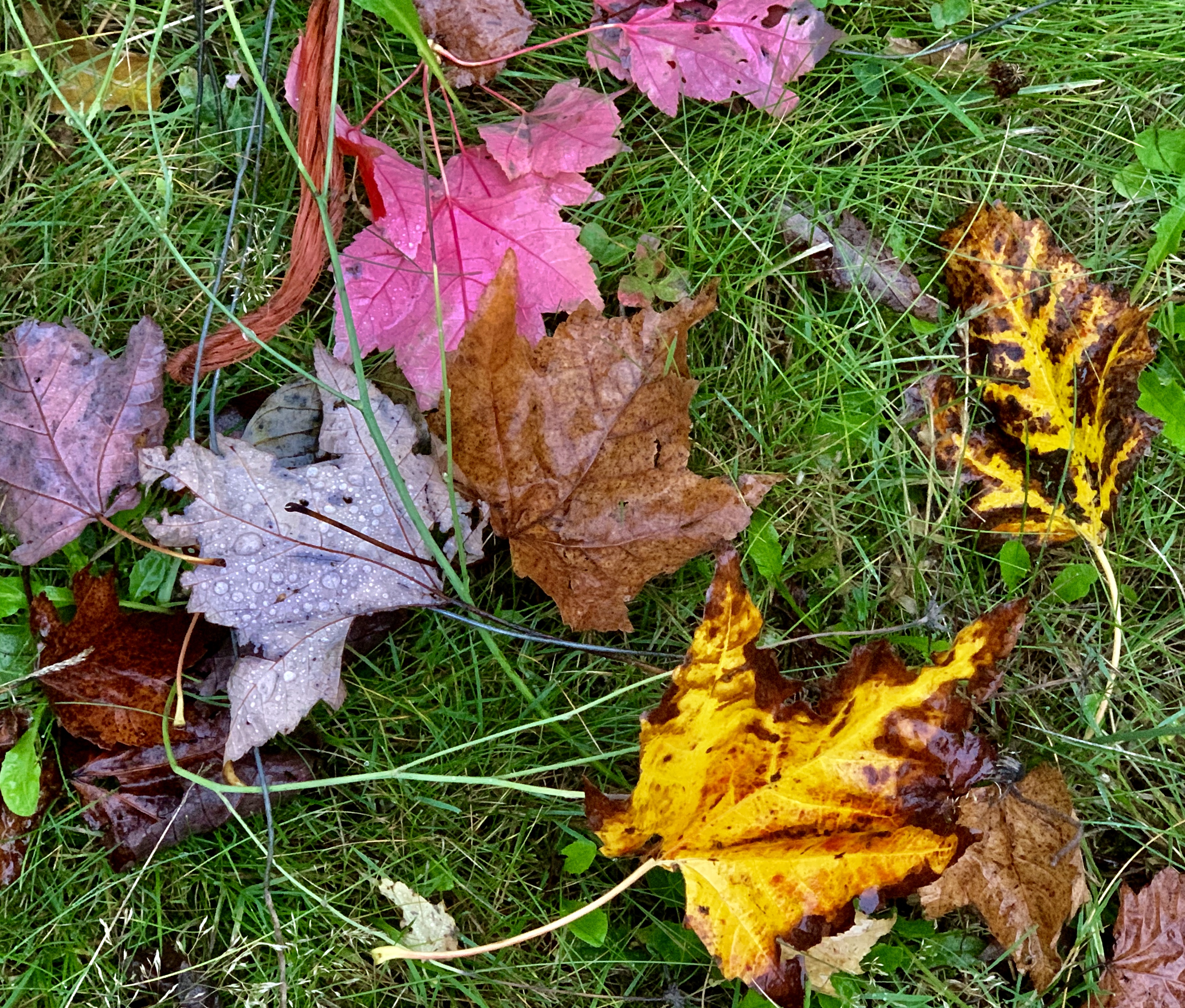
it rained in my sleep and in the morning the fields were wet I dreamed of artillery of the thunder of horses in the morning the fields were strewn with twigs and leaves as if after a battle or a sudden journey I went to sleep in the summer I dreamed of rain in the morning the fields were wet and it was autumn ~Linda Pastan “September” fromĀ Carnival Evening
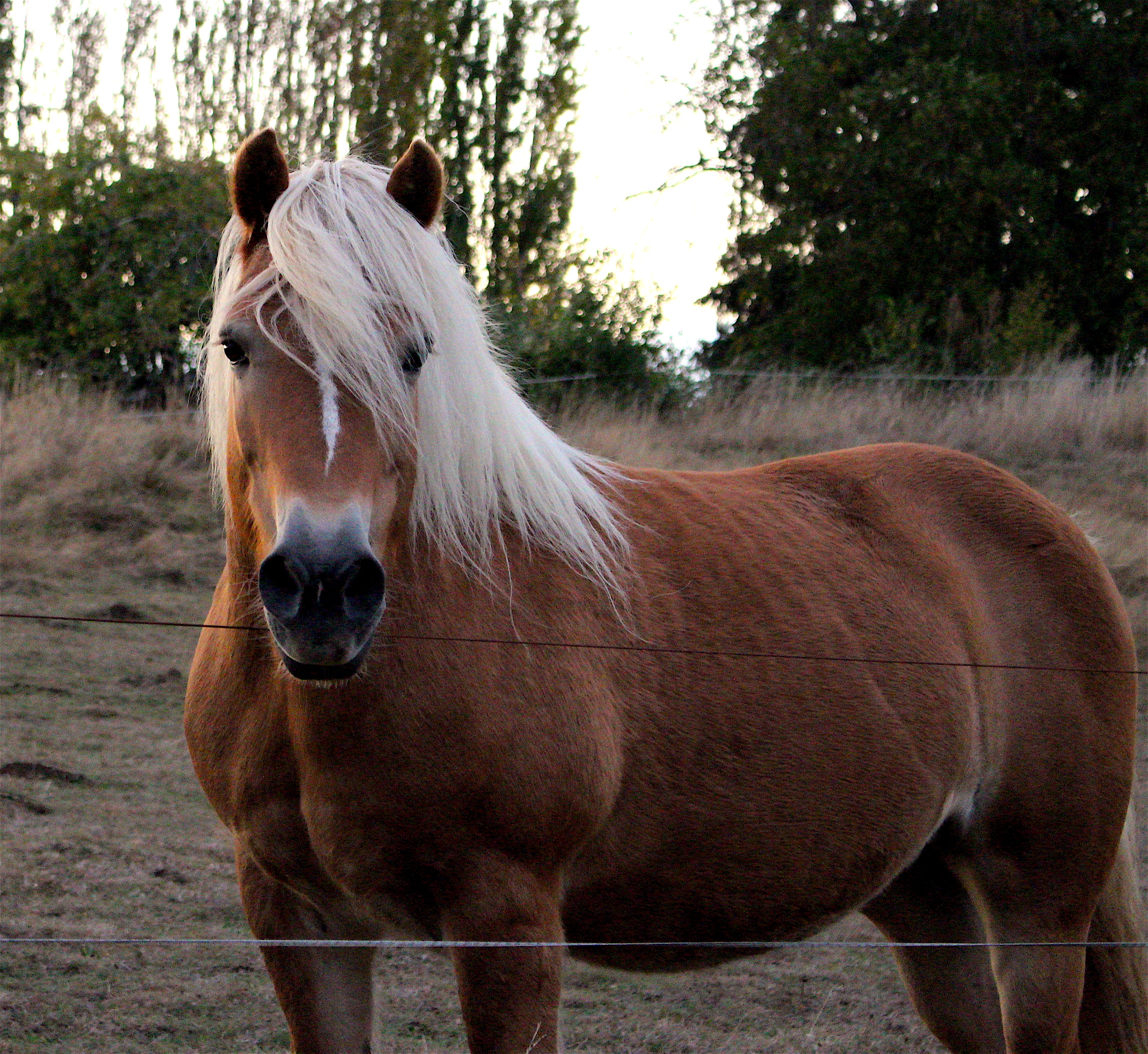
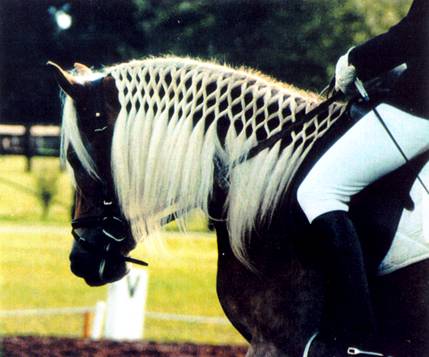
photo by Harry Rodenberger
The dogs eat hoof slivers and lie under the porch. A strand of human hair hangs strangely from a fruit tree like a cry in the throat. The sky is clay for the child who is past being tired, who wanders in waist-deep grasses. Gnats rise in a vapor, in a long mounting whine around her forehead and ears.
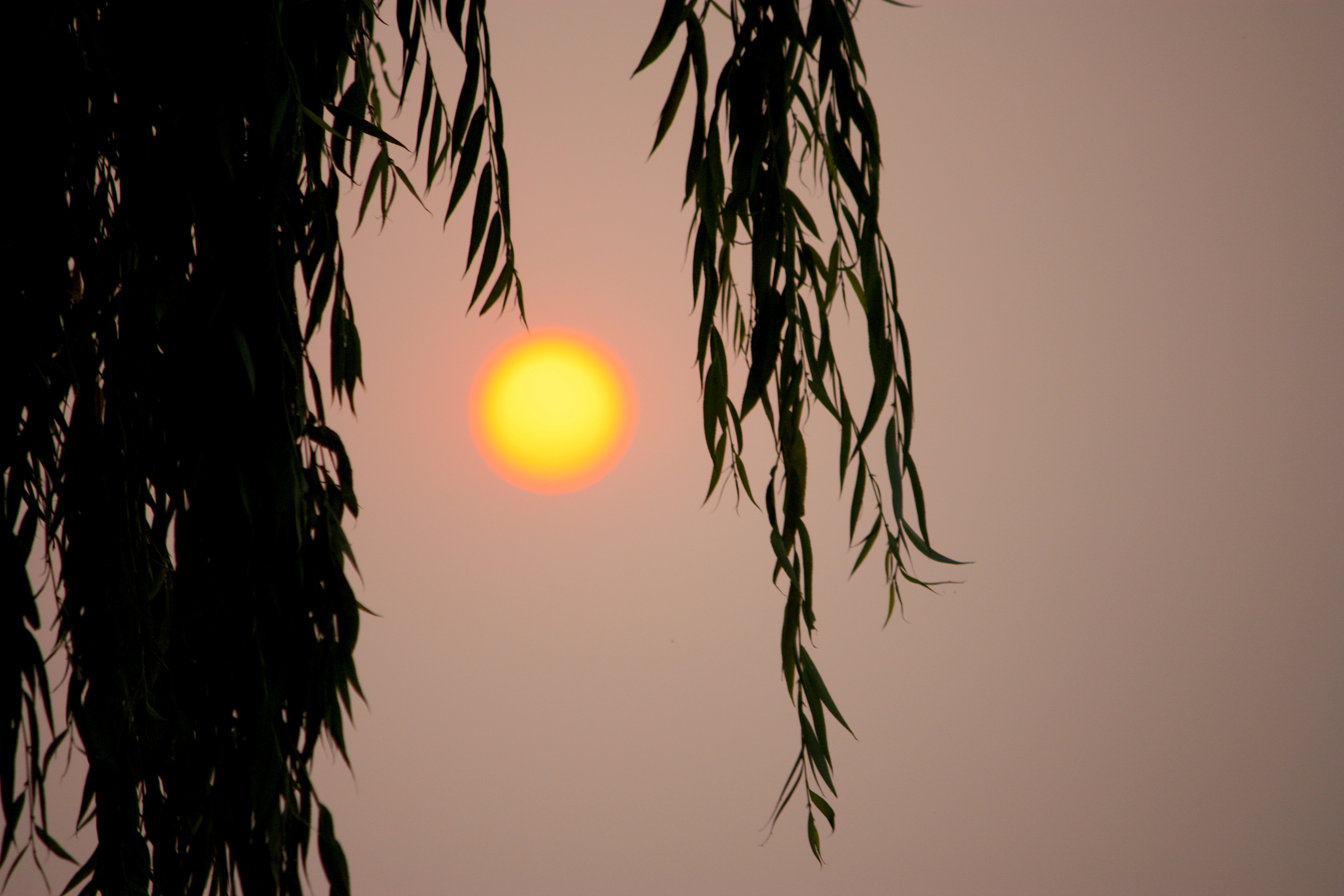
The sun is an indistinct moon. Frail sticks of grass poke her ankles, and a wet froth of spiders touches her legs like wet fingers. The musk and smell of air are as hot as the savory terrible exhales from a tired horse.
At evening a breeze dries and crumbles the sky and the clouds float like undershirts and cotton dresses on a clothesline. Horses rock to their feet and race or graze. Parents open their shutters and call the lonely, happy child home. The child who hates silences talks and talks of cicadas and the manes of horses. ~Carol Frost – lines from āAll Summer Longā fromĀ Love and Scorn: New and Collected Poems.
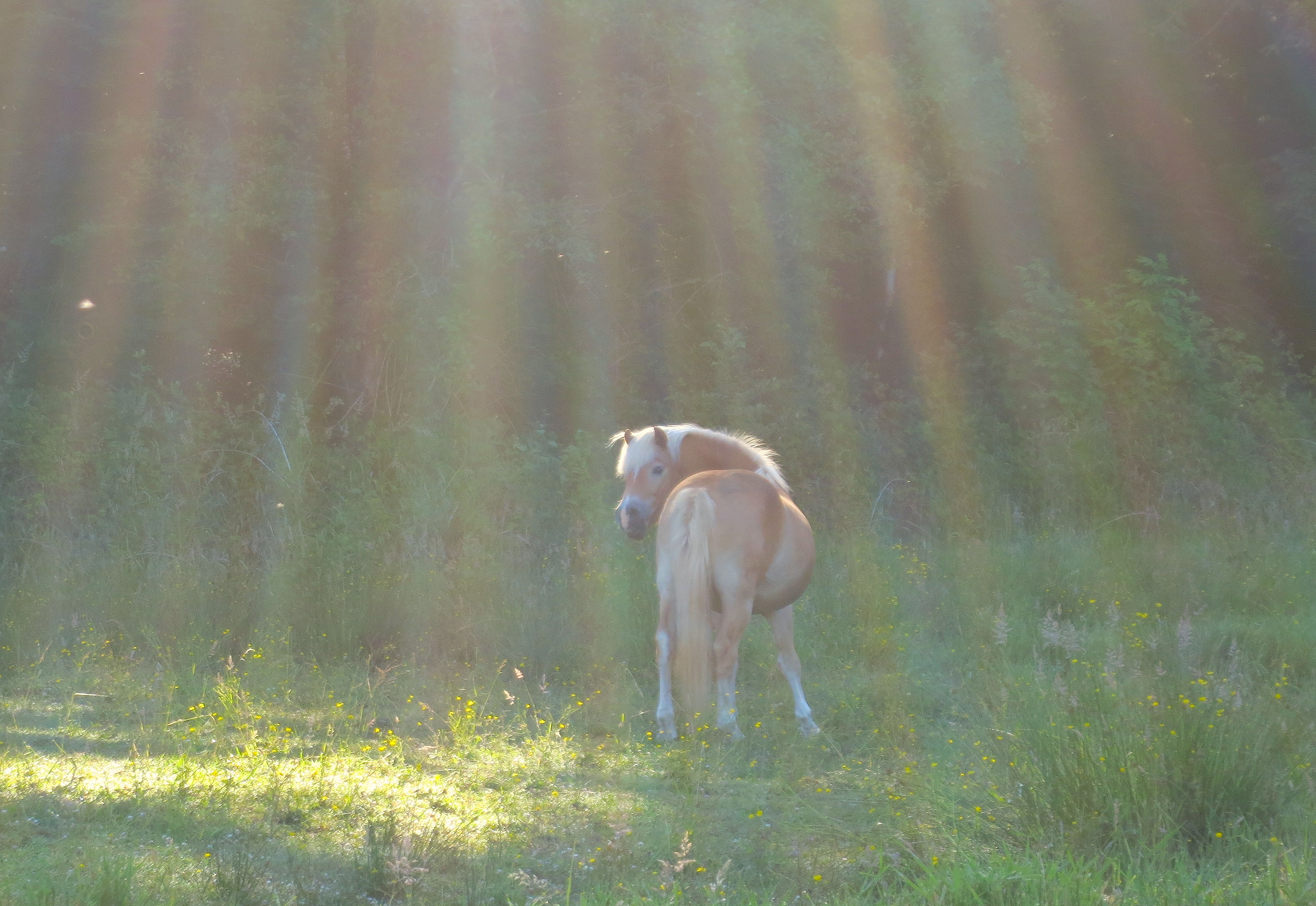
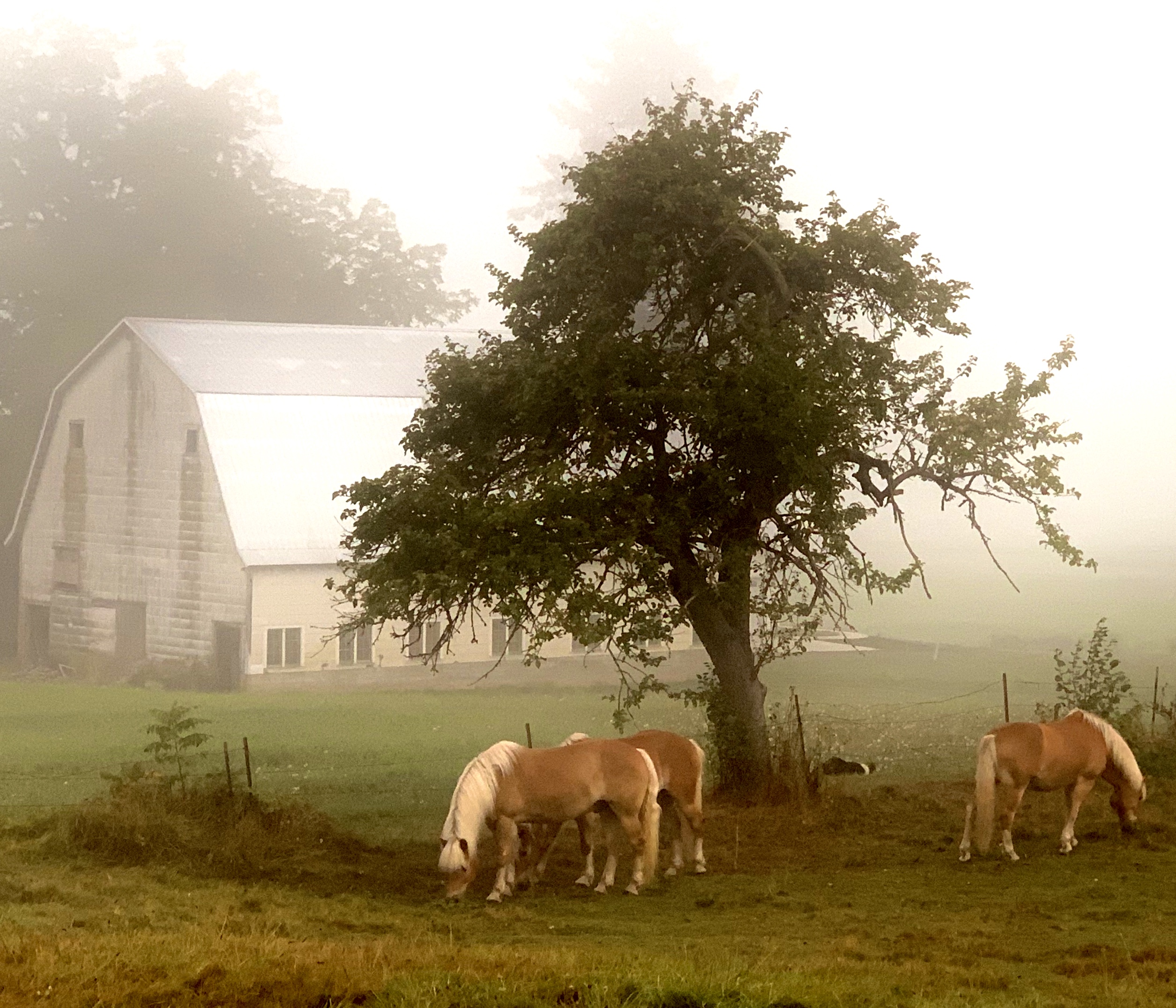
I was one of those lonely but happy youngsters who dreamt of horses all summer long, immersed in my own made-up stories of forest rides on hidden trails, of spending hours decorating long manes and tails of golden horses, of performing daring rescues and races, of battles and bravery I didn’t experience in real life. The imaginings took me beyond the mundane into the fanciful where I could be completely lost until I was called to come in for dinner or return to the confines of a school classroom.
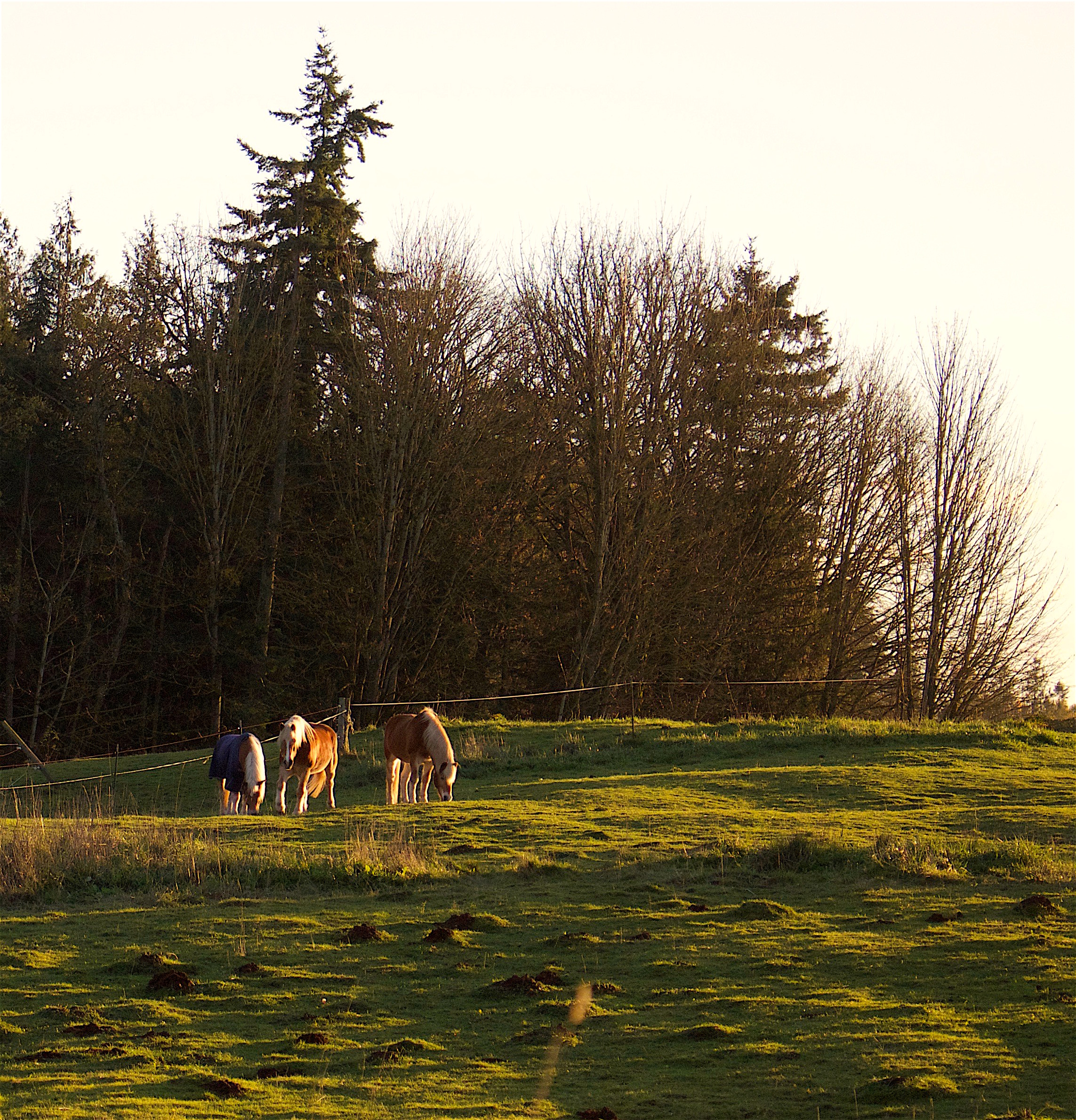
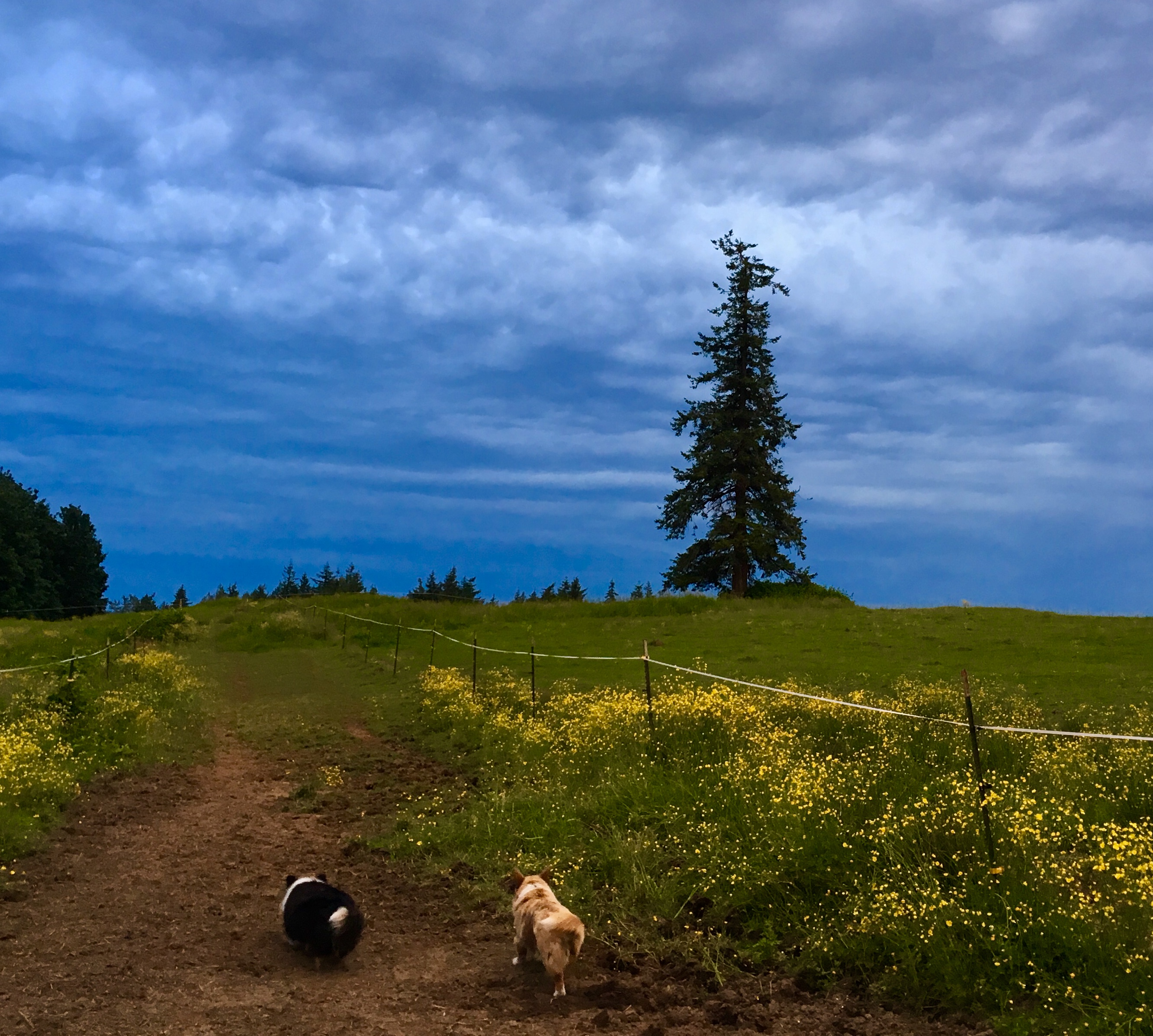
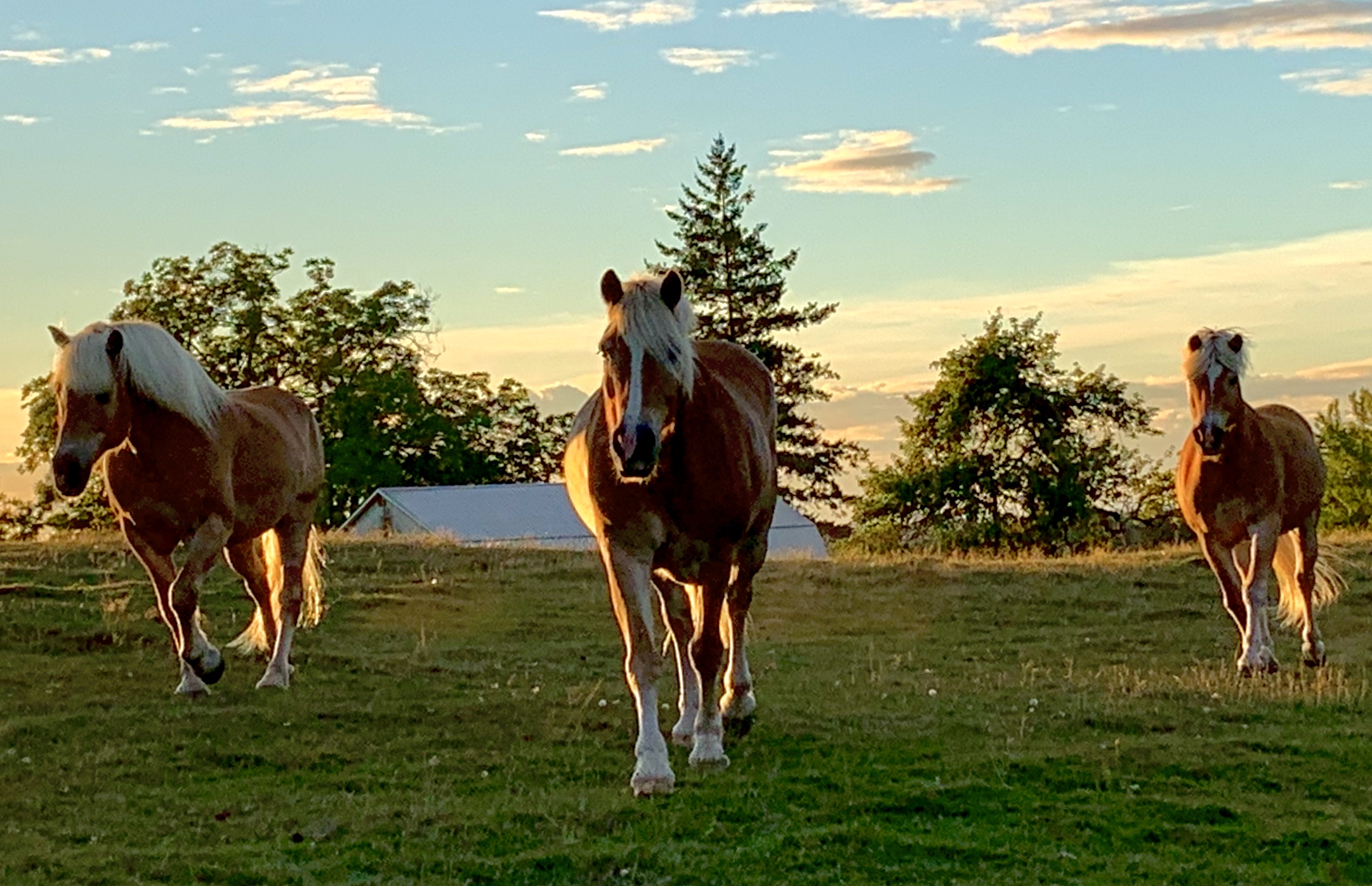
Some dreams do come true when you want them badly enough: I’ve now had decades gazing out at fields of grass with those thundering hooves, back-dropped by endless skies of ever-changing clouds. I’ve also found that fairy tales can have broken fences and growing manure piles.
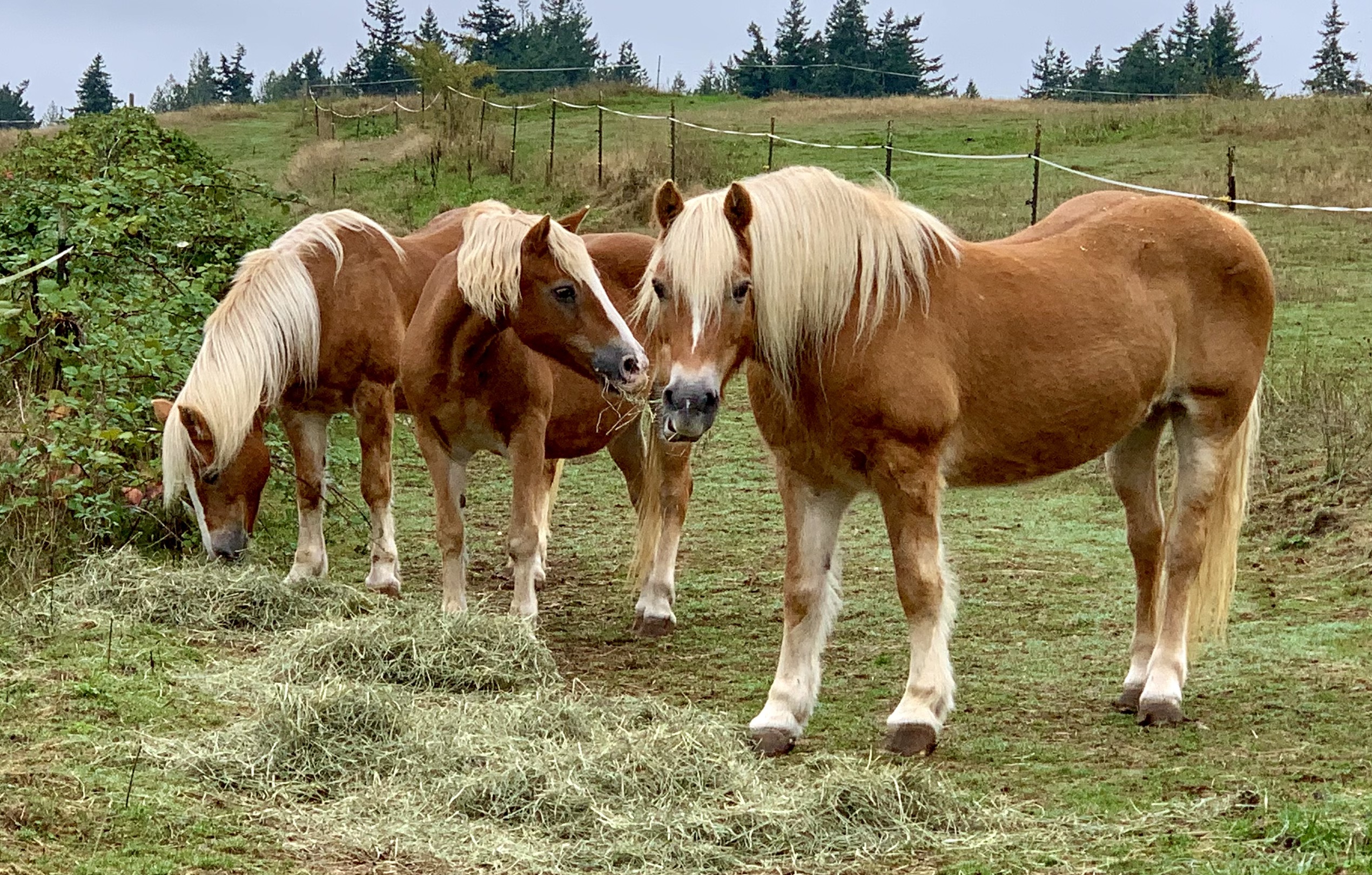
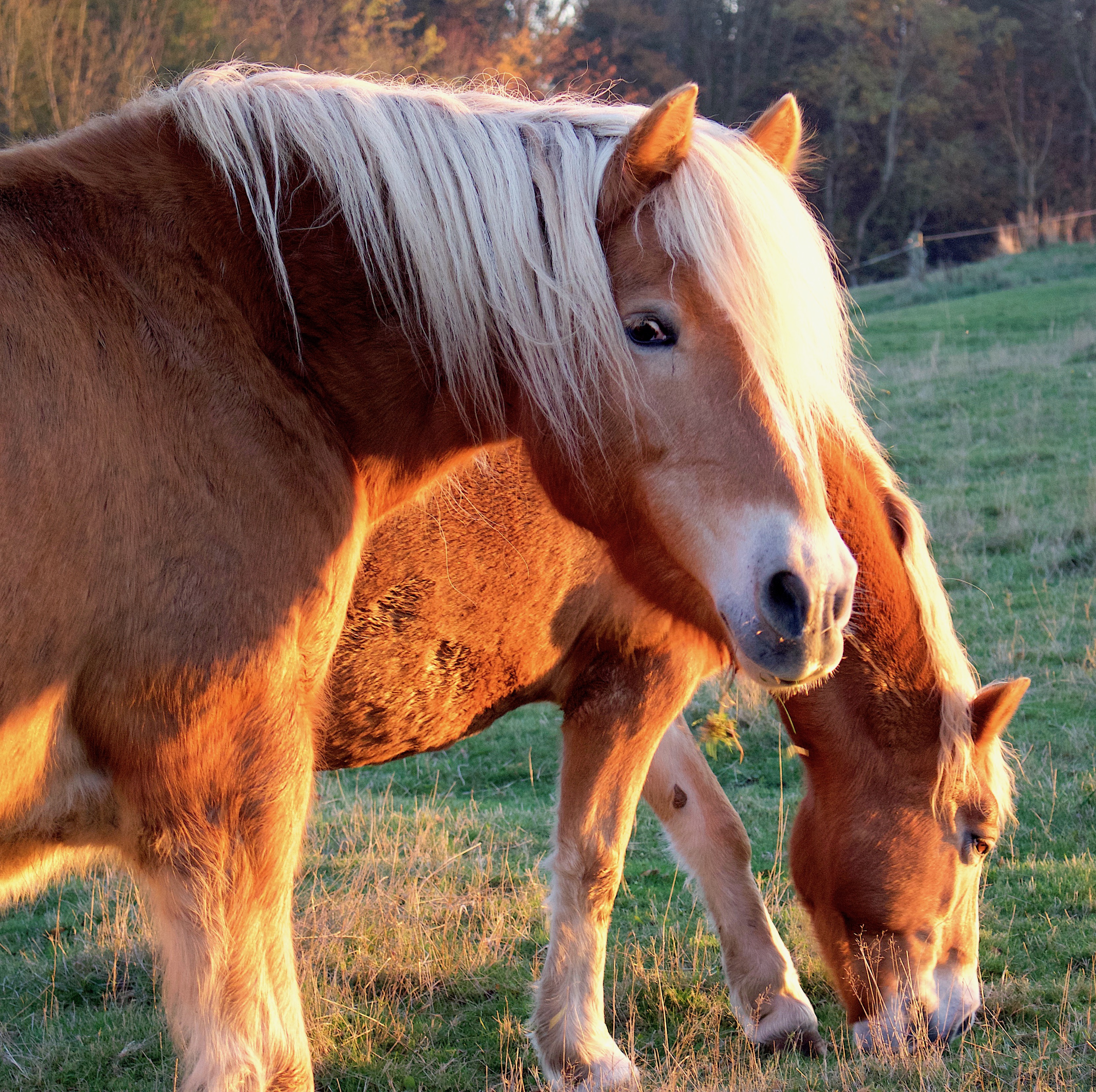
It has been worth it for a kid whose own story bloomed when I became a wife, a mother, a physician and a horse farmer. As this summer yet again has transitioned to autumn, so does my story: it is full of aging horses and tired fields, yet still I find myself dreaming like a kid as I comb out those long flowing manes.
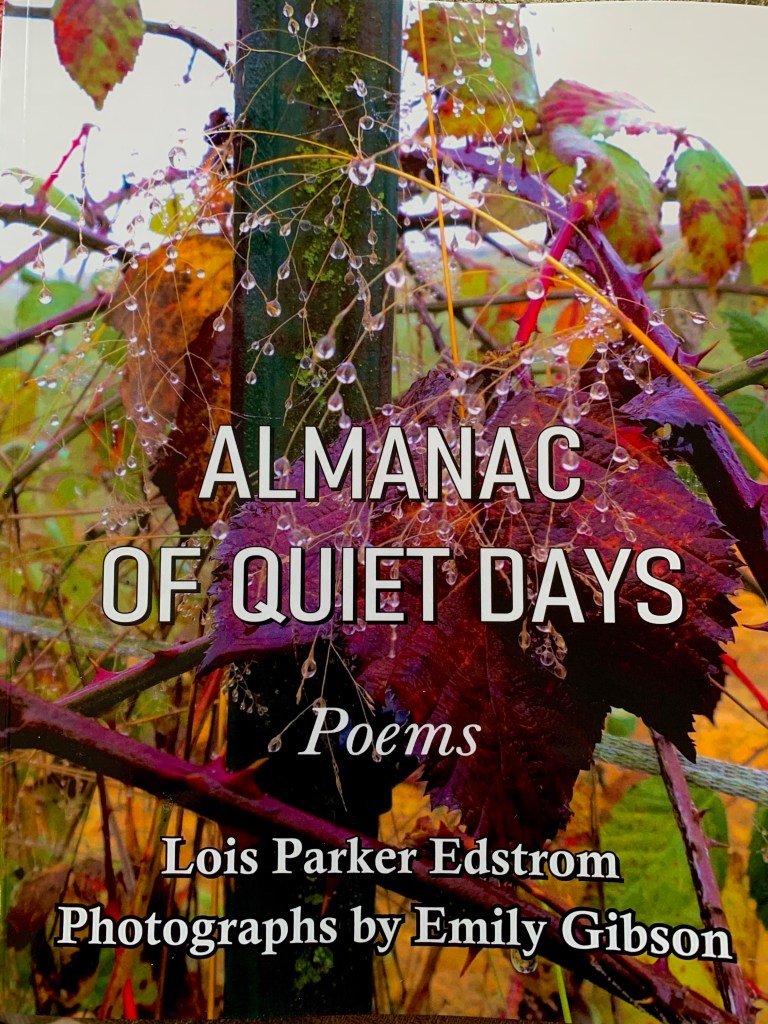
Consider this book of beautiful words and photography, available to order here:
Deep in the grip of the midwinter coldĀ The stars glitter and sparkle.Ā All are asleep on this lonely farm,Ā Deep in the winter night.Ā The pale white moon is a wanderer,Ā snow gleams white on pine and fir,Ā snowĀ gleams whiteĀ on the roofs.Ā Only tomten is awake.
Rubs his hand through his beard and hair,Ā Shakes his head and his cap.Ā Turns at his own command,Ā Turns to the task at hand. He must appreciate what life he’s got By finding ways to tie time’s knot.
The ponies dream on in the cold moonās light,Ā Summer dreams in each stall.Ā And free of harness and whip and rein,Ā Tomten starts to twist and twirl each mane While the manger they drowse overĀ Brims with fragrant clover.
Still is the forest and all the land,Ā Locked in this wintry year.Ā Only the distant waterfallĀ Whispers and sighs in his ear.Ā The tomten listens and, half in dream,Ā Thinks that he hears Timeās endless stream,Ā And wonders, how can its knots be bound?Ā Where will its eternal source to be found? ~adapted from “Tomten” by Viktor Rydberg
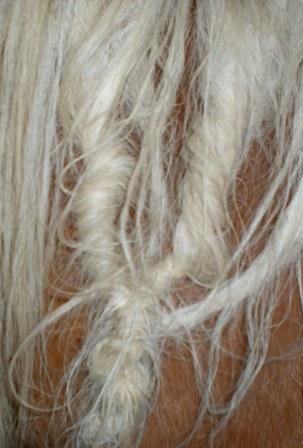
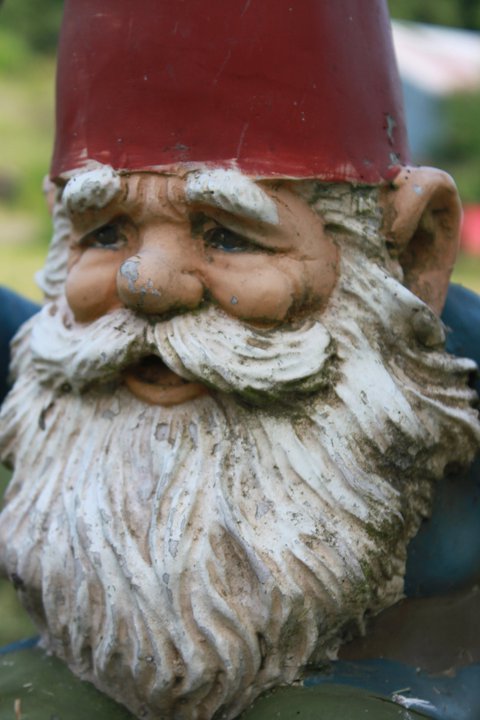
It is hard to say exactly when the first one moved in.Ā This farm was distinctly gnome-less when we bought it, largely due to twenty-seven hungry barn cats residing here at the time,Ā in various stages of pregnancy, growth, development and aging.Ā It took awhile for the feline numbers to whittle down to an equilibrium that matched the rodent population.Ā In the mean time,Ā our horse numbers increased from three to seven to over fifteen with a resultant exponential increase in barn chores. Ā One winter twenty years ago,Ā I was surprised to walk in the barn one morning to find numerous complex knots tied in the Haflingersā manes.Ā Puzzling as I took precious time to undo them, (literally adding hours to my chores), I knew I needed to find the cause or culprit.
It took some research to determine the probable origin of these tight tangles.Ā Based on everything I read, they appeared to be the work ofĀ Gernumbli faenilesi, a usually transient species of gnome called “tomtens” preferring to live in barns and haylofts in close proximity to heavy maned ponies.Ā In this case, as the tangles persisted for months, they clearly had moved in, lock, stock and barrel. Ā The complicated knots were their signature pride and joy, their artistic way of showing their devotion to a happy farm and trying to slow down time so they can stay in residence eternally.
All well and good, but the extra work was killing my fingers and thinning my horsesā hair. I plotted ways to get them to cease and desist.
I set live traps of cheese and peanut butter cracker sandwiches, hoping to lure them into cages for a ācatch and releaseā. Hoping to drive them away, I played polka music on the radio in the barn at night.Ā Hoping to be preemptive, I braided the manes up to be less tempting but even those got twisted and jumbled.Ā Just as I was becoming ever more desperate and about to bring in more feral cats, the tangling stopped.
It appeared the tomtens had moved on to a more hospitable habitat.Ā Ā I had succeeded in my gnome eradication plan.Ā Or so I thought.
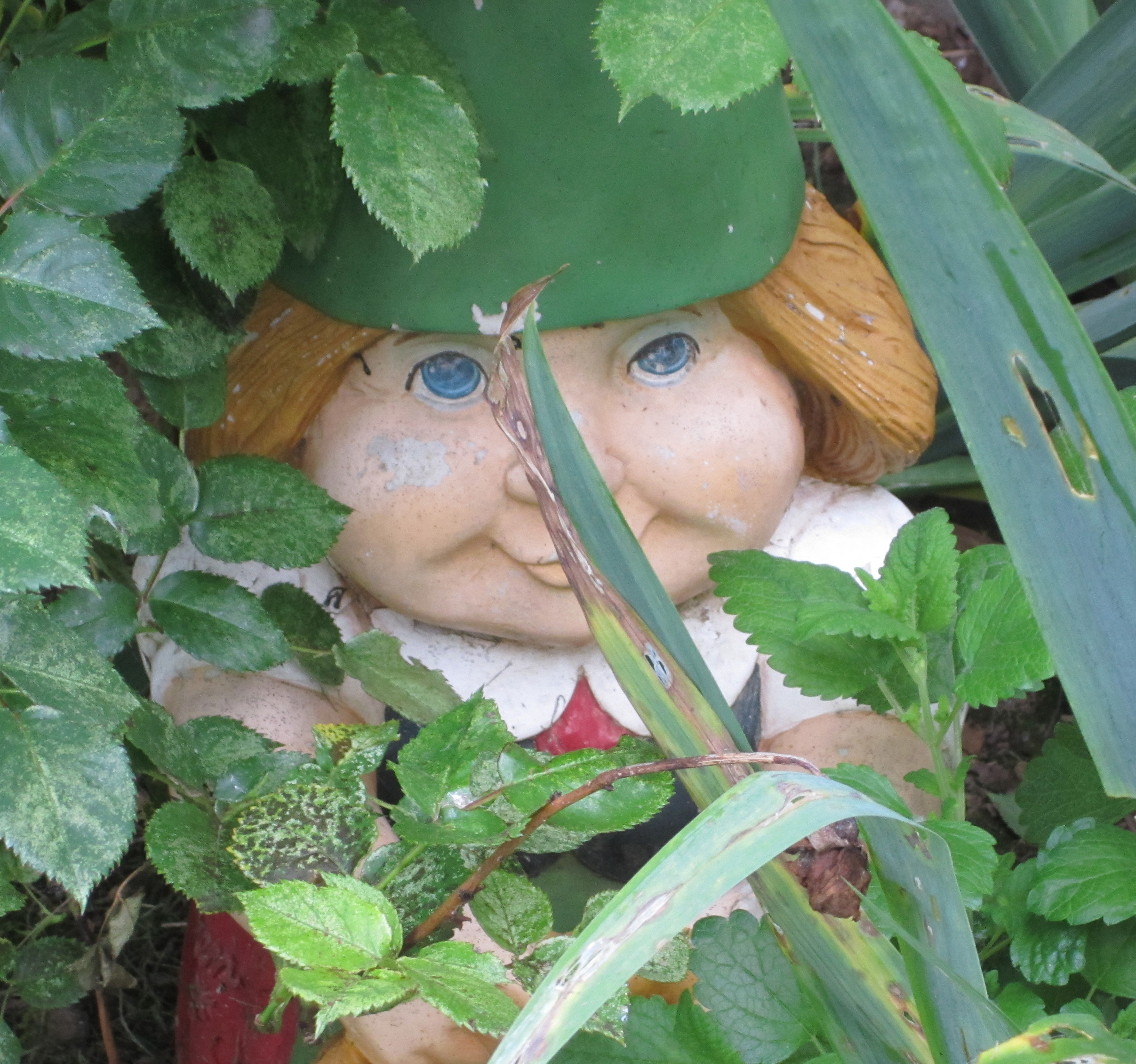
Not long after, I had the distinct feeling of being watched as I walked past some rose bushes in the yard. I stopped to take a look, expecting to spy the shining eyes of one of the pesky raccoons that frequents our yard to steal from the catsā food dish. Instead, beneath the thorny foliage, I saw two round blue eyes peering at me serenely. This little gal was not at all intimidated by me, and made no move to escape. She was an ideal example of Gernumbli gardensi, a garden gnome known for their ability to keep varmints and vermin away from plants and flowers. They also happen to actively feud with Gernumbli Faenilesi so that explained the sudden disappearance of my little knot-tying pests in the barn.
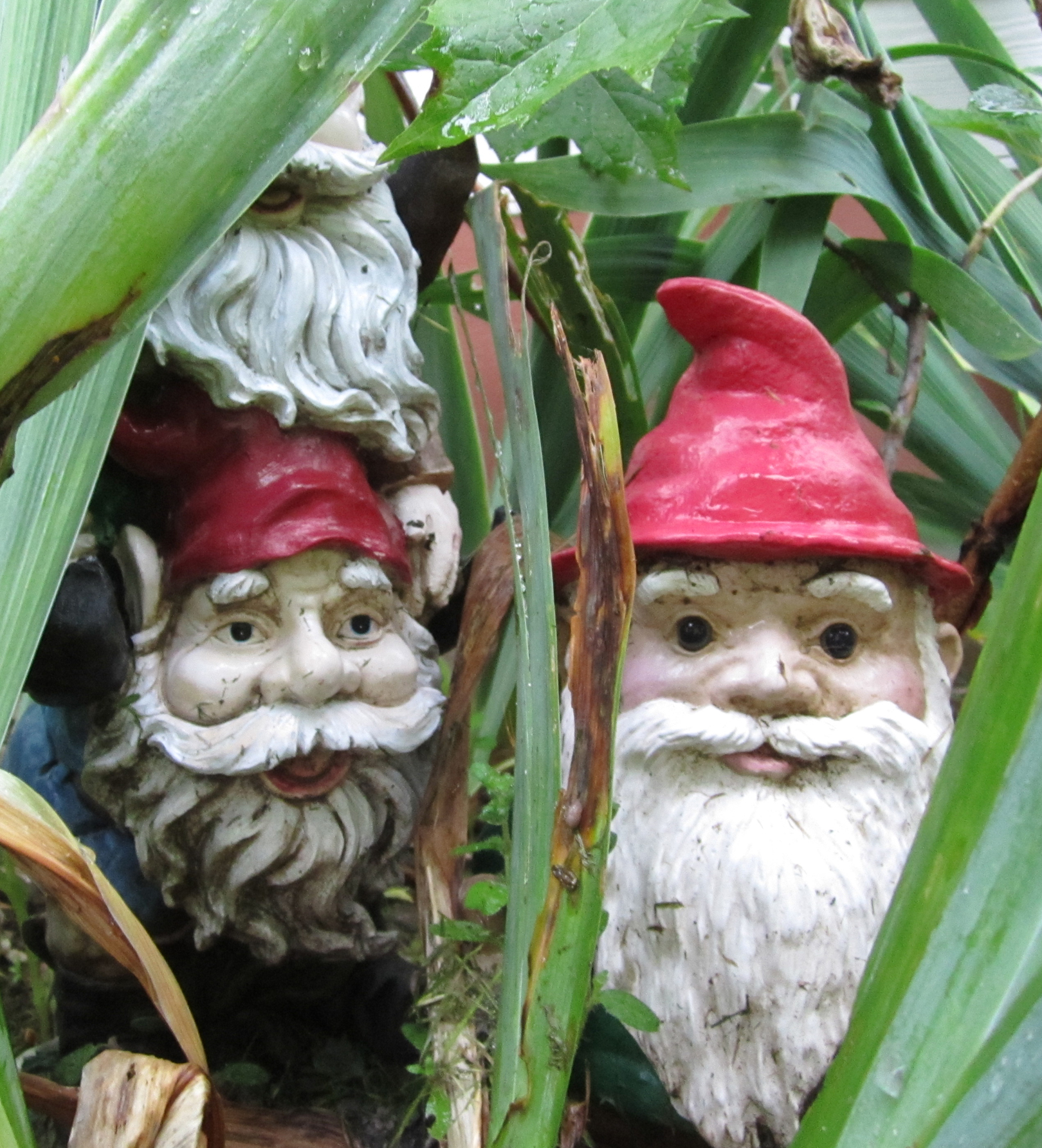
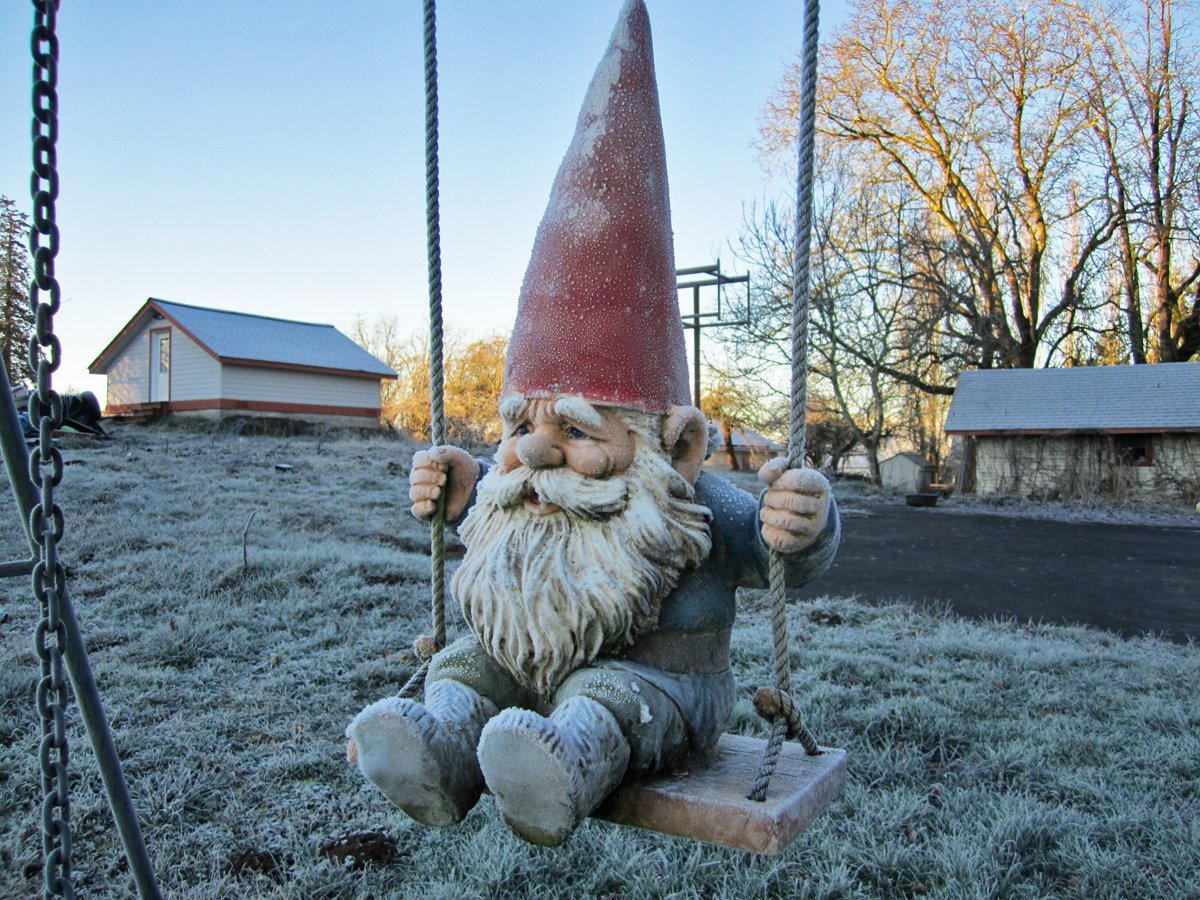
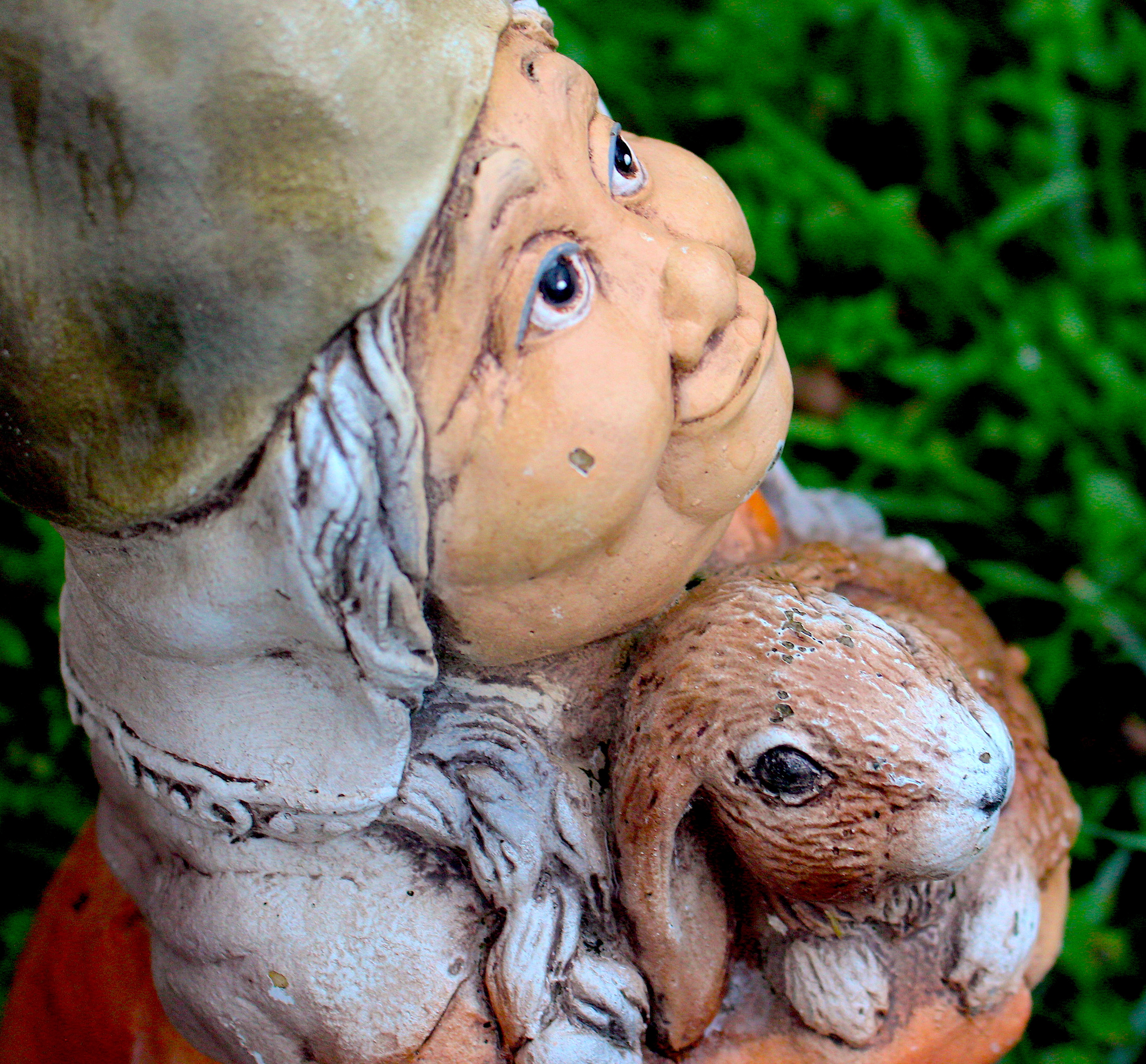
It wasnāt long before moreĀ GardensiĀ moved in, a gnomey infestation.Ā They tended to arrive in pairs and bunches, liked to play music, smoked pipes, played on a teeter totter, worked with garden tools, took naps on sun-warmed rocks and one even preferred a swing.Ā They are a bit of a rowdy bunch but I enjoy their happy presence and jovial demeanor.Ā Ā
As long as they continue to coexist peaceably with us and each other, keep the varmints and their knot tying cousins away, and avoid bad habits and swear words, Iām quite happy they are here. Actually, Iāve given them the run of the place. Iāve been told to be cautious as there are now news reports of an even more invasive species of gnome, Gernumbli kitschsi, that could move in and take over if Iām not careful.
I shudder to think.Ā One has to consider the neighborhood.
She lingered in that charming little garden to say hello to the gnomes, such a glorious infestation!Ā Ā How few wizards realize just how much we can learn from the wise little gnomes-or, to give them their correct names, theĀ Ā Gernumbli gardensi. āOurs do know a lot of excellent swear words,ā said Ron⦠~J.K. Rowling inĀ Harry Potter and the Deathly Hallows