A Gardener for God

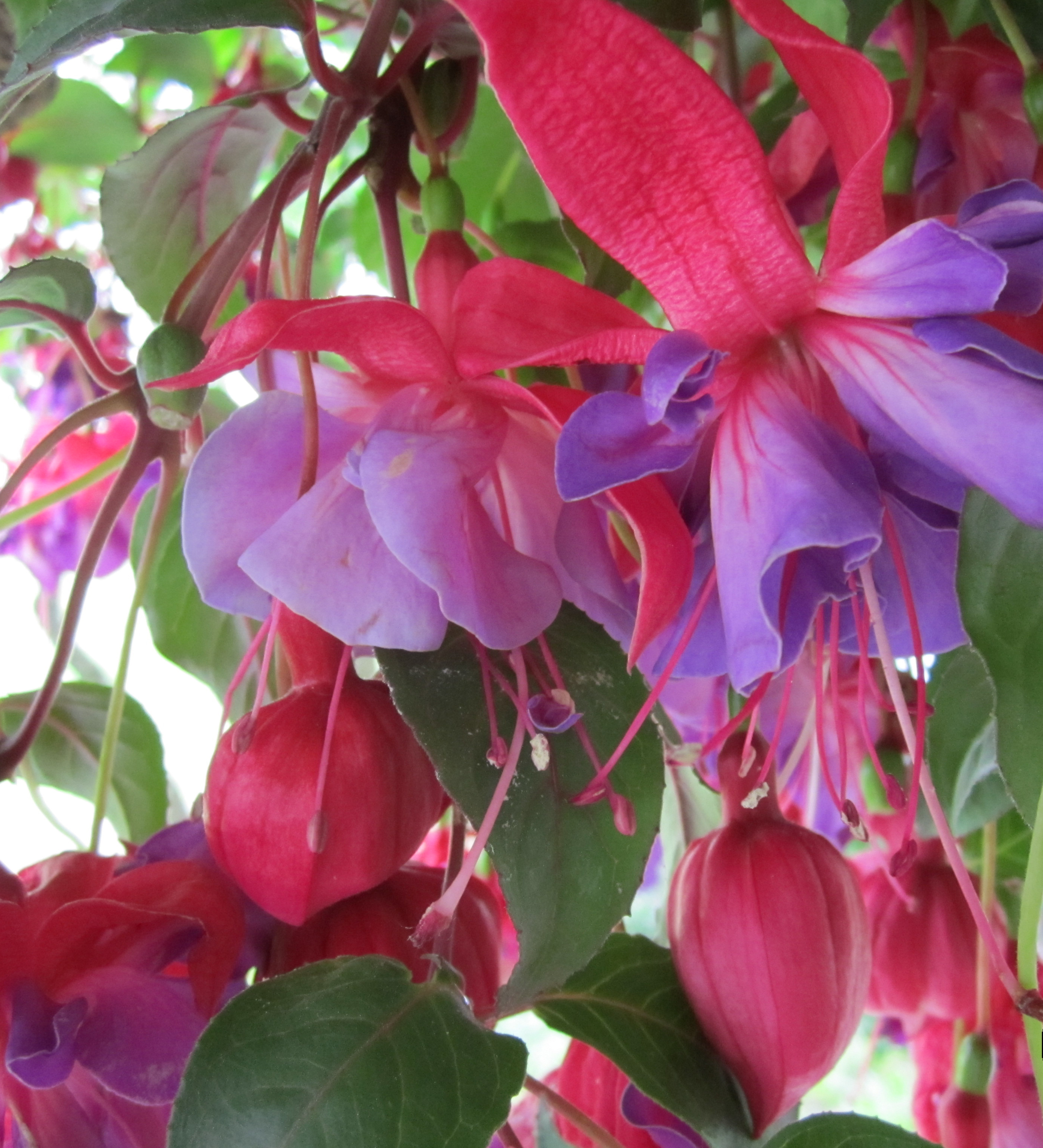
Grandma grew flowers–lots of them.  Her garden stretched along both sides of the sidewalk to her old two story farm house, in window boxes and beds around the perimeter, in little islands scattered about the yard anchored by a tree, or a piece of driftwood, a gold fish pond or a large rock.  Wisteria hung like a thick curtain of purple braids from the roof of her chicken coop, and her greenhouse, far bigger than her home, smelled moist and mossy with hanging fuschia baskets.  For her it was full time joy disguised as a job: she sold seedlings, and ready-to-display baskets, and fresh flower arrangements.  She often said she was sure heaven would be full of flowers needing tending, and she was just practicing for the day when she could make herself useful as a gardener for God.

Visiting Grandma was often an overnight stay, and summer evenings in her yard were heavy with wafting flower perfume.  She would also allow entry into her “fuschia house” to walk among hundreds of delicate dangling multi-colored blossoms.  There was overwhelming temptation to audibly pop the bulbous unopened blossoms but she had a “no touch, just look” policy, reminding her grandchildren that each plant knew the precise instant when a flower should open, and it should not happen a moment sooner or nature’s rhythm would be disturbed.

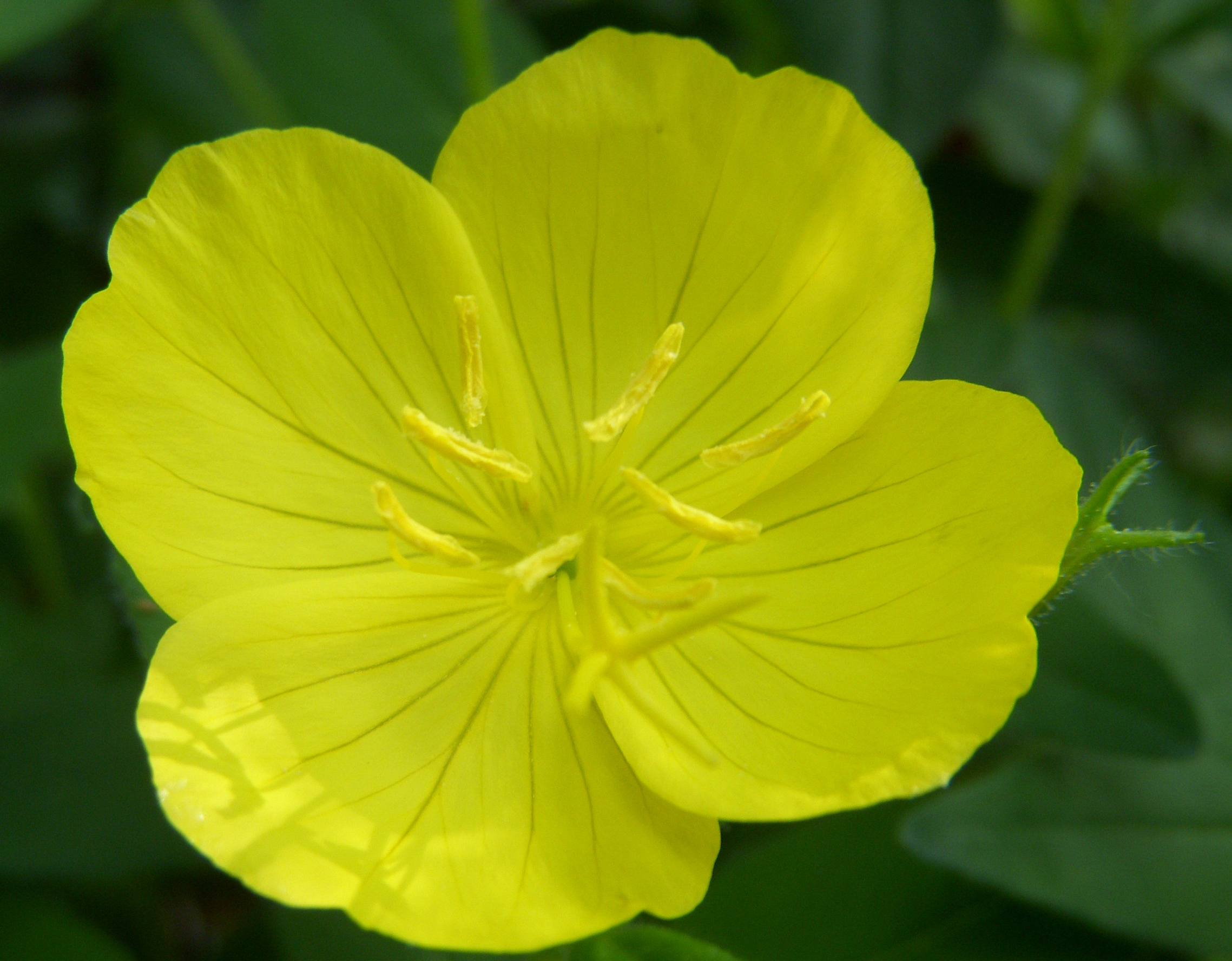
One of her favorite rhythmic flowers –indeed it was so hardy and vigorous it really could be considered a weed–was the evening primrose.  It was one of a few night blooming plants meant to attract pollinating moths.   Its tall stems were adorned by lance shaped leaves, with multiple buds and blooms per stem.  Each evening, and it was possible to set one’s watch by its punctual cycles, only one green wrapped bud per stem would open, revealing a bright yellow blossom with four delicate veined petals, a rosette of stamens and a cross-shaped stigma in the center, rising far above the blossom.  The yellow was so vivid and lively, it seemed almost like a drop of sun had been left on earth to light the night.  By morning, the bloom would begin to wither and wilt under the real sunlight, somehow overcome with the brightness, and would blush a pinkish orange as it folded upon itself, ready to die and drop from the plant in only a day or two, leaving a bulging seed pod behind.

I would settle down on the damp lawn at twilight, usually right before dusk fell, to watch the choreography of opening of blossoms on stem after stem of evening primrose.  Whatever the trigger was for the process of unfolding, there would be a sudden loosening of the protective green calyces, in an almost audible pop.  Then over the course of about a minute, the overlapping yellow petals would unfurl, slowly, gently, purposefully, revealing their pollen treasure trove inside.   It was like watching time lapse cinematography, only this was an accelerated, real time flourish of beauty, happening right before my eyes.  I always felt privileged to witness each unveiling as Grandma liked to remind me that few flowers actually allowed us to behold their birthing process.  The evening primrose was not at all shy about sharing itself and it would enhance the show with a sweet lingering fragrance.

Grandma knew how much I enjoyed the evening primrose display, so she saved seeds from the seed pods for me, and helped me plant them at our house during one of her spring time visits.   I remember scattering the seeds with her in a specially chosen spot, in anticipation of the “drops of sun” that would grace our yard come summertime.  However, Grandma was more tired than usual on this particular visit, taking naps and not as eager to go for walks or eat the special meals cooked in honor of her visit.  Her usually resonant laughing brown eyes appeared dull, almost muddy.

The day she was to return home she came into the kitchen at breakfast time, wearily setting down her packed bags.  She gave me a hug and I looked at her, suddenly understanding what I had feared to believe.  Something was dreadfully wrong.  Grandma’s eyes were turning yellow.

Instead of returning home that day, she went to the hospital.  Within a day, she had surgery and within two days, was told she had terminal pancreatic cancer.  She did not last long, her skin becoming more jaundiced by the day, her eyes more icteric and far away.  She soon left her earthly gardens to cultivate those in heaven.

I’ve kept hanging fuschia baskets on my porch and evening primrose has been in my garden ever since.  Grandma is inside each bloom as it opens on its own schedule, according to its own rhythm,  unfolding precipitously in the evening.  She wafts across the yard in its perfume.  Her spirit is a drop of sun coming to rest,  luminous,  for a brief stay upon the earth, only to die before we’re ready to let it go.  But as the wilted bloom lets go,  the seeds have already begun to form.

Surely Grandma is still growing flowers, lots of them.  They blossom under her loving care, each bud opening on schedule,  not a moment sooner than it should.

photo by Troy Mullens from blog ICU Nature

Evening Primrose by John Clare

When once the sun sinks in the west,
And dewdrops pearl the evening’s breast;
Almost as pale as moonbeams are,
Or its companionable star,
The evening primrose opes anew
Its delicate blossoms to the dew;
And, hermit-like, shunning the light,
Wastes its fair bloom upon the night,
Who, blindfold to its fond caresses,
Knows not the beauty it possesses;
Thus it blooms on while night is by;
When day looks out with open eye,
Bashed at the gaze it cannot shun,
It faints and withers and is gone.
Hostelry of Worms

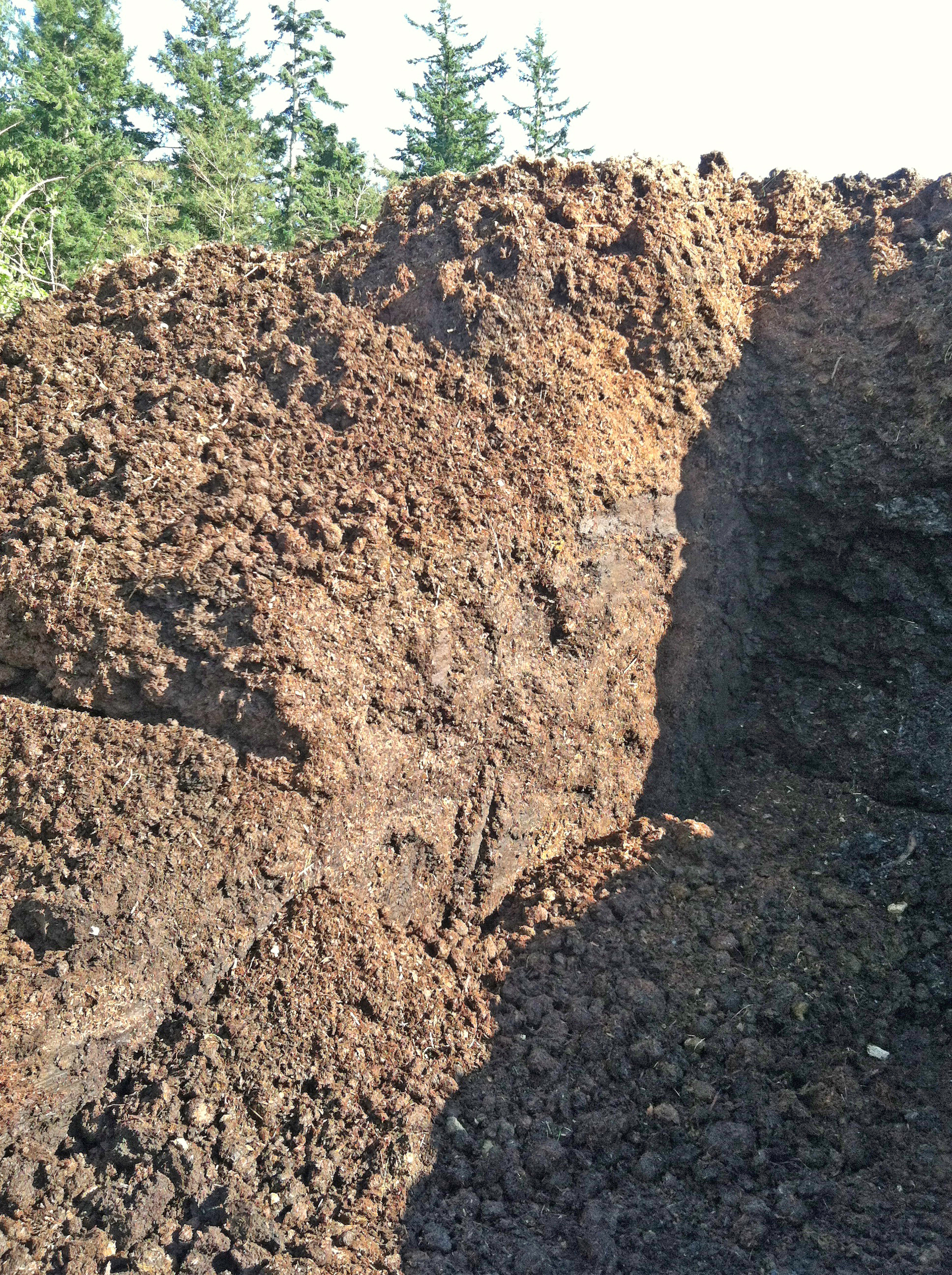
a cross section of 30 months of composted manure
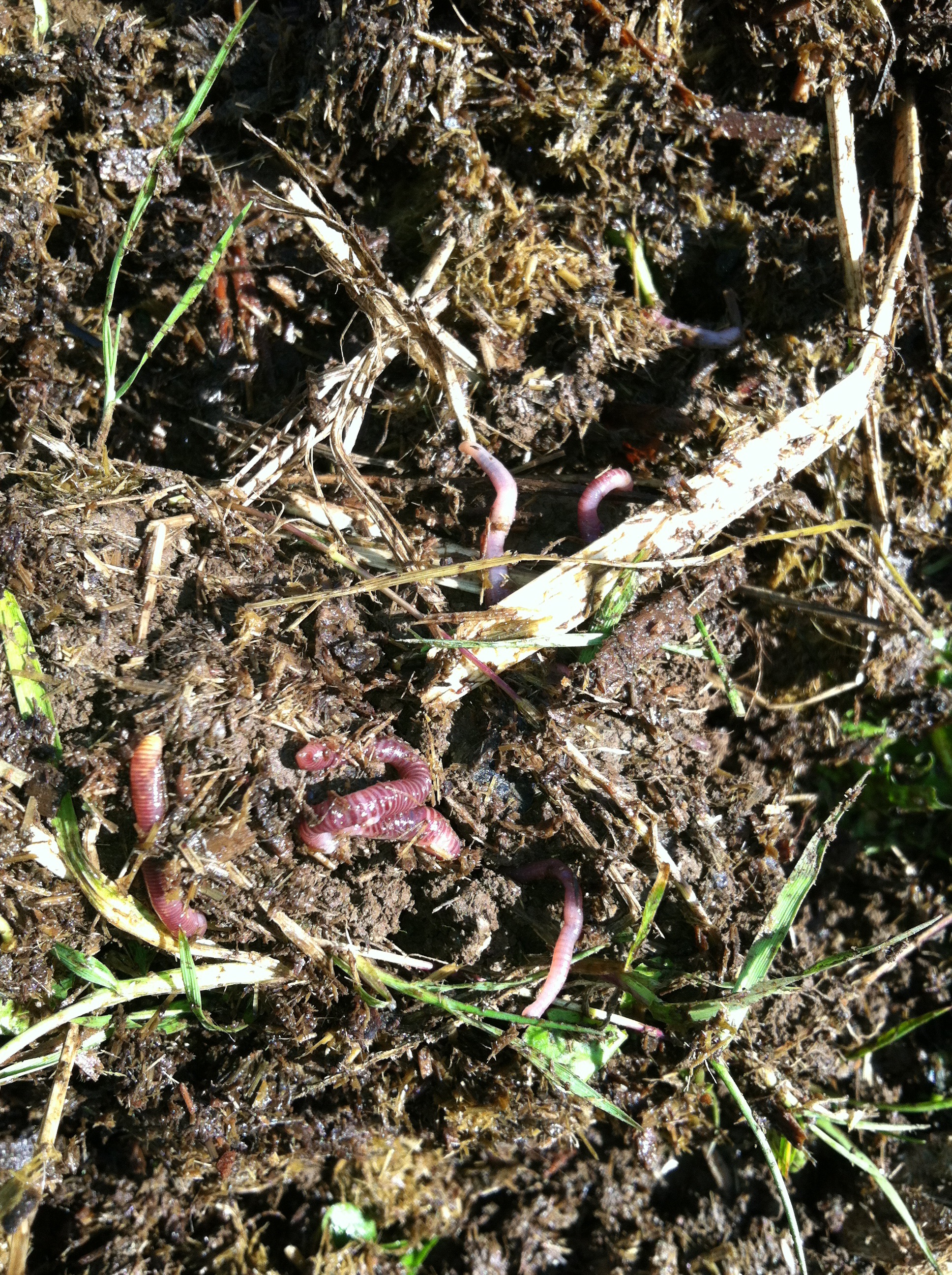
a plethora of red wigglers

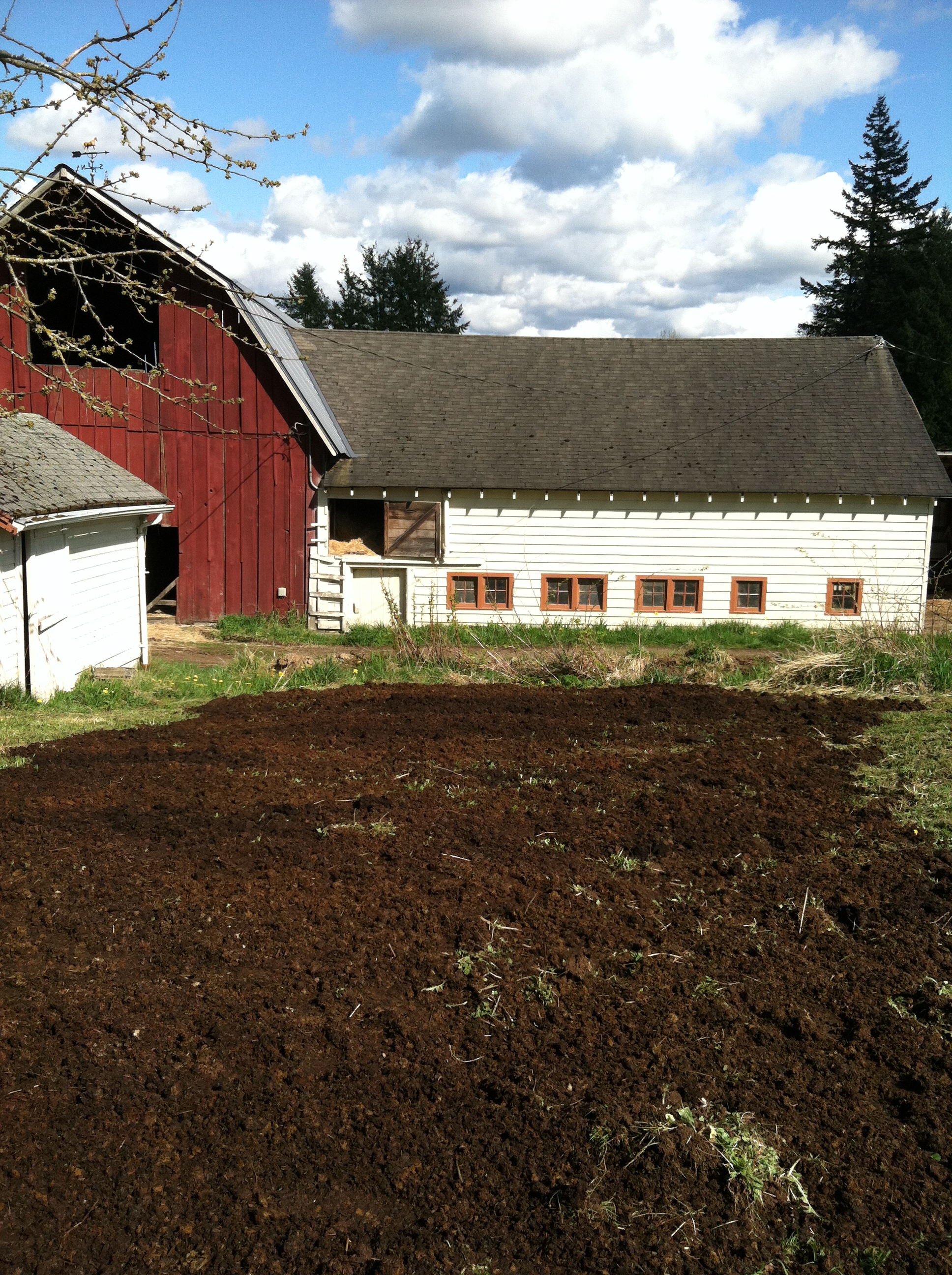
A sunny spring day lured us outside for yard and garden prep for the anticipated grass and weed explosion in a few short weeks. We’ve been carefully composting horse manure for over two years behind the barn, and it was time to dig in to the 10 foot tall pile to spread it on our garden plots. As Dan pushed the tractor’s front loader into the pile, steam rose from its compost innards. As the rich soil was scooped, thousands of newly exposed red wiggler worms immediately dove for cover. Within seconds, thousands of naked little creatures had, well, …wormed their way back into the security of warm dirt, rudely interrupted from their routine. I can’t say I blamed them.

Hundreds of thousands of wigglers ended up being forced to adapt to new quarters today, leaving the security of the manure mountain behind. As I smoothed the topping of compost over the garden plot, the worms–gracious creatures that they are–tolerated being rolled and raked and lifted and turned over, waving their little bodies expectantly in the cool air before slipping back down into the dark. There they will begin their work of digesting and aerating the tired soil of the garden, reproducing in their unique hermaphroditic way, leaving voluminous castings behind to further feed the seedlings to be planted.

Worms are unjustly denigrated by humans primarily because we don’t like to be surprised by them. We don’t like to see one in our food, especially only part of one, and are particularly distressed to see them after we’ve digested our food. Once we get past that bit of squeamishness, we can greatly appreciate their role as the ultimate recyclers, leaving the earth a lot better off once they are finished with their work. We humans actually suffer by comparison, so to be called “a worm” is really not as bad as it sounds at first. The worm may not think so.

I hope to prove a worthy innkeeper for these new tenants. May they live long and prosper. May worms be forgiving for the continual disruption of their routine. May I smile the next time someone calls me a worm.

The garden is covered with rich composted manure

Digging Potatoes

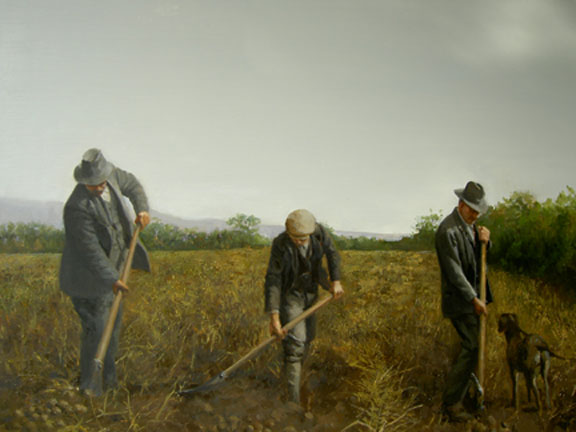
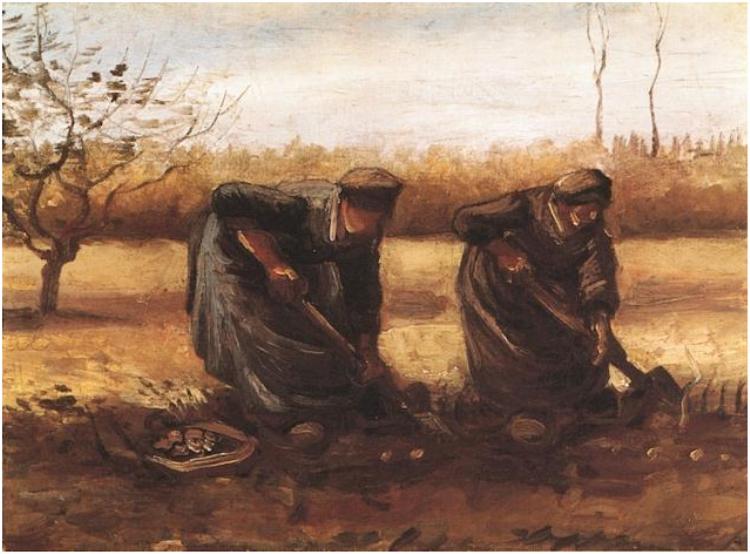
Digging Potatoes by Martin Driscoll http://www.martindriscoll.com

Recent rains have melted the potato vines flat to the ground, nearly indistinguishable from the dirt where they lie strung out and dead spider-like. It is time to dig before there is no trace left of where the potato harvest can be found. Weeds still thrive in the cooler autumn weather, green and strong, but the potato vines had given up several weeks ago, dying back as summer waned.

Armed with basket and pitchfork, I go to work, sinking the tines into the soil to loosen it, then lifting up gently to see what I might find underneath. From a waterfall of dirt tumbles smooth egg-size ovals of red and yellow and white. I pan the dirt with my fingers, sifting through the clumps to discover nuggets to brush off and set aside in the basket to take to storage in the root cellar.

Within each unearthed hill of potatoes rests the old mother “seed” potato, so fertile and firm, eagerly sprouting when planted only 4 months ago. I stumble upon her, noticing her vigorous nurture of multiple offspring, sometimes as many as twenty coming from one original planting. Occasionally I find her shrunken to only a dry floppy skin, her flesh spent and dispersed. More often she is still recognizable, though spongy and softened, wrinkled and withered by her immense effort to propagate. Most poignant are the hills where there is nothing left but residual gooeyness in the center. It adheres sticky to my palms as I unexpectedly grasp her glutinous remains, and it gums up deep under my fingernails.

The seed gives all of herself. As she must.

The new potatoes are spread on the drying shelves, color coded into gold, red and white, waiting in the dark root cellar to become a feast of dreams born of sun, rain and soil. I return to the kitchen to wash their dirt off my hands, scrubbing to remove what still clings to my skin. Even so, my fingernails stay hopelessly stained and brown, and I don’t mind.

Within my hands I will carry the memory of the mothers.

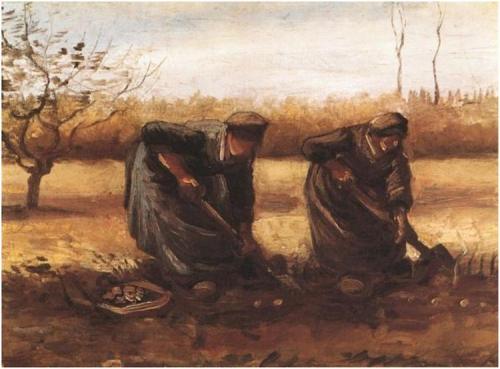
Van Gogh Painting, Oil on Canvas on Panel Nuenen: August, 1885 Kröller-Müller Museum Otterlo, The Netherlands, Europe F: 97, JH: 876

High Noon in the Garden Patch

Vegetable gardening is not for the faint of heart.  In the few short weeks of the growing season, there is all manner of botanical birth, growth, reproduction, withering and death in such ultra-compressed fashion, it can leave even the veteran gardener gasping for air.  I consider myself somewhat bold and fearless in my every day roles, as any good physician (or mother) must be, but when it comes to the facts of life as played out in the garden,  I turn all mushy.

This week there was no question what needed to be accomplished.  The sun was shining for the first time in months,  the seeds planted a few weeks ago were finally beginning to show themselves above ground, but they were literally drowning in a sea of weeds.   The joy of germination was turning into the heartbreak of overabundant indiscriminate growth.  It was time for action.

I awoke early, emotionally preparing myself.  I pulled on my jeans and hooded sweatshirt, stepped into rubber boots,  armed my pockets with trowel and garden hook, and adopted a confident stance as I stared at the expanse of green sprouts before me.

“Gonna kill me some weeds,”  I muttered menacingly from under my straw hat, looking like Wyatt Earp at high noon, rolling up my sleeves, and hitching up my pants like a sharp shooter.

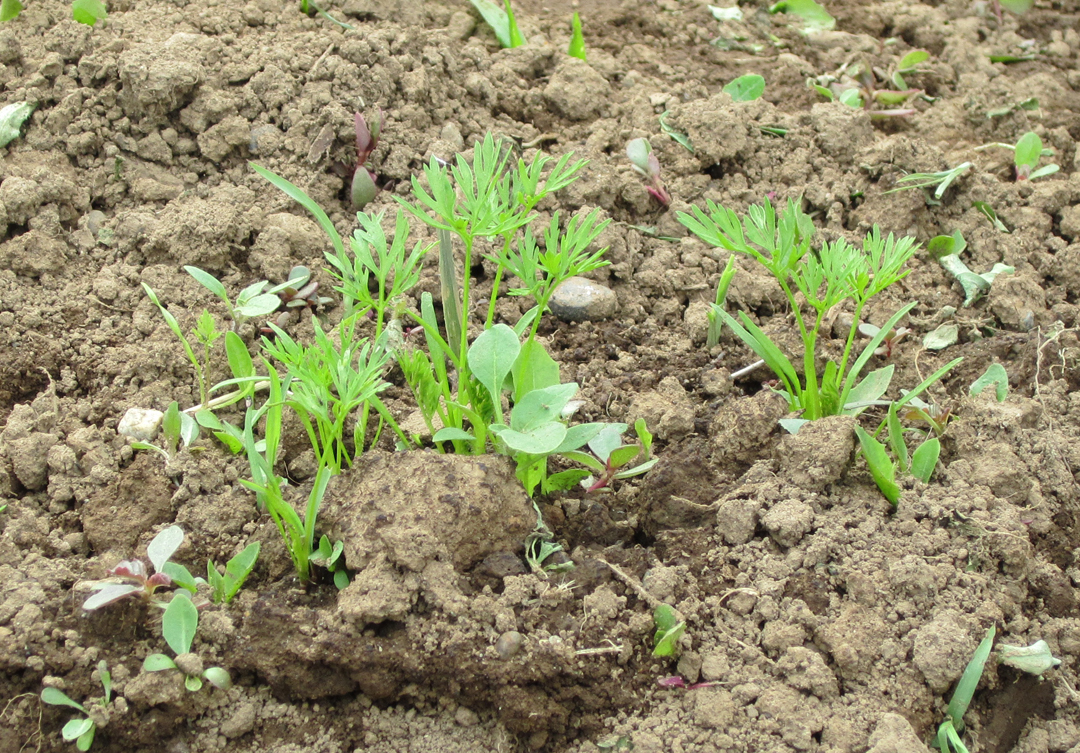
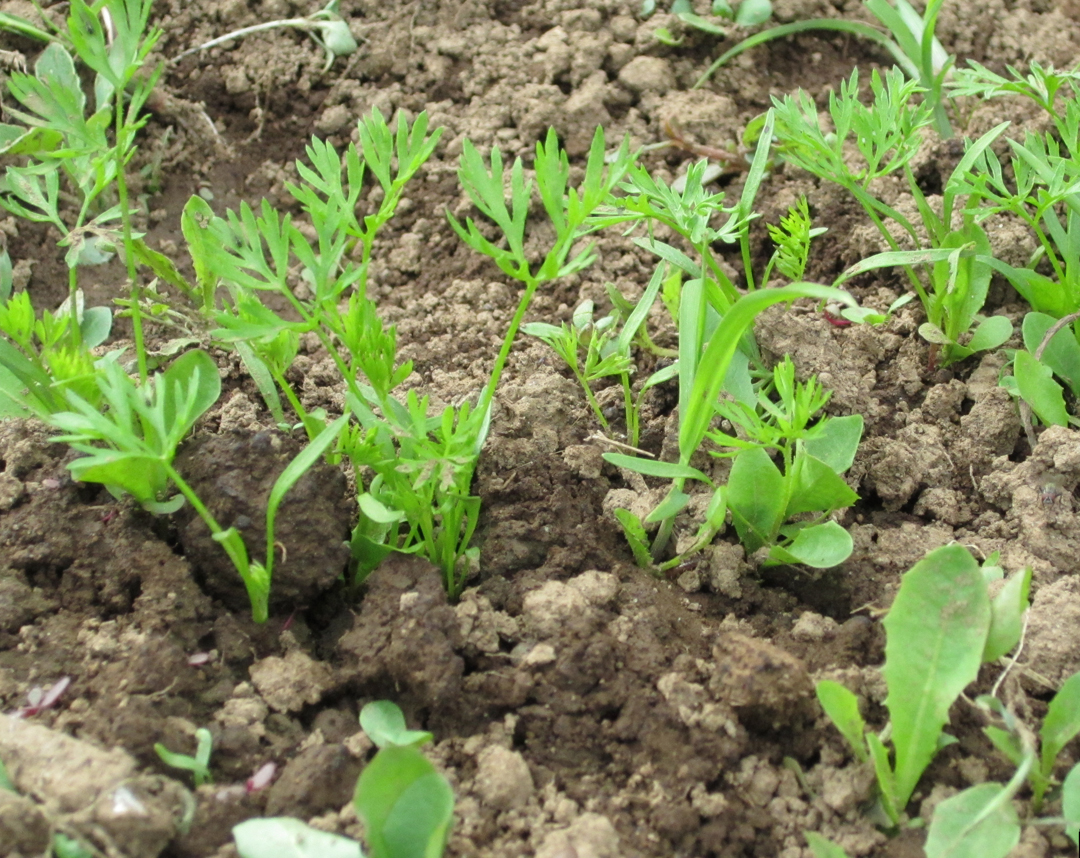
I first went to the defense of the carrot row.  Tiny carrot seedlings are some of the most vulnerable in the garden.  They start as two little grass-like shoots, very weed-like in their beginnings.  In a few days, the next shoot is the identity give-away: a feathery leaf looking very much like carrot green tops.  True effective weeding really can’t start until the carrots can be distinguished from weeds, even the look alike frilly weeds that pretend they are carrots so they will be left alone.  Very clever camouflage, but not to my sharp eye.

The real carrots are tender little plants, barely clutching the ground with one little root string as compared to the deep hold that weeds have in the soil.  This work requires down on your hands and knees finger weeding, the dirt-under-the-nails sort-through-each-little-green-shoot-to-find-the-right-one-to-pull technique.  Even so, despite my best intentions, the “real” plants still get pulled accidentally:  my father called that “thinning”, another cruel and painful aspect of gardening when perfectly good plants are pulled out to make more space for the near neighbors.  It still seems all too arbitrary and somewhat capricious.

All this weed-o-cide makes me think about a book I read in the early seventies, “The Secret Life of Plants” by Tompkins and Bird which gave me a new understanding of the challenges of being a plant.  I almost can hear the high pitched little shrieks some scientists have recorded as plants are plucked, cut or mowed down.   Then there is the very real question of what is a weed and how it has become victim to our human prejudice about what is worthwhile to grow and what is not.  Maybe since the dawn of times we humans have watched the slugs, the squirrels, the birds, the deer and the rabbits decide what is tastier, and frankly my dear,  it isn’t the weeds.

But who am I to say that a beet plant is more worthy to exist than quack grass?   What animosity and enormous resource is expended to rid the world of the lovely dandelion’s perfect sphere of seeds about to blow with the wind, or the waxy buttercup meant to tickle a child’s chin into a yellow reflection.

But I’m only the gardener with a job to do.  It’s dirty work, but someone has to do it.

By the end of the morning as the sun beats down directly overhead, neat little rows of honest to goodness domesticated plants become obvious and the garden pathways are littered with weed carcasses as well as a few thinned radishes, beets and carrots.   High noon indeed.  I gaze at my spent weapons–dirty hands and fingertips that are barely recognizable–and sigh deeply.   Until the next skirmish to keep the weedy invaders from infiltrating, I can rest easier knowing my little plants have less chance of being overwhelmed by the encroaching wilderness of weeds and varmints.

So I lay down my arms, clean the dirt from under my fingernails, and sit down to listen to the symphony sounds of plants happily growing…

With Our Own Hands

Our spring in the northwest has been chilly, extraordinarily wet, and gray.  Yesterday was our first day so far this year when our thermometers actually climbed over 70 degrees F.  The farmers in our part of the county were working practically around the clock chopping grass in fields that have been too muddy for machinery to safely navigate, trying to get silage in the silos before the next round of field work is demanded by the calendar.  Huge tractors pulling all manner of equipment were rolling up and down our rural road all day, and heavy trucks carrying loads of grass silage roared by late into the night.  And so the maxim: make hay when the sun shines (or silage when the ground dries enough).

This has not been good gardening weather for anyone.  Truly avid gardeners have been struggling with seed rotting in the ground before it can germinate and seedlings actually coming out of the ground being flooded by heavy rains.  Here on our farm, we’re late getting started, as usual, with too many other things happening in our work and home life to even think about getting the garden in–until yesterday.  Starting a garden the first week in June is not something I recommend to anyone.  It is like bushwhacking to make a bed suitable for the seeds.

Many weeds are not discouraged by cool rainy weather.  Quack grass and dandelions are positively encouraged.  They have been growing very well and going to seed themselves, thank you very much. That meant a garden plot that was a veritable forest to contend with before the soil could be prepared for seeding.  My husband and strong middle son set to work on the jungle on hands and knees, digging into the turf of weeds, loosening the grip the weeds had, pulling them out, shaking off the clinging clumps of dirt from the roots and turning over fresh soil to dry in the sun.  Even so, it was cold and wet to touch, hardly hospitable for seeds, but more delay is no longer an option.   I followed behind him, trenching out a row for the seeds and dropping them one by one into the too cold dirt with a little wish and a prayer that there was still enough time left in the growing season to actually bear a harvest.

I admit there are times my life feels like that neglected garden plot.  If not kept tended, if not exposed to enough warmth and light, if not fertilized with the steaming loam from the compost pile, if not kept clear of the unwanted weeds that take hold and grow no matter what the weather conditions, there can be no harvest of value whatsoever.  I will accomplish nothing than sow more weeds that eventually must be contended with by the next generation.  I leave behind a life unrecognizable as a source of nurture and overrun by weed creep.

Each year I’m determined to do better but I know I’m running out of time and gardening seasons. It isn’t just the resultant sore back and dirty fingernails that serve as reminders of the hard work of tending one’s life like one’s soil.  It is that burst of sweetness that comes from eating the first fresh peas, the sharp tang of a radish straight from the ground, the bowl of greens unsullied by chemicals.  It is the satisfaction of knowing that this we accomplished with our own hands.

This I can do.  And I must.


Panning for Gold

Van Gogh Painting, Oil on Canvas on Panel Nuenen: August, 1885 Kröller-Müller Museum Otterlo, The Netherlands, Europe F: 97, JH: 876

Preparing the feast
Begins months in advance,
The seed catalogs perused,
Order forms sent,
Rattling envelopes arrive in the mail
With ounces of dormant potential within.

The soil is carefully prepared
Once it warms, and clings together just so when picked up,
Dug and turned over and raked and smoothed,
Measured, traced and rowed with pie crust perfection
Ready for seeds patted lovingly in place.

Potatoes halved, quartered, eyes up to the sky
Nestled gently in the valleys and mounded into hills
The greenhouse seedlings hardened then set out in the big world
To fare on their own or die trying.
The brown garden bed undulates, pregnant, expectantly germinating.

Green shoots arrive shortly before the weeds
Or maybe simultaneously in a race to the finish
To see which wins the battle of the plot.
Every root for itself competing for light,
For space, for moisture, for an uncertain future.

Thinning and weeding becomes ruthless,  with healthy plants
Plucked and discarded, becoming compost to the survivors.
Sun, then showers, cloudy days, then sun again,
Forcing blossoms, enticing honeybees, spreading pollen
Deep and wide.

In the heart of summer, there is flourish in the fruiting
Of every plant, an overwhelming plenty for canning and freezing,
Drying, storing and preserving,  later opening summer in gratitude
For a cold winter’s day meal.
Others are waiting, in the chilling ground, for later harvest.

Preparing for the feast means the carrots must be released
From their fast root hold, withered green tops tossed aside
Beets bulging leave soil for pot, coloring water burgundy
Brussel sprouts line stalks like chubby soldiers in formation
Squash is cut open, spilling its seedy stringy inner guts.

Onion layers peel like paper to reach into the flavorful heart
Kale leaves with ruffly edges, multicolored and stiff
Then digging for potatoes, searching the ground for dying vines
Spading cautious, wary of slicing or spearing spuds asleep
Eyes closed tight for winter.

Once a nest of potatoes is found, then reach in deep
With hands only,  panning the dirt for the red, white and gold
Nuggets that materialize like magic out of rivers of brown dust
Running through the fingers, finding large, small and in between
Then placed lovingly in the garden basket

Next to go from soil to sink to pot to plate with
Steaming perfection, a feast of dreams realized
From last winter’s catalogs, after some sun, some rain,
A little muscle and plenty of heart to work the dirt that clings
Unforgotten, brown, and stubborn, under every fingernail.

on a theme of “Brown”

Drops of Sun

photo by Rosalyn DaSalla

Grandma grew flowers–lots of them.  Her garden stretched along both sides of the sidewalk to her old two story farm house, in window boxes and beds around the perimeter, in little islands scattered about the yard anchored by a tree, or a piece of driftwood, a gold fish pond or a large rock.  Wisteria hung like a thick curtain of purple braids from the roof of her chicken coop, and her greenhouse, far bigger than her home, smelled moist and mossy with hanging fushia baskets.  For her it was full time joy disguised as a job: she sold seedlings, and ready-to-display baskets, and fresh flower arrangements.  She often said she was sure heaven would be full of flowers needing tending, and she was just practicing for the day when she could make herself useful as a gardener for God.

Visiting Grandma was often an overnight stay, and summer evenings in her yard were heavy with wafting flower perfume.  One of her favorite flowers–indeed it was so hardy and independent it really could be considered a weed–was the evening primrose.  It was one of a few night blooming plants meant to attract pollinating moths.   Its tall stems were adorned by lance shaped leaves, with multiple buds and blooms per stem.  Each evening, and it was possible to set one’s watch by its punctuality, only one green wrapped bud per stem would open, revealing a bright yellow blossom with four delicate veined petals, a rosette of stamens and a cross-shaped stigma in the center, rising far above the blossom.  The yellow was so vivid and lively, it seemed almost like a drop of sun had been left on earth to light the night.  By morning, the bloom would begin to wither and wilt under the real sunlight, somehow overcome with the brightness, and would blush a pinkish orange as it folded upon itself, ready to die and drop from the plant in only a day or two, leaving a bulging seed pod behind.

I would settle down on the damp lawn at twilight, usually right before dusk fell, to watch the choreography of opening of blossoms on stem after stem of evening primrose.  Whatever the trigger was for the process of unfolding, there would be a sudden loosening of the protective green calyces, in an almost audible release.  Then over the course of about a minute, the overlapping yellow petals would unfurl, slowly, gently, purposefully, revealing their pollen treasure trove inside.   It was like watching time lapse cinematography, only this was an accelerated, real time flourish of beauty, happening right before my eyes.  I always felt privileged to witness each unveiling as Grandma liked to remind me that few flowers ever allowed us to behold their birthing process.  The evening primrose was not at all shy about sharing itself and it would enhance the show with a sweet lingering fragrance.

Grandma knew how much I enjoyed the evening primrose display, so she saved seeds from the seed pods for me, and helped me plant them at our house during one of her spring time visits.   I remember scattering the seeds with her in a specially chosen spot, in anticipation of the “drops of sun” that would grace our yard come summertime.  However, Grandma was more tired than usual on this particular visit, taking naps and not as eager to go for walks or eat the special meals cooked in honor of her visit.  Her usually resonant laughing brown eyes appeared dull, almost muddy.

The day she was to return home she came into the kitchen at breakfast time, wearily setting down her packed bags.  She gave me a hug and I looked at her, suddenly understanding what I had feared to believe.  Something was dreadfully wrong.  Grandma’s eyes were turning yellow.

Instead of returning home that day, she went to the hospital.  Within a day, she had surgery and within two days, was told she had terminal pancreatic cancer.  She did not last long, her skin becoming more jaundiced by the day, her eyes more icteric and far away.  She soon left her earthly gardens to cultivate those in heaven.

I’ve kept evening primrose in my garden ever since.  Grandma is inside each bloom as it unfolds precipitously in the evening, she wafts across the yard in its perfume.  Her spirit is a drop of sun coming to rest,  luminous,  for a brief stay upon the earth, only to die before we’re ready to let it go.  But as the wilted bloom lets go,  the seeds have already begun to form.

Grandma will grow flowers again–lots of them.

(written on a theme of “yellow”)

When “Eating Local” Means the Backyard

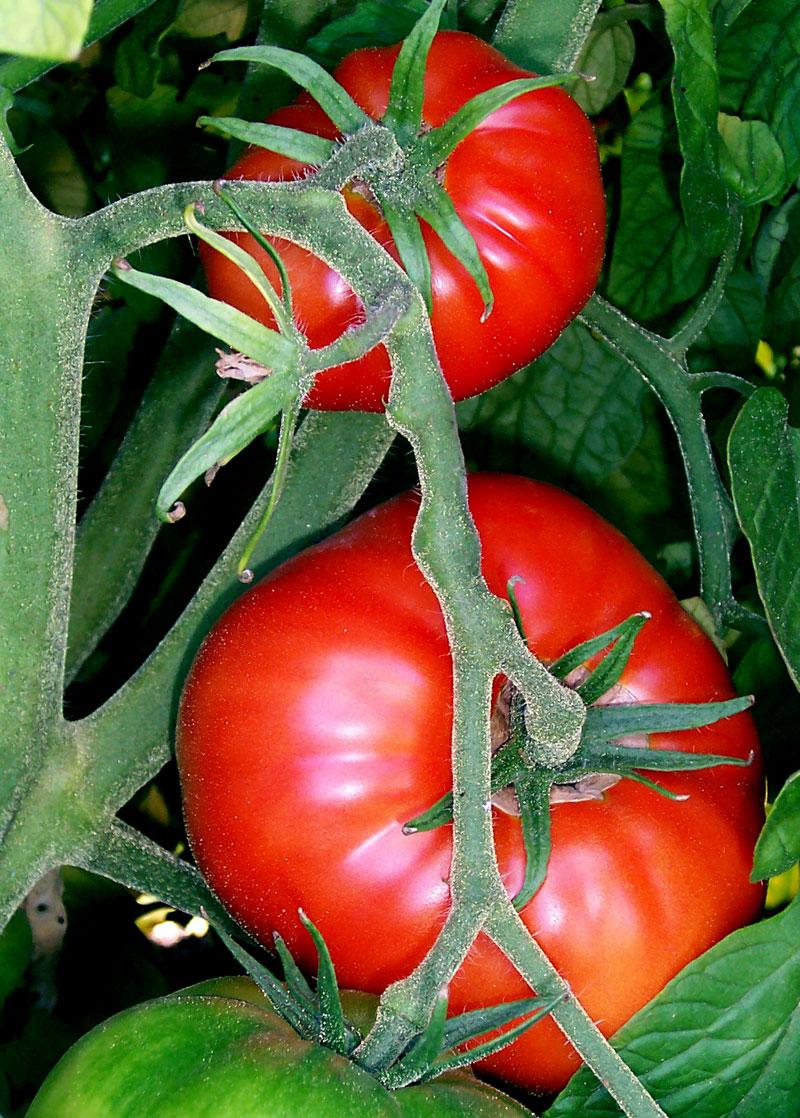
tomatojpg

Taking stock of what is  on the dinner table, I realize it almost all originated on our farm, from start to finish.  This surely doesn’t happen every night but when it does, it is cause to celebrate.  As good as farm raised food is, it is the antithesis of “fast” food; this is very very “slow” food when one considers the long process of getting it to the table.

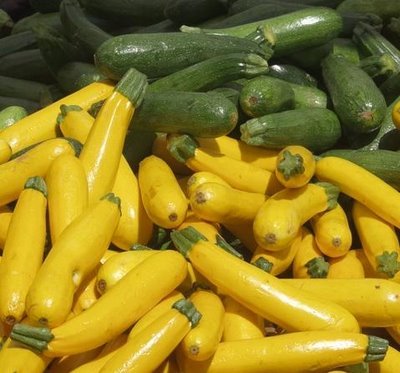
Thanks to our family’s hard work over the years,  we have eaten home raised chicken and beef, potatoes from the potato patch, corn,  tomatoes, zucchini, green beans, brussels sprouts, salad greens and carrots from the garden, applesauce made from the windfalls of a Gravenstein tree, and sweet juicy plums for dessert.  Even the filbert nuts are drying and getting ready to eat for a night time snack along with the sweet dessert grapes from the arbor. The wild blackberries are hanging thick now and begging to be picked for cobbler tomorrow.   It can start sounding all Martha Stewart-y except the reality is far less glamorous and romantic than she portrays in her glossy magazines.  I’m not sure how many chickens she’s butchered and plucked at home.   She doesn’t look like someone who digs into manure piles for the most composted stuff to dress her artichoke plants.  I’ll bet she doesn’t milk her own goats either.   But I know she carves her own pumpkins and they are much more artistic than anything I could ever create from the monstrosities I have growing up the hill.

The “Eat Local” campaign happening all over the country is meant to decrease the distance food must travel to our tables, to prevent spending resources sometimes far greater than what the food took to grow to begin with.  Eating fresh grapes from Chile or apples from New Zealand in the middle of winter is amazing when you really think about it, but they don’t give us nearly the same satisfaction as the raisins and dried fruit we have made from our own arbor and orchard.  Hot house tomatoes from Holland just don’t measure up to the sun dried tomato slices we’ve preserved in the freezer. Our farm critters have not had to leave the farm; they were less stressed and so are we.

Not everyone has the space or climate to raise fruit, vegetables, meat, eggs and milk for their own consumption, so I realize we are truly blessed to steward this patch of earth. Support for the local growers and farmers’ markets brings healthy affordable foods to the table.  Maybe there are a few more blemishes and a little less polish, but the flavor is exquisite and the source is known rather than mysterious.

Celebrate the “slow” food that good farmers are growing right around the corner, and perhaps, in your own backyard.  It is well worth the wait.

The Zucchini Chronicles

n707166118_1790323_6542It started innocently enough in April
With two-leaf seedlings labeled green and golden,
Non-descript squash plants harboring
Hidden potential.

By June the plants crept across the ground with vines
Reaching past the beans to greet the cucumbers,
Going where no vine has gone before
To divide and conquer, leaving no dust untouched.

July buds formed blossoms inviting bees deep
Into yellow-throated pollen pools
Thickening within days to elongated flesh:
Fecundity in action before our eyes.

The finger-like projections at first harvested
Too small, but temptation overwhelms patience;
Sauted, grilled with garlic, superb in
Supreme simplicity.

But come back a day later: hose-like vines
Pumping into each squash, progressively inflated like
Balloon-man balloons to be twisted and transformed
But too plump, too distended, too insatiable.

It’s a race to keep up with the pace of production
Eat some, give them away, leave on doorsteps like abandoned kittens,
In boxes in church lobbies, lunch rooms at work,
Food banks posting signs: “No more zucchini please!”

They march in formation in the garden path
As they are yanked swelling from their umbilical cords
And lined up, stacked, multiplying
Like the brooms of the “Sorcerer’s Apprentice”.

Then tossed on to the compost pile, a fresh foundation,
In a scant few months of warm decomposition,
In dead of winter, amidst steam arising,
A seedling, innocent enough, pokes through exploding with potential~

Run for your lives!

Where’s the Party?

gnomeparty

Fireworks on our farm's hill taken by Nate Gibson

I  remember childhood summers as 3 months of full-out celebration– long lazy days stretching into nights that didn’t seem to really darken until 11 PM and bright birdsong mornings starting out at 4:30 AM.  Not only were there the brief family vacations at the beach or to visit cousins, but there was the Fourth of July, Daily Vacation Bible School, the county fair, family reunions, and of course and most importantly, my July birthday.  Yes, there were mundane chores to be done, a garden to tend, a barn to clean, berries to pick,  a lawn to mow and all that stuff, but my memories of summer are mostly about fluff and frolic.

So where are the summer parties now?  Who is out there celebrating without me?  Nothing seems to be spontaneous as it was when I was a child. Instead there is still the routine of going to work most days in the summer.

I’m finding myself in the midst of my 55th summer and I have to create celebrations if they are going to happen in my life.  Without that perspective, the bird song at 4:30 AM can feel more irritant than blessing and the long days often mean I fall asleep nodding over a book at 9 PM.  I want to treasure every, every minute of this precious time yet they flow through my fingers like so much water, faster and faster.

I realize there will be few “family” summers left as I watch my children grow into adults and spread their wings.  They may be on to their next adventure in future summers.  So each family ritual and experience together takes on special meaning and needs to be appreciated and remembered.

So….for this summer my family has crammed as much in as we can in celebration of the season:

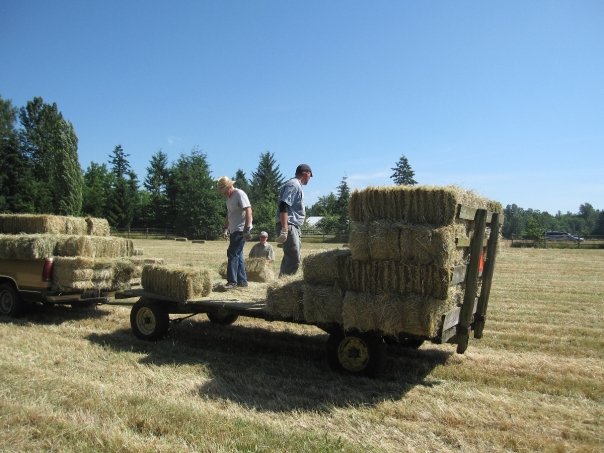
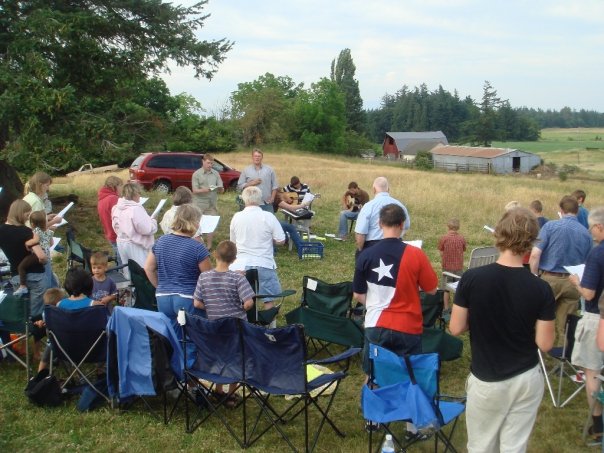
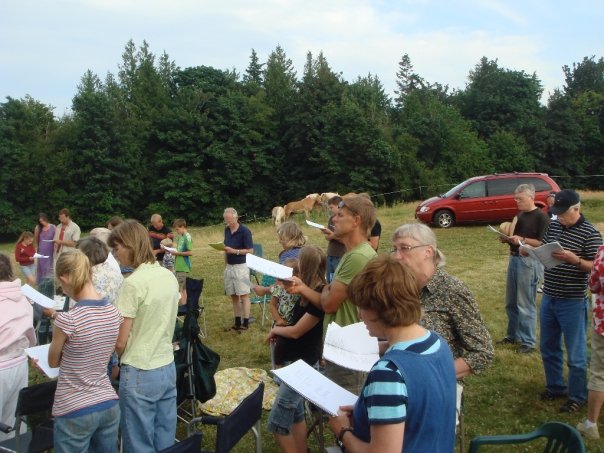
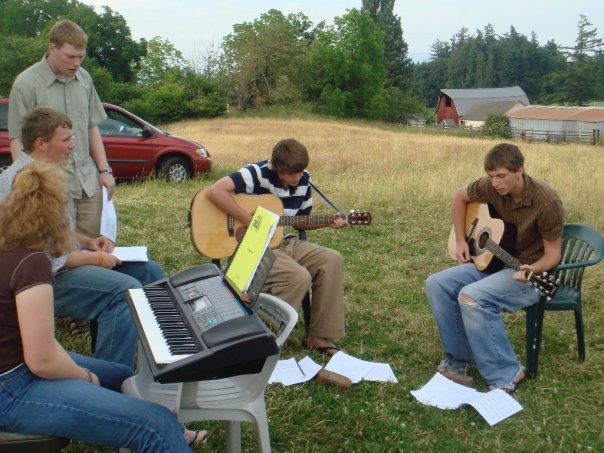
We just spent some time in the hayfields bringing in the bales with friends–our little crew of seven–sweating and itchy and exhausted, but the sight and smell of several hundred hay bales, grown on our own land, harvested without being rained on and piled in the barn is sweet indeed.   Weekly we are out on the softball field in church league,  yelling encouragement and high-fiving each other, hooting at the good hits and the bad, the great catches and the near misses, and getting dirty and sprained, and as happy to lose as to win.  We had a wonderful July 4 barbeque with good friends culminating in the fireworks show on our farm’s hill overlooking miles of valley around us, appreciating everyone else’s backyard displays as well as our own.  We are now able to sing hymns in church in four part harmony, and last night our children helped lead the singing last night in an evening “campfire church” for over fifty fellow worshipers on our hill.  In a couple weeks, we’ll take to the beach for three days of playing in the sand, roasting hot dogs. reading good books, and playing board games.  We’ll try to make the trek down to Seattle by train to spend the day watching the Mariners play (and likely lose). One change this year is we won’t be returning back to the Lynden fair with our horses–due to “off the farm” work and school schedules, we couldn’t muster the necessary round-the-clock crew after seventeen years of being there to display our little part of small town agricultural pursuits.

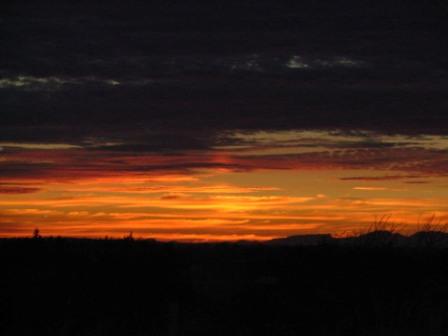
Yet the real party happens right here every day in small ways without any special planning.  It doesn’t require money or special food or traveling beyond our own soil.  It is the smiles and good laughs we share together, and the hugs for kids taller than I am. It’s adult conversations with the new adults in our family–no longer adolescents.  It’s finding delight in fresh cherries from our own trees, currants and berries from our own bushes, greens from the garden, flowers for the table from the yard.  It is the Haflingers in the field that come right up to us to enjoy rubs and scratches and follow us like puppies. It is babysitting for toddlers who remind us of the old days of having small children, and who give us a glimpse of future grandparenthood.  It is good friends coming from far away to ride our horses and learn farm skills. It is an early morning walk in the woods or a late evening stroll over the hills. It is daily contact with aging parents who no longer hear well or feel well but nevertheless share of themselves in the ways they are able.  It is the awesome power of an evening sunset filled with hope and the calming promise of a new day somewhere else in this world of ours.

Some days may not look or feel like there’s a party happening, but that is only because I haven’t searched hard enough.  The party is here, sparklers and all, even if only in my own mind.

6651_512624400914_148300158_30510731_6701452_n

5260_1191428224258_1184942921_564392_5453600_n

5260_1191428264259_1184942921_564393_5982503_n

Campfire church photos by Bette VanderHaak

sunsett