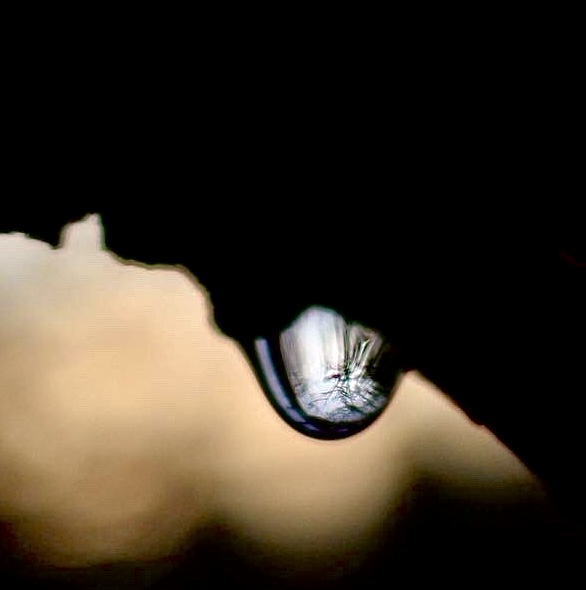
When we have died,
and arms long empty of our memories,
reach to know love’s pure and sacred touch,
and to embrace a long sought, long anticipated place…
when we have gone the way of all the earth,
and pain and sorrow are no more, not seen or heard or found,
no more the discontent of place or time or any lesser haste,
but only One whose love transcends our harsh and wearied days,
when we have died and gone and fallen fast asleep,
and found the settled light and our so much a sweeter sacral rest,
forever held in caring arms, yes,
held now everlasting in a wonder of it all,
then we have not gone down empty, we have not died alone.
~Henry Lewis from “When”
This event happened in 1975 while I was an undergraduate student researcher in Tanzania, East Africa, working alongside other researchers assisting Dr. Jane Goodall in her study of wild chimpanzees and baboons.
Several metal buildings were scattered along the shore at Gombe National Park, having been built over the years since Jane Goodall and her mother Vanne arrived on a bare beach in 1960. From the very beginning, one of the most powerful connections between these two British women and the Tanzanian villagers who lived up and down Lake Tanganyika was their provision of basic medical supplies and services when needed. Initially, under the cover of the camp tents, they tended to wounds, provided a few medications, and assisted whenever they were needed for help.
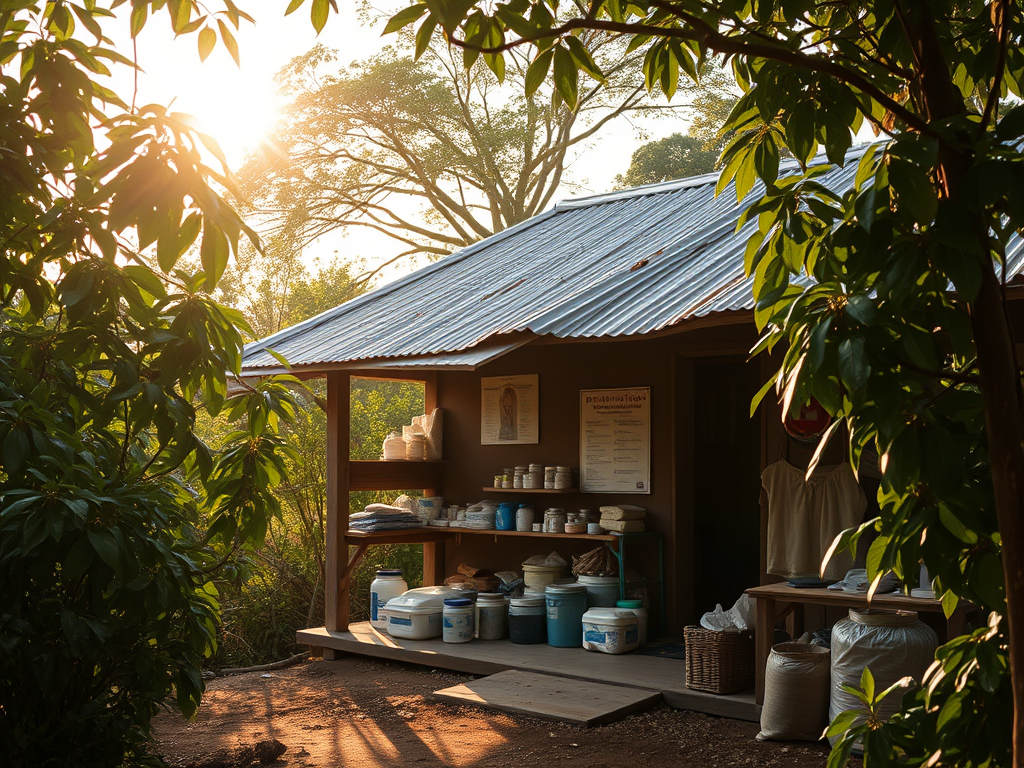
Later, an actual dispensary was built as part of the park buildings, with storage for first aid supplies and medications, many of which were traditional Chinese medications, in little boxes with Chinese characters, and no translation. All we had was a sheet of paper explaining if a medication was to be used for headaches, fevers, bleeding problems or infections.
There were “open” times in the dispensary and each of the research assistants took turns to see villagers as they came by to be seen for medical issues. We saw injuries that had never healed properly, some people with permanently crippled limbs, centipede bites that swelled legs, babies who were malnourished, malarial fevers.
It felt like so little to offer. None of us had medical training beyond first aid and CPR, but what small service we could provide was met with incredible gratitude.
So it wasn’t a surprise when a villager arrived one afternoon, running and out of breath, asking that we come right away to help. There had been a terrible accident up the beach when a water taxi engine exploded while transporting two dozen villagers, along with their provisions, including goats and chickens. As people rushed to get away from the engine fire, the roofed boat overturned, with everyone trapped among the boxes, unable to escape.
Even more tragic, Tanzanians were never taught to swim, so no one on shore could help in the rescue effort.
We dropped everything and six of us ran up the beach for a mile, and could see an overturned water taxi just off shore. The best swimmers went out and started searching for people who had been too long in the deep water. They began to pull the bloated bodies to shore, one by one, the lake water pouring from lifeless mouths and noses. All we could do was line them up side by side on the beach, trying to keep the biting flies from covering them, trying to make sense of what was so senseless. There were eight children of various ages, including two small babies, several older women, one pregnant woman, the rest men of all ages–twenty four souls in all, not a single survivor.
As a nurses’ aide, I had cared for the dying and helped to bathe their bodies after death, but I had never before seen so much death at once, and never a dead child.
Before long, relatives started arriving, their grief-stricken wails of loss filling the air on this remote African lakeshore. Husbands and wives wept, keening over a spouse. Children crouched, in shock, by a dead parent. Grandmothers clutched their dead children and grandchildren and would not let go.
We had saved no one. We had no power to bring them back to life.
We could only bear witness to the loss and grief with deep compassion for our neighbors who had come to depend on us to help. It became even clearer to me, in a way I had never understood before, how deep our need is for the mercy of God who is our only comfort when terrible things happen.
I have not forgotten those who were lost to the world that day fifty years ago. Still, all these years later, when I see photos of senseless violence and death, whether war or other disasters, I grieve for them anew with fresh tears, all over again.
Psalm 51:
Have mercy, O God…
according to your great compassion…
Make a one-time or recurring donation to support daily Barnstorming posts
Make a monthly donation
Make a yearly donation
Choose an amount
Or enter a custom amount
Your contribution is deeply appreciated.
Your contribution is appreciated.
Your contribution is appreciated.
DonateDonate monthlyDonate yearly Barnstorming