A Century From Now

I’m sorry I won’t be around a hundred years from now.
I’d like to see how it all turns out.
What language most of you are speaking.
What country is swaggering across the globe.

I’m curious to know if your medicines cure what ails us now.
And how intelligent your children are
as they parachute down through the womb.
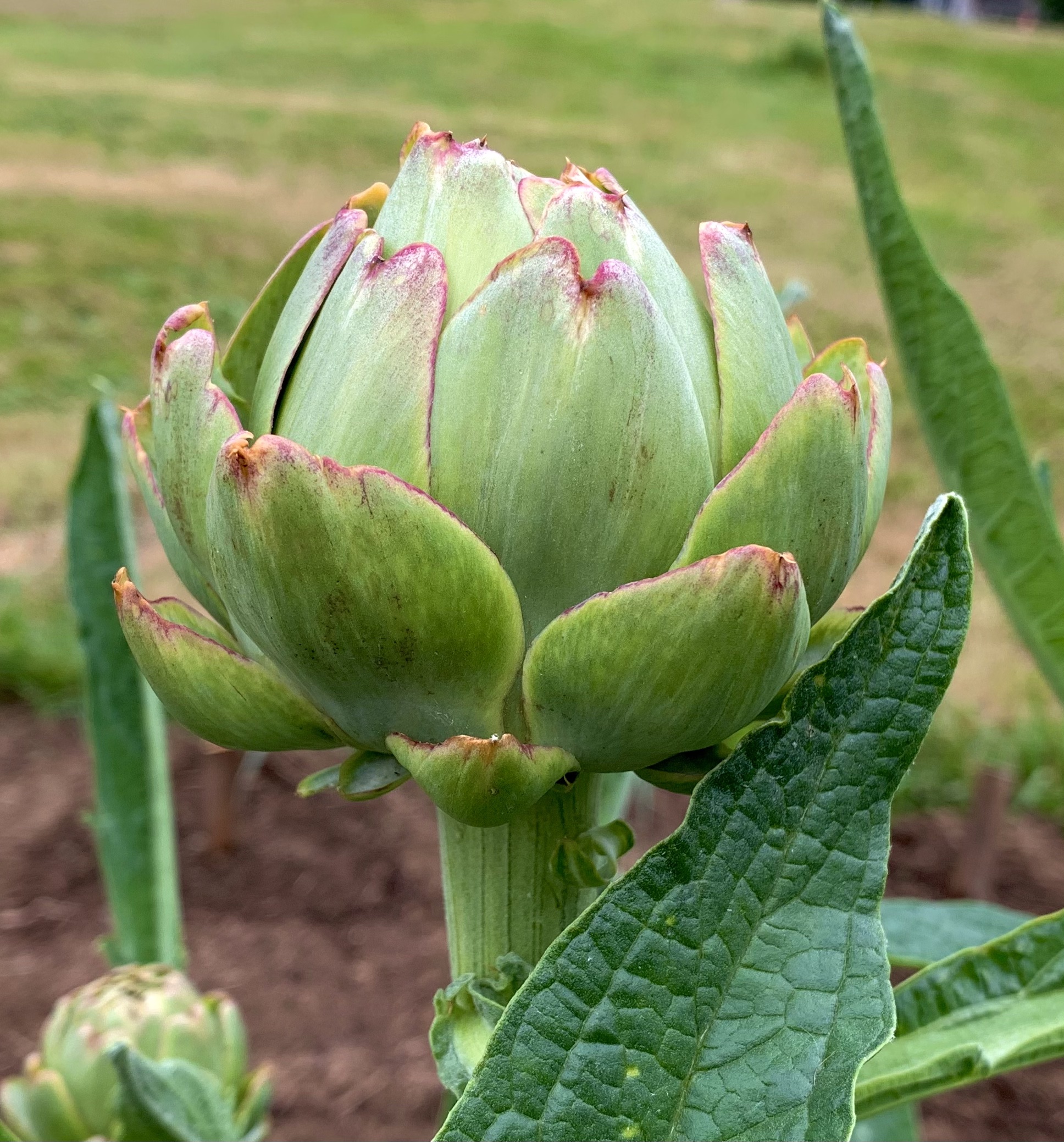
Have you invented new vegetables?
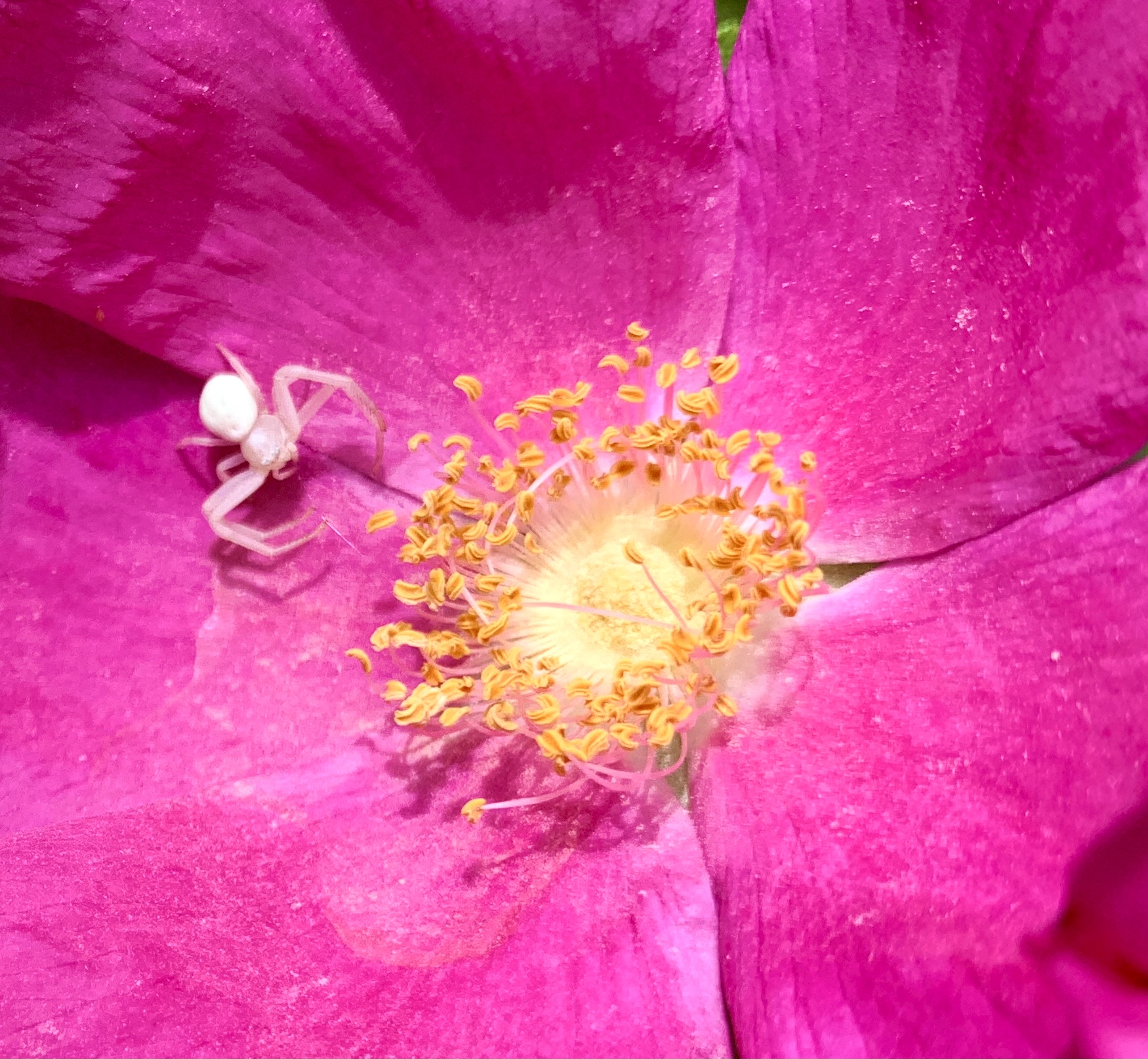
Have you trained spiders to do your bidding?
Have baseball and opera merged into one melodic sport?
A hundred years….

My grandfather lived almost that long.
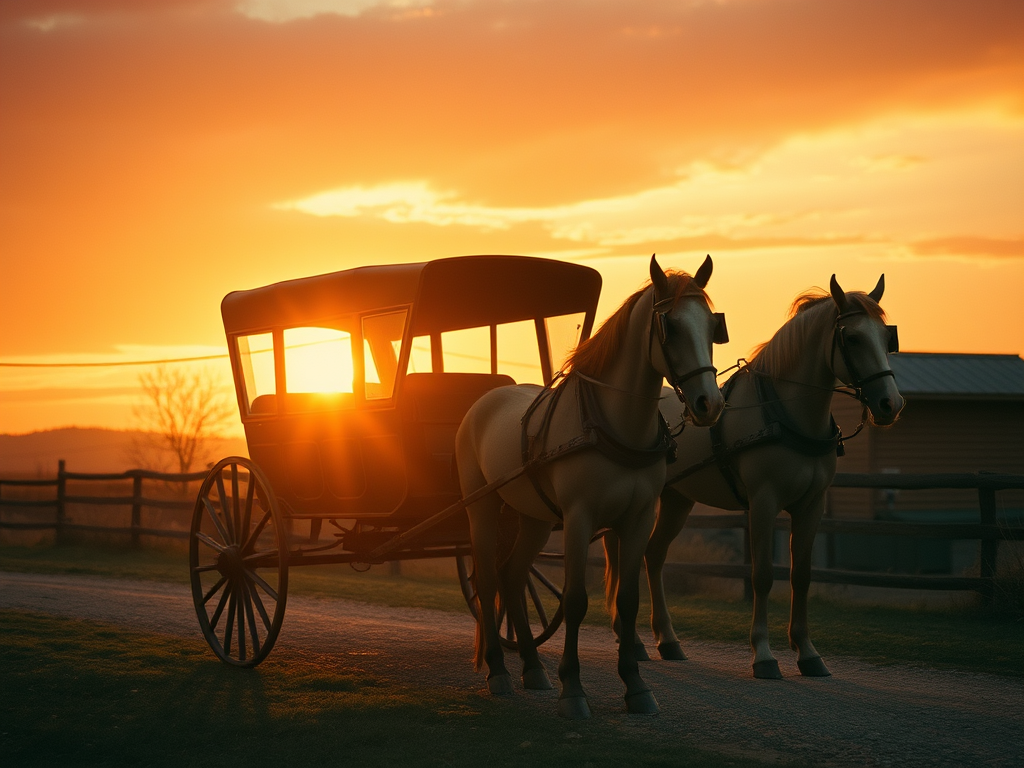
The doctor who came to the farmhouse to deliver him arrived in a
horse-drawn carriage.

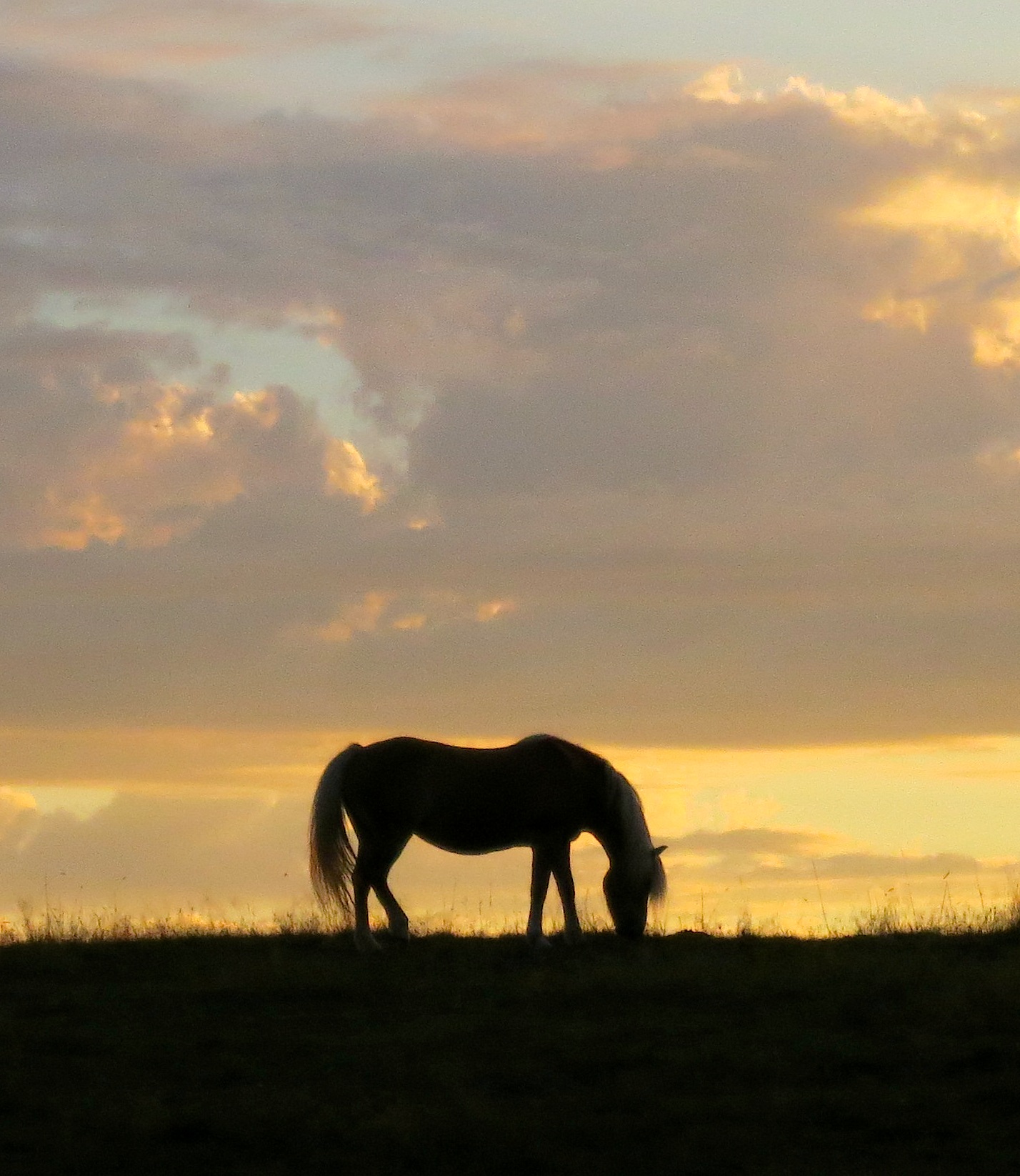
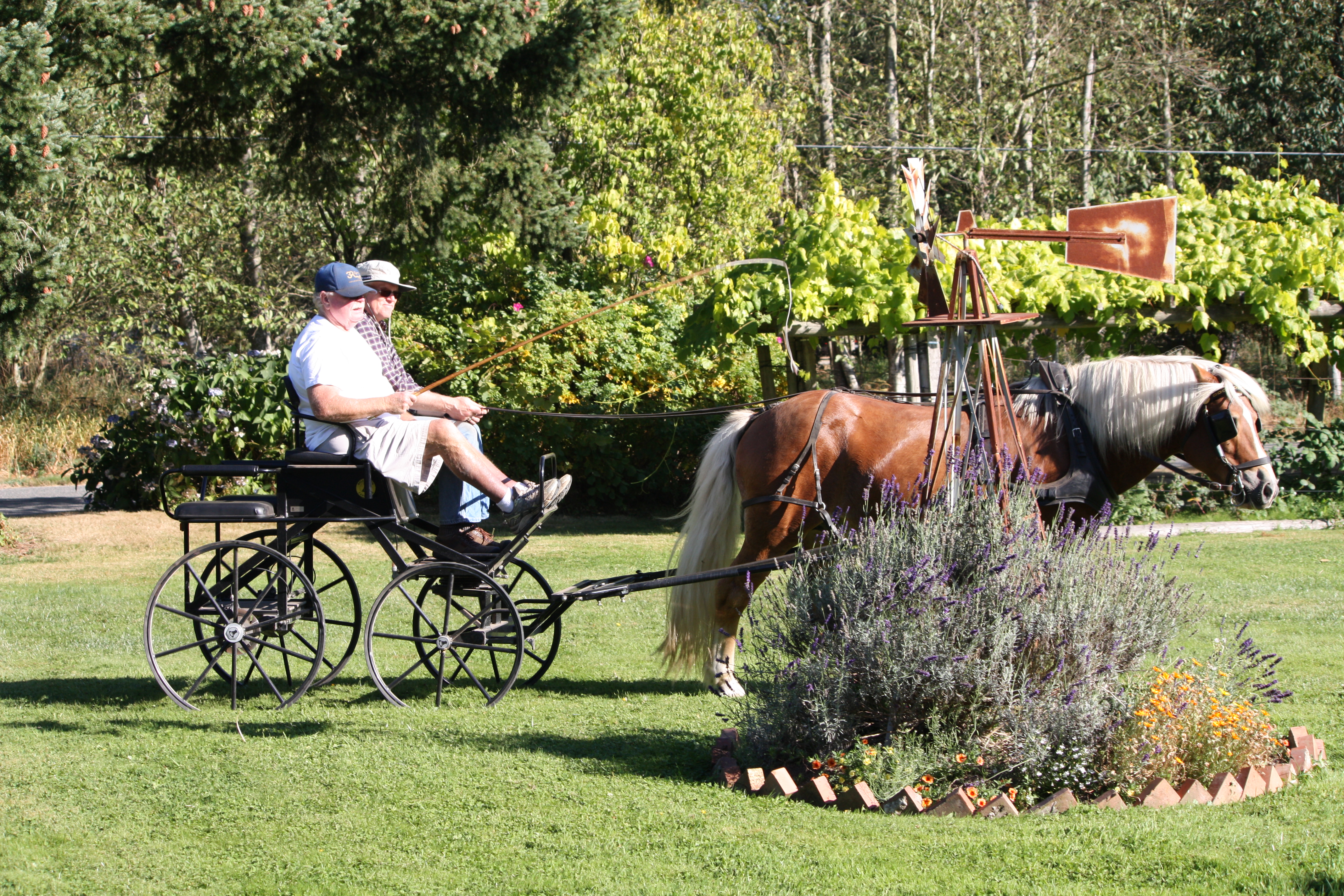
Do you still have horses?
~David Shumate “A Hundred Years from Now” from Kimonos in the Closet
When the local obituary notices lists someone who had lived nearly a century, I stop to think what societal changes have taken place over those 100 years.

Over the past century, our melting pot country has absorbed a panoply of languages and nationalities, in addition to being the source of plenty of political swagger.

There have been many new medical discoveries and public health measures resulting in longer life expectancy and lower child mortality rates, despite what our swaggering politicos currently say.

Although neither of my parents lived past 90 years of age, when they were born in the early 1920s, rural transportation was primarily horse and buggy, most babies were born at home, antibiotics had not been developed and only smallpox vaccination was routinely administered to children.

Everyone wrote postcards or letters to one another to stay in touch, and photographs were done by professionals.

The moon had not been visited, the web was something your face ran into on a foggy morning, and nuclear referred to a center of a cell.

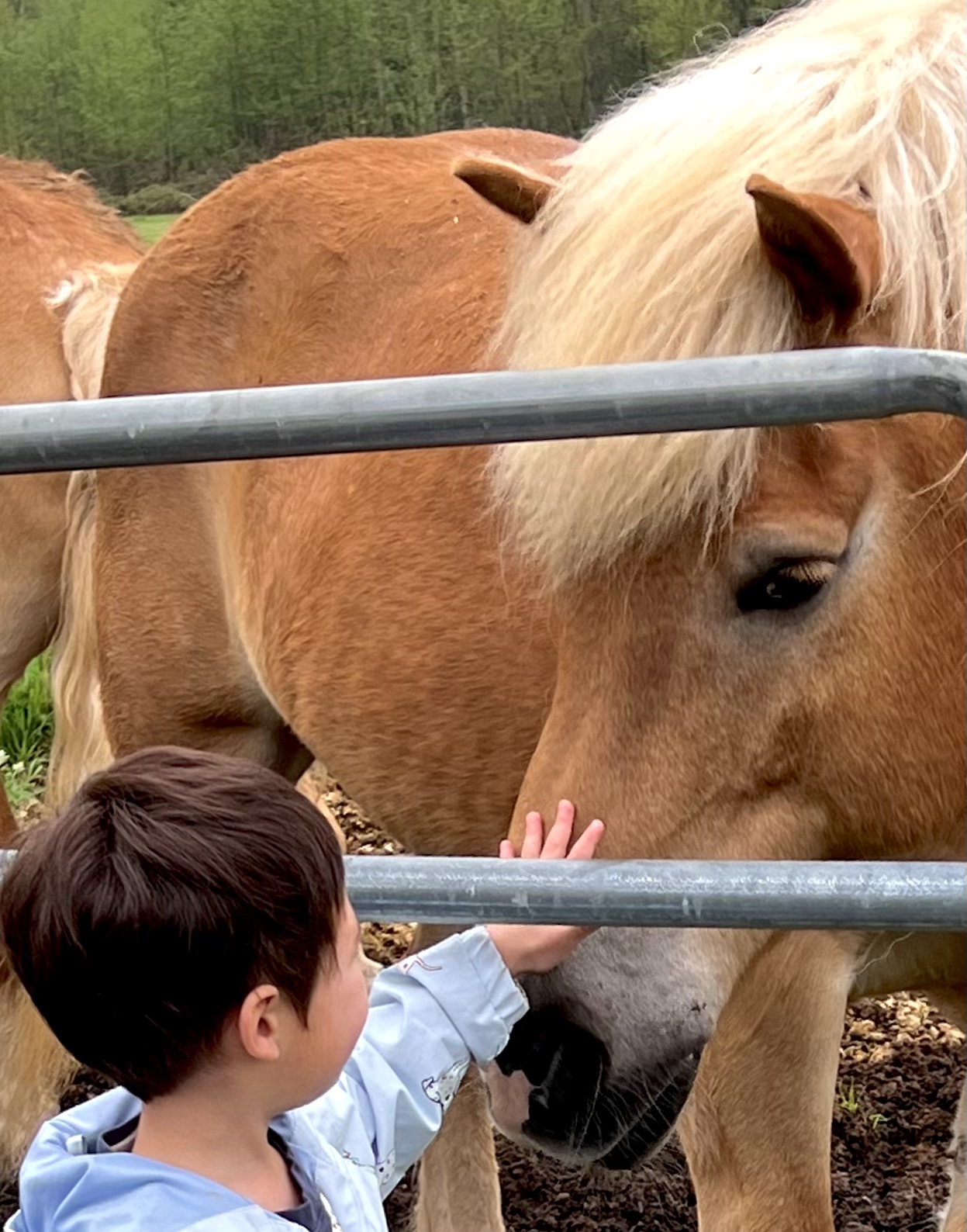
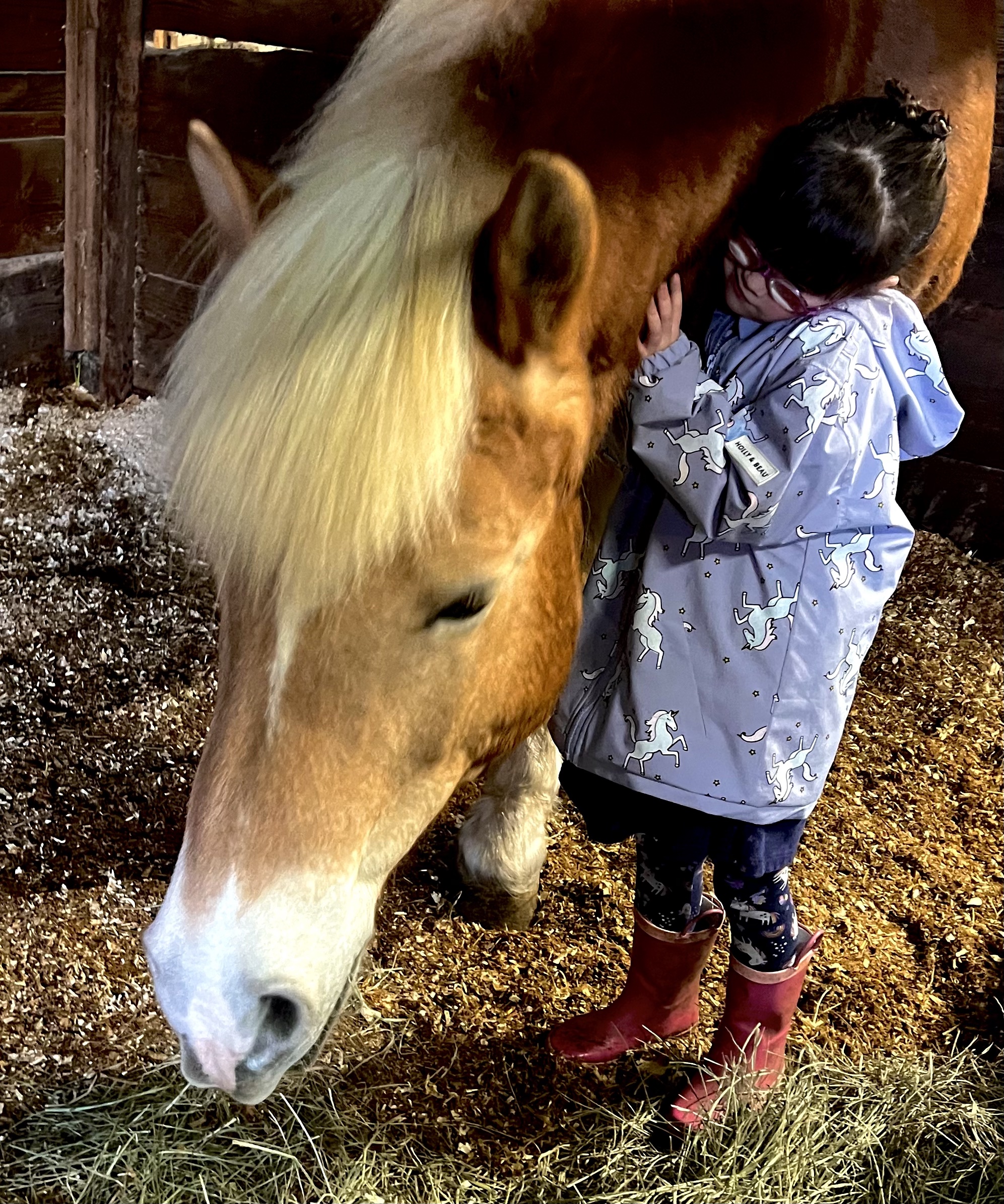
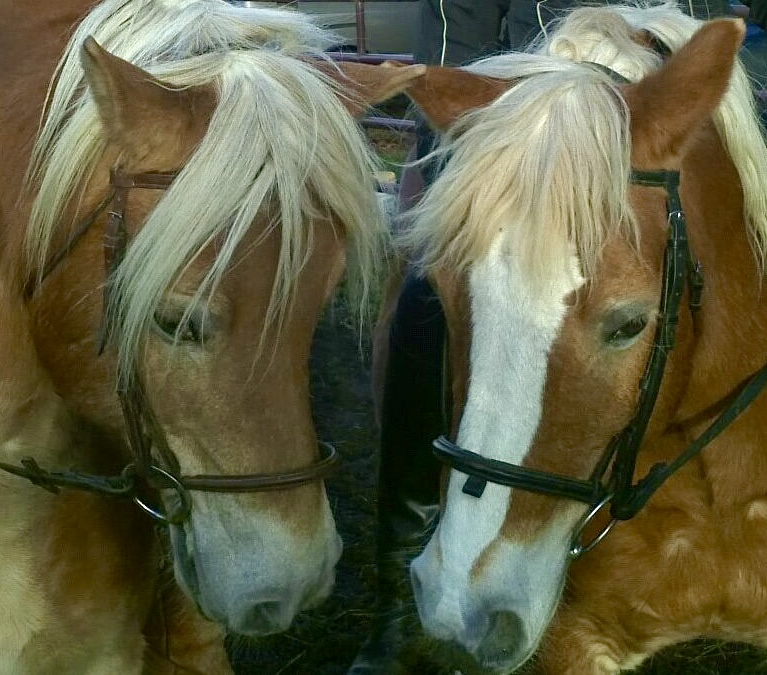
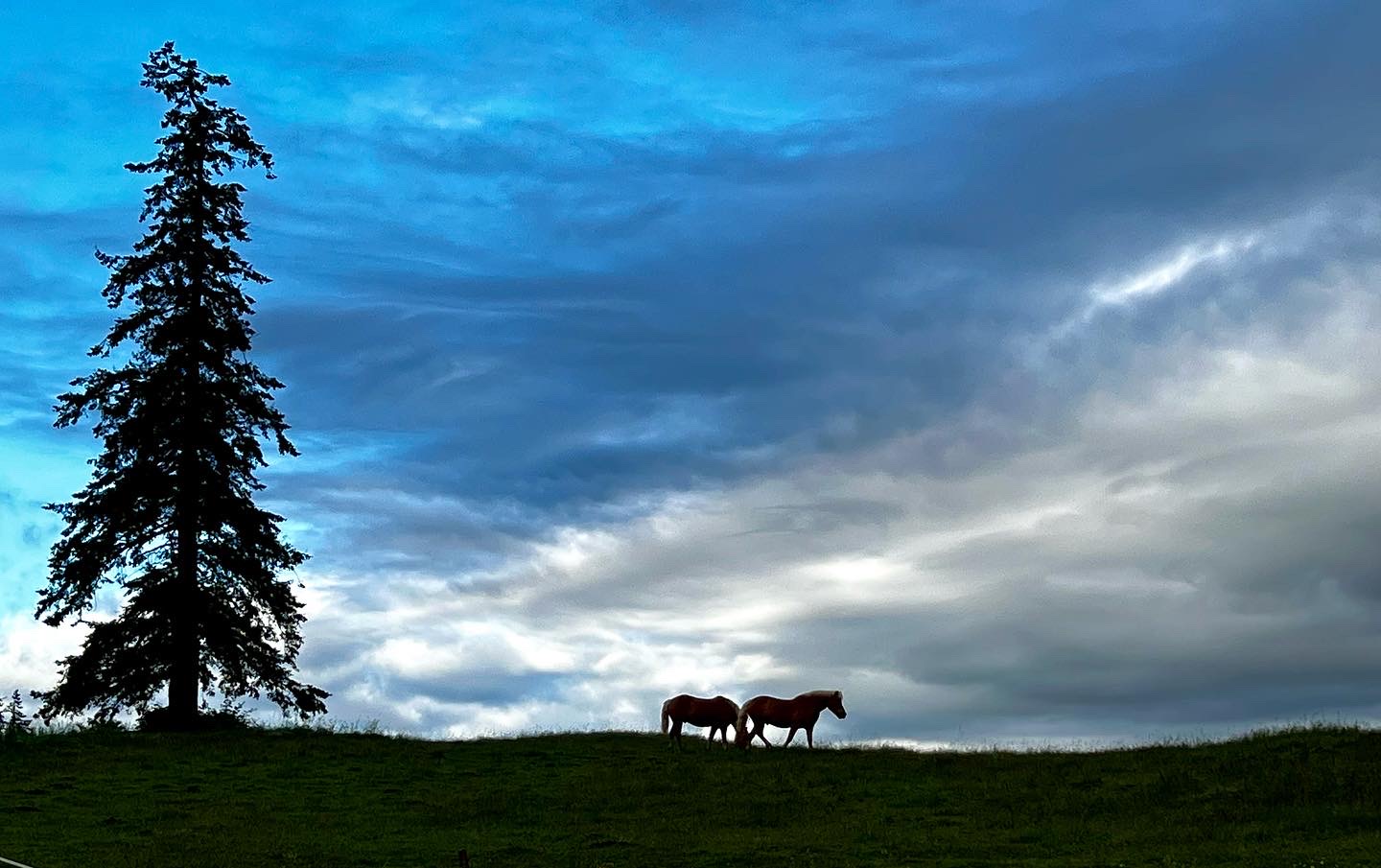
Oh, and yes, we still have horses.

Not many horses still labor on behalf of humans as they did on a daily basis 100 years ago. Ours have a pretty sweet life here on our farm, living well into their thirties – a century in horse years.

Thinking ahead to a century from now?
So much more will happen that we can’t begin to imagine.

But I hope there will always be horses…
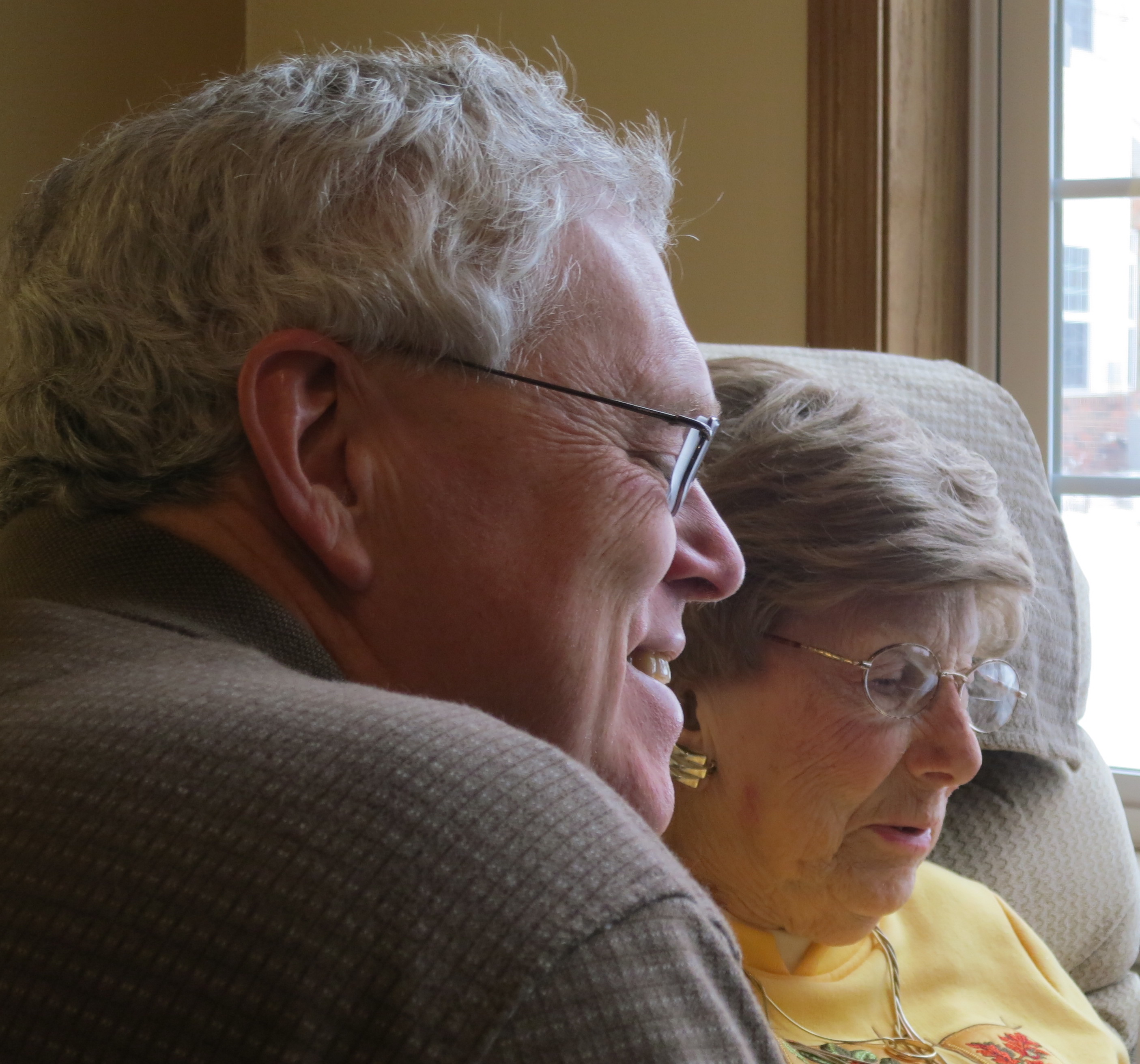
Aunt Lois, nearly 100
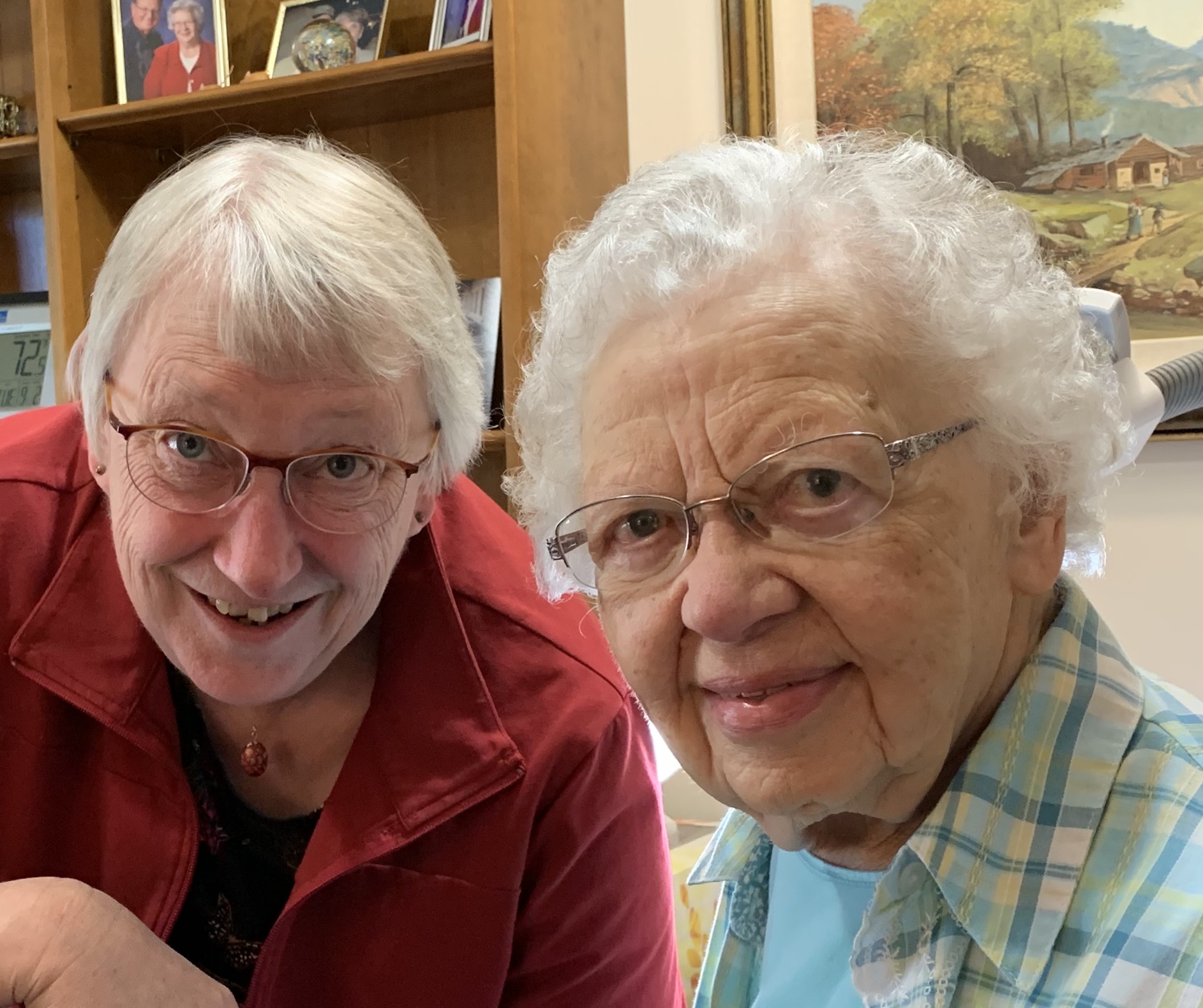
Aunt Betty, age 99
Great Grandma Elna, age 88
Great Grandpa Harry holding baby Emerson, photo by mama Abby Mobley
Great Grandma Emma, granddaughter Andrea, great-grandson Zealand
my paternal grandparents in the early 1910s
AI image created for this post
One-Time
Monthly
Yearly

Make a one-time or recurring donation to support daily Barnstorming posts

Make a monthly donation

Make a yearly donation

Choose an amount

$10.00
$25.00
$50.00
$5.00
$15.00
$100.00
$5.00
$15.00
$100.00

Or enter a custom amount

$

Your contribution is deeply appreciated.

Your contribution is appreciated.

Your contribution is appreciated.

DonateDonate monthlyDonate yearly
A Girl from the Palouse

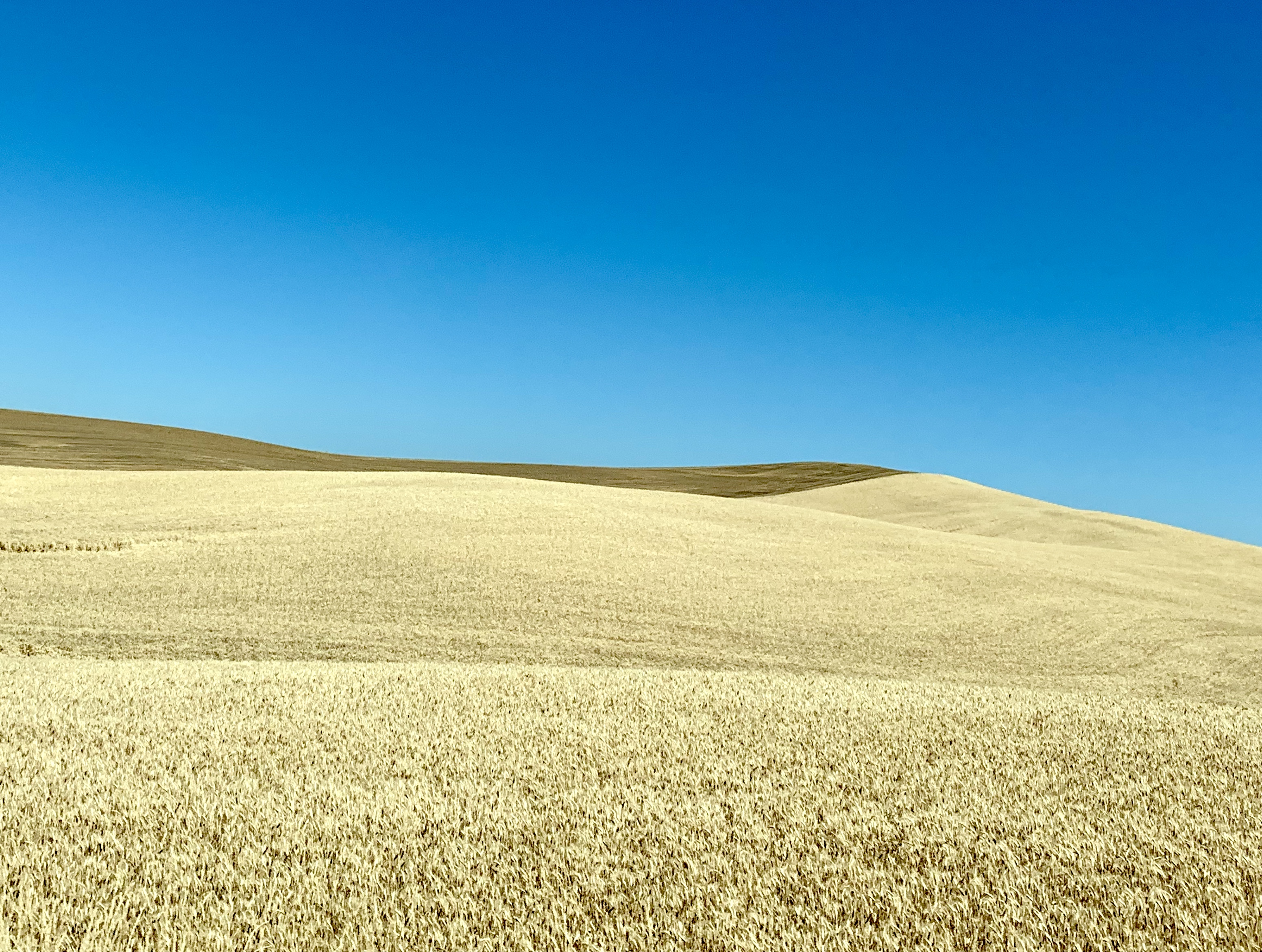
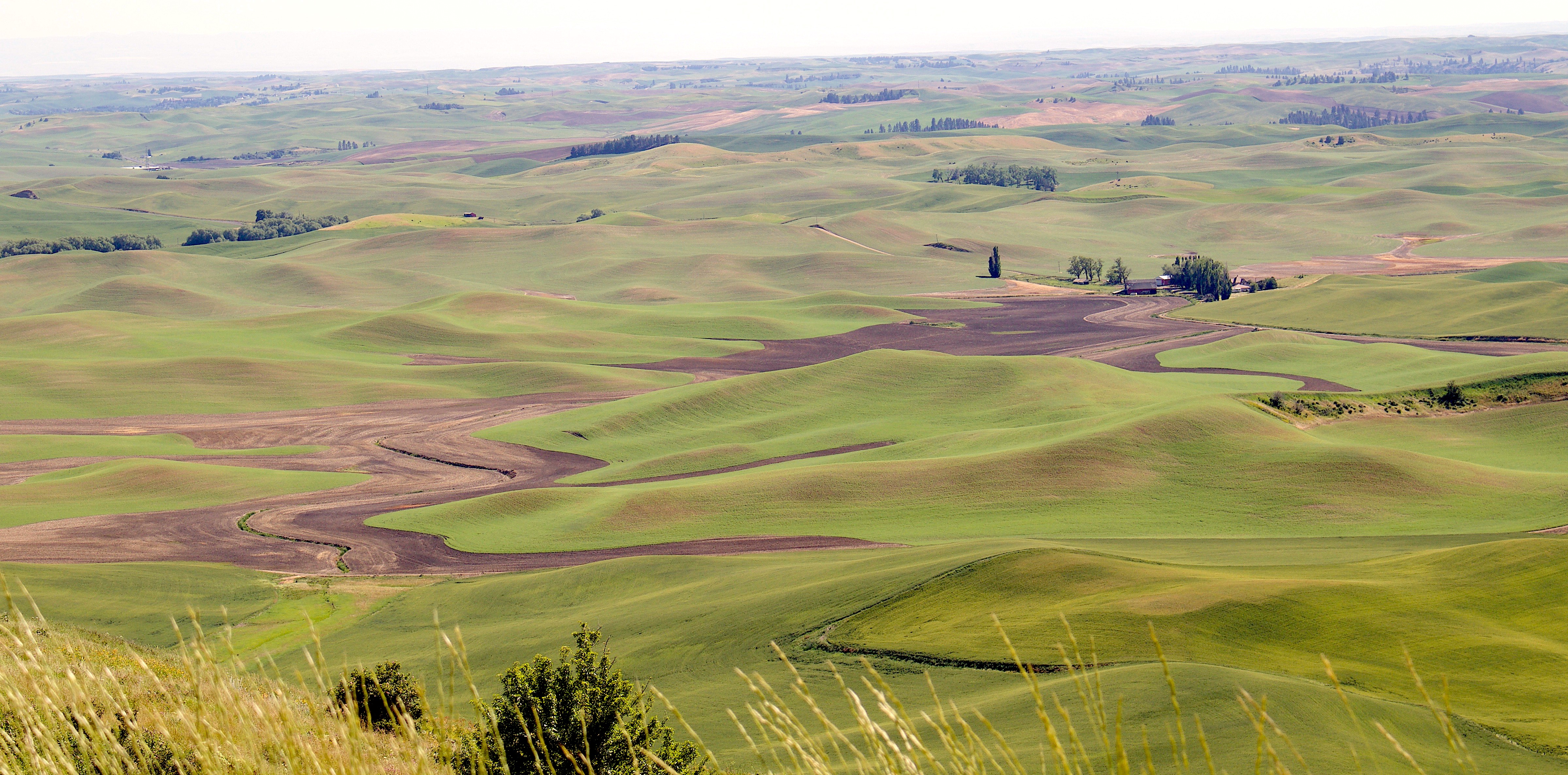
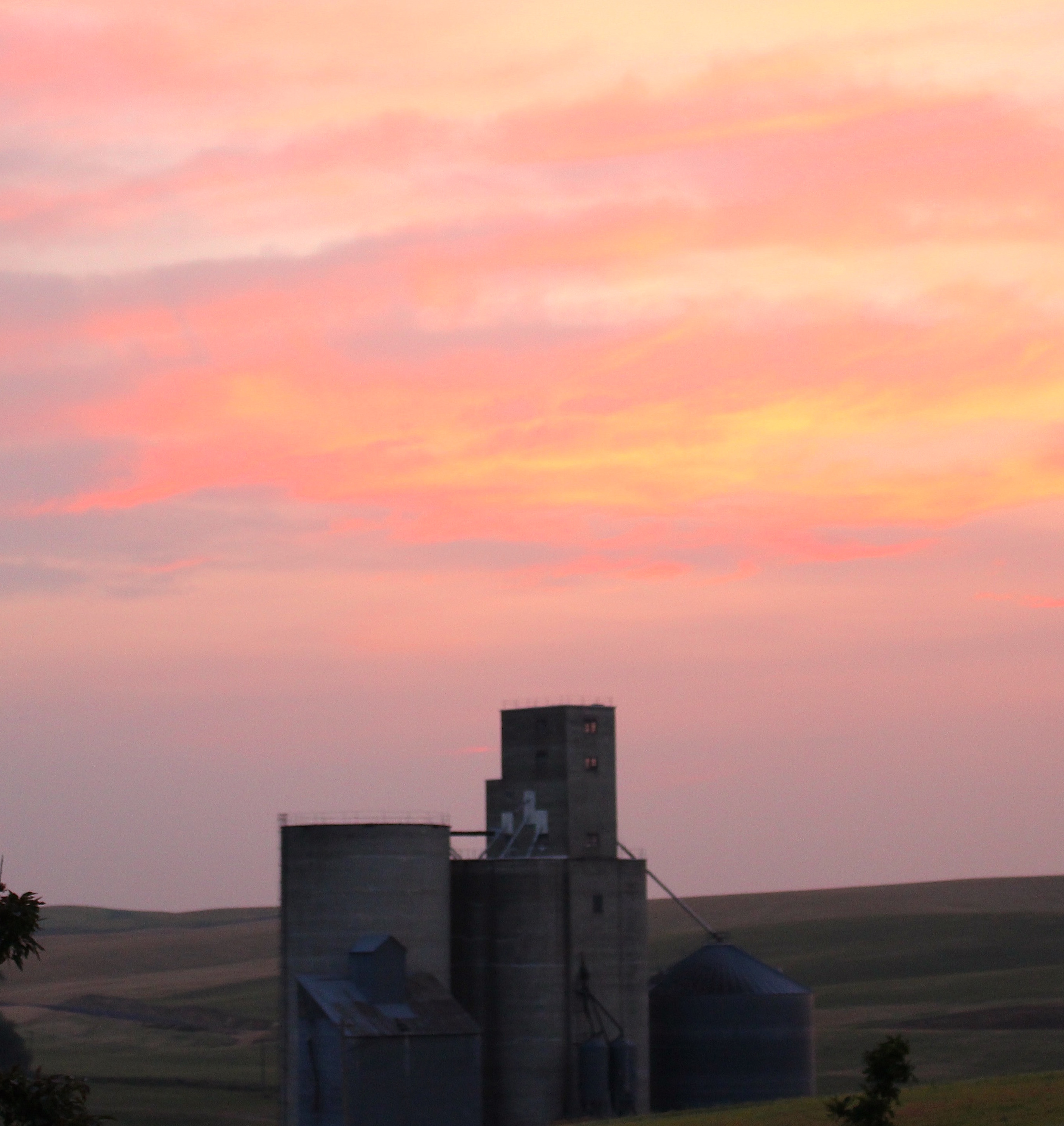
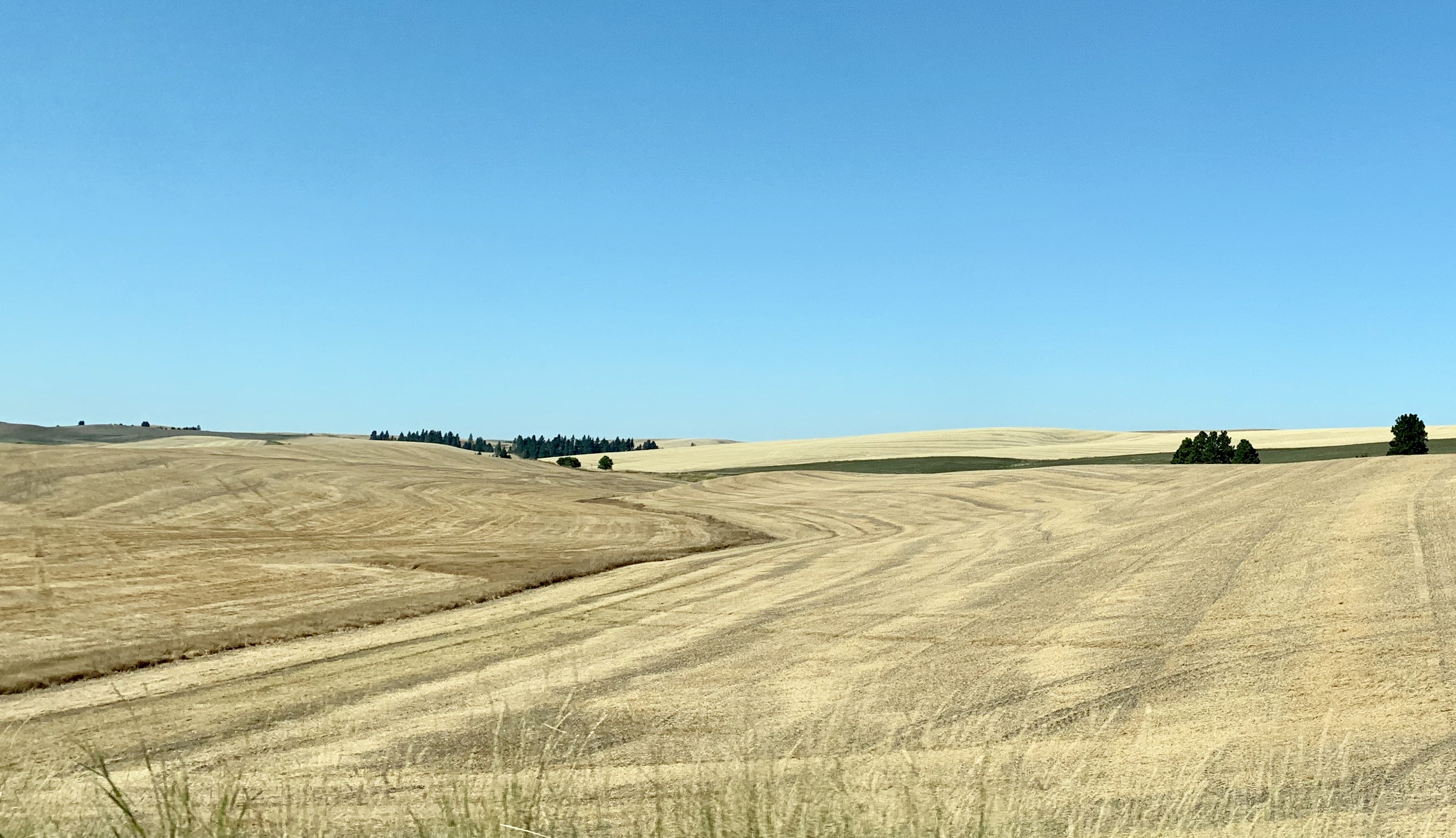
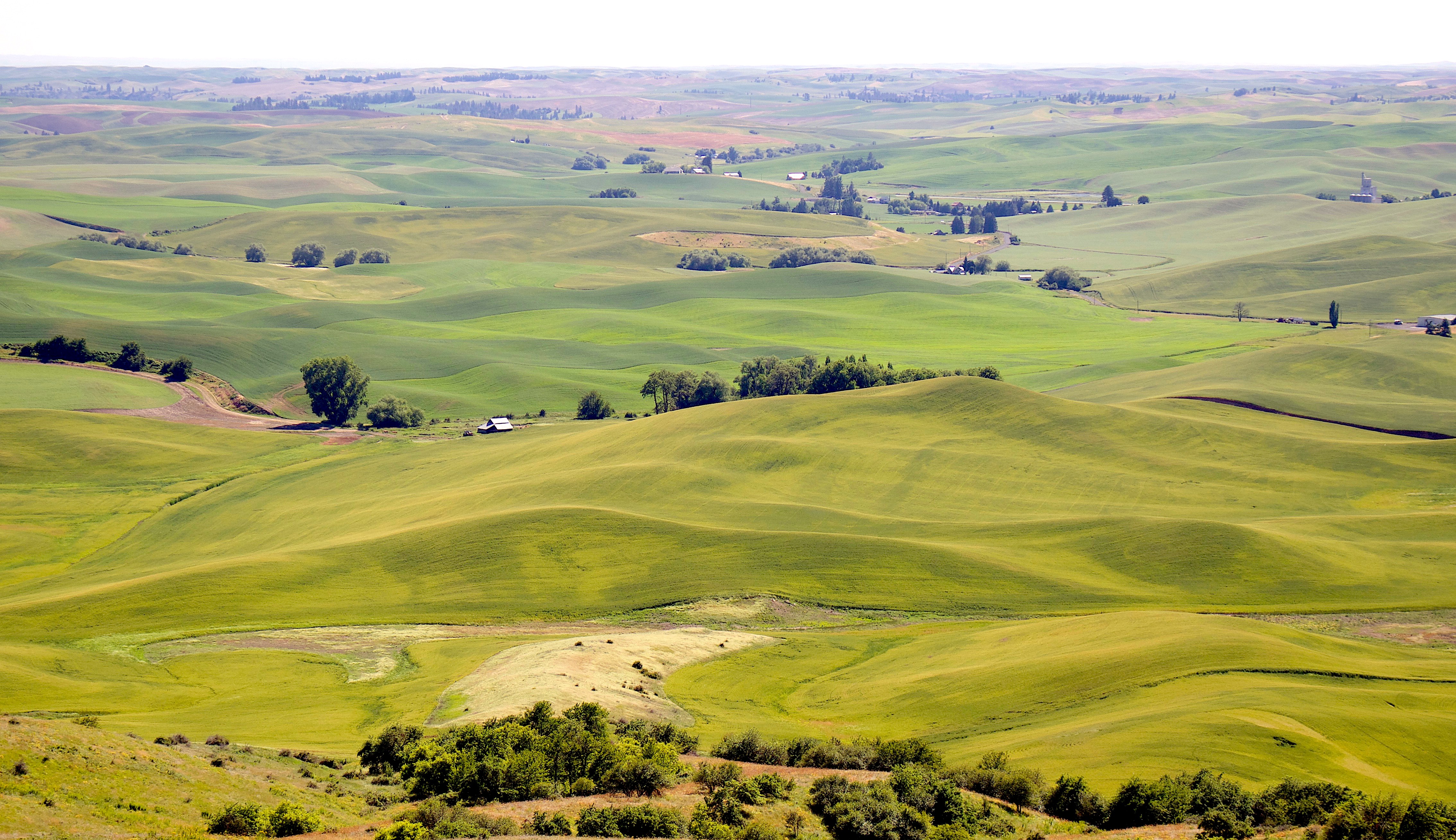
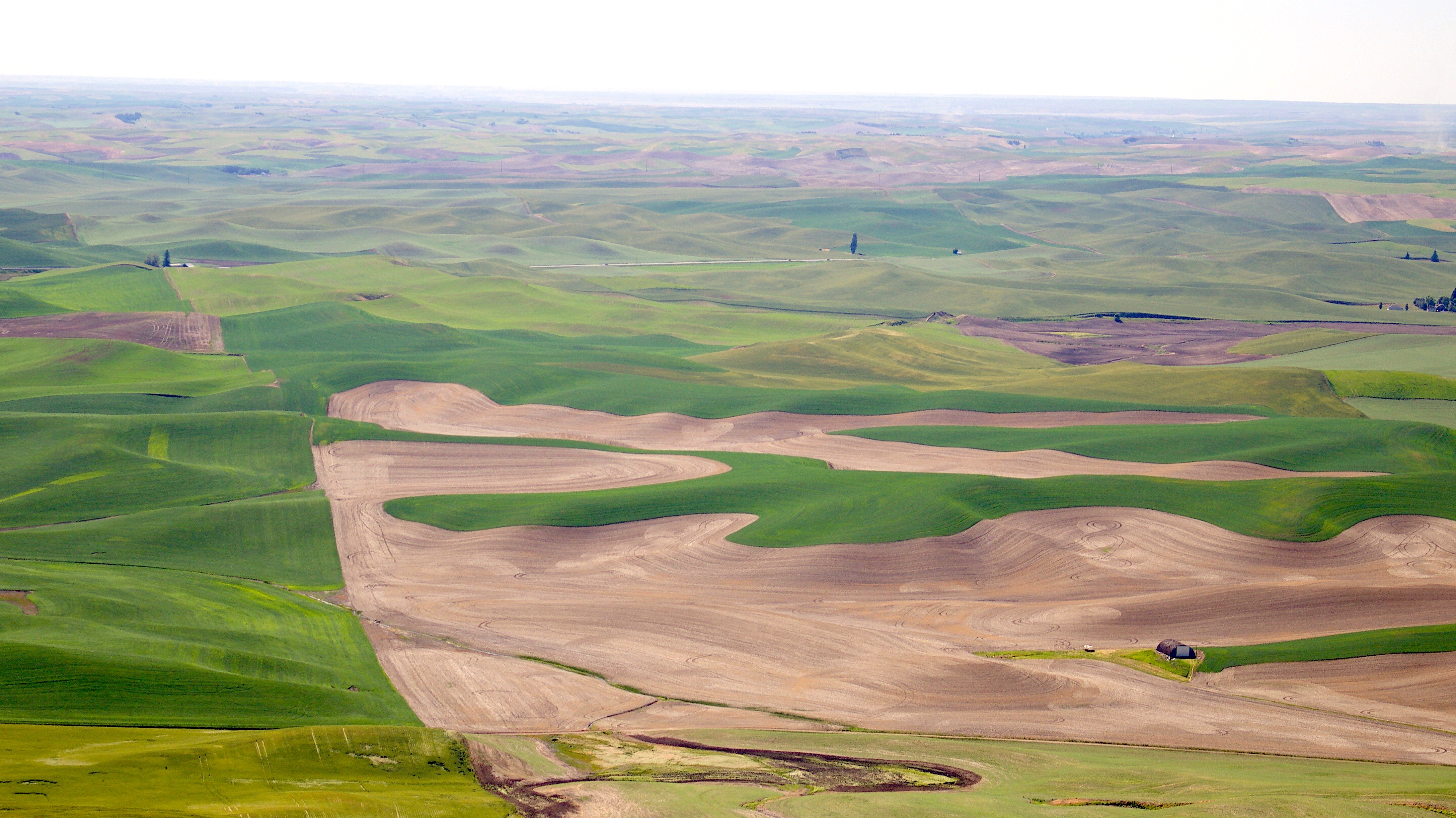
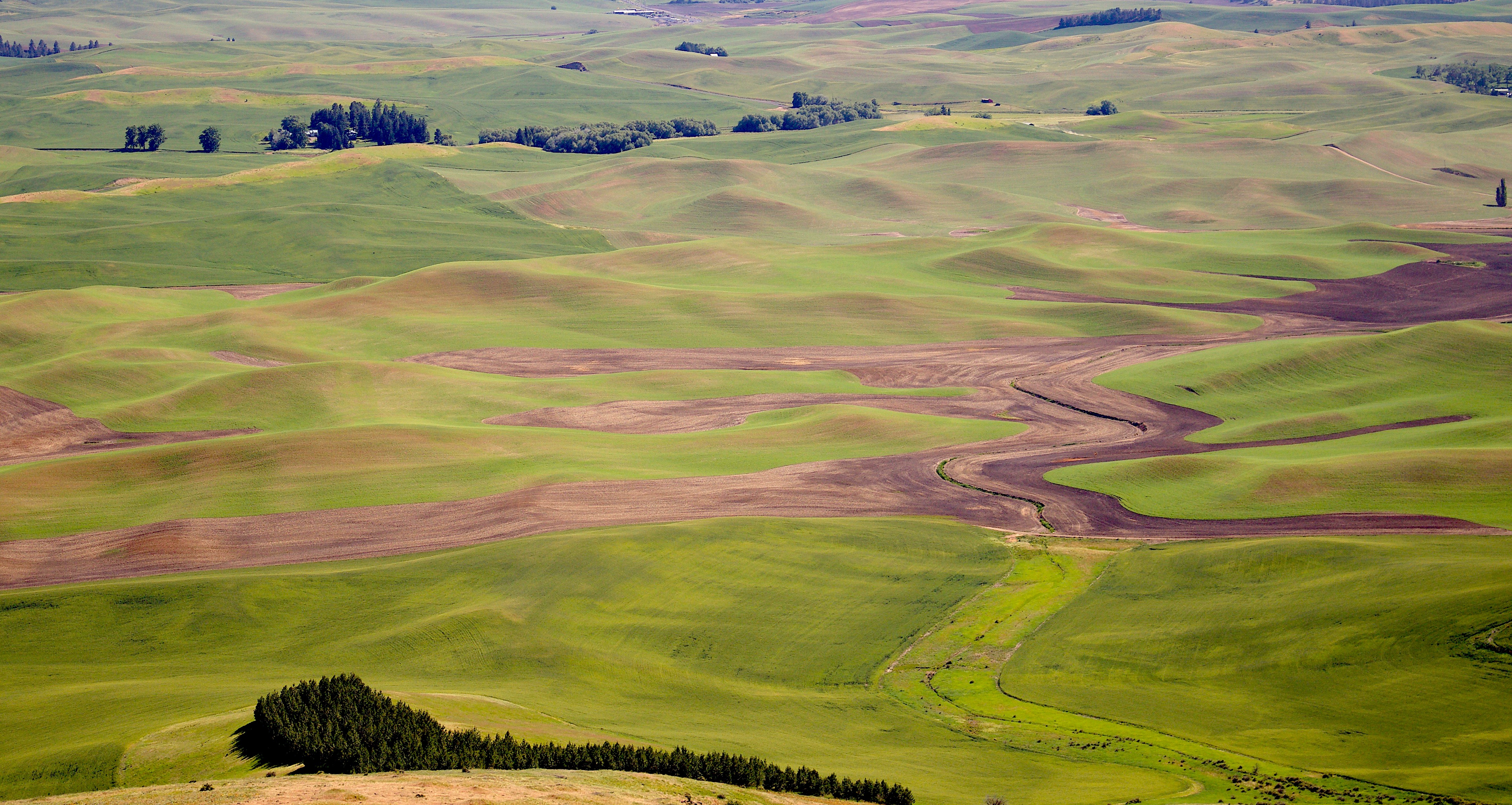
My mother, Elna Schmitz Polis, was born 101 years ago today in the lonely isolation of a Palouse wheat and lentil farm in eastern Washington. She drew her first breath in a two story white house located down a long poplar-lined lane and nestled in a draw between the undulating hills.

She attended a one room school house until 8th grade, located a mile away in the rural countryside, then moved in with her grandmother “in town” in Rosalia to attend high school, seeing her parents only a couple times a month.

It was a childhood which accustomed her to solitude and creative play inside her mind and heart – her only sibling, an older brother, was busy helping their father on the farm. All her life and especially in her later years, she would prefer the quiet of her own thoughts over the bustle of a room full of activities and conversation.

Her childhood was filled with exploration of the rolling hills, the barns and buildings where her father built and repaired farm equipment, and the chilly cellar where the fresh eggs were stored after she reached under cranky hens to gather them. She sat in the cool breeze of the picketed yard, watching the huge windmill turn and creak next to the house. She helped her weary mother feed farm crews who came for harvest time and then settled in the screened porch listening to the adults talk about lentil prices and bushel production. She woke to the mourning dove call in the mornings and heard the coyote yips and howls at night.

She nearly died at the age of 13 from a ruptured appendix, before antibiotics were an option. That near-miss seemed to haunt her life-long, filling her with worry that it was a mistake that she survived that episode at all. Yet she thrived despite the anxiety, and ended up, much to her surprise, living a long life full of family and faith, letting go at age 88 after fracturing a femur, breaking her will to continue to live.

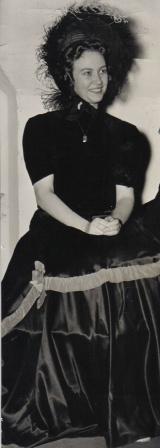
As a young woman, she was ready to leave the wheat farm behind for college, devoting herself to the skills of speech, and the creativity of acting and directing in drama, later teaching rural high school students, including a future Pulitzer Prize winning poet, Carolyn Kizer. She loved words and the power and beauty they wielded.

Marrying my father was a brave and impulsive act, traveling by train to the east coast only a week before he shipped out for almost 3 years to the South Pacific to fight as a Marine in WWII. She must have wondered about the man who returned from war changed and undoubtedly scarred in ways she could not see or touch. They worked it out, as rocky as it must have been at times, and in their reconciliation after their divorce years later, I could see the devotion and mutual respect of life companions who shared purpose and love.

As a wife and mother, she rediscovered her calling as a steward of the land and a steward of her family, gardening and harvesting fruits, vegetables and children tirelessly. When I think of my mother, I most often think of her tending us children in the middle of the night whenever we were ill; her over-vigilance was undoubtedly due to her worry we might die in childhood as she almost did.

She never did stop worrying until the last few months. As she became more dependent on others in her physical decline, she gave up the control she thought she had to maintain through her “worry energy” and became much more accepting about the control the Lord maintains over all we are and will become.

I know from where my shyness comes, my preference for birdsongs rather than radio music, my preference for naps, and my tendency to be serious and straight-laced with a twinkle in my eye. This is my German Palouse side–immersing in the quietness of solitude, thrilling to the sight of the spring wheat flowing like a green ocean wave in the breeze and appreciating the warmth of rich soil held in my hands. From that heritage came my mother and it is the legacy she has left with me. I am forever grateful to her for her unconditional love and her willingness to share the warmth of her nest whenever we felt the need to fly back home and shelter, overprotected at times but safe nonetheless, under her wings.

Elna Schmitz playing Elizabeth Barrett Browning

A new book available from Barnstorming — more information here