
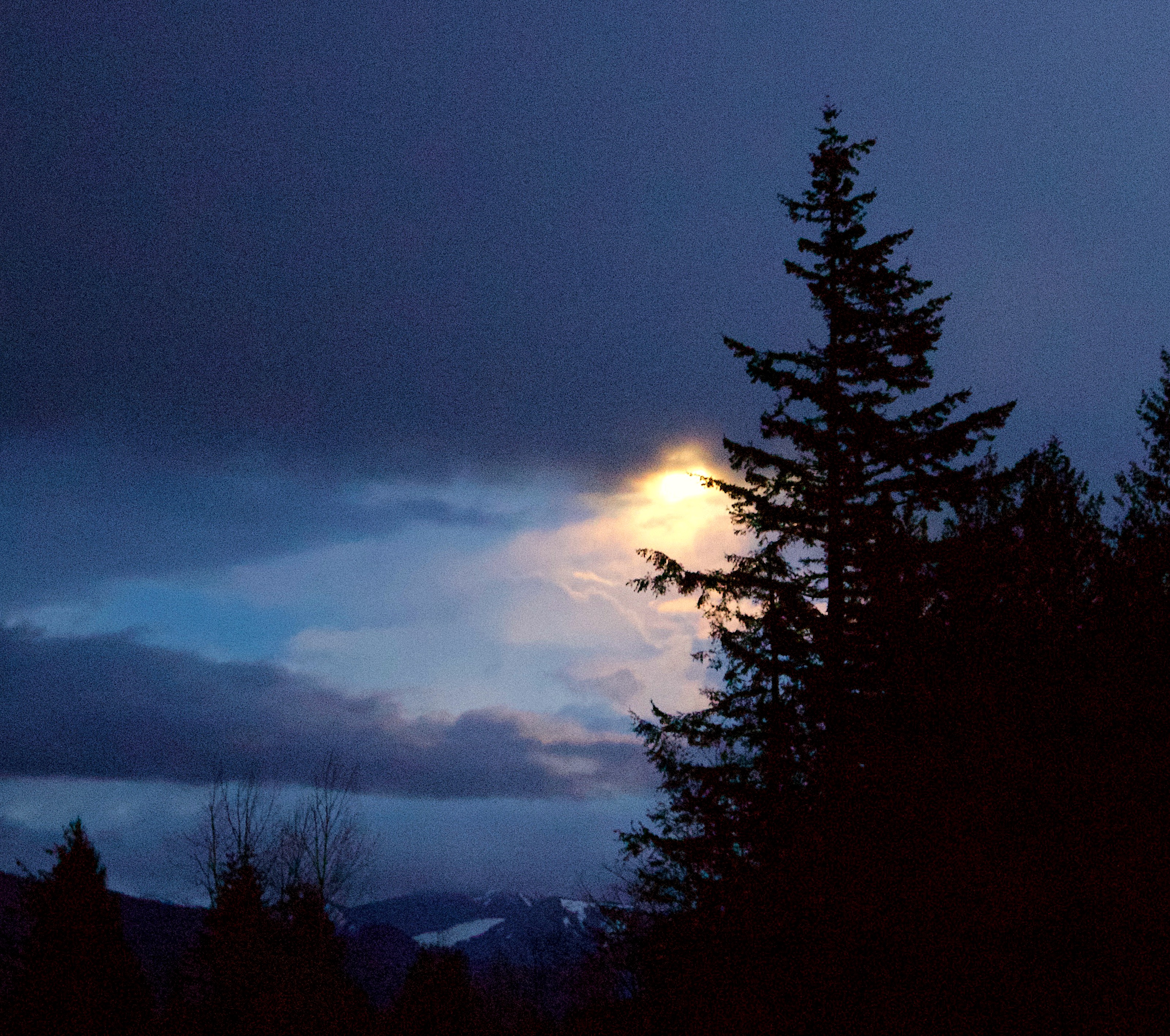
from Claude Debussy’s Suite Bergamasque in memory of my mother
There’s D-flat major at the first and last,
but in between, a haze of harmonies
yearns lightward, though the light has long since passed.
I played the notes; she heard the light. The keys
were mine to coax and animate; their sound
was hers to claim: a shimmer of heart’s ease.
And while my fingers stretched and danced and found
their way through black and white, her ear would find
a prism—her own light parsed and unbound.
She had a knack for joy and was inclined
to wonder. Clair de lune had mesmerized
her, in a spell that left me far behind.
After my mother’s death, I was surprised
I still played it so often; I suppose
the effort occupied and organized
my sorrow-scattered mind. So in the throes
of grief, I practiced, as if I’d impress
a ghost with my devotion. And in those
half-haunted hours, I mastered more, I guess,
than just the notes. I hadn’t thought I’d learn
to hear what she did—but through some finesse
of time and skill and need, I now discern
the half-lit murmurings that no midnight
can mute, the moon-pale promise that can turn
unrest to peace, a star-sung appetite
for breath. At last I share my mother’s light.
~Jean Kreiling “Claire de Lune“
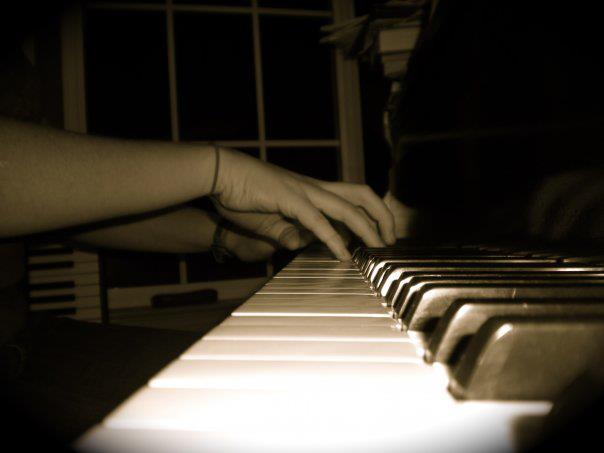
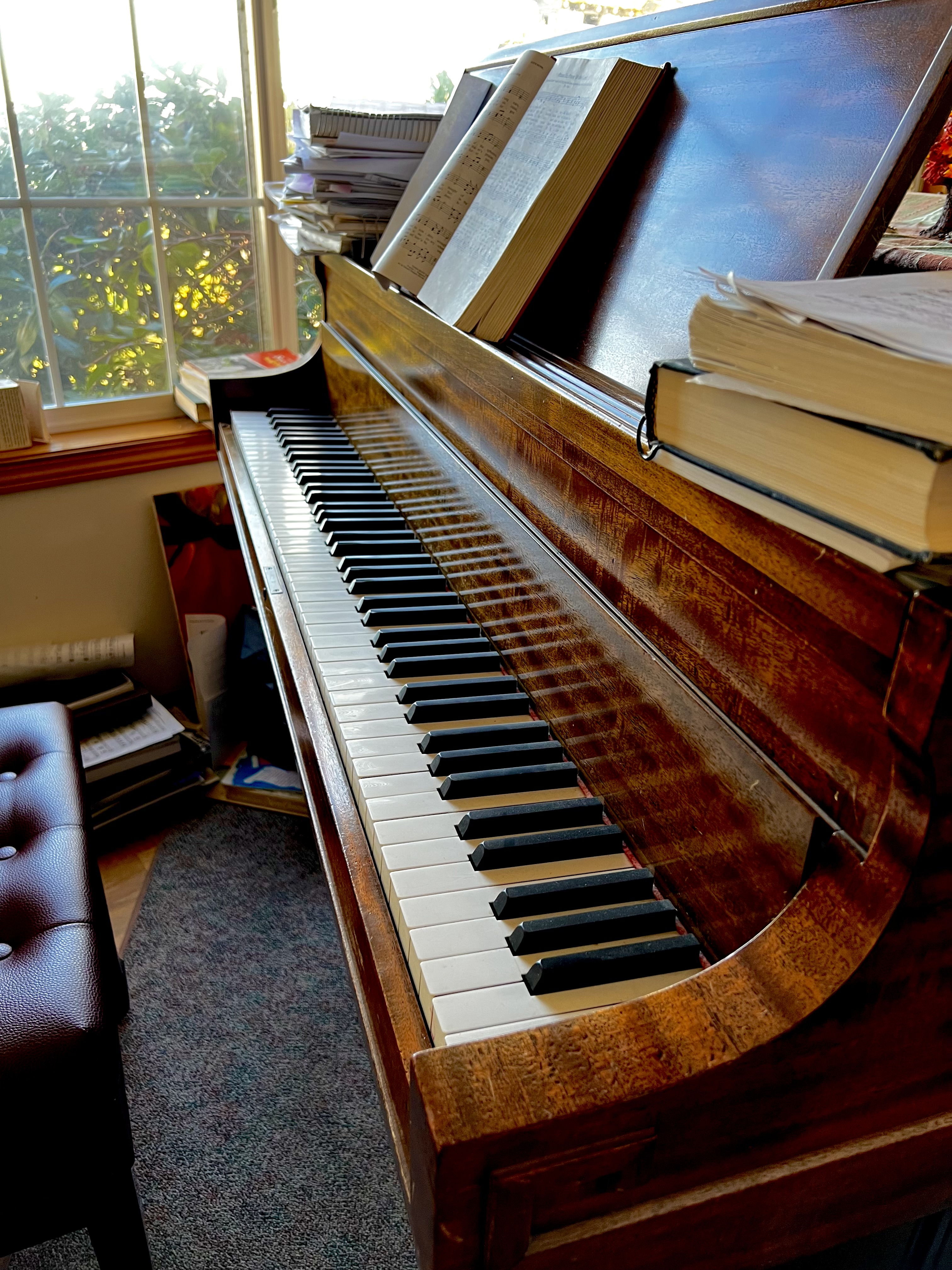
I never practiced as much as I could have. Since the old piano sat in the living room right next to the kitchen, my mother endured my wrong notes and mis-timed rhythms, but never said a word of criticism. She was not an avid music listener, preferring radio talk and news, but committed to taking me to piano lessons over eight long years, sitting in the car reading a book while she waited for me.
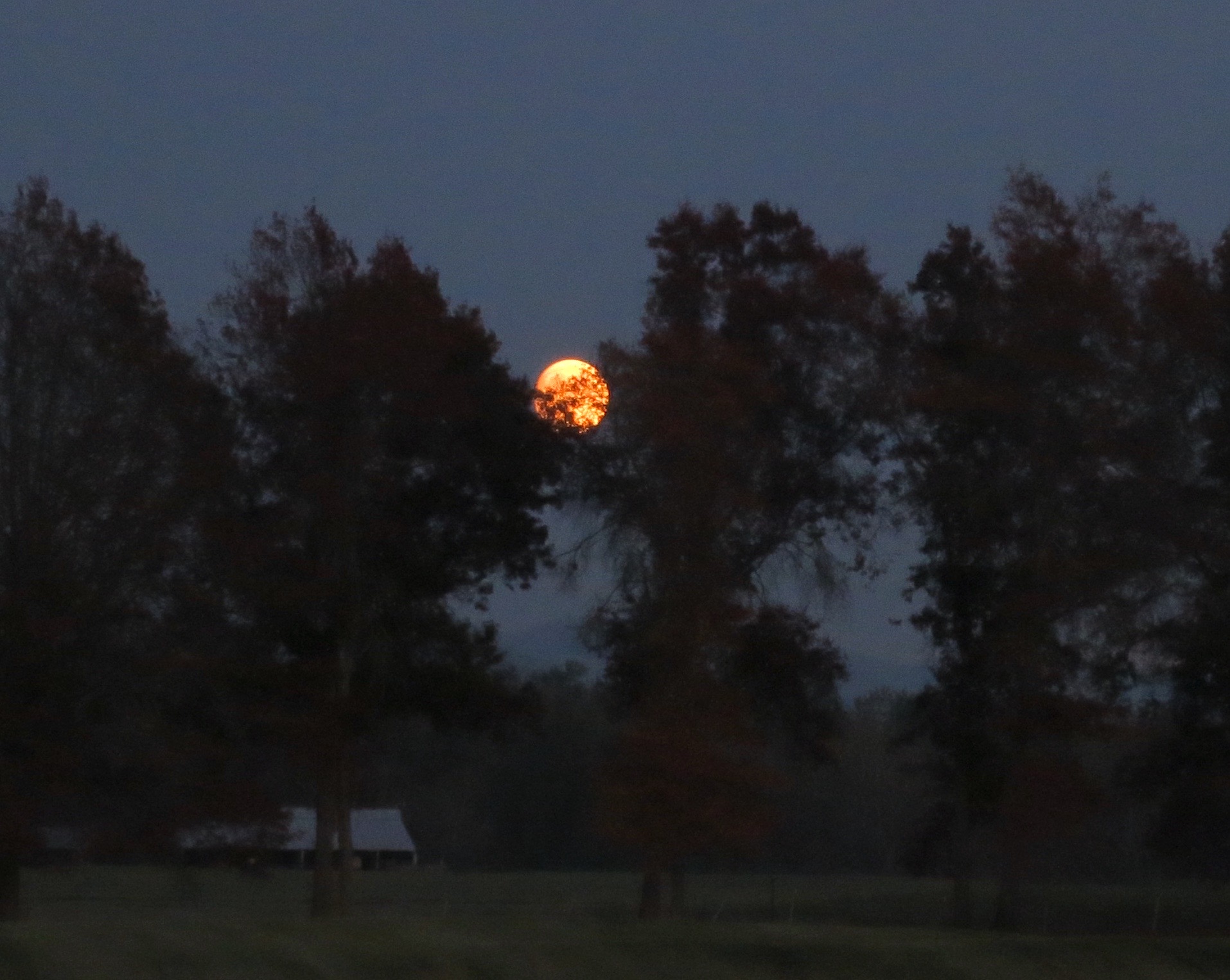
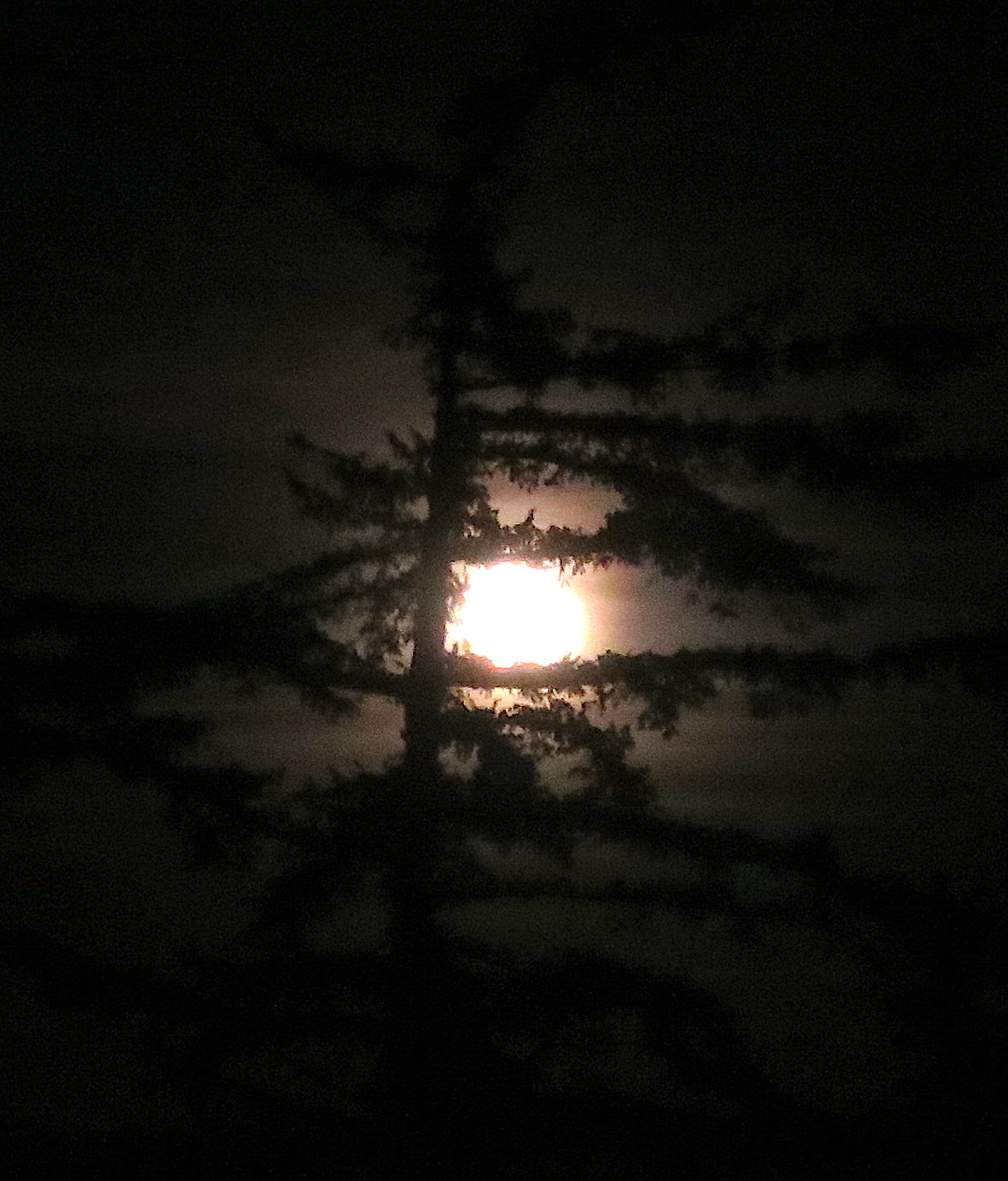
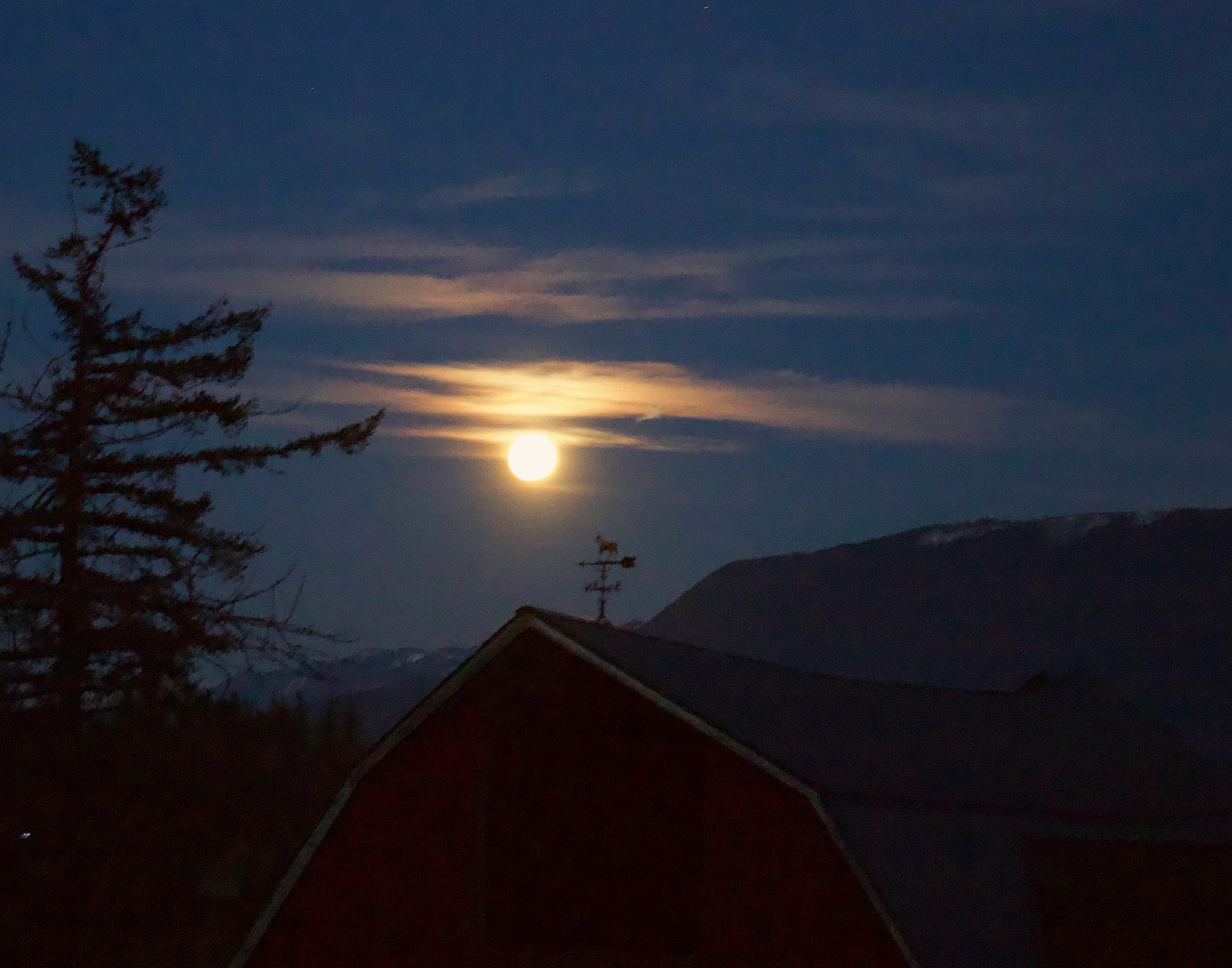
Though not someone who listened to classical music for pleasure, she did love Clair de Lune, saying she could “see” the moon rise when I played it. Thus encouraged, I chose it as a recital piece so I could play it often for her, flowing my fingers across the keyboard smoothly, steadily, faithfully, like the rise of the moon in the night sky.
I want to feel a connection to a piece of music that so grips my heart and waters my eyes. It happens only rarely when I play – as an average pianist, I never truly progressed beyond technique – hitting the right notes and being true to the timing. But this piece comes close. When I hear it, I am no longer the youngster practicing it over and over, trying to somehow bring light to our dark living room. With age, I can now lose myself in the beauty of what Debussy was trying to convey in his choice of progression of notes, his resolution of harmony and key change, his slowing and flowing illumination of the piano keys.
I begin to hear what my mother must have heard, although I made so many mistakes, over and over.
Even so, the moon still rose for her.
Make a one-time or recurring donation to support daily Barnstorming posts
Make a monthly donation
Make a yearly donation
Choose an amount
Or enter a custom amount
Your contribution is deeply appreciated.
Your contribution is appreciated.
Your contribution is appreciated.
DonateDonate monthlyDonate yearly Barnstorming