Emptying Like A Cloud

God empties himself
into the earth like a cloud.
God takes the substance, contours
of a man, and keeps them,
dying, rising, walking,
and still walking
wherever there is motion.
Annie Dillard from “Feast Days”

We soon will enter the season of Advent, an opportunity to reflect on a God who “takes the substance, contours of a man”, as He “empties himself into the earth like a cloud.”  Like drought-stricken parched ground, we prepare to respond to the drenching of the Spirit, ready to spring up with growth anew.

He walked among us before His dying, and rising up, He walked among us again, appearing where least expected, sharing a meal, burning our hearts within us, inviting us to touch and know Him.

His invitation remains open-ended.

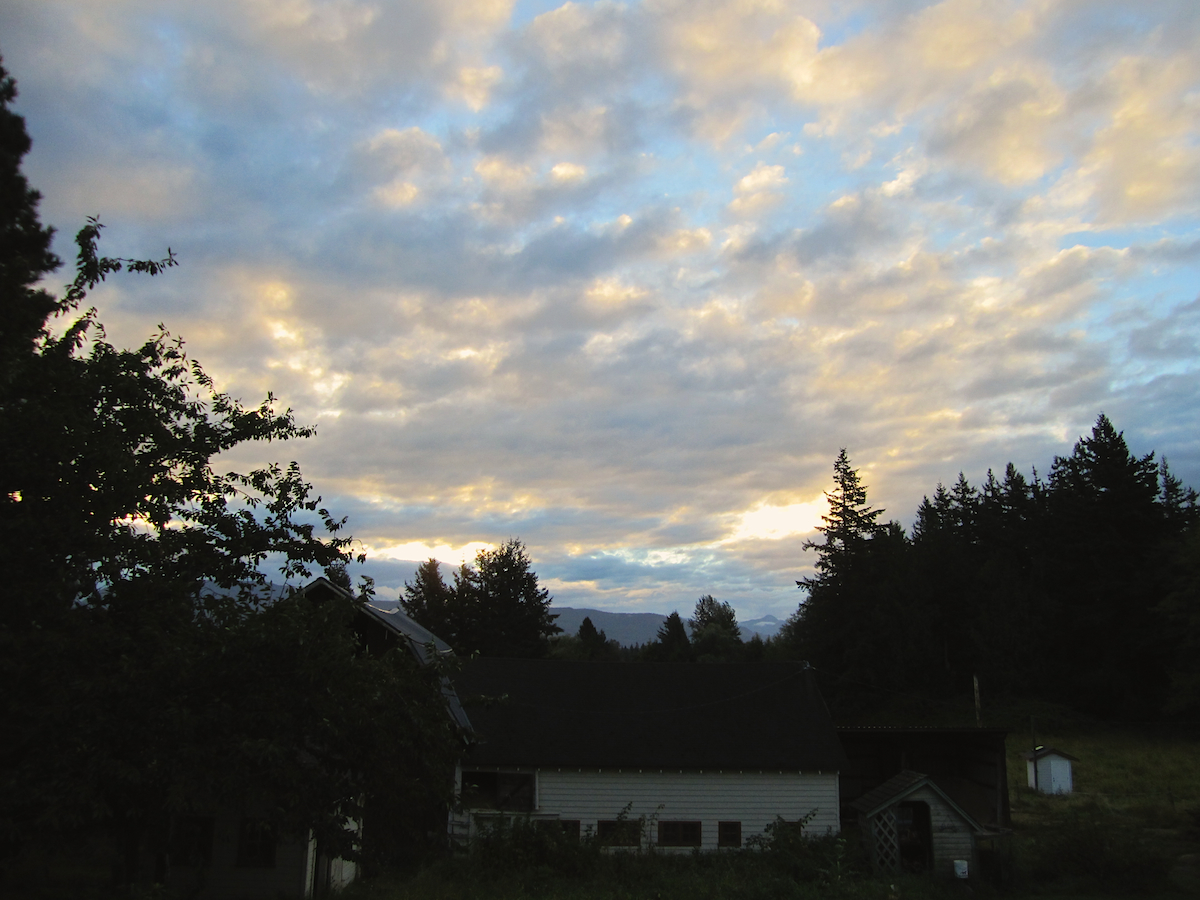
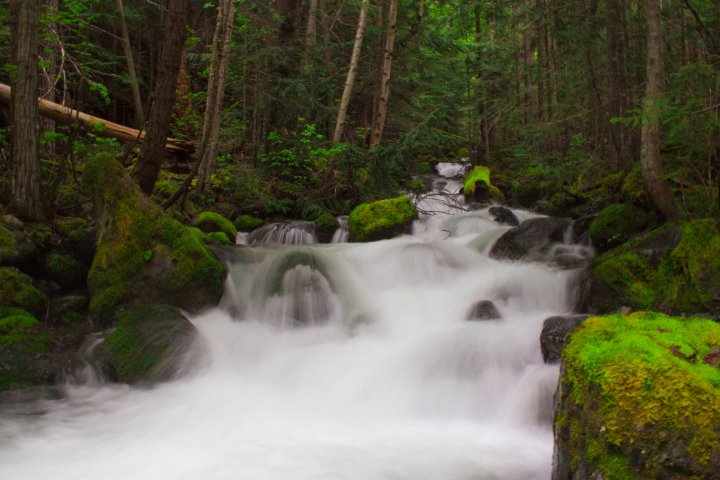
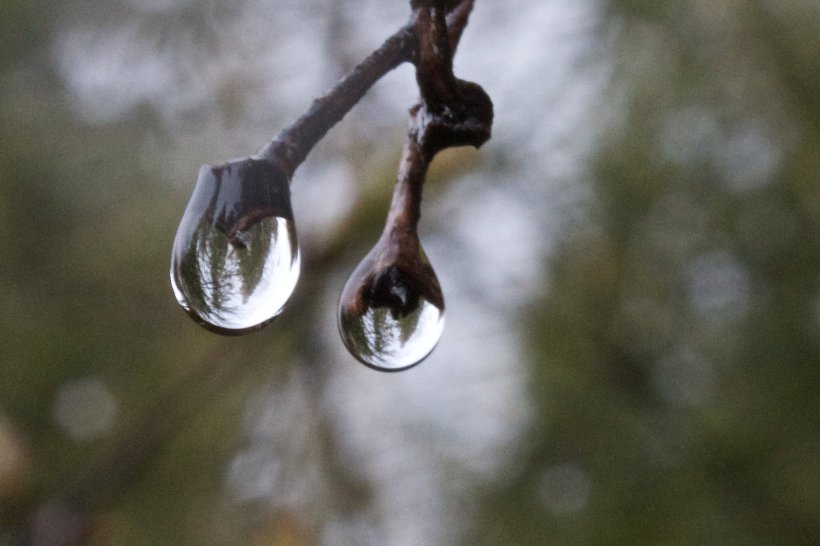
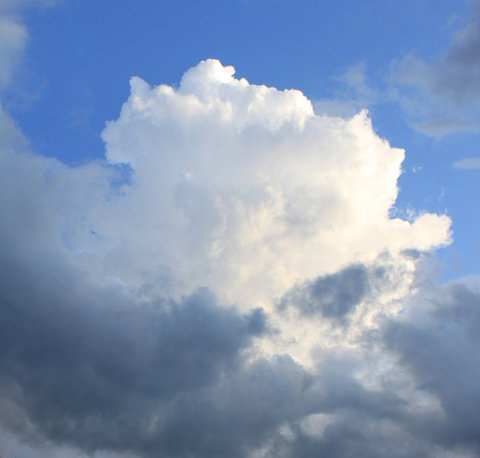
I think of that every time the clouds open and empty.   He freely falls to earth, soaking us completely, through and through.

photo by Josh Scholten

A Bumbling Intricacy

photo by Josh Scholten

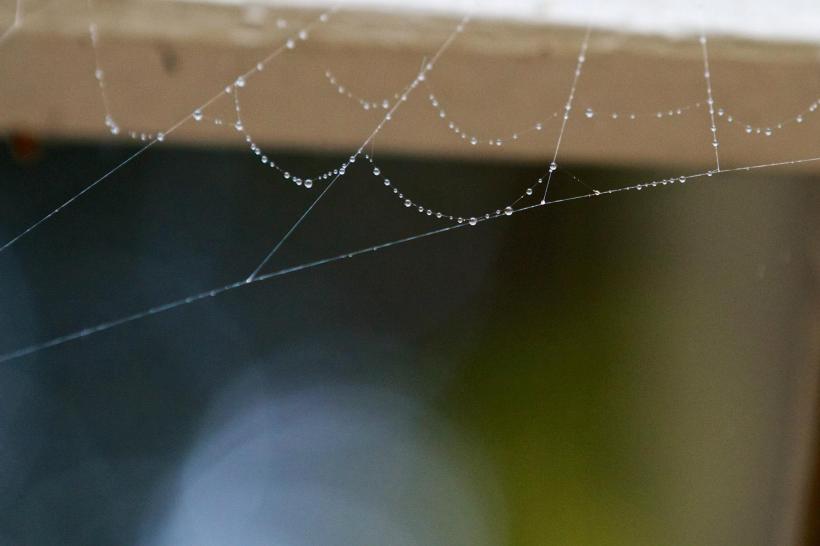
Here is a new light on the intricate texture of things in the world…: the way we the living are nibbled and nibbling — not held aloft on a cloud in the air but bumbling pitted and scarred and broken through a frayed and beautiful land.
Annie Dillard in Pilgrim at Tinker Creek

The weather is getting brisker so the outdoor critters, some invited, some not,  are starting to move inside.  The cats scoot between our legs as we open the front door, heading straight for the fireplace to bask in the warmth rather than a cold wind.  The puppy comes in from the yard for his nightly snack and chew bone, and stretches out on the rug, acting every bit like a piece of furry furniture.  And today there was another mouse in the trap under the sink.  I almost thought we were mouse-free with three weeks of none sighted and none trapped, but there he was waiting for me when I got home from work, well fed and quite dead.  He became an opportune meal for a cat too lazy to go get himself a living breathing mouse.  From nibbling to nibbled.  It is a tough world, inside and out.

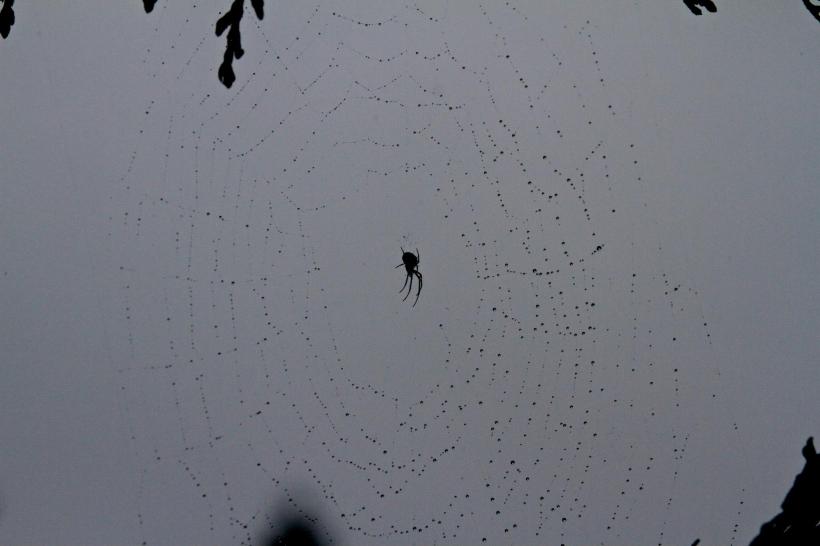
Our most numerous and ambitious visitors from outside are the spiders, appearing miraculously crawling futilely up the sides in the bathtub, or scurrying across the kitchen floor, or webbing themselves into a corner of the ceiling with little hope of catching anything but a stray house moth or two this time of year.   Arachnids are certainly determined yet stationary predators, rebuilding their sticky traps as needed to ensure their victims won’t rip away, thereby destroying the web.

I don’t really mind sharing living quarters with another of God’s creatures, but I do prefer the ones that are officially invited into our space and not surprise guests.  The rest are interlopers that I tolerate with grudging admiration for their instinctive ingenuity.  I admit I’m much too inept and bumbling to find my way into someone else’s house through a barely perceptible crack, and I’m certainly incapable of weaving the intricate beauty of a symmetrical web placed just so in a high corner.

After all, I am just another creature in the same boat.  There is something quite humbling about being actually invited into this complex and broken world, “pitted and scarred” as I am.    I’m grateful I’ve so far escaped capture in the various insidious traps of life,  not just the spring-loaded kind and the sticky filament kind.

So it is okay that I’m settled in, cozy in front of the fireplace, just a piece of the furniture.  Just so long as I don’t startle anyone or nibble too much of what I shouldn’t, I just might be invited to stay awhile.

photo by Josh Scholten

A Flash of Exuberance

photo by Josh Scholten

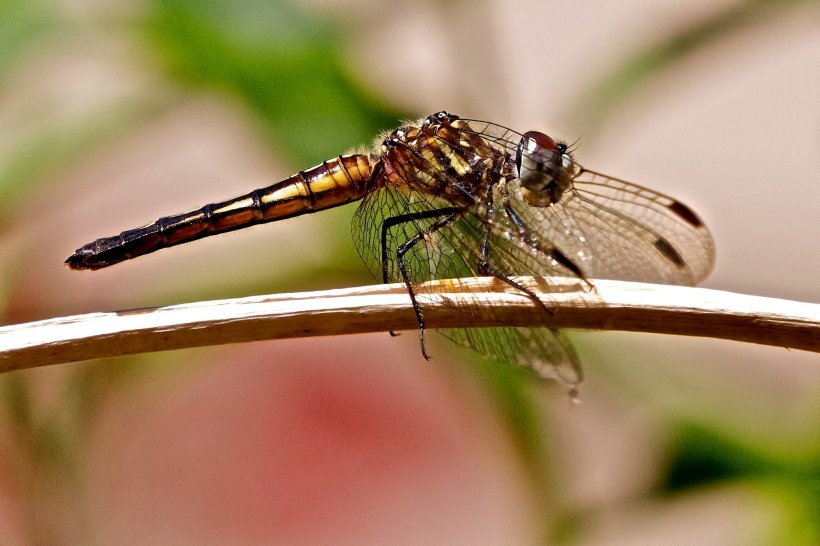
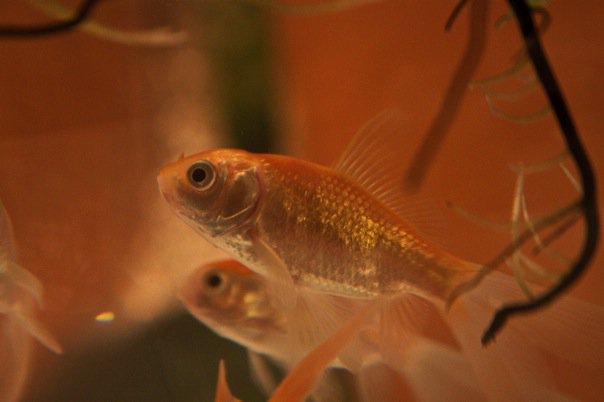
The point of the dragonfly’s terrible lip, the giant water bug, birdsong, or the beautiful dazzle and flash of sunlighted minnows, is not that it all fits together like clockwork–for it doesn’t particularly, not even inside the goldfish bowl—but that it all flows so freely wild, like the creek, that it all surges in such a free, fringed tangle. Freedom is the world’s water and weather, the world’s nourishment freely given, its soil and sap: and the creator loves exuberance.
~Annie Dillard from Pilgrim at Tinker Creek

photo by Josh Scholten

Knocked Breathless

photo by Josh Scholten

I saw the tree with lights in it. I saw the backyard cedar where. the mourning doves roost charged and transfigured, each cell buzzing with flame. I stood on the grass with the lights in it, grass that was wholly fire, utterly focused and utterly dreamed. It was less like seeing than like being for the first time seen, knocked breathless by a powerful glance.
~Annie Dillard

“I had been my whole life a bell, and never knew it until at that moment I was lifted and struck.”
~Annie Dillard

photo by Josh Scholten

So much of my time is spent fixated on what I control (or don’t):
what I see/hear/taste/feel/do/want/need.
It is all too much about me.

Instead how must I appear to my Maker as I begin each day:
my utter astonishment at waking up,
true gratitude for each breathless moment,
surely awed by how resonant I peal when struck senseless

by life.

It Would Be Cheaper

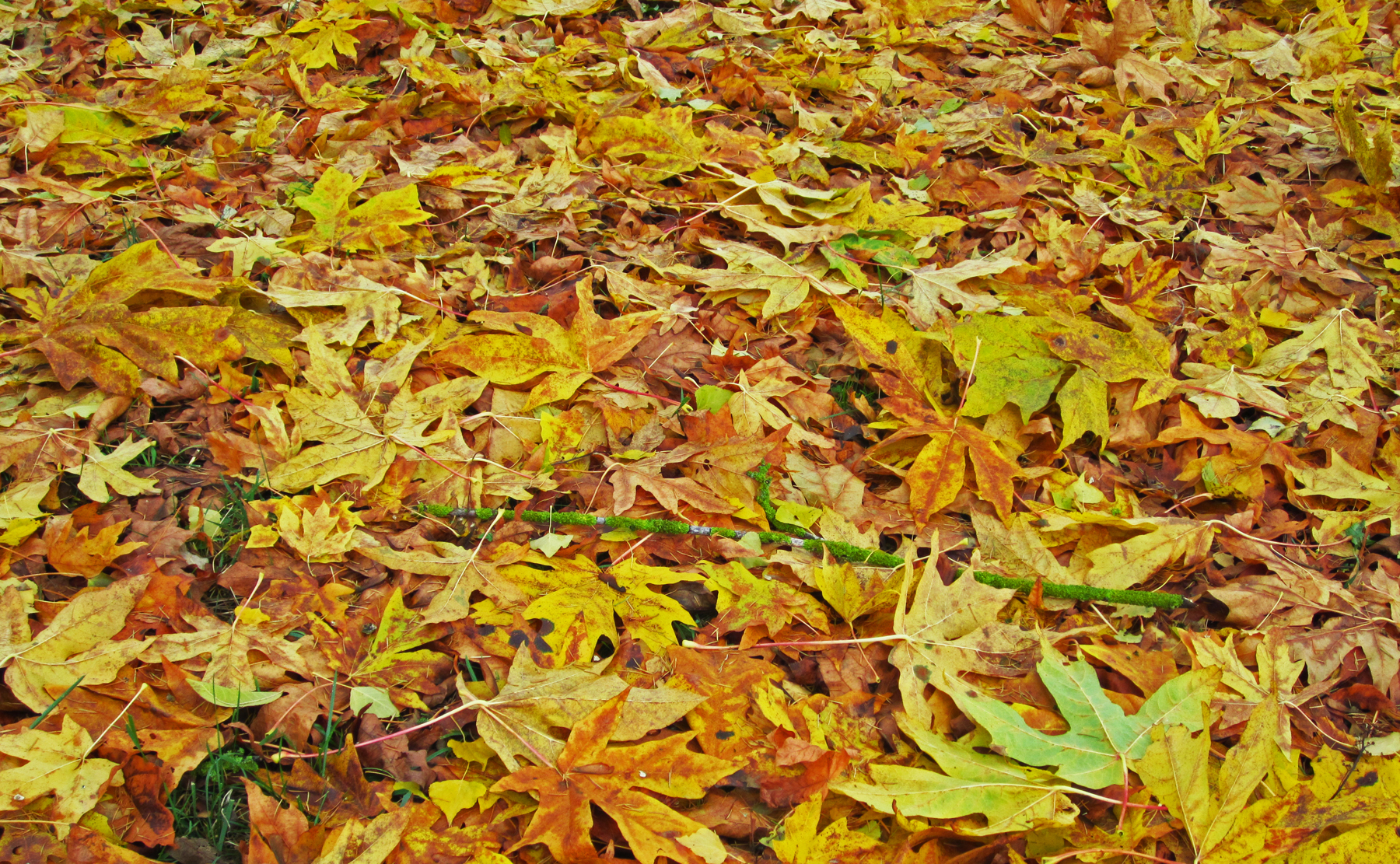
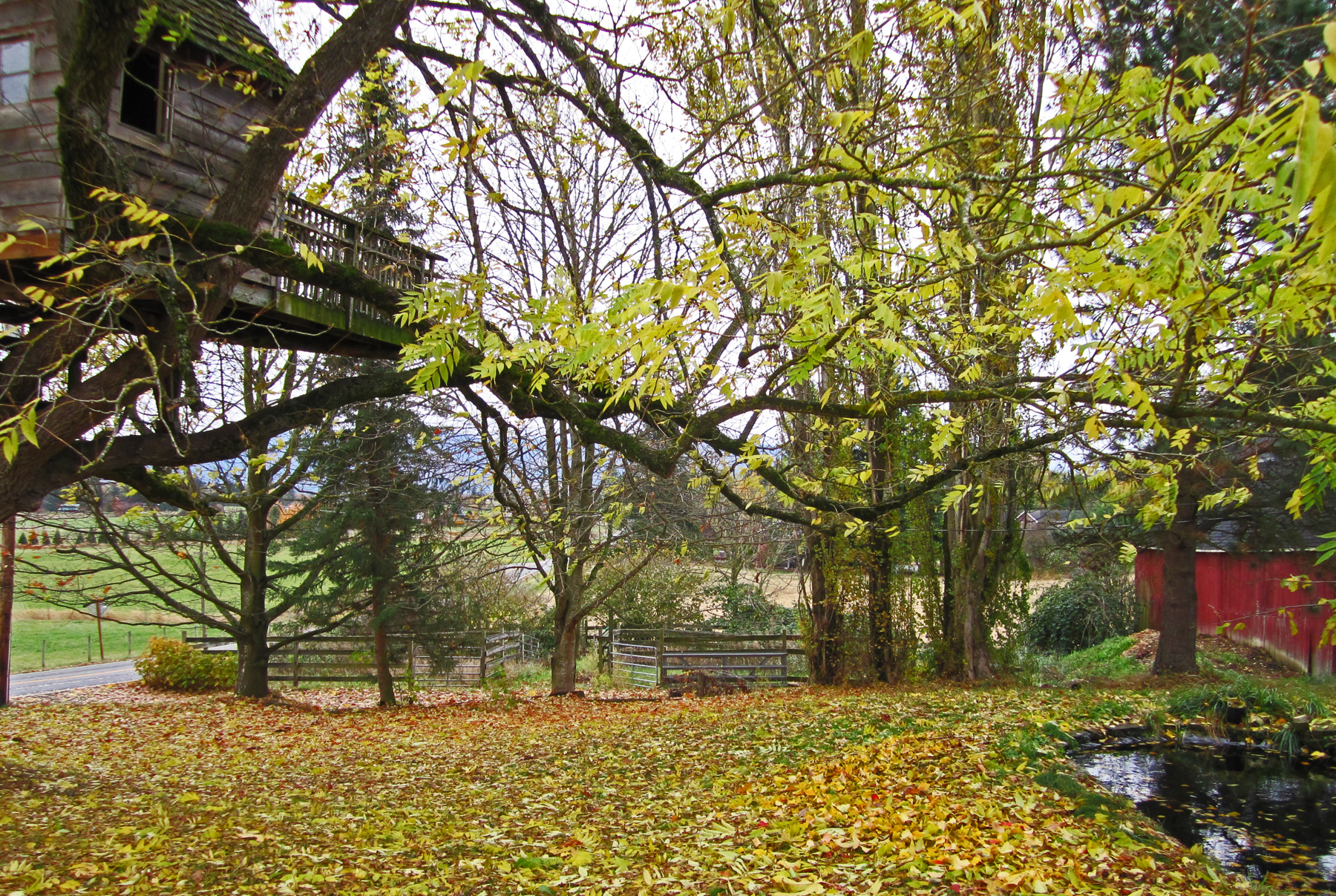
“Nature is, above all, profligate.  Don’t believe them when they tell you how economical and thrifty nature is, whose leaves return to the soil.  Wouldn’t it be cheaper to leave them on the tree in the first place?
~Annie Dillard

It is a good thing I wasn’t assigned the role of Designer because all would have gone awry in my dedication to resource management, efficiency and creating less waste.    There would be imposed limitations on earth, wind and rain storms.  No wildfires or natural disasters like earthquakes, tsunamis, hurricanes and tornadoes.  To avoid having to blow around, rake, pick up and compost those fallen autumn leaves, all trees would be evergreens, needles long-lasting for decades.  There would be fewer insect species, in particular wasps, fleas, chiggers, bed bugs, mosquitoes and flies.   Fewer rodents, viruses, toxic bacteria and pesky parasites.  The list is endless: things would be different in my Thrifty Design Of All Things Natural.

But of course the balance of living and dying things would then be disturbed and off kilter.

Rather than worry about the wastefulness,  I should revel in the abundance as I watch death recreate itself to life again.  Nature has built-in redundancy, teems with remarkable inefficiency and overwhelms with extravagance.  As just another collection of cells with similar profligacy, I can’t say much and better not complain.  Thank goodness for the redundancy and extravagance found in my own body, from the over supply of nasal mucus during my upper respiratory infection helping me shed viral particles, to the pairing of many organs and parts allowing me a usable spare in case of system failure.

Sometimes cheaper costs more.  Sometimes extravagance is intentional and rational.

Clearly things are meant to be as they are.

If I am ever in doubt, I can simply look out at the leaf-carpeted front yard…or in the mirror.

Then I will remember and know.

“So let us go on, cheerfully enough, this and every crisping day,
though the sun be swinging east, and the ponds be cold and black,
and the sweets of the year be doomed.” 
~Mary Oliver from Lines Written in the Days of Growing Darkness

A Mess of Stars

photo by Josh Scholten

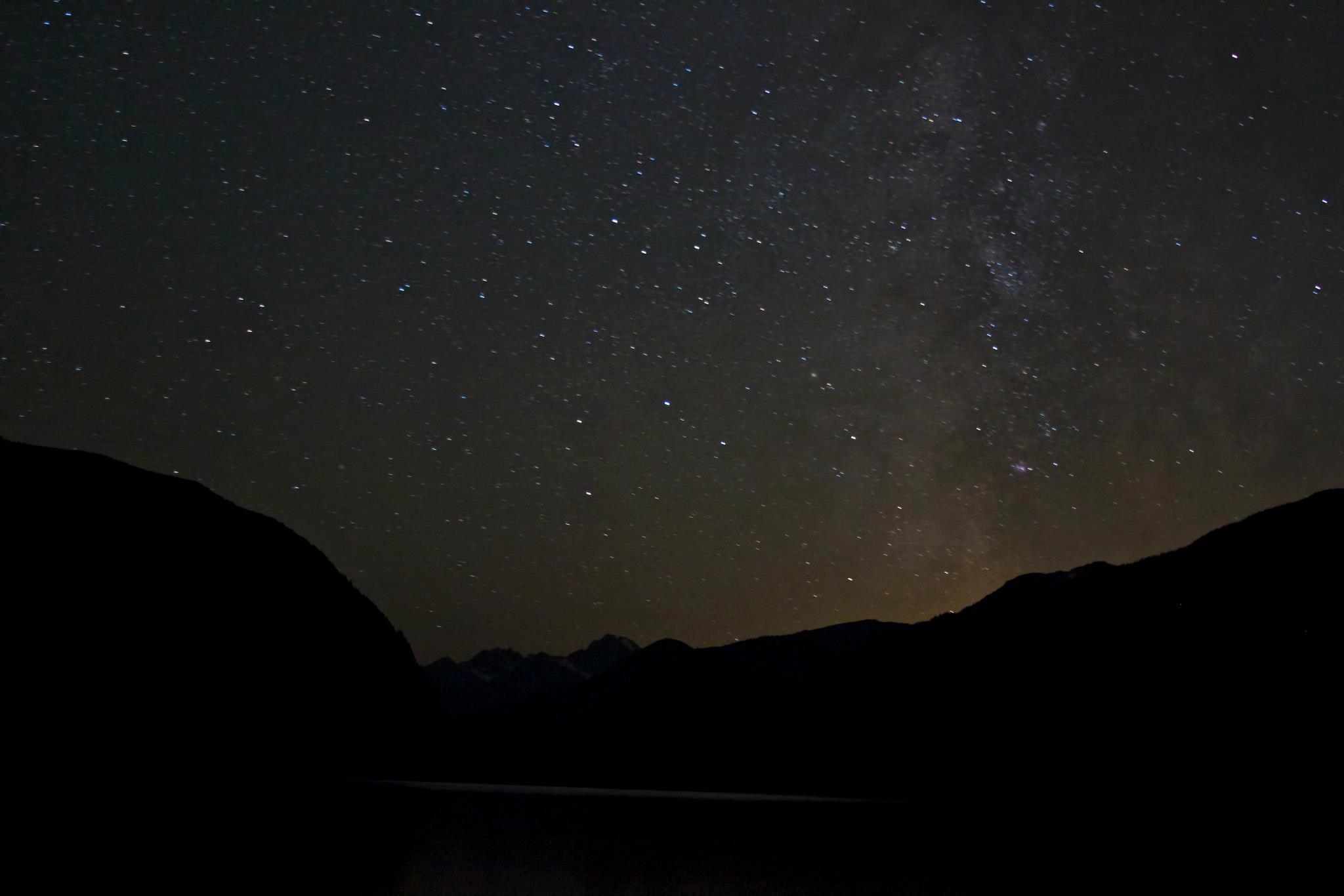
We are here to witness the creation and abet it. We are here to notice each thing so each thing gets noticed. Together we notice not only each mountain shadow and each stone on the beach but, especially, we notice the beautiful faces and complex natures of each other. We are here to bring to consciousness the beauty and power that are around us and to praise the people who are here with us. We witness our generation and our times. We watch the weather. Otherwise, creation would be playing to an empty house.

….A shepherd on a hilltop who looks at a mess of stars and thinks, ‘There’s a hunter, a plow, a fish,’ is making mental connections that have as much real force in the universe as the very fires in those stars themselves.
~Annie Dillard

I can feel overwhelmed by the amount of “noticing” I need to do in the course of my work every day.  Each patient deserves my full attention for the few minutes we are together.  I start my clinical evaluation the minute I walk in the exam room and begin taking in all the complex verbal and non-verbal clues sometimes offered by another human being.   What someone tells me about what they are feeling may not always match what I notice:  the trembling hands, the pale skin color, the deep sigh, the scars of self injury.  I am their audience and a witness to their struggle; even more, I must understand it in order to best assist them.  My brain must rise to the occasion of taking in another person and offering them the gift of being noticed.  It is distinctly a form of praise: they are the universe for a few moments and I’m grateful to be part of it.

Being conscious to what and who is around me at all times is simultaneously exhilarating and exhausting.  I must reduce the expanse of creation to fit my limited synapses, so I can take it all in without exploding with the overload, to make sense of the “mess” around me and within me.

Noticing is only the beginning.  It concludes with praise and gratitude.


Ready to Hear

photo by Josh Scholten

At a certain point you say to the woods, to the sea, to the mountains, the world, now I am ready. Now I will stop and be wholly attentive. You empty yourself and wait, listening. After a time you hear it: there is nothing there. There is nothing but those things only, those created objects, discrete, growing or holding, or swaying, being rained on or raining, held, flooding or ebbing, standing, or spread. You feel the world’s word as a tension, a hum, a single chorused note everywhere the same. This is it: this hum in the silence…
There is a vibrancy to the silence, a suppression, as if someone were gagging the world. But you wait, you give your life’s length to listening, and nothing happens…

The silence is all there is. It is the alpha and the omega. It is God’s brooding over the face of the waters; it is the blended note of the ten thousand things, the whine of wings. You take a step in the right direction to pray to this silence, and even to address the prayer to “World.” Distinctions blur. Quit your tents. Pray without ceasing.
~Annie Dillard in Teaching a Stone to Talk
There is a moment that I anticipate every time I wash long-impacted ear wax out of a patient’s ear canals when they have had difficulty hearing.   It can take one minute or maybe thirty to accomplish, but it is worth the effort.  When the wax dislodges and flows out into the catch basin, I see the same anticipatory look on each patient’s face.  Their eyes widen, their mouth forms an “O” in sudden recognition of their new readiness to hear.  There may not be a sound in the room, but there is something different about the new silence that was not true before.  This silence is ready to be broken, its vibrant hum no longer suppressed.

Usually we don’t even realize what we can’t hear over time; we don’t know what we are missing or how we are losing connection.    The day comes when we wake completely deaf, too full to hear or acknowledge anything outside ourselves.

So it is necessary to be washed clean, the blockage removed, the barriers broken down, the connection restored to everything and everyone around us.  We are emptied out in order to be filled through listening.   Our eyes widen in order to see again, our mouths open to pray in gratitude without ceasing.  The silence is no more.

Even the stones will cry out.

And we will be ready to hear.


Feel the Now

photo by Nate Gibson

“On the planet the winds are blowing: the polar easterlies, the westerlies, the northeast and southeast trades…Lick a finger, feel the now.”
Annie Dillard

We fell asleep last night content in the knowledge that the weather forecast on three different websites confirmed no rain.  This is particularly important when there are about 750 bales worth of cut hay lying in our fields curing, getting ready for raking and baling the next day.  Rain is the farmer’s best friend most of the time, but definitely not when there is cut hay on the ground.  Wet hay becomes moldy hay, or worse–combustible–if not allowed to thoroughly dry, and it gradually loses nutrient value the longer it dries.

As opposed to drought conditions in much of the nation, in the northwest a stretch of at least four days of warmer weather had been long awaited.  It was a relief to get the hay finally cut, several weeks later than typical with a promise of at least three more clear days to ted, rake, bale and get it in the barn without being rained on.  The air felt sticky and still when we went to bed.  I woke about two hours later to a cool breeze coming through the open window–it felt a little too cool.  I could hear rumbling in the distance–too low pitched for airplane or truck sounds.  Somewhere nearby it was thundering.  Thunder meant heavy moisture-filled clouds.  Heavy clouds meant showers.  Showers meant wet hay.  Wet hay meant…well, you get my drift.

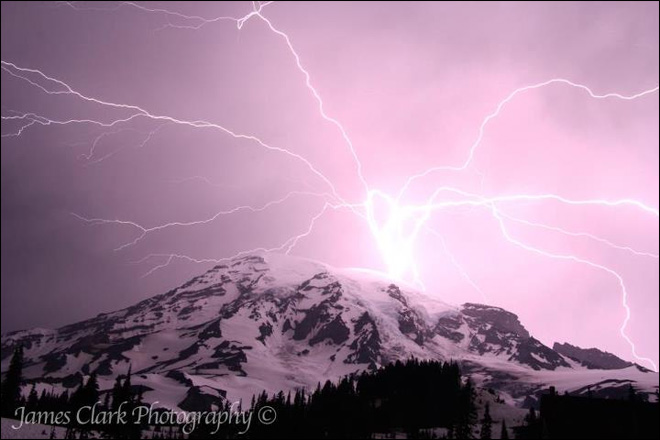
The rumbling moved closer and closer, with accompanying flashes of lightning,  finally cracking right above us.  The wind picked up.  I got out of bed to go outside to feel the direction of the wind and see if the rain– licking a finger and holding it up.  The wind was southerly but not consistent–the air was changing so quickly that all I could do was acknowledge and anticipate the change, knowing a storm was coming and there was no stopping it.   It was the inevitability of feeling the “now” of which Dillard writes.

The breeze was moisture-laden: wet without raindrops.  Then they began to fall,  gentle at first but finally earnest showering–not a downpour.  It lasted less than an hour, just long enough to dampen but not soak.  The hay would not be a complete ruin.  It could be salvaged.  The storm had passed, leaving little damage in its wake, just plenty of noisy drama and jangled nerves.

The experience of a thunder storm overhead is unlike any other.  It commands our attention, wakes us from sound sleep, turns night into day in a flash, drowns humid heat in a downpour.   As some pray for the relief of such a storm, others fear its effects, whether igniting forest fires from lightning strikes, frightening animals or molding cut hay.

I’m content to just be a witness, in wonder at the storm’s strength and command.   All I can do is lick a finger and hold it up in awe, knowing I’m here and it’s now.

photo by James Clark Photography of lightening strike over Mt. Rainier 7/8/12

Blown Away

photo by Nate Gibson

“Flung is too harsh a word for the rush of the world. Blown is more like it, but blown by a generous, unending breath.”
Annie Dillard

It isn’t possible.  The five year old me who had a sudden terrifying revelation that I would some day cease to be has become the almost fifty eight year old me who is more terrified at the head long rush of life than of its end.  The world hurtles through space and time at a pace that leaves me breathless.  Throughout my fifty-plus years, I have felt flung all too frequently,  bruised and weary from the hurry and hubbub.

Good thing there is someone else breathing each breath for me or I would have never made it another minute.  I’d be down and gone in a heartbeat.

Now comes a few days of breathing space, taking a respite from routine.  I’m lifted lighter, drifting where I’m blown, less weighted with the next thing to do and the next place to be.

Instead I just be and always will be.  Be blown away unending.  Blown by breath that loves, fills and nurtures, its generous promise hopeful and fulfilled.

The old me simply ceases to be.  Blown away.

If only the five year old me could have known.

“Wherever I am, the world comes after me.
It offers me its busyness. It does not believe
that I do not want it. Now I understand
why the old poets of China went so far and high
into the mountains, then crept into the pale mist.”
— Mary Oliver

photo by Josh Scholten
photo by Nate Gibson

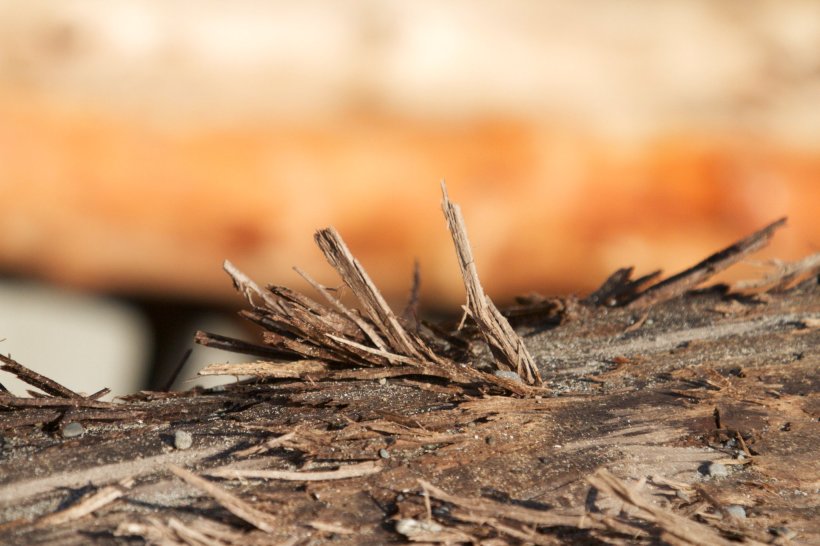
A Splintered Wreck

photo by Josh Scholten

“The new is always present with the old, however hidden.  I am a frayed and nibbled survivor in a fallen world, and I am getting along. I am aging and eaten and have done my share of eating too. I am not washed and beautiful, in control of a shining world in which everything fits, but instead am wandering awed about on a splintered wreck I’ve come to care for, whose gnawed trees breath delicate air, whose bloodied and scarred creatures are my dearest companions, and whose beauty beats and shines not in its imperfections, but overwhelmingly in spite of them…”
Annie Dillard

Once every few years one of our horses gets hurt and had I made different decisions, I know I could have prevented it from happening.  I feel deeply responsible for the pain experienced by a creature I love and have cared for over two decades; I am a splintered wreck, unable to sleep, sick with guilt.

When the bird chorus began as the clock flipped to 4 AM this morning, my eyes had been open for hours, listening for sounds of distress from the barn. I knew I needed to check on her as soon as daylight dawned.  I walked to the barn in my bathrobe and rubber boots to make sure she had made it okay through the night.  As I approached, I heard her greeting me with her usual morning nicker, welcoming me back into her home, showing me grace despite her misery,  her eyes shining bright and expectant despite her cuts and bruises.

The barn contains a world of forgiving despite horses never ever forgetting.  She still loves me in spite of my imperfections.  I wander awed into her stall, touch her tender body and weep.

So, because of this, because of love that surpasses understanding, I am getting along, washed through my tears moistening her dried blood.