There in the attic of forgotten shapes
(Old coats in plastic, hat boxes, fur capes
Amongst the smells of mothballs and cigars),
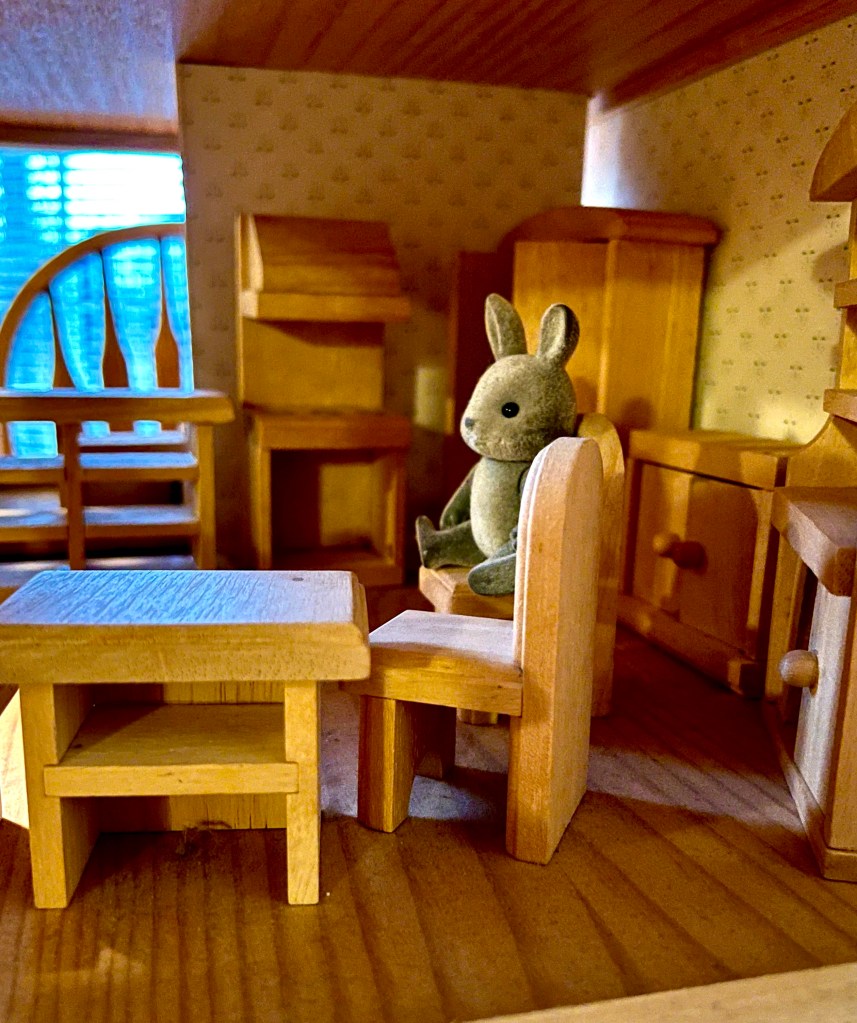
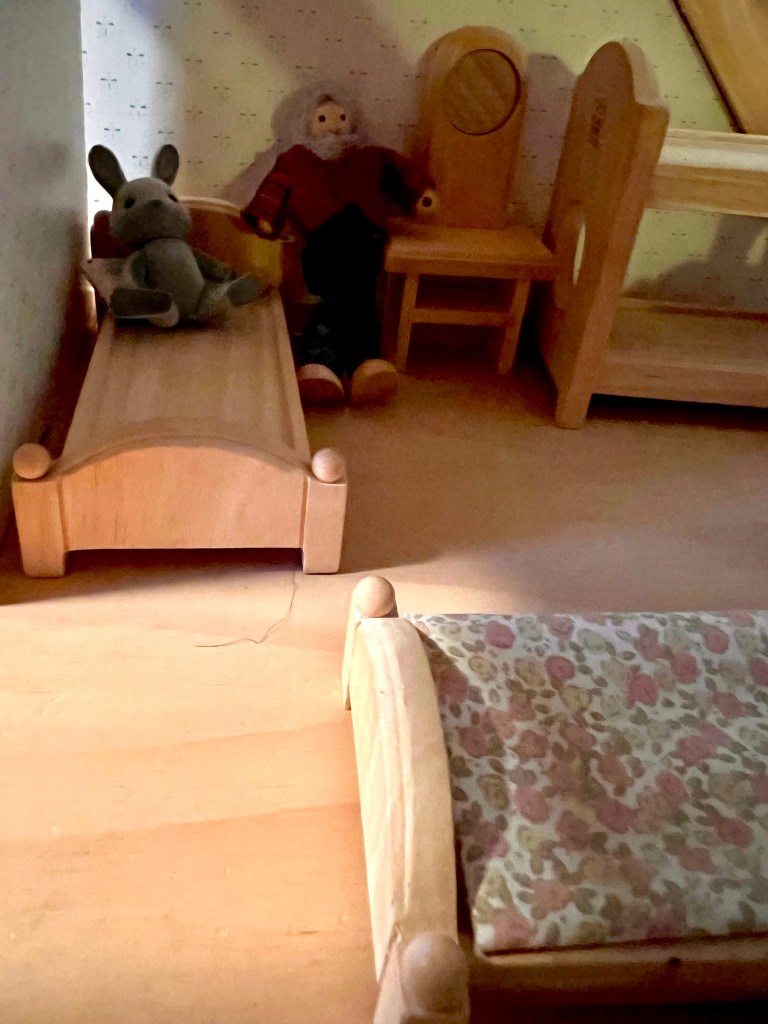
I saw the doll house of our early years,
With which my mother and my aunt had played,
And later where my sister and I made
The towering grown-up hours to smile and pass:
The little beds, the tin-foil looking glass,
Bookcases stamped in ink upon the walls,
Mismatched chairs where sat the jointed dolls,
The clock whose face, no larger than a dime,
Had, for all these years, kept the same time.
I remembered how we set the resin food
Atop a table of stained balsa wood,
The shiny turkey hollow to the tap,
The cherry pie baked in a bottle cap.
Now it is time to go to sleep, we spoke,
Parroting the talk of older folk,
And laid the dolls out fully-clothed in bed
After their teeth were brushed, and prayers were said,
And flipped the switch on the low-wattage sun.
But in the night we’d have something break in,
Kidnap the baby or purloin the pie —
A tiger, maybe, or a passer by —
Just to make something happen, to move the story.
The dolls awoke, alarmed, took inventory.
If we made something happen every day,
Or night, it was the game we knew to play,
Not realizing then how lives accrue,
With interest, the smallest things we do.
~A.E. Stallings “The Doll House”
I was born with a severe imagination deficiency. I could not create my way out of a paper bag, much less make up a story. This never seemed like much of an impediment since I am quite content dealing with the daily challenges of real life. I married someone with a similar world view and we both thrived in our banal and mundane world.
Then we had children. Children born with intact and active imaginations. Children with imaginary friends, and monsters under the bed and a world outside our front door that I didn’t recognize. And they have grown up to have children with wild imaginings too.
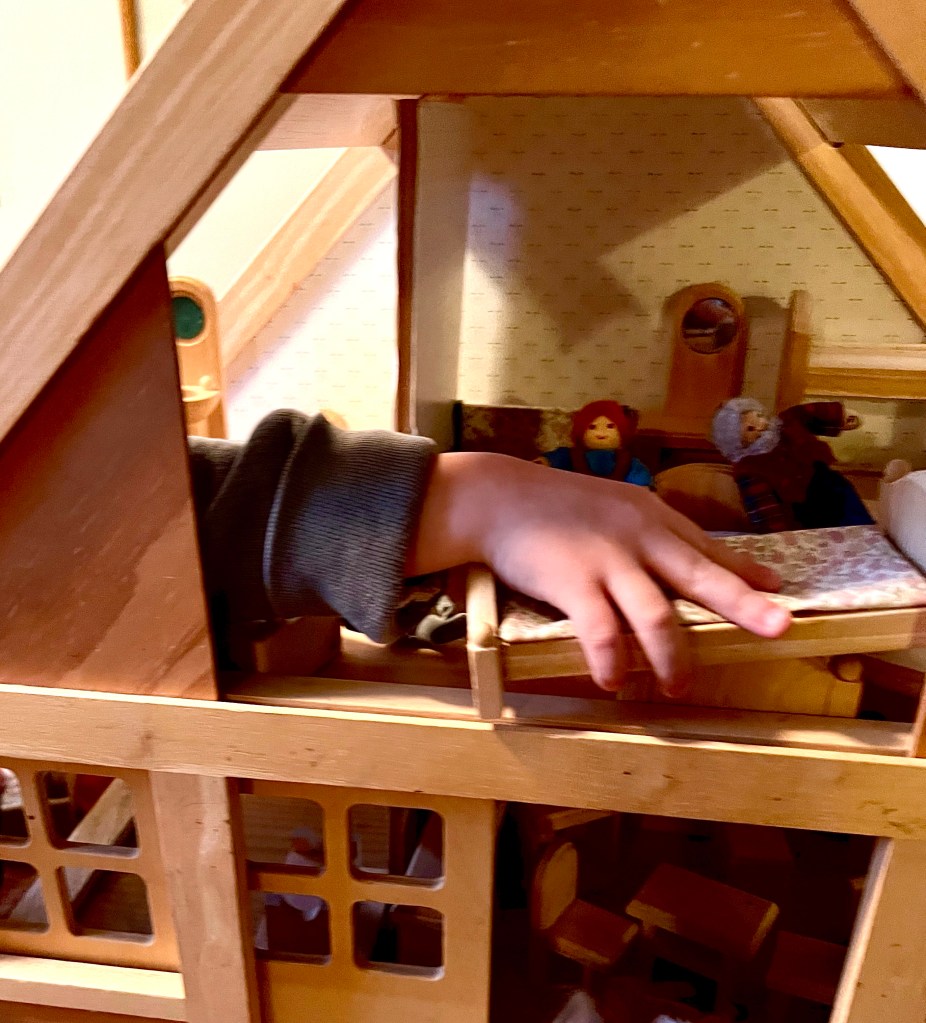
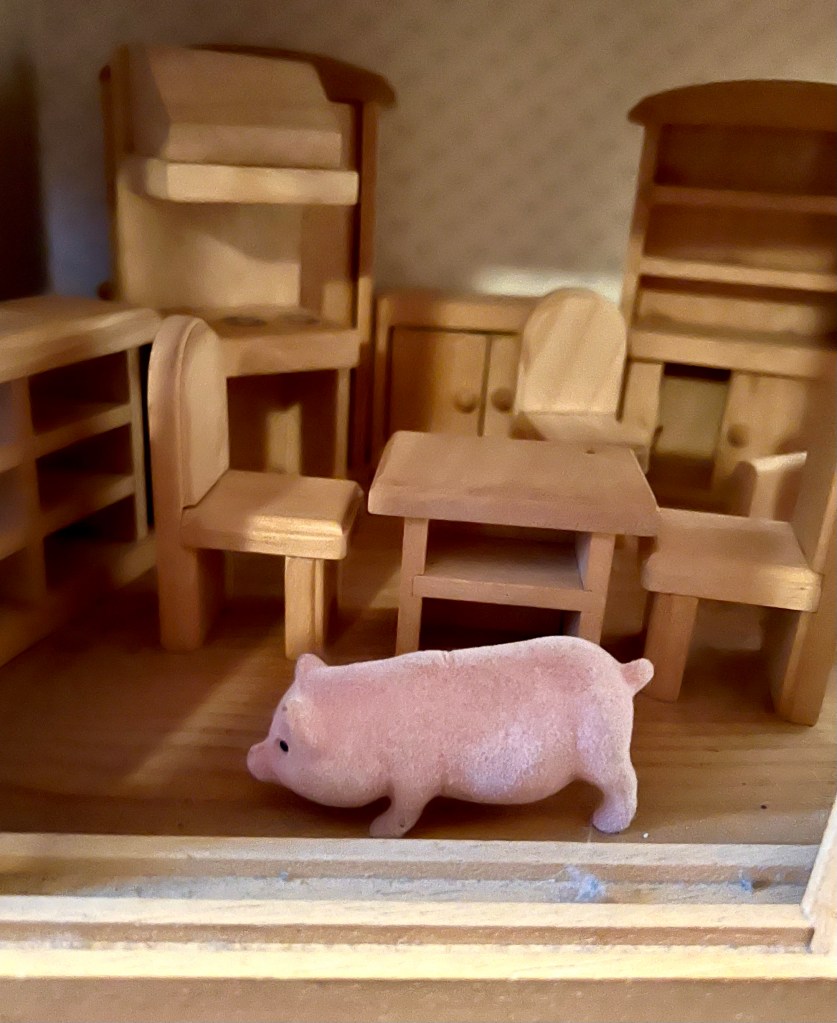
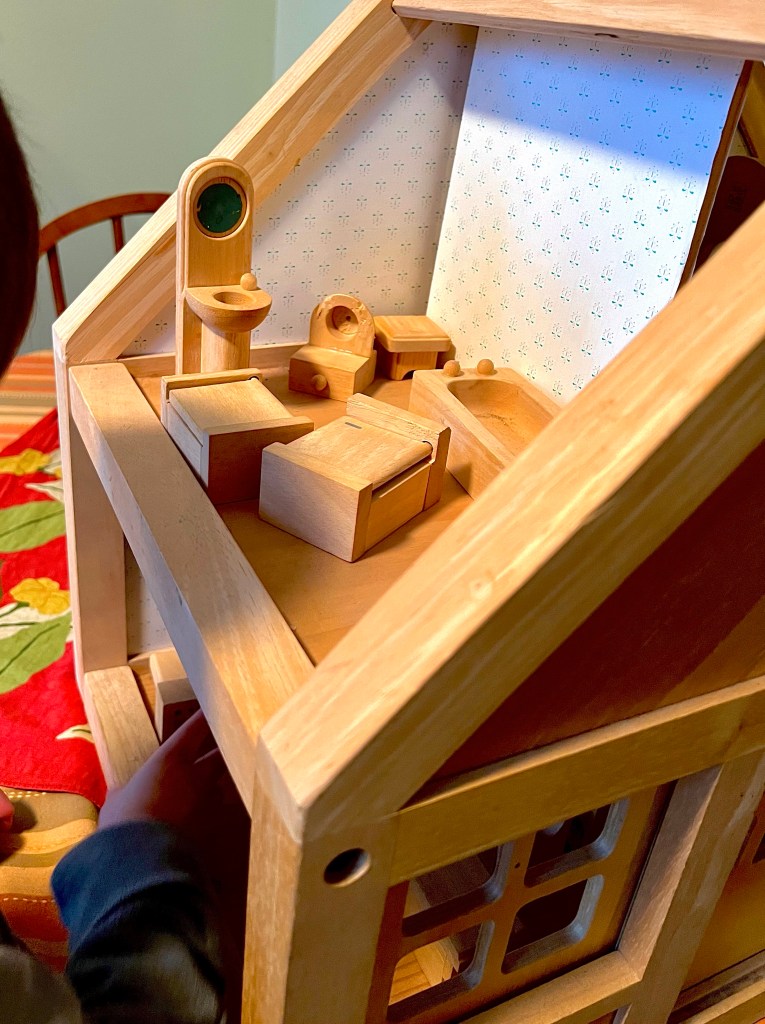
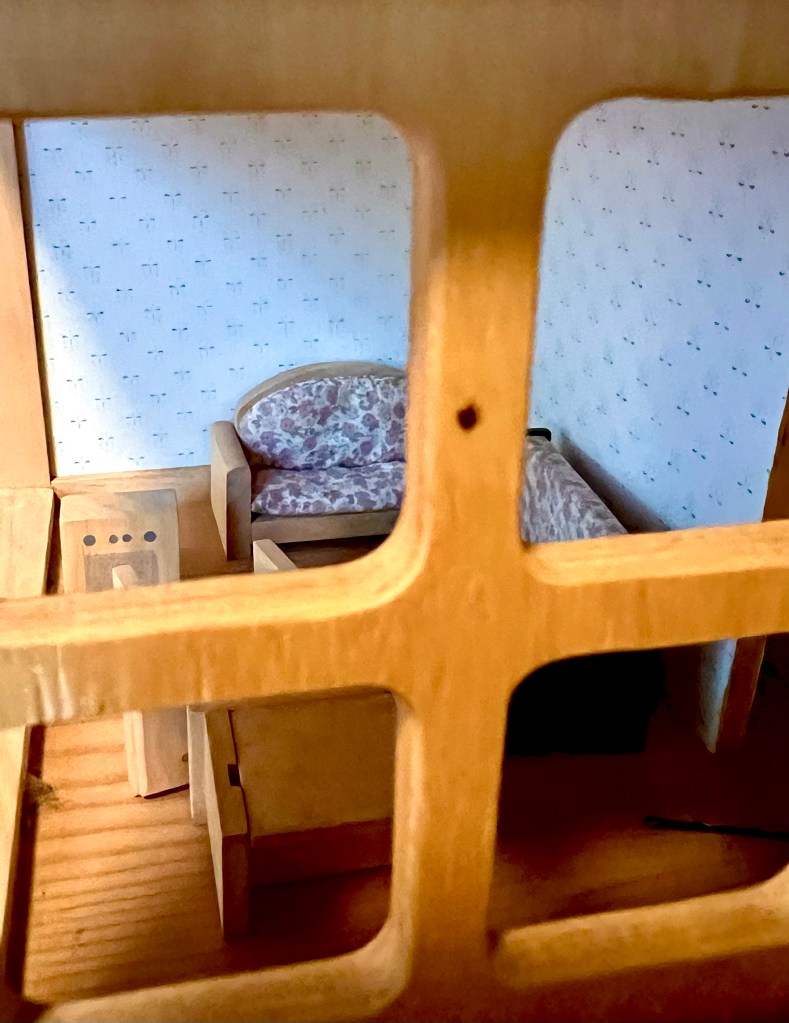
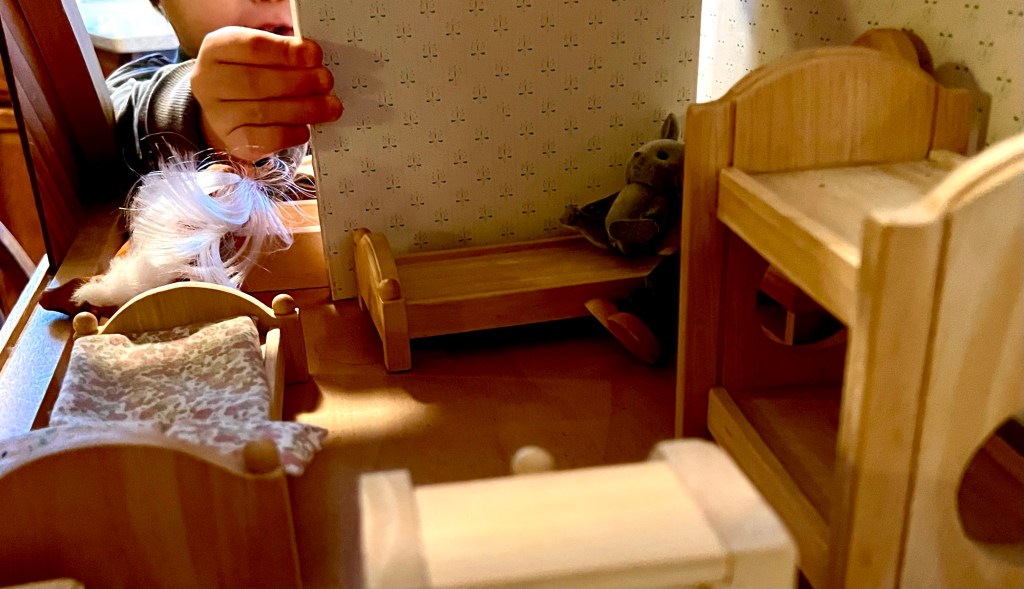
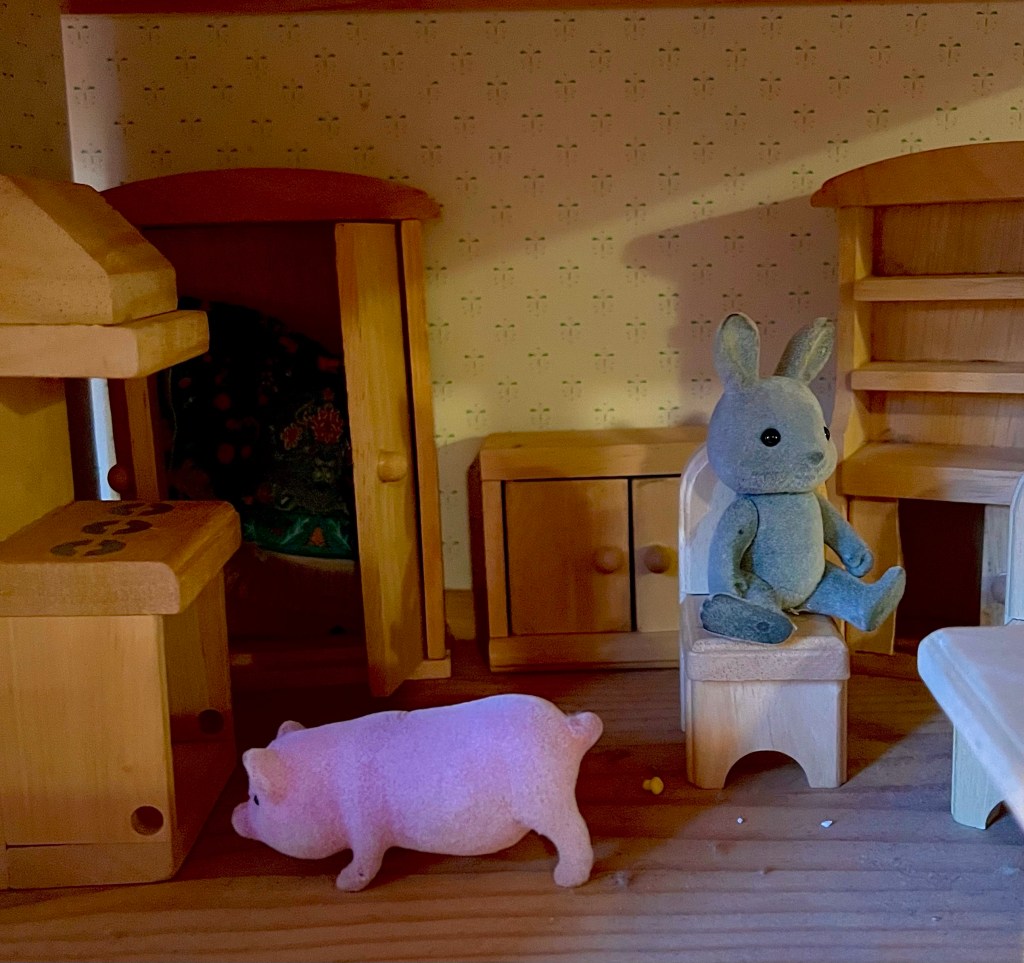
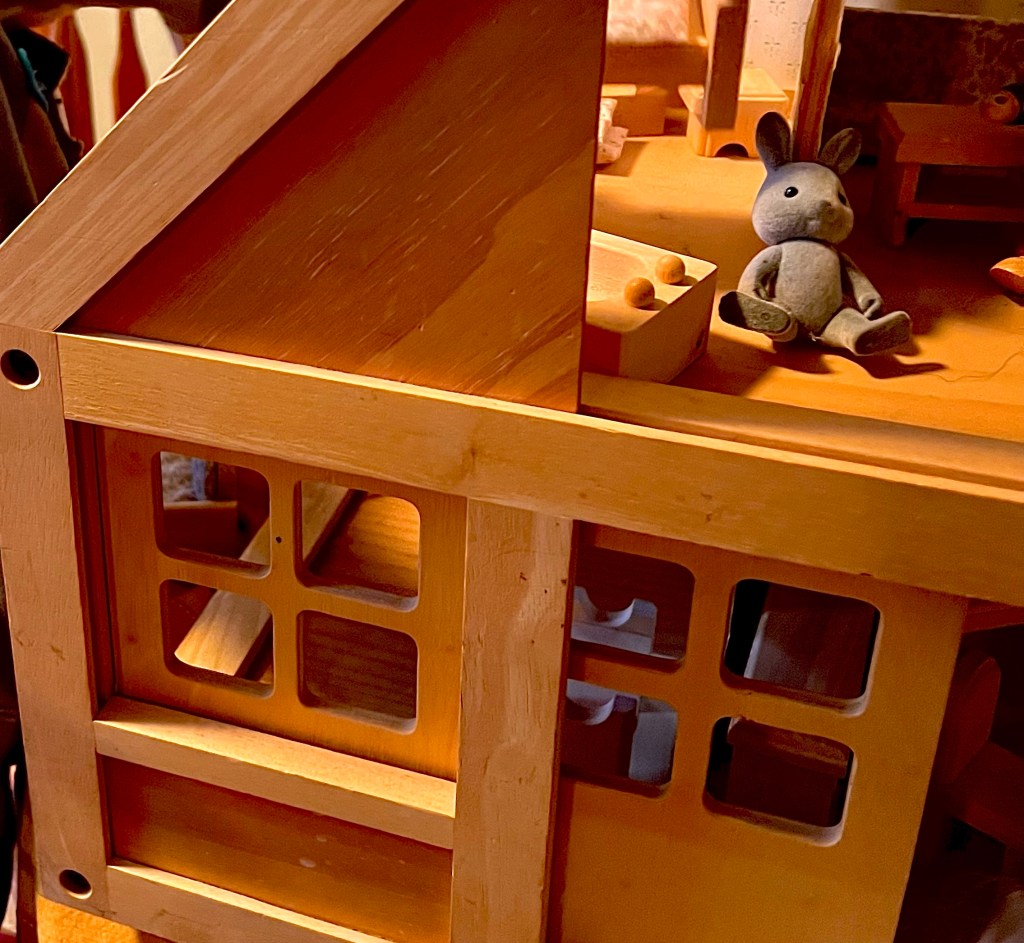
Our old doll house is a pretty tame place to exercise excessive levels of creativity, with characters and furniture to move around, conversations to overhear and conflicts to resolve. So I watch grandchildren make something happen in their world while I continue to make sense of the world I was born into.
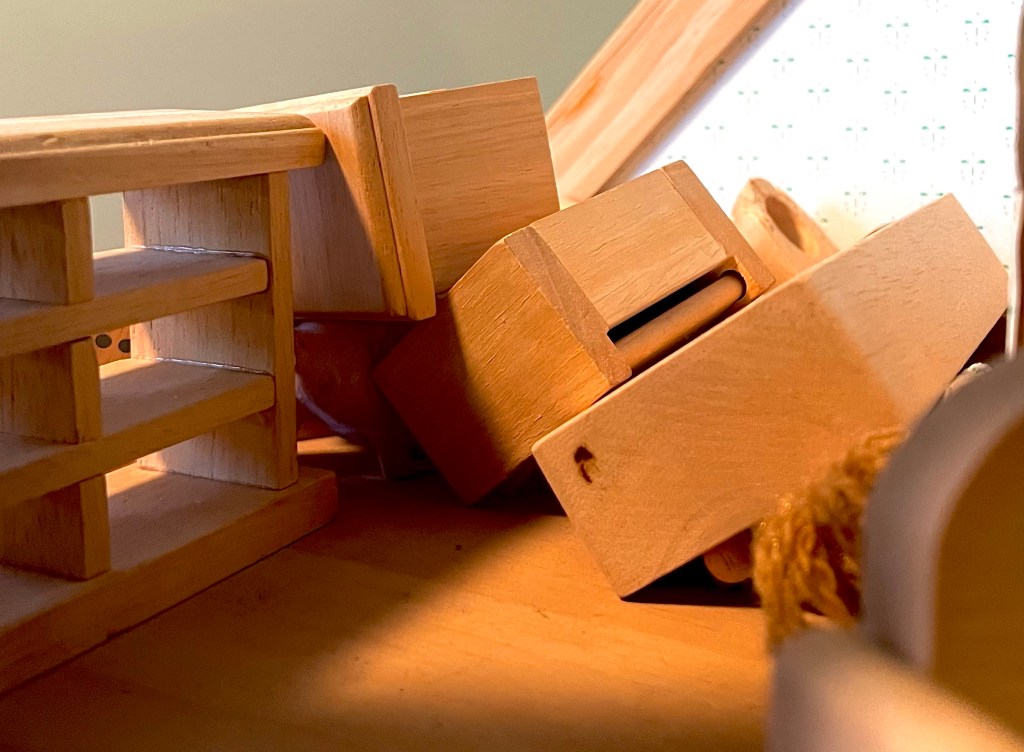
Their stories become interest accrued on lives well-composed and imagined. Even when a giant troll comes and knocks over all the furniture – there is no need for real life earthquakes in their created-reality.
And so it goes…
Make a one-time donation
Make a monthly donation
Make a yearly donation
Choose an amount
Or enter a custom amount
Your contribution is appreciated.
Your contribution is appreciated.
Your contribution is appreciated.
DonateDonate monthlyDonate yearly

 Barnstorming