Simply Glad

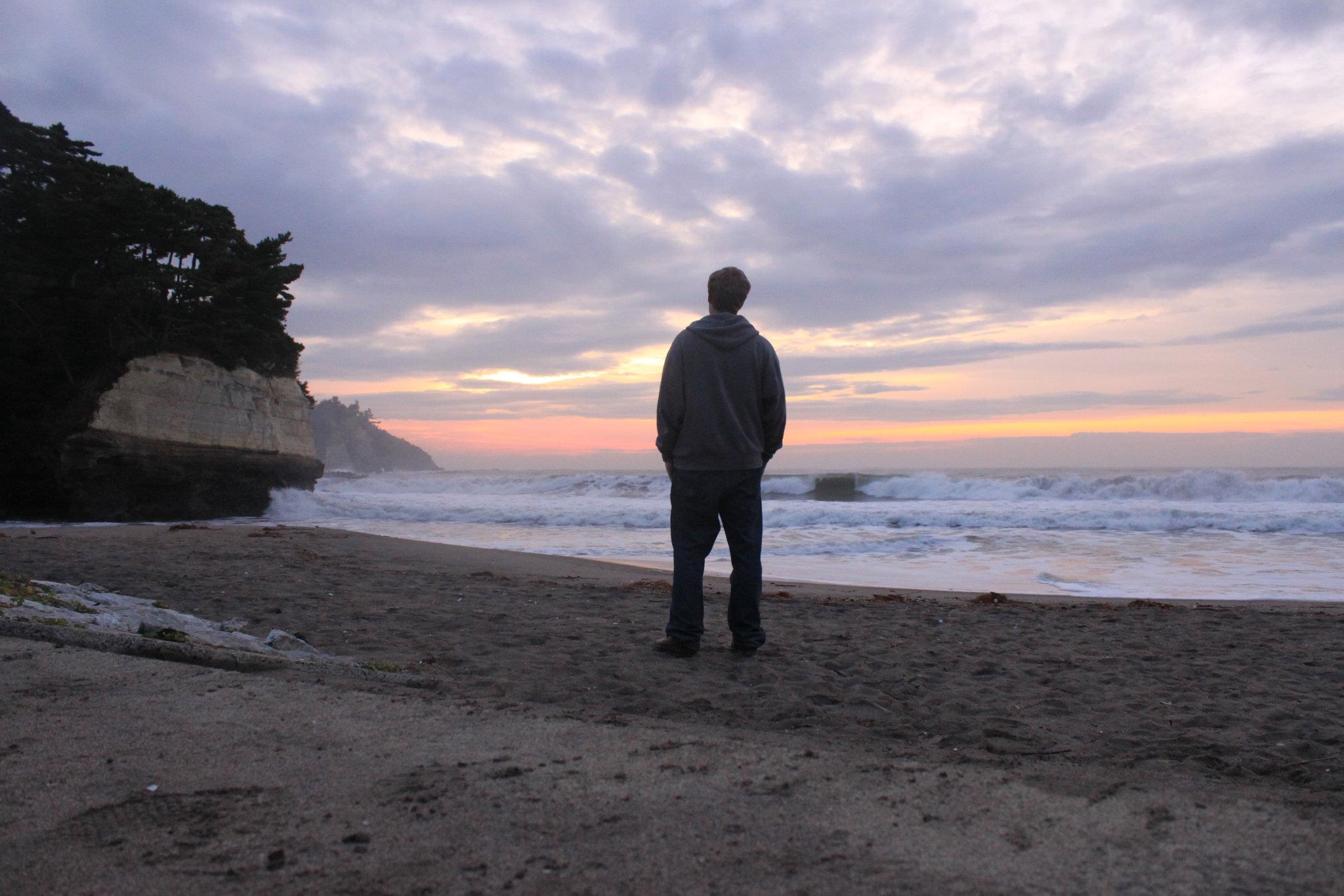
photo by Emily Dieleman

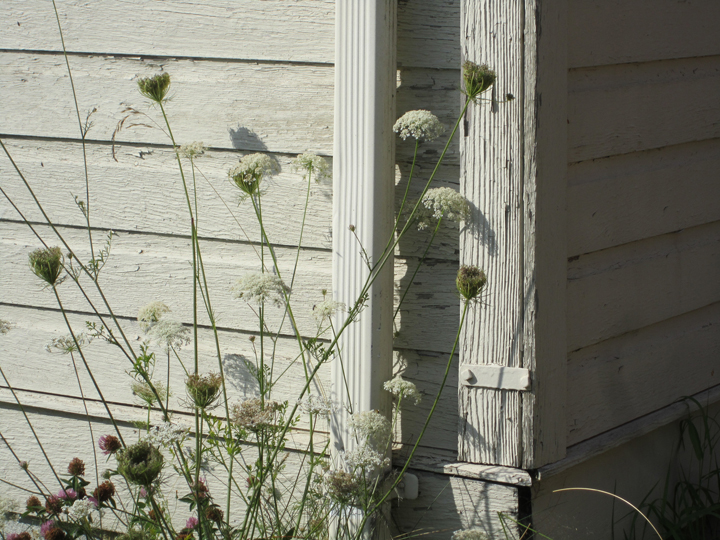
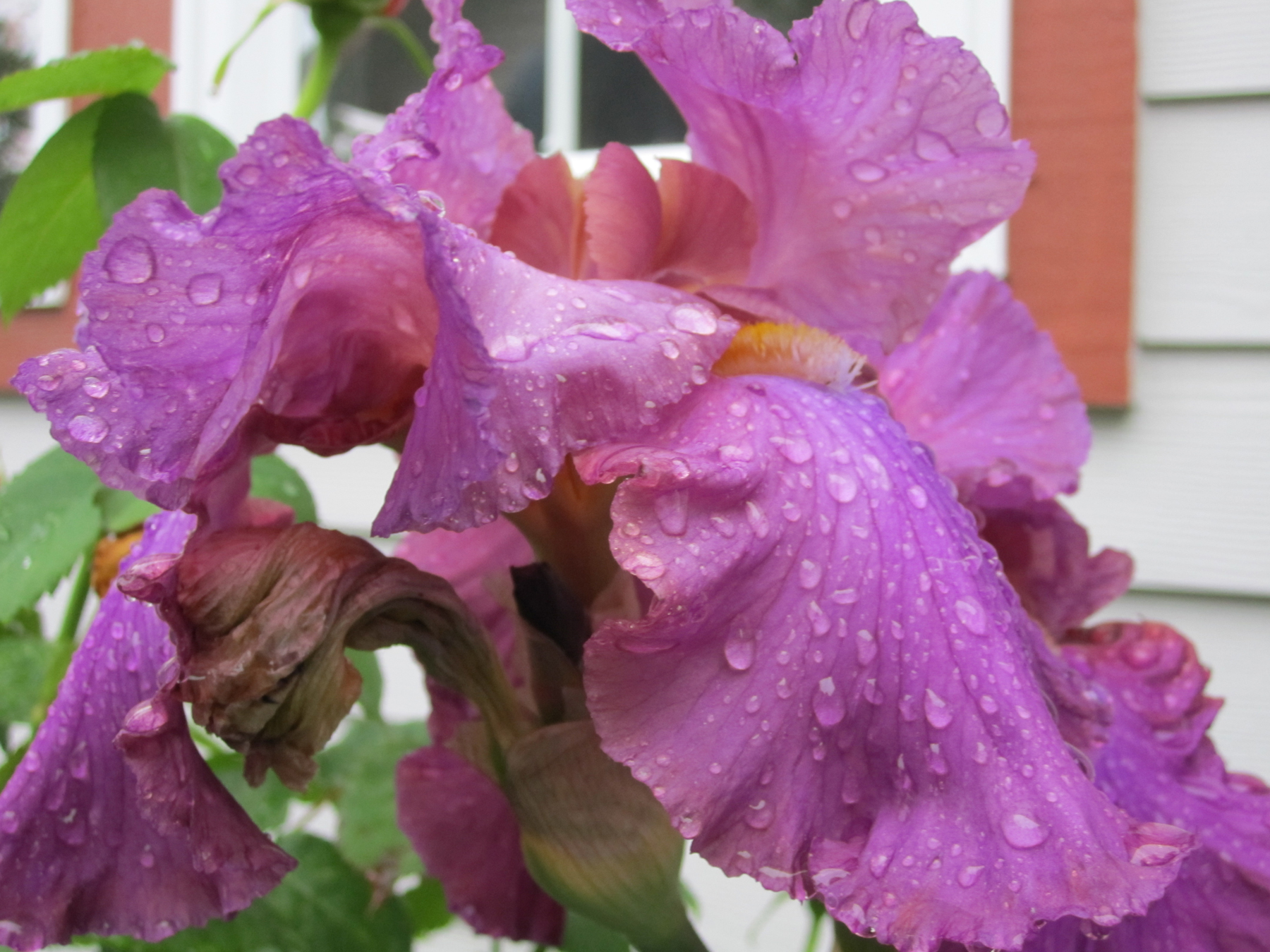
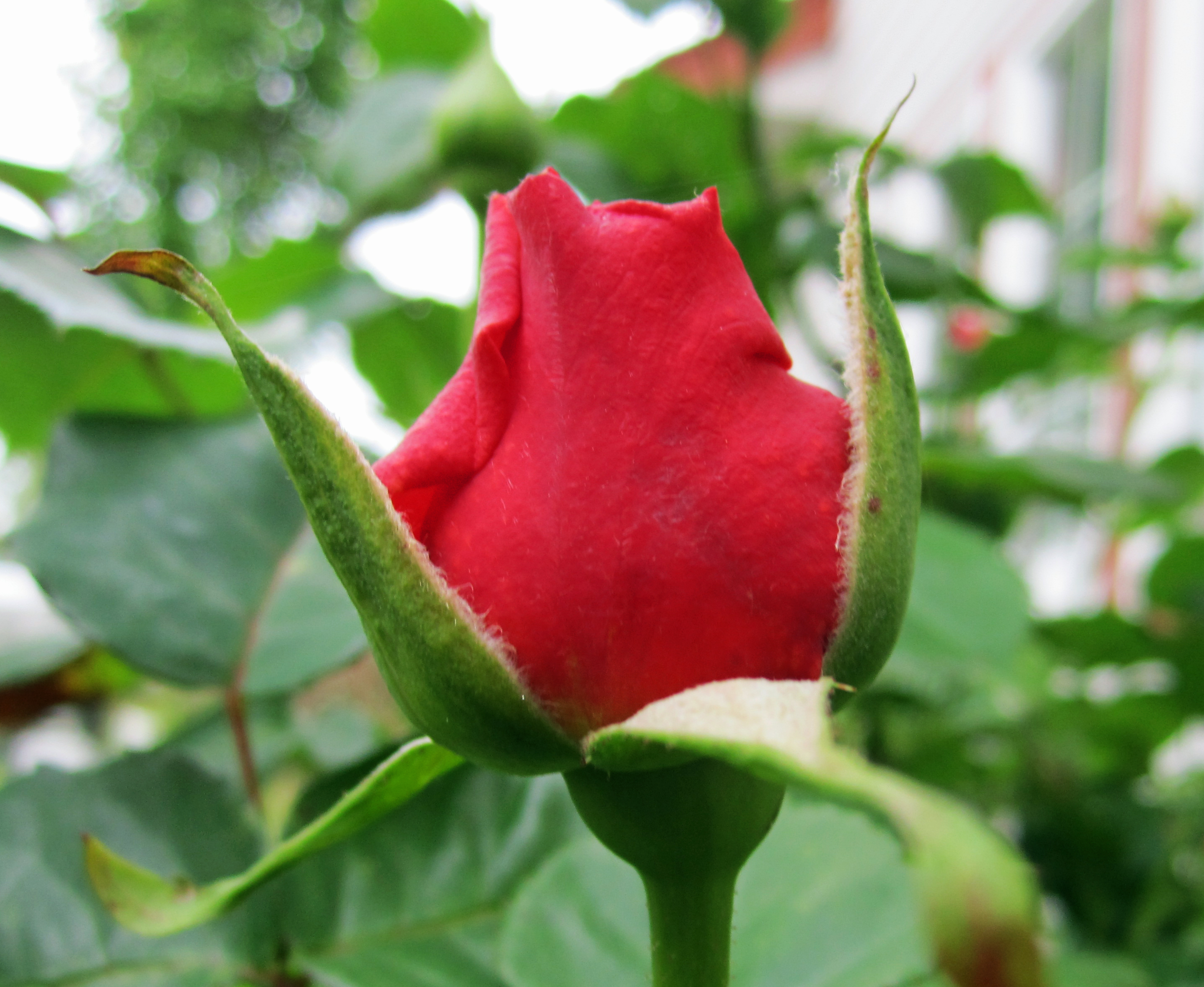
I shall open my eyes and ears. Once every day I shall simply stare at a tree, a flower, a cloud, or a person. I shall not then be concerned at all to ask what they are but simply be glad that they are. I shall joyfully allow them the mystery of what C.S. Lewis calls their “divine, magical, terrifying and ecstatic” existence.
Clyde Kilby in “Amazed in the Ordinary”

photo by Nate Gibson at Sendai, Japan

The Most Feeble Thing

photo by Josh Scholten

Man is but a reed, the most feeble thing in nature, but he is a thinking reed.
Blaise Pascal

I’m not sure which is getting flabbier faster–my biceps or my brain.  As I advance in middle age I tend to avoid overworking both to just get by with only occasional heavy lifting:  a hay bale here, a challenging abstract philosophical commentary there.   Hard work, whether physical or mental, is getting harder.  As a naturally lazy person, I have to be forced into manual and central nervous system labor out of necessity.  Necessity happens less and less often unless I go looking for it.

Given the choice between a physical task and a thinking task, I’ll opt for thinking over lifting any day.  Even so, I find my mental strengths are ebbing.  My brain is less flexible, I can tend to be stiff headed when trying something new, it starts to feel strained if I push it too fast.   There are times when it feels like it just goes into spasm and I need to sit down and rub it for awhile.  Feeble suddenly doesn’t sound like it just belongs to the aged and infirm.

The only remedy is to use it or lose it, whether muscles or gray matter.   So I dig a little deeper each day, even when it hurts to do so.   I purposely stretch beyond the point of comfort, just so I know it can still be done.  I lift a little higher, heft a little heavier, push a little harder.  Being the most feeble thing in nature may mean being easily broken by the smallest effort, but at least I’ll have thought my reedy limitations through thoroughly, chewed on it until there was nothing left and digested what I could.

Eventually I’ll come to accept that my greatest strength is to know what I don’t know.

“I have come to think that if I had the mind, I have not the brain and nerves for a life of pure philosophy. A continued search among the abstract roots of things, a perpetual questioning of all that plain men take for granted, a chewing the cud for fifty years over inevitable ignorance and a constant frontier watch on the little tidy lighted conventional world of science and daily life–is this the best life for temperaments such as ours? Is it the way of health or even of sanity?” C. S. Lewis (in a letter to his father, Aug. 14, 1925)

Ready to Hatch

photo by Josh Scholten

It may be hard for an egg to turn into a bird:
it would be a jolly sight harder for it to learn to fly while remaining an egg.
We are like eggs at present.
And you cannot go on indefinitely being just an ordinary, decent egg.
We must be hatched or go bad.
C. S. Lewis

I revel in being the good egg.
Smooth on the surface,
gooey inside,
ordinary and decent,
indistinguishable from others,
blending in,
not making waves.

It’s not a bad existence staying just as I am.
Except I can no longer.

There appeared a dent or two in my outer shell
from bumps along the way,
and a crack up one side
extending.

It is time to change or rot.

Nothing can be the same again:
the fragments of shell
left behind
abandoned
as useless confinement.

Newly hatched:
home becomes
the wind beneath my wings
to soar a horizon stretching
beyond eternity.


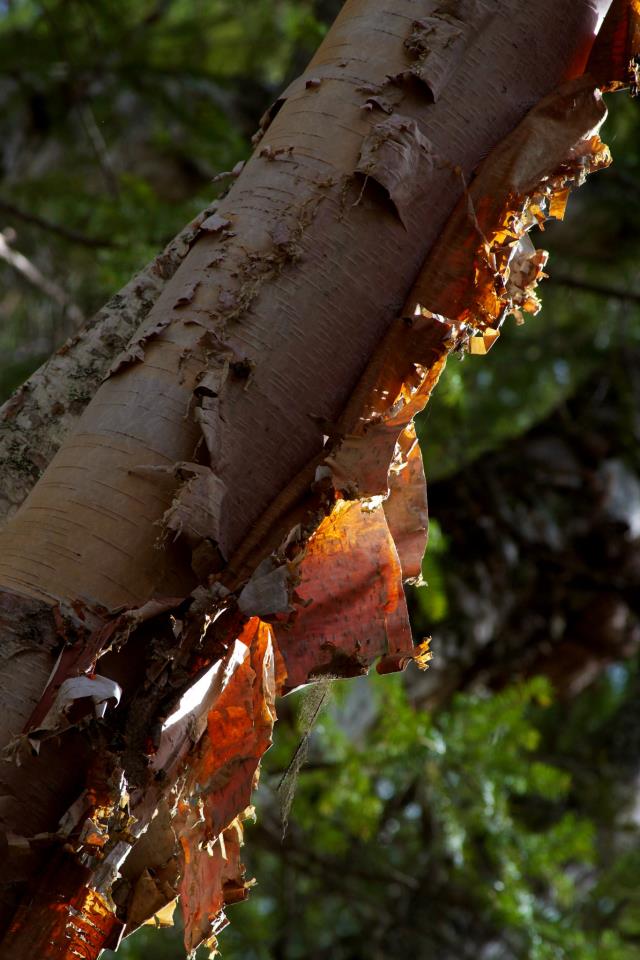
Peeling Off the Covering

photo by Josh Scholten

“We may ignore, but we can nowhere evade, the presence of God. The world is crowded with Him. He walks everywhere incognito. And the incognito is not always easy to penetrate. The real labor is to remember to attend. In fact to come awake. Still more to remain awake.”

― C.S. Lewis from “Letters to Malcolm: Chiefly on Prayer”

The older I get, the more I recognize the need to be alert and awake to the presence of God in the crowded world around me.  It doesn’t come naturally.  We humans have an attention deficit, choosing to focus inwardly on self and ignoring the rest.  If it isn’t for me, or like me, or about me, it somehow is not worthy of our consideration.   We wear blinders, asleep.

We need help to recognize the presence of God, to peel the layers off the ordinary and find Him at the core, incognito.  We need help to attend to where He is, invisible in plain sight.

Tell us where you found Him in the crowd today.  Share how you stay awake to Him as He walks next to you unrecognized.  Tell us how your heart burns within you, knowing He is present.

Your input is needed here: God Incognito


Noticing the Dirt

photo by Josh Scholten

“No amount of falls will really undo us if we keep on picking ourselves up each time. We shall of course be very muddy and tattered children by the time we reach home. But the bathrooms are all ready, the towels put out, and the clean clothes are in the airing cupboard. The only fatal thing is to lose one’s temper and give it up. It is when we notice the dirt that God is most present in us; it is the very sign of His presence.” ― C.S. Lewis

I am a big fan of hot baths, always have been. No matter how long the day, how sweaty the work, how gritty the accumulated grime, a bath takes care of it. That cleansing is something to look forward to: staying dirty is only temporary, not a permanent condition.

Somehow I manage to stumble and fall regularly, get mussed and messy, and need to get clean all over again. And again. Thankfully there is plenty of hot water, clouds of soap suds, and a stiff scrub brush.

Time for the tub…again.

photo by Josh Scholten

Lenten Reflection–Sacred Somethings

20120327-054342.jpg

20120327-063102.jpg

Something of God flows into us from the blue of the sky, the taste of honey, the delicious embrace of water whether cold or hot, and even from sleep itself.
C.S. Lewis

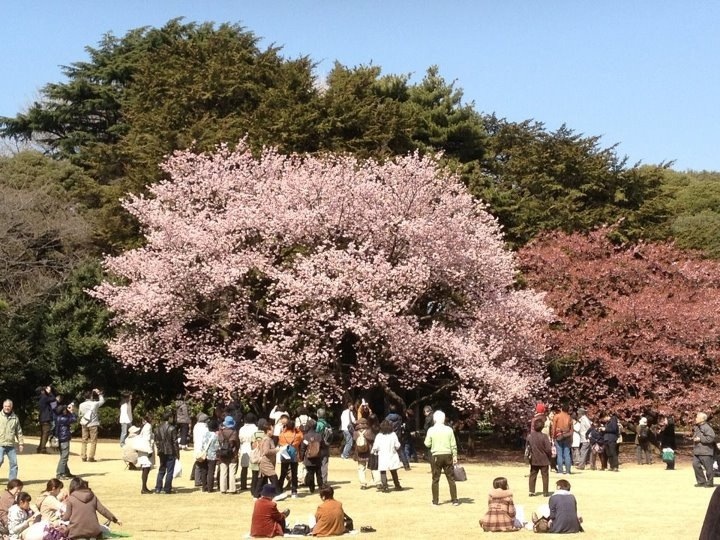
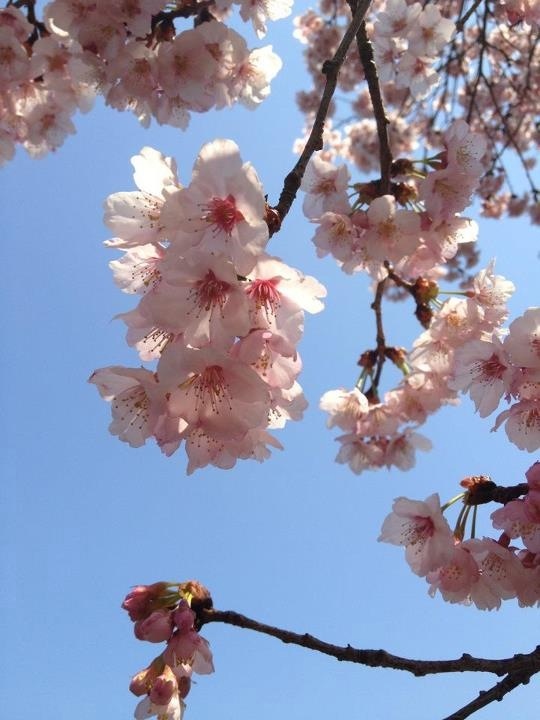
Six days so far in Japan: the sky bright blue, the cherry blossoms bursting, the smooth snowy cone of Fuji visible at sunrise, the stars sparkling in the night sky above Nikko, the bounty of the sea and fields displayed in the markets of Tokyo, the warm hug of the hot springs, the sea of humanity streaming into subways.

Something of God is flowing here in this beautiful place, though not yet recognized by all. He is sacred, tangible and intangible, internal and loving.

May we be filled. Even as we sleep.

20120327-063024.jpg

Lenten Reflection–The Invitation

20120324-141428.jpg
When he takes it all away, will we love him more than things, more than health, more than family, and more than life? That’s the question. That’s the warning. That’s the wonderful invitation.
John Piper in “I Was Warned By Job This Morning”

The warning of the Book of Job is that it could happen to us too–everything we have strived for, cared about, loved and valued taken away. If we are stripped bare naked, nothing left but our love for God and His sovereign power over our lives, will we still worship His Name, inhale His Word like air itself, submit ourselves to His plan over our plan?

I know I fall far short of the mark. It takes only small obstacles or losses to trip me up so I stagger in my faith, trying futilely to not lose my balance, falling flat-faced and immobilized.

When I’ve seen people lose almost everything, either in a disaster, or an accident, or devastating illness, I’ve looked hard at myself and asked if I could sustain such loss in my life and still turn myself over to the will of God.

I would surely plead for reprieve and ask the horribly desperate question, “why me?”, girding myself for the response: “and why not you?”

The invitation, scary and radical as it is, is from God straight to my heart, asking that I trust His plan for my life and death, no matter what happens, no matter how much suffering, no matter how much, like Christ in the garden, I plead that it work out differently, more my own choosing that it not hurt so much.

The invitation to His plan for my life has been written, personally carried to me by His Son, and lies ready in my hands, although it has remained untouched for years. It is now up to me to open it, read it carefully, and with deep gratitude that I am even included, respond with an RSVP that says emphatically, “I’ll be there! Nothing could keep me away.”

Or I could leave it untouched, fearing it is too scary to open. Or even toss it away altogether, thinking it really wasn’t meant for me.

Even if, in my heart, I knew it was.

There are only two kinds of people in the end: those who say to God, ‘Thy will be done,’ and those to whom God says, in the end, ‘Thy will be done.’ C. S. Lewis

href=”https://barnstorming.blog/wp-content/uploads/2012/03/20120324-1636241.jpg”>20120324-163624.jpg

Lenten Reflection–A Good Time

href=”https://barnstorming.blog/wp-content/uploads/2012/03/20120323-161151.jpg”>20120323-161151.jpg
We want, in fact, not so much a father in heaven as a grandfather in heaven: a senile benevolence who, as they say, “liked to see young people enjoying themselves” and whose plan for the universe was simply that it might be truly said at the end of each day, “a good time was had by all.”
C.S.Lewis

There was a time when He wasn’t just a Father in heaven. He was the Creator who strolled along beside His creation in the garden. But we weren’t satisfied or “happy” enough with that.

Then, with all the trouble we had made for ourselves in our pursuit of a good time, He returned to try again to salvage His unsatisfied creation, coming to us borne from a woman, who raised Him with a man to guide and protect Him through to adulthood. He then walked beside us again, teaching, healing, helping, embracing and weeping alongside us. Few really listened, understood, believed a message of grace and forgiveness that can only happen at the price of rejection, sacrifice, suffering, death.

This was not exactly a “good time was had by all.”. We had our chance at that and blew it. There is no enjoyment in paying the cost of redeeming the fallen and broken but there is joy in the outcome. That takes a Father beyond any we can imagine–one who takes the wounds for us, leaving us unscathed.

Goodness prevails over good times. Every time.

Lenten Reflection–Birth of Dawn and Dew

href=”https://barnstorming.blog/wp-content/uploads/2012/03/20120322-174455.jpg”>20120322-174455.jpg
Overcome us that, so overcome, we may be ourselves: we desire the beginning of your reign as we desire dawn and dew, wetness at the birth of light. – C.S. Lewis

My husband and I have just spent our first night in Japan, traveling to share some precious time with our son who teaches in Tokyo, and staying with our close friends of thirty years who are serving as missionaries here. With our internal clocks off, we woke at 2 AM, so over the last hour, I have watched Tokyo awake cold, gray and overcast, much like dawns at home in the Pacific Northwest Although there was not the visible ‘rising sun’ this ancient land is known for, a birth of light still happened just as it does anywhere on earth to erase the night, even above and despite the cloud cover.

I am overwhelmed by the vastness of the ocean we flew over yesterday, the hugeness of this city and its multimillions of people, by the fact we are able to be here at all in mere hours in this modern age of transportation. I am overcome that I can witness the dawn no matter where I rise, insignificant as I am, that I am able to feel at home even in far off lands.

May I be confident, no matter where I sleep or awake, I can be witness to a dawning, inevitable, that rises over a vast Kingdom without borders, without corruption, without alienation, without end.

No matter where I lie, I will be covered in its cleansing dew.

20120322-174306.jpg

<a

Lenten Reflection–Into the Lives of Others

photo by Josh Scholten

The truth that many people never understand, until it is too late, is that the more you try to avoid suffering the more you suffer because smaller and more insignificant things begin to torture you in proportion to your fear of being hurt.
Thomas Merton

We want to avoid suffering, death, sin, ashes. But we live in a world crushed and broken and torn, a world God Himself visited to redeem. We receive his poured-out life, and being allowed the high privilege of suffering with Him, may then pour ourselves out for others.
Elisabeth Elliot

Much of my professional work as a physician involves helping people avoid suffering. Either I strive to prevent illness, or address symptoms early, or once someone is very sick or injured, try to mitigate the discomfort and misery. Sometimes I am able to help. Too often they are futile efforts. At that point all I can give is myself, caring for my patient as best I can. There is no medication, no physical manipulation or surgery, no magic touch that makes the difference that love can.

In a flawed and broken world, there will be suffering that cannot be prevented. We can run, but we can’t hide. It is avoidance that hurts us most. For some, it is the temporary anesthesia of alcohol or other recreational substances, a burrowing into numbness that prevents feeling anything at all. For others, it is the neverending quest for fulfillment in pleasure, which is transient and hollow, or accumulating material goods, which eventually bore, become obsolete and pile up in landfills.

He poured Himself into us as He suffered. In turn, thus filled, we have ourselves to give.

Nothing else lasts. Nothing else matters.

I’m not sure God wants us to be happy. I think he wants us to love, and be loved. But we are like children, thinking our toys will make us happy and the whole world is our nursery. Something must drive us out of that nursery and into the lives of others, and that something is suffering.
C. S. Lewis