The chestnut casts his flambeaux, and the flowers
Stream from the hawthorn on the wind away,
The doors clap to, the pane is blind with showers.
Pass me the can, lad; there’s an end of May..
…The troubles of our proud and angry dust
Are from eternity, and shall not fail.
Bear them we can, and if we can we must.
Shoulder the sky, my lad, and drink your ale.
~A. E. Houseman
Yet in the soft–hung leaves a splendour lies,
As though not from the far–off noon it came
But in themselves a green indwelling flame
Were prisoned. Here unanswered mysteries
Content me, and of peace I want not more,
But feed on thoughts that end
In a sweet pause of mind,
As if from my own being back resigned
To the universal essence of Earth’s core,
Where over me the saps of life ascend.
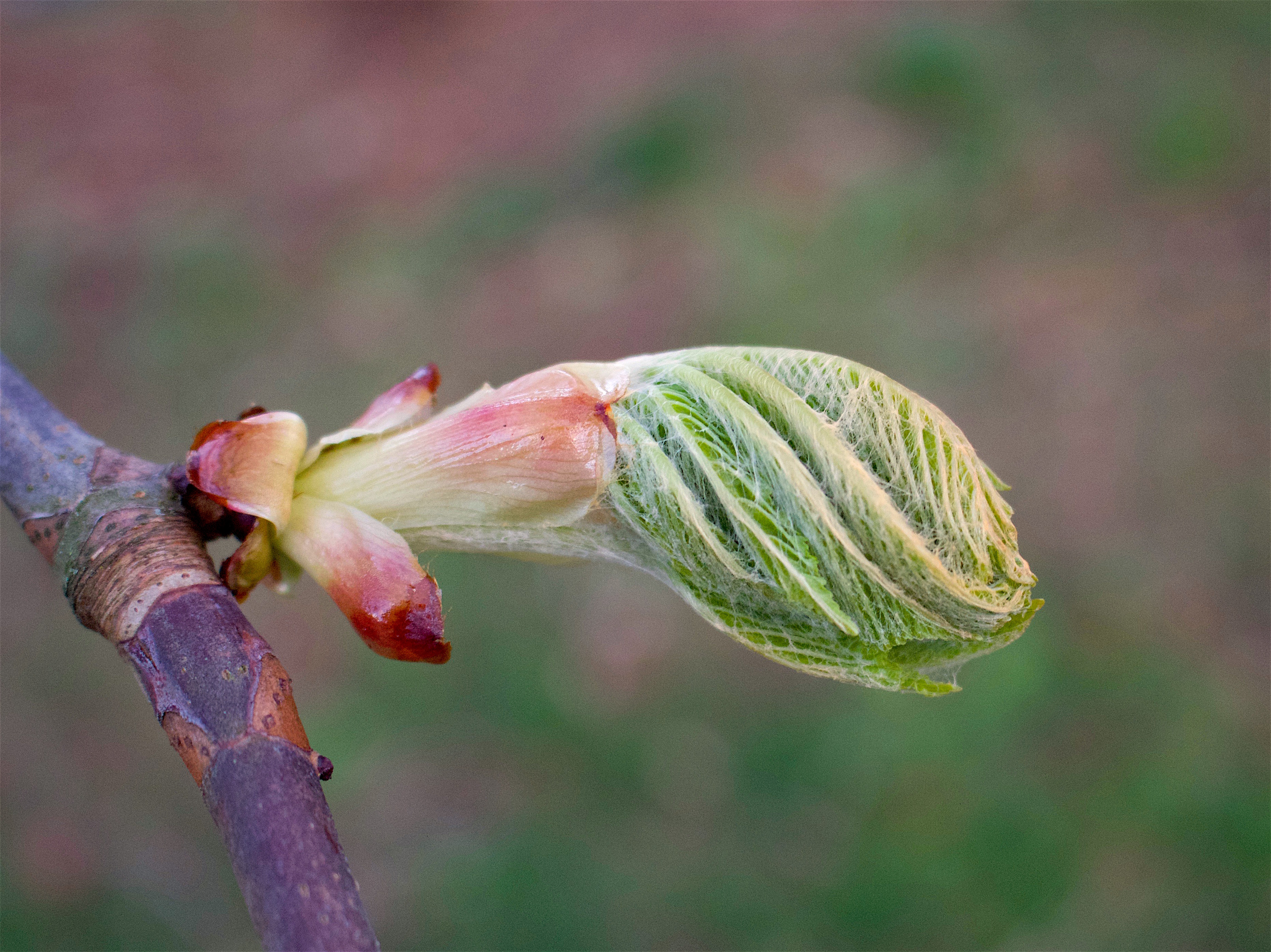
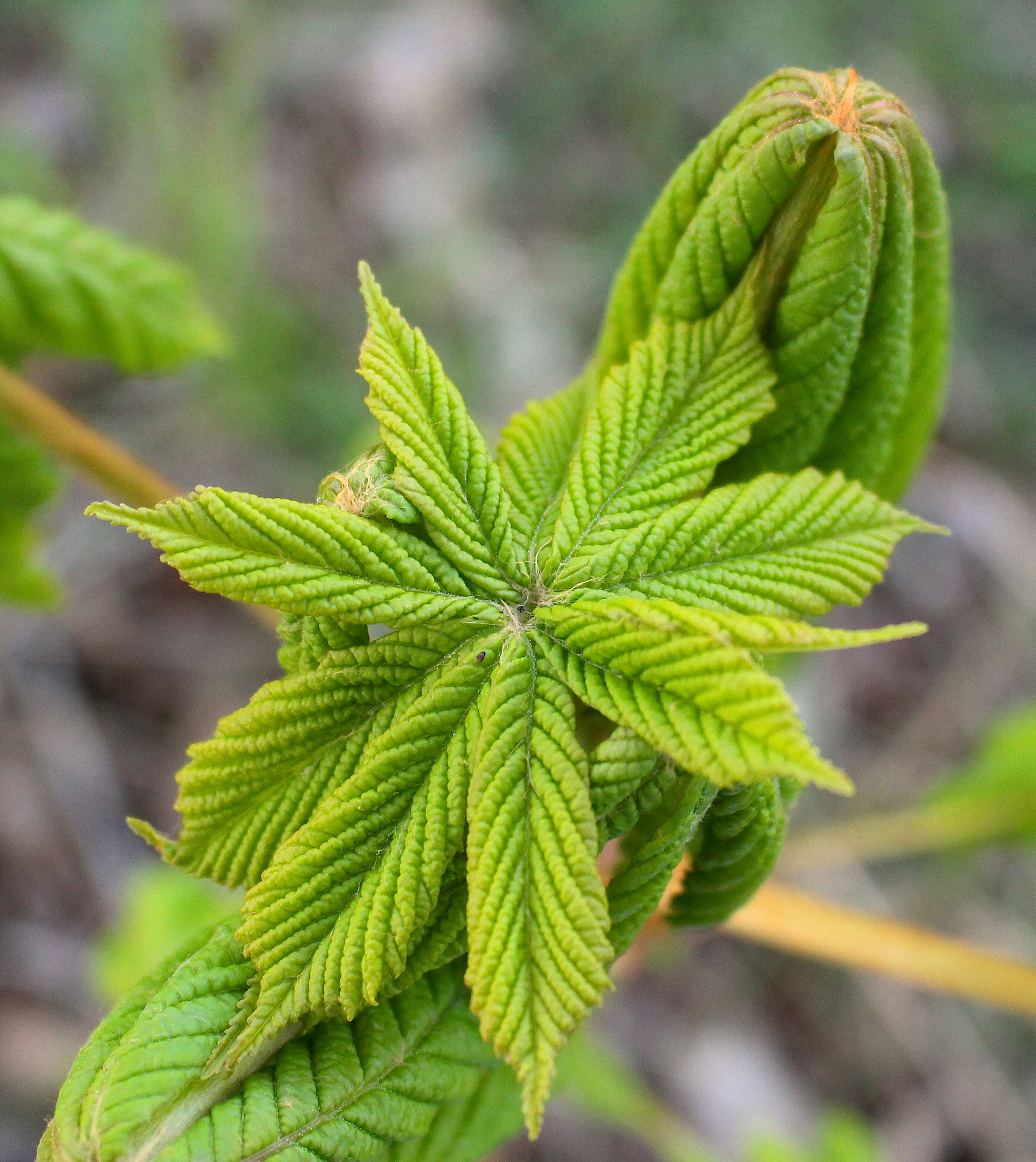
Because you are
only
a seed,
chestnut tree, autumn, earth,
water, heights, silence
prepared the germ,
the floury density,
the maternal eyelids
that buried will again
open toward the heights
the simple majesty of foliage,
the dark damp plan
of new roots,
the ancient but new dimensions
of another chestnut tree in the earth.
~Pablo Neruda from “Ode to a Chestnut on the Ground”
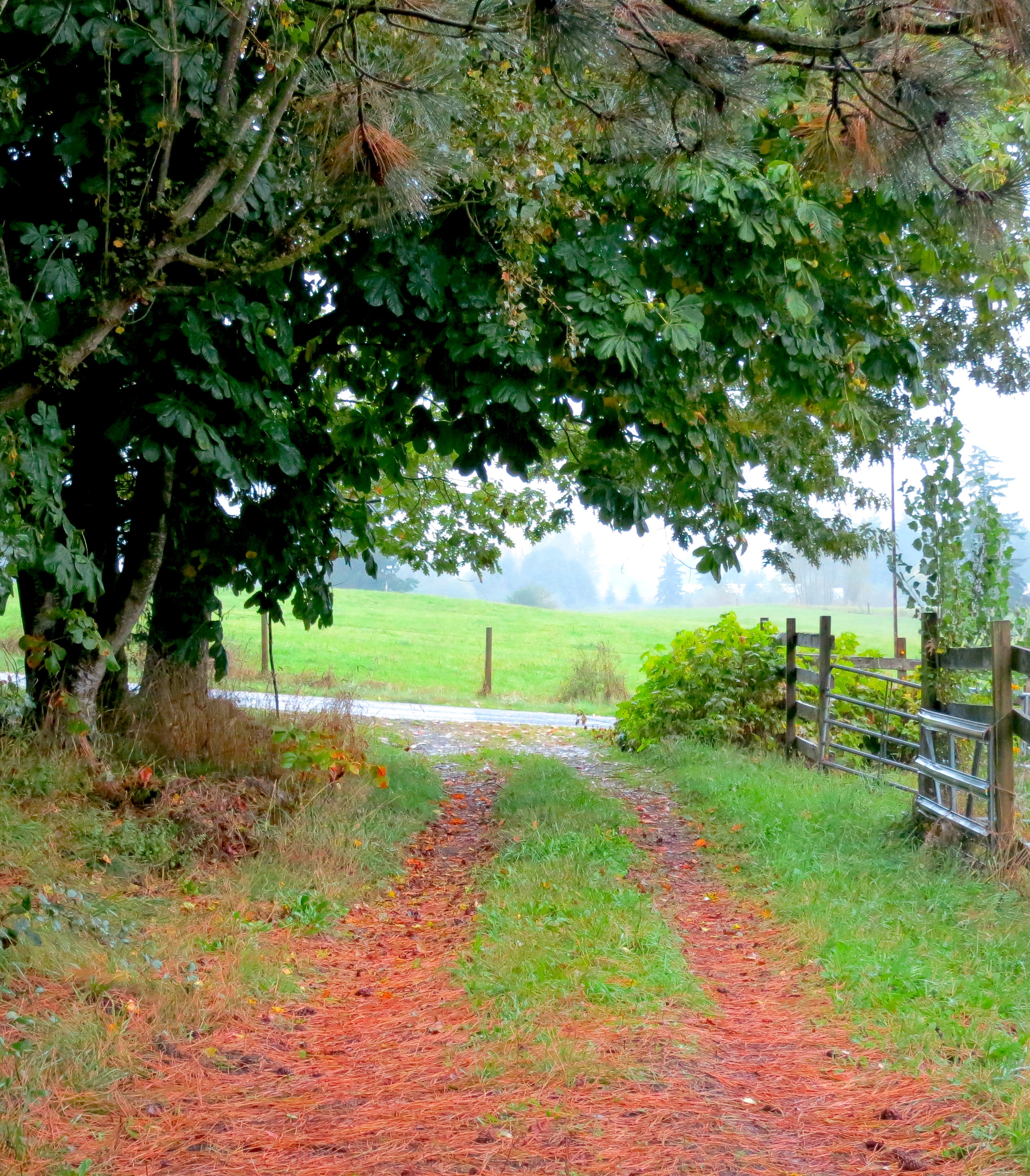
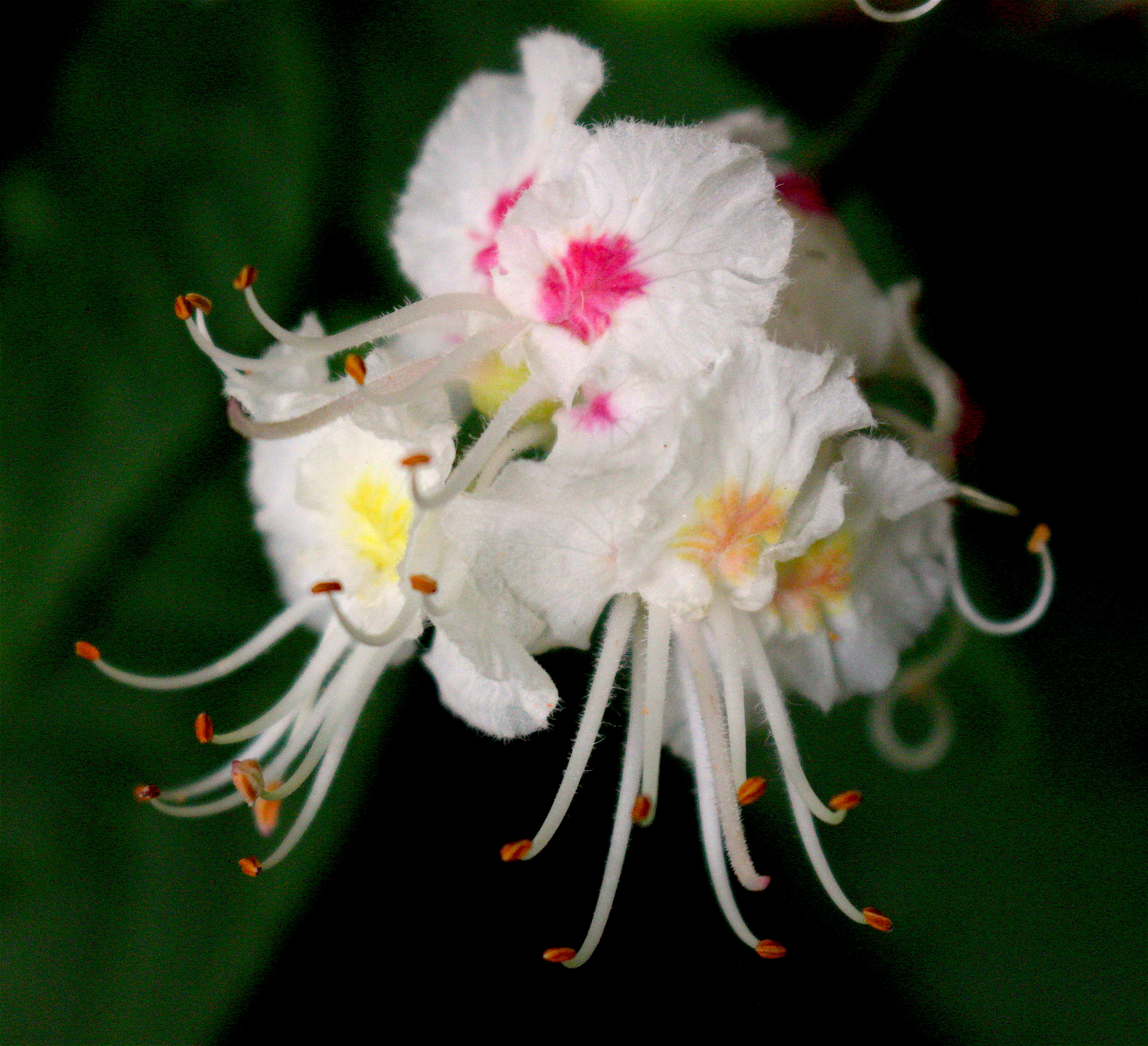
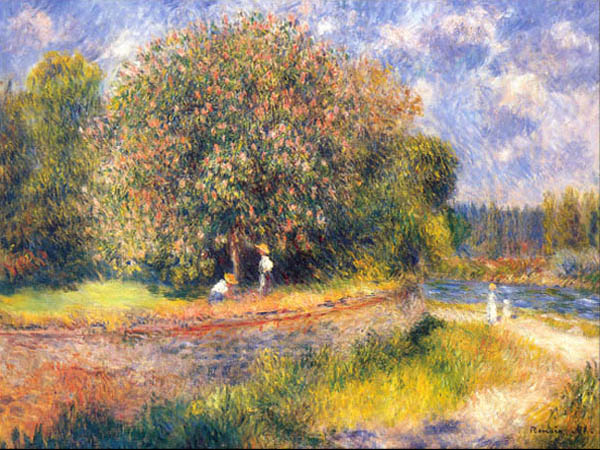
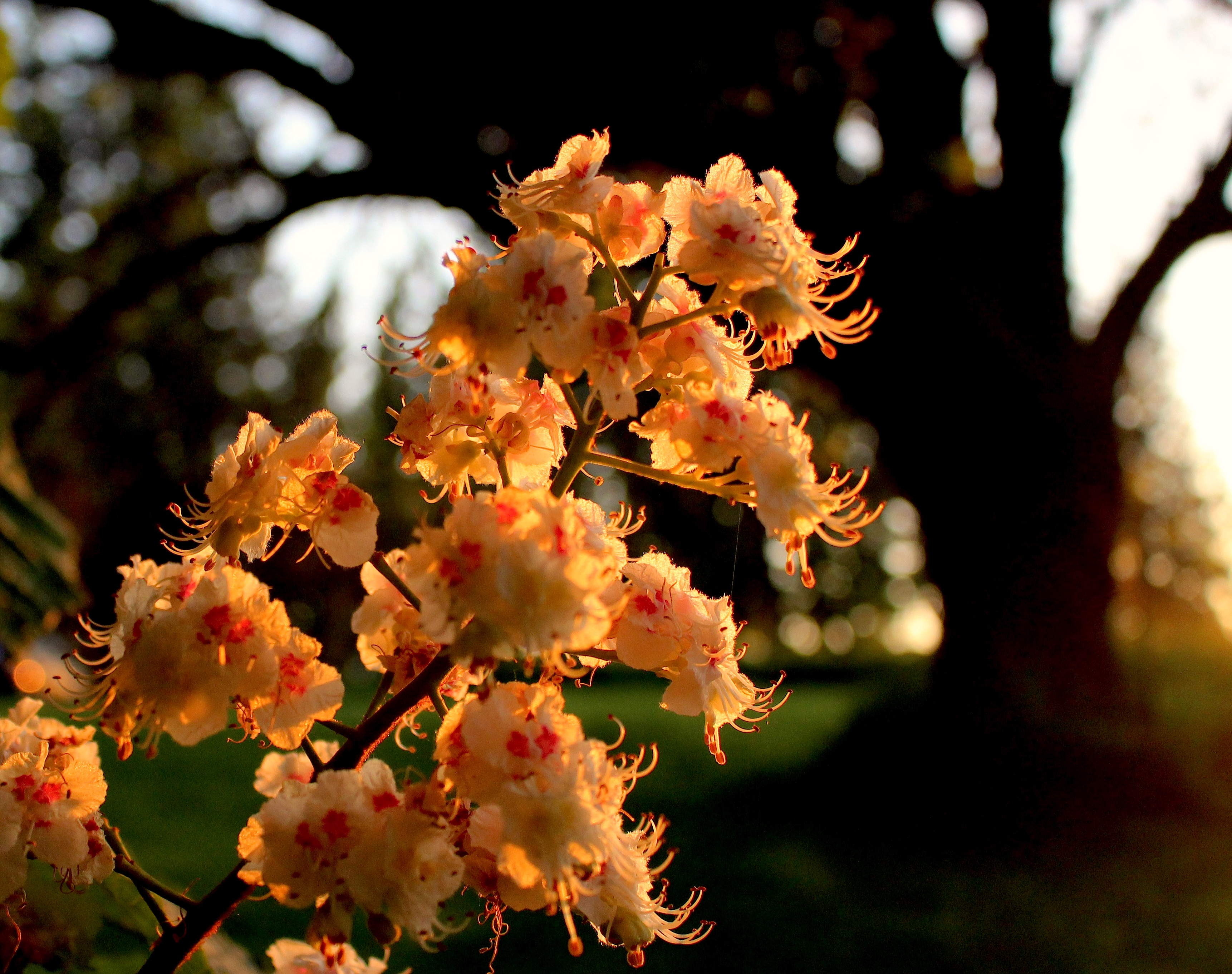
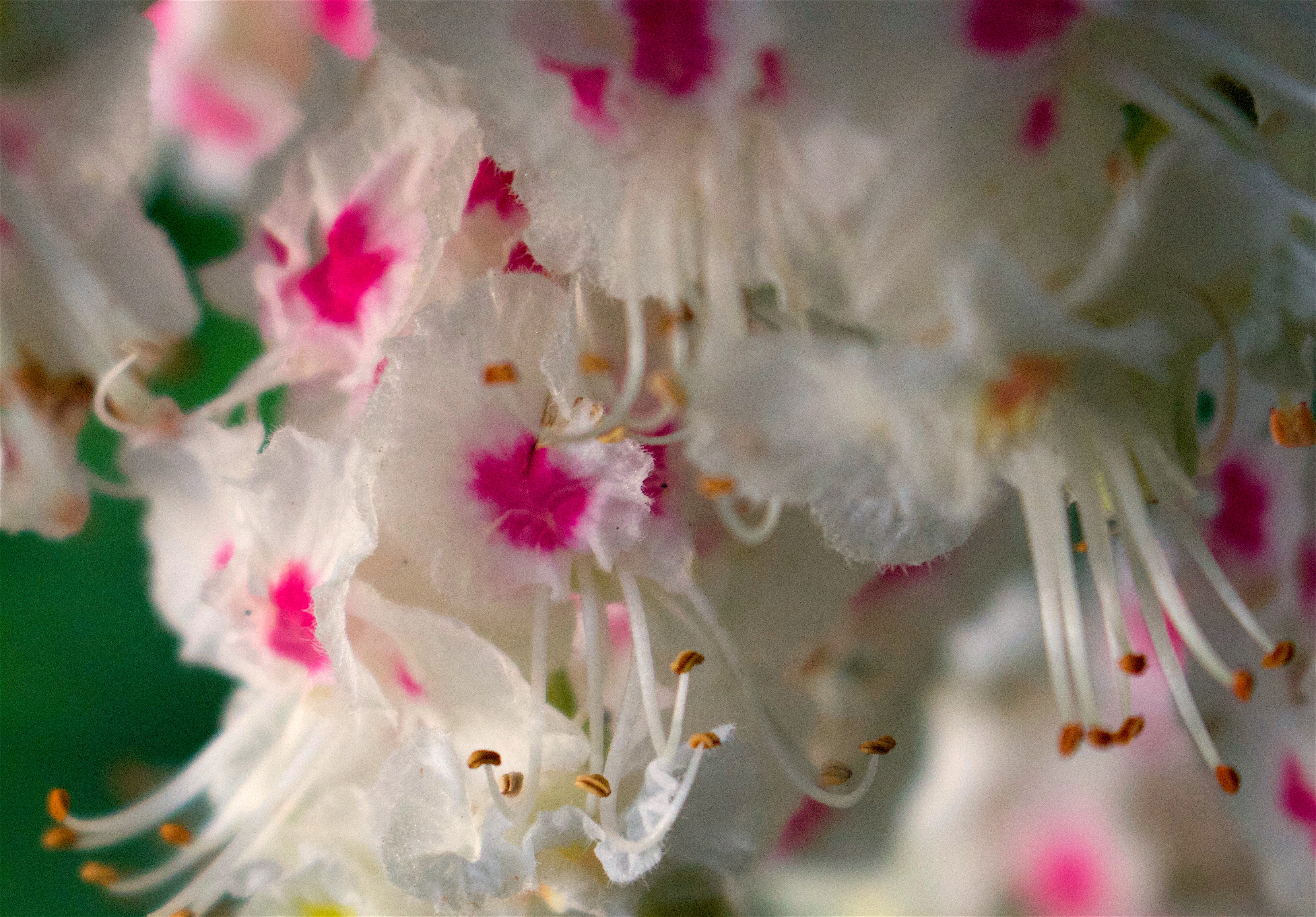
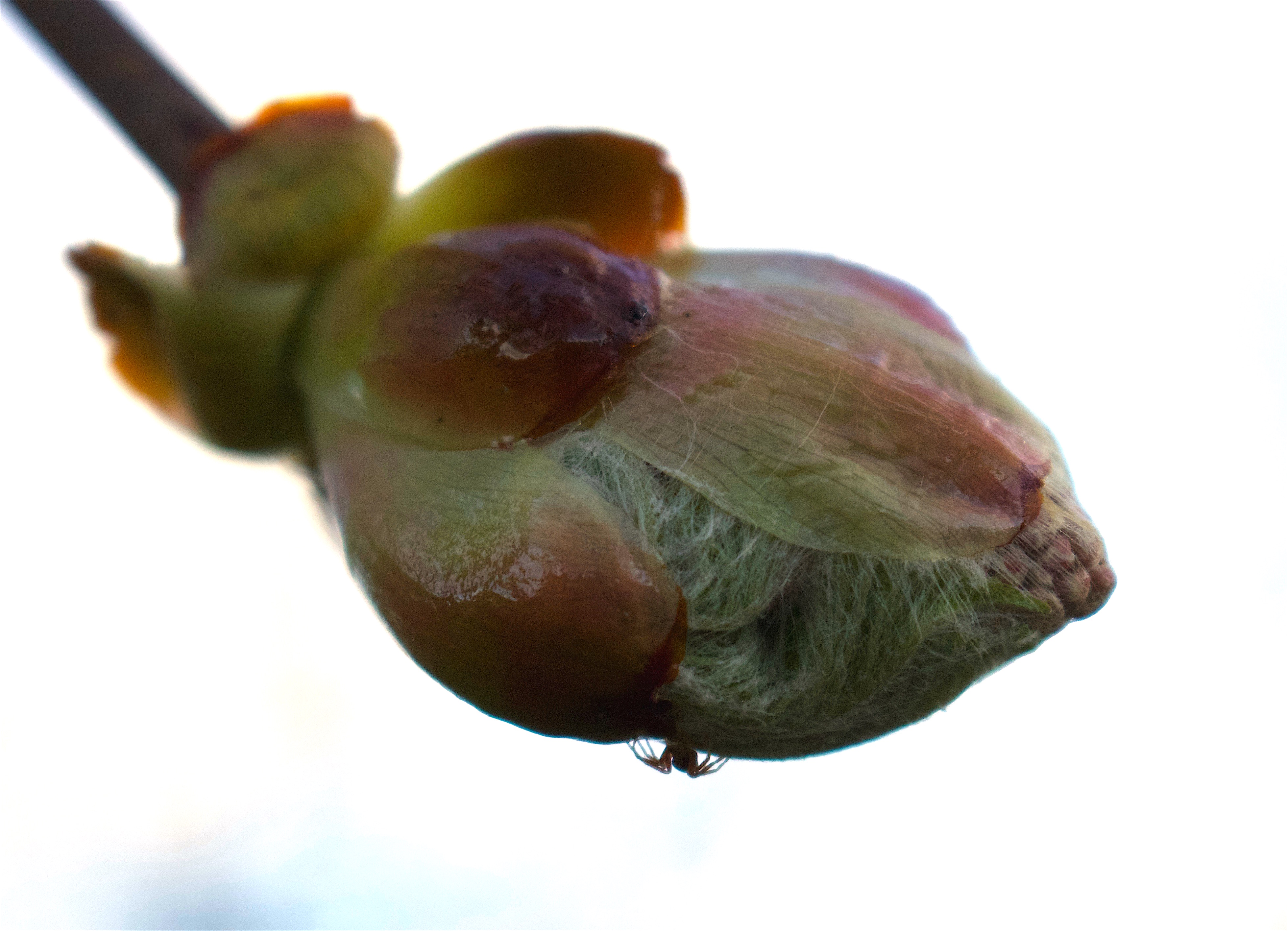
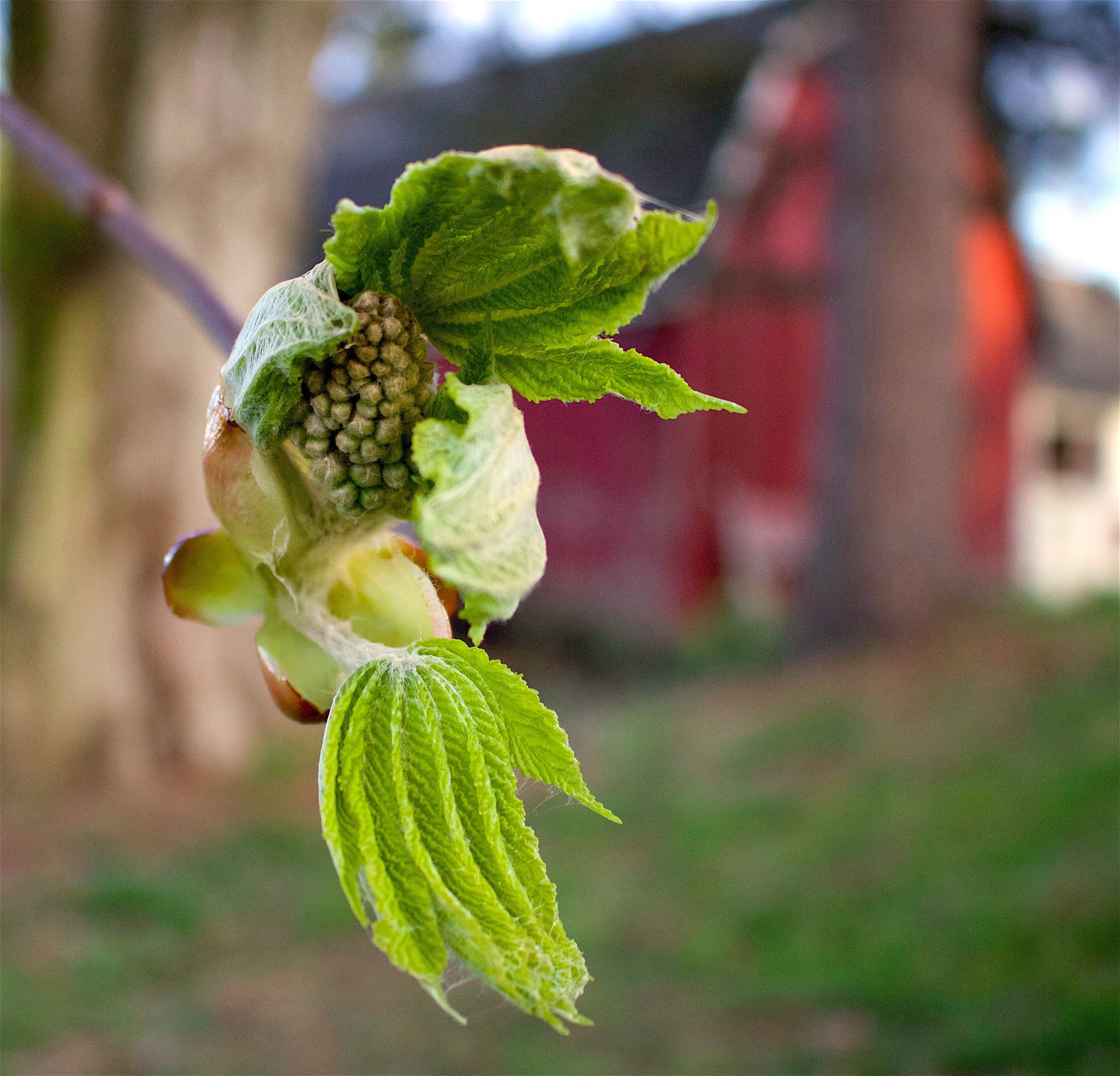
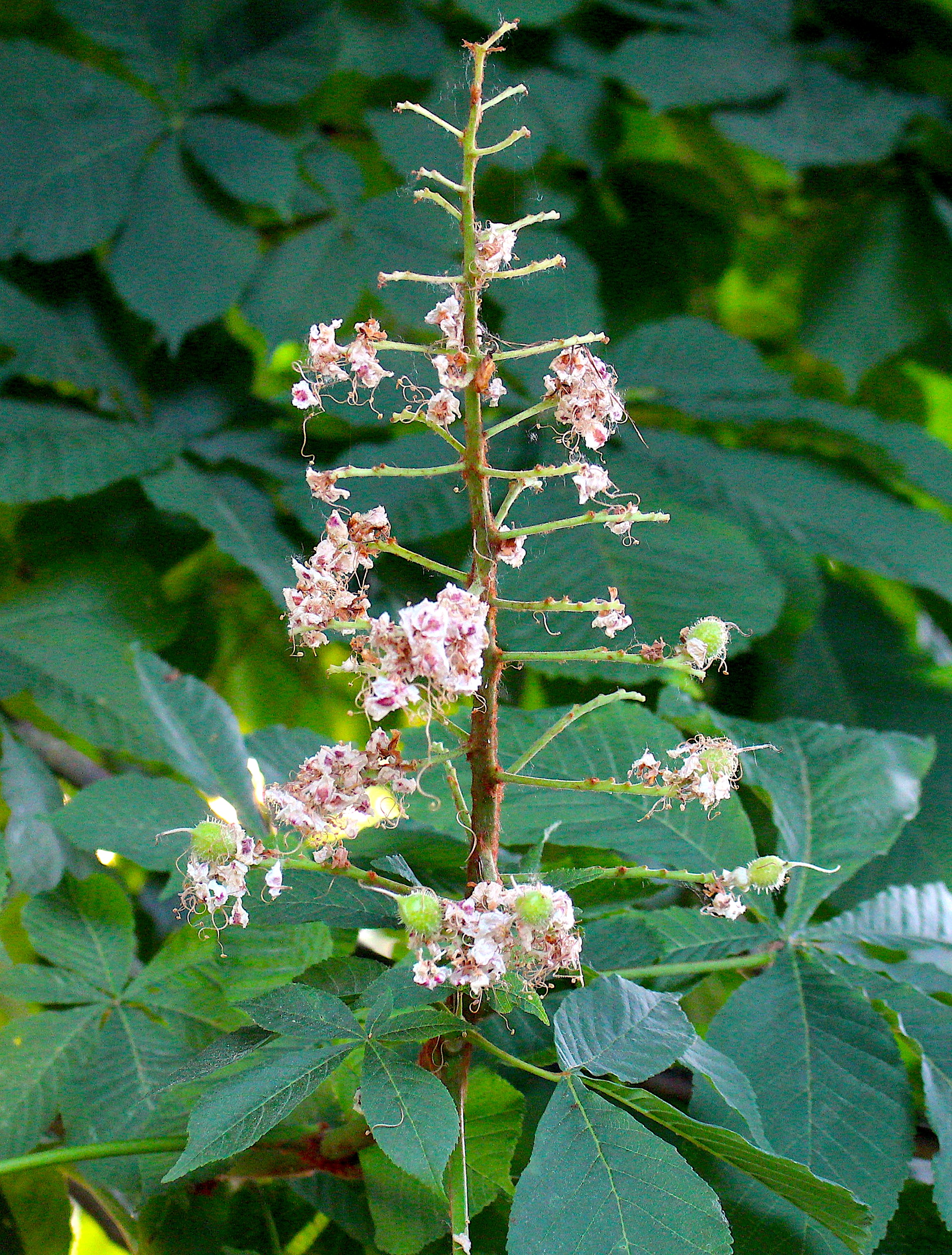
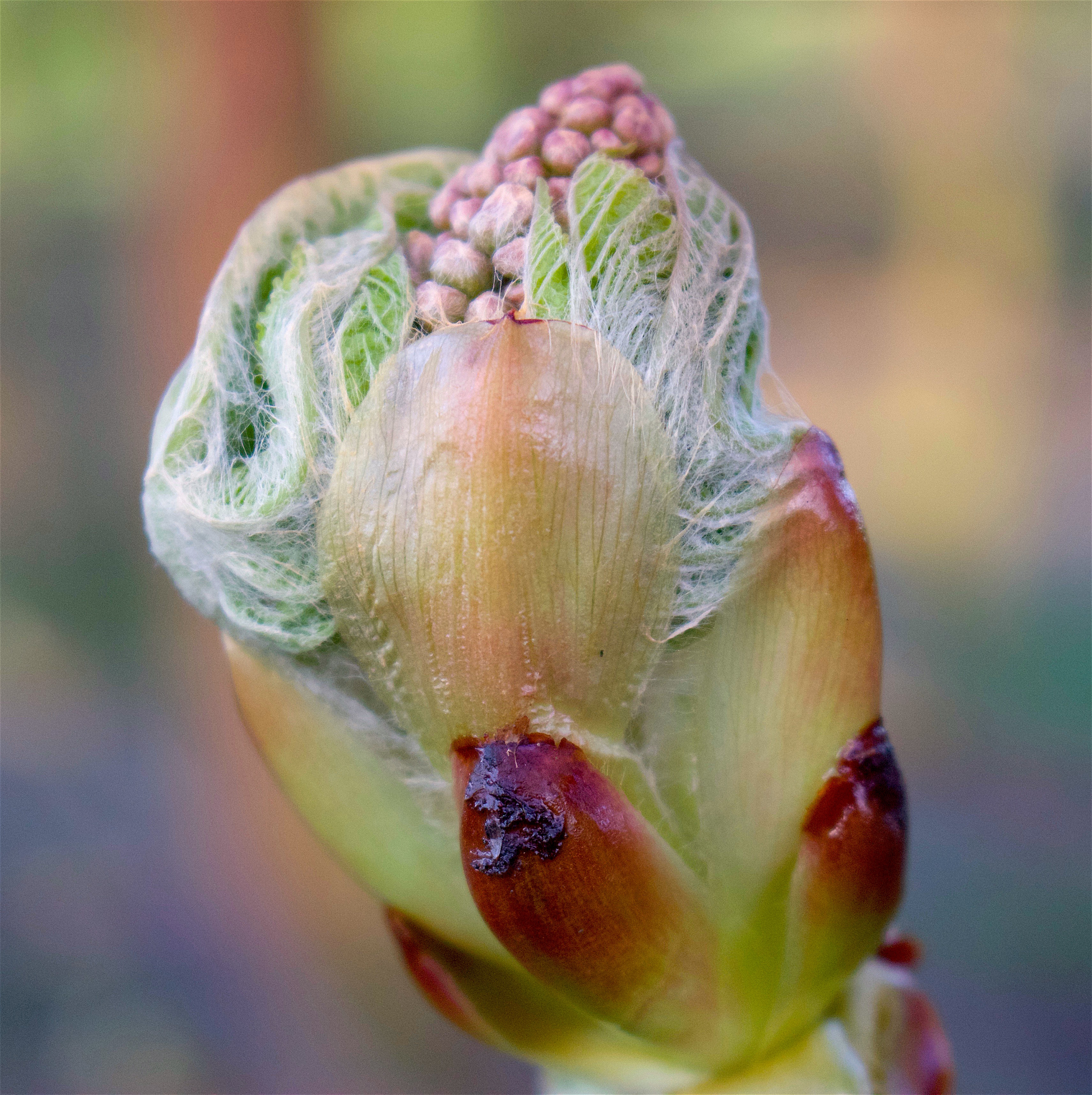
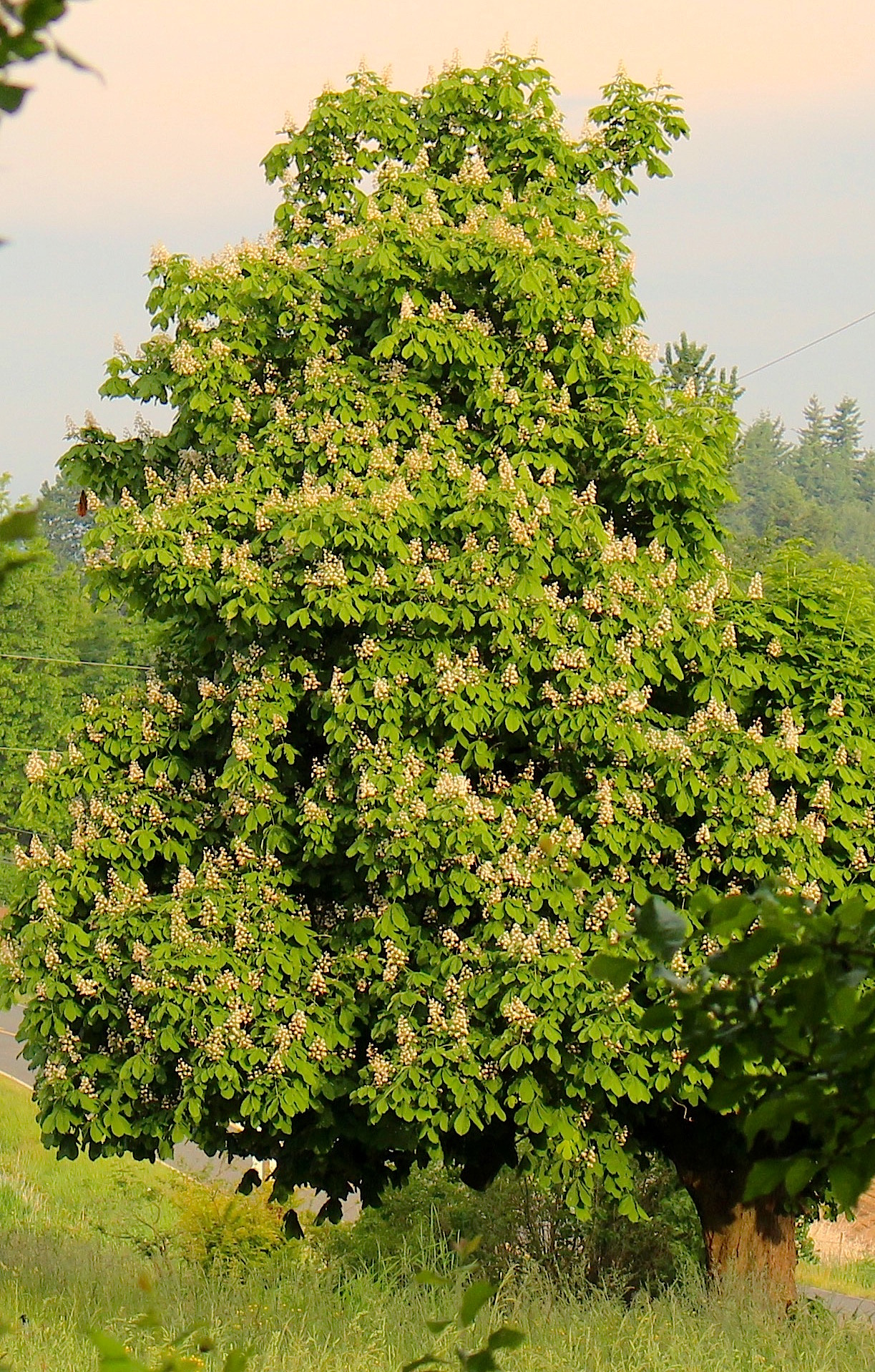
Each May the horse chestnut tree in our front yard transforms for a week into a Renoir painting. It explodes into hundreds of bright clusters of delicate orchid-like blossoms, forming cone shaped floral candles illuminating the spreading branches. However, its setting is more peasant than romantic, as the tree stands in common company between a pine tree and a poplar lining the rural driveway into our barnyard. This is an exceedingly humble spot for a tree bedecked with such majestic lighting, its tender broad leafed branches brushed and broken by passing hay wagons and shavings trucks.
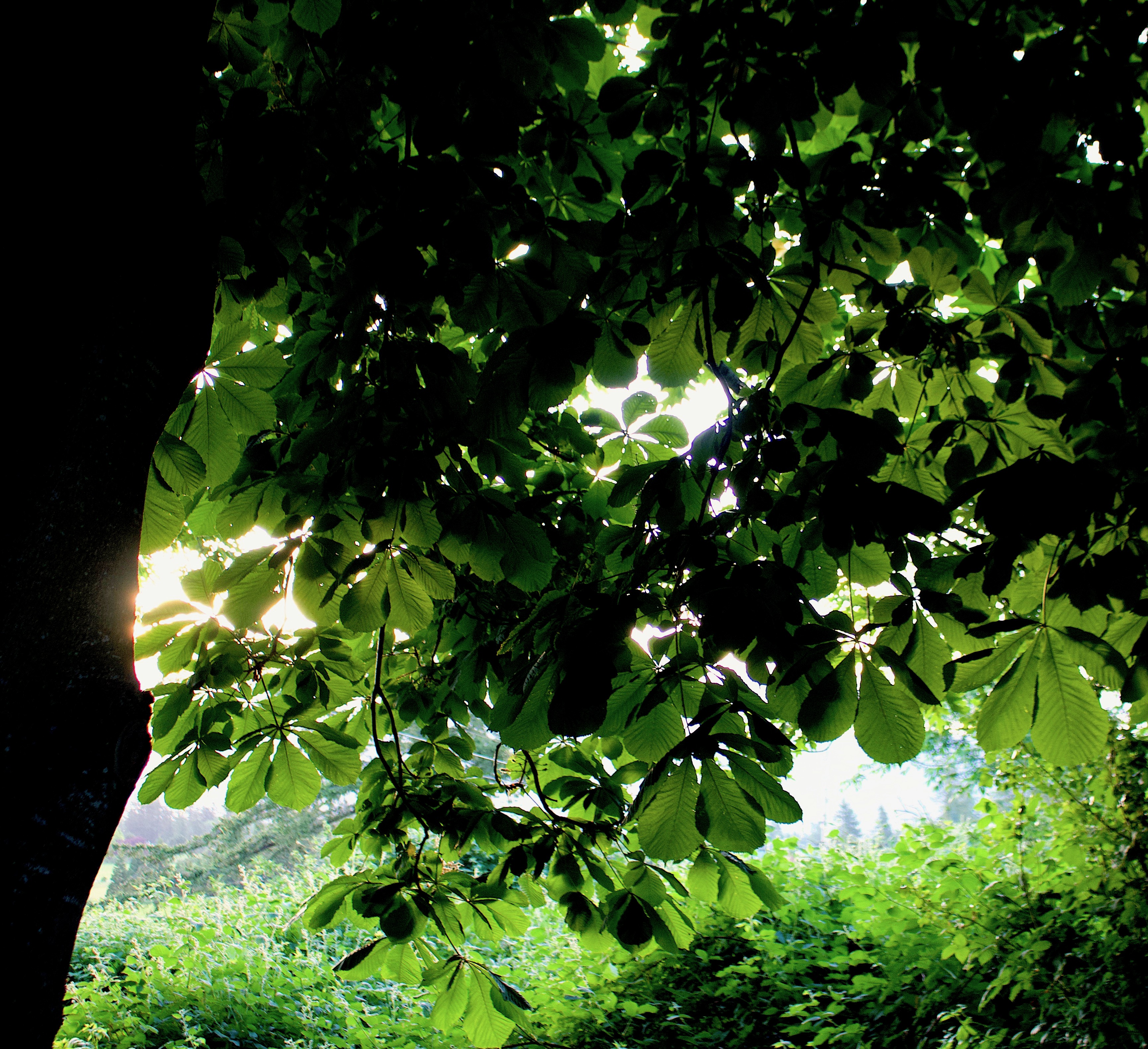
Although its graceful beauty seems more appropriate along the Seine River, during the summer it fits perfectly in its spot near our haybarn. Its verdant foliage provides deep cooling shade during hot sweaty days. The branches that were once lit up with scores of pink and white blossoms become leafy respite for a dusty hay crew gulping lemonade in between loads. Horses snooze in the paddocks under its shadow. Birds nest well hidden. The tree becomes sanctuary within and below.
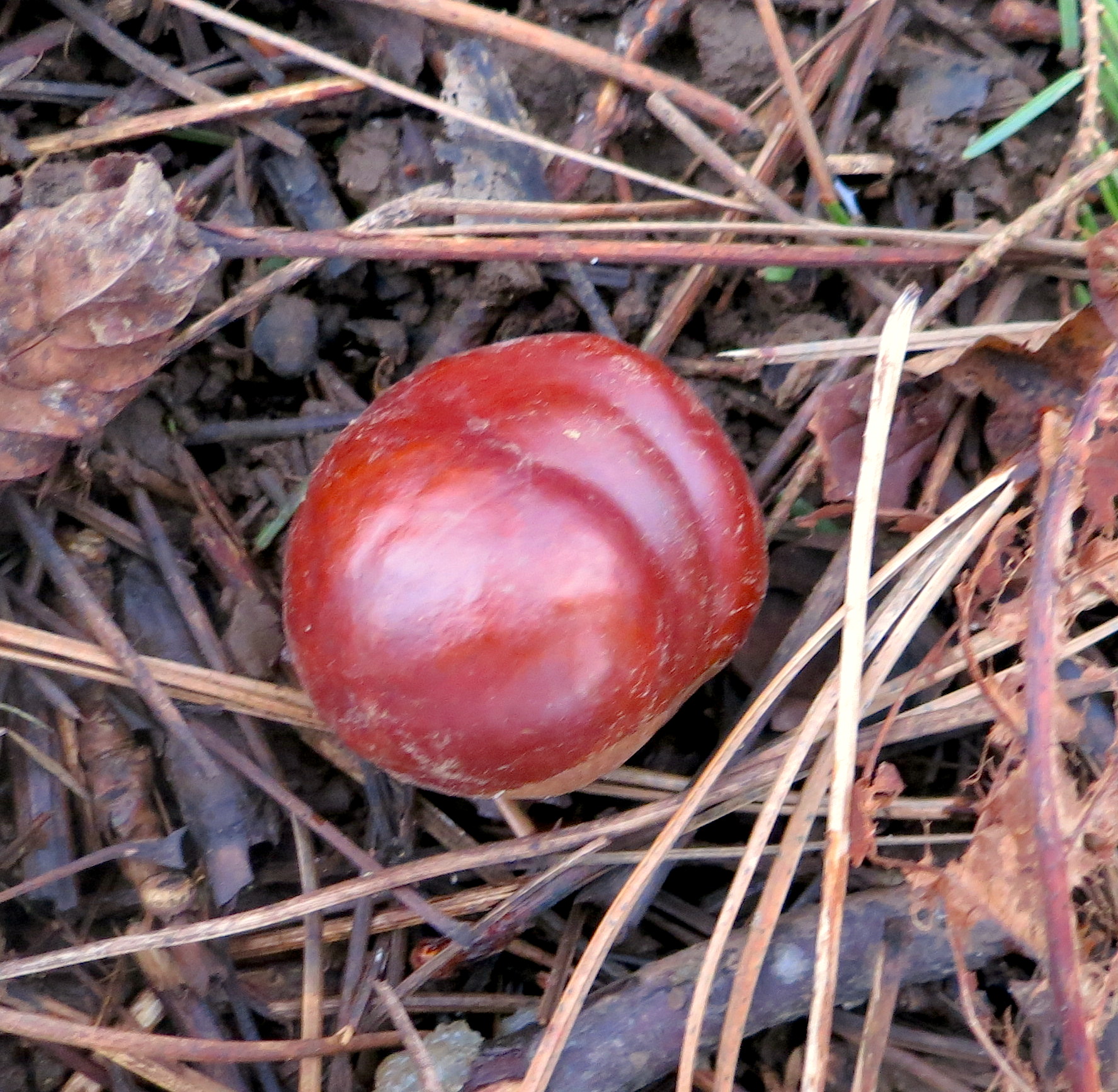
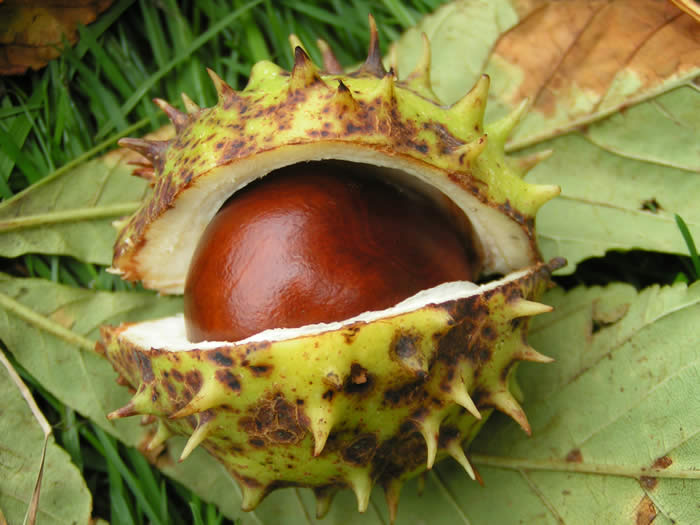
By fall, the tree forms its fruit within unpretentious capsules covered with spines and prickles, visually spiked yet actually soft and pliable. There are few natural things so plain and homely as the buckeye horse chestnut husk. These are shed by the hundreds in autumn wind and rainstorms, and they shower down, cobbling the driveway, eventually to break apart underfoot.
Only by leaving the tree can the deep brown nut be revealed from its hiding place, its richness exposed. From exquisite bloom to shady haven to prickly husk to mahogany harvest, this chestnut tree’s changing palette needs no canvas, no frame, no museum gallery showcase. Instead it’s a year round exhibition is for free, right in our front yard.

 Barnstorming