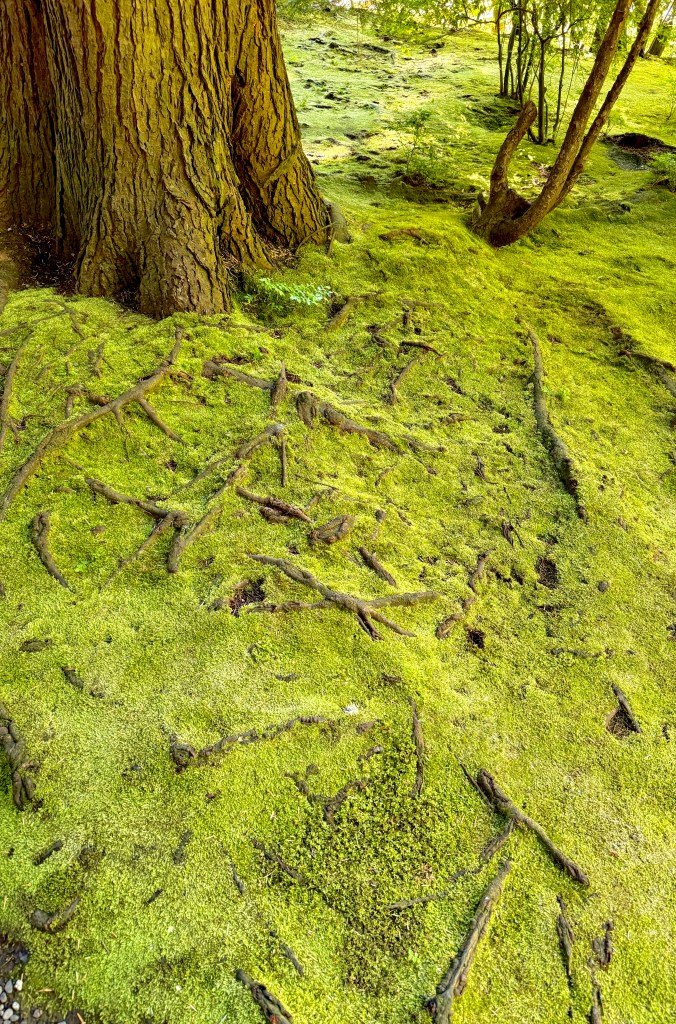
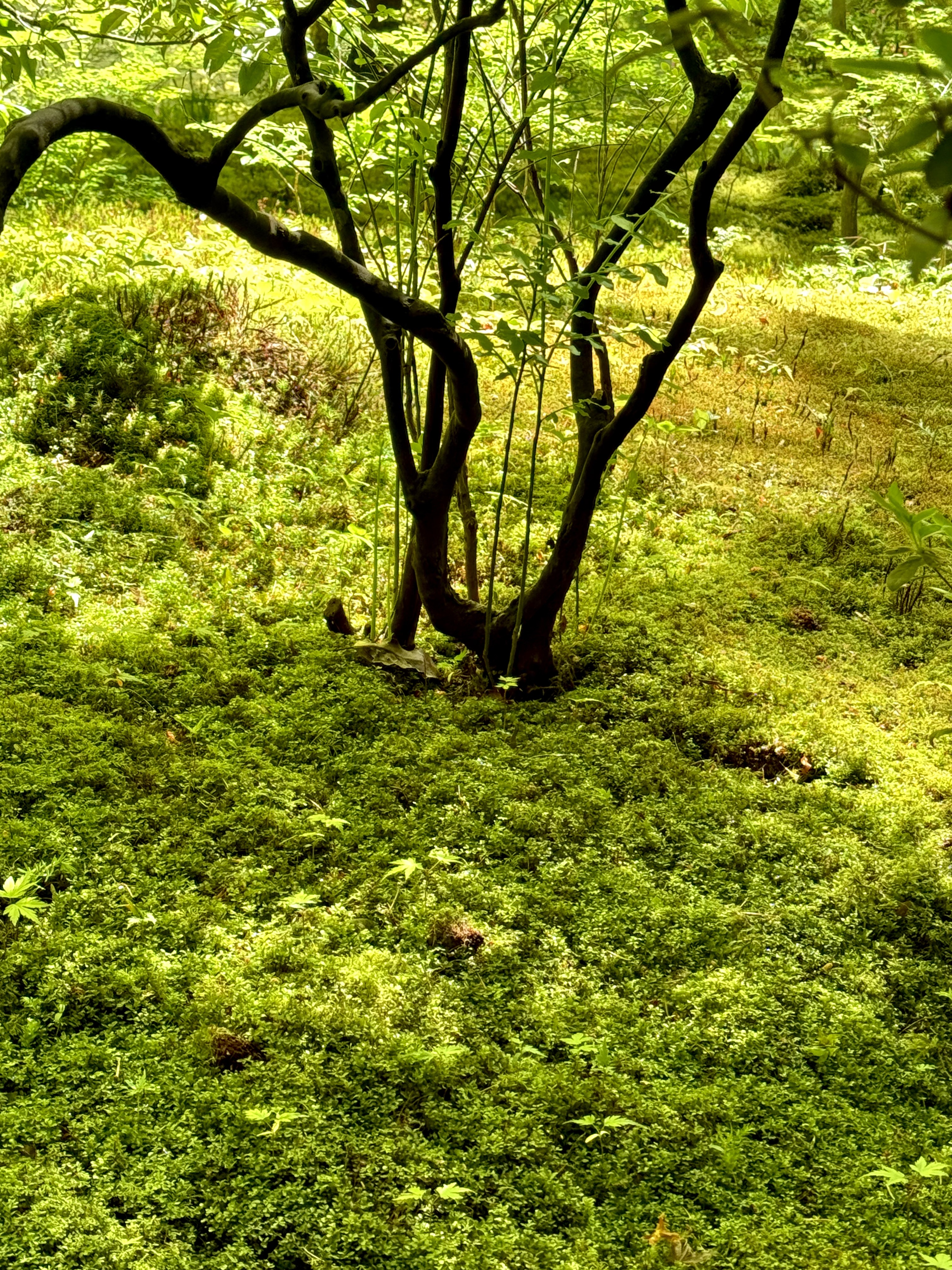
There is an ancient conversation going on between mosses and rocks, poetry to be sure. About light and shadow and the drift of continents. This is what has been called the “dialect of moss on stone – an interface of immensity and minuteness, of past and present, softness and hardness, stillness and vibrancy…“
Learning to see mosses is more like listening than looking.
A cursory glance will not do it.
Mosses are not elevator music;
they are the intertwined threads of a Beethoven quartet.
~Robin Kimmerer from Gathering Moss: A Natural and Cultural History of Mosses
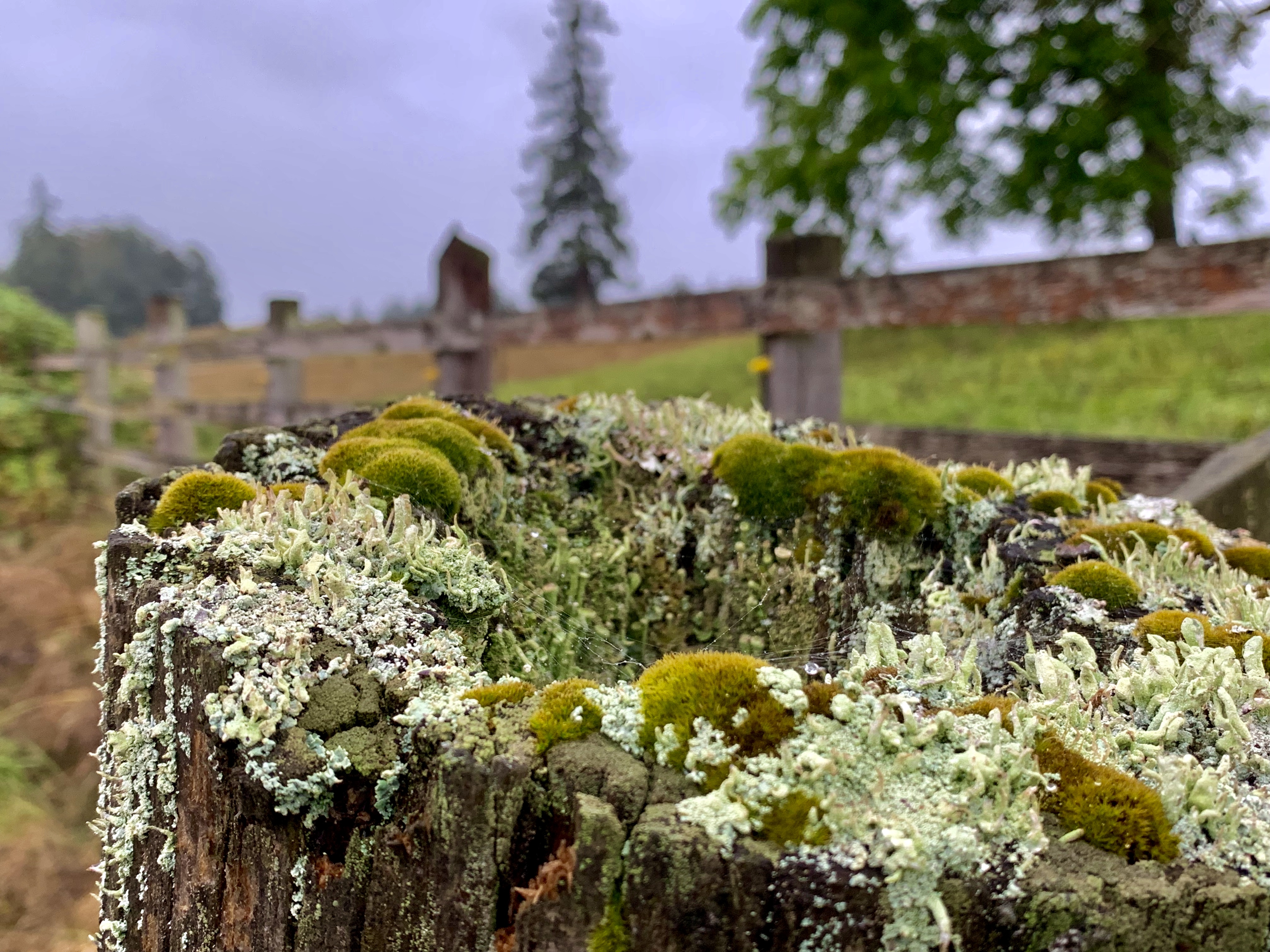
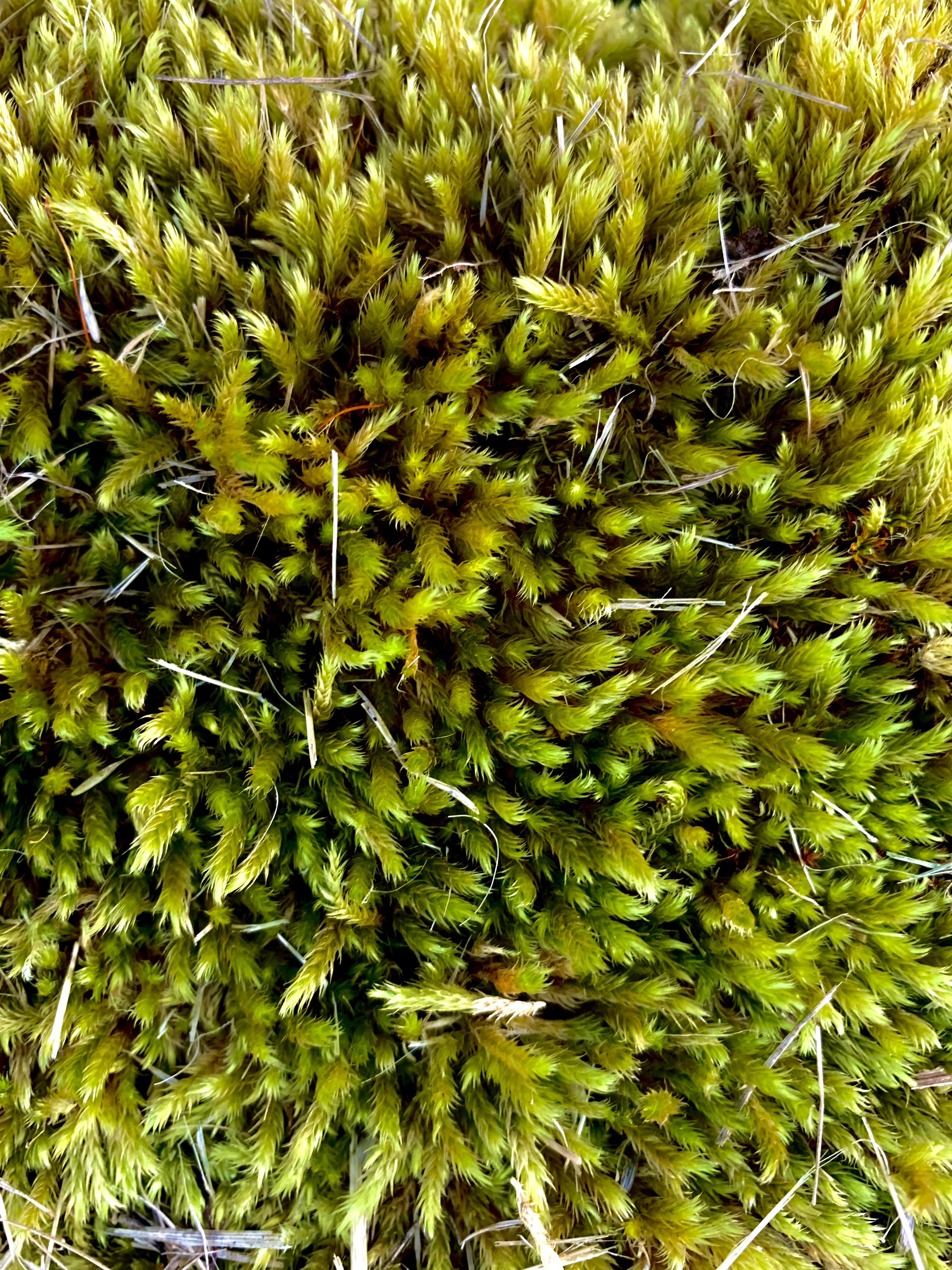

Most lie low, flourishing with damp,
harvesting sunlight, no commotion, moss
mouse-silent, even through wind and hail,
stoic through motors roaring fumes,
through fat-clawed bears grubbing.
They can soothe the knife-edges of stones
with frothy leaf by leaf of gray-green life,
and burned-ground mosses cover destruction,
charred stumps, trees felled and blackened.
Cosmopolitan mosses likewise salve
sidewalk cracks, crumbling walls.
They root in thin alpine air, on sedentary
sand dunes, cling to cliff seeps beneath
spilling springs. For rest, they make mats
on streamside banks, for pleasure produce silky
tufts, wavy brooms of themselves in woodlands
for beauty, red roof moss for whim, elf
cap, hair cap, sphagnum for nurturing.
No fossil record of note, no bone
history, so lenient they possess only
those memories remembered.
I believe they could comfort the world
with their ministries. That is my hope,
even though this world be a jagged rock,
even though this rock be an icy berg of blue
or a mirage of summer misunderstood
(moss balm for misunderstanding),
even though this world be blind and awry
and adrift, scattering souls like spores
through the deep of a starlit sea.
~Pattiann Rogers “The Moss Method”
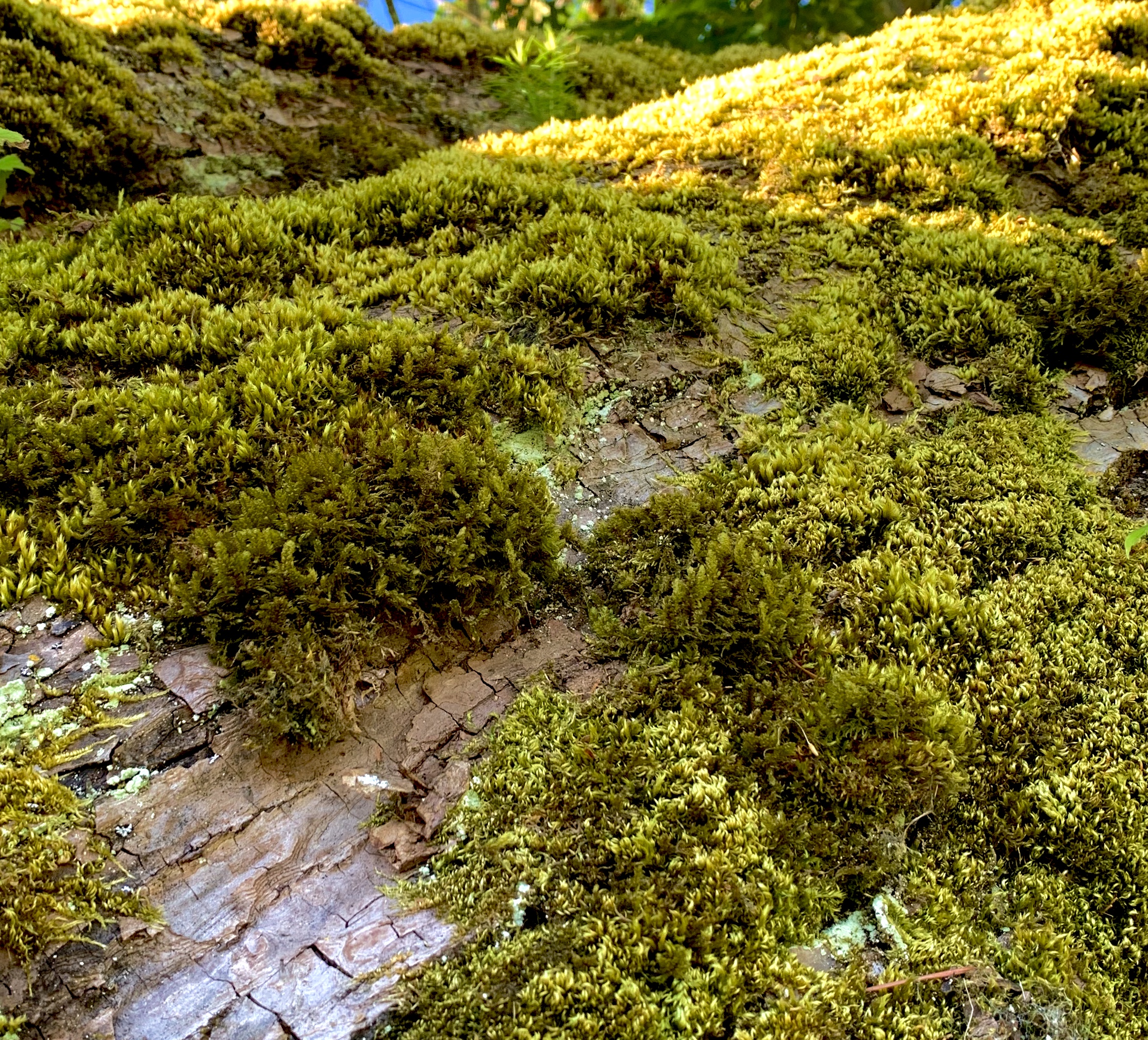
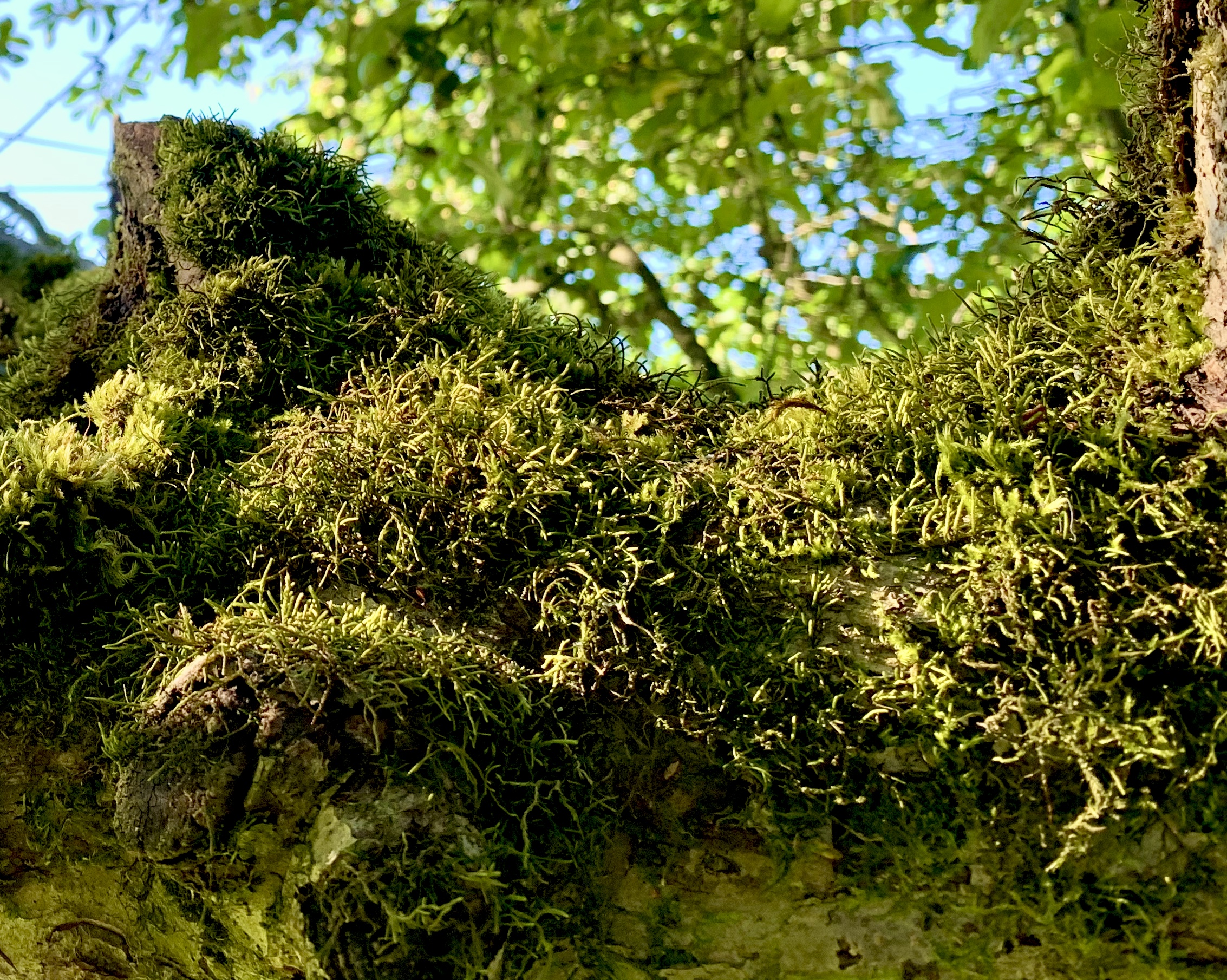

To loosen with all ten fingers held wide and limber
And lift up a patch, dark-green,
the kind for lining cemetery baskets,
Thick and cushiony, like an old-fashioned doormat,
The crumbling small hollow sticks on the underside
mixed with roots,
And wintergreen berries and leaves still stuck to the top, —
That was moss-gathering.
But something always went out of me
when I dug loose those carpets
Of green, or plunged to my elbows
in the spongy yellowish moss of the marshes:
And afterwards I always felt mean,
jogging back over the logging road,
As if I had broken the natural order of things in that swampland;
Disturbed some rhythm, old and of vast importance,
By pulling off flesh from the living planet;
As if I had committed, against the whole scheme of life,
a desecration.
~Theodore Roethke, “Moss-Gathering” from Collected Poems
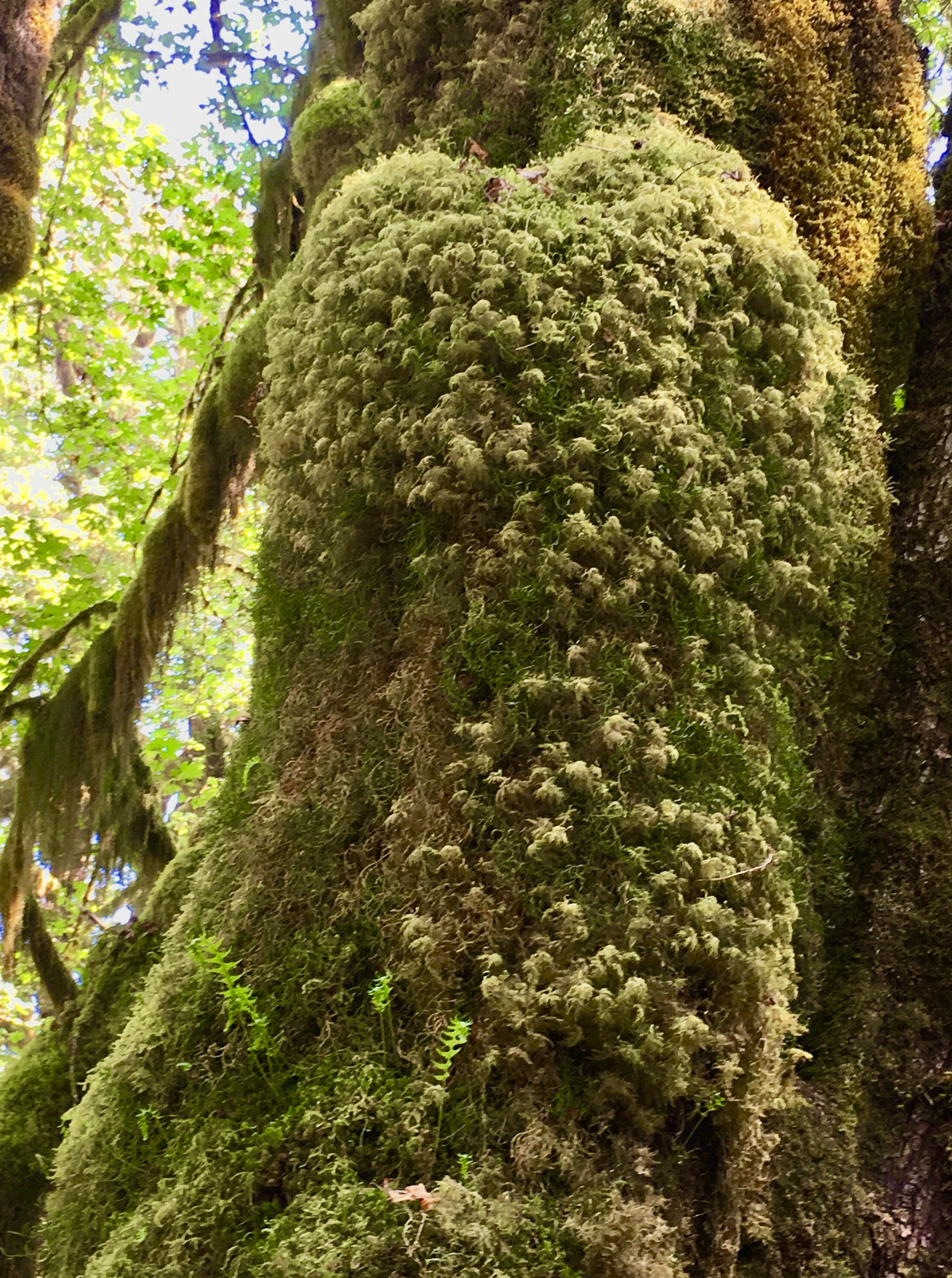
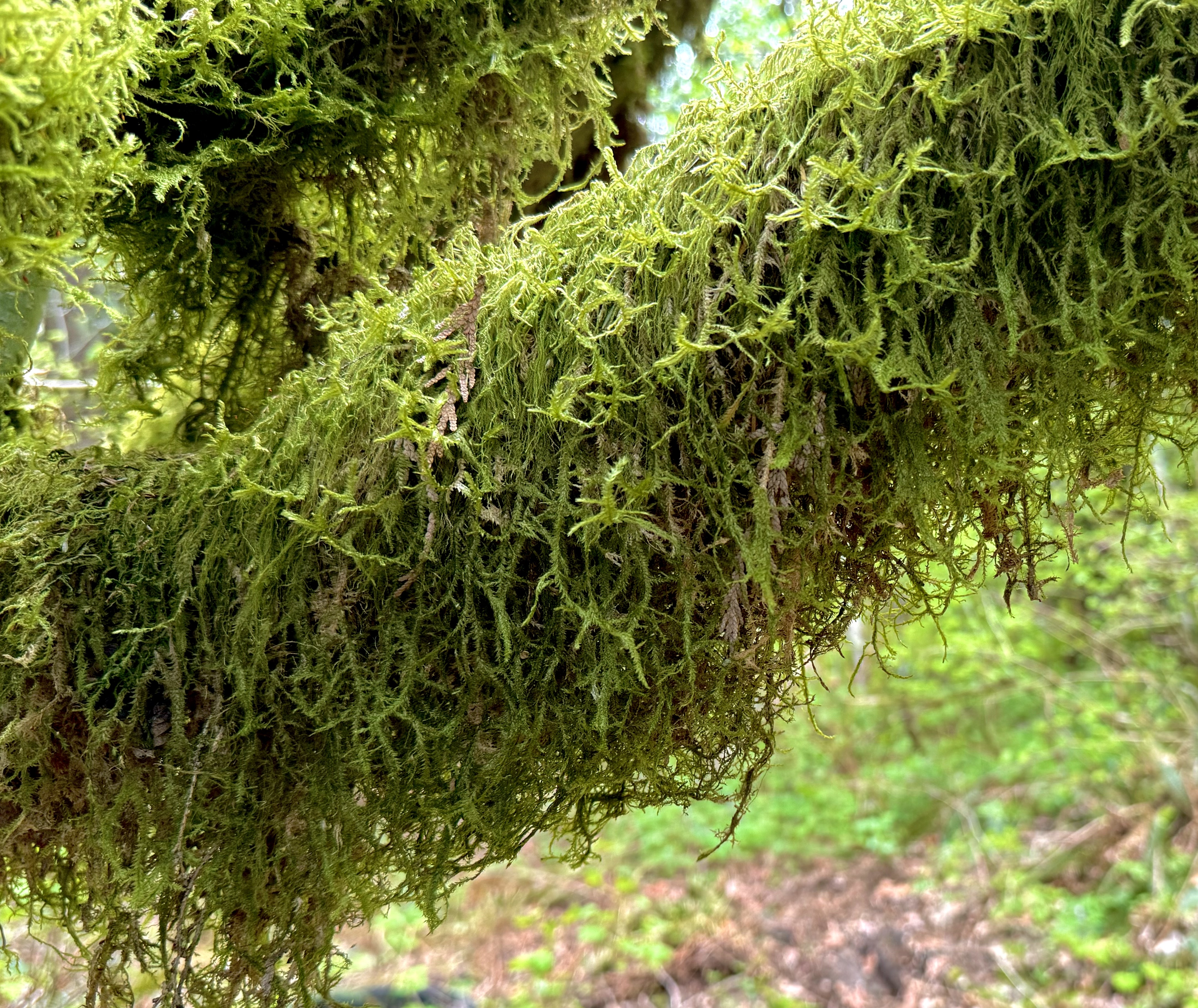
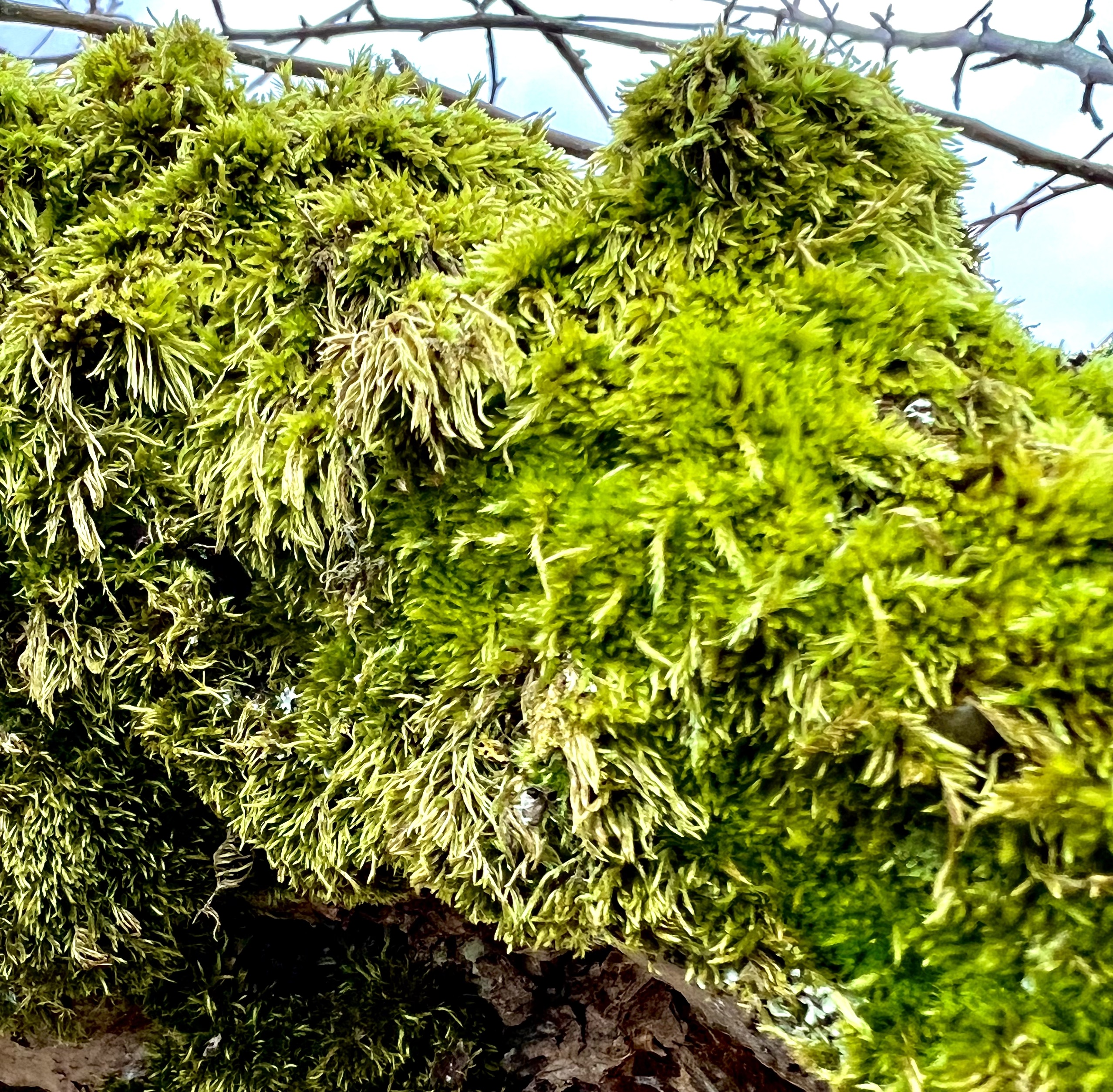
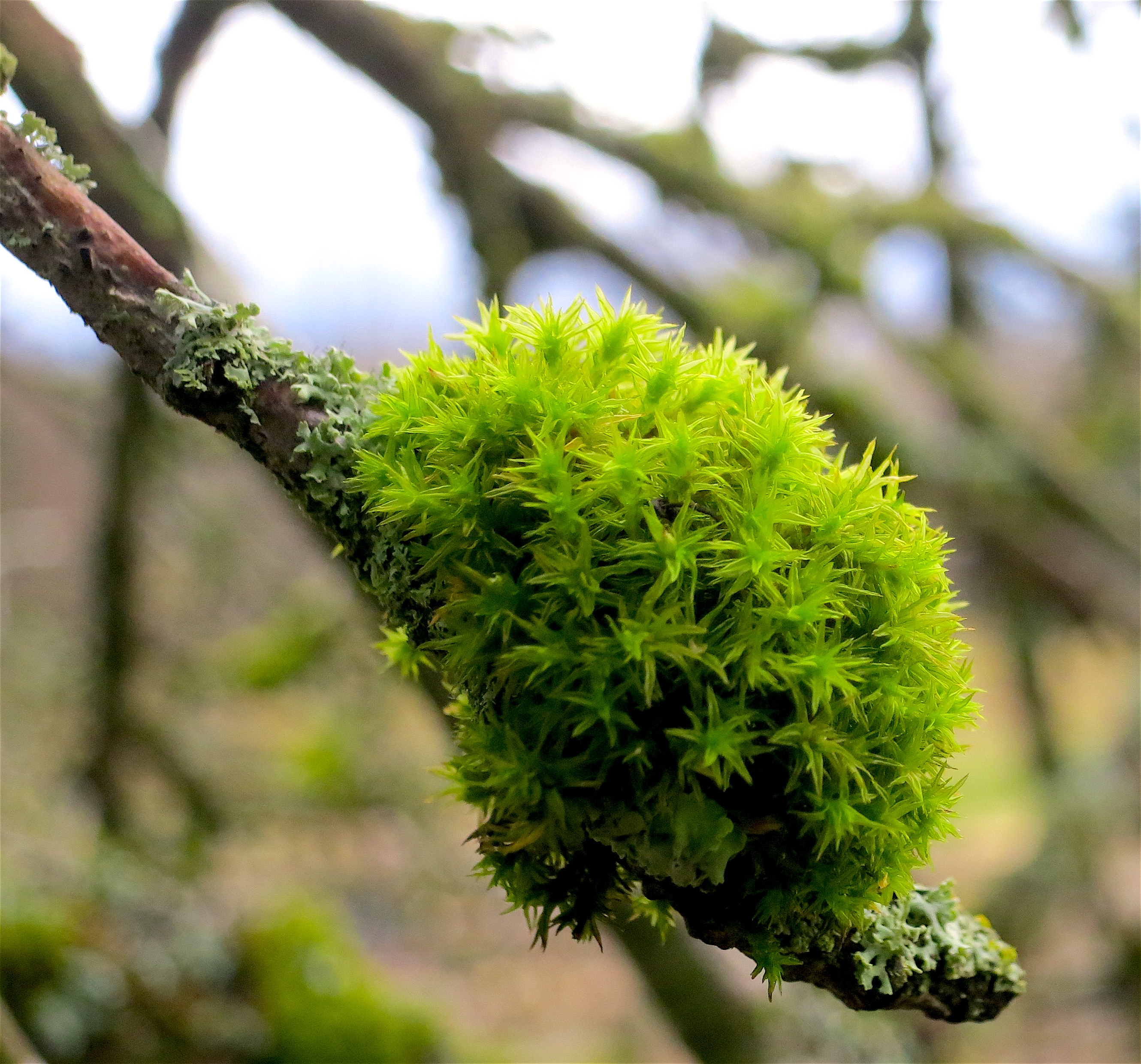
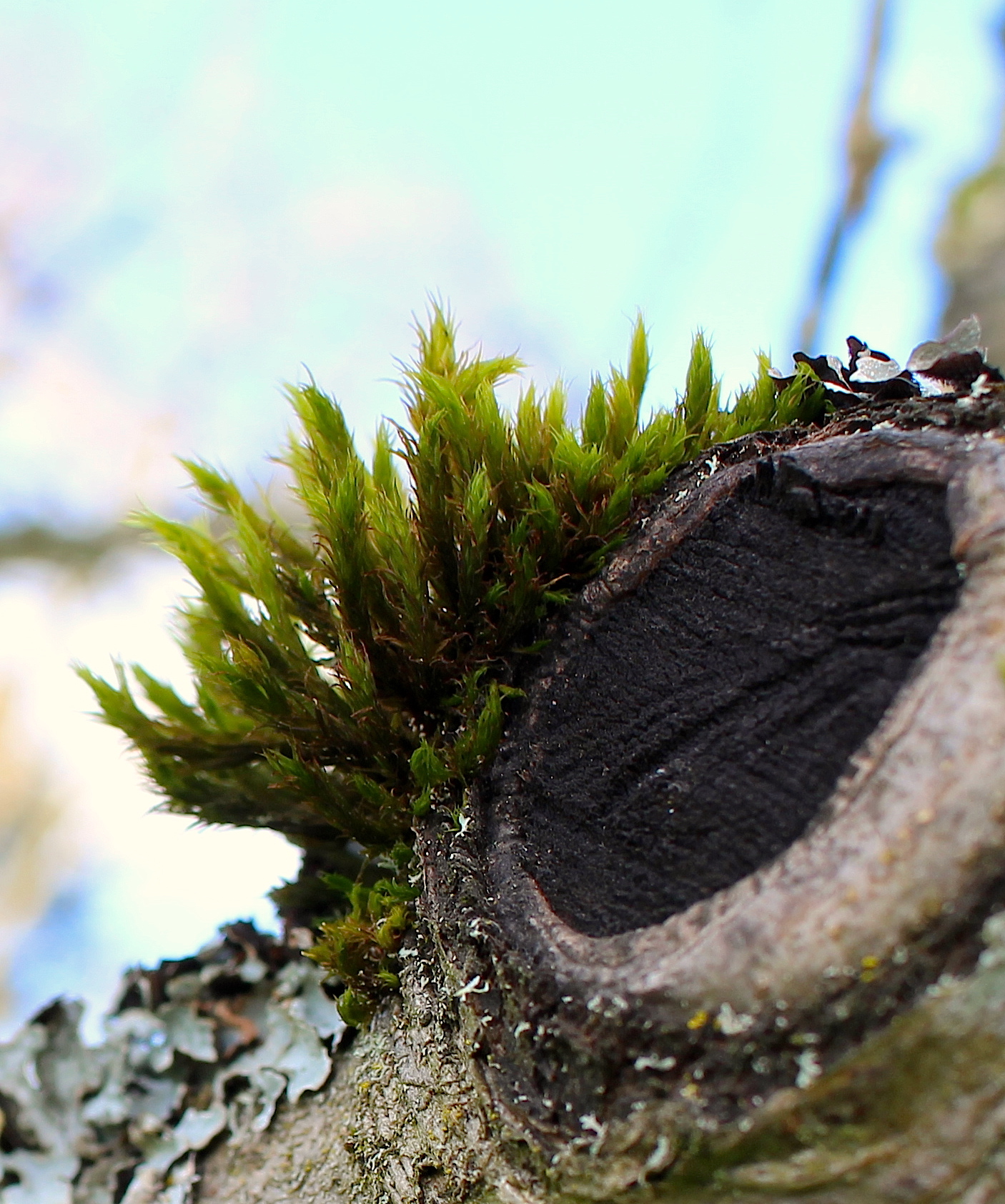
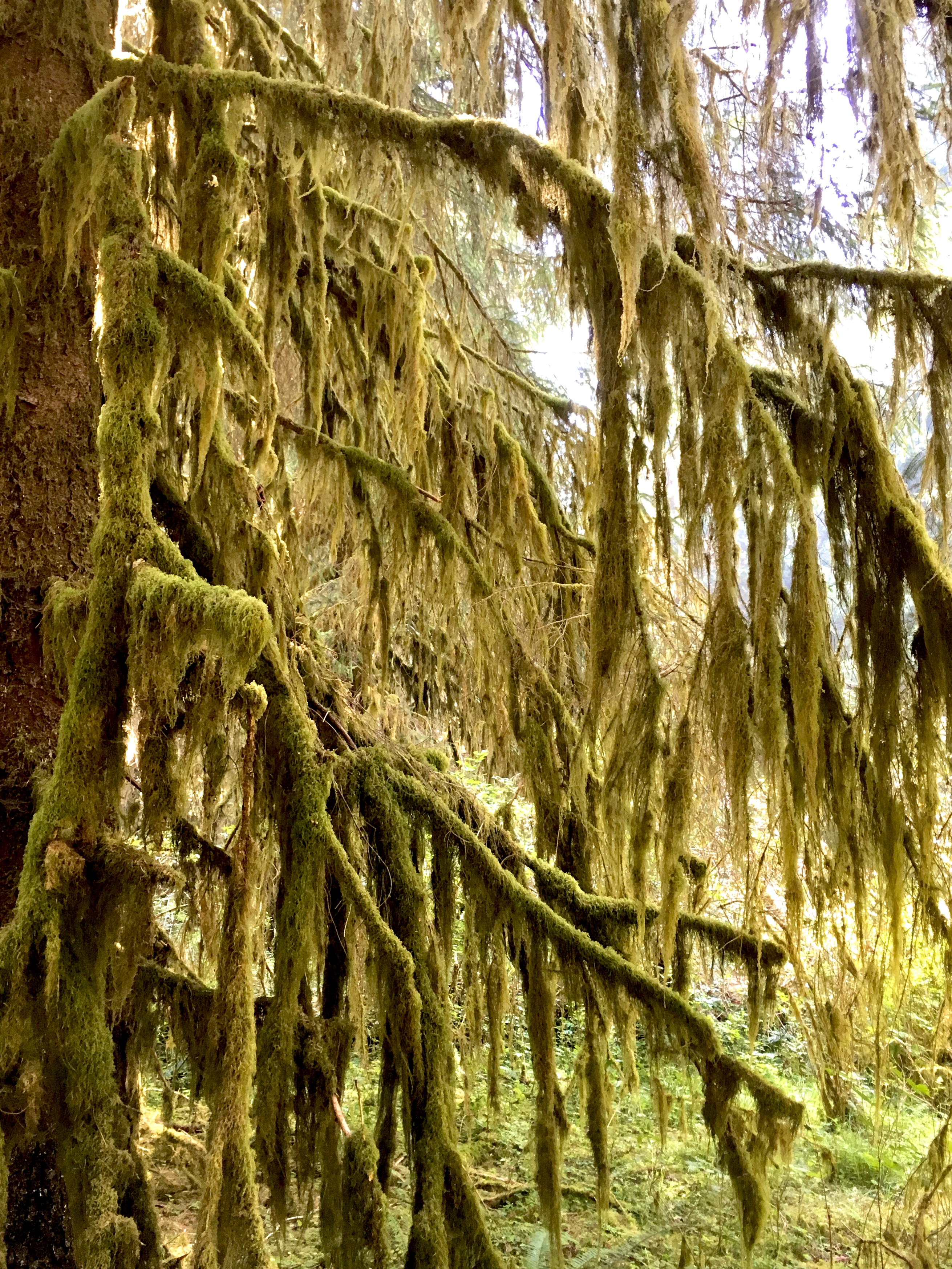
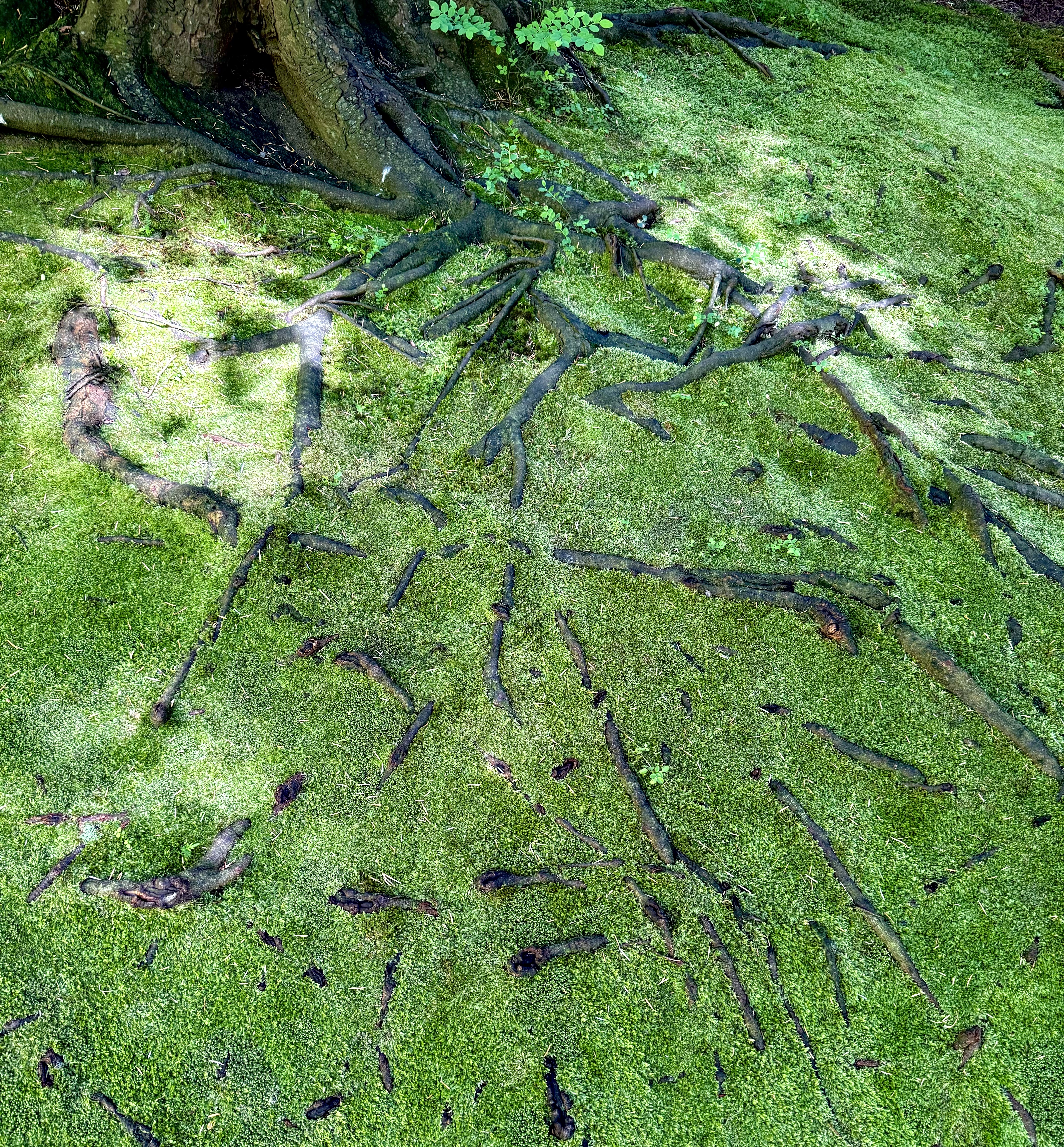
In this part of the world, mosses are everywhere. They are so much a part of the green backdrop, they are an invisible part of the scenery. Our lawn is simply moss carpet in some spots, and some shingles on roofs sprout verdant fuzz.
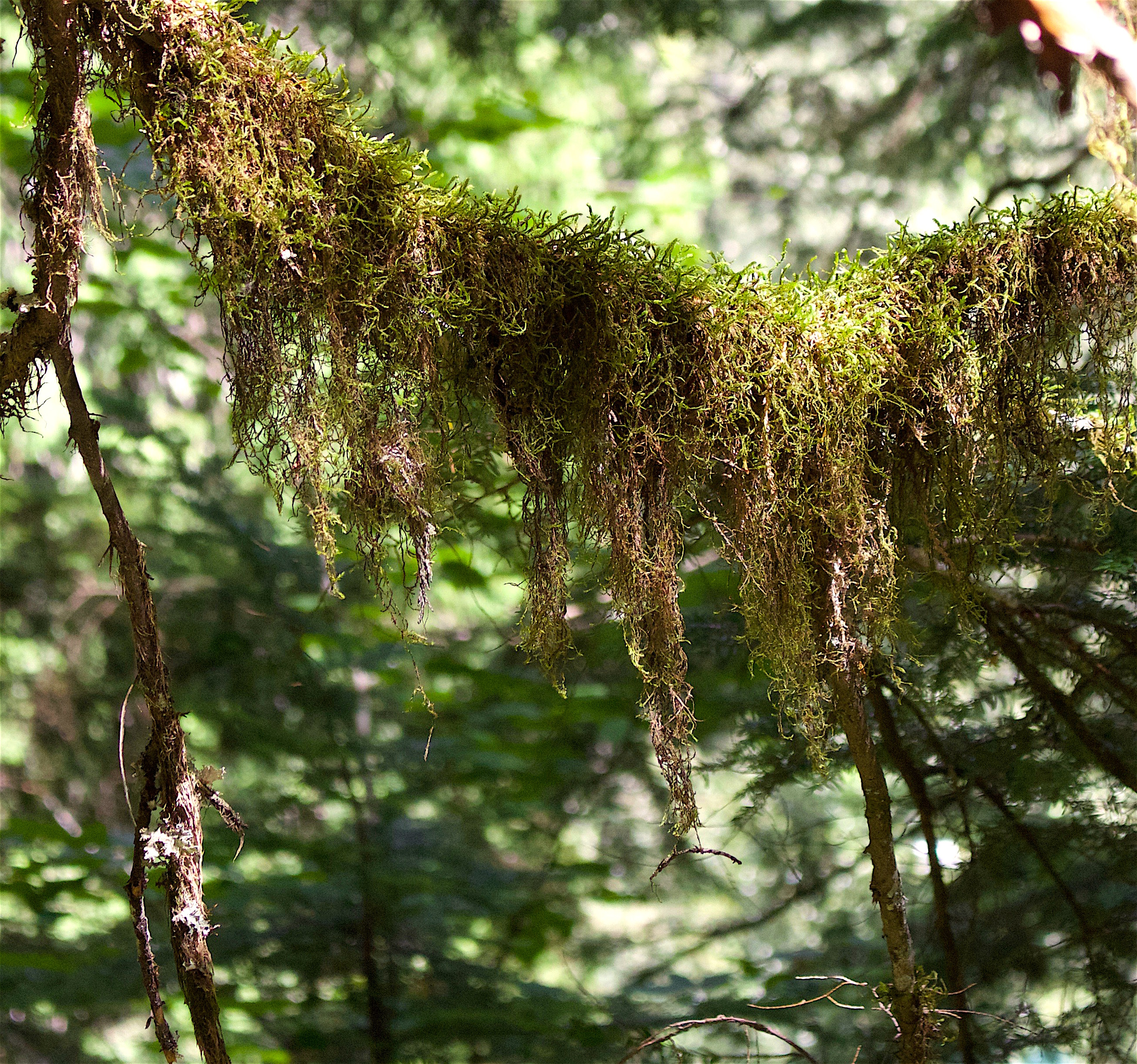
Trees and rocks are festooned with moss: draped, painted and garlanded. Moss rugs make bare-foot tree climbing a more comfy adventure with branches forming hairy armpits and cushiony crotches.
Moss softens sharp edges, forgives abrasive surfaces, heals the wounds and gaps and cracks. It becomes balm-like therapy for a struggling world which keeps baring its teeth in anger and misunderstanding.
I say let it grow: green, gentle, generous and grace-filled.
We all can use more of that.
Make a one-time or recurring donation to support daily Barnstorming posts
Make a monthly donation
Make a yearly donation
Choose an amount
Or enter a custom amount
Your contribution is deeply appreciated.
Your contribution is appreciated.
Your contribution is appreciated.
DonateDonate monthlyDonate yearly Barnstorming
very comforting post. Thank you for the gorgeous quartet video! Love it!
LikeLiked by 1 person
Lovely! I have also recently come to an appreciation for lichen.
LikeLike