A Bright Sadness: And Every Stone Shall Cry

This child through David’s city
   Shall ride in triumph by;
      The palm shall strew its branches,
   And every stone shall cry.
   And every stone shall cry,
      Though heavy, dull, and dumb,
         And lie within the roadway
   To pave his kingdom come.

 Yet he shall be forsaken,
   And yielded up to die;
      The sky shall groan and darken,
   And every stone shall cry.
   And every stone shall cry
      For stony hearts of men:
         God’s blood upon the spearhead,
   God’s love refused again.
~Richard Wilbur from “A Christmas Hymn”
When he came near the place where the road goes down the Mount of Olives, the whole crowd of disciples began joyfully to praise God in loud voices for all the miracles they had seen:
“Blessed is the king who comes in the name of the Lord!”
“Peace in heaven and glory in the highest!”
Some of the Pharisees in the crowd said to Jesus, “Teacher, rebuke your disciples!”
“I tell you,” he replied, “if they keep quiet, the stones will cry out.”
As he approached Jerusalem and saw the city, he wept over it and said,
“If you, even you, had only known on this day what would bring you peace—but now it is hidden from your eyes. The days will come upon you when your enemies will build an embankment against you and encircle you and hem you in on every side. They will dash you to the ground, you and the children within your walls. They will not leave one stone on another, because you did not recognize the time of God’s coming to you.”
Luke 19: 37-44

So much conspires to keep us silent~
Faith is not fashionable
A crutch for the weak
Outmoded, obsolete,
Outrageous belief.

Far easier to worship the earth
Or each other
Or nothing at all
Rather than exalt the
Living God Everlasting.

His name no longer spoken
At school or work
Remembered one hour a week
By some,
Forgotten by most.

So we shall sing of His glory
In joy and gratitude
Imperfectly sincere,
Never to be silenced
While we have tongues.

If we do not shout out loud,
Nor spread branches at His feet,
Or worry what others might think,
The stones will cry out and will not stop,
As He, in turn, weeps for us.


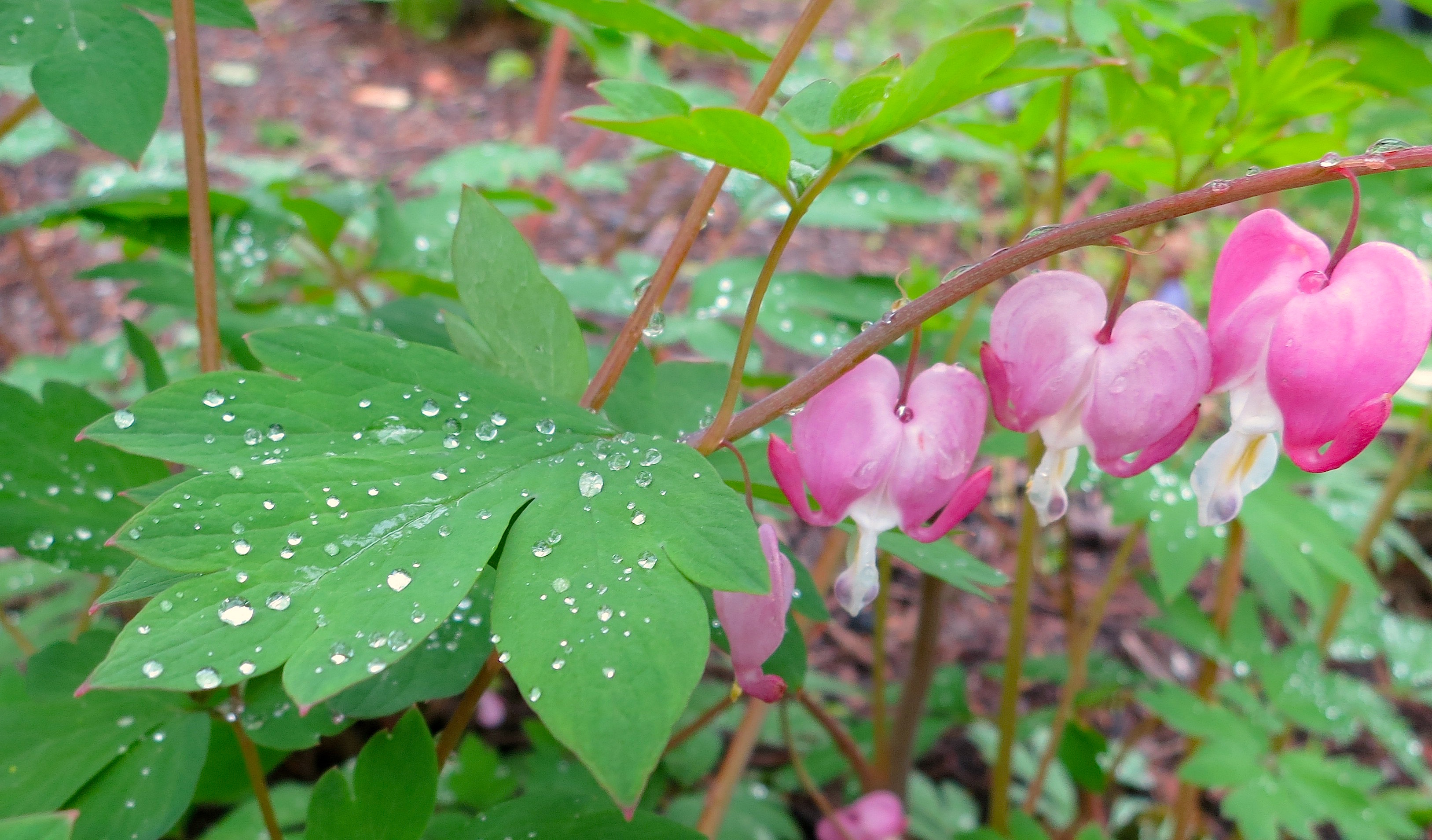
Between Midnight and Dawn: As Warm As Tears

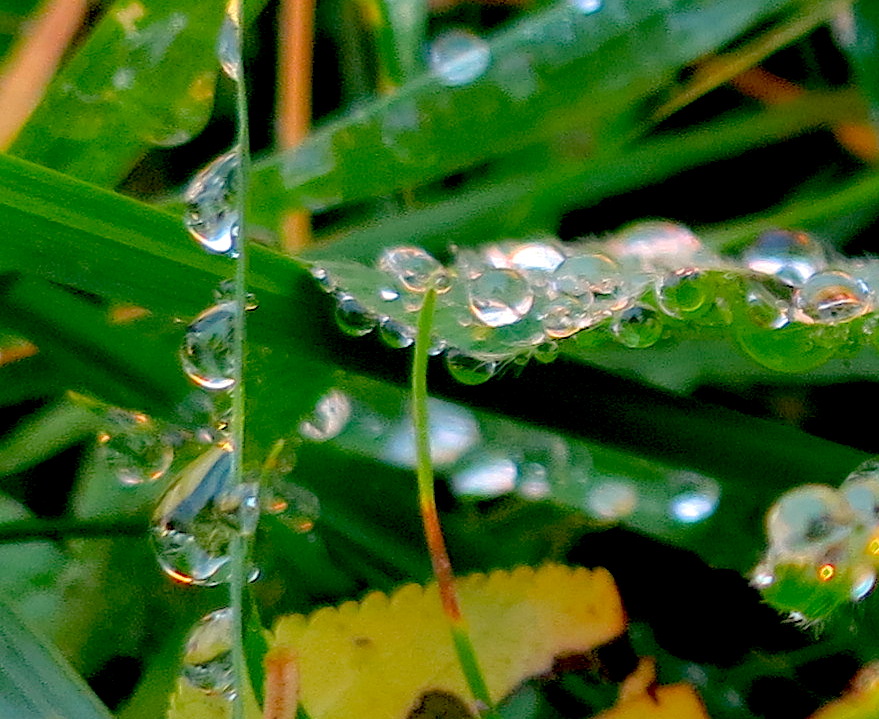
 raindrops1126
As he approached Jerusalem and saw the city, he wept over it and said, “If you, even you, had only known on this day what would bring you peace—but now it is hidden from your eyes.
Luke 19:41


Love’s as warm as tears,
Love is tears:
Pressure within the brain,
Tension at the throat,
Deluge, weeks of rain,
Haystacks afloat,
Featureless seas between
Hedges, where once was green.

Love’s as fierce as fire,
Love is fire:
All sorts–infernal heat
Clinkered with greed and pride,
Lyric desire, sharp-sweet,
Laughing, even when denied,
And that empyreal flame
Whence all loves came.

Love’s as fresh as spring,
Love is spring:
Bird-song hung in the air,
Cool smells in a wood,
Whispering ‘Dare! Dare!’
To sap, to blood,
Telling ‘Ease, safety, rest,
Are good; not best.’

Love’s as hard as nails,
Love is nails:
Blunt, thick, hammered through
The medial nerves of One
Who, having made us, knew
The thing He had done,
seeing (with all that is)
Our cross, and His.
~C.S. Lewis

hearttears

Jesus is reported to have wept twice in the gospels.  When informed His friend Lazarus was dead, He weeps in response to the grief and lack of faith demonstrated by friends and family even though they knew Jesus’ power to heal and restore.  The second time was on Palm Sunday, as triumphantly He approached Jerusalem and stopping, looked down upon the city, knowing what lay ahead.   This time the stakes were not the loss of one life, but the loss of an entire city due to the unbelief and lack of faith of its people.

Indeed, Jerusalem, still torn between factions, faiths and fanatics, has not really known peace ever since.

And our own country, more fractured and torn than ever before in living memory, is raising up its own version of factions and fanatics.  How can this end well?

I am struck by the compassion shown in the Lord’s tears.  These are not tears of self-pity, nor anticipation of His own imminent personal suffering, but tears shed over the continued blindness of mankind.  They expected the militant entrance of a victorious king, unaware their salvation rode into their midst on a donkey’s colt.

Can we not,  the impatient and ignorant electorate, learn from this?  — humility and sacrifice is far more powerful in the kingdom of God than weapons, verbal barbs and hatred.

Those sacred tears shed so long ago, and still shed, were never for Himself, but for us.

Human tears rolling down the face of God;
Divine tears washing the face of man.

Peace no longer is hidden from us; we know from where our help comes.
Now that we know, there are no excuses for our blindness.

1031drops8

During this Lenten season, I will be drawing inspiration from the new devotional collection edited by Sarah Arthur —Between Midnight and Dawn


Lenten Grace — One Far Fierce Hour

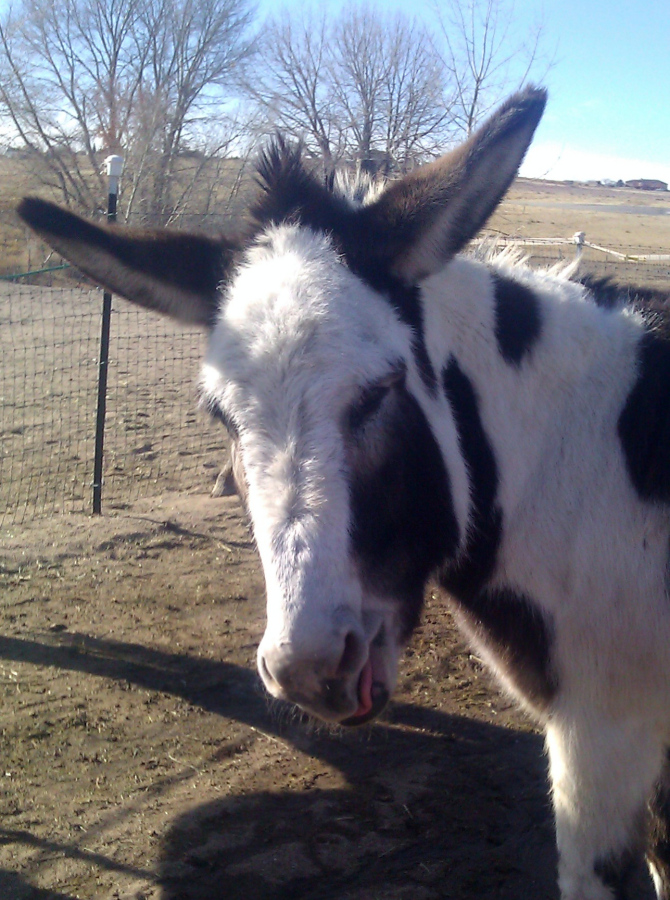
photo by Anna Blake, Infinity Farm
photo of Edgar Rice Burro by Anna Blake, Infinity Farm

With monstrous head and sickening cry
And ears like errant wings…

The tattered outlaw of the earth,
Of ancient crooked will;
Starve, scourge, deride me: I am dumb,
I keep my secret still.

Fools! For I also had my hour;
One far fierce hour and sweet:
There was a shout about my ears,
And palms before my feet.
G. K. Chesterton from “The Donkey”

Palm Sunday is a day of dissonance and dichotomy in the church year, very much like the donkey who figured as a central character that day.  Sadly, a donkey gets no respect, then or now– for his plain and awkward looks, for his loud and inharmonious voice, for his apparent lack of strength — yet he was the chosen mode of transportation for a King riding to His death.

There was a motley parade to Jerusalem: cloaks and palms laid at the feet of the donkey bearing the Son of God,  the disorderly shouts of adoration and blessings, the rebuke of the Pharisees to quiet the people, His response that “even the stones will cry out” knowing what is to come.

But the welcoming crowd waving palm branches, shouting sweet hosannas and laying down their cloaks did not understand the fierce transformation to come, did not know within days they would be a mob shouting words of derision and rejection and condemnation.

The donkey knew because he had been derided, rejected and condemned himself, yet still kept serving.  Just as he was given voice and understanding centuries before to protect Balaam from going the wrong way, he could have opened his mouth to tell them, suffering beatings for his effort.  Instead, just as he bore the unborn Jesus to Bethlehem and stood over Him sleeping in the manger,  just as he bore a mother and child all the way to Egypt to hide from Herod,  the donkey would keep his secret well.   Who, after all,  would ever listen to a mere donkey?

We would do well to pay attention to this braying wisdom.  The donkey knows.   He bears the burden we have shirked.  He treads with heavy heart over the palms and cloaks we lay down as our meaningless symbols of honor.   He is servant to the Servant.

A day of dichotomy — of honor and glory laid underfoot only to be stepped on.   Of blessings and praise turning to curses.  Of the beginning of the end becoming a new beginning for us all.

And so He wept, knowing all this.  I suspect the donkey bearing Him wept as well, in his own simple, plain and honest way, and I’m quite sure he kept it as his special secret.