Between Midnight and Dawn: The Deal With Pain

20120328-231509

The pain I feel now is the happiness I had before. That’s the deal.
C.S. Lewis

For thus says the LORD of hosts,
Once more in a little while,
I am going to shake the heavens and the earth, the sea also and the dry land.
I will shake all the nations; and they will come with the wealth of all nations,
and I will fill this house with glory,’ says the LORD of hosts.
Haggai 2:6-7
 

20120328-231229
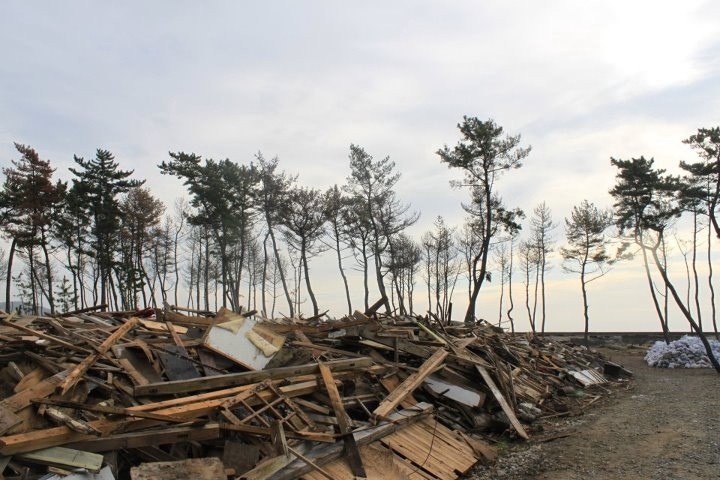
the rubble piled on the beach at Tohoku, Japan, after the 3/11/11 tsunami


In March 2012, we stayed with our friends Brian and Bette Vander Haak at their cabin on a bluff just above the beach at Sendai, Japan, just a few dozen feet above the devastation that wiped out an entire fishing village below during the 3/11/11 earthquake and tsunami. We walked that stretch of beach, learning of the stories of the people who had lived there, some of whom did not survive the waves that swept their houses and cars away before they could escape. We walked past the footprints of foundations of hundreds of demolished homes, humbled by the rubble mountains yet to be hauled away to be burned or buried and scanned acres of wrecked vehicles now piled one on another, waiting to become scrap metal. It is visual evidence of life suddenly and dramatically disrupted.

This was a place of recreation and respite for some who visited regularly, commerce and livelihood for others who stayed year round and then, in ongoing recovery efforts, was struggling to be restored to something familiar. Yet it looked like a foreign ghostly landscape. Even many trees perished, lost, broken off, fish nets still stuck high on their scarred trunks. There were small memorials to lost family members within some home foundations, with stuffed animals and flowers wilted from the recent anniversary observance.

It was a powerful place of memories for those who lived there and knew what it once was, how it once looked and felt, and painfully, what it became in a matter of minutes on 3/11. The waves swept in inexplicable suffering, then carried their former lives away. Happiness gave ground to such terrible pain that could never have hurt as much without the joy that preceded it.

We want to ask God why He doesn’t do something about the suffering that happens anywhere a disaster occurs –but if we do, He will ask us the same question right back. We need to be ready with our answer and our action.

God knows suffering. Far more than we do. He took it all on Himself, feeling His pain amplified, as it was borne out of His love and joy in His creation.

Now five years later, on March 11,  beautiful Tohoku and Sendai, and its dedicated survivors are slowly recovering, but their inner and outer landscape is forever altered. What remains the same is the tempo of the waves, the tides, and the rhythm of the light and the night, happening just as originally created.

In that realization, pain gives way. It cannot stand up to His love, His joy, and our response.
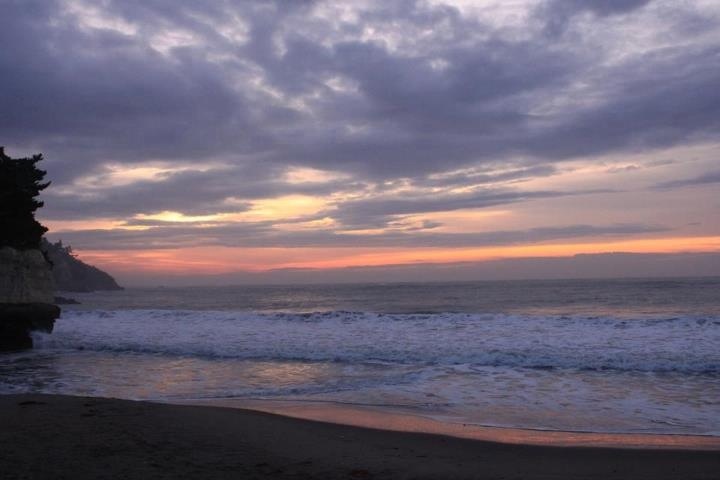
20120328-231552
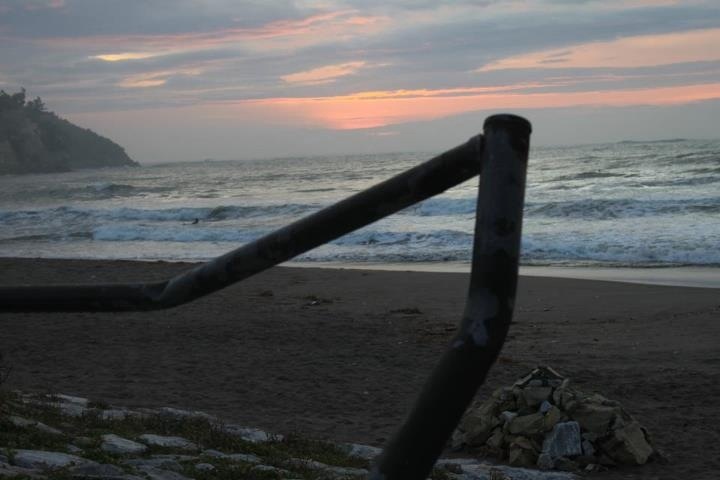
The beach at Tohoku, Japan where the tsunami hit 5 years ago today.

“When the oceans rise and thunders roar
I will soar with You above the storm
Father you are King over the flood
I will be still, know You are God”
from “Still”

During this Lenten season, I will be drawing inspiration from the new devotional collection edited by Sarah Arthur —Between Midnight and Dawn
The Potter’s Clay

mashikopottery

Yet you, LORD, are our Father. We are the clay, you are the potter; we are all the work of your hand.
Isaiah 64:8

So I went down to the potter’s house, and I saw him working at the wheel. But the pot he was shaping from the clay was marred in his hands; so the potter formed it into another pot, shaping it as seemed best to him.
Jeremiah 18:3-4

The best pottery is never perfect, becoming an original handmade and unique piece, infused with the potter’s eye and energy, the pressure of fingers and palm, a design coming from the heart of the potter.

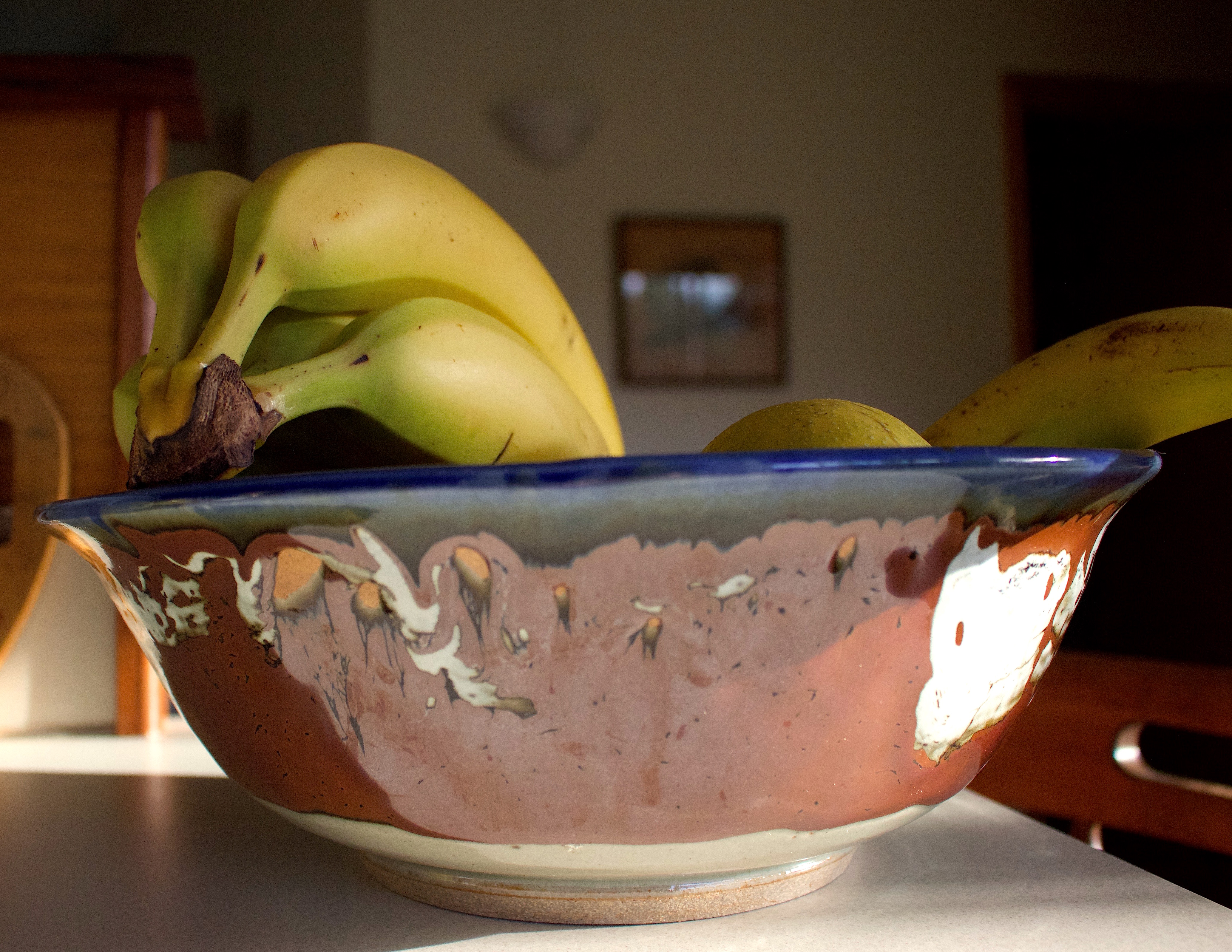
I had the joy this morning of virtually revisiting a special place in Japan that is a potter’s paradise, Mashiko village, thanks to a website by artist and art teacher Bette Vander Haak. The Vander Haaks took us there in 2012, and I was too overwhelmed by so many choices and pieces that I could not decide on a single one to bring home.  Thankfully, Brian and Bette have picked out pieces for us over the years, such as our fruit bowl, that are so much a part of our household, that I forget they came from the hands of an artist half-way around the world.

We are the clay formed and shaped to become something that has a purpose and plan,  and even with imperfections, we are something incredibly beautiful.  As the work of hands that make no mistake, we know there is good reason for our flaws.

https://www.youtube.com/watch?t=191&v=QLYivjLbWxg

https://www.youtube.com/watch?t=191&v=QLYivjLbWxg

horsehairvase
a handmade piece by Bette Vander Haak and daughter Emily Dieleman

Twilight Mirrors

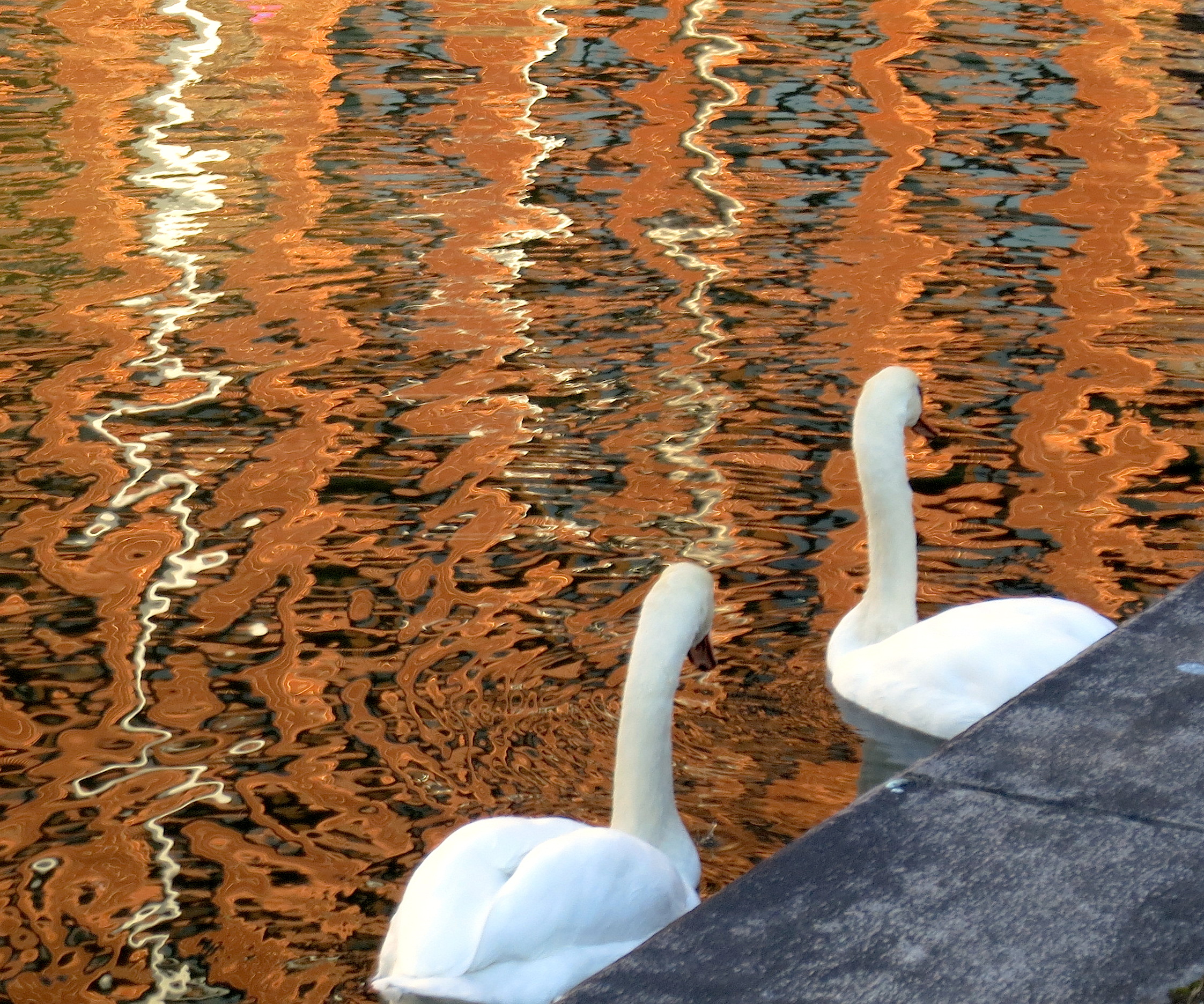
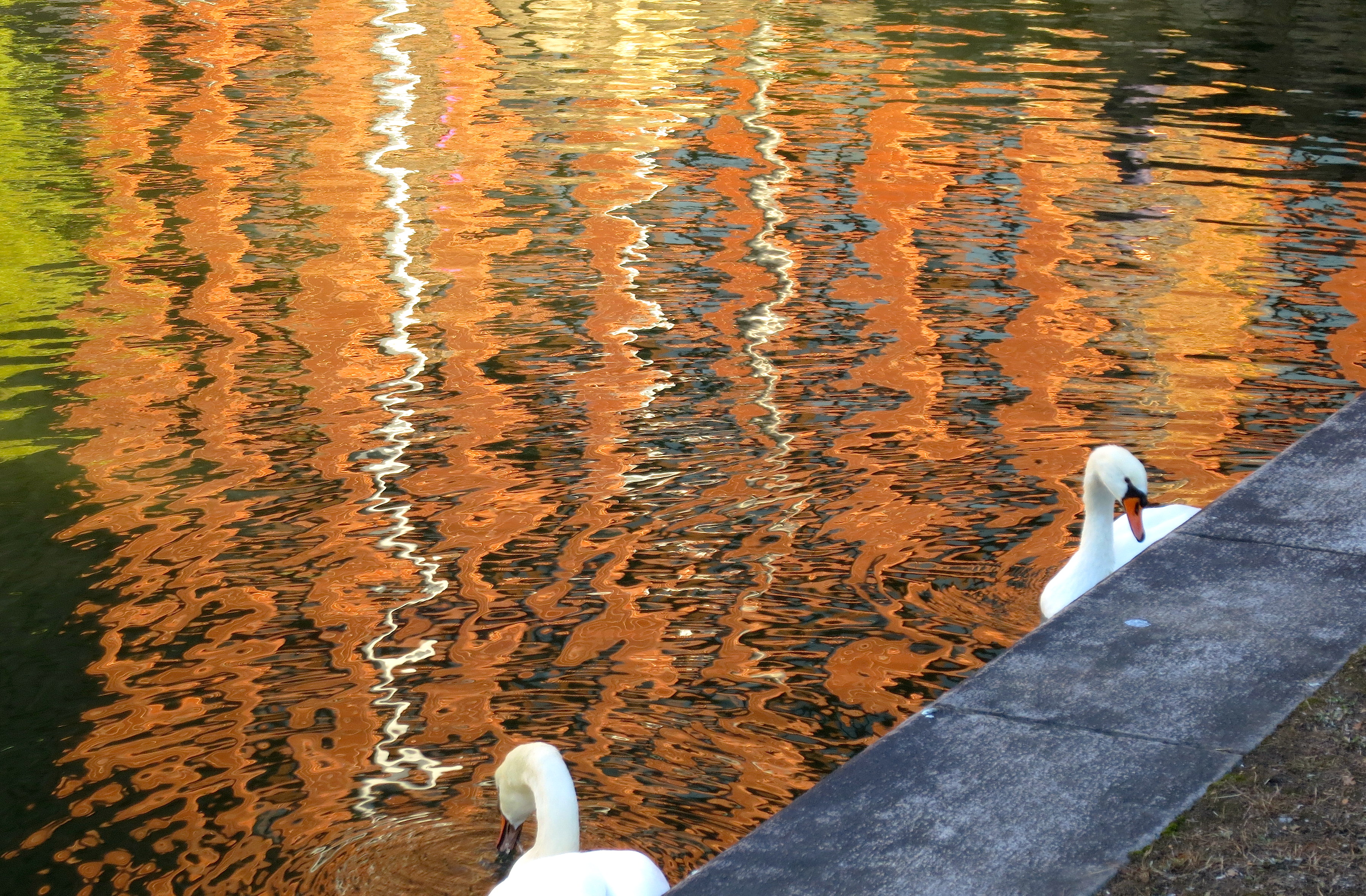
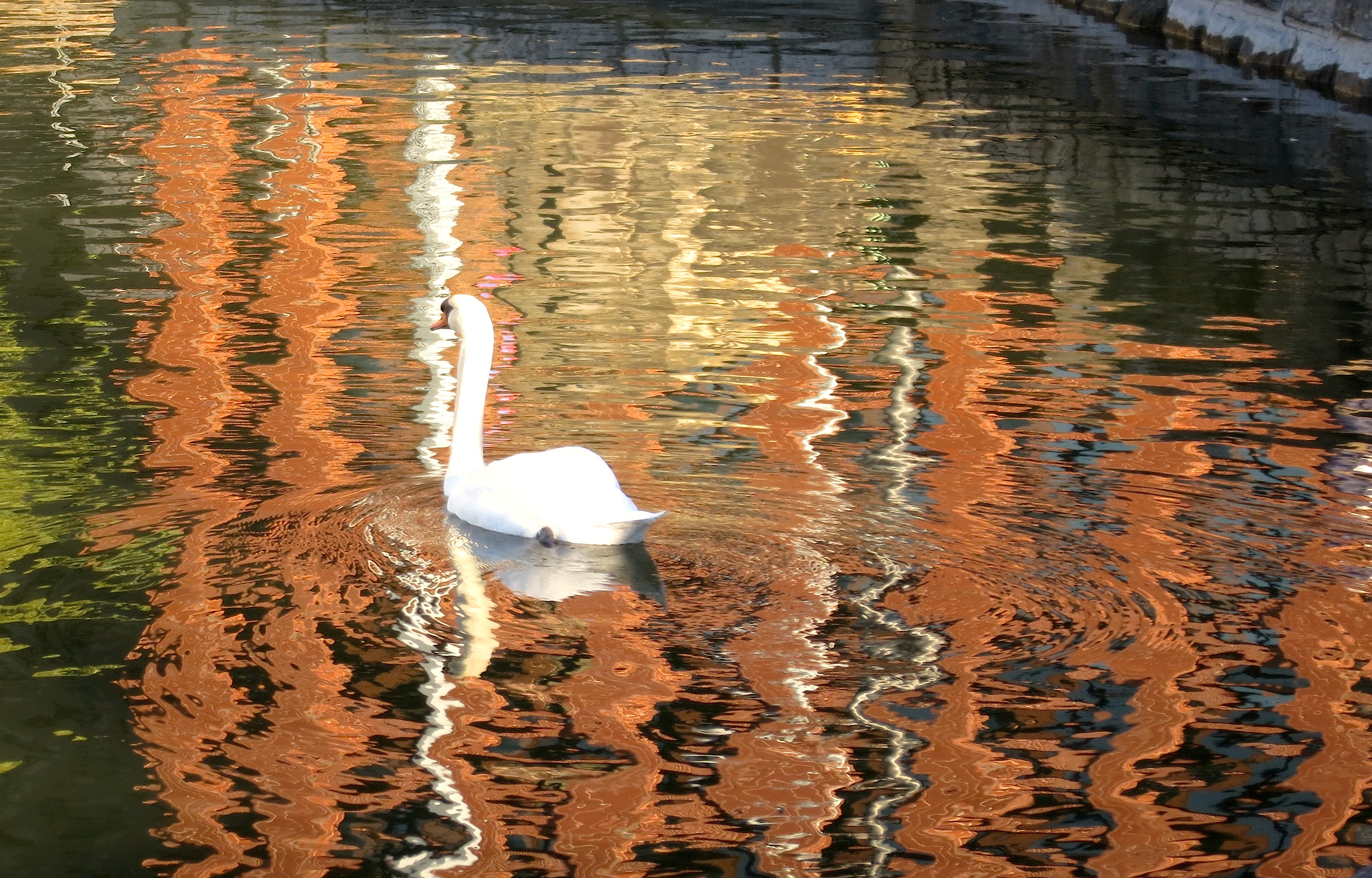
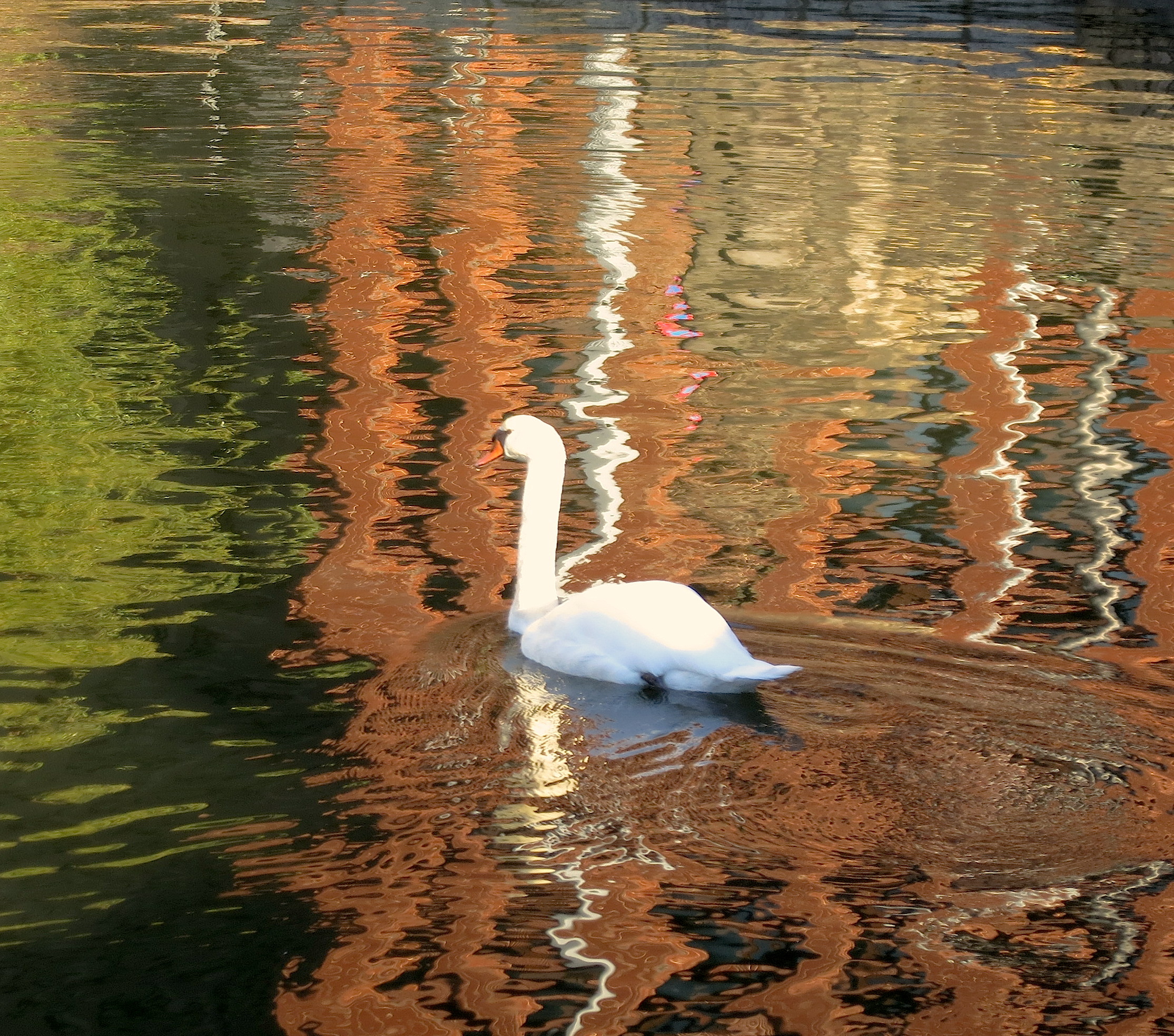
swantokyo4Swan photos taken in late afternoon light in a moat in downtown Tokyo, Japan, with reflection of the surrounding highrise buildings coloring the water

swantokyo5

Oh cracked and twilight mirrors ever to catch
One color, one glinting flash, of the splendor of things…
At least
Love your eyes that can see, your mind that can
Hear the music, the thunder of the wings. Love the wild swan.
~Robinson Jeffers from “Love the Wild Swan”
swantokyo1
swantokyo2
But now they drift on the still water,   
Mysterious, beautiful;   
Among what rushes will they build,
By what lake’s edge or pool
Delight men’s eyes when I awake some day   
To find they have flown away?
~William Butler Years from “The Wild Swans at Coole”
swantokyo6

Lenten Meditation: Once More in a Little While

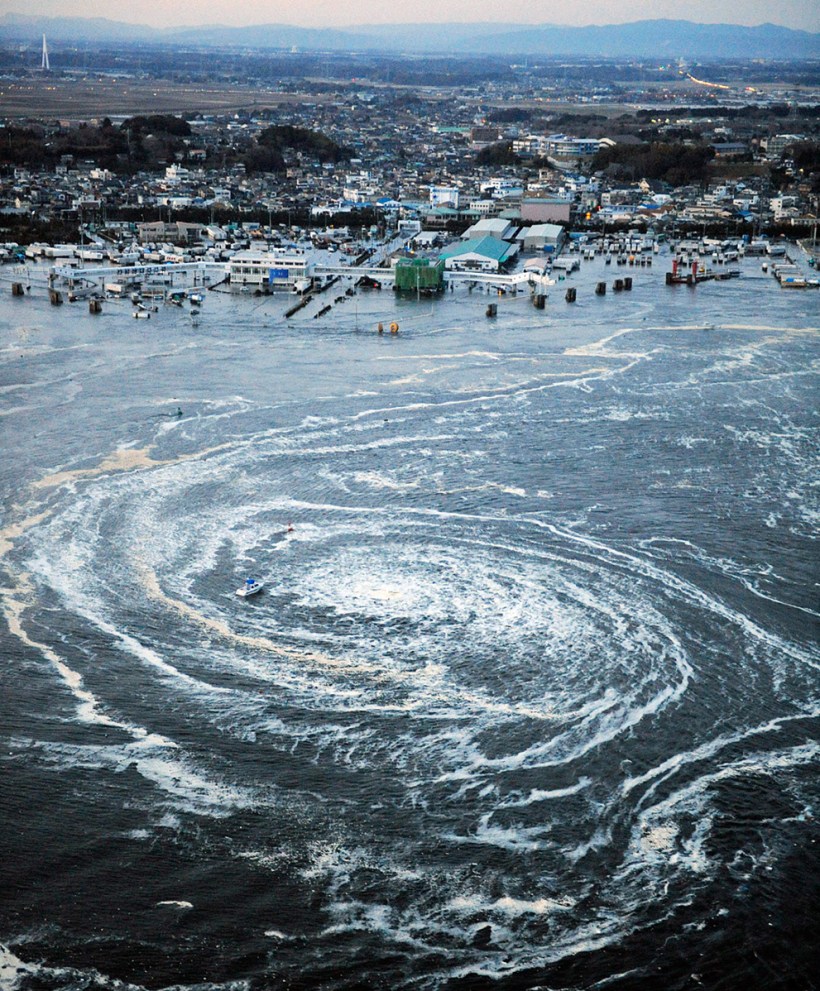
Oarai City, Ibaraki Prefecture, northeastern Japan, March 11, 2011. (REUTERS/Kyodo)

For thus says the LORD of hosts,
Once more in a little while,
I am going to shake the heavens and the earth, the sea also and the dry land.
I will shake all the nations; and they will come with the wealth of all nations,
and I will fill this house with glory,’ says the LORD of hosts.
Haggai 2:6-7

This could have been anywhere on the earth–and it has been at one time or another over many millennia.  We happen to live on uneasy soil.  Most recently the devastation has been in Chile, Haiti, Sumatra, Philippines.   It could have been right here in the earthquake prone and long overdue Pacific Northwest. I tread carefully across the yard, wondering if with the next step, the earth will rise to meet my foot, alive and seething.

This time it happened near one of the largest cities on earth, right where people most precious to me in all the world live and work.  It just happened, whisking away thousands of people in a matter of minutes.

There are many interpretations about what this might mean.  Some imply it is judgment.  Some dismiss it as simple relief of seismic pressure, building since the last major earthquake in the area in 869 A.D.

I believe it happens “once more, in a little while.”  It is a reminder we are only along for the ride;  we don’t do the steering, and we’re not in control of the itinerary or the timing of the destination.  We are shaken awake, not out of judgment (which has already convicted us all), but with the shattering realization that our rescue is at hand.

We must reach out and hang on tight, once more, in a little while.

Coming Full Circle

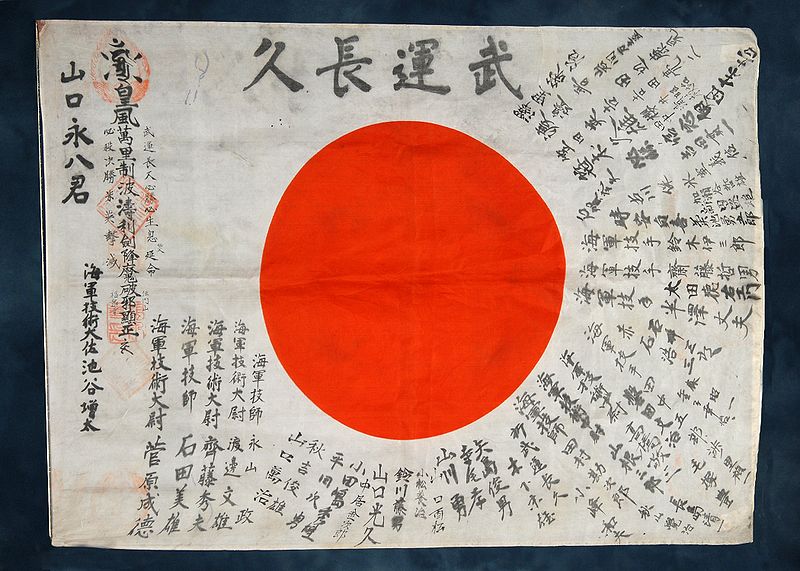
800px-Signed_Hinomaru_flag_of_Eihachi_YamaguchiSometimes, as a child,  when I was bored, I’d grab a step ladder, pull it into our bedroom hallway, climb half way up and carefully lift the plywood hatch that was the portal to our unlit attic.  It took some effort to climb up into the attic from the ladder, juggling a flashlight at the same time, but once seated safely on the beams above our ceiling, being careful not to put my foot through the carpet of insulation, I could explore what was stowed and normally inaccessible to me.

All the usual attic-type things were put up there:  Christmas ornaments and lights,  baby cribs and high chairs,  lamps and toys no longer used.  Secrets to my parents’ past were stored away there too.  It was difficult imagining them as young children growing up on opposite sides of the state of Washington, in very different circumstances, or as attractive college students who met at a dance, or as young marrieds unencumbered by the daily responsibilities of a family.  The attic held those images and memories like a three dimensional photo album.

My father’s dark green Marine Corps cargo trunk was up there, the one that followed him from Officer Training in Quantico, Virginia, to beach and mountain battles on Tarawa, Tinian and Saipan in the South Pacific, and three years later back home again.  It had his name and rank stenciled on the side in dark black lettering.  The buckles were stiff but could be opened with effort, and in the dark attic, there was always the thrill of unlatching the lid, and shining the flashlight across the contents.  His Marine Corps dress uniform lay inside underneath his stiff brimmed cap.  There were books about protocol, and a photo album which contained pictures of “his men” that he led in his battalion, and the collection of photos my mother sent of herself as she worked as a high school teacher back home.  Deep in the trunk was a Japanese sword covered in an ornamental scabbard, curved and very odd appearing and frightening to unsheath.  I always tried to see if there was blood on the blade, but it never revealed its history to me, flashing bright and clean in the flashlight beam.

Most fascinating was a folded Japanese flag inside a small drawstring bag, made of thin white see-through cloth with the bold red sun in the middle.  Surrounding the red sun were the delicate inked characters of many Japanese hands as if painted by artists, each wishing a soldier well in his fight for the empire.  Yet there it was, a symbol of that soldier’s demise, itself buried in an American attic, being gently and curiously held by an American daughter of a Marine Corps captain.  It would occur to me in the 1960s that some of the people who wrote on this flag might still be living, and certainly members of the soldier’s family would still be living.  I asked my father once about how he obtained the flag, and he, protecting me and himself, waved me away, saying he couldn’t remember.  I know better now.  He knew but could not possibly tell me the truth.

These flags, charms of good luck for the departing Japanese soldier as he left his neighborhood or village for war, are called Hinomaru Yosegaki (日の丸寄せ書き).  Tens of thousands of these flags came home with American soldiers; it is clear they were not the talisman hoped for.  A few of these flags are now finding their way back to their home country, to the original villages, to descendants of the lost soldiers.  My brother, who now has the flag, has considered returning it as well to its rightful owners.

Sixty five years doesn’t seem that long ago, a mere drop in the river of time.  There is more than mere mementos that have flowed from the broken dam of WWII, flooding subsequent generations of Americans, Japanese, Europeans with memories that are now lost as the oldest surviving soldiers die, thousands daily, taking their stories of pain and loss and heroism with them.   My father never could talk with a person of Asian descent, Japanese or not, without stiffening his spine and a grim set to his jaw.  He never could be at ease or turn his back.  As a child, I saw and felt this from him, but heard little from his mouth.

When he was twenty two years old,  pressed flat against the rocks of Tarawa, trying to melt into the ground to become invisible to the bullets whizzing overhead, he could not have conceived that sixty five years later his twenty two year old grandson would disembark from a jumbo jet at Narita in Tokyo, making his way to an international school in that city to teach Japanese children.  My father would have been shocked that his grandson would settle happily into a culture so foreign, so seemingly threatening, so apparently abhorrent.   Yet this irony is the direct result of the horrors of that too-long horrible bloody war of devastation: Americans and Japanese, despite so many differences, have become the strongest of allies, happily exchanging the grandchildren of those bitterly warring soldiers back and forth across the Pacific.  I care for Japanese exchange students daily in my University clinic, peering intently into their open faces and never once have seen the enemy that my father knew.

So, sixty five years later, my son teaches, with deep admiration and appreciation for each of his students,  those grandchildren and greatgrandchildren of the soldiers my father hated, and likely killed.  In coming to the land of the red sun, in coming full circle, my father’s descendant, the teacher and missionary,  redeems my father, the warrior.

It is as it was meant to be.