Lenten Grace — Wilderness Waiting

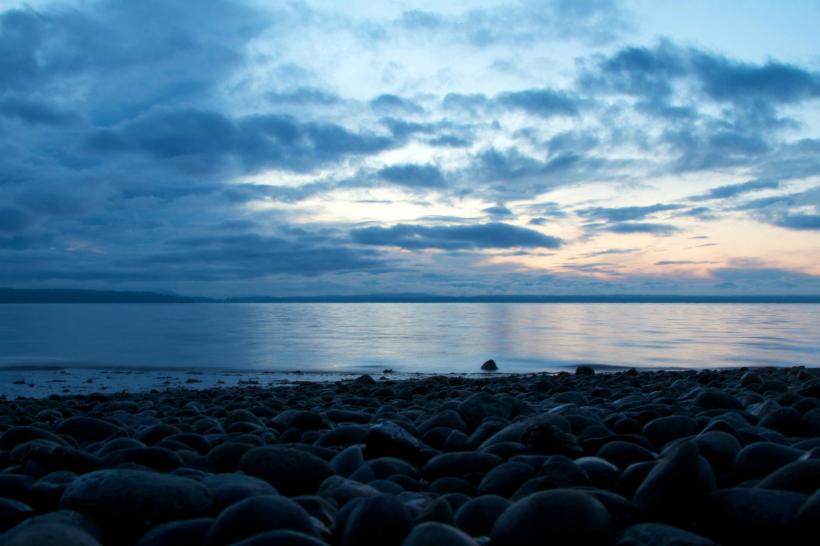
photo by Josh Scholten

This is the wilderness time,
when every path is obscure
and thorns have grown around the words of hope.

This is the time of stone, not bread,
when even the sunrise feels uncertain
and everything tastes of bitterness.

This is the time of ashes and dust,
when darkness clothes our dreams
and no star shines a guiding light.

This is the time of treading life,
waiting for the swells to subside and for the chaos to clear.

Be the wings of our strength, O God,
in this time of wilderness waiting.
– Keri Wehlander from “600 Blessings and Prayers from around the world” compiled by Geoffrey Duncan

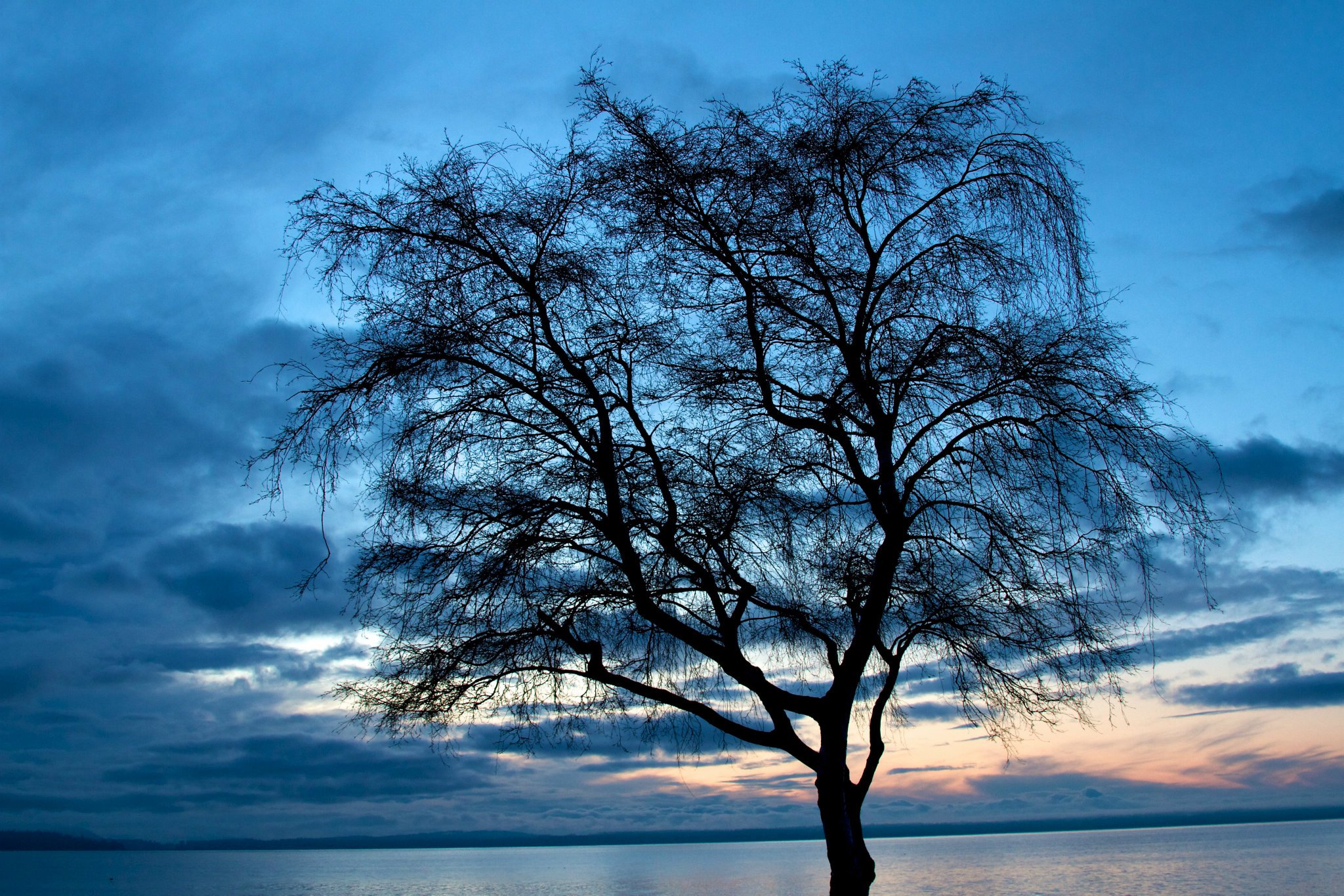
476897_3195576800612_261615318_o

Lenten Grace — A Table in the Wilderness

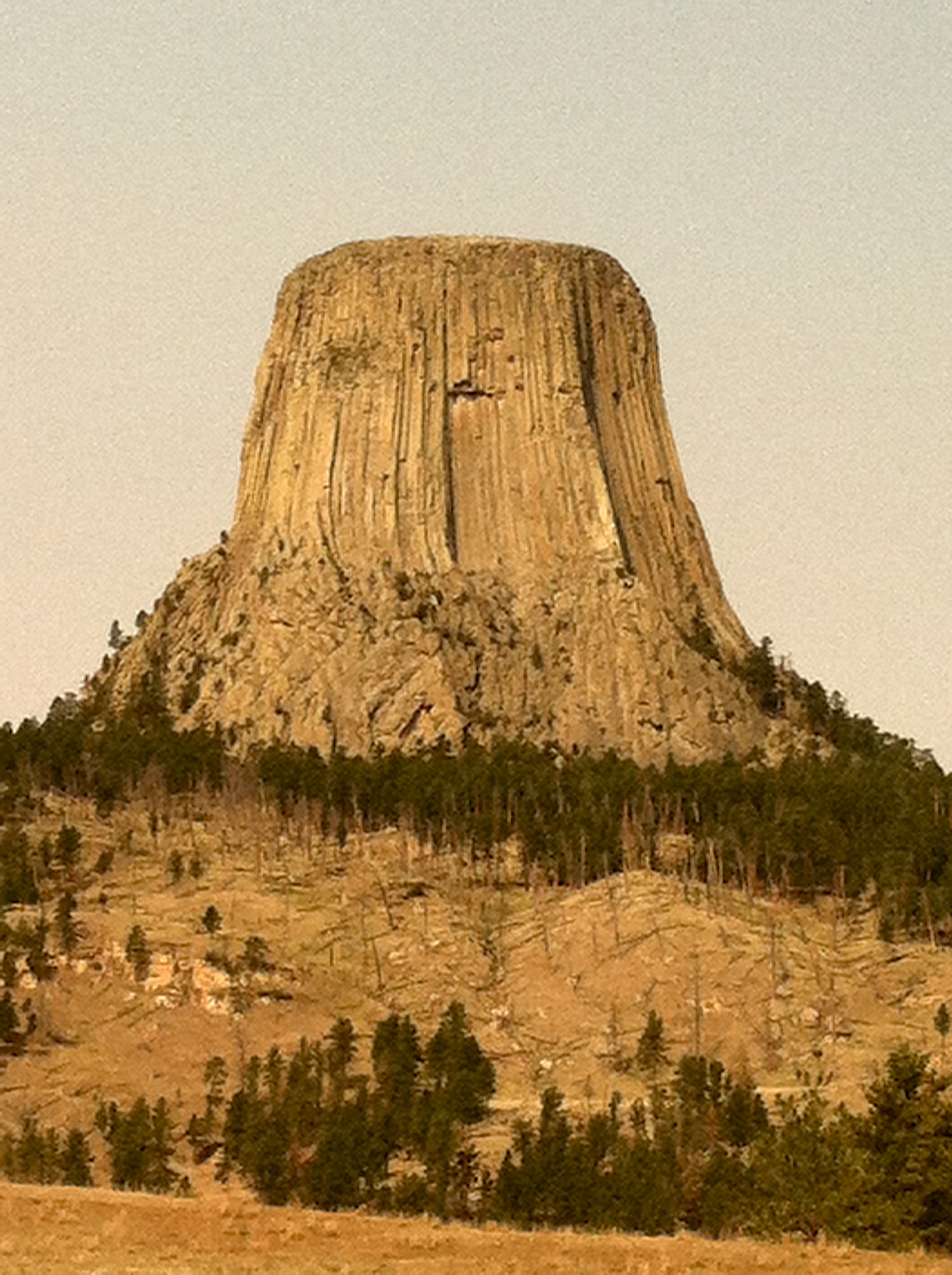
devilstowerwyomingIMG_0100

…faith finds food in famine, and a table in the wilderness.
In the greatest danger, faith says, “I have a great God.”
When outward strength is broken, faith rests on the promises.
In the midst of sorrow, faith draws the sting out of every trouble,
and takes out the bitterness from every affliction.
~Richard Cecil

The table set for us in the wilderness may not be what we hope for nor expect. Only faith can sustain us when the cup is bitter and the meal disheartening. We may choose starvation and thirst rather than eat and drink of trouble and sacrifice.

Even Jesus asked that the cup be taken from Him. Yet He drank from it and handed it over to us.

Even as Jesus walked to Golgotha, breaking under the burden and about to be shattered, He is prepared to hand His body over to us.

He has eaten at this same table so we are no longer alone in the bitter wilderness.

And so we, sharing our hunger, our thirst, our fear, our sorrow and our pain, can say, “We have a great God.”

northcascades

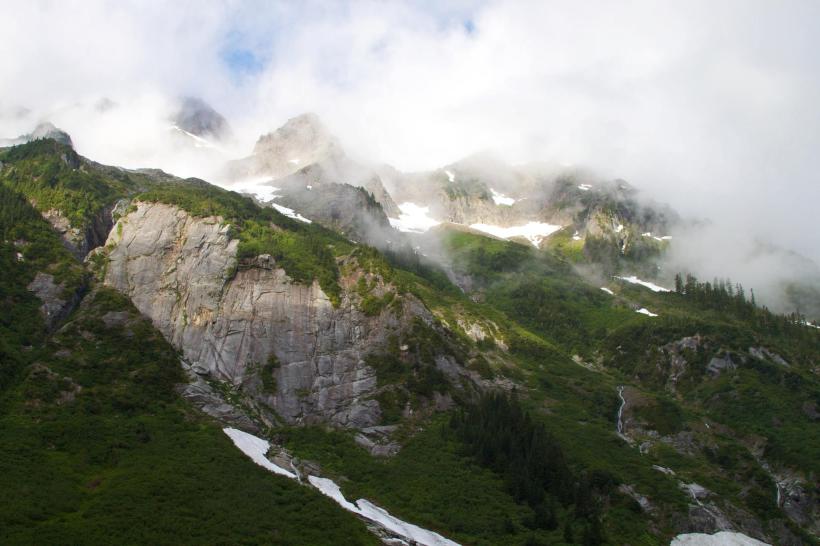
Lenten Grace — Even in the Wilderness

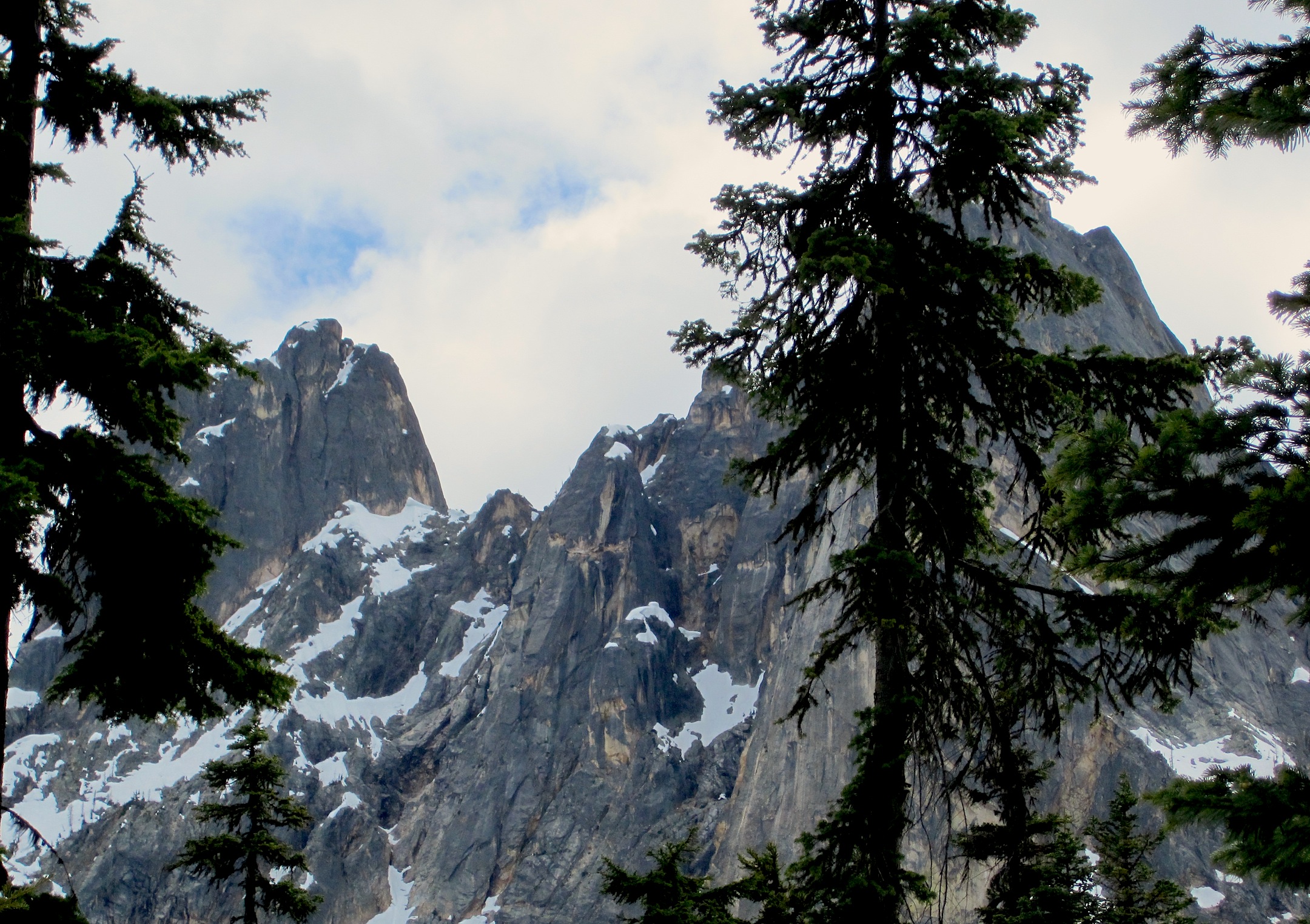
photo by Josh Scholten

To be commanded to love God at all, let alone in the wilderness , is like being commanded to be well when we are sick, to sing for joy when we are dying of thirst, to run when our legs are broken. But this is the first and great commandment nonetheless. Even in the wilderness- especially in the wilderness – you shall love him.   
~Frederick Buechner

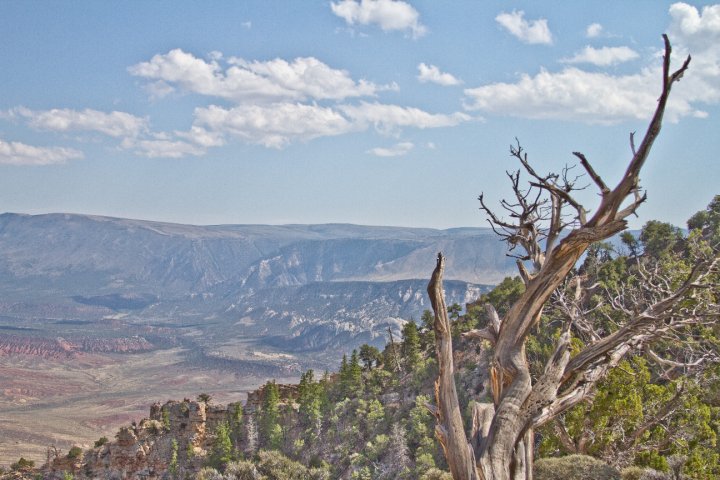
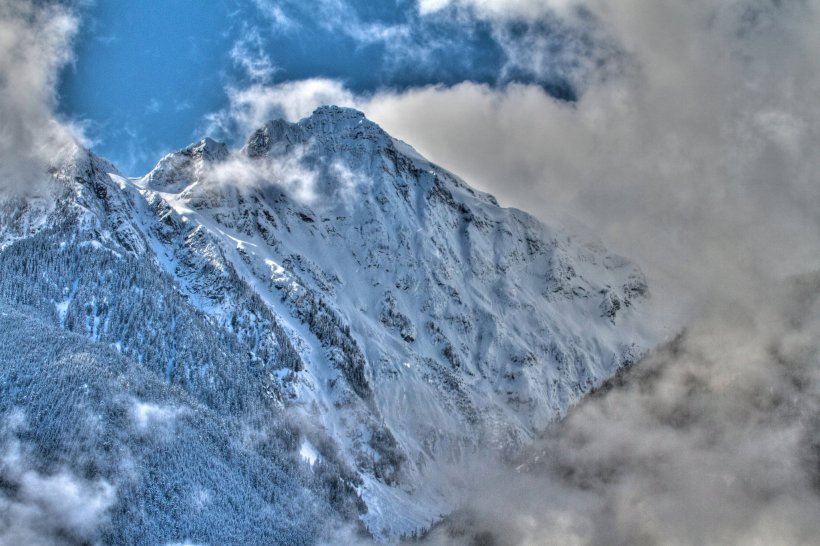
The wilderness can be a distant peak far removed from anything or anyone.  The wilderness can also be found in an isolated corner of the human heart kept far away from anything and anyone.   From my window on a clear day, I am fortunate to see the first if the cloud cover moves away.  From my perch on a round stool at work,  I am sometimes given access to the other many times every day.

There are times in one’s life when loving God as commanded seems impossible.  We are too broken, too frightened, too wary to trust God with our love and devotion.  Recognizing a diagnosis of wilderness of the heart is straight forward:  despair, discouragement, disappointment, lack of gratitude, lack of hope.  The treatment is to tame the wilderness with a covenantal obedience that reaches so deep there is no corner left untouched.   We must do as we are asked, even when it seems impossible, when it hurts, and when it means we may become even more profoundly isolated.

To be asked to love God is the invitation we were created for.   To be loved by Him is our rescue from the wilderness of the most distant peak, as well as from the most bitter and broken heart that beats within.

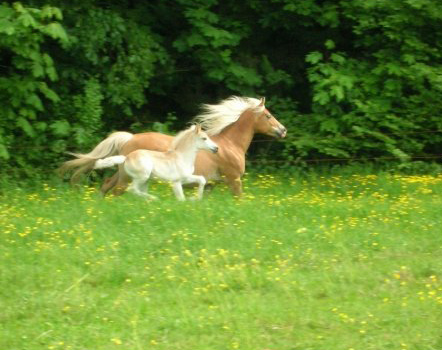
Lenten Grace — Weeds and Wilderness

belindarose
The darksome burn, horseback brown,
His rollrock highroad roaring down,
In coop and in comb the fleece of his foam
Flutes and low to the lake falls home.

A windpuff-bonnet of fawn-froth
Turns and twindles over the broth
Of a pool so pitchblack, fell-frowning,
It rounds and rounds Despair to drowning.

Degged with dew, dappled with dew,
Are the groins of the braes that the brook treads through,
Wiry heathpacks, flitches of fern,
And the beadbonny ash that sits over the burn.

What would the world be, once bereft
Of wet and wildness? Let them be left,
O let them be left, wildness and wet;
Long live the weeds and the wilderness yet.
~Gerard Manley Hopkins “Inversnaid”

There is despair in the wilderness of untamed hearts.
Such wildness lies just beneath the surface;
it rounds and rounds, almost out of reach. 
How are we spared drowning in its pitchblack pool?
How can we thrill to the beauty rather than be sucked into the darkness?
He came not to destroy the world’s wildness,
but to pull us, gasping,
from its unforgiving clutches as we sink in deep.
As weeds surviving in the wilderness,
we must grow, flourish, and witness to a wild world bereft.
O let us be left.
Let us be left.
photo by Kathy Yates

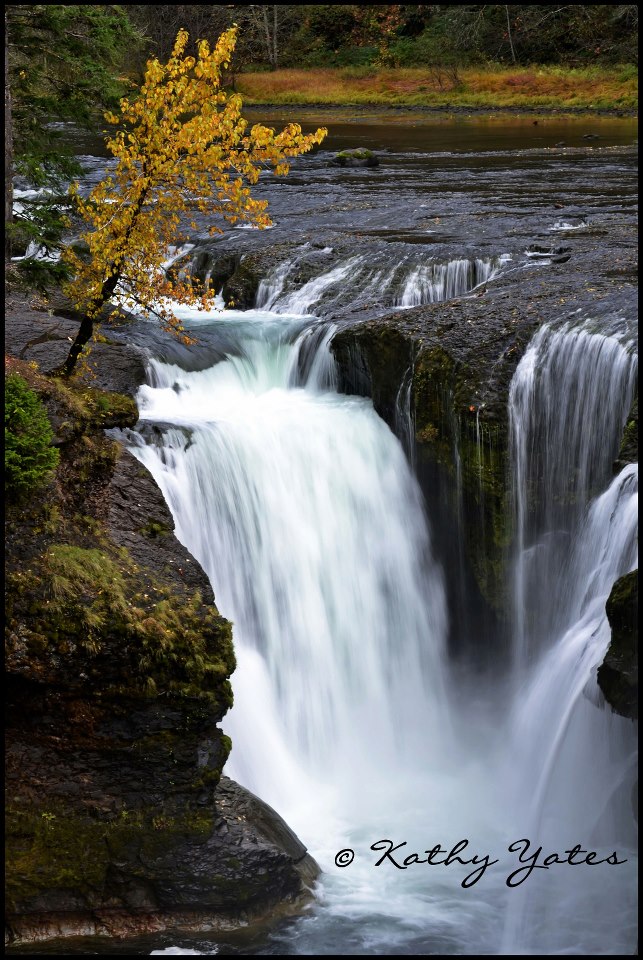
Lenten Grace — Streams in the Desert

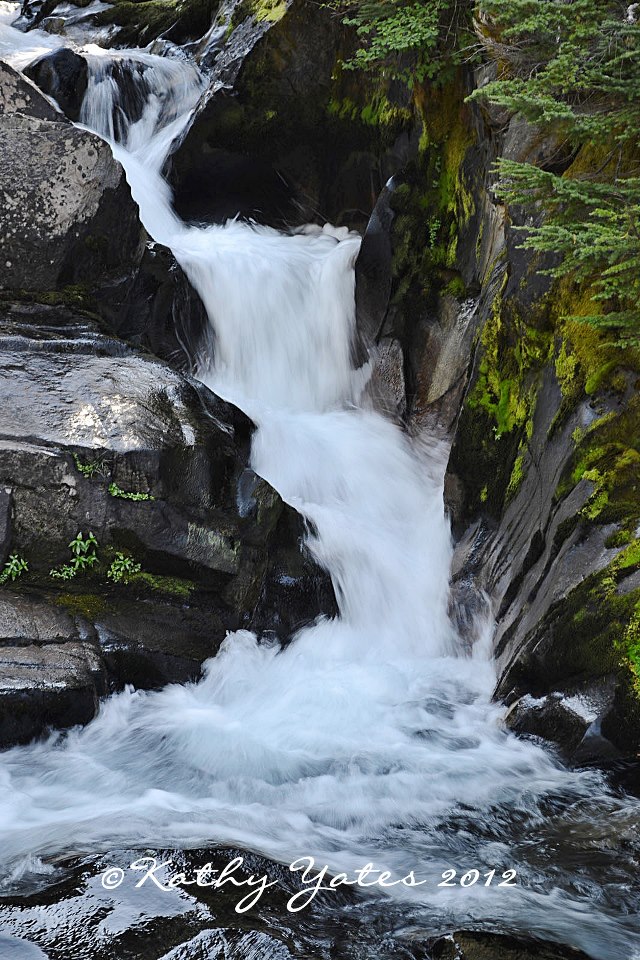
photo by Kathy Yates

Then will the eyes of the blind be opened
    and the ears of the deaf unstopped.
Then will the lame leap like a deer,
    and the mute tongue shout for joy.
Water will gush forth in the wilderness
    and streams in the desert.
The burning sand will become a pool,
    the thirsty ground bubbling springs.
In the haunts where jackals once lay,
    grass and reeds and papyrus will grow.
Isaiah 35: 5-7

And so we will not remain mere dust in the ground.

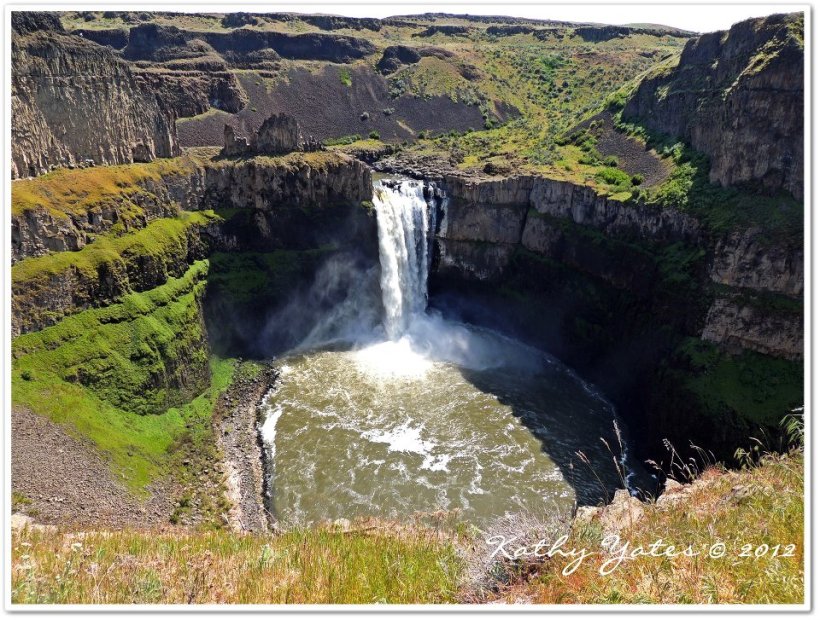
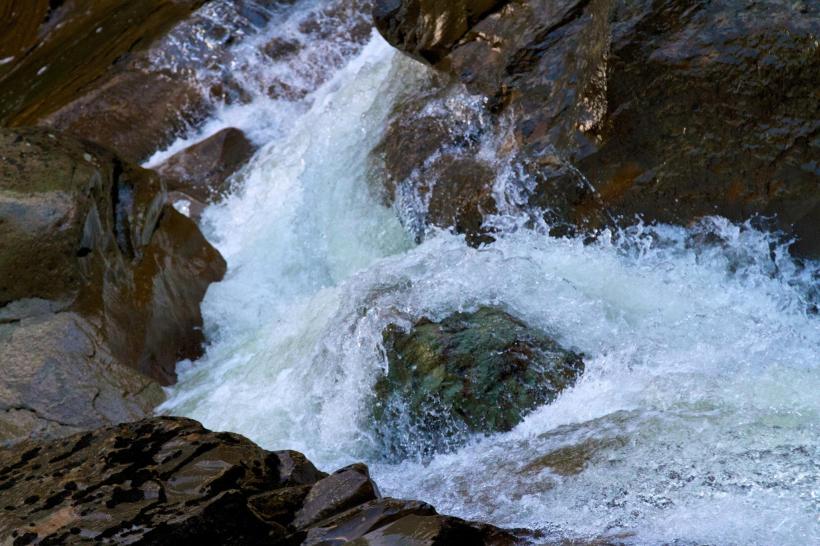
The dry wilderness bubbles with streams and gushes with falls.
The barren grows fruit.
The impossible becomes possible.

We are paradox.

Once dead, we live again.

photo by Kathy Yates

Advent Sings: Spring Up, O Well

photo by Josh Scholten

16 From there they continued on to Beer, the well where the Lord said to Moses, “Gather the people together and I will give them water.”
17 Then Israel sang this song:
“Spring up, O well!

    Sing about it,
18 about the well that the princes dug,
    that the nobles of the people sank—
    the nobles with scepters and staffs.”
Numbers 21: 16-18

Like the homeless Israelites of the wilderness years, we are prone to grumble as we wander through life.  Despite our many struggles, we are provided with what is needed when it is needed, day to day, to live.  In Numbers, ancient Israel sang of the wellspring of water that seemed to appear in the desert, no matter where they were,  in answer to their desperate pleading.    The wells of the ancients provided for their bodily needs, through God’s provision of water to the parched.

So too we are surrounded in the desert of modern society, desperately thirsty and needy for something, anything that will sustain us.  Our groanings and grumblings are answered, overflowing:

“The poor and needy search for water,
    but there is none;
    their tongues are parched with thirst.
But I the Lord will answer them;
    I, the God of Israel, will not forsake them.
18 I will make rivers flow on barren heights,
    and springs within the valleys.
I will turn the desert into pools of water,
    and the parched ground into springs.
Isaiah 41: 17-18

The deepest well of all was born that night in Bethlehem, producing an endless stream of life flowing through the dry and dying landscape of human suffering and sin.   It was as if he had sprung up from the desert, miraculously appearing when desperately needed by the people.

10 Jesus answered her, “If you knew the gift of God and who it is that asks you for a drink, you would have asked him and he would have given you living water.”

11 “Sir,” the woman said, “you have nothing to draw with and the well is deep. Where can you get this living water? 12 Are you greater than our father Jacob, who gave us the well and drank from it himself, as did also his sons and his livestock?”

13 Jesus answered, “Everyone who drinks this water will be thirsty again, 14 but whoever drinks the water I give them will never thirst. Indeed, the water I give them will become in them a spring of water welling up to eternal life.”

15 The woman said to him, “Sir, give me this water so that I won’t get thirsty and have to keep coming here to draw water.”
John 4: 10-15

Jesus asked the Samaritan woman for a drink at the well although he was the deep wellspring himself.    He dwells with us and like us,  needing the basics of water that can never truly satisfy.  He knows our body’s thirst as he feels just as we do.  Yet in responding to his bodily thirst,  we are engaged as never before, finding in him the quenching of our spiritual thirst.

Though Jesus needed nurturing and provision while on earth–as a helpless and hungry infant dependent on his parents, as a wandering teacher in the desert thirsty from the long hot miles, and hanging from the cross suffering from thirst and asking from relief–he is the deepest well from which we can possibly draw.

Let us sing of it this Advent.

Especially the Wilderness

photo by Josh Scholten

To be commanded to love God at all, let alone in the wilderness, is like being commanded to be well when we are sick, to sing for joy when we are dying of thirst, to run when our legs are broken. But this is the first and great commandment nonetheless. Even in the wilderness – especially in the wilderness – you shall love him.
Frederick Buechner

photo by Josh Scholten

At times of our wandering, whether in the desert, among the cliffs, or in the deep valley of dark alleys, we can feel estranged from God, from Man, from ourselves.  We know the homelessness of the lost and the seemingly abandoned.

But we are commanded to love, no matter how we hunger, or how tenuously we cling to the precipice, or how hidden we are in the desolated dumpsters of life.
Always, always, love brings us back to what we are created to be.

We are designed to bend low and bow down, built for kneeling,  able to smile through tears and cry while laughing.

We know the paradox of being so sick, so dying, so broken, so lost in the wasteland that rescue will be our ultimate joy.

We are found: found loving, never found wanting.


photo by Josh Scholten