A Canticle for Advent: Kind and Good

tonynose

1. Jesus our brother, kind and good
Was humbly born in a stable rude
And the friendly beasts around Him stood,
Jesus our brother, kind and good.

2. “I,” said the donkey, shaggy and brown,
“I carried His mother up hill and down;
I carried her safely to Bethlehem town.”
“I,” said the donkey, shaggy and brown.

3. “I,” said the cow all white and red
“I gave Him my manger for His bed;
I gave him my hay to pillow his head.”
“I,” said the cow all white and red.

4. “I,” said the sheep with curly horn,
“I gave Him my wool for His blanket warm;
He wore my coat on Christmas morn.”
“I,” said the sheep with curly horn.

5. “I,” said the dove from the rafters high,
“I cooed Him to sleep so He would not cry;
We cooed him to sleep, my mate and I.”
“I,” said the dove from the rafters high.

6. Thus every beast by some good spell,
In the stable dark was glad to tell
Of the gift he gave Immanuel,
The gift he gave Immanuel.
~12th century carol

She wrapped him in cloths and placed him in a manger, because there was no guest room available for them.
Luke 2:7

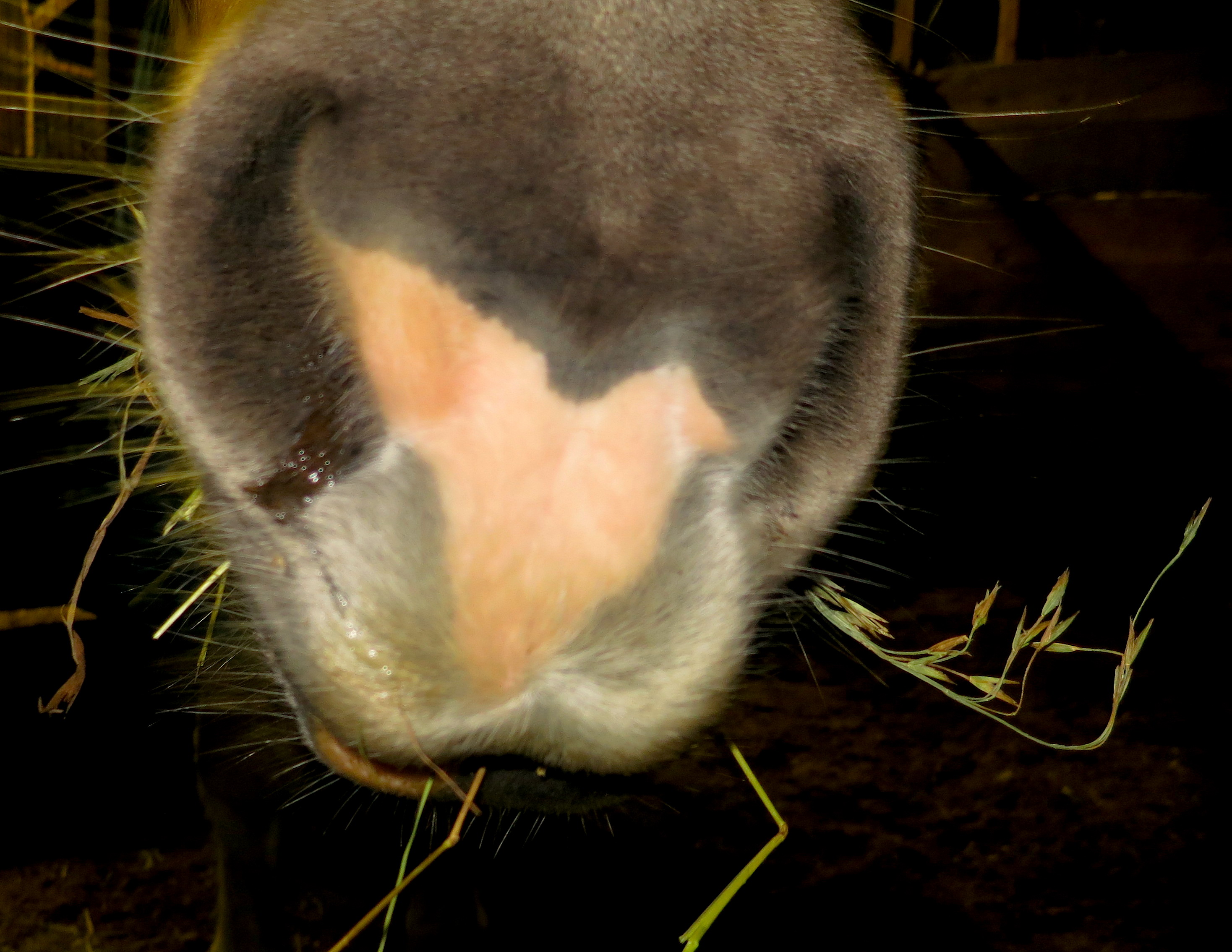
I know a fair amount about animals and their feed troughs, having daily encounters with them in our barn.   This is “stable rude” –no fanfare and no grandiosity, just basic sustenance– every day needs fulfilled in the most simple and plain way. Our wooden troughs are so old, they have been filled with fodder thousands of times over the decades. The wood has been worn smooth and shiny from years of being sanded by cows’ rough tongues, and over the last two decades, our horses’ smoother tongues, as they lick up every last morsel, extracting every bit of flavor and nourishment from what has been offered there. No matter how tired, how hungry, there is comfort offered at those troughs. The horses know it, anticipate it, depend on it, thrive because of it.

The shepherds in the hills that night were starving too. They had so little, yet became the first invited to the feast at the trough. They must have been overwhelmed, having never known such plenty before. Overcome with the immensity of what was laid before them, they certainly could not contain themselves, and told everyone they could about what they had seen.

His mother listened to the excitement of the visiting shepherds and that she “treasured up all these things and pondered them in her heart”. Whenever I’m getting caught up in the frenetic overblown commercialism of modern Christmas, I go out to the barn and look at our rough hewn feed troughs and think about what courage it took to entrust an infant to such a bed. She knew in her heart, indeed she had been told, that her son was to feed the hungry souls of human kind and He became fodder Himself.

Now I am at the trough, starving, sometimes stamping in impatience, often anxious and weary, at times hopeless and helpless. He was placed there for good reason: a kind and good treasure to be shared plain and simple, nurture without end for all.


These daily Advent reflections are each devoted to one Christmas carol (or canticle) to prepare us for God dwelling among us– then, now and forever more.
A Canticle for Advent: Come and See

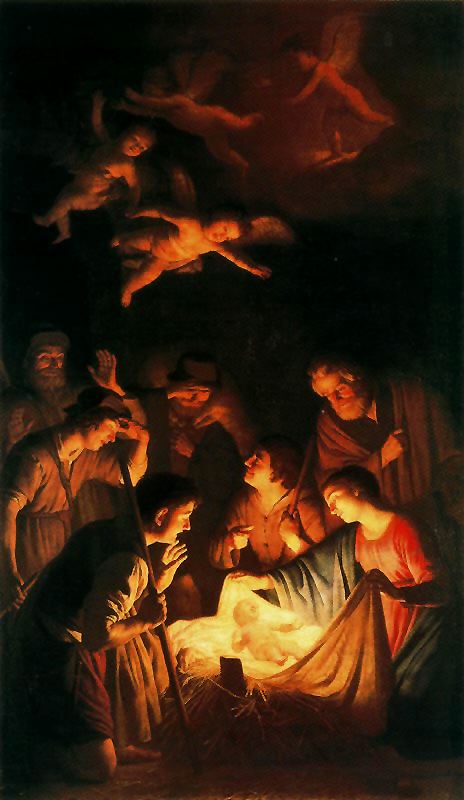
Gerrit van Honthorst "L'adoration des bergers"
Gerrit van Honthorst “L’adoration des bergers”

Sing we now of Christmas
Sing we all Noel
Of the Lord and Savior
We the tidings tell
Sing we Noel
For Christ our Lord is born
Sing we Noel
For Christ our Lord is born
Angels from on high
May shepherds come and see
He’s born in Bethleham
A blessed family
Glory to God
For Christ our King is born
Glory to God
For Christ our King is born
Sing we now of Christmas

Sing we all Noel
Sing we now of Christmas
Sing we all Noel
Sing we all Noel
~Noël Nou­ve­let, 15th Cen­tu­ry French mel­o­dy


I grew up knowing this bittersweet melody as an Easter hymn, “Now the Green Blade Riseth” and later was surprised to find it was actually a Christmas carol.
I find the Easter words even more meaningful, and the imagery fits for Advent as well, as we wait expectantly for the call back to life again from the fields of our dead hearts.

Love is come again.  Indeed.


Now the green blade rises from the buried grain,
Wheat that in the dark earth many years has lain;
Love lives again, that with the dead has been:
Love is come again, like wheat that springs up green.

In the grave they laid Him, Love Whom we had slain,
Thinking that He’d never wake to life again,
Laid in the earth like grain that sleeps unseen:
Love is come again, like wheat that springs up green.

Up He sprang at Easter, like the risen grain,
He that for three days in the grave had lain;
Up from the dead my risen Lord is seen:
Love is come again, like wheat that springs up green.

When our hearts are saddened, grieving or in pain,
By Your touch You call us back to life again;
Fields of our hearts that dead and bare have been:
Love is come again, like wheat that springs up green.
~John Crum 1928

A Canticle for Advent: Ponder Nothing Earthly-Minded

photo by Julie Garrett

1 Let all mortal flesh keep silence,
and with fear and trembling stand;
ponder nothing earthly minded,
for with blessing in his hand
Christ our God to earth descendeth,
our full homage to demand.

2 King of kings, yet born of Mary,
as of old on earth he stood,
Lord of lords, in human vesture,
in the body and the blood,
he will give to all the faithful
his own self for heavenly food.

3 Rank on rank the host of heaven
spreads its vanguard on the way,
as the Light of light descendeth
from the realms of endless day,
that the powers of hell may vanish
as the shadows clear away

4 At his feet the six-winged seraph,
cherubim, with sleepless eye,
veil their faces to the presence,
as with ceaseless voice they cry,
“Alleluia, alleluia,
alleluia, Lord most high!”
~from the Liturgy of St. James, 4th century


The Lord is in his holy temple;
    let all the earth be silent before him.
Habakkuk 2:20


This ancient hymn is one of the most profound of Advent, demanding our silence as we ponder and honor these words that transcend all earthly bounds of our eyes, ears and voices.
How can we be anything but awe-struck silent as we consider Christ our God to earth descendeth?  We should be trembling; we should be standing mute in our shoes, amazed.
So we follow the lead of the angel host as they bring us the incredible news: Glory to God!  Alleluia!
There is nothing earthly minded in their song.
Earth will never be the same since He came,
He died,
He rose
and He readies us to join Him.


A Canticle for Advent: Let Us Be Transformed

roseinside

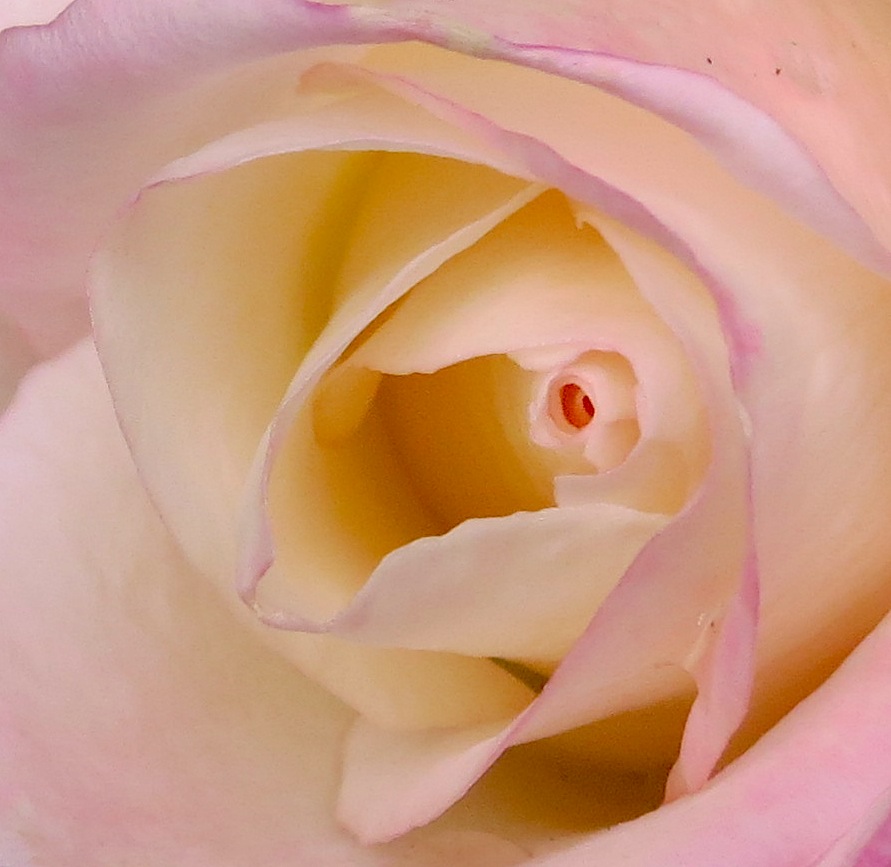
There is no rose of such virtue
As is the Rose that bore Jesu:
Alleluia.
For in this rose was contained
Heaven and earth in a small space.
Wondrous thing. Res miranda.
By that rose we may well see
There is one God in persons three.
Equally formed. Pares forma.
The angels sang; the shepherds, too:
Glory to God in the highest!
Let us rejoice. Gaudeamus.
Leave we all these worldly cares
And follow we this joyful birth.
Let us be transformed. Transeamus.
~Benjamin Britten “There is no rose” from “Ceremony of the Carols”1943

…thou shalt go before the face of the Lord to prepare his ways; 77 To give knowledge of salvation unto his people by the remission of their sins,
78 Through the tender mercy of our God; whereby the dayspring from on high hath visited us,
79 To give light to them that sit in darkness and in the shadow of death, to guide our feet into the way of peace.
Luke 1: 76-79 (Zechariah’s Song)

Although there are few references to roses in the Bible,  the symbolism of the depths of beauty and tenderness of the rose is found everywhere from Dante’s Paradisio, to elaborate ancient cathedral Rose Windows with Christ or Virgin Mary at the center.  It represents the miracle of heaven and earth bound together in the person of Christ in the Trinity.   Through His tender mercy, like Zechariah given back his voice,we become transformed by the coming of Christ.   We prepare to go before the Face of the Lord,  in His unfolding universe, unfurling like the center of a rose.

These daily Advent reflections are each devoted to one Christmas carol (or canticle) to prepare us for God dwelling among us– then, now and forever more.
A Canticle for Advent: Turn Our Darkness Into Light

sunset121

O come, O come, Emmanuel,
and ransom captive Israel,
that mourns in lonely exile here
until the Son of God appear.
Refrain:
Rejoice! Rejoice!
Emmanuel shall come to thee, O Israel.

O come, thou Rod of Jesse, free
thine own from Satan’s tyranny;
from depths of hell thy people save,
and give them victory over the grave.

O come, thou Dayspring, come and cheer
our spirits by thine advent here;
dispel the shadows of the night,
and turn our darkness into light.

O come, thou Key of David, come,
and open wide our heavenly home;
make safe the way that leads on high,
and close the path to misery.

O come, O come, great Lord of might,
who to thy tribes on Sinai’s height
in ancient times once gave the law
in cloud and majesty and awe.

O come, thou Root of Jesse’s tree,
an ensign of thy people be;
before thee rulers silent fall;
all peoples on thy mercy call.

O come, Desire of nations, bind
in one the hearts of all mankind;
bid thou our sad divisions cease,
and be thyself our King of Peace.
12tth Century (Latin)

Therefore the Lord himself will give you a sign: The virgin will conceive and give birth to a son, and will call him Immanuel.
Isaiah 7:14

“The Redeemer will come to Zion,
to those in Jacob who repent of their sins,”
declares the Lord.
“As for me, this is my covenant with them,” says the Lord. “My Spirit, who is on you, will not depart from you, and my words that I have put in your mouth will always be on your lips, on the lips of your children and on the lips of their descendants—from this time on and forever,” says the Lord.
Isaiah 59:20

This haunting hymn from the 12th century is often among the first hymns sung in worship during the Advent season.  It is plaintive in its plainness of plea, calling Jesus by His many names.  In coming to us,  He will change our hearts and our world, turning our darkness into light, dispelling the shadows forever.

These daily Advent reflections are each devoted to one Christmas carol (or canticle) to prepare us for God dwelling among us– then, now and forever more.

A Canticle for Advent: Let No Tongue on Earth Be Silent

photo by Josh Scholten

1. Of the Father’s love begotten,
Ere the worlds began to be,
He is Alpha and Omega,
He the source, the ending He,
Of the things that are, that have been,
And that future years shall see,
Evermore and evermore!

2. At His Word the worlds were framèd;
He commanded; it was done:
Heaven and earth and depths of ocean
In their threefold order one;
All that grows beneath the shining
Of the moon and burning sun,
Evermore and evermore!

3. He is found in human fashion,
Death and sorrow here to know,
That the race of Adam’s children
Doomed by law to endless woe,
May not henceforth die and perish
In the dreadful gulf below,
Evermore and evermore!

4. O that birth forever blessèd,
When the Virgin, full of grace,
By the Holy Ghost conceiving,
Bare the Savior of our race;
And the Babe, the world’s Redeemer,
First revealed His sacred face,
Evermore and evermore!

5. This is He Whom seers in old time
Chanted of with one accord;
Whom the voices of the prophets
Promised in their faithful word;
Now He shines, the long expected,
Let creation praise its Lord,
Evermore and evermore!

6. O ye heights of heaven adore Him;
Angel hosts, His praises sing;
Powers, dominions, bow before Him,
And extol our God and King!
Let no tongue on earth be silent,
Every voice in concert sing,
Evermore and evermore!

7. Righteous judge of souls departed,
Righteous King of them that live,
On the Father’s throne exalted
None in might with Thee may strive;
Who at last in vengeance coming
Sinners from Thy face shalt drive,
Evermore and evermore!

8. Thee let old men, thee let young men,
Thee let boys in chorus sing;
Matrons, virgins, little maidens,
With glad voices answering:
Let their guileless songs re-echo,
And the heart its music bring,
Evermore and evermore!

9. Christ, to Thee with God the Father,
And, O Holy Ghost, to Thee,
Hymn and chant with high thanksgiving,
And unwearied praises be:
Honor, glory, and dominion,
And eternal victory,
Evermore and evermore!
~ Aurelius Clemens Prudentius  (348-405)


One of our oldest known hymns remains one of the most profound of all time, its verses a reflection of the power of the Word, its plainchant melody a gliding of notes up and down the musical scale.  In singing it, we are joined together with fifteen hundred years of the faithful and those who will come after us, singing unwearied praises evermore and evermore.

 “I am the Alpha and the Omega,” says the Lord God, “who is, and who was, and who is to come, the Almighty.”
Revelation 1:8

These daily Advent reflections are each devoted to one Christmas carol (or canticle) to prepare us for God dwelling among us– then, now and forever more.