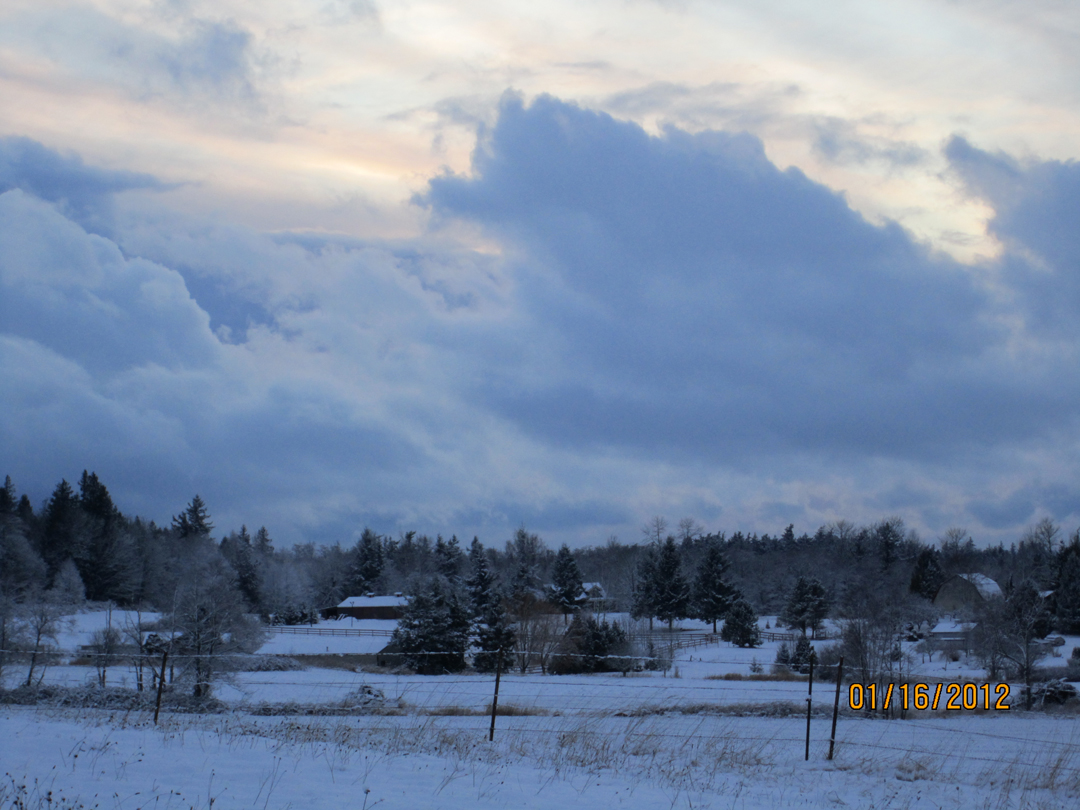
There’s a certain Slant of light, Winter Afternoons– That oppresses, like the Heft Of Cathedral Tunes– Emily Dickinson
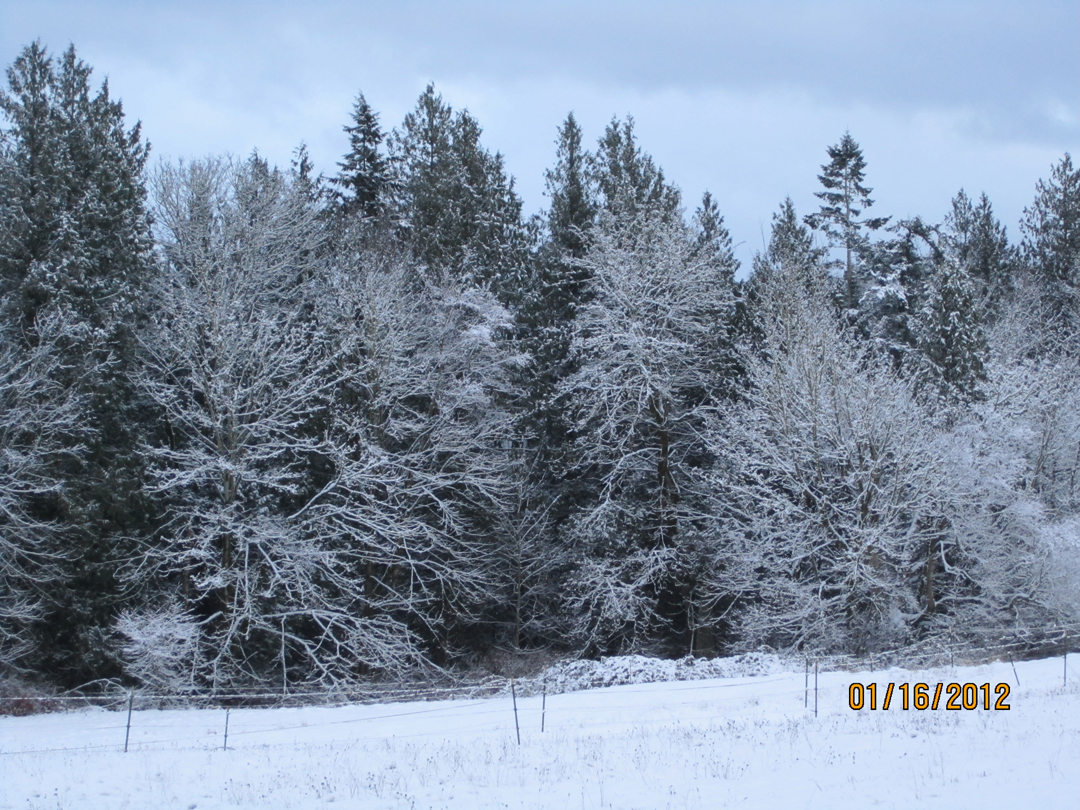
She stuck her head out and took a deep breath. If she could eat the cold air, she would. She thought cold snaps were like cookies, like gingersnaps. In her mind they were made with white chocolate chunks and had a cool, brittle vanilla frosting. They melted like snow in her mouth, turning creamy and warm.
― Sarah Addison Allen
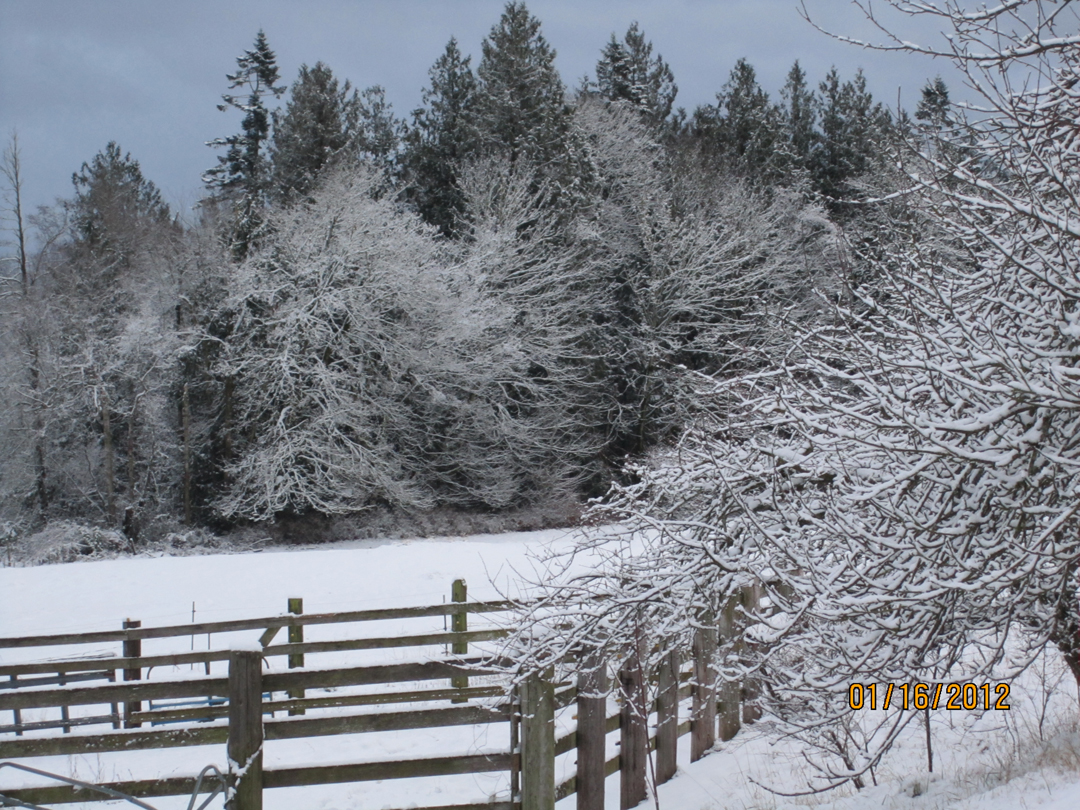
It is winter proper; the cold weather, such as it is, has come to stay. I bloom indoors in the winter like a forced forsythia; I come in to come out. At night I read and write, and things I have never understood become clear; I reap the harvest of the rest of the year’s planting. Annie Dillard
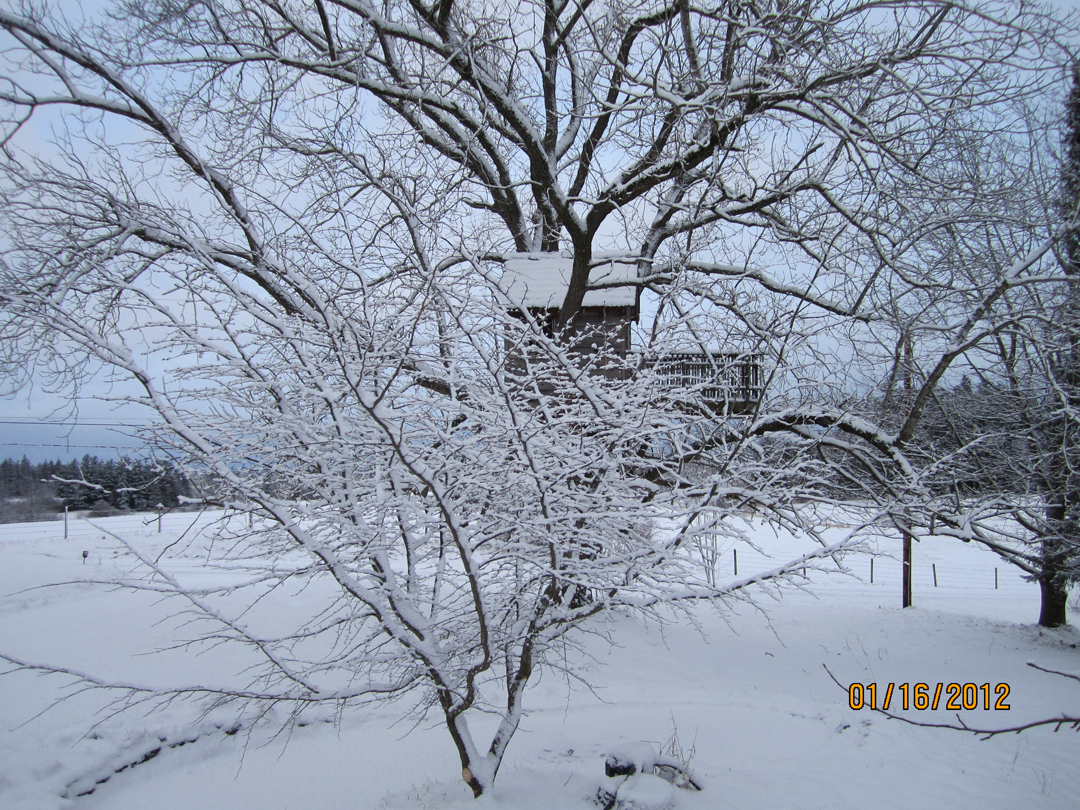
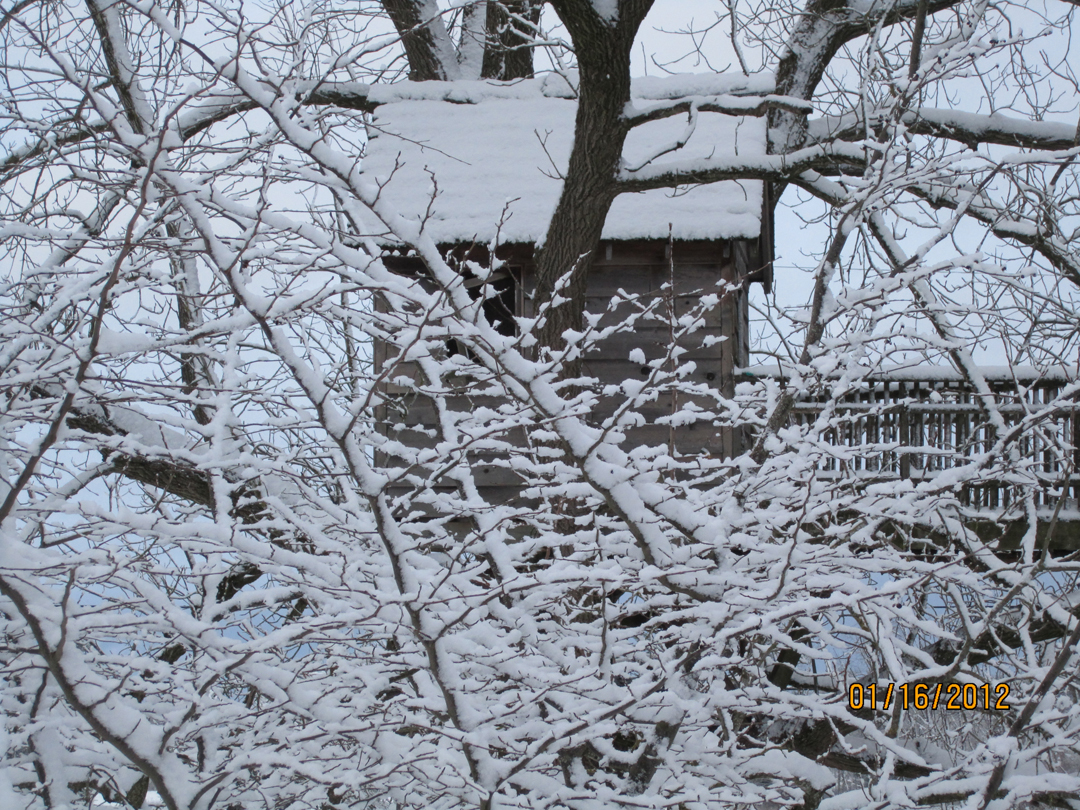
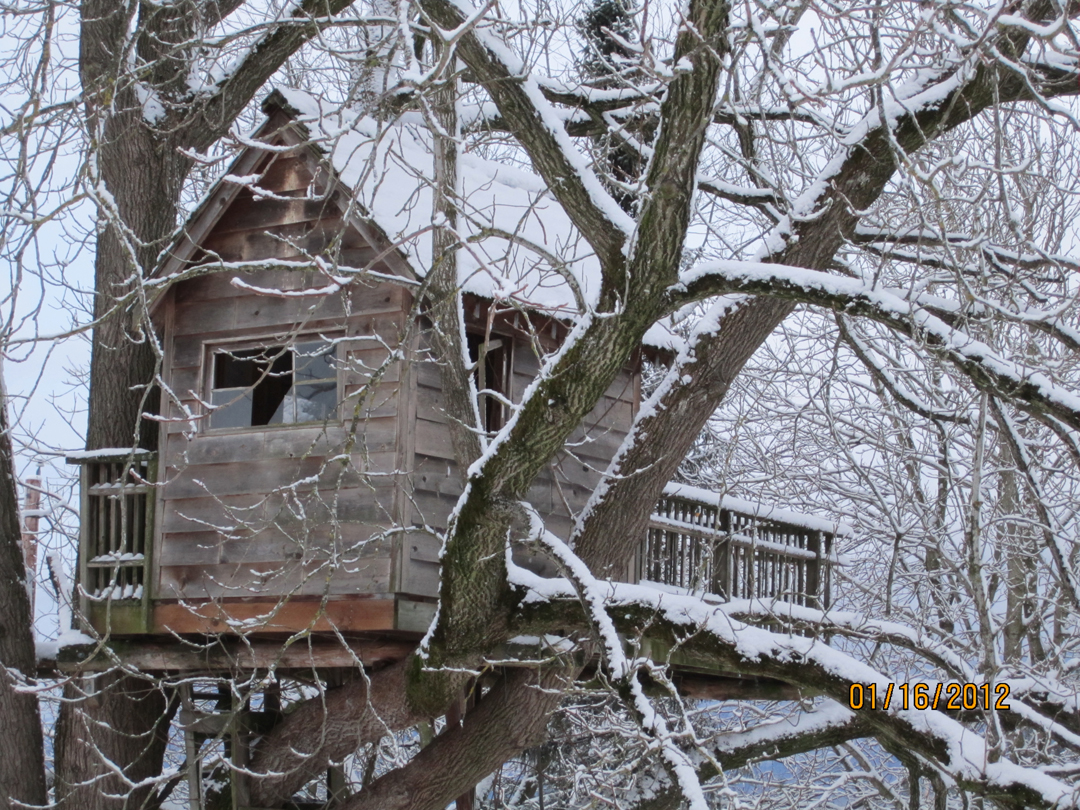
There are adventures of the spirit and one can travel in books and interest oneself in people and affairs. One need never be dull as long as one has friends to help, gardens to enjoy and books in the long winter evenings.
― D.E. Stevenson
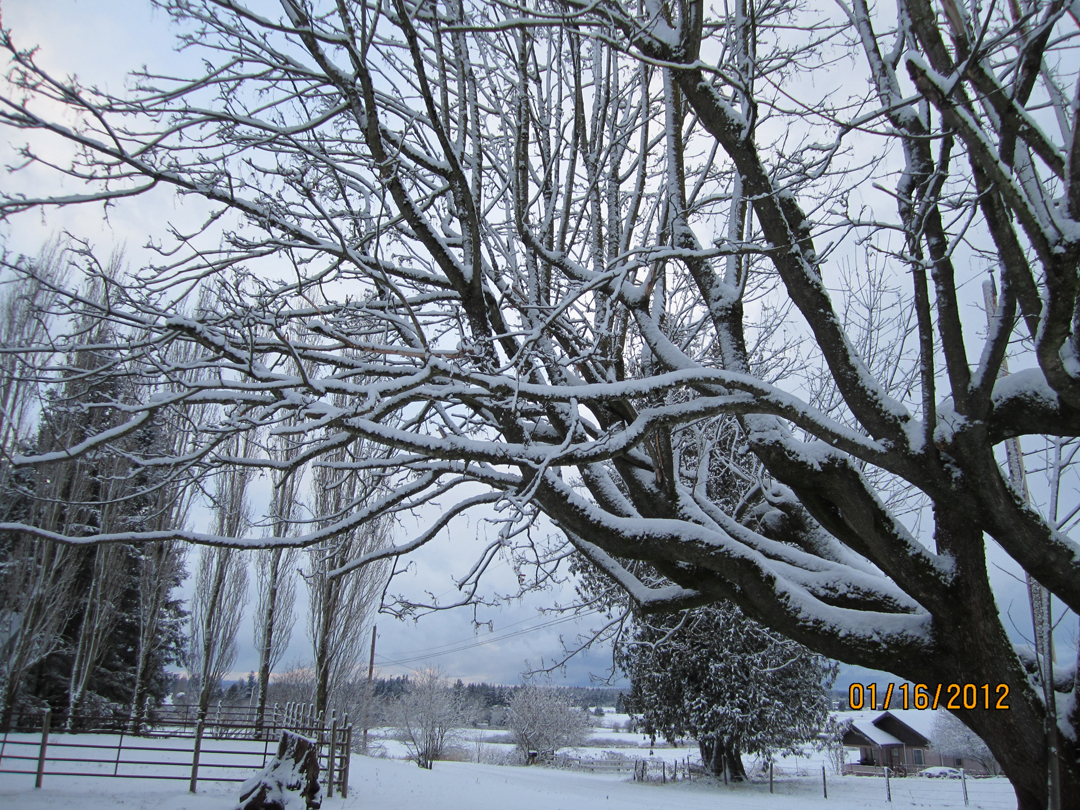
I prefer winter and fall, when you feel the bone structure of the landscape – the loneliness of it, the dead feeling of winter. Something waits beneath it, the whole story doesn’t show. ~Andrew Wyeth
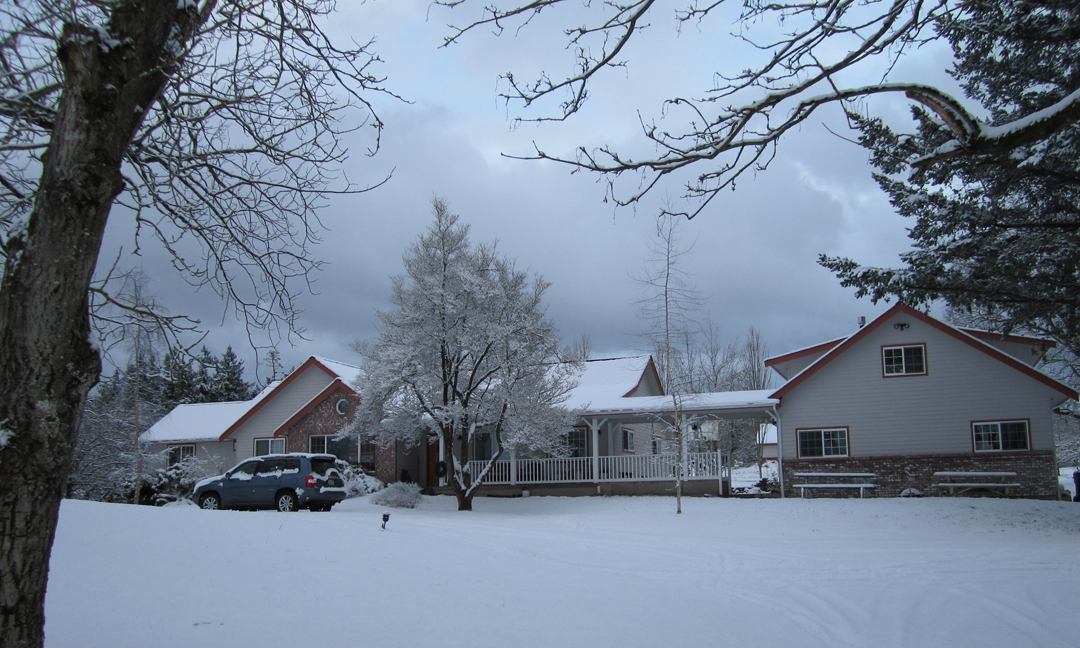
Winter is the time for comfort, for good food and warmth, for the touch of a friendly hand and for a talk beside the fire: it is the time for home. ~Edith Sitwell
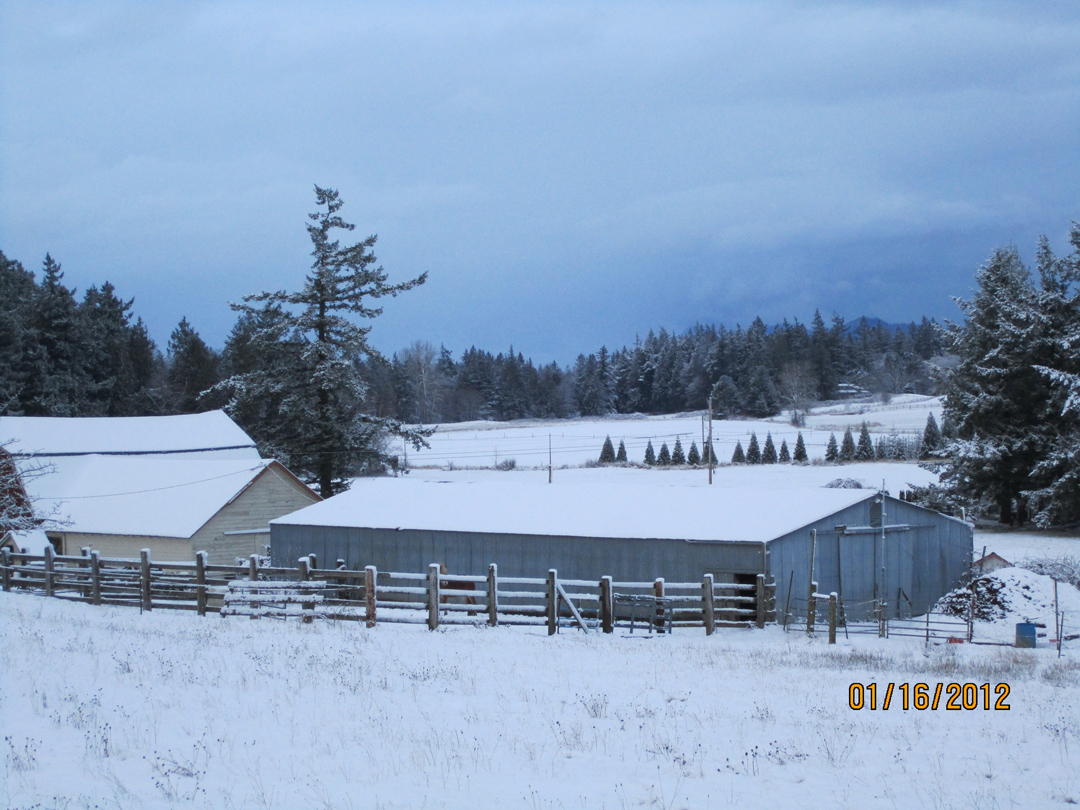
In the depth of winter, I finally learned that within me there lay an invincible summer. Albert Camus
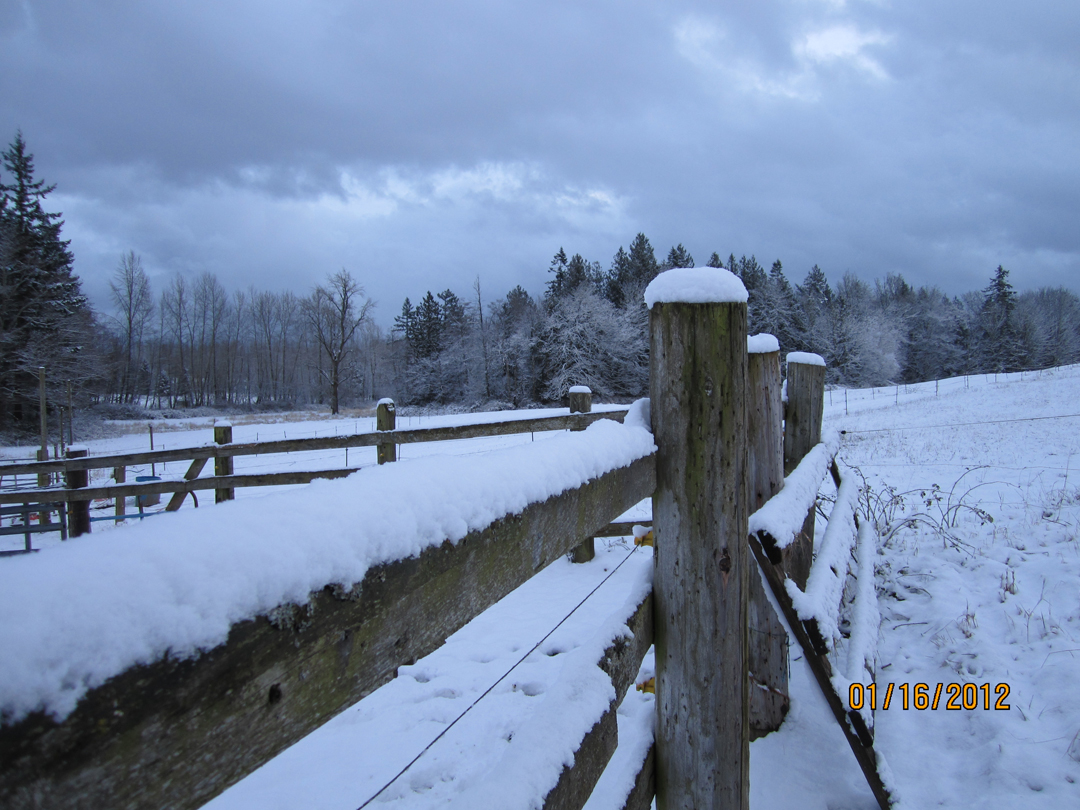
In the bleak midwinter Frosty wind made moan, Earth stood hard as iron, Water like a stone; Snow had fallen, snow on snow, Snow on snow, In the bleak midwinter, Long ago. Christina Rossetti
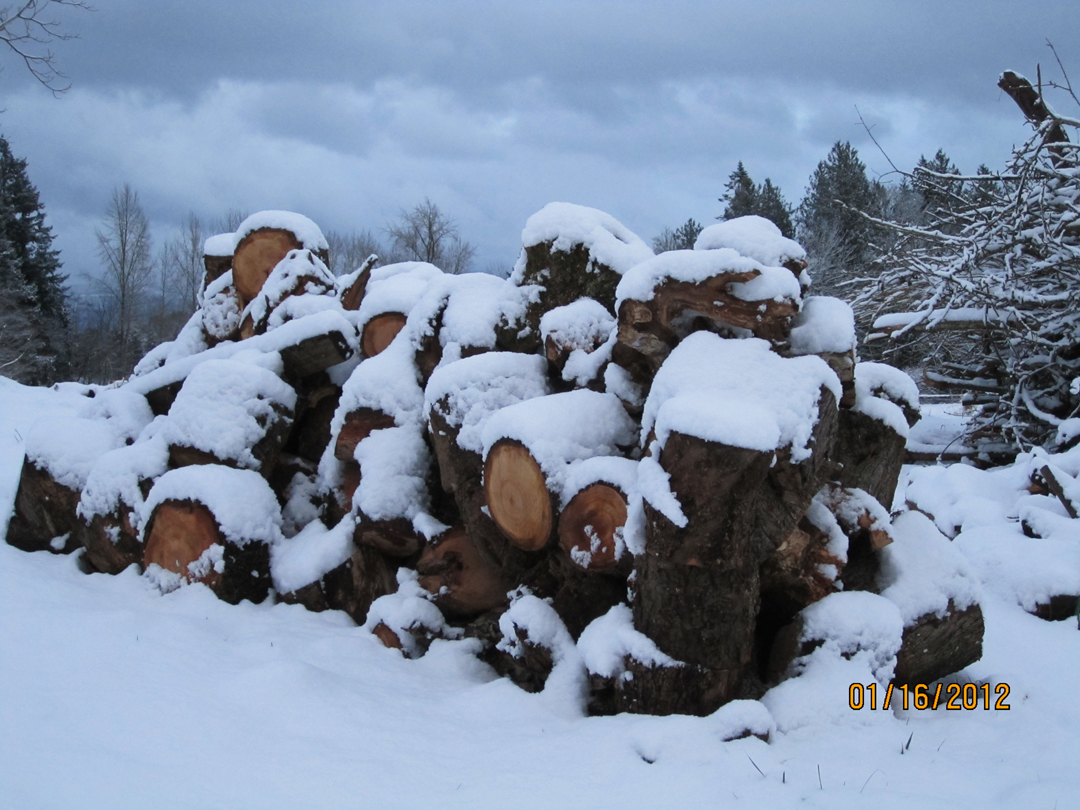
Winter is not a season, it’s an occupation.
― Sinclair Lewis
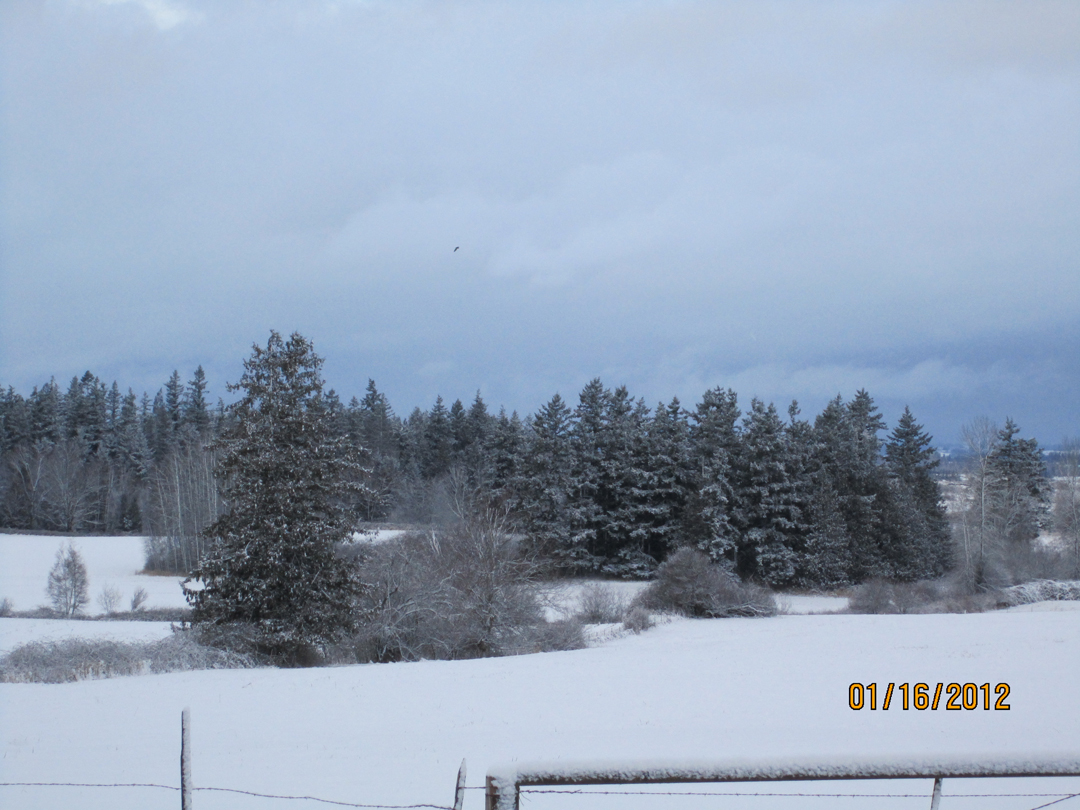
Snow flurries began to fall and they swirled around people’s legs like house cats. It was magical, this snow globe world.
― Sarah Addison Allen
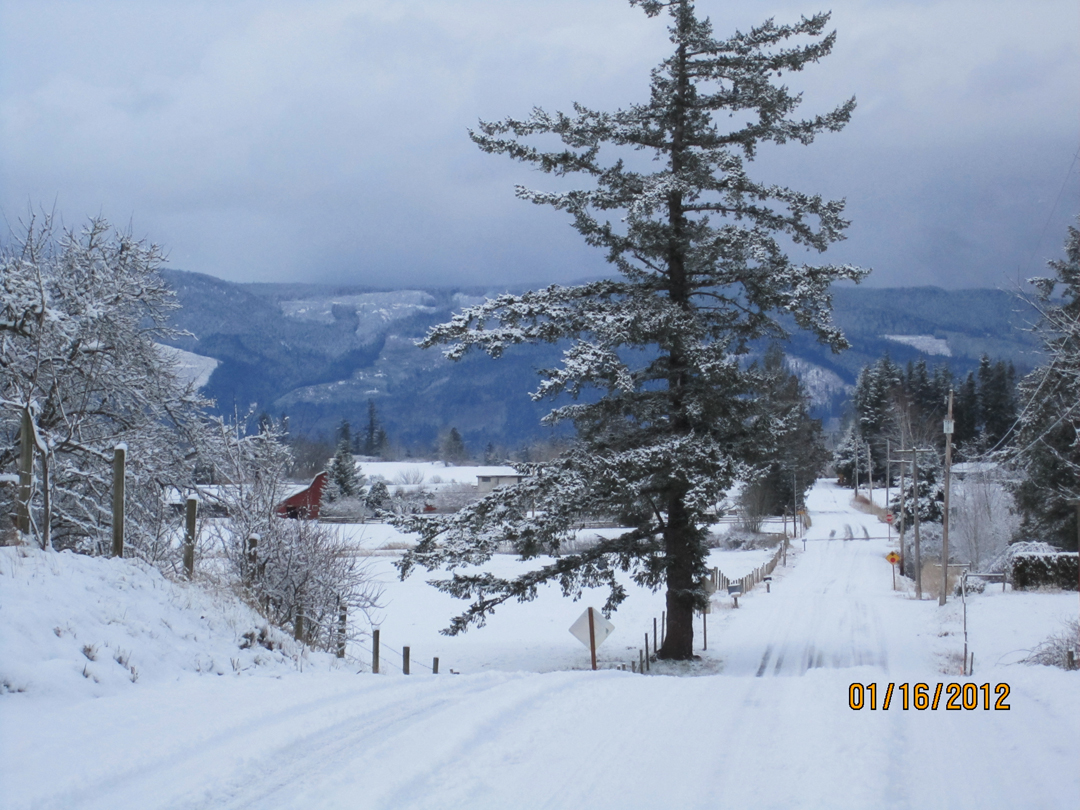
When there’s snow on the ground, I like to pretend I’m walking on clouds.
Takayuki Ikkaku, Arisa Hosaka and Toshihiro Kawabata
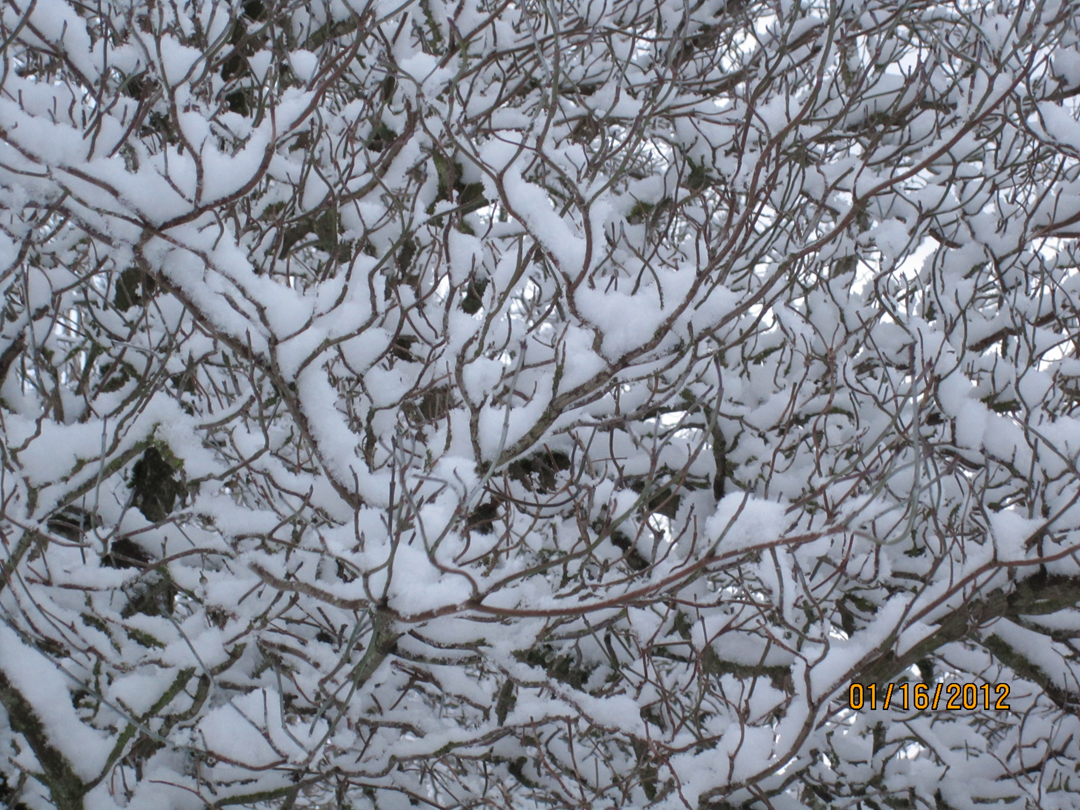
The color of springtime is in the flowers, the color of winter is in the imagination. ~Terri Guillemets
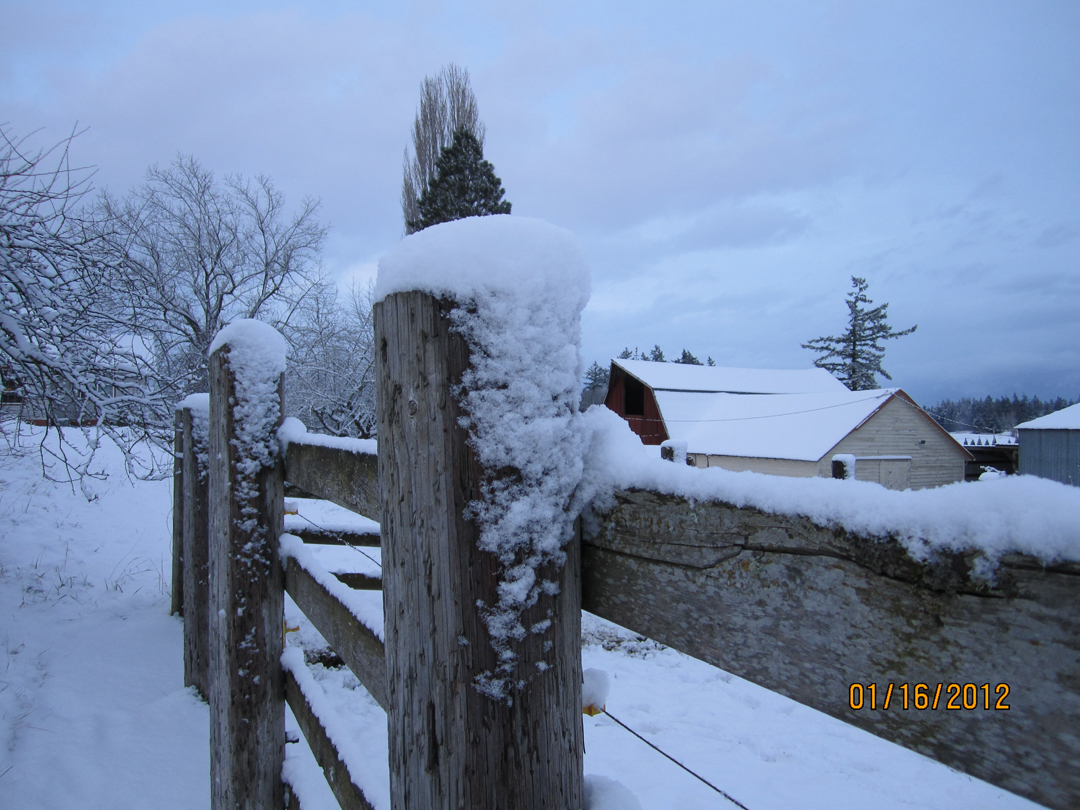
Wild clouds lower and touch the thin evening
Fast snow dances in swirling wind.
…With one finger I write my sorrows in the air. Du Fu
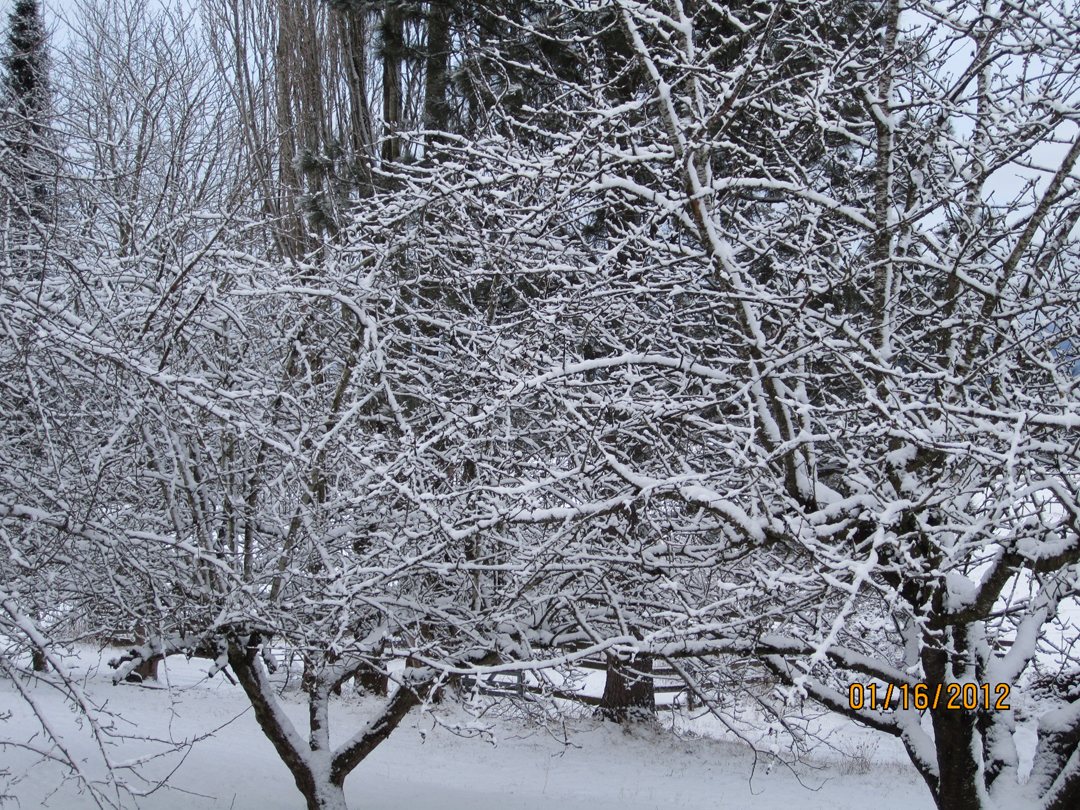
No orchard’s the worse for the wintriest storm;
But one thing about it, it mustn’t get warm.
“How often already you’ve had to be told,
Keep cold, young orchard, good-by and keep cold.” Robert Frost
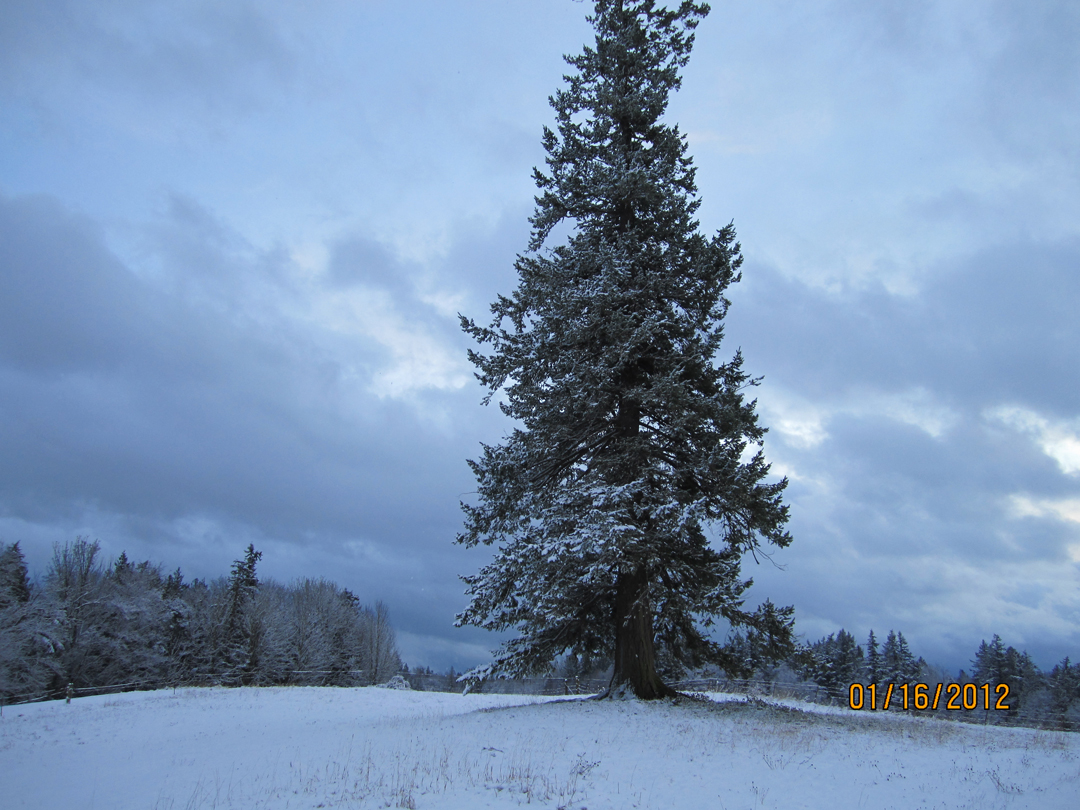
Snow has fallen on the pine-woods,
and every bough has blossomed.
I should like to pluck a branch
and send it to where my lord is.
After he has looked at it,
what matter if the snow-flowers melt?
Chong Ch’ol
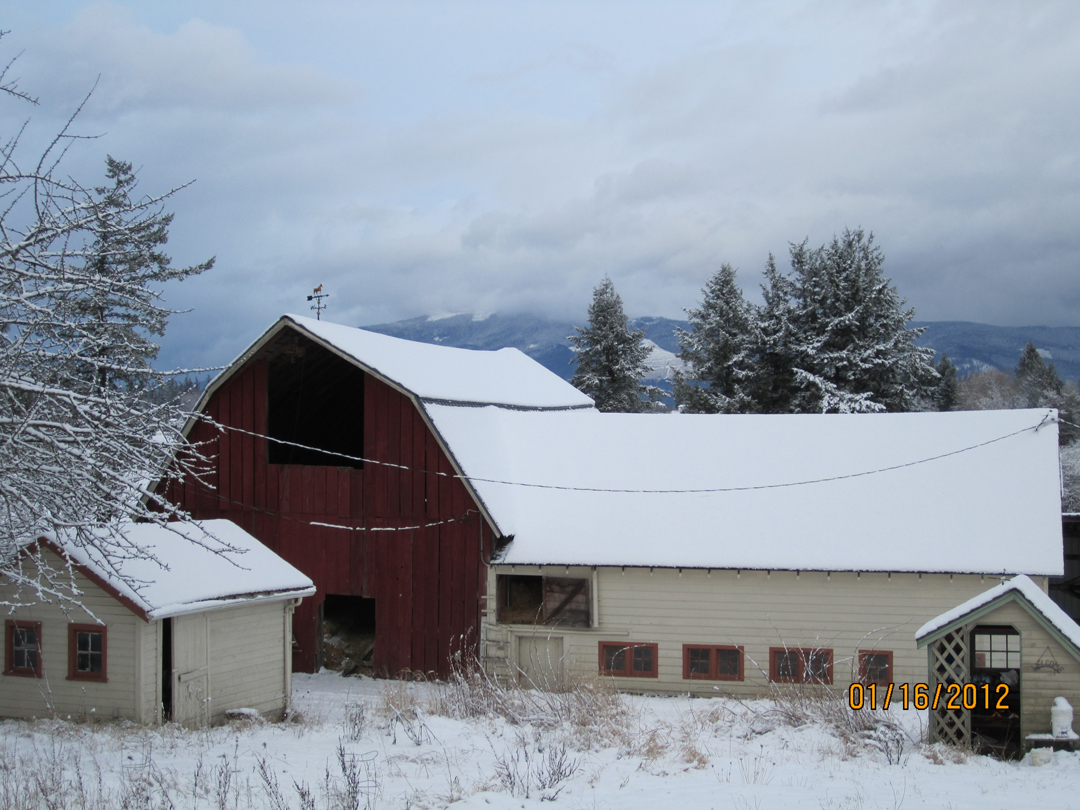
Surely everyone is aware of the divine pleasures which attend a wintry fireside; candles at four o’clock, warm hearthrugs, tea, a fair tea-maker, shutters closed, curtains flowing in ample draperies to the floor, whilst the wind and rain are raging audibly without.
― Thomas de Quincey
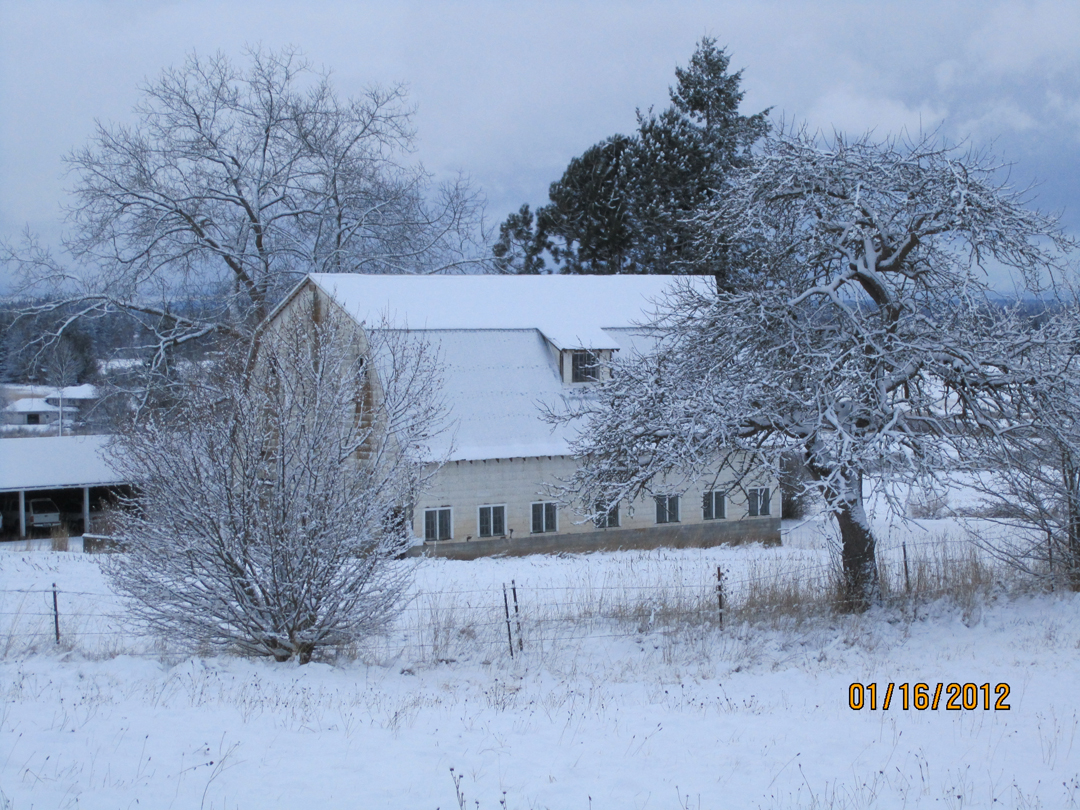
When the cold comes it arrives in sheets of sleet and ice. In December, the wind wraps itself around bare trees and twists in between husbands and wives asleep in their beds. It shakes the shingles from the roofs and sifts through cracks in the plaster. The only green things left are the holly bushes and the old boxwood hedges in the village, and these are often painted white with snow. Chipmunks and weasels come to nest in basements and barns; owls find their way into attics. At night,the dark is blue and bluer still, as sapphire of night.
― Alice Hoffman
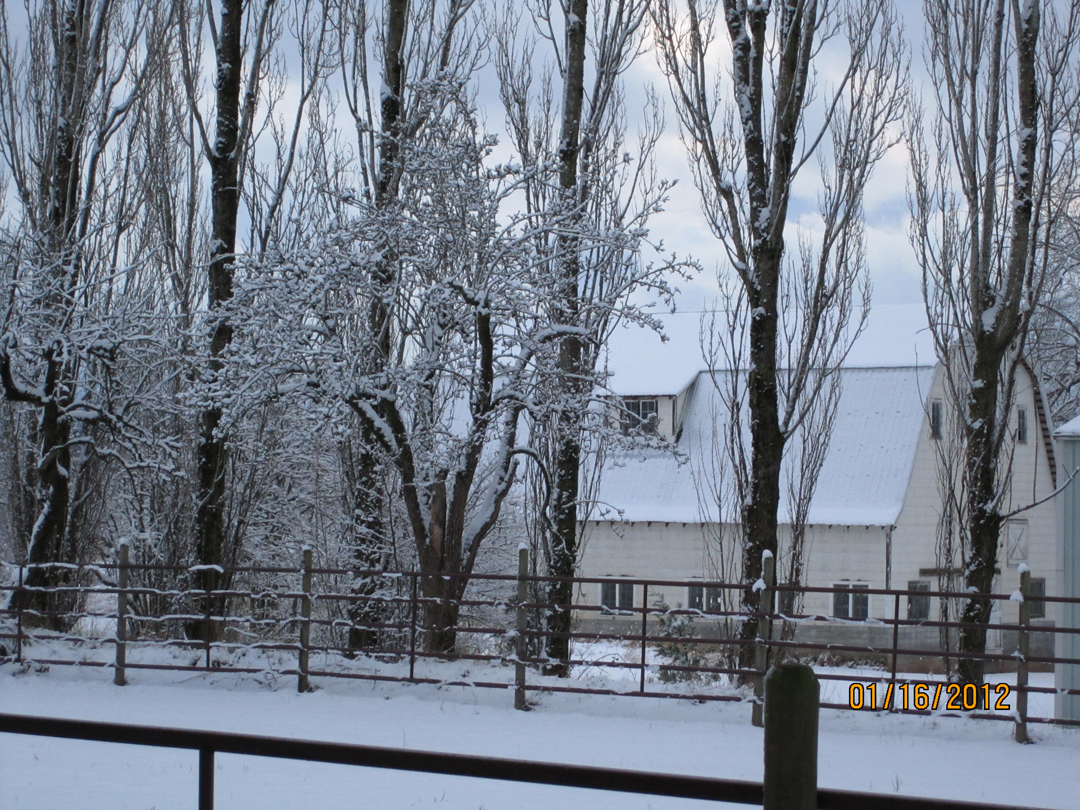
The wind is keen coming over the ice;
it carries the sound of breaking glass.
And the sun, bright but not warm,
has gone behind the hill. Chill, or the fear
of chill, sends me hurrying home. from Walking Alone in Late Winter
Jane Kenyon
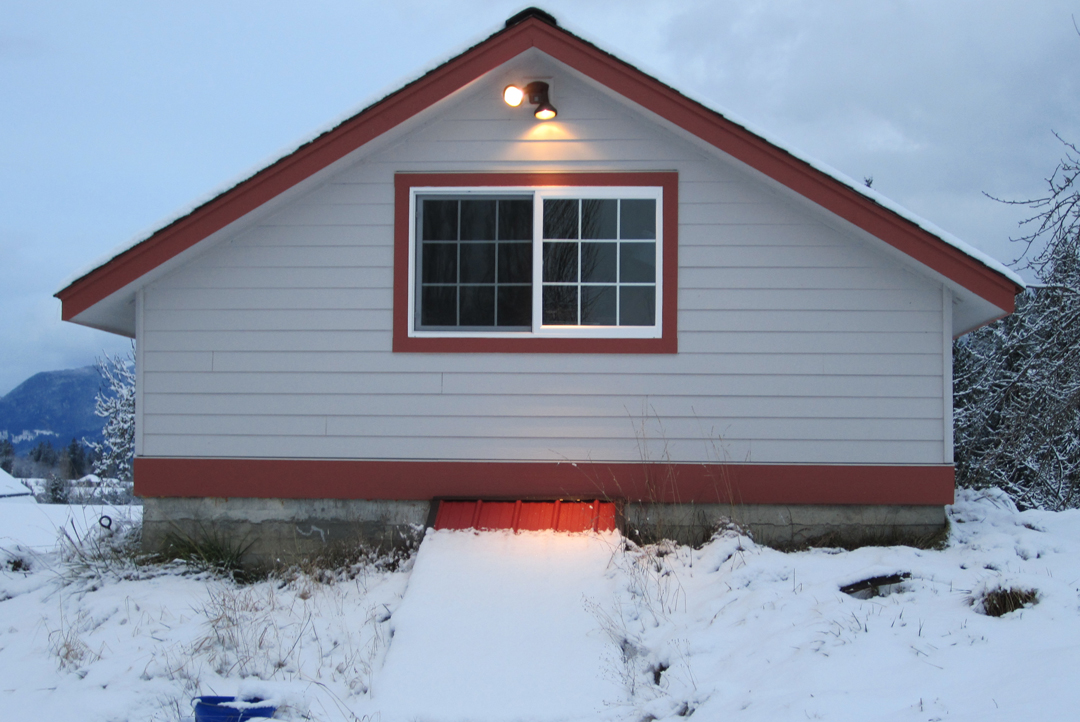
Descending the steps into that dark root cellar brought apprehension as well as anticipation. I was uncertain what critter may unexpectedly surprise me on the inside–bullfrog? snake? but the blast of cool air on a hot summer day was always a welcome relief. There was one hanging light bulb in the middle with a pull chain, and once the insides of the cellar were illuminated, a colorful trove appeared from the shadows, lined up on shelves like the ghostly discoveries in King Tut’s tomb.
These were not gilded treasures, but the kind that were lovingly and carefully harvested, washed, boiled and preserved in the midst of a sweaty summer, to be savored during dinners served on the coldest of winter days. The potatoes lay in the cool darkness, not tempted to turn green or sprout, and the “keeper” apples and pears remained firm and tasty. Even in the coldest of winter blasts, the root cellar contents never froze or rotted. It was the best refrigeration system imaginable and didn’t cost a thing to maintain. Emily Gibson

I like these cold, gray winter days. Days like these let you savor a bad mood. ~Bill Watterson
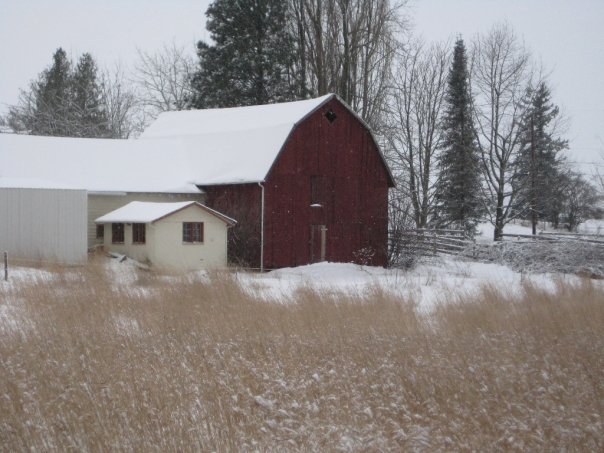


 Barnstorming