Advent Sings: For All the People

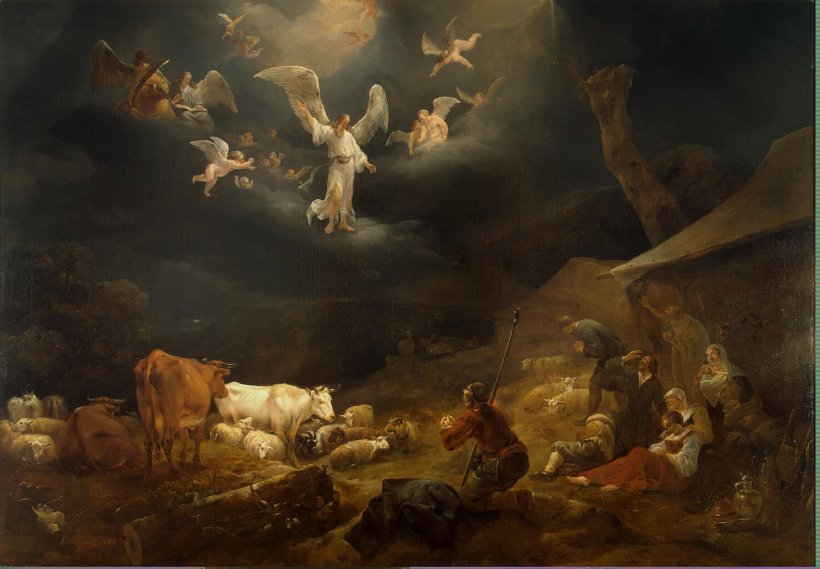
Annunciation to the Shepherds by  Berchem Nicolaes Pietersz
Annunciation to the Shepherds by Berchem Nicolaes Pietersz

And the angel said to them, “Fear not, for behold, I bring you good news of great joy that will be for all the people.
Luke 2: 10

Can there be more beautiful words than these?  It must be the most wonderful song ever sung:

Don’t be afraid; be holding on to these words tightly.

I have come especially to tell you this; you have been chosen to be the first to hear.

This isn’t just good news; this is the greatest news ever!

This isn’t just going to make you happy;  you will be overjoyed!

This isn’t just news for you alone; this is for everyone, everywhere, for every time, for evermore.

The best gift of all has been given; no one, not one, has been left out.

And this song was sung for us all to hear.

Behold.  Be holding tight.  To His Word.  To each other.  To Him.

Advent Sings: Morning Stars Together

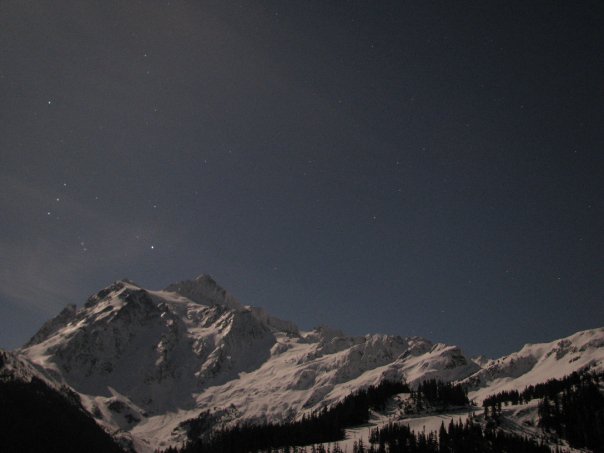
photo by Josh Scholten of Mt. Shuksan
photo by Josh Scholten of Mt. Shuksan in the starlight

“Where were you when I laid the earth’s foundation?
…while the morning stars sang together
    and all the angels shouted for joy?”
Job 38 4a, 7

God Himself tells Job the first song was sung in celebration of the beginning of all things.  We weren’t there to hear it because we were not — yet.  A joyous celestial community of stars and angels sang as the world was pieced and sewn together bit by bit.  Man was the last stitch God made in the tapestry.

As the coda of the created world, we tend to take all this for granted as it was already here when we arrived on the scene: the soil we tread, the water we drink, the plants and creatures that are subject to us.  Yet this creation was already so worthy it warranted a glorious anthem, right from the beginning, before man.  We were not yet the inspiration for singing.

We missed the first song but we were there to hear it reprised a second time, and this time it really was about us–peace on earth, good will to men.  The shepherds, the most lowly and humble of us, those who would be surely voted least likely to witness such glory,  were chosen to hear singing from the heavens the night Christ was born.    They were flattened by it, amazed and afraid.  It drove them right off the job, out of the fields and into town to seek out what warranted such celebration.

Surely once again this song will ring out as it did in the beginning and as it did on those hills above Bethlehem.
The trumpet will sound.
In a twinkling of an eye we will all be changed.
And we will be able to sing along.
Hallelujah!
Amen and Amen.

Ready to Receive Him

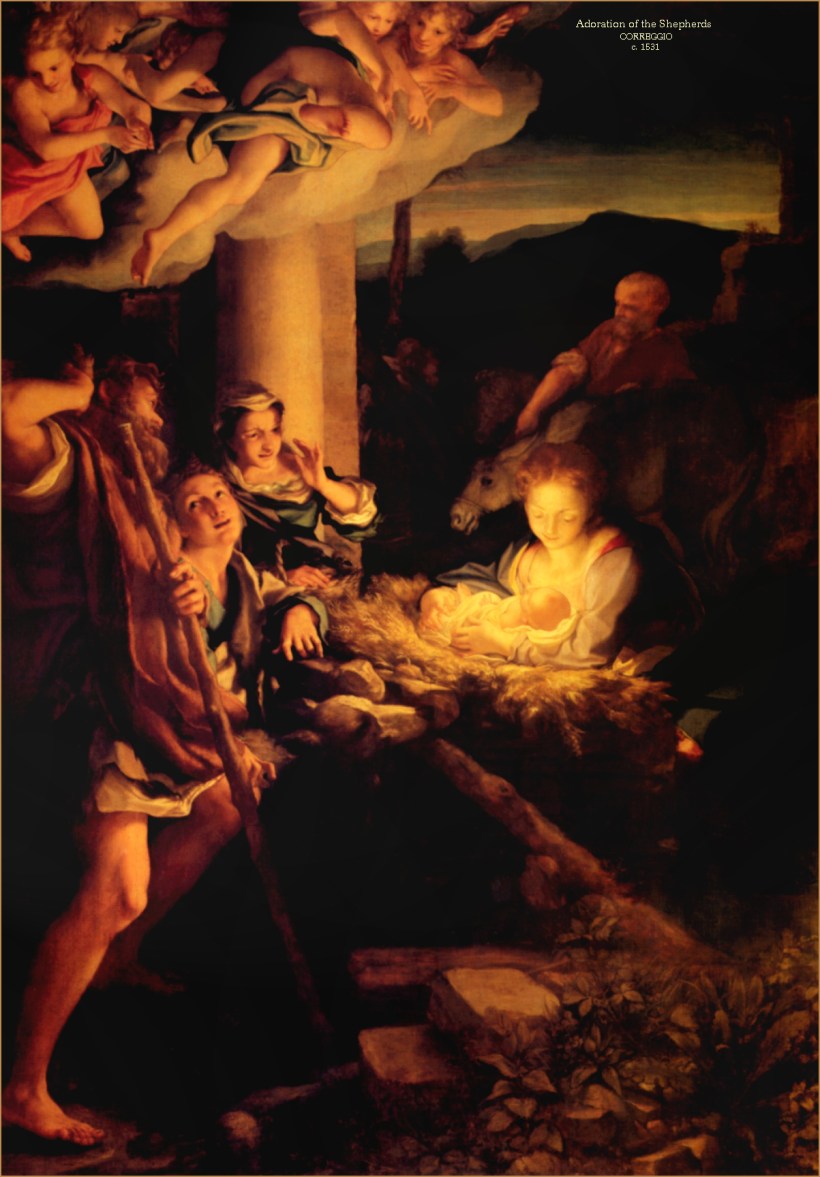
Adoration of the Shepherds by Correggio

“…we should not try to escape a sense of awe, almost a sense of fright, at what God has done. Nothing can alter the fact that we live on a visited planet…
God has been here once historically, but he will come again with the same silence and same devastating humility into any human heart ready to receive him.”
J.B. Phillips

I want to be like the shepherds–awed and aghast at the glory they heard and beheld.  Like the shepherds, I am flattened with so much fear that I am told “do not be afraid.”  Like the shepherds, I am never to be the same again, my stubborn self-sufficiency now shot through and leaking dry.

Then my heart will be ready to receive him.  Only then.

Lenten Meditation: Keeping Watch

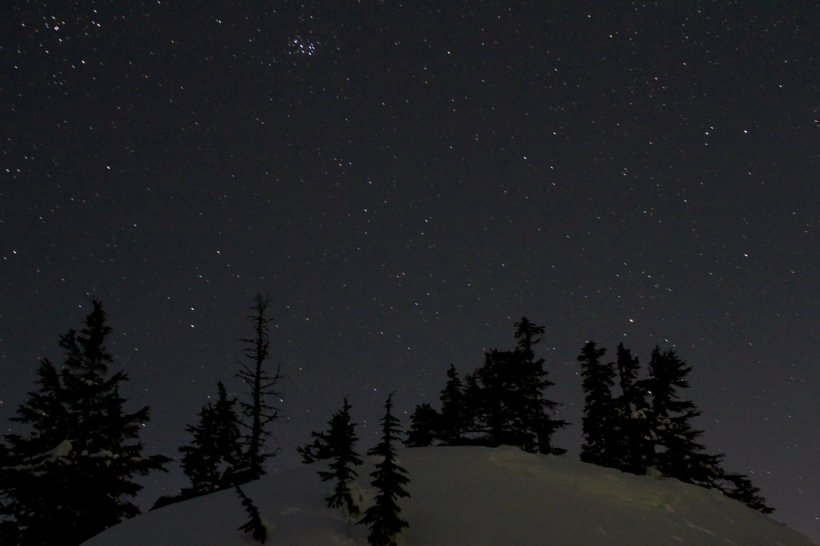
photo by Josh Scholten http://www.cascadecompass.com

There were shepherds abiding in the field,
keeping watch over their flocks by night.
Luke 2:8

These were shepherds doing their job, protecting their flocks, tending to the sheeps’ well being and safety, making sure they were all accounted for.  It is what good shepherds do best: keep watch even when it may be hazardous, especially when there is cover of darkness to conceal potential danger.   These simple people stayed vigilant and,  as a result,  did not miss heaven’s grandest announcement.   They were ready.

Over three decades later, a small group of disciples,  shepherds of a different type of flock,  were asked to keep watch one night in a garden of olive trees.  They were to stay awake on behalf of the Lamb,  but, in their weakness, could not even manage to do that.  Instead they slept,  untroubled and oblivious.

Now thousands of years later I sleep fitfully, knowing I too must keep watch, even if I am afraid of the dark, even if I’m tired and would rather sleep, even if I’m certain I’m not the one meant for the job.

It is not up to me to decide.

I will keep watch and be ready when the heavens sing.


At the Feeding Trough

If I recall correctly, the first catalog with holiday theme items arrived in our mailbox in late July. The “BEST CHRISTMAS ISSUE EVER!” magazines hit the racks in September. Then, with the chill in the air in October and Halloween past, the stores put out the Santa decorations and red and white candy, instead of the orange and black candy of the previous 6 weeks. I have been inundated with commercial “Christmas” for months now and finally, it is about to arrive, after considerable fanfare and folderol. I don’t know about you, but I’m exhausted, beat to a “best ever holiday” pulp.

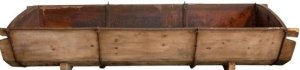
All of this has little to do with the original gift given that first Christmas night, lying small and helpless in a barn feed trough. I know a fair amount about feed troughs, having daily encounters with them in our barn, and there is no fanfare there and no grandiosity. Just basic sustenance– every day needs fulfilled in the most simple and plain way. Our wooden troughs are so old, they have been filled with fodder thousands of times over the decades. The wood has been worn smooth and shiny from years of being sanded by cows’ rough tongues, and over the last two decades, our horses’ smoother tongues, as they lick up every last morsel, extracting every bit of flavor and nourishment from what has been offered there. No matter how tired, how hungry, there is comfort offered at those troughs. The horses know it, anticipate it, depend on it, thrive because of it.

The shepherds in the hills that night were starving too. They had so little, yet became the first invited to the feast at the trough. They must have been overwhelmed, having never known such plenty before. Overcome with the immensity of what was laid before them, they certainly could not contain themselves, and told everyone they could about what they had seen.

His mother listened to the excitement of the visiting shepherds and that she “treasured up all these things and pondered them in her heart”. Whenever I’m getting caught up in the frenetic overblown commercialism of modern Christmas, I go out to the barn and look at our rough hewn feed troughs and think about what courage it took to entrust an infant to such a bed. She knew in her heart, indeed she had been told, that her son was to feed the hungry souls of human kind and He became fodder Himself.

Now I am at the trough, starving, sometimes stamping in impatience, often anxious and weary, at times hopeless and helpless. He was placed there for good reason: a treasure to be shared plain and simple, nurture without end for all.

Who needs Christmas cookies, pumpkin pies and the candy canes to fill the empty spot deep inside?

Just kneel at the manger.n707166118_2339813_1983

Readying the Stable

barn36

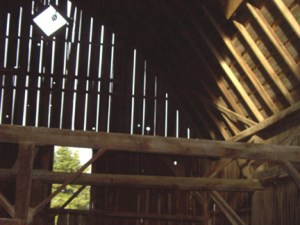
As is my routine on Saturdays, I spent part of yesterday in the barn, breaking ice and refilling water buckets, then going from stall to stall to clean out frozen manure and wet spots, and finally adding fresh bedding. Then I climbed high in the hay stack in the barn and rolled hay bales down to load into the wheel barrow to push into the stable for the next day’s feedings. It was preparation for today, Sunday, which we try to treat as Sabbath, a day of rest, as much as we are able on a farm. There are always chores to do every day, but they can be abbreviated on Sunday thanks to the work accomplished the previous day. This is the nature of farming– preparing and readying for what is to come.

Farmers, by nature, are a hopeful lot. We plan ahead, plot out our next year’s crop, choose our seed in advance and plant it with anticipation. We prune and we plow and we store up mountains of feed far in advance. We evaluate pedigrees and scrutinize genetics carefully. And we wait patiently. As I clean their stalls, I watch my mares’ bellies roll with the movement of their unborn foals and I picture the new life in my mind’s eye. There is a harvest of hope in those bellies.

Unlike many modern horse barns, my decades old stable is a particularly plain and humble place with dirt floors, and as the support beams have settled over the years the door hinges don’t hang balanced and true any longer, so the stall doors are sticky and sometimes hard to open in the winter weather. Despite the lack of fancy design though, I haven’t heard the horses complain–their meals taste as good, they are warm and dry in the cold windy weather and cool in the hot weather. Their needs are met there and amazingly, so are mine.

Christmas began in a stable–probably a dark cave that served the purpose of housing animals. It most assuredly was plain and humble, smelling of manure and urine, and animal fur. Yet it also would have smelled of the sweetness of stored forage, and there would have been the reassuring sounds of animals chewing and breathing deeply. It was truly the only place a group of scruffy shepherds could have felt welcomed without being tossed out as unsuitable visitors– they undoubtedly arrived at the threshold in bad need of a bath, smelly, dirty and terrified and yet left transformed, returning to their fields full of praise and wonder, telling all they met what they had seen. No bath could scrub clean as the sight of what that stable contained.

There could not have been a more suitable place for this birth that was to change the world: the promise of cleansing hope and peace in the midst of filth that must be removed so as not to overwhelm us as we stand knee deep in it. Despite our sorry state, we are welcomed into the sanctuary of the stable, sown, grown, pruned and harvested to become seed and food for others.

If the shepherds became a harvest of hope, then surely so can we.