Stored in the Heart

photo by Josh Scholten

Whatever he needs, he has or doesn’t
have by now.
Whatever the world is going to do to him
it has started to do… 

…Whatever is
stored in his heart, he can use, now.
Whatever he has laid up in his mind
he can call on.  What he does not have
he can lack…

…Whatever his exuberant soul
can do for him, it is doing right now…

…Everything that’s been placed in him will come out, now, the contents of a trunk
unpacked and lined up on a bunk in the underpine light.
~Sharon Olds from “The Summer-Camp Bus Pulls Away from the Curb”

This is the season for graduations, when children move into the adult world and don’t look back.

As a parent, as an educator, as a mentor, as a college health physician witnessing this transition, I can’t help but be wistful about what I left undone and unsaid.   In their moments of vulnerability, did I pack enough love into that bleeding heart so he or she can pull it out when it is most needed?

With our three children traveling all over the world over the last few weeks, stretching way beyond the fenced perimeter of our little farm, I have trusted they prepared themselves well.

I know what is stored in their hearts because I helped them pack.   It is where they can still find me if need be.

Schools Left Behind

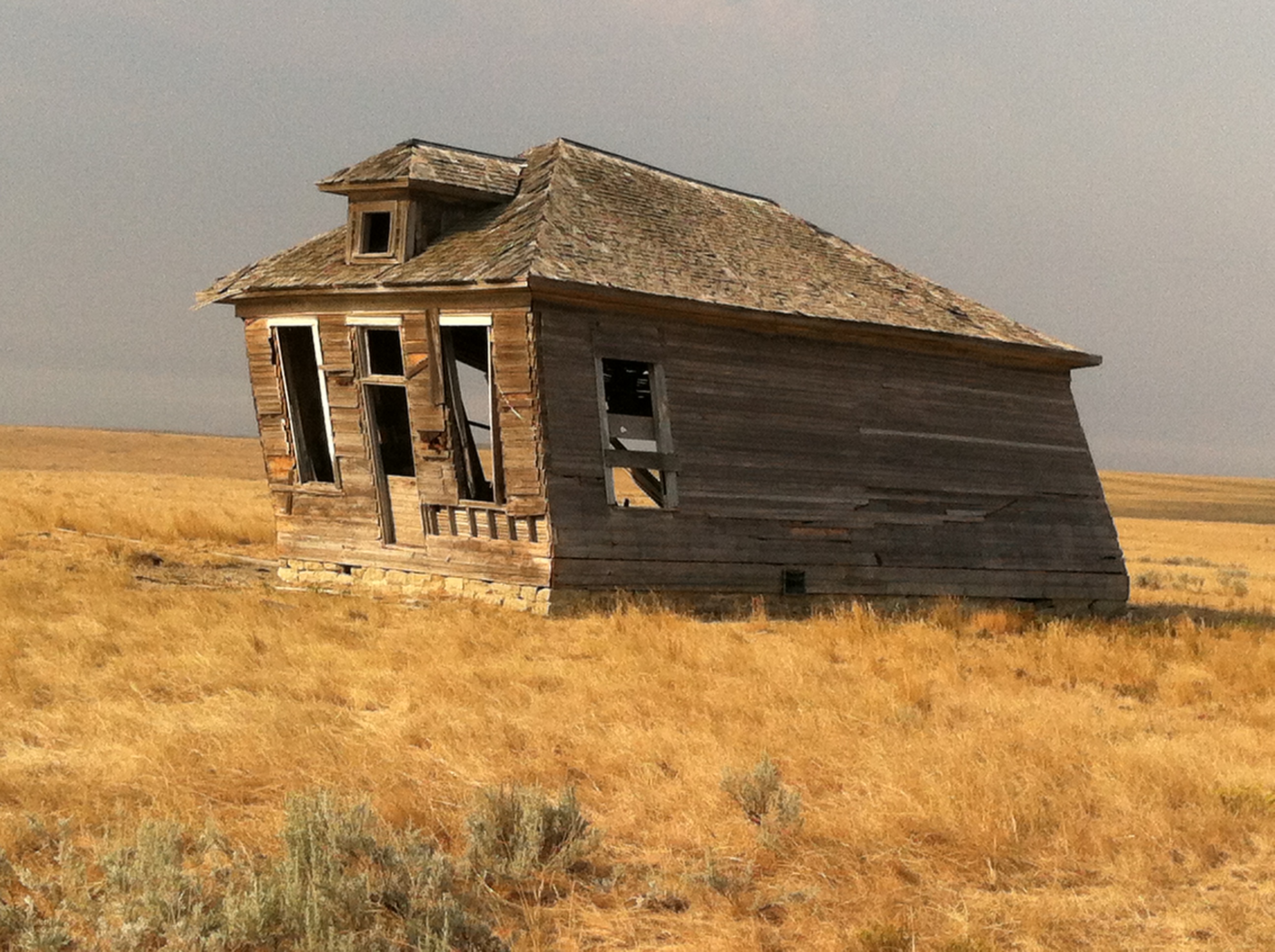
abandoned Mountain View School, now on private prairie ranch land near Rapelje, Montana

“Tell me and I forget,
teach me and I may remember,
involve me and I learn.”

― Benjamin Franklin

An advantage to driving the back roads across the country is seeing authentic rural America minus chain restaurants and gas stations.  Remarkably, there are shells of old abandoned buildings still standing, sometimes just barely,  bearing witness to the ways things used to be done.

The one room school house has been left behind in this day and age of easier transportation allowing children from as far away as fifty miles to be bussed daily into large school districts.  Educating large numbers of children together in same-age groups may be more cost-effective and more efficient, but does it enhance learning?  I’m not sure there is clear evidence of a benefit when you look at the sad drop-out rate prior to graduation and dismal standardized test scores.

The one room school house of yesteryear became the center of small communities, serving as the gathering spot for holiday programs and meals, voting in elections, as well as public meetings where important decisions would be made.  There was community pride and honor within those doors.  It was the great equalizer among families from diverse economic, ethnic and faith backgrounds;  the one room school brought them all together under the same roof.

This kind of classroom environment would be a challenge for any teacher, particularly the scarcely trained single women of 17 or 18 who were placed in these settings.  But with older children helping the younger, the responsibility for education didn’t fall solely on the shoulders of the teacher.   Students became teachers themselves out of necessity–they were involved and thereby learned.

Both my parents were in one room school houses in rural settings until high school.  Both went on to college and became teachers themselves.  I remember as a child visiting the remnants of my mother’s schoolhouse sitting at a crossroads in the rural Palouse hills of eastern Washington.   Now only a foundation exists, but what a foundation it laid for children of the wheat farms like my mother and her descendents. Two generations later, our three children are teaching or plan to teach as a life long career.

The two schools pictured here are still standing, most likely abandoned over seventy or more years ago.  It was grand to see them last week on our travels.  I could almost hear the bell clanging announcing the start of the school day, the chatter and laughter of children as they entered the large room, and feel the warmth of the pot-bellied stove on a brisk autumn day.

Surely the exercise of education in these little schools was challenging, full of gaps and flaws.  The teachers were not always skilled enough, the children unruly and the multi-age classroom chaotic.  But the existence of these humble little buildings meant there was a community commitment to the future and hope for a brighter tomorrow.  Even though the schools have now been left behind, standing empty and abandoned, the promise they represent is still worth celebrating.

Sometimes you just don’t know what you had until it is gone.

Douglas County, Washington abandoned schoolhouse in a wheat field, photo by Marilyn Wood

“Education, then, beyond all other devices of human origin, is the great equalizer of the conditions of men — the balance wheel of the social machinery.”
— Horace Mann

“you don’t know what you got till it’s gone” 
Joni Mitchell from They Paved Paradise

Learning the Hard Way

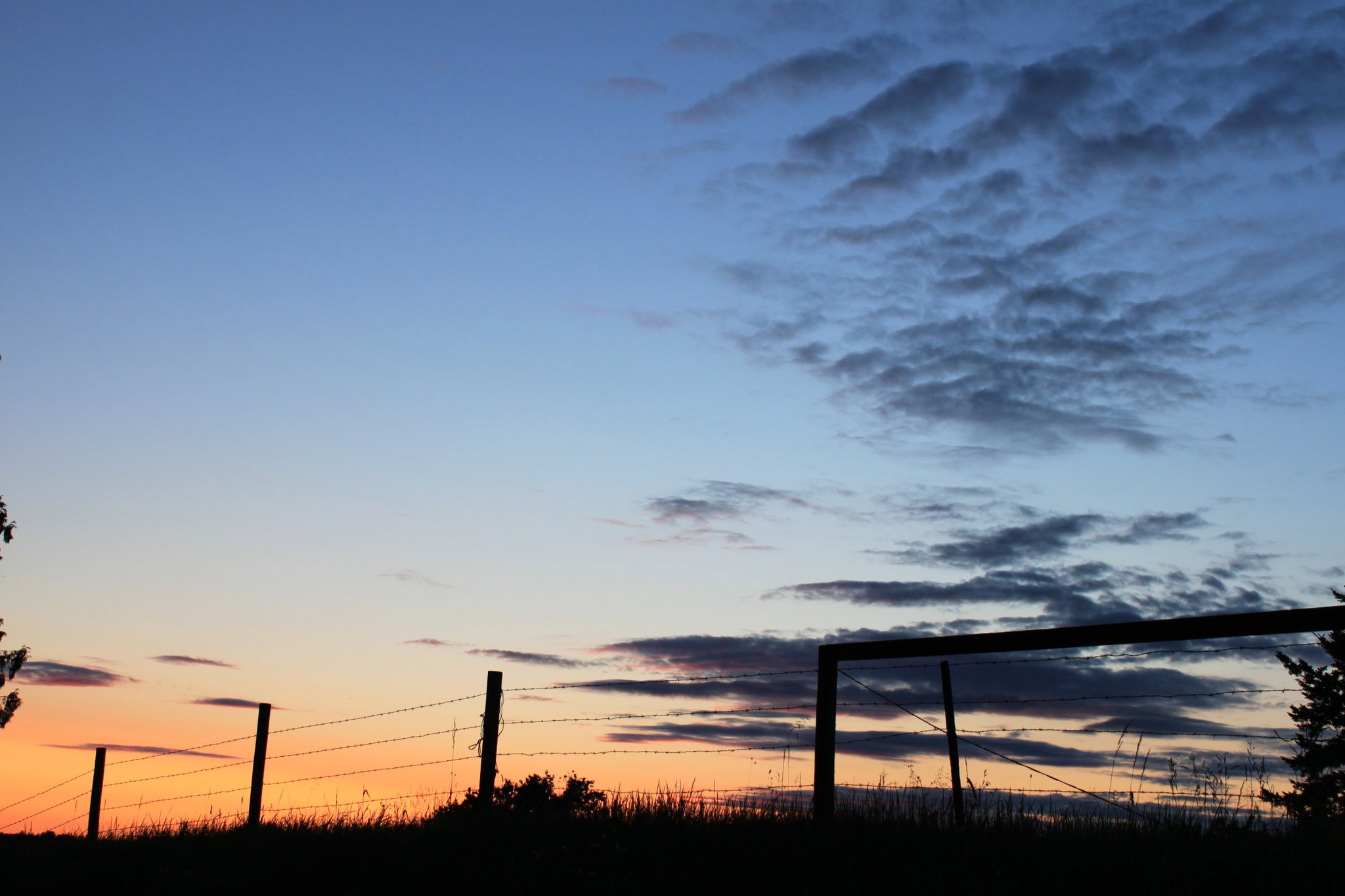
photo by Nate Gibson

“There are three kinds of men. The ones that learn by reading. The few who learn by observation.  The rest of them have to pee on the electric fence for themselves.”
— Will Rogers

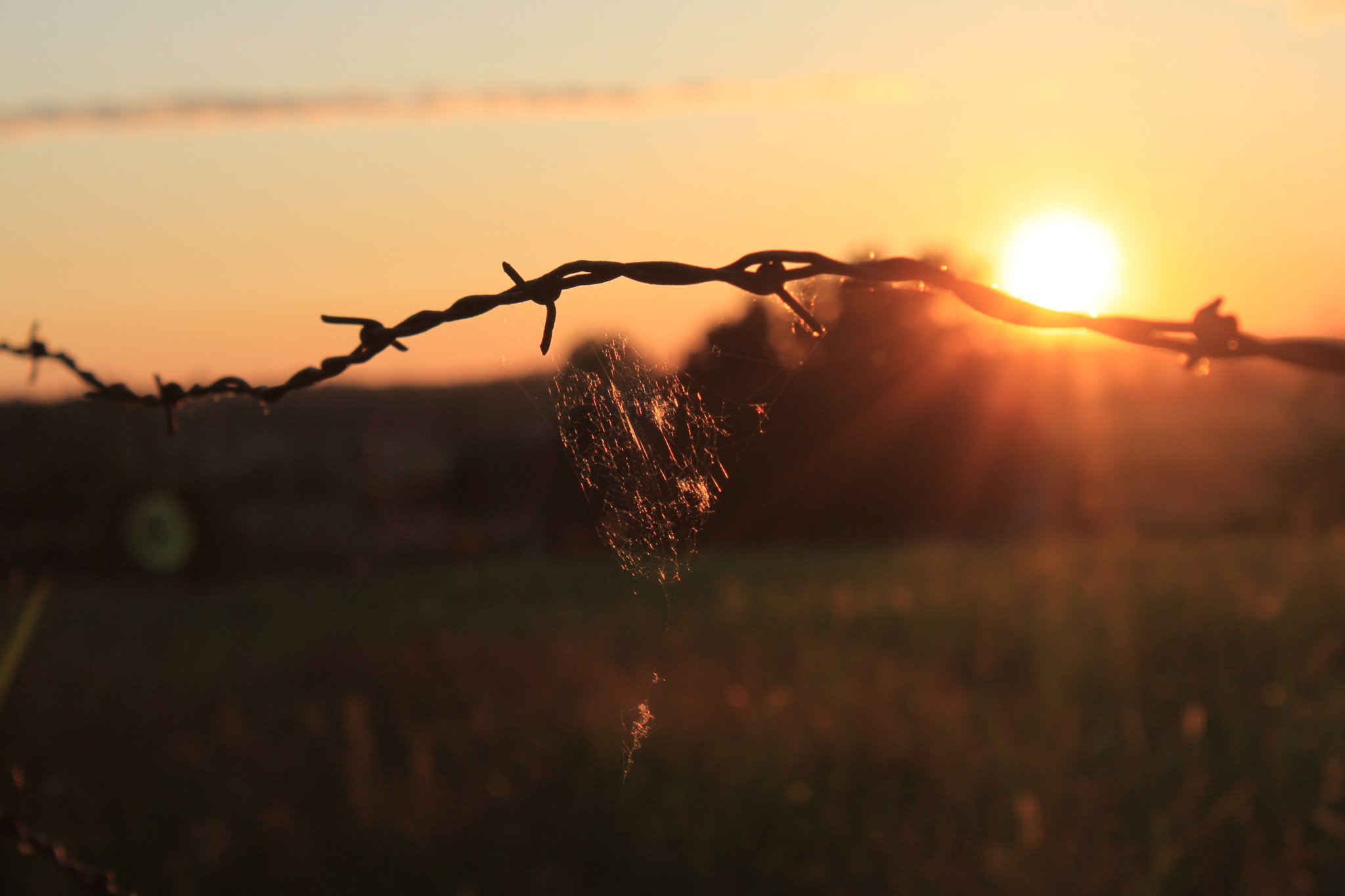
photo by Nate Gibson

Learning is a universal human experience from the moment we take our first breath.  It is never finished until the last breath is given up.  With a lifetime of learning, eventually we should get it right.

But we don’t.  We tend to learn the hard way when it comes to our health.

As physicians we “see one, do one, teach one.”   That kind of approach doesn’t always go so well for the patient.   As patients, we like to eat, drink, and live how we wish,  which also doesn’t go so well for the patient.  You’d think we’d know better, but as fallible human beings, we sometimes impulsively make decisions about our health without using our heads (is it evidence-based?) or even listening to our hearts (is this what I really must have right at this moment?).

The cows and horses on our farm need to touch an electric fence only once when reaching for greener grass on the other side.  That moment provides a sufficient learning curve for them to make an important decision.  They won’t try testing it again no matter how alluring the world appears on the other side.   Human beings should learn as quickly as animals but don’t always.  I know all too well what a shock feels like and I want to avoid repeating that experience.  Even so, in unguarded careless moments of feeling invulnerable (it can’t happen to me!), and yearning to have what I don’t necessarily need,   I may find myself touching a hot fence even though I know better.   I suspect I’m not alone in my surprise when I’m jolted back to reality.

Many great minds have worked out various theories of effective learning, but, great mind or not,  Will Rogers confirms a common sense suspicion: a painful or scary experience can be a powerful teacher and,  as health care providers, we need to know when to use the momentum of this kind of bolt out of the blue.  As clinicians, we call it “a teachable moment.”  It could be a DUI, an abused spouse finally walking out, an unexpected unwanted positive pregnancy test,  or a diagnosis of a sexually transmitted infection in a “monogamous” relationship.  Such moments make up any primary care physician’s clinic day, creating many opportunities for us to teach while the patient is open to absorb what we say.

Patient health education is about how decisions made today affect health and well being now and into the future.  Physicians know how futile many of our prevention education efforts are.  We hand out reams of health ed pamphlets, show endless loops of video messages in our waiting rooms, have attractive web sites and interactivity on social media, send out innumerable invitations to on-site wellness classes.  Yet until that patient is hit over the head and impacted directly– the elevated lab value, the abnormality on an imaging study, the rising blood pressure, the BMI topping 30, a family member facing a life threatening illness– that patient’s “head”  knowledge may not translate to actual motivation to change and do things differently.

Tobacco use is an example of how little impact well documented and unquestioned scientific facts have on behavioral change.   The change is more likely to happen when the patient finds it too uncomfortable to continue to do what they are doing–cigarettes get priced out of reach, no smoking is allowed at work or public places, becoming socially isolated because of being avoided by others due to ashtray breath and smelling like a chimney (i.e. “Grandma stinks so I don’t want her to kiss me any more”).  That’s when the motivation to change potentially overcomes the rewards of continuing the behavior.

Health care providers and the systems they work within need to find ways to create incentives to make it “easy” to choose healthier behaviors–increasing insurance premium rebates for maintaining healthy weight or non-smoking status, encouraging free preventive screening that significantly impacts quality and length of life, emphasizing positive change with a flood of encouraging words.

When there is discomfort inflicted by unhealthy lifestyle choices, that misery should not be glossed over by the physician– not avoided, dismissed or forgotten.  It needs emphasis that is gently emphatic yet compassionate– using words that say “I know you can do better and now you know too.  How can I help you turn this around?”

Sometimes both physicians and patients learn the hard way.  We need to come along aside one another to help absorb the shock.