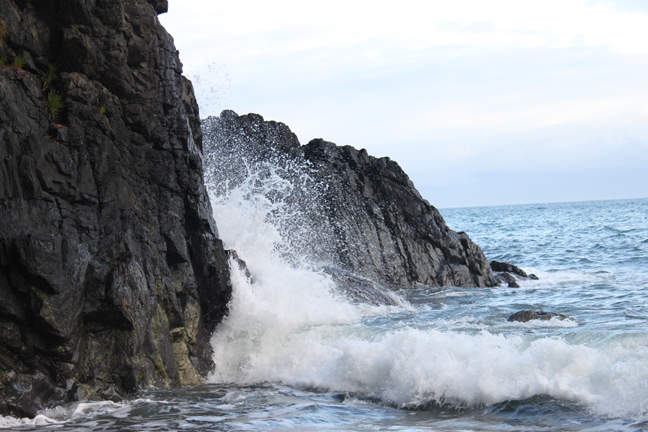

All night long do you know it? Do you care?
Up and down the ocean beaches they are marching;
All the lanesome peril of the winter nights they dare,
Where the surf shoots, seething, landward in the bitter, biting air;
And the fitful lights and shadows of the lanterns that they bear
Make more wild the gloomy sky above them arching
Where the coast is bleak and cold;
Where the rocks are high and bold,
While the wind and snow and sleet are beating;
Where the breakers rush and roar,
There they watch for ships ashore,
The cry for help with instant succor meeting.
All night long where the surges flood the dunes,
Stern watch and ward they keep, strong eyes sweeping
The offing, while the breakers are roaring savage runes,
While the stormy winds are howling or wailing dismal tunes,
While the rocks and sands are becoming broad lagoons,
The life-saving watch these braves are keeping.
All night long while the timid landsmen sleep,
Dreaming, snug and warm, on their downy pillows,
The coast-guard, the surf-men down by the deep,
Steadfastly, bravely, their watch heroic keep,
Or into the sea—icy cold—they boldly leap,
To rescue fellow-men from the billows.
Talk not of heroes whose trade it is to kill!
Life savers! these are the god-like heroes still,
Risking their lives for every life they save
From the plunging wreck, or snatch from swirling wave.
O when your beds are warm,
In nights of winter storm,
When you are safe from wind and sea—
Think of the surf-men brave:
Their life watch by the wave,
And cheer them by your grateful sympathy.
~Hannah Augusta Moore “The Life Savers”
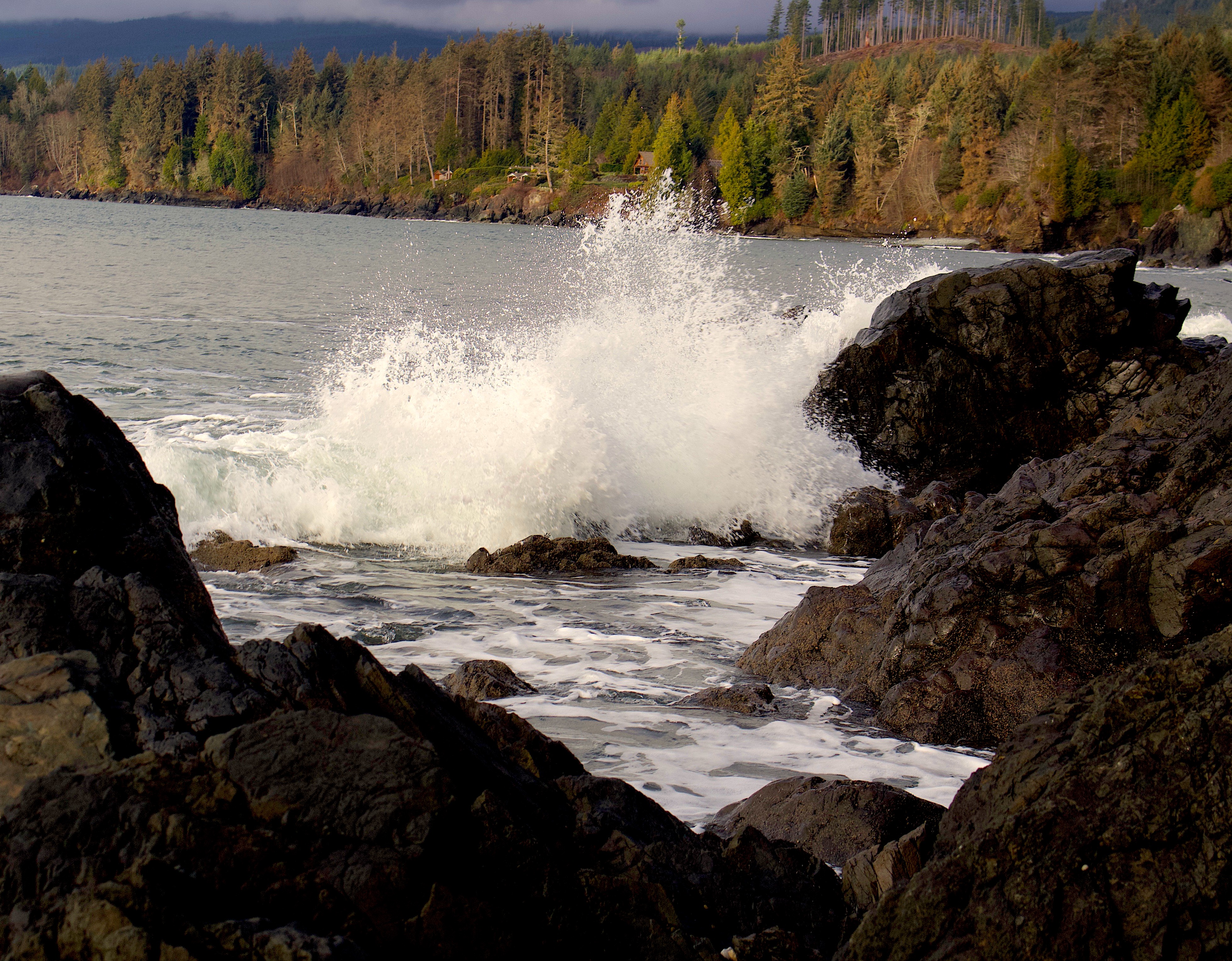
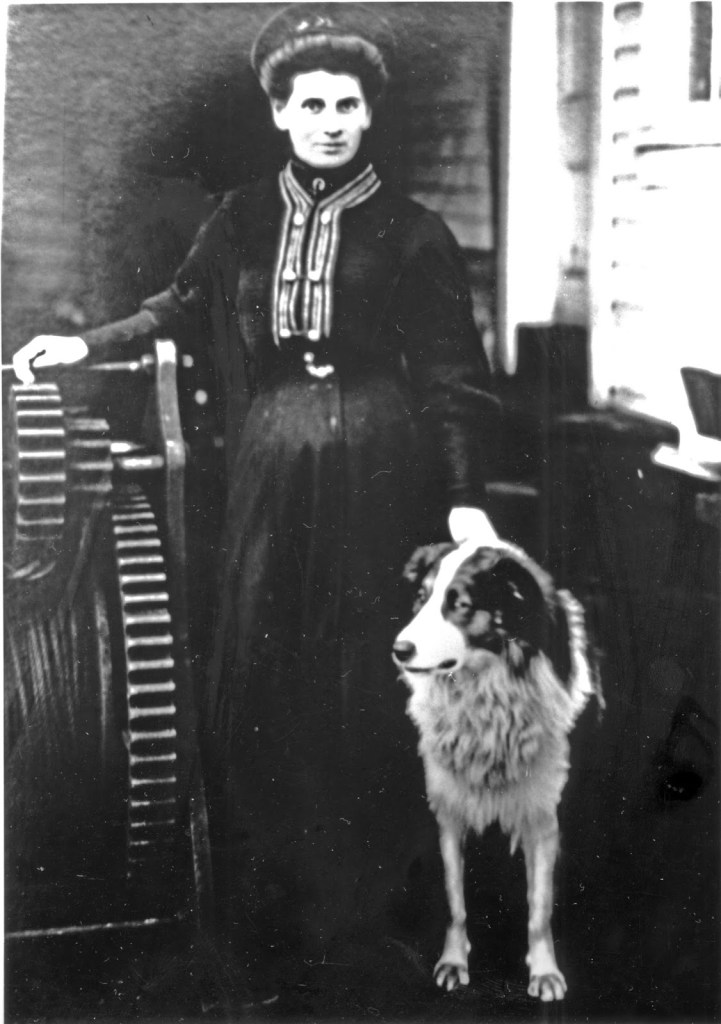
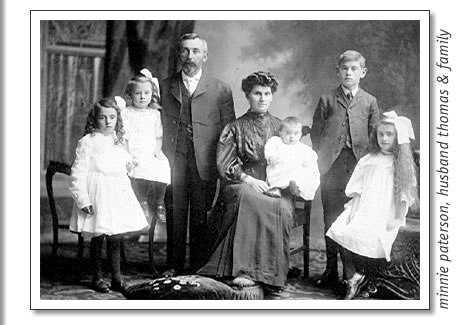
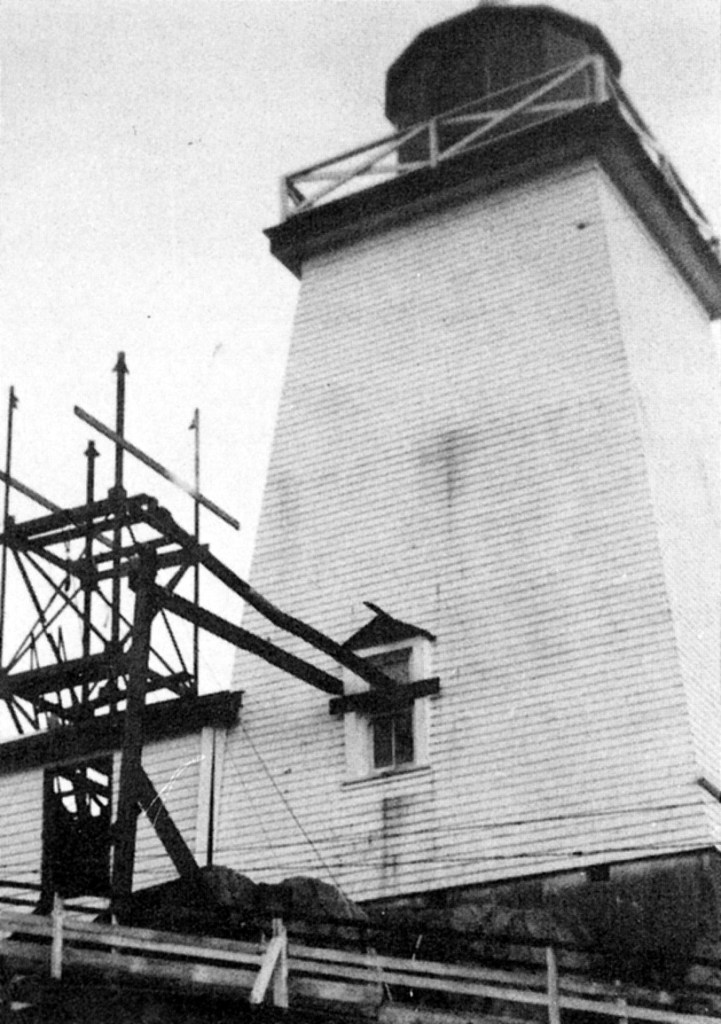
Minnie Paterson rocked slowly in her rocking chair, nursing her infant son. She sat near the south window of the lighthouse living quarters, and studied the rain streaming down in rivulets. Wind gusts rattled the window. A lighthouse keeper’s home was constantly buffeted by wind bearing salty spray, nearly rendering the windows opaque with salt residue. This early December storm had picked up urgency throughout the night. Now with first light, Minnie looked out at driving rain blowing sideways, barely able to make out the rugged rocks below. The Pacific Ocean was anything but; the mist hung gray, melding horizon into sea, with flashes of white foam in crashing waves against the rocky cliffs of Cape Beale.
Whenever storms came, it seemed the Paterson family lived at the edge of civilization. Yet these storms were the reason she and Tom and their five children lived on the rugged west coast of Vancouver Island, in isolation at the southern edge of Barkley Sound. Tom’s job was to keep the foghorn blaring and the light glowing above the treacherous rocks, to guide sea vessels away from certain peril. The storms sometimes were too powerful even with the lighthouse as a beacon of warning. Nearly a year earlier, in January 1906, the ship Valencia had wrecked off the coast and only a few survivors had managed to make their way to shore, staggering up the rocky trail to the lighthouse where Minnie warmed them by the stove and fed them until rescuers could come.
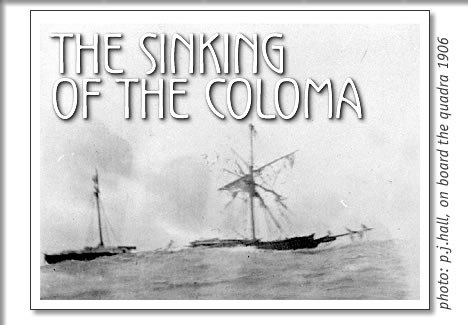
Eleven months later, her husband came in the door in a rush from the upper room where he tended the light. Another ship, battered by the waves, its sails in tatters, was in distress just off the coast, threatening to run aground on the rocks and break apart.
Minnie went to the window again but could see nothing in the dark mist. Surely this could not be another Valencia disaster! Tom went to the telegraph in the corner of the room and tapped out the urgent message to the fishing village of Bamfield, five miles away inside Barkley Sound. He sat impatiently waiting for a reply, drumming his fingers on the desk. After ten minutes, he sent the message again with no response.
Clearly the telegraph lines were torn down in the storm. Fallen trees frequently pulled them down, leaving no option to summon rescuers. This ship would be doomed, just like the Valencia. There was no way the crew could come ashore in lifeboats without perishing on the rocks.
Seeing the helplessness Tom felt, Minnie knew immediately what she must do. He could not leave his post—it was a condition of his job. She would have to run the six miles for help, through the forest. She kissed Tom and five children goodbye, donned a cap and sweater, and as her swollen feet from recent pregnancy did not fit in her boots, she put on her husband’s slippers. She ran down the long stairway down the hill, taking their dog Yarrow as a precaution to help warn her of bears on the trails.
Minnie first had to cross through a tideland inlet with water waist deep. She quickly stripped from the waist down, held her skirt and slippers over her head and crossed through the icy water, her dog swimming alongside. Shivering on the other side, she quickly dressed, and started down the narrow winding forest trail, scrambling over large fallen trees blocking the way. She waded through deep mud, and crossed rocky beaches where wild waves drenched her. At times the tide was so high she crawled on her hands and knees through underbrush so as not to be swept away by the storm.
After four hours, she reached a home along the trail and with a friend, launched a rowboat to go on to Bamfield. The two women notified the anchored ship Quadra, which set out immediately for Cape Beale to rescue the stranded sailors. Within an hour, the Quadra had reached the Coloma which was taking on water fast, and drifting close to the rocks on shore.
Minnie walked the long way back home that night, clothing tattered, muscles cramping, exhausted and chilled. Her breasts overflowing, she gratefully fed her baby, unaware for days whether her efforts rescued the crew of the Coloma. When the locals learned of her heroism, they notified media sources in Vancouver, Victoria and Seattle. Minnie was hailed as a life saver, given gifts and honors, including the following citation from Seattle’s Union of Sailors of the Pacific: “…RESOLVED that we, the seamen of America, fully recognize her sterling worth as the highest type of womanhood, deeply appreciating her unselfish sacrifices in behalf of those ‘who go down to the sea in ships’ and assure her and hers of our undying gratitude.”
Tragically, her health compromised by her extreme exertion that night, she died five years later in 1911 of tuberculosis, forever a life saving heroine to remember.

Source material: Bruce Scott’s Barkley Sound and Lighthouse Digest,
Elinor DeWire’s Lighthouses blog,
This is a story Dan and I were told by locals during our stay in Bamfield on our honeymoon over forty years ago. On a bright September day, we walked the trail to visit the Cape Beale lighthouse, a most challenging and beautiful part of the world. The trail was so difficult, I was sure I was not fit enough to make it to the lighthouse and back, so how Minnie managed in a December storm, much of it in the dark with only a lantern for light, is beyond imagining. Her bravery captured me and I honor her sacrifice with this rendering of her remarkable story of personal sacrifice.

You are not hidden
There’s never been a moment
You were forgotten
You are not hopeless
Though you have been broken
Your innocence stolen
I hear you whisper underneath your breath
I hear your SOS, your SOS
I will send out an army
To find you in the middle of darkest night
It’s true I will rescue you
There is no distance
That cannot be covered
Over and over
You’re not defenseless
I’ll be your shelter
I’ll be your armor
I hear you whisper underneath your breath
I will never stop marching
To reach you in the middle of the hardest fight
It’s true I will rescue you
I hear the whisper underneath your breath
I hear you whisper you have nothing left
~Lauren Daigle
Make a one-time or recurring donation to support daily Barnstorming posts
Make a monthly donation
Make a yearly donation
Choose an amount
Or enter a custom amount
Your contribution is deeply appreciated.
Your contribution is appreciated.
Your contribution is appreciated.
DonateDonate monthlyDonate yearly Barnstorming