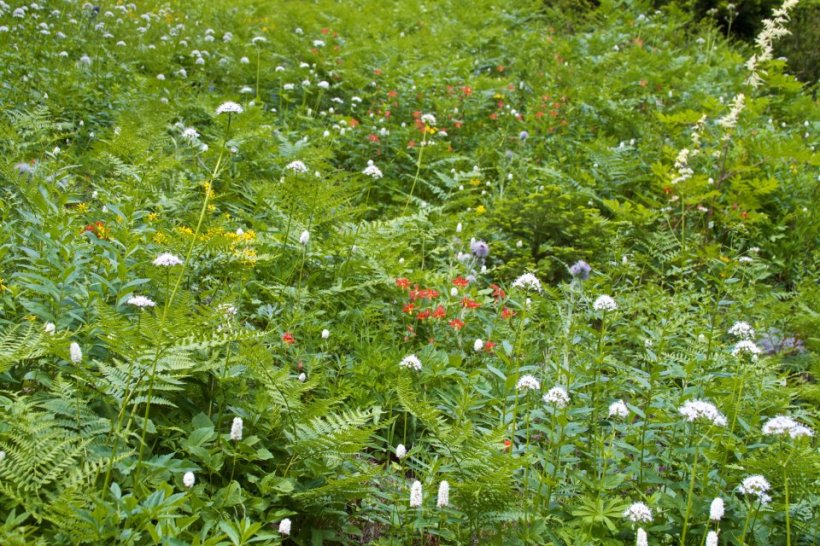
Green Arms

Rowellane Park, County Down, Northern Ireland

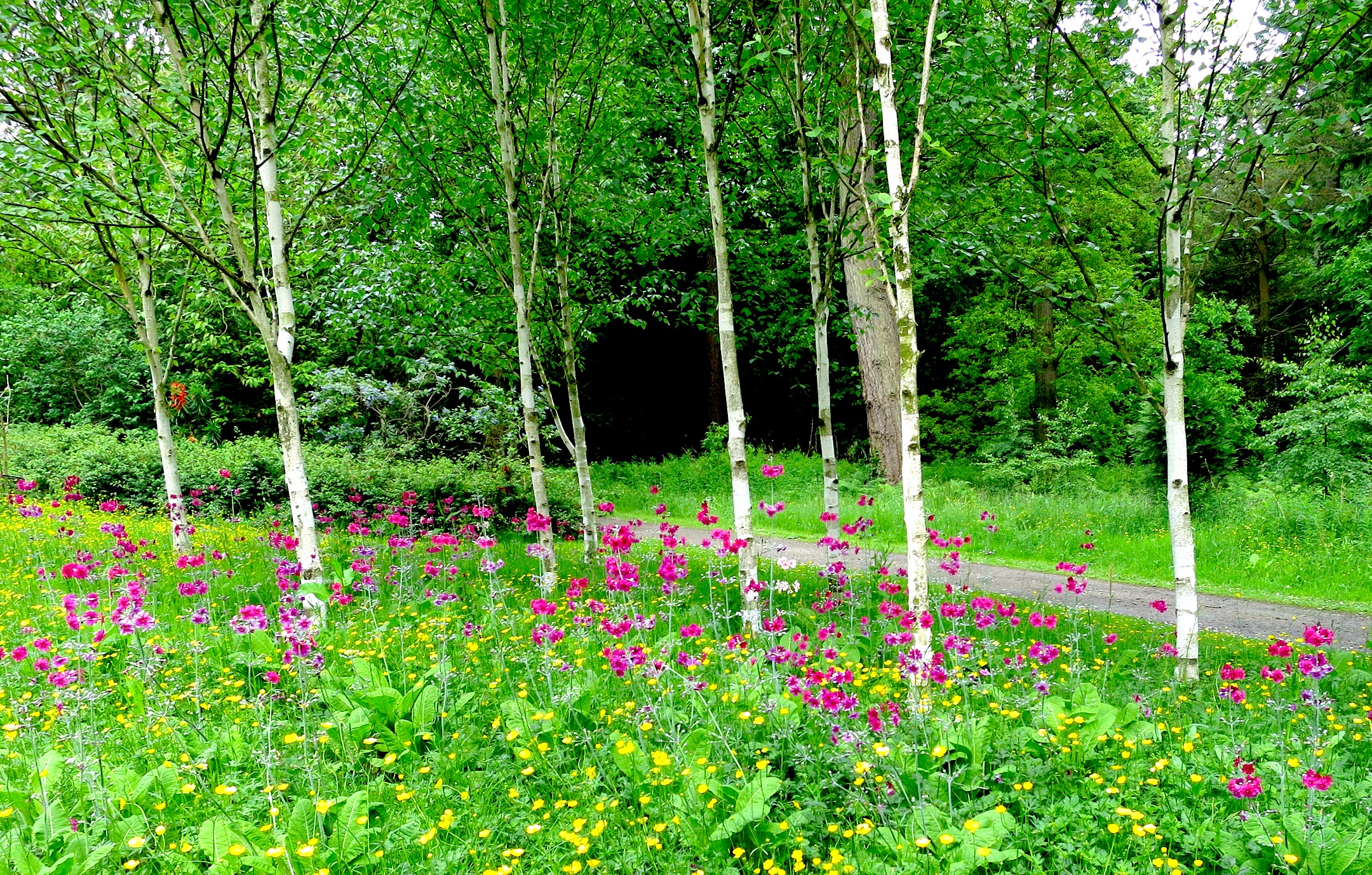
birchwildflowers

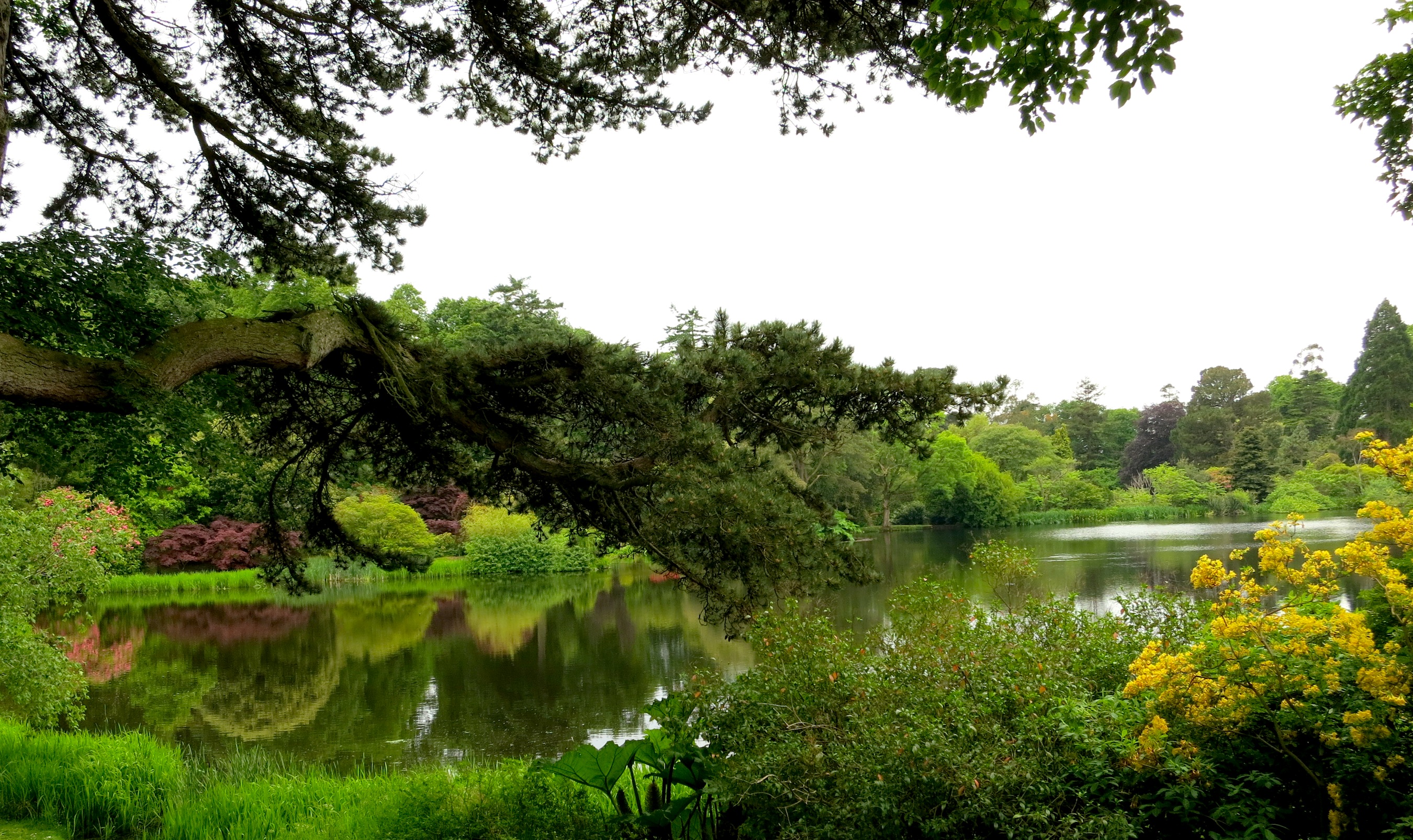
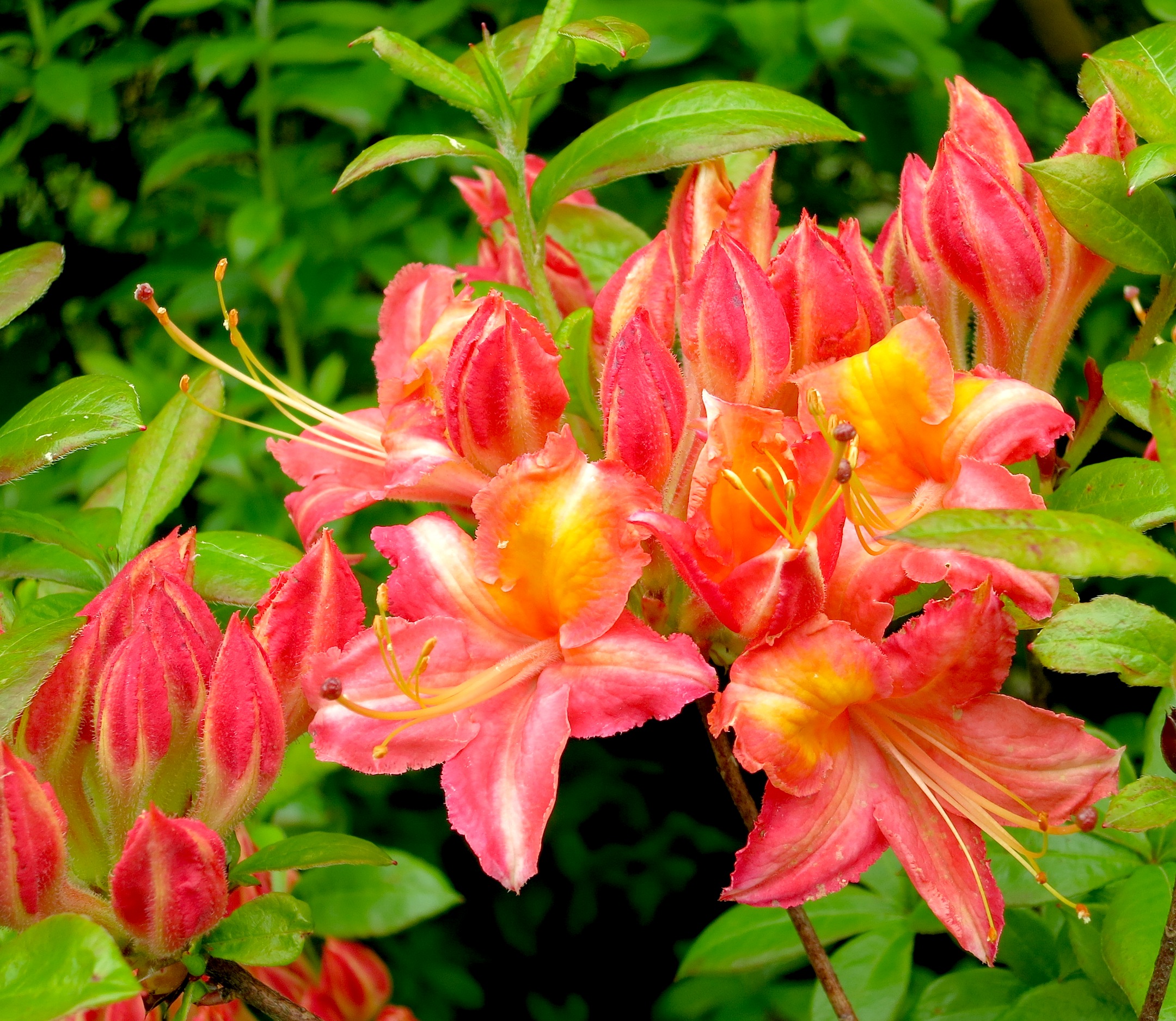
“Spring flew swiftly by, and summer came; and if the village had been beautiful at first, it was now in the full glow and luxuriance of its richness. The great trees, which had looked shrunken and bare in the earlier months, had now burst into strong life and health; and stretching forth their green arms over the thirsty ground, converted open and naked spots into choice nooks, where was a deep and pleasant shade from which to look upon the wide prospect, steeped in sunshine, which lay stretched out beyond. The earth had donned her mantle of brightest green; and shed her richest perfumes abroad. It was the prime and vigour of the year; all things were glad and flourishing.”
~ Charles Dickens, Oliver Twist 

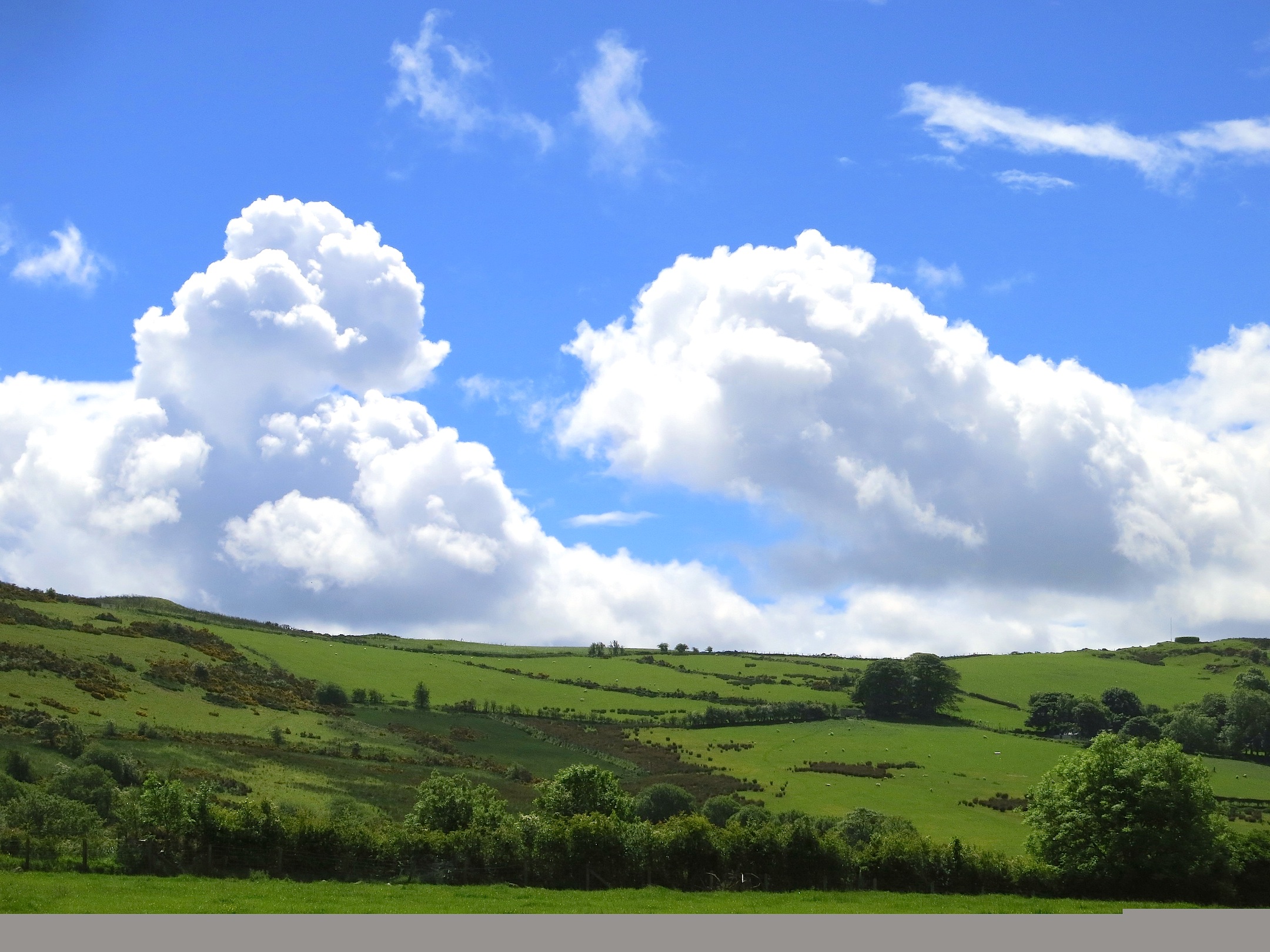
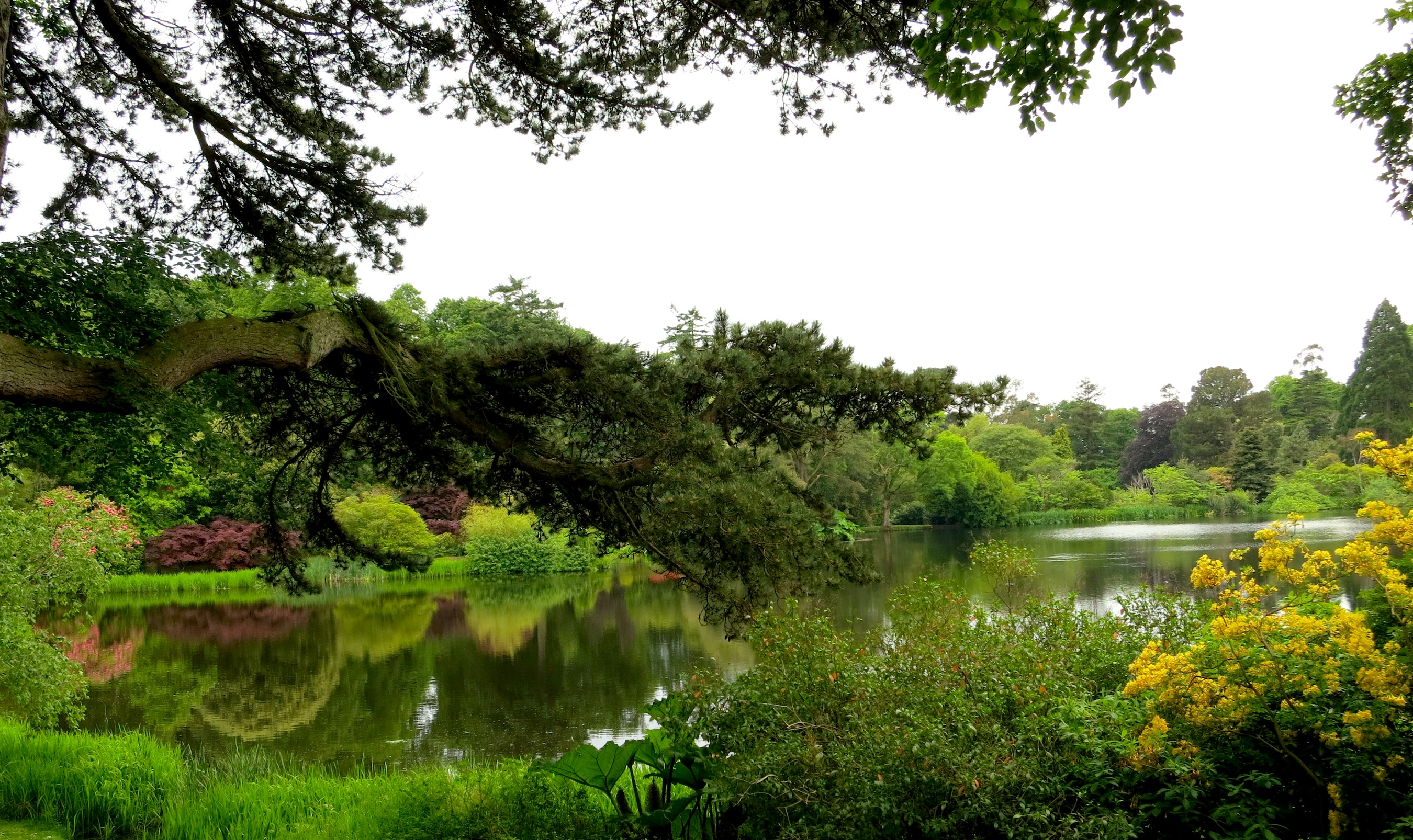
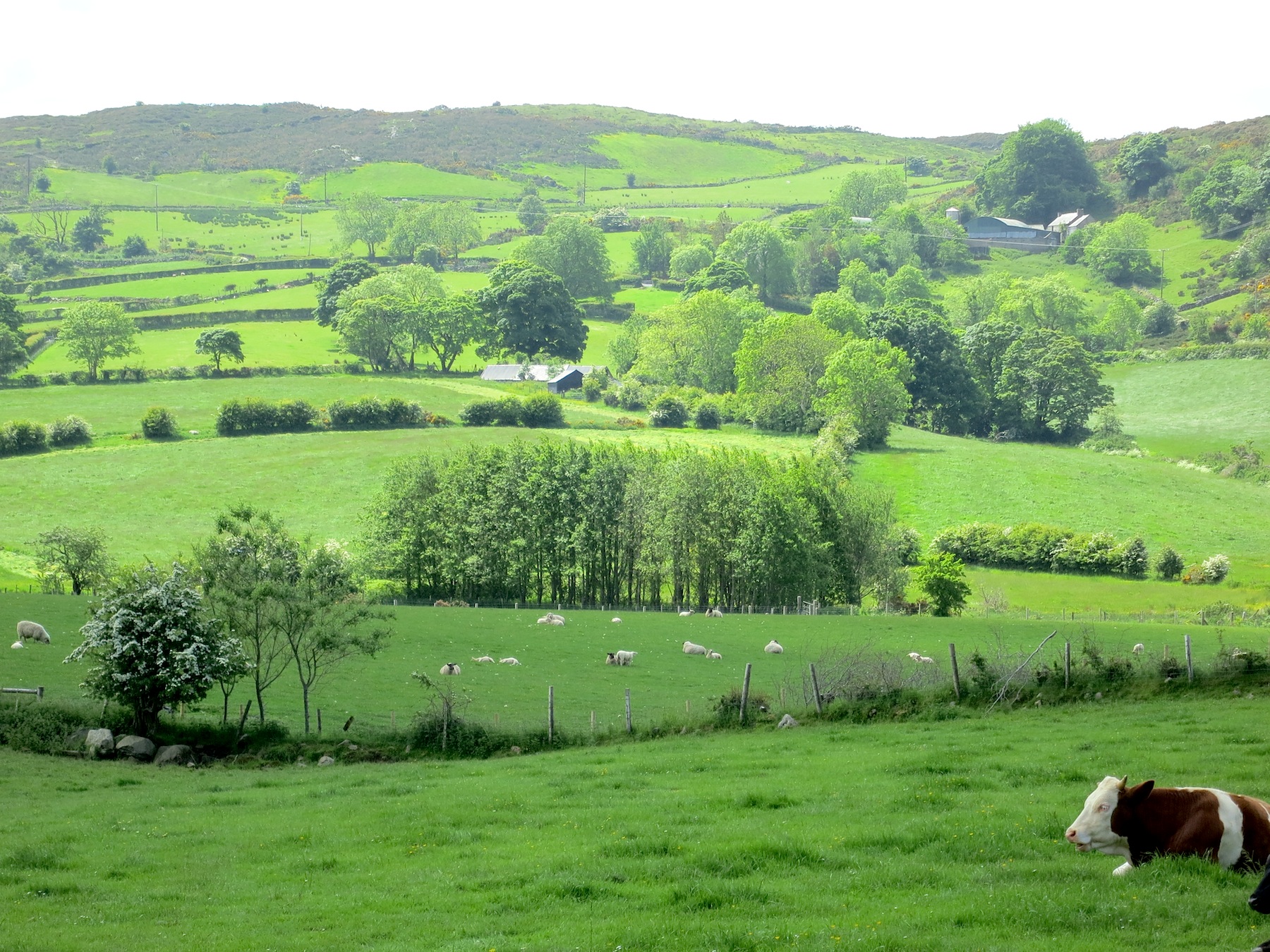
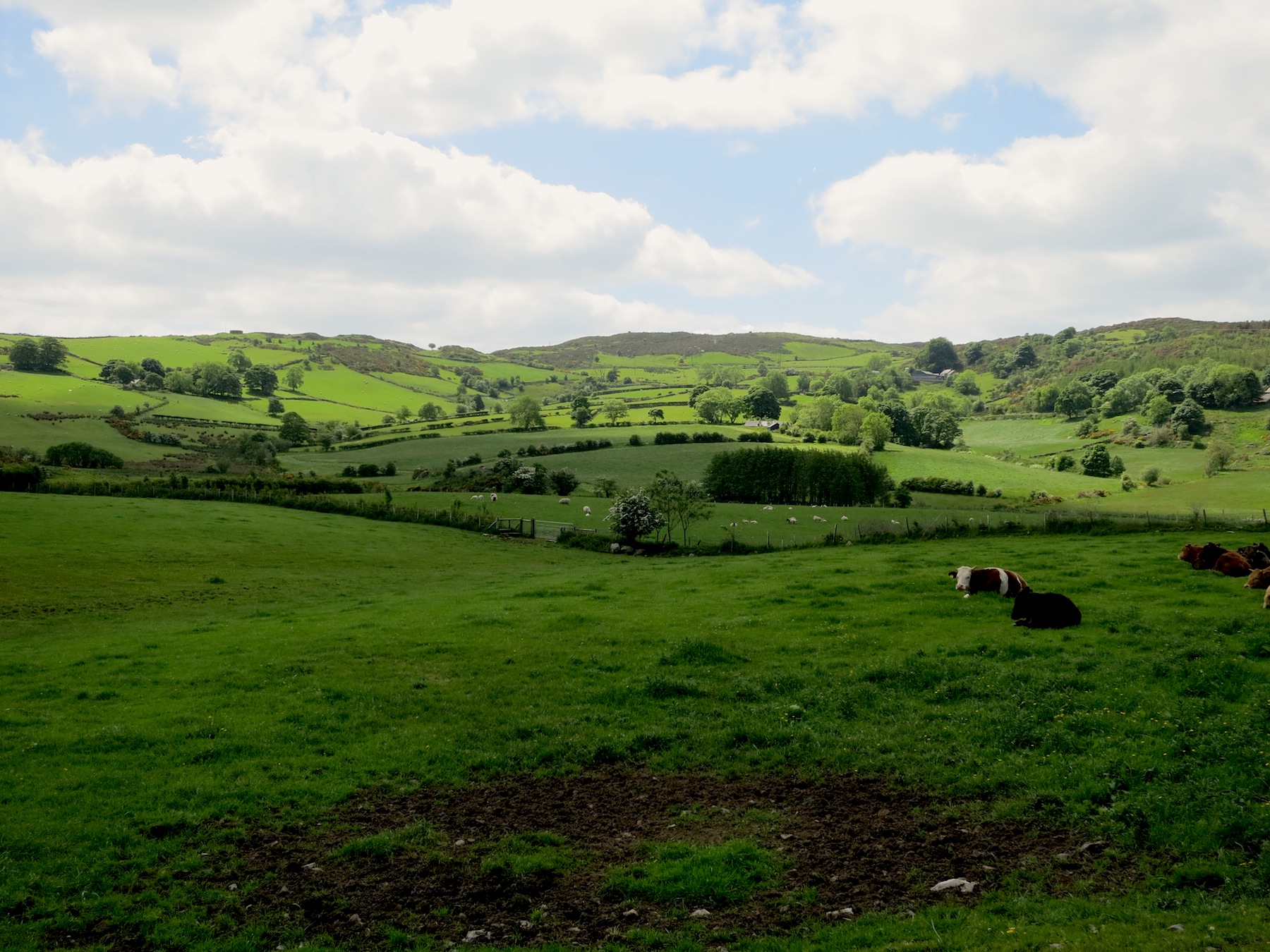
The brightest greens are in Ireland, if not Washington State.  I feel like I’m completely surrounded in green both here and at home this time of year, and even more so when the sun shines (rarely).  It has been raining here for several days, to guarantee the greens get even greener.

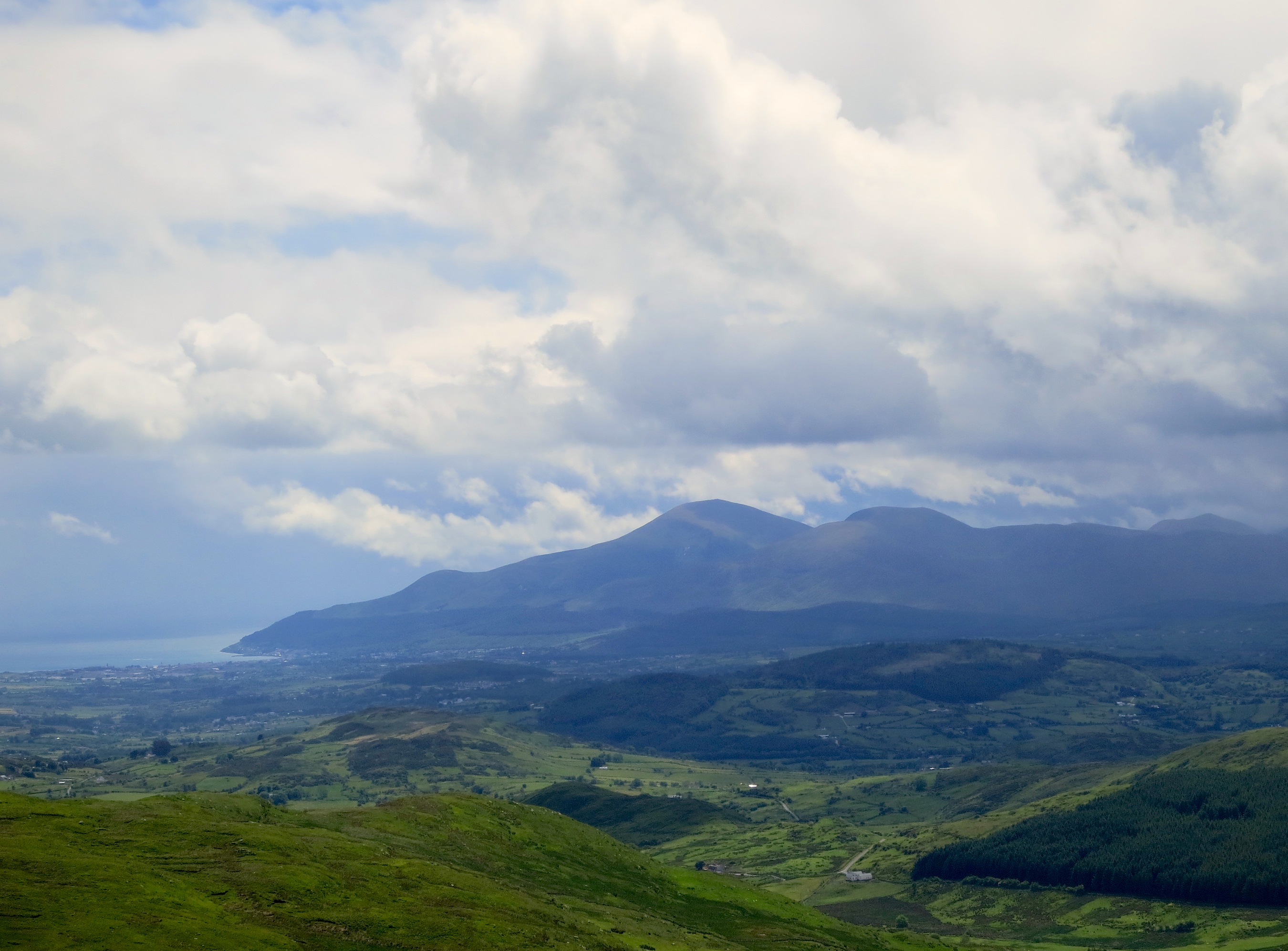
We climbed the highest hill in this area, Slieve Croob, yesterday, watching the storm clouds blow past beneath and over us, winds up to 50-60 mph on top, with spots of brightest sun illuminating the brightest greens.  Life is good, even if wet.  Life is even better because of the green arms embracing us.

from Slieve Croob
from Slieve Croob

souterrainclouds

Mount Stewart Garden Lake


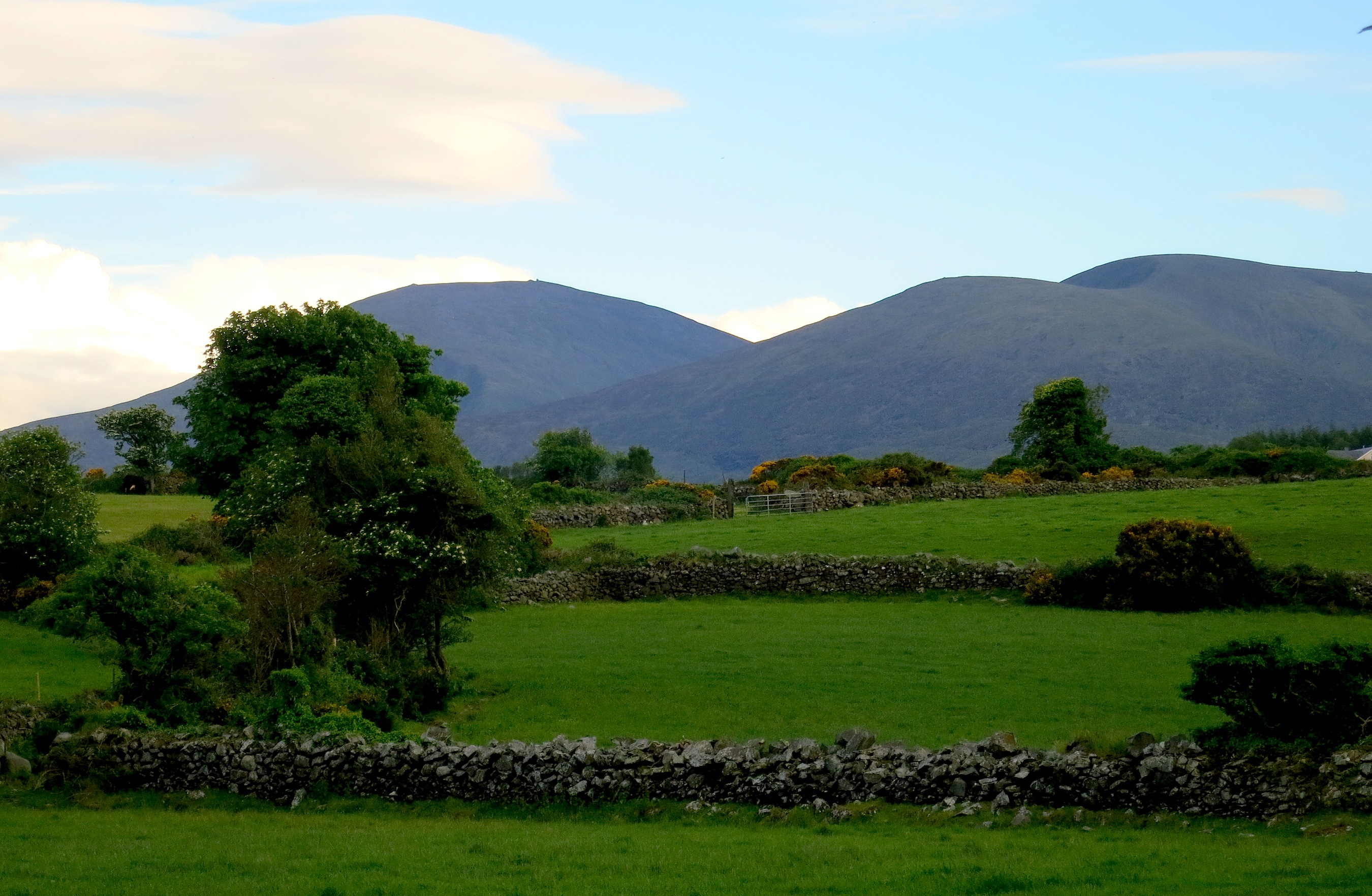
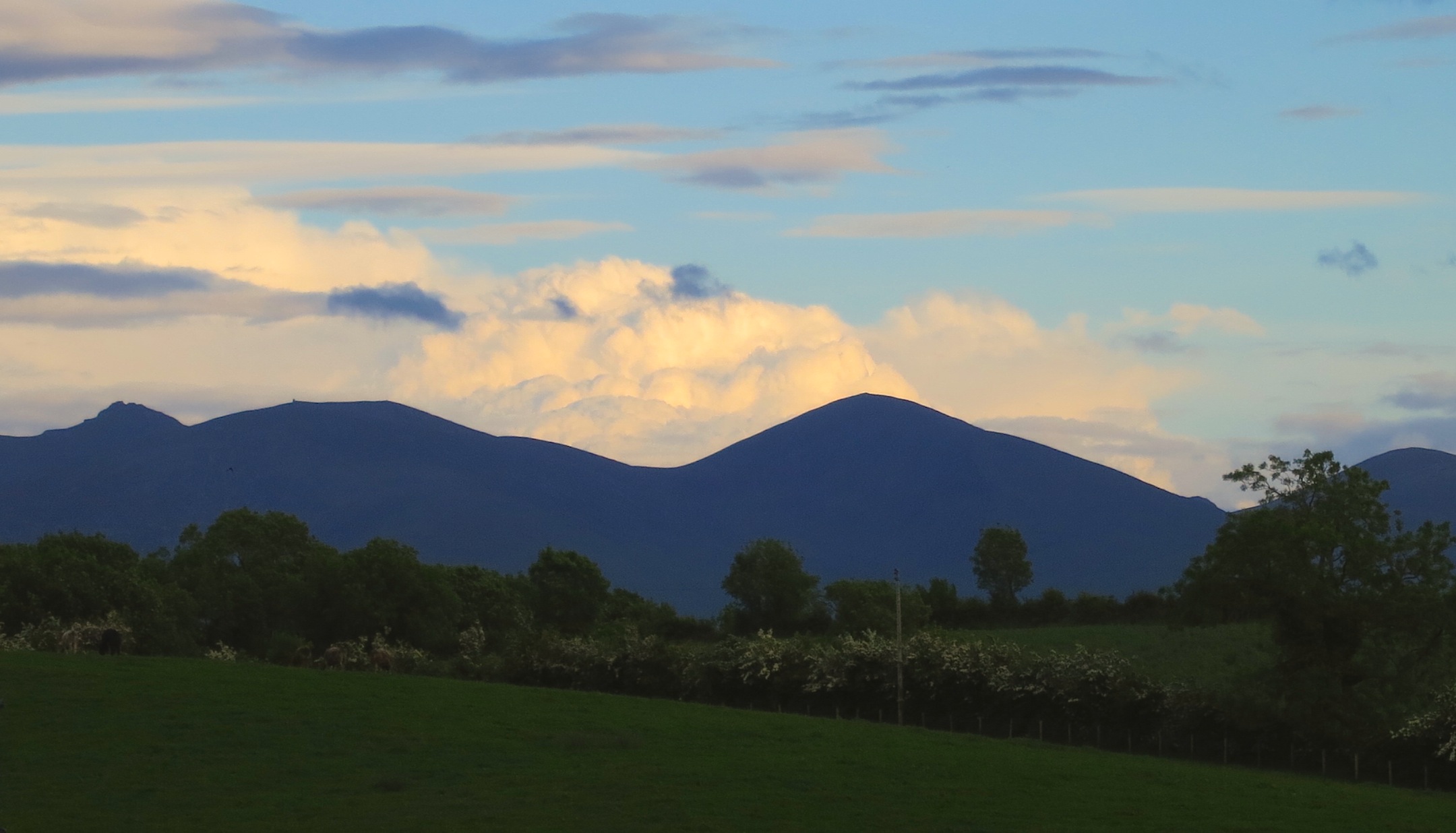
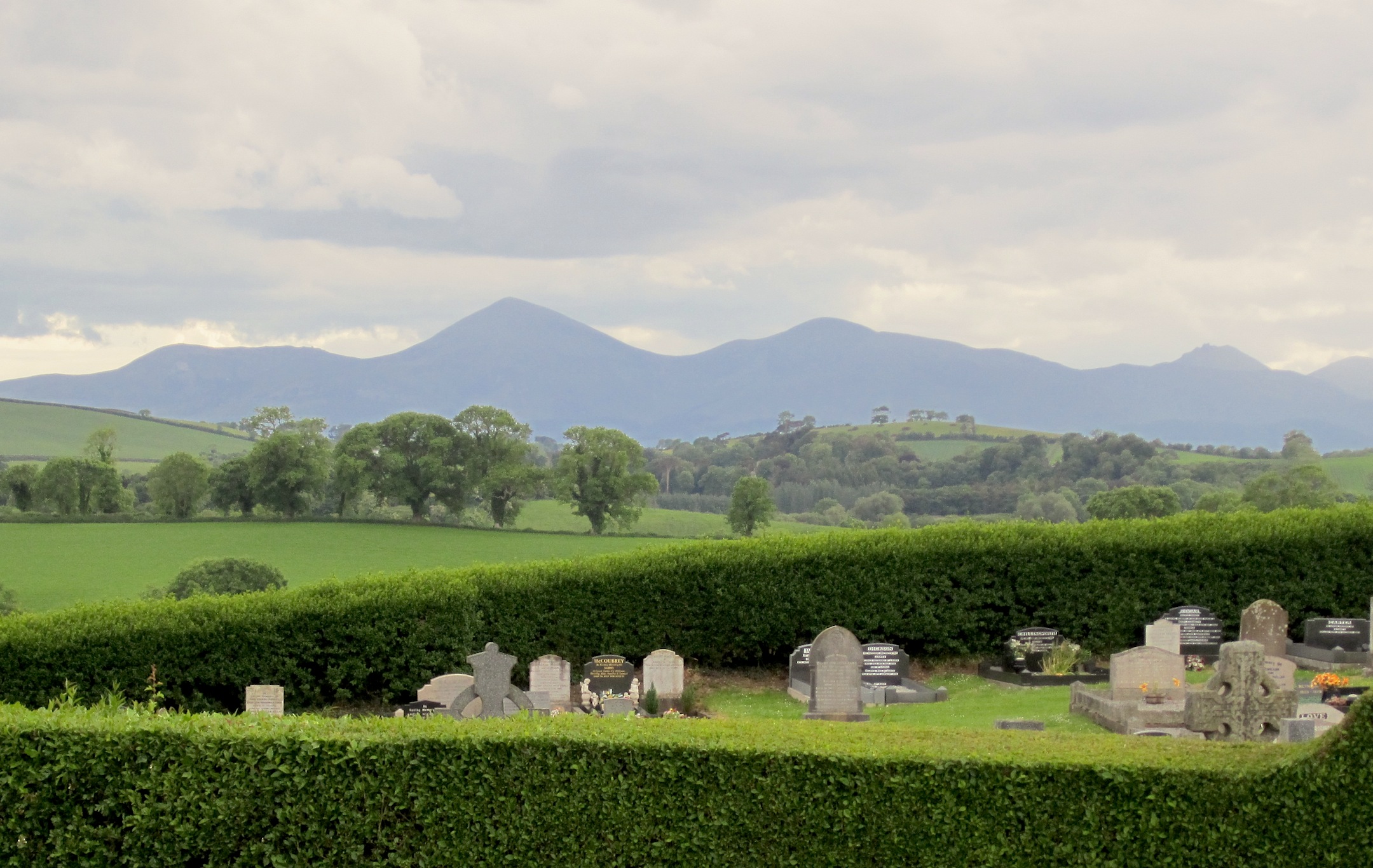
A Mourne Kind of Morning

mournemountains1

I have seen landscapes [in the Mourne Mountains] which, under a particular light, made me feel that at any moment a giant might raise his head over the next ridge.
~C.S. Lewis

The Mournes have a mystical quality to them, bewitching the traveler and inspiring C.S. Lewis as a child growing up near here to create Narnia as an adult.

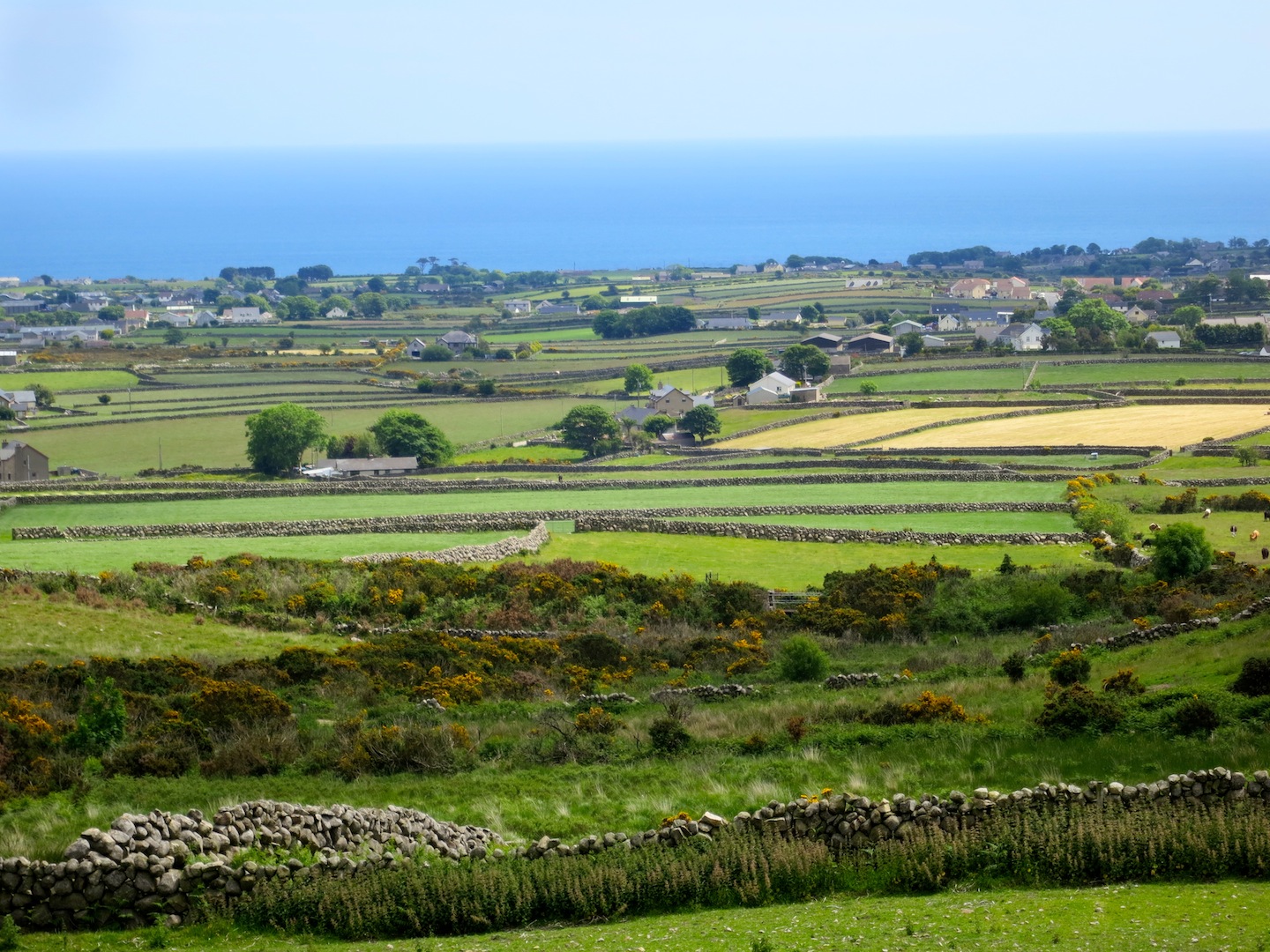
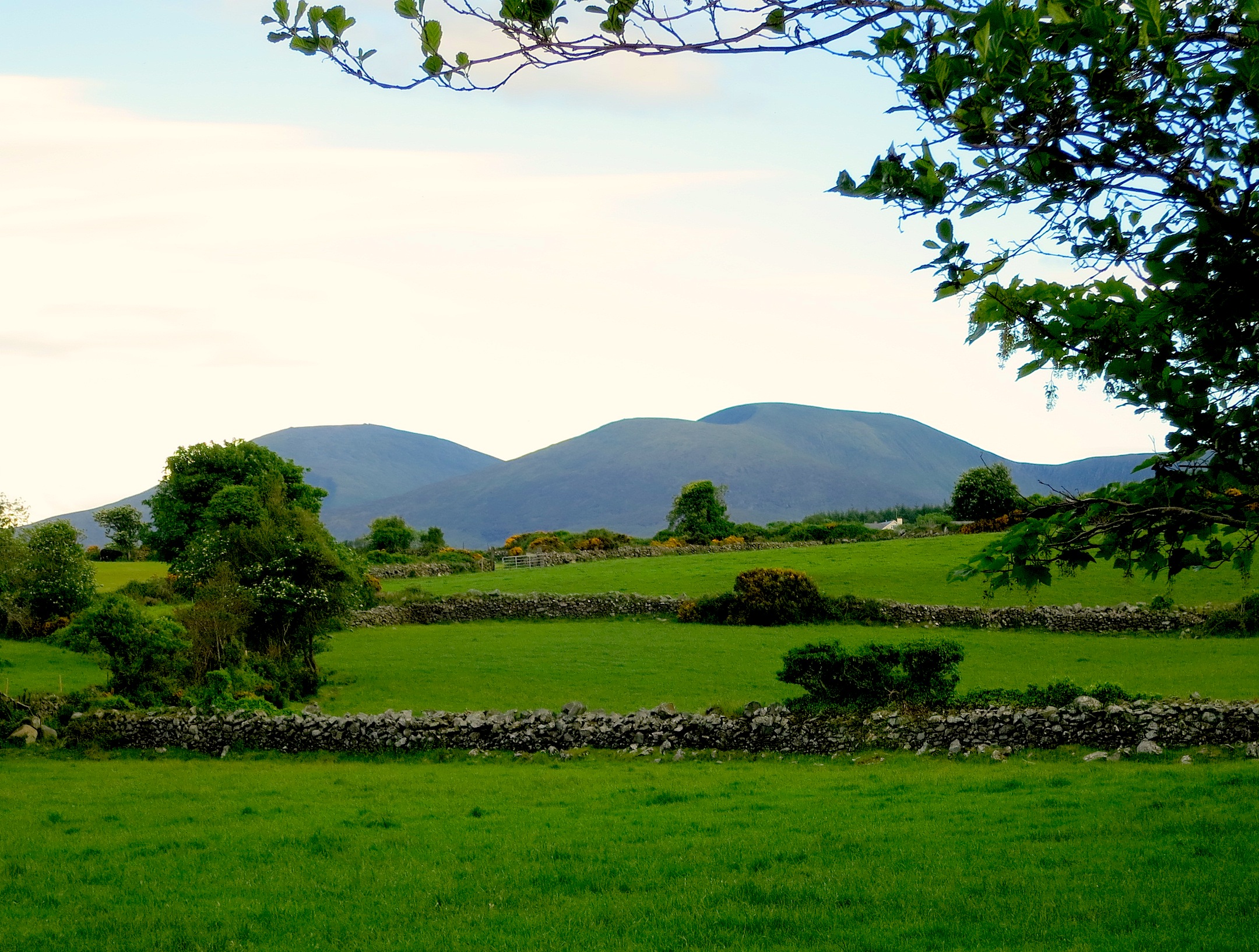
We have seen these mountains silhouetted in the distance, and have driven through them, descending into coastal villages surrounded by miles and miles of stone fences checker boarding the farmland.

We need to always keep wonder close at hand and never cease to wonder at the fairy tales in our own back yard.

mournewalls

mournemountainmeadow

mournemountains4mournemountains3mournemountains2

Yielding Spring With Grace

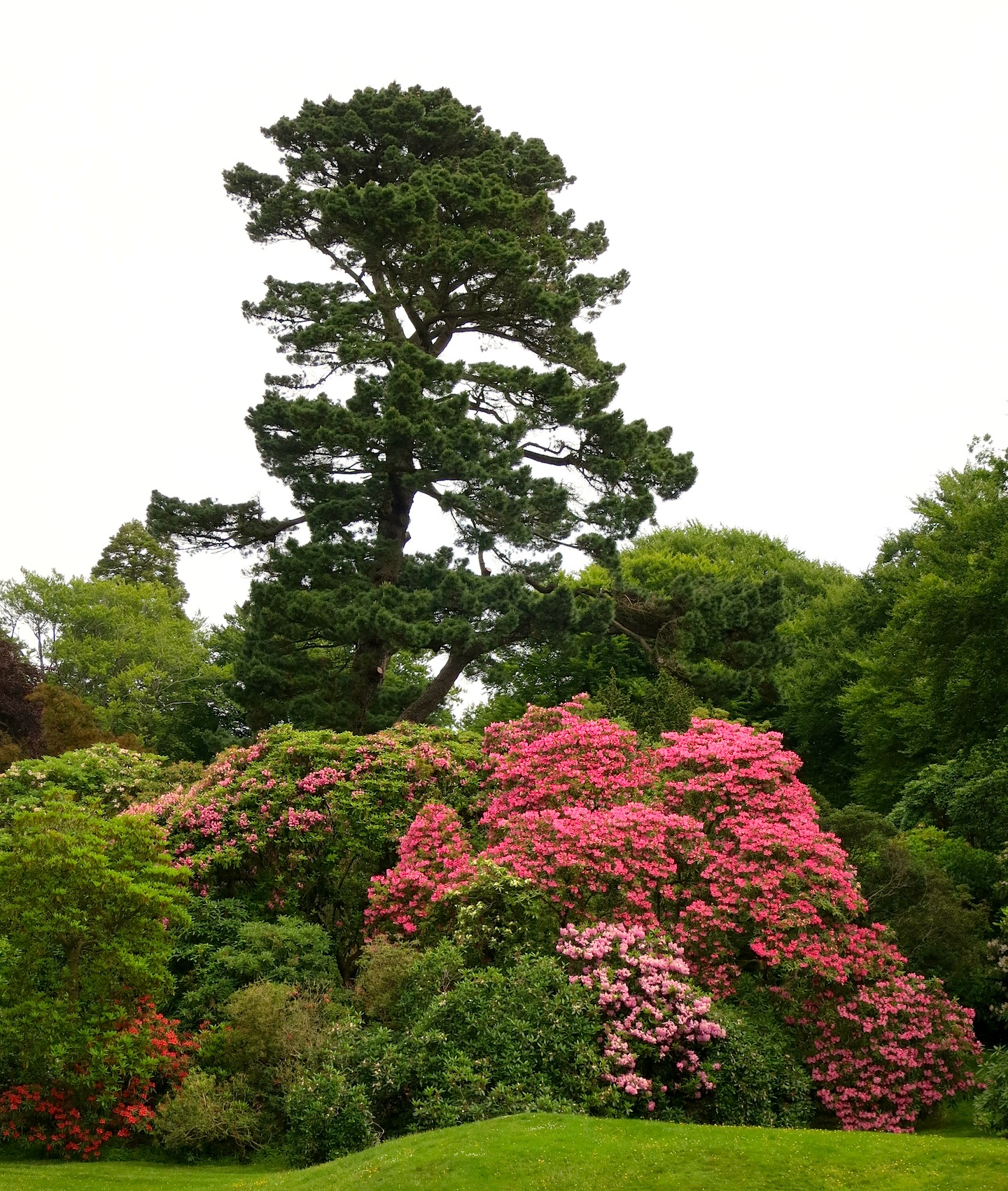
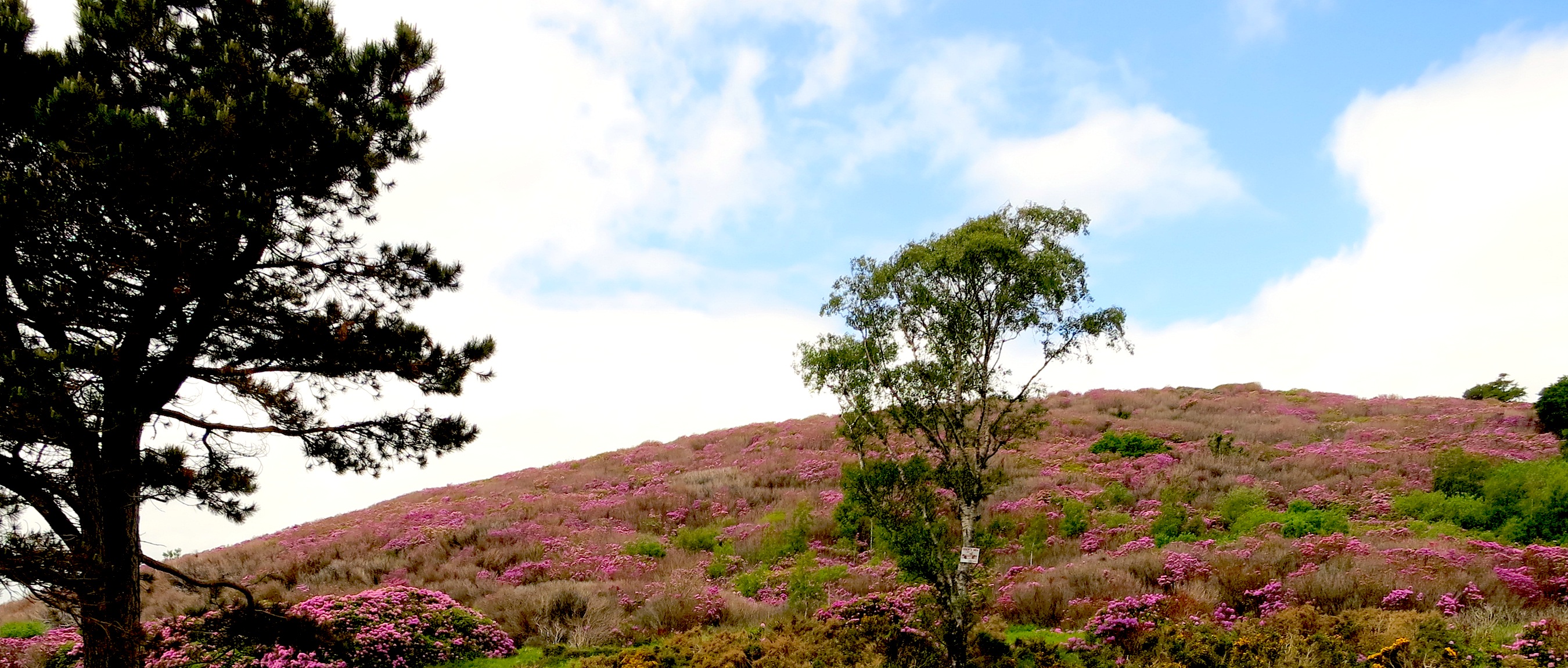
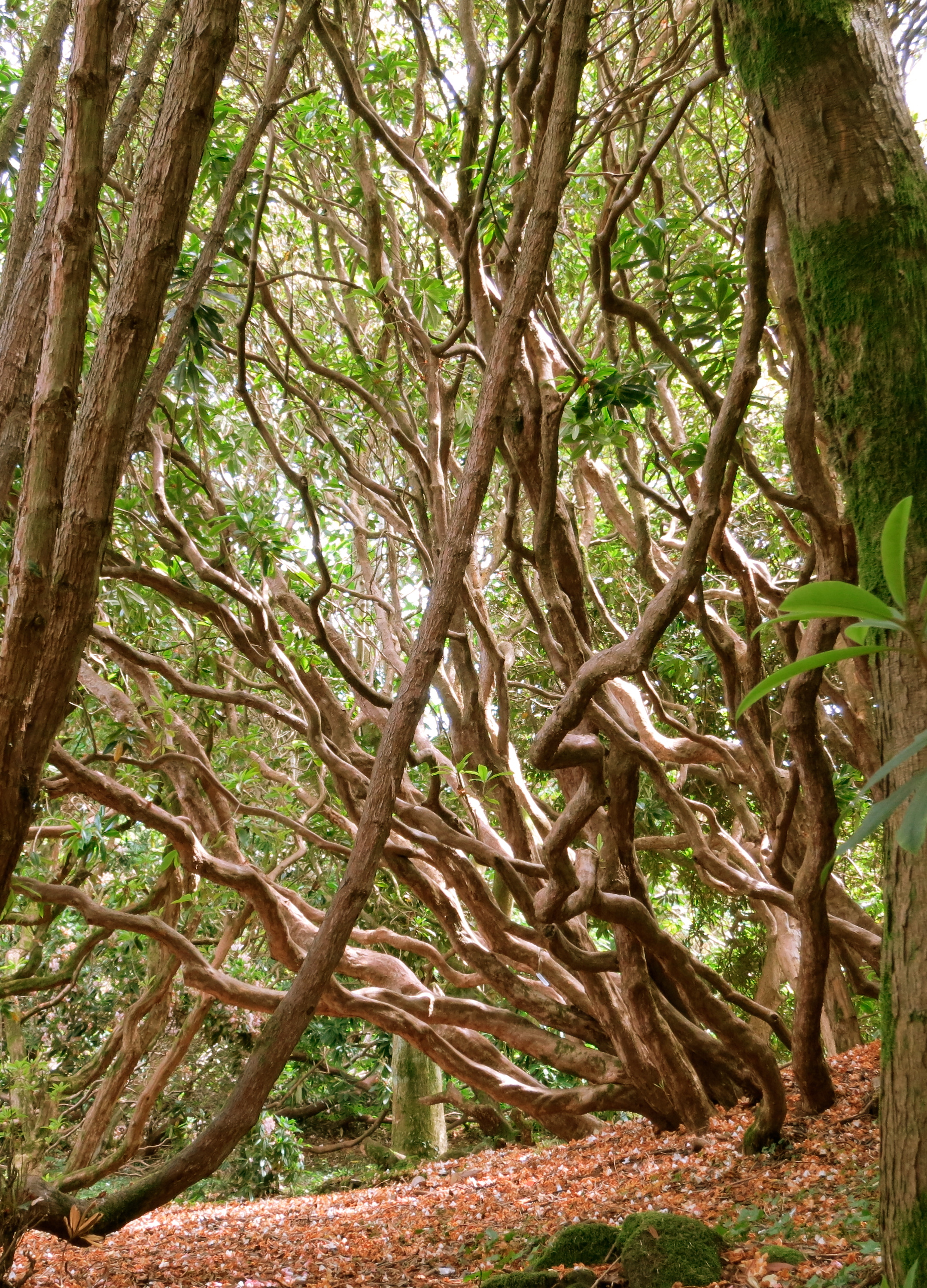
Rhodendron forest Rowallen Gardens, County Down, Ireland

Ah, when to the heart of man
Was it ever less than a treason
To go with the drift of things,
To yield with a grace to reason,
And bow and accept the end
Of a love or a season?
~Robert Frost from “Reluctance”

It is, for me, a reluctant solstice.  I am unready to relinquish this hard-won daylight back to the night.   Here is Ireland I was amazed to see light on the horizon as early as 3:30 AM and it is still quite light out at 10:45 PM or later, almost two more hours of daylight here than at home.   The farmers are making use of this extra time; the tractors are busy until dark bringing in silage and round bales all around us.  At home the grass still is standing with almost an inch of rain yesterday.  No hay yet; it is waiting for us to fly home.

Northern Ireland is full of rhododendron forests,  centuries-old trees standing 20-30 feet high still blooming a full month after ours at home had finished.  A late spring reluctantly is yielding to summer as the delicate blooms wither to brown and fall to the ground, looking very much like autumn leaves.

I bow to this transition and accept the new season with grace, with glad sadness and sad gladness.   I will carry this extra light from Ireland home in my words, my pictures and my memories, to brighten my heart on a winters’ night.

A hillside of rhododendron in the Mourne Mountains, County Down, Ireland

rhodietrunkscontrast2

The Dark Nooks of Time

Above the Finnis Souterrain
underground without flash
Finnis Soutterain underground

Early humans under naked stars
above their campfires,
bewitching modern man
who longs within his spirit
for such simplicity;

bending down into a dark hole
another mood emerges,
to stalk with a flat profile,
moving with the underground –
a lion of a thing, defending
the dark nooks of time,
of recess and mysterious redoubt,
against what I wondered
following the fogou’s blinding corridor,
slipped on stones from leaking water
where moss- joints, drip
from buttress and boulder,
breathing the brewed air
of many centuries.

Climbing out into the light
I felt that link of kinship,
imagined through half closed eyes
I gazed at neolithic skies,
fancied I heard their broken
voices, carried on a breeze;

~Roy Austin from “Ancient Bluebells”

The ninth century is not “early man” nor Neolithic as Austin’s poem references about underground hideaways, but it is a long time ago nevertheless. The poem evokes what I felt crawling into this space created by early Christians over 1000 years ago.

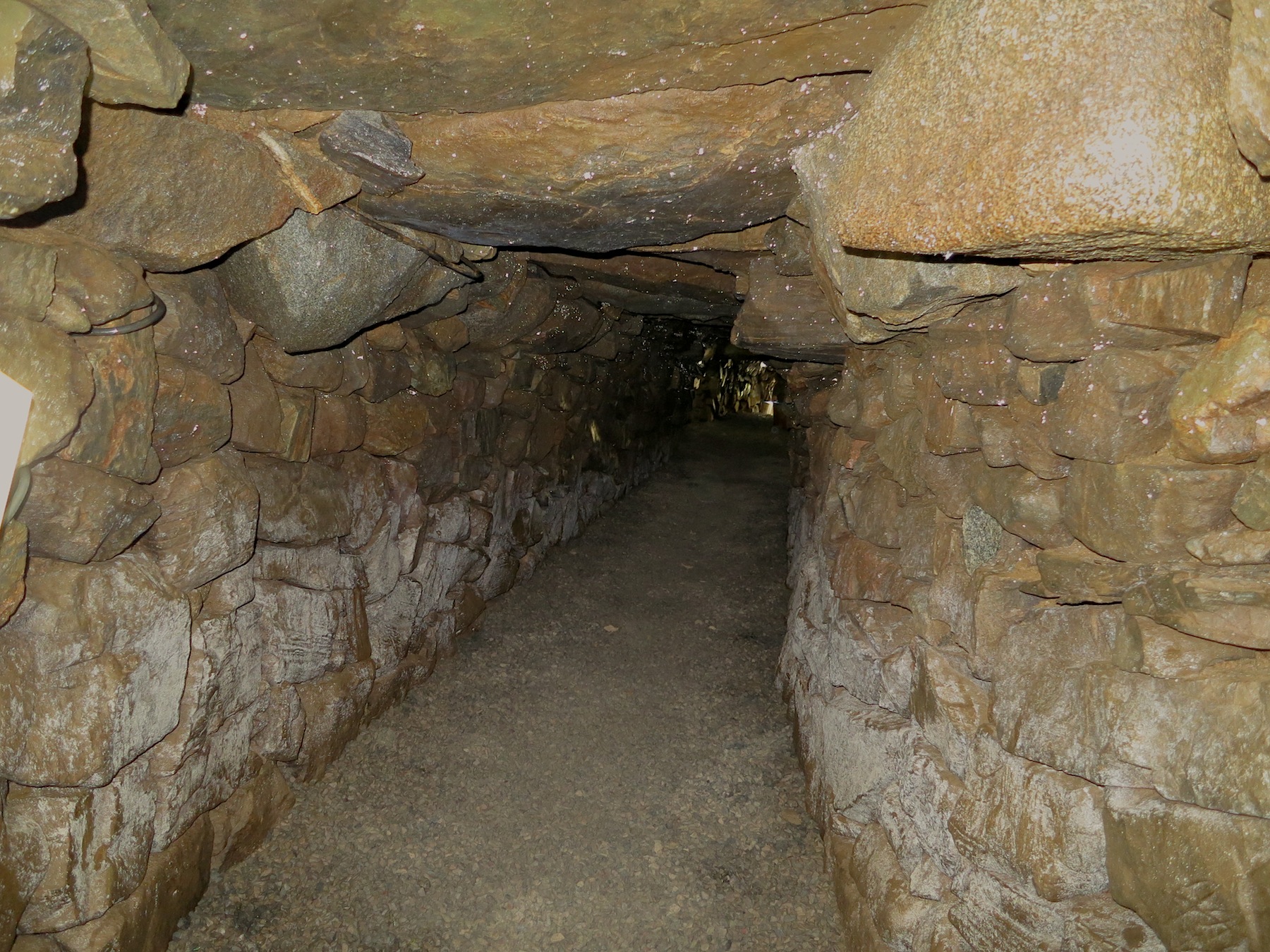
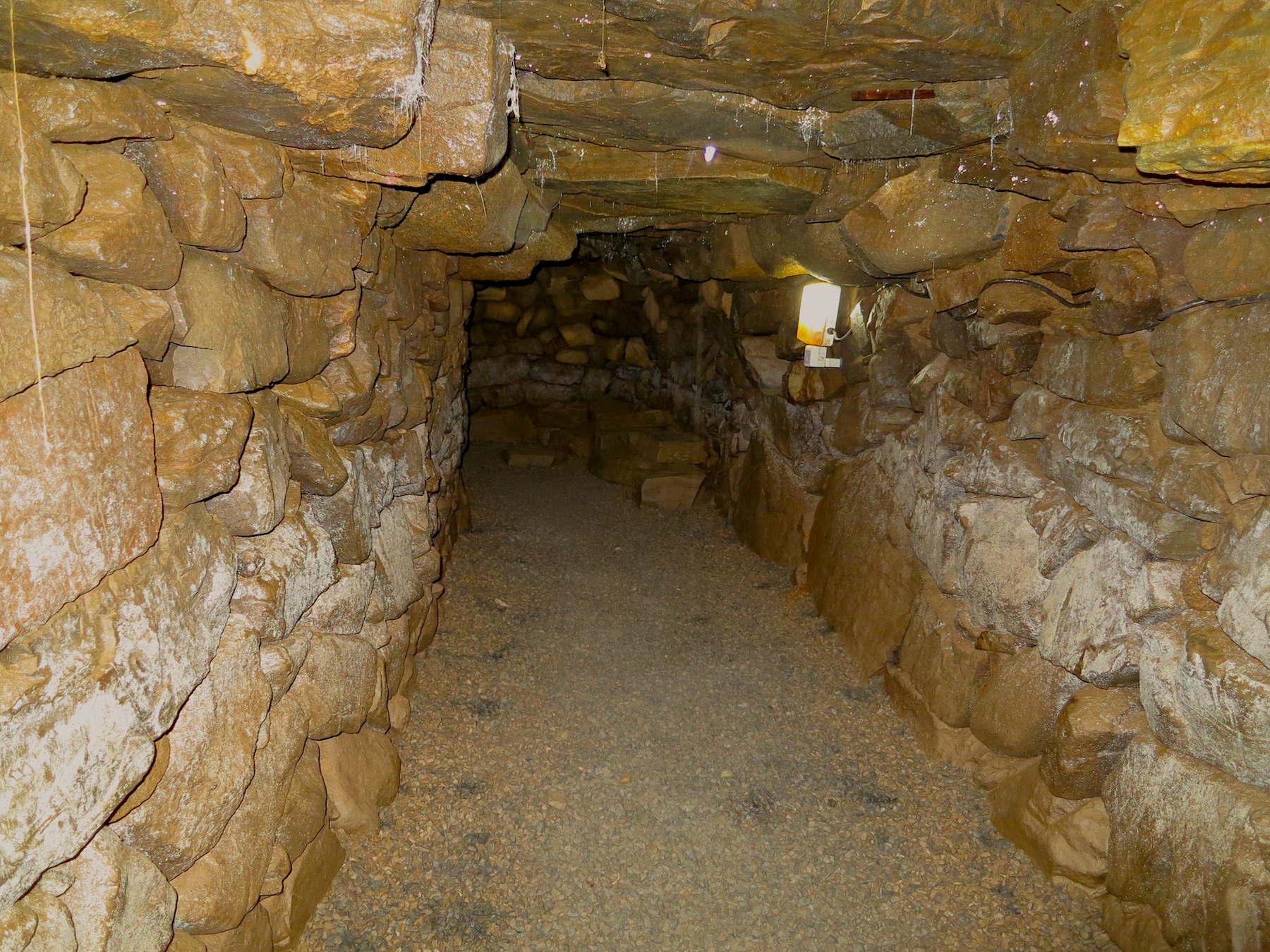
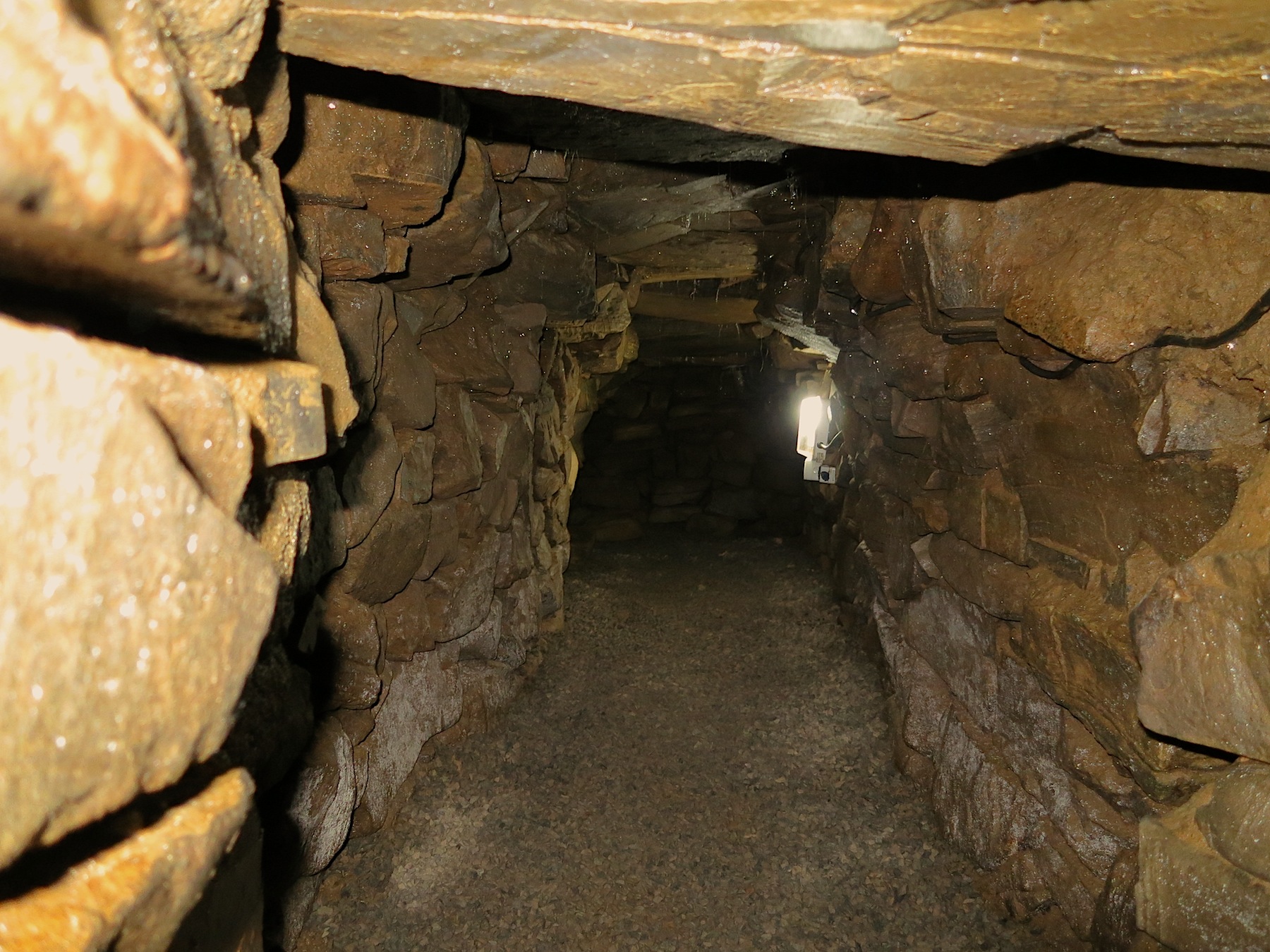
We explored an underground “souterrain” yesterday in the hills of County Down in Northern Ireland, used most likely by the converted Celts to hide effectively from invading clans and Vikings. It is located in a farmer’s field, cows milling about the fenced off entrance. A few years ago there was installation of solar powered lights inside for 15 minutes of minimal illumination to get in (on hands and knees) and out again before the lights go out.

The flash on my camera shows what I could not see during our time underground. From the low entrance which runs 30 feet or so, where you must crawl to the rest of the tunnel which is only high enough to stoop or crouch, with several different chambers and side passages with shelves and hidden holes for storing valuables.

Five minutes was plenty for me in that forbidding place. I don’t do well in small places and this tested my tolerance. I guess if it was a choice between damp darkness in a crouch and being pillaged by Vikings, I’d choose dark and damp. It reminds me that early Christians spent more than their share of time underground and in hiding. We have challenges in our modern life, but staying underground because of persecution is not one of them.

Climbing back out was a huge relief even though I was not hiding from anything or anyone. The cows had not been taken away by rivaling clans. The ring fort of dwellings that existed long ago was still nothing but a pile of rocks in a field.

There was nothing to fear on this day hundreds of years in the future because these early faithful thrived and hid themselves well.

Bless them. Bless them all.

finnissouterrain1

finnissoutterain3

above the souterrain

The World is Wondrous Large

Legananny Dolmen, Northern Ireland
legananny3
yes, this dolmen is in the middle of a farm yard

legananny1

In the Neolithic Age savage warfare did I wage For food and fame and woolly horses’ pelt.

I was singer to my clan in that dim, red Dawn of Man, And I sang of all we fought and feared and felt.

Still the world is wondrous large,—seven seas from marge to marge— And it holds a vast of various kinds of man… ~Rudyard Kipling from “In a Neolithic Age”

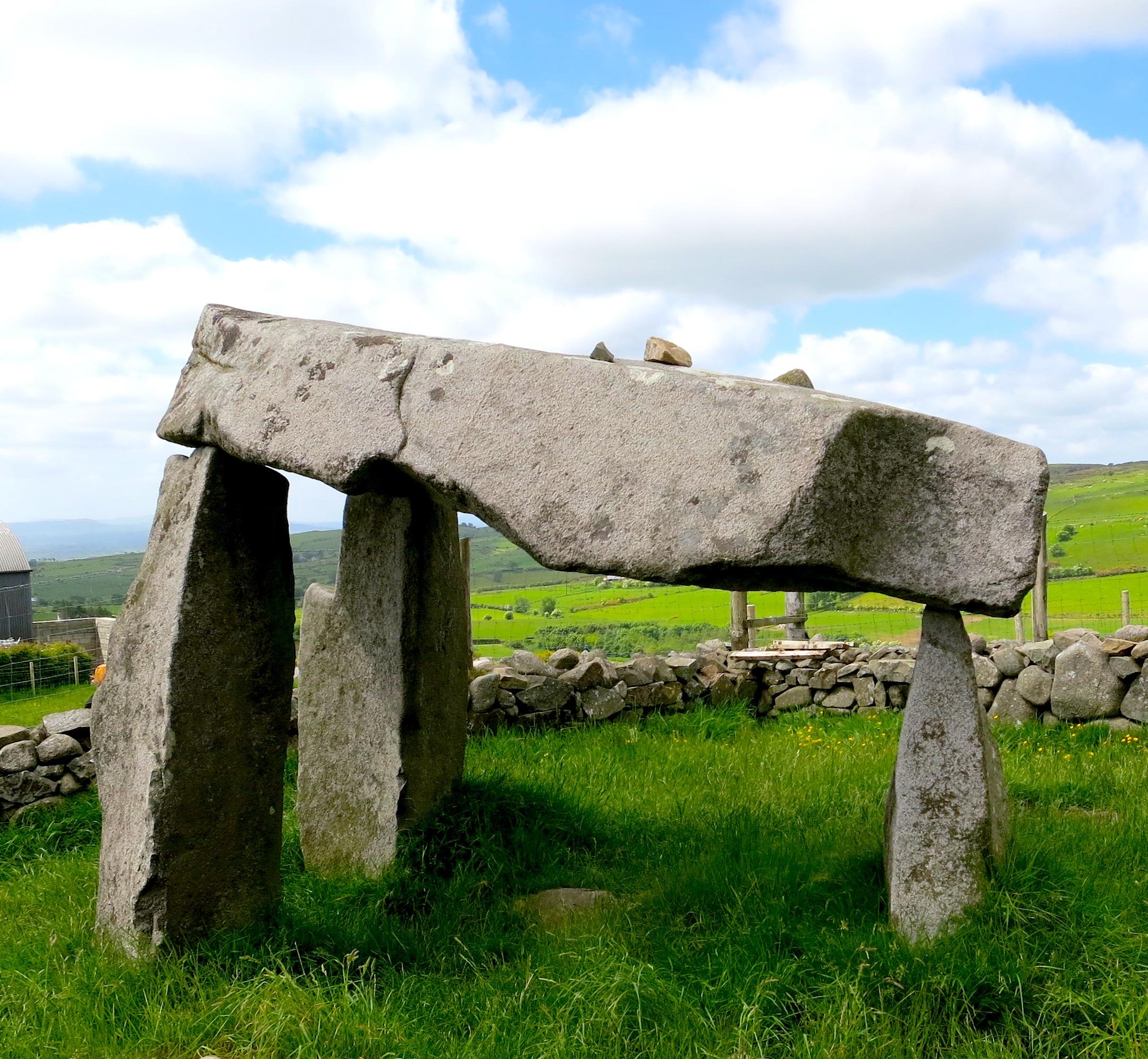
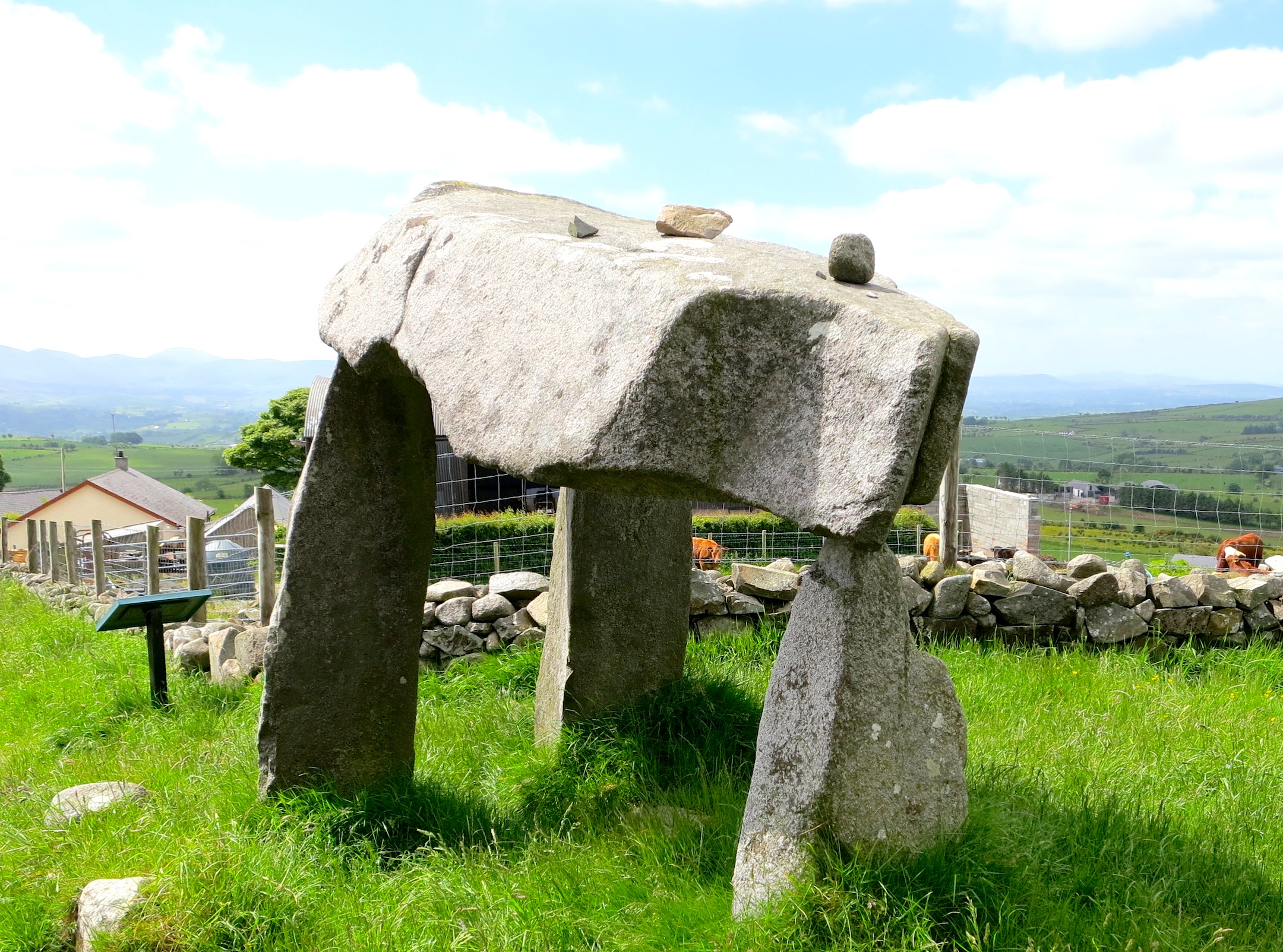
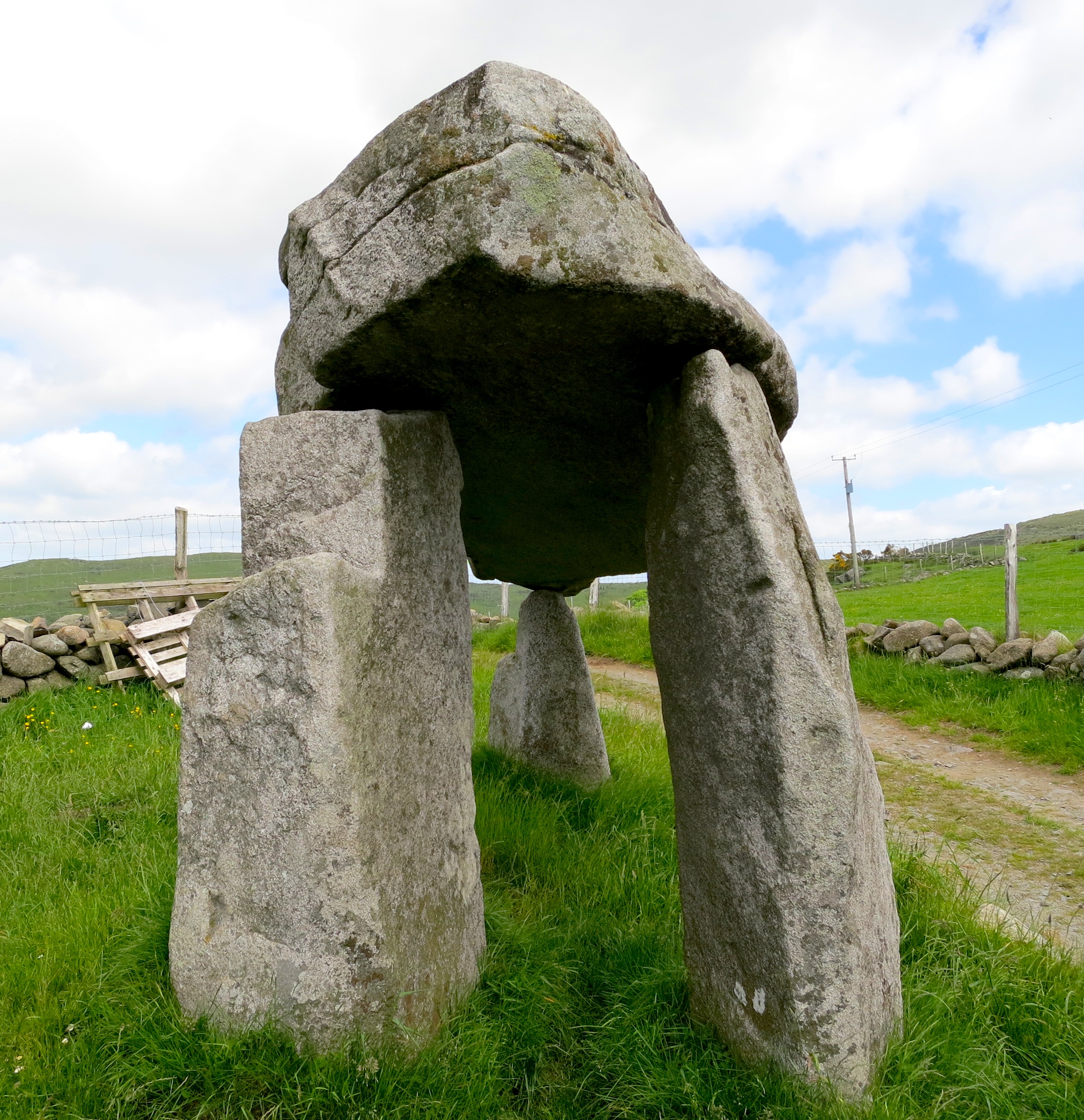
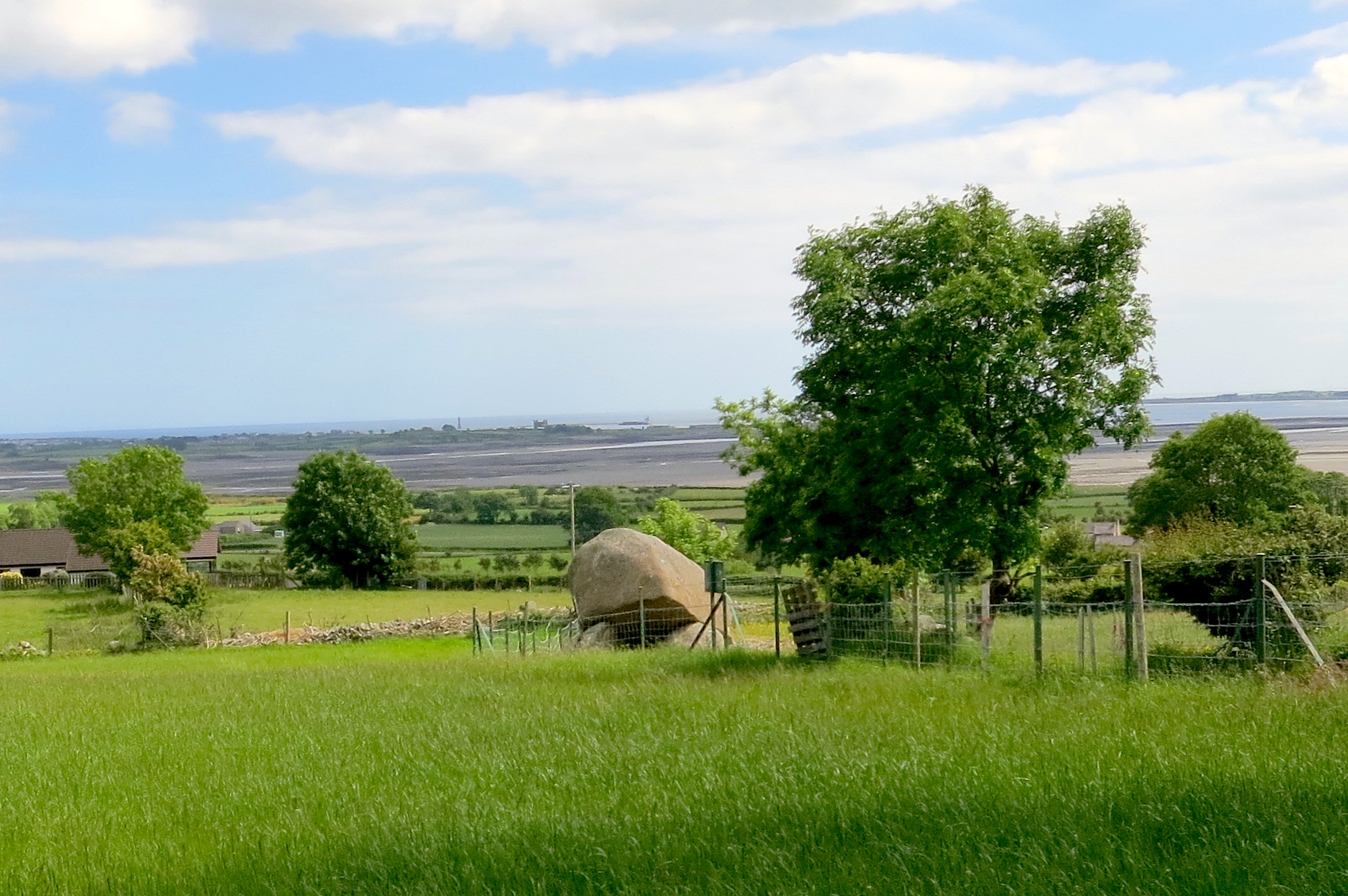
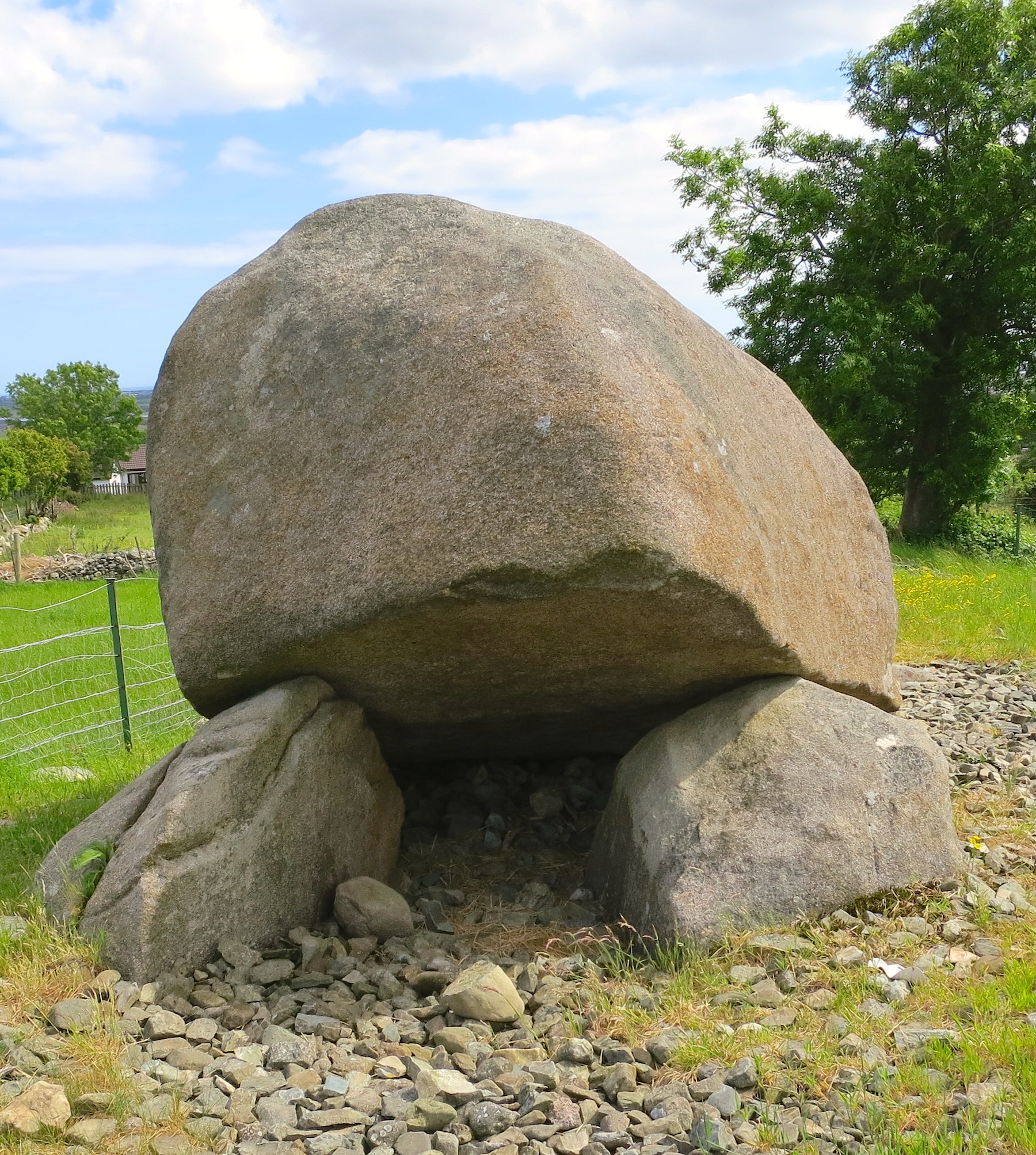
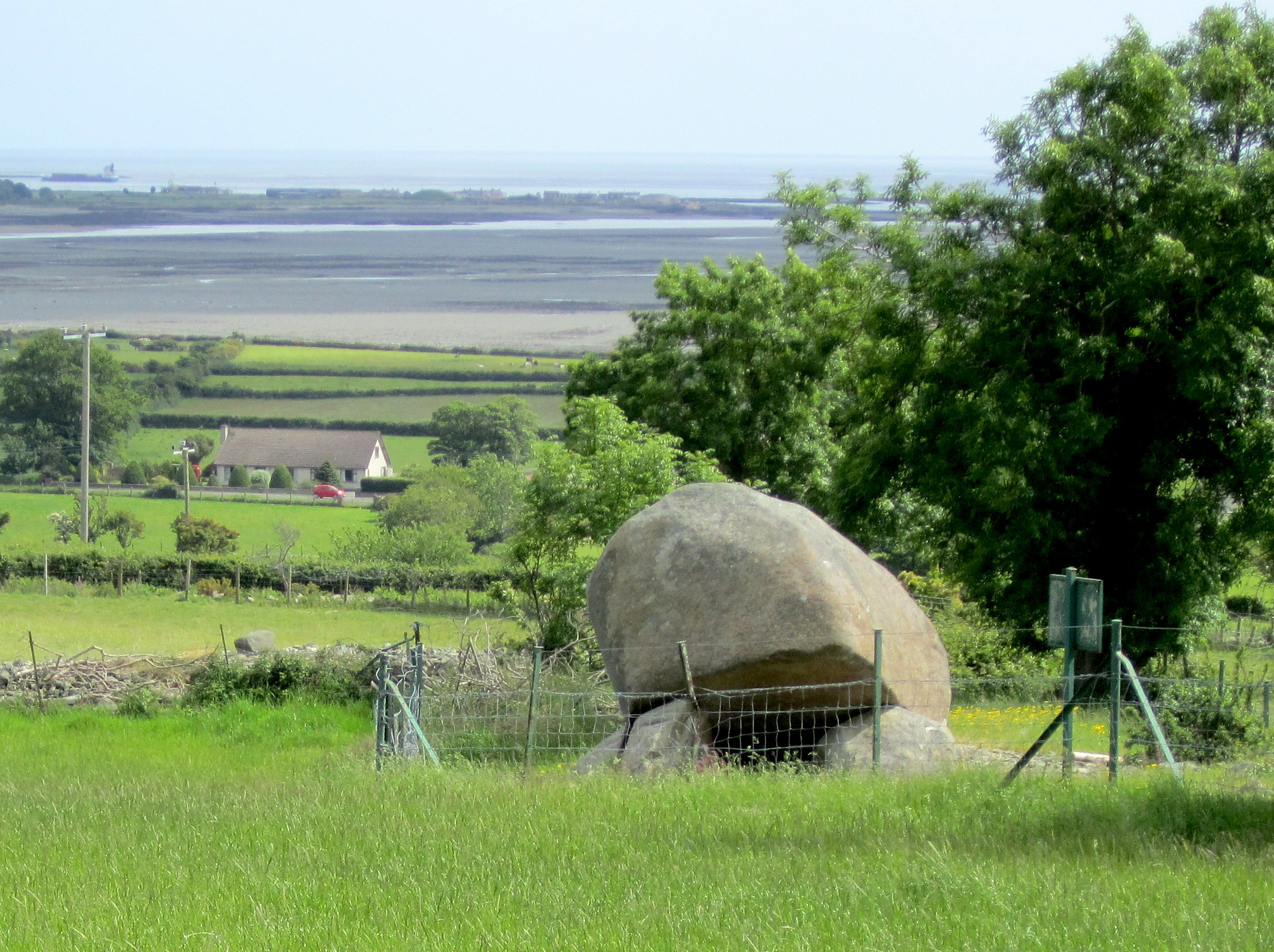
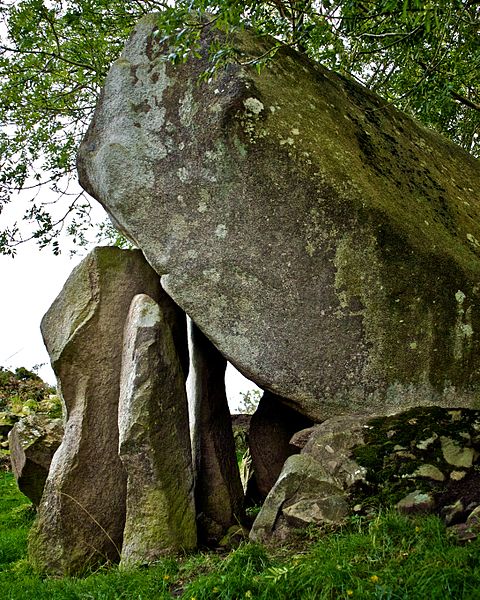
Today we acted like archeologists in Northern Ireland, traveling the countryside looking for the numerous “dolmens” or stone formations from 4000-5000+ years ago constructed during the Neolithic period in human history.  These are considered “portal tombs” and like Stonehenge, may also have astrologic significance to these prehistoric peoples.  Interestingly, they are scattered across the Irish countryside, mostly found in farmyards and fields, with hardly a sign to show the way to find them.  In two cases, we needed to parkbeside a barn, open  (and close) several gates so the cows and sheep don’t get out,  to make our way to the dolmen.

The world is wondrous large indeed, as Kipling says in his homage to the Neolithics (and in the rest of the poem critiquing his fellow “modern” man).  To think that humans, way before the pyramids, way before Abraham walked the earth, managed to figure out how to honor their dead by constructing formations of multi-ton stones on top of one another.  They are so perfectly balanced to exist as they were intended for thousands of years.  A vast various kind of man did this, a singer to his clan, in the “red dawn” of human history.

I am awed and humbled.

Nothing I have done could ever last like this.

kilfeaghandolmen3  

Kilfeaghan Dolmen
Kilfeaghan Dolmen
This dolmen is above the Irish Sea
Goward Dolmen at the foot of the Mourne Mountains

Propping up Darkness

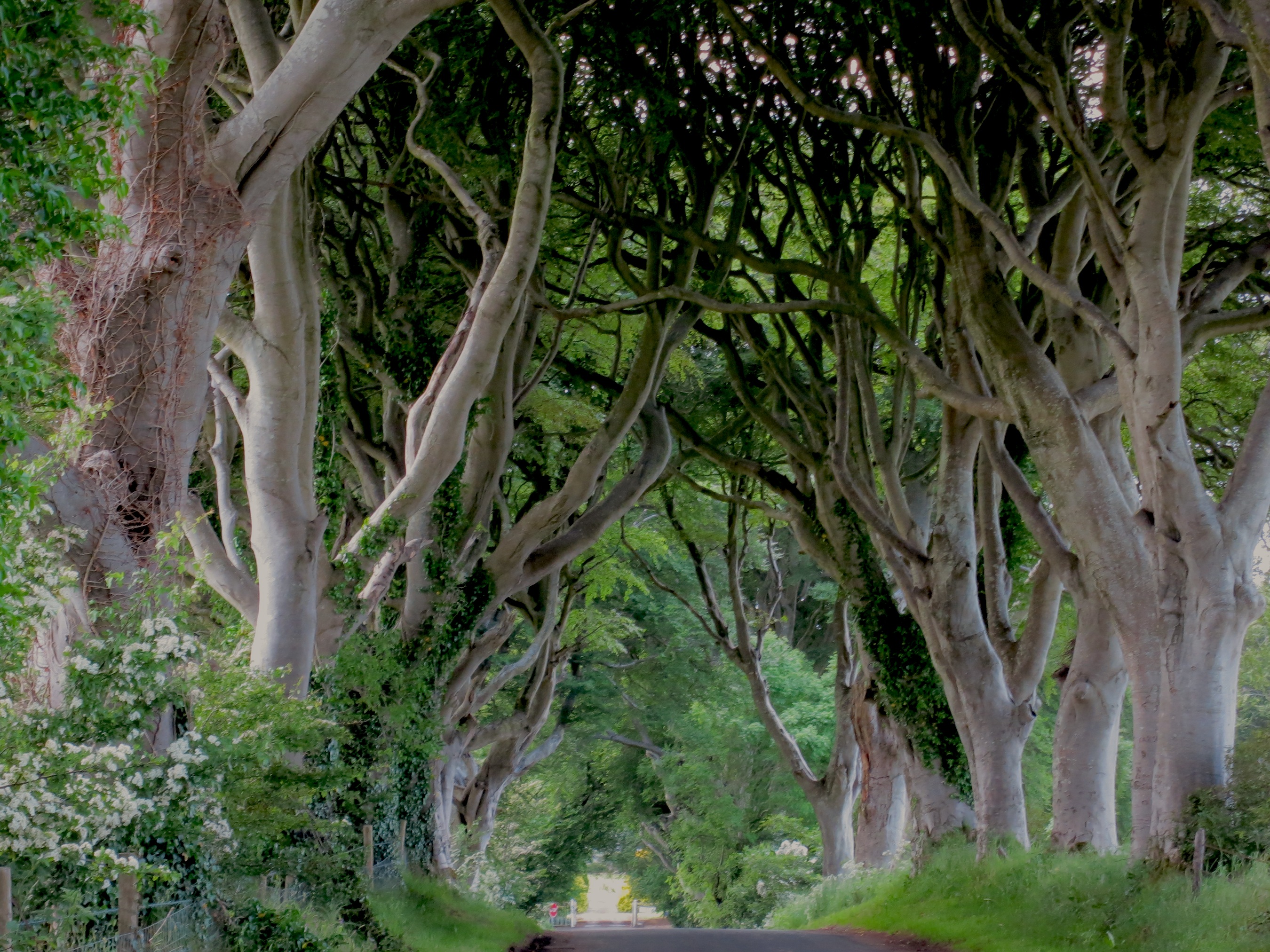
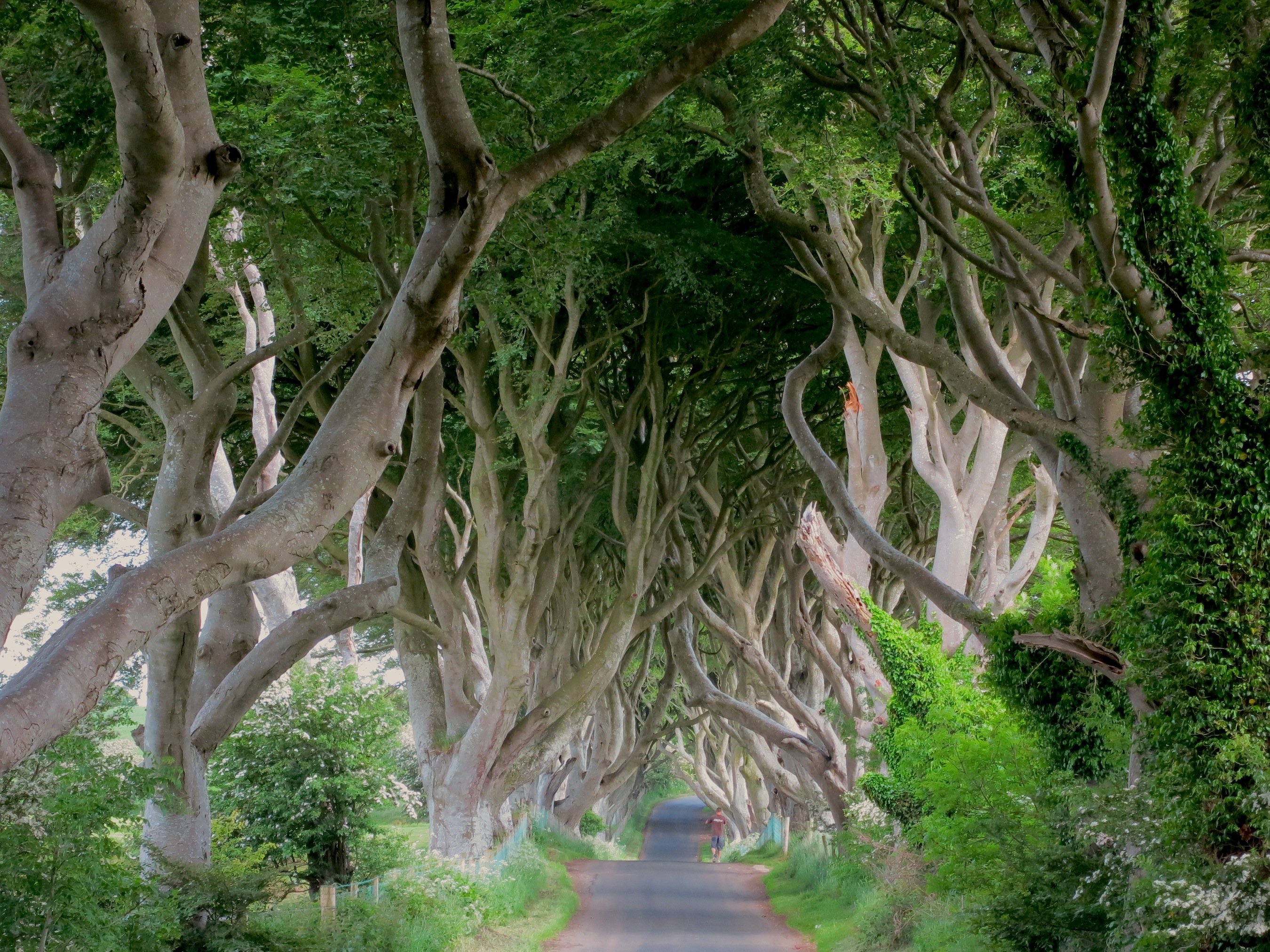
The Dark Hedges in Northern Ireland --photo by E Gibson
The Dark Hedges in Northern Ireland –photo by E Gibson

Sometimes on summer evenings I step
Out of my house to look at trees
Propping darkness up to the silence.
~Paul Zimmer from “A Final Affection”

It isn’t summer quite yet, but soon.  It does not feel like summer here in Northern Ireland although we did see some blue skies as we traveled to the northern coast to see Giant’s Causeway and castle ruins and a collection of seaside farms and villages unlike anywhere else in the world.

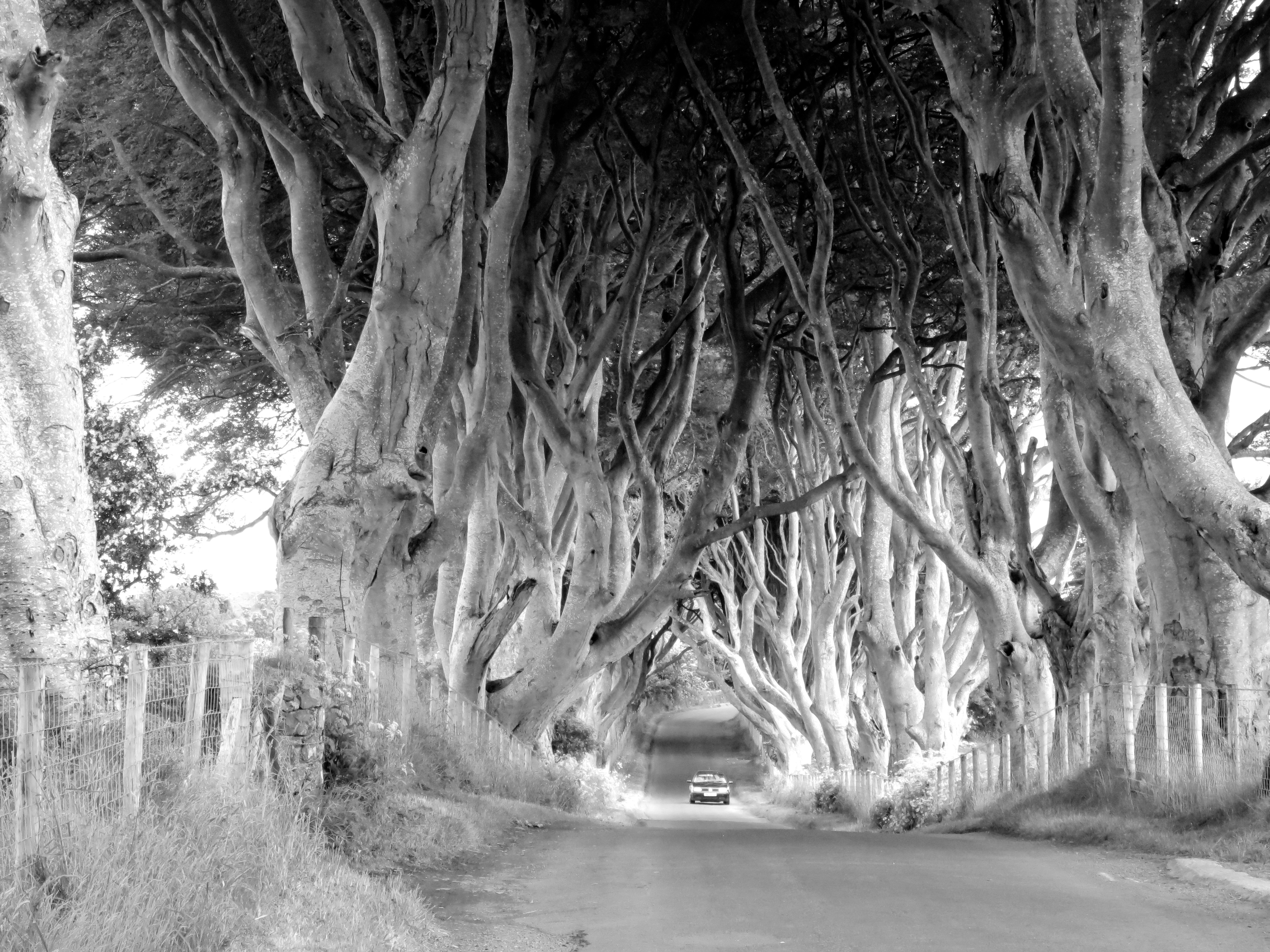
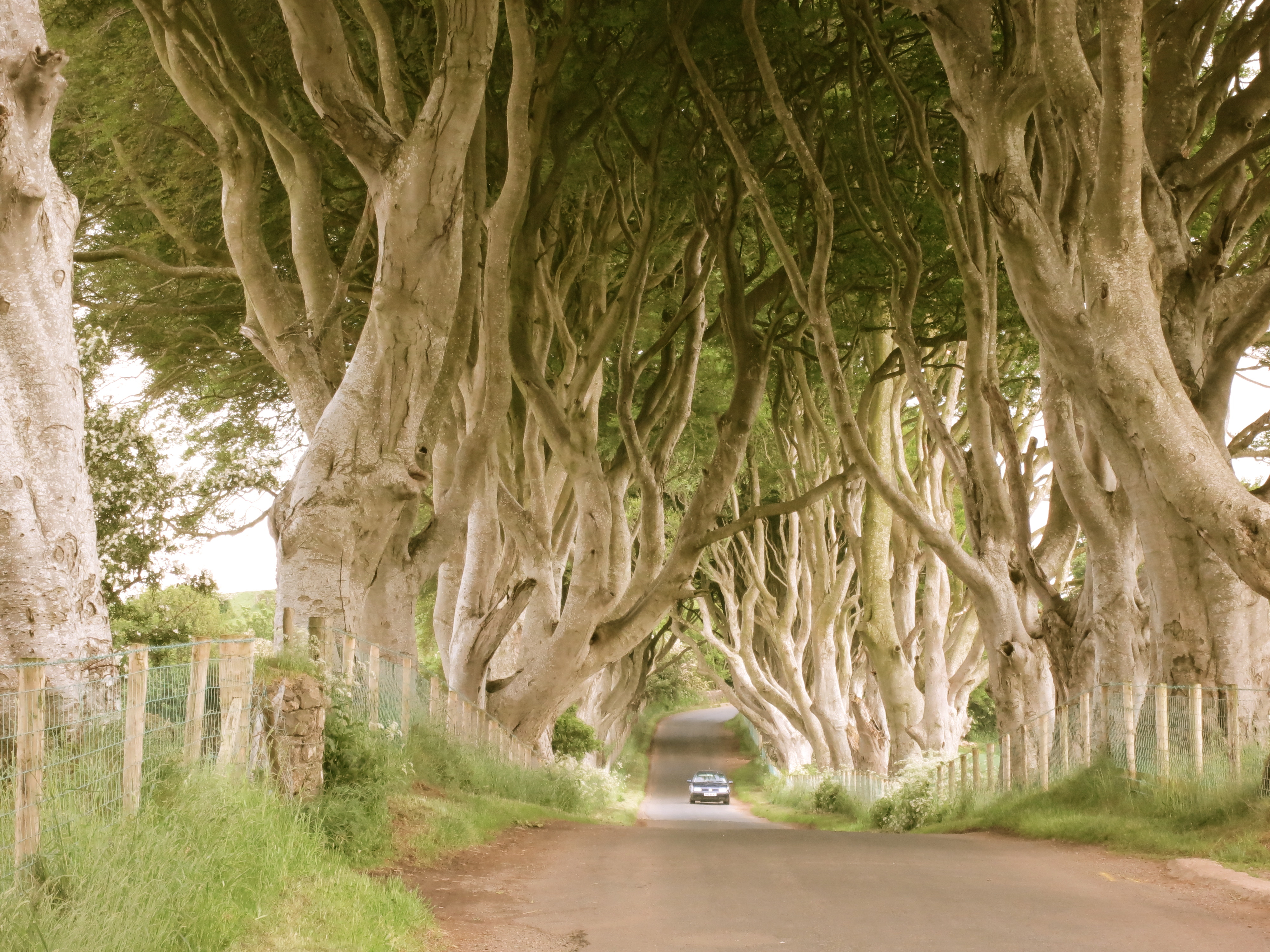
But my favorite moment was walking beneath these 300+ year old beech trees, now known as “Dark Hedges”, planted as an entry way to Grace Hill mansion, the Stuart family estate.  Even in their old age, they cling to one another overhead, reaching out to their neighbors and creating the filtered light beneath.   There is no sign pointing the way to this road –they are simply a lane in farming country that is particularly inspiring to experience.  Today a farmer was mowing hay right next to the trees, probably bemused that anyone bothers to stop and take pictures of a few old trees.

The beeches have been around long before me, and with their overarching sheltering of each other, they will be here long after.   I should be more like the twists and turns of the limbs of the beeches, reaching out, leaning in and holding on for dear life, to prop up the darkness so it can’t overwhelm.

As long as there is light, even just a little, all will be well.

The Dark Hedges --photo by E Gibson

The Dark Hedges –photo by E Gibson

Constant Friends


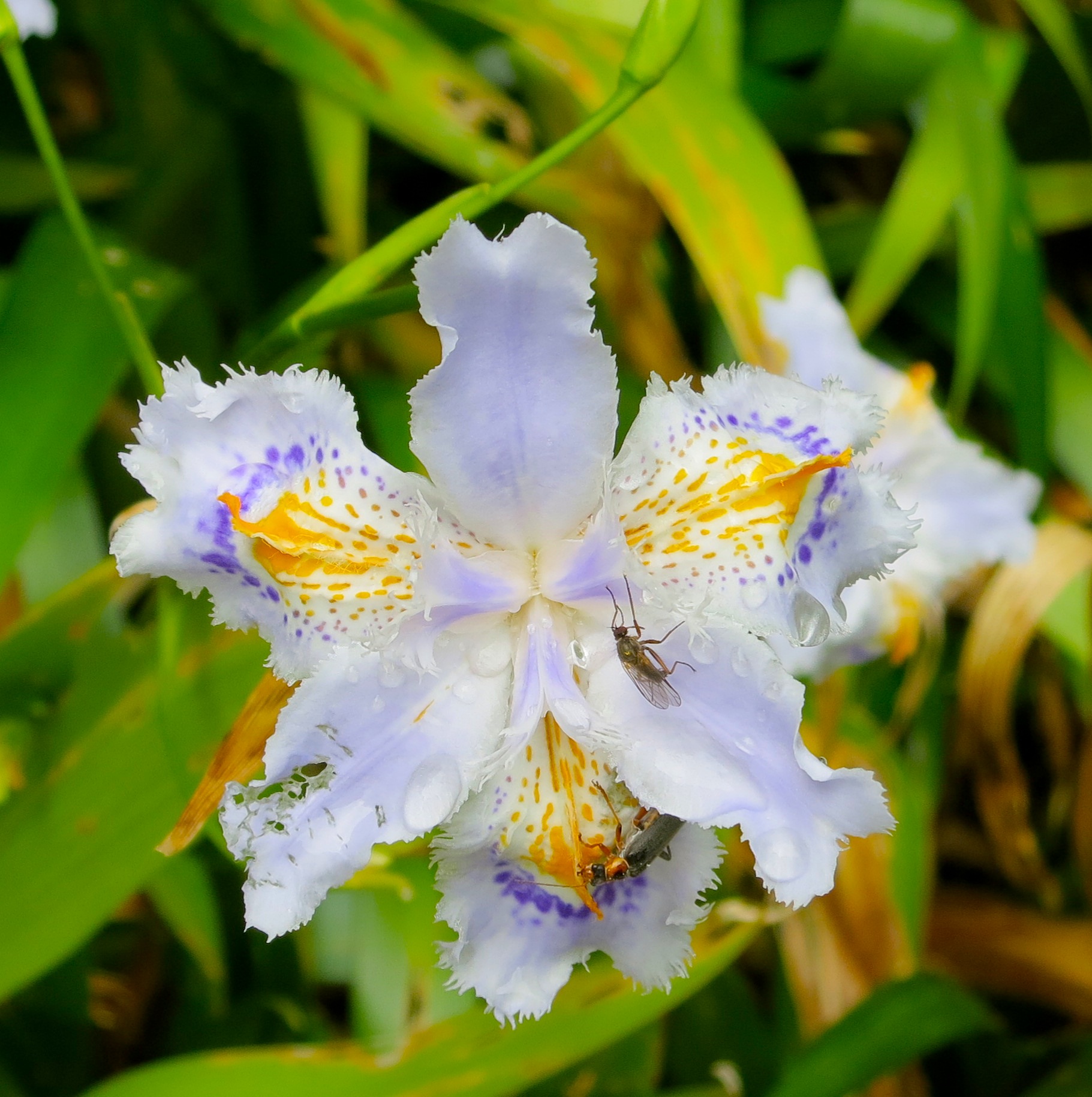
bugged

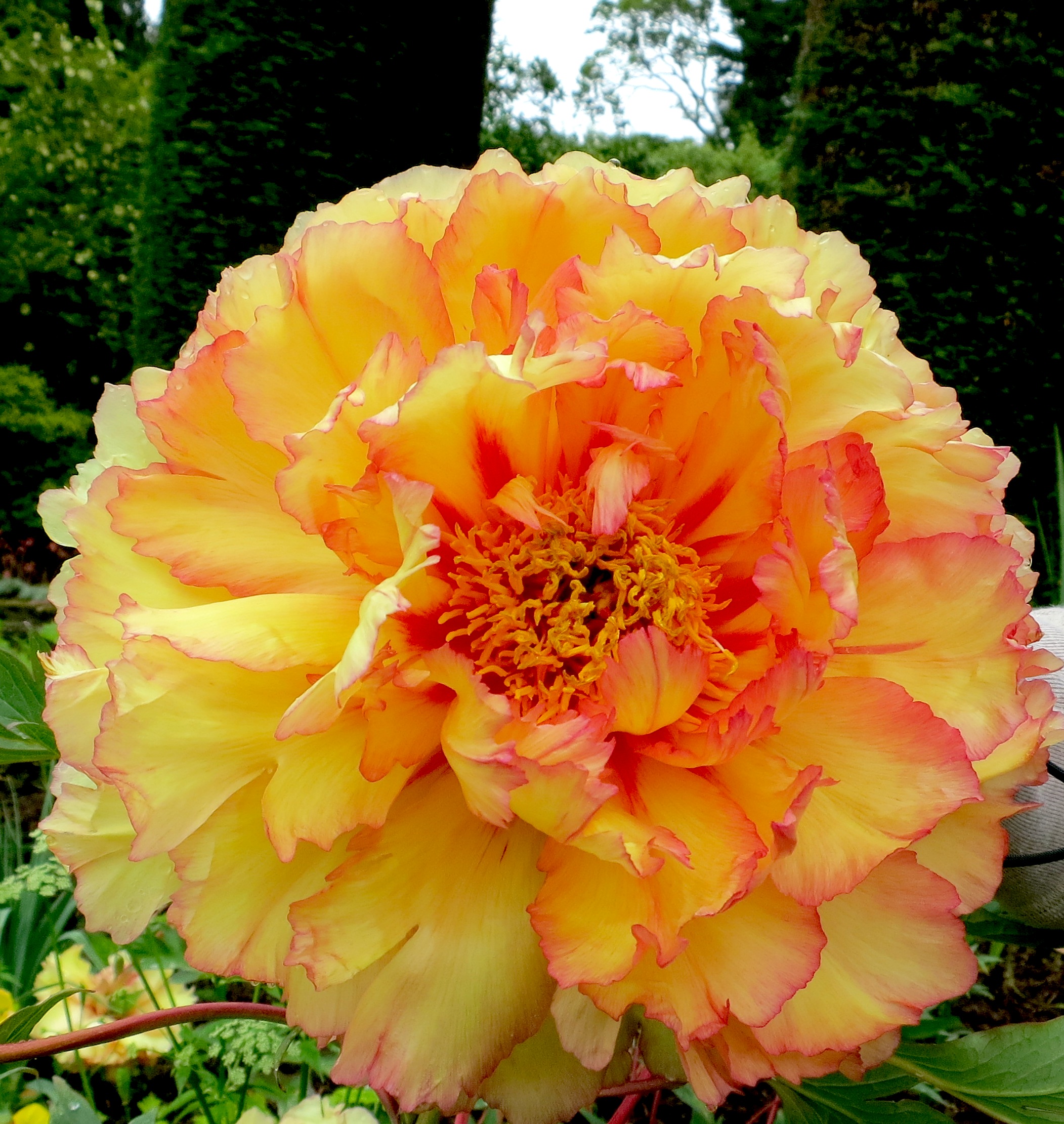
megapeony

“In joy or sadness, flowers are our constant friends.” 
~ Kozuko Okakura 

We spent a rainy afternoon touring the estate house and gardens at Mount Stewart on the eastern most peninsula in Northern Ireland while the rest of the country here was steeped in heavy security for the G8 Summit happening and President Obama’s arrival in Belfast with his family.  We decided to bypass all the politics and find something beautiful.  We succeeded.

Flowers are present for our most emotional times of life–to celebrate birth and comfort the dying, to show love and celebrate life long unions.  They are a universal language, no matter the country.  During our visit to Japan, the whole country was preparing for the annual festivals celebrating sakura, the cherry blossoms that are so beloved there.  Here in Ireland, spring is late this year, so today we got to enjoy azaleas and rhododendrons and peonies all over again, as they are completely done blooming at home.

We are thrilled to find our floral friends blooming richly here, even with the stress and troubles of the recent decades in Northern Ireland, and the current economic struggles here and elsewhere.  If the G8 Summiteers have trouble reaching any agreement, they just need to go find a garden to cultivate together.  Voltaire understood that several centuries ago;  we need to remind ourselves now that the best of friends will be constant through joy and sorrow.

pastoralpond

bluepoppy

melonazalea

Living in a Barn

moydalgan1

“A barn is a sanctuary in an unsettled world, a sheltered place where life’s true priorities are clear. When you take a step back, it’s not just about horses — its about love, life, and learning.”
~ Lauren Davis Barker, editor of “Flying Changes”

Most people who know me would say I do live in a barn, and it is true that many of my waking hours at home are spent in the barn — cleaning, feeding, storing away, mulling and just being.  But I have never actually lived in a barn, that is, until today.

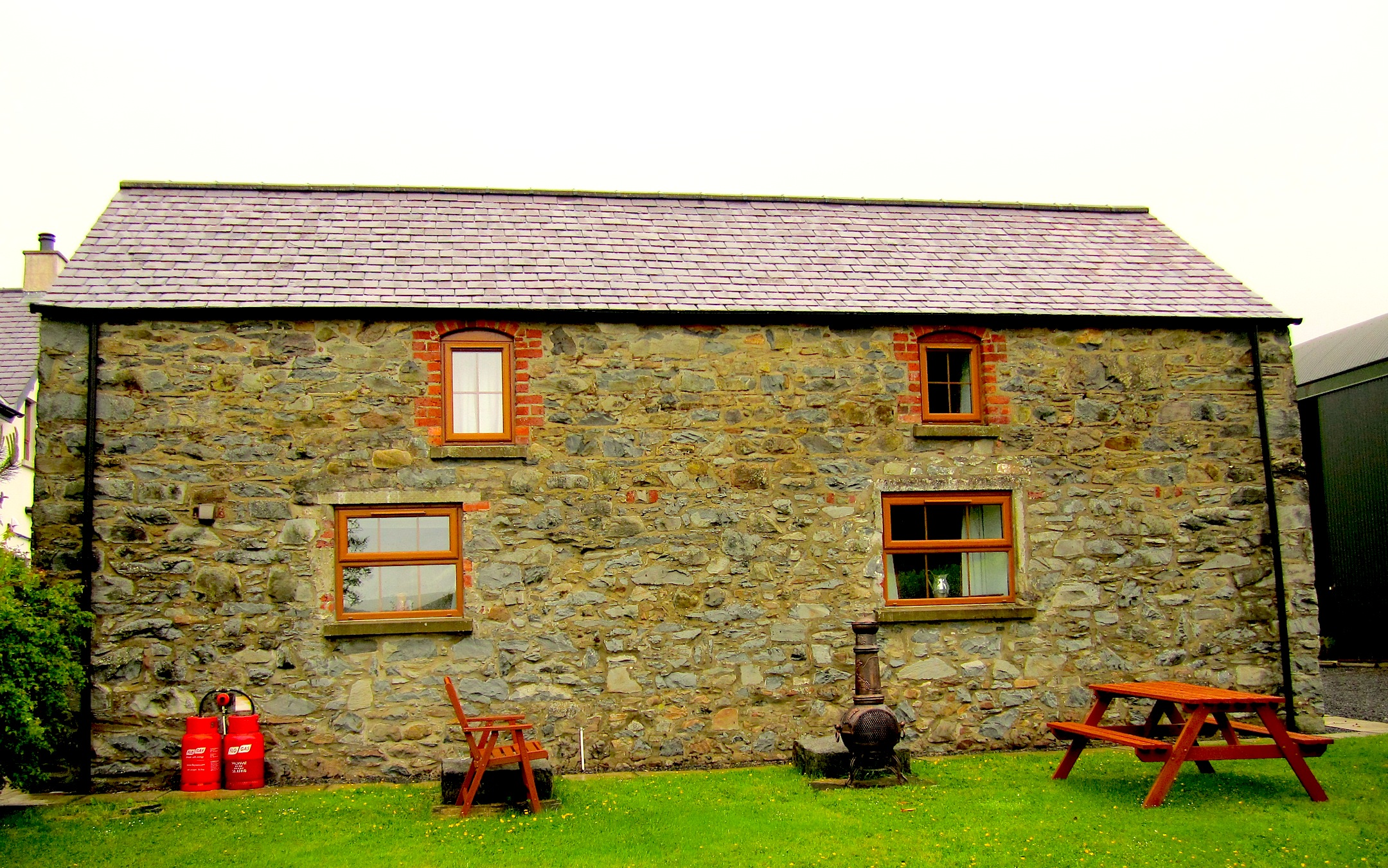
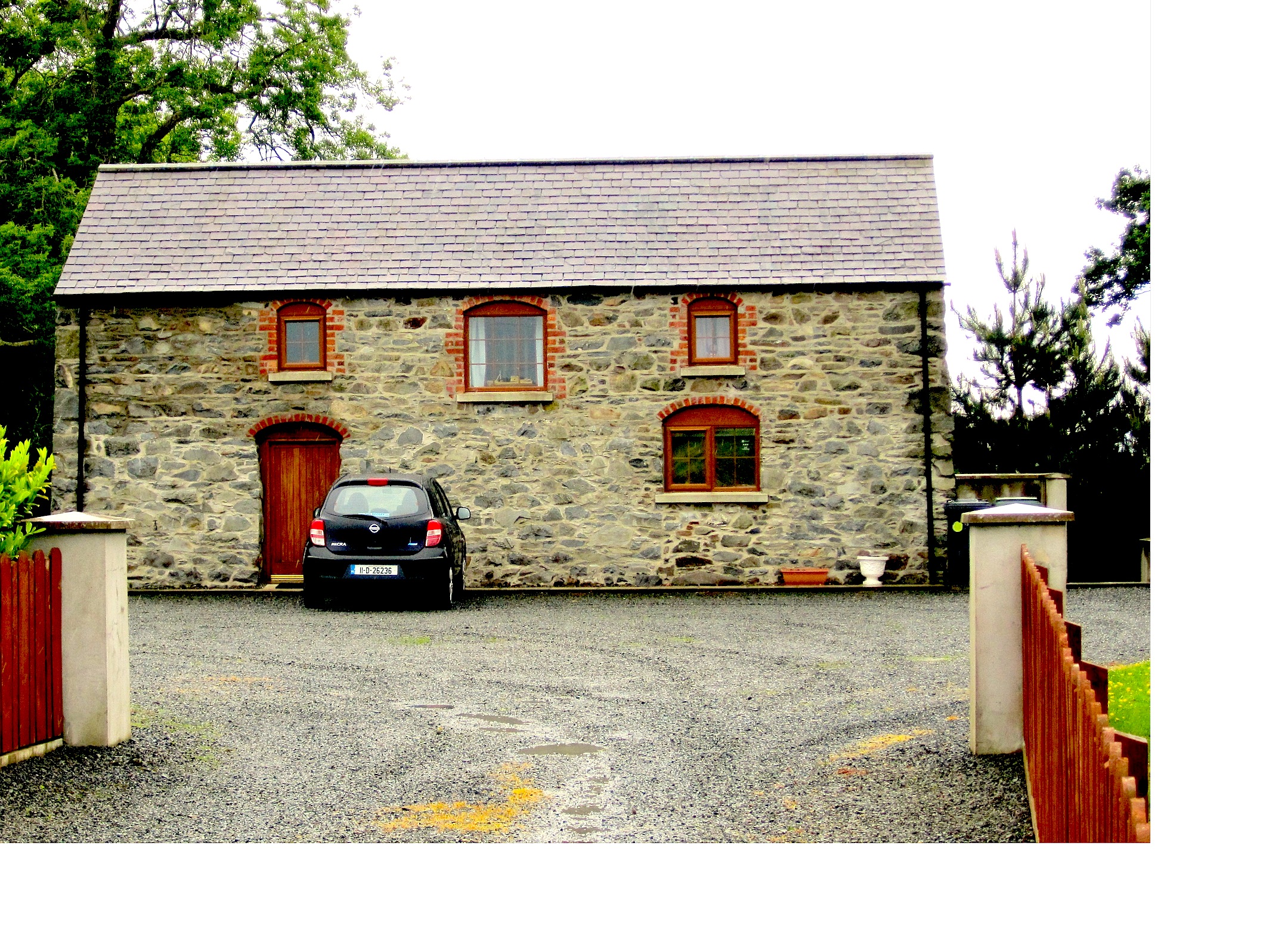
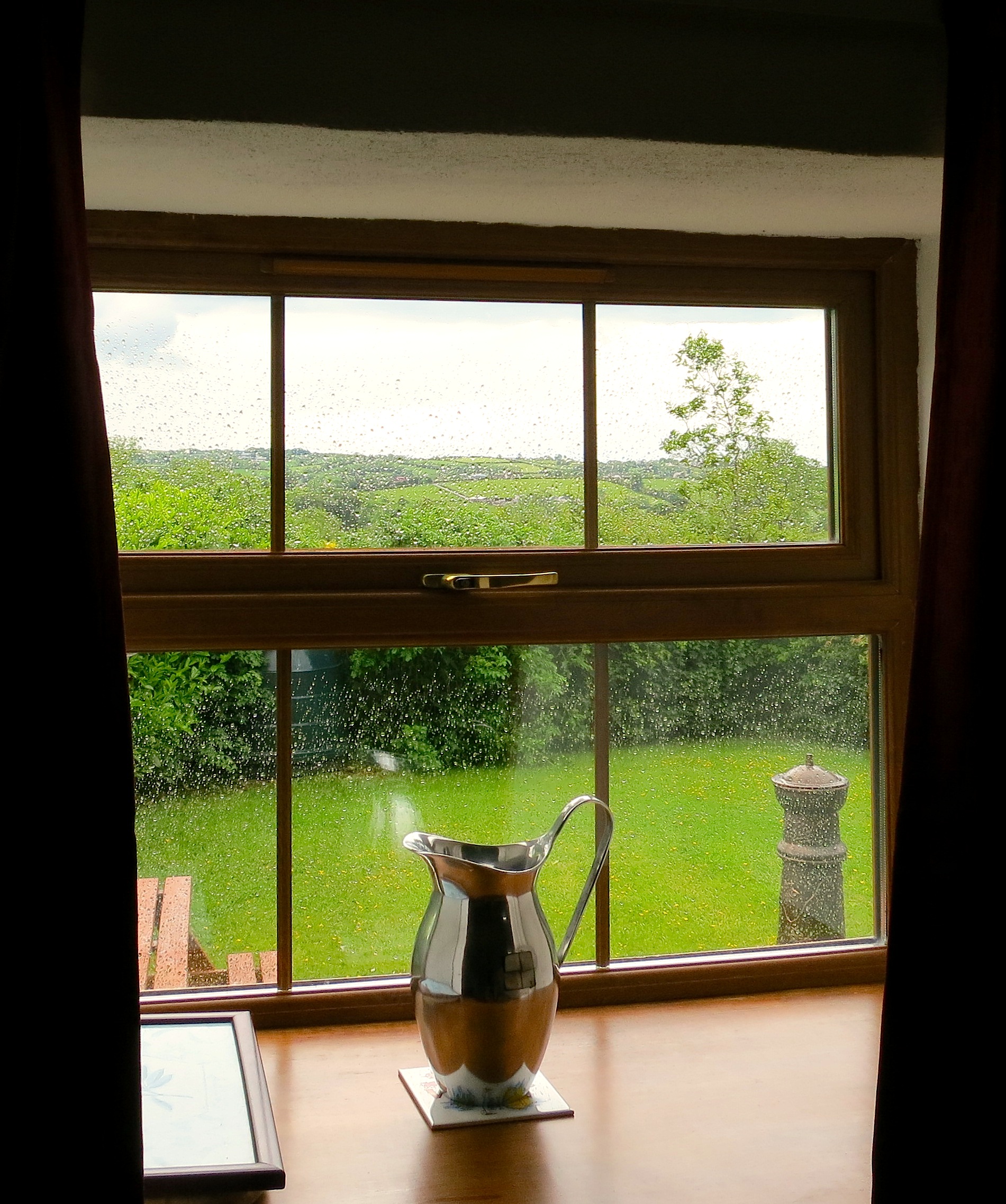
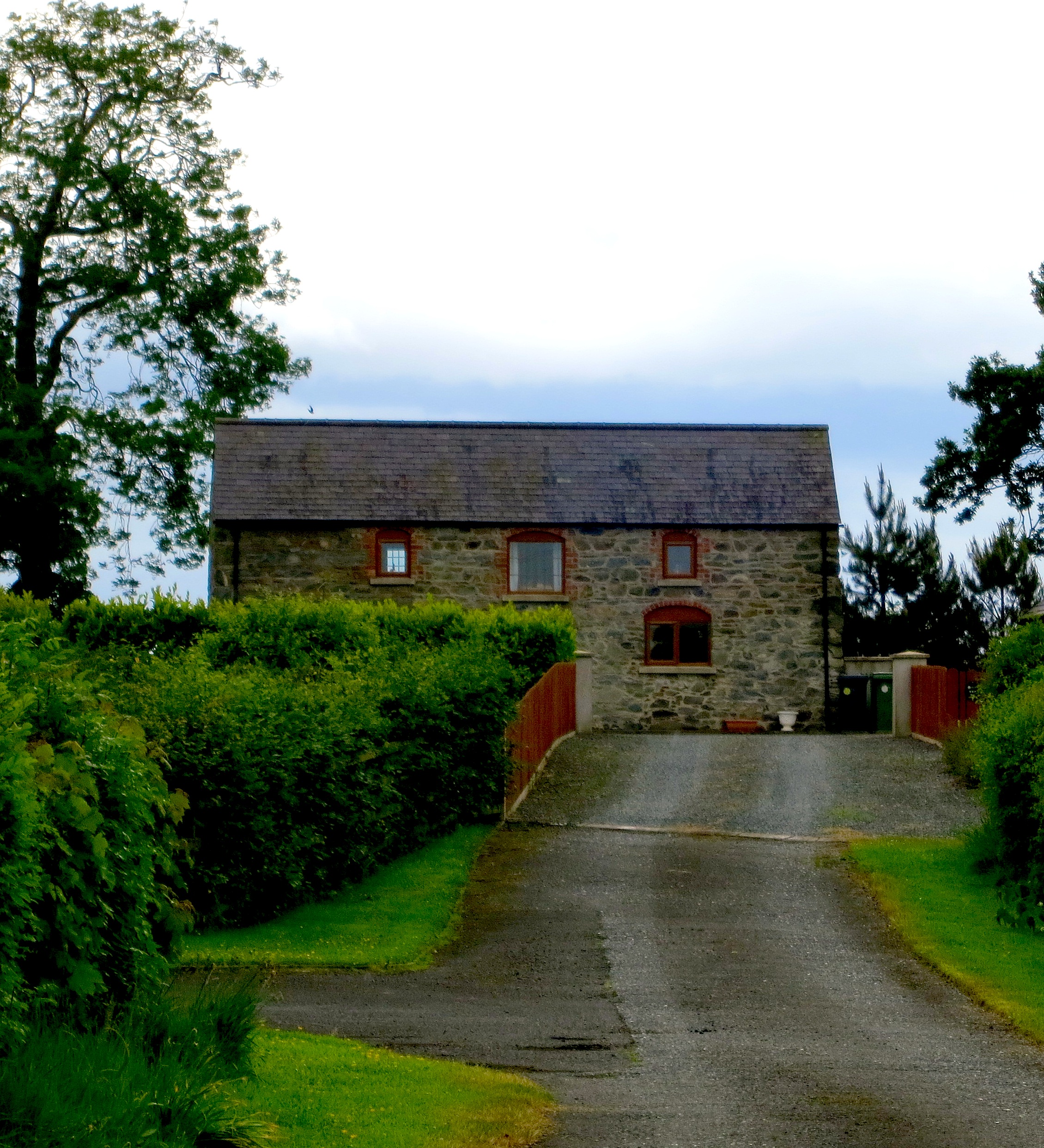
Dan and I are spending much of the next week living in a old stone barn built around 1802 in County Down in Northern Ireland, on the old Jones farm where Dan’s great great grandmother Susan Jones Macrory, was born and lived.   Now owned by Jones’ descendants Keith and Elizabeth Smith, Moydalgan Barn has been converted into a cottage that is set in the middle of some of the most beautiful farmland.    I am now sitting in the loft, in a bedroom where hay once was piled high.  Dan is overwhelmed by the emotions of staying on the farm where his Scottish-Irish ancestors were born and lived and walked.

It is the beginning of two weeks of local countryside travels that will take us to landscapes I hope to remember here.

And to remember, anything that is important, anything that means anything, started in a barn.

moydalgan2

moydalgan3

moydalgan4

Waiting…

photo by Josh Scholten

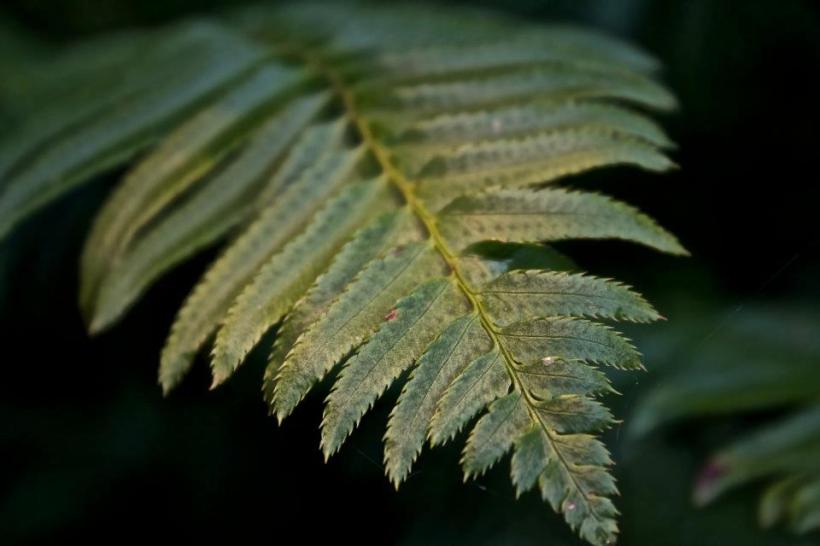
I’m waiting, like any fern in a garden,
to be rained on, or sun-drenched.

Oh, I am little, little.

What is blessing but a largeness
so immense it crowds out
everything but itself?
~Luci Shaw from “On Retreat”

We are in Ireland now, amid drizzle and bluster. It is so familiar; it is home with a brogue. Soon we’ll head to stay 5 days in an old stone barn that belonged to Dan’s great great great grandparents. I can’t imagine our own barn would be still standing in 150 years, much less habitable.

We, so little, so very little, drenched with the history, waiting for the blessings of finding family soil.

photo by Josh Scholten