The Cape Beale Heroine

a-t612-14img

a-t612-15img


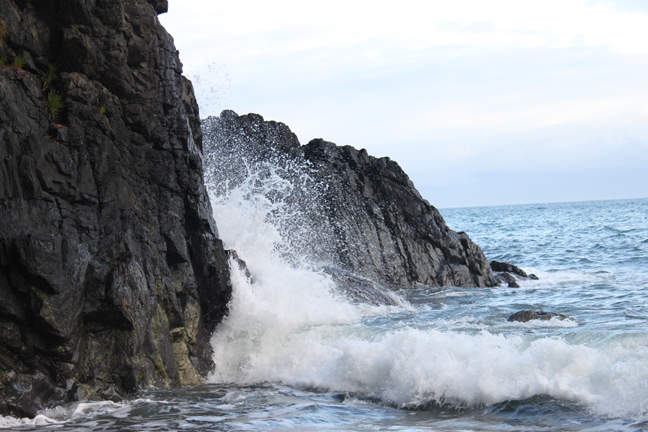
Minnie Paterson rocked slowly in her rocking chair, nursing her infant son. She sat near the south window of the lighthouse living quarters, and studied the rain streaming down in rivulets.Wind gusts rattled the window. A lighthouse keeper’s home was constantly buffeted by wind, but this early winter storm picked up urgency throughout the night.Now with first light, Minnie looked out at driving rain blowing sideways, barely able to make out the rugged rocks below.The Pacific Ocean was anything but; the mist hung gray, melding horizon into sea, with flashes of white foam in crashing waves against the rocky cliffs of Cape Beale.

Whenever storms came, it seemed the Paterson family lived at the edge of civilization. Yet these storms were the reason she and Tom and their five children lived on the rugged west coast of Vancouver Island, in isolation at the southern edge of Barkley Sound. Tom’s job was to keep the foghorn blaring and the light glowing above the treacherous rocks, to guide sea vessels away from certain peril. The storms sometimes were too powerful even with the lighthouse as a beacon of warning. In January 1906, the ship Valencia had wrecked off the coast and only a few survivors had managed to make their way to shore, staggering up the rocky trail to the lighthouse where she warmed them by the stove and fed them until rescuers could come.

Eleven months later, Minnie was setting about getting breakfast ready when her husband came down the stairs in a rush from the upper room where he tended the light.

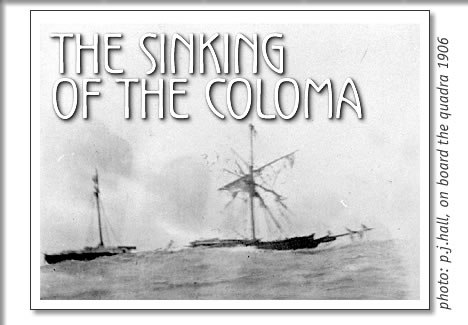
“Mother, it’s a ship! I just now see it. It is battered by the waves, its sails in tatters! I can see a man waving a distress signal from the deck. It will surely run aground against the rocks—I must telegraph the village to send out rescuers.”

Minnie went to the window again but could see nothing in the mist. Surely this could not be another Valencia disaster! Tom went to the telegraph in the corner of the room and tapped out the urgent message to the fishing village of Bamfield, five miles away inside Barkley Sound. He sat impatiently waiting for a reply, drumming his fingers on the desk. After ten minutes, he sent the message again with no response.

“The lines are down. I’m certain of it. The fallen trees pull them down in this wind. We’ll be unable to summon the rescuers. This ship is doomed, just like the Valencia. There is no way we can reach them in this weather and they can’t come ashore here in lifeboats. They’ll crash on the rocks…”

Seeing the helplessness Tom felt, Minnie knew immediately what she must do.He could not leave his post—it was a condition of his job.She would have to run the six miles for help, through the forest.She kissed Tom and the children goodbye, donned a cap and sweater, and as her feet did not fit in her boots, she put on her husband’s slippers. She ran down the long stairway down the hill taking their dog as a precaution to help warn her of bears on the trails.

Minnie first had to cross through a tideland inlet with water waist deep. She quickly stripped from the waist down, held her pants and slippers over her head and crossed through the icy water, her dog swimming alongside. Shivering on the other side, she quickly dressed, and started down the narrow winding forest trail, scrambling over large fallen trees blocking the way. She waded through deep mud, and crossed rocky beaches where wild waves drenched her. At times the tide was so high she crawled on her hands and knees through underbrush so as not to be swept away by the storm.

After four hours, she reached a home along the trail and with a friend, launched a rowboat to go on to Bamfield. The two women notified the anchored ship Quadra, which set out immediately for Cape Beale. Within an hour, the Quadra had reached the Coloma which was taking on water fast, and drifting close to the rocks on shore.

Minnie walked the long way back home that night, clothing tattered, muscles cramping, exhausted and chilled. Her breasts overflowing, she gratefully fed her baby, unaware for days that her efforts rescued the crew of the Coloma. Tragically, her health compromised, she died in 1911 of tuberculosis,  forever a heroine to remember.

4454
Minnie Paterson

Source material: Bruce Scott’s Barkley Sound and Lighthouse Digest

This is a story Dan and I were told while staying in Bamfield on our honeymoon over thirty years ago. On a bright September day we walked the trail to the Cape Beale lighthouse, a most challenging and beautiful part of the world. The trail was so difficult, I was sure I was not going to make it to the lighthouse and back, so how Minnie managed in a December storm, in the dark, is beyond imagining. Her bravery captured me and I honor her sacrifice with this rendering of her story. EPG

Miss P’s Vision

Foundations of the 12 foot diameter WWII radio defense tower

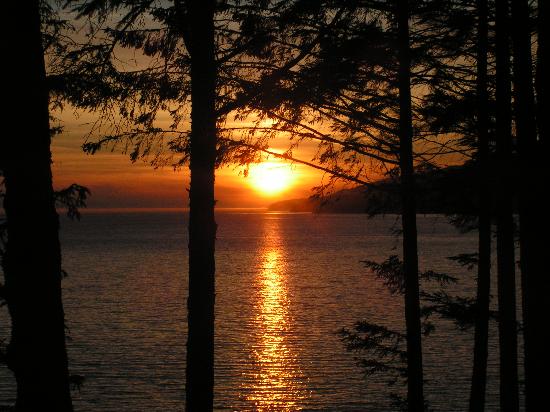
When Evelyn Packham,  a well-traveled WWII era Registered Nurse working at Vancouver General Hospital in Vancouver, British Columbia, made a decision to retire, it was not with the intent to rest.  In 1952, she invested in a long stretch of clear cut coastal land and rocky beach on the remote West Coast Road, about 40 miles west of Victoria on Vancouver Island.  There she set up housekeeping with a couple dozen Burmese cats in an abandoned 12 foot diameter radio defense tower that stood near the rocky point of “Point No Point.”   It must have been a lonely life, as lonely as you can be in such a small space with that many cats.   The winter storms can be blustering and brutal, and the summer sunsets bright orange, painting a brilliant pathway on the waters of Juan de Fuca straight to her small spiral staircase leading to her compact living quarters.

photo by Nate Gibson

“Miss P” was apparently not one to dwell on loneliness.  As a gourmand with expertise from her many travels, she set to work having a tea house built inland on her property next to the coastal highway, perched high above the beach with expansive views to the south and west, so she could start cooking lunches and fixing afternoon teas for travelers spending a day or two visiting secluded beaches of the west coast of Vancouver Island.    There they could sit with binoculars in a sunroom with more windows than solid wall, gazing out at the passing orcas and gray whales as they swam by the Point.

She soon had a dedicated following of visitors and began building cabins for people to be able to stay at the Point, wander meandering pathways through the regrowth forest, and spend time on the beaches of the point.  She moved to a cabin herself, and the observation tower was pulled down, leaving only the octagonal foundation to remain covered with weeds.

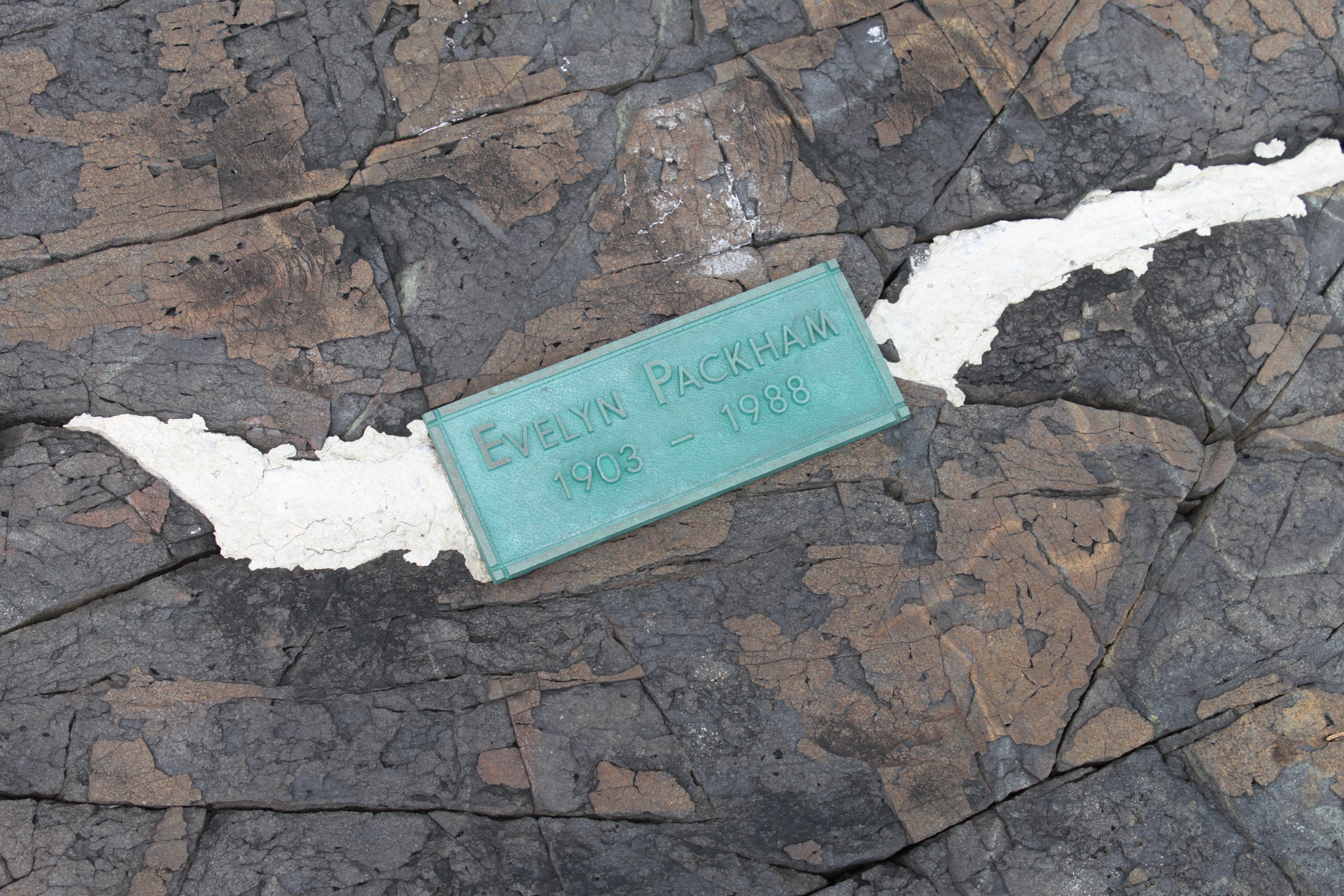
We met Miss P in 1981 when we stayed at Point No Point for our honeymoon.  She was as formidable as the stories about her predicted, but determined that every visitor receive her personal greeting.   She sold Point No Point to a couple who lived near by who had worked for her over the years, and she remained in her cabin until her death in 1988.  Her ashes were spread out on the rocks of her beloved Point that she preserved with such determination and dedication.

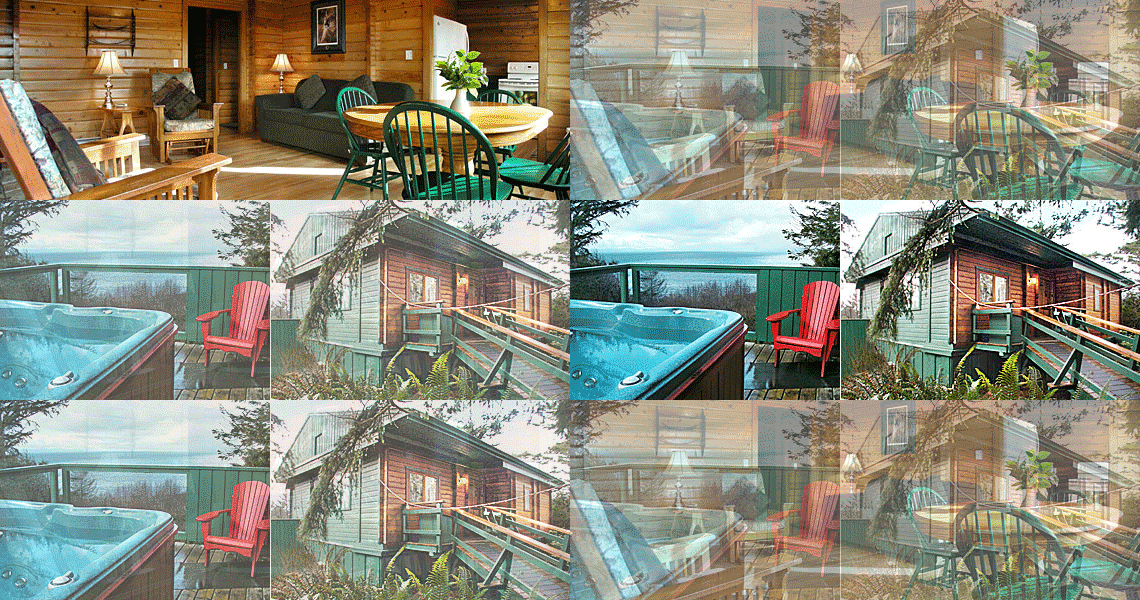
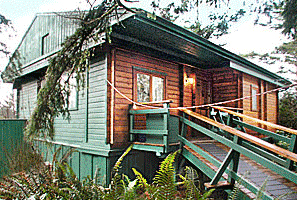
Miss P's cabin
Miss P's cabin

Now when we go to Point No Point with our family, we ask to stay in Miss P’s cabin.  Even though it has been remodeled since her death, I can imagine her presence around each corner and out on the deck.    The bird song of the thrush and the call of the ravens have not changed from the day sixty years ago she arrived at the Point, and the waves crashing against the rocks of the beach are just as steady and unrelenting in their eternal rhythm.

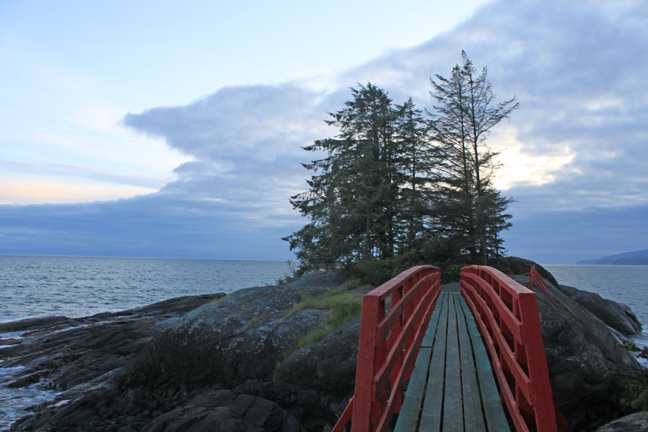
The footbridge to the Point

Miss P bought a place that generations will continue to appreciate and enjoy, thanks to her foresight into the future from a little 12 foot diameter observation tower that had been built for defense purposes so many years ago.

Bless that vision.

Miss P's plaque on the Point far out on the rocks

Enjoy the Point No Point website at www.pointnopointresort.com

Lenten Meditation: Perseverance produces character

Romans 5: 3b-4

We know that suffering produces perseverance; perseverance, character;

When I first wrote this story and published it on my blog, I heard from members of Minnie’s family and learned that her youngest daughter was still living, now over 100 years old.  It was a joy to receive copies of newspaper articles from the time of the Coloma shipwreck, outlining Minnie’s brave trek to notify rescuers.  I hope to expand this story in the future, now that I have more information about the character of this remarkable woman, wife and mother.  EPG

Minnie Paterson rocked, nursing her infant son. She sat near the south window of the lighthouse living quarters, and studied the rain streaming down in rivulets. Wind gusts rattled the window. A lighthouse keeper’s home was constantly buffeted by wind, but this early winter storm picked up urgency throughout the night. Now with first light, Minnie looked out at driving rain blowing sideways, barely able to make out the rugged rocks below. The Pacific Ocean was anything but; the mist hung gray, melding horizon into sea, with flashes of white foam in crashing waves against the rocky cliffs of Cape Beale.

Whenever storms came, it seemed the Paterson family lived at the edge of civilization. Yet these storms were the reason she and Tom and their five children lived on the rugged west coast of Vancouver Island, in isolation at the southern edge of Barkley Sound. Tom’s job was to keep the foghorn blaring and the light glowing above the treacherous rocks, to guide sea vessels away from certain peril. The storms sometimes were too powerful even with the lighthouse as a beacon of warning. In January 1906, the ship Valencia had wrecked off the coast and only a few survivors had managed to make their way to shore, staggering up the rocky trail to the lighthouse where she warmed them by the stove and fed them until rescuers could come.

Eleven months later, Minnie was setting about getting breakfast ready when her husband came down the stairs in a rush from the upper room where he tended the light.

“Mother, it’s a ship! I just now see it. It is battered by the waves, its sails in tatters! I can see a man waving a distress signal from the deck. It will surely run aground against the rocks—I must telegraph the village to send out rescuers.”

Minnie went to the window again but could see nothing in the mist. Surely this could not be another Valencia disaster! Tom went to the telegraph in the corner of the room and tapped out the urgent message to the fishing village of Bamfield, five miles away inside Barkley Sound. He sat impatiently waiting for a reply, drumming his fingers on the desk. After ten minutes, he sent the message again with no response.

“The lines are down. I’m certain of it. The fallen trees pull them down in this wind. We’ll be unable to summon the rescuers. This ship is doomed, just like the Valencia. There is no way we can reach them in this weather and they can’t come ashore here in lifeboats. They’ll crash on the rocks…”

Seeing the helplessness Tom felt, Minnie knew immediately what she must do. He could not leave his post—it was a condition of his job. She would have to run the five miles for help, through the forest. She kissed Tom and the children goodbye, donned a cap and sweater, and as her feet did not fit in her boots, she put on her husband’s slippers. She ran down the long stairway down the hill taking their dog as a precaution to help warn her of bears on the trails.

Minnie first had to cross through a tideland inlet with water waist deep. She quickly stripped from the waist down, held her pants and slippers over her head and crossed through the icy water, her dog swimming alongside. Shivering on the other side, she quickly dressed, and started down the narrow winding forest trail, scrambling over large fallen trees blocking the way. She waded through deep mud, and crossed rocky beaches where wild waves drenched her. At times the tide was so high she crawled on her hands and knees through underbrush so as not to be swept away by the storm.

After four hours, she reached a home along the trail and with a friend, launched a rowboat to go on to Bamfield. The two women notified the anchored ship Quadra, which set out immediately for Cape Beale. Within an hour, the Quadra had reached the Coloma which was taking on water fast, and drifting close to the rocks on shore.

Minnie walked the long way back home that night, clothing tattered, muscles cramping, exhausted and chilled. Her breasts overflowing, she gratefully fed her baby, unaware for days that her efforts rescued the crew of the Coloma. Tragically, her health compromised, she died in 1911 of tuberculosis, forever a heroine to remember.

Source material: Bruce Scott’s Barkley Sound and oral history from Bamfield residents
Author’s note:
I wrote this for a writing challenge on the theme of “Canada”. This is a story Dan and I were told while staying in Bamfield on our honeymoon, and on a bright September day we walked the trail to the Cape Beale lighthouse, a most challenging and beautiful part of the world. The trail was so difficult, I was sure I was not going to make it, so how Minnie persevered in a December storm, in the dark, is beyond imagining. Her bravery captured me and I honor her sacrifice with this rendering of her story. EPG