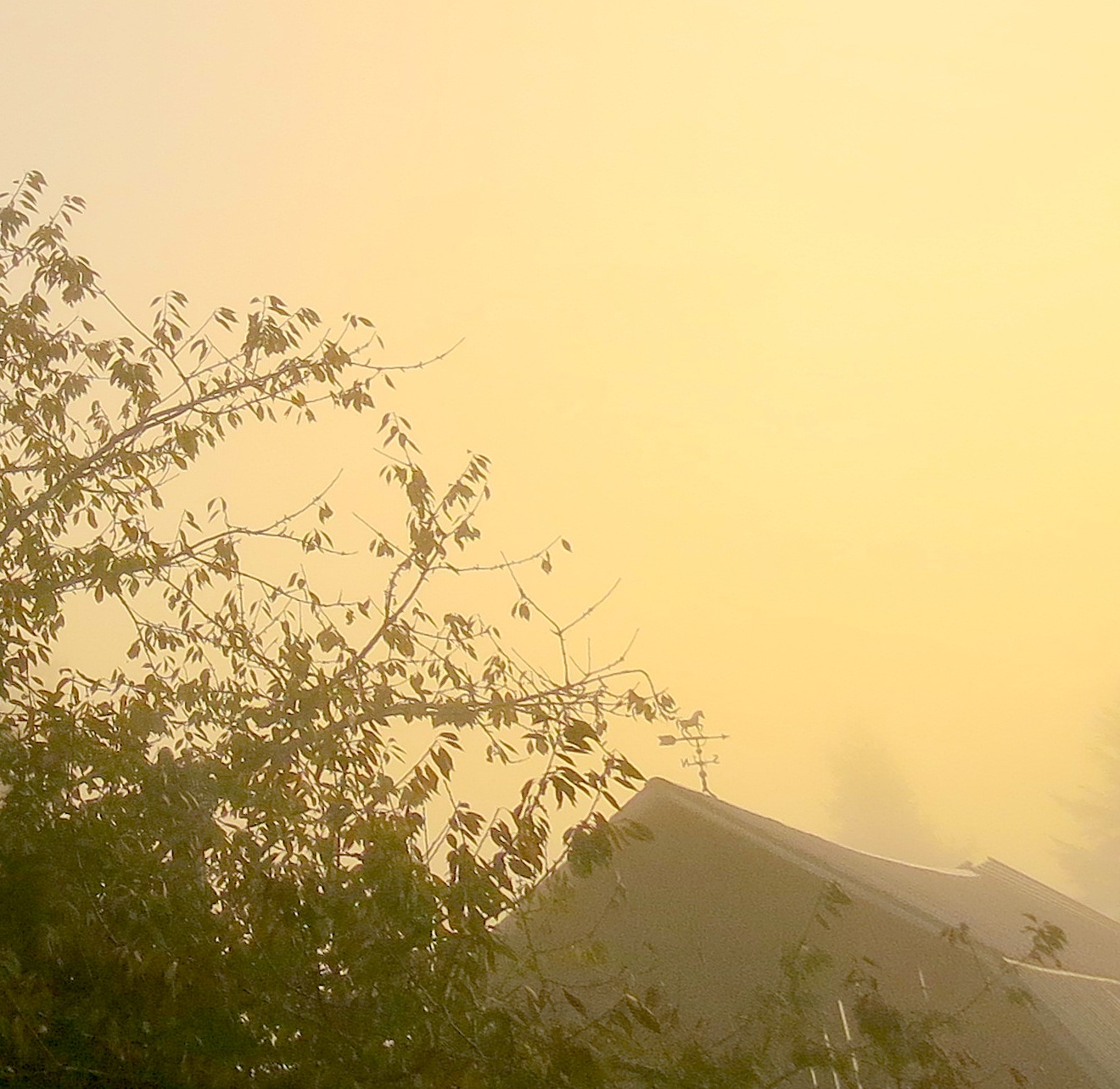
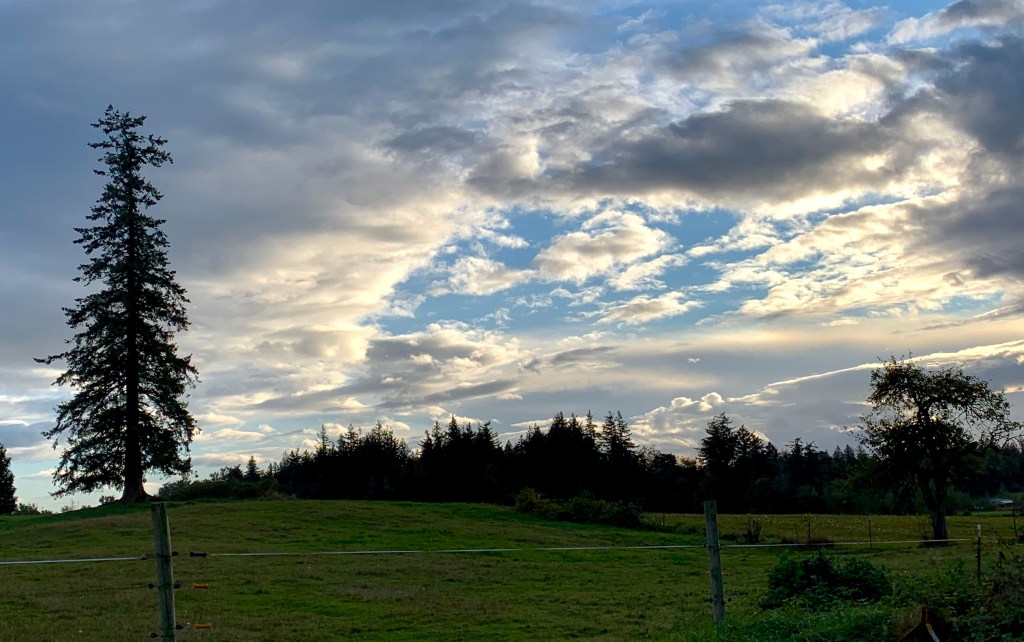
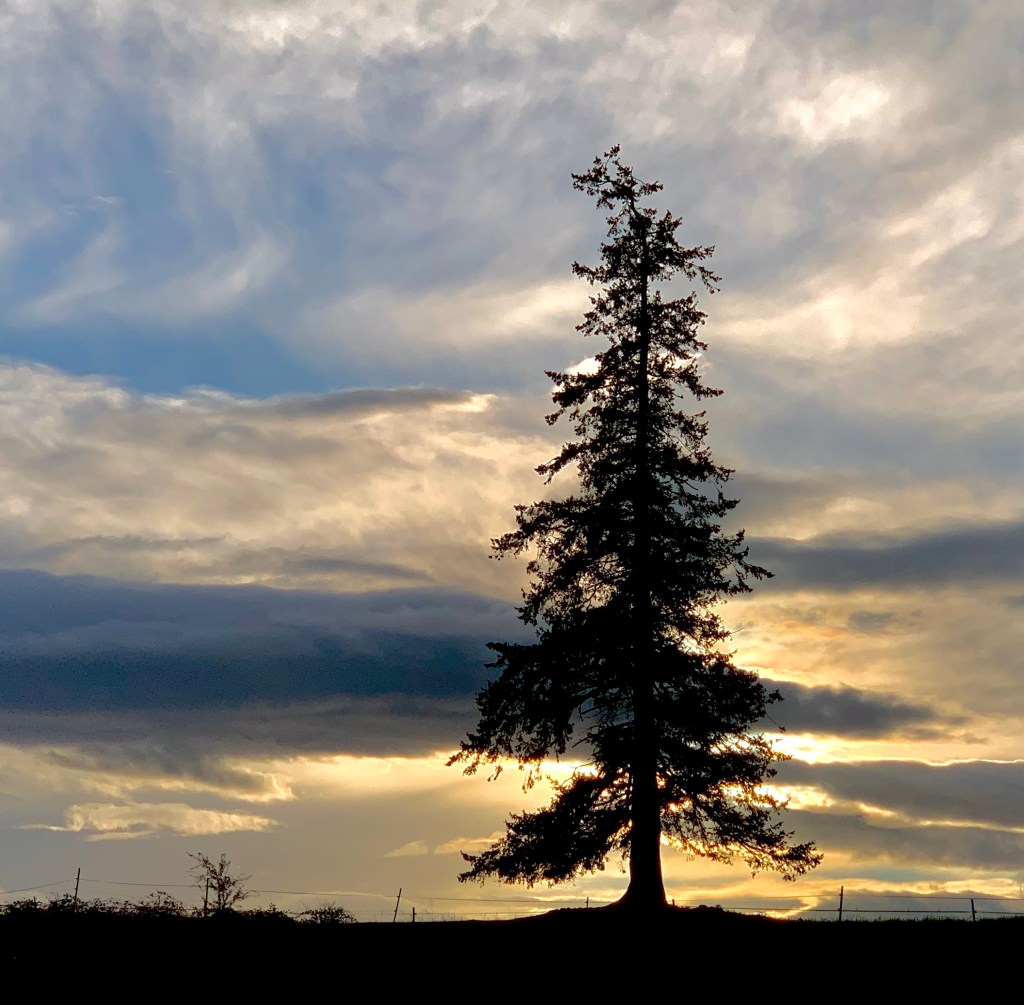
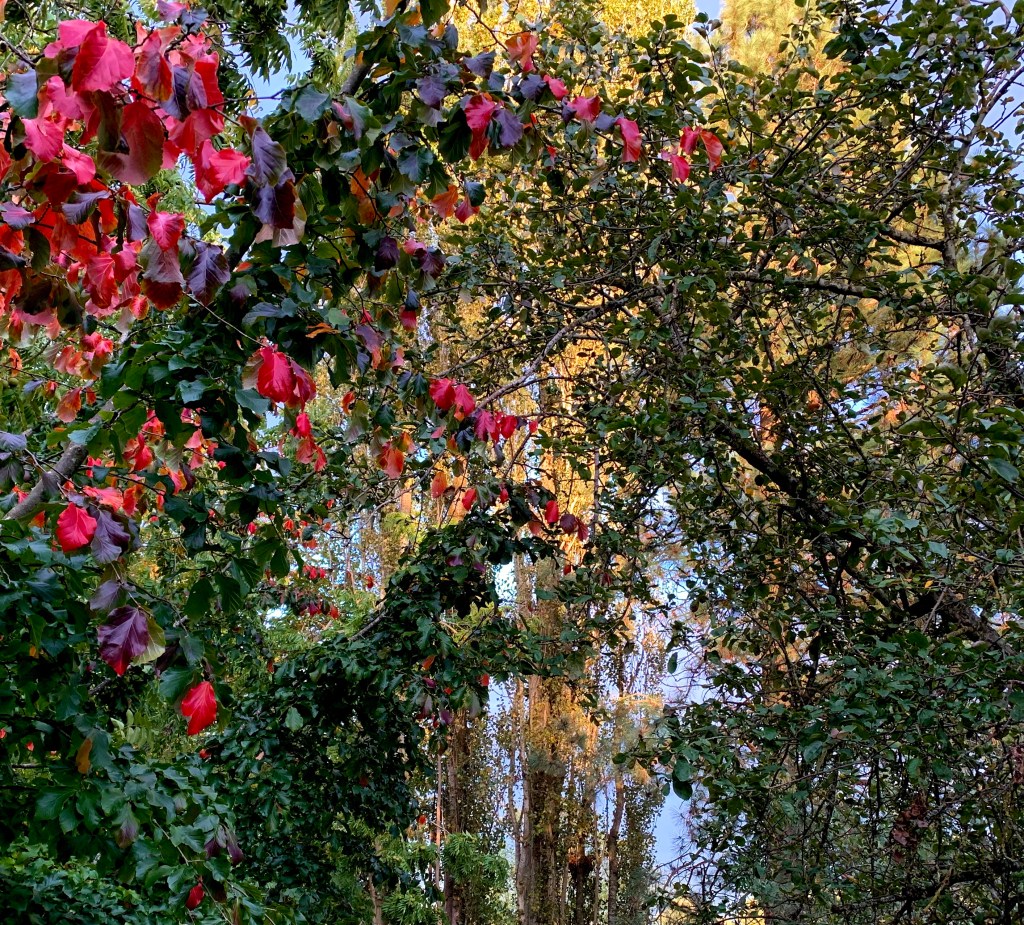
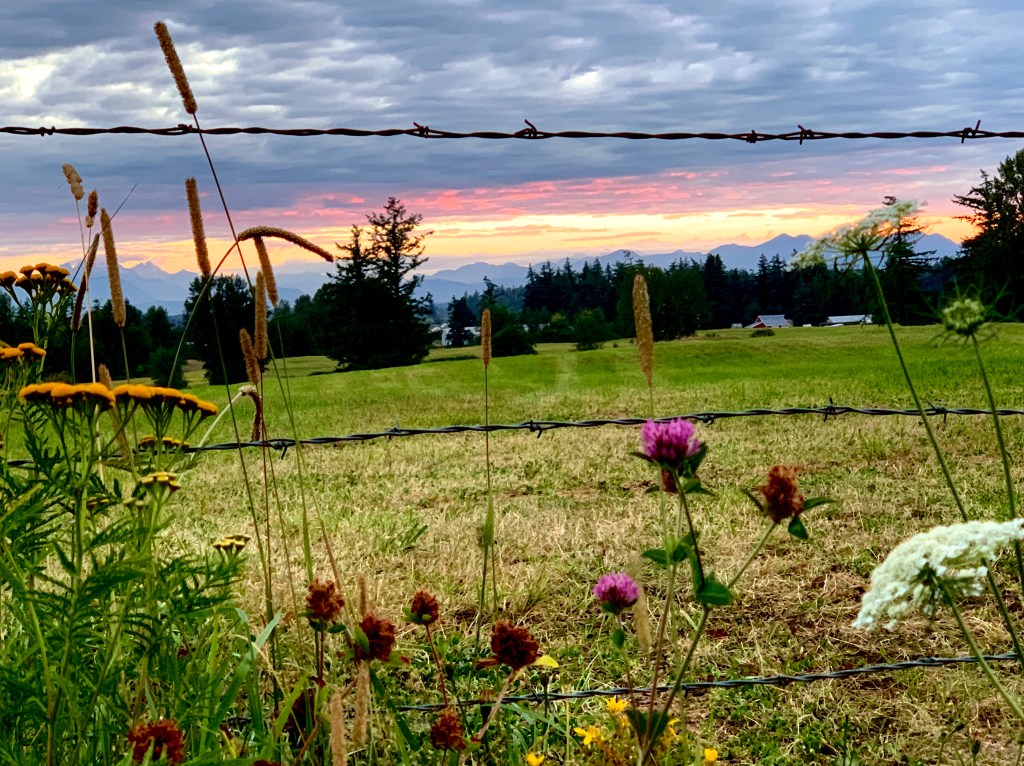
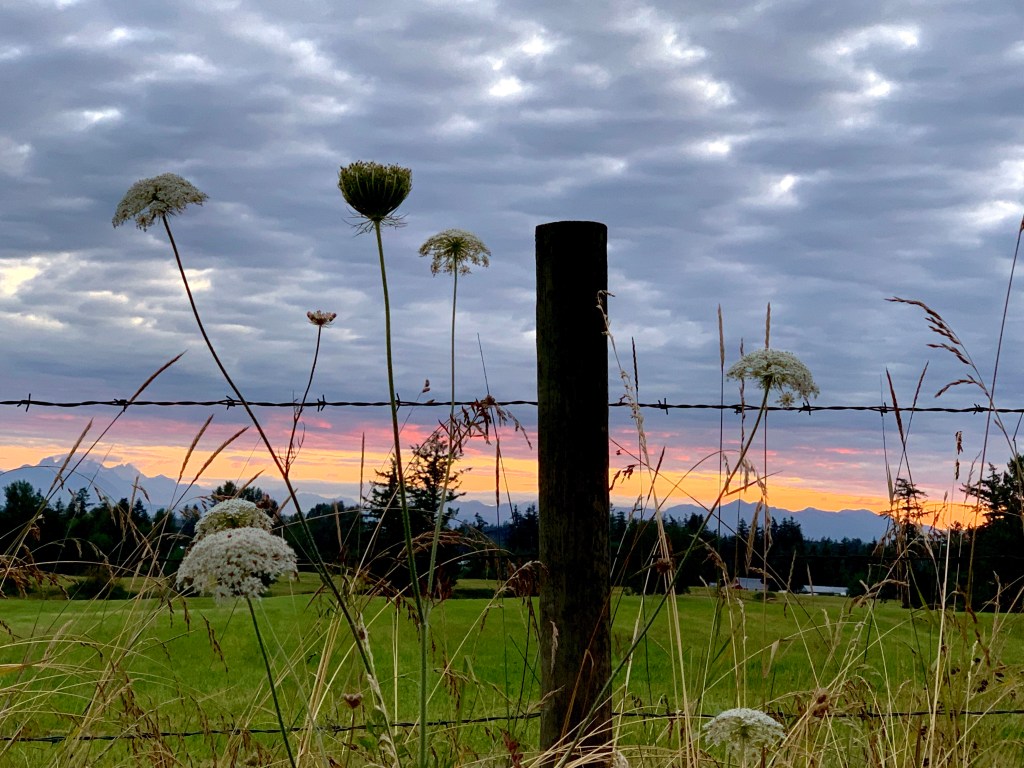
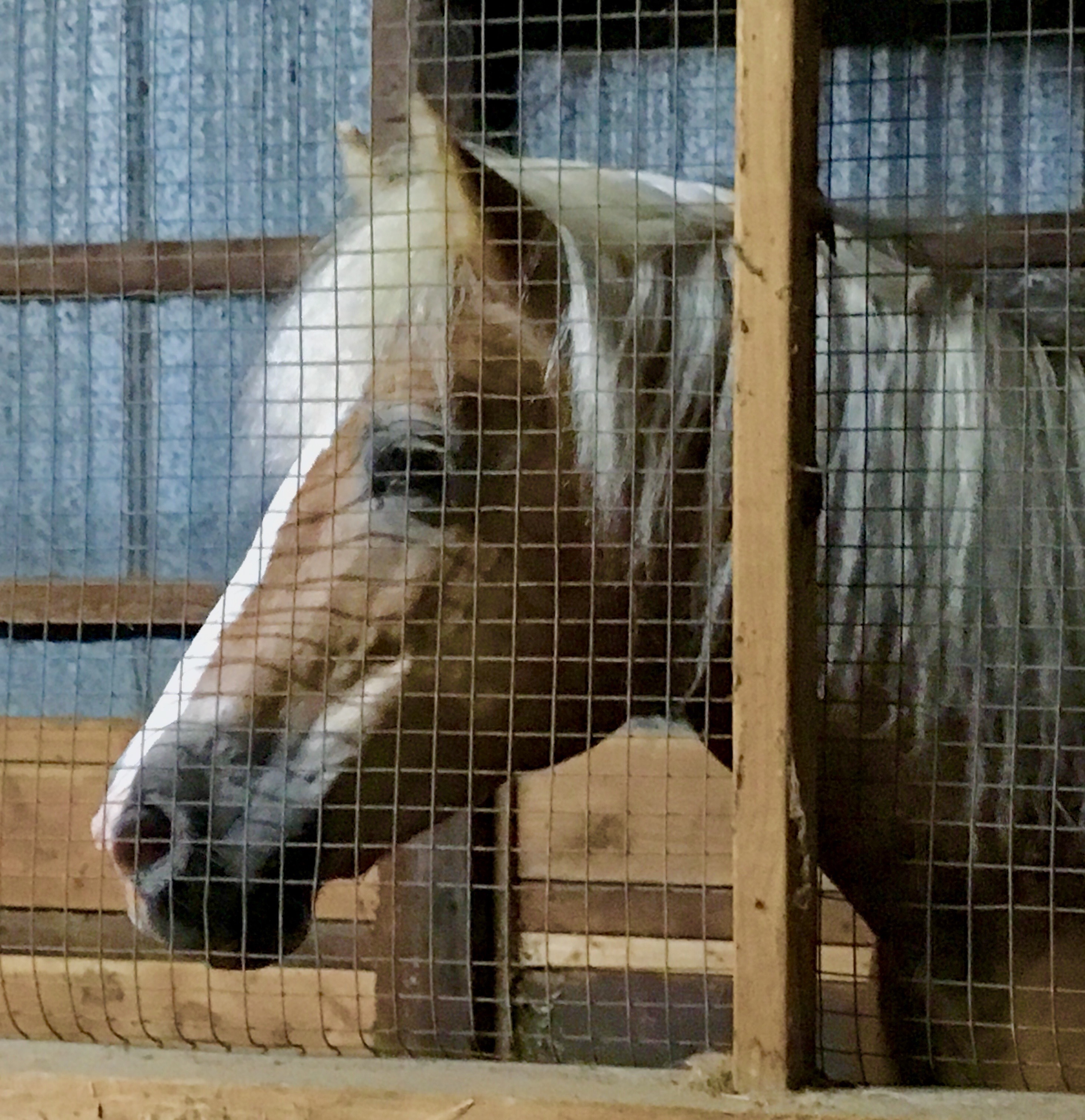
Some Missing One

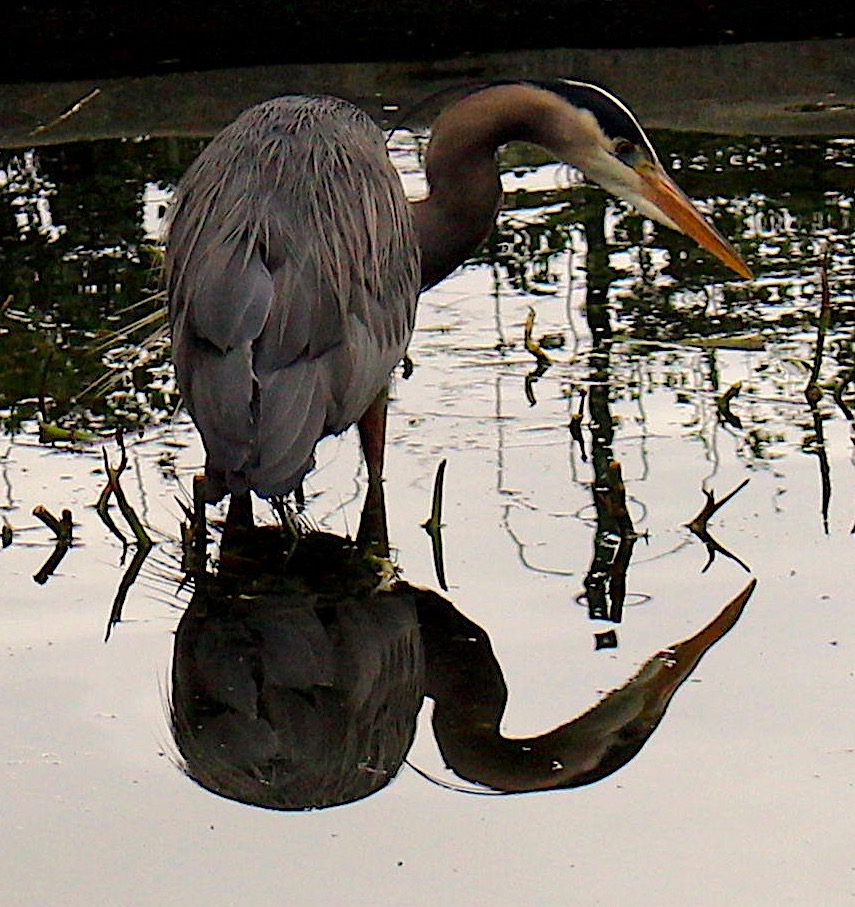
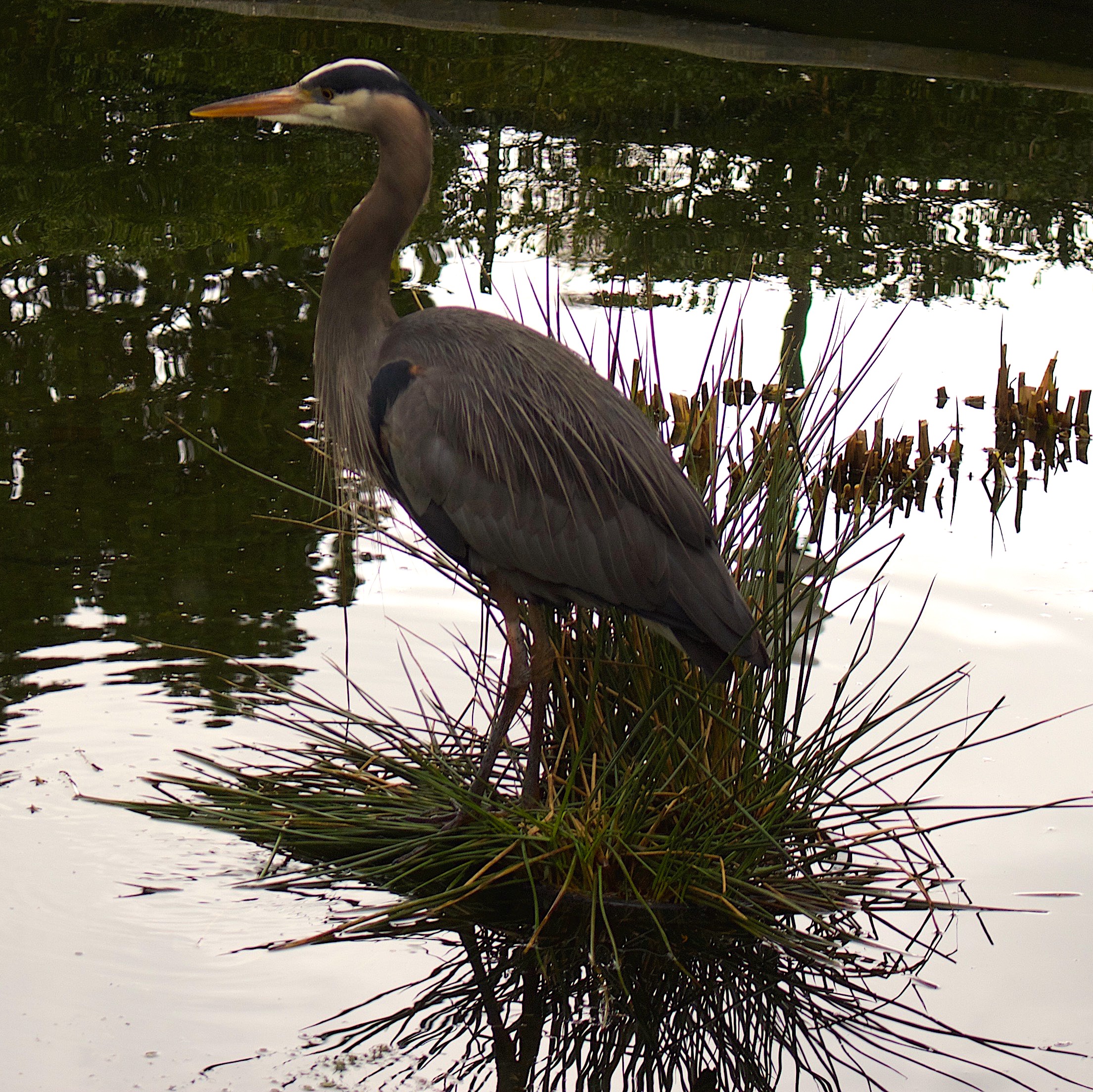
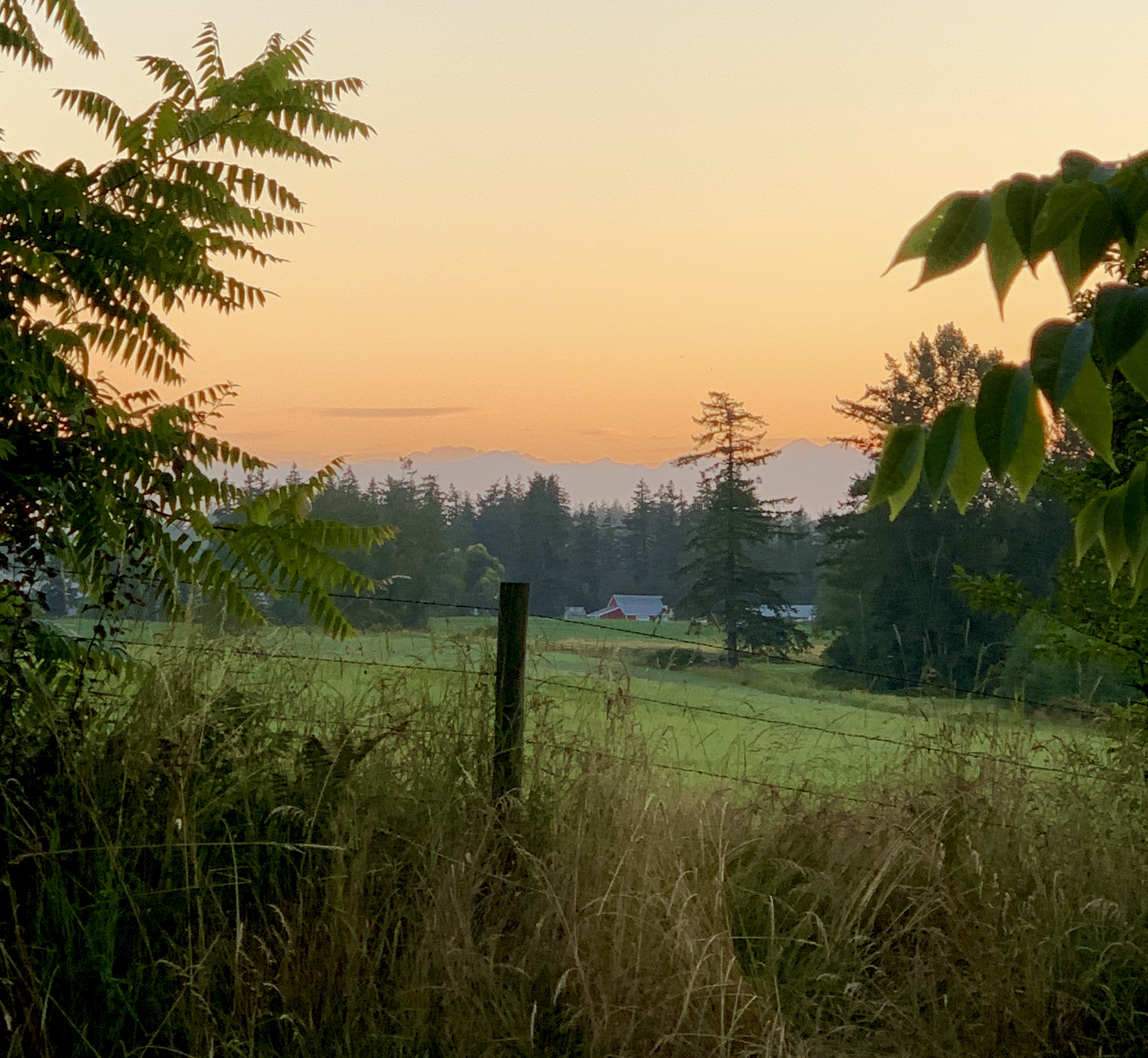
All winter
the blue heron
slept among the horses.
I do not know
the custom of herons,
do not know
if the solitary habit
is their way,
or if he listened for
some missing one—
not knowing even
that was what he did—
in the blowing
sounds in the dark,
I know that
hope is the hardest
love we carry.
He slept
with his long neck
folded, like a letter
put away.
~Jane Hirshfield “Hope and Love” from The Lives of the Heart

I know what it is like to feel out of step with those around me, an alien in my own land. At times I wonder if I belong at all as I watch the choices others make. I grew up this way, missing a connection that I could not find, never quite fitting in, a solitary kid becoming a solitary adult. The aloneness bothered me, but not in a “I’ve-got-to-become-like-them” kind of way.
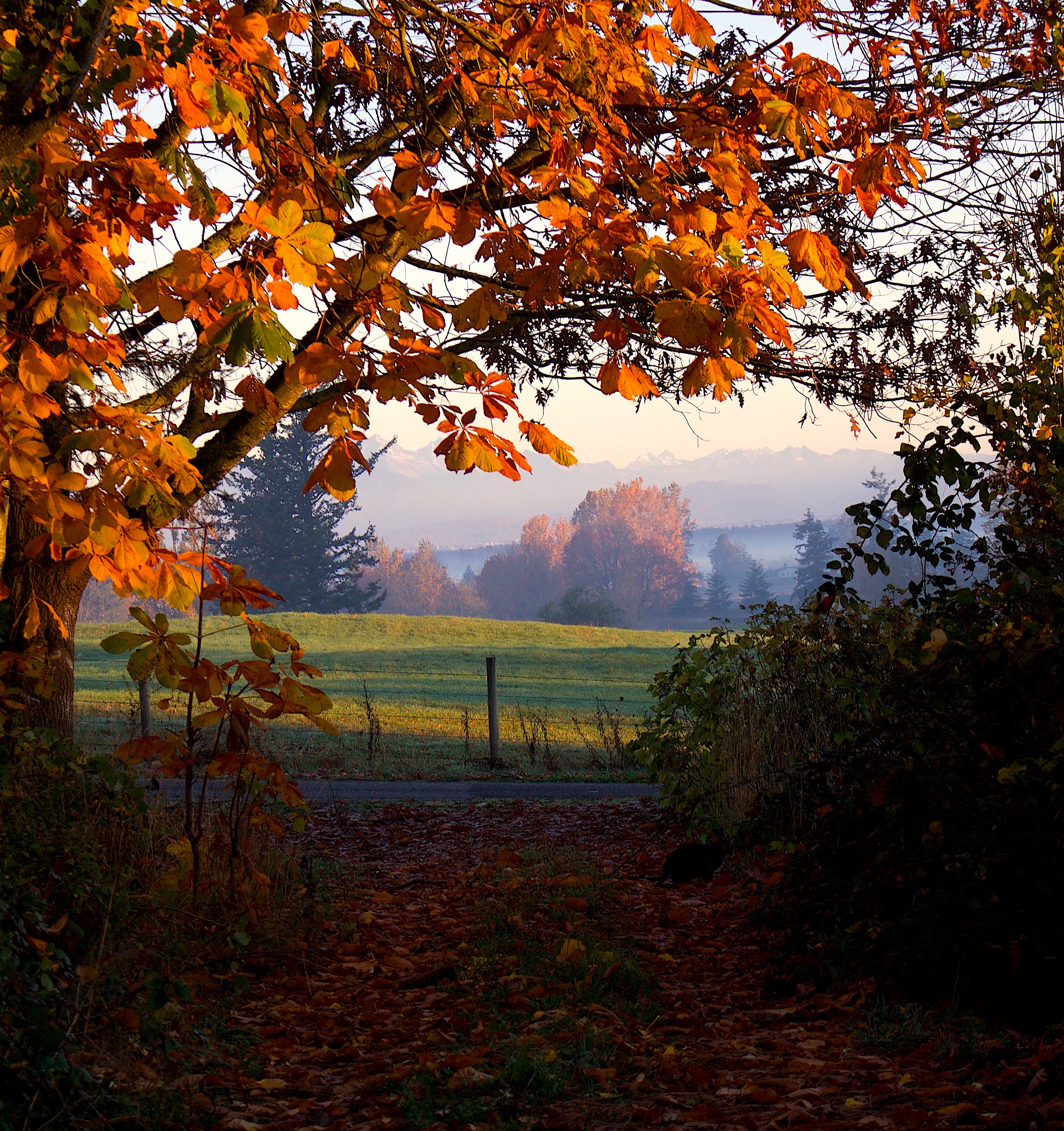
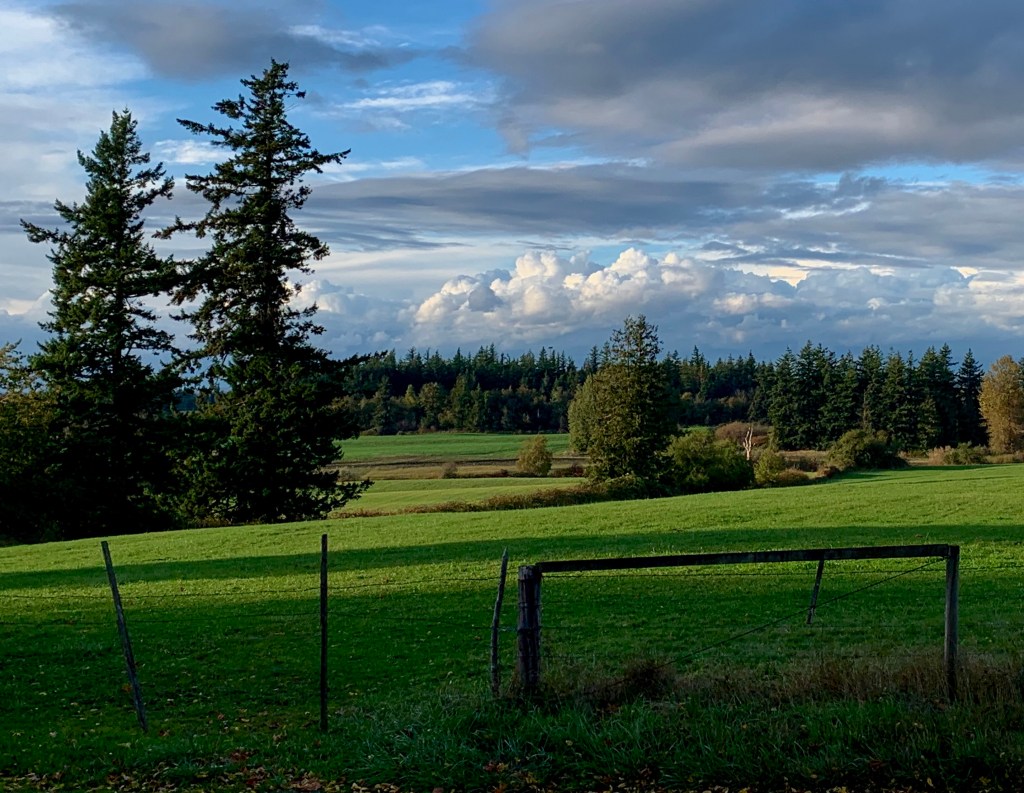
I went my own way, never losing hope.

Somehow misfits find each other. Through the grace and acceptance of others, I found a soul mate and community. Even so, there are times when the old feeling of not-quite-belonging creeps in and I wonder whether I’ll be a misfit all the way to the cemetery, placed in the wrong plot in the wrong graveyard.
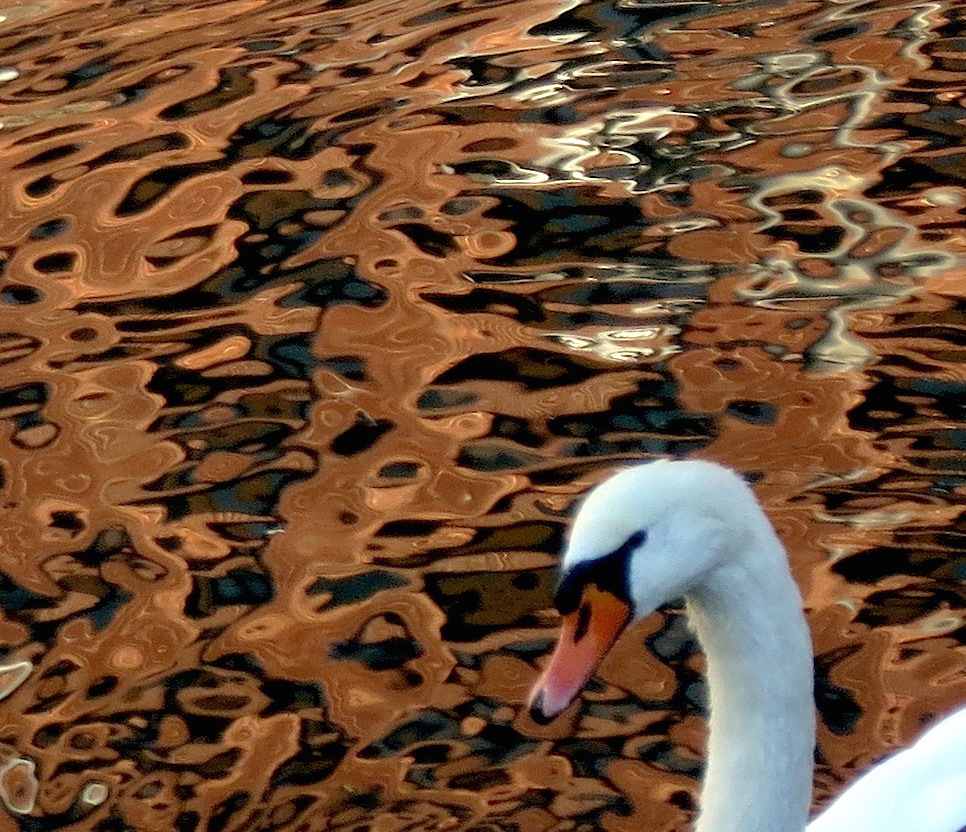
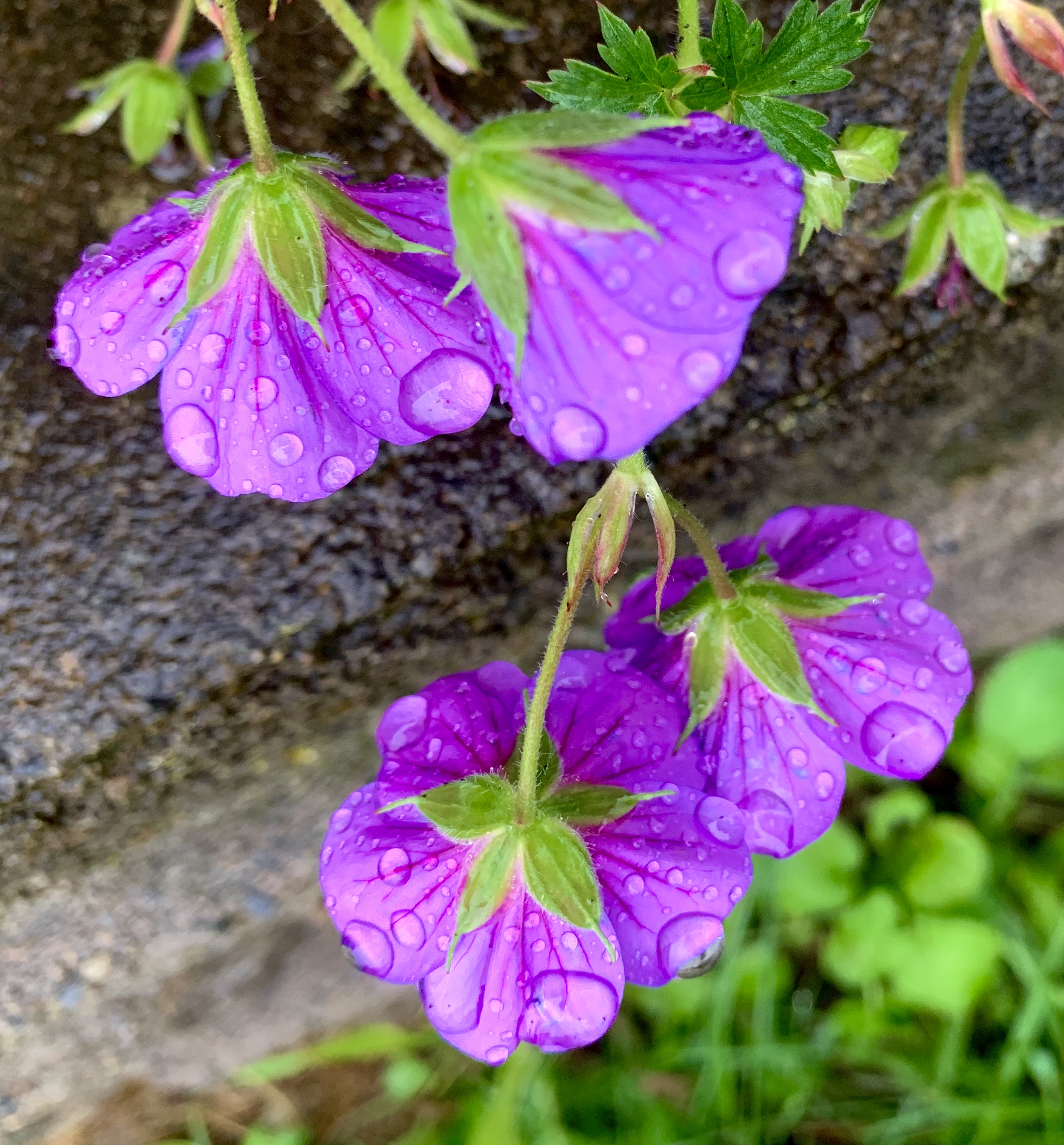
We disparate creatures are made for connection of some kind, with those who look and think and act like us, or with those who are something completely different. I’ll keep on the lookout for my fellow misfits, just in case there is another one out there looking for company along this journey.

You Are My Sunshine

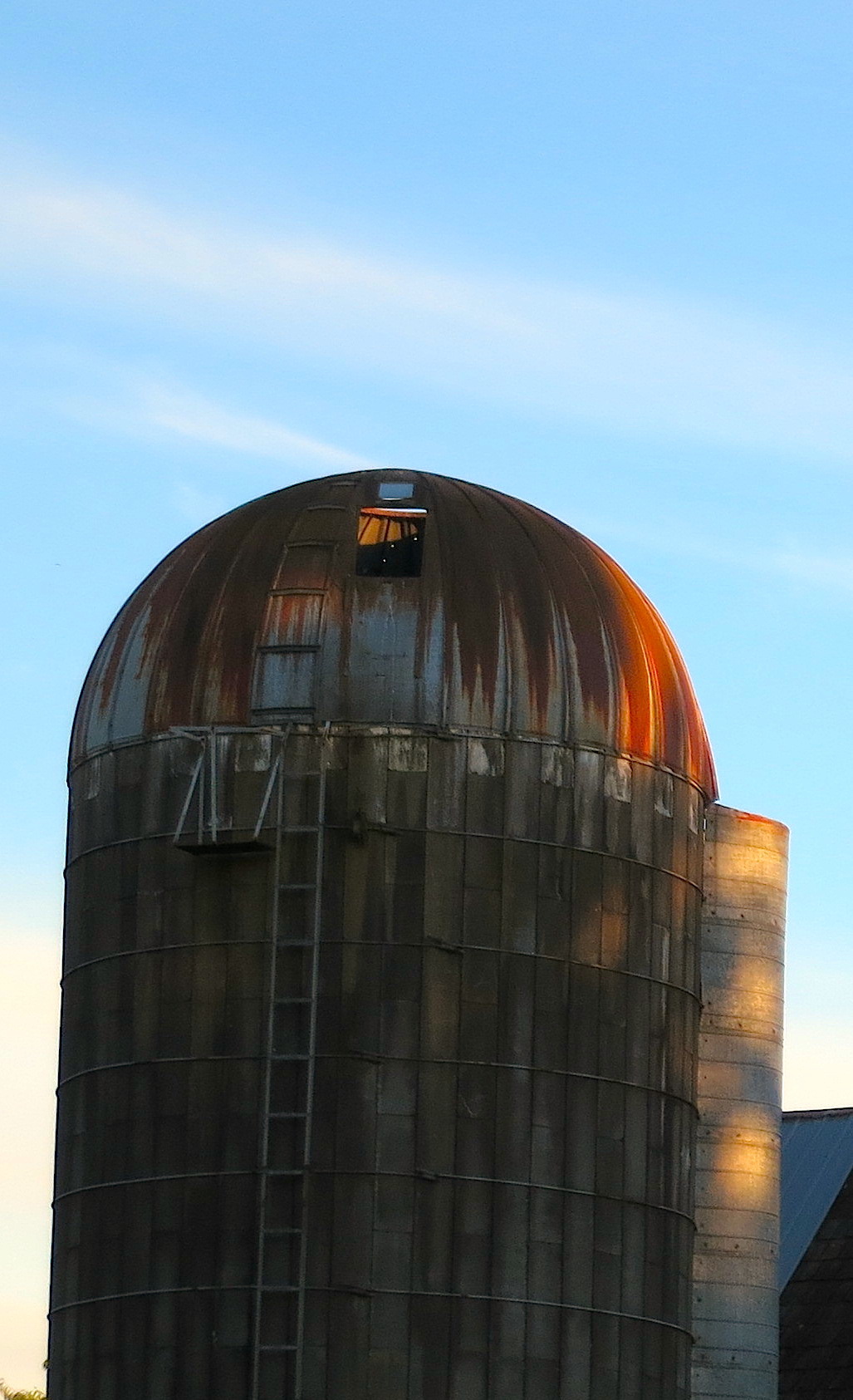
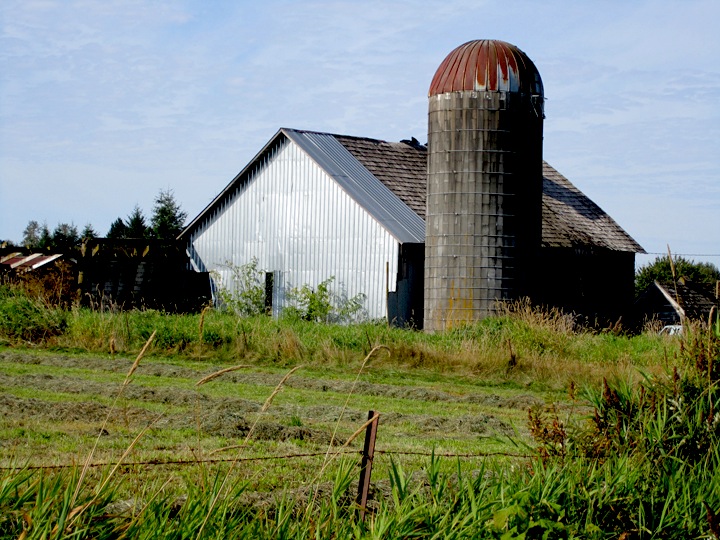
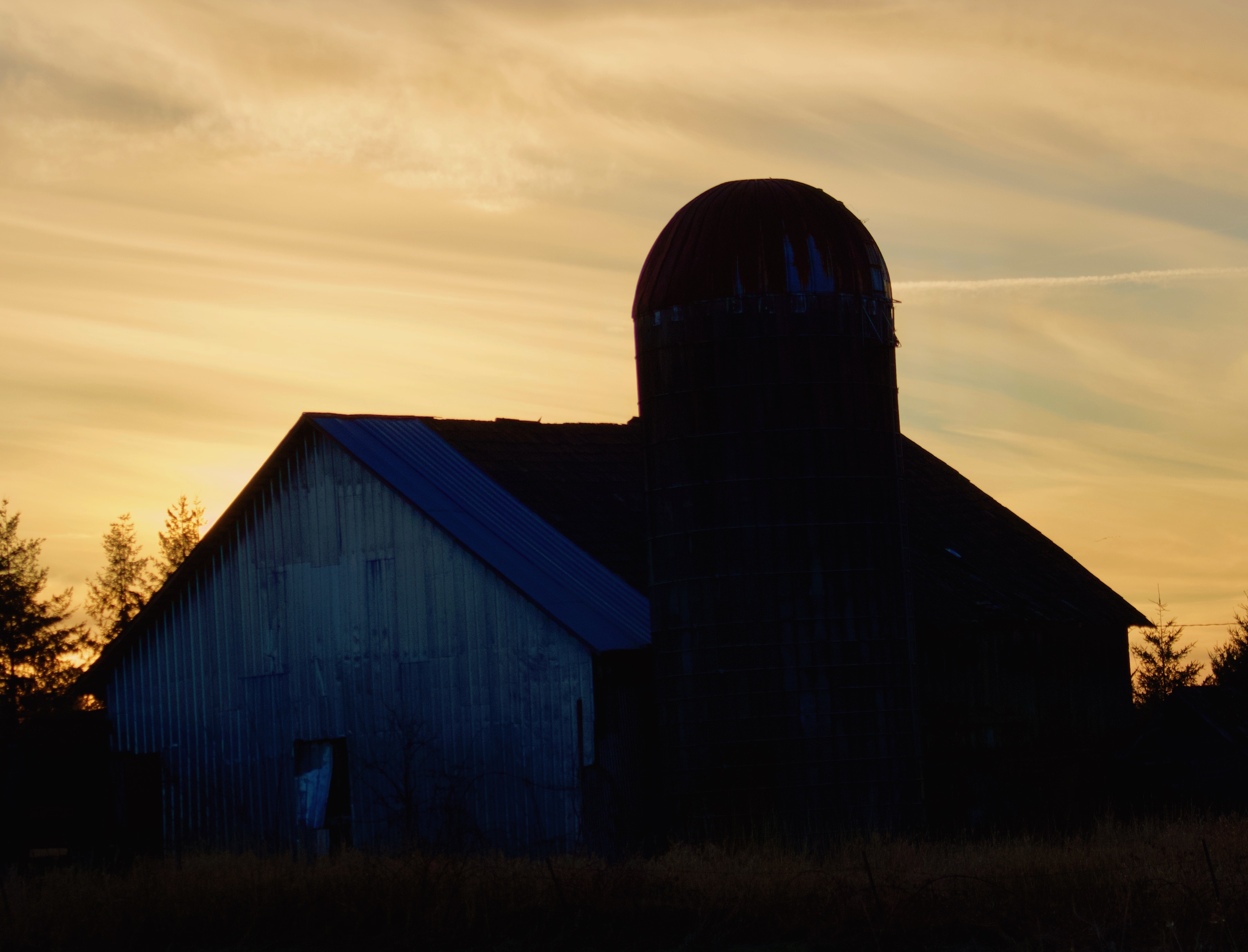
My father climbs into the silo.
He has come, rung by rung,
up the wooden trail that scales
that tall belly of cement.

It’s winter, twenty below zero,
He can hear the wind overhead.
The silage beneath his boots
is so frozen it has no smell.

My father takes up a pick-ax
and chops away a layer of silage.
He works neatly, counter-clockwise
under a yellow light,

then lifts the chunks with a pitchfork
and throws them down the chute.
They break as they fall
and rattle far below.

His breath comes out in clouds,
his fingers begin to ache, but
he skims off another layer
where the frost is forming

and begins to sing, “You are my
sunshine, my only sunshine.”
~Joyce Sutphen, “Silo Solo” from First Words

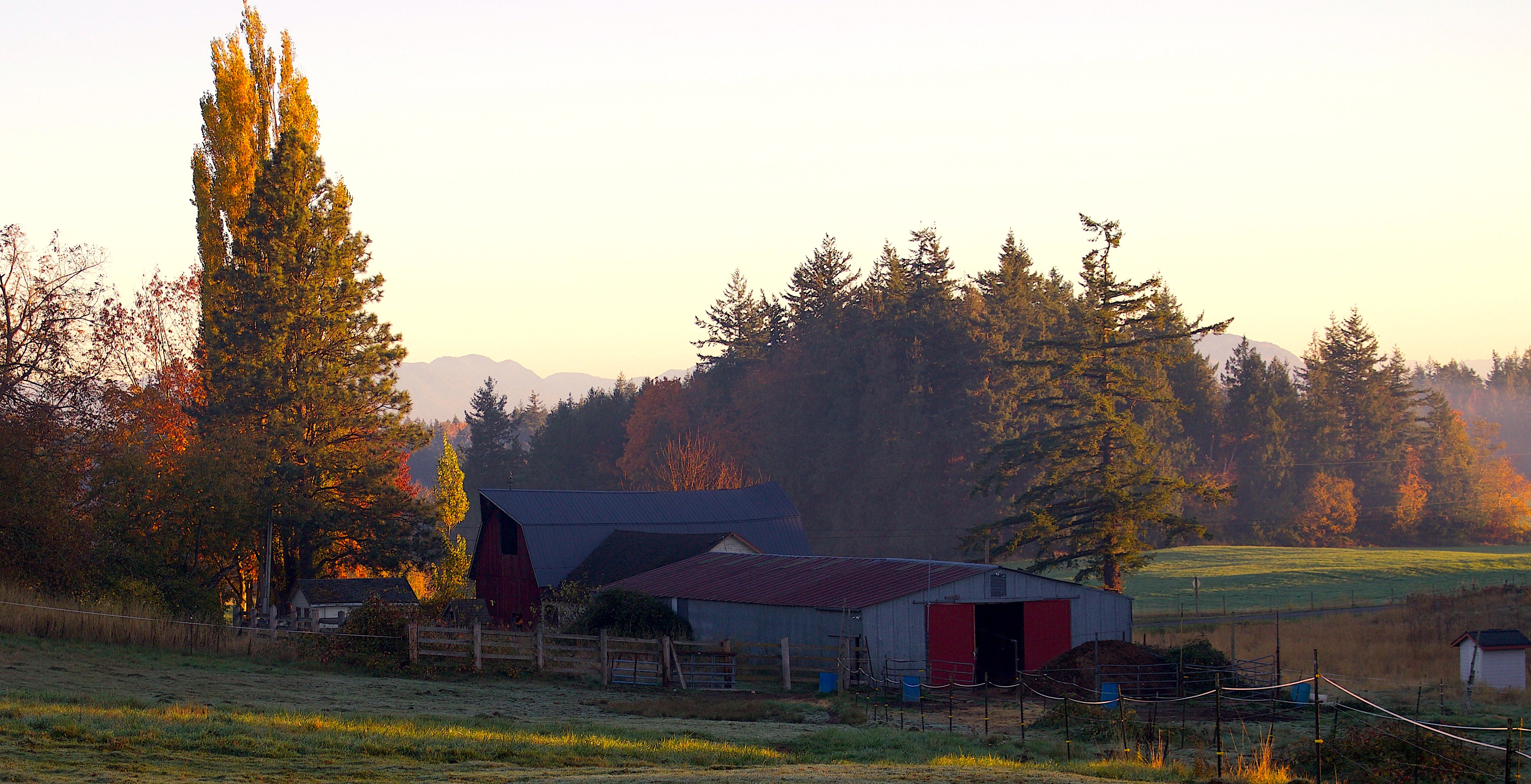
Farmers gotta be tough. There is no taking a day off from chores. The critters need to eat and their beds cleaned even during the coldest and hottest days. Farmers rise before the sun and go to bed long after the sun sets.

I come from a long line of farmers on both sides – my mother was the daughter of wheat farmers and my father was the son of subsistence stump farmers who had to supplement their income with outside jobs as a cook and in lumber mills. Both my parents went to college; their parents wanted something better for them than they had. Both my parents had professions but still chose to live on a farm – daily milkings, crops in the garden and fields, raising animals for meat.

My husband’s story is similar, though his parents didn’t graduate from college. Dan milked cows with his dad and as a before-school job in the mornings.

We still chose to live on a farm to raise our children and commit to the daily work, no matter the weather, on sunlit days and blowing snow days and gray muddy days. And now, when our grandchildren visit, we introduce them to the routine and rhythms of farm life, the good and the bad, the joys and the sorrows, and through it all, we are grateful for the values that follow through the generations of farming people.

And our favorite song to sing to our grandchildren is “You are my sunshine, my only sunshine” as it is the sun that sustains our days and its promise of return that sustains our nights.

You’ll never know, dears, how much we love you.
Please don’t take our sunshine away.

The Light of the Horses

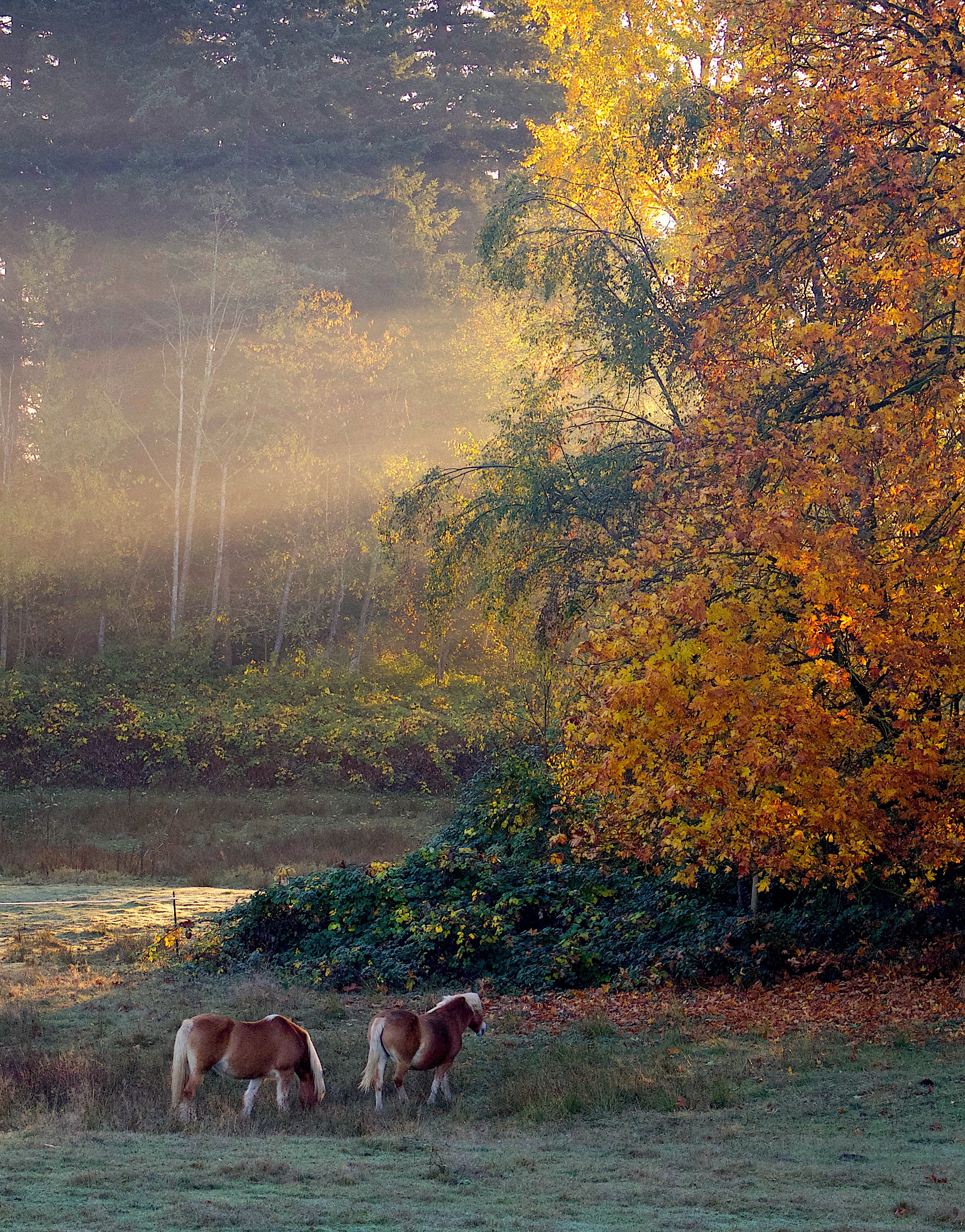
From the window I saw the horses.

Like waves of fire, they flared forward
and to my eyes filled the whole world,
empty till then. Perfect, ablaze,
they were like ten gods with pure white hoofs,
with manes like a dream of salt.

Their rumps were worlds and oranges.

Their color was honey, amber, fire.

There, in silence, at mid-day,
in that dirty, disordered winter,
those intense horses were the blood
the rhythm, the inciting treasure of life.

I looked. I looked and was reborn:
for there, unknowing, was the fountain,
the dance of gold, heaven
and the fire that lives in beauty.

I have forgotten that dark Berlin winter.

I will not forget the light of the horses.
~Pablo Neruda from “Horses”

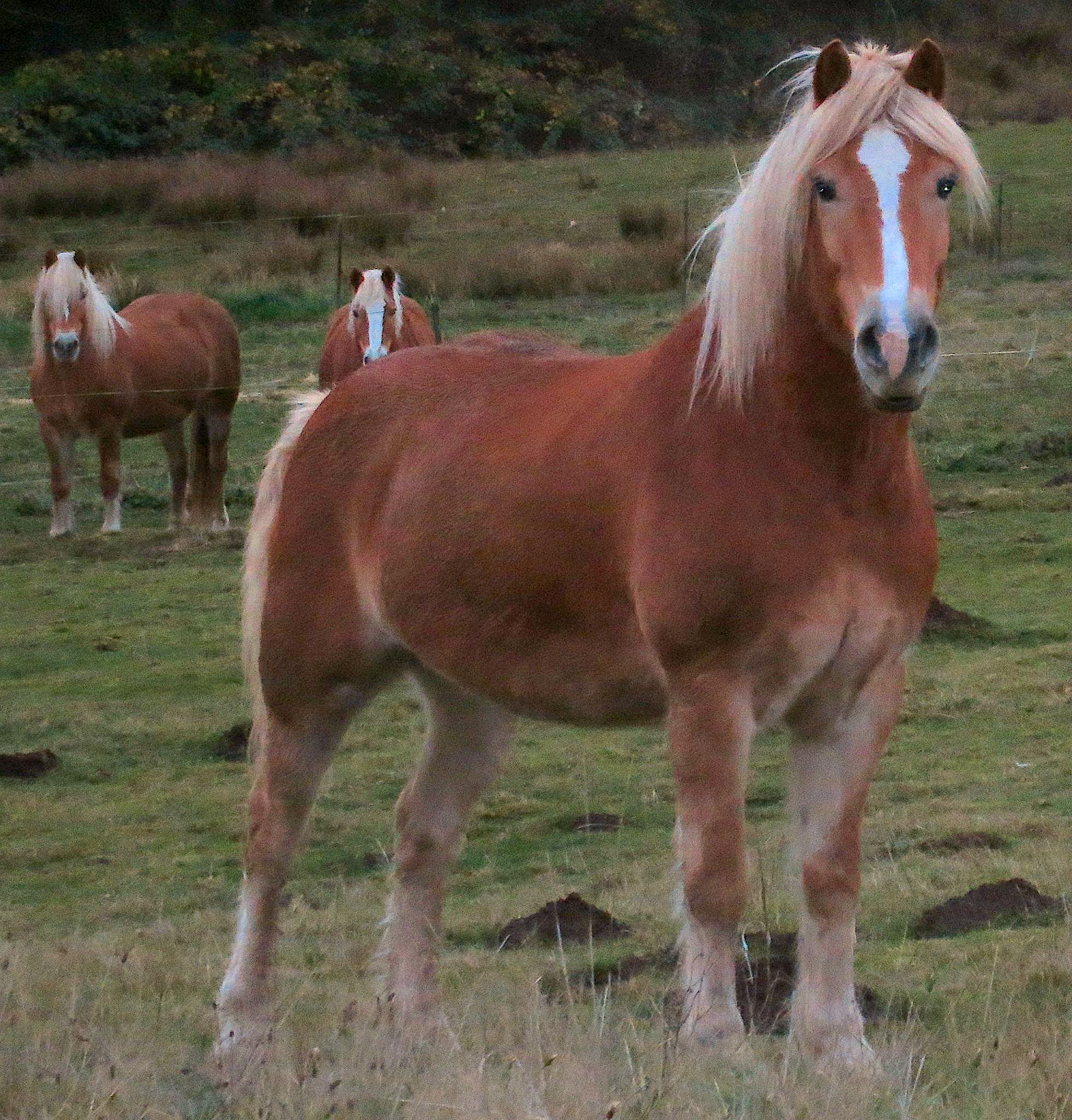
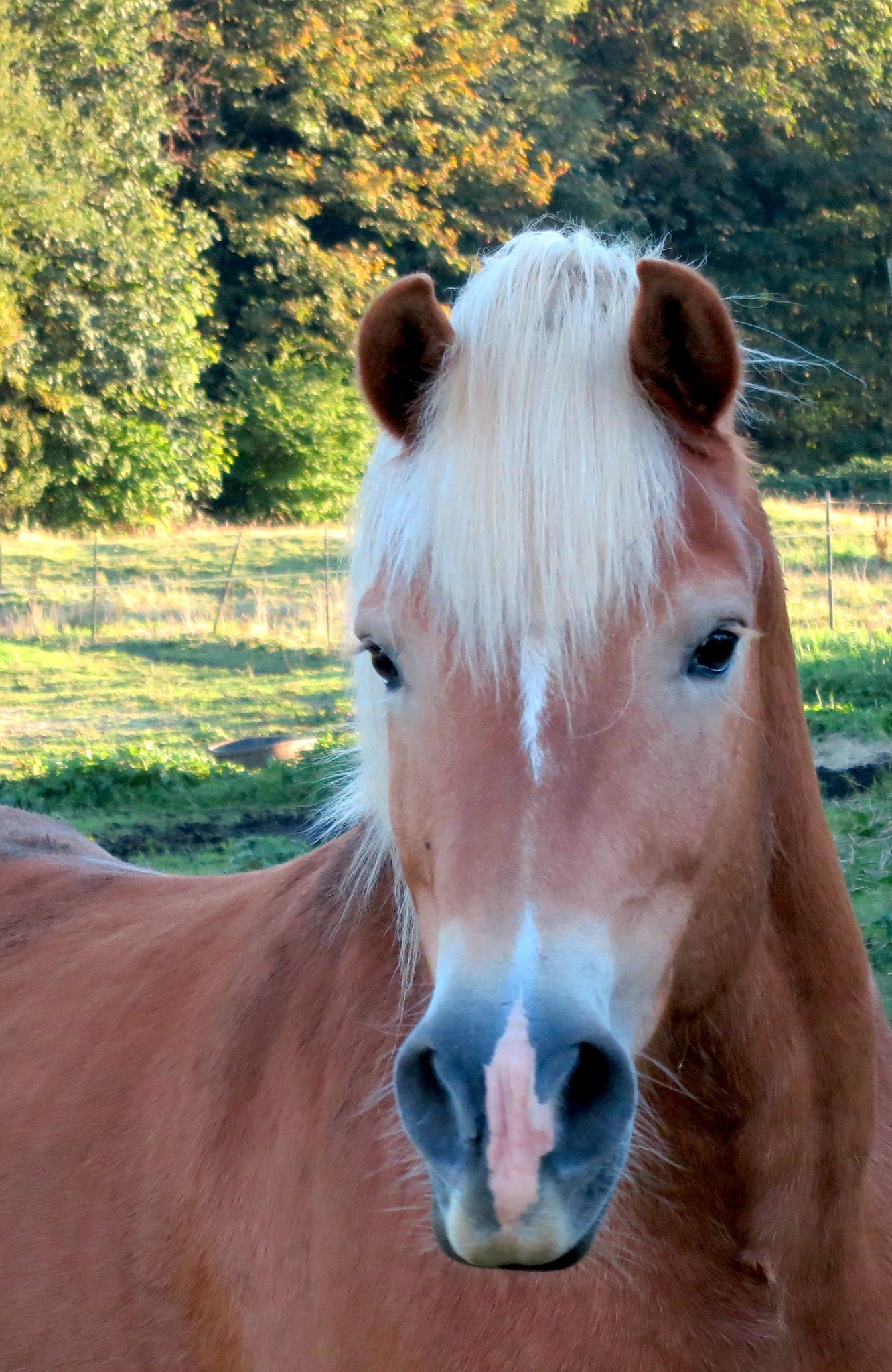
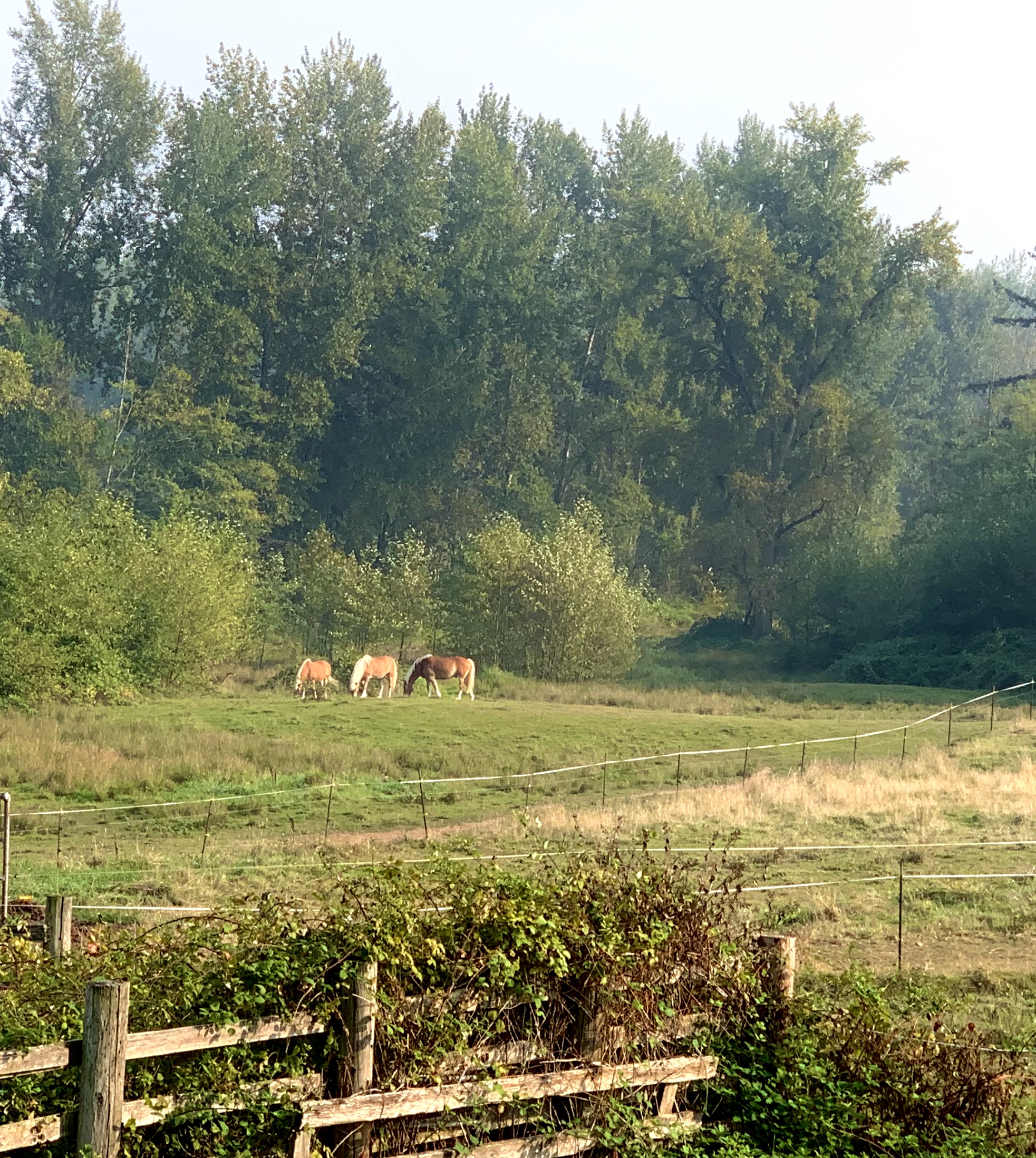
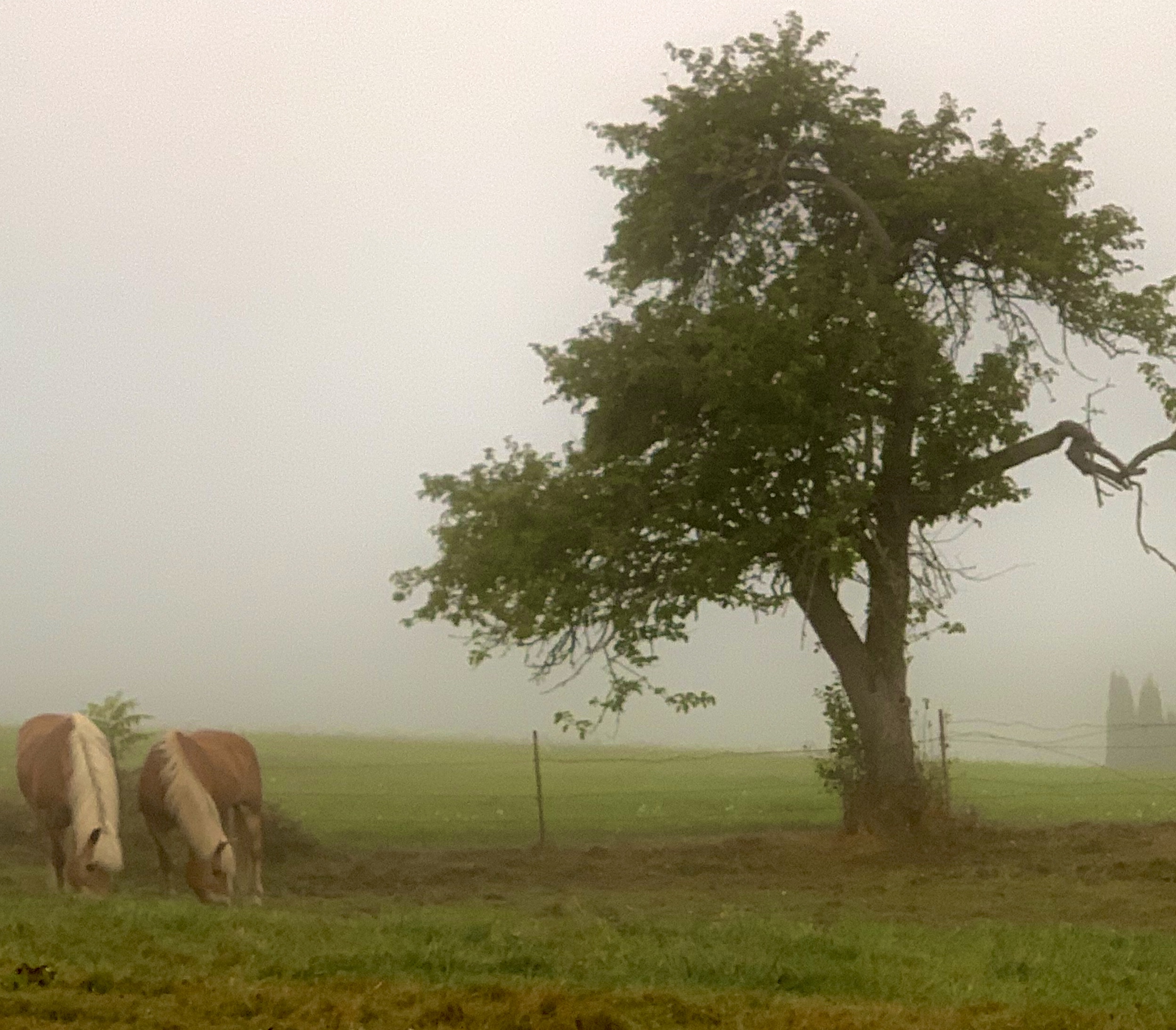
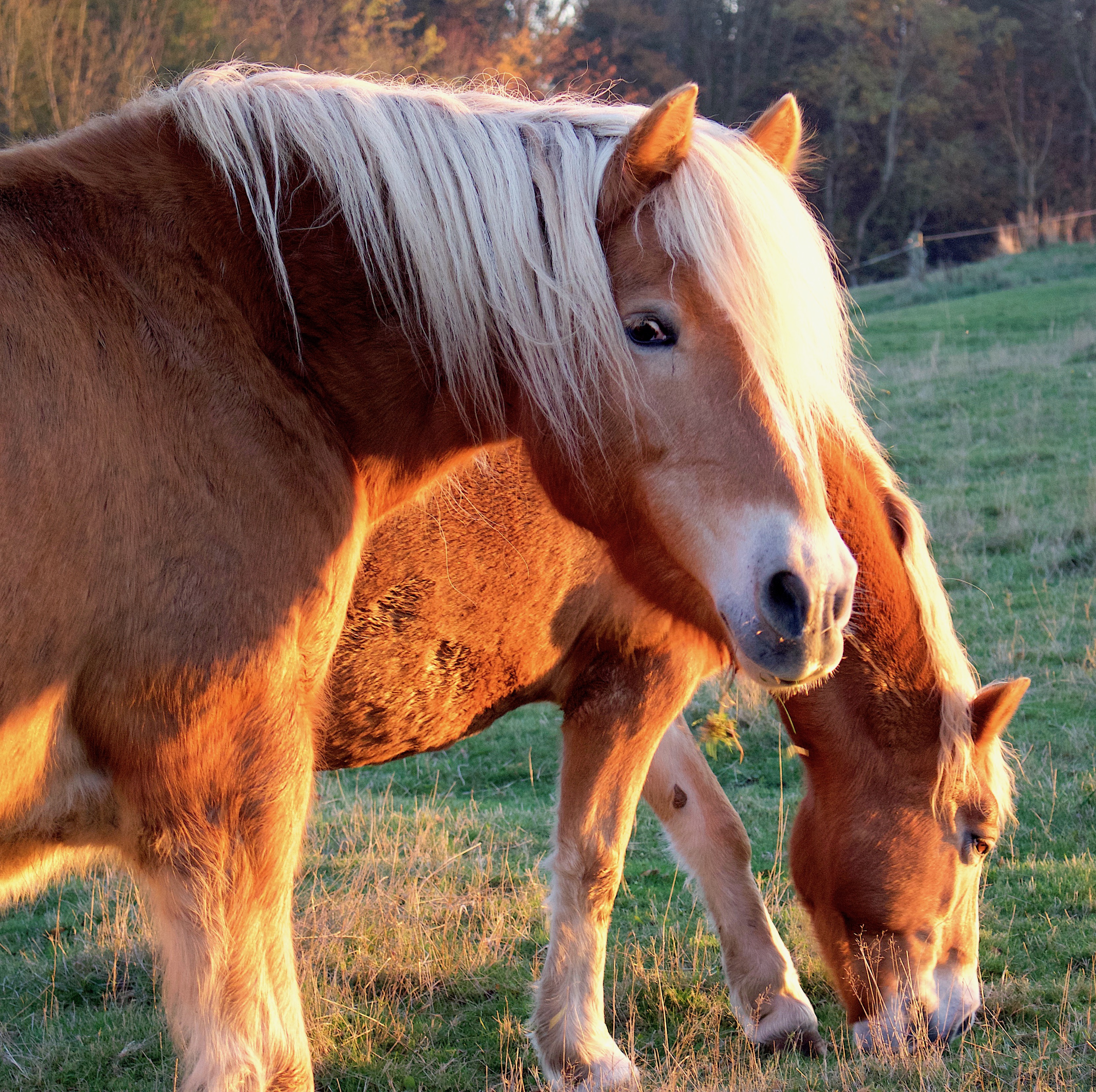
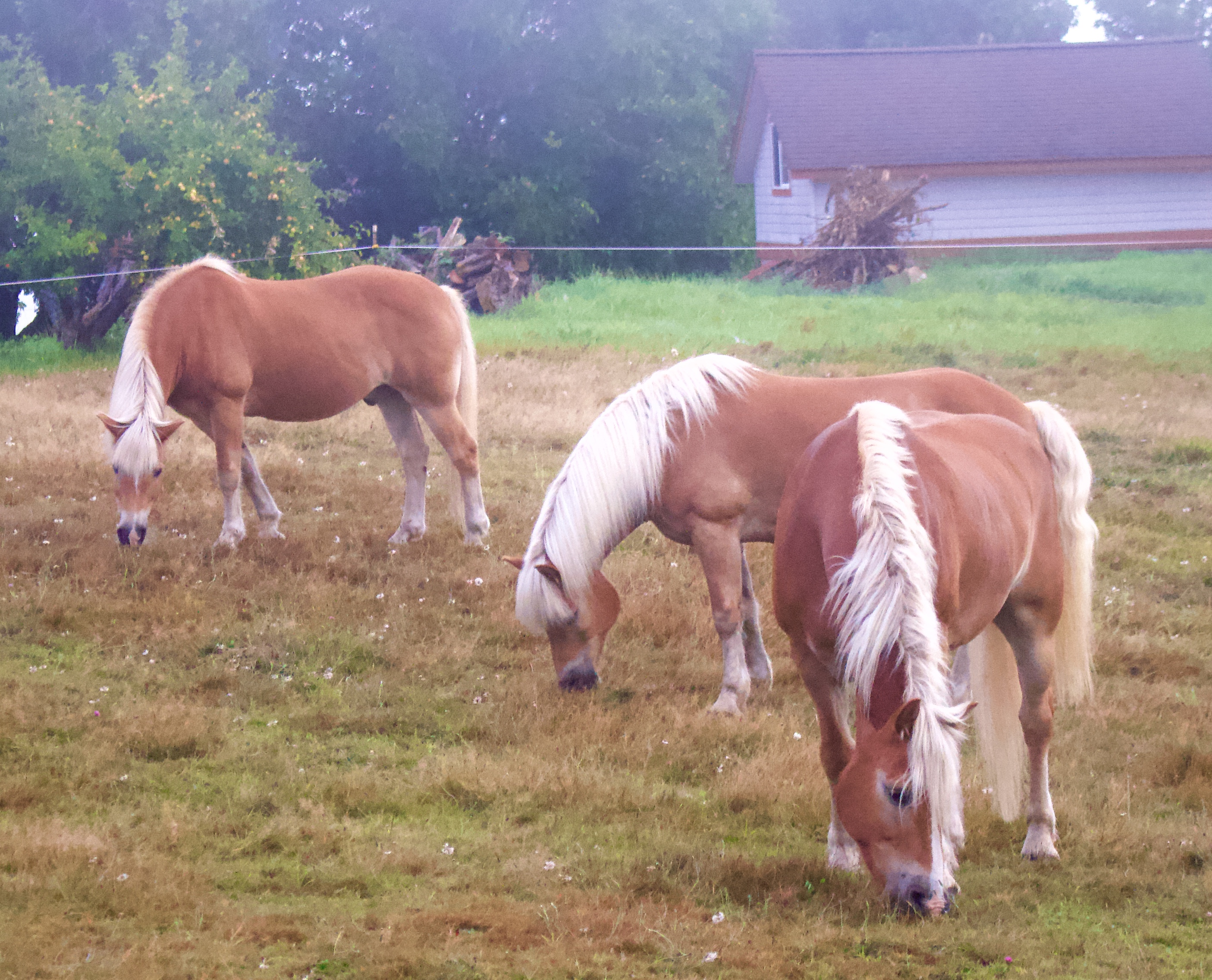
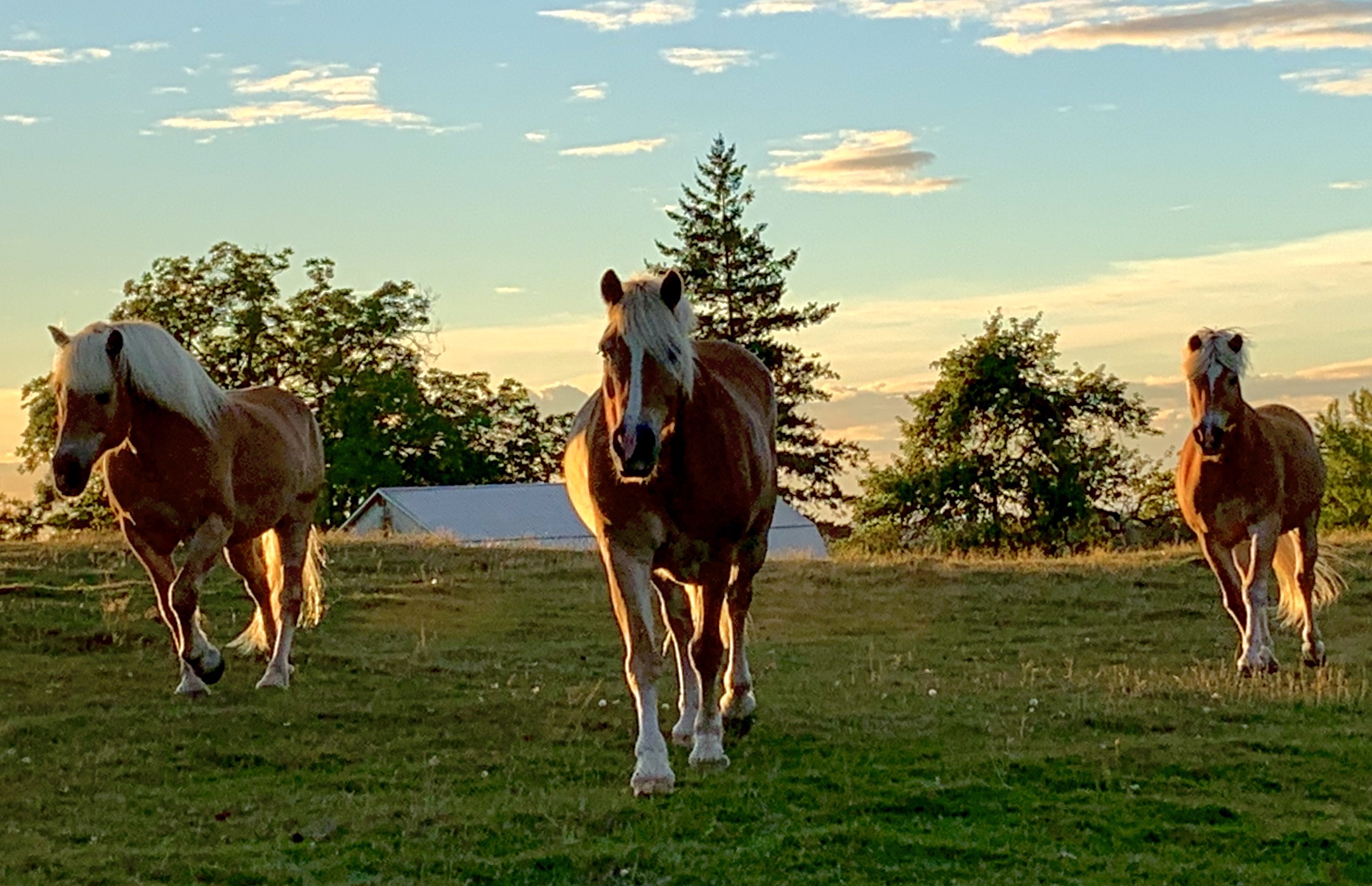
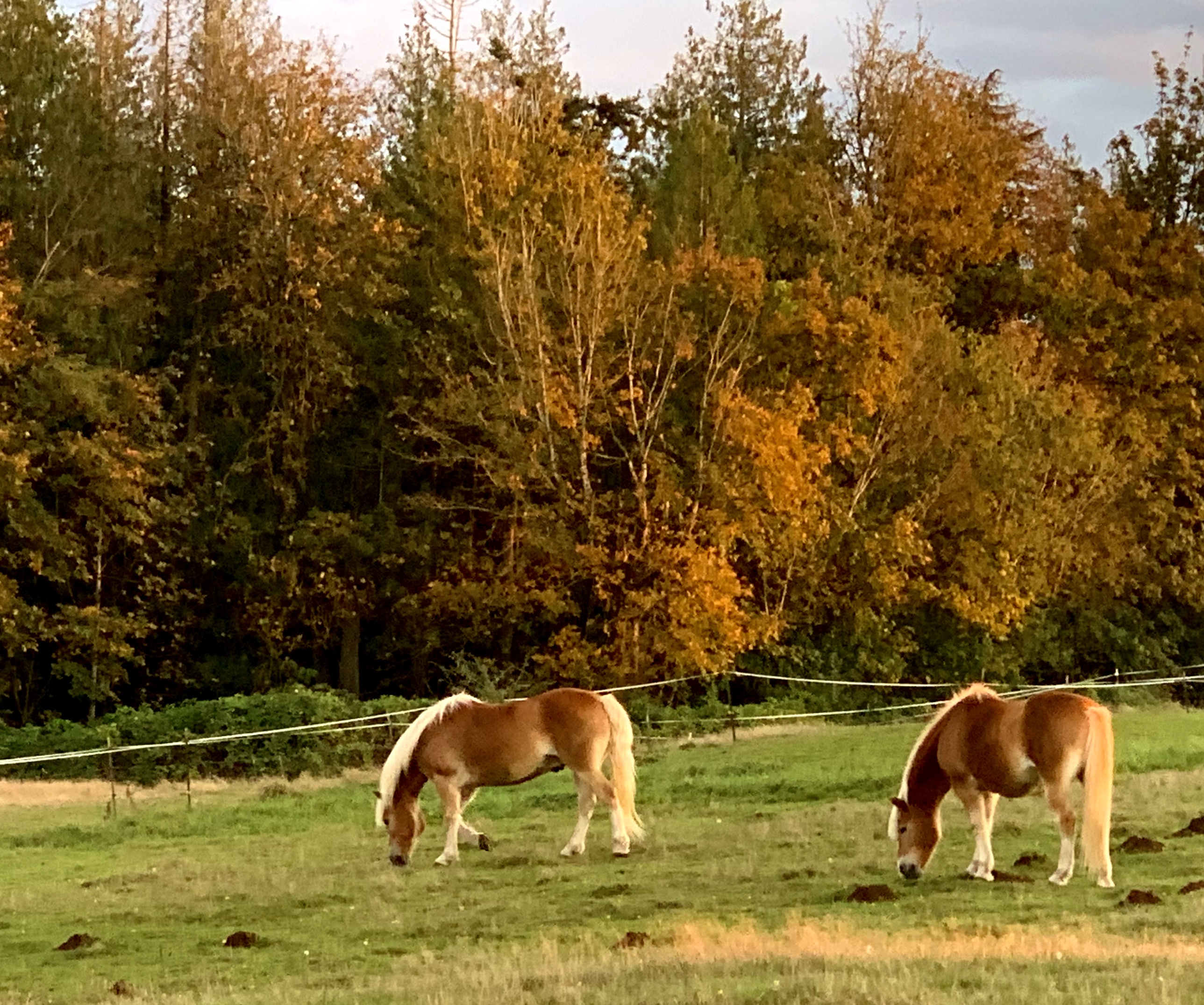
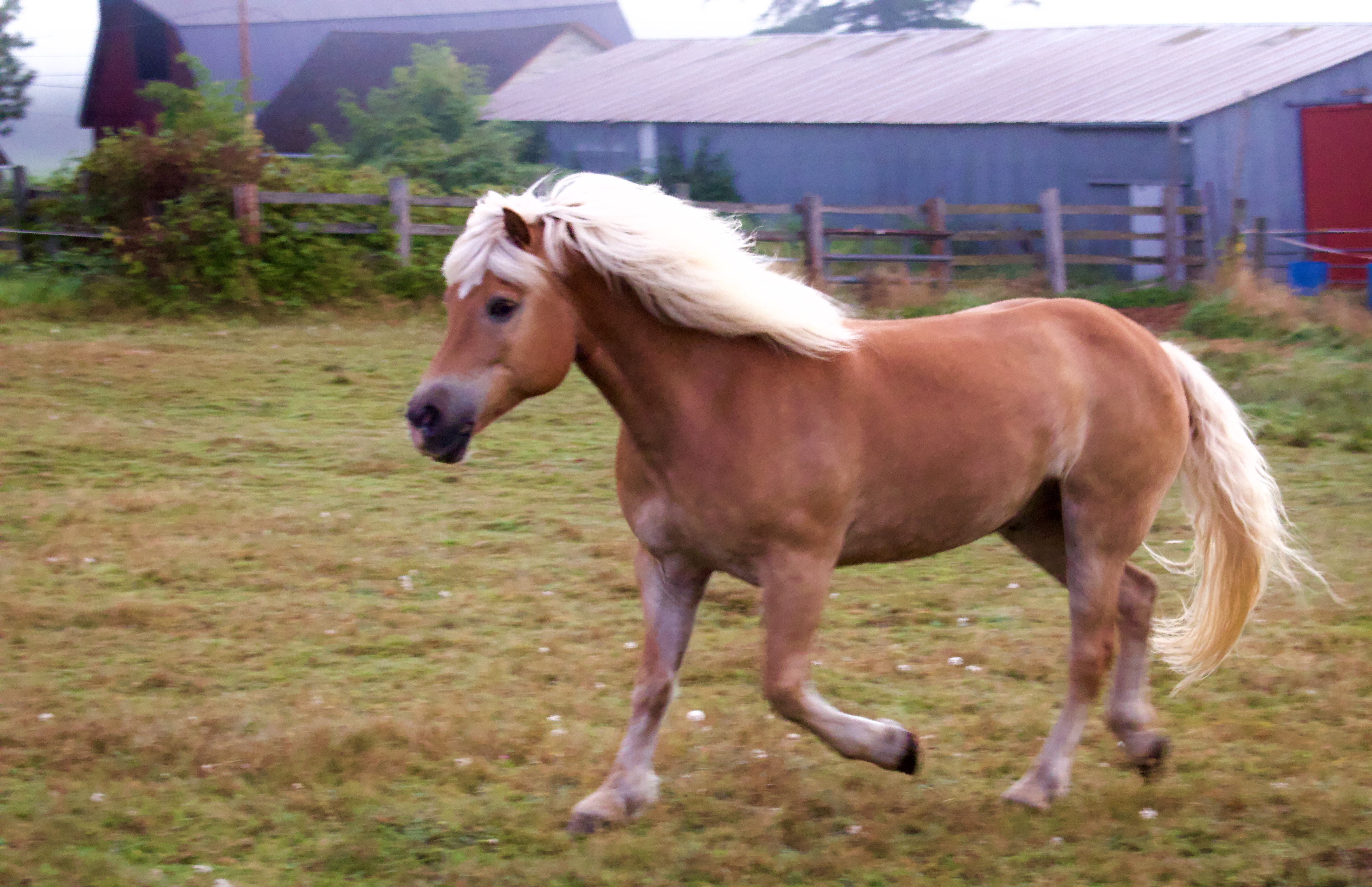
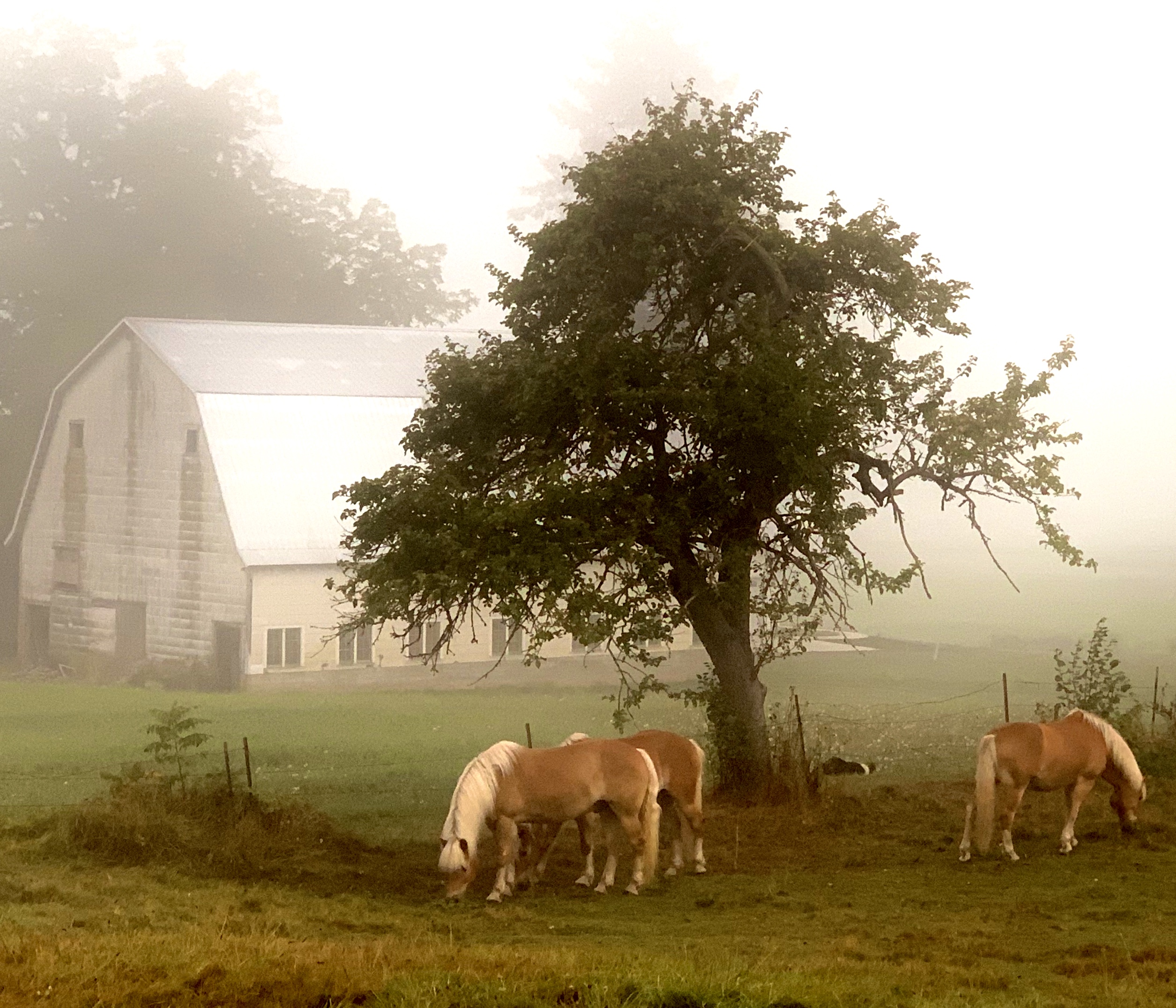
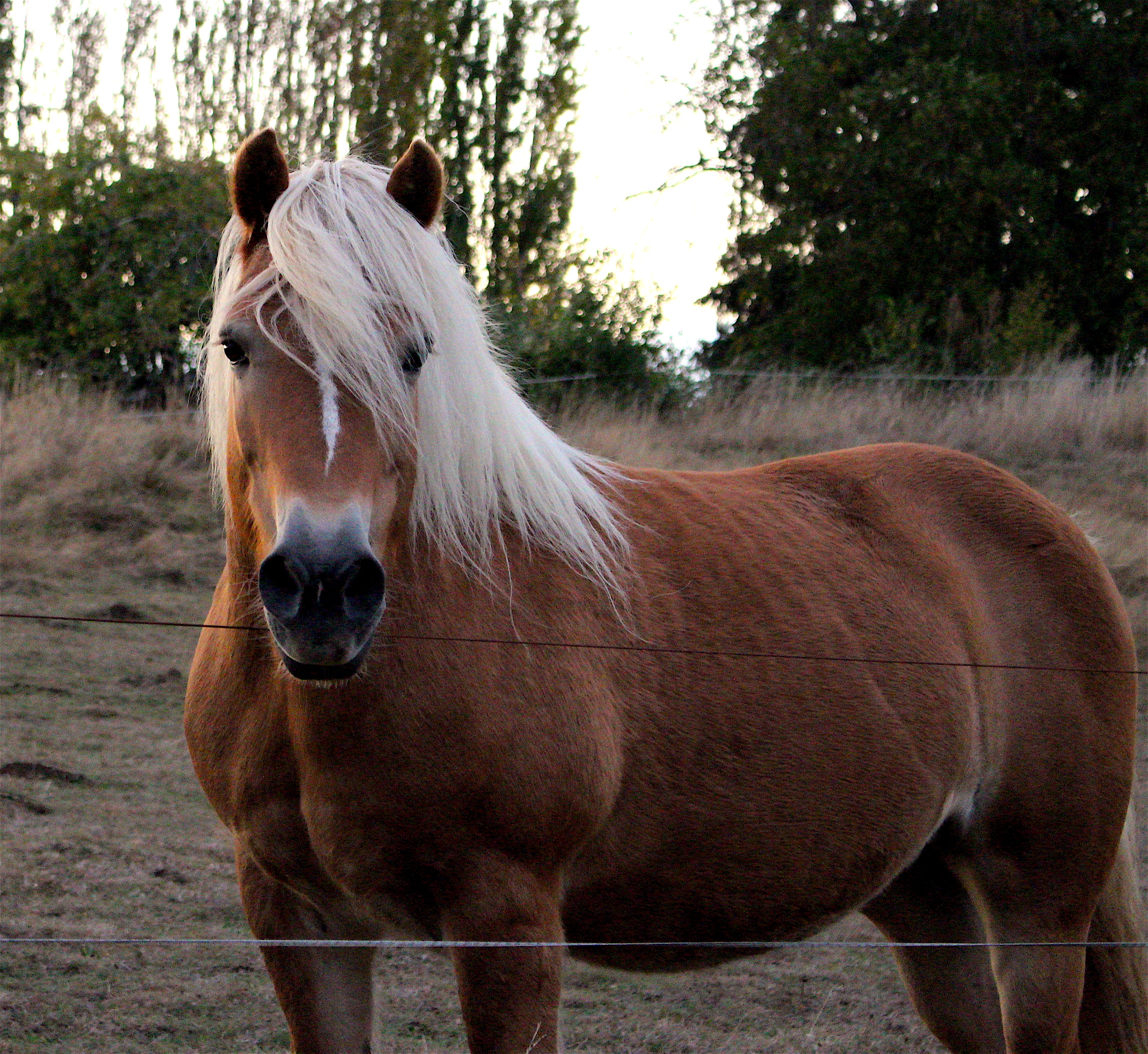
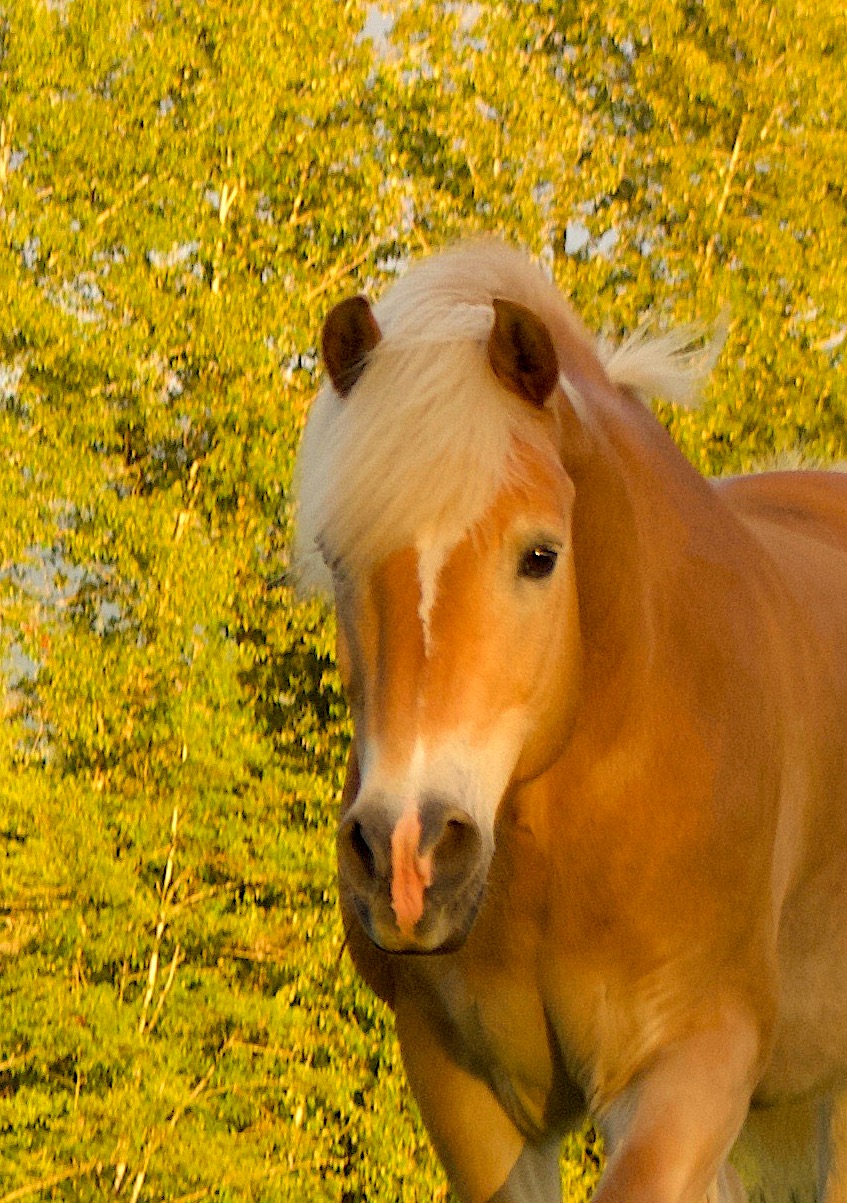
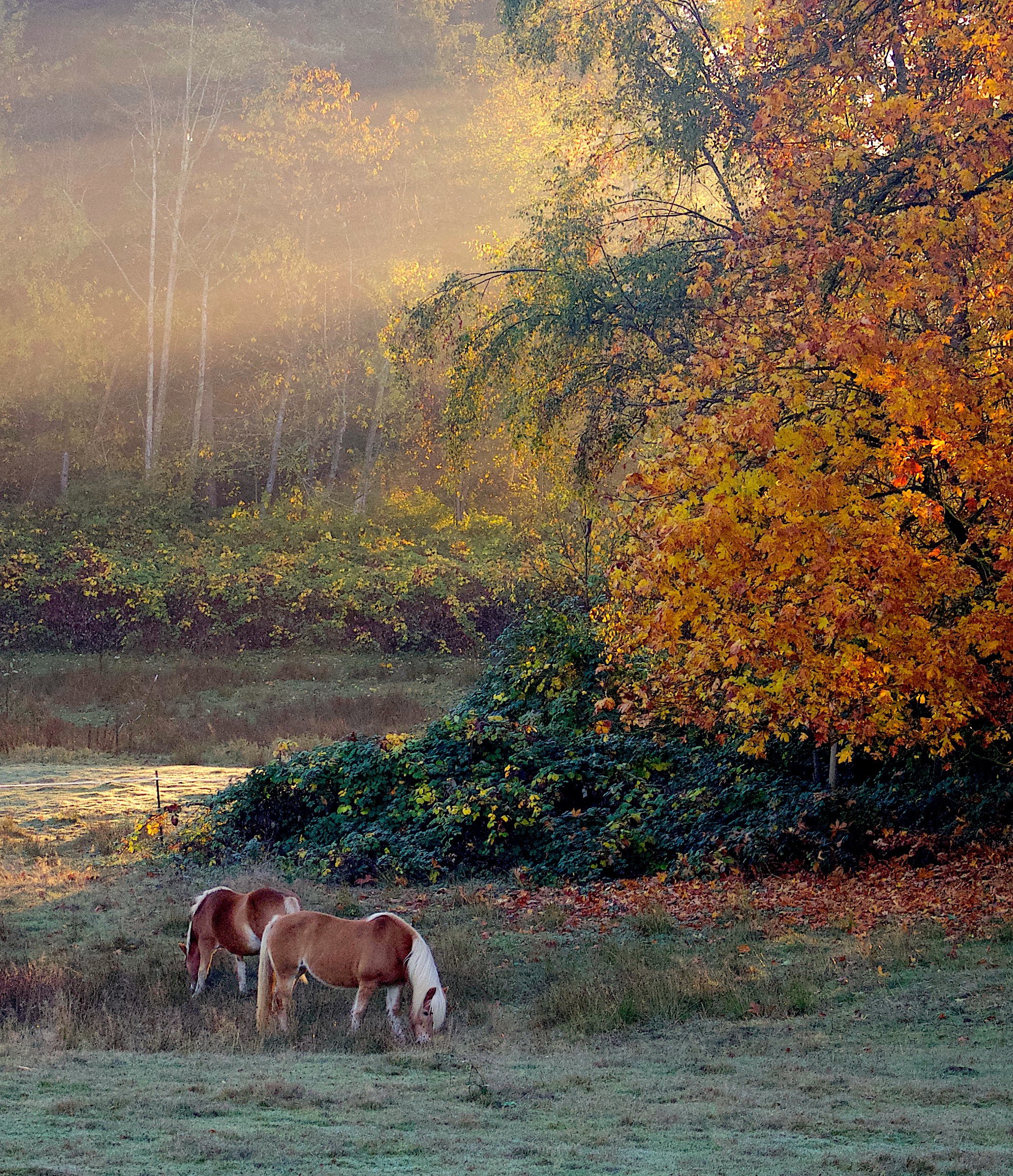
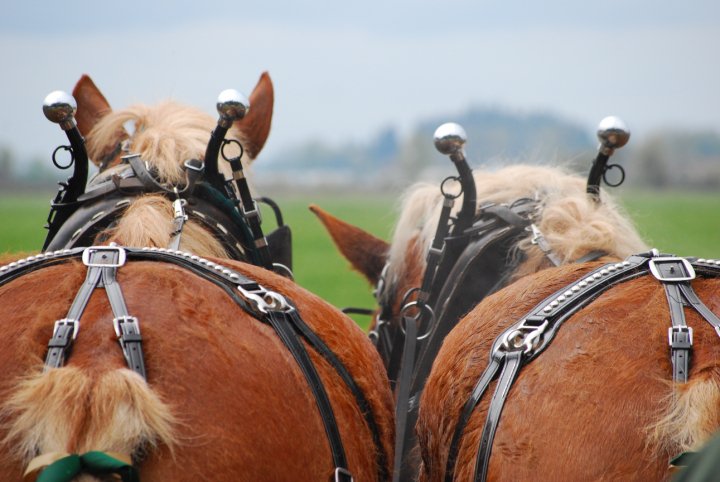
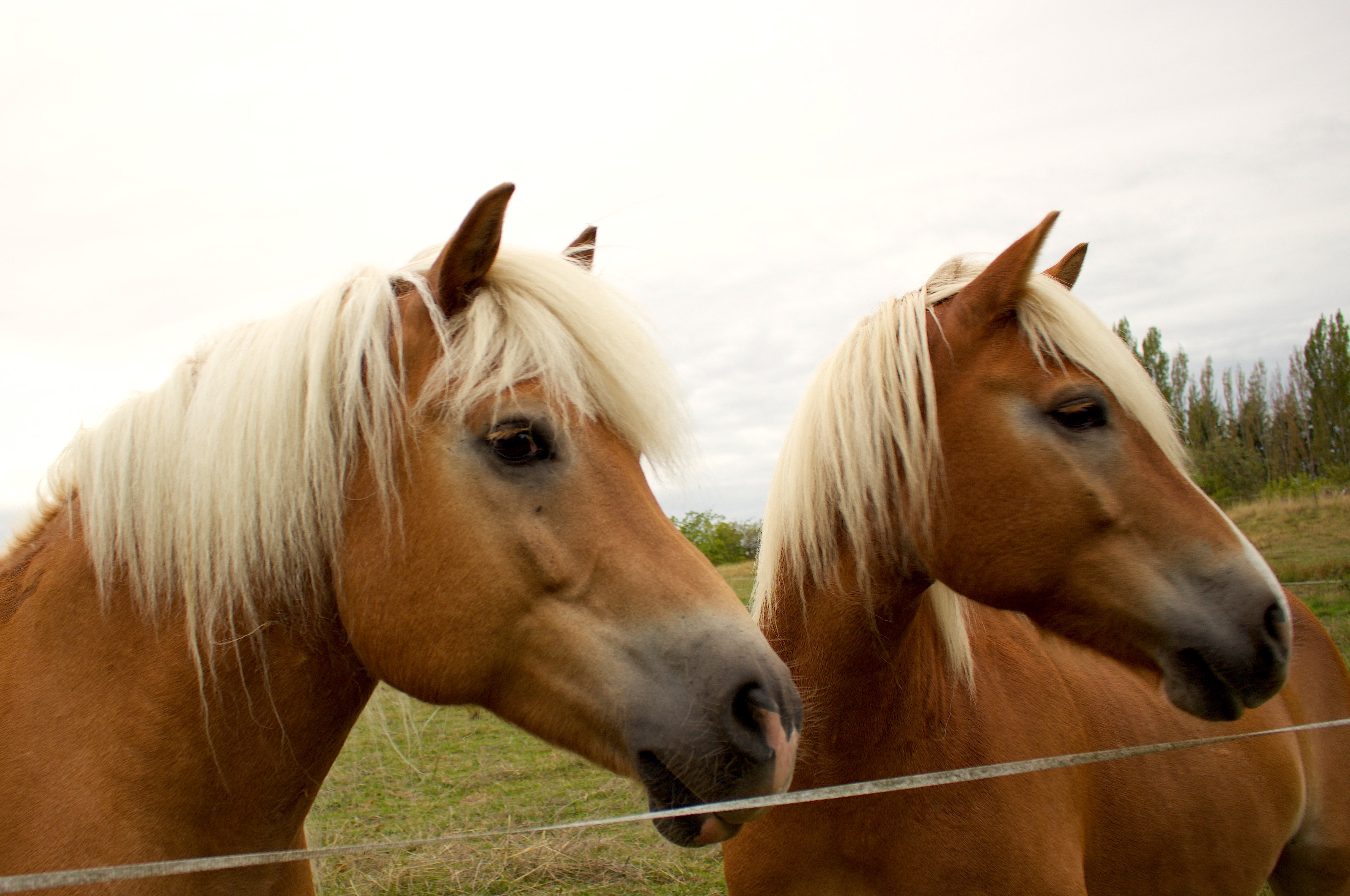
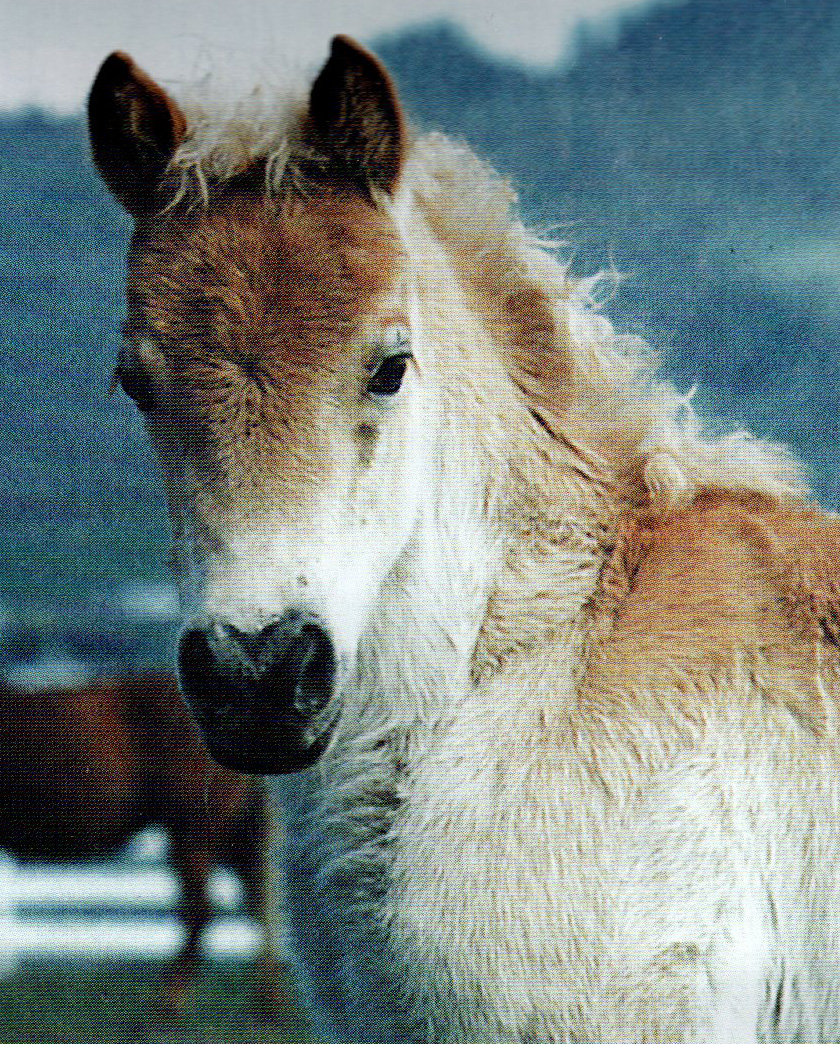
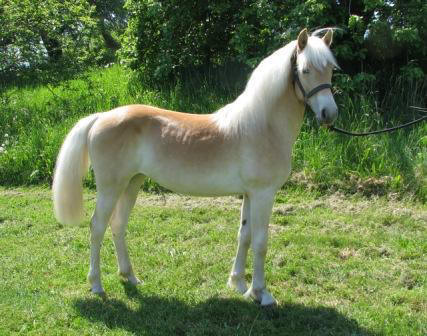
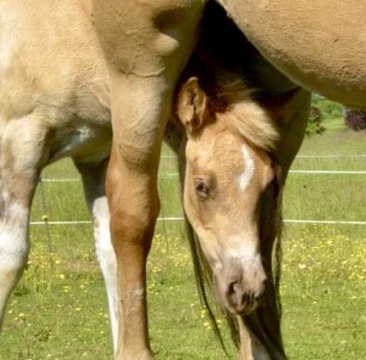
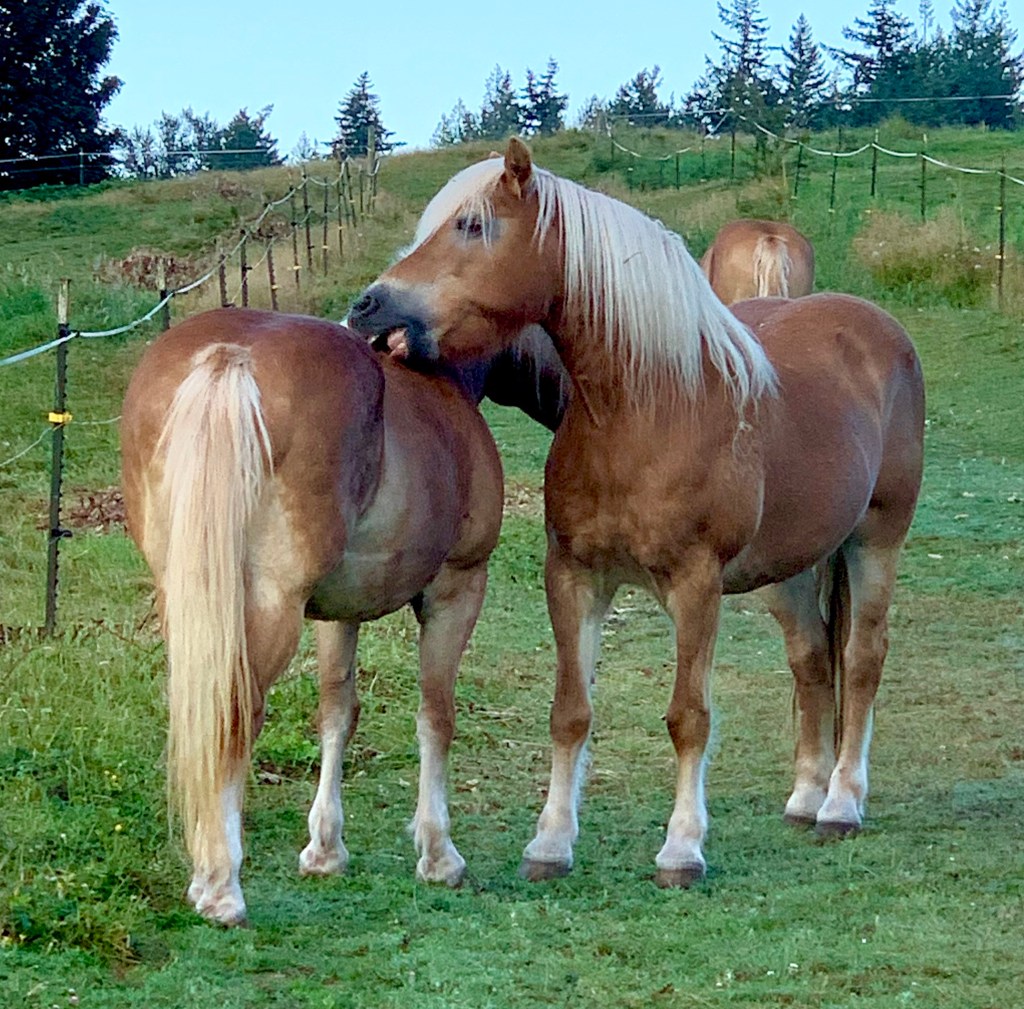
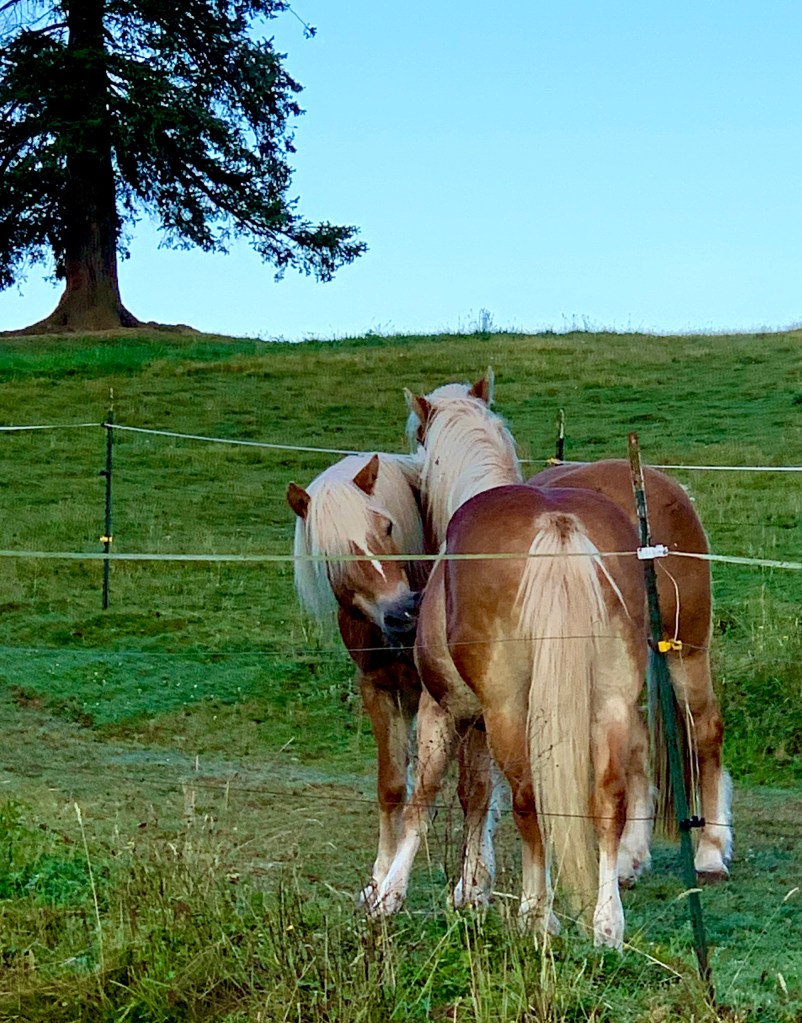
The Haflingers have been here more than half my life. They are now mostly retired as I soon will be.

They belong on this farm even more than I do: they were born to graze on steep hillsides, to find the tenderest of clover leafs hiding among the bulrushes and thistles. They laze about under the branches, swishing flies with those abundant tails.

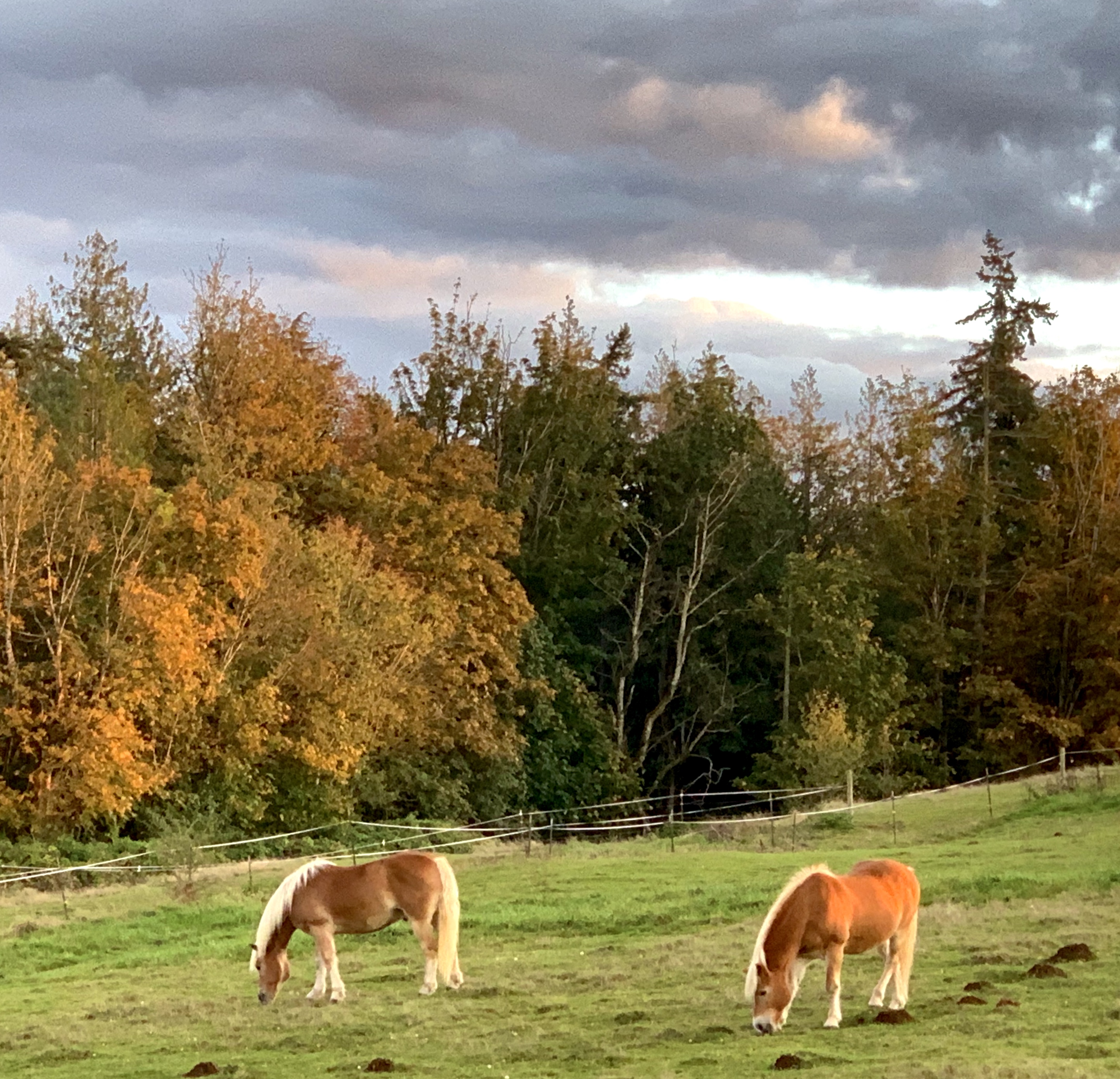
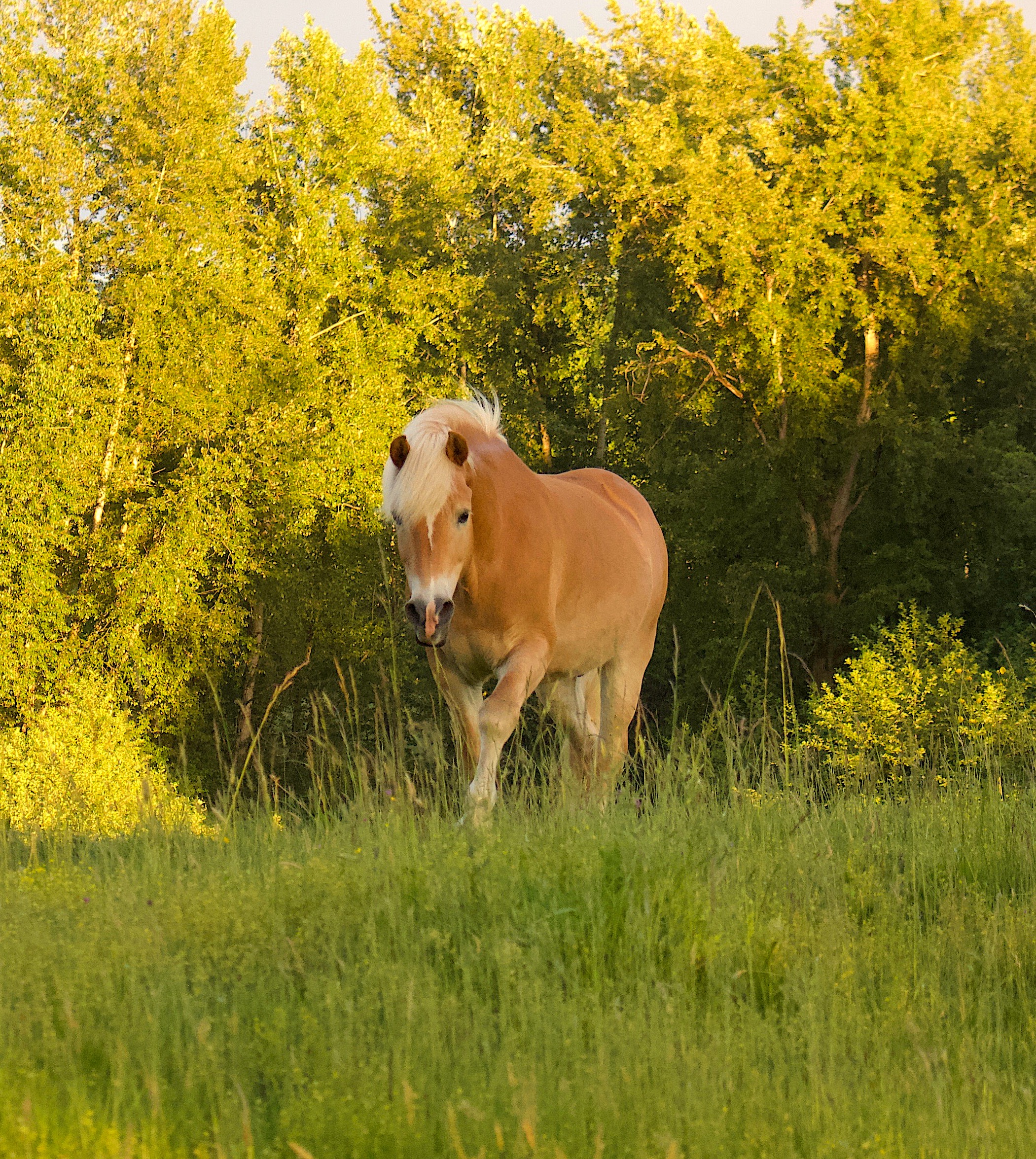
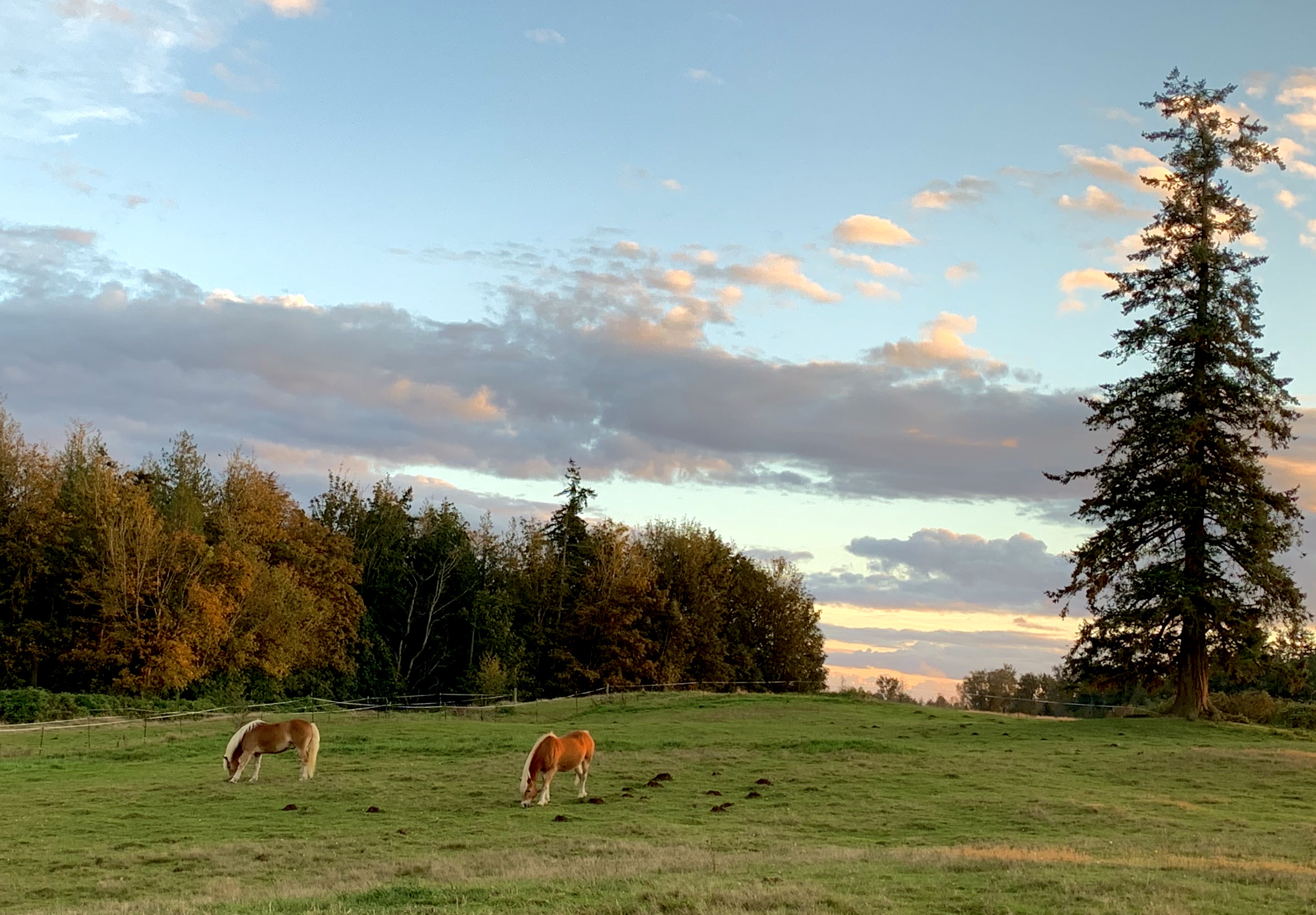
Most of all, they are the copper and gold so badly needed in the gray light of fall and winter. When my eyes and heart feel empty and in need of filling up, I go out into the fields to absorb the riches of their honey coats, their deep brown eyes, their stark white mane and tails.

They won’t be here forever, nor will I. We will someday be dust – no longer glinting of gold nor burning with the fire of life on this earth. But the memory of our light is forever as nothing can extinguish a beauty that is heaven-sent, whether horse or human.

A Genial Light

I cannot endure to waste anything so precious as autumnal sunshine by staying in the house.
There is no season
when such pleasant and sunny spots may be lighted on,
and produce so pleasant an effect on the feelings,

as now in October.
The sunshine is peculiarly genial;
and in sheltered places,

as on the side of a bank, or of a barn or house,
one becomes acquainted and friendly with the sunshine.
It seems to be of a kindly and homely nature.
And the green grass strewn with a few withered leaves looks the more green and beautiful for them.

~Nathaniel Hawthorne
from The American Notebooks

After the keen still days of September,
the October sun filled the world with mellow warmth…
The maple tree in front of the doorstep

burned like a gigantic red torch.
The oaks along the roadway glowed yellow and bronze.
The fields stretched like a carpet of jewels,

emerald and topaz and garnet.
Everywhere she walked the color shouted and sang around her…
In October any wonderful unexpected thing might be possible.
~Elizabeth George Speare from The Witch of Blackbird Pond 

If I were a month,
I would choose to be October:
bathed by a genial and friendly sun,
within a kindly and homely nature,
slowly withering, yet still crisp,
with mild temperature and modest temperament
despite a rain and wind storm or two,
only once in a while foggy.

Most of all,
I would cherish my flashes of burnt umber
as I reluctantly relinquish the light.

Stumbling in His Wake

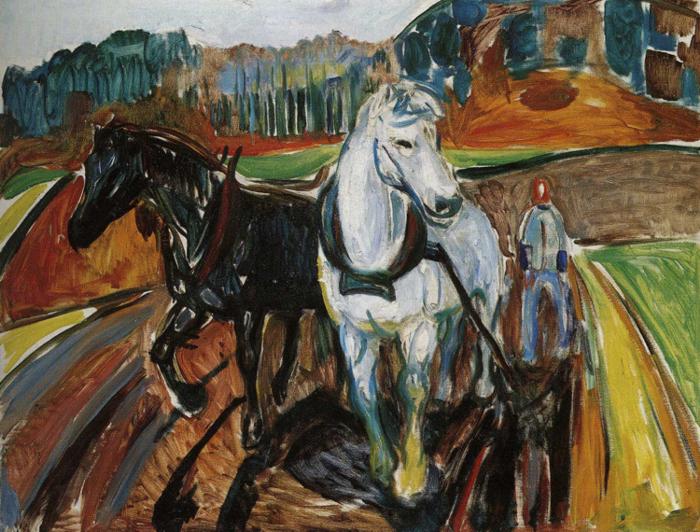
Horse Team by Edvard Munch

My father worked with a horse-plough,
His shoulders globed like a full sail strung
Between the shafts and the furrow.
The horses strained at his clicking tongue.

An expert. He would set the wing
And fit the bright steel-pointed sock.
The sod rolled over without breaking.
At the headrig, with a single pluck

Of reins, the sweating team turned round
And back into the land. His eye
Narrowed and angled at the ground,
Mapping the furrow exactly.

I stumbled in his hobnailed wake,
Fell sometimes on the polished sod;
Sometimes he rode me on his back
Dipping and rising to his plod.

I wanted to grow up and plough,
To close one eye, stiffen my arm.
All I ever did was follow
In his broad shadow round the farm.

I was a nuisance, tripping, falling,
Yapping always. But today
It is my father who keeps stumbling
Behind me, and will not go away

~Seamus Heaney “Follower

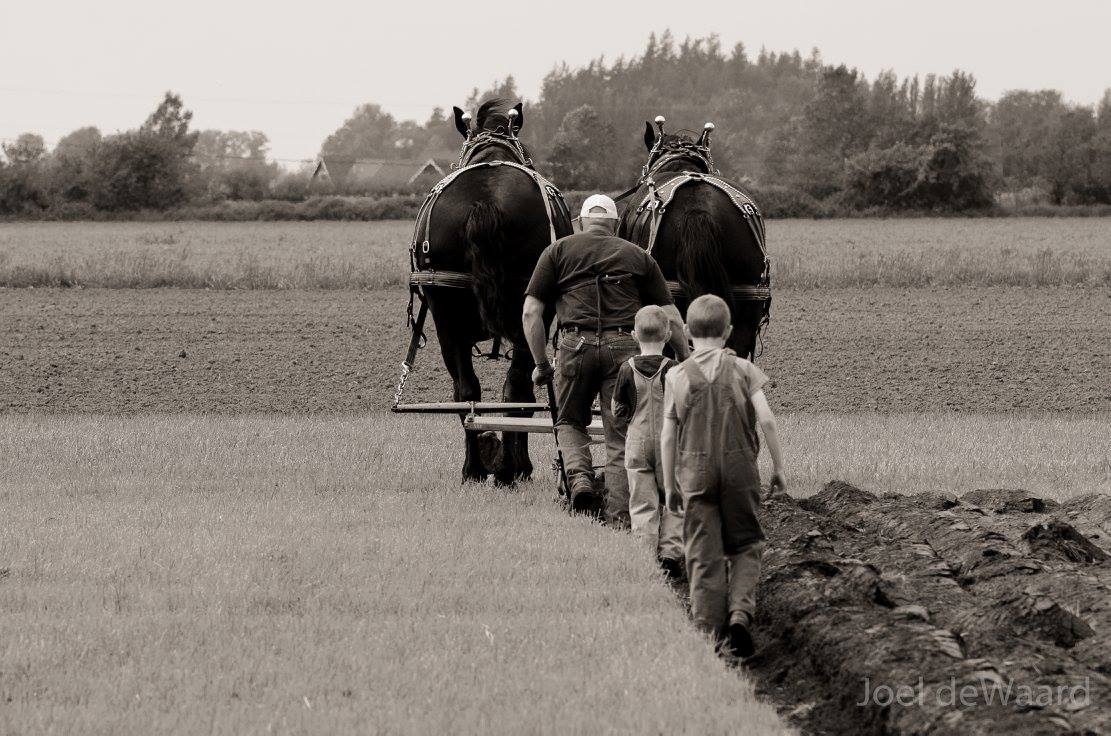
photo by Joel DeWaard
Painting “Plowing the Field” by Joyce Lapp
Benjamin Janicki of Sedro Woolley raking hay with his team of Oberlanders

My grandparents owned the land,
worked the land, bound
to the earth by seasons of planting
and harvest.

They watched the sky, the habits
of birds, hues of sunset,
the moods of moon and clouds,
the disposition of air.
They inhaled the coming season,
let it brighten their blood
for the work ahead.

Soil sifted through their fingers
imbedded beneath their nails
and this is what they knew;
this rhythm circling the years.
They never left their land;
each in their own time
settled deeper.
~Lois Parker Edstrom “Almanac” from Night Beyond Black. © MoonPath Press, 2016.

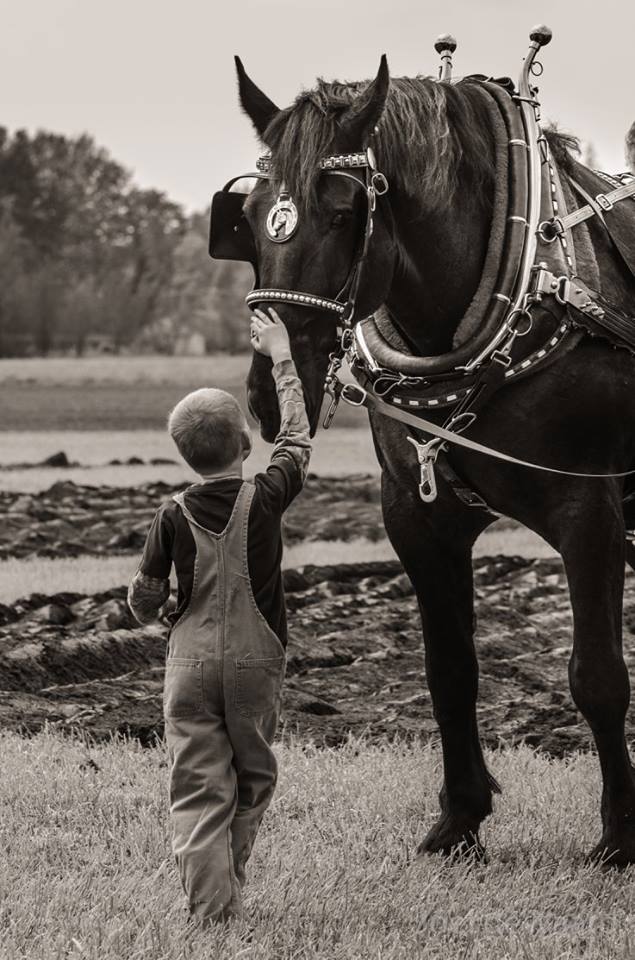
photo by Joel DeWaard
Field with Plowing Farmers by Vincent Van Gogh

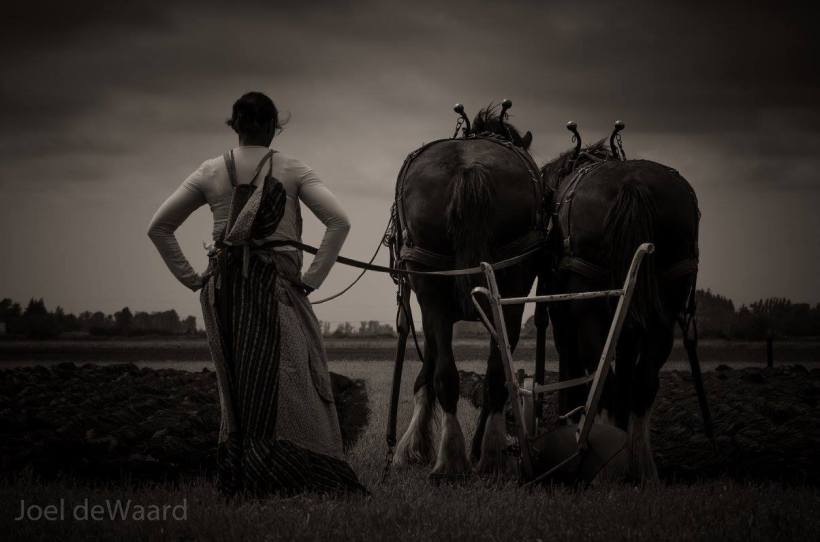
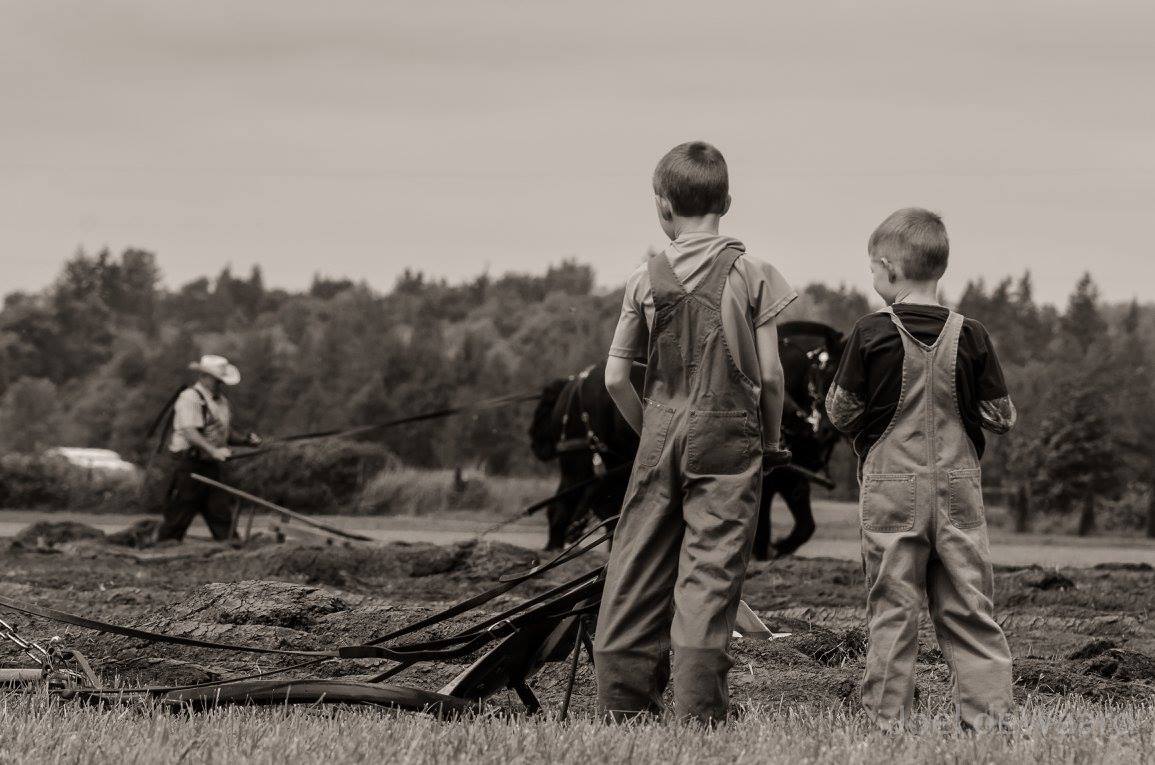
My father did field work with horses when he was young and honestly — he hated every moment of it. He badly wanted a tractor though his father could never afford one, so the draft horses were their meal ticket, swerving around the large stumps on a farm that would never produce enough to sustain the family.

My father wanted more when he grew up. For him, it wasn’t about the rhythms of the seasons or his relationship with the horses, or the romance of the soil turning over to be planted. It was hard sweaty frustrating often futile work.

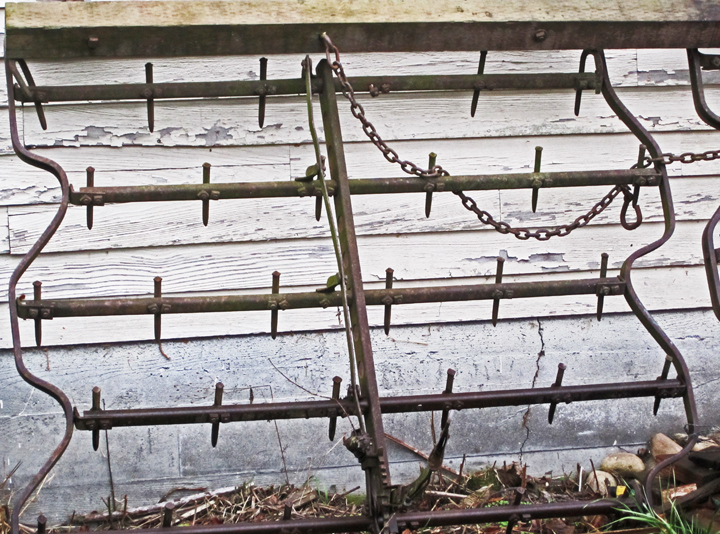
He didn’t welcome my interest in horses but he still supported me. He loaned me the seed money that got us started with a small breeding herd of Haflinger horses and he had advice for us when we asked but not unless we asked. He built stalls in our barn and fashioned hefty metal stall closures and helped in whatever way he could with the handy skills he had learned growing up on a farm that never could succeed.

As a child, I had stumbled after my dad in the figurative furrows he plowed ahead of me, always leading me to pursue something better. He reminded me regularly that I could do whatever I set my mind to, like setting the wing of the plow and eyeing the straight line, mapping the course ahead. And I did, largely because of his encouragement during the 60’s when most girls didn’t hear that from their daddies. Instead it was usually angry bored moms who became the voices who pushed their daughters to dig deeper and plow stronger. Not my mom.

My dad’s encouragemnt still echoes in my mind. He gave me momentum in the furrow. He is still there behind me, ready to steady me when I stumble.

I’m glad he led me down his plow line, and all these years later, he still follows me and isn’t going away.

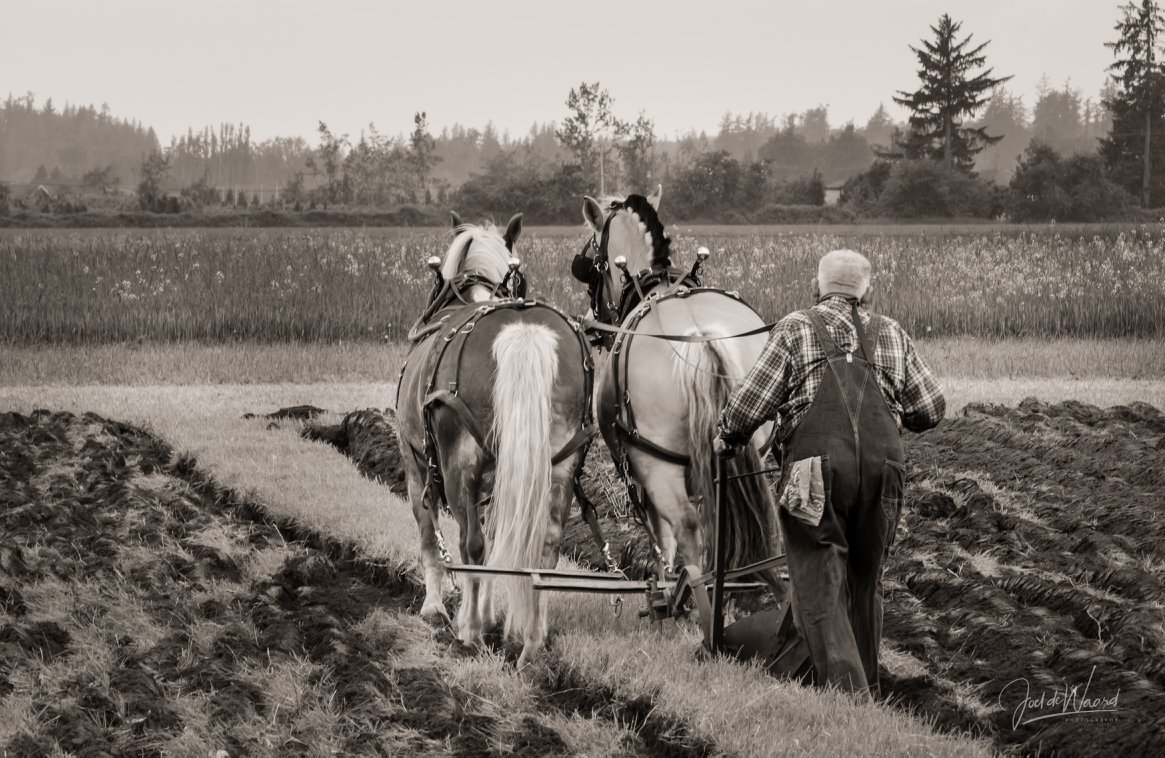
photo by Joel DeWaard
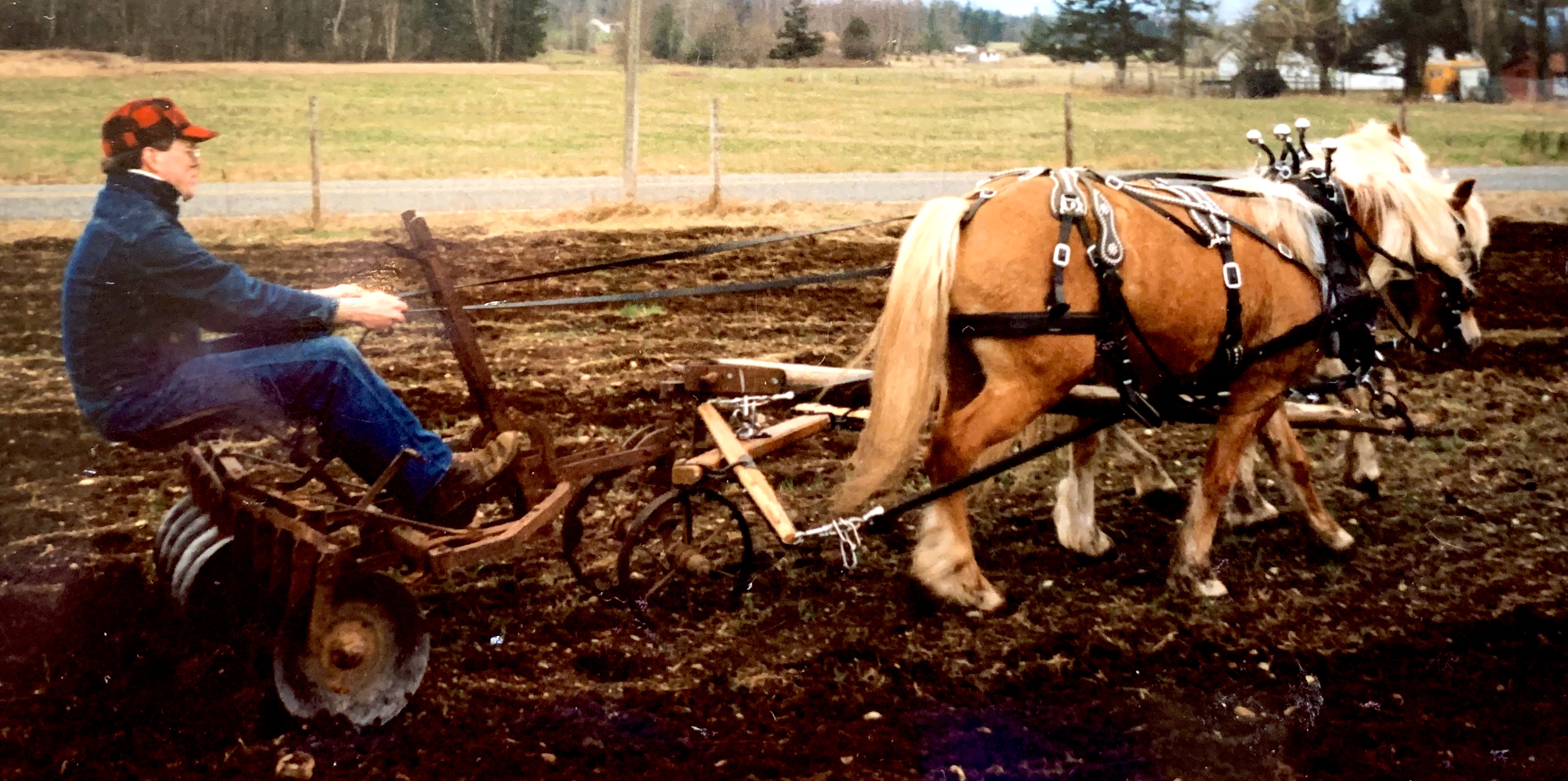
Dan driving our first Haflinger team – brother and sister Hans and Greta

Thank you once again to Joel deWaard, local farmer and photographer, who has graciously shared his photos of the Annual International Lynden (Washington) Plowing Match

The Outside of a Horse

There is nothing better for the inside of a man than the outside of a horse
~Long time equestrian wisdom attributed to many famous riders

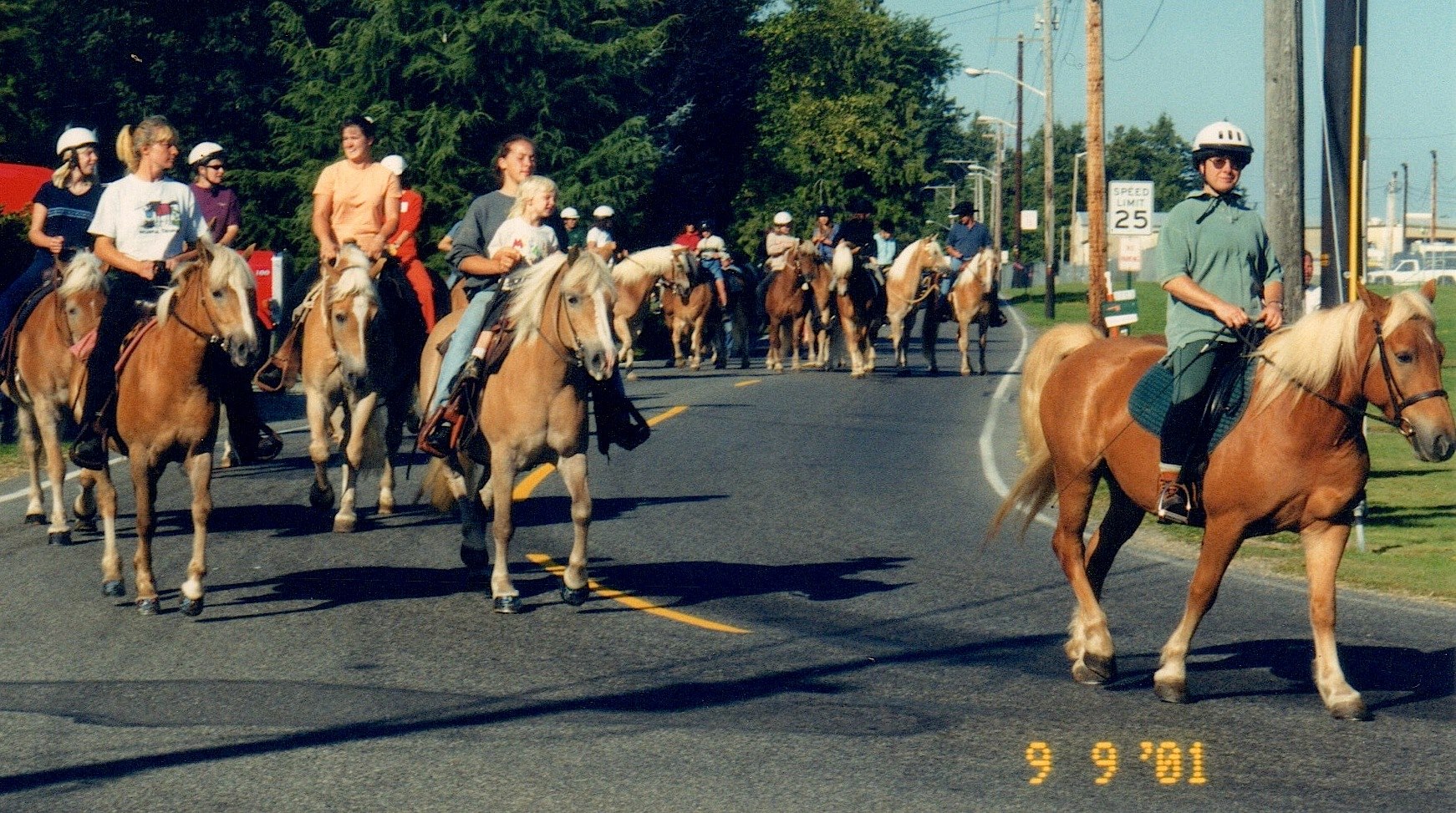
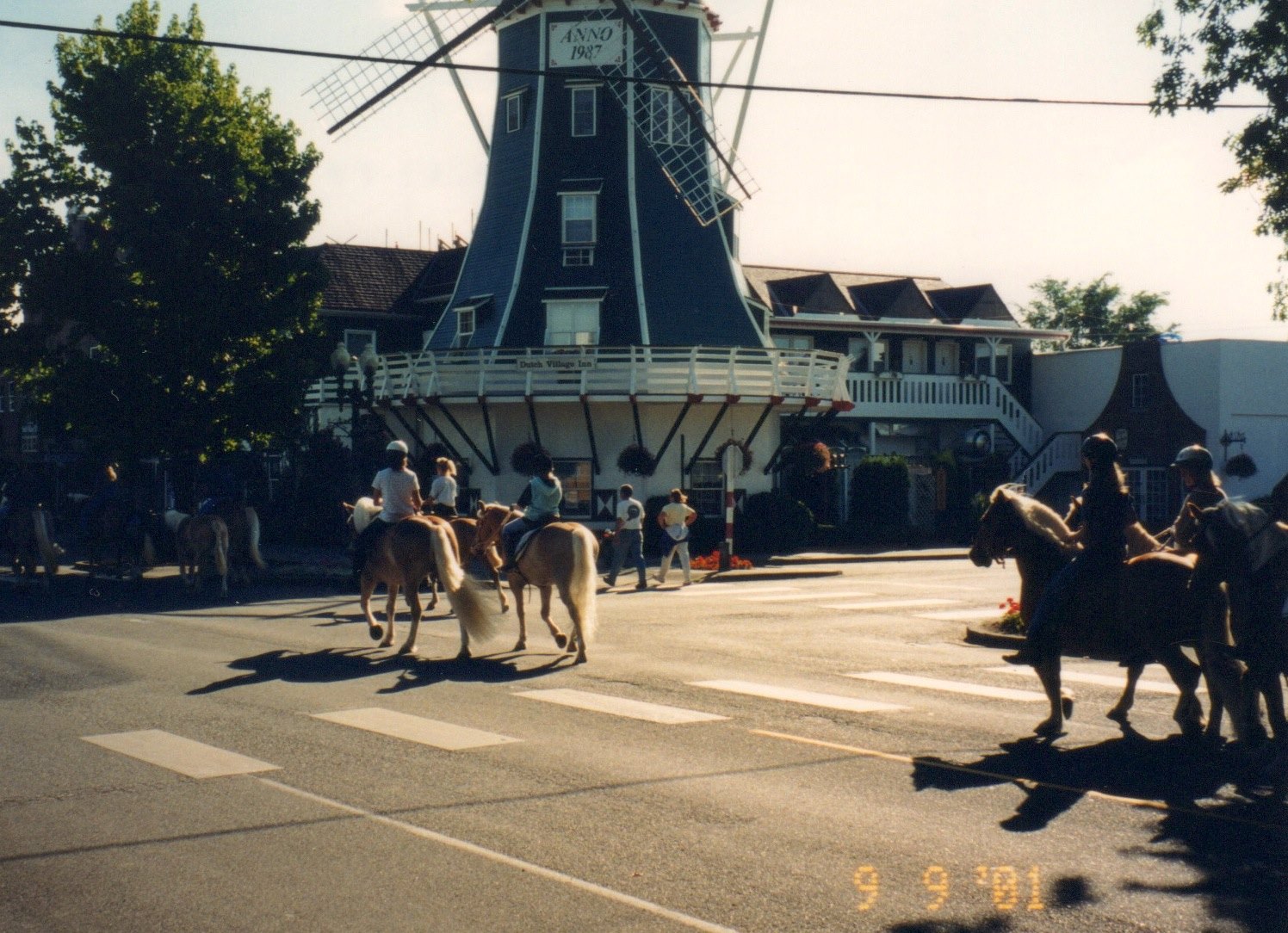
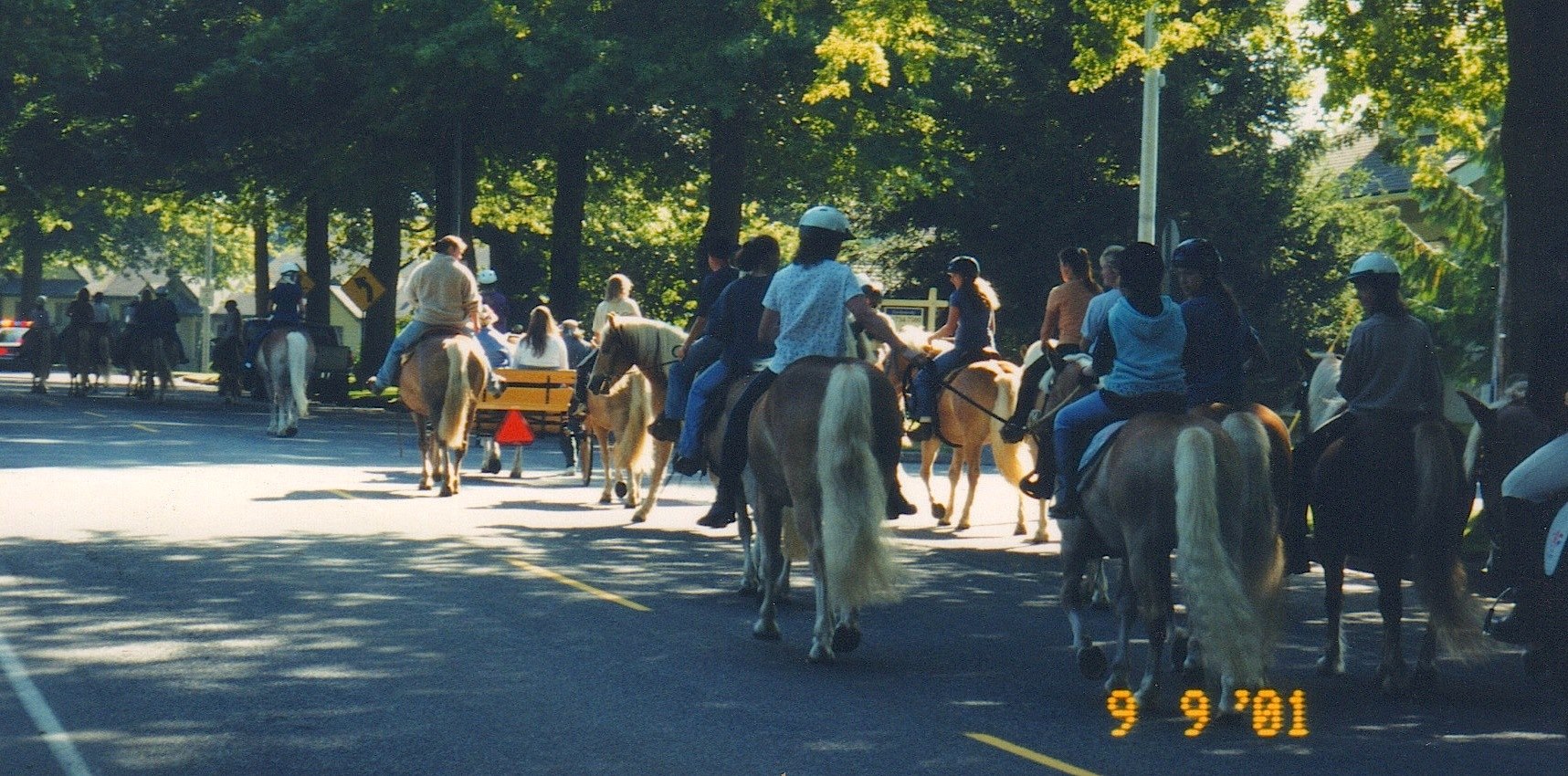
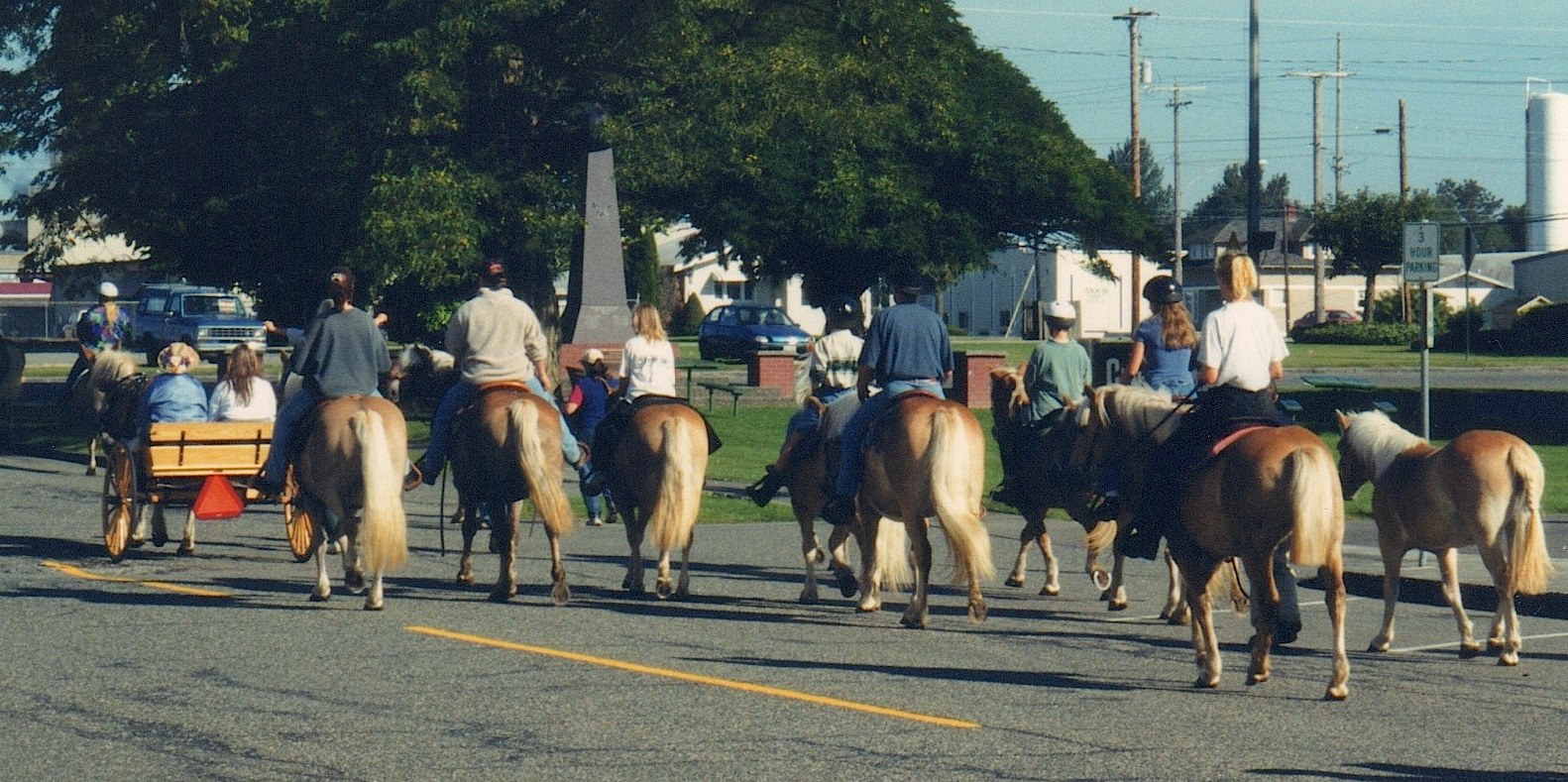
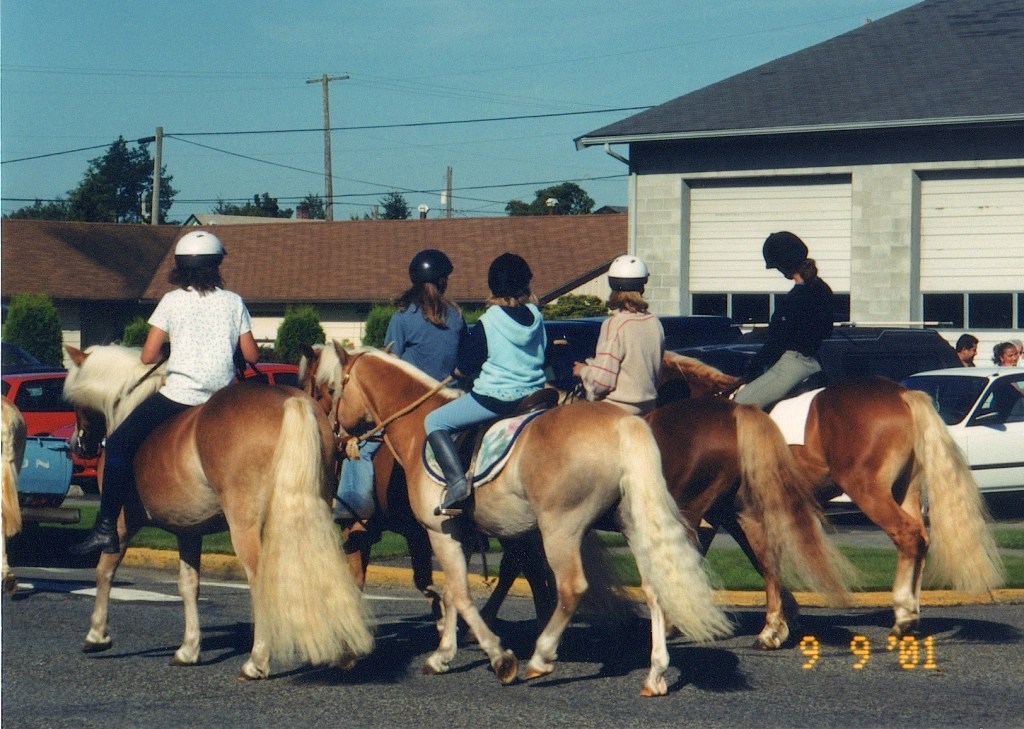
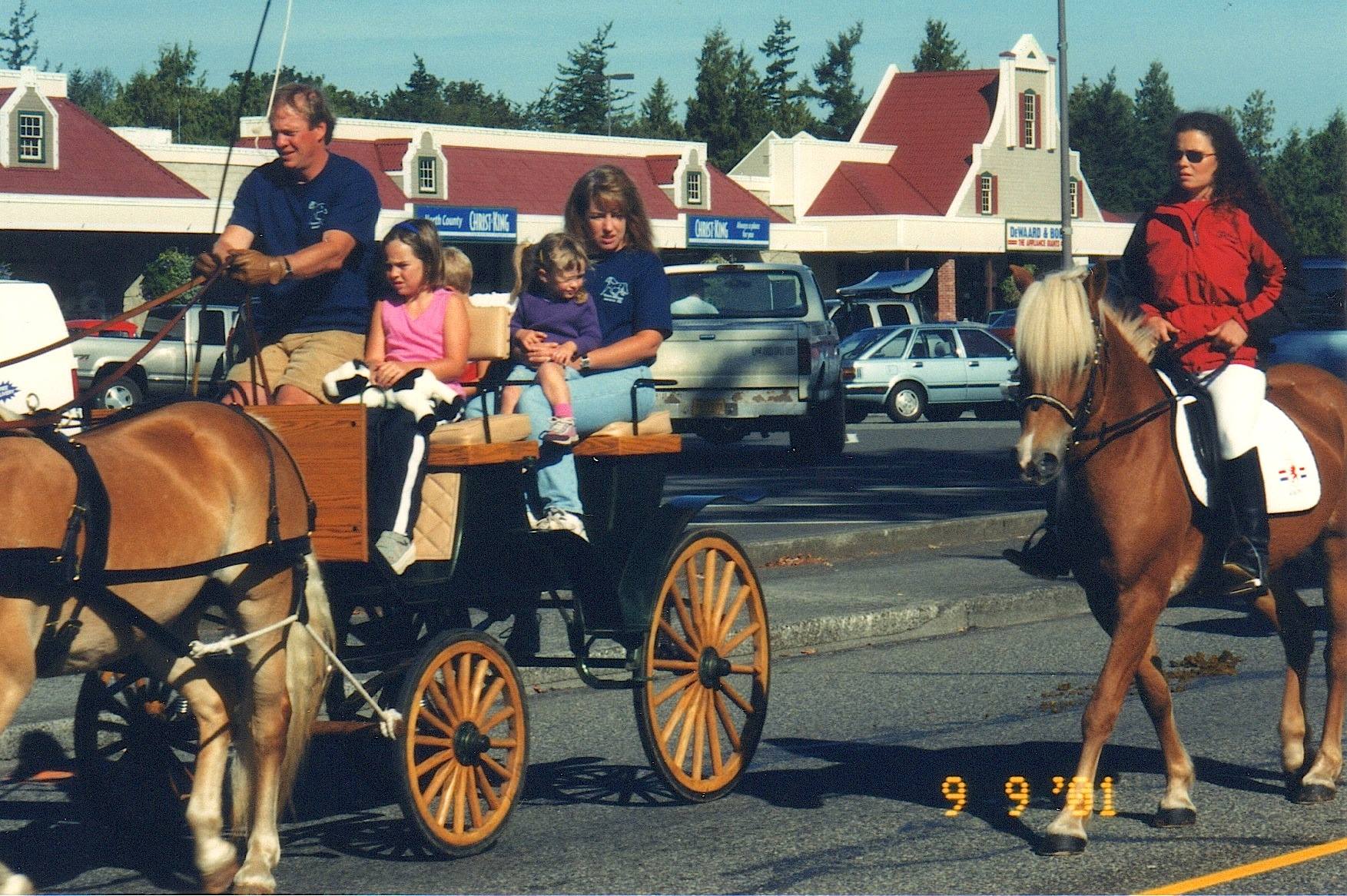
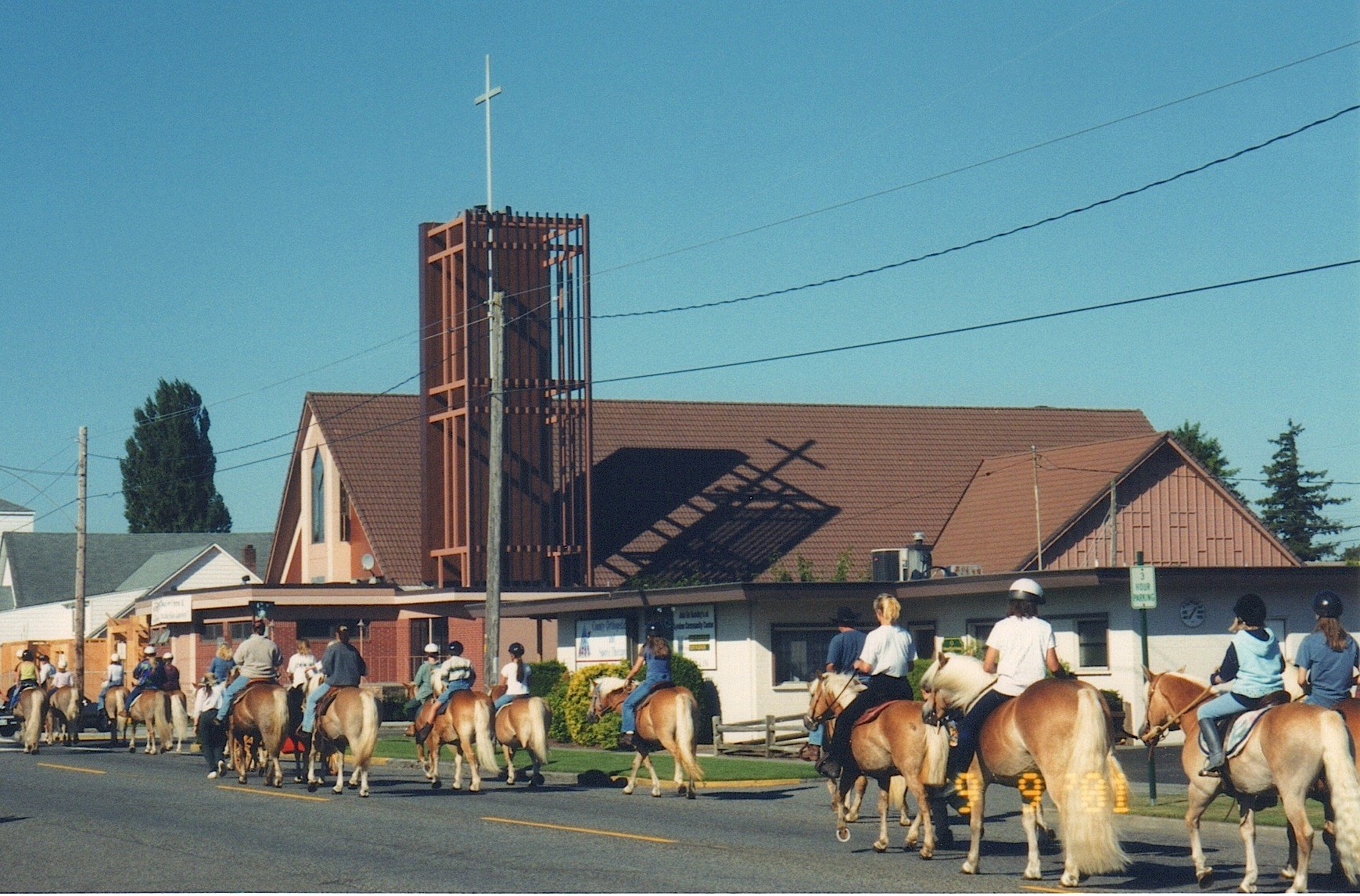
Nineteen years ago today in 2001, two days before the world changed forever, I helped organize a gathering of Haflinger horse owners from western Canada and the United States in our nearby town of Lynden, Washington. We received permission to have a Haflinger parade on a quiet Sunday morning while the townspeople were all in church. We wanted to be sure we would not interfere with traffic coming to town and leaving after worship services.

It was a remarkable morning of over ninety Haflingers – riding, driving, walking their horses, enjoying the quiet peace of a Sabbath morning in a friendly little town.

After September 11, 2001, nothing has felt quiet or calm in the same way ever again.

This is to remember the day we spent together, in the insides of us enjoying the outsides of our horses.

Decomposing Standards

I’ve banked nothing, or everything.
Every day

the chores need doing again.
Early in the morning,

I clean the horse barn with a manure fork.
Every morning,

it feels as though it could be
the day before or a year ago
or a year before that.

With every pass, I give the fork one final upward flick
to keep the manure from falling out,
and every day I remember

where I learned to do that and from whom.

Time all but stops.

But then I dump the cart on the compost pile.
I bring out the tractor and turn the pile,

once every three or four days.
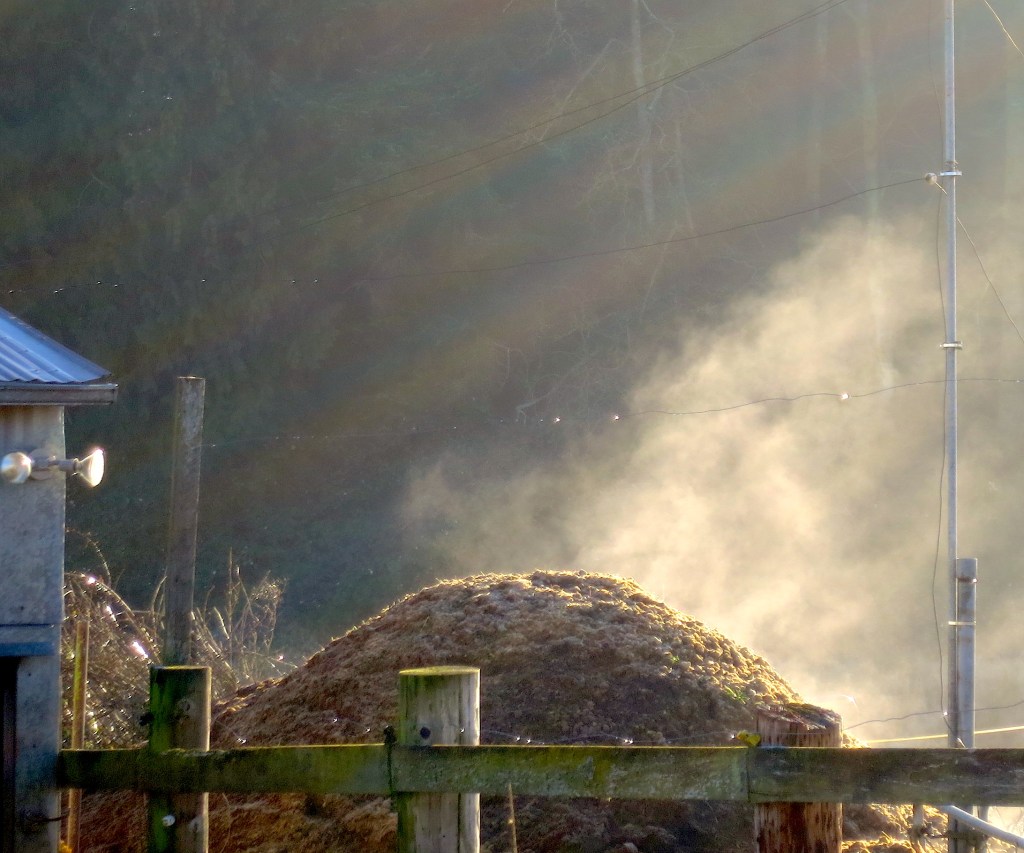
The bucket bites and lifts, and steam comes billowing out of the heap.
It’s my assurance that time is really moving forward,
decomposing us all in the process.
~Verlyn Klinkenborg from More Scenes from the Rural Life

I’ve written about horse manure before in a variety of contexts as it is a daily chore here to keep it picked up, wheeled to the pile, wait for it to compost and then use it to fertilize garden or fields. It is one of the crops on our farm and we take our manure management seriously.

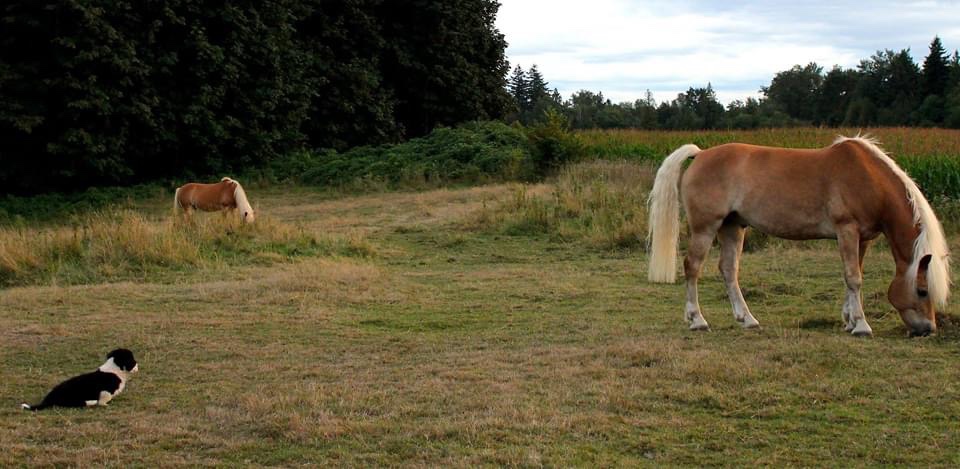
I have not written before about our dogs’ coprophagous grins (look it up). This is a family-friendly blog so I’m not using the colloquial term that might be used while we’re out in the barn. But grinning they are, with a muzzle full of manure.

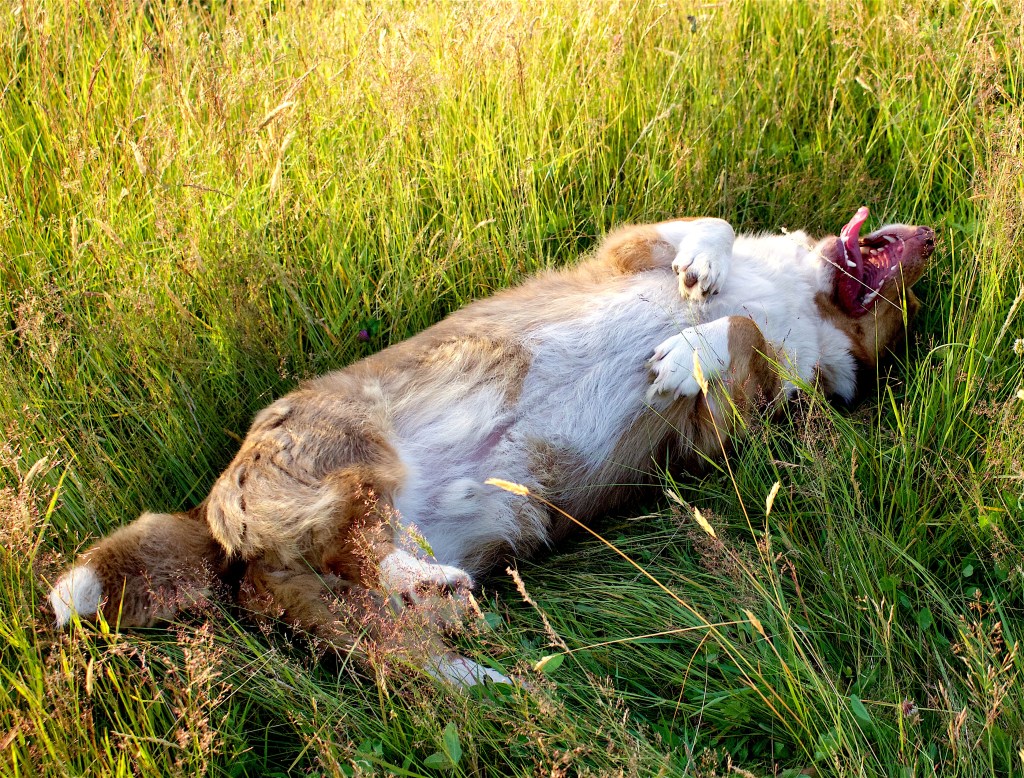
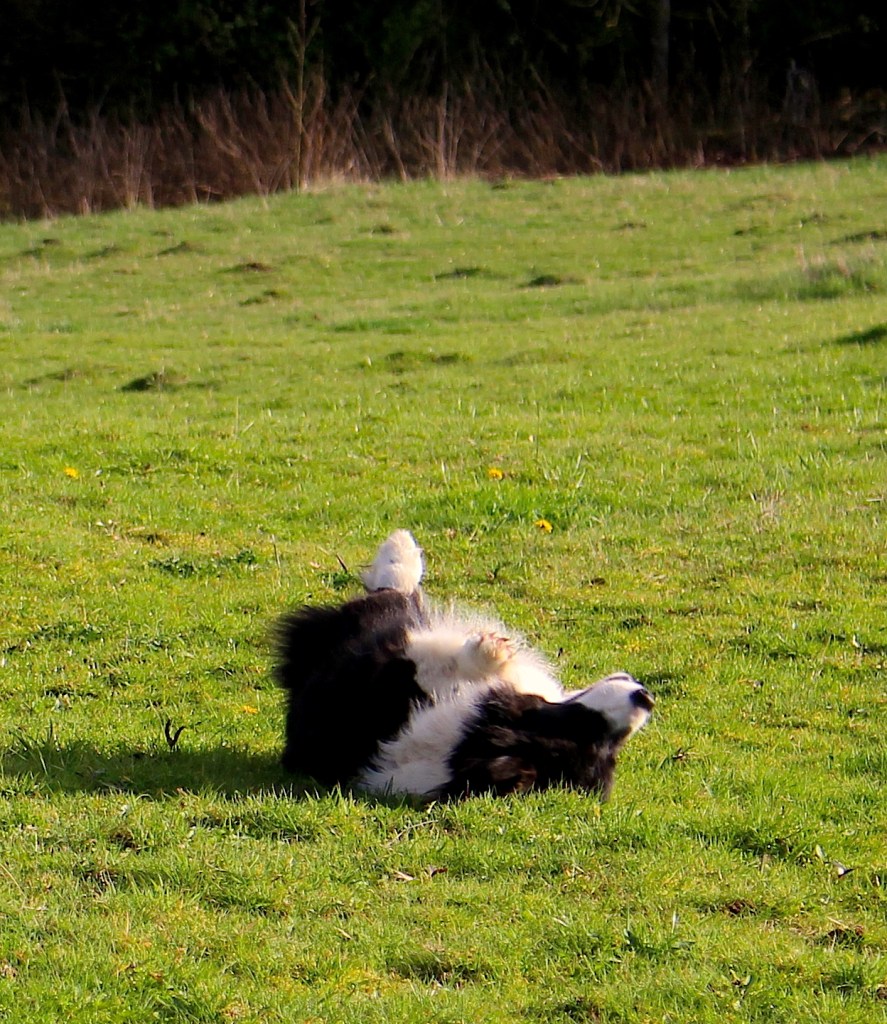
Dogs love to eat horse poop (among other things). No one has figured out why except that decomposing things – fecal, rotting or decaying- just simply smell good to a dog and what smells good must taste good. It does not smell good on their breath or, when they happily roll in it, on their fur. But they don’t seem to mind stinking to high heaven as long as it is their choice. What consenting dogs do should not concern us, right?
Right – until the stink reaches the threshold of the house or man’s best friend wants to plant a slobbery kiss on your cheek.

There is a lesson here in the manure pile.
There must be a pony buried here somewhere.
And there is.

We human beings, proper as we may appear on the surface, like to roll around in the figurative decomposing stuff too. Especially individuals in the news this week and in the recent past who proclaim strict Christian values and are leaders in preaching standards of morality have found themselves up to their eyeballs in the stink of their own choices, surrounding themselves with it. Jobs have been lost and reputations ruined.

We almost lost a farm dog because he inadvertently overdosed on ivermectin horse wormer that may have been in ingested manure or dripped nearby. What may appear benign, no big deal and may not hurt anyone, could in fact be lethal.

So I tell the dogs to wipe that coprophagous grin off their faces and clean up their act. If I wanted to hang out with the stink of decomposition, I’d go picnic next to a nice steaming warm compost pile.

At least I know in the case of the compost pile, the manure eventually becomes something far more wholesome, thereby ultimately redeemed.

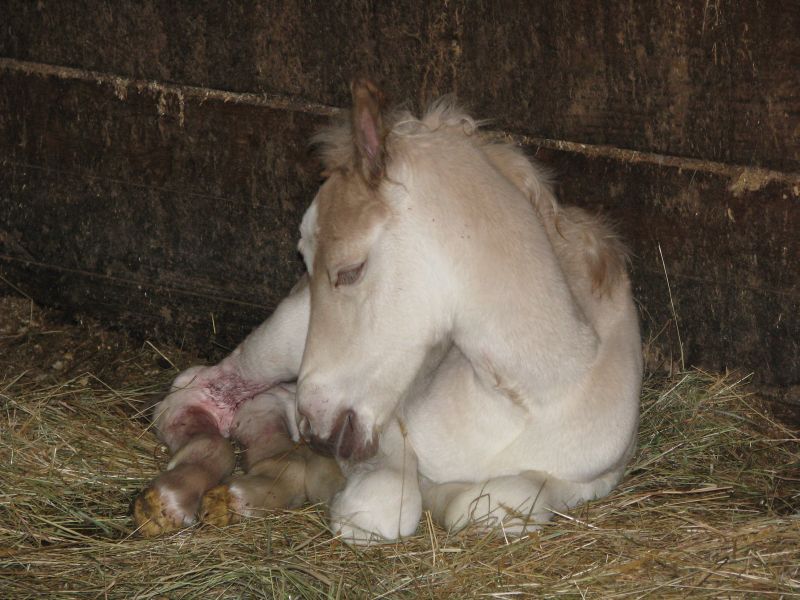
Fully Formed

What I didn’t know before
was how horses simply give birth to other horses.

Not a baby by any means, not
a creature of liminal spaces,

but already a four-legged beast hellbent on walking,
scrambling after the mother.

A horse gives way to another horse
and then suddenly there are
two horses, just like that.

That’s how I loved you.
You, off the long train from Red Bank carrying
a coffee as big as your arm, a bag with two
computers swinging in it unwieldily at your
side. I remember we broke into laughter
when we saw each other.

What was between us wasn’t a fragile thing
to be coddled, cooed over.
It came out fully formed, ready to run.
~Ada Limón “What I Didn’t Know Before”

photo by Emily Vander Haak

It felt fully formed and meant to be right from the beginning, now over forty years ago. We both recognized we were ready to run unafraid, trusting our legs were strong enough to take us wherever life would lead.

We don’t need to run as often now, but we are hellbent on walking through this world together as long and far as possible, laughing and loving as often as we can.

We didn’t know it could be like this. We just needed to wait for it to be born fully formed when the time was right.

Fighting a Harder Battle

Mostly, I want to be kind.
And nobody, of course, is kind,
or mean,
for a simple reason.

~Mary Oliver from “Dogfish”

Be kind, for everyone you meet is fighting a harder battle.
~Plato

Our mare Belinda has a two decade history of fighting the hard battle of being consistently on the bottom of the mare hierarchy. She is unusually shy, very submissive and never one to stir up trouble in the herd. Most of the time she simply wants to disappear so the other mares can’t see her to bully her.

I’ve watched her over the years to learn how she copes day in and day out with her low status. She is clearly more clever than the higher-ranking mares who lord it over her, reminding her of their rank.

In the mornings when the mares are turned out to pasture from their individual stalls, I always open Belinda’s door first so she has the option to walk out to pasture ahead of the others if she chooses. Instead, she’ll stand waiting at the open door, watching the other mares leave their stalls and pass by, then follow behind them out to pasture keeping a safe distance between them and herself.

Once outside, she’ll stand at the water barrel just inside the pasture gate, and pretend to drink water for several minutes (I’m convinced she doesn’t actually drink a drop) while the other mares wander into the field to find their preferred grazing spot.

Once the others are clearly settled, she joins them at a safe distance. Then the worst bully will approach her, just as Belinda has started to eat, and will start to groom Belinda’s withers with her teeth. This is a clear invitation to be scratched back, so despite being hungry and clearly fearful, Belinda mutually chews/scratches for at least ten minutes with her mortal enemy. I’d like to think this is their brief truce in the battle for status every day; one clearly has a need and wants Belinda to comply. Belinda is more than willing to set aside her own needs if it means keeping peace in the herd.

At the end of the day, Belinda stays up in the field until the other mares have returned to the barn and are back in their stalls with the doors latched. I know she counts the number of doors she hears closing because she will refuse to come in from outside and return to her stall until she hears the last door closing, knowing it is then safe to some into the barn.

The first thing she does returning to her stall is to drop a pile of manure right inside her door. It is her claim of “mine” – no other horse here does that, since they would have to walk through manure to leave the stall, but for Belinda, it is a way of saying if for some reason the closed door isn’t enough to keep her secure, the pile of manure at least marks her territory.

She does not always have a peaceful night alone in her stall as I would expect. Her stall floor is churned and messy in the morning, as if she continues to be on the move even in the darkness, or perhaps she is a mare having nightmares.

I know her long life has been one of constant worry and vigilance despite always having access to plenty of food, a safe place to rest at night and always being part of a community, though not one that has supported her.

She reminds me that everyone, especially the lowest on the totem pole, deserves kindness because I cannot possibly understand the battles they are fighting, both day and night.

And they deserve respect: to simply survive, they are much smarter than I am.


August and Abundantly So

But you can have the fig tree and its fat leaves like clown hands
gloved with green.
You can have the touch of a single eleven-year-old finger
on your cheek, waking you at one a.m. to say the hamster is back.
You can have the purr of the cat and the soulful look
of the black dog, the look that says, If I could I would bite
every sorrow until it fled, and when it is August,
you can have it August and abundantly so. You can have love,
though often it will be mysterious, like the white foam
that bubbles up at the top of the bean pot over the red kidneys
until you realize foam’s twin is blood.


You can speak a foreign language, sometimes,
and it can mean something. You can visit the marker on the grave
where your father wept openly. You can’t bring back the dead,
but you can have the words forgive and forget hold hands
as if they meant to spend a lifetime together.


You can have your grandfather sitting on the side of your bed,
at least for a while, you can have clouds and letters, the leaping
of distances, and Indian food with yellow sauce like sunrise.


You can’t count on grace to pick you out of a crowd
but here is your friend to teach you how to high jump,
how to throw yourself over the bar, backwards,
until you learn about love, about sweet surrender,
and here are periwinkles, buses that kneel, farms in the mind
as real as Africa. And when adulthood fails you,


you can still summon the memory of the black swan on the pond
of your childhood, the rye bread with peanut butter and bananas
your grandmother gave you while the rest of the family slept.
There is the voice you can still summon at will, like your mother’s,
it will always whisper, you can’t have it all,
but there is this.
~Barbara Ras from “You Can’t Have It All
from Bite Every Sorrow

My pragmatic mother who gave up her teaching career for marriage and family reminded me regularly that I couldn’t have it all: there was no way a woman can have a husband and children and a farm and a garden and animals and a profession and travel and volunteer in the community and not make a mess of it all and herself.

My father would listen to her and say softly under his breath: “you do whatever you put your mind to…you know what you are here for.”

They were both right. The alluring abundance of this life has invited me to want to touch and feel and taste it all, not unlike another woman who was placed with purpose in the Garden to be side-by-side companion and co-worker. Yet she demonstrated what happens when you want more than you are given and yes, she made a mess of it.

Yet there is this: despite wanting it all and working hard for it all and believing I could do it all, I indeed missed the point altogether.
It’s forgive and forget walking hand in hand for a lifetime.
It’s all gift, not earned.
It’s all grace, not deserved.
It’s all August abundance, all year long, to sustain us through the drought and drab of winter.

There is this: I know what I am here for.

photo by Breanna Siebring Randall