Days pass when I forget the mystery. Problems insoluble and problems offering their own ignored solutions jostle for my attention… And then once more the quiet mystery is present to me, the throng’s clamor recedes: the mystery that there is anything, anything at all, let alone cosmos, joy, memory, everything, rather than void: and that, O Lord, Creator, Hallowed one, You still, hour by hour sustain it. ~Denise Levertov from “Primary Wonder” from Sands of the Well
Here is the mystery, the secret, one might almost say the cunning, of the deep love of God: that it is bound to draw upon itself the hatred and pain and shame and anger and bitterness and rejection of the world, but to draw all those things on to itself is precisely the means chosen from all eternity by the generous, loving God, by which to rid his world of the evils which have resulted from human abuse of God-given freedom. ~N.T. Wright from The Crown and The Fire
Inundated by the inevitable bad news of the world, I must cling to the mystery of His magnetism for my own weaknesses, flaws and bitterness.
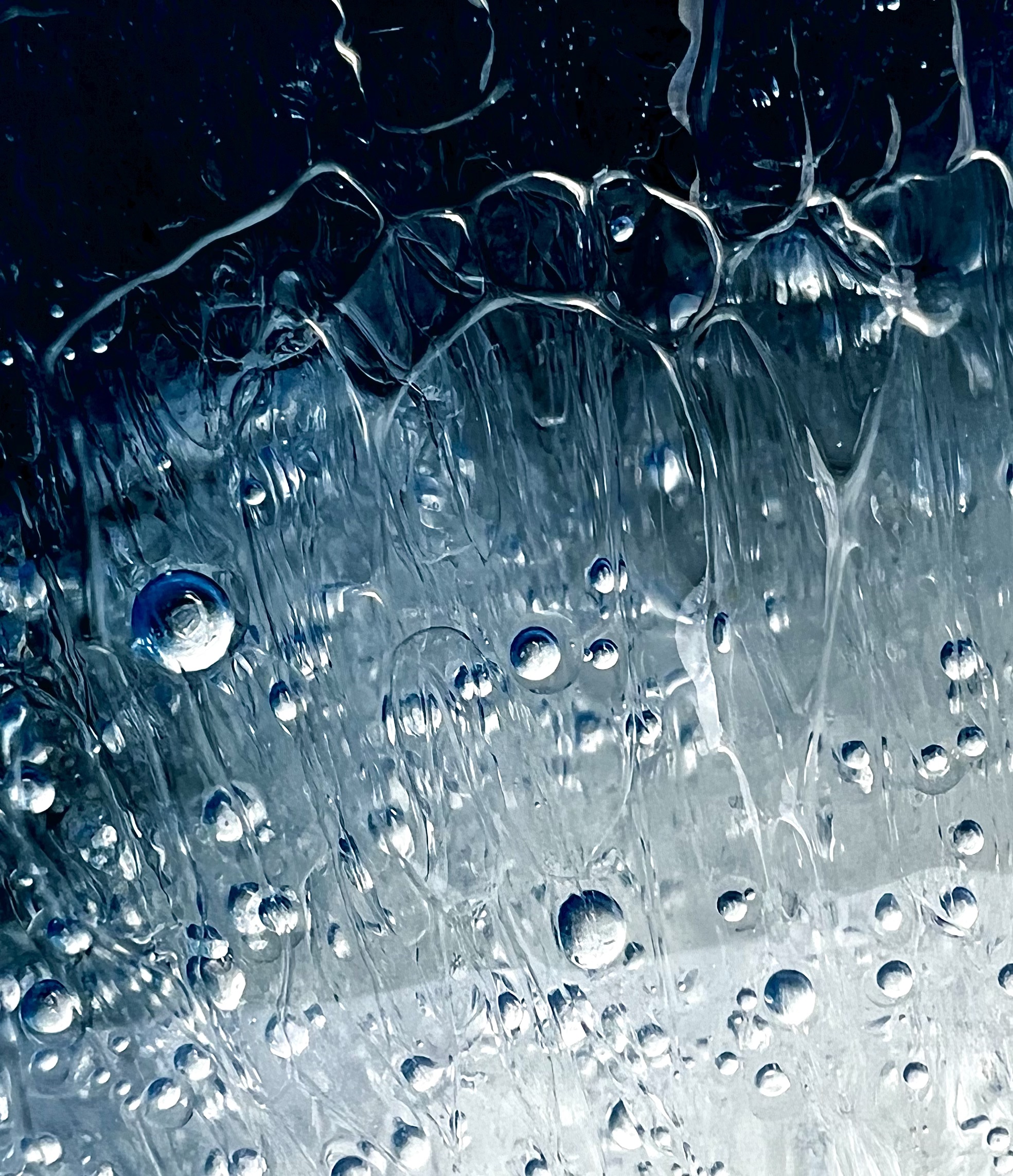
I am frozen in the ice of sin, waiting to be thawed.
He willingly pulls evil onto Himself, out of me. Hatred and pain and shame and anger disappear into the vortex of His love and beauty, the mucky corners of my heart vacuumed spotless.
We are let in on a secret: He is not sullied by absorbing the dirty messes of our lives.
Created in His image, sustained and loved, thus a reflection of Him, it is no mystery we are washed forever clean.
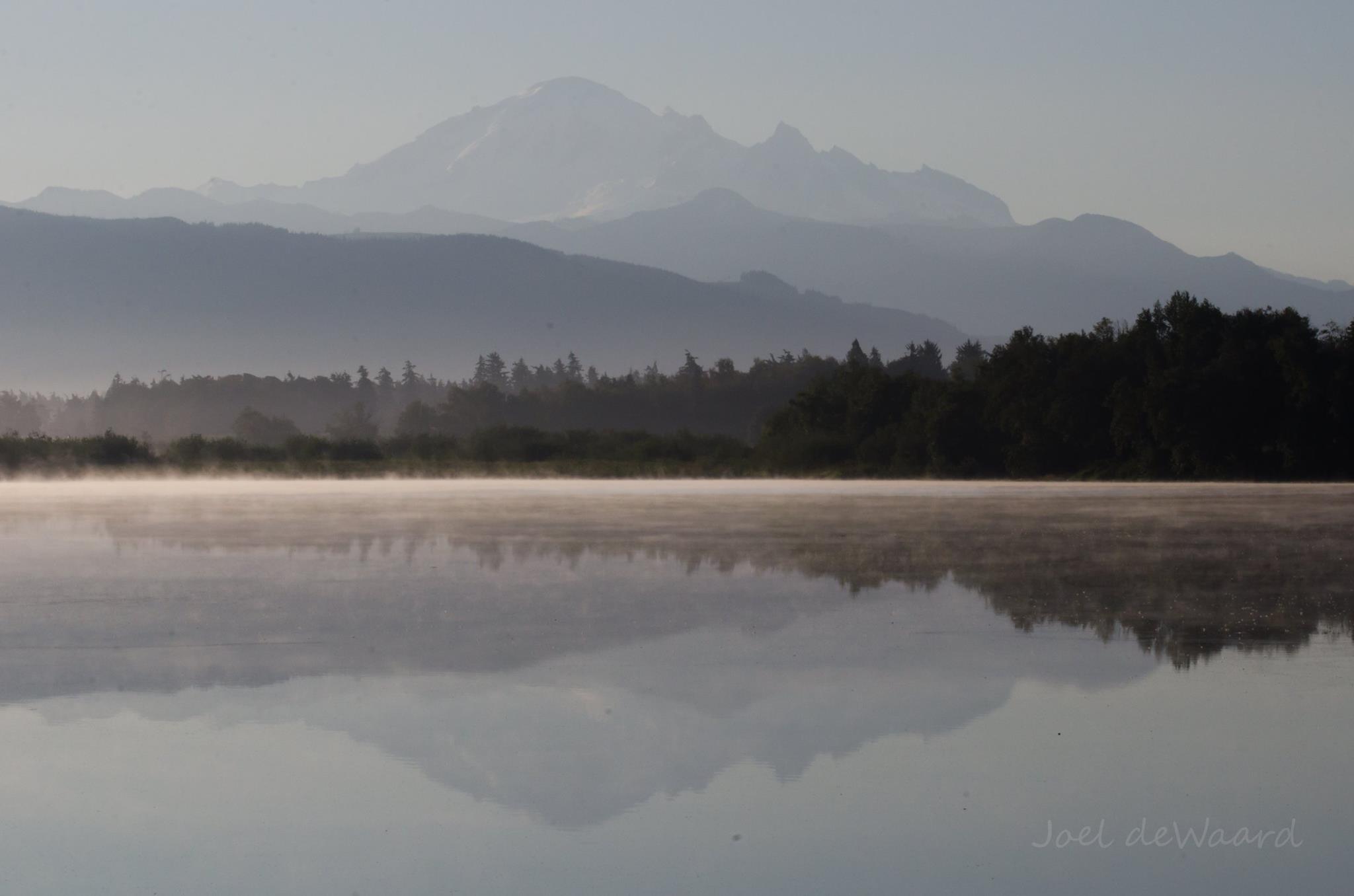
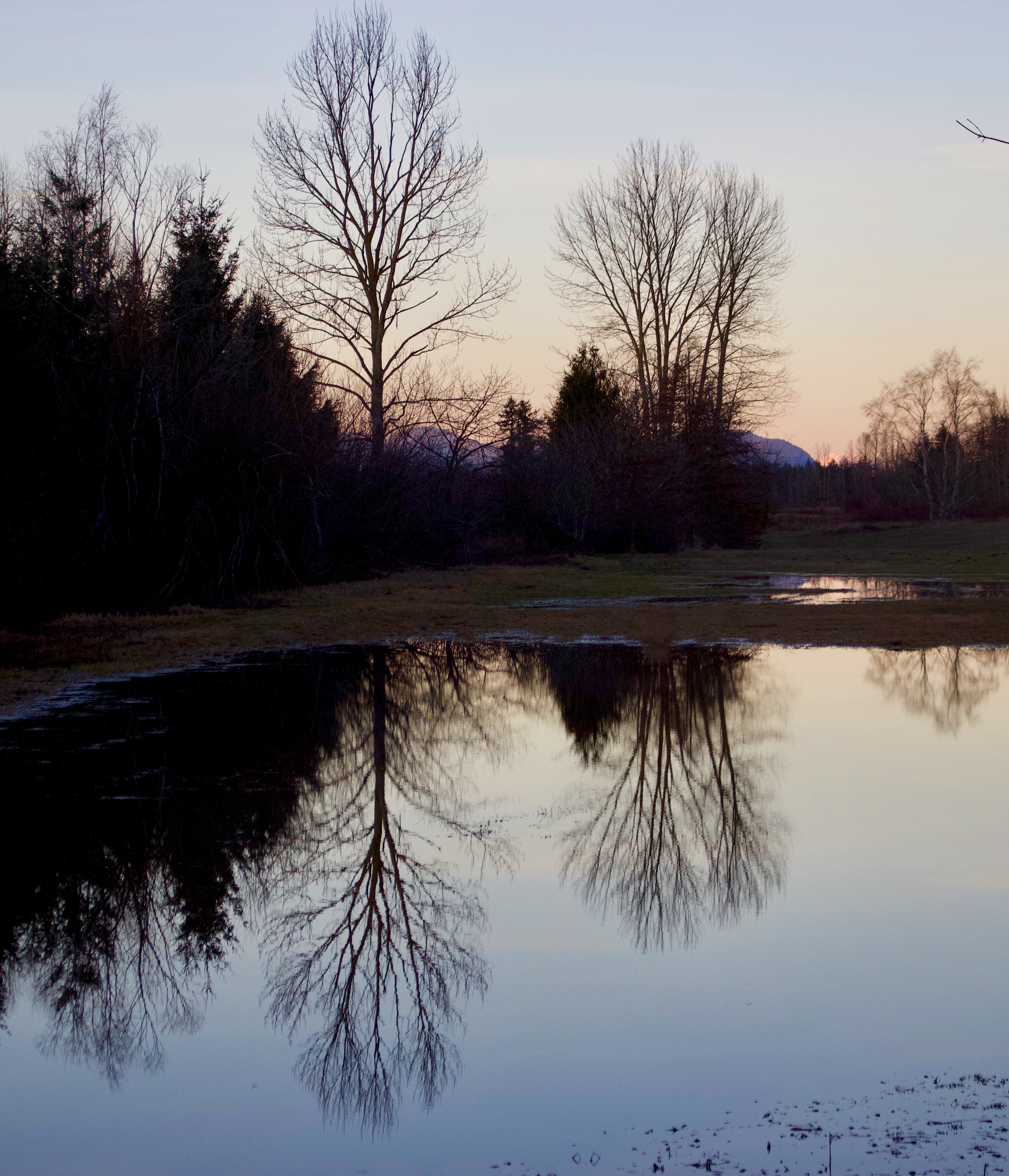
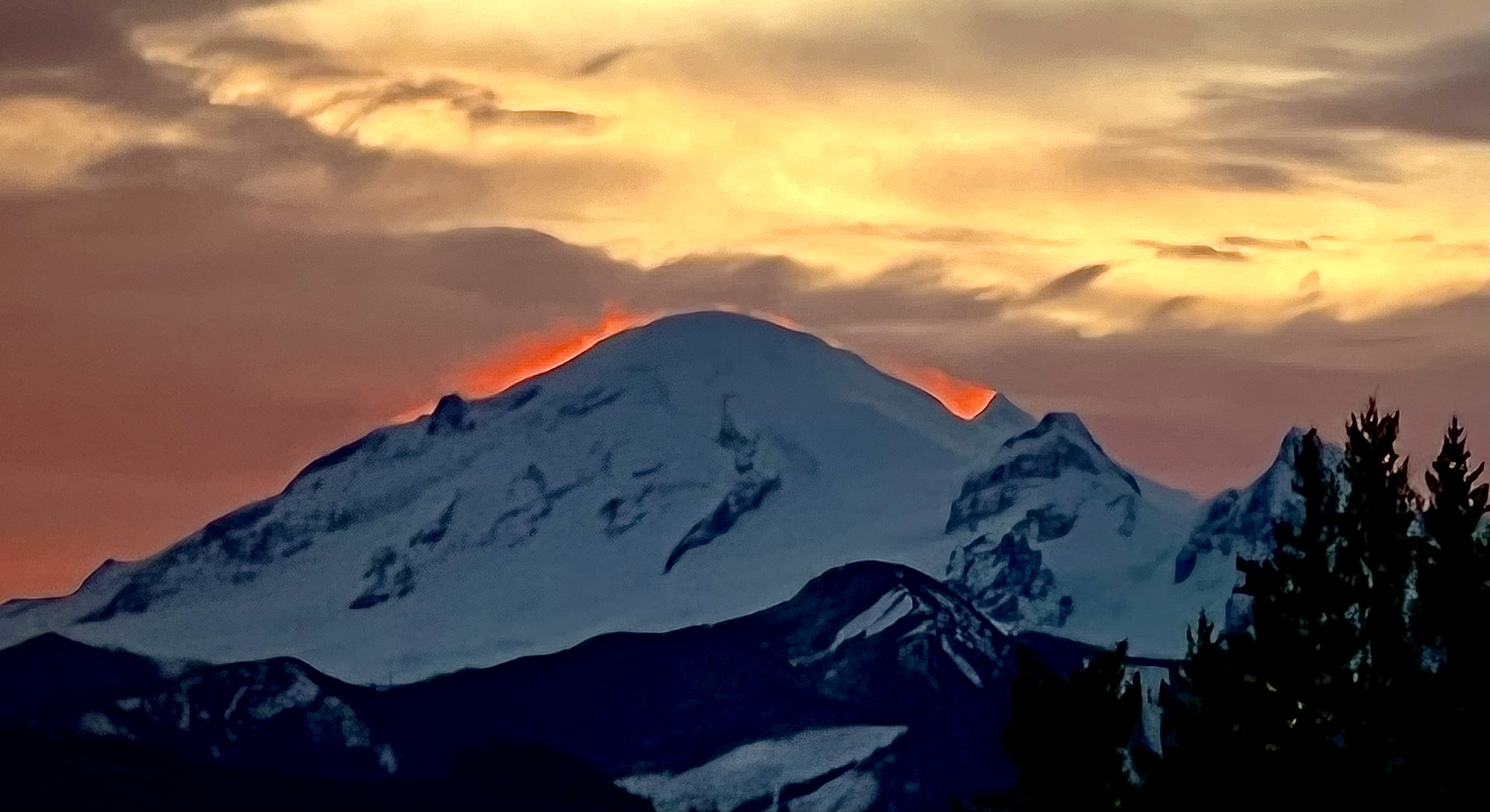
photo of Mt. Baker reflected in Wiser Lake by Joel DeWaard
This year’s Barnstorming Lenten theme is Ephesians 3:9:
…to bring to light for everyone what is the plan of the mystery hidden for ages in God, who created all things…
One-Time
Monthly
Yearly
Make a one-time or recurring donation to support daily Barnstorming posts
In time the curtain-edges will grow light. Till then I see what’s really always there: Unresting death, a whole day nearer now, Making all thought impossible but how And where and when I shall myself die.
…specious stuff that says No rational being Can fear a thing it will not feel, not seeing That this is what we fear—no sight, no sound, No touch or taste or smell, nothing to think with, Nothing to love or link with, The anaesthetic from which none come round.
Slowly light strengthens, and the room takes shape. It stands plain as a wardrobe, what we know, Have always known, know that we can’t escape, Yet can’t accept. One side will have to go.
The sky is white as clay, with no sun. Work has to be done. Postmen like doctors go from house to house. ~Philip Larkin from “Aubade”
With the tragic news this week of at least 8 skiers lost in an avalanche in California, with one still missing, I’m sharing an essay I originally wrote during Advent in 2003.
May the Light of the Resurrection find and rescue you in your moments of darkness.
We are now in our darkest of dark days today in our corner of the world–about 16 hours of darkness underwhelming our senses, restricting, confining and defining us in our little circles of artificial light that we depend on so mightily.
It is so tempting to be consumed and lost in these dark days, stumbling from one obligation to the next, one foot in front of the other, bumping and bruising ourselves and each other in our blindness. Lines are long at the stores, impatience runs high, people coughing and shivering with winter viruses, others stricken by loneliness and desperation.
So much grumbling in the dark.
Yesterday, I had a conversation with a patient of mine from my clinic at the University Student Health Center, a young college student recovering at the local hospital after a near-death experience. Her testimony made me acutely aware of my self-absorbent grumbling.
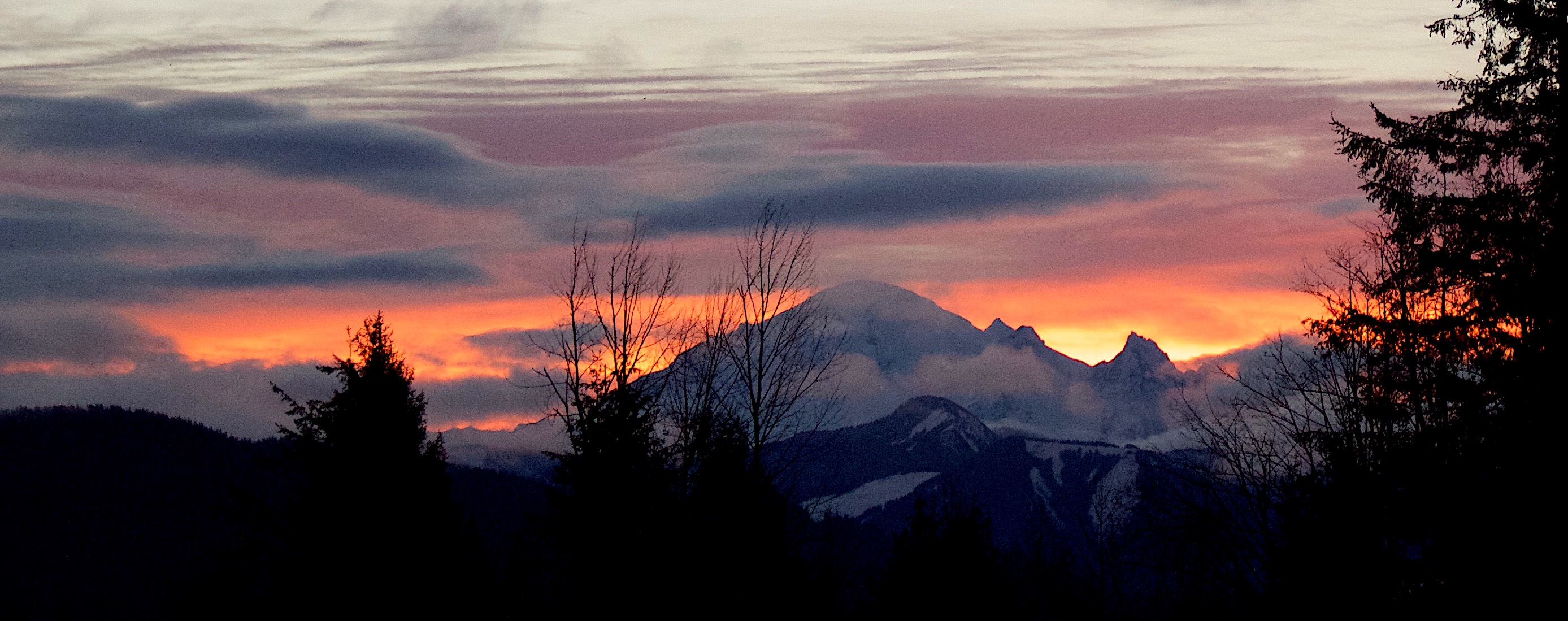
Several days ago, she was snowshoeing up to Artist Point with two other students in the bright sun above the clouds at the foot of nearby Mt. Baker. A sudden avalanche buried all three–she remembers the roar and then the deathly quiet of being covered up, and the deep darkness that surrounded her. She was buried hunched over, with the weight of the snow above her too much to break through. She had a pocket of air beneath her and in this crouching kneeling position, she could only pray–not move, not shout, not anything else. Only God was with her in that small dark place. She believes that 45 minutes later, rescuers dug her out to safety from beneath that three feet of snow. In actuality, it was 24 hours later.
She had been wrapped in the cocoon of her prayers in that deep dark pocket of air, and miraculously, kept safe and warm enough to survive. Her hands and legs, blackish purple when she was pulled out of the snow, turned pink with the rewarming process at the hospital.
When I visited her, she glowed with a light that came only from within –somehow, it had kept her alive.
Tragically, one of her friends died in that avalanche, never having a chance of survival because of how she was trapped and covered with the suffocating snow. Her other friend struggled for nearly 24 hours to free himself, bravely fighting the dark and the cold to reach the light, then calling for help from nearby skiers to try to rescue his friends.
At times we must fight with the dark–wrestle it and rale against it, bruised and beaten up in the process, but so necessary to save ourselves and others from being consumed. At other times we must kneel in the darkness and wait– praying, hoping, knowing the light is to come, one way or the other.
Grateful, grace-filled, not giving up to grumbling.
The story of this avalanche and rescue is documented here in the Seattle Times.
The first thing I heard this morning was a rapid flapping sound, soft, insistent—
wings against glass as it turned out downstairs when I saw the small bird rioting in the frame of a high window, trying to hurl itself through the enigma of glass into the spacious light.
Then a noise in the throat of the cat who was hunkered on the rug told me how the bird had gotten inside, carried in the cold night through the flap of a basement door, and later released from the soft grip of teeth.
On a chair, I trapped its pulsations in a shirt and got it to the door, so weightless it seemed to have vanished into the nest of cloth.
But outside, when I uncupped my hands, it burst into its element, dipping over the dormant garden in a spasm of wingbeats then disappeared over a row of tall hemlocks.
For the rest of the day, I could feel its wild thrumming against my palms as I wondered about the hours it must have spent pent in the shadows of that room, hidden in the spiky branches of our decorated tree, breathing there among the metallic angels, ceramic apples, stars of yarn, its eyes open, like mine as I lie in bed tonight picturing this rare, lucky sparrow tucked into a holly bush now, a light snow tumbling through the windless dark. ~Billy Collins “Christmas Sparrow” from Aimless Love
This year’s Barnstorming Lenten theme is Ephesians 3:9:
…to bring to light for everyone what is the plan of the mystery hidden for ages in God, who created all things…
One-Time
Monthly
Yearly
Make a one-time or recurring donation to support daily Barnstorming posts
You came from dust and dust would be Without the Great Son’s victory. The gift is free yet must be claimed By goodness lived and evil tamed.
Prepared to walk this Lenten trail They face death’s dark and shadowed vale. Rememb’ring Christ who led the way They bravely march beneath his sway. ~Ash Wednesday’s Early Morn
And so the light runs laughing from the town, Pulling the sun with him along the roads That shed their muddy rivers as he goads Each blade of grass the ice had flattened down. At every empty bush he stops to fling Handfuls of birds with green and yellow throats; While even the hens, uncertain of their notes, Stir rusty vowels in attempts to sing.
He daubs the chestnut-tips with sudden reds And throws an olive blush on naked hills That hoped, somehow, to keep themselves in white. Who calls for sackcloth now? He leaps and spreads A carnival of color, gladly spills His blood: the resurrection—and the light. ~Louis Untermeyer from “Ash Wednesday”
This is the time of tension between dying and birth... The Word without a word, the Word within The world and for the world; And the light shone in darkness and Against the Word the unstilled world still whirled About the centre of the silent Word. O my people, what have I done unto thee. ~T.S. Eliot from “Ash Wednesday”
My people, what have I done to you? Micah 6:3
May the light shine on my dusty darkness. May I be stilled, stunned to silence by the knowledge of the Lord, who sees me as I am, knows me, and loves me anyway.
O people, what have I done?
We who are His loved children, who too often turn away from Him so only our ashes remain.
His touch ignites us to light again, His blood has been spilled across the sky.
Barnstorming’s Lenten theme this year is Ephesians 3:9: “…to bring to light for everyone what is the plan of the mystery hidden for ages in God, who created all things…“
One-Time
Monthly
Yearly
Make a one-time or recurring donation to support daily Barnstorming posts
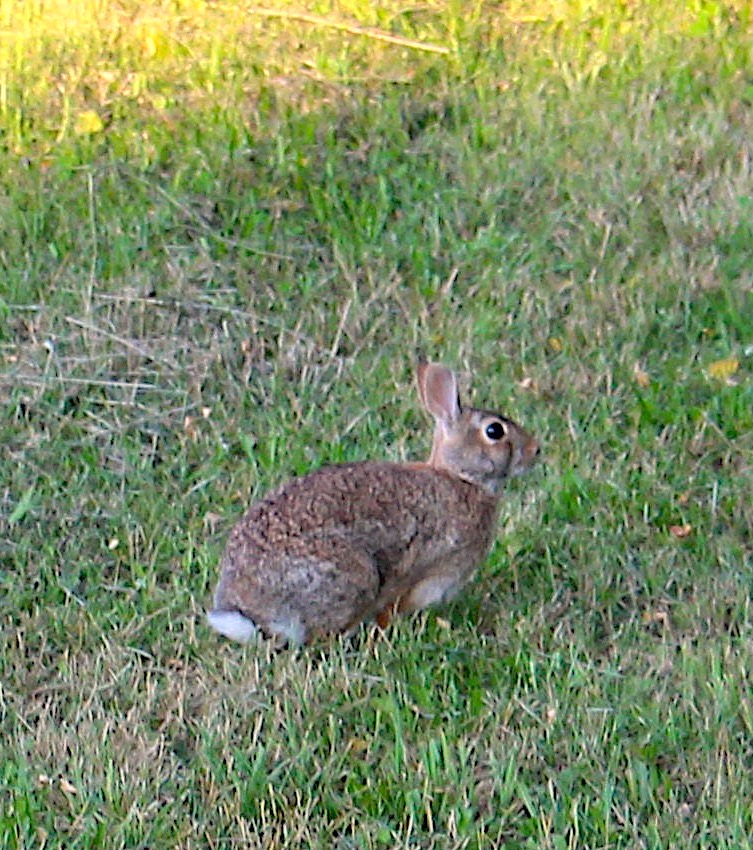
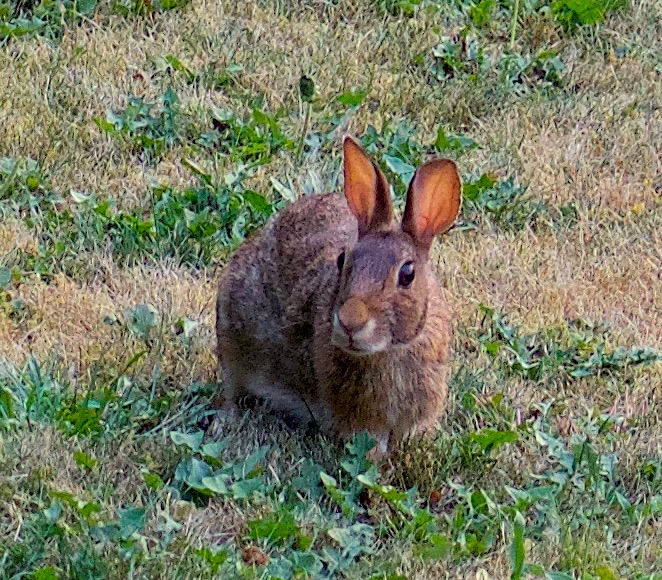
Eventually balance moves out of us into the world; it’s the pull of rabbits grazing on the lawn as we talk, the slow talk of where and when, determining what and who we will become as we age.
We admire the new plants and the rings of mulch you made, we praise the rabbits eating the weeds’ sweet yellow flowers.
Behind our words the days serve each other as mother, father, cook, builder, and fixer; these float like the clouds beyond the trees.
It is a simple life, now, children grown, our living made and saved, our years our own, husband and wife,
but in our daily stride, the one that rises with the sun, the chosen pride, we lean on our other selves, lest we fall into a consuming fire and lose it all. ~Richard Maxson, “Otherwise” from Searching for Arkansas
i carry your heart with me (i carry it in my heart) i am never without it(anywhere i go you go, my dear; and whatever is done by only me is your doing, my darling) I fear no fate (for you are my fate, my sweet) I want no world (for beautiful you are my world, my true) and it’s you are whatever a moon has always meant and whatever a sun will always sing is you
here is the deepest secret nobody knows (here is the root of the root and the bud of the bud and the sky of the sky of a tree called life; which grows higher than soul can hope or mind can hide) and this is the wonder that’s keeping the stars apart
May the sun bring you new energy by day, May the moon softly restore you by night, May the rain wash away your worries, May the breeze blow new strength into your being.
May you walk gently through the world, And know it’s beauty all the days of your life. ~Apache Blessing
Our days are slower now, less rushed, more reading and writing, walking and pondering, taking it all in and wondering what comes next.
I am so grateful not to hurry to work every day, planning how I should parcel out each moment when my energy and strength is waning.
Should I stay busy cooking, cleaning, sorting, giving away, simplifying our possessions so our children someday won’t have to? Might our grandchildren tire of my attention? Or should I find ways to be of service off the farm to feel worthy of each new day, each new breath?
This time of life is a gift of grace, waking most days with no agenda and few appointments. What comes next remains uncertain, as it always has been. In my busyness, I simply didn’t pay enough attention before.
So I lean lest I fall. I notice beauty and write about it. I carry as many hearts as I can hold. I keep breathing lest I forget how.
One-Time
Monthly
Yearly
Make a one-time or recurring donation to support daily Barnstorming posts
I loved you before I was born. It doesn’t make sense, I know.
I saw your eyes before I had eyes to see. And I’ve lived longing for your ever look ever since. That longing entered time as this body. And the longing grew as this body waxed. And the longing grows as the body wanes. The longing will outlive this body.
I loved you before I was born. It doesn’t make sense, I know.
Long before eternity, I caught a glimpse of your neck and shoulders, your ankles and toes. And I’ve been lonely for you from that instant. That loneliness appeared on earth as this body. And my share of time has been nothing but your name outrunning my ever saying it clearly. Your face fleeing my ever kissing it firmly once on the mouth.
In longing, I am most myself, rapt, my lamp mortal, my light hidden and singing.
The February sunshine steeps your boughs and tints the buds and swells the leaves within. ~William C. Bryant from “Among the Trees”
The sun was everywhere yesterday, thawing the frost layer on the metal roof of the barn to the point of seeping through the cracks, splattering with drops inside like taking an indoor shower during chores. I kept my hood on while I cleaned stalls, all the while trying to dodge the dripping.
The sun rays are trying to burst through our layers to activate Vitamin D thirsty skin, and there is actual warmth on our cheeks as we look up, squinting at the unaccustomed brightness.
At last, oh at last — after months of gray misty drizzle. It may be only a tease and not the real thing. Rain is back today and sub-freezing temperatures are forecast again over the next week.
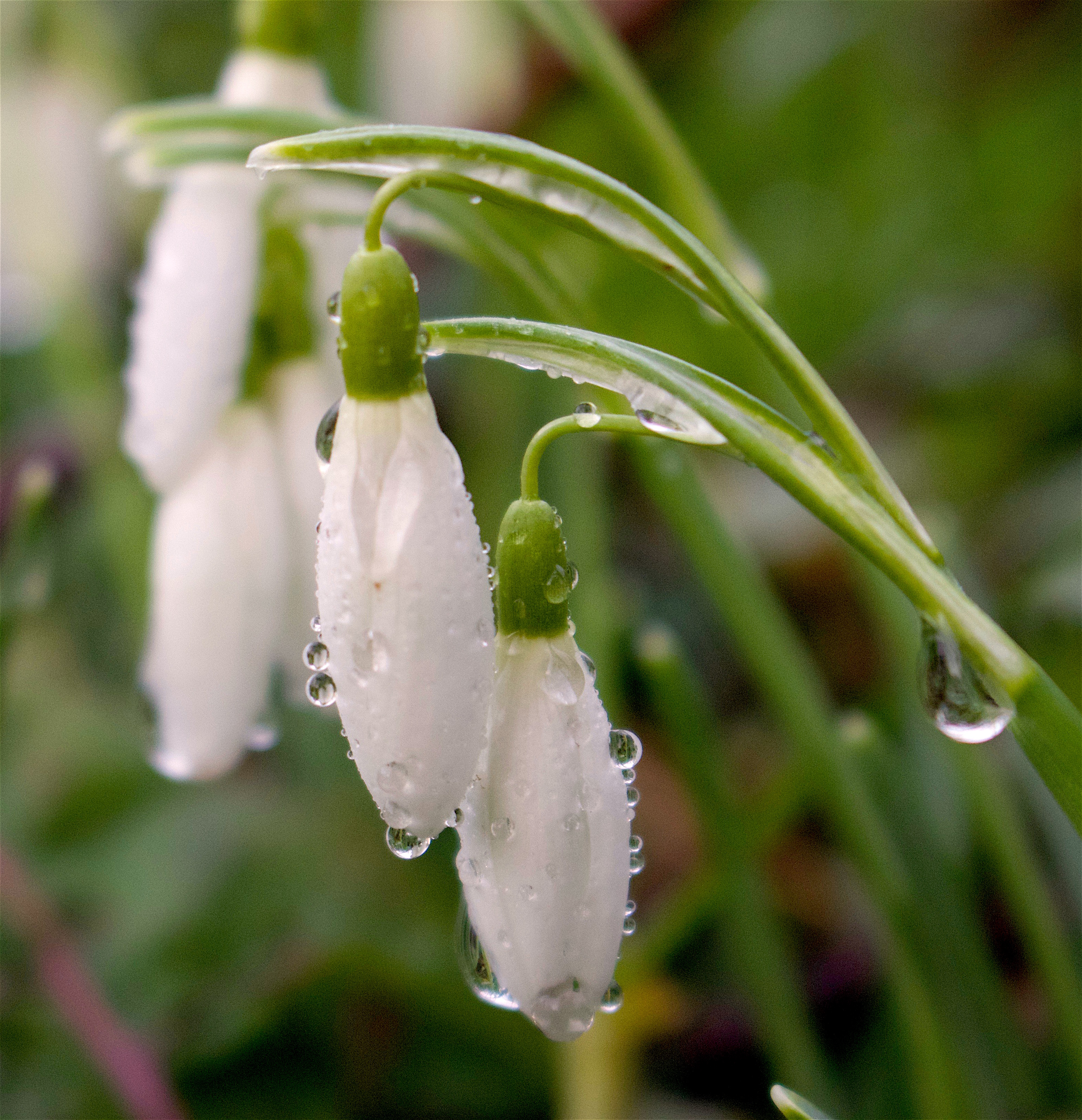
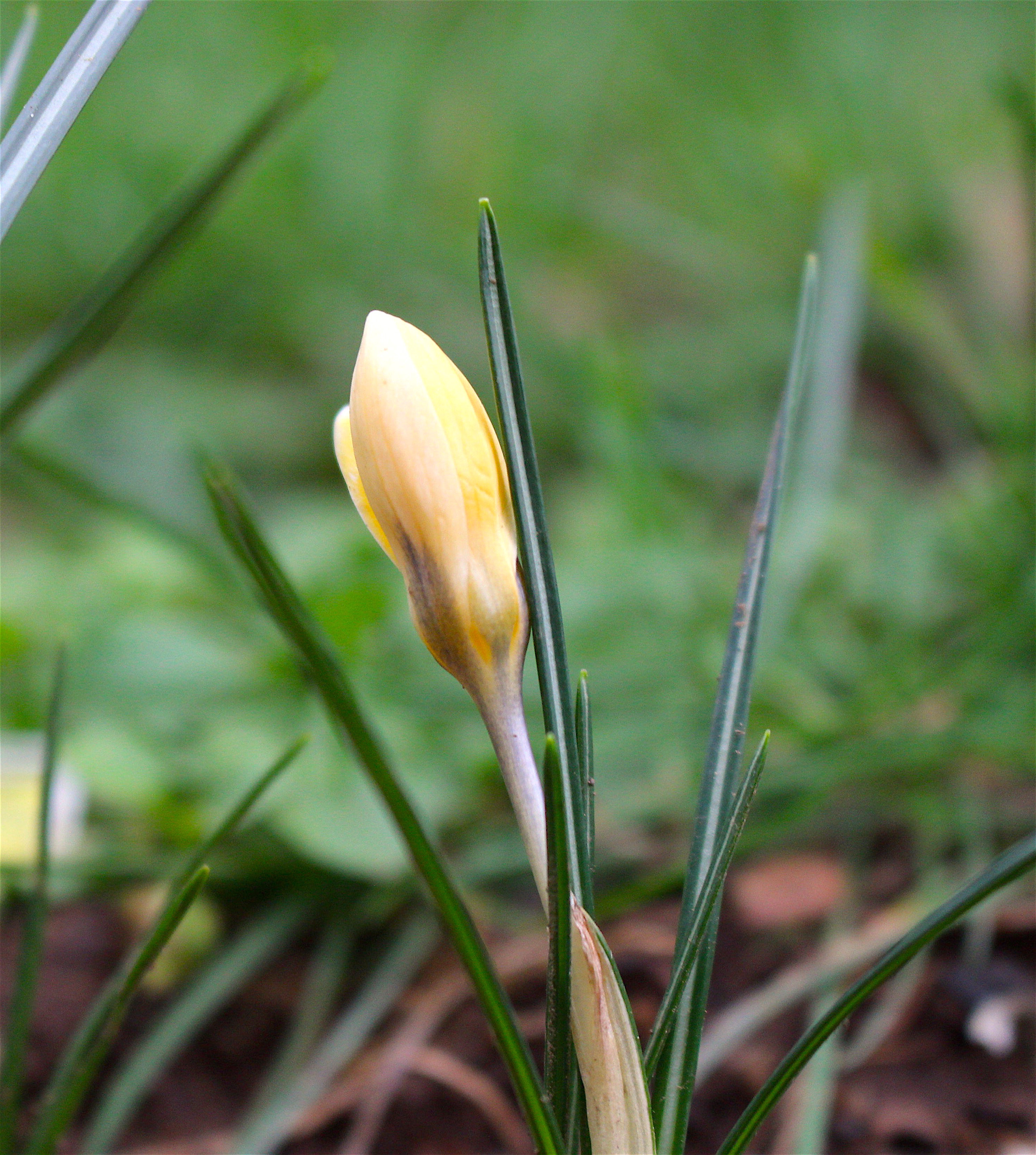
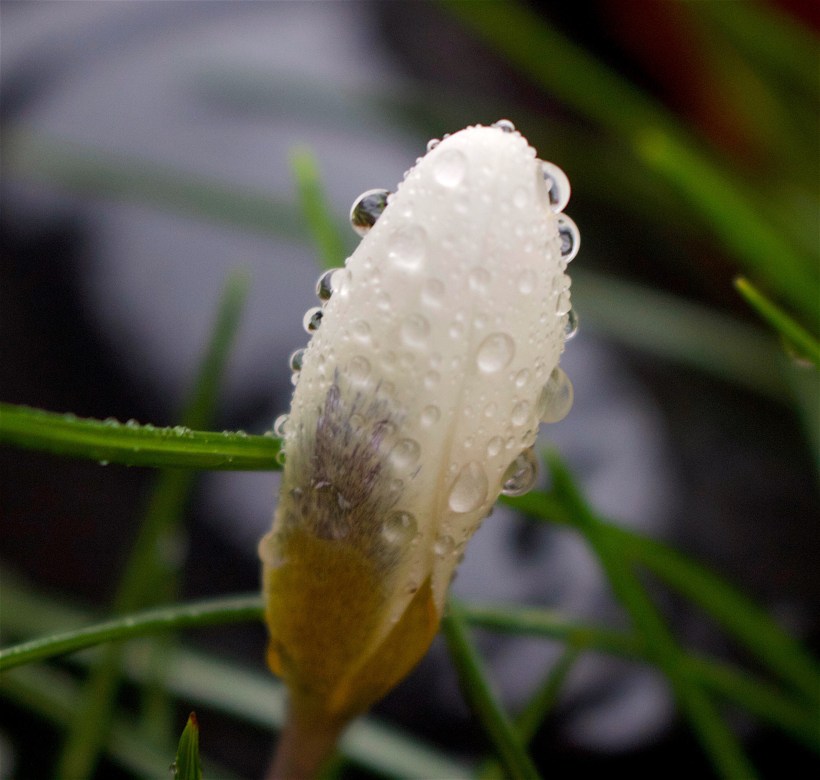
Even so, the soil is feeling seduced. The snowdrop sprouts have thrust through the frozen ground and crocus are peeking out hopefully on our side of the crust rather than staying tentative and hidden down under.
This brief glimpse of spring was worth waiting for, even if winter breaks loose again for a few weeks and plunges us back into doldrums and gloom. If only a peek, it is still promise of a coming renewal and rebirth.
The world is charged with the grandeur of God. It will flame out, like shining from shook foil; It gathers to a greatness, like the ooze of oil Crushed. Why do men then now not reck his rod? Generations have trod, have trod, have trod; And all is seared with trade; bleared, smeared with toil; And wears man’s smudge and shares man’s smell: the soil Is bare now, nor can foot feel, being shod.
And for all this, nature is never spent; There lives the dearest freshness deep down things; And though the last lights off the black West went Oh, morning, at the brown brink eastward, springs Because the Holy Ghost over the bent World broods with warm breast and with ah! bright wings. ~Gerard Manley Hopkins “God’s Grandeur”
Whom thou conceivst, conceived; yea thou art now Thy Maker’s maker, and thy Father’s mother; Thou hast light in dark, and shutst in little room, Immensity cloistered in thy dear womb. ~John Donne from “Annunciation”
I know this sound, first birds of morning. As a child, I waited for hours for the drape of night to roll up again. Leaning into the first hint of the fresh day, the fragile lace of hesitant light, the receding darkness dappled with bird song, able at last to close my eyes. I know this sound, some kind of redemption, waking me from scattered sleep, a healing fragment even as the work of the previous day marks my bones in notches. Night leaves its small fur as the dawn pushes, as the birds persist, and morning unfurls like a promise you hoped someone would keep. ~Susan Moorhead “First Light” from Carry Darkness, Carry Light
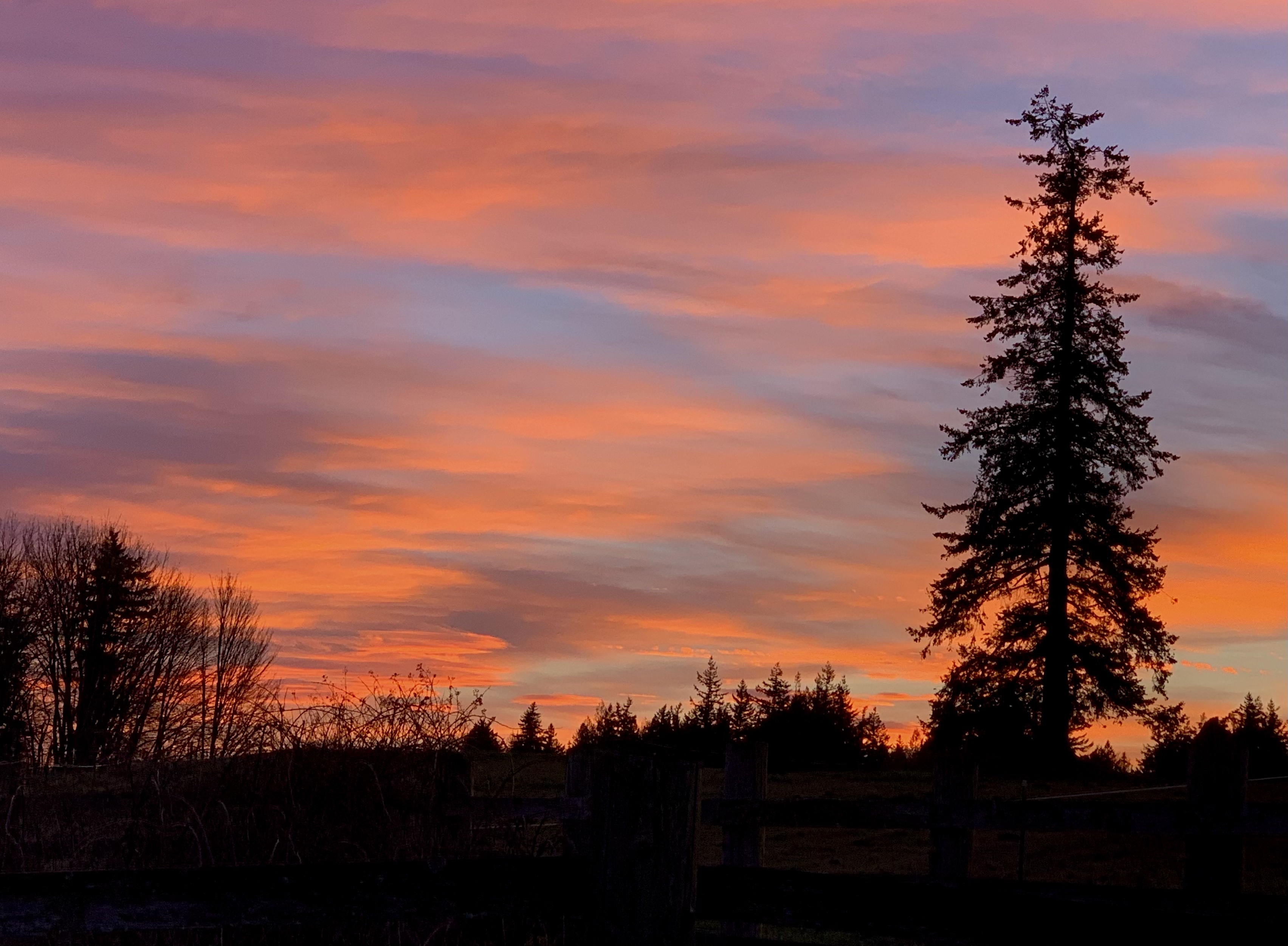
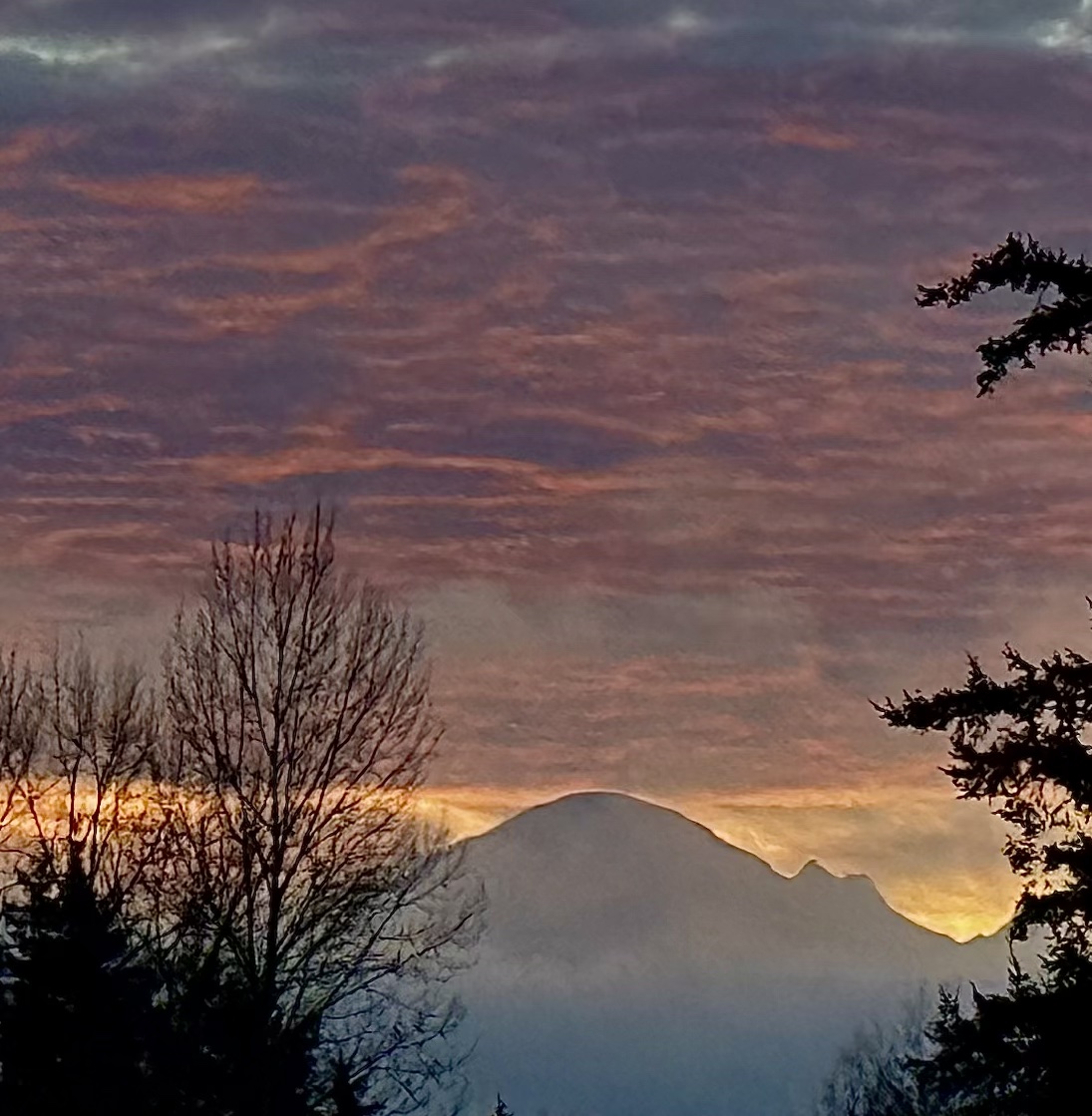
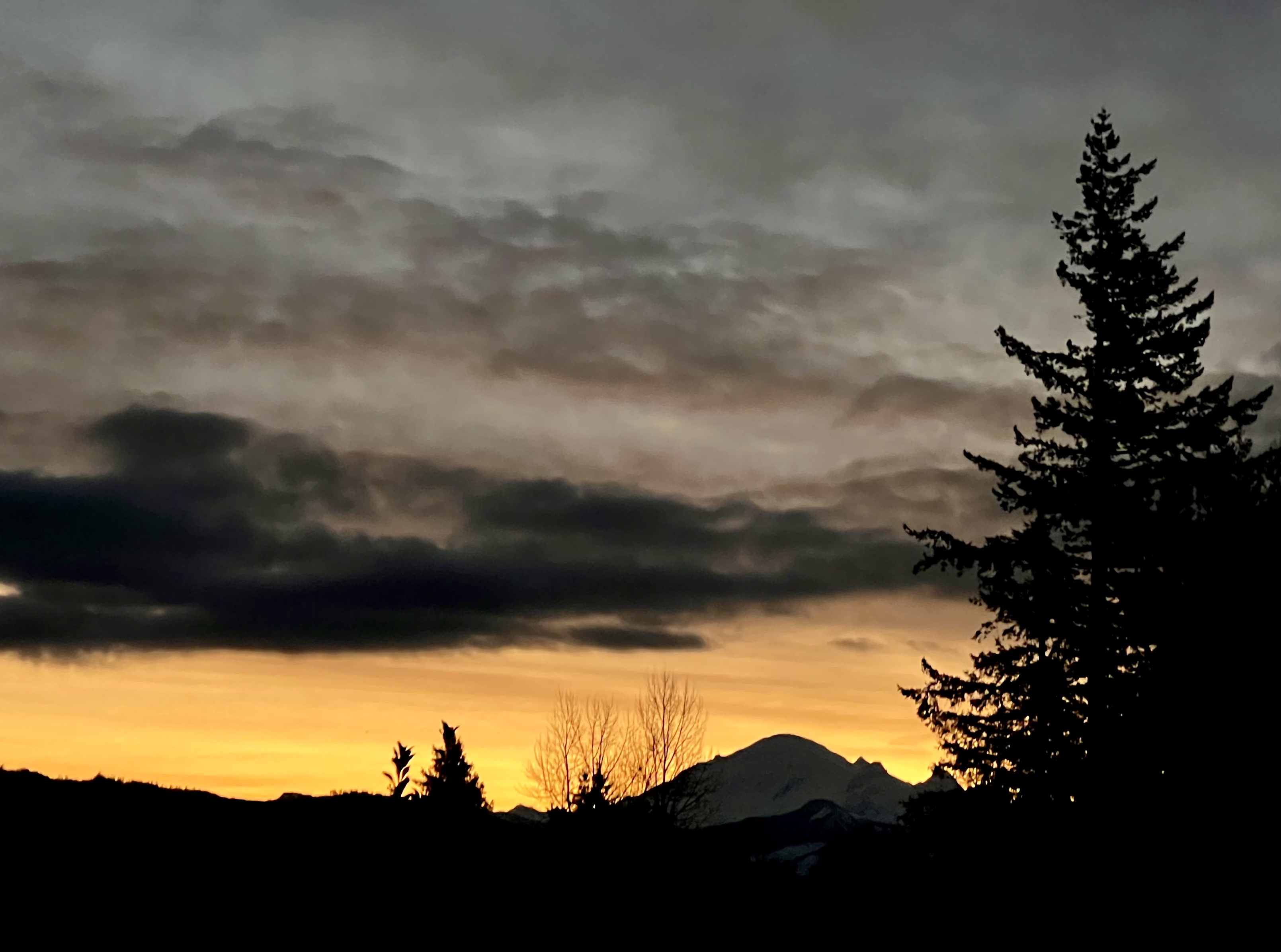
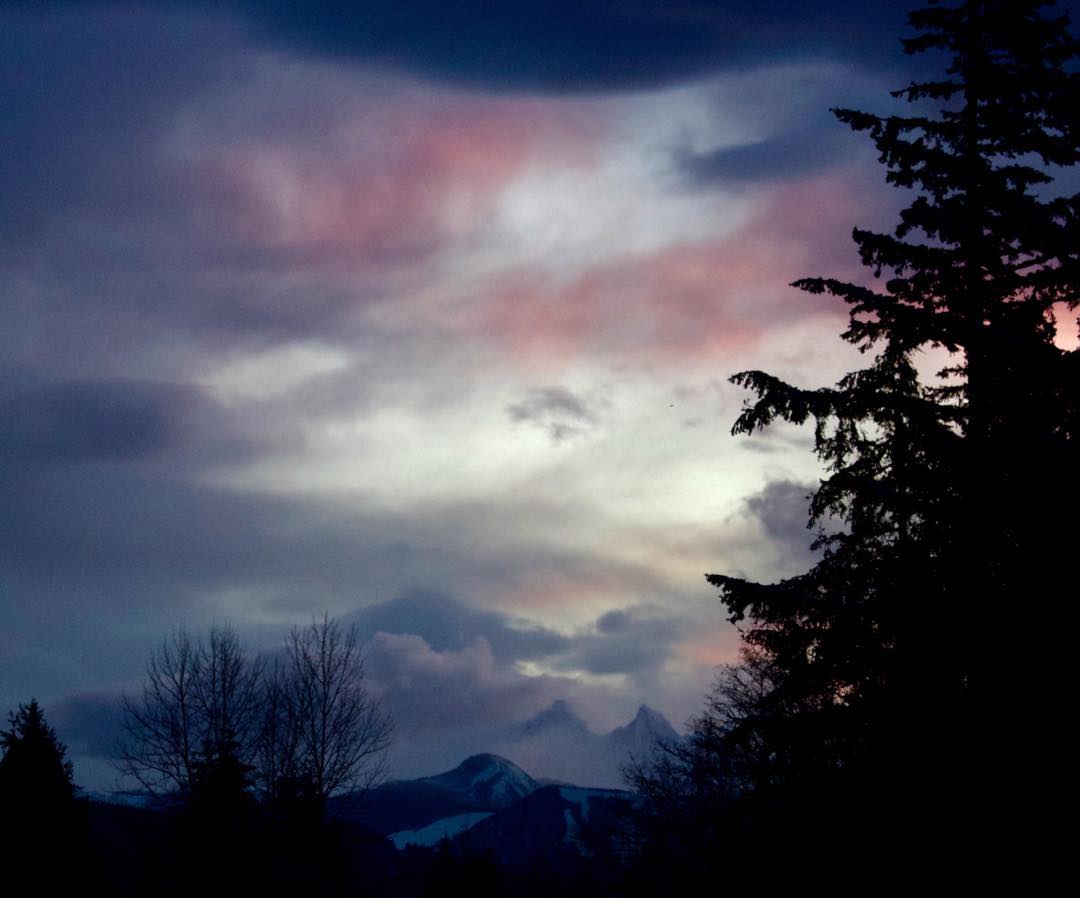
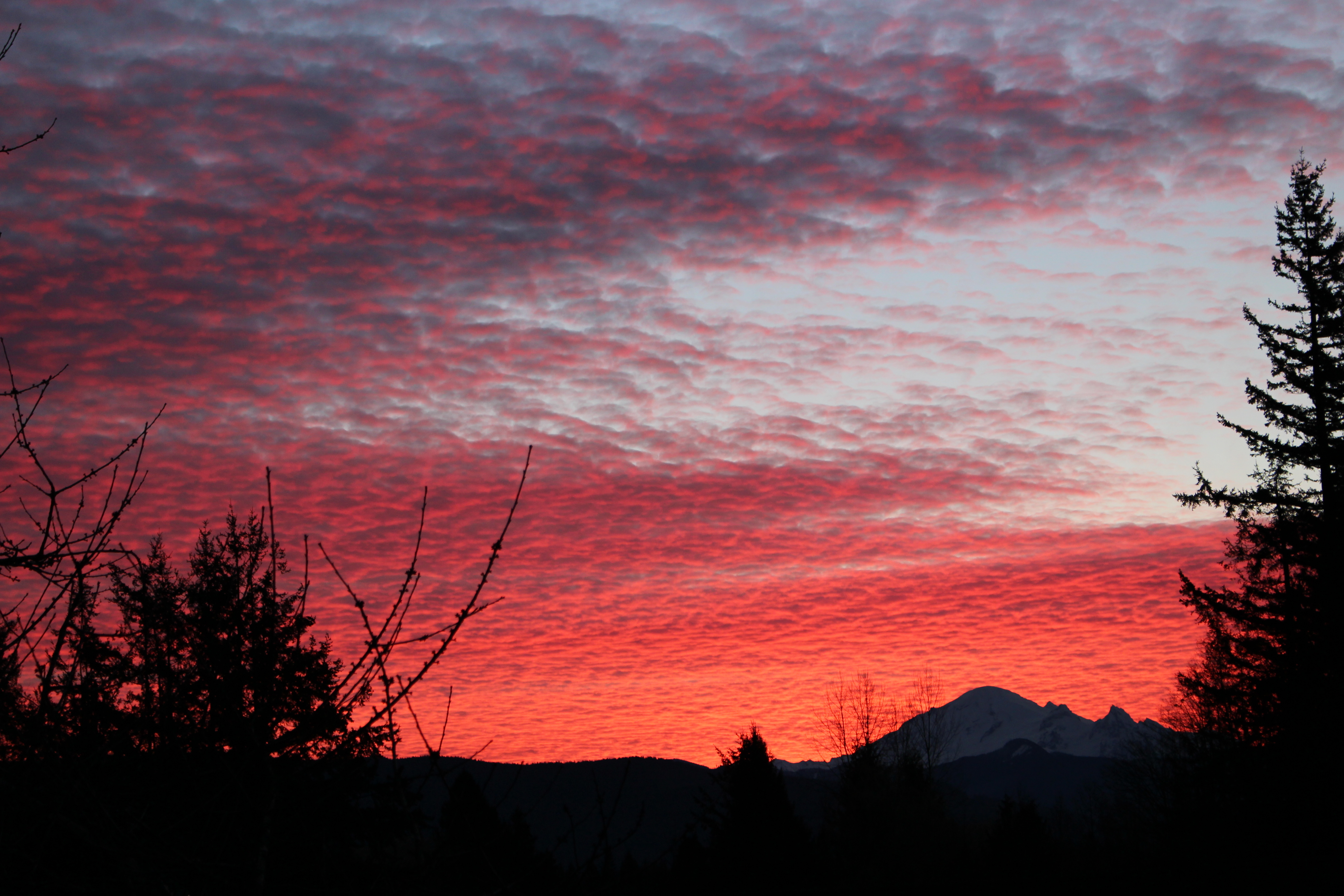
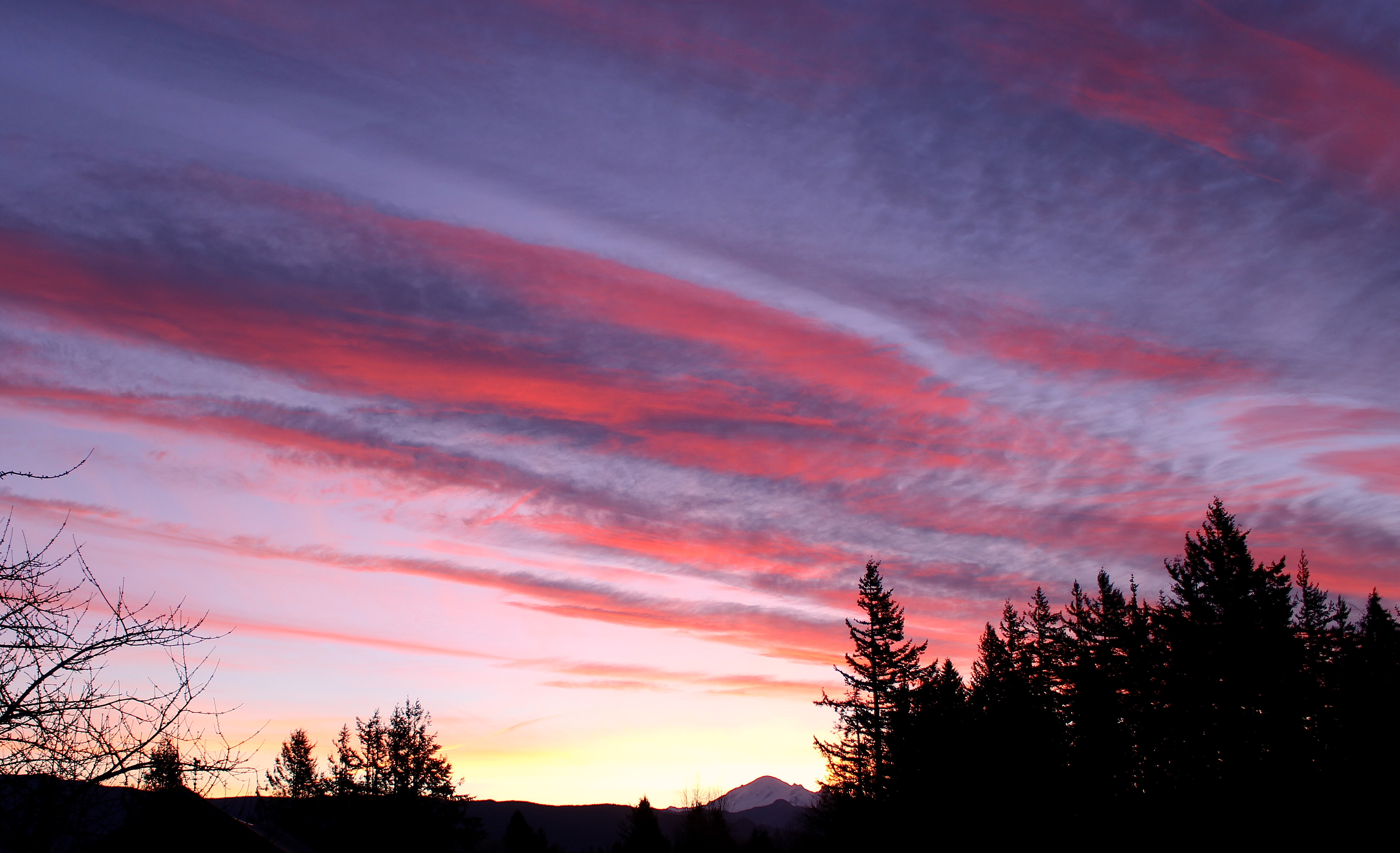
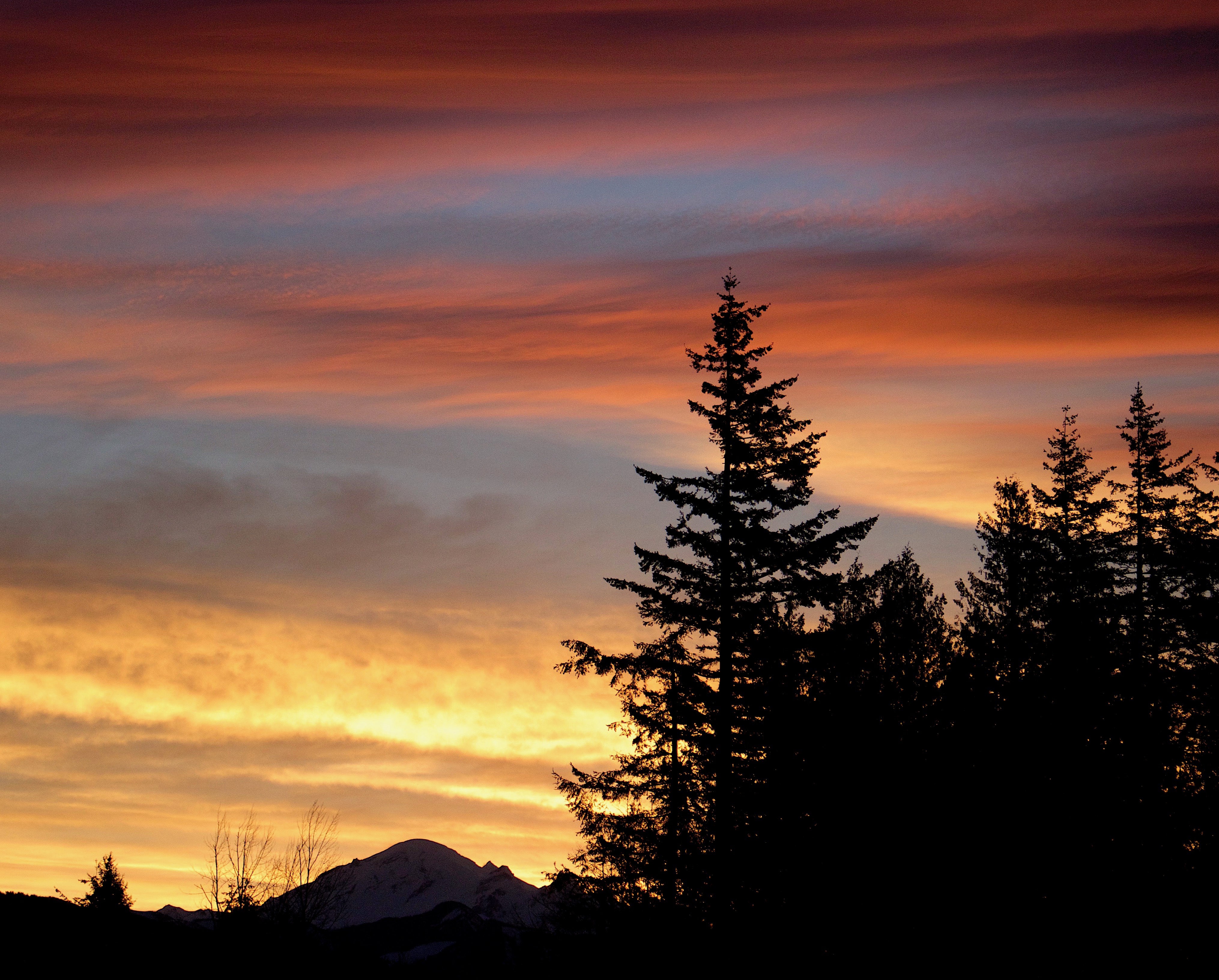
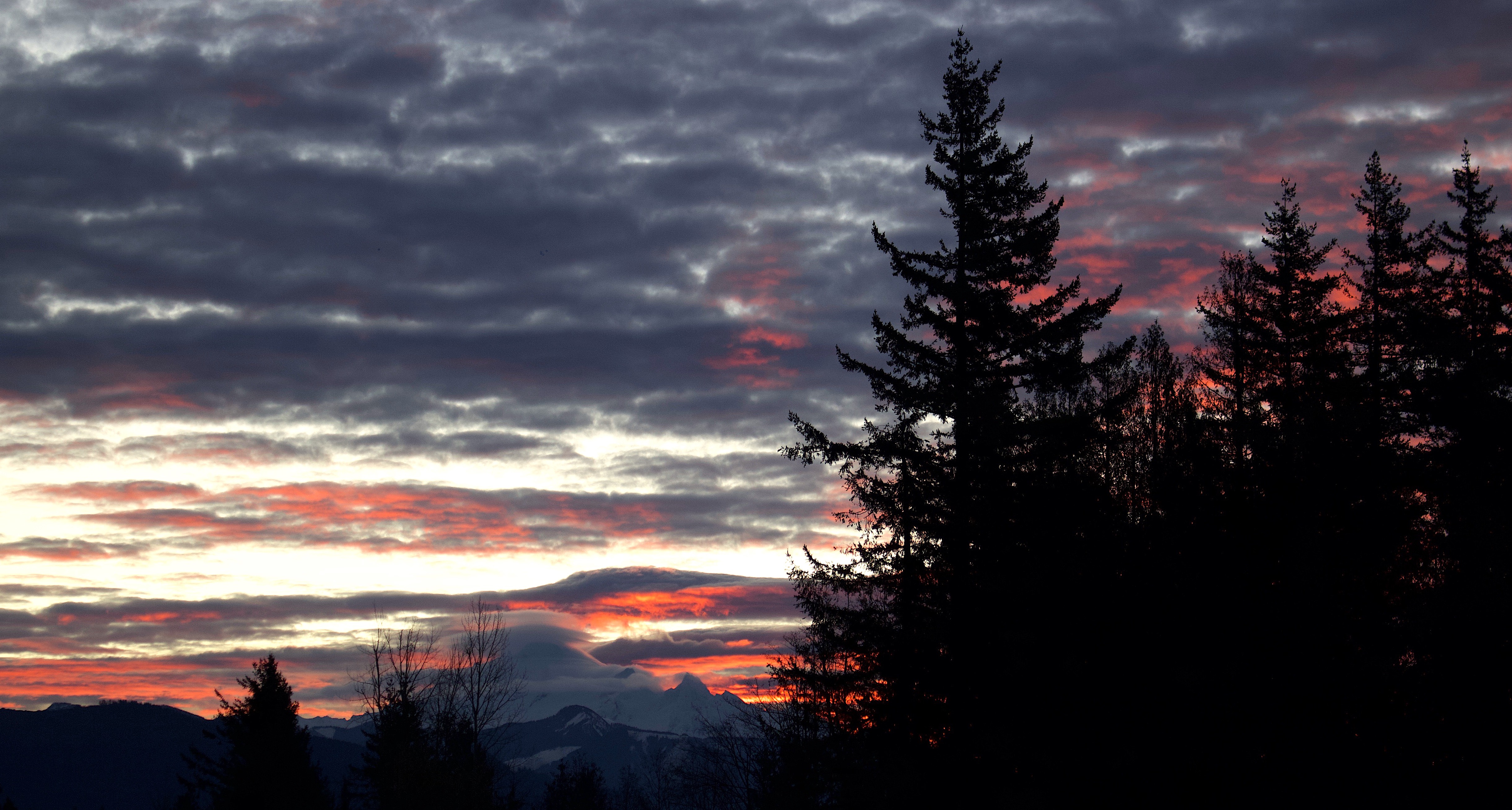
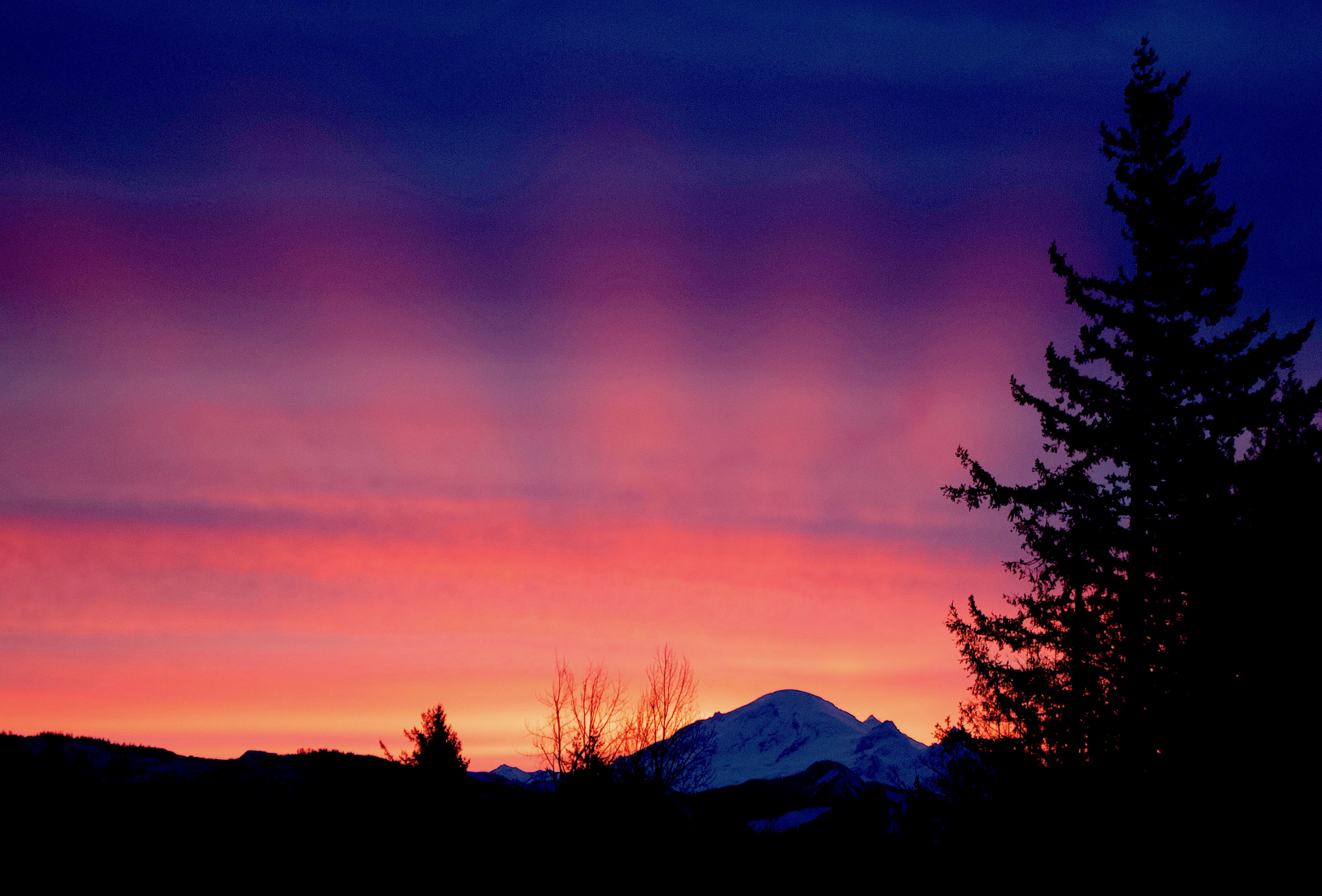
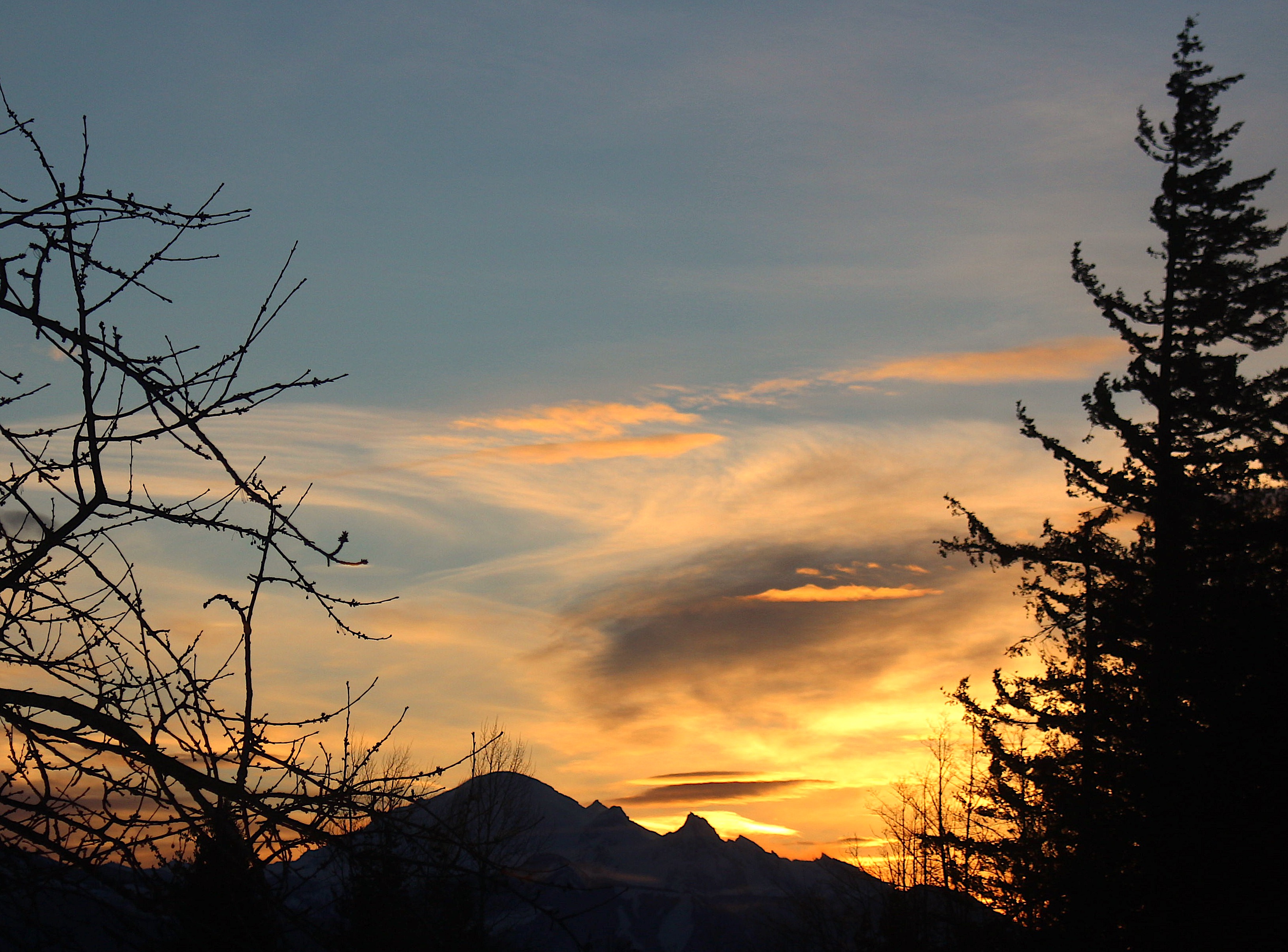
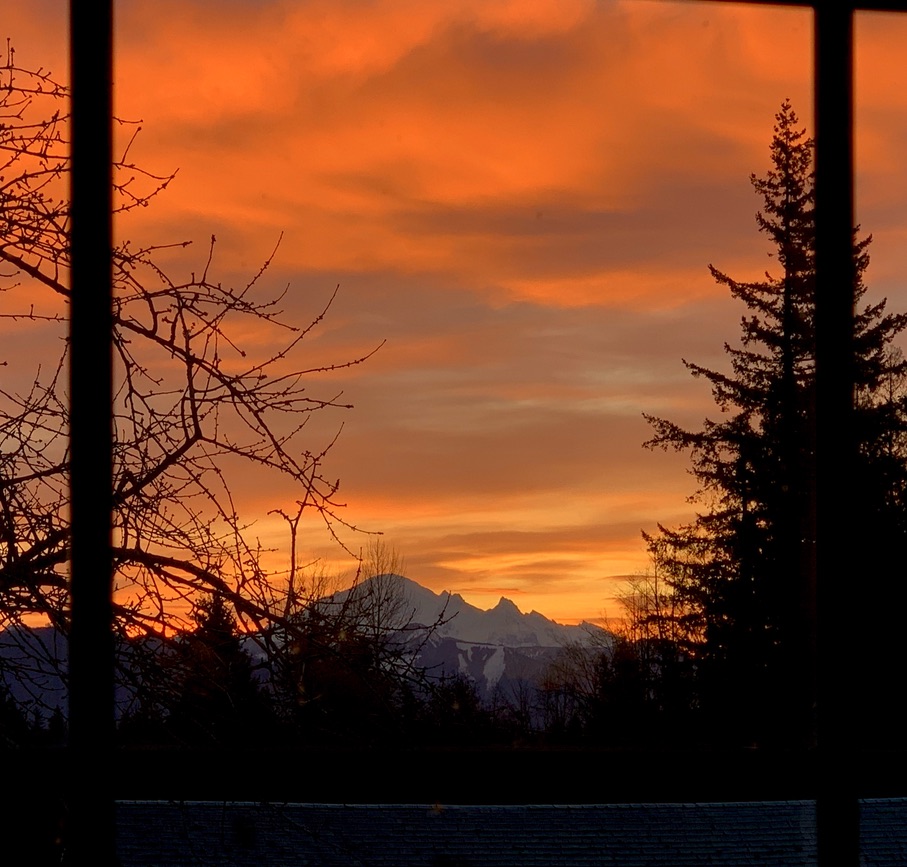
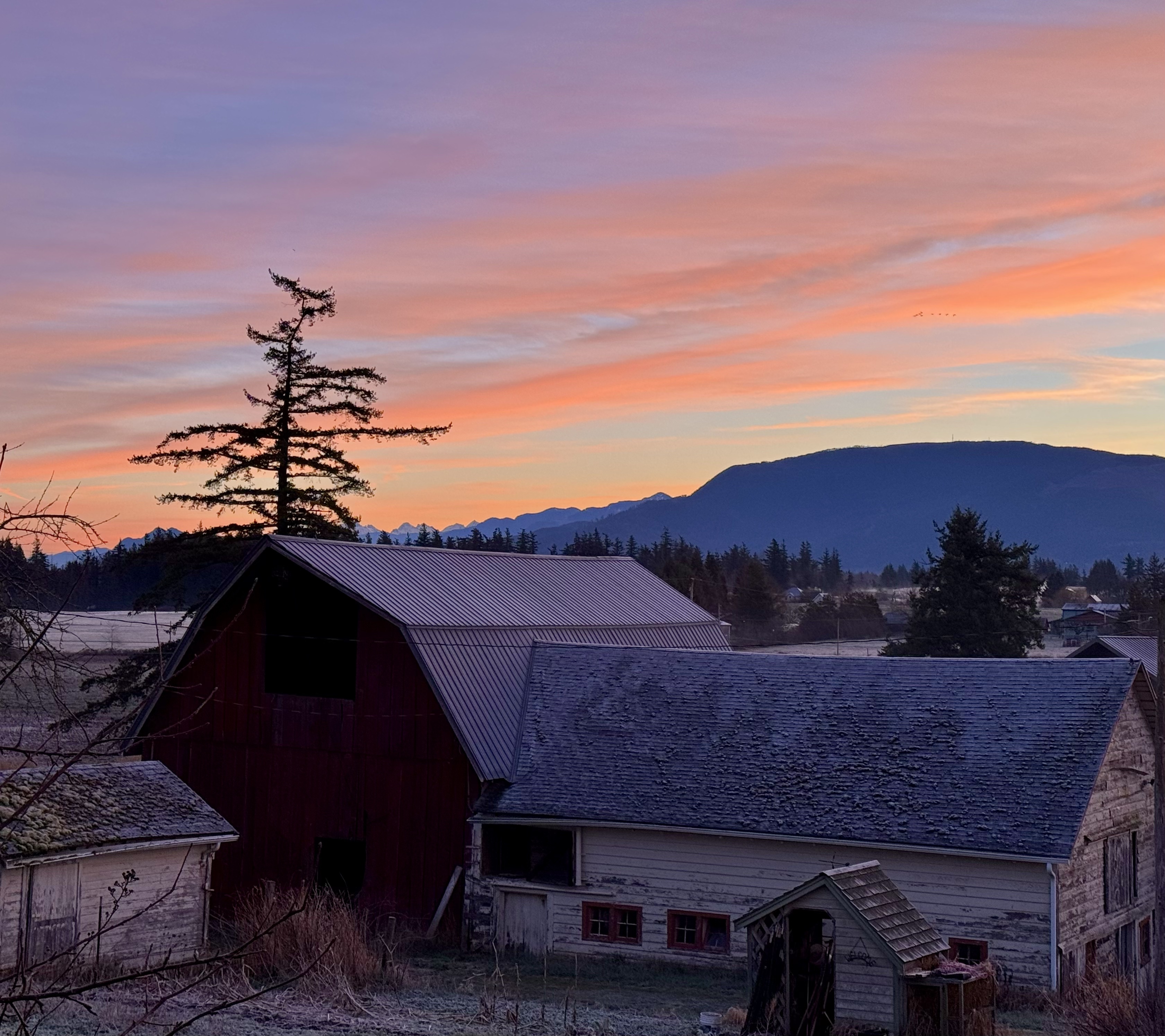
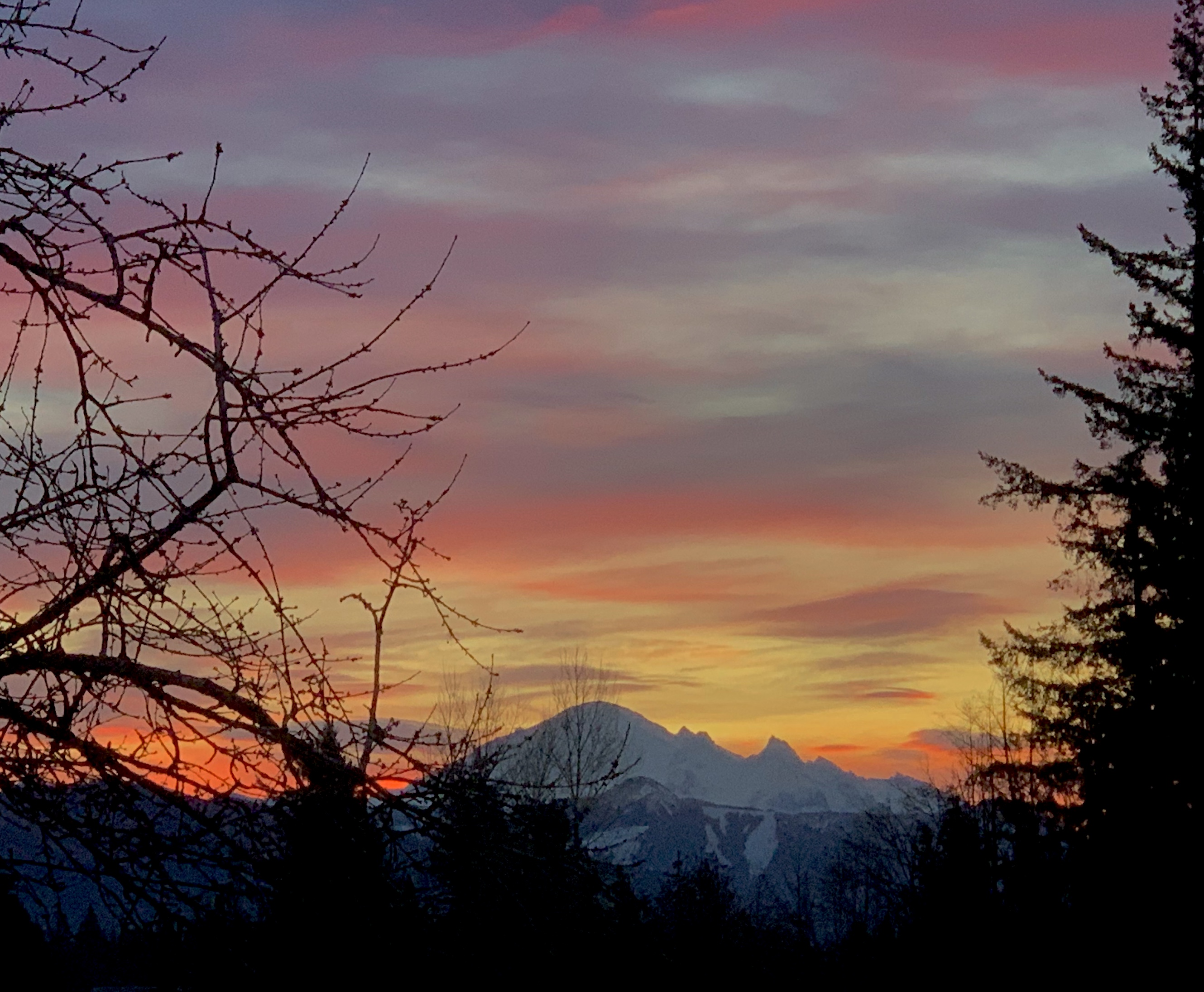
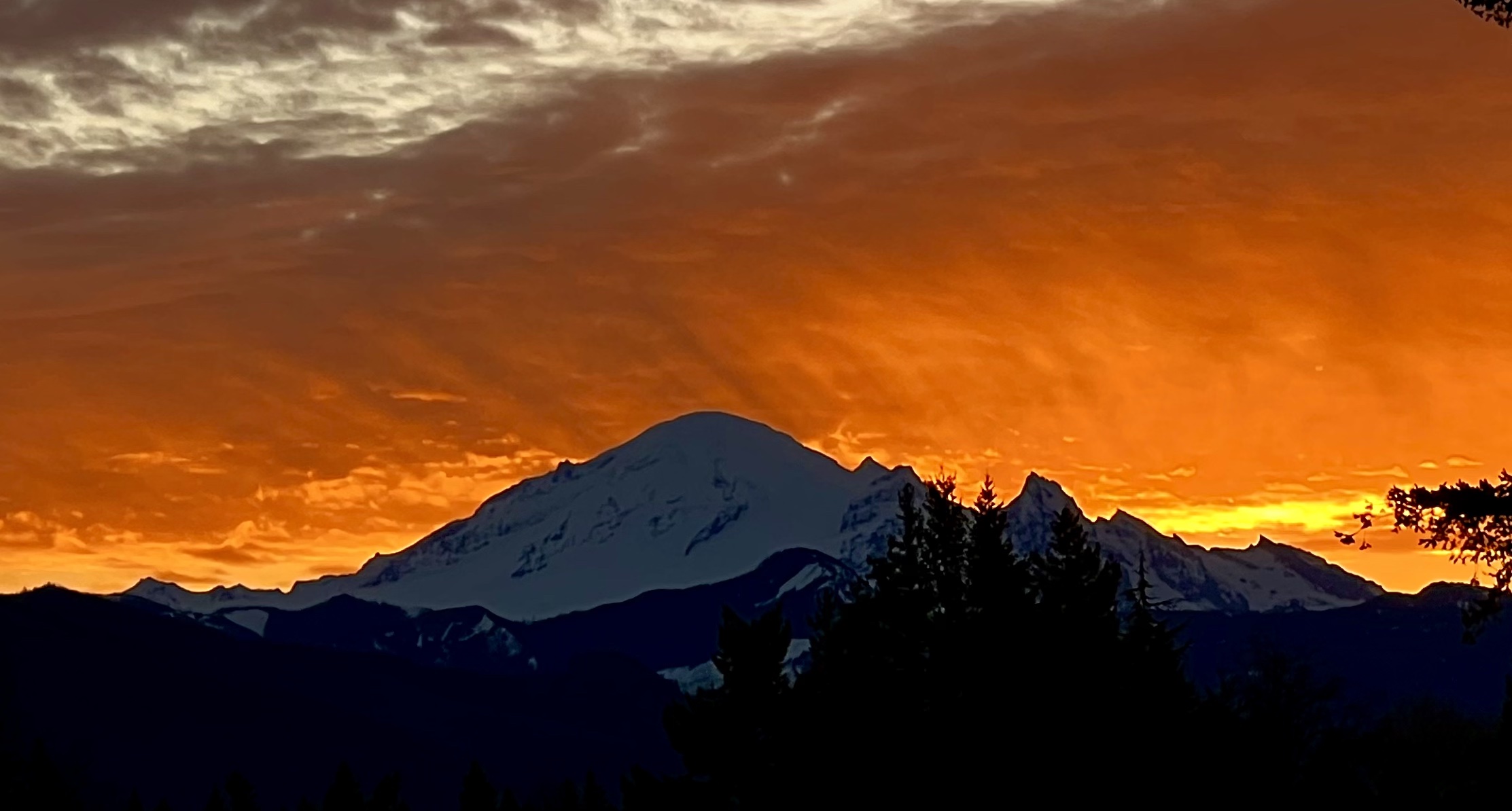
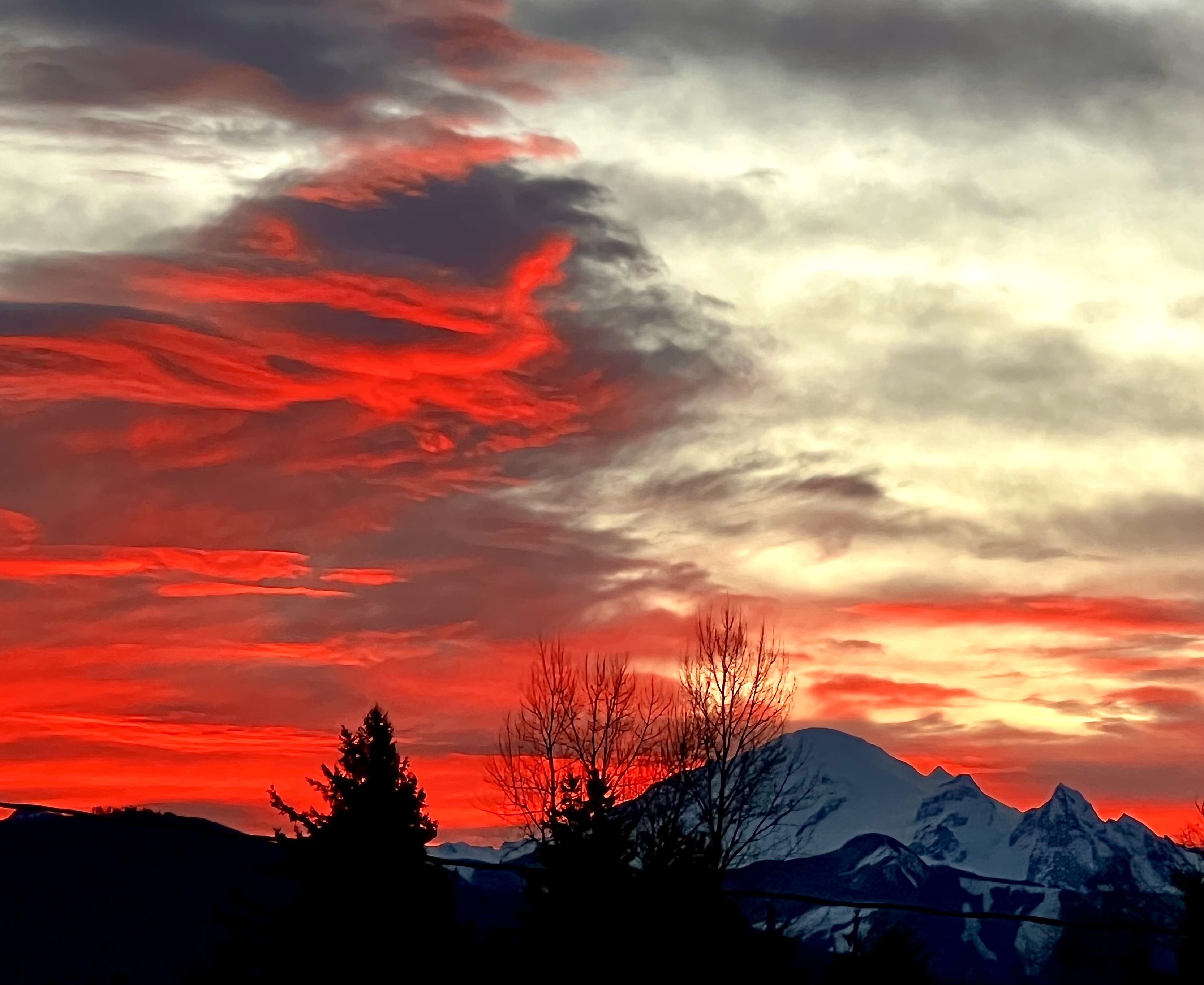
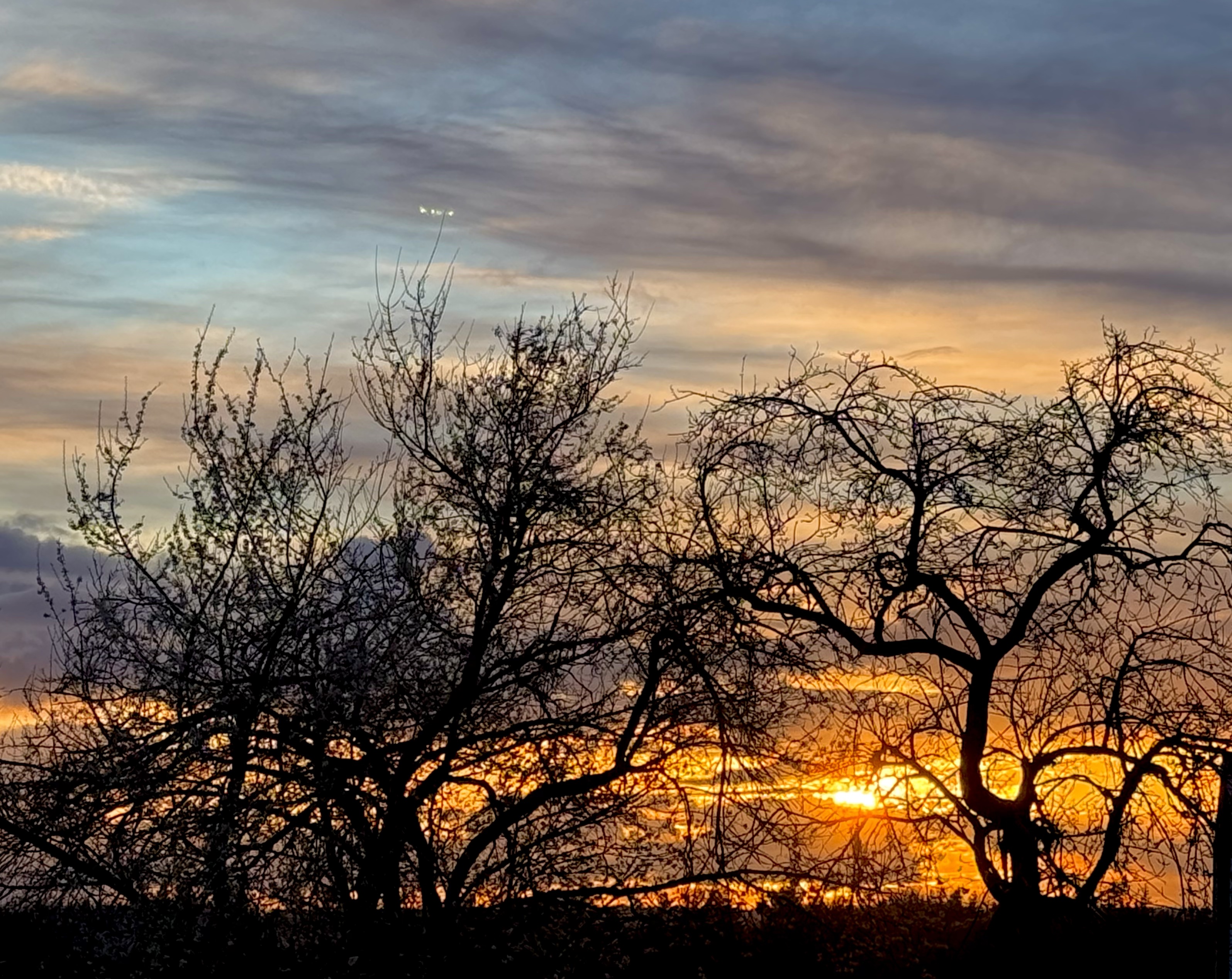
Our February farm sunrises have always been full of promise over the three decades we’ve been here. The birds are waking earlier each day and when mornings are soaked, dripping with light and color, the air itself is alive.
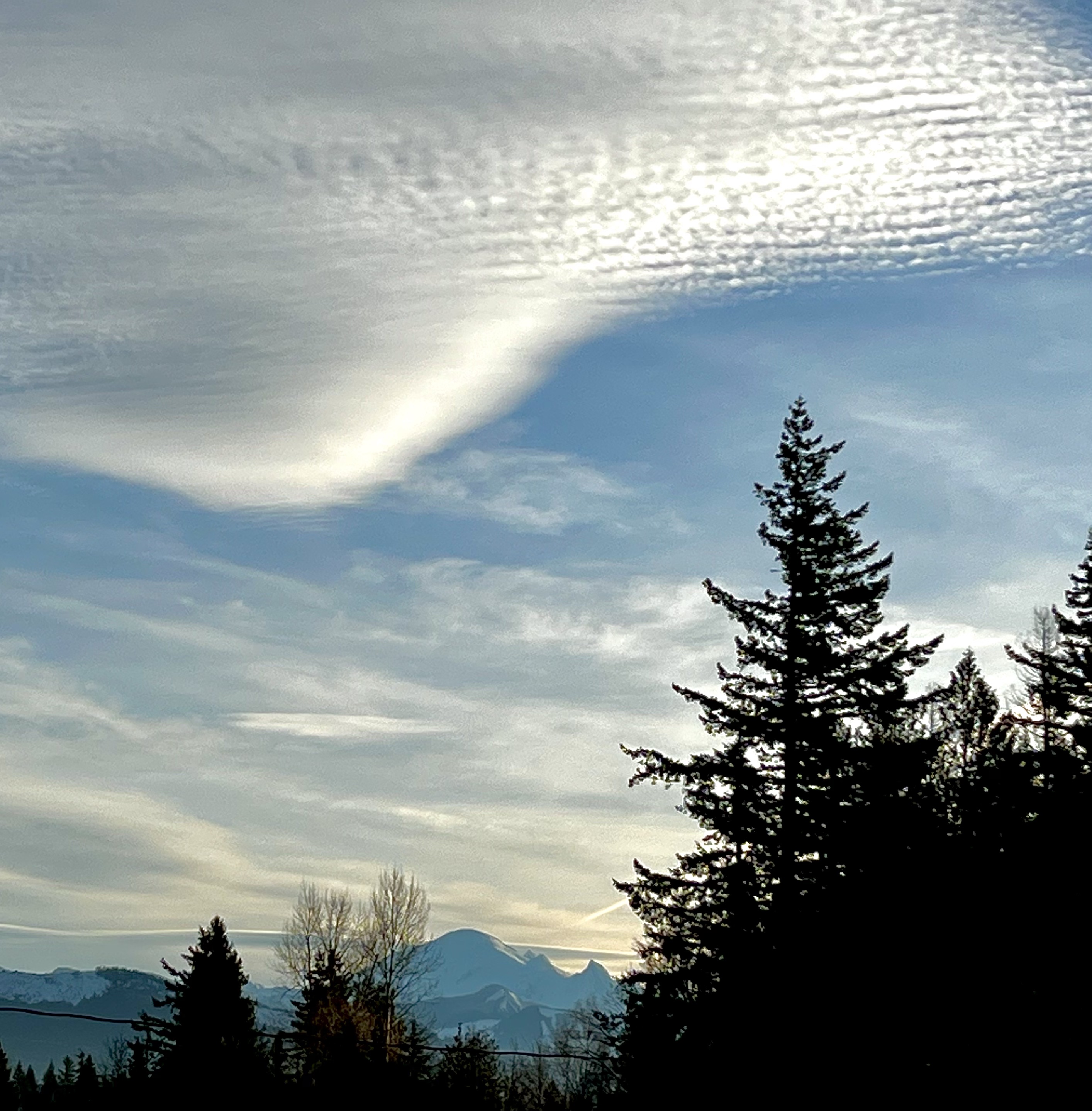
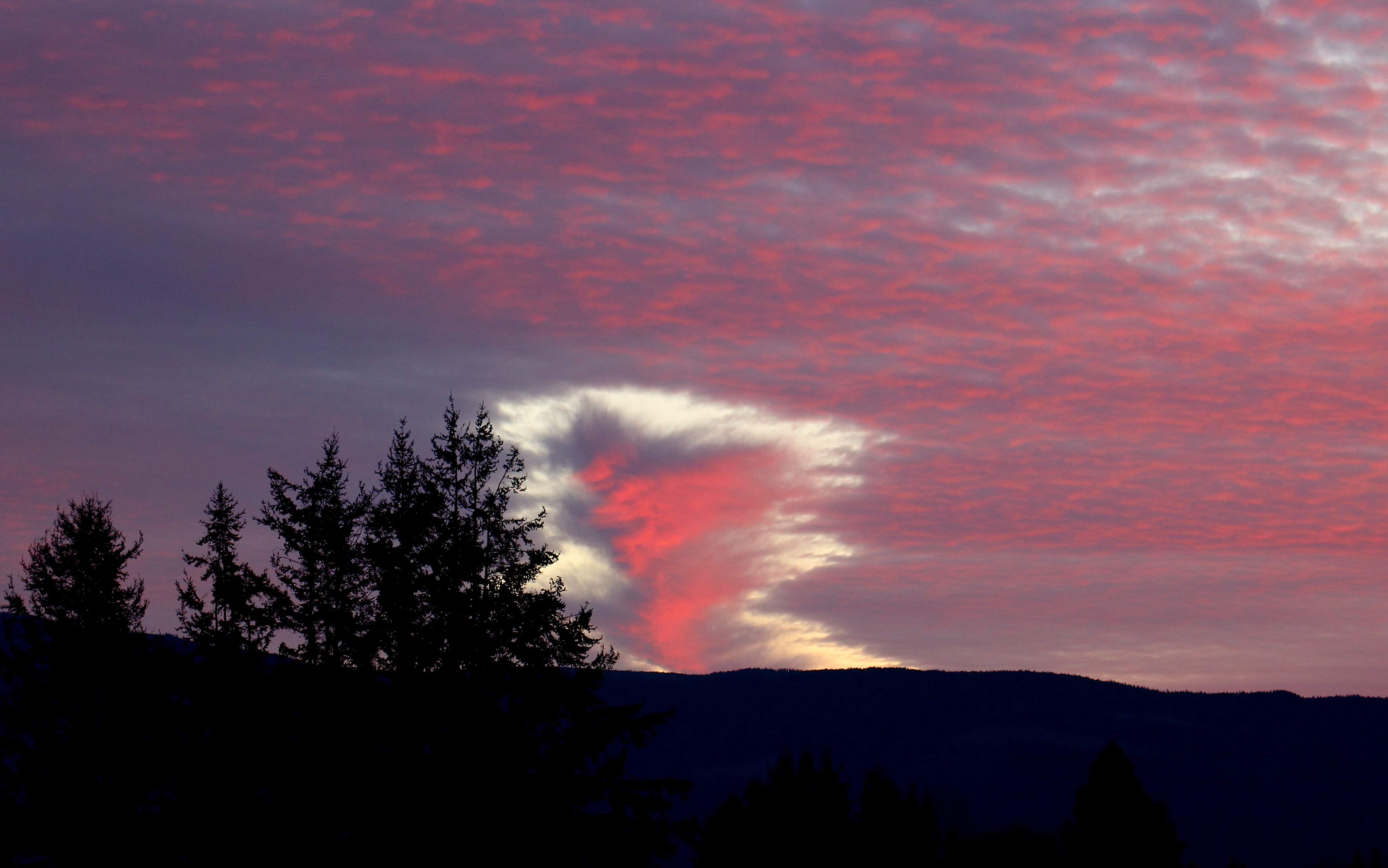
Nothing though quite matches the phenomenon in February 2015 (top photo) when a fall streak hole or “key hole” cloud formed over nearby foothills.
It looked to me as if angels were bursting through an unfurling break in heaven’s moving veil. Though it didn’t last long, it was seen for miles around us.
When morning breaks the night, it is like the first morning which came into being with His Words:
“Let there be light” — and there continues to be the most amazing light…
One-Time
Monthly
Yearly
Make a one-time or recurring donation to support daily Barnstorming posts
Cold, wet leaves Floating on moss-coloured water And the croaking of frogs— Cracked bell-notes in the twilight. ~Amy Lowell “The Pond”
Poets who know no better rhapsodize about the peace of nature, but a well-populated marsh is a cacophony. ~Bern Keating
O, I love to hear the frogs When they first begin to sing; How they vocalize the bogs, And vociferate the Spring. How they carol as they croak, How they mingle jest and joke With their solemn chant and dirge On the river’s slimy verge.
O, I love to hear the frogs, For their monotone uncouth Is the music of the cogs Of the mill wheel of my youth. And I listen half asleep, And the eyes of mem’ry peep Through the bars that hold me fast, From the pleasures of the past.
O, I love to hear the frogs, For their melody is health To the heart that worry flogs With the lash of want or wealth. And the cares of life take wing, And its pleasures lose their sting, And love’s channel way unclogs In the croaking of the frogs. ~Harry Edward Mills “The Early Frogs”
I wanted to speak at length about The happiness of my body and the Delight of my mind …
But something in myself for maybe From somewhere other said: not too Many words, please, in the muddy shallows the Frogs are singing. ~Mary Oliver, from “April”
About two weeks ago, music from the wetlands became faintly detectable in the distance. We were only a little over a month into winter, yet due to unduly mild temperatures, the chorus had begun.
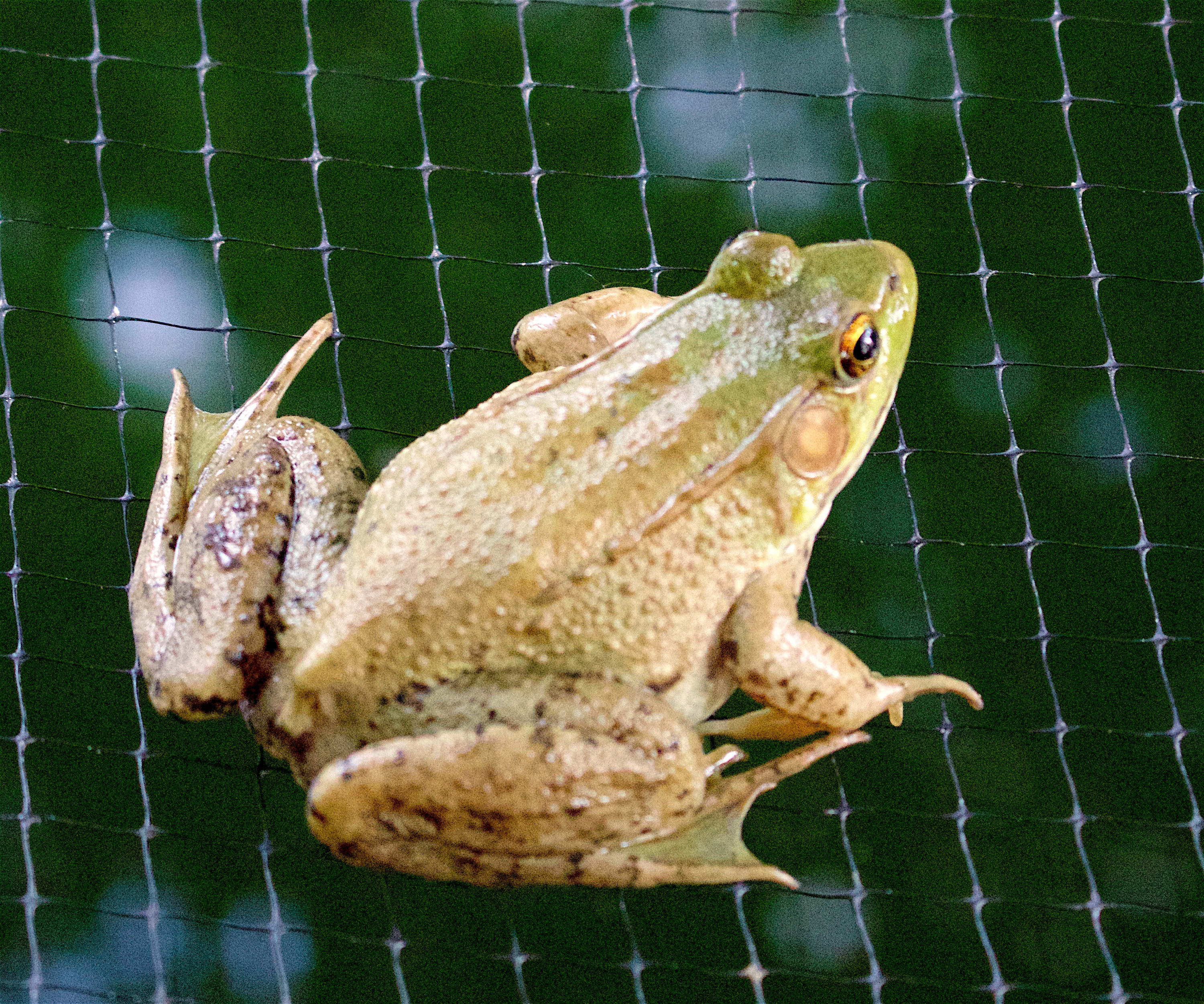
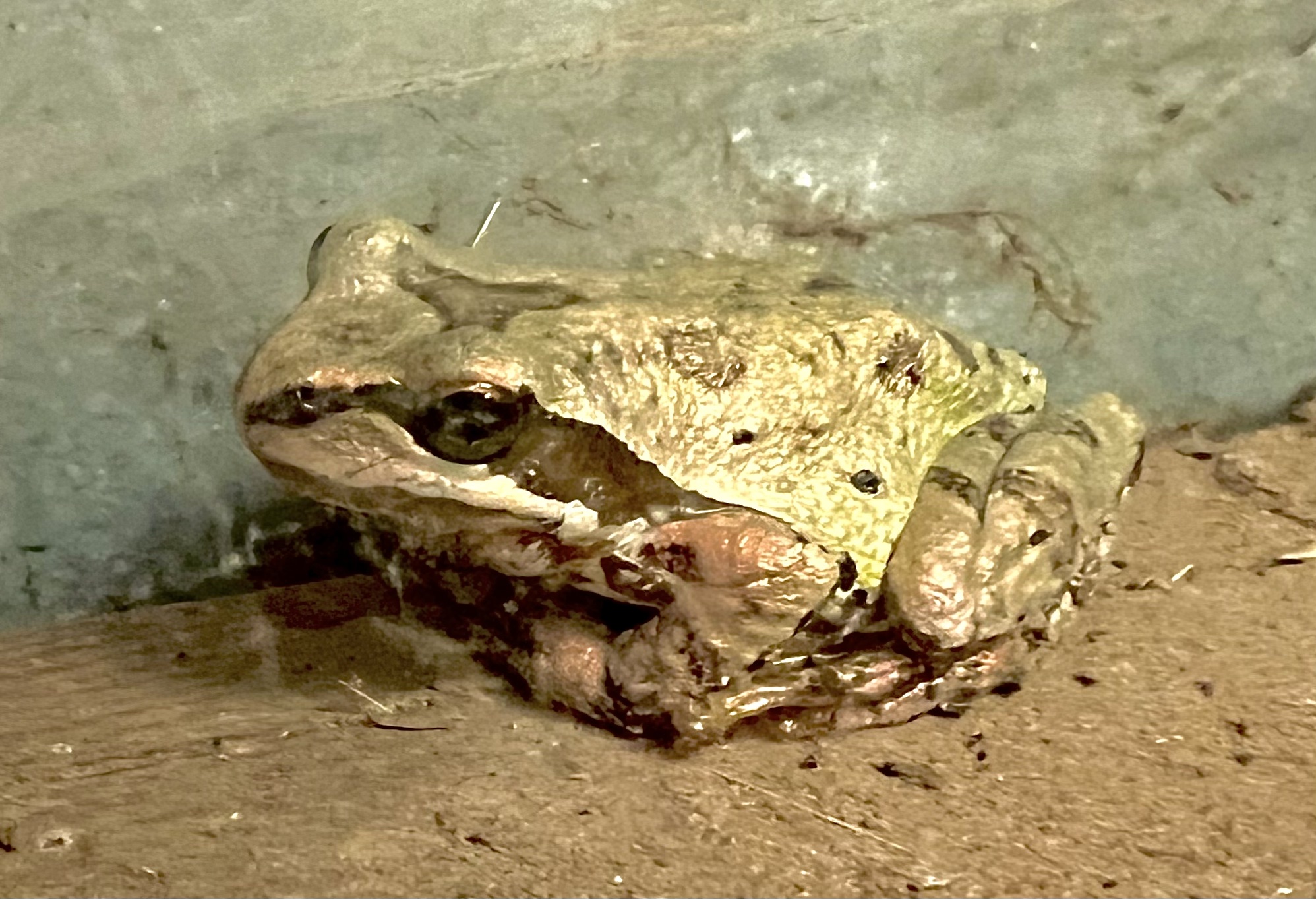
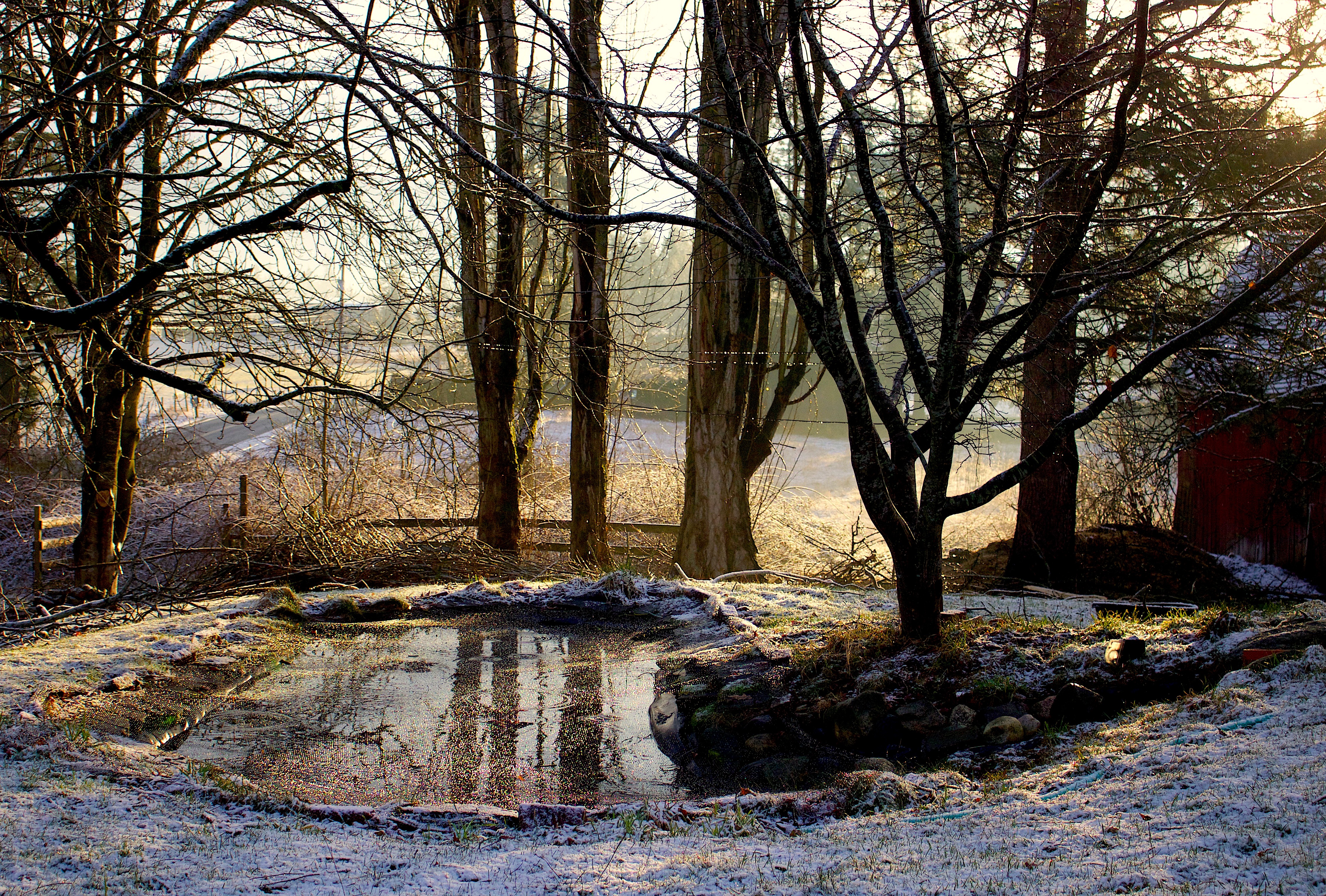
The sleigh-bell jingle song of the Pacific Chorus Frogs now fills the air each evening, rising from the ponds and standing water that surround our farm. I stand still for a moment to soak up that song that heralds spring–a certainty that the muddy marshes are thawed enough to invite the frogs out of their sleep and start their courting rituals.
Now winter won’t return anytime soon with any seriousness.
This marsh music is disorienting this early, along with daffodils budding in late January and lawns needing mowing in February. With voices so numerous, strong and insistent, it feels as though a New York City of frogs has moved in next door; we are seated in the balcony of Carnegie Hall.
They seem to be directed by an unseen conductor, as their voices rise and fall together and then cut off suddenly with a slice of the baton, plunging the landscape into uncomfortable silence at the slightest provocation, as if they hold an extended fermata for minutes on end.
The frogs’ repertoire is limited but their wind power, stamina and ability to project their voices impressive. They are most tenacious at making their presence known to any other peeper within a mile radius. Their mystical, twilight symphony of love and territory has begun, soft and surging, welcome and reassuring.
There’s a spring a-comin’, the peepers proclaim. Nothing can be sweeter.
I know all the behaviorist theories about frog chorus being about territoriality –the “I’m here and you’re not” view of the animal kingdom’s staking their claims. Knowing that theory somehow distorts the cheer I feel when I hear these songs. I want the frogs (and birds) to be singing out of the sheer joy of living. Instead, they are singing to defend their piece of mud or branch.
Then I remember, that’s not so different from people. Our voices tend to be loudest when we are being insistently territorial: we own this and you do not, and we are irresistibly better than you.
I’m not sure anyone enjoys human cacophony in the same way I enjoy listening to the chorus of frogs at night or birdsong in the morning. We humans are most harmonic when we choose to listen. Instead of sounding off, we should soak up. Instead of shouting “this is mine,” we should sit expectant and grateful.
Perhaps that is why the most beloved human choruses are derived from prayers and praise – singing out in joy and gratitude rather than in warning.
I’ll try to remember this when I get into my own righteous and “territorial” mode. I don’t bring joy to the listener nor to myself. When it comes right down to it, all that noise I make is nothing more than a croaking cacophony in a smelly mucky swamp.
This saying good-by on the edge of the dark And the cold to an orchard so young in the bark Reminds me of all that can happen to harm An orchard away at the end of the farm All winter, cut off by a hill from the house. I don’t want it girdled by rabbit and mouse, I don’t want it dreamily nibbled for browse By deer, and I don’t want it budded by grouse.
I don’t want it stirred by the heat of the sun. (We made it secure against being, I hope, By setting it out on a northerly slope.) No orchard’s the worse for the wintriest storm; But one thing about it, it mustn’t get warm. “How often already you’ve had to be told, Keep cold, young orchard. Good-by and keep cold. Dread fifty above more than fifty below.”
I have to be gone for a season or so. My business awhile is with different trees, Less carefully nourished, less fruitful than these, And such as is done to their wood with an ax— Maples and birches and tamaracks.
I wish I could promise to lie in the night And think of an orchard’s arboreal plight When slowly (and nobody comes with a light) Its heart sinks lower under the sod. But something has to be left to God. ~Robert Frost from “Good-by and Keep Cold”
Silence and darkness grow apace, broken only by the crack of a hunter’s gun in the woods. Songbirds abandon us so gradually that, until the day when we hear no birdsong at all but the scolding of the jay, we haven’t fully realized that we are bereft — as after a death. Even the sun has gone off somewhere… Now we all come in, having put the garden to bed, and we wait for winter to pull a chilly sheet over its head. ~Jane Kenyon from her essay “Good-by and Keep Cold”found in A Hundred White Daffodils
For two months now, we’ve heard hunters firing in the woods and the wetlands around our farm, most likely aiming for the ducks and geese that have stayed in the marshes through the winter.
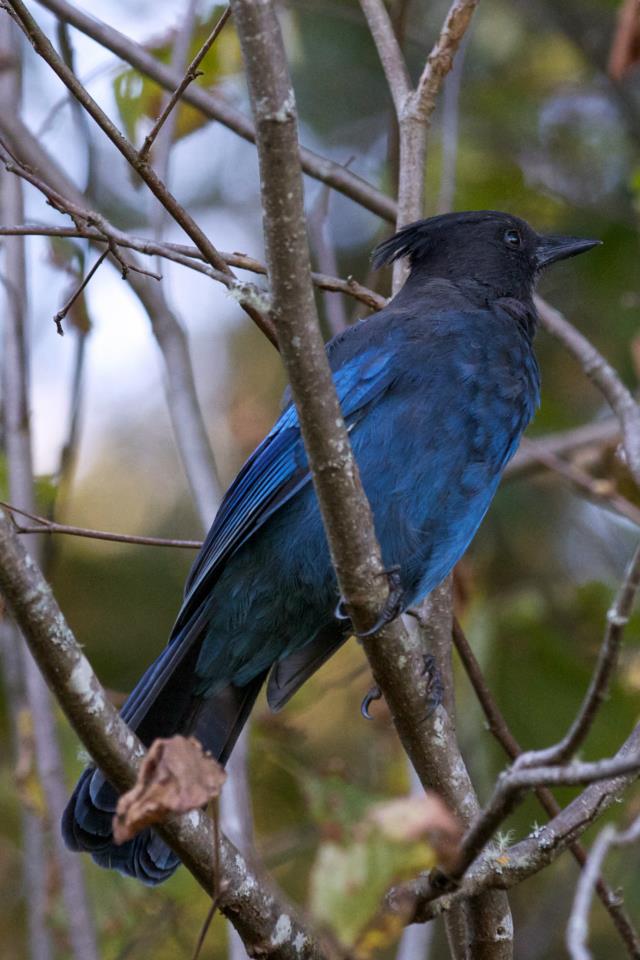
The usual day-long symphony of birdsong is replaced by shotguns popping, in addition to hawks and eagle chittering, the occasional dog barking, while the bluejays and squirrels argue over the last of the filbert nuts.
In the clear cold evenings, when coyotes aren’t howling in the moonlight, the owls hoot to each other across the fields from one patch of woods to another, their gentle resonant conversation echoing back and forth.
The horses confined to their stalls in the barns snort and blow as they bury their noses in flakes of last summer’s bound hay.
Yet today felt different – today, with unseasonably spring-like temperatures in early February, things feel about to change.
As yet, there have been no birdsong arias. I am bereft, listening for their blending musical tapestry waking me at 4 AM in the spring. And soon, the peeper orchestra from the swamps will rise and fall on the evening breeze.
It has been too, too quiet. I long for the music to return, not just the surround-sound of gunshot percussion, which is no melody at all.
I listen intently for early morning and evening serenades to return. It won’t be long.
One-Time
Monthly
Yearly
Make a one-time or recurring donation to support daily Barnstorming posts



















 Barnstorming